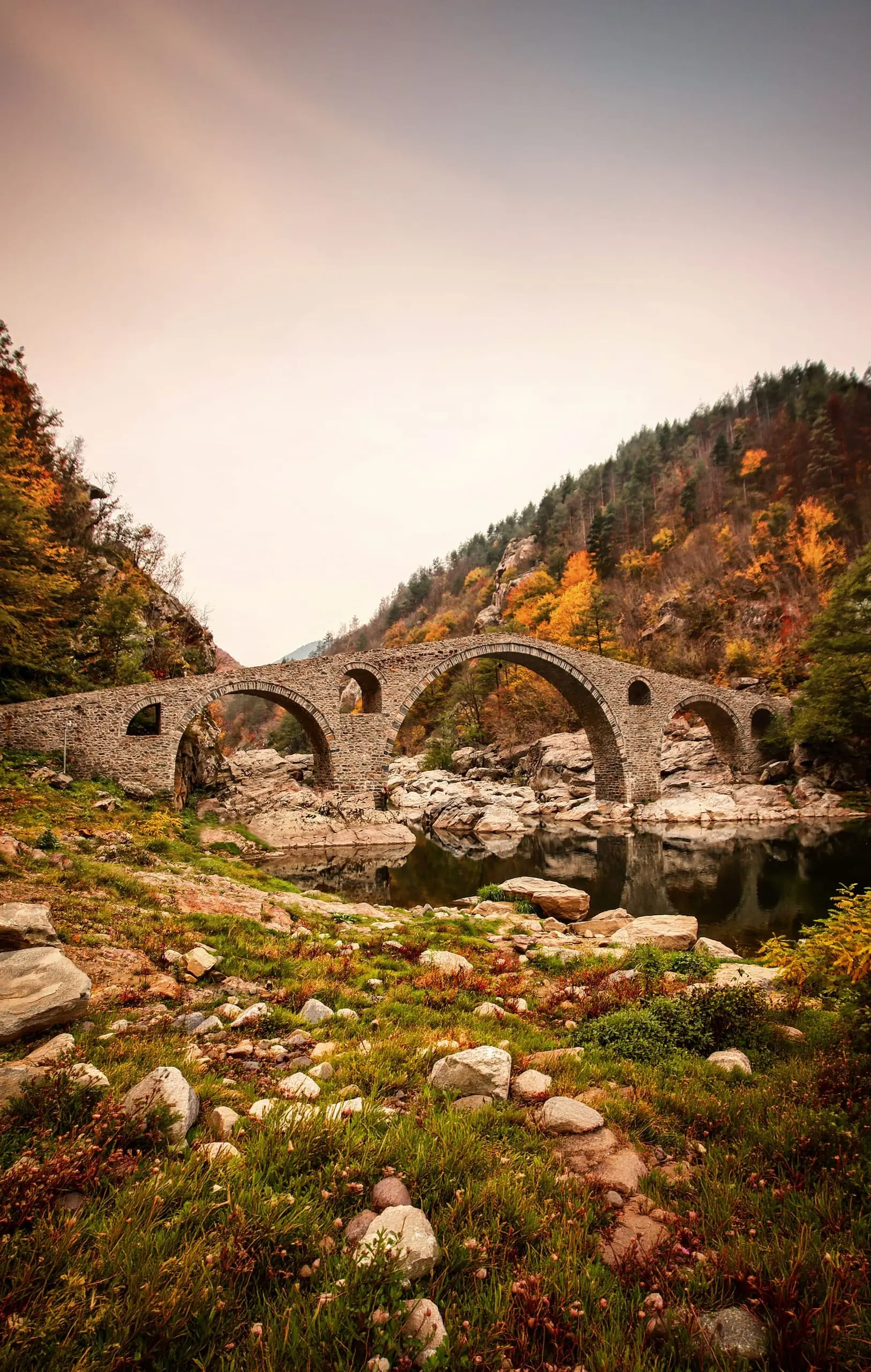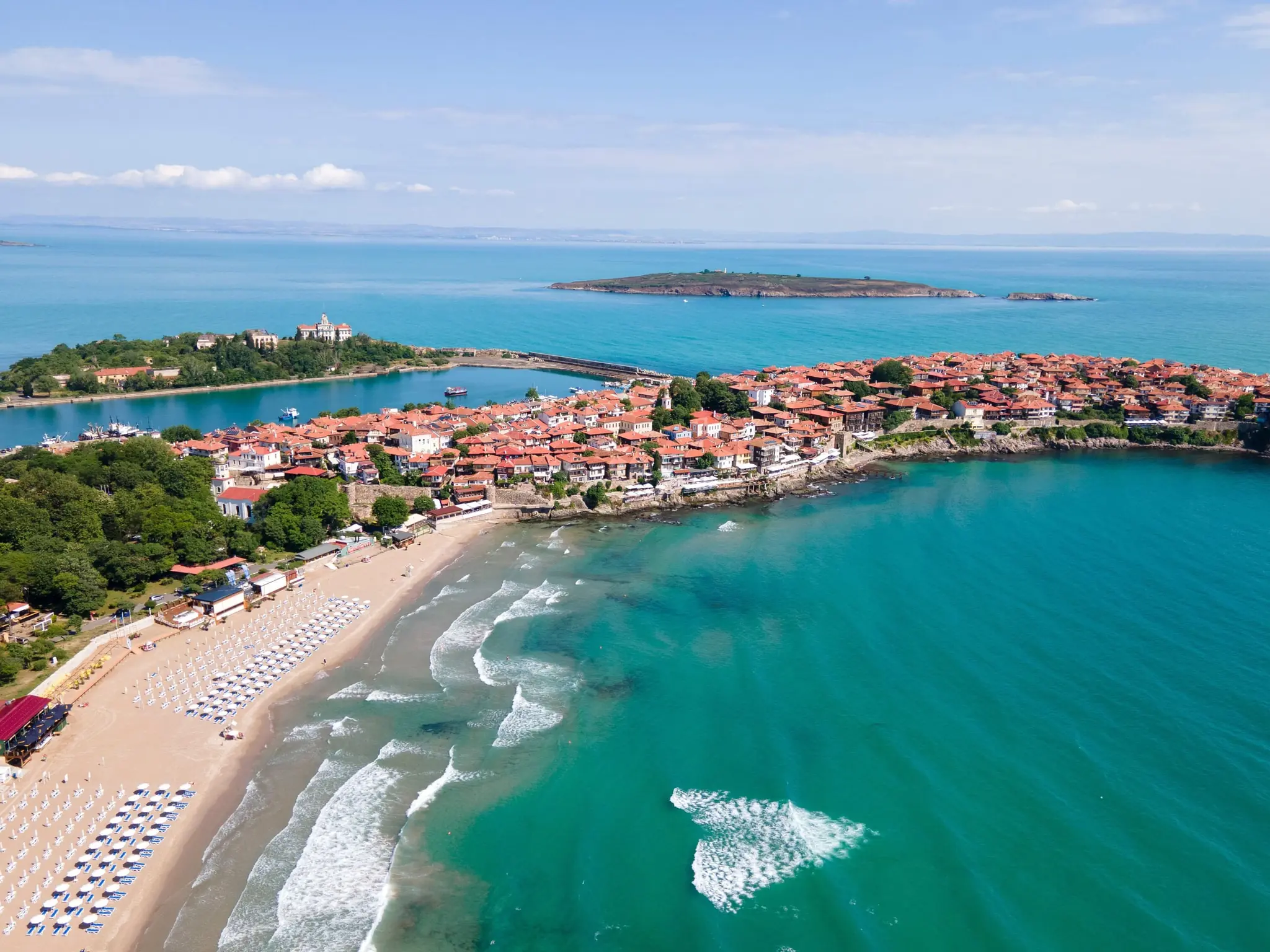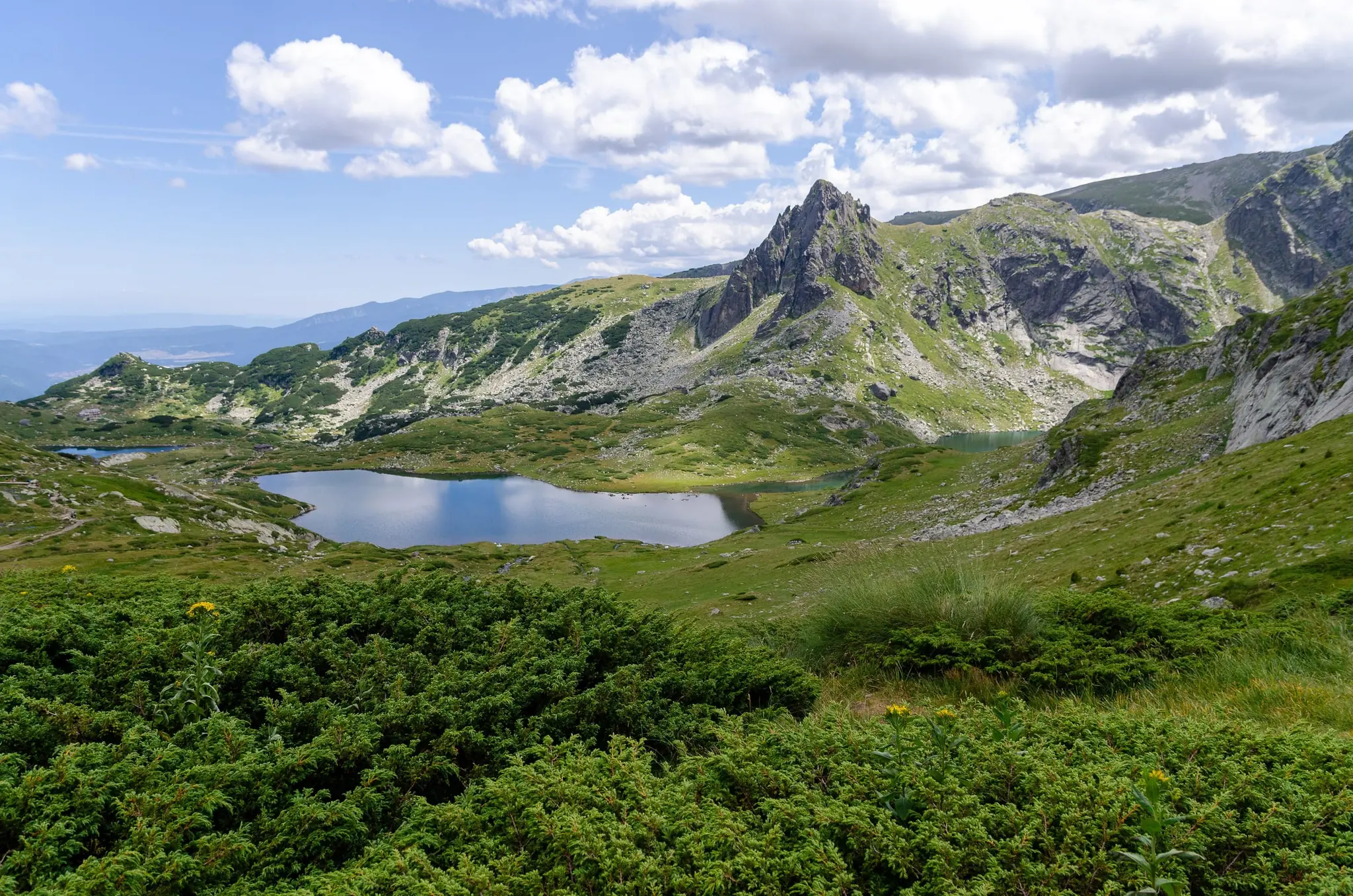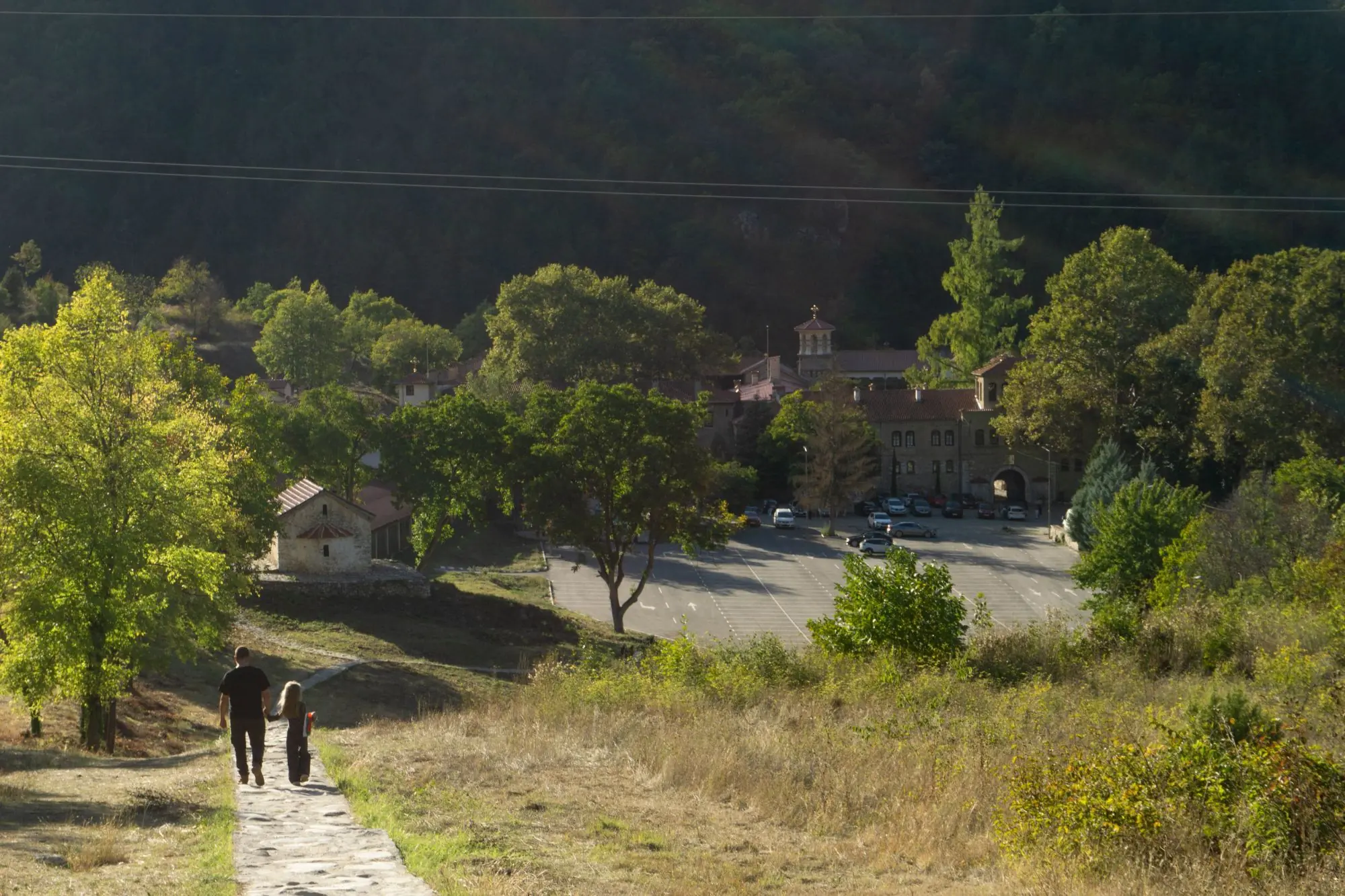
Eat a flaky cheese banitsa for breakfast in Sofia, and by lunchtime you can be standing beside a glacial lake under the Rila peaks, or sitting on stone seats in a Roman theatre in Plovdiv that was old when the Ottomans arrived. Bulgaria is a country of about 111,000 square kilometres that you can cross by road in roughly six to seven hours, and it packs in far more than its size suggests: Thracian gold, the Cyrillic alphabet, the highest mountains in the Balkans, 378 kilometres of Black Sea coast, rose fields, wine villages, and 3,000 years of empires stacked on top of each other.
This guide is designed to be your ultimate companion for exploring Bulgaria, whether you’re travelling solo, with friends, or as a family. Inside, you’ll find everything you need in one place: entry rules and money, connectivity and packing, transport by train, bus and car, regional breakdowns, cultural etiquette, seasonal advice, and the festivals worth planning a trip around.
We’ve also included must-visit highlights and food and drink recommendations—so you can plan your trip with confidence and make the most of every moment. Whether it’s a monastery at dawn, a hike above the treeline, a long mehana dinner with a jug of local wine, or a lazy week on the Black Sea, this guide has you covered from start to finish.
Get ready to explore Bulgaria with curiosity, an appetite, and a few words of Cyrillic.
Good to know: Prices, opening hours and transport details in this guide were checked in October 2026. They change often, and some things are in flux right now—the switch to the euro, border and entry-system rules, and train timetables in particular—so confirm on the official websites before you go.
Before You Go
Bulgaria is a member of the European Union and of the Schengen area, and it changed its currency on 1 January 2026. For most visitors that makes the trip simpler than it has ever been—but it also means older guidebooks, forum posts and blogs are out of date in several places. Sort the basics below before you fly.
Currency
Euro (€)
Since 1 January 2026
Emergencies
112
Police, ambulance, fire
Plugs
230 V
Type C and F; UK and US visitors need an adapter
Visa-free stay
90 days
In any 180 days, for many nationalities
Entry Requirements
| Who you are | What you need |
|---|---|
| EU, EEA (Iceland, Liechtenstein, Norway) and Swiss citizens | A valid passport or national ID card, under free-movement rules. No visa and no registration for a normal holiday. |
| UK, US, Canada, Australia, New Zealand and many other nationalities | No visa for up to 90 days in any 180-day period. Check your own passport on the official Bulgarian Ministry of Foreign Affairs site. |
| Anyone planning a longer European trip | Time spent in Bulgaria now counts towards the Schengen 90/180 limit: 90 days in total across all Schengen countries within any rolling 180-day window, not 90 days per country. That matters most if you combine Bulgaria with a long stay elsewhere in Europe. |
| Non-EU visitors | Check the current status of the EU’s Entry/Exit System and the planned ETIAS pre-travel authorisation on the official EU travel site, as start dates have moved before. |
Bulgaria joined Schengen for air and sea borders on 31 March 2024 and for land borders on 1 January 2025. In practice, crossing from Greece or Romania no longer involves routine passport checks.
The borders with Turkey, Serbia and North Macedonia are different: they remain external EU borders, with full controls and, at the Turkish crossing in particular, long lorry queues.
Romania is reached across the Danube, at bridges such as Ruse–Giurgiu and Vidin–Calafat.
Money and the Euro
- The lev is no longer legal tender (€1 = 1.95583 leva), and prices are in euros only, though older guidebooks, menus and websites may still quote leva.
- Cards are accepted almost everywhere; carry some cash for villages, huts and small family-run mehanas.
- ATMs are plentiful in towns. If a machine or terminal offers to charge you in your home currency, decline and pay in euros.
- Tipping is optional: around 10% in restaurants if service isn’t included, and rounding up for taxis.
- Prices are among the lowest in the EU, but Sofia, the Black Sea in summer and ski resorts in peak weeks cost noticeably more.
Packing for Bulgaria
- Layers for the mountains, any month of the year. Musala, at 2,925 m the highest peak in the Balkans, can see snow at almost any time, although August is usually clear.
- Sturdy walking shoes or boots—cobbled Old Towns are pretty and unforgiving.
- A sun hat and swimsuit for summer, and a light jacket even then for cool evenings in the hills.
- A plug adapter (Type C/F) and a small float of euro cash.
For monasteries: shoulders and knees are expected to be covered. Some sites lend a wrap, but bring your own to be sure.
On the Ground
A few things that help once you have landed: getting online, reading the signs and staying safe.
Staying Connected
EU roaming applies to SIM cards from EU countries. Bulgaria’s three main operators are A1, Vivacom and Yettel, and tourist prepaid SIMs and eSIMs are easy to find and good value. Expect fast 4G or 5G in cities and along main roads, with patchy coverage in high mountains and some Rhodope valleys. Cafés and hotels almost always have free Wi-Fi.
Language and a Cyrillic Survival Kit
Bulgarian is written in Cyrillic, and since Bulgaria joined the EU in 2007 it has been the Union’s third official alphabet after Latin and Greek.
Motorway and city signs usually carry a Latin transliteration; many village signs do not.
Ten letters go a long way: Р is R, Н is N, В is V, С is S, П is P, Х is KH, Ч is CH, Ш is SH, Ж is ZH and Б is B. So ПИВО is PEE-voh—beer.
English is widely spoken by people under forty in cities and resorts. In the countryside it is patchier, and older people are often more comfortable in German or Russian. A little Bulgarian goes down very well:
| Bulgarian | Say it | Meaning |
|---|---|---|
| Здравейте | zdrah-VAY-teh | Hello |
| Добър ден | DOH-bur den | Good day |
| Моля | MOH-lyah | Please / you’re welcome |
| Благодаря | blah-goh-dah-RYAH | Thank you |
| Да / Не | dah / neh | Yes / no |
| Извинете | eez-vee-NEH-teh | Excuse me / sorry |
| Сметката, моля | SMEHT-kah-tah, MOH-lyah | The bill, please |
| Наздраве! | nahz-DRAH-veh | Cheers! |
Staying Safe
Bulgaria is generally safe for visitors, with low levels of violent crime. The common-sense list is short.
- Pickpockets work crowded trams and the metro in Sofia, the area around the main train station, and busy beach resorts.
- Taxis: look for a clearly marked car from a reputable local company rather than taking one outside a station, where overcharging is the usual problem.
- Roads are the biggest real risk: aggressive overtaking, uneven surfaces on secondary roads, and stray dogs in villages.
- Ticks are common in grass and forest from spring to autumn, and dry summers bring wildfire risk. Bears and wolves live in the mountains, but encounters with hikers are rare; keep food packed away at huts.
In the mountains: the weather changes quickly. Tell someone your plan, carry layers, and call 112 in an emergency.
Getting Around
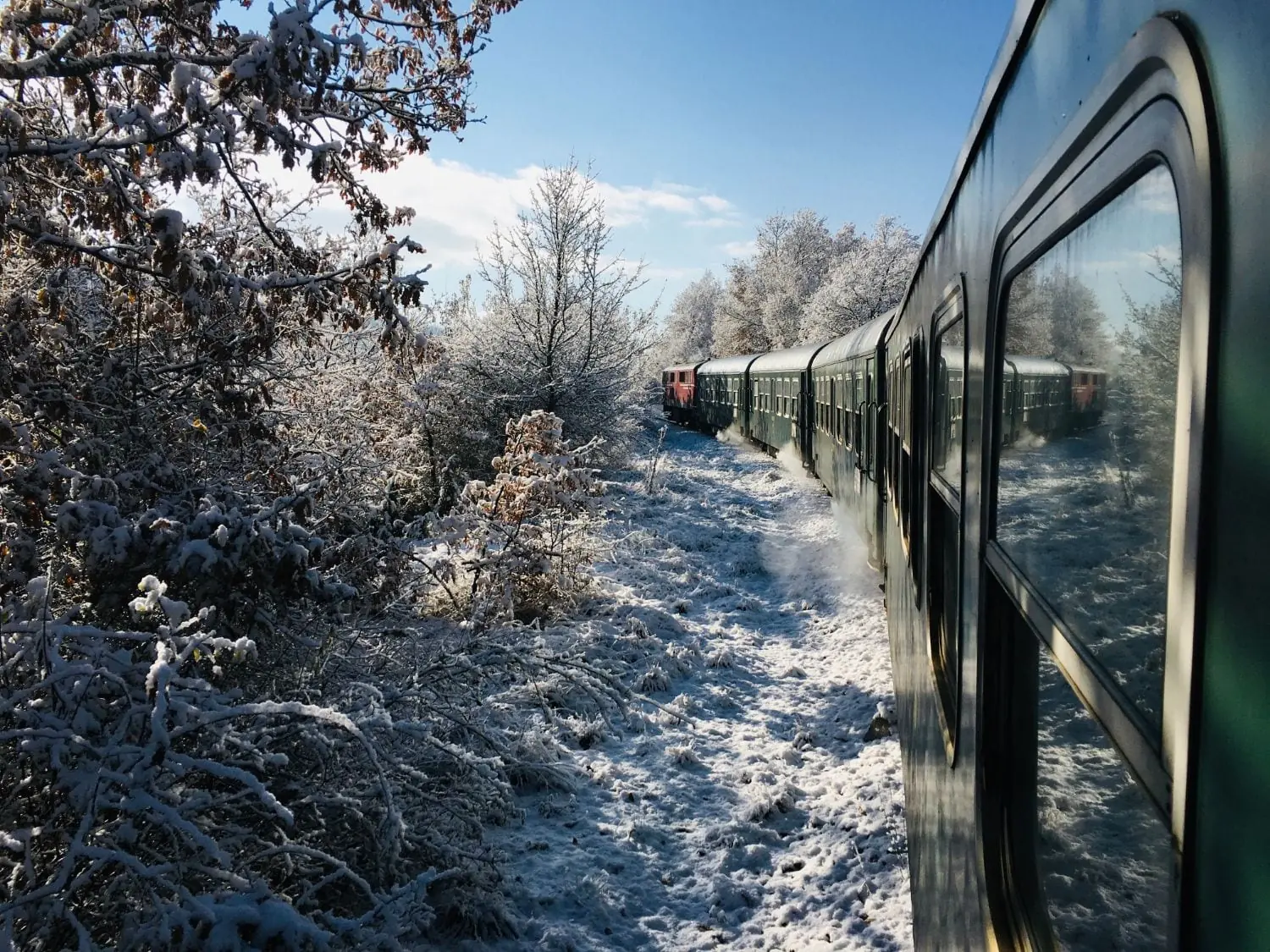
Bulgaria is compact and road-centred. Trains are cheap but old and slow; buses fill the gaps and are often the faster choice; and a car is the only way to reach many villages, trailheads and monasteries comfortably.
Trains
Cheap, slow
Old trains, few fast routes
Coaches
Usually faster
Most towns and the coast
Flights
Very few
Sofia to Burgas and Varna
Car
Most freedom
Villages, trailheads, monasteries
Trains and Buses
Trains are cheap but slow and old; coaches are usually faster and go where the railway doesn’t. Train fares are from BDZ’s online timetable (October 2026) and coach fares from Union Ivkoni, BusExpress and oBilet (early November 2026). All of them vary by day and hour.
| Route | Train: fastest, fare from | Coach: typical, fare from |
|---|---|---|
| Sofia–Plovdiv | 2 h 40, about €5.60 | about 2 h, about €9.50 |
| Sofia–Veliko Tarnovo | 4 h 30 with a change at Gorna Oryahovitsa, about €9 | about 3 h 15, about €14 |
| Sofia–Burgas | 5 h 50, about €12 | 5 h 30–7 h, about €18 |
| Sofia–Varna | 7 h 40 with a change (8 h 40 direct), about €15 | 6 h 30–7 h 30, about €18.50 |
| Sofia–Bansko | no direct train | about 3 h 10, about €13 |
| Plovdiv–Burgas | 3 h 55 direct, about €8.70 | 4 h 15–4 h 55, about €14 |
| Plovdiv–Varna | 5 h 50 direct, about €11.25 | no direct coach |
| Plovdiv–Veliko Tarnovo | 4 h 15 with a change, about €7.60 | no direct coach |
| Plovdiv–Asenovgrad (for Bachkovo) | 26 min, about €0.80, hourly | — |
| Varna–Veliko Tarnovo | 3 h 55 direct (one morning train), about €8.40 | 3 h 30–4 h 10, about €13.50 |
| Varna–Burgas | 3 h 10 with a change at Karnobat, about €6.30 | about 2 h 20, about €11 |
| Varna–Golden Sands | no train | city bus 409, about €1–1.30, summer service |
| Burgas–Sozopol | no train | about 45 min, hourly, about €3.40 |
| Burgas–Sunny Beach | no train | about 55 min, about €4.50 |
| Burgas–Nessebar | no train | about 1 h, about €4.50, from Burgas South station; frequent in summer, fewer in winter |
The big exception is the Rhodope narrow-gauge line from Septemvri to Dobrinishte, near Bansko. At present it runs four trains a day each way and takes about 4 h 30 end to end (€4.29), climbing to 1,267 m—among the highest narrow-gauge lines in Europe. It is a slow, beautiful day out, not a way to get anywhere. Check which sections are running before you plan around it.
Sofia has several bus stations, so check which one your coach leaves from. There is no public bus to Rila Monastery: go on a tour, take a taxi from Blagoevgrad, or drive.
Where to book:
- BusExpress: busexpress.bg/en, many companies, English site
- oBilet: obilet.com/en, compare prices; good for coastal buses
- Union Ivkoni: union-ivkoni.com/en, often a little cheaper on its own routes
- Sofia Central Bus Station: centralnaavtogara.bg, Sofia departures
- BDZ timetable: razpisanie.bdz.bg, trains
The coach sites all take card payments. Sites that sell for several companies show list prices, which can be a little higher than a company’s own site.
Tip: Bulgaria’s railway system is very old, and we don’t recommend relying on it. If you can, rent a car: it is faster, more flexible, and the only comfortable way to reach many of the places in this guide. Use buses where you would rather not drive.
Domestic Flights and Airports
Sofia (SOF) is the main airport. Varna (VAR) and Burgas (BOJ) are busy with summer charters and low-cost flights, and Plovdiv (PDV) has a more limited schedule. Domestic flights between Sofia and the coast are few, with extra summer flights, and rarely beat a coach or car door-to-door. Transfers from Sofia to Bansko take roughly two and a half to three hours.
The routes most visitors need:
- Sofia–Burgas: about 50 minutes with Bulgaria Air, with the most flights in summer. Check the winter timetable before you plan around it.
- Sofia–Varna: also Bulgaria Air. It flies all year, but only a few times a week in winter and more often in summer.
- Varna and Burgas to Europe: low-cost and charter flights, mostly in summer, from airlines such as Wizz Air, Ryanair and Jet2 to London, German cities, Warsaw, Budapest and Rome.
- Plovdiv: no domestic flights. In recent seasons Ryanair has flown to London, Manchester, Birmingham and Milan, with charters added for the ski season.
Schedules change every season, so check the airline websites before booking.
Find your flight to Bulgaria
Compare flights to and from Sofia, Varna, Burgas and Plovdiv on our flight search.
Search flightsDriving and the Vignette
Drive on the right. Overtake on the left.
Almost every road outside the cities needs a vignette, an electronic road-use permit tied to your licence plate.
If you bring your own foreign-registered car, buy one before you set off, online at the official bgtoll.bg site, at petrol stations or at post offices. Driving without one risks a heavy fine, enforced by cameras.
Hire cars: a hire car from a Bulgarian company normally already has a vignette, but check with the company.
| Validity | Price for a car (up to 3.5 t) |
|---|---|
| One day | €5.30 |
| Weekend | €6.60 |
| One week | €10.00 |
| One month | €19.90 |
| Three months | €35.90 |
| One year | €64.50 |
These are the prices since 1 August 2026, when they rose by about 30%. Check the current prices on the official site before you buy.
In towns
50 km/h
Outside towns
90 km/h
Motorways
130 km/h
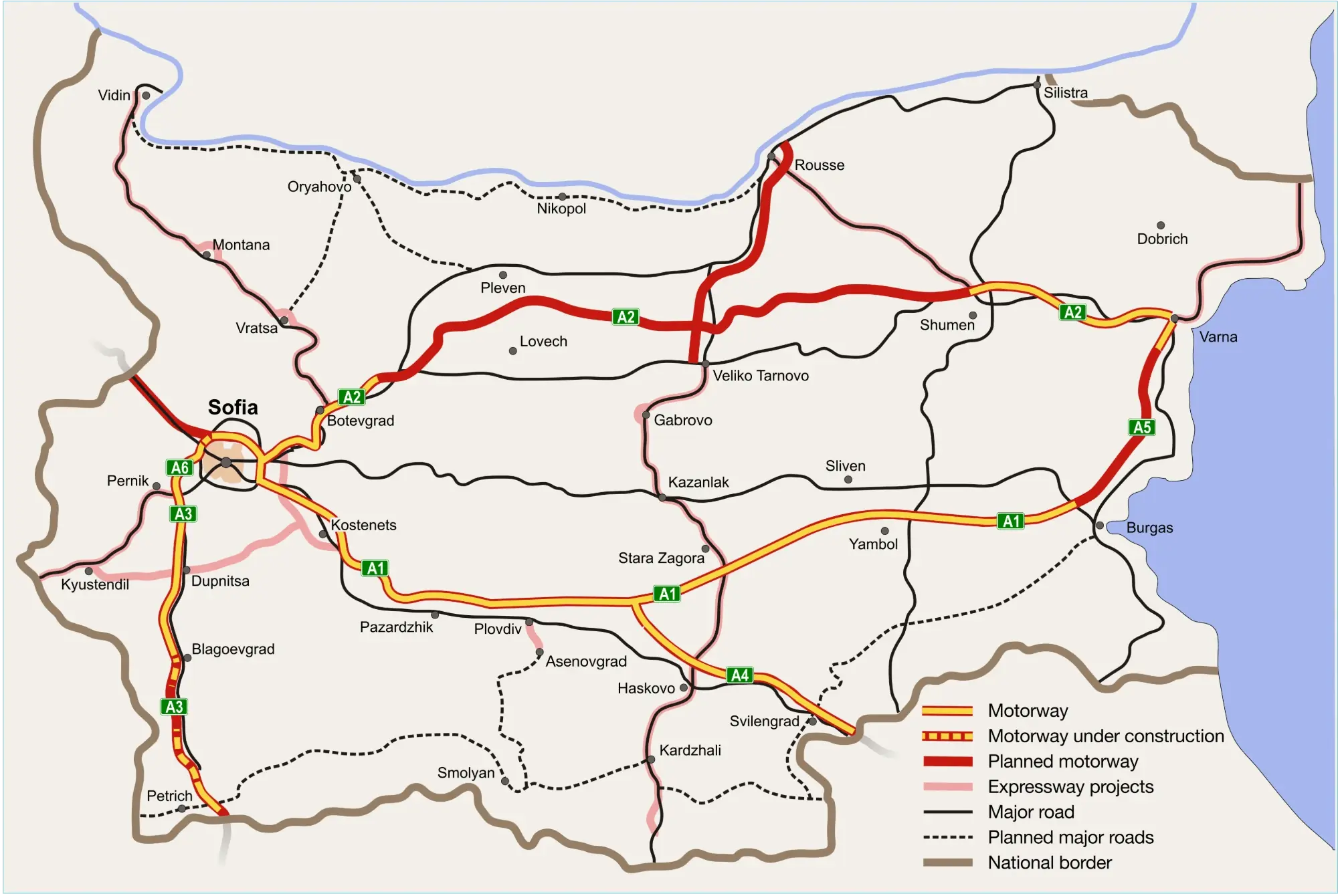
- Main motorways: the Trakia (A1) runs from Sofia through Plovdiv towards Burgas, and the Hemus (A2) heads towards Varna. The Struma (A3) towards Greece is still partly unfinished, so check the route.
- Winter rules on tyres, chains and lights apply in the cold months. Check the current requirements and your hire company’s policy.
- Car hire is cheap by European standards. Watch for one-way fees, and ask before taking a hire car to Turkey, Serbia or North Macedonia.
- Licences: EU licences are fine. Visitors from other countries should check whether an International Driving Permit is required.
Pacing tip: secondary and mountain roads are slower than the map suggests. Add around 25% to any estimate, avoid last-minute drives into the mountains in winter, and for the ski towns book a shuttle or transfer rather than driving yourself.
Top Highlights
Bulgaria’s greatest hits are spread across the country, so treat this as a menu rather than a checklist—pick a few and give them proper time.
Source: Pexels Rila Monastery
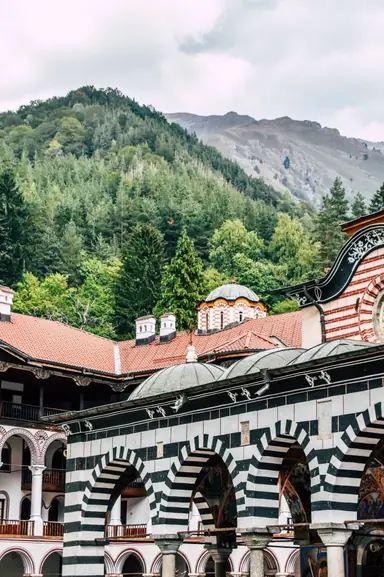
Bulgaria’s best-known monastery sits in a forested valley in the Rila Mountains, founded in the tenth century by followers of the hermit St Ivan of Rila. Most of what you see was rebuilt in the nineteenth century, with striped arcades and vivid frescoes. Hrelyo’s Tower, from the fourteenth century, is the oldest surviving part. It is a UNESCO World Heritage Site, roughly two hours by road from Sofia.
More information
Opening times:Museums daily – 08:30–16:30Church-Historical Museum, 1 June–30 September – until 19:30
Admission:Combined ticket for all the museums – €12English-language guided tour – €15Grounds and church – check the official website
Website: Visit Website
*Go early to avoid the tour-bus crowds. Dress modestly (no shorts or vests); no photography in the church or museum.
Source: Pexels Seven Rila Lakes
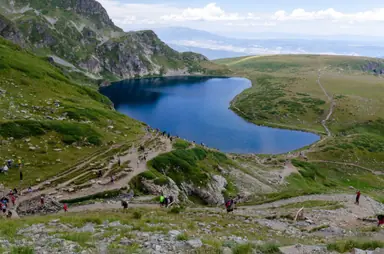
A chain of glacial lakes in the Rila Mountains, each at a different level and each with its own name and character. A seasonal chairlift from the Panichishte side takes the first climb out of the walk, leaving a circular route of a few hours with views across the whole cirque. The lakes are generally ice-free from around late June to early October. Rila Monastery is a separate trip.
More information
Opening times:Chairlift – seasonal, generally in summerCheck before you go
Admission:Trail – freeChairlift – paid
Website: Visit Website
*Mountain weather turns quickly—carry layers and waterproofs even on a clear morning.
Source: Pexels Alexander Nevsky Cathedral, Sofia
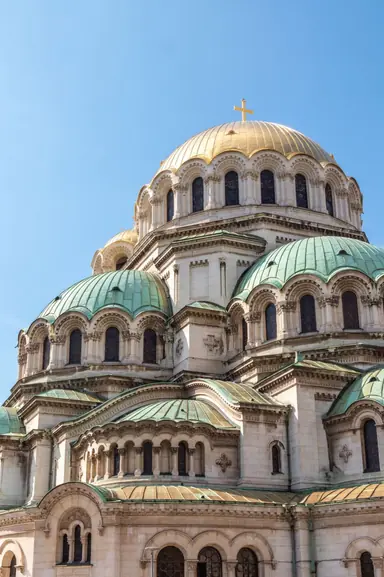
The gold-domed neo-Byzantine landmark of the capital was built in the decades after the 1877–78 Russo-Turkish War that freed Bulgaria from Ottoman rule, as a memorial to the Russian soldiers who died. Construction ran from 1882 to 1912. Inside, the vast interior is dim, painted and hushed. A crypt museum below holds a collection of icons, and the square outside is a fine place to start a walking tour of the old centre.
More information
Opening times:Crypt museum, Tuesday–Sunday – 10:00–18:00 (ticket office until 17:30)Mondays – closedCathedral – check its own hours
Admission:Cathedral – freeCrypt museum, adult – €10Crypt museum, students and seniors (65+) – €4Crypt museum, every Thursday – €2
Website: Visit Website
*It is a working church: dress modestly and check signs on where photography is allowed.
Source: Pexels Plovdiv Old Town and the Roman Theatre
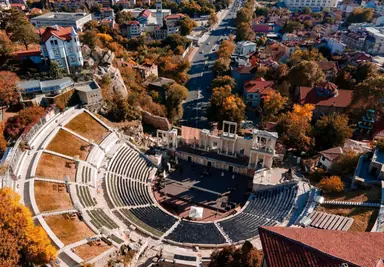
Plovdiv is one of Europe’s oldest continuously inhabited cities, and was European Capital of Culture in 2019. The Roman theatre, built into the hillside around the first or second century AD, still hosts concerts. Around it climb cobbled streets of National Revival houses with overhanging upper floors. Come down at dusk to Kapana, where craft studios turn into cafés and bars.
More information
Opening times:Theatre, April–October – daily 09:30–18:00Theatre, November–March – daily 09:00–17:30Break – 12:30–13:00
Admission:Theatre – about €3.58 adult / €1.53 studentOld Town streets – free
Website: Visit Website
*Wear shoes with good grip—the hill’s cobbles and old stone steps are slippery when wet.
Source: Pexels Veliko Tarnovo and Tsarevets
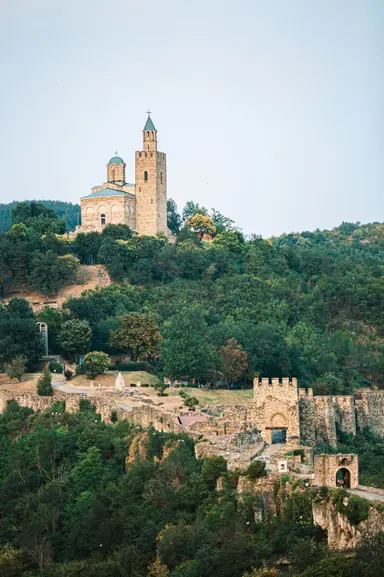
Medieval Tarnovo was the capital of the Second Bulgarian Empire, and its fortress of Tsarevets still crowns a hill in a loop of the Yantra river. The empire rose in 1185 and reached its height under Tsar Ivan Asen II, before falling to the Ottomans in 1393. Walk the ramparts, then browse the craft workshops on Samovodska Charshia, and look down on the Yantra from the hill. At the top stands the restored Patriarchal Church.
More information
Opening times:April–September – daily 08:00–20:00October – daily 09:00–18:00November–March – daily 09:00–17:00Last entry – one hour before closing
Admission:Adult – €7.67 / Student – €3.07Free – on the museum’s free days, including the last Thursday of each month
Website: Visit Website
*The paths are steep and uneven; allow two to three hours and bring water in summer.
Source: Pexels Nessebar Old Town
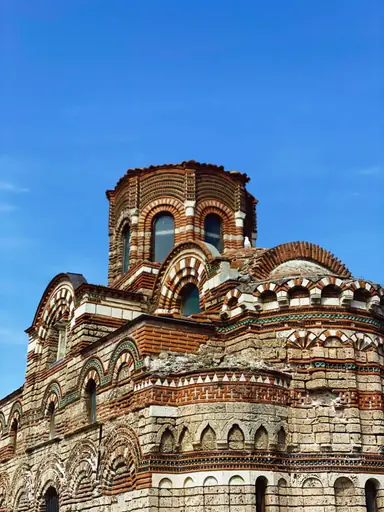
A small rocky peninsula joined to the mainland by a narrow causeway, Nessebar began as a Thracian settlement that became the Greek colony of Mesembria and is a UNESCO World Heritage Site. Medieval churches, ruined and intact, including the 13th–14th-century Church of Christ Pantocrator, stand among wooden houses and cobbled lanes. The peninsula is crowded in July and August; spring and September are calmer.
More information
Opening times:Old Town – open accessChurches and museums – hours vary, so check ahead
Admission:Old Town – freeChurches – entry may require tickets
Website: Visit Website
*Visit out of season or early in the day to avoid the busiest summer crowds.
Source: Visit Plovdiv Koprivshtitsa
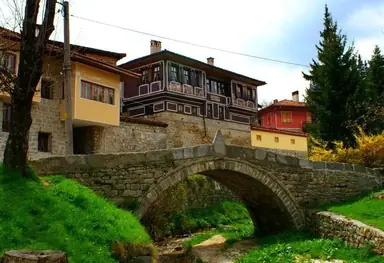
A museum-town in the hills, famous for its brightly painted National Revival houses with carved ceilings and bay windows. It is also where the April Uprising against Ottoman rule began in 1876, which makes the cobbled streets feel quietly significant. Visit two or three house-museums, cross the little stone bridges, and linger over lunch in a garden. It is a day trip from Sofia.
More information
Opening times:Houses – generally 09:30–17:30Closing days – some close on Mondays or Tuesdays, so check which are open
Admission:One house – about €3Combined ticket for all six – about €7.70Tickets – sold locally
Website: Visit Website
*Weekends and national holidays are busier; a weekday visit feels calmer.
Source: Park Hotel Pirin Melnik and Rozhen
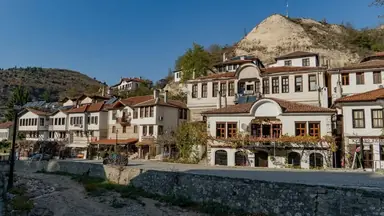
Melnik is often described as Bulgaria’s smallest town, with fewer than two hundred residents hemmed in by pale sandstone pyramids. Its wine culture is old: cellars are dug deep into the rock, and the Kordopulov House is a Revival mansion with a large cellar. Nearby, Rozhen Monastery sits in the hills above the valley. Come hungry, stay for a tasting, and linger over a long lunch.
More information
Opening times:Kordopulov House, May–September – 7 days a weekKordopulov House, March, April, October and November – Wednesday–SundayKordopulov House, December–February – Thursday–SundayDaily clock times – not published online, so ask the house
Admission:Kordopulov House – €5Tasting packages there – from €14Other cellars – set their own prices
Website: Visit Website
*The roads from Sandanski and Bansko are scenic but slow, so allow time.
Source: Pexels Belogradchik Rocks and Fortress
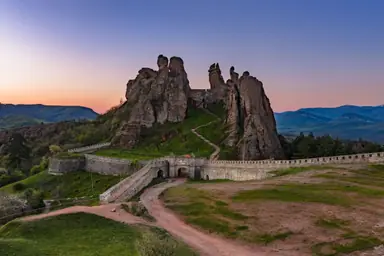
In the remote north-west, red sandstone towers rise out of the forest in shapes that locals have named after people and animals. A fortress, begun by the Romans and extended by later rulers, has been built right into the rock. It is spectacular at sunset. Nearby Magura Cave has prehistoric paintings, and the Danube town of Vidin, with its Baba Vida fortress, makes a natural stop.
More information
Opening times:Fortress:Open daily, last entry one hour before closing1 May–14 September – 09:00–20:00April and 15–30 September – 09:00–19:00October – 09:00–18:00November–March – 09:00–17:00Magura Cave:April–October – 09:00–19:00November–March – 09:00–17:00
Admission:Fortress – €7.67 adult / €6.14 studentMagura Cave – €7.16 adultCombined ticket – €12.27
Website: Visit Website
*The north-west is far from the main routes, so plan at least one overnight stop.
Source: Anthony Georgieff Valley of the Thracian Kings
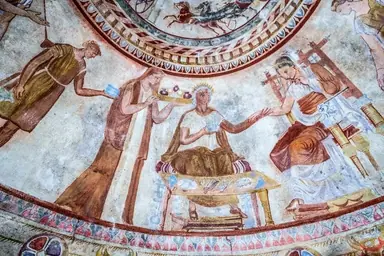
Around Kazanlak, in the Rose Valley, burial mounds hold some of the finest relics of the Thracians, who lived here more than 2,000 years ago. The painted dome of the Tomb of Kazanlak is a UNESCO World Heritage Site, but the original is closed to protect it, and visitors see an excellent replica. Nearby tombs and, farther south, Starosel reward the detour. Pair it with the rose fields in late May and June.
More information
Opening times:Kazanlak tomb replica – daily 09:00–17:00Iskra Museum – daily 09:00–17:30
Admission:Replica tomb – €3 adult / €1 student / €2 seniorOther local tombs – same pricesIskra Museum – €4
Website: Visit Website
*The original Kazanlak tomb is not open to ordinary visitors; the replica is the way to see it.
Source: 3 Seas Europe Madara Rider
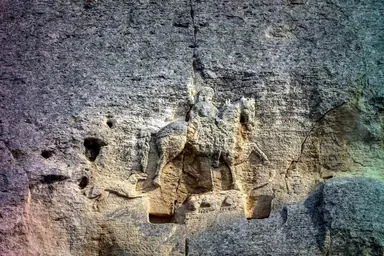
A huge relief carved into a sheer cliff in north-eastern Bulgaria shows a horseman spearing a lion. It dates from around the turn of the eighth century, in the early years of the First Bulgarian Empire, and is a UNESCO World Heritage Site. Greek inscriptions beside it record the deeds of early khans. A stairway climbs towards the relief, about 23 metres above the ground, in the Madara Plateau reserve near Shumen.
More information
Opening times:1 April–31 October – daily 08:30–19:00Winter hours – check the official website
Admission: Adult – €3.58 / Senior – €2.56 / Student – €1.53
Website: Visit Website
*The relief is high on the cliff and worn by time, so bring binoculars or a zoom lens, and allow time for the stairs.
Source: Tripadvisor Shipka Memorial
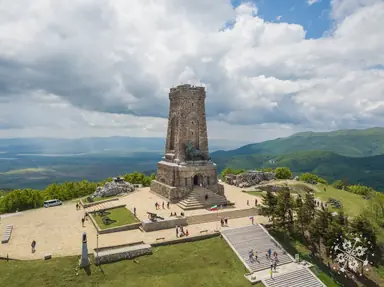
The Shipka Pass in the Balkan range was the scene of fierce fighting in 1877, when Russian soldiers and Bulgarian volunteers held the pass during the Russo-Turkish War that led to Bulgaria’s liberation. A tall stone monument on Stoletov Peak commemorates it, reached by about 890 steps, and the golden-domed Shipka Memorial Church stands in the valley below. On a clear day the view stretches across the Stara Planina.
More information
Opening times: Park and other memorials – accessible, depending on the weather
Admission: Park and memorials – no fee or hours listed on the official site, so check before you go
Website: Visit Website
*The monument’s interior is closed for restoration from 3 September 2026 to September 2029.
*The mountain weather can be cold and misty even in summer, so bring a jacket and check conditions before you climb.
Source: Etar Open-Air Museum Gabrovo and Etar
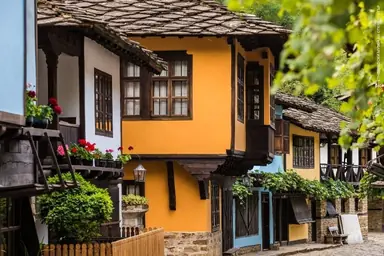
Gabrovo is a Balkan-foothill town with a reputation for humour, and its House of Humour and Satire shows jokes and cartoons from around the world. Just outside Gabrovo, the Etar open-air museum recreates a Revival-era town, with craft workshops where potters, woodworkers and other masters still work, and water installations such as a mill still run. It is a good stop on the way between Sofia and the Black Sea, or from Veliko Tarnovo.
More information
Opening times:Etar:End of April–September – daily 09:00–19:00October–April – daily 09:00–17:00House of Humour:Daily 09:00–18:00Closed on Mondays from November to March
Admission:Etar – adult €7 / senior €4 / student €3House of Humour – adult €6 / student €3
Website: Visit Website
*Allow half a day for Etar, and try to go on a weekday, when the workshops are less crowded.
Source: National Historical Museum Boyana Church, Sofia
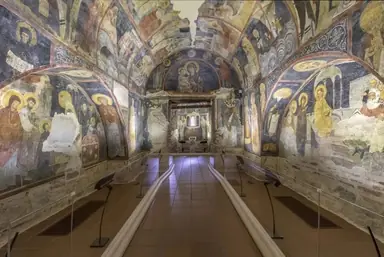
On the edge of the capital, below Vitosha, this small medieval church holds frescoes from 1259 that are among the finest in the Balkans, and it is a UNESCO World Heritage Site. The paintings show people with a lifelike quality that was unusual for the period, including the church’s donors. Visits are limited to small groups for a short time, to protect the frescoes, so it fits easily into a morning in Sofia.
More information
Opening times:April–October – daily 09:30–18:00November–March – daily 09:00–17:30
Admission:Adult – €10 / Student – €3Free – last Monday of the month from 15:00, and on a few set days
Website: Visit Website
*Only nine visitors are allowed in at a time, for about ten minutes, so expect a short queue in busy months; individuals do not need to book.
Regions & Cities to Explore
Bulgaria divides loosely into the capital and its mountains, the Thracian plain in the south, the Balkan range running east to west across the middle, and the sea to the east. Plan around a few bases rather than a new bed every night; distances look small on the map and take longer than you expect. Many of these places have a dedicated guide, so we have kept each section short.
Sofia – The Capital at the Foot of Vitosha
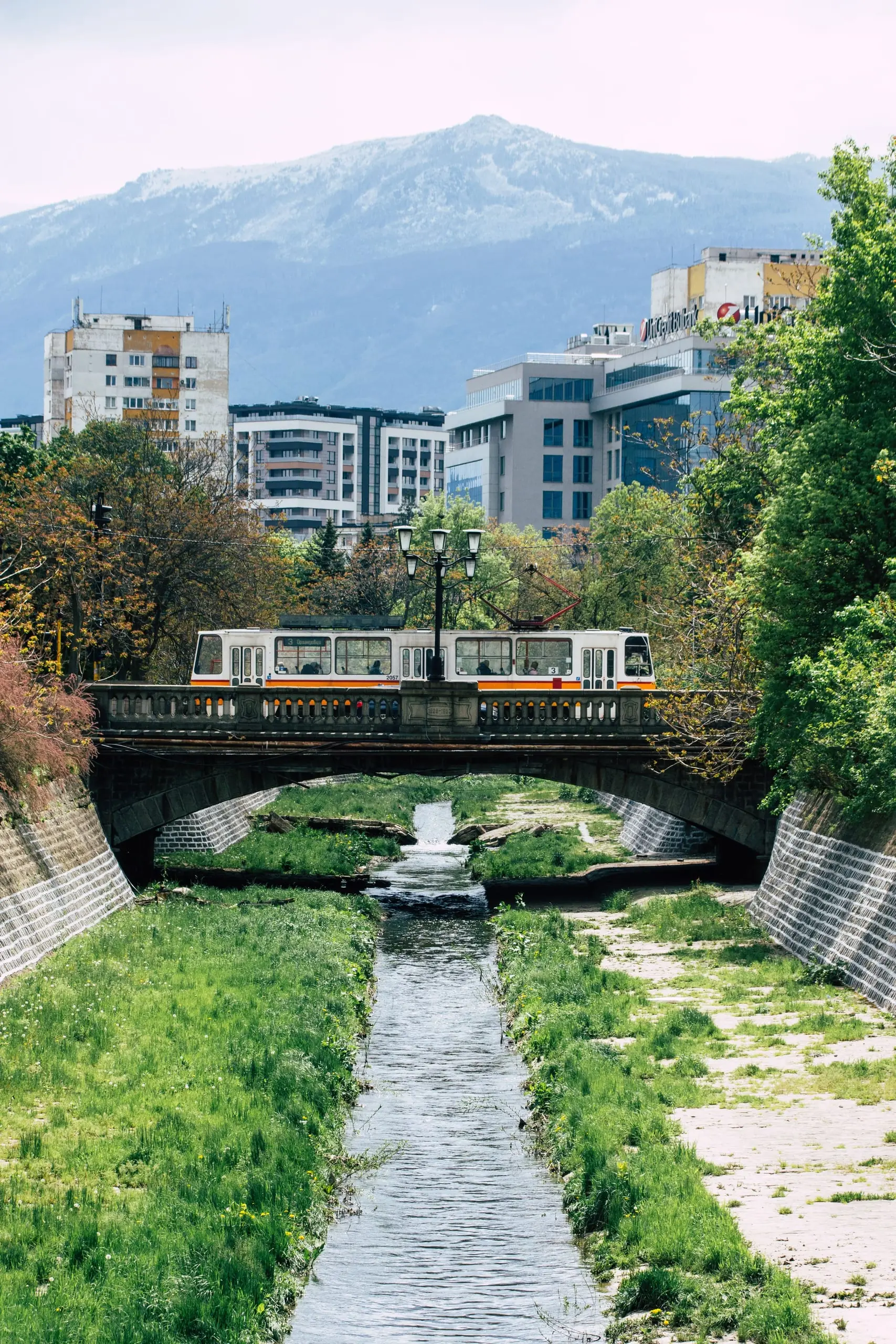
Sofia does not try to impress at first glance, but the longer you look, the more layers you find. Roman walls stand beside communist-era concrete, Orthodox domes beside Ottoman mosques, and Vitosha rises at the end of the main boulevard.
Start at Alexander Nevsky Cathedral, then head to the Boyana Church on the city’s edge. The tiny medieval church is a UNESCO site, and its thirteenth-century frescoes show faces that look startlingly alive.
Sofia also makes an easy base: Vitosha is a metro-and-bus ride away, and the free walking tours are a simple way to find your feet in the centre. It is where Vasil Levski, the national hero known as the Apostle of Freedom, was hanged in 1873. For neighbourhoods, food and a day-by-day plan, turn to our Sofia guide.
Plovdiv – The Old Town and the Roman Past
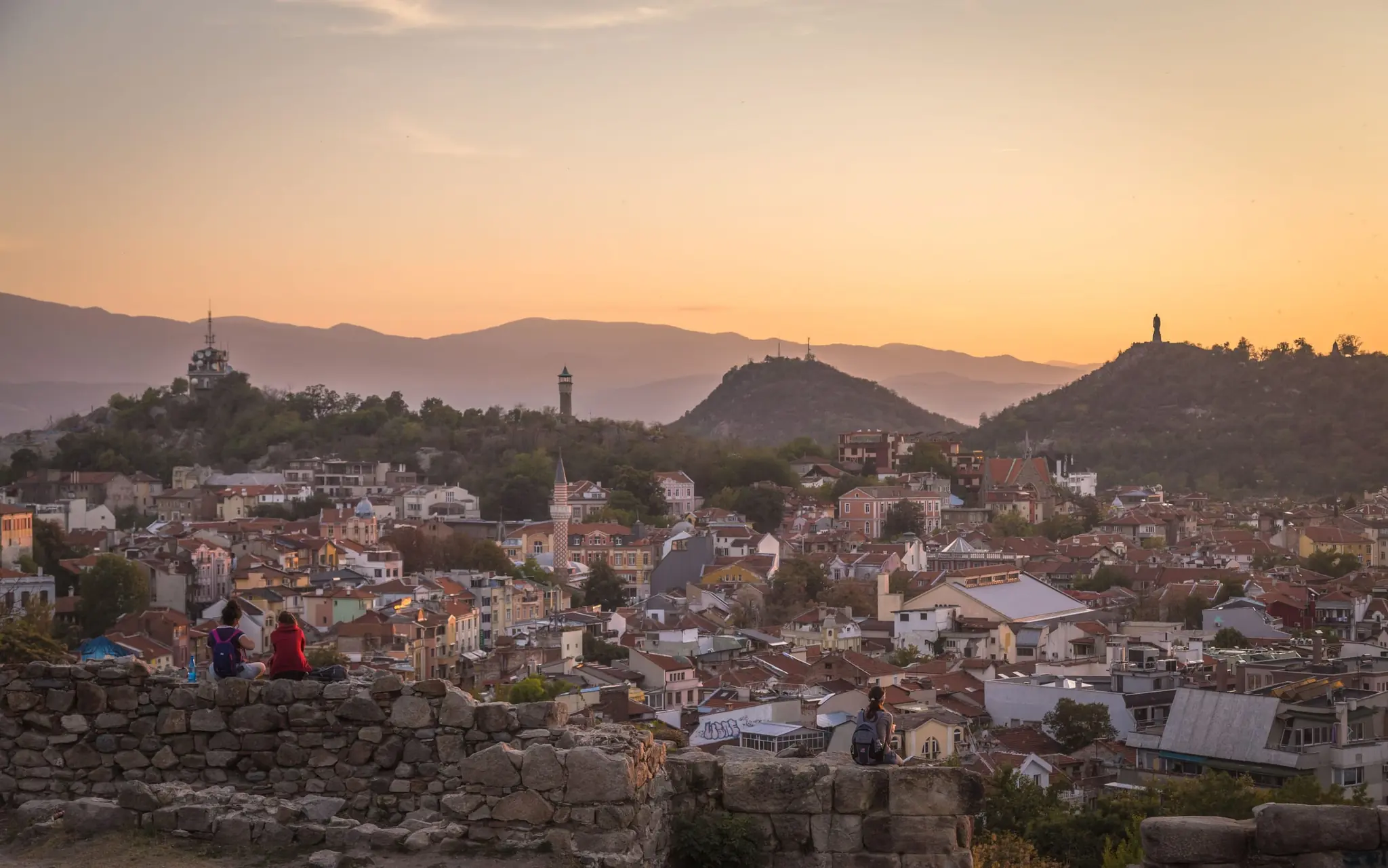
Plovdiv is Bulgaria’s second city and one of the oldest continuously inhabited places in Europe. People have lived on Nebet Tepe, one of the Old Town hills, for thousands of years.
The Romans called it Philippopolis, and you can still sit on the stone seats of the Roman theatre, while the remains of the stadium lie buried beneath the main street. From there, wander up through the Old Town of Revival houses, and in the evening come down to Kapana, the quarter of galleries and bars. Our Plovdiv guide will tell you how much time it all needs, and adds day trips to the surrounding area.
Rila, Pirin and the Mountains
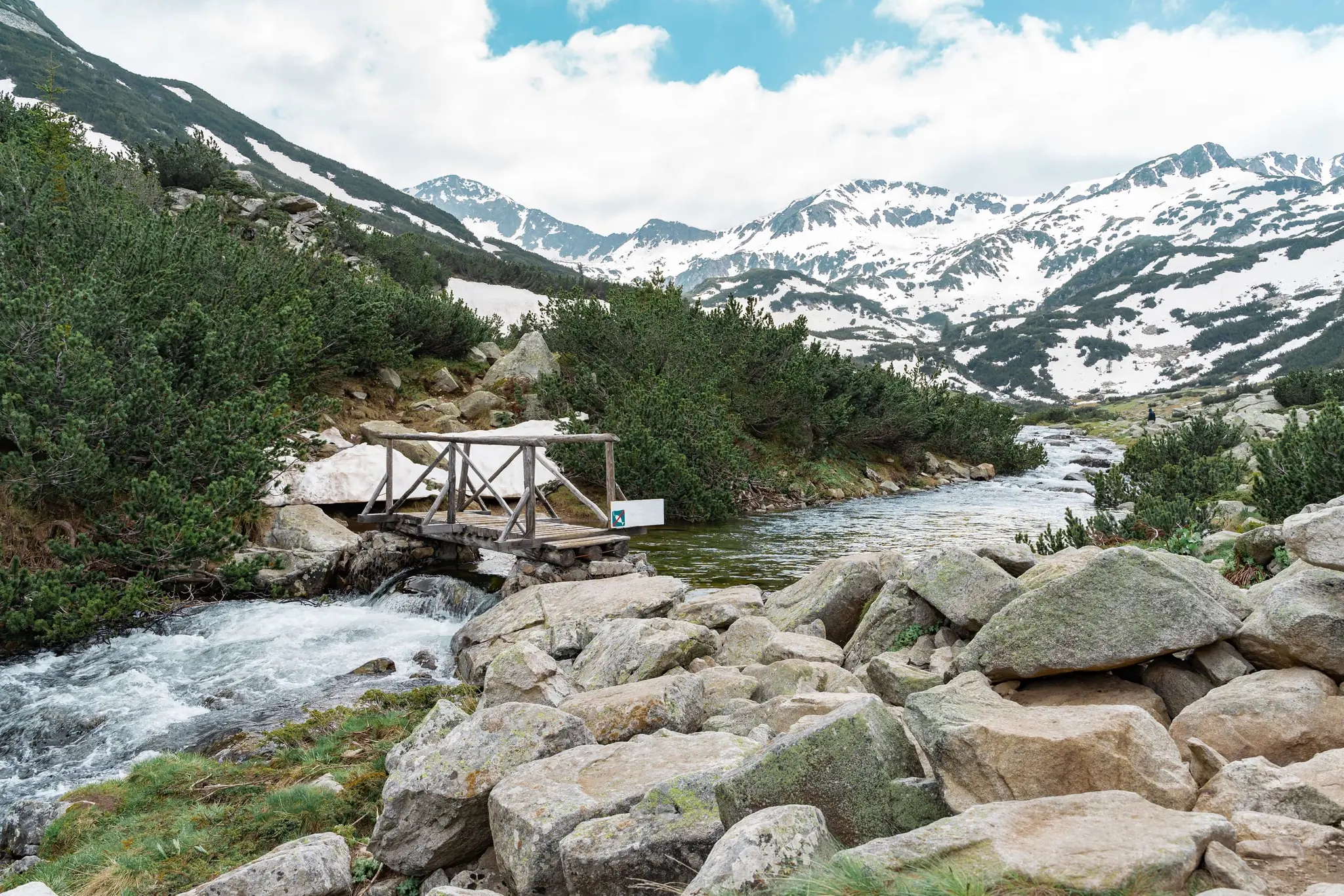
Bulgaria’s mountains are its biggest surprise. Rila holds the highest peak in the Balkans, Musala (2,925 m), as well as the monastery and the Seven Rila Lakes. Pirin, a UNESCO-listed national park, has jagged limestone ridges and Vihren (2,914 m), and Bansko at its foot is both a ski town and a base for hikes.
Mountain huts, called hizhi, offer beds and meals along the trails, and the other big ski resorts are Borovets and Pamporovo. For where to walk in summer, see our guide to hiking in Pirin and Rila; for the same mountains under snow, read winter in Bulgaria.
Veliko Tarnovo and the Balkan Heartland
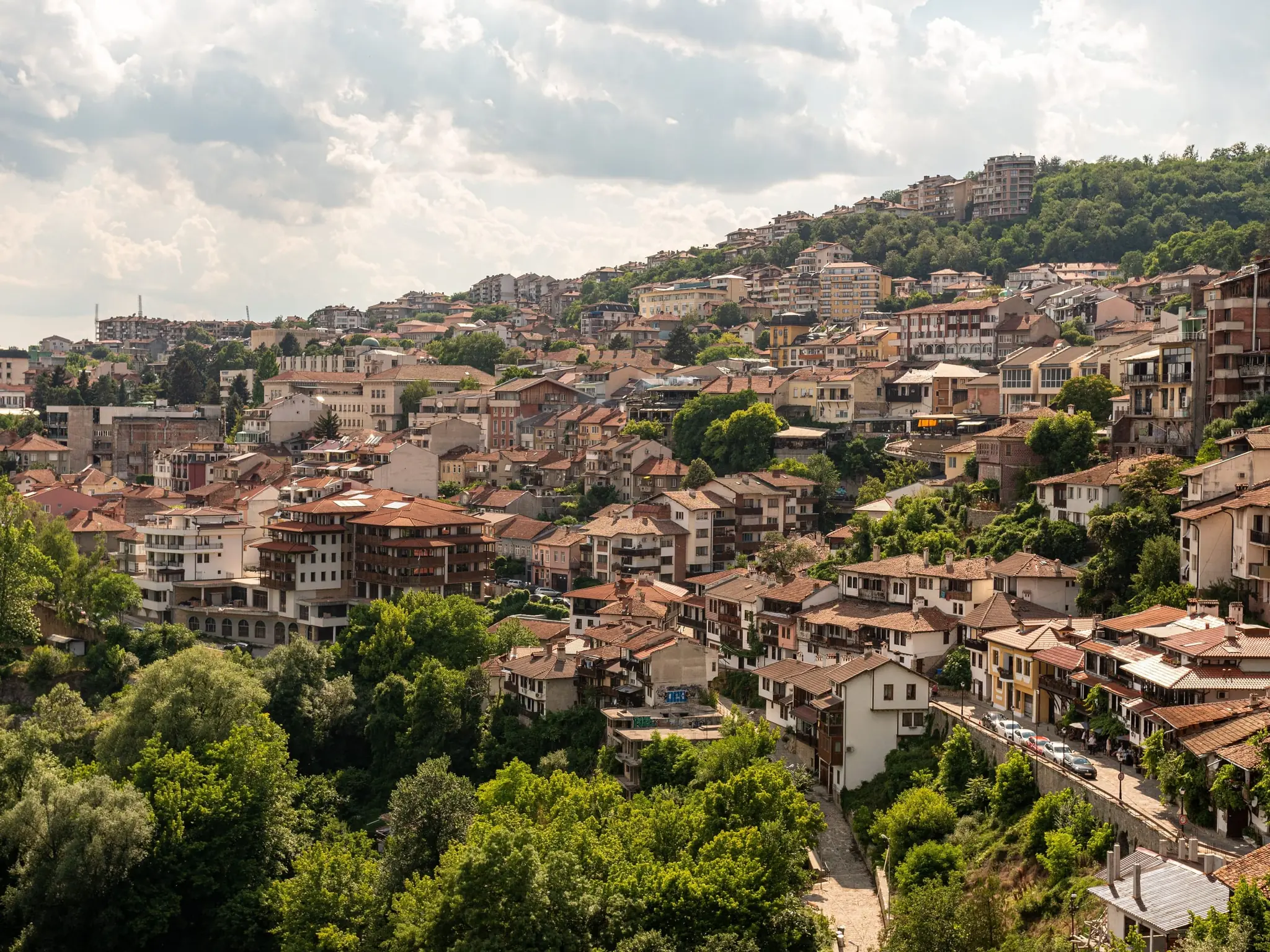
Veliko Tarnovo is the heart of medieval Bulgaria. The fortress of Tsarevets still crowns a hill in a loop of the Yantra river, and nearby Arbanasi is a village of fortified stone houses and old churches. It was here, in 1908, that the country declared full independence.
Head south towards the Shipka Pass and you step into another chapter, 1877–78. At Shipka, the memorial church and the monument on the summit recall the battles that decided the Russo-Turkish War and mark the fight for Bulgarian freedom. For the Revival spirit, try Koprivshtitsa in our Beyond the Cities guide, which also covers the countryside around Veliko Tarnovo.
The Rhodopes
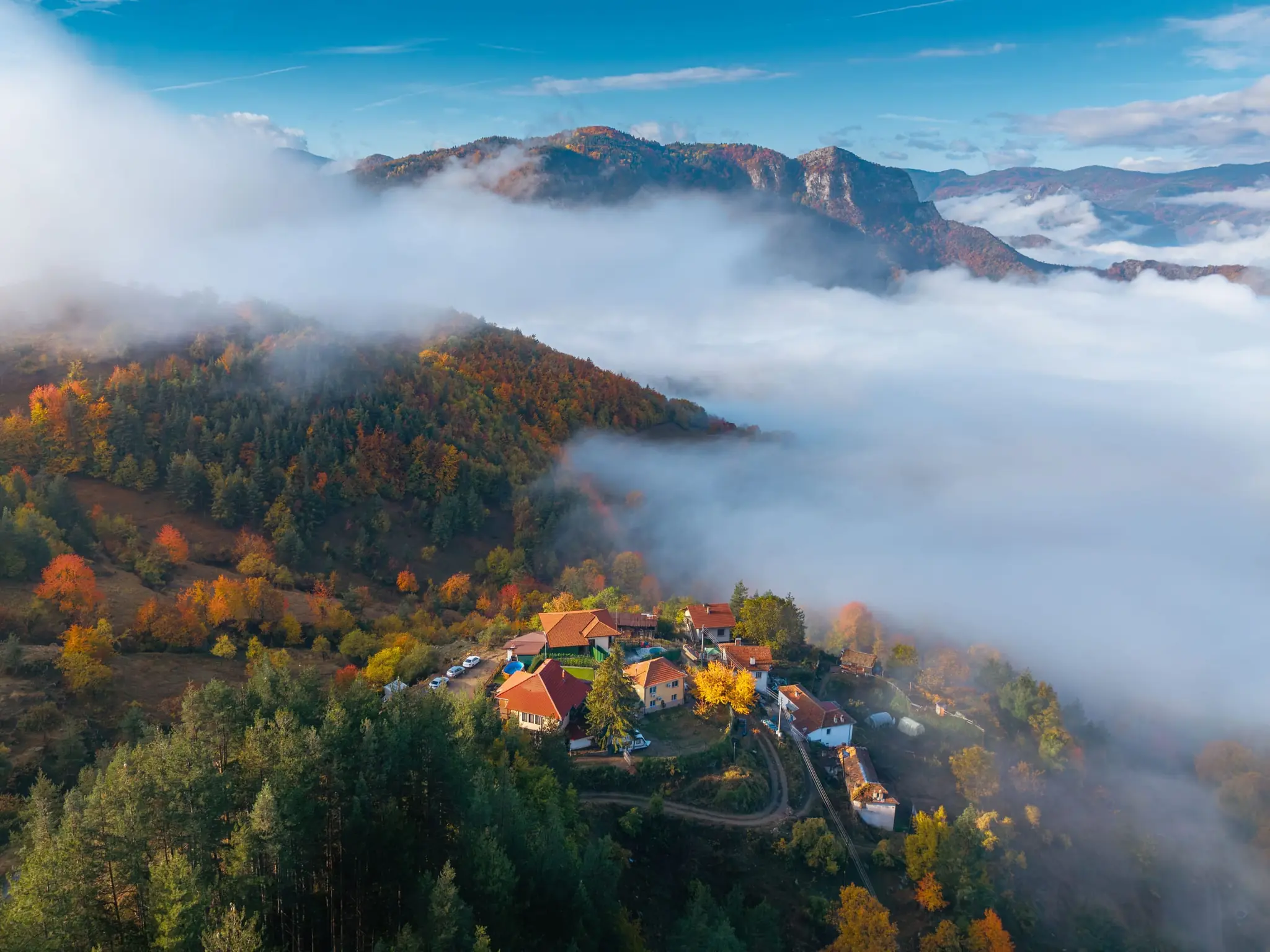
After the stern peaks of Rila and Pirin, the Rhodopes feel gentler, with pine forest, stone villages, deep gorges and caves. Bachkovo Monastery is among the country’s oldest and best known, and in Shiroka Laka it is worth simply strolling between the old houses.
Trigrad Gorge and the Devil’s Throat cave make a dramatic half-day, and at Perperikon you can see a rock sanctuary carved out of a hilltop and used from prehistory through the Middle Ages. In spa towns such as Velingrad you can soak in thermal baths; see our post on the spa towns. Expect winding roads and a slower pace. Monasteries and villages are covered in our guide to the countryside beyond the cities.
The Black Sea Coast – Varna and Burgas
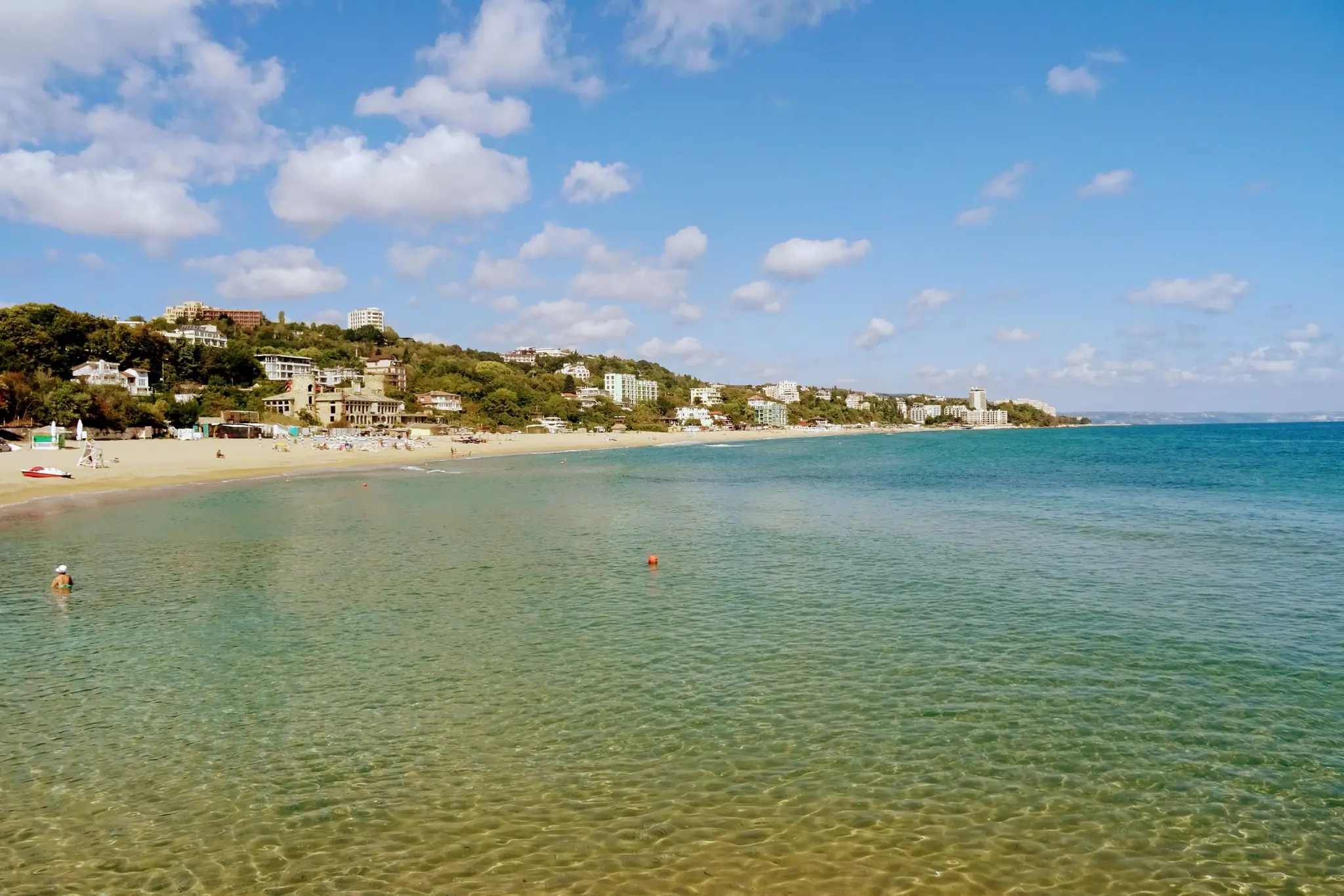
Bulgaria’s coast is 378 km long, running from the Romanian border, past the cliffs of Cape Kaliakra, all the way to the Strandzha forests on the Turkish border.
Varna is a lively city with a lovely sea garden, and its Archaeological Museum holds treasures from the Varna Necropolis, among the oldest worked gold ever found, from graves dating back to around 4600–4200 BC. Further south, Burgas is the gateway to Nessebar, Sozopol and the Pomorie salt lakes. Mass-market resorts such as Sunny Beach are loud and crowded, so choose your stretch of coast to suit your mood. Our guides to Varna and the Burgas coast will help you decide, and our post on the best beach resorts compares them.
Visiting in winter? The beach resorts, including Nessebar, Sozopol, Pomorie, Burgas and Sunny Beach, can be, and often are, almost entirely empty from autumn to spring, with many hotels, restaurants and shops closed. Check what is open before you book.
The Valley of the Thracian Kings
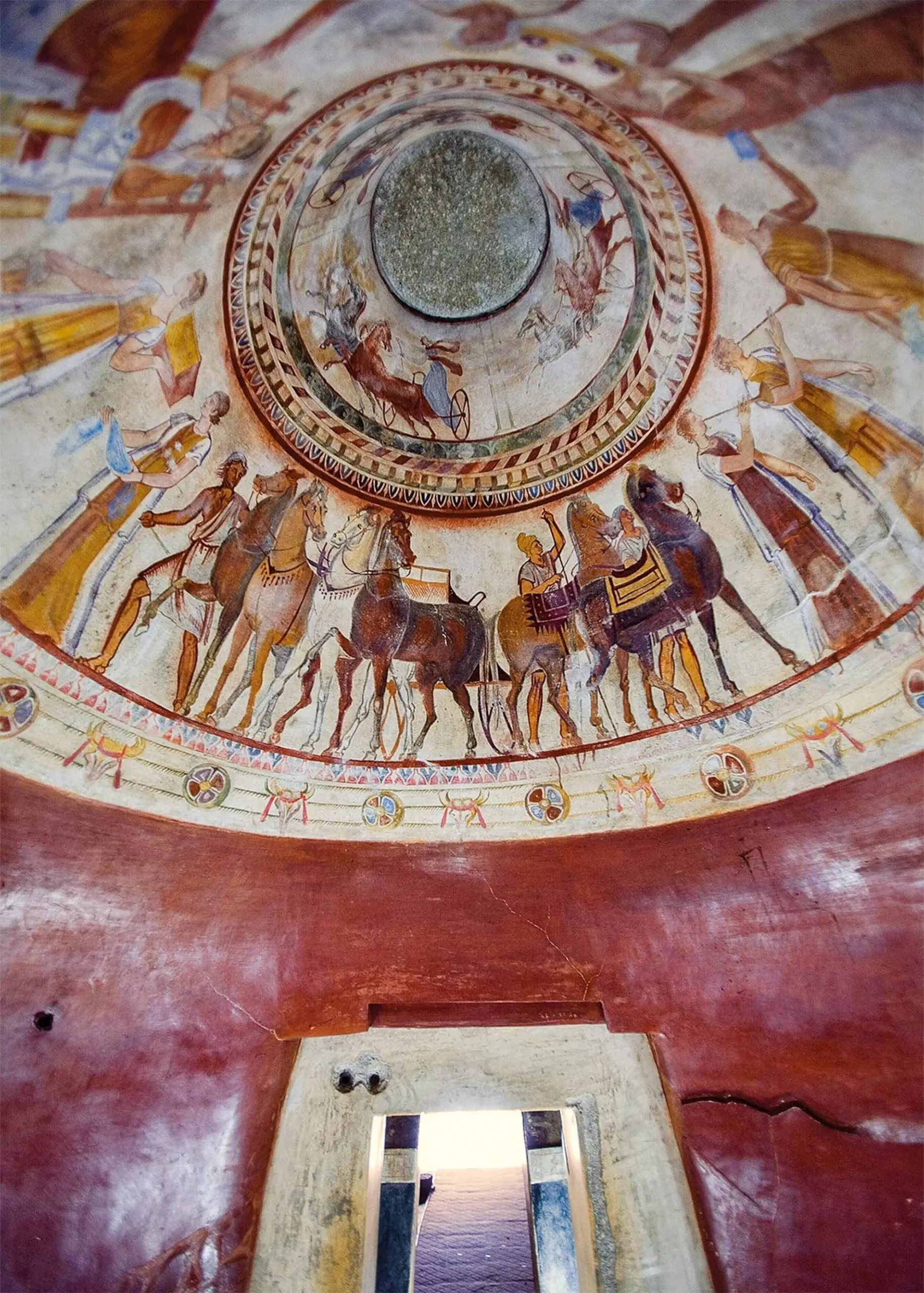
Long before the Romans, the Thracians lived here and built a sophisticated culture. Their burial mounds dot the fields around Kazanlak, Starosel and Sveshtari, and the painted tomb at Kazanlak and the caryatid carvings at Sveshtari are both on the UNESCO list.
This is also the Rose Valley, where the roses are picked for rose oil in late spring. In the north-east, high on a cliff near Shumen, the carved Madara Rider is another UNESCO-listed relief, dating from around 700 AD. To link these places into one route, use our Thracian heritage trail guide.
Wine Country and the Southwest
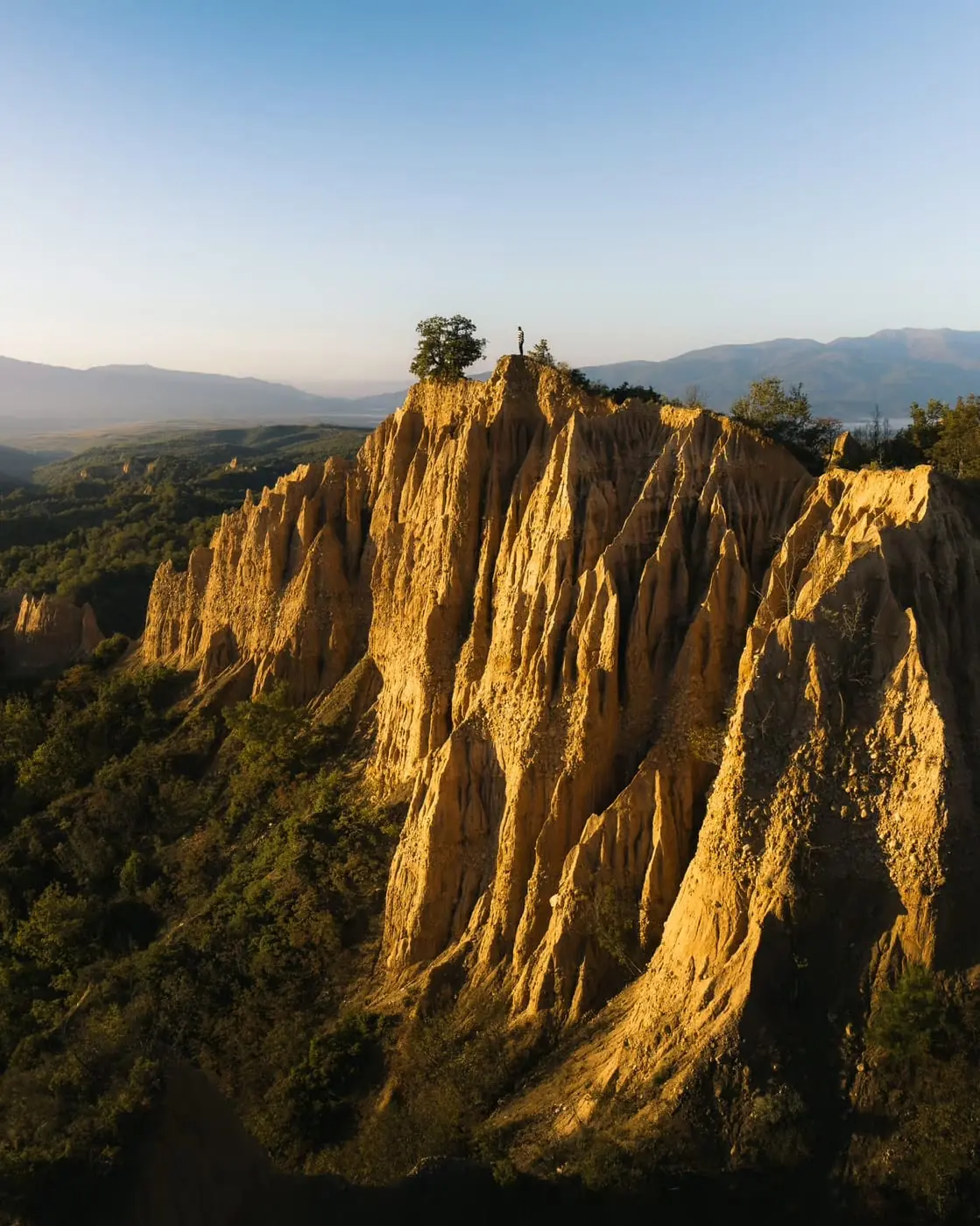
The Struma Valley is Bulgaria’s warmest corner, and Melnik is its wine capital, a tiny village of whitewashed houses and deep cellars. Step into a family cellar, taste the local red made from the Shiroka Melnishka loza grape, then climb to Rozhen Monastery above the valley.
Further south, Sandanski is a sunny town of springs. Bulgaria’s winemaking tradition goes back to the Thracians, and the Plovdiv area and the Danube plain have their own proud regional styles. A longer stroll around Melnik awaits in our guide to the countryside beyond the cities.
The Danube North
The north often stays off the usual routes, yet it has plenty to show: the sandstone rocks of Belogradchik, the riverside fortress of Baba Vida at Vidin, the Austrian-style façades of Ruse, and the rock-hewn medieval churches at Ivanovo, a UNESCO site. Leave a couple of days for it if you have the time, and read more about Belogradchik in our guide to the countryside beyond the cities.
A note on Buzludzha: the abandoned communist-era monument on the Balkan ridge is a striking sight from the outside, but the building is unsafe and entry has been restricted. Look at it from a distance, check the current situation before you go, and don’t go inside.
Food & Drink
Bulgarian food is Balkan crossroads cooking built on excellent raw ingredients: ripe tomatoes and peppers, fresh dairy, grilled meat, and a drinking culture of rakia and wine. Meals are slow and shared, and salads come first. Vegetarians eat easily; vegans have to work a little harder.
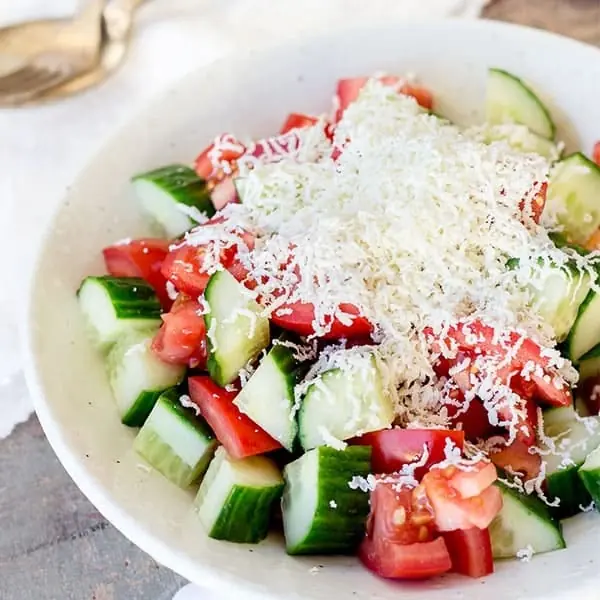
Shopska salad
Tomato, cucumber, peppers and onion under a snowfall of grated sirene, the white brine cheese. Popularised in the 1950s and named for the Shopluk region around Sofia, it is on every table.
Source: Wandercooks
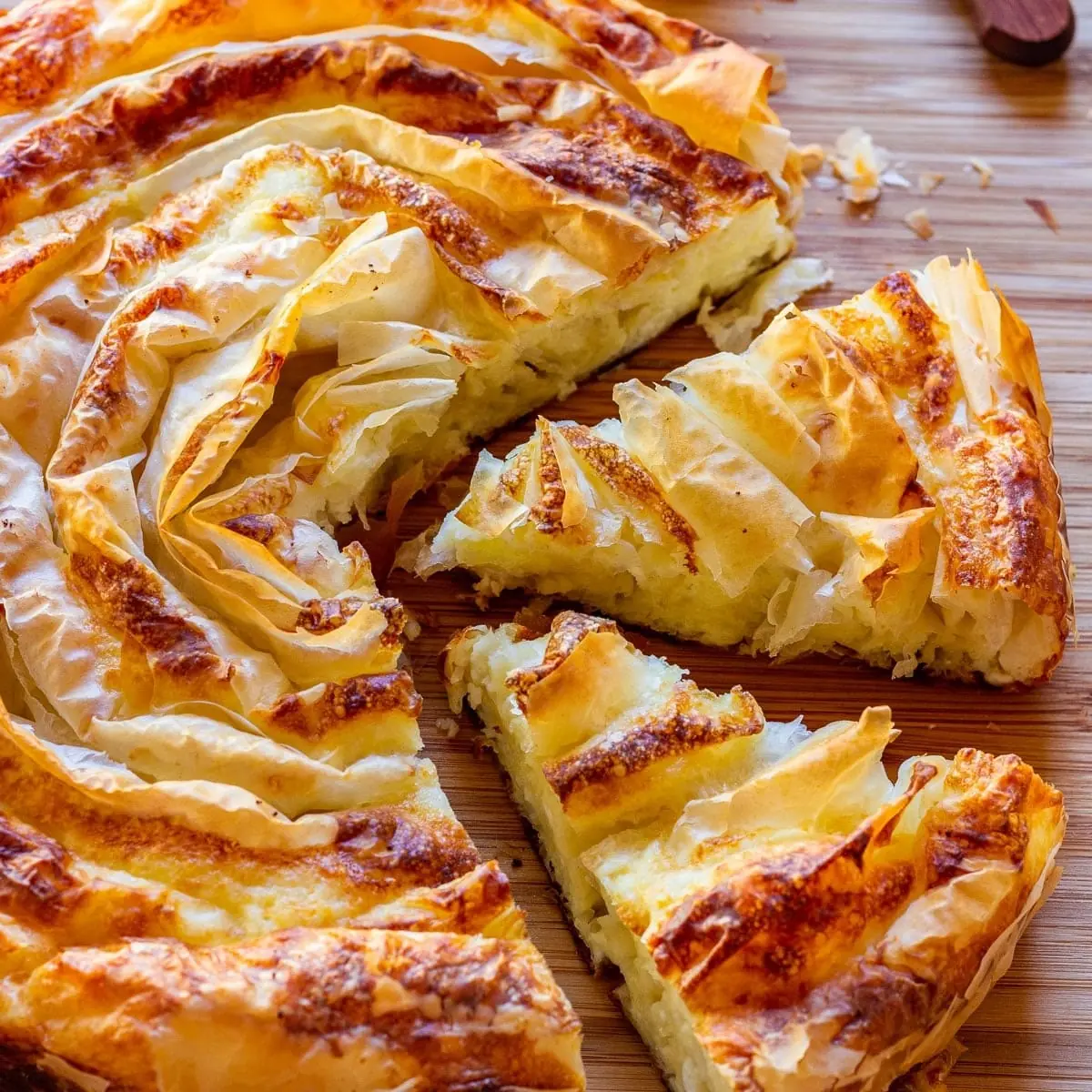
Banitsa
Layers of flaky filo with eggs and sirene, baked until golden and eaten for breakfast with boza or ayran. At New Year, little paper fortunes are tucked inside the slices.
Source: Happy Foods Tube
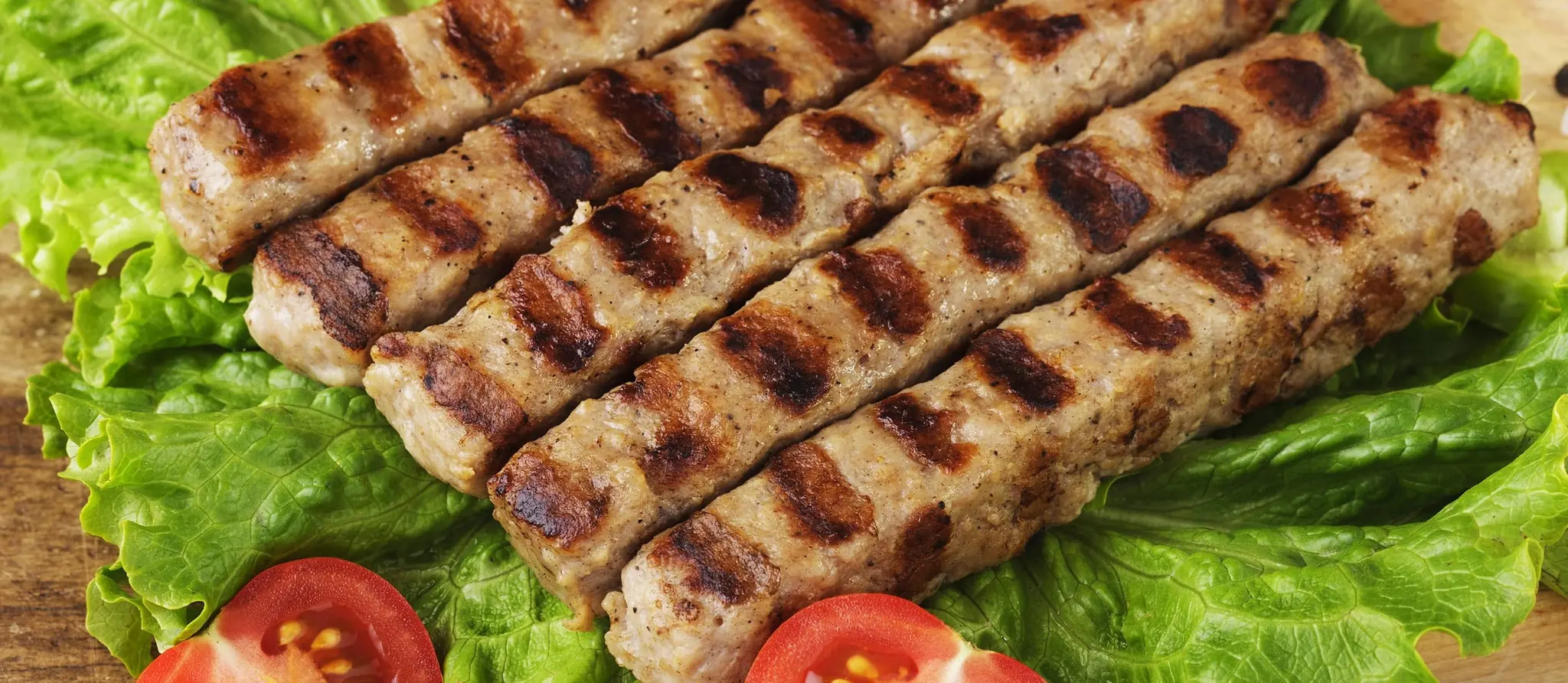
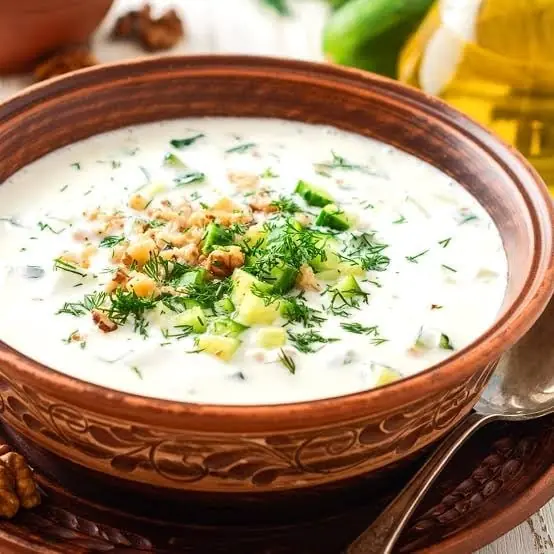
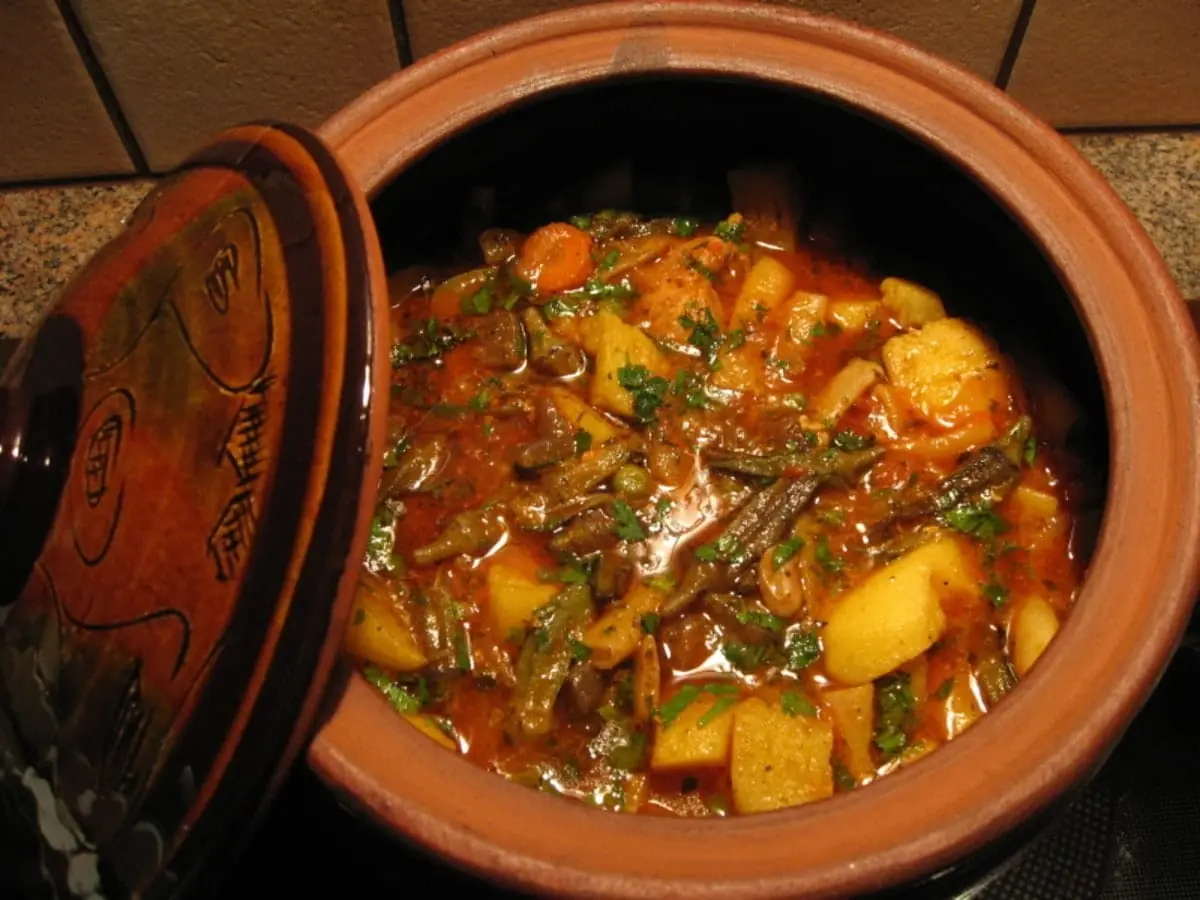
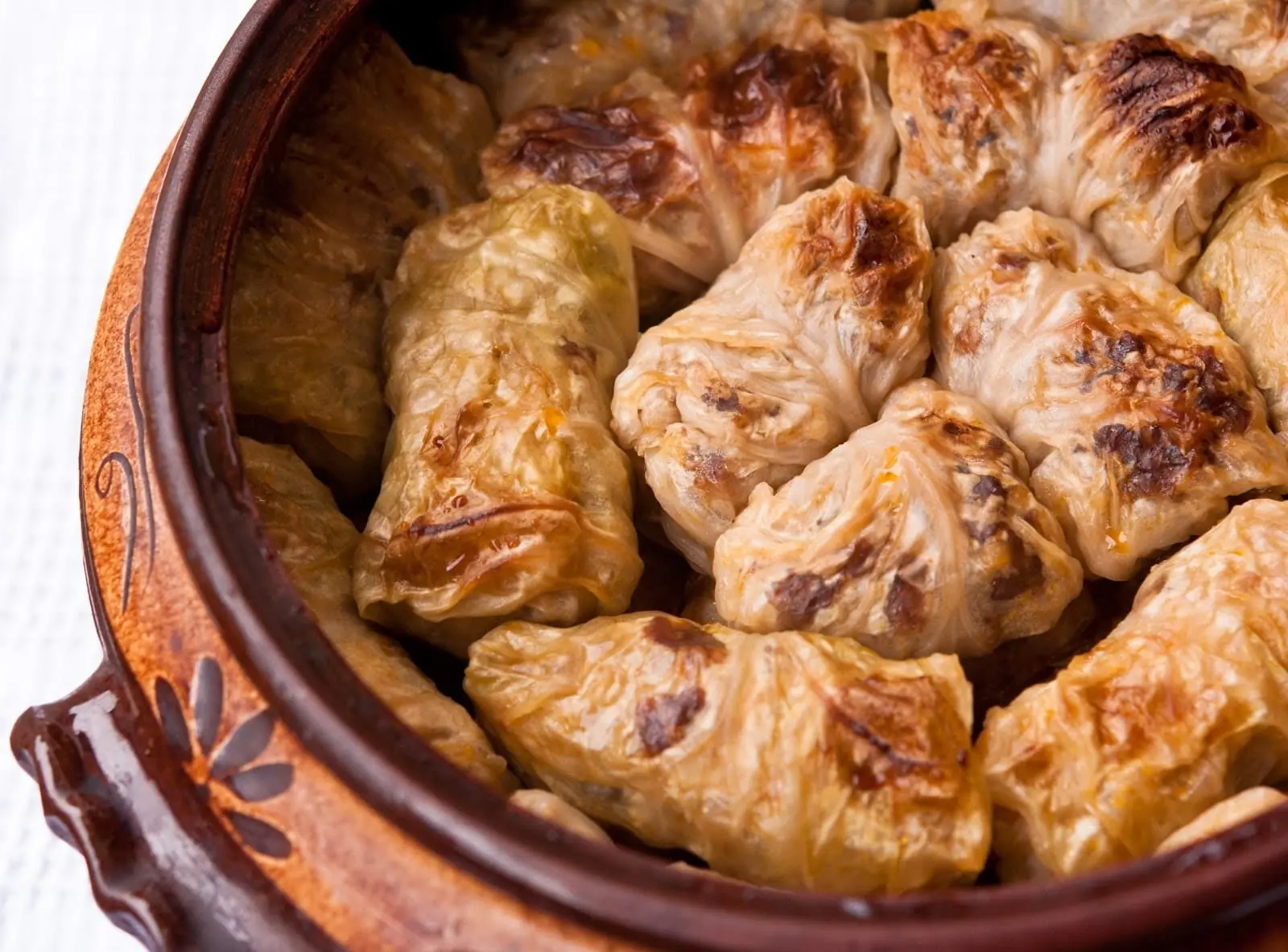
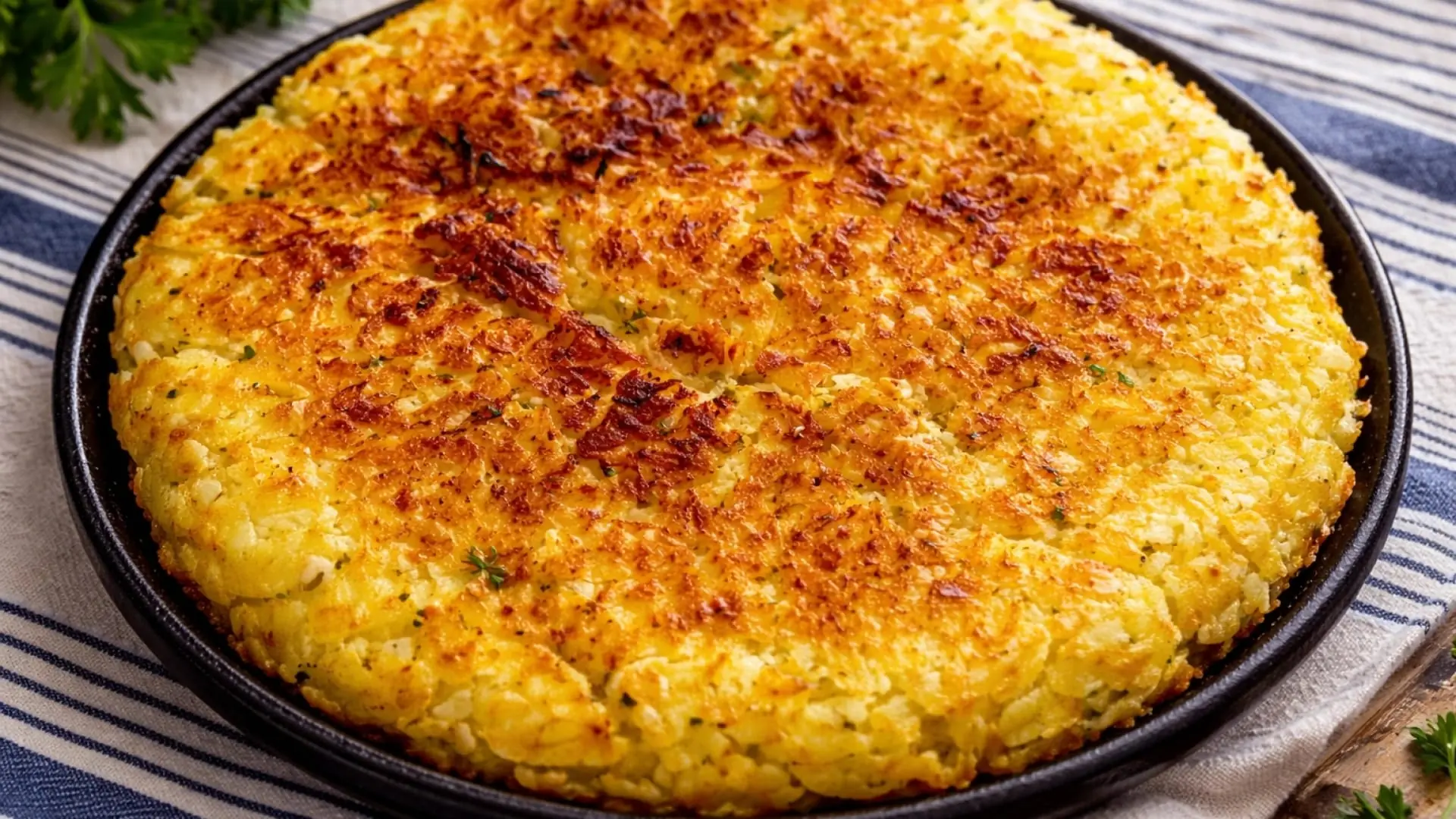
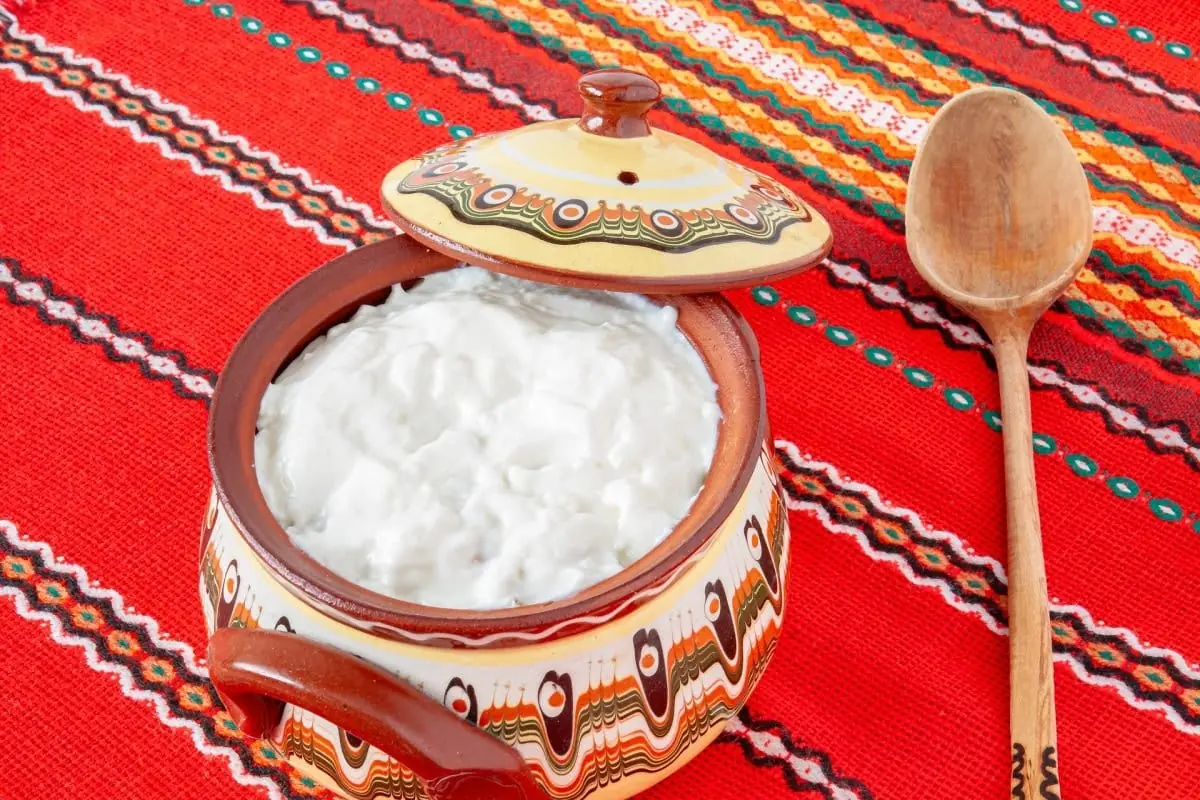
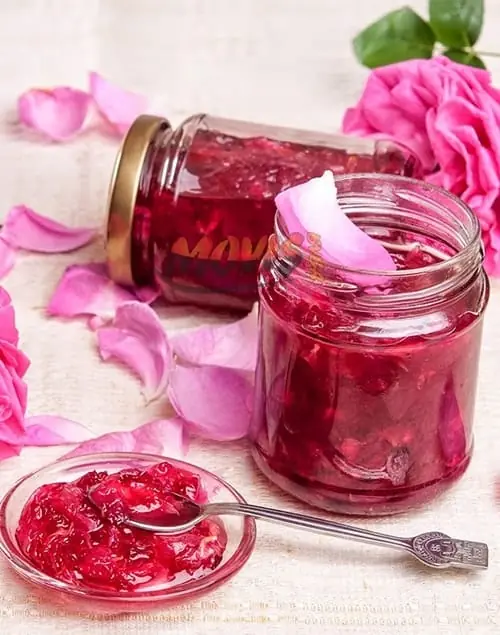

Tip: in a mehana, order the salads first and the mains after, as locals do. Menus often list weights in grams, and you can expect live folk music at weekends. Honourable mentions: shkembe chorba (tripe soup, a famed hangover cure), fried sprats on the coast, and trout in the mountains.
Drinks
Rakia is the national fruit brandy. Grape rakia is the default, with plum, apricot and quince variants; it is served before and during the meal, usually with shopska salad. Homemade rakia is a gift and a ritual, so sip it slowly and say Nazdrave!
Wine has been made here since Thracian times. The main regions are the Thracian Valley around Plovdiv (home to the red Mavrud grape), the Struma Valley around Melnik, the Danube plain, the Black Sea coast and the Rose Valley. Trifon Zarezan, on 14 February, celebrates the vine-pruning season.
Beer: Zagorka, Kamenitza and Shumensko are the big names, with a growing craft scene in Sofia.
Non-alcoholic: boza is a thick, lightly sweet fermented millet drink often served with banitsa; ayran is a salted yoghurt drink; and the herbal mountain tea mursalski chai comes from Pirin. Mineral springs and public fountains turn up in towns across the country.
Outdoors & Hiking
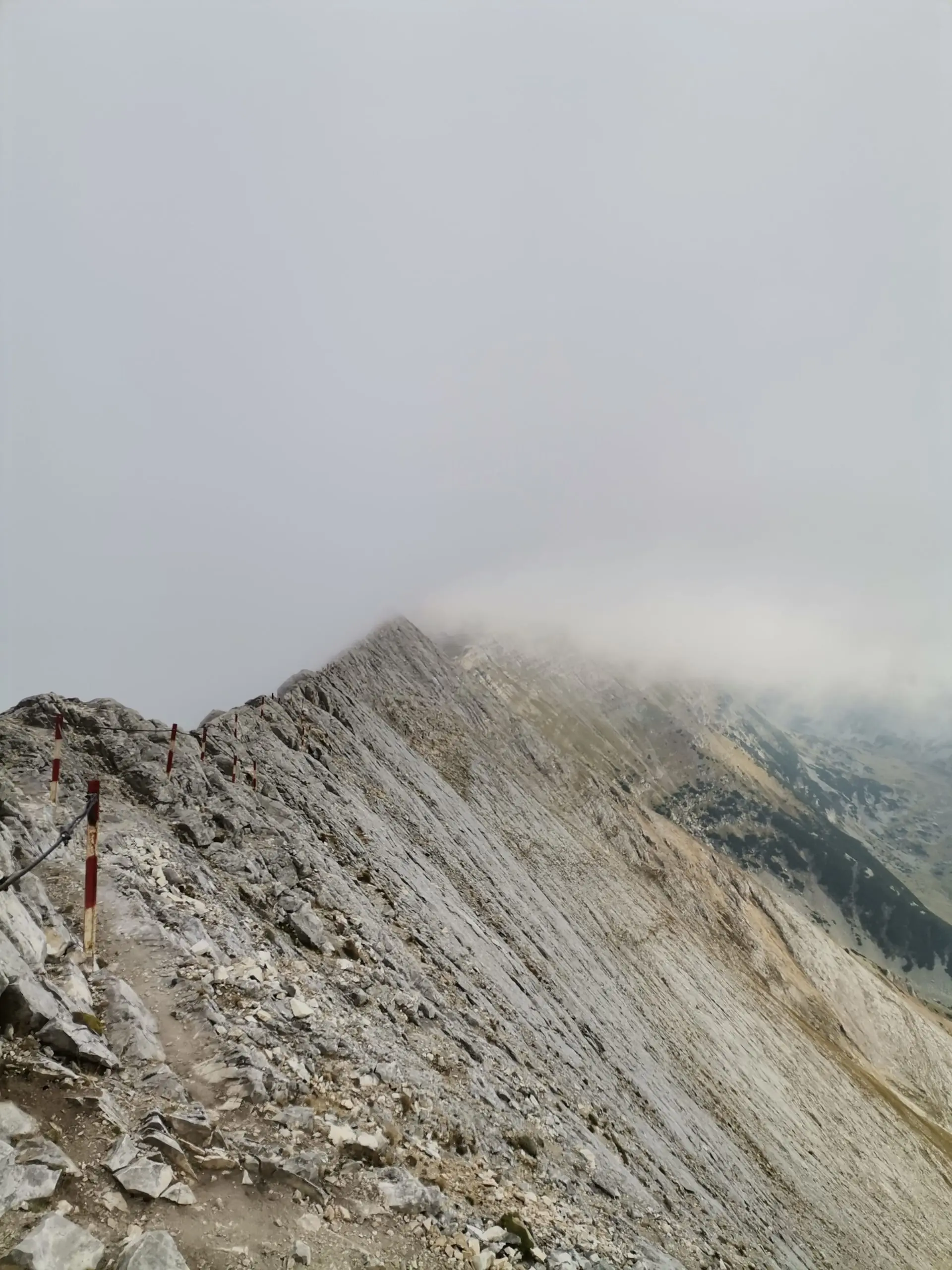
Bulgaria’s mountains are uncrowded, well waymarked and cheaper than the Alps. Rila and Pirin have the highest peaks and the most dramatic scenery; the Central Balkan range (the Stara Planina) runs across the middle of the country; and the Rhodopes are gentler, wooded, and good for easy walking. The main hiking season at altitude runs from about July to September, and snow can linger on high trails into early summer.
- Huts (hizhi) are scattered along the main trails and offer bunks and simple meals. Book ahead in July and August, and carry some cash.
- Trail marking uses coloured stripes on rocks and trees. Carry a map or offline route as well; markings can fade.
- Long-distance routes: the Kom–Emine trail follows the Balkan range for hundreds of kilometres from west to east, and European paths E4 and E8 also pass through.
- Safety: weather in the mountains changes in minutes. Tell someone your route, carry layers and call 112 if you need the Mountain Rescue Service.
Our guides to hiking in Pirin and Rila and to skiing and winter in Bulgaria (Bansko, Borovets and Pamporovo) cover both in depth.
Seasons
Bulgaria has a continental climate with Mediterranean influence in the south and on the coast, and four distinct seasons. Which one suits you depends on whether you want sea, snow, trails or wine.
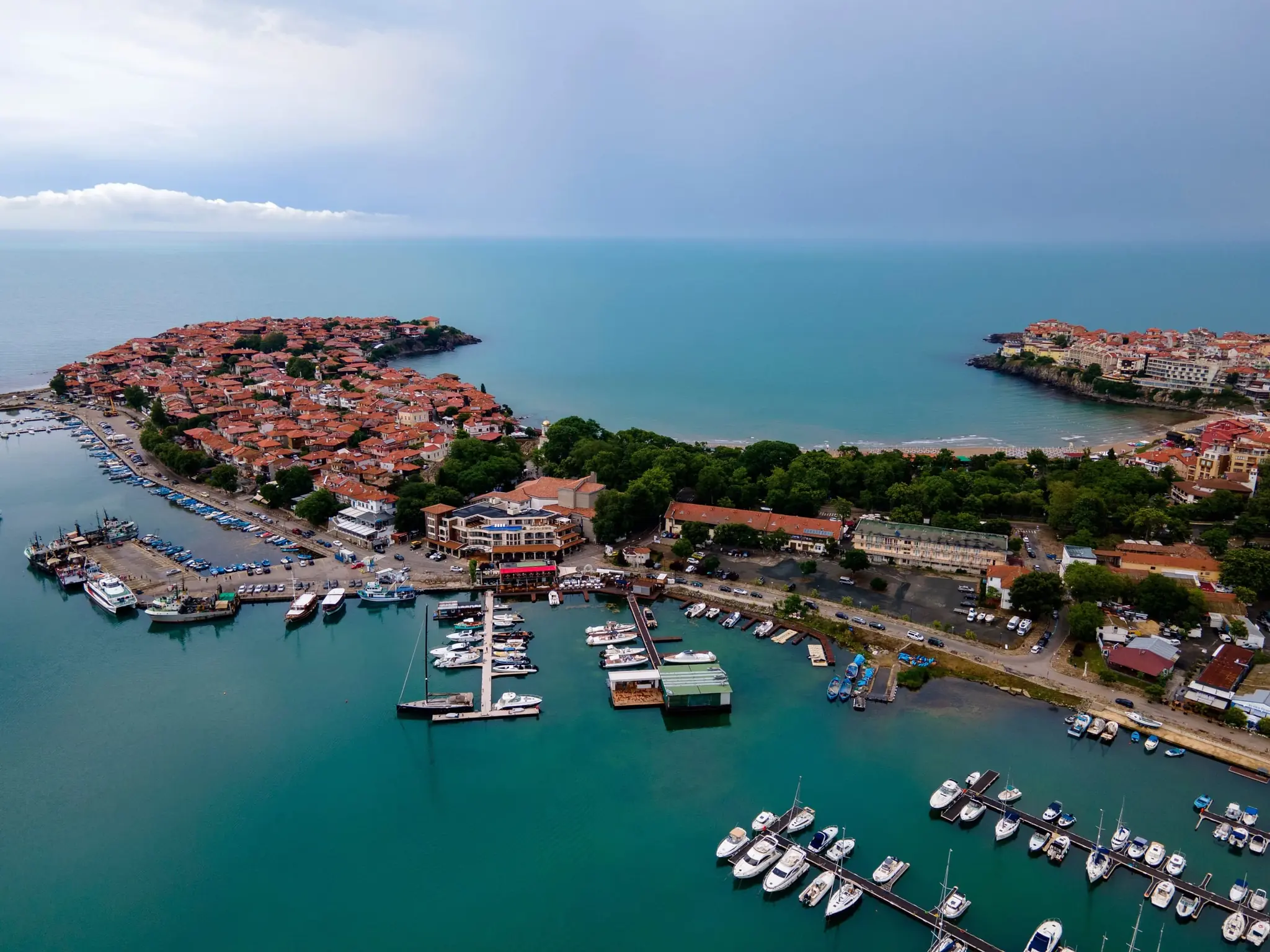
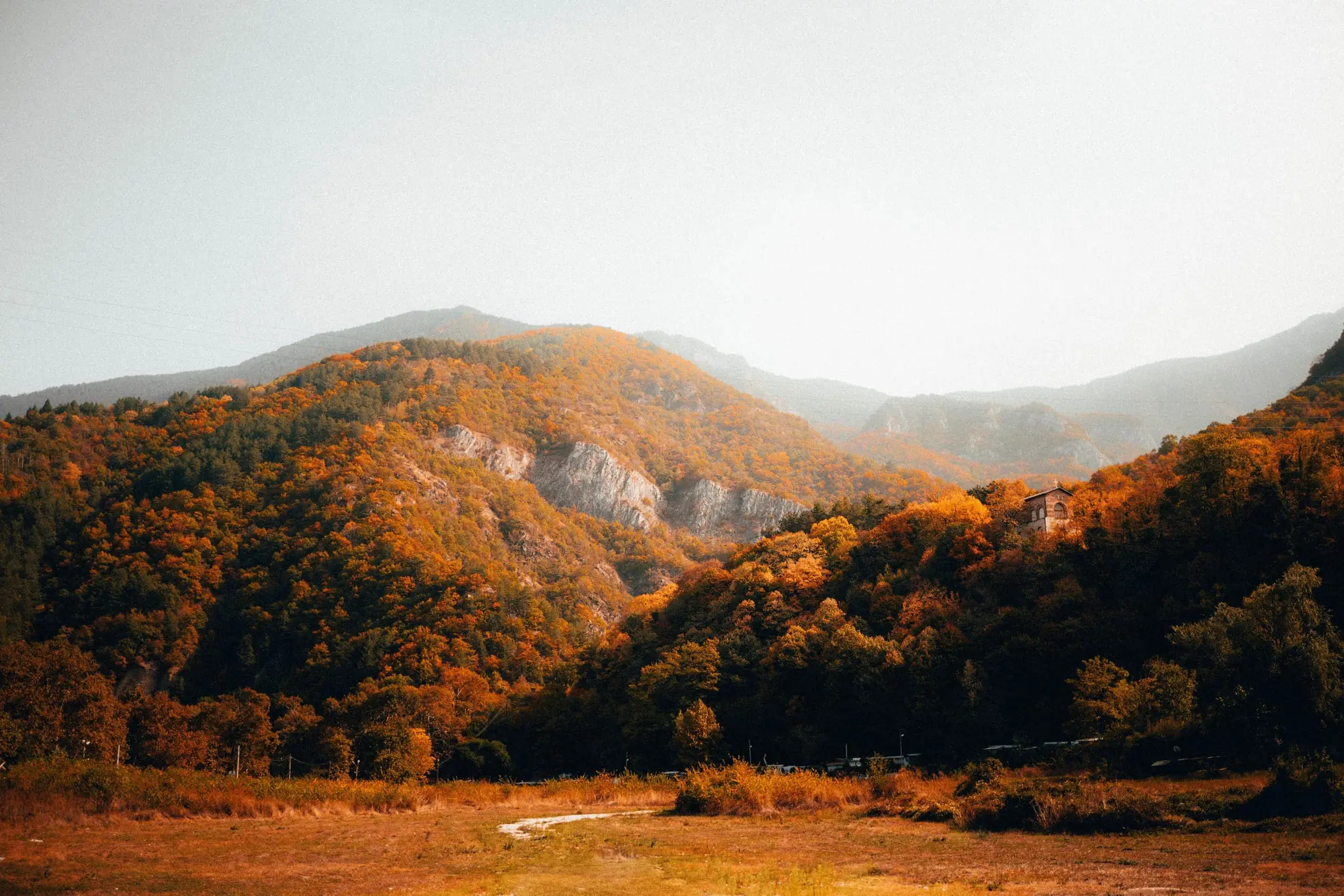
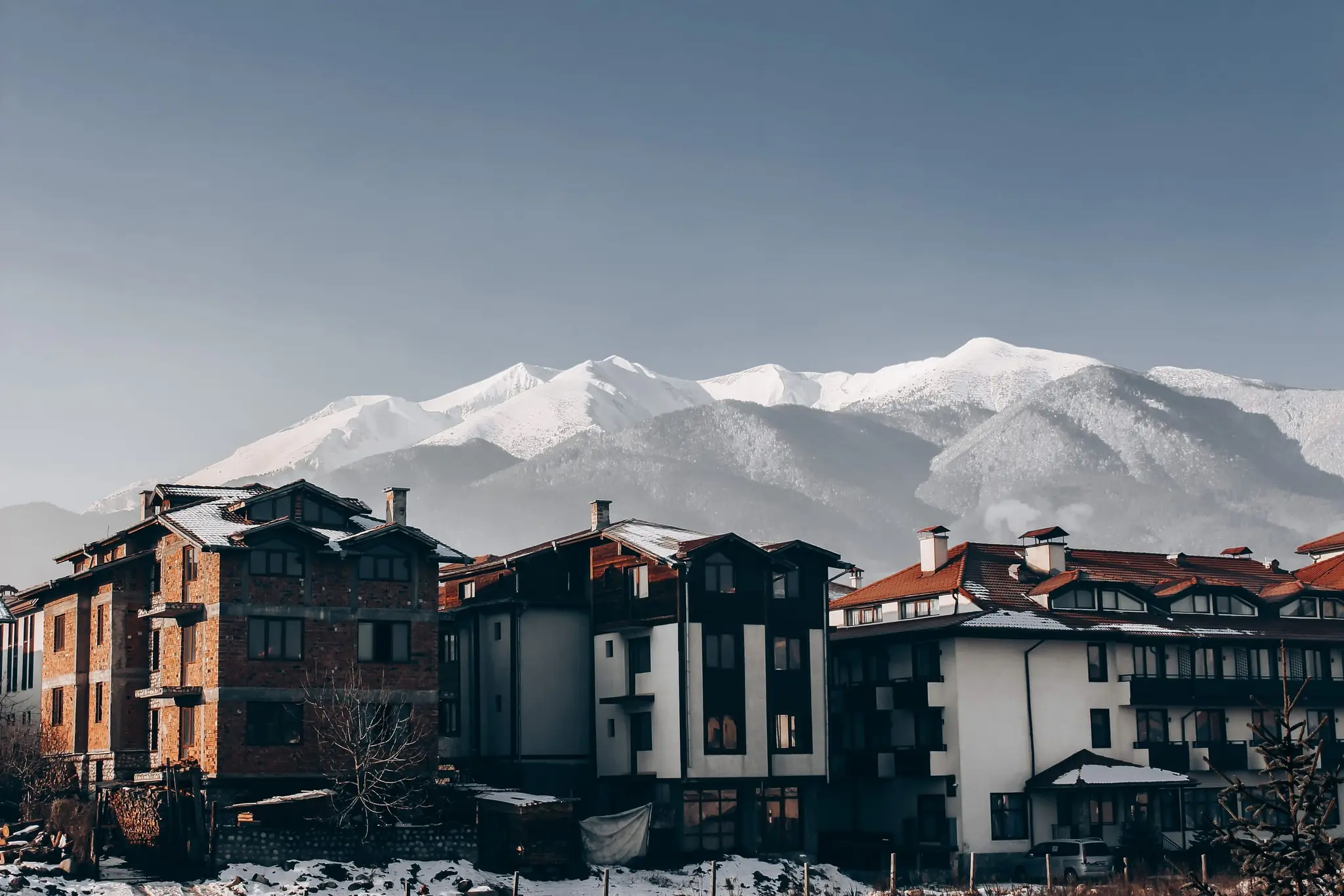
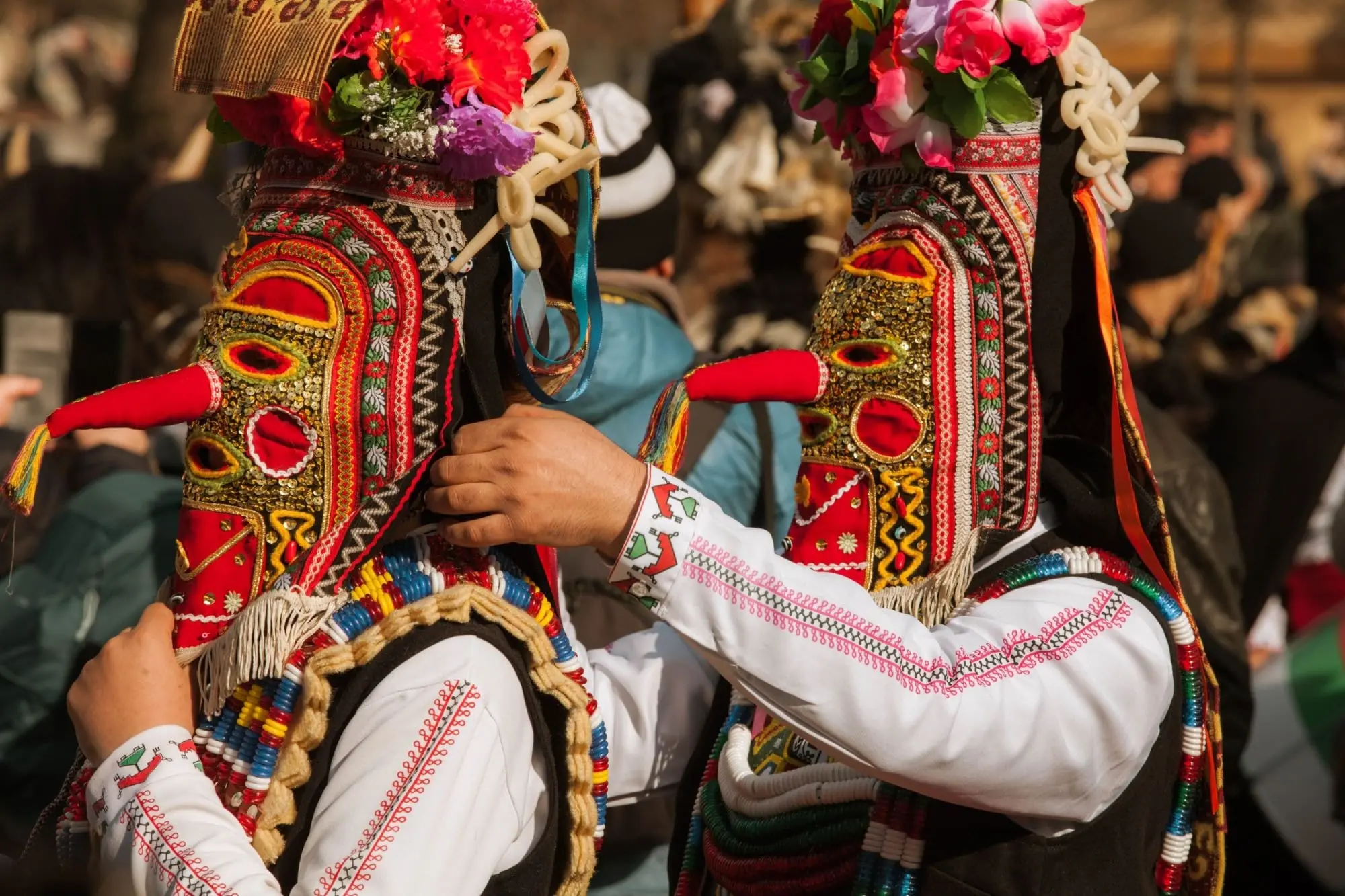
Tip: if you can choose, aim for late May to June or September to early October: warm days, open trails, uncrowded sights and lower prices than July and August. Winter is for snow and spas, not sightseeing.
Events & Festivals
Bulgaria’s calendar is full of folk customs and seasonal festivals, many with roots far older than Christianity. Dates change from year to year and some are local events with little advance publicity, so confirm before building a trip around one.
| Event | When and where |
|---|---|
| Trifon Zarezan | Wine regions, 14 February. The winegrowers’ day, when vines are ceremonially pruned and wine is poured. |
| Kukeri and Surva | Pernik and villages nationwide, late January and the weeks around it. Costumed mummers with bells and masks drive away evil spirits; the Surva festival in Pernik is the best known. |
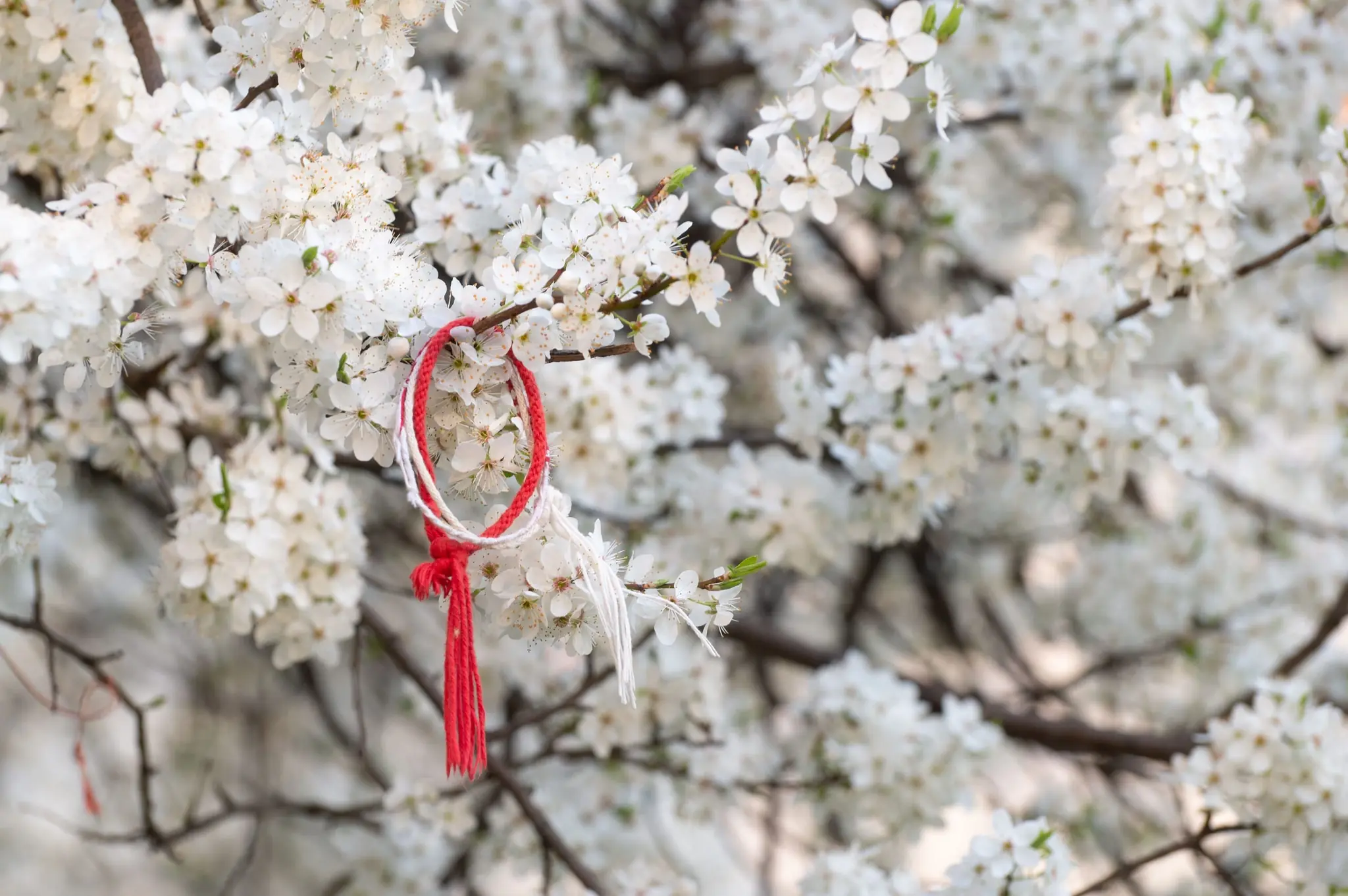
| Baba Marta | Nationwide, 1 March. People exchange red-and-white woven martenitsi for health and happiness in the coming spring. |
| Liberation Day | Nationwide, 3 March. Bulgaria’s national day, marking the 1878 Treaty of San Stefano that ended the fighting in the Russo-Turkish War. |
| Orthodox Easter | Nationwide, date varies each year. Midnight church services, dyed eggs, and kozunak, the sweet Easter bread. |
| Day of Slavonic Literature | Nationwide, 24 May. The Day of Bulgarian Education and Culture and of Slavonic Literature, celebrated with school parades in honour of the alphabet’s creators. |
| Rose Festival | Kazanlak and the Rose Valley, typically in early June. Rose-picking, parades and folk music; check the year’s dates. |
| Nestinarstvo | The village of Bulgari in Strandzha, around 3 June. An ancient fire-dancing ritual on UNESCO’s list of intangible heritage; access for visitors varies. |
| Summer arts festivals | Varna, Sozopol, Bansko and others, July–September. International music, theatre, jazz and film festivals; check each festival’s own site. |
| Wine and harvest festivals | Wine regions, September–October. Tastings, markets and village celebrations around the harvest. |
Culture & Etiquette
Bulgarians are warm, direct and proud of their history, and hospitality is a point of honour. A few things are worth knowing:
A Few Words on the Past
Bulgaria is old: it counts its founding from 681, when Khan Asparuh’s Bulgars were recognised south of the Danube, and the first capitals were at Pliska and Preslav, where you can still walk among the ruins. In the late ninth and tenth centuries, scholars working in the literary schools of medieval Bulgaria, among them disciples of Saints Cyril and Methodius, helped develop the Cyrillic alphabet that is now used by many millions of people. The Ottoman centuries that followed are remembered in the National Revival houses of Koprivshtitsa, Melnik, Bansko and Plovdiv. Seeing the places is the easiest way to understand it.
Proposed Itineraries
The most common mistake is trying to see the whole country in a week. These two routes use a small number of bases, with room for the stops you’ll want to make. Check drive times on the day, and add a margin for mountain roads.
Seven Days: The Classic Loop
A first trip, best by car, linking the capital, the mountains and the old capital.
- Days 1–2 — Sofia. Alexander Nevsky Cathedral, the free walking tour, Boyana Church if time allows, and dinner in a mehana.
- Day 3 — Rila. Rila Monastery early, then the Seven Rila Lakes if the season allows.
- Day 4 — Plovdiv. Drive across the Thracian plain, then the Roman theatre, the Old Town and Kapana at night.
- Day 5 — Bachkovo and Plovdiv. A morning at Bachkovo Monastery in the Rhodopes, then a second evening in Plovdiv.
- Day 6 — Veliko Tarnovo. Cross the Balkan range, perhaps stopping at Kazanlak or Shipka, and reach Tsarevets for sunset.
- Day 7 — Back to Sofia, with a stop at Koprivshtitsa if time and energy remain.
Ten Days: Mountains, Wine and the Sea
A second trip, or a first one with more time, covering the southwest and the coast.
- Days 1–2 — Sofia. The city, Vitosha or a museum day.
- Day 3 — Rila Monastery on the way south.
- Day 4 — Melnik and Rozhen. Cellars, sand pyramids and a long lunch.
- Day 5 — Bansko and Pirin. A hike or a day in the old town.
- Days 6–7 — Plovdiv, with a day in the Rhodopes at Trigrad Gorge and the Devil’s Throat cave.
- Days 8–9 — Sozopol and Nessebar, the old coastal towns, with beach time.
- Day 10 — Varna. The sea garden and the Archaeological Museum, home of the Varna gold.
No car? A three-day city break works well on public transport: Sofia, a day trip to Rila or Koprivshtitsa with a tour, then Plovdiv by coach.
Pacing tip: mountain and village roads are slower than the map suggests. Add around a quarter to every drive time, and never plan a tight connection that depends on a mountain road in winter.
Additional Resources
- Visit Bulgaria — the national tourism portal: regions, events and practical planning.
- Bulgarian Ministry of Foreign Affairs — entry and visa information.
- EU travel site — official information on Schengen entry, the Entry/Exit System and ETIAS.
- BDZ — timetables and tickets for the national railway.
- bgtoll.bg — the official place to buy the road vignette if you drive your own foreign-registered car.
- Sofia Public Transport — metro, tram and bus information for the capital.
- UNESCO World Heritage in Bulgaria — the current list of the country’s World Heritage Sites.
More in this series: Sofia, Plovdiv, Varna, the Burgas coast, hiking in Pirin and Rila, winter in Bulgaria, the Thracian heritage trail and the countryside beyond the cities, plus our posts on the beach resorts and the spa towns.
That’s the thing about Bulgaria: it is small enough to feel intimate and old enough to keep surprising you. You can eat breakfast beside a Roman wall, spend the afternoon in a mountain meadow, and finish the evening with a plate of grilled meat, a cold salad and a glass of something local. The roads will be slower than you expect, and the welcome warmer.
Learn ten letters, order the salad first, and give the place a few days longer than you planned.
Добре дошли! (DOH-breh dosh-LEE) — Welcome!