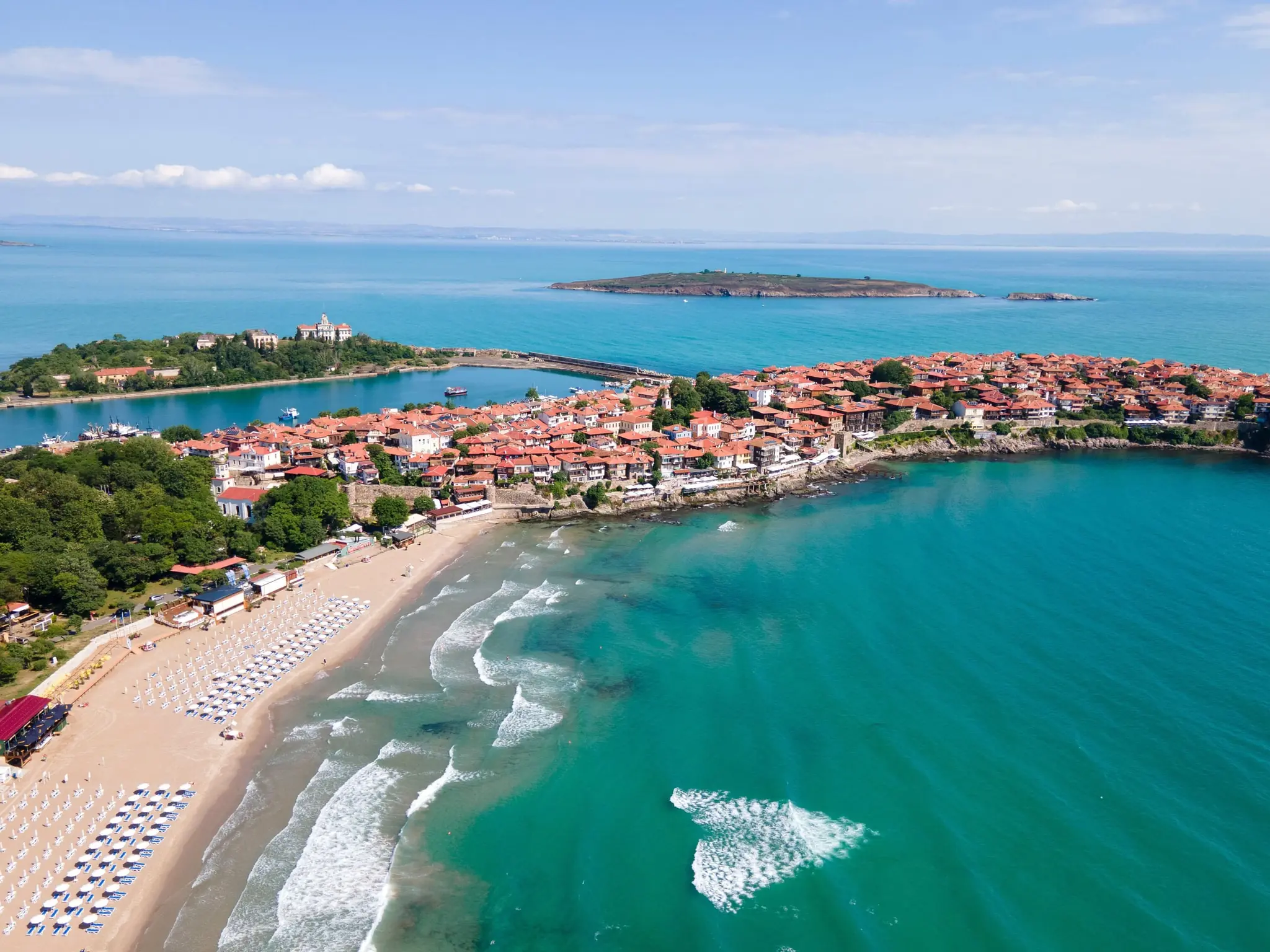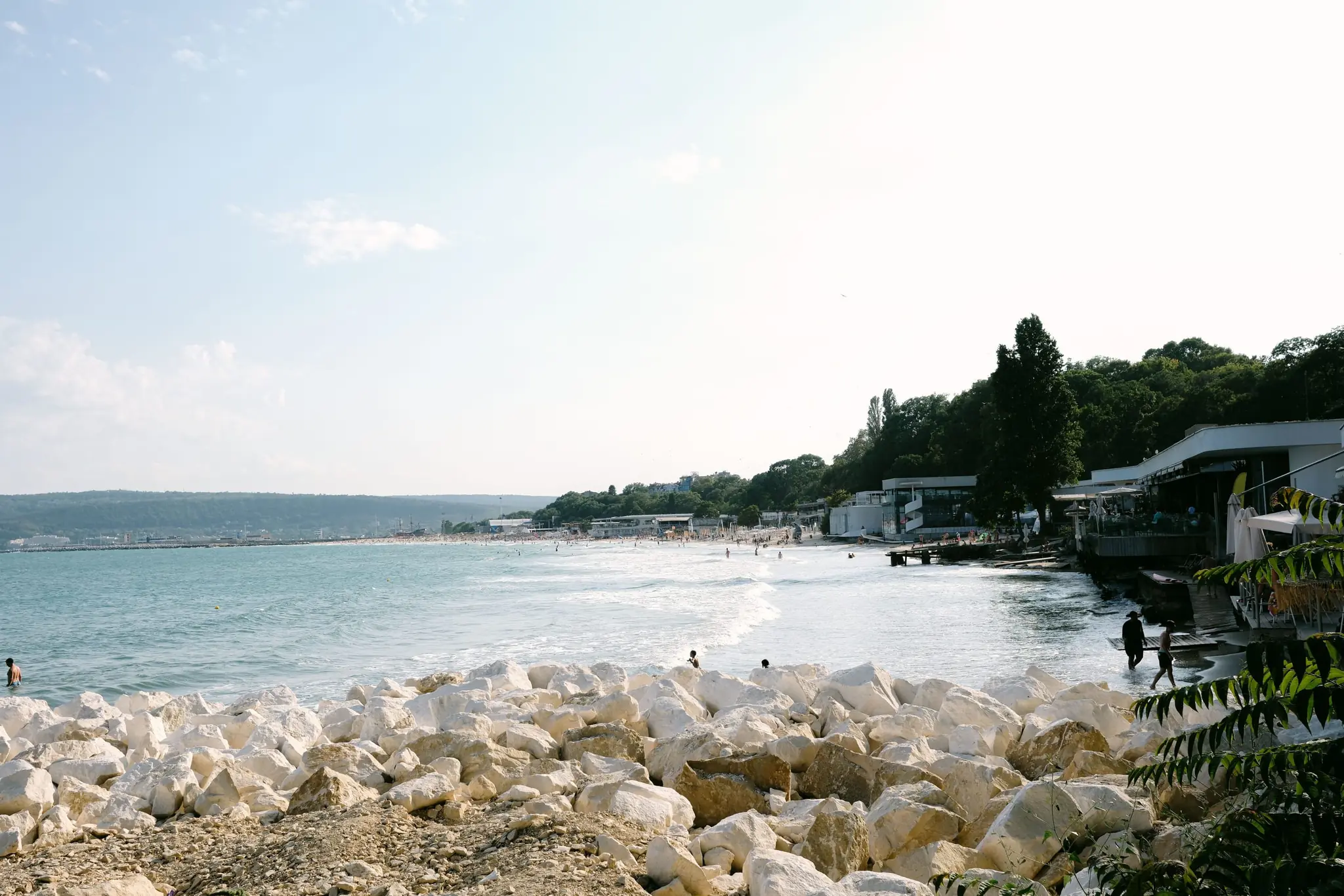
Walk to the seaward end of the Sea Garden towards the end of the day, and Varna opens out below you. You see the curve of the bay and the beach with its last swimmers. The cranes and ships of the port are on one side, and a pale horizon is on the other. Behind you are the shaded alleys of the park, the walls of a Roman bath house and a cathedral with gilded domes. A few minutes away, a museum holds jewellery made some six thousand years ago. It is among the oldest worked gold ever found.
Bulgarians call Varna the sea capital, and it has a fair claim. It is a real city, with an opera, a port and a university. It also happens to have a beach, and it works all year round.
Varna is three cities in one, and each is walkable. The oldest is Odessos, a Greek and then Roman port that left behind the baths and a very good museum. Above it lies the nineteenth-century and naval city, with boulevards, Revival houses and ships. The newest is the city of the Sea Garden, where the whole town drifts to the water at the end of a warm day.
Varna has its weaknesses. The central beach is a city beach and not the best on the coast, and on summer weekends the Sea Garden and the seafront are crowded. July and August are the busiest and most expensive months, and the north road to the resorts is slow in high season. Even so, Varna is one of the few Black Sea towns that stay alive when the resorts close in autumn.
Good to know: this guide was checked in October 2026. Hours, prices and event dates change, so confirm them on the official websites before you go. Where a card gives no hours or prices, we could not confirm them.
Top Highlights
Twelve places that between them tell the story of the city. They are ordered in pairs, so you can read across each row. Most are in or close to the centre, and the rest are a short bus or taxi ride away.
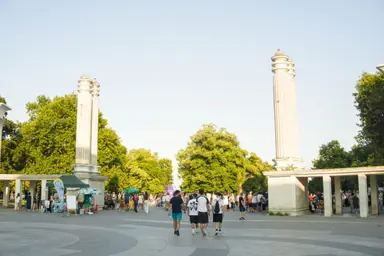
Source: Pexels Sea Garden
The Sea Garden was laid out in the late nineteenth century, after Bulgaria’s Liberation, as a long green strip between the city and the water. Shaded alleys, old trees, open-air cafés and promenades run down towards the beach. Sooner or later the whole city passes through it. It is Varna’s living room. The best way to meet it is to walk it slowly towards the sea.
More information
Opening times: Open 24/7
Admission: Free
Website: Visit Website
*Cafés, bars and restaurants by the sea keep their own hours and prices.
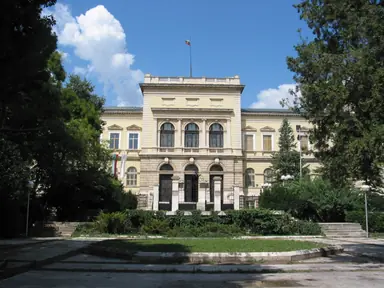
Source: Wikipedia Archaeological Museum
The museum holds the jewellery of the Varna Necropolis, among the oldest worked gold in the world. In 1972 an excavator driver stumbled on graves about 6,500 years old, holding almost 3,000 gold objects. The museum also tells the story of Thracian, Greek and Roman Odessos. It sits in a handsome old building near the Sea Garden.
More information
Opening times:
Season Hours May–September Daily, 10:00–17:00 (closed 1, 6 and 24 May) Winter (from 1 November) Tuesday–Saturday, 10:00–17:00 Admission:
Ticket Price Adult €10 Schoolchildren €4 Adult groups of 15 or more, per person €8 Children under 7 Free Website: Visit Website
*Allow about an hour for the gold hall. The pieces are small and the labels are easy to rush, and not every label is in English.
*Tickets are sold only at the ticket office.
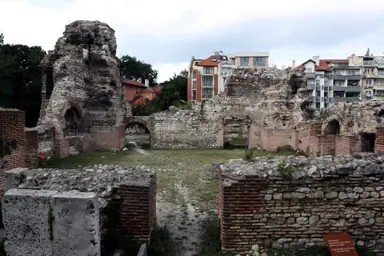
Source: Anton Lefterov Roman Baths of Odessos
The baths were built around the second and third centuries AD, when Odessos was a prosperous Roman port. They are among the larger Roman bath complexes in this part of Europe. Walls up to 22 metres high and vaulted rooms still stand in the middle of the modern city. The complex covers more than 7,000 square metres, with cold, warm and hot halls to trace.
More information
Opening times:
Season Hours June–September Daily, 10:00–18:00 October–May 10:00–17:00; closed Sunday and Monday Admission:
Ticket Price Adult €4 Schoolchildren €2 Children under 7 Free Website: Visit Website
*A short visit, and it sits among the streets of the centre. Wear shoes with grip, because the ground is uneven.
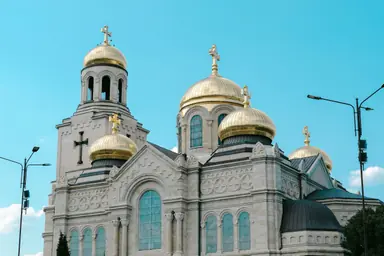
Source: Pexels Cathedral of the Assumption
The city’s main church, dedicated to the Assumption of the Mother of God, was built between 1880 and 1886, soon after Liberation. Its gilded domes are the landmark of the pedestrian centre. Inside are a richly painted interior and a large carved iconostasis. It is a working cathedral, so time your visit around services and leave a few quiet minutes inside.
More information
Opening times:
Place Hours Cathedral Daily, 07:00–17:30 During services Visiting is limited; check locally Admission:
What Price Cathedral Free Interior photos Small fee Website: Visit Website
*Cover your shoulders and knees, and do not photograph during services. It makes a natural pause between the baths and the museum.
Source: tovae.bg Naval Museum
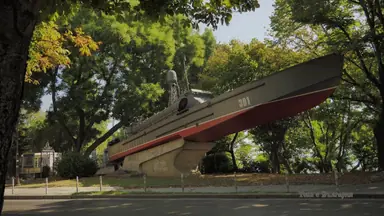
Bulgaria’s main naval museum stands on the seafront near the Sea Garden. The outdoor star is the torpedo boat Drazki, a museum ship. It is remembered for its part in an attack on an Ottoman cruiser during the First Balkan War in 1912. Inside, models, uniforms and maps tell the story of Bulgaria’s navy and of Varna as its main naval port.
More information
Opening times:
What Hours Exhibition Tuesday–Sunday, 10:00–18:00 (closed Monday) Ticket sales End 30 minutes before closing Admission:
Ticket Price All exhibitions €4.09 Outdoor exhibition only €1.53 Drazki battleship-museum €3.07 Students, retirees and disabled visitors €1.02 Website: Visit Website
*Free on the last Wednesday of the month, and for children under 7. A good choice with children, and easy to combine with the Sea Garden. The ship is outdoors, so it is best seen in dry weather, and the museum fills a wet afternoon if the weather turns.
Source: Museum Varna Ethnographic Museum
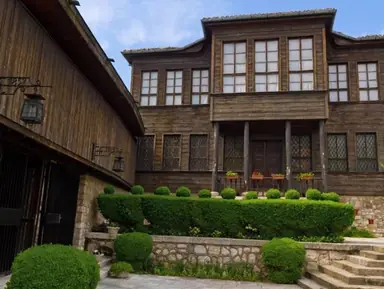
Set in a Revival house built around 1860 in the old part of town, the Ethnographic Museum keeps the traditions of the coast and its hinterland. Inside are embroidered costumes, tools, textiles and furnished rooms that show how Revival-period families lived. It is a quieter, more domestic counterpart to the big museums.
More information
Opening times:
Season Hours October–May 10:00–17:00; closed Saturday and Sunday June–September 10:00–17:00; closed Monday Admission:
Ticket Price Adult €5 Schoolchildren €2 Children under 7 Free Website: Visit Website
*A short visit, quiet on a rainy day. English labels are not guaranteed.
Source: Pexels Varna Opera
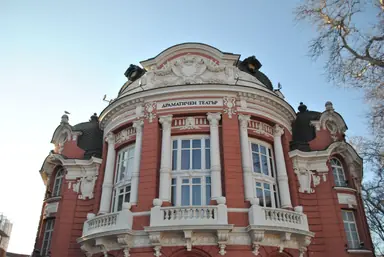
The State Opera runs an opera and ballet season, and the city has a long record as a festival town. The Varna Summer music festival was founded in 1926. Even without a ticket, the theatre is a handsome corner of the centre. An evening performance is a distinctly Varna way to end the day.
More information
Opening times:
Box office Hours Monday–Friday 09:30–13:30 and 14:30–20:00 Saturday 10:00–13:30 and 14:30–19:00 Sunday 11:00–16:00 Admission:Prices vary by performanceSee the official programme
Website: Visit Website
*Check the season and book through the official site, since not every night has a performance and popular dates sell out.
Source: varnenchikmuseum.com Battle of Varna Memorial
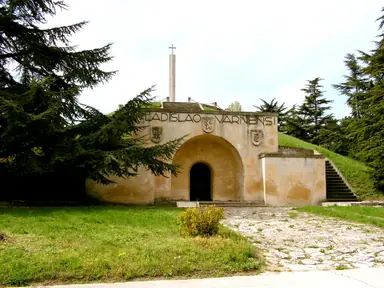
West of the centre is a memorial park named for King Vladislaus III of Poland and Hungary. In Bulgarian he is known as Vladislav Varnenchik. The park marks the Battle of Varna of 10 November 1444. A crusading army met the forces of Sultan Murad II there, and the king died in the fighting. The park has a symbolic tomb and a small museum. Many Polish and Hungarian visitors make the trip.
More information
Opening times:
What Hours Exhibition Tuesday–Saturday, 10:00–18:00 Ticket sales End 30 minutes before closing Admission:
Ticket Price Indoor, outdoor and temporary exhibitions €4.09 Outdoor exhibition only €1.53 Family ticket €6.14 Students €1.02 Website: Visit Website
*A quiet counterweight to the beach, reached by bus, taxi or car. Children under 7 enter free, and everyone enters free on the last Wednesday of the month.
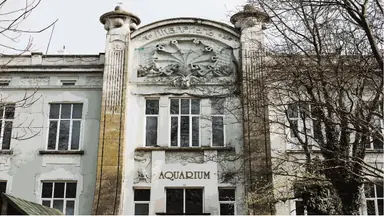
Source: Varna City Card Varna Aquarium
The aquarium sits in the Sea Garden and belongs to the Institute of Fisheries Resources, which began in 1932 as a marine biological station with an aquarium. Its three halls show around 140 species of Black Sea life. It is compact and also shows turtles, a good choice for a short visit with children or a wet afternoon.
More information
Opening times:
Season Hours June–September Daily, 09:00–19:00 (last entry 18:30) October–May Daily, 09:00–18:00 (last entry 17:30) Admission:
Ticket Price Adult About €2 Children 6–18 About €1 Children 3–6 About €0.50 Website: Visit Website
*Allow about half an hour.
*The ticket desk takes cash only, and a guided tour in Bulgarian costs about €6.
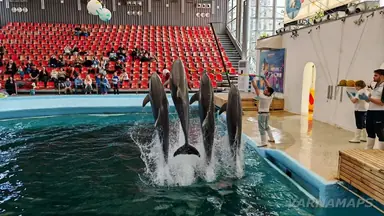
Source: Varna Maps Varna Dolphinarium
The Dolphinarium opened on 19 August 1984 and stands in the Sea Garden. Dolphin shows run every day, and seals live here too. The number of shows grows from one a day in winter to four a day in high summer. The dolphins rest on Mondays, so plan your visit around that, and check the show times first.
More information
Opening times:
Season Shows 10 Oct–9 Apr 12:00 10 Apr–14 May, 25 Sep–9 Oct 12:00, 15:30 15 May–25 Jun, 4–24 Sep 10:30, 12:00, 15:30 26 Jun–3 Sep 10:30, 12:00, 15:30, 17:00 Admission:
Ticket Price Adult €14–26, by season Children 2–12 €11–23, by season Children under 2 Free Photo permission €3 Website: Visit Website
*No shows on Monday.
*Prices are highest from 15 June to 15 September, and the first rows of the central sector cost more.
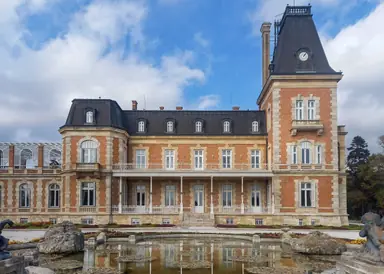
Source: Varna Heritage Euxinograd Palace
Euxinograd began in 1882, when the municipality gave Prince Alexander of Battenberg a monastery and land by the sea. Prince Ferdinand later made it a summer residence, and the park holds rare trees, a chapel and a winery from 1891. It is still a state residence, so visits are by advance booking.
More information
Opening times:
What Details Guided tours Tuesday–Sunday; closed Monday Tour times 09:00, 12:00 and 15:00 Admission: Check with the residence
Website: Visit Website
*Book by email at euxinograde@government.bg with the names of everyone in your group, or ask by phone on +359 52 393 140.
*Buses 9, 31A, 109 and 409 stop at Evksinograd. Prices are not published, so confirm them first.
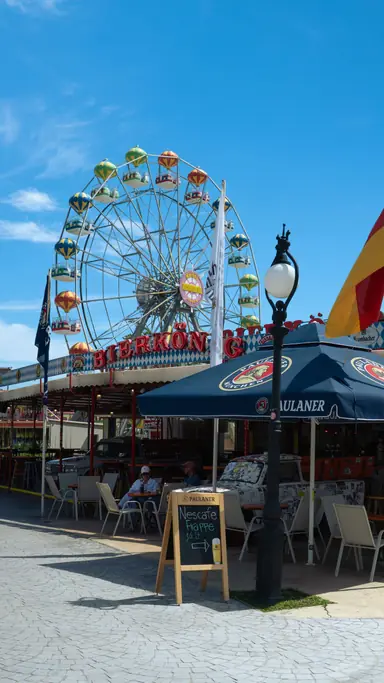
Source: Pexels The Port of Varna
Varna Fun Port, the port’s amusement park, has a Ferris wheel, rides and street food, and the harbour front is lined with restaurants and cafés. It is Bulgaria’s largest seaport, and the cruise terminal sits beside the centre. In summer, small boats leave from the Marine Station for short trips around the bay.
More information
Opening times:
What Hours Promenade Open 24/7 Varna Fun Port Usually daily from 17:00 to midnight; shorter in late autumn and winter Admission:
What Price Promenade and amusement park entry Free A ride About €2–5 Boat trip of one to two hours, in summer About €8–15 Website: Visit Website
*Restaurant hours vary, so check before you go.
*A working port, so some areas may be fenced off.
Neighborhoods & Where to Stay
The centre, the Sea Garden and the seafront are all within about twenty to twenty-five minutes' walk of one another. Most of what you will visit is close. The real choice is between convenience and a quieter base.
The Centre
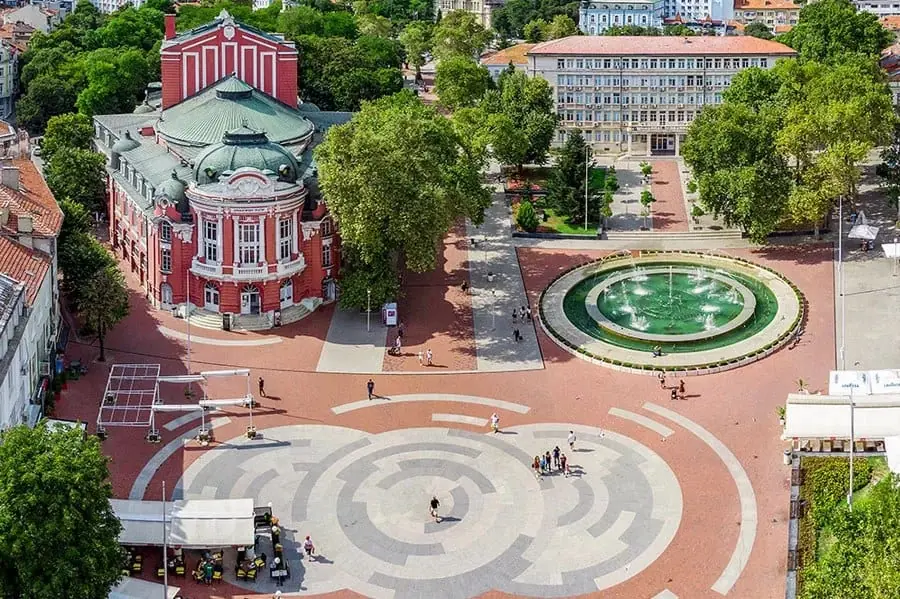
The easiest first base, and the best for a first visit. Around Nezavisimost Square and Knyaz Boris I Boulevard are the shops, the Roman baths, the cathedral and the Archaeological Museum. All of it is within walking distance, and the Sea Garden is at the end of the street. Summer evenings can be noisy, so ask for a room away from the busiest terraces.
The Greek Quarter
The Greek Quarter, in the small streets just south of the centre, holds many of the good restaurants and bars. It is characterful, busy at night and close to everything. That is both its charm and its drawback. A good choice if you want to step out of the door into dinner. Light sleepers should ask about the quiet side of the building.
Chayka & the Sea Garden
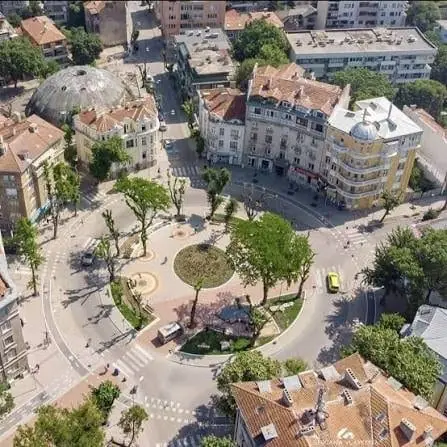
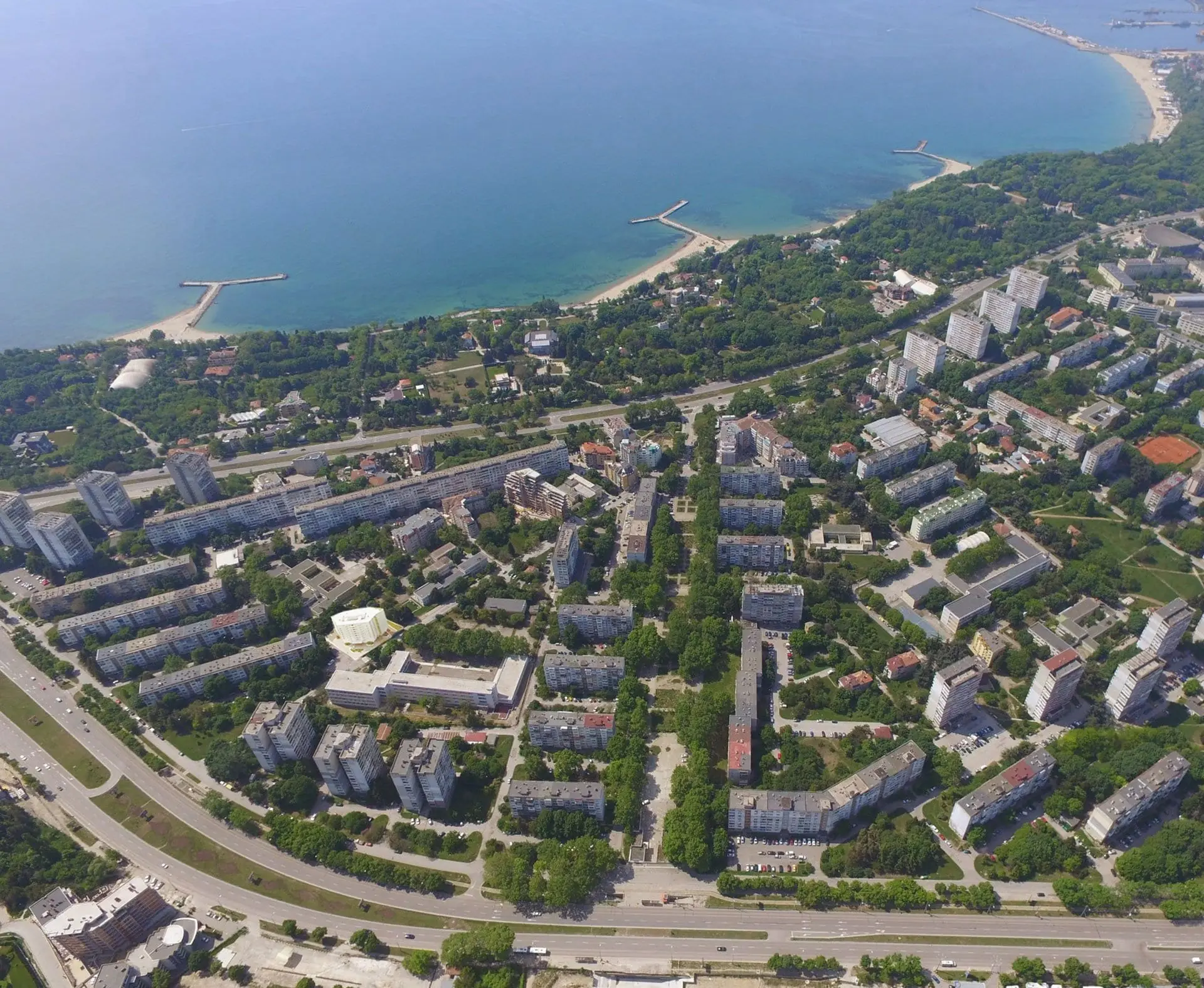
To the north-east, along the park above the beach, is a quieter residential area of apartment blocks and rentals. It is about twenty minutes' walk from the centre and roughly ten down through the park to the sand. It is hillier and calmer than the centre and a good fit for beach-minded stays. When your legs have had enough, there is a short taxi or bus ride.
St Constantine & Helena
A spa resort on the coast about eight kilometres north, with pine woods, large hotels and a calmer rhythm. It stays open all year, and buses 9 and 409 connect it to the city. Best for a spa-and-sea holiday with the city on call. It is less good if you want to wander out to dinner in a lively street each night.
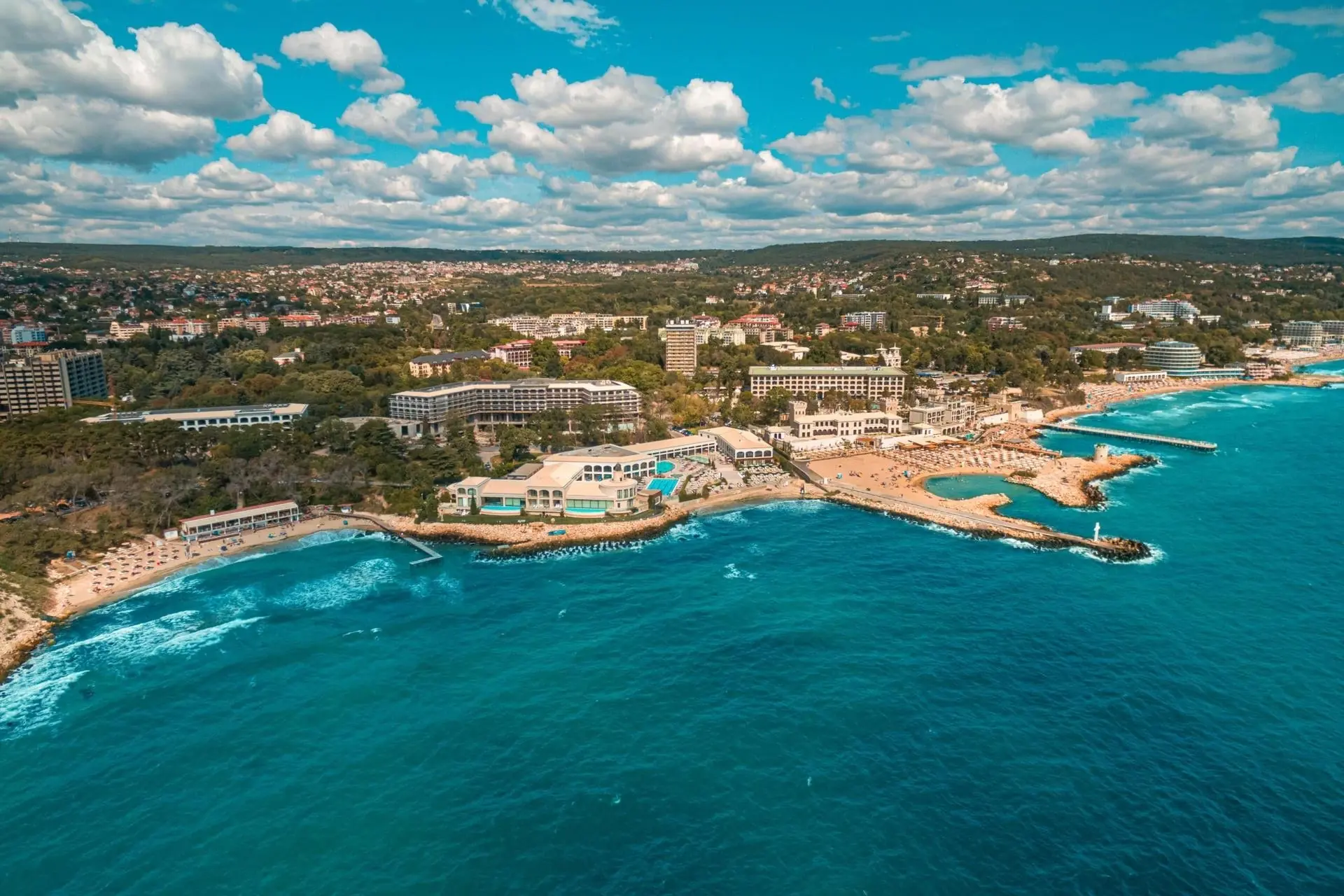
Varna is the base for a city-plus-beach trip. The resort of Golden Sands, about eighteen kilometres north, is for resort sand. Varna stays open and lively in autumn and winter, while the resort largely shuts down outside the summer season.
Find a place to stay
Hotels, apartments and current prices for Varna, all in one place.
See stays in VarnaVarna Through Time
Varna’s story starts with a lucky accident. In October 1972, an excavator driver working on the western edge of the city hit a grave. It turned out to be part of a cemetery of about 300 graves from roughly 4600 to 4200 BC. Almost 3,000 gold objects came out of it, among the oldest worked gold ever found and far older than any Thracian state. Today they lie in the Archaeological Museum.
The Greeks came later. Settlers from Miletus founded a trading port called Odessos around the sixth century BC, and under Rome it grew into a port and bath-house city. Step into the Roman baths and you are standing in its great survivor, with walls up to 22 metres high. The Thracians who lived here are the subject of our Thracian Heritage Trail guide, and Varna is its prequel.
In November 1444, a crusading army under King Vladislaus III of Poland and Hungary met the army of Sultan Murad II near Varna. The crusaders were defeated and the king was killed. The Battle of Varna Memorial commemorates the day. Under the Ottomans Varna was a fortified port, and in 1866 a railway linked it with Ruse on the Danube, one of the first on Bulgarian lands.
After the Russo-Turkish War of 1877–78, Varna became a Bulgarian city and began to look the part. The Sea Garden was laid out, and the Cathedral of the Assumption rose between 1880 and 1886. A walk through the park and the streets around the cathedral is a walk through that moment.
In the twentieth century Varna became Bulgaria’s main commercial port and naval base. The torpedo boat Drazki, remembered for its part in an attack on an Ottoman cruiser in 1912, now belongs to the Naval Museum. The city also became a festival city, with the Varna Summer festival, founded in 1926, and the Opera. For some years in the communist era it was even renamed Stalin.
Most of old Odessos still lies beneath the modern streets, so the best way to read Varna is on foot.
Food & Drink
Varna eats from the sea, so order fish: look for kalkan (turbot), fried tsatsa and mussels, and pair them with a local white such as Dimyat. For a drink, try Cubo, a bar, and Ribarsko Cubo, a cool bar that also serves brunch.
Tip: menus are not always in English. Some small places prefer cash, so carry a little. Seafront restaurants cost more than those a couple of streets inland. Tables fill on summer weekends, so book ahead if you have a place in mind.
Transportation
Varna is easy without a car. The centre, the Sea Garden and the seafront are walkable, and buses reach the resorts. Most visitors need little more until they head up the coast.
- By air: Varna Airport (VAR), 10 km west. Flights from Sofia run every day, most days two or three, and take about 40 minutes
- Car from Sofia: about 470 km, 5–6 hours on the Hemus motorway (A2). You need a vignette: see our country guide. Road works change, so check the route before you go
- Coach from Sofia: about 6½–7½ hours. Check which station your coach leaves from
- Train (BDZ): old and slow. Check the timetable first
Fly or drive; the train is slow
- Taxi: about fifteen minutes to the centre
- Bus 409: about twenty minutes
Take clearly marked taxis
- On foot: the centre, the Sea Garden and the beach
- Local buses: 9 and 409 to St Constantine and Helena. Lines 109 and 409 go on to Golden Sands in summer for about a euro, but check the routes locally
- Taxis: take a clearly marked car from a reputable company, never an unmarked cab
- Parking: blue zone 9:00–20:00, 3 hours max
No car needed in the city
Tip: you do not need a car in Varna itself, where parking is hard and paid. For Balchik, Kaliakra, Madara or the Stone Forest, rent a car if you can. It is faster and more flexible, and it is the only comfortable way to reach several of those places. Use buses for Golden Sands and St Constantine and Helena.
Day Trips from Varna
Varna works as a base for two kinds of day trip. Golden Sands is easy by bus, Aladzha is close by, Balchik and Kaliakra make one long day on the northern coast, and the Stone Forest, Madara and Shumen fill another day inland.
Golden Sands
By car
About 30 minutes
Without a car
Bus in summer
Allow
Half a day
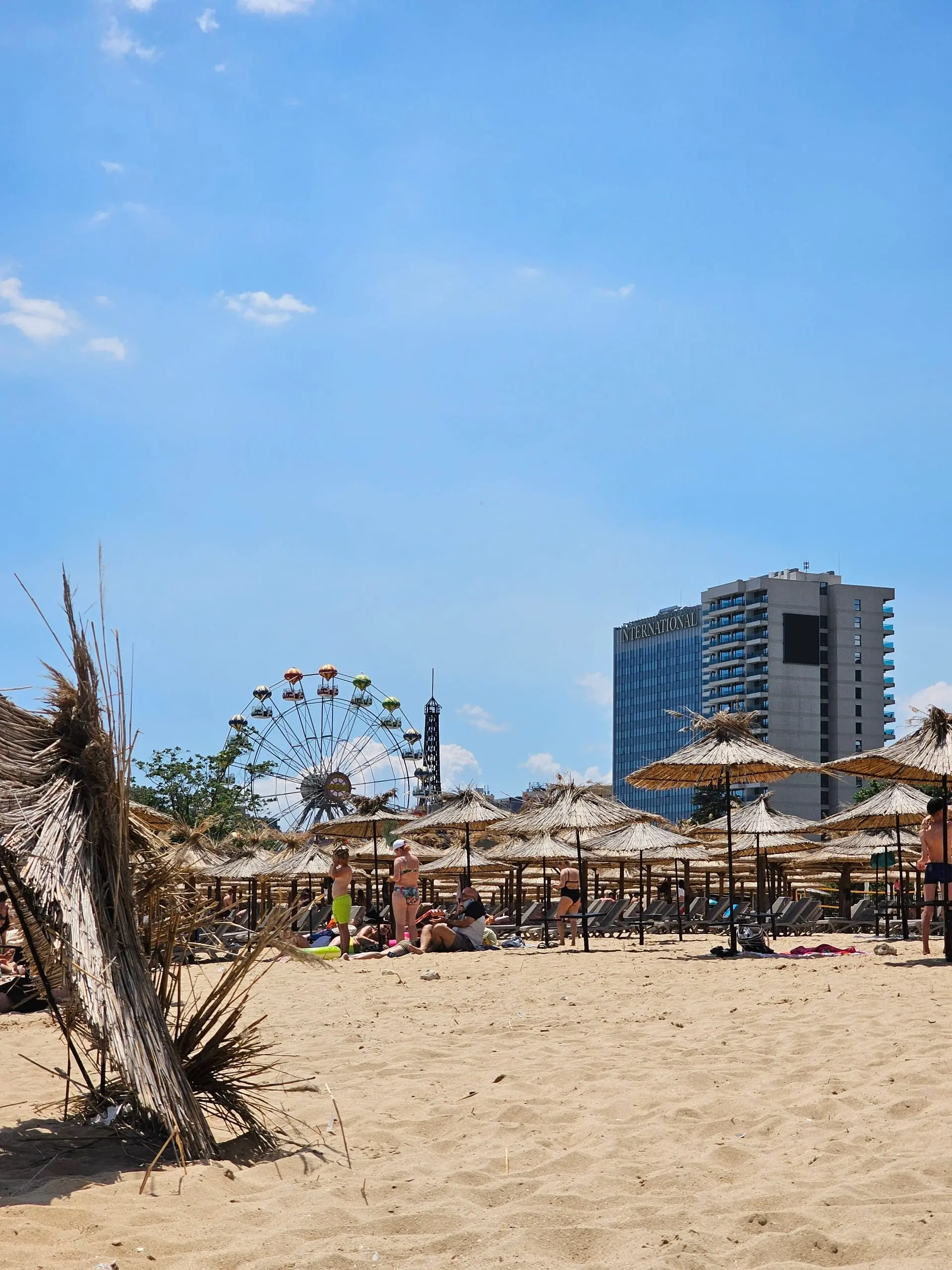
Golden Sands is a resort Bulgaria planned from scratch. It was built from the late 1950s, and the main beach is about 3.5 km long and up to 100 metres wide, with fine quartz sand that gave the resort its name.
Behind it lies the Golden Sands Nature Park, a forest of about 1,320 hectares with marked walking routes and warm mineral springs. Come for a beach day in summer and a forest walk outside the season. See our Golden Sands stay page too.
Aladzha Monastery
By car
About 30 minutes
Without a car
Tour or taxi
Allow
1–2 hours
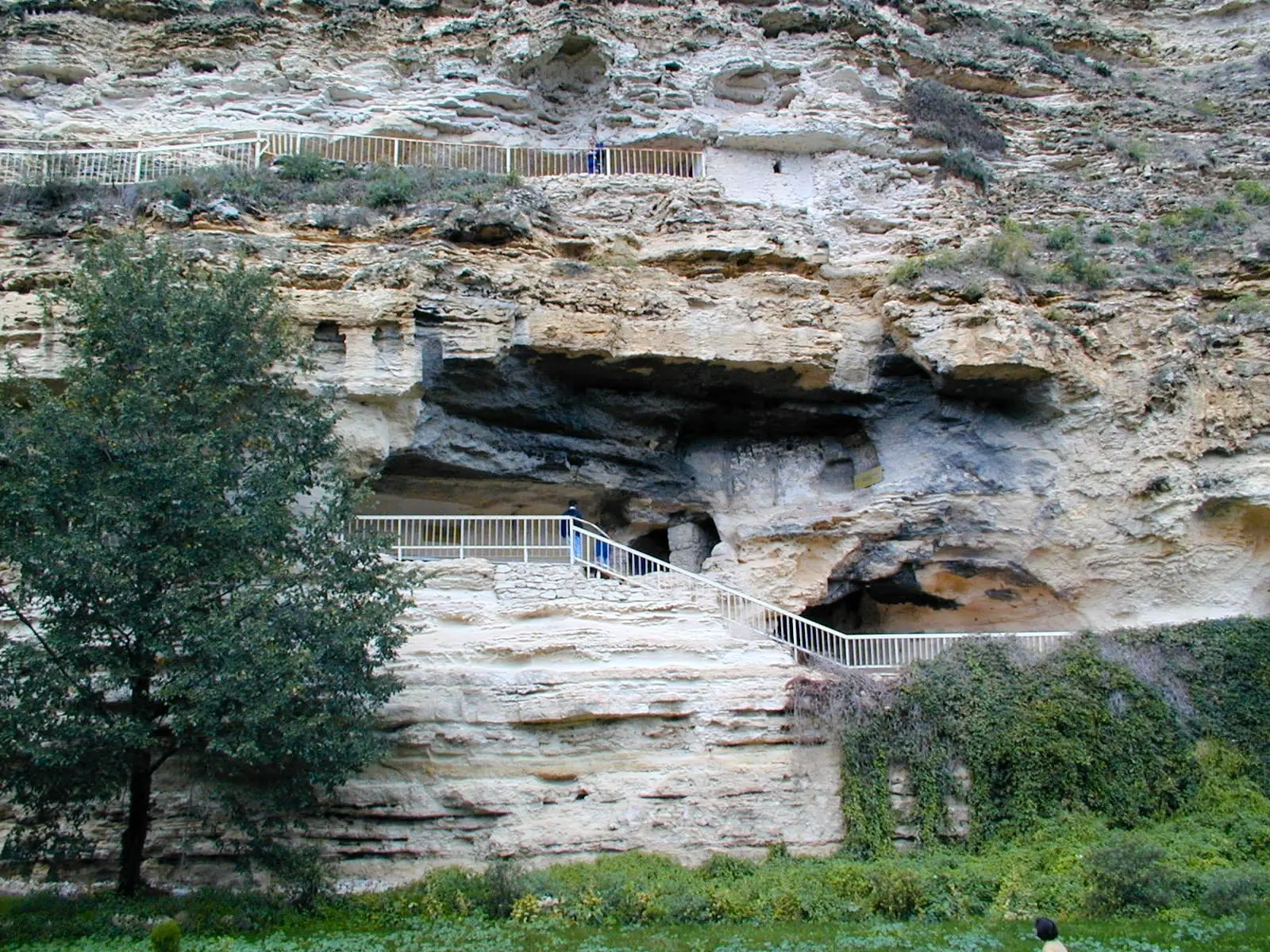
The Aladzha Monastery is carved into a 25-metre limestone cliff, with cells and chapels on several levels. Medieval monks of the hesychast tradition lived here from the 12th century, and the community may have lasted into the early 18th century.
Its name comes from the Turkish alaca, ‘motley’, for the colourful murals that once covered the walls and are now almost gone. Two small catacombs lie nearby, and in summer light shows are staged here in the evening. It is about 17 km north of Varna and 3 km from Golden Sands. It is closed from December to February, so check the hours.
Opening times:
| Season | Hours |
|---|---|
| May–October | Daily, 09:00–17:00 |
| March–April and November | 10:00–17:00; closed Monday and Tuesday |
| December–February | Closed |
Admission:
| Ticket | Price |
|---|---|
| Adult | €5 |
| Schoolchildren | €3 |
| Children under 7 | Free |
Website:
- Tickets are sold only at the ticket office.
Balchik
By car
About an hour
Without a car
Bus or tour
Allow
Half a day
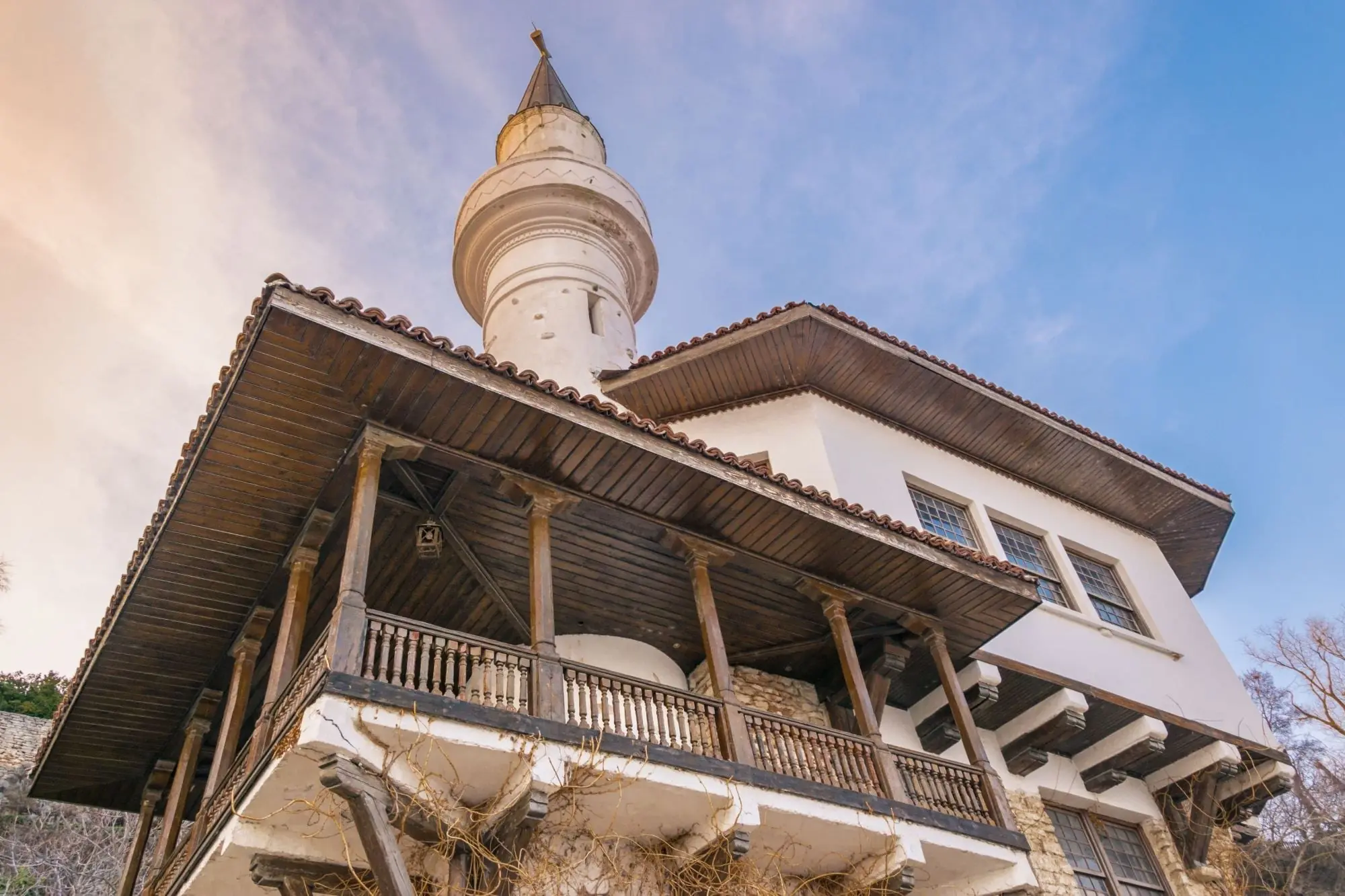
Queen Marie of Romania fell for Balchik in 1921, when this stretch of Dobrudzha was Romanian, and she built a summer palace here, the Quiet Nest, between about 1924 and 1937. In 1940 the Treaty of Craiova returned the town to Bulgaria, and the palace stayed.
A terraced botanical garden of about 65,000 square metres runs around it, with a big cactus collection said to be the second largest outdoor one in Europe after Monaco’s. The white town steps down to the sea, so wander it before you leave. Balchik pairs well with Kaliakra for a long day by car.
Opening times:
| Period | Hours |
|---|---|
| April | 08:30–19:00 |
| May–August | 08:00–20:00 |
| September | 08:00–19:00 |
| October | 08:30–18:00 |
| November–March | 08:30–17:00 |
Admission:
| Botanical garden | Palace | Both | |
|---|---|---|---|
| Adult | €10 | €10 | €20 |
| Student | €3.60 | €3 (aged 6–18) | €6.60 |
| Senior | €3.60 | – | – |
| Family | €20 | €18 | €38 |
| Child | Free up to 4 | Free up to 6 | Free |
Website:
- Open daily, all year.
- Pay in cash, in euros, at most ticket desks. Parking near the palace costs about €1.50–€2.50. Summer is crowded, so arrive early, and allow time for the garden as well as the palace.
Cape Kaliakra
By car
About 1½ hours
Without a car
Tour
Allow
A long day
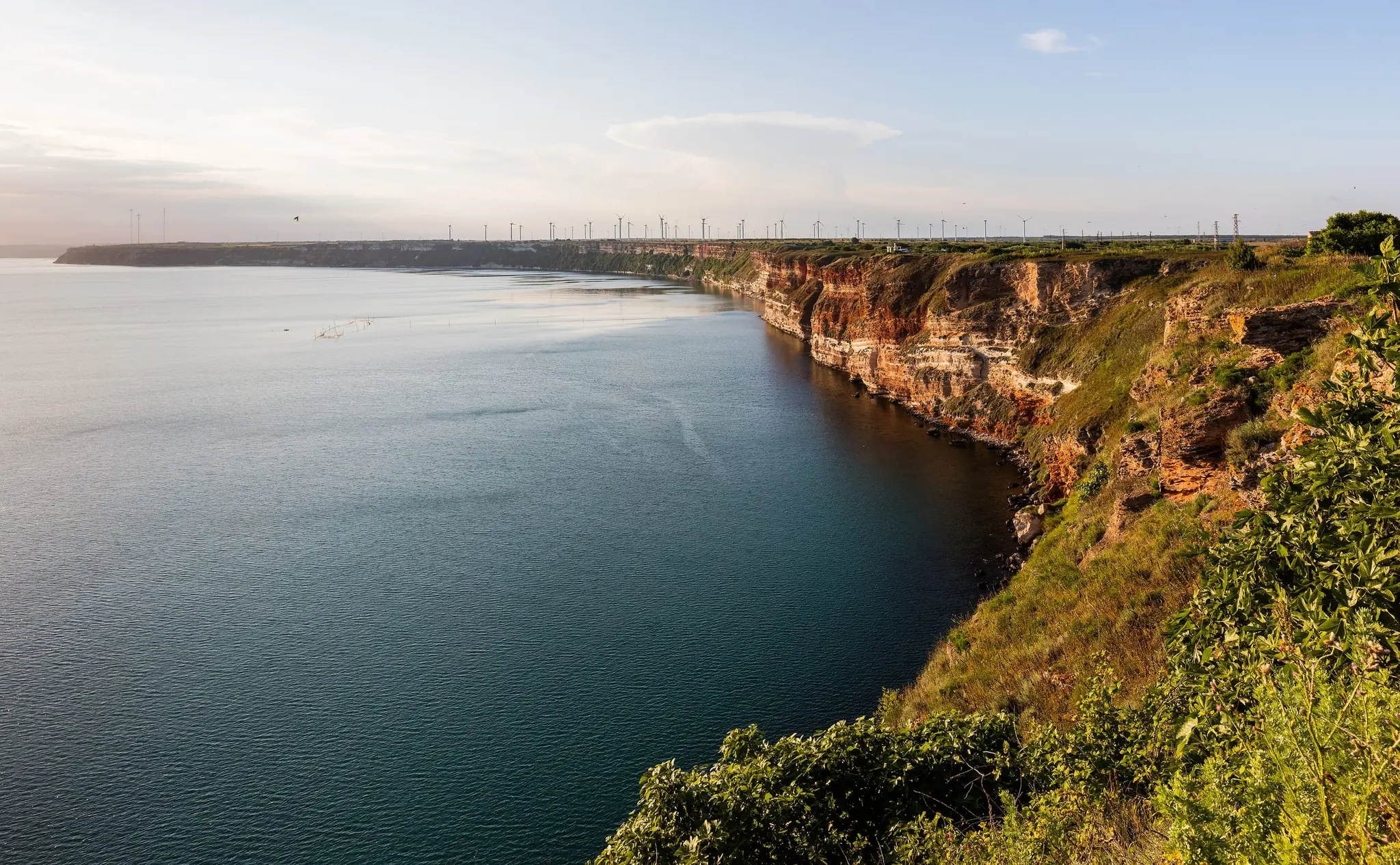
Kaliakra, the ‘beautiful headland’, is a narrow limestone spur that runs out into the sea between cliffs up to 70 metres high. Its fortress ruins reach back to the Thracians, and in the 14th century it was the capital of the Despotate of Dobruja.
The cliffs also hold a legend. When the Ottomans came, about forty girls are said to have plaited their hair together and leapt from them rather than be taken captive. A monument at the entrance recalls them.
Today the cape is a nature reserve and a stop on the Via Pontica, a major bird-migration route. Go for sunset. A car is essential, and the coast road is slow in summer.
Opening times:
| What | Hours |
|---|---|
| Reserve and cliffs | Open all year; summer daily 09:00–19:00; off-season typically 09:00–17:00 |
| Cave museum | Daily, May–October |
Admission:
| Ticket | Price |
|---|---|
| Adult | About €3 |
| Child and student | About €1.50 |
Website:
- Stay on the paths near the cliff edge. Go in the evening light, because summer is crowded.
The Stone Forest
By car
About 20 minutes
Without a car
Tour or taxi
Allow
An hour or two
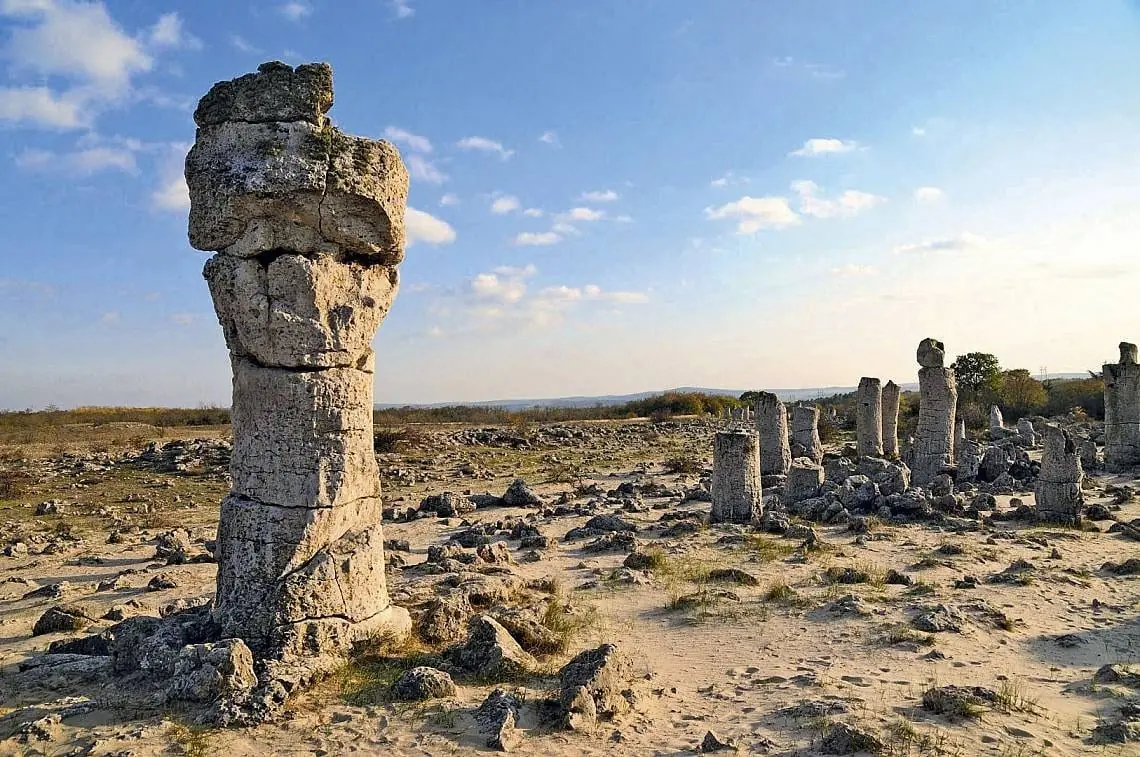
In a dry plain west of Varna, stone columns rise from the sand in seven groups. Bulgarians call them Pobiti kamani, ‘planted stones’. The main group, Dikilitash, has more than 350 of them.
They date to the Lower Eocene, tens of millions of years ago, and their origin is still debated. A 2009 study points to a seep of hydrocarbons underground, not to any fossil forest. The site was first described in 1829 and has been protected since the late 1930s. A short walk among the columns is enough. With a car, it is the easiest day trip, and it combines well with the road to Madara.
Opening times:
| Season | Hours |
|---|---|
| May–October | 10:00–19:30; closed Monday and Tuesday |
| November | 10:00–17:00; closed Monday and Tuesday |
| December | By prior arrangement only |
| January–April | 10:00–18:00; closed Sunday and Monday |
Admission:
| Ticket | Price |
|---|---|
| Adult | €3 |
| Schoolchildren and students | €2 |
| Children under 7 | Free |
| Guided lecture | €10 |
Website:
- Groups of ten or more can ask to visit outside these times by calling +359 888 544 506.
- Tickets are sold only at the ticket office.
Madara Horseman & Shumen
By car
About 1¼–1½ hours
Without a car
Tour
Allow
A long day
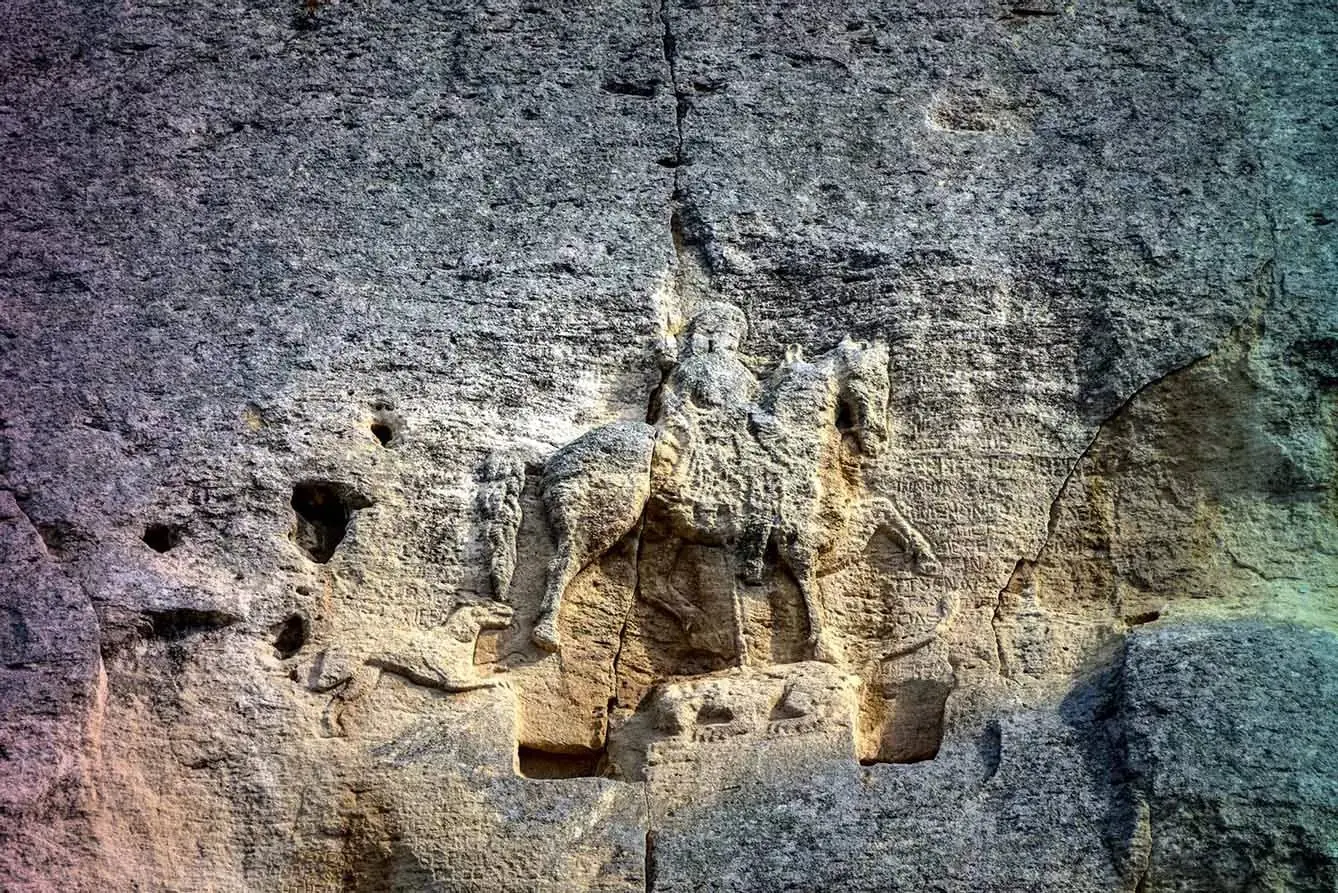
A horseman thrusts a spear into a lion, with a dog running behind him, carved about 23 metres up a pale cliff. The Madara Horseman dates to around the eighth century, probably under Khan Tervel, and Greek inscriptions beside it name the khans Tervel, Krum and Omurtag. It has been a UNESCO World Heritage Site since 1979.
A long stair leads up to the relief, so bring water. Nearby Shumen has a medieval fortress, and with the Stone Forest it makes a good full-day loop from Varna.
Opening times:
| Season | Hours |
|---|---|
| 1 April–31 October | Daily, 08:30–19:00 |
| 1 November–31 March | Daily, 08:30–17:00 |
Admission:
| Ticket | Price |
|---|---|
| Adult | €3.58 |
| Senior | €2.56 |
| Student | €1.53 |
| Family | €5.11–6.14 |
Website:
- The relief is high on the cliff and worn by time, so bring binoculars or a zoom lens, and allow time for the stairs.
- Tickets are bought at the entrance kiosk.
No car? Book a tour
Guided day trips from Varna to the northern coast and the inland plateau, with no driving needed.
Browse experiencesSeasonal Events & Festivals
Varna works in every season. The choice is less about whether to go and more about what you want from the sea. Check official sources for dates.
Spring
March to May
Day
11–21 °C
Night
3–12 °C
Mild and green. The Sea Garden comes into leaf and the streets are quiet. The sea is still cold, at about 8–16 °C. So this is a season for the city rather than for swimming. Showers are possible.
What’s on
- 3 MarchLiberation DayA national holiday, marked across the country.
- April or MayEasterMarked in the churches; the date changes each year.
- 24 MayDay of Bulgarian Education and CultureAlso the day of the Slavonic alphabet, celebrated across the country.
Pack a waterproof and a warm layer for the seafront.
Summer
June to August
Day
26–29 °C
Night
17–19 °C
Warm sea, busy streets. The sea warms to about 22–25 °C, and the beach and the Sea Garden are at their liveliest. July and August are the busiest and most expensive weeks. The north road to Golden Sands jams at weekends, so book early.
What’s on
- From late JuneVarna Summer International Music FestivalFounded in 1926; the 2026 season marked its centenary.
- Mid-June to late AugustOpera at the Summer TheatreOpen-air opera and ballet.
- JulyVarnaWINEkendA wine and hip-hop festival in the courtyard of the Archaeological Museum.
In July and August, go to the beach before 10:00 or after 17:00.
Autumn
September to November
Day
13–25 °C
Night
6–15 °C
Often the best balance. The sea is still warm in September, at about 23 °C. It cools to about 13 °C by November. The streets calm down and the Sea Garden is quieter. Some resort businesses at Golden Sands close from October, but Varna does not.
What’s on
- 22 SeptemberIndependence DayA national holiday.
- Into early autumnVarna Summer festivalSome concerts run on after the summer; check the programme.
- 10 NovemberBattle of Varna anniversaryRemembers the battle of 1444.
Swim in September, and bring a jacket from October.
Winter
December to February
Day
7–8 °C
Night
−1 to 1 °C
Cold and calm. The sea is cold and wind-blown, at about 7–10 °C. The museums, the Opera and the restaurants, however, run all year. So Varna makes a good winter city break.
What’s on
- Through the winterOpera and ballet seasonPerformances in the main house on Nezavisimost Square; check the programme.
- 6 JanuaryEpiphanyMarked at the water, as elsewhere on the coast.
- Late DecemberChristmas and New YearMuseums may close: in 2025–26 the regional history museum’s sites shut from 24 December to 4 January.
Dress for the wind on the seafront.
Varna’s calendar is built around music and the sea: the Varna Summer festival and the Opera season. Dates change from year to year, so check the official programmes.
Practical Tips
- Closing days. Many museums close one day a week, often Monday, so check before you go.
- Money. Bulgaria uses the euro, and cards are accepted almost everywhere.
- Sun. There is little shade on the beach or in the Sea Garden at midday in summer, so carry water and a hat.
- Safety. Varna is generally safe. Watch for pickpockets in crowded summer spots, and call 112 in an emergency.
Additional Resources
- Visit Bulgaria: the national tourism portal.
- Varna Regional Museum of History: hours and prices for the Archaeological Museum, the Roman baths, the Ethnographic Museum, Aladzha and the Stone Forest.
- State Opera Varna: the programme and box-office hours.
- Varna Dolphinarium: show times and tickets.
- Related guides: Plovdiv and Bulgaria: Beyond the Cities.
All details here are approximate, so check official sources before you go.
Varna rewards an unhurried day. Hold a coffee in the Sea Garden, step over the stones of a Roman bath and look closely at six-thousand-year-old gold. End with a plate of fried fish while the bay turns pink.
На добър час! (nah DOH-bur chahs) — Bon voyage!