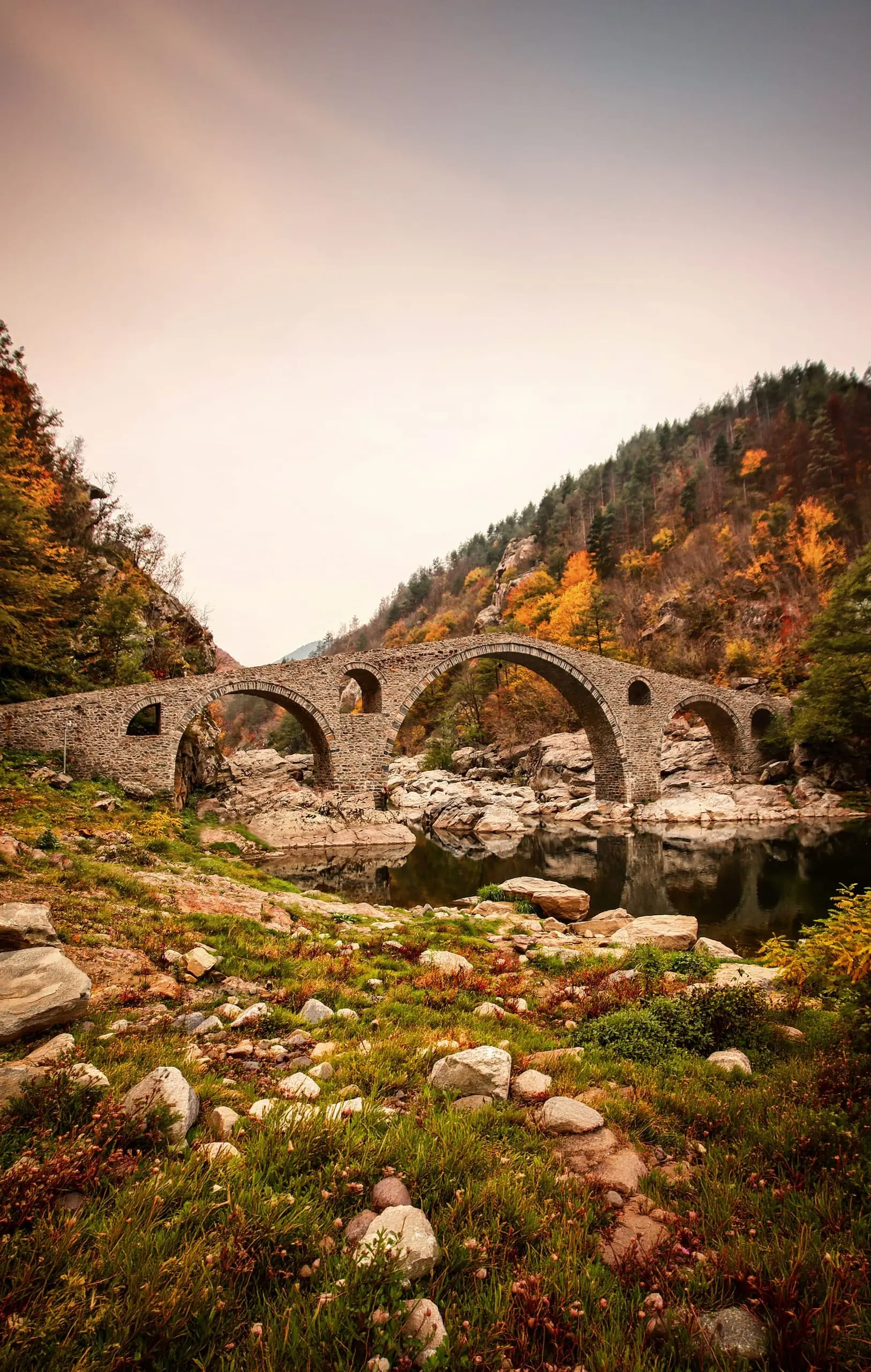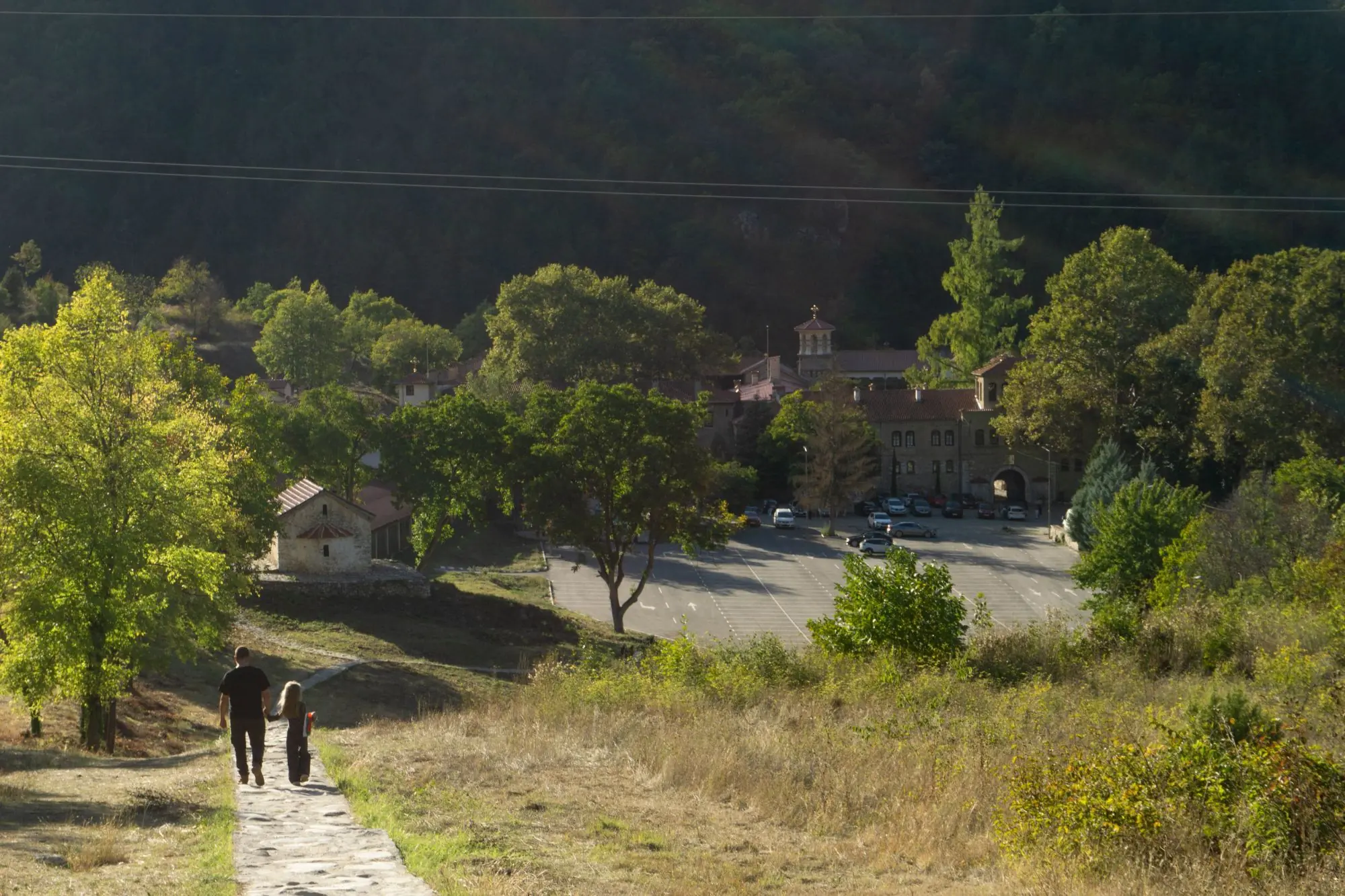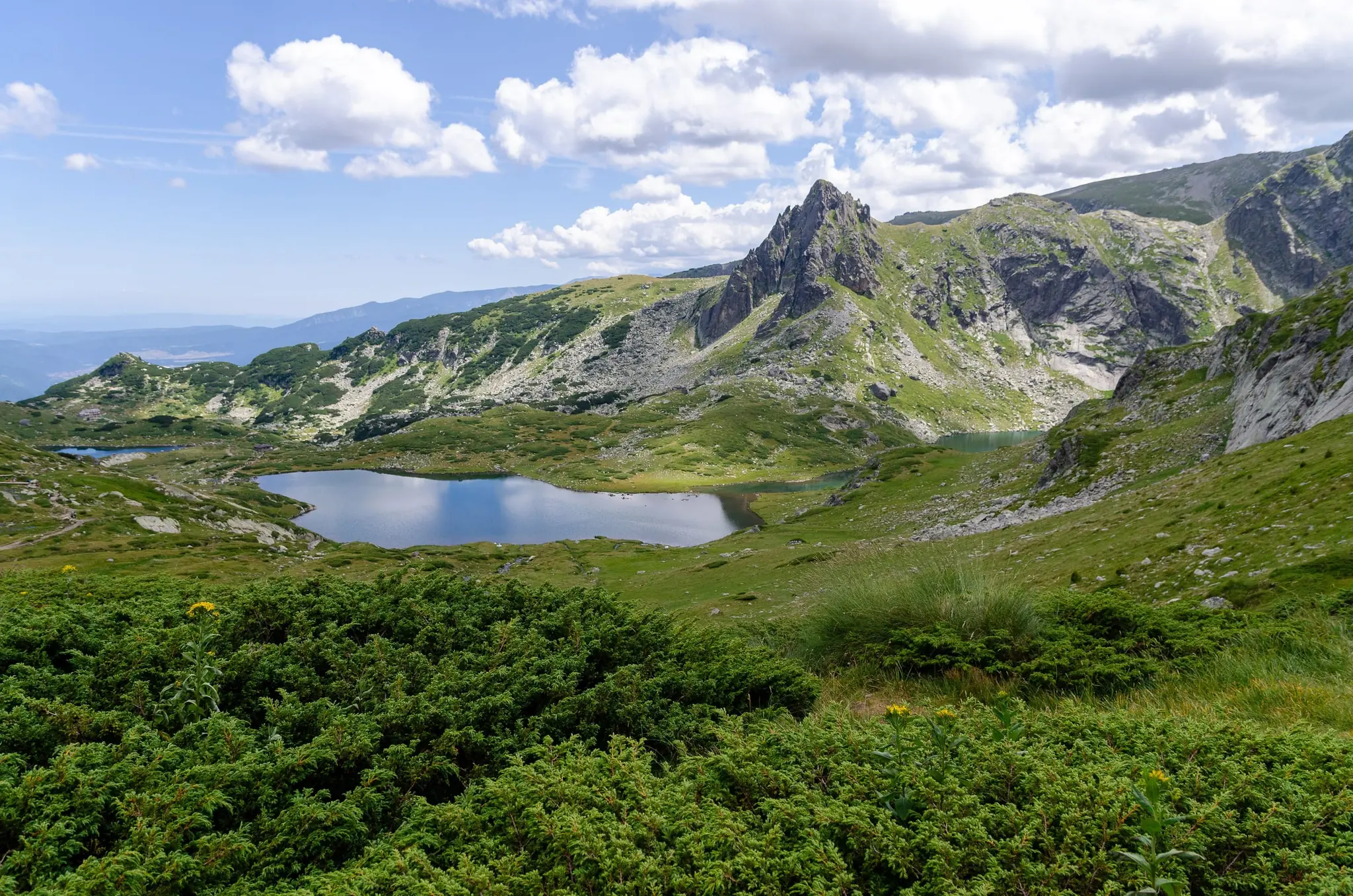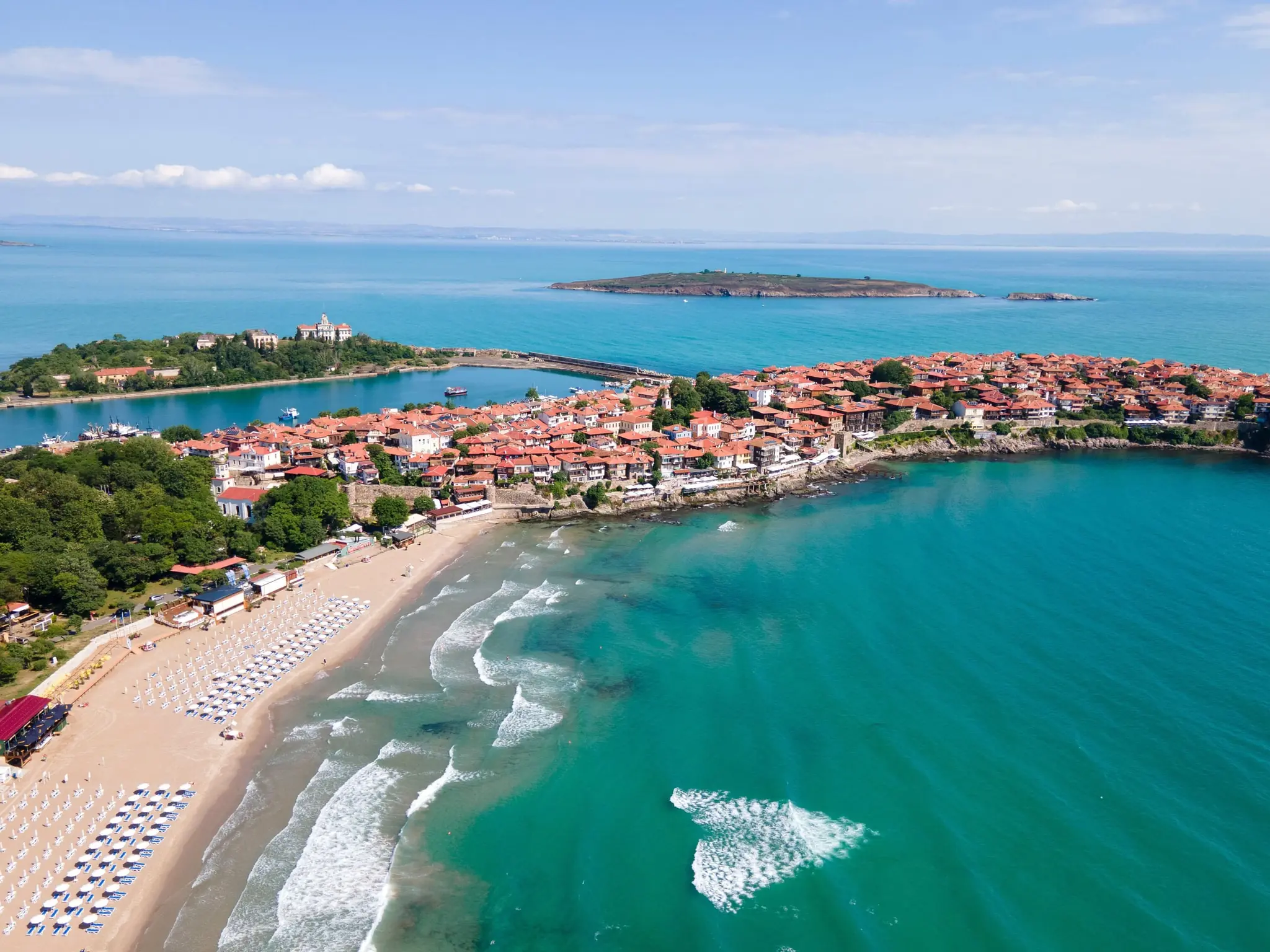
Cross the narrow causeway into Nessebar at the end of the day, when the coaches have gone, and the old town closes around you: cobbled lanes, leaning timber houses and the broken arches of churches older than most of Europe's cathedrals. Or stand at the end of the pier in Burgas in autumn as storks and pelicans pass overhead. Both are the same coast, less than an hour apart.
That is the pleasure and the puzzle of the Burgas coast: it is not one holiday but five. Burgas is a port city with a sea garden and lagoons full of birds, Nessebar a UNESCO-listed island-town, Sunny Beach a vast purpose-built beach strip, Pomorie a salt-and-spa town and Sozopol a Greek-founded fishing town. Pick the stretch that suits your mood, then treat the others as day trips.
The coast has honest weaknesses too. July and August bring crowds, heat and the highest prices, much of the resort coast shuts from October, and trains are slow and few. May, June, September and October can be wonderful.
For entry rules, the euro and general safety, see our country guide. The northern coast, with Golden Sands, Balchik and Cape Kaliakra, is in our Varna guide, and the older Thracian story is in our Thracian Heritage Trail guide.
Good to know: This guide was checked in October 2026. Opening hours, tickets, transport and sea conditions change, so confirm anything time-sensitive on the official websites before you go.
Top Highlights
Nine places that between them cover the coast, from north to south: Burgas and its surroundings, Pomorie, Nessebar and Sunny Beach, then Sozopol and the wilder south. Each place carries its hours, fees and tips right beneath its description.
Burgas and Around
Burgas Sea Garden
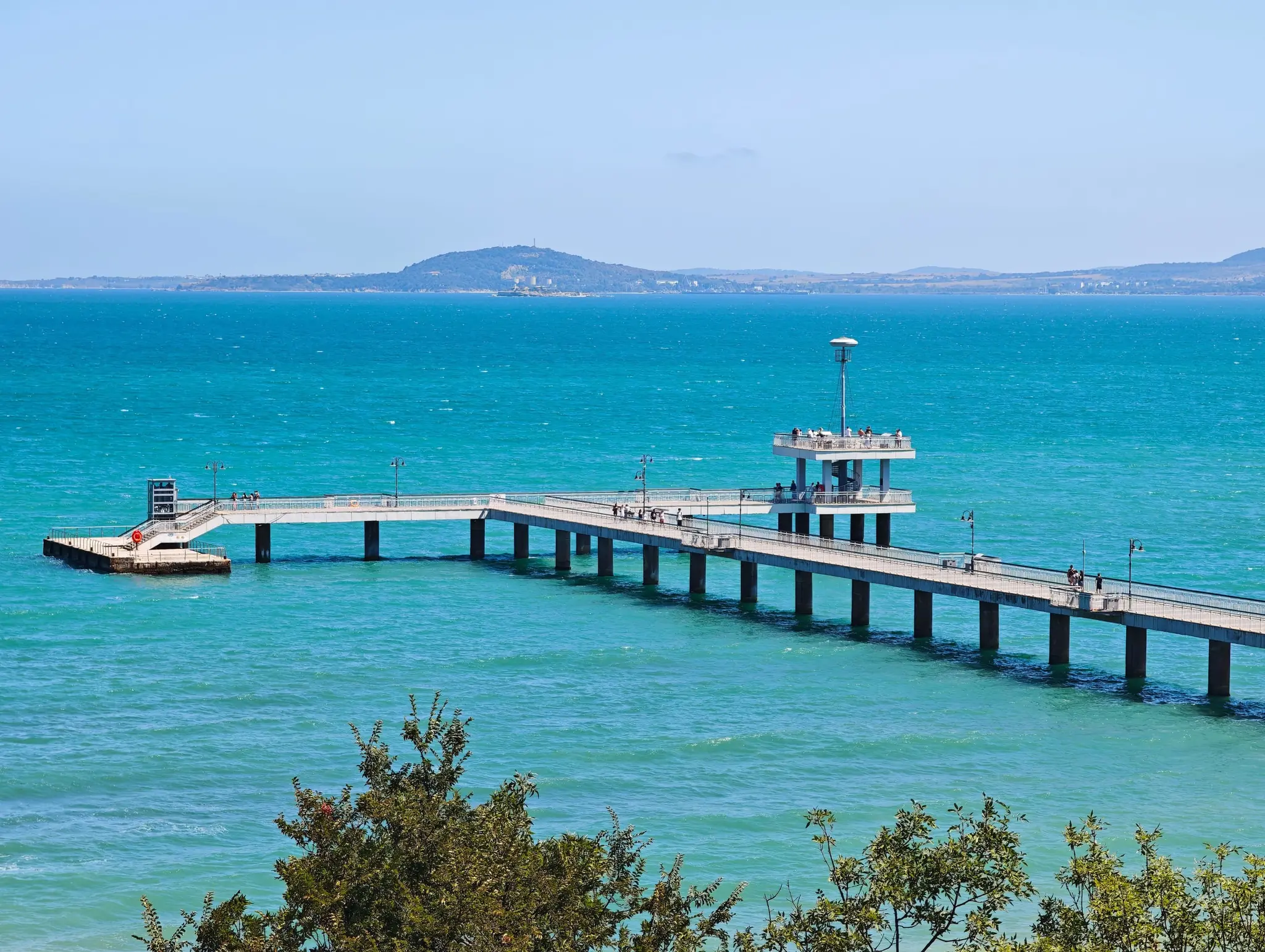
A long seaside park that runs from the city centre down to the water, and the best first stop after landing at the airport. It began in 1910, when the gardener Georgi Duhtev was hired to turn a marshy strip into a park, and it now holds hundreds of species from every continent and over 200 sculptures. Look for the Marine Casino of 1938 and Гъбката ("the little mushroom"), a drinks kiosk shaped like a red mushroom that locals count as an important landmark. In spring the "Flora" flower exhibition fills the park.
For a bite, try the seaside taverns locals call Капанчетата, known for fish soup and fried sprat, or walk along the lakes to Sarafovo, a route that suits birdwatchers.
Tip: If you walk to Sarafovo along the lakes, bring binoculars in the migration seasons.
After dark: some paths in the park are not well lit once it gets dark, and it is better to avoid them and stick to the main, lit alleys.
Aquae Calidae
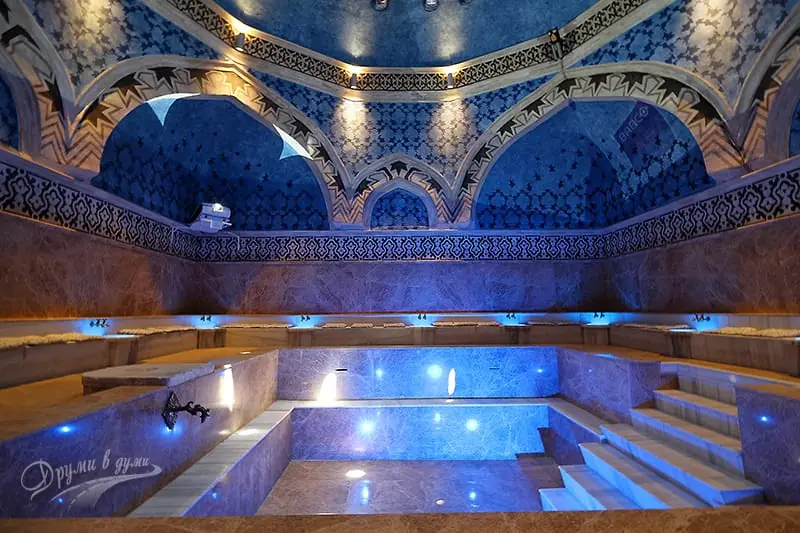
Aquae Calidae, Latin for "warm waters", is a Roman spa town built around the thermal springs between the Burgas districts of Vetren and Baneovo, about 15 km north-west of the centre. The springs were holy to the Thracians, who worshipped the three healing nymphs here, and the Romans built their first large baths in the first century AD. Rulers are said to have stopped by over the centuries, from Philip II of Macedon to the Bulgarian khan Tervel.
The star is the hamam of Suleiman the Magnificent, restored with marble and oriental ceramics and now a working museum. Inside, a 3D mapping projection runs on the hour and takes you from the legends of the nymphs to Ottoman times. Walkways lead over the excavations, including the old fortress walls, and in the park there is a fountain of free mineral water, a small amphitheatre for summer concerts and cinema, and an aqua centre fed straight from the spring.
Opening times:
Museum and hamam – daily 08:30–17:30
3D projection – every hour on the hour
Admission:
| Hamam (with 3D film) | Museum complex (with 3D) | |
|---|---|---|
| Adult | €3.50 | €8 |
| Student or senior | €2.50 | €7 |
| Child 3–7 | €1.50 | €5 |
Website:
- Aqua centre (spa): adult about €8 for one hour or €13 for up to three; children up to 12 about €8 for up to three hours.
- Free for children under 3 and visitors with disabilities.
St. Anastasia Island
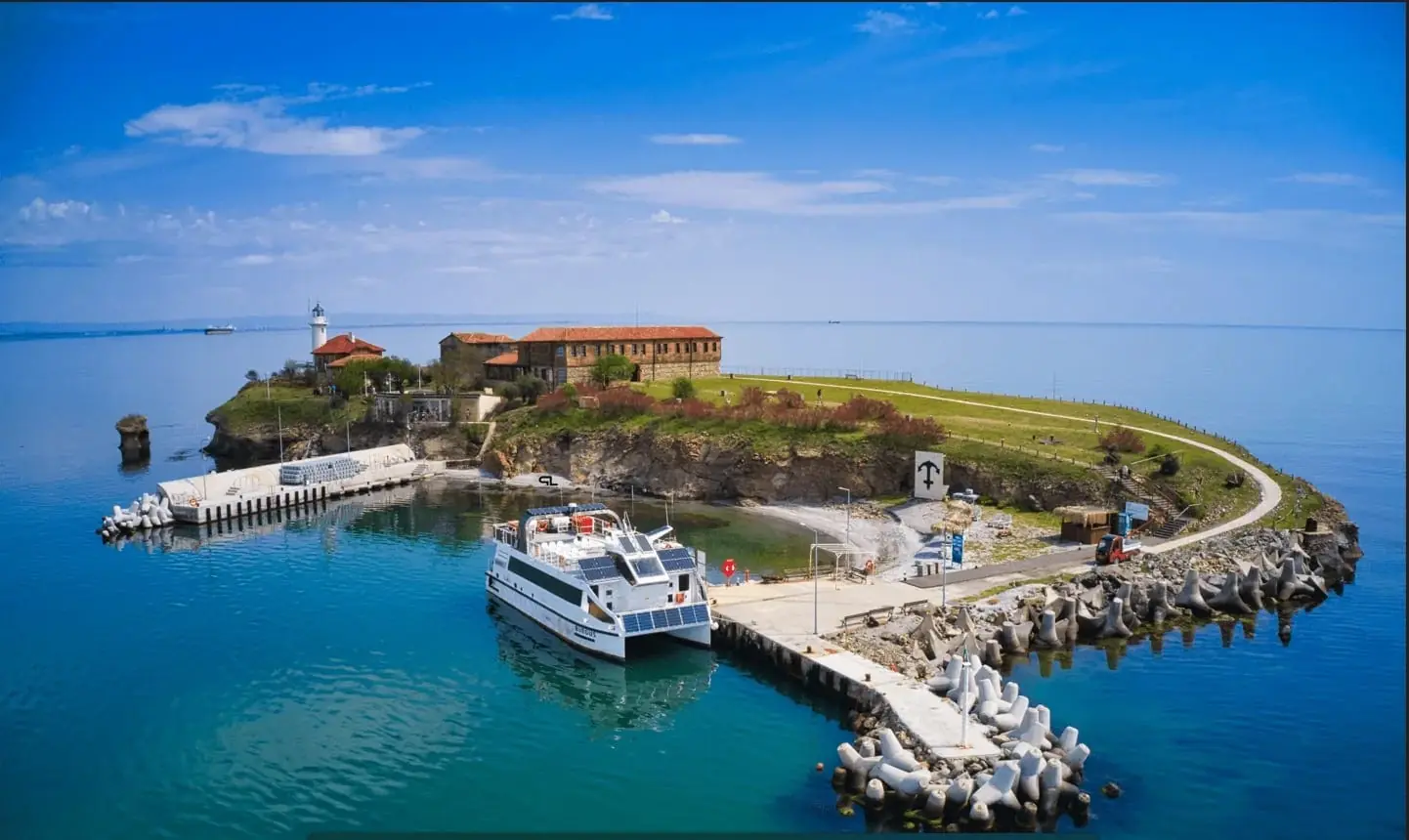
St. Anastasia Island, a tiny volcanic outcrop in Burgas Bay, is reached by catamaran from Burgas, 30 to 40 minutes each way, and you can return on any later boat. It holds Bulgaria's only island monastery, dedicated to St Anastasia the Healer, with records going back to the fifteenth century. Pirate raids burned it more than once, and a legend tells how, when a pirate ship approached, the monks carried the saint's icon to the beach and prayed, and a storm split the pirate ship in two. The wreck is said to be visible in the rock to this day.
After 1923 the monastery became a prison, and in 1925 forty-three communist prisoners escaped to the Soviet Union, which gave the island the name "Bolshevik island" and inspired the 1958 film On the Small Island. Today you can see the church, the lighthouse and a small museum about the escape, and there is a seafood restaurant, a bakery and a guesthouse.
Opening times:
Leaves Burgas – 10:00, 13:30 and 17:00
Leaves the island – 12:30, 16:00 and 19:30
Take any boat out and any later boat back
Admission:
| Round-trip boat (museum not included) | Museum | |
|---|---|---|
| Adult | €9.50 | €3 |
| Student or senior | €8 | €2.50 |
| Child 3–6 | €4 | €1.50 |
| Person with a disability | €5 | Free |
| Child under 3 | €2 | Free |
- Sailings are seasonal, mainly May to October, and depend on the weather.
- Boats leave from the Magazia 1 terminal in the Port of Burgas, a short walk from the central railway station.
- Private yachts and rental boats pay a mooring fee of about €1.50 per person.
Pomorie: Salt and Spa
Pomorie Salt Works
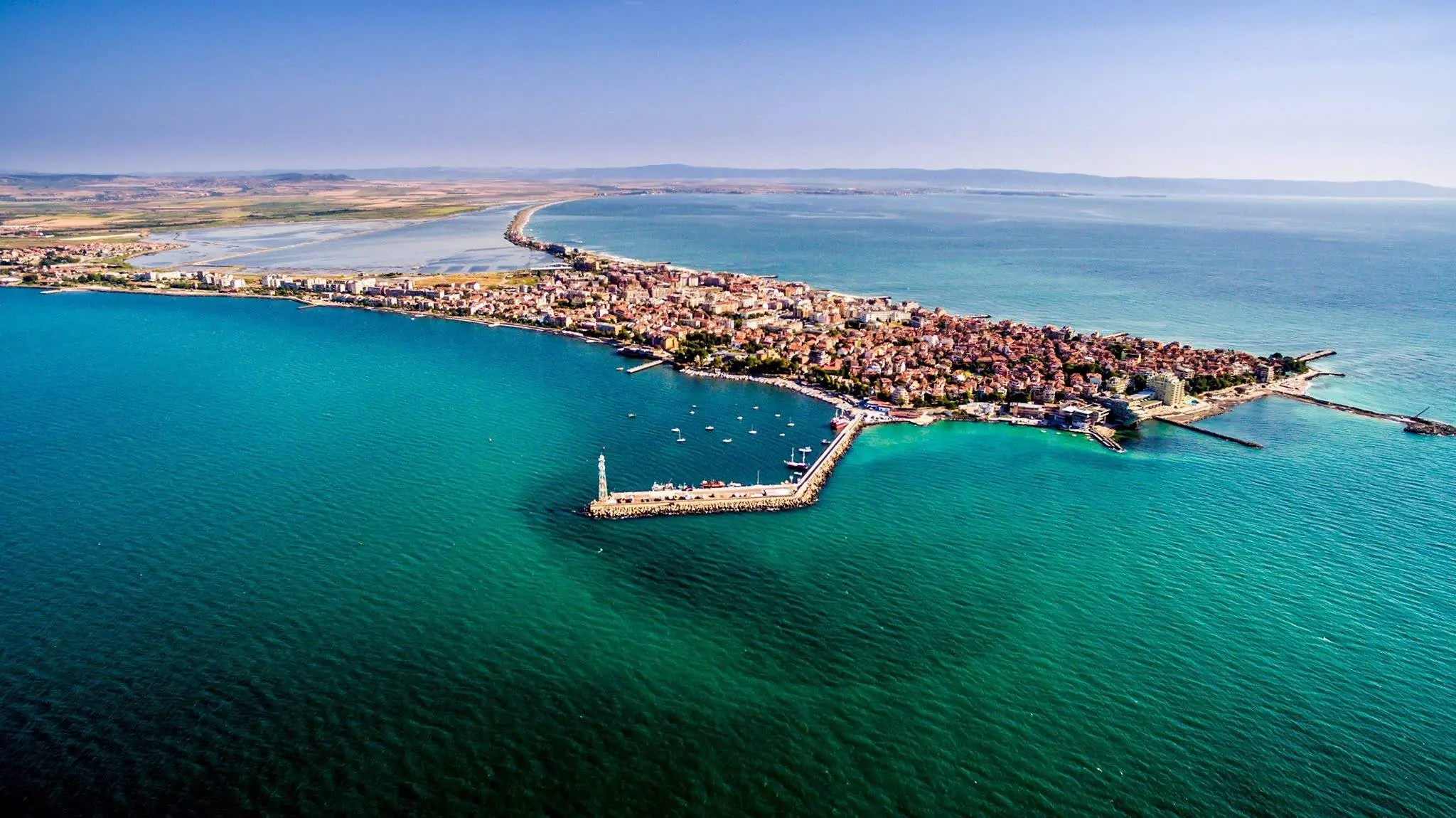
Pomorie sits on a narrow peninsula about 3.5 km long, between the sea and an ultra-salty lake, and salt has been taken from the lake since around the fifth century BC, when it was prized as "white gold". About 20 decares of pans beside the town's Salt Museum are still worked today, and the museum, opened in 2002, is billed as the only one of its kind on the Balkan Peninsula.
Inside, tools, photographs and films show how seawater passes through a chain of pools until the crystals form. The lake is also a stop on the Via Pontica bird route, with more than 200 species seen, and its healing mud is used in local spa treatments. The harvest is a late-summer affair, so ask what is happening when you visit, and go in the late light, when the pans are at their prettiest.
Opening times:
| Mon–Fri | Sat | Sun | |
|---|---|---|---|
| Summer (1 June–30 September) | 08:00–18:00 | 10:00–18:00 | 10:00–18:00 |
| Winter (1 October–31 May) | 08:00–16:00 | 10:00–16:00 | Closed |
Admission:
| Museum | |
|---|---|
| Adult | About €2 |
| Student or senior | About €1 |
| Family (2 adults + 2 children) | About €5 |
| Child under 7, visitor with a disability | Free |
| Guided lecture in Bulgarian, up to 5 people | About €5 |
| Guided lecture in Bulgarian, over 5 people | About €10 |
Website:
- The salt pans can be viewed from the paths all day; the hours above are for the Salt Museum.
- The paths around the lake are free, but the mud baths are not.
- A combined ticket for the Salt Museum and the neighbouring Pomorie Lake Visitor Center, good for birdwatching, costs about €3 for adults and €1.50 for students and seniors.
Thracian Tomb (Kuhata Mogila)
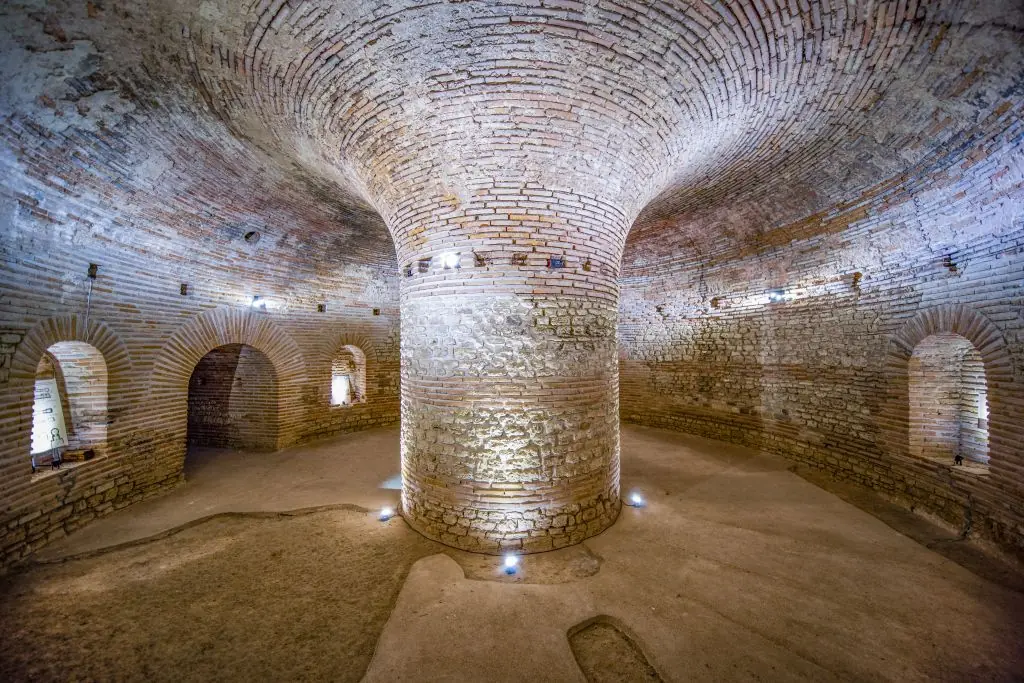
Just south of town, a grassy mound about 60 metres across and 8 metres high hides one of the strangest tombs in the country. Locals call it Kuhata Mogila, "the hollow mound". A long tunnel, about 22 metres, leads into a round chamber that dates from the 2nd to 4th century AD and is thought to have been built for a wealthy family of Anchialos.
The shape is the surprise: a brick dome compared to a mushroom or the top half of a doughnut, held up by a single round column in the middle, which one tourism page says draws architects from around the world. The tomb was found in 1888, restored and opened to visitors in 1959, and now has the status of a monument of national importance. You can also climb the mound for views.
Opening times:
Summer (June–September) – Tuesday–Sunday 09:00–17:00, closed Monday
Spring (April–May) – Wednesday–Sunday 10:00–16:00, closed Monday and Tuesday
Winter (November–March) – closed to regular visits, groups by prior request
Admission:
| Ticket | |
|---|---|
| Tomb only, adult | About €2 |
| Combined ticket (tomb, History Museum, Salt Museum), adult | About €6 |
| Combined ticket, student or senior | About €2.50 |
| Combined ticket, family | About €14 |
| Child under 7, visitor with a disability | Free |
Website:
Aquapark Pomorie
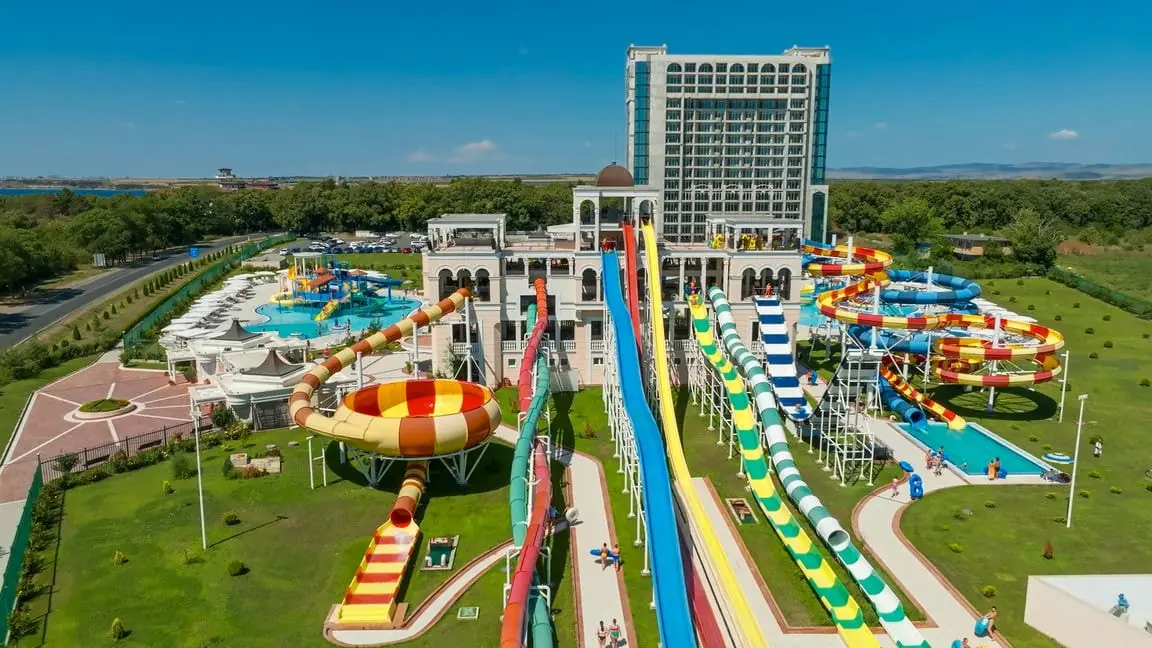
Aquapark Pomorie, also known as Sunset Aquapark, sits at the start of the town and has 32 water slides. A free shuttle runs along a fixed route through Pomorie, there is free parking with room for 100 cars, and sunbeds and umbrellas inside are free. The water is not heated, so it suits the hottest days. It is open every day from 10:00 to 18:30 in the summer season, so check the website for the exact dates, and you can pay by cash or card at the desk.
| Guests | Day ticket (10:00–18:00) | Half-day (after 15:00) |
|---|---|---|
| Over 130 cm | €30 | €25 |
| 91–130 cm | €20 | €15 |
| Over 60 | €20 | €15 |
| Under 90 cm | Free | Free |
A safe-deposit box costs €4, and food and drinks are not included.
Nessebar and Sunny Beach
Nessebar Old Town and Its Churches
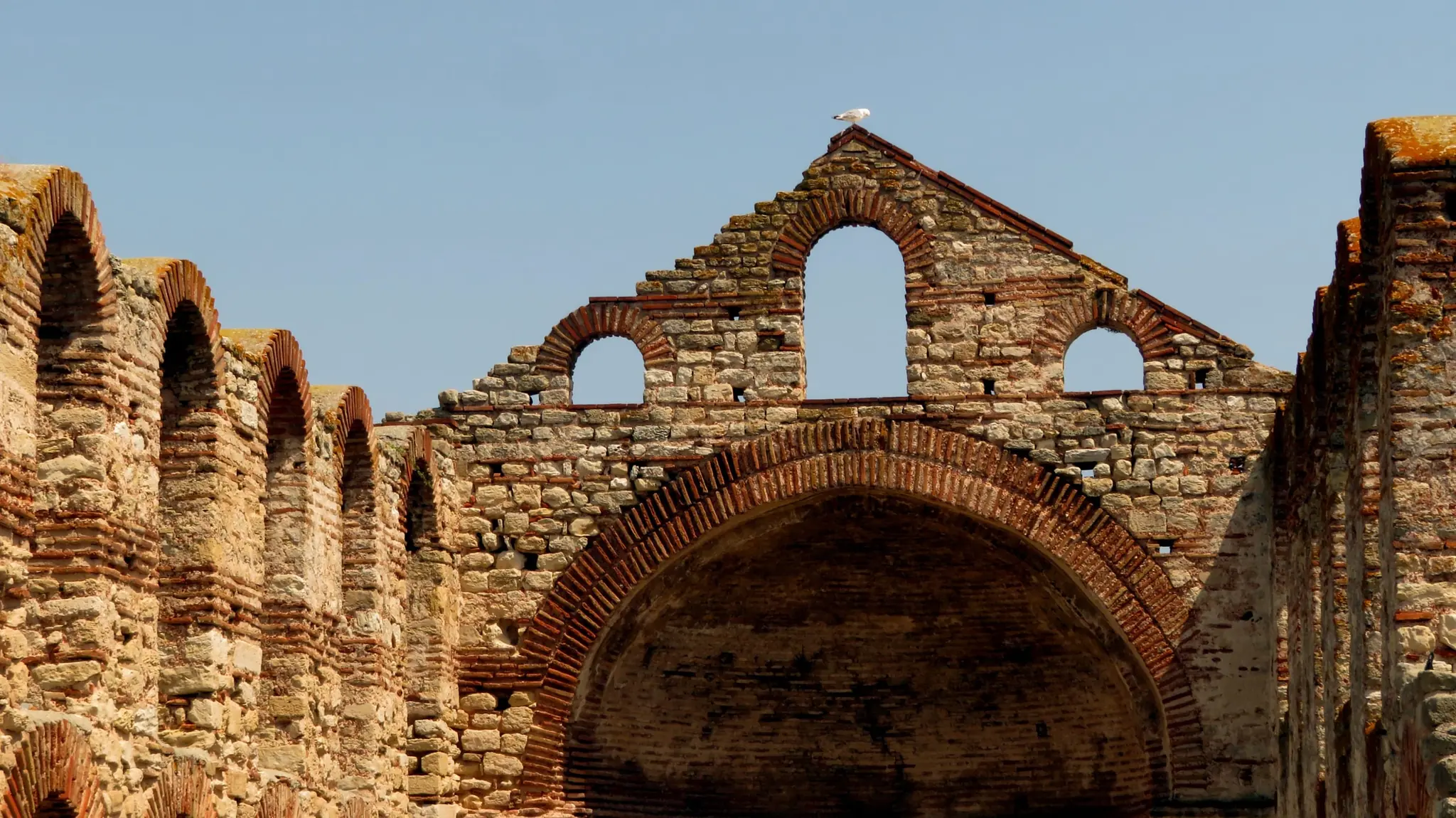
Nessebar is one of Europe's oldest towns, with about 3,000 years of history: a Thracian settlement, then the Greek colony of Mesembria, and now a UNESCO World Heritage Site. A narrow causeway joins its little rocky peninsula to the mainland, with the sea on three sides. Wander the cobbled lanes, the Revival houses with timber upper floors, the old windmill and the fortress gate.
The churches are the heart of Nessebar: about forty survive, wholly or partly, and the town is sometimes said to have more churches per head than anywhere else. Christ Pantocrator (13th–14th century) has bands of stone and brick, blind arches and ceramic decoration, St Stephen (11th century) was embellished until the 18th century and keeps its painted interior, and the ruins of the Old Metropolitan, also called St Sophia (5th–6th century), are an early Christian basilica.
Tip: Nessebar can get crowded in July and August, but it is especially wonderful at dawn and at night.
Sunny Beach (Slanchev Bryag)
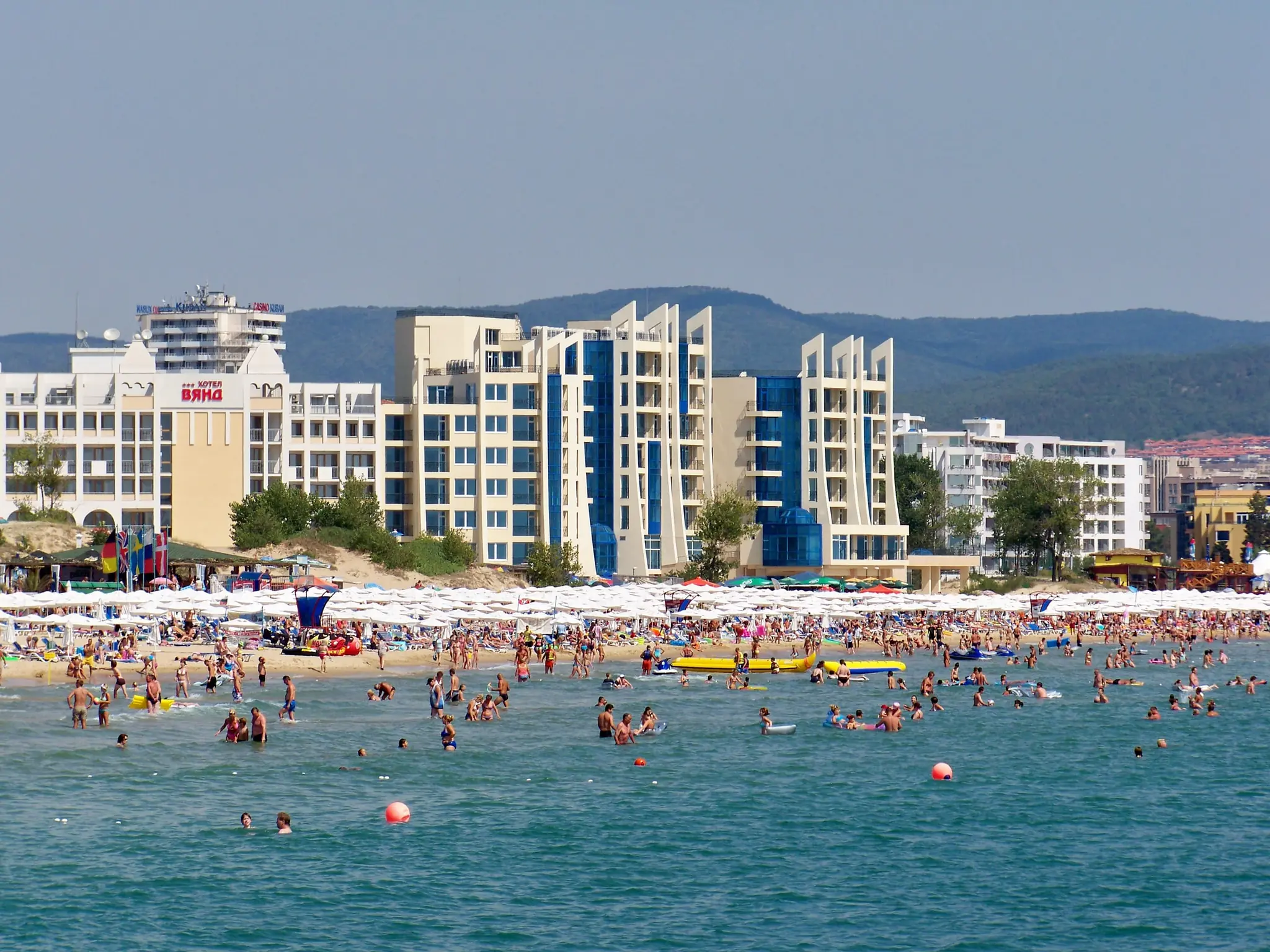
Sunny Beach is Bulgaria's largest resort and the loudest place on the coast, about 35 km north of Burgas. It was created in 1958 as a weekend getaway for Bulgarian families on dunes once known as the "small Nessebar desert", and about 550,000 cubic metres of fertile soil and some 300,000 trees were brought in to make it green. It was also home to the Golden Orpheus song contest until 1999.
Today it is a long, gently shelving sandy beach backed by a strip of big hotels, bars and clubs, with water parks. By 1989 it already had 108 hotels and over 27,000 beds, and in 1995 it became the first Bulgarian resort to win the Blue Flag, an international award for clean beaches and water. It is good value for families who want shallow water and a pool, the north end is calmer, and the strip only really wakes up after dark. It is not the place for quiet or culture.
Sunbeds and umbrellas: on the public beach they are paid, unless you use the ones that belong to your resort. Prices vary, but two sunbeds, a table and an umbrella usually cost about €10–20, depending on the beach and the month.
Two water parks are close by:
- Action Aquapark is in Sunny Beach and is open from 18 May to 28 September 2026, usually 10:00–18:00 in summer, with a shuttle for guests.
- Aqua Paradise (Aquapark Nessebar) is in nearby Ravda and is open from 25 May to 13 September 2026, 10:00–18:00.
| Guests | Action, full day | Action, afternoon | Aqua Paradise, full day | Aqua Paradise, afternoon |
|---|---|---|---|---|
| Over 130 cm | €37 | €30 | €42 | €33 |
| 90–130 cm | €23 | €18 | €32 | €25 |
| Over 65 | €23 | €18 | €32 | €25 |
| Under 90 cm | Free | Free | Free | Free |
| Family (2 over 130 cm + 2 aged 90–130 cm) | About €112 | About €89 | – | – |
The prices are the 2026 peak-season box-office prices listed on each park's own site.
Which one? Aqua Paradise is the more modern of the two and has more attractions, but it can get overcrowded, with long waits for the slides at weekends. Go on a weekday if you can.
Around 24 May: this is the day of Bulgarian Education and Culture and of the Slavonic Alphabet, and school seniors celebrate their proms and the end of school at Sunny Beach, with parties in the clubs and bars and crowds of teenagers on the strip until late. It can get wild, so if you want quiet, avoid the central strip that week or stay at the calmer north end.
Peak season: in the most popular months Sunny Beach can get a bit expensive, with sunbeds, drinks, meals and hotel rooms all costing more, so book early and confirm prices before you order. The crowded strip and beach are also where pickpockets work, so keep your phone and wallet in a front pocket and never leave bags unattended on a sunbed.
Sozopol and the South
Sozopol Old Town and Apollonia
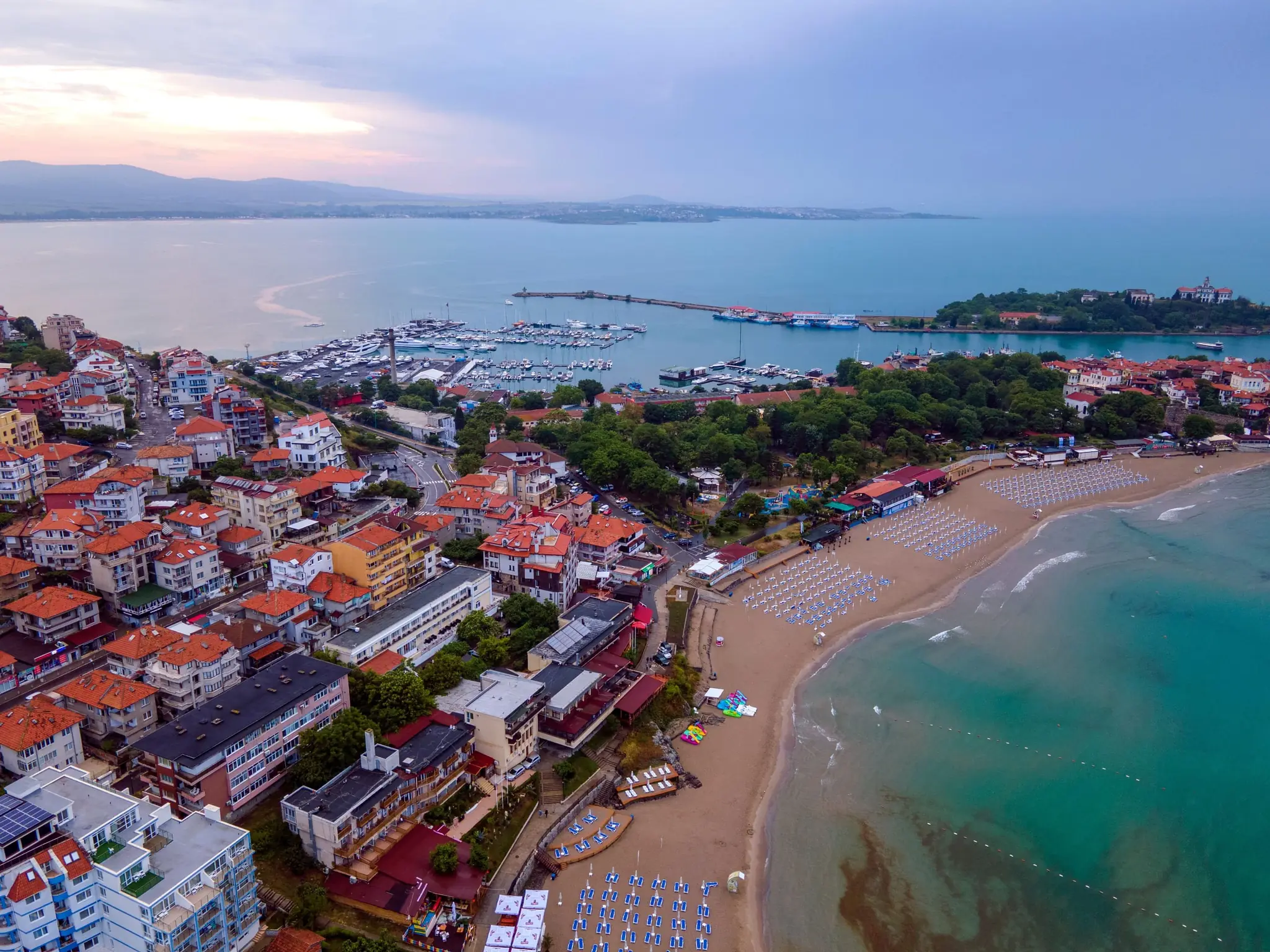
Sozopol was founded in the 7th century BC by Greek settlers from Miletus and grew into Apollonia, one of the richest Greek towns on the Black Sea. It once had a colossal bronze statue of Apollo, about 13 metres tall, which the Roman general Lucullus carried off to Rome in 72 BC. Today its wooden Black Sea houses, stone below and timber above, line steep lanes that drop to a small harbour and sandy coves.
Start at the Archaeological Museum to see what Apollonia left behind, then wander. The Apollonia Arts Festival has filled the town with theatre, film, exhibitions and music every September since 1984, and archaeologists have even found a skeleton pierced by an iron bar, believed to be a precaution against a vampire. It is busy and pricey in peak summer, but lovely in June and September.
Ropotamo & Arkutino
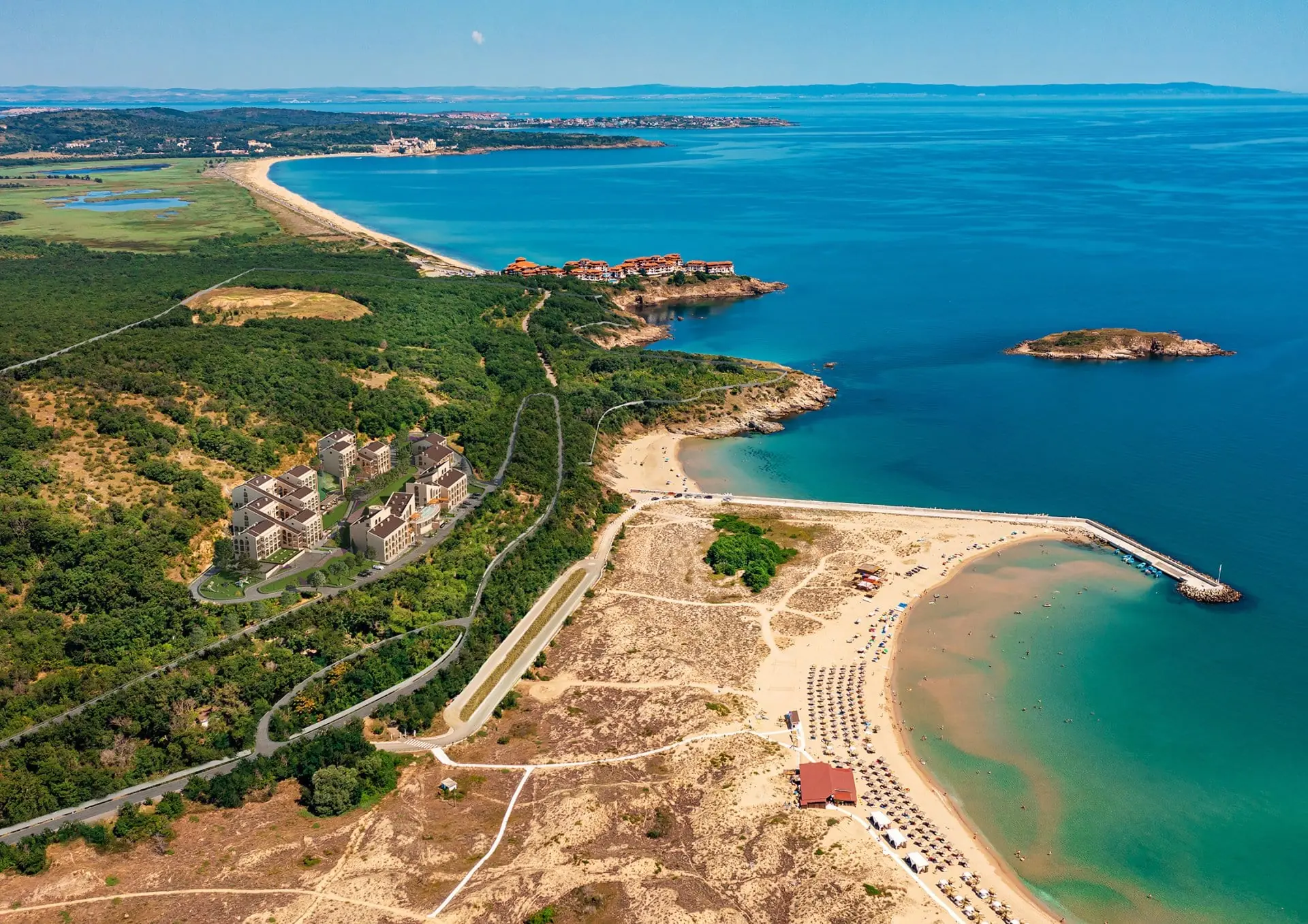
South of Sozopol, the Ropotamo River, about 48 km long, reaches the sea near Cape St Demetrius through a reserve of wooded banks and reeds, protected since 1940. The lower course is covered in oak, ash, elm and hornbeam forest, and the European white water lilies that bloom in summer are the reason most visitors come. It is part of a Ramsar wetland of about 5,500 hectares that also takes in the Arkutino swamp.
Seasonal boat trips run up the river, white-tailed eagles nest on the rocks, and the lower course has the Lion's Head rock and what is said to be the highest dune in the Balkans. Quiet sandy beaches with dune vegetation lie nearby at Arkutino and Silistar. It is the coast's wild counterweight to Sunny Beach, and best with a car, early in the day, when the water is calmest and the light is softest.
Choosing Your Base
The resorts and towns are spread along roughly a hundred kilometres of coast, with the wilder south beyond. With a car you can stay almost anywhere and day-trip to the rest, so the choice is mood first, then distance from the airport. Burgas airport (BOJ) is a short drive from the city, about 30 kilometres from Sunny Beach, and a longer transfer from Sozopol, about 50 kilometres and roughly 45 minutes by car.
| Base | Best for | Honest downsides | Beach | Off-season |
|---|---|---|---|---|
| Burgas | City and nature, short stays, birders, airport days | A working port city, not a resort; the city sand is not the coast's best | City beach below the Sea Garden; better sand a drive away | Very quiet outside the summer months, but everything stays open all year |
| Nessebar | Couples, culture, photographers | Crowded and pricier in July and August; limited parking | Small beaches by the old town; long sand nearby | Quiet; many restaurants shut in winter |
| Sunny Beach | Families, groups, nightlife, water parks, all-inclusive holidays | Loud and busy in peak season, so choose your stretch of coast to suit your mood | Long, flat, sandy and easy for children | Mostly shut from October |
| Pomorie | Spa breaks, quiet, wine and brandy, couples | Quiet evenings, few big sights, little nightlife | Town beaches of darker sand | Spa hotels stay open |
| Sozopol | Atmosphere, couples, diving, culture | Crowded and pricey in peak summer; cars are restricted in the old town, so park outside and walk in | Old-town coves plus bigger beaches nearby | Lovely in May, June, September and October; quiet in winter |
Beyond the big five, a few smaller places are worth knowing about:
- Ravda is a beach village just south of Nessebar, with many apartments and the Aquapark Nessebar, and it is as busy as its neighbours in summer. It is only 3 km from Nessebar and 5 km from Sunny Beach, about 30 km from Burgas Airport, and buses run to Nessebar and Sunny Beach about every 20 minutes and to Burgas about every 30 minutes in season.
- Obzor, north of Sveti Vlas, is a family resort with a long beach that fills up in summer. It is about an hour from Sunny Beach, and the road crosses a mountain stretch, so allow extra time. A 2.2 km eco path, the Kaleto path, leads from the town to the ruins of a medieval fortress.
- Primorsko, about 52 km south of Burgas, and Kiten, 6 km further south, are family beach towns with a wide stretch of beach. Kiten has two sandy beaches, Atliman to the north, with dunes, and a southern beach on the open bay, and near Primorsko lies the Thracian rock sanctuary of Begliktash.
- Tsarevo, a small town about 70 km south-east of Burgas and about 12 km south-east of Kiten, was called Michurin from 1950 to 1991 and is the road in to the Strandzha.
- Ahtopol, the southernmost town on the Bulgarian coast, is ancient Agathopolis, an old fishing village on a headland, and it has the country's largest persimmon and pomegranate plantation.
- Sinemorets, beside the mouth of the Veleka, means roughly "the place on the blue sea". It has two lifeguarded beaches, Veleka to the north and Butamya to the south, and the wildest feel of them all.
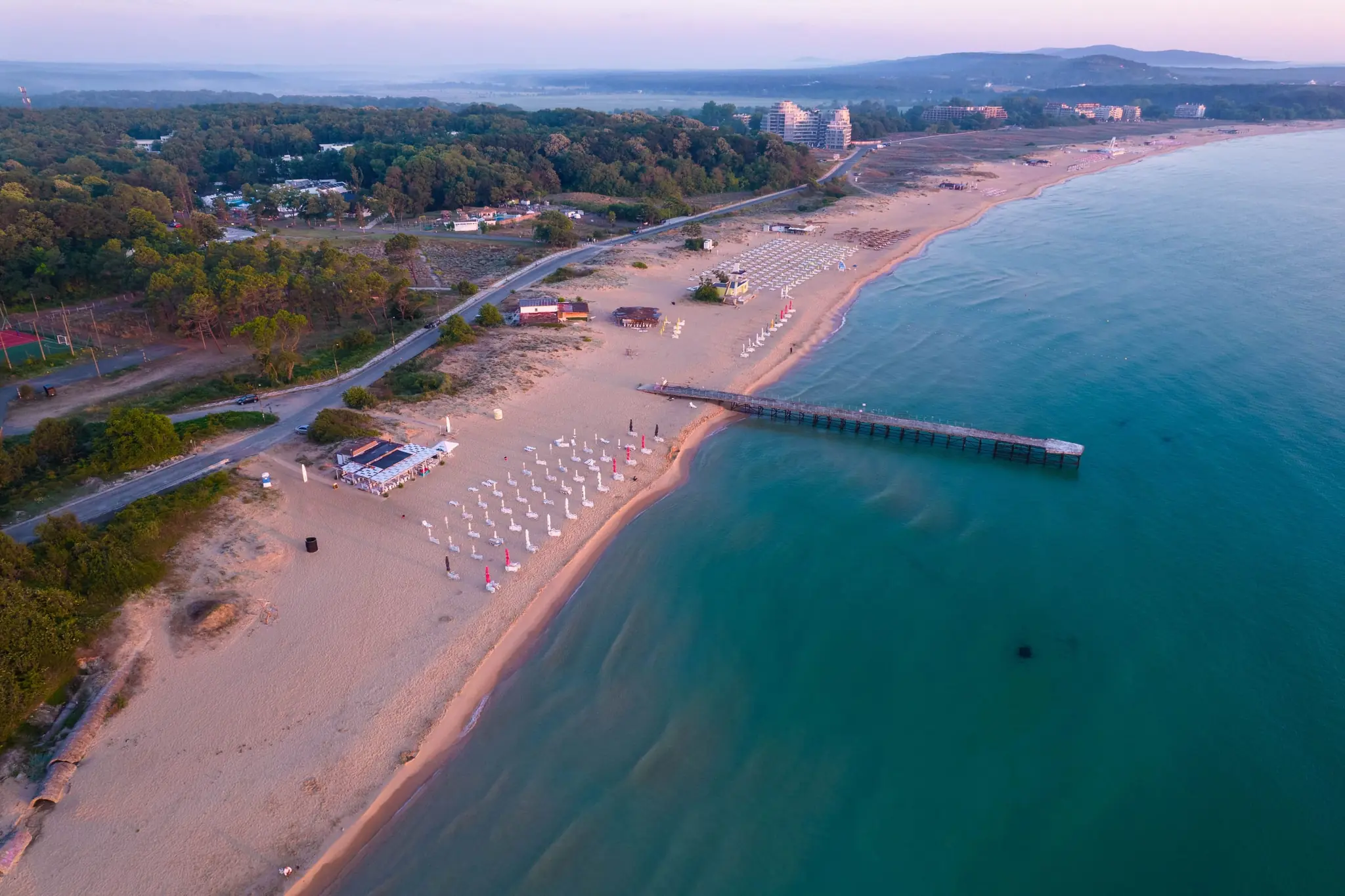
Beaches & Sea Conditions
The long sandy beaches are the coast's great asset. Around Sunny Beach, Ravda and the northern bays the sand is wide and shelves gently, which suits children. Further south, around Sozopol, the beaches are smaller and tucked into coves, and beyond Ropotamo they become wilder and less developed. The beaches below Burgas and Pomorie are town beaches: handy, but not the best on the coast.
Sunbeds and umbrellas are charged separately on most organised beaches, and a free strip usually remains for your own towel. Lifeguard cover and sunbed hire are seasonal, so outside the main season you may be swimming without either. Check flags and sea conditions locally every day, follow lifeguard advice where there is cover, and be wary of waves and currents on windy days, since they can change quickly. Jellyfish appear in some years, and the sea can feel cold in spring and early summer.
Corn on the beach: vendors walk the sand and the promenades all day selling boiled corn and other snacks, a classic beach treat. Check the price before you buy, and carry a little cash.
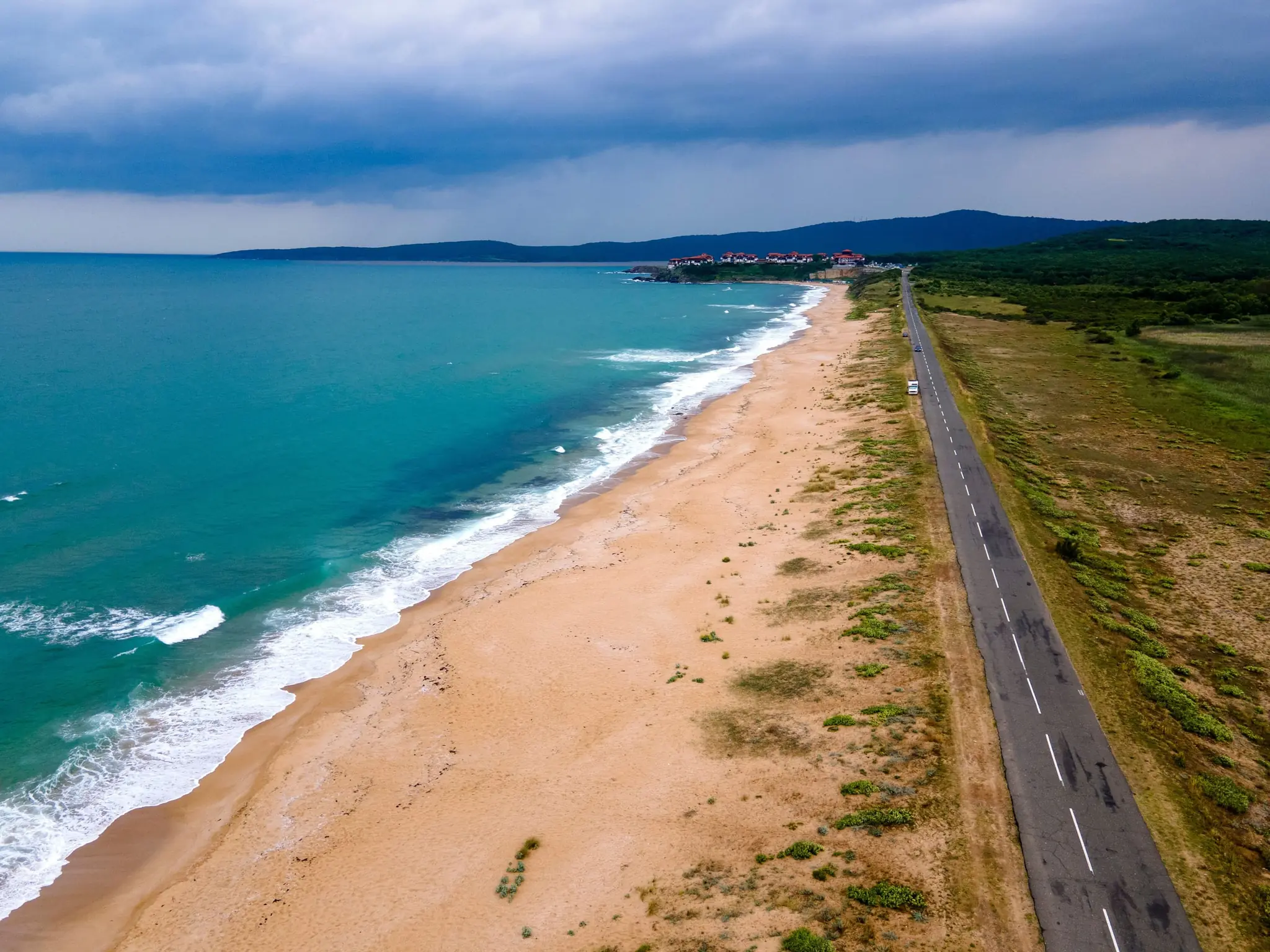
Active, Family & Nightlife
Families have the easiest time at Sunny Beach, Ravda and the northern bays, where the water is shallow and the facilities are close, and the two big water parks are covered above. Many hotels have their own pools and children's programmes, and an all-inclusive package is often the simplest way to run a family week, though it is worth checking exactly what is included.
Nightlife is concentrated on the central strip at Sunny Beach, where the bars and clubs run late in July and August. Nessebar and Sozopol are more about long dinners and a stroll, and Pomorie and Burgas keep a calmer, more local evening. For quiet, choose the north or south end of Sunny Beach, or another town altogether. In July and August start early, since the midday heat is strong.
Transportation
Burgas airport is the gateway, and the coast is easiest with a car. Individual towns are small and walkable once you are in them.
Airport
30 km
Burgas (BOJ) to Sunny Beach, about 30 min by taxi
Car from Sofia
4–5 hours
Trakia motorway (A1), vignette needed
Buses
Frequent in season
Burgas, Nessebar and Sunny Beach
Train
Slow
Old line, not worth planning around
Getting There
- Air. By taxi from Burgas Airport (BOJ), Nessebar is about 30 minutes, Pomorie about 15 and Sozopol about 45. Summer brings many charter and low-cost flights, winter is quiet, and the few domestic flights from Sofia rarely beat the car or the coach.
- Car from Sofia. See our country guide for how to buy the road vignette. Weekend traffic on the coast road is heavy in summer.
- Coach. Several operators run coaches to Burgas from Sofia, Plovdiv and Varna. Burgas has more than one bus station, so check which one yours uses.
Getting Around the Coast
- Buses. Services run onward to Pomorie, Sozopol and the southern resorts, from the main road behind the Sunny Beach strip, with marshrutkas on some summer routes. Timetables change, and winter service is much thinner.
- Taxis. Look for a clearly marked car from a reputable company rather than hailing any cab on the strip, and check the tariff sticker before you get in.
- On foot. Walking the beach from the south end of Sunny Beach to Nessebar takes about an hour, and from the north end two hours or more.
Do you need a car? Not for a single-base beach week at Sunny Beach, but rent one if you want Sozopol, Ropotamo and the quieter beaches, since it lets you leave before the crowds. Collect it at the airport, and check whether a one-way rental is possible. Parking in the old towns of Nessebar and Sozopol is limited and often paid in summer, so park outside and walk.
Seasons
The Burgas coast is a summer and shoulder-season destination, so choose by what you want from the sea. Festival dates change, so check official sources.
April – May
Spring
Quiet and cool. The sea is still cold and most resorts are closed, but the towns are calm.
June – August
Summer
Beach season. A warm sea and busy towns, so book early.
September – October
Autumn
Warm and calm. The sea stays warm through September, then the resorts close.
November – March
Winter
Mostly closed. Sunny Beach shuts, but Burgas and Pomorie stay open.
Practical Tips
- Opening days. Many museums close one day a week, often Monday, so check before you go. Not every museum has English labels.
- Money and tipping. Bulgaria uses the euro, and cards are widely accepted, though a little cash helps in small cafés. Rounding up or leaving a small tip when service is not included is customary. Use bank ATMs and exchange offices that display their rates.
- Sun. Beaches and old-town lanes have limited shade at midday in summer, so carry water and a hat.
- Activities. Book tours and boat trips with licensed operators, and be wary of unlicensed promoters on the street.
- Church etiquette. Cover shoulders and knees in churches and monasteries, and do not photograph during services.
- Safety. The coast is generally safe. Take normal pickpocket care in crowded summer spots. The emergency number is 112.
- Souvenirs. Pomorie salt, local brandy and wine, honey and handmade crafts.
Additional Resources
- Visit Bulgaria: the national tourism portal.
- Where to stay: our Where to Stay in Sunny Beach page, and for the northern coast, Where to Stay in Varna and Golden Sands.
The Burgas coast rewards a choice. Walk the Sea Garden pier at dusk, step over the causeway into Nessebar, watch the pans at Pomorie turn gold, and end in Sozopol with fish at a harbour table, and the five coasts add up to one trip.
На добър час! (nah DOH-bur chahs) — Bon voyage!