Take the escalator down into Serdika metro station and you step out onto a Roman street. Climb back up and the golden domes of Alexander Nevsky Cathedral are a short walk away, a mosque and a synagogue stand a few minutes apart, and at the far end of the boulevard a real mountain, Vitosha, fills the sky. Sofia is a city of layers, and you can peel back several of them before lunch.
It is also easy to overlook. Sofia is not a seaside resort, it has no postcard skyline, and it is rougher around the edges than Plovdiv. What it offers instead is a compact, walkable centre, a real café culture, good food at fair prices and a mountain you can reach by public transport. The city sits at about 550 metres, so evenings are cool even in summer.
Two or three days is the sweet spot, and you can see the city on foot, by metro and by tram, without a car. A car only starts to matter for the day trips. The twelve places below are the best way in.
For entry rules, the euro, SIM cards, language and general safety, see our country guide, Discover Bulgaria: Mountains, Monasteries & the Black Sea.
Good to know: this guide was checked in October 2026. Hours, entry rules, transport and prices change, so confirm them on the official websites before you go. We have left admission fees out of the cards below for that reason.
Top Highlights
Twelve places that between them tell the story of the city, from a Roman street to a medieval fresco painter. They come in pairs, so you can read across each row. Everything is in or close to the centre, apart from Boyana Church on the edge of town.
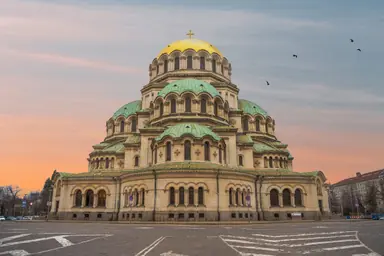
Source: Pexels Alexander Nevsky Cathedral
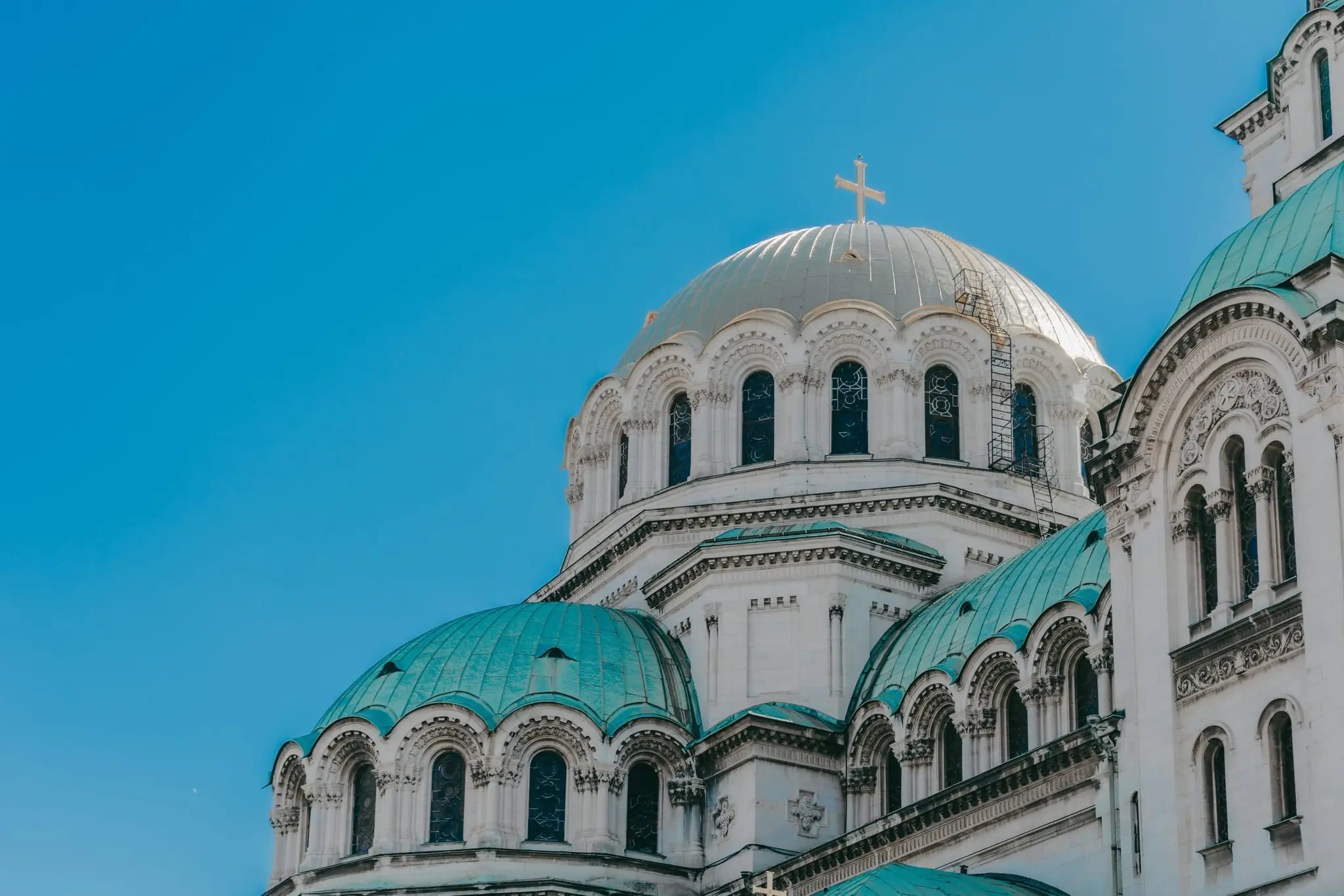
The gold domes on every Sofia postcard belong to this neo-Byzantine cathedral, built to honour the Russian soldiers who died in the war of 1877–78 that freed Bulgaria. The foundation stone was laid in 1882 and the church was consecrated in 1924. Step inside for the gilded, candlelit interior, then come back at dusk when the domes catch the last light. Keep your shoulders and knees covered.
More information
Opening times:
Place Hours Cathedral Daily, 07:00–19:00 Icon museum in the crypt (National Gallery) Tuesday–Sunday, 10:00–18:00 (ticket office closes at 17:30) Admission:
Ticket Price Cathedral Free Icon museum, adult €10 Icon museum, students and ages 65+ €4 Icon museum, under 18 Free Icon museum, Thursdays €2 Website: Visit Website
*Cover your shoulders and knees, and check the current rules on photography inside, as a fee may apply.
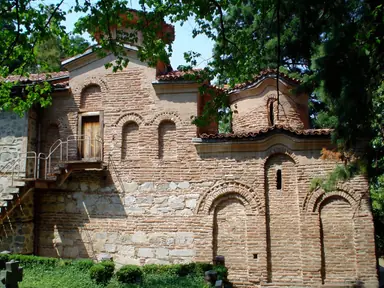
Source: Wikipedia Boyana Church
A tiny medieval church in the foothills of Vitosha, on the edge of the city and a UNESCO World Heritage Site since 1979. Its frescoes date from 1259 and are famous for strikingly lifelike faces, painted well before the Italian Renaissance by an artist whose name is lost. Everything is on an intimate scale, and the church is very small, so visits are limited to short slots for small groups.
More information
Opening times:
Season Hours April–October 09:30–18:00 (ticket office closes at 17:50) November–March 09:00–17:30 (ticket office closes at 17:20) Admission:
Ticket Price Adult €10 Students and pupils €3 Groups of 10 or more, per person €7 Children under 7 Free Free-entry days Last Monday of the month after 15:00; 18 May; 17 September; 1 November Website: Visit Website
*Only nine people are inside at a time, for up to ten minutes each, so go early.
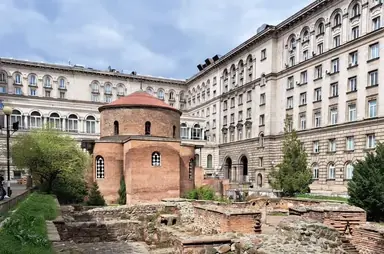
Source: GetYourGuide Serdica, the Largo & the Rotunda of St George
Roman Sofia is right under your feet. In Serdika metro station you walk beside the remains of Ulpia Serdica, the Roman city that stood here. Come up to the Largo and a statue of St Sofia stands on a column where Lenin once did. Tucked into the Largo’s courtyard is the Rotunda of St George, a fourth-century brick church with later layers of medieval frescoes. The outdoor remains and the Rotunda are free to see.
More information
Opening times:
Place Hours Serdica outdoor areas and metro underpasses Open 24/7 Serdica indoor museum Tuesday–Sunday, 10:00–18:00 (closed Monday) The Largo Open 24/7 Rotunda of St George Daily, 08:00–19:30 Admission:
Place Price Serdica outdoor areas and walkways Free Serdica indoor museum About €3 The Largo Free Rotunda of St George Free (cover shoulders and knees) Website: Visit Website
*The Largo is the communist-era ensemble around the old Party House; look for the Roman and the modern in the same view.
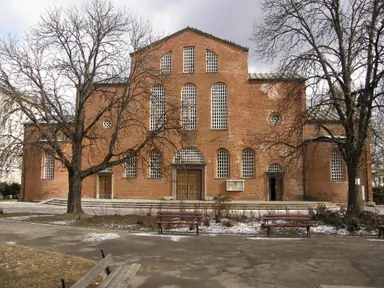
Source: Wikipedia St Sophia Church
The city takes its name from this brick basilica of the sixth century, which stands above Roman-era graves. Before the name Sofia took hold, the town was Sredets, the middle town, and Sofia means holy wisdom, not a saint called Sophia. Beside the church burns the Eternal Flame at the Tomb of the Unknown Soldier, a few minutes on foot from Alexander Nevsky Cathedral. Underneath, a small museum shows the Roman graves.
More information
Opening times:
Place Hours Church (winter hours) Daily, 07:00–18:00 Underground crypt and museum Tuesday–Sunday, 10:00–17:30 (closed Monday) Admission:
Place Price Church Free Underground museum, adult About €3 Website: Visit Website
*Together with the Serdica ruins, it tells the story of the city’s names: Serdica, Sredets, Sofia.
Source: Wikipedia Banya Bashi Mosque & Sofia Synagogue
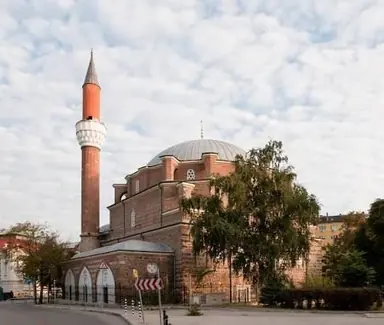
Banya Bashi was built in the sixteenth century and is traditionally attributed to the Ottoman architect Sinan. Its name means ‘many baths’, after the hot springs below, and it is the city’s only working mosque. A short walk away, the Sofia Synagogue (1909) is a Neo-Moorish design by Friedrich Grünanger, and the Orthodox church of Sveta Nedelya is close by, so three faiths stand within minutes of each other.
More information
Opening times:
Place Hours Banya Bashi Mosque Daily, 10:30–22:00 (except prayer times) Sofia Synagogue Sunday–Thursday 09:00–17:00; Friday 09:00–15:00; closed Saturday (Shabbat) Admission:
Place Price Banya Bashi Mosque Free Sofia Synagogue (with the Jewish history museum) About €10 *Cover your shoulders and knees at both. Take off your shoes in the mosque, and women should cover their hair with a scarf, usually provided at the door.
*Visitors are not admitted to the mosque during the five daily prayers, and Friday midday is the busiest.
*The synagogue has an airport-style security check, so bring ID. The ticket includes an audio guide.
Source: Miroslav Nikolov National Archaeological Museum
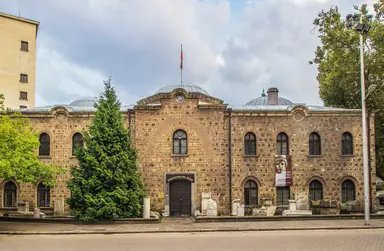
Housed in the Great Mosque, a late fifteenth-century Ottoman building and a museum since 1905, this is Bulgaria’s main archaeological collection. Thracian gold, Roman sculpture and medieval finds make it a fine primer for the country, especially before the Thracian sites. It is also a dependable rainy-day plan, a few minutes’ walk from the Largo, with plenty for an hour. On the last Sunday of the month, entry is free.
More information
Opening times:
Season Hours 1 May–31 October Daily, 10:00–18:00 1 November–30 April Tuesday–Sunday, 10:00–18:00 (closed Monday) Ticket desk Closes 30 minutes before closing Admission:
Ticket Price Adult €5 Students €1 Family (parents with children) €5 Children under 7 and people with disabilities Free Guided tour in Bulgarian €10 Guided tour in English or German €20 Last Sunday of the month Free for everyone Website: Visit Website
*One museum per day is plenty; check which days it is closed before you plan the week.
Source: Tripadvisor Vitosha Boulevard & Vitosha Mountain
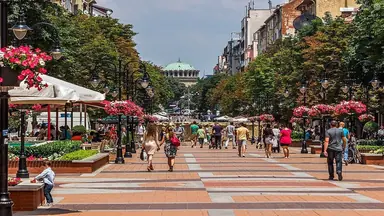
Sofia’s main pedestrian street is lined with cafés and shops, with the mountain filling the view at its far end. Vitosha rises to Cherni Vrah at 2,290 metres, and its nature park is among the oldest protected areas in the Balkans. Coffee on the boulevard in the morning and a gentle walk on the mountain in the afternoon are the best Sofia has to offer. City transport is enough for both, so you need no car.
More information
Opening times:
Place Hours Boulevard (shops about 10:00–20:00) Open 24/7 Nature park Open 24/7; lifts are seasonal Admission:
What Price Boulevard and park Free Bus or metro, single trip About €0.80 Ski passes and huts Paid separately Website: Visit Website
*Check how to reach the mountain on the day, as access and lifts have varied from year to year.
Source: registersofia.bg Borisova Gradina & the Lions’ Bridge
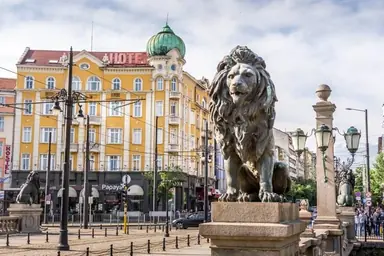
Sofia’s largest and best-known park, laid out in the late nineteenth century, is where the city jogs, walks the dog and sits out summer evenings under tall trees. Four bronze lions guard the Lions’ Bridge, one of the old gateways to the city. The far end is a long walk from the centre. The park is best in spring and autumn. The park has no gates, and a metro station sits right beneath the bridge.
More information
Opening times:
Place Hours Park and Lions’ Bridge Open 24/7 Lions’ Bridge metro station About 05:00–00:00 Admission:
What Price Park and Lions’ Bridge Free Metro, single trip About €0.80 Website: Visit Website
*For chess and benches in the centre instead, the City Garden by the National Theatre is nearer.
Source: Pexels Ivan Vazov National Theatre & the City Garden
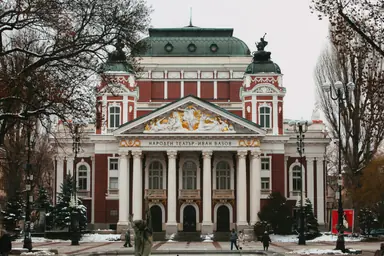
The neoclassical National Theatre opened in 1907, designed by the Viennese firm Fellner & Helmer, and is named for Ivan Vazov, author of Under the Yoke. In front lies the City Garden, with fountains, café terraces and chess tables where regulars play for hours. Come for the façade and the garden at dusk, or take in a performance if you have the language.
More information
Opening times:
What Hours Performances Usually daily, about 19:00–22:30 Box office From late morning until the evening performance City Garden Open all day Admission:
What Price Tickets About €8–26 or more, depending on the stage and seat City Garden Free Website: Visit Website
*Opera and ballet are the easiest performances to enjoy without Bulgarian.
Source: Pexels Central Market Hall & the Women’s Market
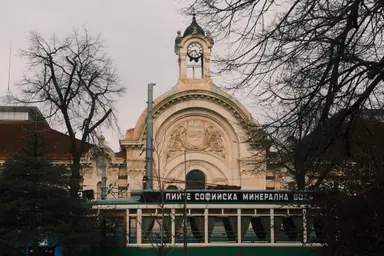
The Central Market Hall is a neo-Renaissance hall with a clock tower, opened in the early twentieth century and still the place for cheese, honey, cured meats and dried peppers. Not far north, the open-air Women’s Market (Zhenski pazar) is where Sofians buy fruit, vegetables and spices. Both reward a slow wander, an empty bag and a firm grip on your belongings.
More information
Opening times:
Market Hours Central Market Hall Daily, 07:00–22:00 Women’s Market Daily, 08:00–19:00 Admission:
What Price Central Market Hall, including the Roman ruins below Free Women’s Market Free Website: Visit Website
*Head down to level −1 of the hall to see free Roman-era ruins from Serdica.
*Most Women’s Market stalls prefer cash, and the area is best visited in daylight, before the stalls close at 19:00.
*Pickpockets work busy markets, so keep valuables in a front pocket or zipped bag.
Source: Pexels National Palace of Culture (NDK)
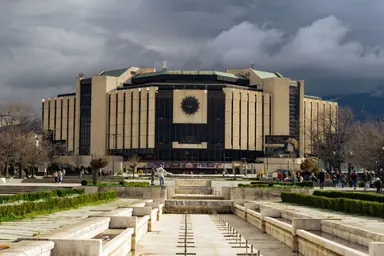
The National Palace of Culture, known by its initials NDK, opened on 31 March 1981 for the 1300th anniversary of the Bulgarian state. It covers 123,000 square metres over eight floors, with a main hall for more than 3,000 people and over 80 works of monumental art. Concerts and festivals fill it all year, and the landscaped Bulgaria Square and park in front are a favourite with locals.
More information
Opening times:
Place Hours Ticket desk Monday–Friday 09:00–20:00; Saturday and Sunday 10:00–20:00 Park and fountains Open 24/7 Halls inside Only during events Website: Visit Website
*NDK metro station is right at the door, on lines 2 and 3.
Source: zoosofia.eu Sofia Zoo
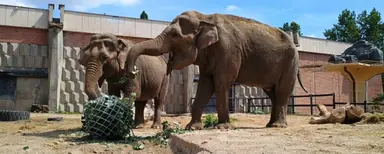
Sofia Zoo was founded by royal decree on 1 May 1888 and now covers 36 hectares south of the centre. Look for lions, tigers, white rhinos, hippos and elephants, and a walk-through aviary with imperial eagles and griffon vultures. Two primate pavilions house ring-tailed lemurs and hamadryas baboons. It makes a good half day with children, and city buses run right to it.
More information
Opening times:
Season Hours April–October Ticket office 09:30–18:00; stay until 19:00 November–March Grounds 09:00–17:00; ticket desks and indoor halls close at 16:30 Admission:
Ticket Price Adult €5.11 Ages 3–18, students and pensioners €2.56 Under 3 Free Family, two parents and one child €10.23 Family, two parents and two or more children €12.78 Website: Visit Website
*Open every day of the year, including national holidays. Ticket machines take cards, and tickets bought from them must be scanned at the turnstile within 30 minutes.
*Some enclosures have been closed at times, so check before you go.
Neighborhoods & Where to Stay
Most visitors are happiest within walking distance of the centre, with the metro covering the rest. So pick by mood: central, lively, calm or close to the mountain.
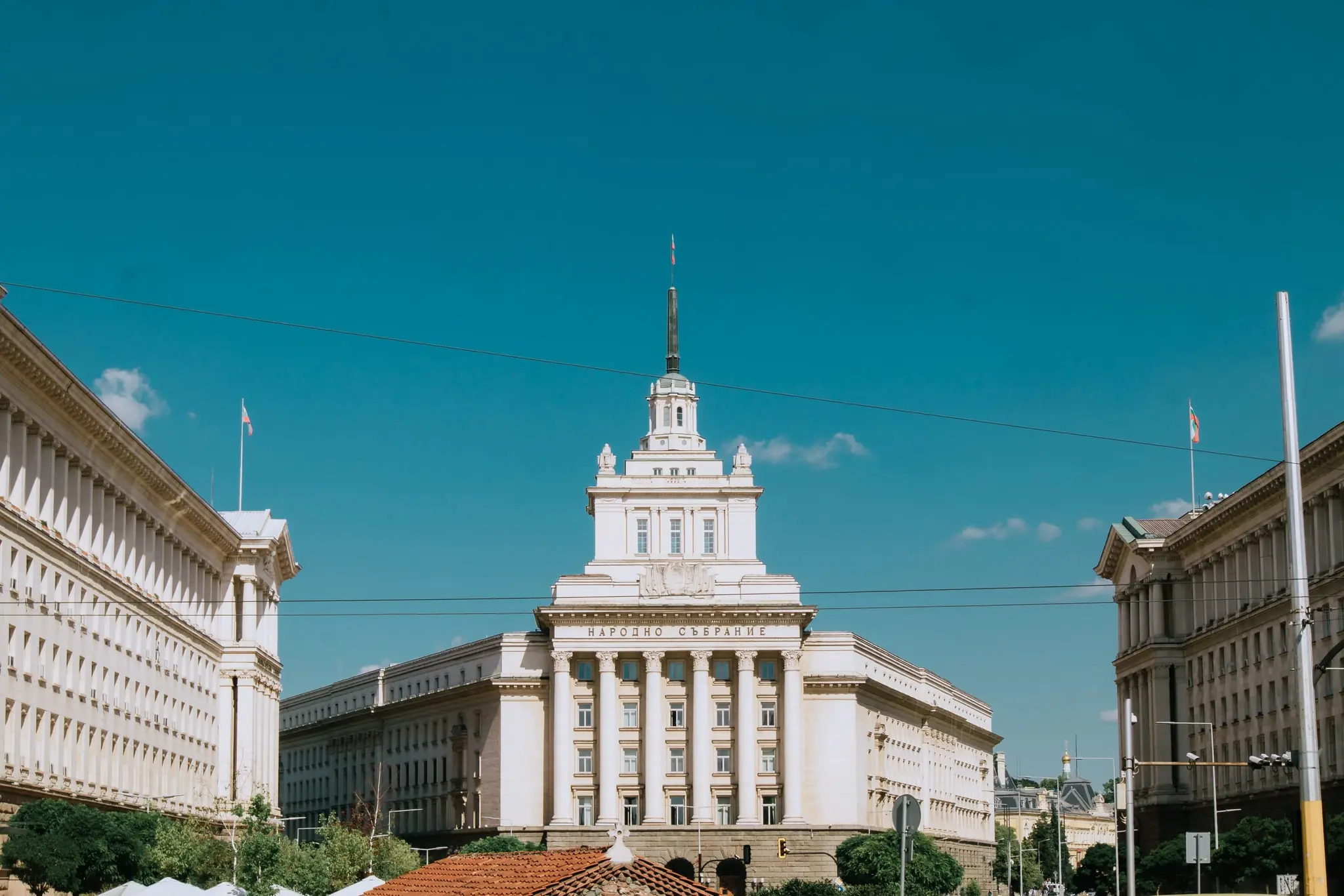
The Center
Around Serdika, the Largo, Sveta Nedelya and Banya Bashi, you are a short walk from most of the sights in this guide, with the metro at your door. It is the default base for a first visit. The price is noise on the busiest streets and higher rates than elsewhere in the city. Best for first-timers on short stays.
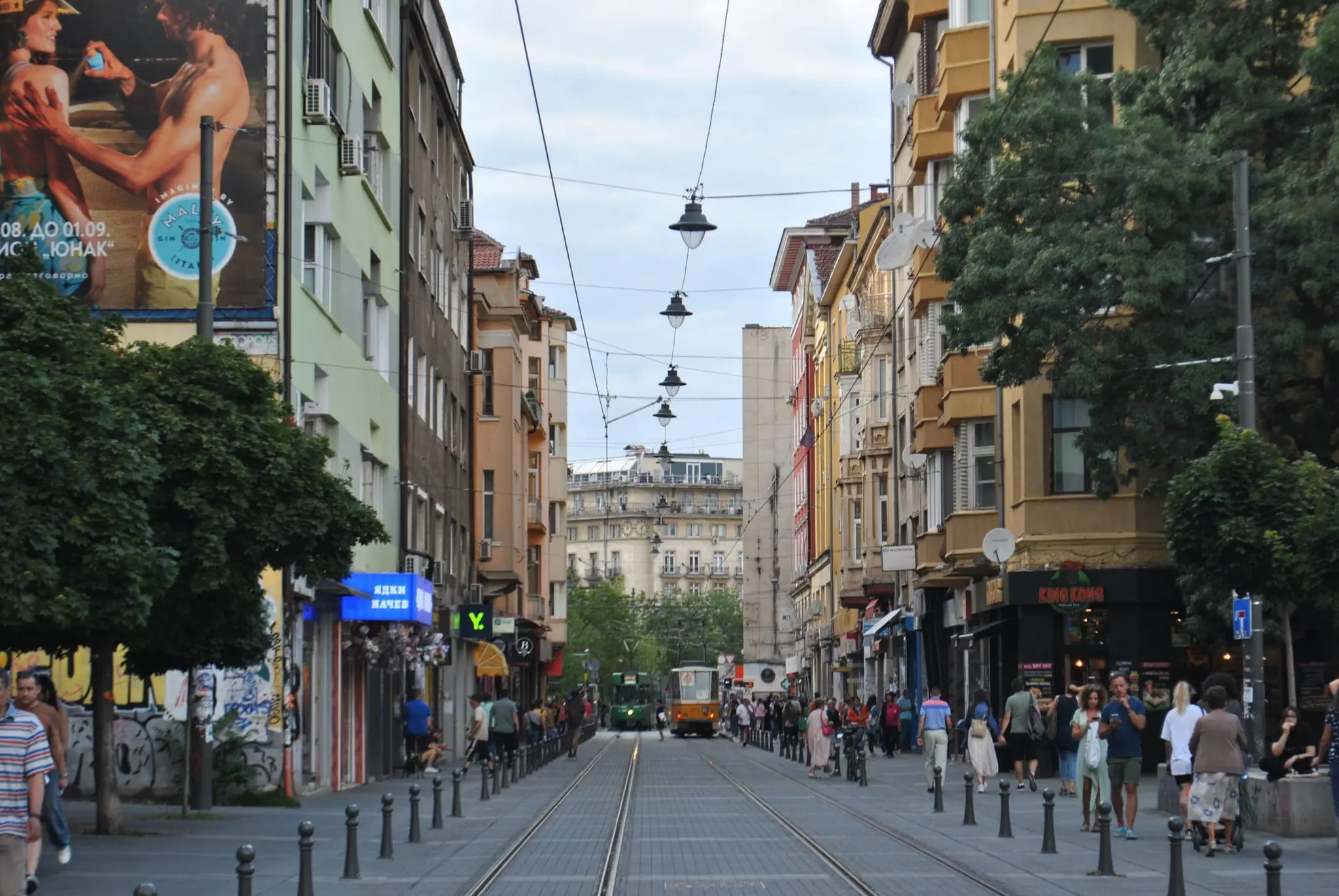
Vitosha Boulevard & Graf Ignatiev
The café strip of Vitosha Boulevard and the lanes around Graf Ignatiev, Angel Kanchev and Hristo Belchev are where Sofians actually go out, with small bars, independent shops and terraces behind every corner. Evenings are lively and sometimes loud, so ask for a courtyard-facing room. The City Garden and the Largo are a short walk away, which makes it a favourite with returning visitors.
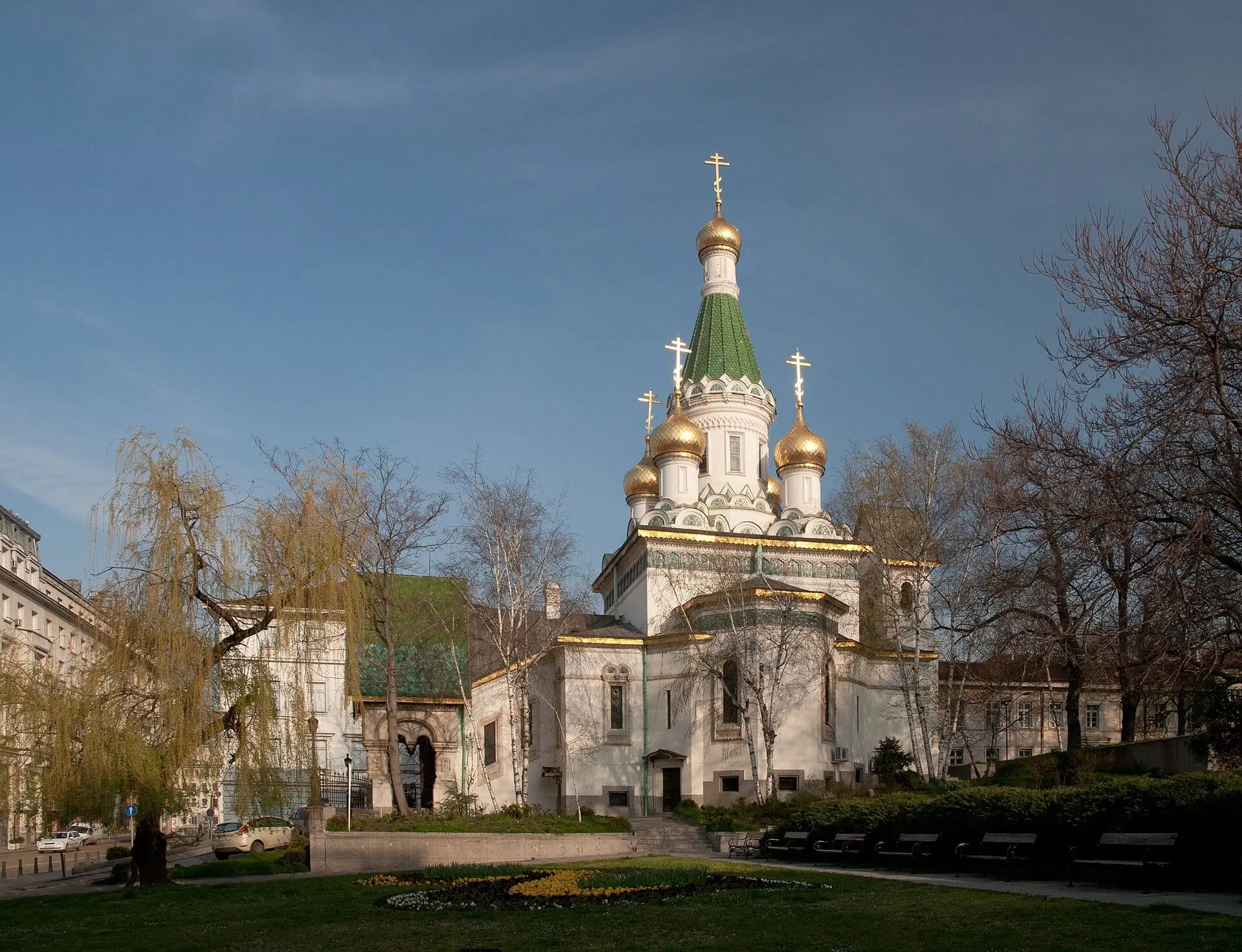
Oborishte & the Doctor’s Garden
Leafy and calm, Oborishte sits just east of the centre around the Doctor’s Garden (Doktorska gradina), the university and the Russian church. It is one of Sofia’s most sought-after addresses, with cafés, quiet streets and a pace a little slower than the boulevard, and the cathedral is close enough to reach on foot. Good for a calmer stay that still keeps the centre within reach.
Lozenets
South of the centre towards the mountain, Lozenets is green, comfortable and residential, with larger apartments and calm evenings. It is a short tram or metro ride from the centre and a handy base if Vitosha is high on your list. You trade the café buzz of the boulevard for tree-lined streets and a more local feel. Good for longer stays, families and anyone who likes to come home to quiet.
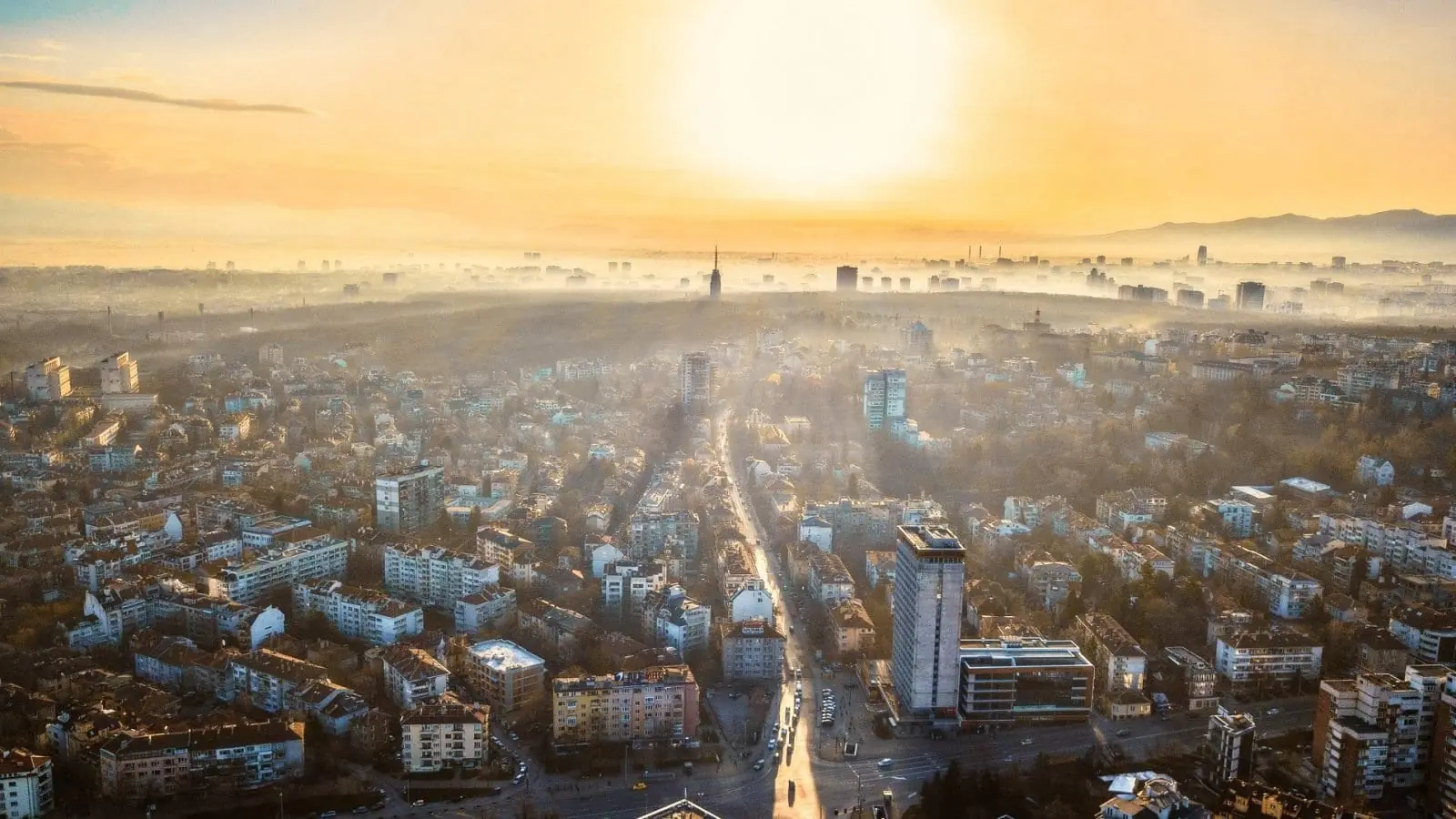
The Vitosha Foothills
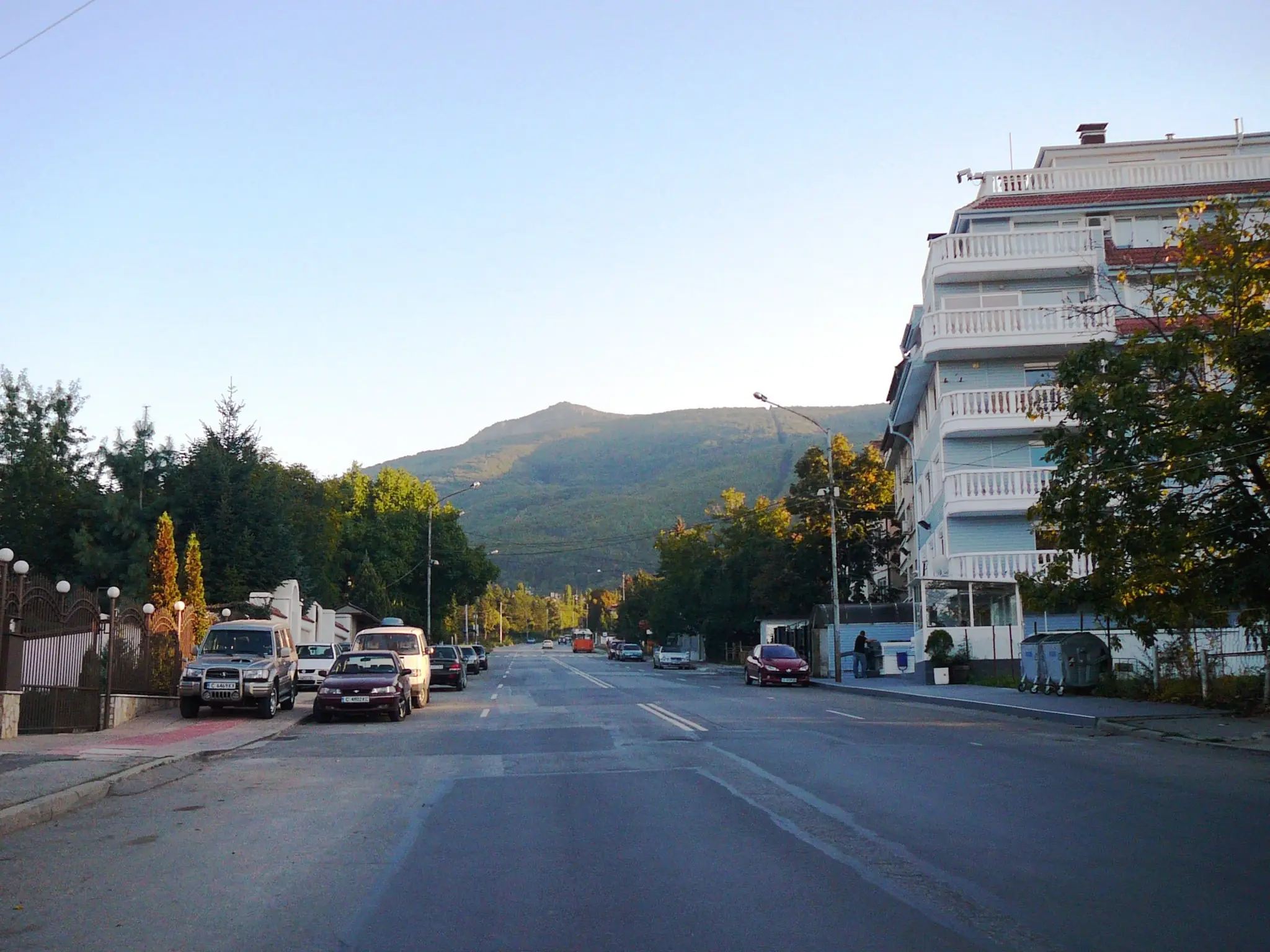
The villa suburbs of Boyana, Dragalevtsi and Simeonovo sit where the city meets the mountain. Boyana Church and the National History Museum are here, trails start at the edge of the streets, and the air is noticeably fresher. The compromise is distance: you need a bus, taxi or car to reach the centre. A good fit for hikers and families, and a poor one for a short, sight-heavy city break.
Find a place to stay
Hotels, apartments and current prices for Sofia, all in one place.
See stays in SofiaSofia Through Time
Sofia has answered to three names: Serdica, Sredets and Sofia. Each belonged to a different city, and the oldest one lies right under the metro.
A Thracian tribe, the Serdi, lived here first. Under Trajan the Romans made it Ulpia Serdica, and you can walk beside its streets and gates in Serdika metro station and around the Largo. By the early fourth century it was an imperial city important enough for an edict of religious toleration to be issued here. The brick Rotunda of St George, in the Largo’s courtyard, still stands from that age and is one of the oldest buildings in Sofia.
In the Middle Ages the town was called Sredets, and in time it took the name of the great church within it. The basilica of St Sophia gave the city the name it still carries. After the Ottomans took it in the late fourteenth century, Sofia became a major provincial centre of mosques and bathhouses, and Banya Bashi and the National Archaeological Museum, in the former Great Mosque, are its finest survivals.
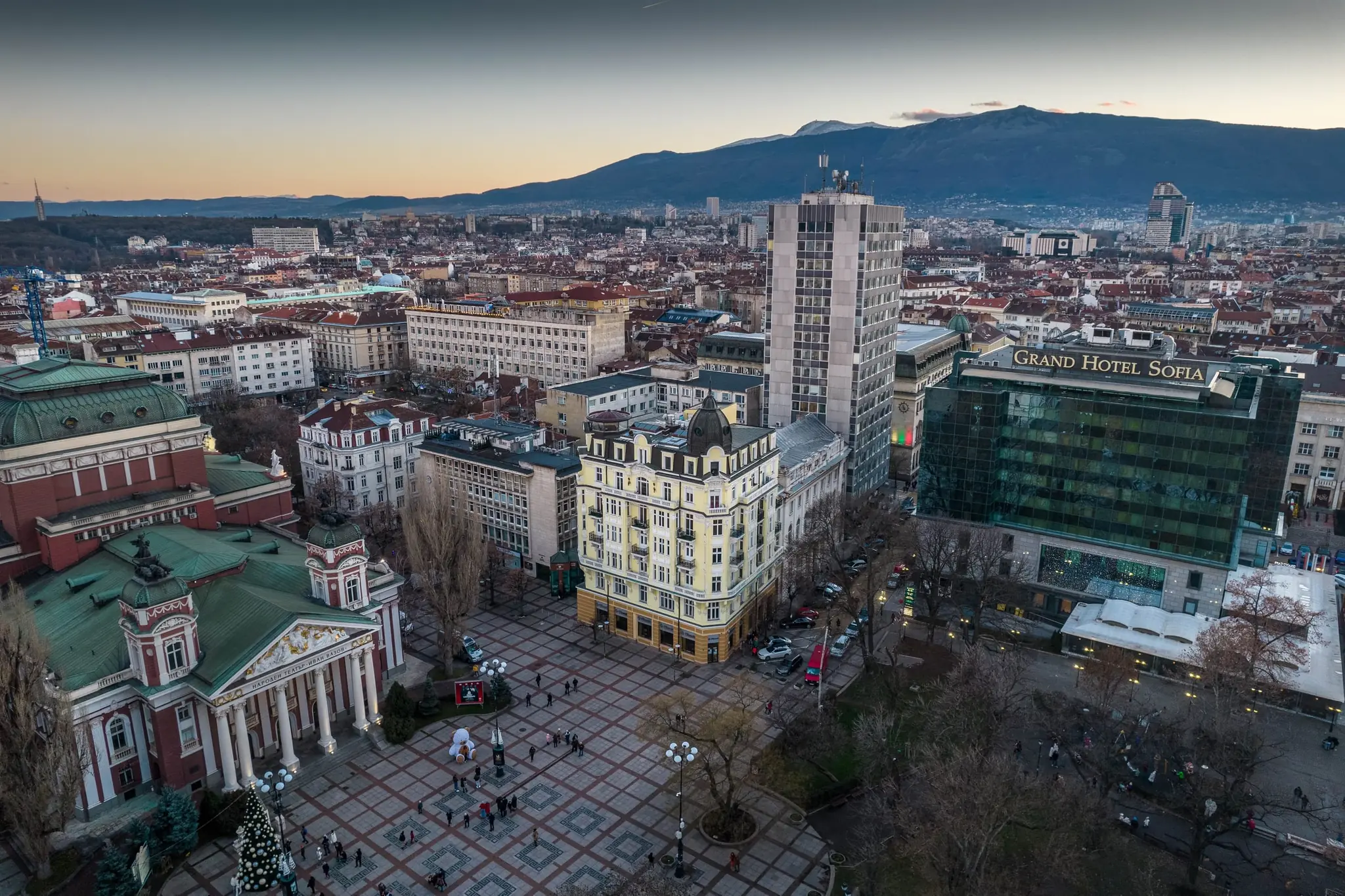
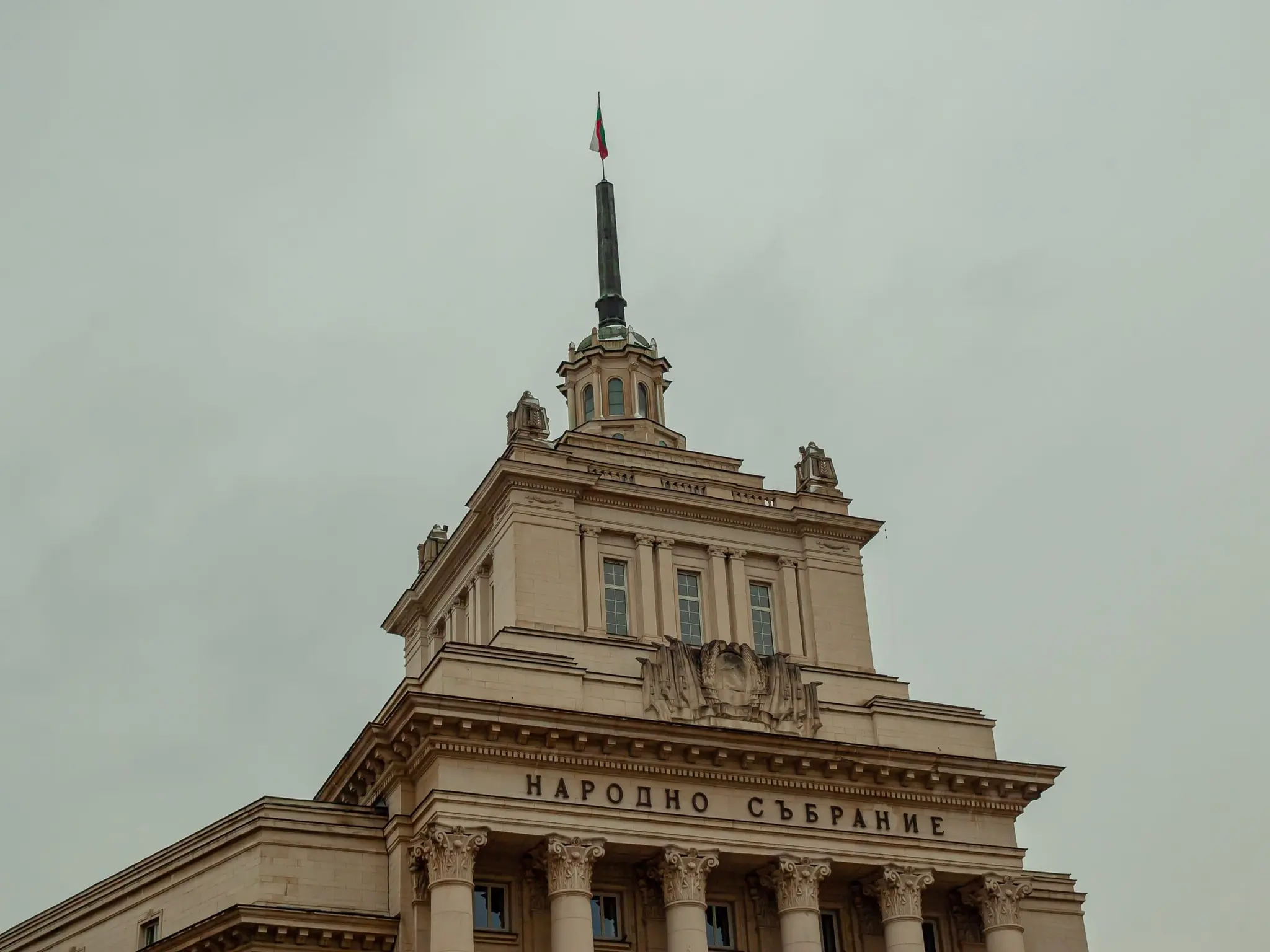
In February 1873 Vasil Levski, the Apostle of Freedom, was hanged here. The Levski monument, at a busy central crossroads, is traditionally linked with the area of his execution. Five years later, in January 1878, the city was freed during the Russo-Turkish War, and in 1879 it became the capital of the new Bulgarian state. A modern city grew around the old one, and Alexander Nevsky Cathedral, the National Assembly and the Ivan Vazov National Theatre all date from this age of building.
From 1944 Bulgaria was a one-party state, and its architecture left a mark in the Largo ensemble and the vast National Palace of Culture (NDK), opened in 1981. On 10 November 1989 the long-time leader Todor Zhivkov was removed, which opened the way to democracy. The Museum of Socialist Art keeps the period’s monuments, so check its location and hours.
Transportation
Sofia is easy without a car. The core of the city is walkable, the metro is genuinely good, and trams and buses cover the gaps.
- On foot: Most of the centre. Serdica, the Largo, the cathedral and the City Garden are close
- Metro: Modern and fast. Serdika is the central interchange; signs in Cyrillic and Latin
- Trams and buses: Fill the gaps. Older trams, but they reach where the metro does not
- Taxis: Look for marked cars. Take a clearly marked car from a reputable company, and avoid cabs touting outside stations or the airport
- Terminal 2: Metro, about 20 min. Own station; last trains run late in the evening
- Terminal 1: Free shuttle to Terminal 2. No metro station; check the shuttle times at night
- Late arrivals: A marked taxi. The fallback when the metro has stopped
- Coach: Often quicker than the train. Sofia has more than one bus station; check yours
- Train: To Plovdiv: 2 h 40 min–3 h. BDZ trains are cheap, but old and slow
- Motorways: A1 and A2. A1 to Plovdiv and Burgas, A2 to Varna; vignette needed
Fares are low, but check current prices and ticket options on the site of Sofia Public Transport. For general taxi advice, see our country guide.
Tip: you do not need a car in Sofia itself, and parking is hard. For Rila, Koprivshtitsa, Plovdiv or the Rhodopes, rent a car if you can, and pick it up the morning you leave instead of paying to park it for days. Bulgaria’s railway is very old, so we don’t recommend relying on it. For the road vignette, see our country guide.
Day Trips from Sofia
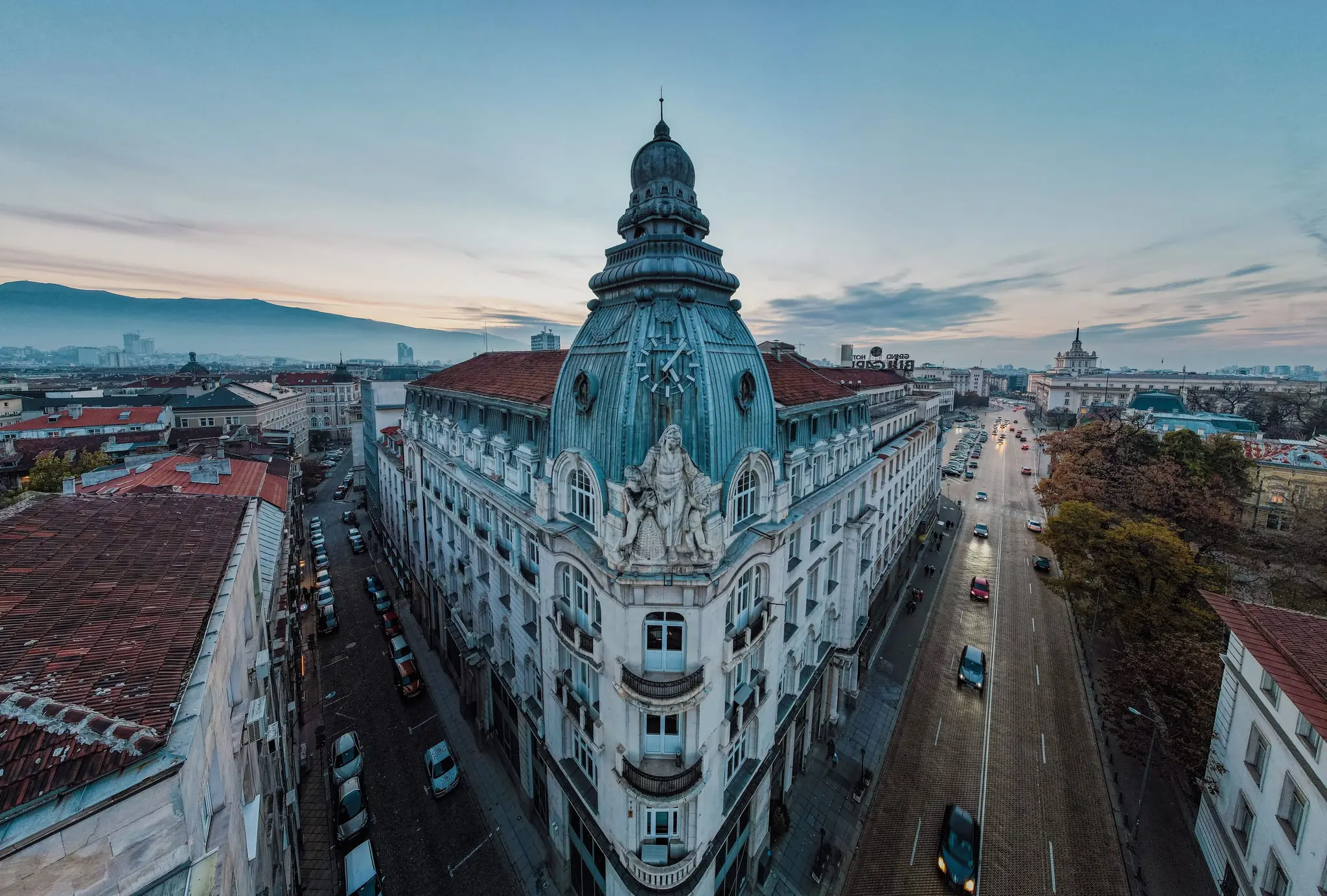
Within about two hours of Sofia you can reach a mountain, Bulgaria’s best-known monastery and a museum-town. Vitosha is close enough for half a day, and the others need a long day or a night away. Journey times are approximate, so check them on the day.
Vitosha
By car
Under an hour
Without a car
City bus
Allow
Half a day
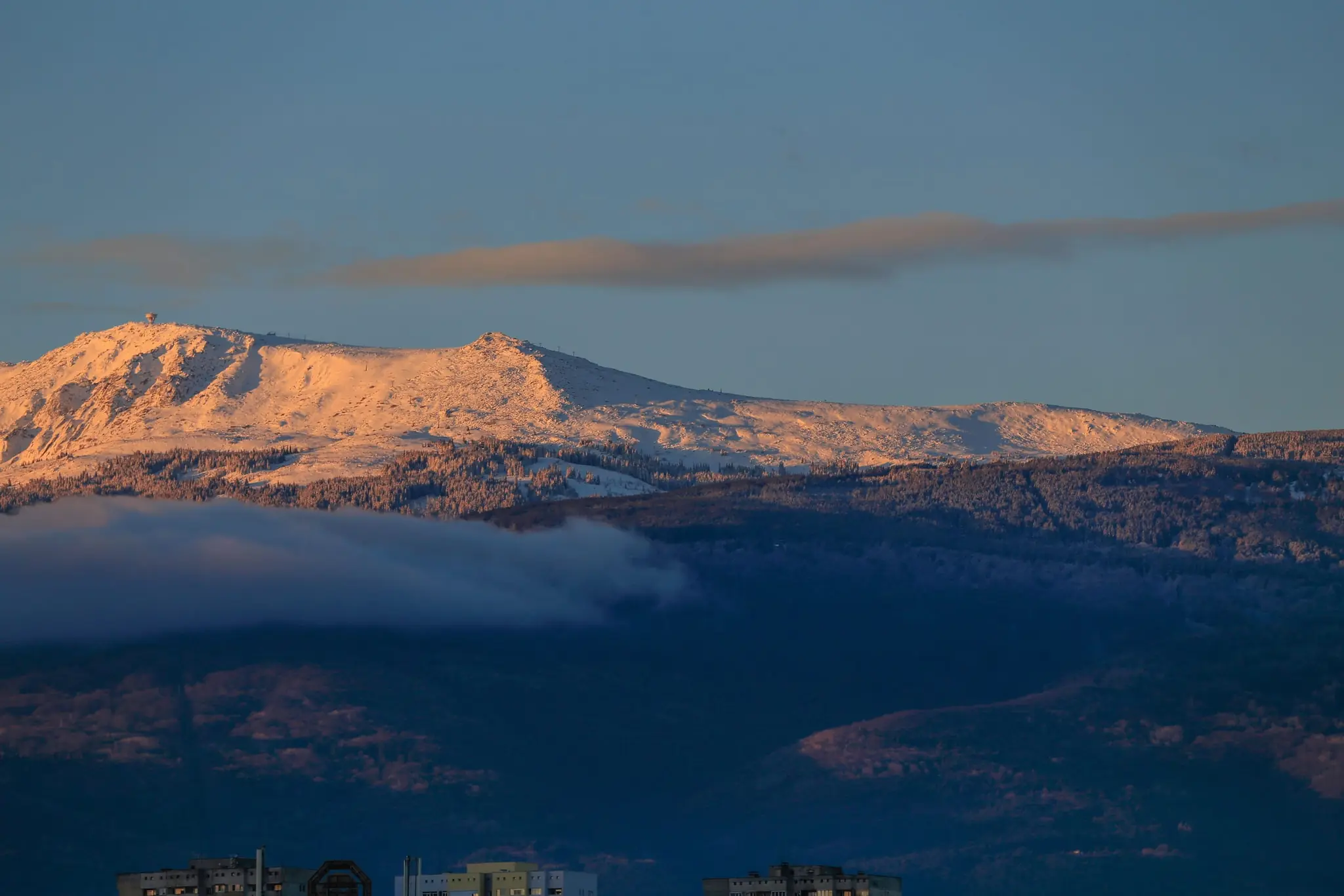
Sofia sits under a mountain that began as volcanic fire: Vitosha’s dome is a laccolith, magma that pushed up between layers of rock. Its high point, Cherni Vrah (‘Black Peak’), is 2,290 metres, and in 1934 the whole mountain became the first nature park in the Balkans.
In August 1895 the writer Aleko Konstantinov, author of Bai Ganyo, led around 300 people up to Cherni Vrah. It is widely seen as the start of organised tourism in Bulgaria, and the Aleko area is named for him.
Below the summit, the Golden Bridges are a ‘river’ of huge boulders, once a glacial moraine. A cable car climbs to Aleko, where short, easy ski slopes open in winter (see our winter guide). For serious walking, try our hiking guide.
Rila Monastery
By car
About 2 hours
Without a car
Tour or bus
Allow
A long day
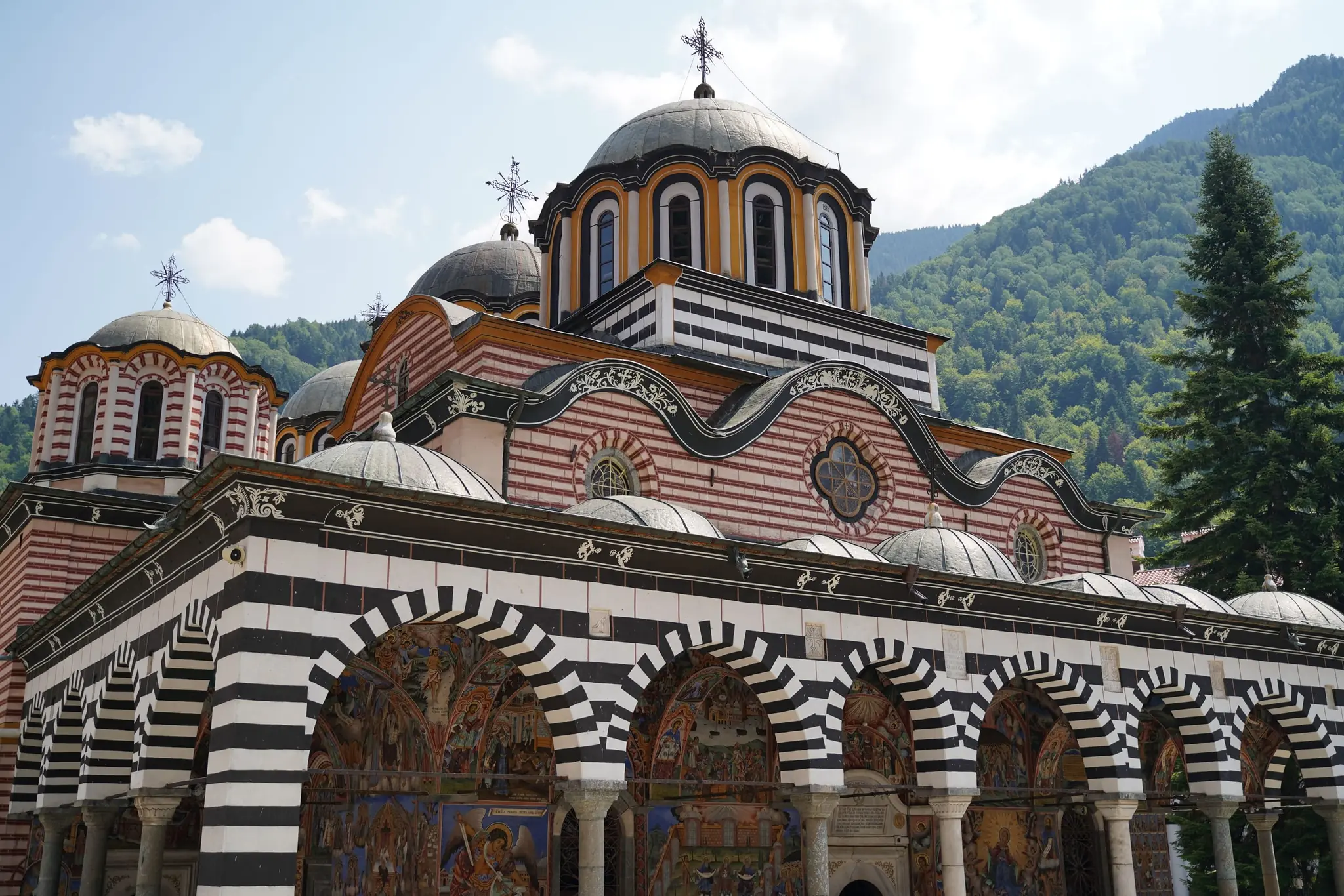
The road climbs into a valley of spruce and beech, and then the trees open on Bulgaria’s best-known monastery: a fortress of stone and wood with striped arches and domes at its centre.
It grew around Ivan of Rila, a tenth-century hermit who became Bulgaria’s patron saint, and through the Ottoman centuries it is remembered as a keeper of the Bulgarian language and faith. Most of what you see is nineteenth-century, with Hrelyo’s Tower, from the fourteenth century, as the oldest part. The church frescoes belong to the same Revival period, and the monastery is a UNESCO World Heritage Site.
Dress modestly, and stay for the quiet courtyard once the coaches have gone. For the forest trail to the hermit’s cave, see our hiking guide.
Opening times:
| Place | Hours |
|---|---|
| Courtyard and main church | Late September–Easter 06:30–17:00; Easter–late September about 06:30–19:30 |
| Museums and exhibitions | Daily 08:30–16:30; June–September until 19:30 |
Admission:
| Ticket | Price |
|---|---|
| Courtyard and main church | Free |
| Combined museum ticket | €12 |
| History museum only | €5 |
| Hrelyo’s Tower or one exhibition | €3 |
| Guided tour in English or French, about 50 minutes | €15 |
Website:
- Cash is recommended, as cards are often not accepted at ticket windows.
Eat like a local: try mekitsi, hot fried dough with powdered sugar or white cheese, from the monastery bakery just outside the rear gate, and bob chorba (bean soup) in the taverns along the Rilska river.
Tip: a direct bus from Ovcha Kupel station runs at times, so check it is operating.
Koprivshtitsa
By car
About 2 hours
Without a car
A long day
Allow
A day or a night
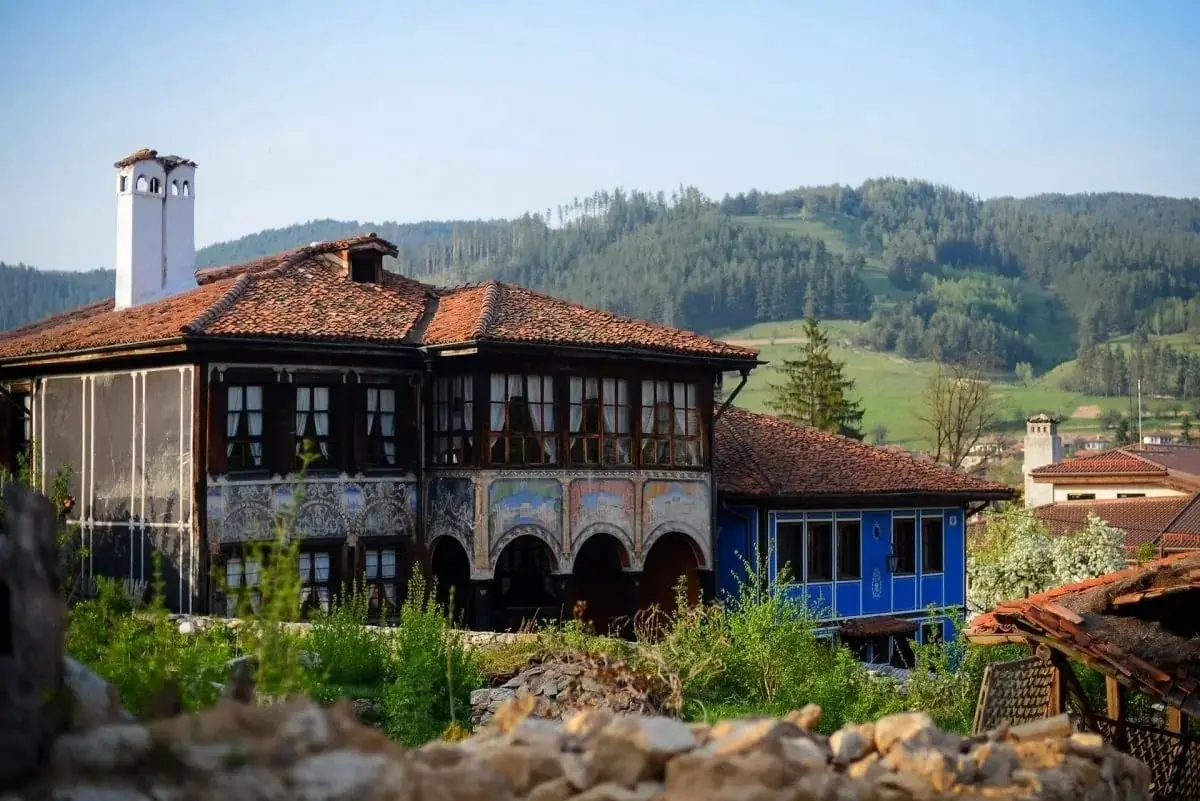
Koprivshtitsa is a town you walk through slowly. Its 383 Revival monuments line the cobbled lanes and the river, most of them restored to their original look, so a stroll feels like stepping back into the 1850s. Look for the Oslekov House (1853–1856), now an ethnographic museum, and the Lyutov House (1854), then pick a lane and follow it.
It is a town of writers and rebels. The poet Dimcho Debelyanov, the writer Lyuben Karavelov and the revolutionaries Georgi Benkovski and Todor Kableshkov all came from here, and the April Uprising of 1876 began in its streets.
Every five years or so, the hills above the town host the National Festival of Bulgarian Folklore, held since 1965. For more on the town, see our Beyond the Cities guide.
Plovdiv
Coach
Often quickest
By car
1.5–2 hours
Train
2 h 40 min–3 h
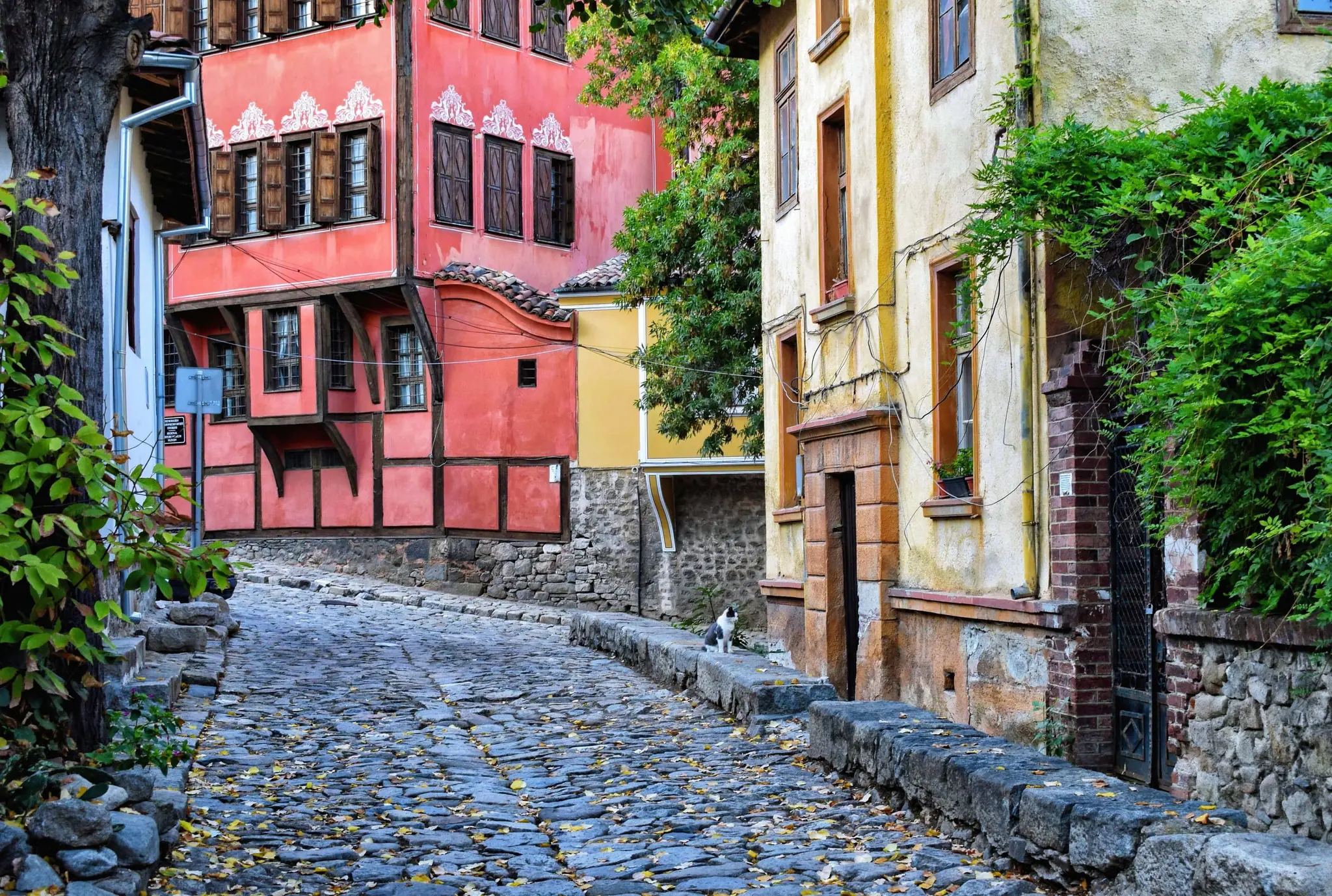
Plovdiv is a city that keeps its past in plain sight. A Roman stadium lies under the main pedestrian street, with one end open beside café tables, and above the centre the Roman theatre still stages summer concerts. Climb into the Old Town for painted Revival houses on steep cobbled lanes.
Come back down for Kapana, the creative quarter of galleries and coffee bars, restored for Plovdiv’s year as European Capital of Culture in 2019. It is also where the Unification of Bulgaria was declared in 1885.
It works as a long day, but it deserves a night, and our Plovdiv guide has the plan.
Seven Rila Lakes
By car
The easiest way
Without a car
Hard
Allow
A full day
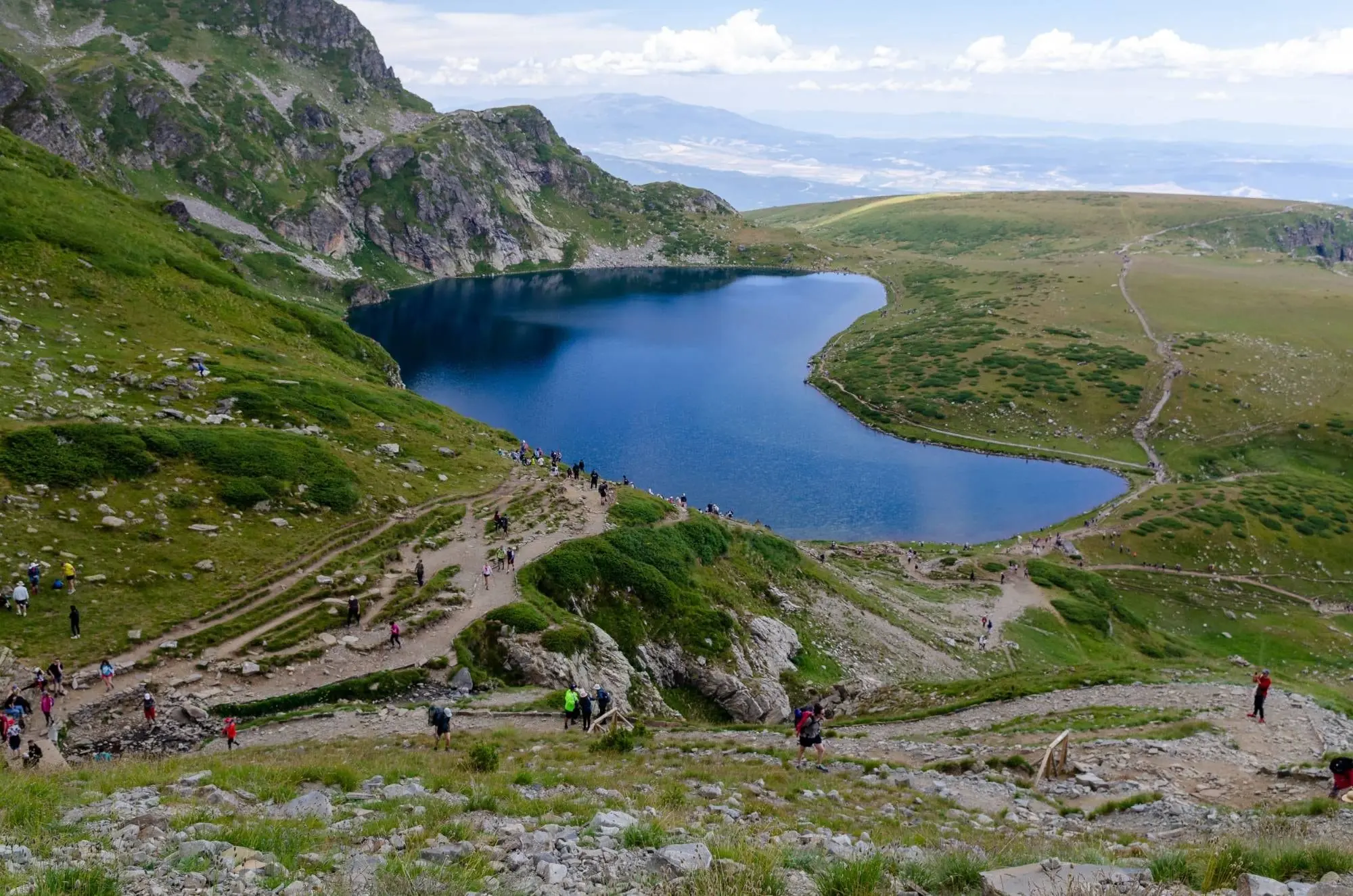
The Seven Rila Lakes are a chain of glacial lakes, and each has its own name: the Tear, the Eye, the Kidney, the Twin, the Trefoil, the Fish and the Lower Lake. The Eye is more than 37 metres deep, the deepest glacial lake in the Balkans.
Each lake has its own character. The Tear is the highest and has very clear water, the Twin is the largest, the Kidney has the steepest shores and the Fish is the shallowest. All their waters gather in the Lower Lake and flow on as a river.
A seasonal chairlift from the Panichishte side takes the first climb out of the walk, leaving a circular route of a few hours. The lakes are generally ice-free from late June to early October, so carry layers and waterproofs. The trails are in our hiking guide.
No car? Book a tour
Guided day trips from Sofia to the mountains and monasteries, with no driving needed.
Browse experiencesProposed Itinerary
The centre is compact enough to do in a day. A second day adds the faiths, markets and the edge of the city, and a third goes out of town. Start each day early, when the light is soft and the cathedral and museums are quietest.
One Day: Sofia on Foot
- Morning: Start in Serdika metro station among the Roman streets, then the Rotunda of St George in the Largo courtyard, and on to St Sophia Church and the Tomb of the Unknown Soldier.
- Afternoon: Alexander Nevsky Cathedral, then lunch in a mehana or café around Oborishte. Walk back through the central streets to the National Theatre and the City Garden.
- Evening: Coffee on Vitosha Boulevard, then dinner and a glass of rakia around Graf Ignatiev.
Two Days: Faiths, Markets and the Edge of the City
- Day 1 afternoon: Add Banya Bashi, the Sofia Synagogue and the Central Market Hall to the one-day route.
- Day 2 morning: Boyana Church, as early as you can, then the National History Museum.
- Day 2 afternoon: A gentle walk on Vitosha, or the National Archaeological Museum if the weather turns.
- Day 2 evening: A stroll through Borisova Gradina, then a glass in a wine or craft-beer bar.
Three Days: Out of the City
- Days 1 and 2: As above, at a slower pace.
- Day 3: Pick one excursion: Rila Monastery, Koprivshtitsa, Plovdiv or a longer Vitosha walk.
- Evening: Back in the city for a final mehana dinner, or move on to Plovdiv for the night.
Pacing tip: Plan one museum a day, not three. For linking Sofia with Rila and Plovdiv, see the itineraries in our country guide.
Seasonal Events & Festivals
Sofia works in every season, and the weather matters more than the festival calendar. Pick your season by the weather, then see what is on.
Dates change from year to year, so check the official calendar before you book.
Spring
March to May
Day
11–21 °C
Night
1–10 °C
Changeable but lovely. Blossom comes to the Doctor’s Garden and Borisova Gradina. Showers are common, and Vitosha’s trails may still hold snow.
What’s on
- 3 MarchLiberation DayA national holiday, marked in the capital.
- MarchSofia Film FestA large international film festival.
- May–JuneSofia Music WeeksClassical music, opera and ballet.
Pack a waterproof layer.
Summer
June to August
Day
25–28 °C
Night
13–15 °C
Warm days, long evenings. The terraces fill after dark, and Vitosha is noticeably cooler. Many Sofians leave for the coast in August, so the centre is quiet.
What’s on
- JuneSofia Live FestivalOpen-air live music in Borisova Gradina.
- Mid-June to mid-JulyOpera in the ParkOutdoor opera productions.
- JulyAtoZ Jazz FestivalOutdoor jazz concerts in South Park.
Escape to Vitosha when the city is hot.
Autumn
September to November
Day
11–23 °C
Night
2–11 °C
Often the best time. Warm days in September, golden leaves in Borisova Gradina and clear Vitosha walks. The first snow can reach the mountain by late autumn.
What’s on
- 6 SeptUnification DayA national holiday.
- Mid-SeptemberKvARTal FestivalA celebration of Sofia’s culture, with art, music and food.
- NovemberKinomaniaA film festival with curated screenings.
Pack layers for the mountain.
Winter
December to February
Day
4–7 °C
Night
−4 to −2 °C
Cold, grey and good value. The centre is lit up for Christmas, and snow falls on roughly 30 days a year. The Aleko slopes on Vitosha open when there is snow.
What’s on
- Late November to DecemberChristmas marketsSeasonal stalls and lights in the centre.
- December to 1 JanNew Year’s Music FestivalClassical concerts, opera and ballet.
- Mid to late JanuarySurvaMasked mummers in nearby Pernik.
Rooms are generally cheapest now.
Shopping & Nightlife
Vitosha Boulevard & Graf Ignatiev
Vitosha Boulevard is the high-street end of town, with international brands and department stores. For something more individual, turn into the streets around Graf Ignatiev and Angel Kanchev, where independent shops and design studios cluster.
Markets
For things to take home, head to the Central Market Hall and the Women’s Market: cheese (sirene and kashkaval), honey, dried peppers and rose products. There are also flea markets near the cathedral, so check days and times locally.
Nightlife
The bar scene sits around Graf Ignatiev and the lanes off Vitosha Boulevard, from wine bars and rakia bars to cocktail rooms. Student Town in the south-east is where the clubs are, rowdy rather than refined. For something quieter, the Sofia opera and ballet and the National Theatre make an easy evening.
Practical Tips
- Closing days. Many museums close one day a week, often Monday, and shops tend to close earlier on Sundays, so check before you go.
- Money. Bulgaria uses the euro, and cards are widely accepted, though cash helps at markets and small stalls.
- Language. Bulgarian, written in Cyrillic. English is widely spoken around the centre, and metro signs use Latin letters too.
- Safety. Sofia is generally safe, including in the centre at night. Pickpockets work crowded trams, the metro, markets and the area around the main train station, so keep your bag zipped and in front. Call 112 in an emergency.
- Free walking tours. They run daily from the centre, usually for about two hours, and the guides work for tips.
Additional Resources
- Sofia Airport: terminals, flights and transfer information.
- Visit Bulgaria: the national tourist portal.
- Related guides: Discover Bulgaria and Plovdiv.
All details here are approximate, so check official sources before you go.
Spend a morning underground among the Romans, an afternoon under the gold domes and an evening on a terrace on Vitosha Boulevard, with the mountain at the end of the street.
Наздраве! (nahz-DRAH-veh) — Cheers!