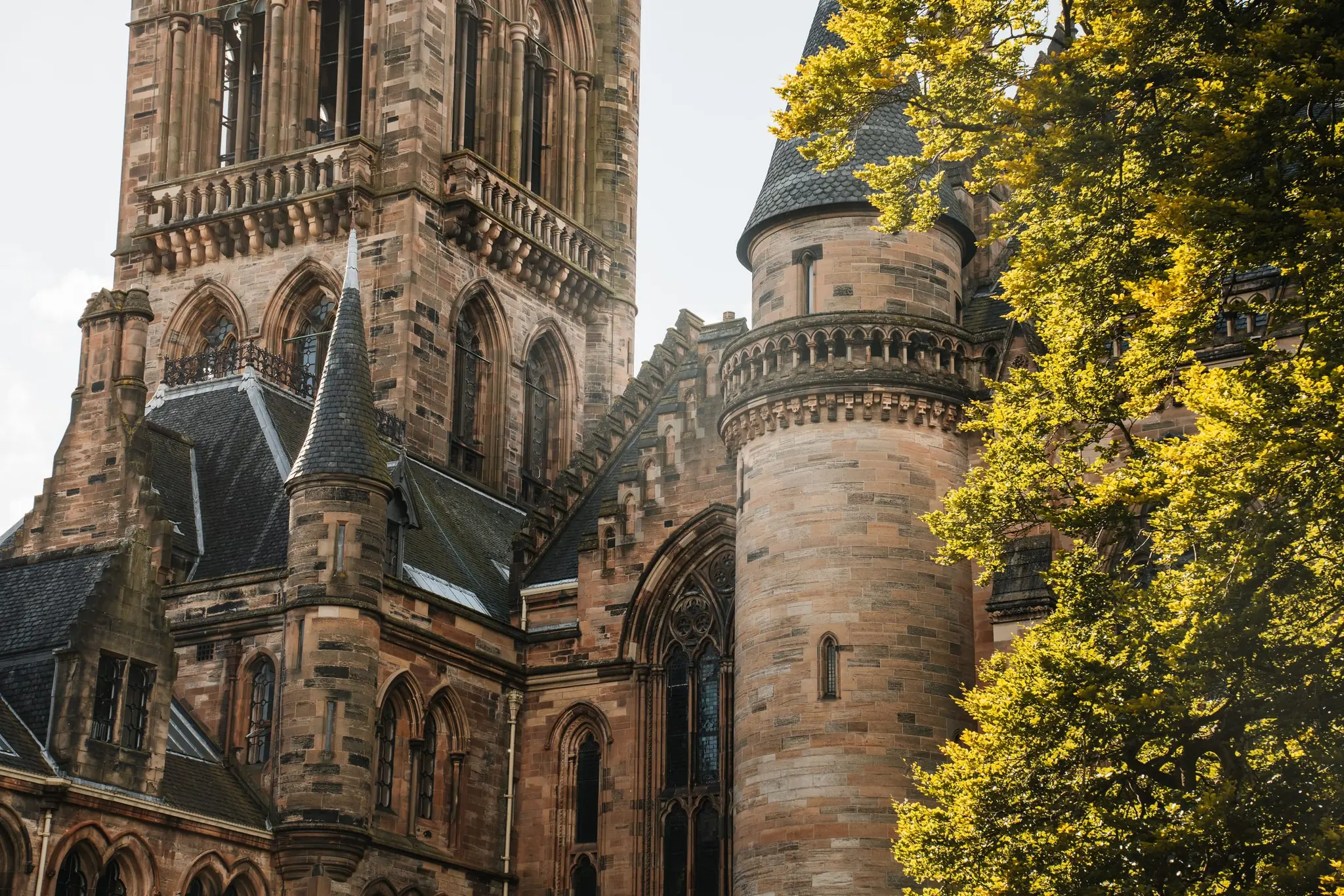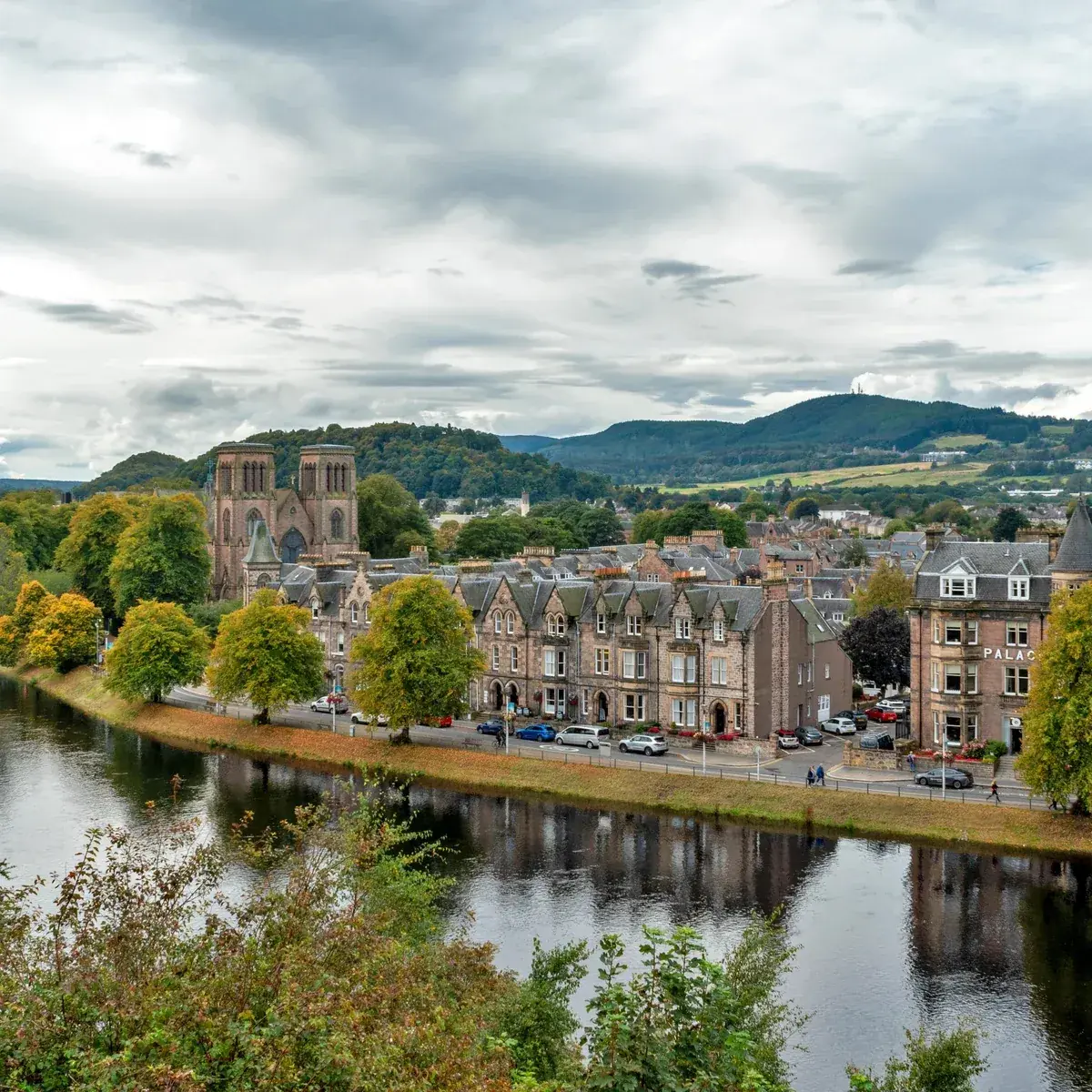
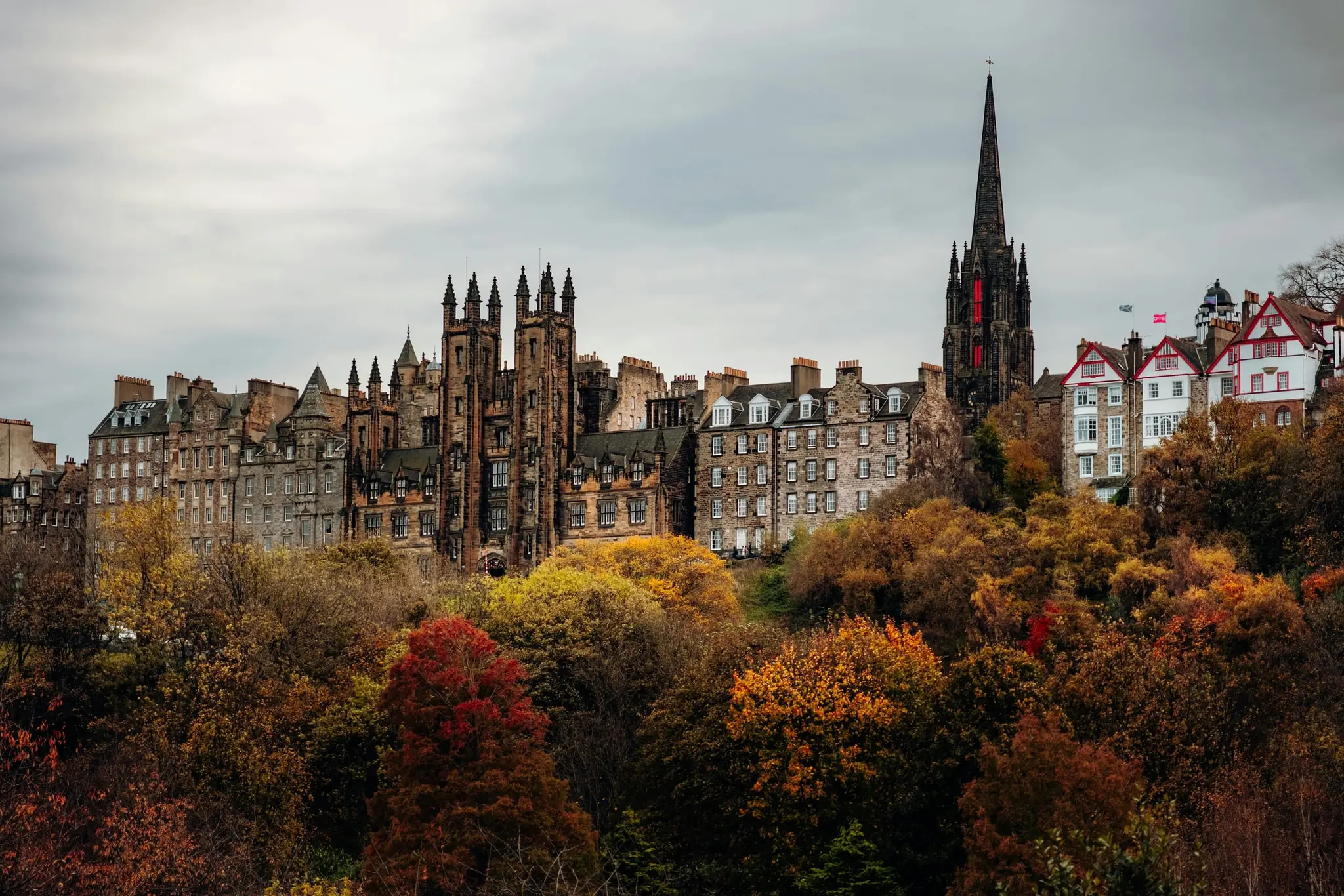
Edinburgh is a city built on a volcano and organised around a ridge. The Old Town tumbles downhill from the castle rock in a tangle of wynds, closes and tenements so tall they once counted as the world’s first high-rises; across a drained loch that is now a railway line and a garden, the New Town lays out its Georgian crescents with the calm confidence of the Enlightenment that built them. You can walk between the two in ten minutes and feel as though you have changed centuries.
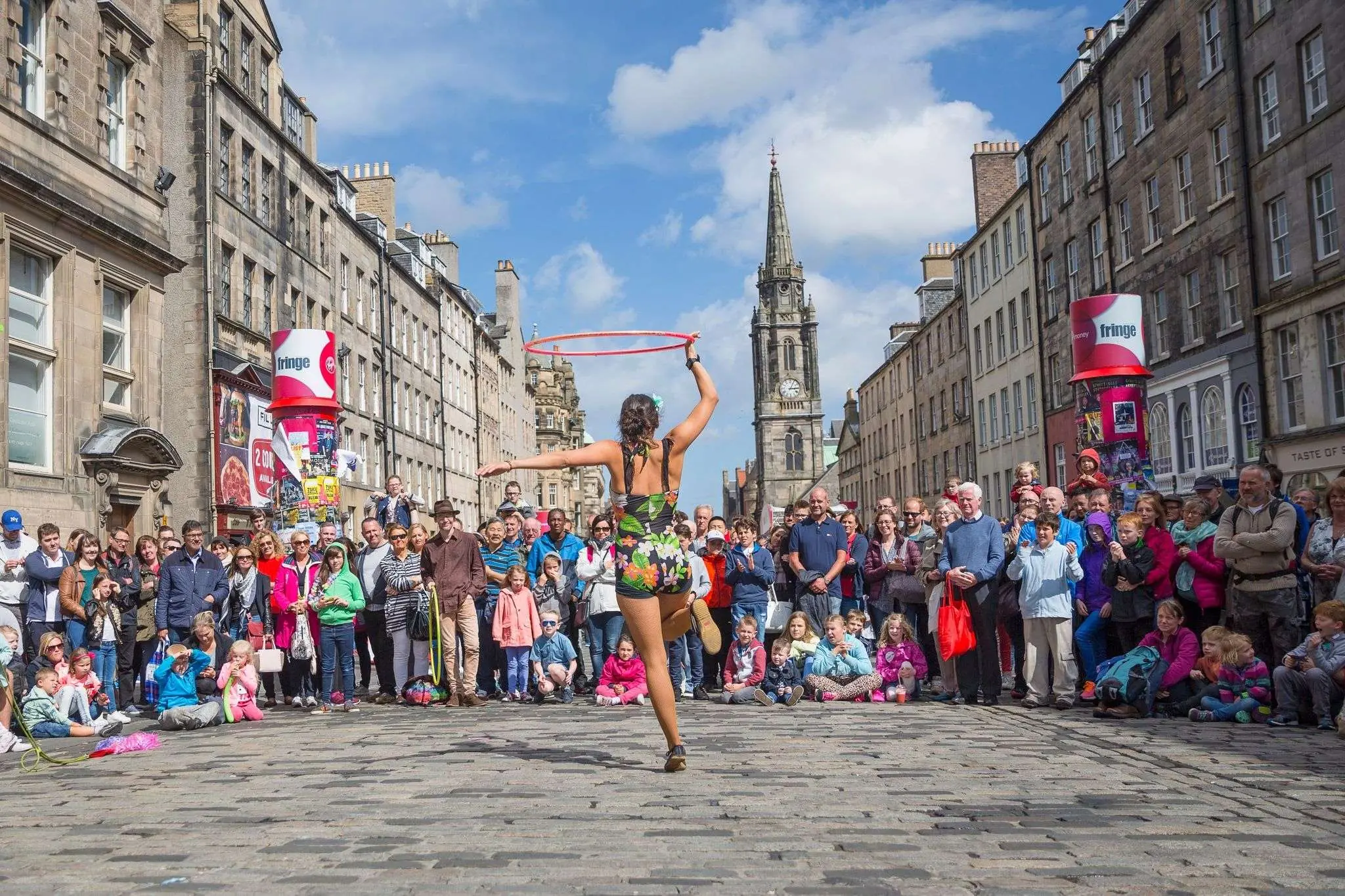
It is also a city with a talent for spectacle. Every August the population roughly doubles as the Fringe turns car parks, church halls and university lecture theatres into venues; every 31 December the streets fill again for Hogmanay. But the rest of the year is arguably better — mist over Arthur’s Seat on a Sunday morning, a dram in a back-street bar while rain rattles the windows, the smell of a bakery on Broughton Street. Whether you have three days or three weeks, Edinburgh rewards travellers who look up at the skyline and then down the nearest close.
Top Highlights
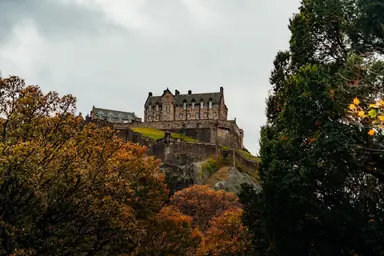
Source: Pexels Edinburgh Castle
Scotland’s most-visited paid attraction sits on a plug of volcanic rock at the top of the Royal Mile. Inside are the Honours of Scotland, the tiny 12th-century St Margaret’s Chapel — the oldest surviving building in the city — the Great Hall, and the National War Museum. Time your visit for 13:00 and brace for the One O’Clock Gun. The ramparts survey the New Town and the Forth.
More information
Opening times: 1 Apr–30 Sep: daily 9:30–18:00 · 1 Oct–31 Mar: daily 9:30–17:00 (last entry 1 hour before closing)
Admission: Approx. £23.50 adult online / £26 in person; concession £19/£21; child 7–15 £14/£15.50; under 7 free
Website: Visit Website
*Timed entry — tickets regularly sell out weeks ahead in summer, and once online tickets go there are none left at the gate. The castle closes early at 16:30 on several Tattoo evenings in August, and is shut on 25 and 26 December. Prices are approximate and subject to change.
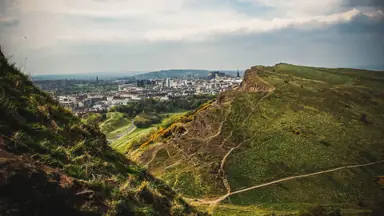
Source: Pexels Arthur’s Seat & Holyrood Park
An extinct volcano rising 251 metres straight out of the city centre, with the ridge of Salisbury Crags running below it. The climb takes 45 minutes to an hour from the Holyrood end and delivers a full 360-degree sweep — Forth bridges to the west, the Bass Rock to the east, the castle and Old Town spine in between. Wear real shoes; the summit is rocky and often gale-blown.
More information
Opening times: Open all year
Admission: Free
Website: Visit Website
*Park roads are closed to traffic at weekends, which makes for excellent walking and cycling. A free audio guide is available through the Geotourist app.
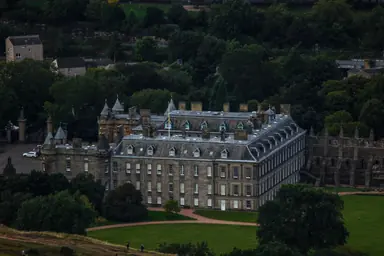
Source: Pexels Palace of Holyroodhouse
The King’s official residence in Scotland, anchoring the bottom of the Royal Mile. Tour the State Apartments, the Great Gallery of Jacobite-era portraits, and the chambers where Mary, Queen of Scots’ secretary Rizzio was murdered in 1566 — then walk out into the roofless ruins of Holyrood Abbey and the palace gardens beneath Arthur’s Seat.
More information
Opening times: Thursday–Monday year-round; daily through high summer (roughly late May to early September). Summer 09:30–18:00 (last admission 16:30); winter 09:30–16:30 (last admission 15:15)
Admission: Approx. £22 adult in advance / £26 on the day; young person 18–24 £14/£17; child 5–17 £11/£13; under 5 free
Website: Visit Website
*A working royal palace: it closes on Tuesdays and Wednesdays outside high summer, and shuts entirely for about a week in late June or early July while The King is in residence. Check before you book. Prices are approximate and subject to change.
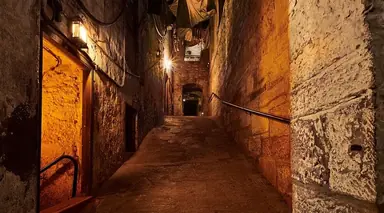
Source: Tripadvisor The Real Mary King’s Close
A preserved 17th-century street sealed beneath the City Chambers on the Royal Mile, reached on a costumed guided tour that lasts about an hour. You descend past the doorways of vanished tenement households while a character guide, drawn from real residents of the close, walks you through plague, poverty and city planning — history told at close quarters and in the dark.
More information
Opening times: Open year-round; hours vary a lot by season, with very late slots in August
Admission: Signature Guided Tour approx. £28.50 adult / £21 child, often discounted online in summer
Website: Visit Website
*Pre-book — tours run to fixed times and sell out. Not suitable for children under 5. Longer combination tours are also sold. Prices are approximate and subject to change.
Source: Pexels National Museum of Scotland
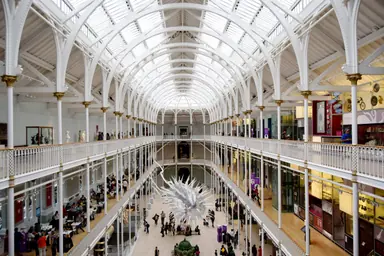
Two museums fused into one on Chambers Street: a soaring Victorian glasshouse of a Grand Gallery, and a modern sandstone wing telling Scotland’s story from geology to devolution. Dolly the Sheep, the Lewis Chessmen and a Formula 1 car share a building — and the roof terrace has one of the best free views of the Old Town in the city. A perfect rainy-day plan.
More information
Opening times: Daily 10:00–17:00
Admission: Free (charges for some temporary exhibitions)
Website: Visit Website
*The roof terrace is reached by lift from Level 6 and closes in high winds. Allow half a day if you have children with you.
Source: Pexels Scottish National Gallery
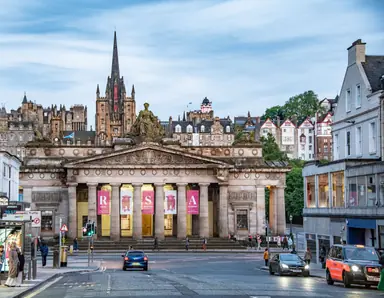
A neoclassical temple on the Mound, dropped between the Old Town and the New, holding Vermeer, Titian, Rembrandt, Velázquez and the Impressionists alongside newly reopened Scottish galleries covering 1800 to 1945 — McTaggart, Anne Redpath, Charles Rennie Mackintosh and the Glasgow Boys. Free, central, and a perfect ninety minutes when the weather turns.
More information
Opening times: Daily 10:00–17:00
Admission: Free (charges for some exhibitions)
Website: Visit Website
*Its sister galleries — Portrait on Queen Street and Modern on Belford Road — are also free and open daily 10:00–17:00.

Source: Tripadvisor Camera Obscura & World of Illusions
Five floors of optical trickery at the top of the Royal Mile, built around a genuine Victorian camera obscura that has been projecting a live image of the city onto a white bowl since the 1850s. Mirror mazes, a vortex tunnel and a plasma dome fill the rest, and the rooftop terrace gives you the castle from an angle most visitors miss. Best visited near dusk.
More information
Opening times: Open daily; hours are seasonal, roughly 9:00–22:00 at peak in August and around 9:30–19:30 on winter weekdays
Admission: Approx. £24.95 adult, £21.95 student/senior, £17.95 child 5–15, under 5 free
Website: Visit Website
*Allow at least two hours. Tickets are valid all day, so you can leave and come back with a hand stamp. Closed 25 December. Prices are approximate and subject to change.
Source: Pexels Calton Hill
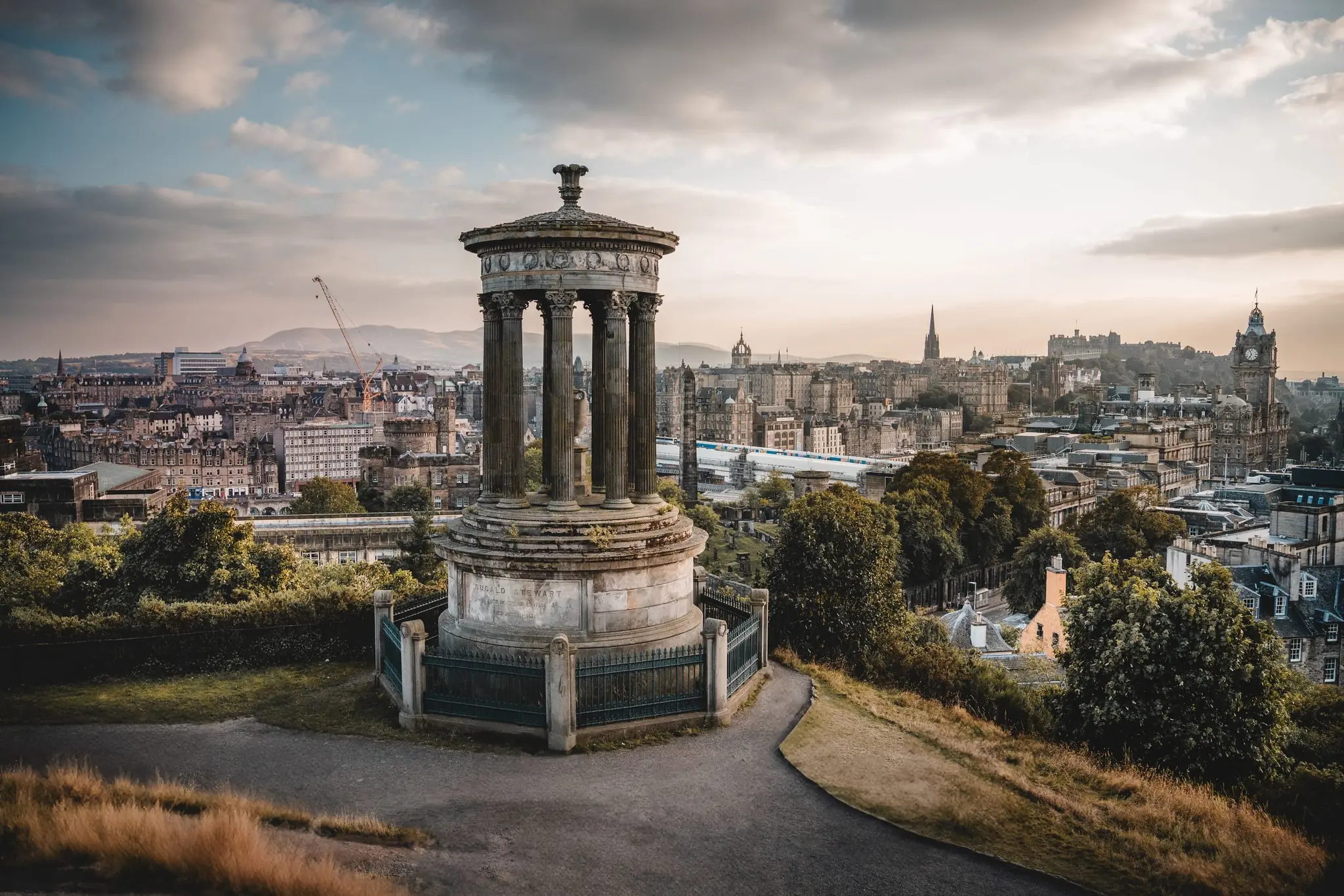
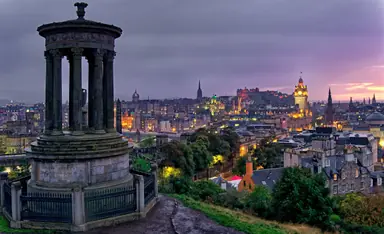
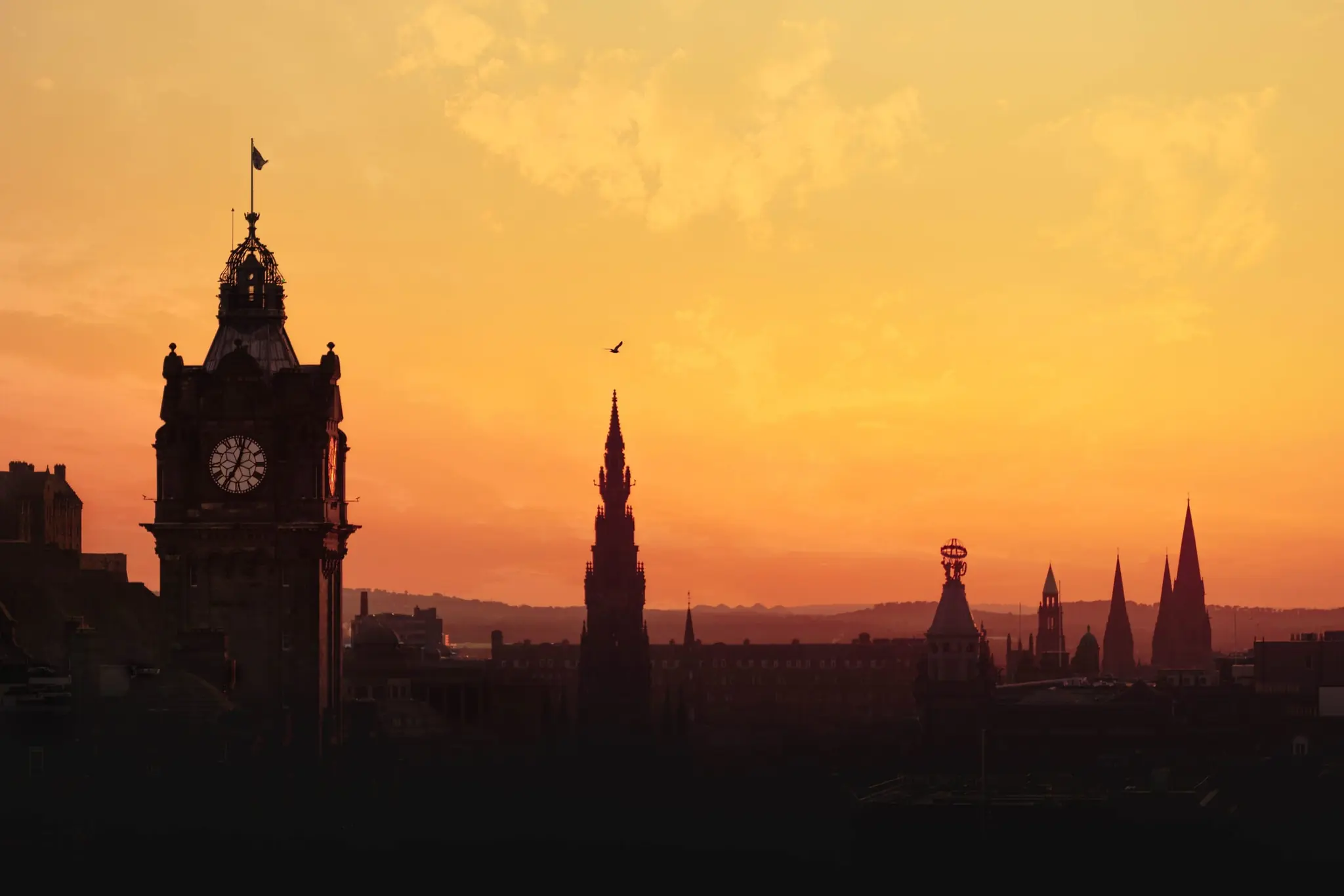
The postcard view of Edinburgh is taken from here, not from the castle. A ten-minute climb from the east end of Princes Street brings you to a hilltop scattered with monuments — the unfinished, Parthenon-inspired National Monument, the Dugald Stewart Monument, and the upturned-telescope Nelson Monument, whose time ball still drops as the One O’Clock Gun fires. Come for sunset.
More information
Opening times: Hill open at all times · Nelson Monument open 7 days, 10:00–15:30
Admission: Free to walk up; a small admission charge applies to climb the Nelson Monument
Website: Visit Website
*From the Nelson Monument viewing platform you can pick out the Queensferry Crossing to the west and the Bass Rock to the east on a clear day.
Source: Pexels Dean Village & the Water of Leith
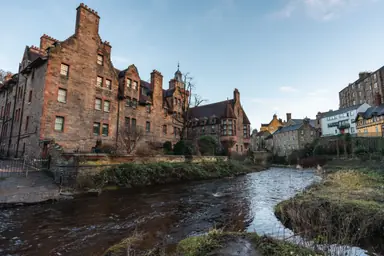
A former milling community in a wooded gorge, five minutes’ walk from the west end of Princes Street and a world away from it. Red-and-cream 19th-century buildings crowd the riverbank, and the Water of Leith Walkway carries you on past St Bernard’s Well to Stockbridge in about twenty minutes — one of the loveliest free walks in any European capital.
More information
Opening times: Always open
Admission: Free
Things to do nearby: View things to do
*The full walkway runs 13 miles from Balerno to the docks at Leith. The Dean Village–Stockbridge stretch is the scenic highlight and needs no planning at all.
Insider tip: Edinburgh Castle uses timed entry, and in July and August tickets are gone weeks in advance — once the online allocation sells out there is no walk-up ticket at the gate. Balance it with the free half of the city: the National Museum of Scotland, the three National Galleries of Scotland sites, Arthur’s Seat, Calton Hill, Dean Village and the Water of Leith Walkway all cost nothing.
Neighborhoods & Where to Stay
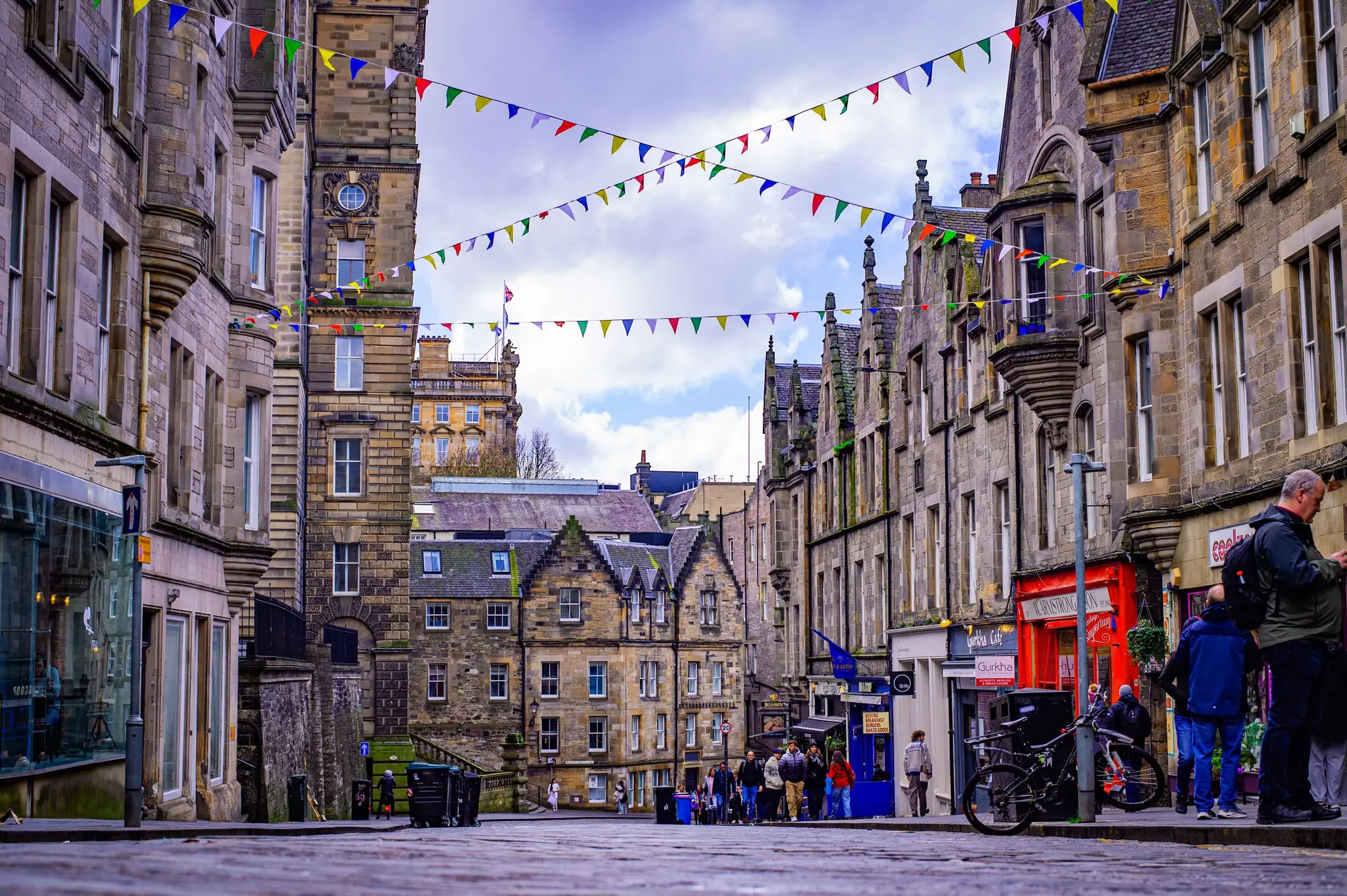
Old Town
The medieval spine of the city runs from the castle down the Royal Mile to Holyroodhouse, with steep closes dropping away on both sides into the Grassmarket and the Cowgate. Staying here puts you inside the postcard — Victoria Street, Greyfriars Kirkyard and the National Museum are all a short walk — but it is also the loudest, busiest and priciest part of town in August, and the cobbles are unforgiving with a suitcase. Best for first-timers and short trips.
New Town
Laid out from 1767 in a grid of Georgian terraces and circuses, the New Town is a UNESCO World Heritage Site that happens to also be the city’s main shopping district. Princes Street faces the castle across the gardens; George Street and Thistle Street hold the cocktail bars and better restaurants; Broughton Street to the east is where locals actually eat breakfast. Flat pavements, excellent transport, and a five-minute walk to Waverley Station make this the easiest all-round base.
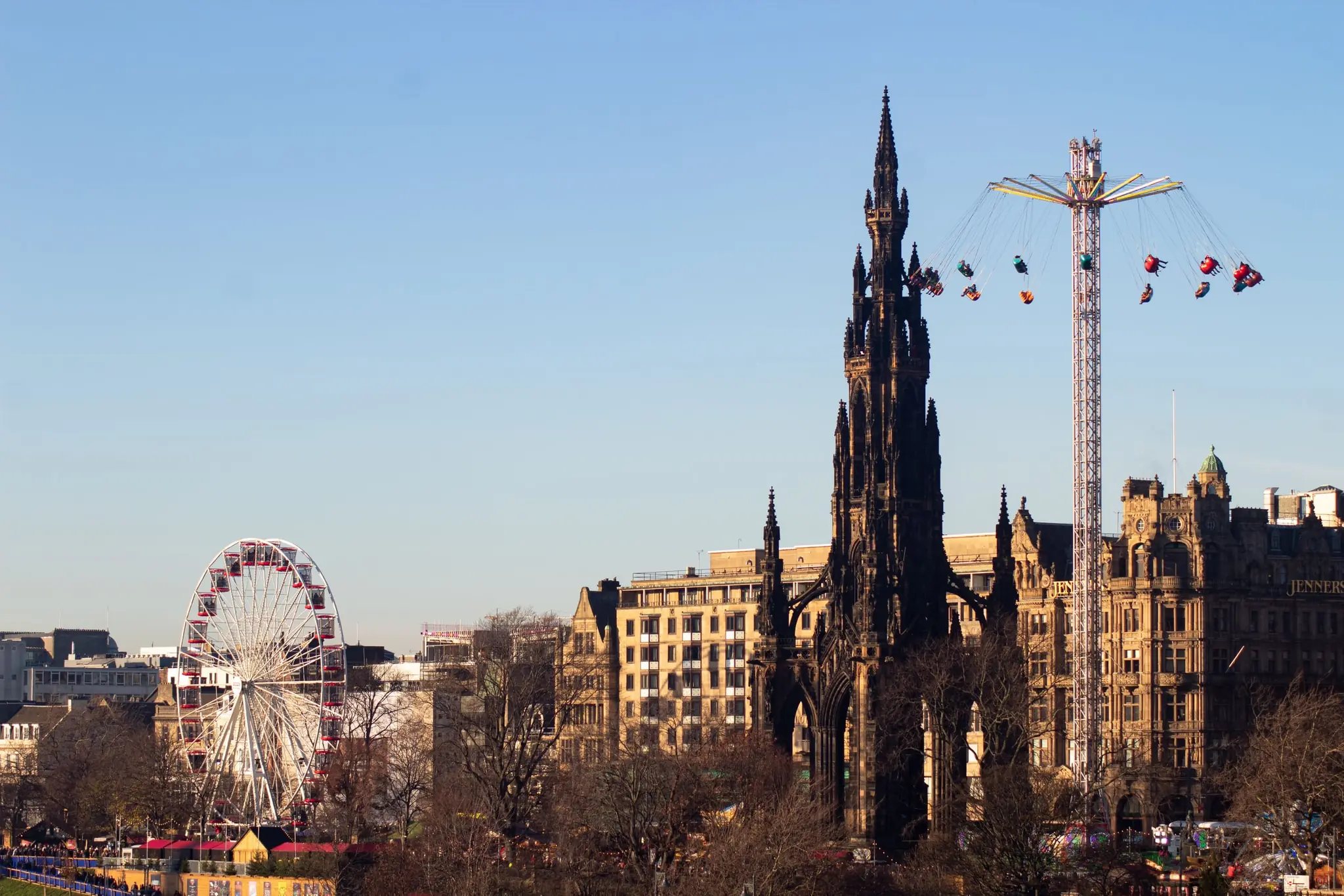
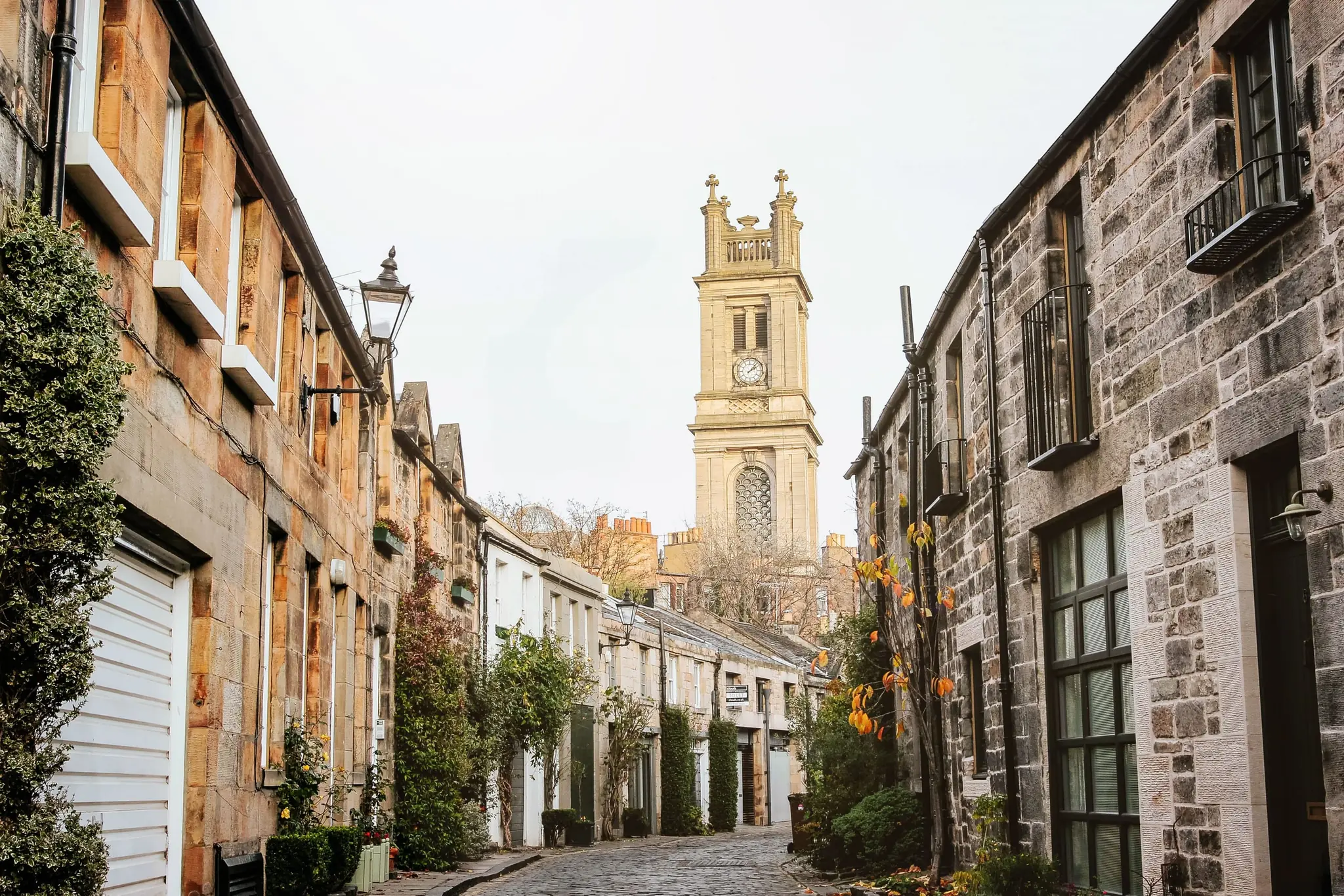
Stockbridge
Twenty minutes downhill from Princes Street, Stockbridge feels like a village that the city grew around and then politely left alone. Independent delis, secondhand bookshops and a Sunday market cluster along Raeburn Place and St Stephen Street; Circus Lane is the most photographed mews in Scotland; and the Royal Botanic Garden and the Water of Leith are both on the doorstep. Quiet at night, which is either the point or the problem depending on your trip.
Leith
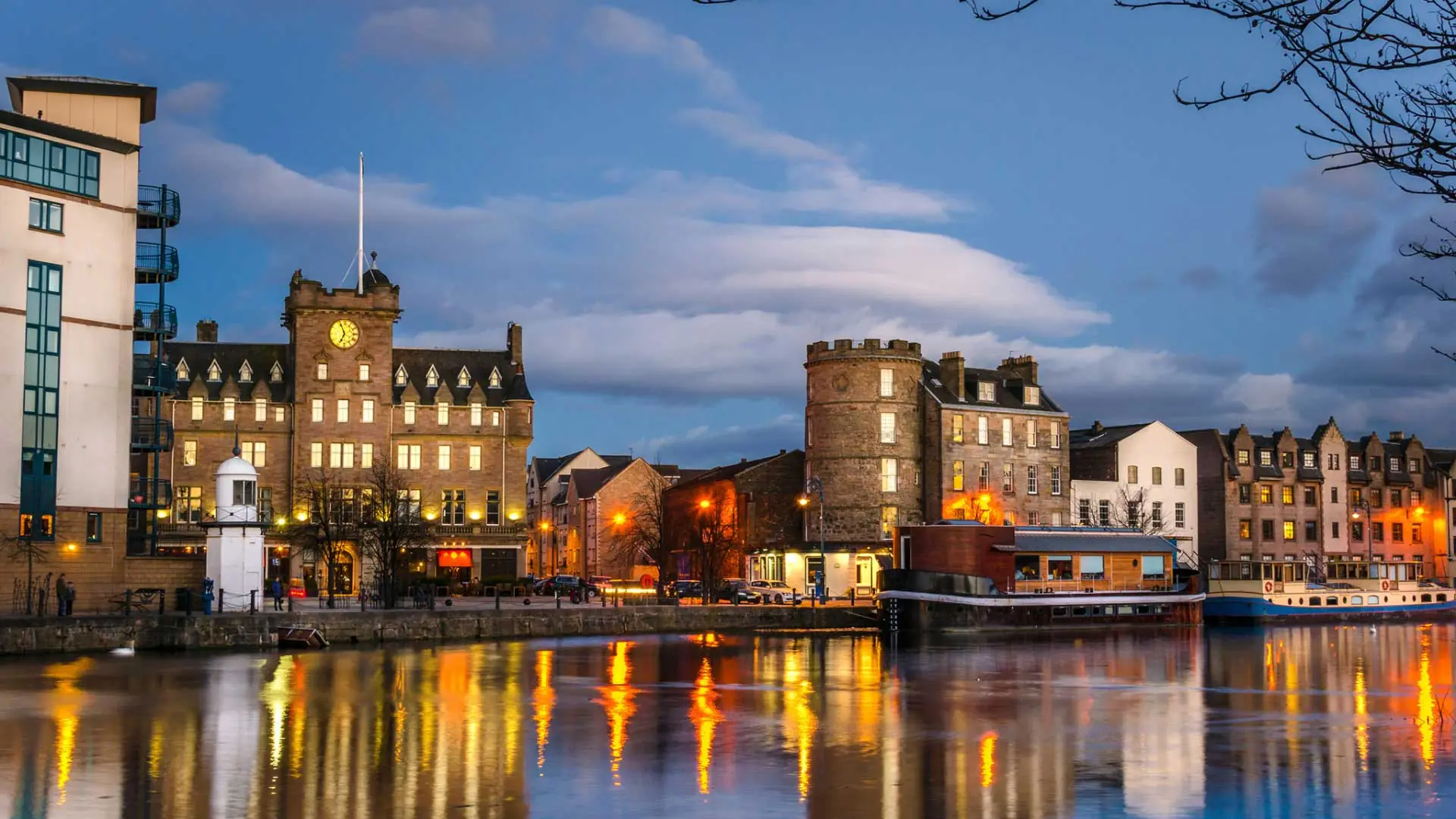
Edinburgh’s port was a separate burgh until 1920 and still behaves like one. The Shore is a run of waterfront pubs and Michelin-starred kitchens along the Water of Leith basin; Leith Walk is a long, scruffy, brilliant parade of Polish bakeries, record shops and natural-wine bars. The tram extension to Newhaven put the whole area within twenty minutes of the centre, and rooms here are consistently cheaper than in the Old Town. Britannia is berthed at Ocean Terminal.
Bruntsfield, Morningside & the Southside
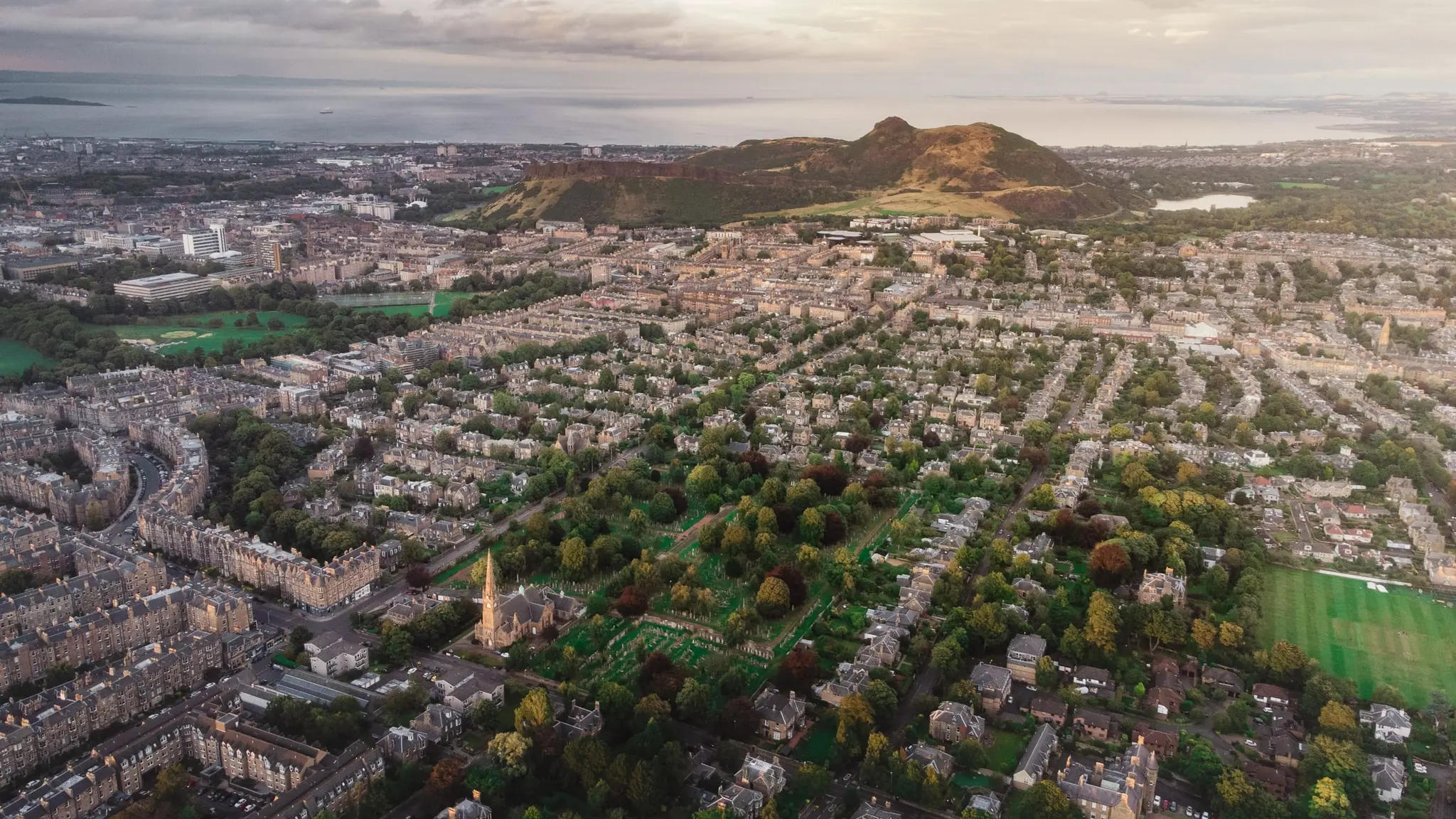
South of the centre, past the open grass of the Meadows and Bruntsfield Links, is where Edinburgh lives rather than performs — tenement flats above a long parade of bakeries, bookshops and neighbourhood bistros, fifteen minutes’ walk from the Old Town and some of the best-value guesthouses in the city. Nearer the Royal Mile, the university Southside around Bristo Square, George Square and the Pleasance turns into one enormous Fringe venue every August and offers cheap eats, late bars and the shortest walk to the National Museum and Arthur’s Seat the rest of the year.
Food & Drink
Scottish cooking has had a hard-won reputation to overturn, and Edinburgh has done most of the overturning. The city holds several Michelin stars, a serious bakery scene, and a set of old institutions — chippies, pie shops, dim wood-panelled bars — that have not changed in decades and should not. Produce is the point: North Sea shellfish, Aberdeen Angus beef, game from the Borders, berries from Perthshire.
-
Haggis, neeps and tatties — The national dish is a peppery, oaty pudding of sheep offal and suet, served with mashed turnip and potato and often a whisky cream sauce. It is far better than its description, and vegetarian haggis is on almost every menu. Eat it in a pub, or at a Burns Supper in January if your timing is right.
-
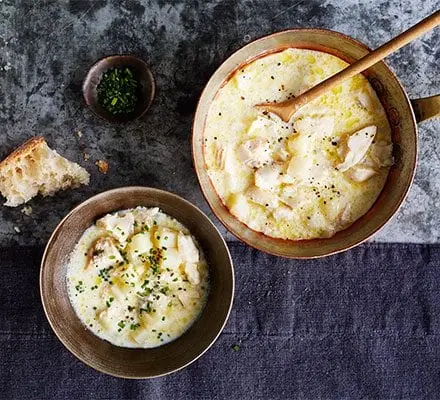
Cullen skink — A thick smoked haddock, potato and onion soup from the Moray Firth coast, and the correct order on a cold day. Good versions are smoky rather than salty, with the fish flaked in at the end so it keeps its texture.
-
Scottish breakfast — The full fry-up, Scots edition: bacon, egg, sausage, tomato, mushrooms, plus square lorne sausage, tattie scone and both black and white pudding. Cafes across Bruntsfield, Stockbridge and Leith Walk build their weekends around it.
-
Seafood on the Shore — Leith’s waterfront is where Edinburgh eats properly: Newhaven-landed langoustines, Shetland mussels, oysters, and hand-dived scallops. Several of the city’s starred restaurants sit within a few hundred metres of each other along the water, and most of them take bookings weeks out.
-
Cranachan and shortbread — Cranachan layers whipped cream, toasted oats, raspberries, honey and a splash of whisky, and is the dessert to order if it appears. Shortbread, meanwhile, is the souvenir — buy it from a bakery rather than a gift shop and the difference is immediate.
Insider tip: Ask for whisky by region rather than by brand — Islay for peat and smoke, Speyside for honey and fruit, Highland for something in between — and a decent bar will steer you well. A splash of water is normal and opens the spirit up; nobody will judge you for it.
 Haggis, Neeps & Tatties
 Cullen Skink
 Scottish Seafood
 Cranachan
Whisky, Gin and the Pub
The Scotch Whisky Experience at the top of the Royal Mile is the easiest introduction, open 10:00–20:00 with tours all day from around £25 for the Silver Tour up to £39.75 for the Gold and £95 for a tasting menu in the Amber restaurant (prices approximate and subject to change). Beyond that, the city’s bars do the real teaching: Old Town snugs and New Town basement cocktail rooms both run deep whisky lists, Edinburgh’s gin distilleries have multiplied over the past decade, and craft beer taprooms cluster around Leith and the Southside. Pubs generally serve food from noon and stop between 21:00 and 22:00, so eat earlier than you might elsewhere in Europe.
Transportation
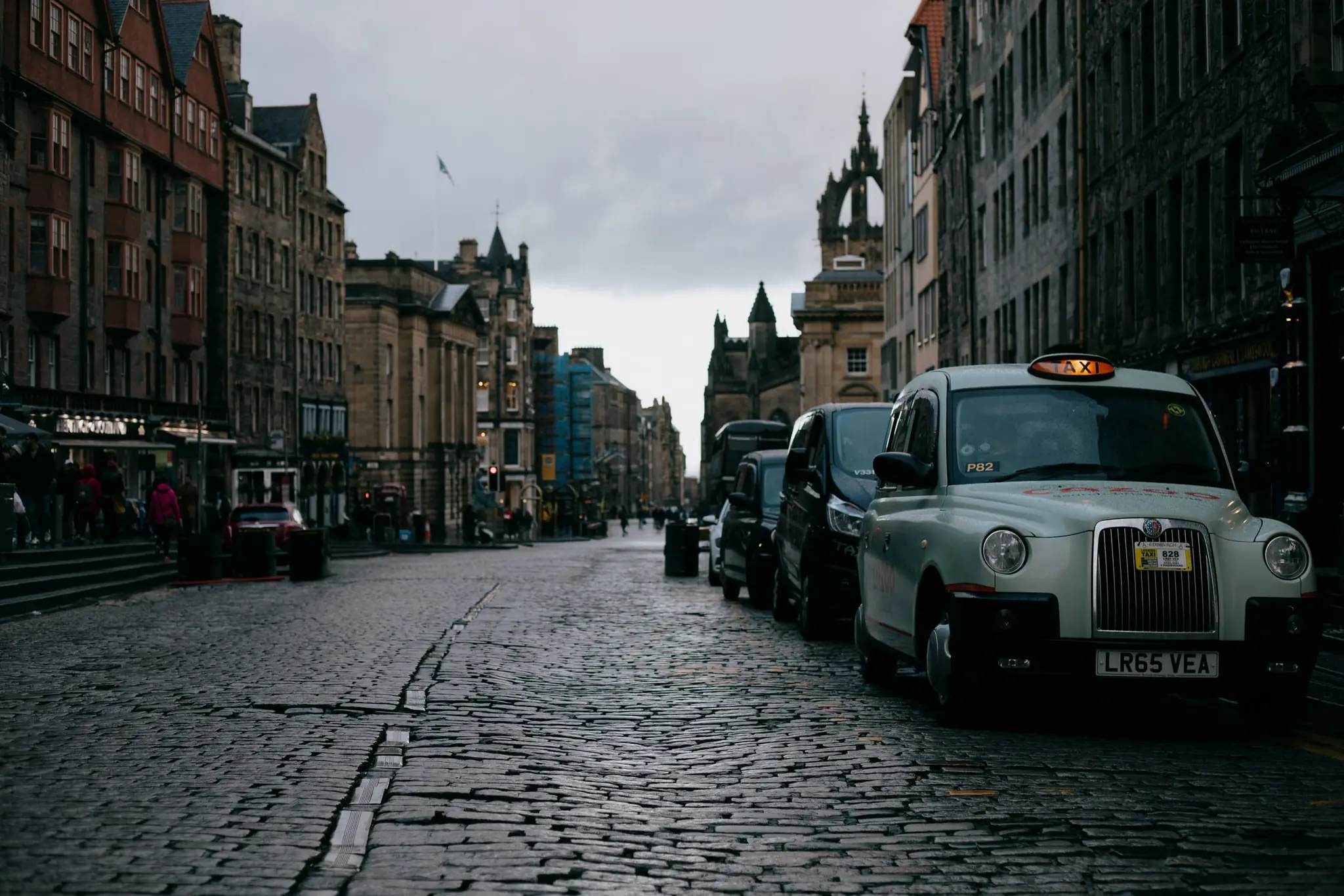
Edinburgh is a walking city first — the Old Town, New Town and Southside are all within twenty minutes of each other on foot — but it is also steep, and the buses are genuinely excellent. Between Lothian Buses and Edinburgh Trams you can reach every part of the city on one ticket.
Getting Around the City
A single adult fare on Lothian Buses or on the tram within the city zone is £2.40 (child £1.20), with no change given on buses. Better value is the City DAYticket at £6.00, valid for unlimited travel on both buses and trams inside the city zone. If you tap a contactless card with TapTapCap, the system caps you automatically at £5.70 a day or £26.50 a week. Fares are revised annually, usually in February, and are approximate and subject to change.
Tap on with the same contactless card or phone all day and the daily cap does the maths for you — there is no need to buy a paper ticket at all. Note that city day tickets and caps are not valid on the Airlink 100 bus or on tram journeys to the airport.
From Edinburgh Airport
Two options run into the centre, and neither needs booking.
The tram runs from the airport terminal to Princes Street, St Andrew Square and on to Newhaven in about 35 minutes to the city centre. An adult airport single is £7.90 and an open return £9.50, with a small discount for buying online in advance.
The Airlink 100 bus runs 24/7 between the airport and Waverley Bridge, up to every 10 minutes for most of the day, taking around 30 minutes. An adult single is £6.00, an open return £8.50, and a family return £22.00. Services 17 and 18 also serve the airport on the standard city fare if you are heading somewhere other than the centre.
If you are moving around a lot on arrival day, the Network DAYticket at £14.00 covers Lothian buses, Airlink and trams in every zone including the airport. See Lothian Buses airport services and Edinburgh Trams ticket options for the full fare tables.
Trains and Onward Travel
Edinburgh Waverley sits in the valley between the Old and New Towns and is the hub for everything: ScotRail services across Scotland, LNER and Avanti to England, and the Caledonian Sleeper to London. Haymarket, a mile west, is the handier station for the West End and for Glasgow-bound trains. Book Scottish routes and check live times at ScotRail.
Day Trips from Edinburgh
Stirling (about 40 min by train)
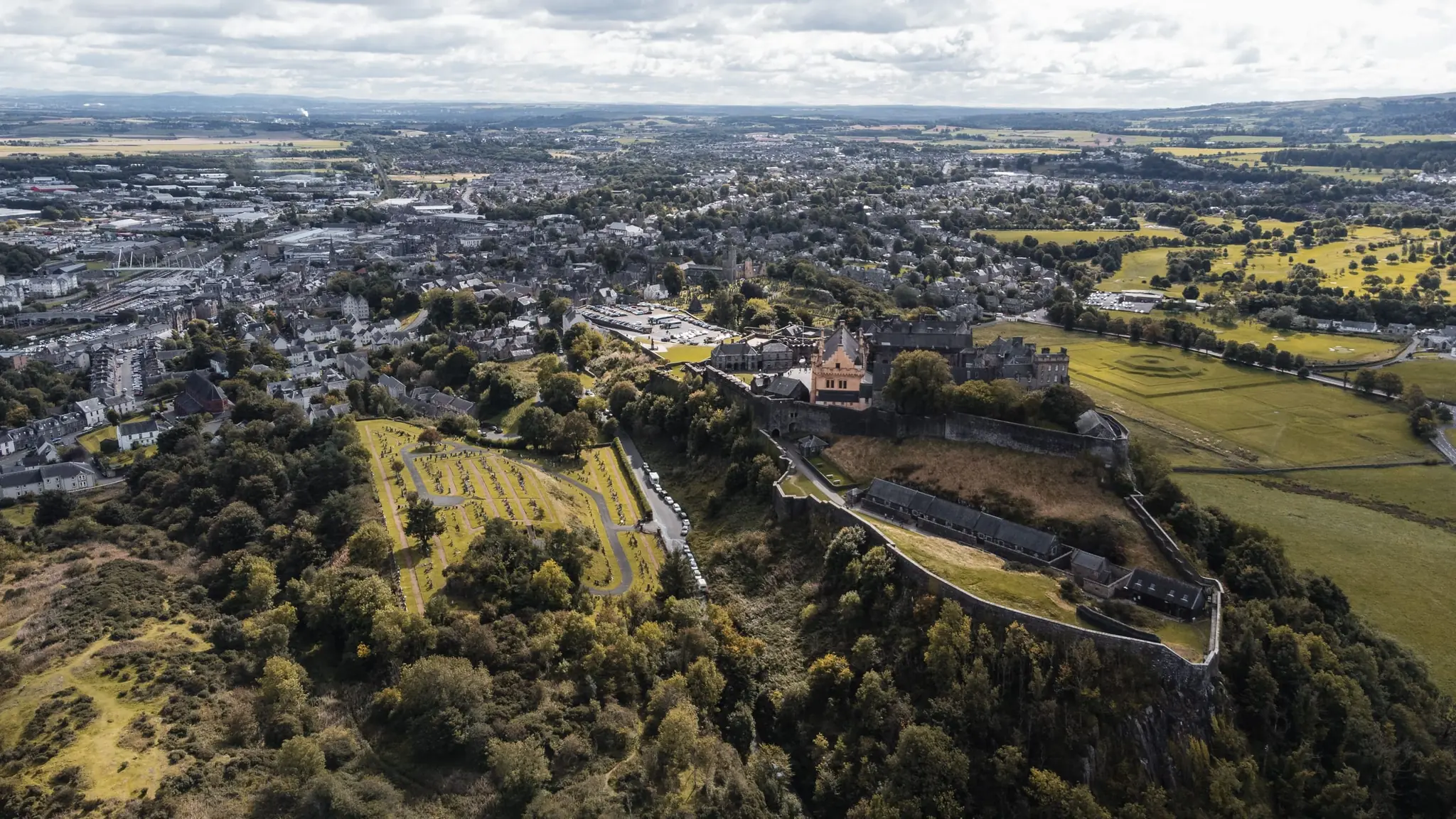
The strategic hinge of Scottish history sits on its own volcanic crag. Stirling Castle has the restored Renaissance Royal Palace of James V, its ceilings hung with replica Stirling Heads and its walls with the recreated Unicorn tapestries — adult admission is roughly £18.50 online or £20.50 in person, open daily 9:30–18:00 from April to September and 9:30–17:00 through winter. The Wallace Monument and the Bannockburn battlefield are both a short bus ride away. Booking online and arriving car-free currently earns a discount at Historic Environment Scotland sites.
Glasgow (under an hour by train)
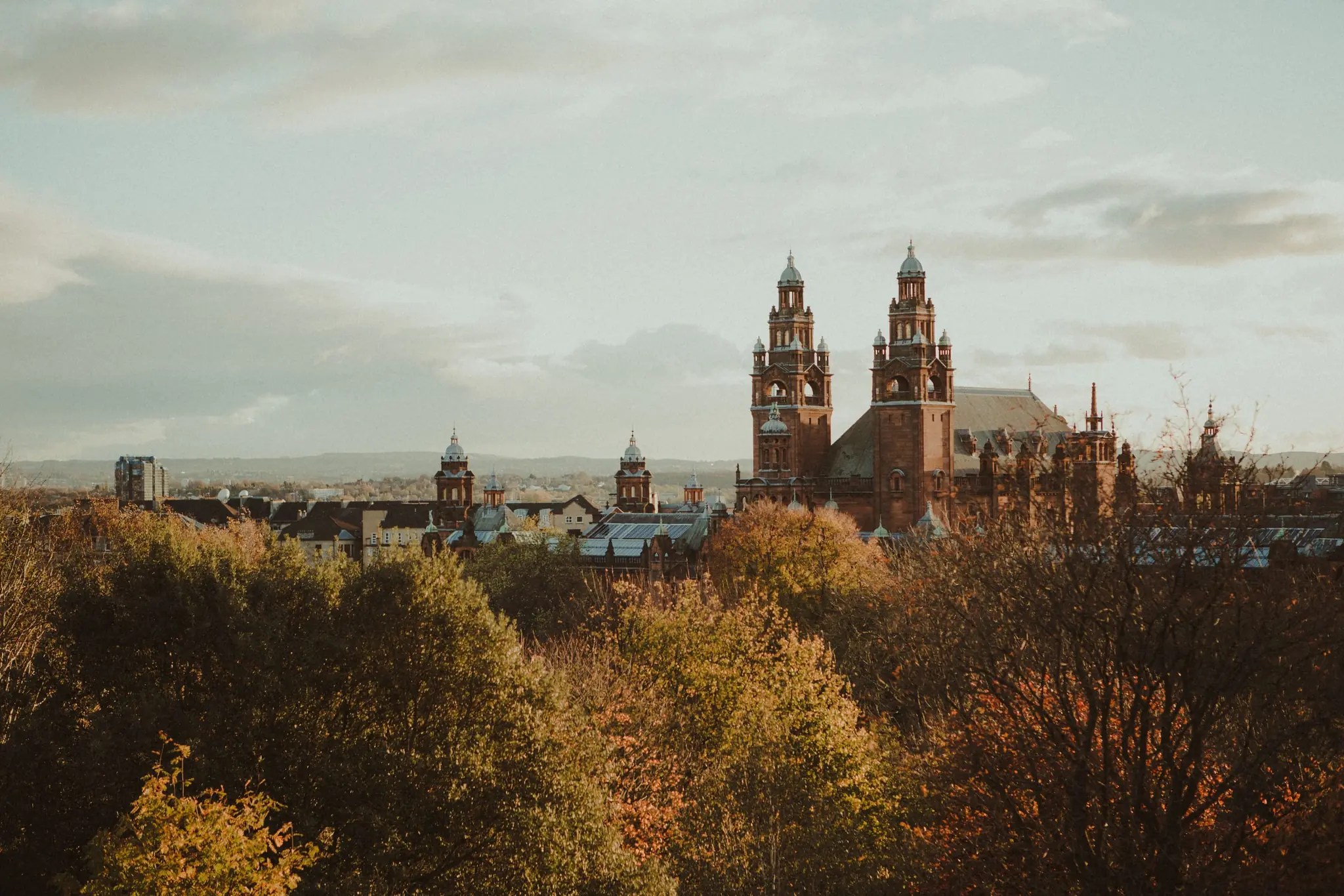
Scotland’s largest city is the counterweight to Edinburgh in every way — Victorian, industrial, funnier, and far better for live music. Trains run from Waverley to Queen Street several times an hour. Spend the day on the Kelvingrove Art Gallery and Museum, the Riverside Museum, the Charles Rennie Mackintosh trail, and the shops of the Merchant City, then catch a band before the last train back. Start planning at People Make Glasgow.
Rosslyn Chapel (about 50 min by bus)
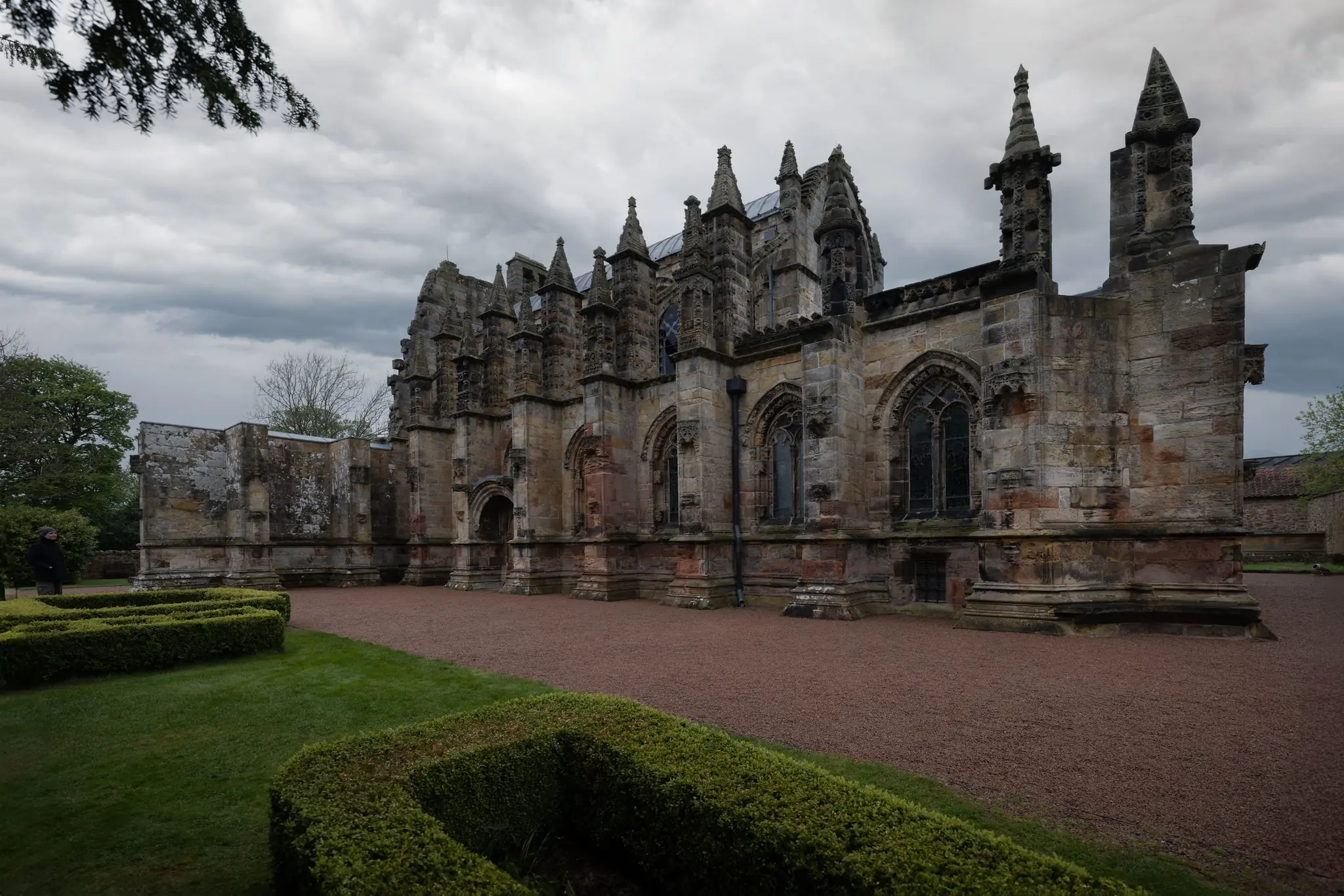
Seven miles south in the village of Roslin, this 15th-century chapel is carved to within an inch of its life — the Apprentice Pillar, a ceiling of stone stars, and more green men than any building in Britain. Fame arrived via The Da Vinci Code; the stonework earns the visit on its own. Admission is roughly £12 adult, £10 reduced, free for under-17s, open Monday to Saturday 9:00–17:00 and Sunday 12:00–17:00 in 90-minute timed slots. Take Lothian service 37 from the city centre and book ahead.
St Andrews (about 1 hr 5 min by train, plus a bus)
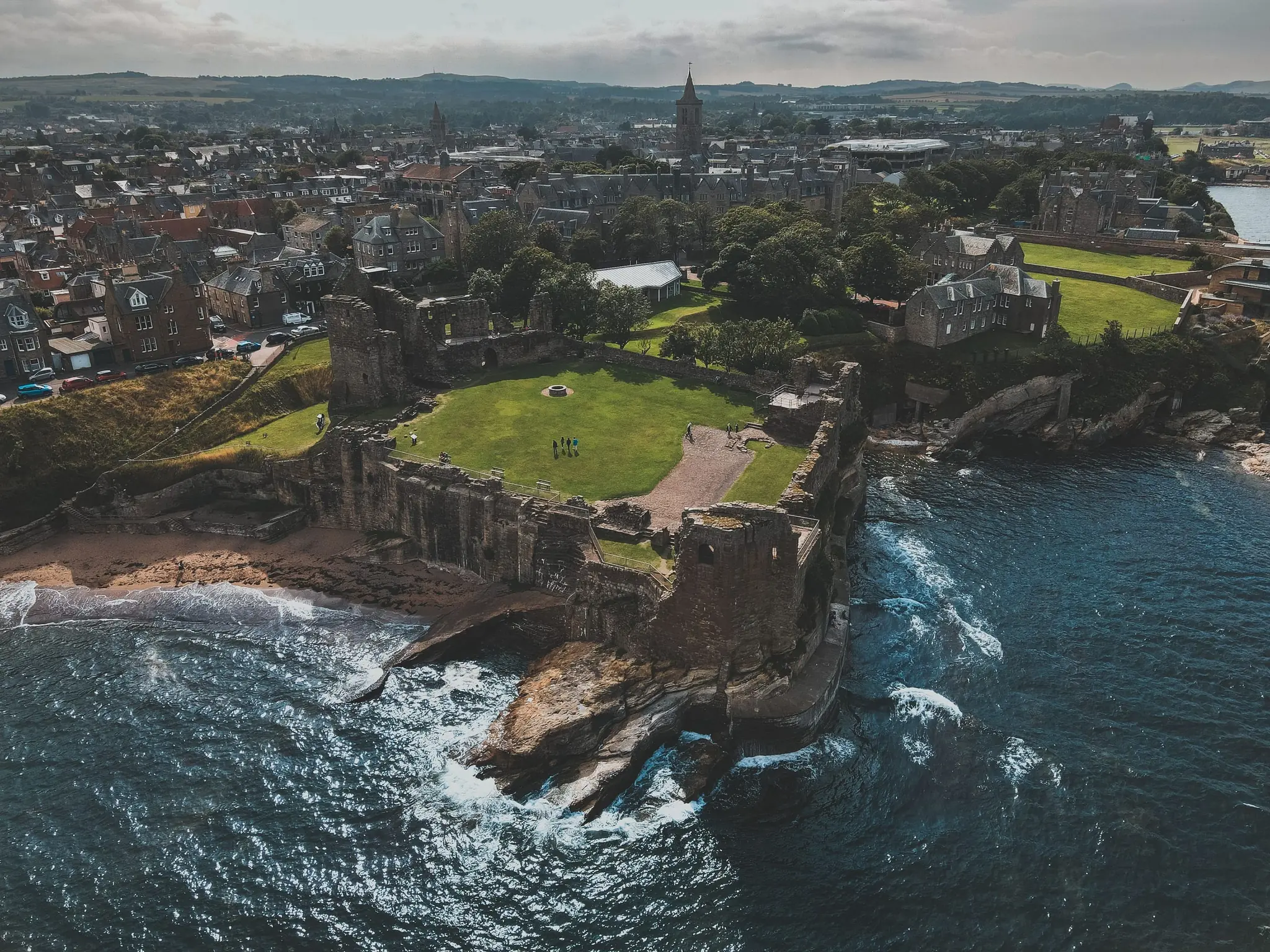
Trains run to Leuchars, from where a short connecting bus drops you in the middle of a small grey-stone town holding a ruined cathedral, a clifftop castle, three medieval streets, a long west sands beach, and the Old Course — the home of golf, walkable for free on a Sunday when no play is scheduled. Scotland’s oldest university gives the place a term-time buzz that the golf crowds never quite dampen.
Loch Lomond & the Trossachs (about 2 hrs by train via Glasgow)
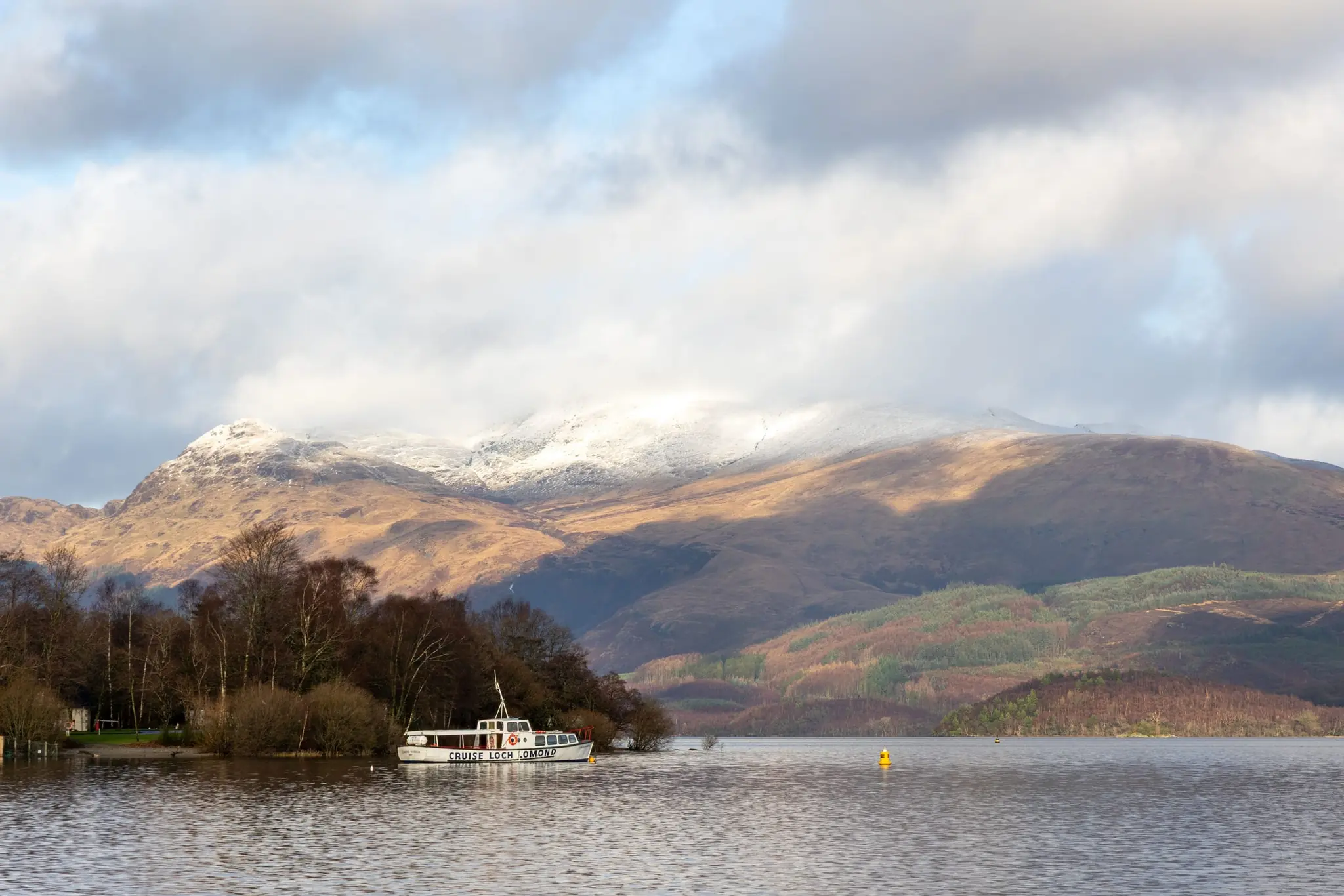
The nearest slice of proper Highland scenery: Britain’s largest freshwater loch, ringed by hills and dotted with islands, inside Loch Lomond & The Trossachs National Park. Balloch at the southern end is reachable by train via Glasgow and has boat trips and lochside walks; Luss, Callander and Aberfoyle are prettier but easier with a car or a guided coach tour. Plan at the national park website.
North Berwick (about 35 min by train)
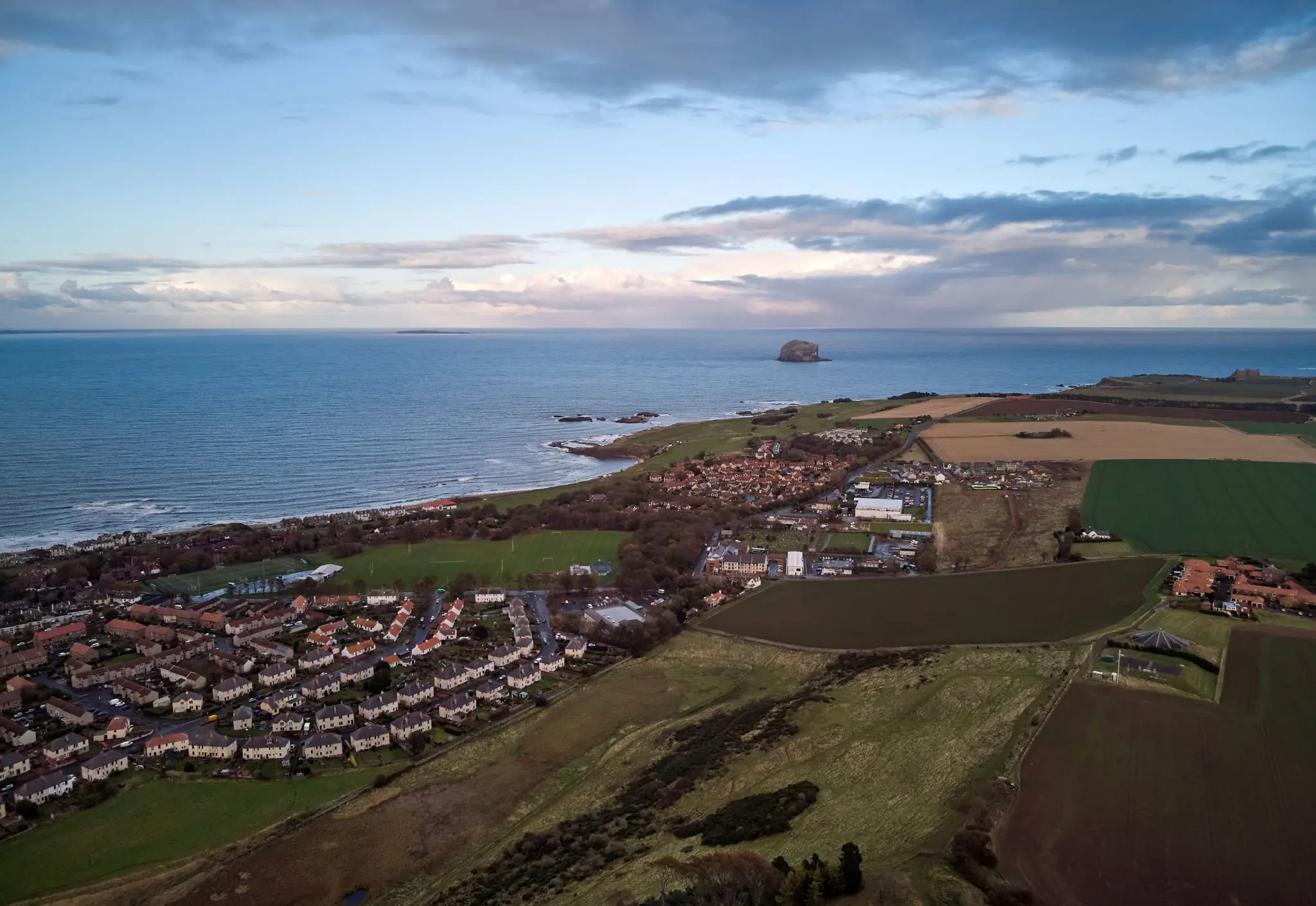
A Victorian seaside town on the East Lothian coast with two wide sandy beaches, a conical hill called Berwick Law to climb in half an hour, and the Scottish Seabird Centre on the harbour, where remote cameras stream live footage from the gannet colony on the Bass Rock. Boat trips run out to the islands in season. The ruins of Tantallon Castle are a short bus ride further east.
Proposed Itinerary
Three days is enough to cover the Old Town, the New Town and the coast without ever getting on a train — and the fourth day, if you have it, is the day trip. Sights are grouped by ridge and river so you are walking downhill more often than up.
Day 1: The Old Town, Top to Bottom
Start high and let gravity do the work down the Royal Mile.
- Morning: Be at Edinburgh Castle for the first timed slot, when the esplanade is quiet and the Honours of Scotland have no queue. Come out around 11:30 and walk five minutes to Camera Obscura or straight on down Castlehill.
- Afternoon: Wander the Royal Mile in stages — a detour down Victoria Street, a loop through Greyfriars Kirkyard, then your booked tour of The Real Mary King’s Close. Finish at the bottom of the Mile at the Palace of Holyroodhouse (closed Tuesdays and Wednesdays outside high summer, so check the day before).
- Evening: Dinner in the Grassmarket or the Cowgate, then a whisky in an Old Town bar with the castle rock lit up above you.
Day 2: New Town, Water and Village
A flatter, greener day with two of the city’s best free walks in it.
- Morning: Coffee on Broughton Street, then the Scottish National Gallery on the Mound — free, and rarely busy before 11:00. Cut through Princes Street Gardens afterwards.
- Afternoon: Walk west to Dean Village and follow the Water of Leith Walkway to Stockbridge for lunch and a browse, then carry on to the Royal Botanic Garden if the weather is holding.
- Evening: Bus or tram down to Leith for seafood on the Shore, and a nightcap on Leith Walk.
Day 3: Volcano, Ship and Sunset
The one properly active day — save it for the clearest forecast.
- Morning: Climb Arthur’s Seat from the Holyrood entrance to Holyrood Park. Allow two hours round trip with photo stops, and take a windproof layer whatever the forecast says.
- Afternoon: Recover at the National Museum of Scotland on Chambers Street, finishing on the roof terrace — or head to Leith for The Royal Yacht Britannia and tea on the Royal Deck.
- Evening: Climb Calton Hill for sunset over the Old Town skyline, then dinner on Thistle Street or George Street in the New Town.
Insider tip: Edinburgh weather changes by the hour, not by the day. Carry a waterproof layer in every season, keep one indoor sight in reserve for each afternoon, and if a clear morning arrives unexpectedly, reorder your plans and climb something.
Seasonal Events & Festivals

Shopping & Nightlife
Victoria Street & the Grassmarket
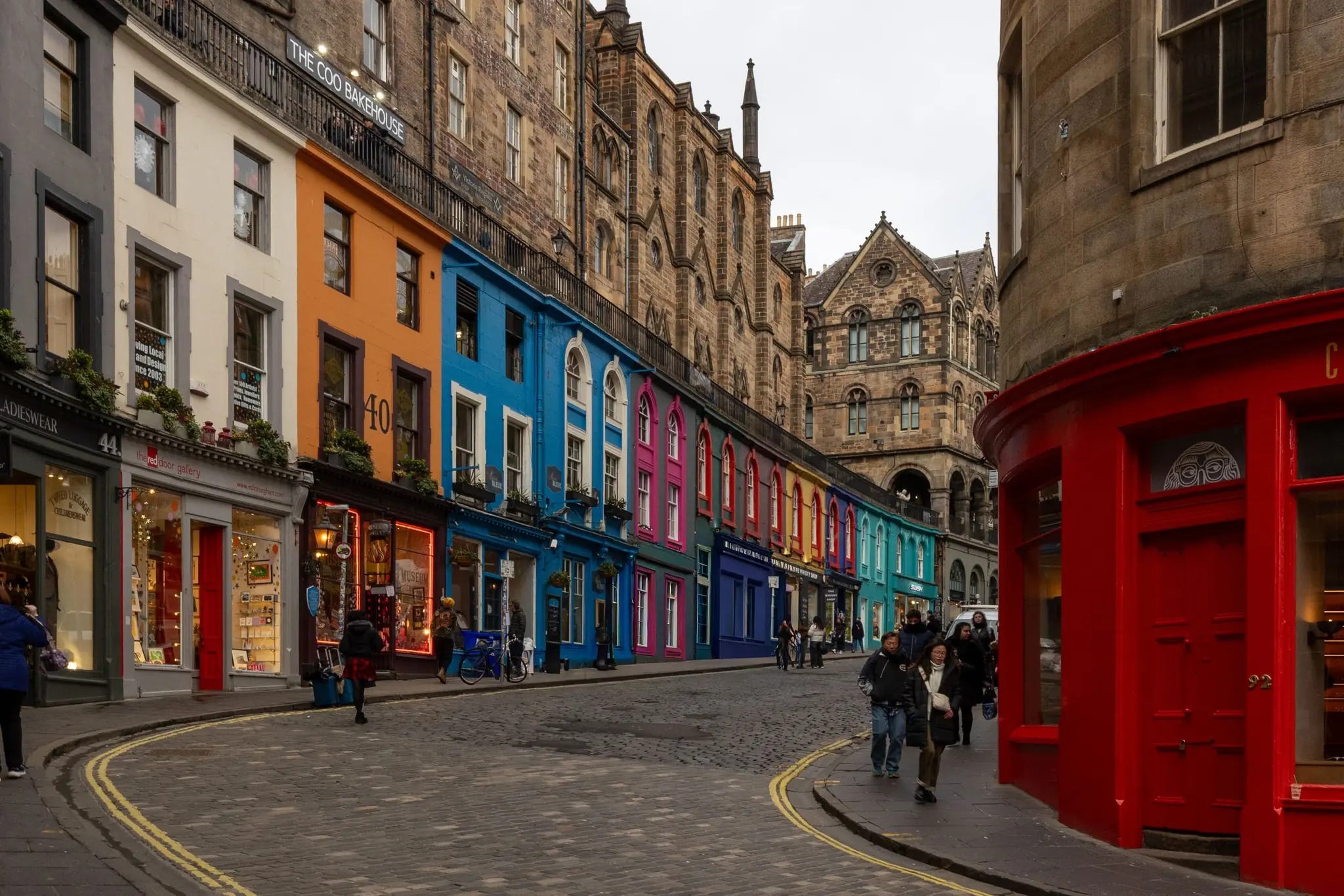
The curving, candy-coloured shopfronts of Victoria Street are the most photographed row in the city and, conveniently, also full of genuinely good independents — cheesemongers, brush shops, joke shops, secondhand booksellers, and a fair number of wizarding-themed emporia. It drops into the Grassmarket, a former execution site turned pub square with the castle looming overhead, busy from lunchtime until closing.
Princes Street, George Street & Multrees Walk
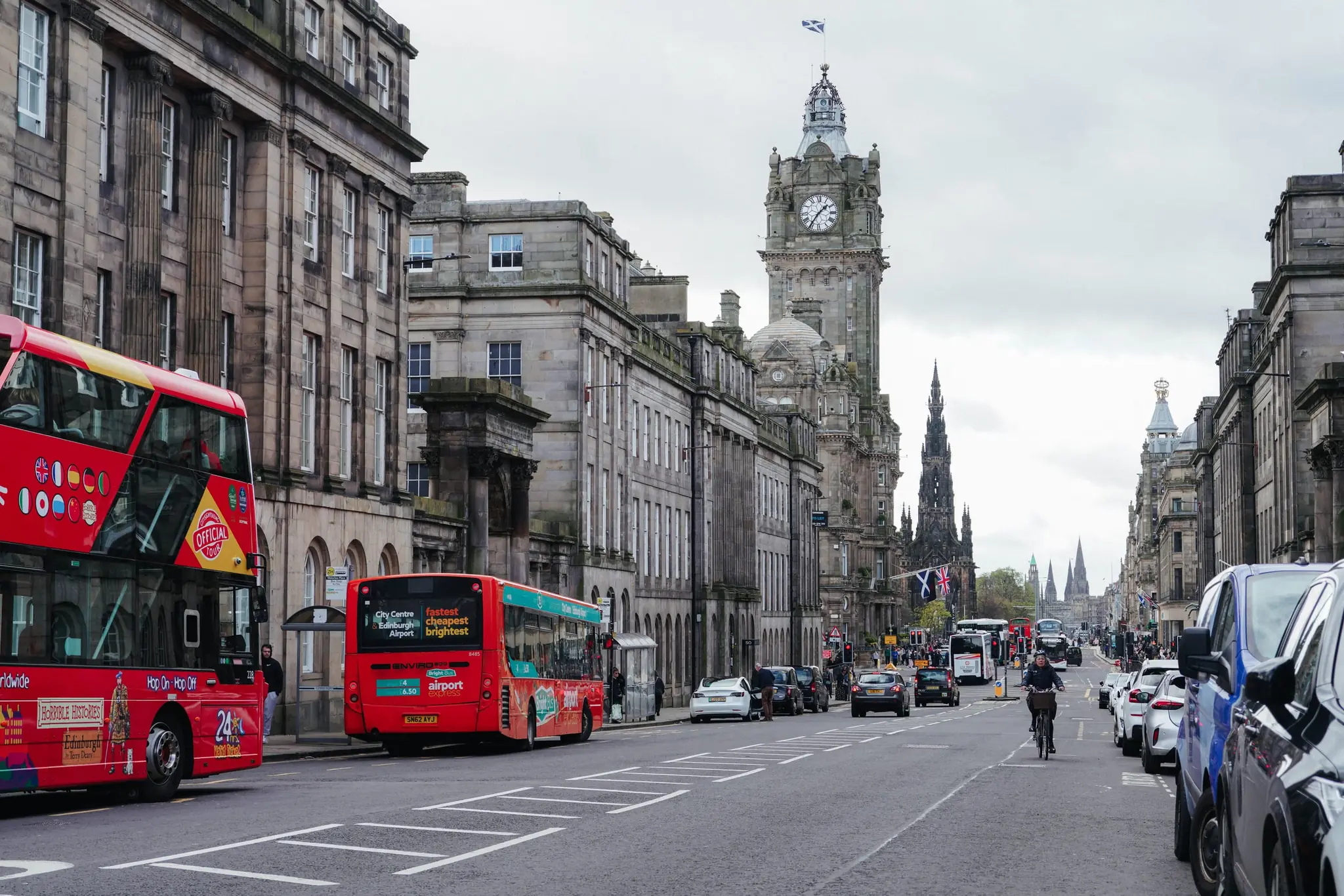
Princes Street handles the high-street chains with a castle view thrown in; George Street one block north is the smarter parade of brands, department stores and cocktail bars in converted banking halls; and Multrees Walk beside St Andrew Square holds the luxury names. Most shops open around 9:00–10:00 and close by 18:00, with later hours on Thursdays and through August.
Stockbridge & the Independents
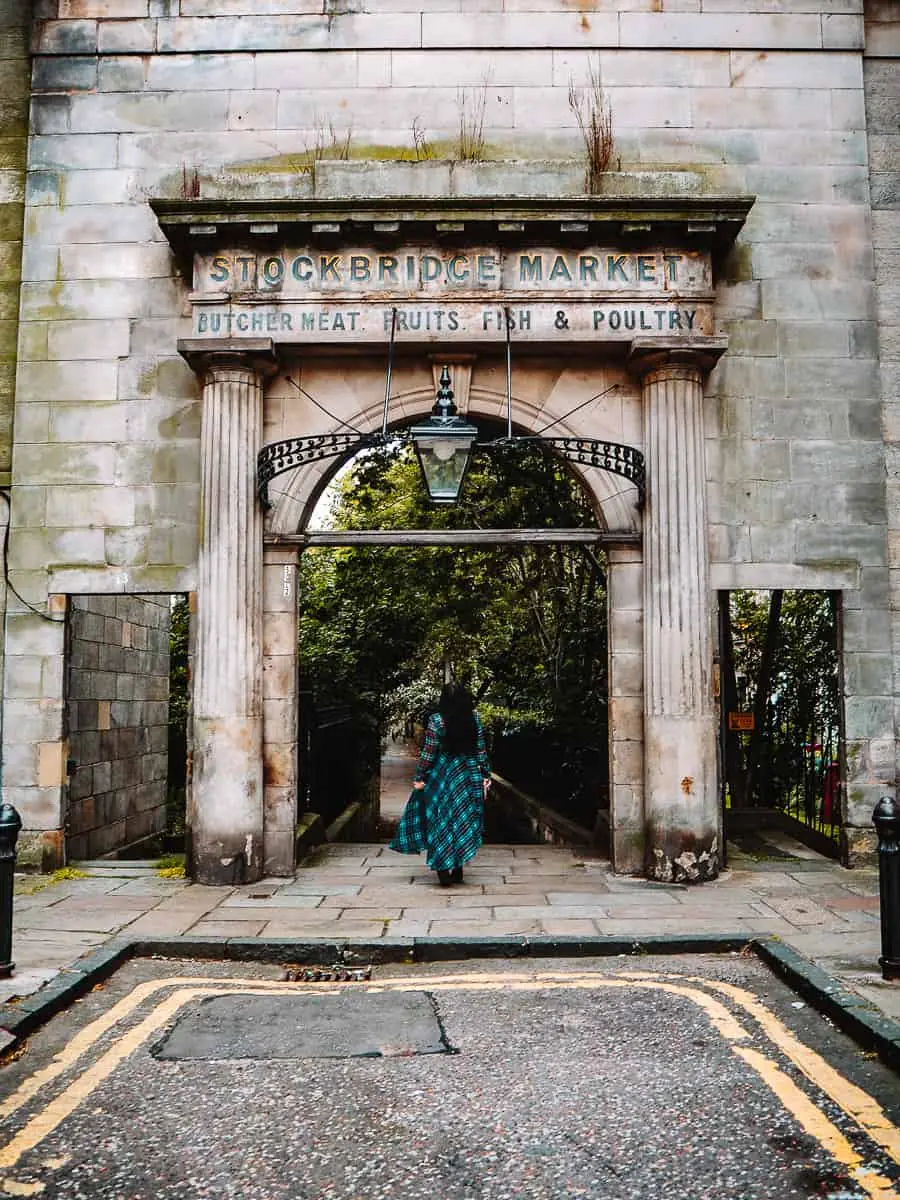
For the anti-chain version, head to Stockbridge — charity shops with unusually good stock, delis, a Sunday market on Saltire Street, and the antiques and vintage of St Stephen Street. The Edinburgh Farmers’ Market sets up on Castle Terrace on Saturday mornings beneath the castle rock; check the market website before travelling.
Nightlife
Edinburgh’s nights are pub-shaped rather than club-shaped, and better for it. The Old Town and the Cowgate hold the late bars and the student crowd; the Grassmarket is loud and cheerful; the New Town hides more serious cocktail rooms in Georgian basements around Thistle and Rose Street; Leith does natural wine, craft beer and low-key live music. Traditional-music sessions run in Old Town pubs most nights of the week and cost nothing to sit in on. Standard licensing runs until 01:00, with some venues later — and in August, almost everything runs later still.
Edinburgh is a small city that behaves like a much larger one, then shrinks back to village scale the moment you turn off the Royal Mile. Give it a wet afternoon as well as a bright one, walk at least one hill, and let the closes take you somewhere you had not planned to go.
Additional Resources
For more on Scotland as a whole — highlights across the country, the Highlands and islands, driving routes, weather and practicalities — head to our Discover Scotland: Castles, Coastlines & the Open Road guide.
Official planning resources: VisitScotland for destination information, Historic Environment Scotland for castles and monuments, Lothian Buses and Edinburgh Trams for city transport, ScotRail for day trips by train, and Museums and Galleries Edinburgh for the city’s own monuments and museums.
All prices quoted are approximate, given in pounds sterling, and subject to change — check the official website before you travel, and expect festival-season pricing in August and over Hogmanay.