Glasgow was built by the Victorians and it has never quite got over it. Merchant fortunes and shipyard wages raised a city of blackened sandstone tenements, gridded streets and municipal palaces on a scale that still surprises people who arrive expecting Edinburgh’s picture-book restraint. Where the capital is medieval and vertical, Glasgow is broad-shouldered and confident, laid out along the Clyde that made it — the river that once launched a fifth of the world’s ships and now carries kayaks past a Zaha Hadid museum.
It is also, by common consent, the friendlier of the two — a UNESCO City of Music with a live gig on every corner, a comedy habit, and a civic motto, "People Make Glasgow", that is closer to a promise than a slogan. The art is world-class and mostly free, the design is pure Charles Rennie Mackintosh, the curry houses and the bars are among the best in Britain, and strangers will talk to you at the bus stop. Give it a couple of days and it tends to win people over completely.
Top Highlights
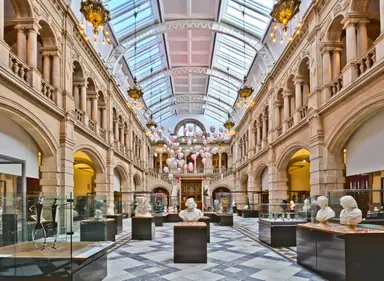
Source: Pexels Kelvingrove Art Gallery and Museum
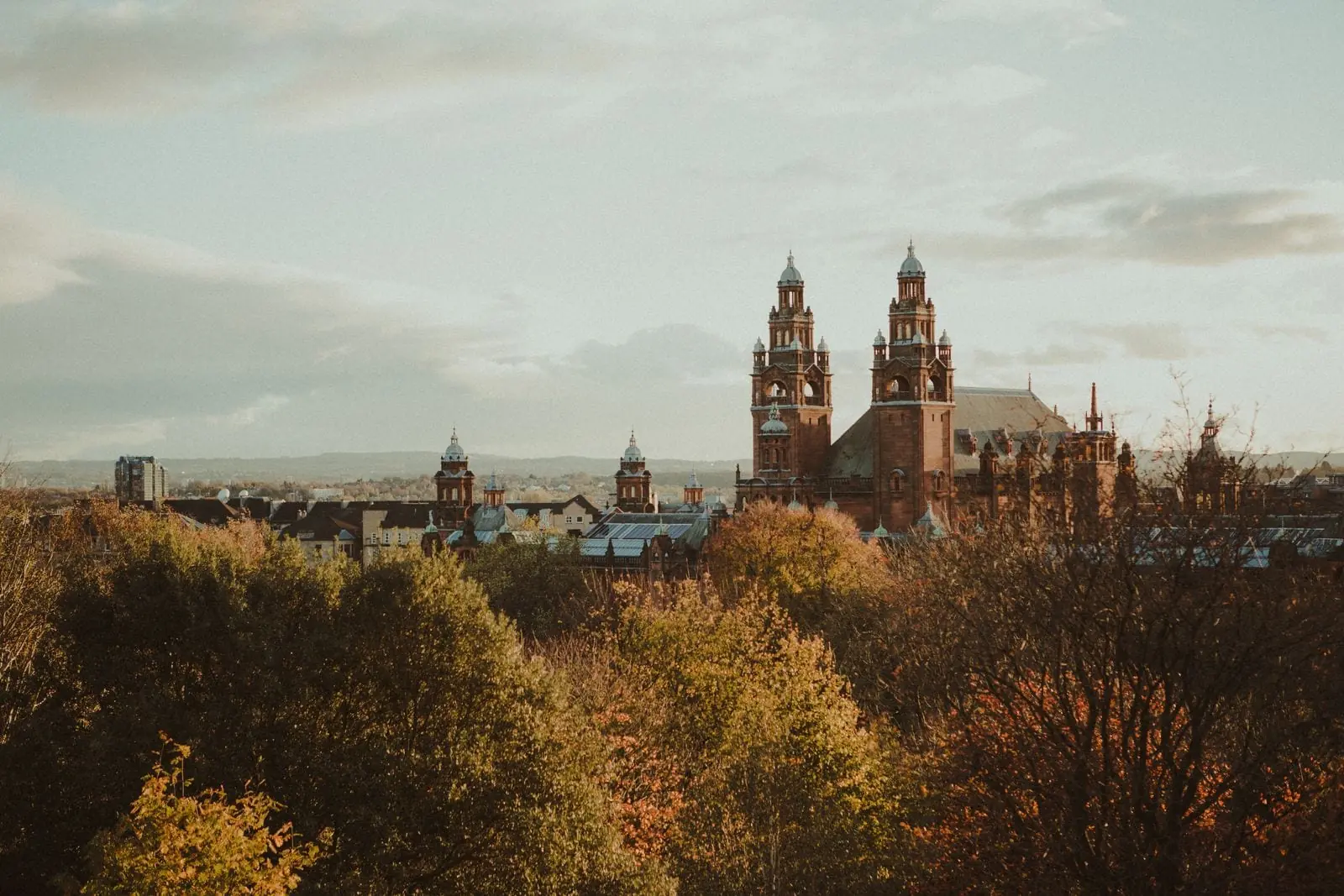
A vast red-sandstone cathedral of a building in the West End, and the most visited free museum in the UK outside London. Twenty-two galleries range from a Spitfire hung from the ceiling to Salvador Dalí’s ‘Christ of St John of the Cross’, by way of French Impressionists, the Glasgow Boys, arms and armour, and a stuffed elephant called Sir Roger. Time your visit for the daily organ recital, usually at 1pm.
More information
Opening times: Mon–Thu & Sat 10:00–17:00 · Fri & Sun 11:00–17:00
Admission: Free (donations welcome; charges for some temporary exhibitions)
Website: Visit Website
*Famously built ‘the wrong way round’, though the tale that the architect leapt from a tower in despair is a myth. Allow half a day, and don’t miss the free organ recital. Hours are approximate and subject to change.
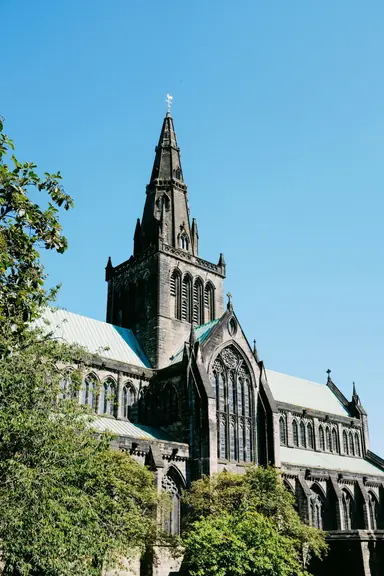
Source: Pexels Glasgow Cathedral & the Necropolis
The only medieval cathedral on the Scottish mainland to survive the Reformation complete, a soot-dark gothic hall raised over the tomb of the city’s founder, St Mungo. Its stone-vaulted lower church is the atmospheric highlight. Behind it, a bridge crosses the ‘Bridge of Sighs’ to the Necropolis, a Victorian city of the dead on a hill, with 3,500 monuments and the best rooftop-level view back over the city.
More information
Opening times: Cathedral: Mon–Sat 10:00–16:00 (later in summer), Sun 13:00–16:00 · Necropolis: daylight hours, year-round
Admission: Both free (cathedral entry must be booked in advance; donations welcome)
Website: Visit Website
*The cathedral closes for Sunday morning worship and may shut for lunch on weekdays. Free volunteer-led Necropolis tours run on a donation basis — check the Friends of Glasgow Necropolis. Times are approximate and subject to change.
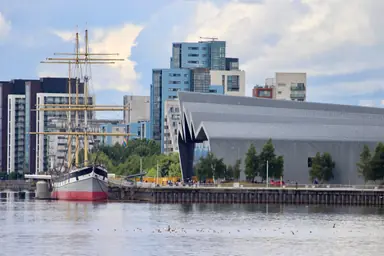
Source: Pexels Riverside Museum & the Tall Ship
Zaha Hadid’s zinc-clad wave of a building on the Clyde holds Glasgow’s transport museum: locomotives, trams, a wall of vintage cars stacked three high, and a recreated cobbled street of 1900s shops. Moored outside for free is the Glenlee, a Clyde-built 1896 tall ship you can board and explore from hold to deck. Together they make one of the best rainy afternoons in the city, and it is all free.
More information
Opening times: Mon–Sat 10:00–17:00 · Sun 11:00–17:00 (Tall Ship the same)
Admission: Free (donations welcome)
Website: Visit Website
*The Glenlee is one of only five Clyde-built sailing ships still afloat. The museum sits a 20-minute walk or a short bus ride west of the centre, on the way to the West End. Hours are approximate and subject to change.
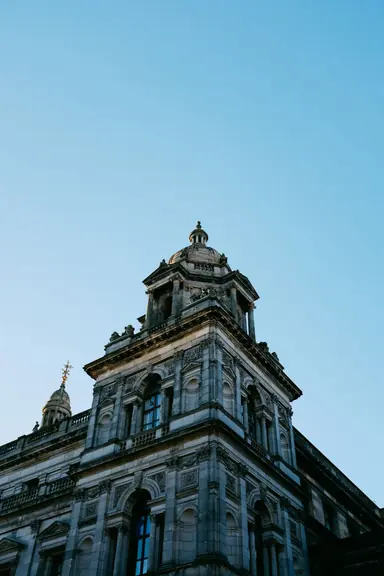
Source: Pexels George Square & the City Chambers
The civic heart of Glasgow, a broad open square ringed by statues of Scots worthies and dominated on its east side by the City Chambers — a riotously confident 1888 town hall built to show off the wealth of the ‘Second City of the Empire’. The free guided tour takes you up a marble-and-alabaster staircase said to be the largest in Western Europe, into gilded banqueting halls that stand in for palaces in film shoots.
More information
Opening times: Free tours weekdays, usually 10:30 & 14:30 (45 minutes)
Admission: Free
Website: Visit Website
*Tour tickets are issued at the City Chambers reception about 30 minutes before each tour, first come first served — there is no advance booking, and tours can be cancelled for civic events. The square itself is always open. Times are approximate and subject to change.
Source: Pexels University of Glasgow & the Hunterian
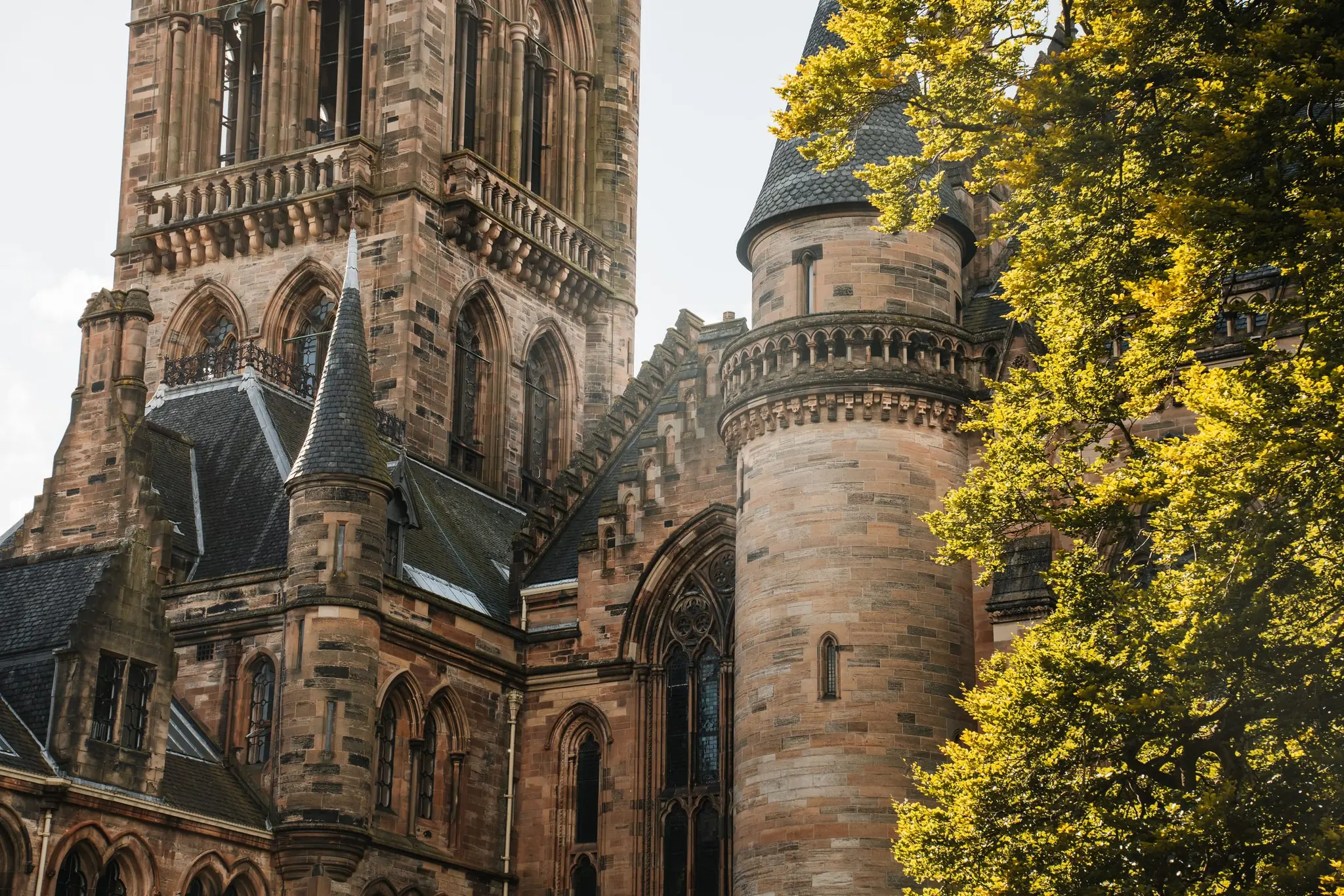
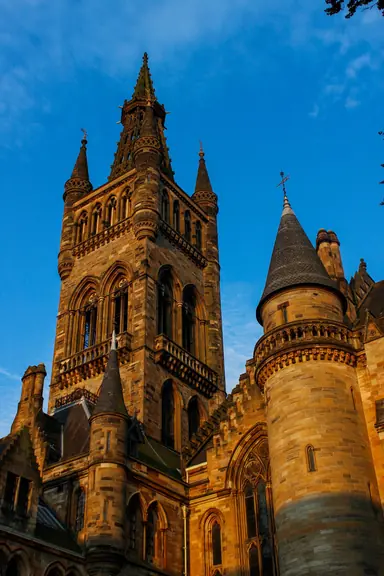
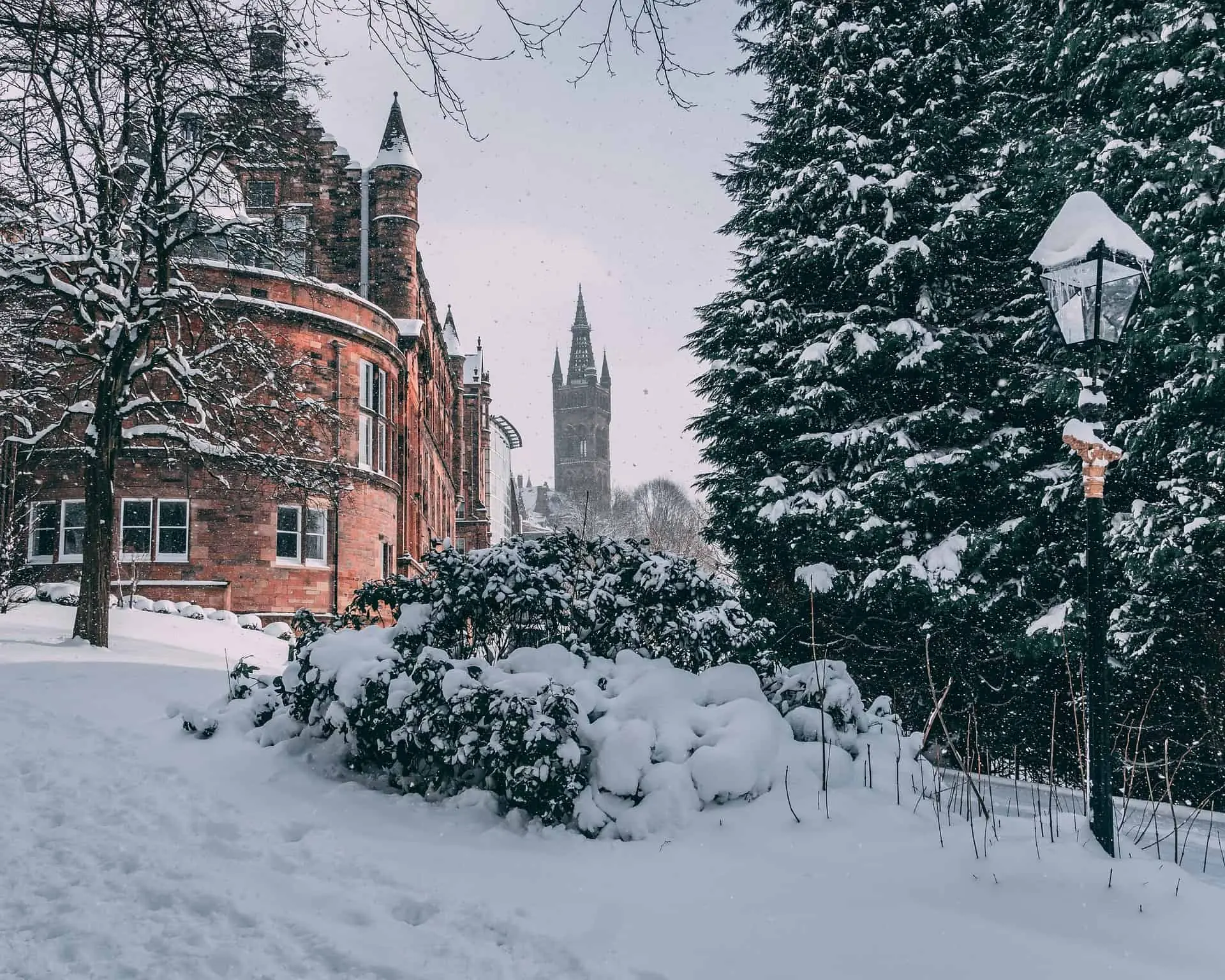
Sir George Gilbert Scott’s soaring gothic-revival tower crowns Gilmorehill in the West End, and beneath it run the vaulted cloisters that have stood in for Hogwarts in a thousand photographs. Founded in 1451, the university also holds the Hunterian — Scotland’s oldest public museum — with everything from Roman finds and Whistler paintings to the reconstructed interiors of Mackintosh’s own townhouse. The lawns below the tower are a favourite student picnic spot.
More information
Opening times: Hunterian Museum: Mon–Thu & Sat 10:00–17:00 · Fri–Sun 11:00–17:00 · cloisters open daily
Admission: Free (small charge for some guided campus tours)
Website: Visit Website
*The Hunterian Art Gallery and the Mackintosh House are a short walk across campus and worth the detour. Ticketed guided walking tours of the campus run most days. Hours are approximate and subject to change.
Source: Dreamhouse Apartments Gallery of Modern Art (GoMA)
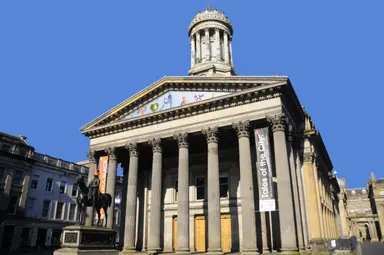
Glasgow’s modern-art gallery occupies a neoclassical former tobacco lord’s mansion on Royal Exchange Square, right in the centre. Four floors show contemporary work from the city’s formidable art scene. But the real icon is outside: the equestrian statue of the Duke of Wellington, which since the 1980s has worn an orange traffic cone on its head, replaced faster than the council can remove it and now an unofficial emblem of the city’s sense of humour.
More information
Opening times: Mon–Wed & Sat 10:00–17:00 · Thu 10:00–20:00 · Fri & Sun 11:00–17:00
Admission: Free (donations welcome)
Website: Visit Website
*The cone is placed by passers-by, not the gallery — a proposal to design it out was dropped after a public outcry. Hours are approximate and subject to change.
Source: Pexels The Style Mile & Buchanan Street
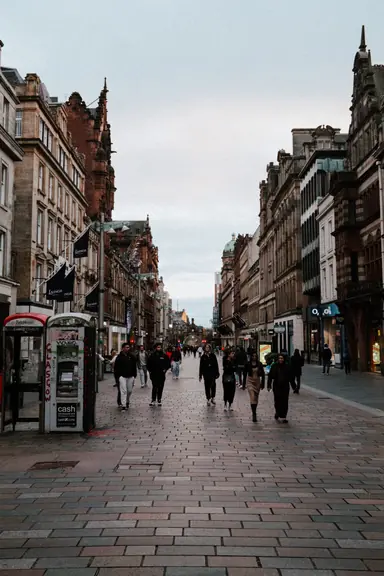
Glasgow shops harder than anywhere in the UK outside London’s West End, and the pedestrianised sweep of Buchanan Street is its spine — a slope of honey-coloured Victorian frontages, buskers and street pianos running from the concert hall down to St Enoch. With Argyle Street and Sauchiehall Street it forms the ‘Style Mile’, threaded with grand Victorian arcades and the glass-roofed Princes Square and Buchanan Galleries centres.
More information
Opening times: Most shops daily, roughly 9:00–18:00 (later on Thursdays; reduced Sunday hours)
Admission: Free to wander
Website: Visit Website
*Look up: the upper storeys hide some of the city’s best Victorian and Mackintosh-era architecture above the shopfronts. The Buchanan Street subway station sits at the top of the hill. Times are approximate and subject to change.
Insider tip: Glasgow’s best museums are free. The Kelvingrove, the Riverside Museum and the Tall Ship, GoMA, the Burrell Collection and the university’s Hunterian all cost nothing to enter, and so does Glasgow Cathedral (book ahead) and the Necropolis. Build your days around them and spend the saving on food, gigs and the Subway.
Neighborhoods & Where to Stay
The West End
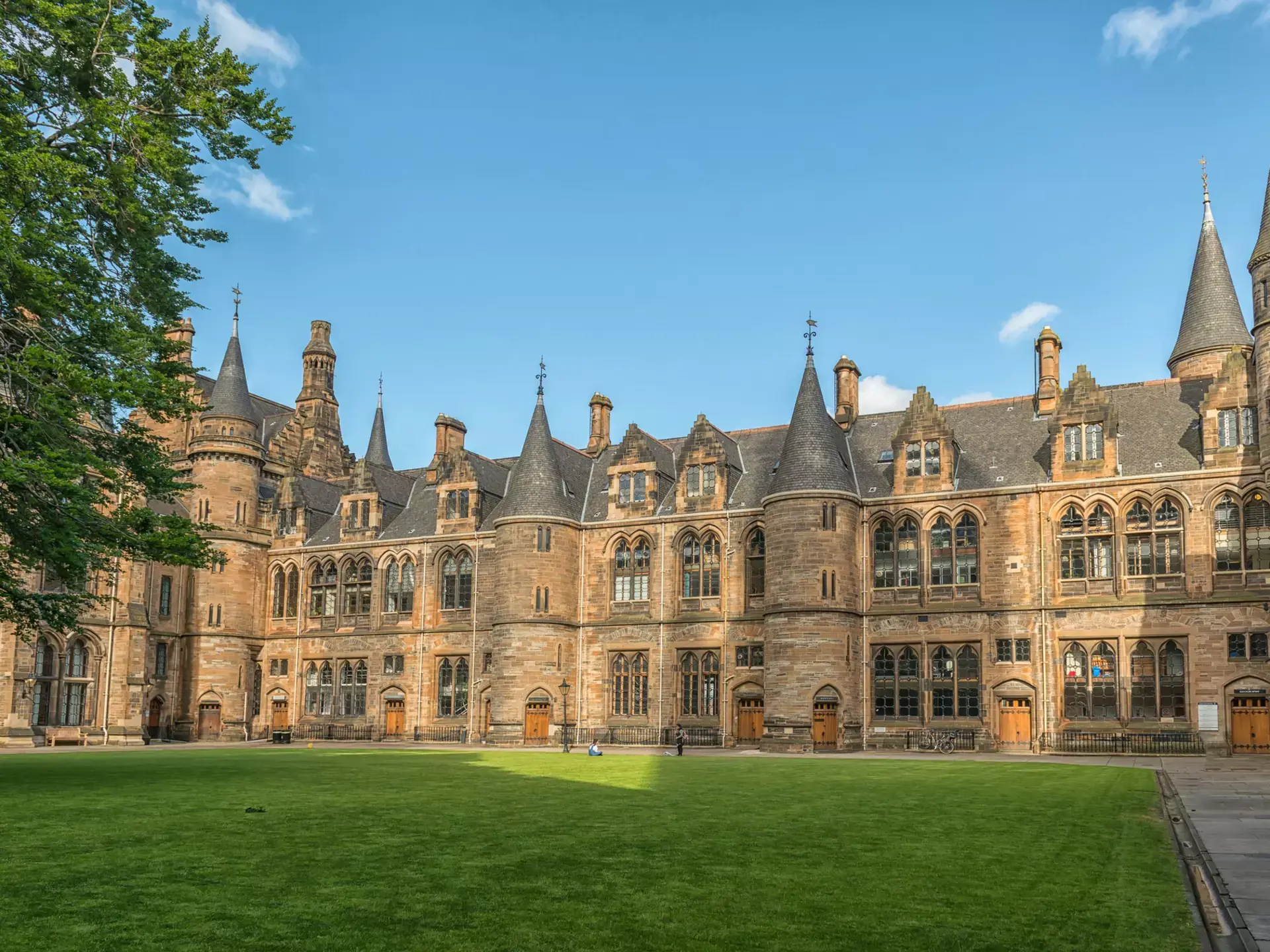
Glasgow’s bohemian quarter, wrapped around the university and the leafy sprawl of Kelvingrove Park. Byres Road is the spine — bookshops, brunch spots and vintage stores — while cobbled Ashton Lane hides a run of bars and a beloved independent cinema behind it. With the Kelvingrove, the Riverside and the Botanic Gardens all close by, it is the most charming base in the city, if a 15-minute Subway hop from the centre. Best for a slower, greener trip.
Merchant City
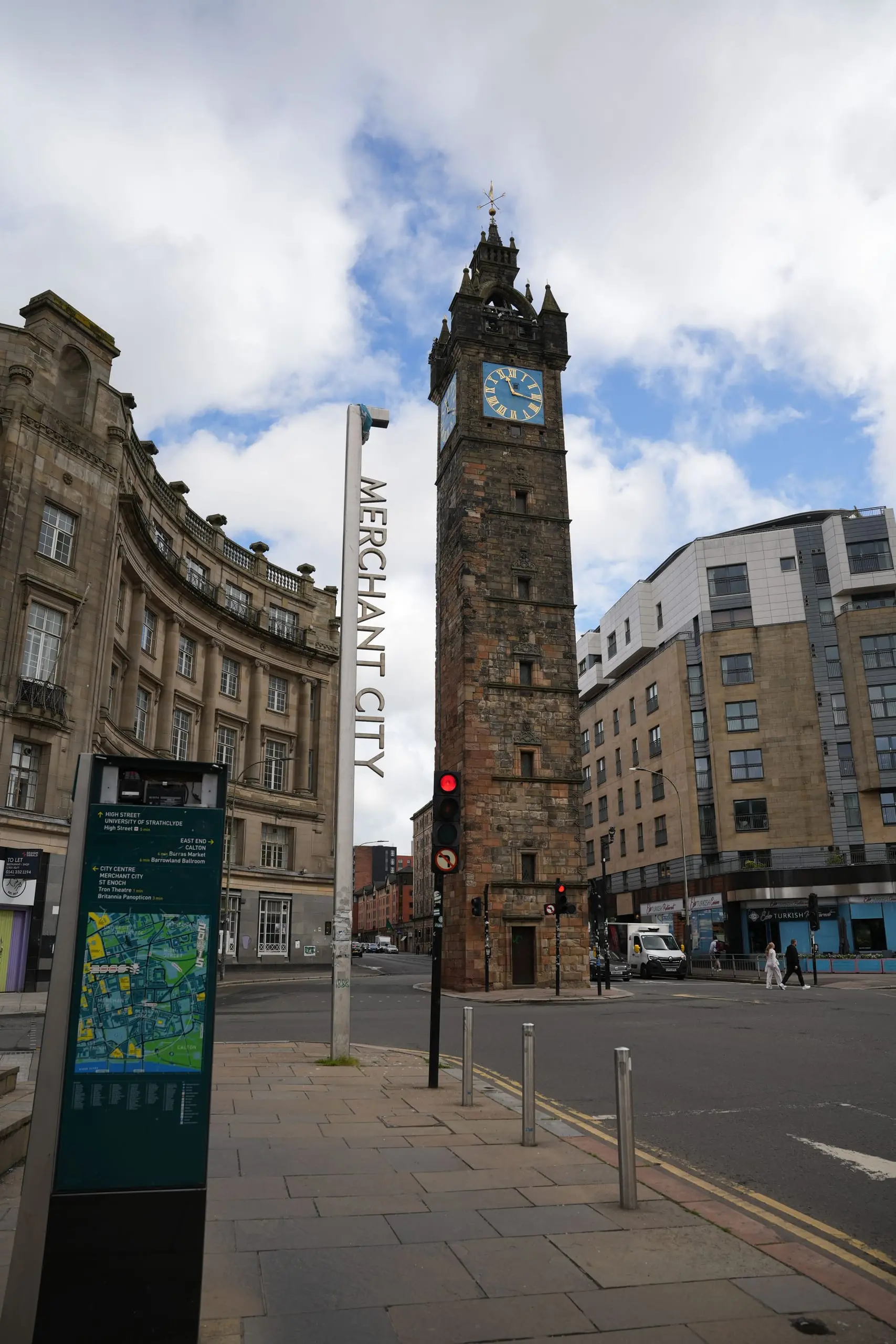
The grid of grand warehouses and banking halls east of the centre once stored the sugar, tobacco and cotton that built Georgian Glasgow; today it is the city’s smartest quarter, all loft flats, cocktail bars, delis and design shops around Ingram Street and Candleriggs. It is central, walkable and lively at night without being rowdy, with GoMA, the Style Mile and both main stations minutes away. A strong all-round choice for a first visit.
Finnieston
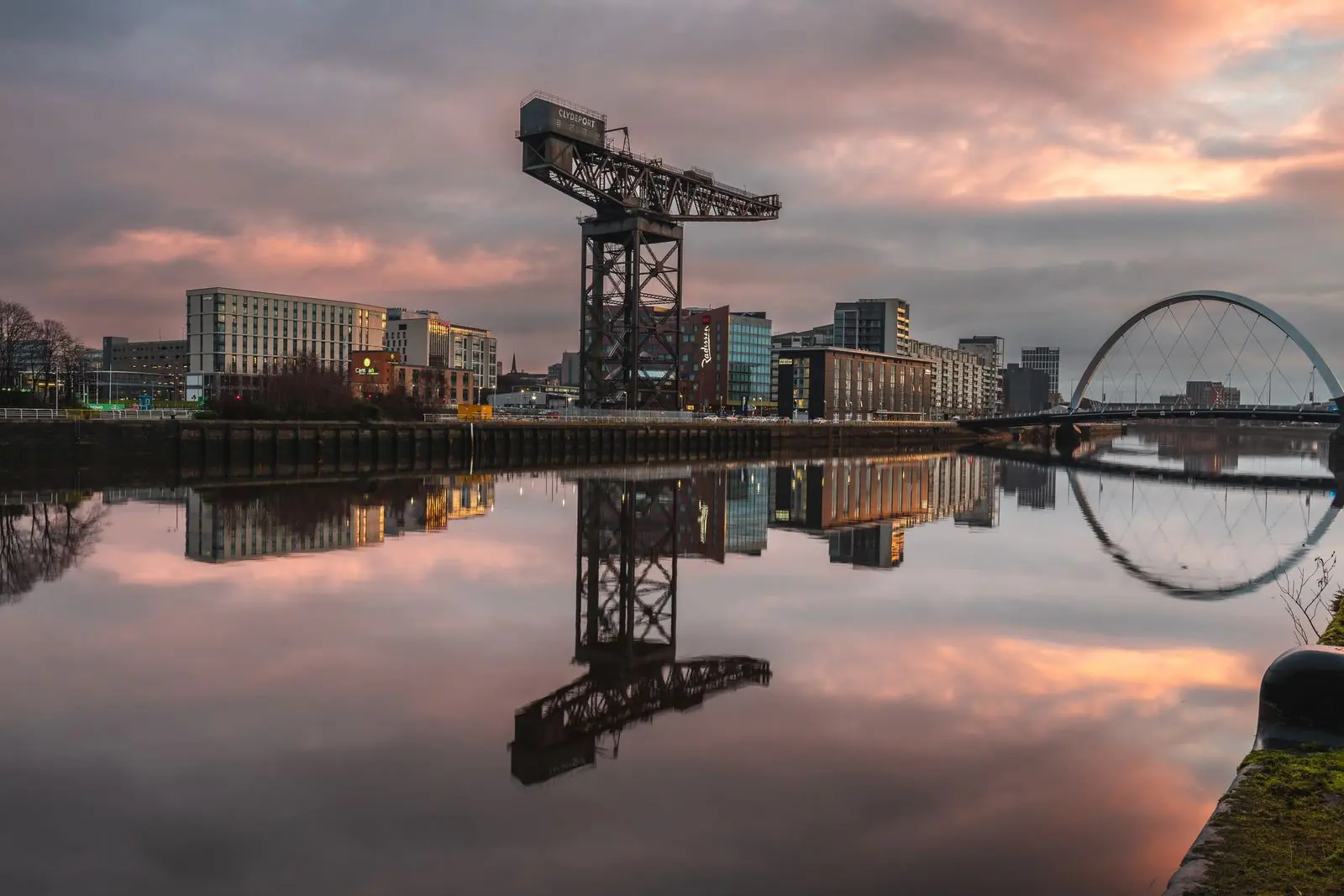
Once a hard-bitten dockside district, the strip along Argyle Street beneath the towering Finnieston Crane reinvented itself into Glasgow’s buzziest eating-and-drinking quarter — small-plates restaurants, seafood bars, natural wine and craft taprooms packed into a few hundred metres. It sits between the West End and the river, near the SEC, the OVO Hydro arena and the Riverside Museum. Come to eat and drink even if you sleep elsewhere.
The Southside
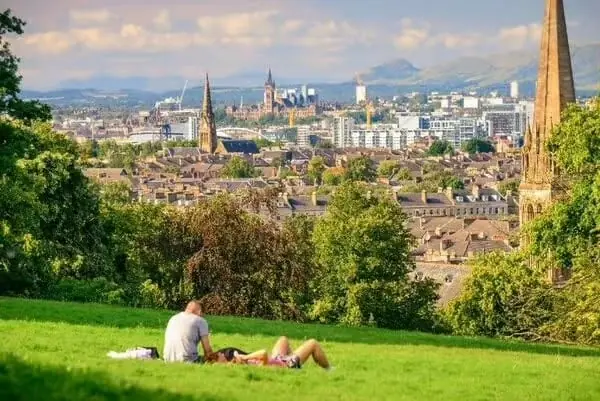
Across the Clyde, the Southside is where Glasgow lives rather than performs — and it is having a moment. Queen’s Park gives a superb free skyline view; Pollokshields holds grand villas and one of the city’s best curry scenes; and Shawlands and Strathbungo have become a low-key parade of neighbourhood bistros, bakeries and bars. The Burrell Collection and Pollok Park are on the doorstep, and rooms are cheaper than in the centre. Best for repeat visitors.
The City Centre grid
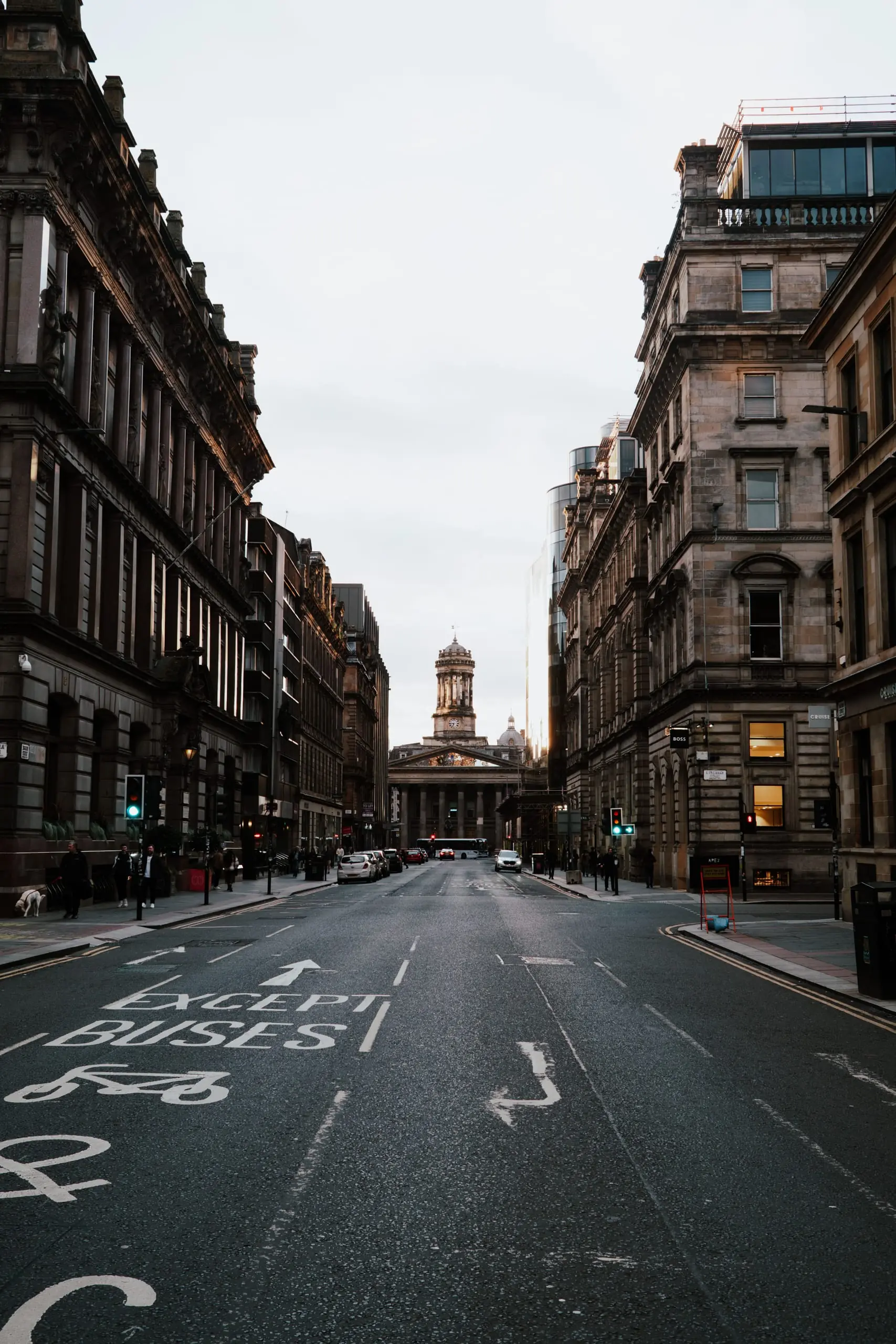
Glasgow’s American-style grid of Victorian streets puts everything within walking distance: the Style Mile, George Square, GoMA and both mainline stations. Staying here means the shortest walk to trains and the best transport links, plus a huge range of hotels at every price — though the quietest streets can feel deserted late on. Handy to know: Central Station serves the south, the coast and England; Queen Street serves Edinburgh, Stirling and the north. Best for convenience and short stays.
Food & Drink
Glasgow eats with real appetite and very little pretension. It is a curry city as much as a Scottish one, a place that claims to have invented chicken tikka masala and takes the claim seriously; it is also the home of the deep-fried Mars bar joke and a thriving new wave of small-plates and seafood kitchens in Finnieston and the Southside. Underneath it all runs a firm belief in the roll-and-something for breakfast and the value of a good chippy at closing time.
-
A Glasgow curry — The city’s South Asian restaurants are a genuine institution, from white-tablecloth grand rooms to no-frills BYOB canteens. Whether or not Glasgow really invented chicken tikka masala — as several of its restaurants insist — the standard is high and the portions generous. Pollokshields and the streets off the centre are the places to look.
-
Fish supper — The Scottish chippy at its best: fresh haddock in crisp batter with chips, doused in salt and ‘sauce’ (a brown, vinegary condiment Glasgow prefers to ketchup). Order a pickled onion or a bit of black pudding on the side, and eat it out of the paper.
-
Roll and square sausage — The classic Glasgow breakfast is a soft morning roll filled with a slice of ‘Lorne’ (square) sausage or ‘tattie’ scone, from a café counter with a mug of strong tea. It is the cure for most things, the morning after a night on Sauchiehall Street included.
-
Full Scottish breakfast — The bigger sit-down version: bacon, egg, link and square sausage, tattie scone, grilled tomato, mushrooms, baked beans and both black and white pudding. West End and Southside cafés build their weekends around it.
-
Tunnock’s teacakes and caramel wafers — Made just outside the city in Uddingston since 1890 and wrapped in unchanged red-and-silver foil, Tunnock’s teacakes and caramel wafers are a Glasgow institution and the correct edible souvenir. Buy a multipack; they travel better than shortbread.
Insider tip: Many of Glasgow’s best curry houses and neighbourhood restaurants are BYOB or cash-friendly and inexpensive, and the small-plates spots in Finnieston fill up fast at weekends. Book ahead for Friday and Saturday, and remember that a lot of kitchens stop serving food by 21:00–22:00 even when the bar keeps going.
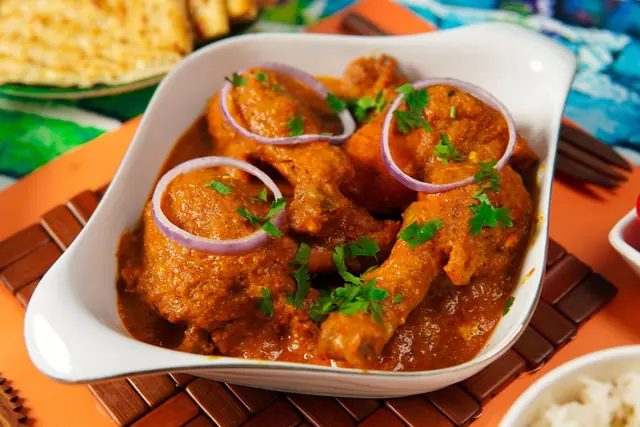 A Glasgow curry
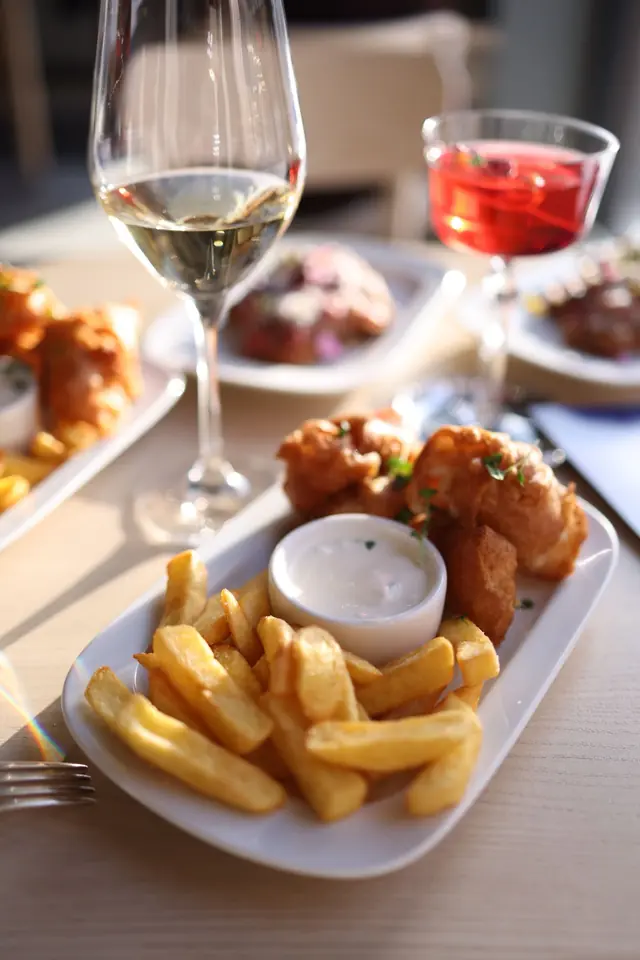 Fish and chips
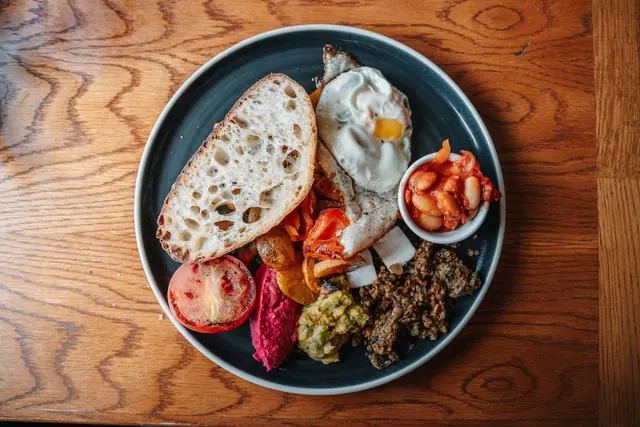 Full Scottish breakfast
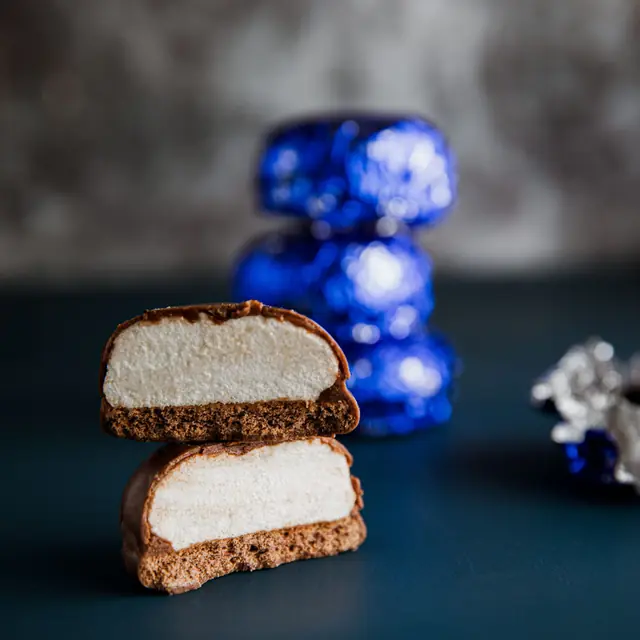 Tunnock’s teacake
Bars, Whisky and Live Music
Glasgow drinks and plays music in the same breath — this is a UNESCO City of Music, and on any given night there is a gig within staggering distance of wherever you are standing. Traditional wood-panelled pubs pour Scotch by region — Islay for peat and smoke, Speyside for honey and fruit — alongside Tennent’s lager, brewed in the city’s East End since 1885, and a strong local craft-beer scene. Ask a decent bar to steer you through their whisky list and a splash of water is normal; nobody will judge you for it. The city’s enduring nightlife institutions are the ‘sub club’ venues — legendary basement clubs like Sub Club on Jamaica Street, running underground dance nights for decades — while the West End, Finnieston and Merchant City hold the cocktail bars and taprooms. Pubs generally serve food from noon and stop between 21:00 and 22:00, so eat earlier than you might elsewhere in Europe.
Transportation
Glasgow’s city centre is a compact, flat grid you can cross on foot in twenty minutes, and the sights beyond it are joined up by a cheap circular Subway, a dense bus network, and Britain’s largest suburban rail system outside London. You rarely need a car, and for the museums you never do.
Getting Around the City
The Glasgow Subway — the ‘Clockwork Orange’, so nicknamed for its bright orange trains — is the third-oldest underground in the world and one of the simplest: a single circular loop of 15 stations running clockwise and anti-clockwise, linking the centre with the West End and part of the Southside. A single adult journey is about £1.80 (child £0.90). The line now takes contactless cards and phones at every gate, with pay-as-you-go automatically capped at roughly £3.40 a day — the same as a day ticket — so there is no need to buy paper. Fares are set by SPT and reviewed periodically; they are approximate and subject to change. Buses (mainly First Glasgow) fill in everywhere the Subway does not reach.
Tap on with the same contactless card or phone all day and the Subway’s daily cap does the maths for you. The whole loop takes about 24 minutes to ride end to end — handy to know if you get on going the ‘wrong’ way round, which everyone does at least once.
From Glasgow Airport
There is no rail link to Glasgow Airport (PIK/Prestwick aside), so the quickest public option is the 500 Glasgow Airport Express bus, which runs frequently — up to every 10 minutes for much of the day — between the terminal and the city centre in around 15–25 minutes, stopping at Buchanan Bus Station, Queen Street and Central. An adult single is roughly £9–11 with an open return around £15–16.50 (approximate and subject to change). Glasgow’s other airport, Prestwick, on the Ayrshire coast, does have its own railway station with direct trains into Glasgow Central in about 50 minutes, often at a discounted air-passenger fare.
Trains and Onward Travel
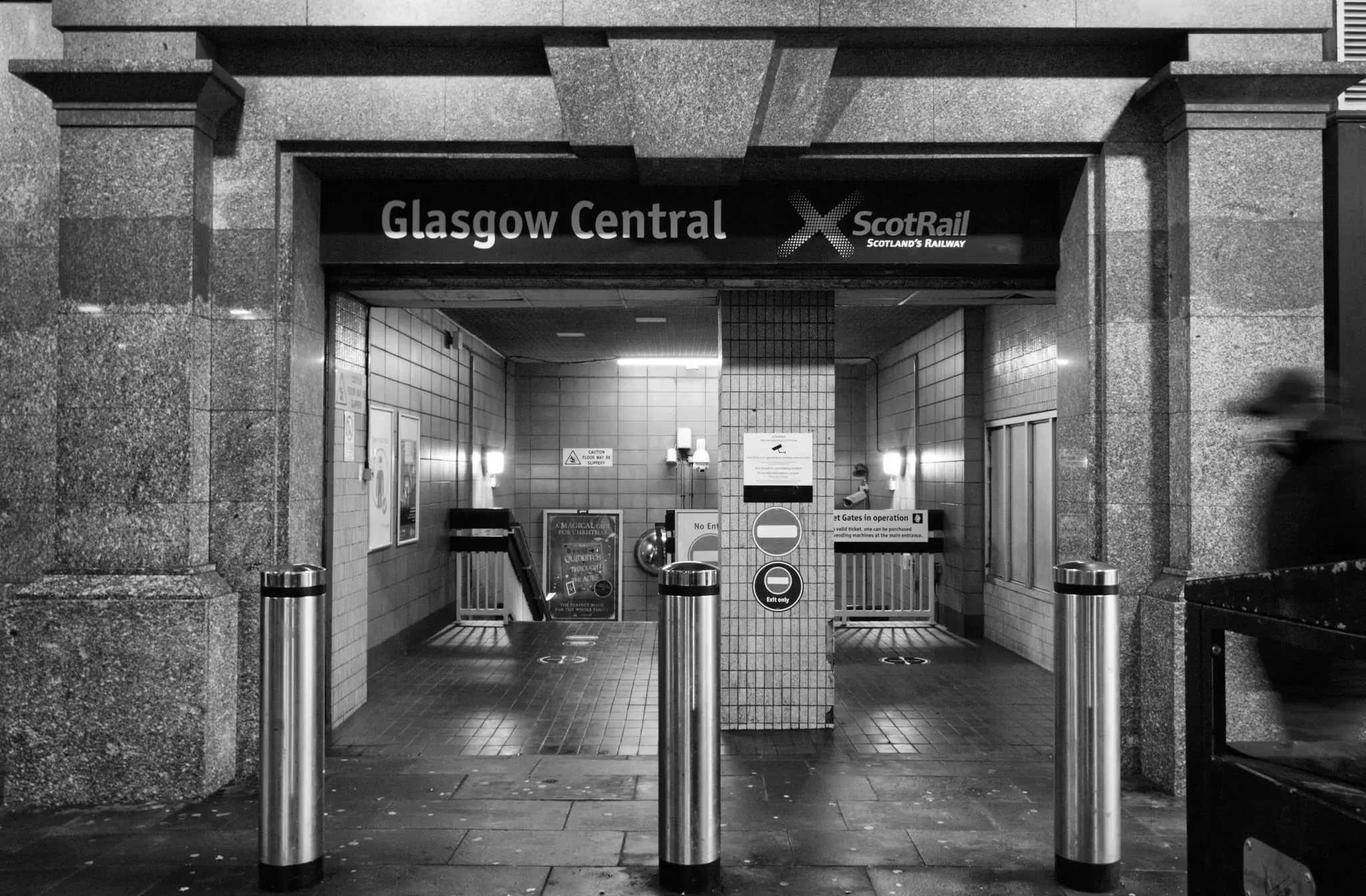
Glasgow has two main stations a five-minute walk apart. Central serves the south — the Clyde coast, Ayrshire, the Borders and England, including cross-border services to London. Queen Street serves the east and north — Edinburgh in roughly 50 minutes, up to every 15 minutes at peak, plus Stirling, Perth, Aberdeen and Inverness. Queen Street is also the start of the West Highland Line to Fort William and Mallaig, regularly voted one of the most scenic railway journeys in the world — over Rannoch Moor and across the Glenfinnan Viaduct made famous by the Hogwarts Express. Book Scottish routes and check live times at ScotRail.
Day Trips from Glasgow
Loch Lomond & the Trossachs (about 45 min by train)
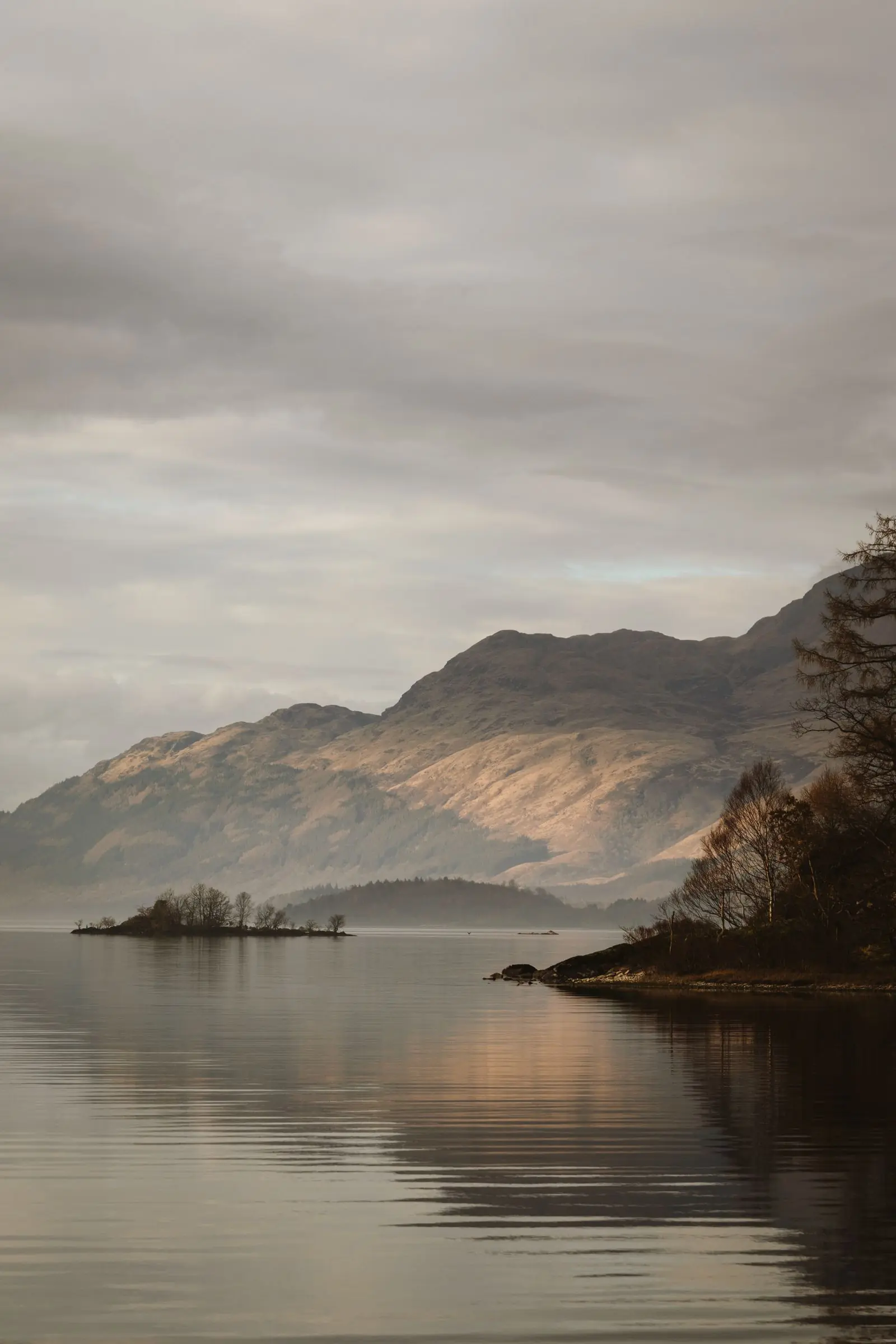
The Highlands begin barely half an hour north of the city. Britain’s largest freshwater loch, ringed by hills and dotted with islands, sits inside Loch Lomond & The Trossachs National Park. Trains from Queen Street reach Balloch at the loch’s southern end in about 45 minutes, where boat trips, lochside walks and the Lomond Shores centre are all within easy reach. Prettier villages like Luss, Callander and Aberfoyle are easier by car or guided coach. Plan at the national park website.
Stirling (about 30 min by train)
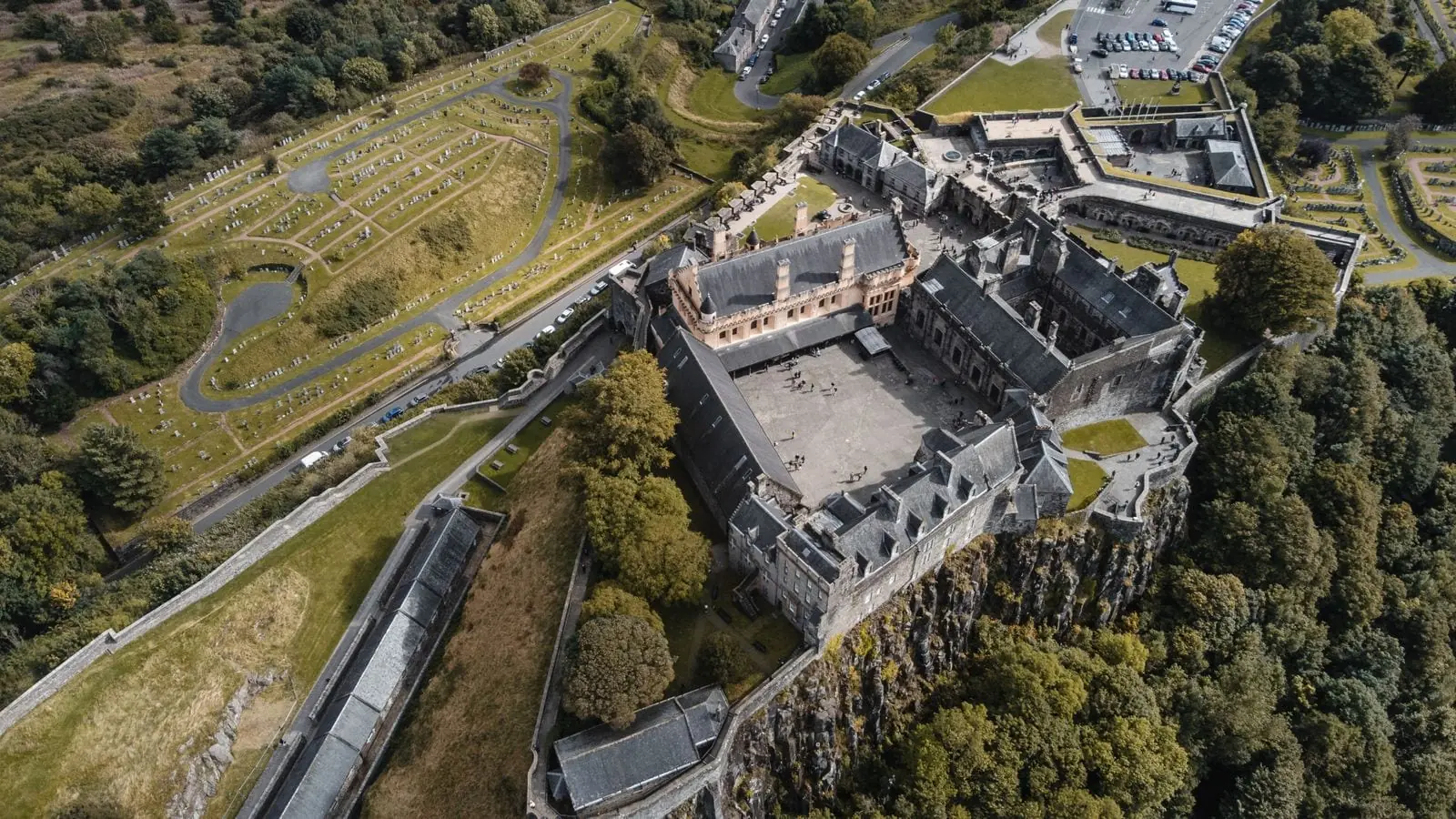
The strategic hinge of Scottish history sits on its own volcanic crag between Glasgow and the Highlands. Stirling Castle has the restored Renaissance Royal Palace of James V, its ceilings hung with replica Stirling Heads — adult admission is roughly £18.50 online or £20.50 in person, open daily 9:30–18:00 April to September and 9:30–17:00 in winter. The Wallace Monument and the Bannockburn battlefield are a short bus ride away. Trains from Queen Street take about 30 minutes; booking online currently earns a discount at Historic Environment Scotland sites.
The Kelpies & the Falkirk Wheel (about 25 min by train)
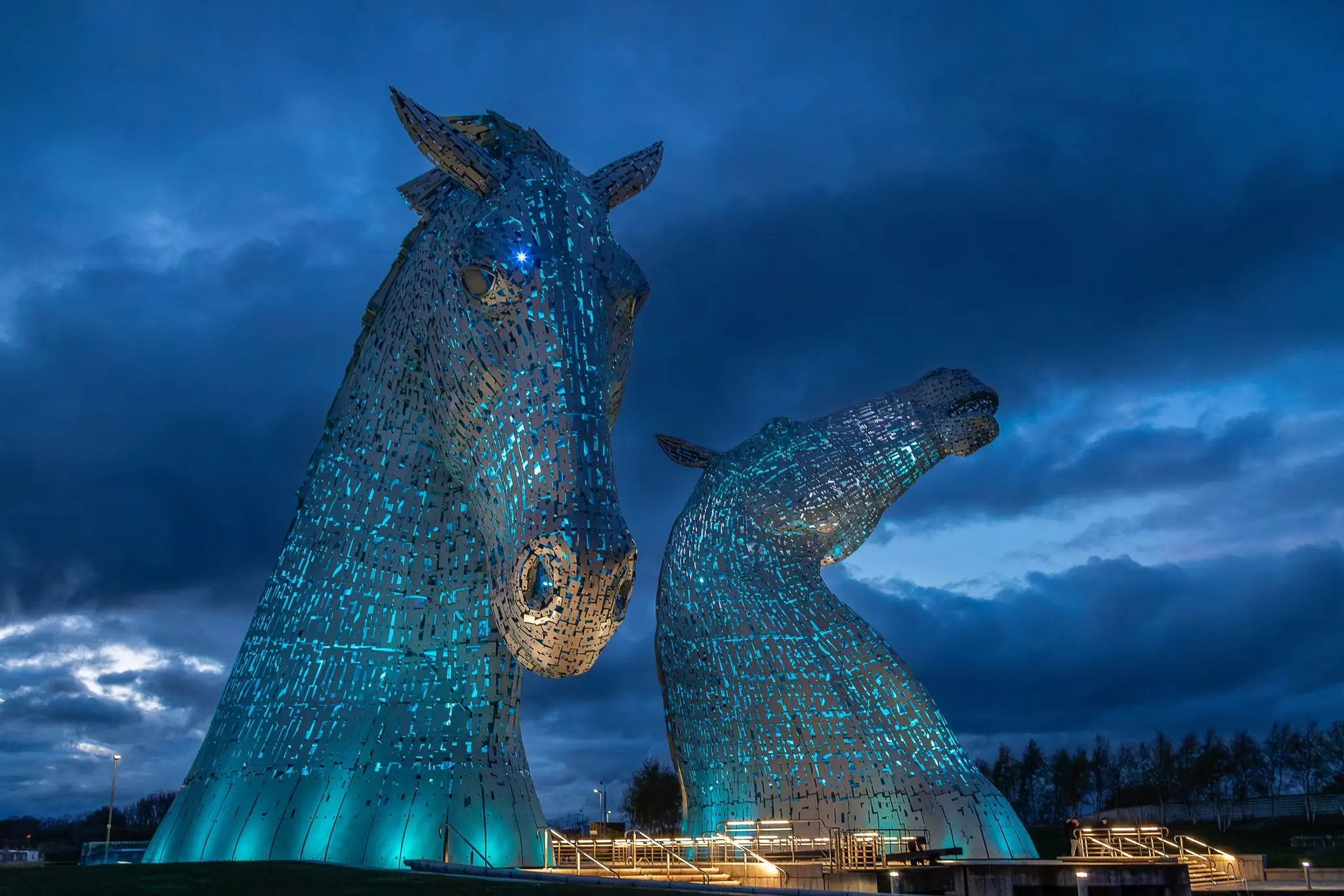
Two of Scotland’s boldest modern landmarks sit close together at Falkirk, roughly 25 minutes from Glasgow by train. The Kelpies are a pair of 30-metre steel horse-heads rearing over the canal in the free Helix park — free to see, with paid tours inside. A few miles off, the Falkirk Wheel is the world’s only rotating boat lift, cradling barges between two canals; you can watch it turn for free or take a paid boat trip. Both are easier combined by taxi from Falkirk than on foot.
New Lanark (about 55 min by train, plus a bus/taxi)
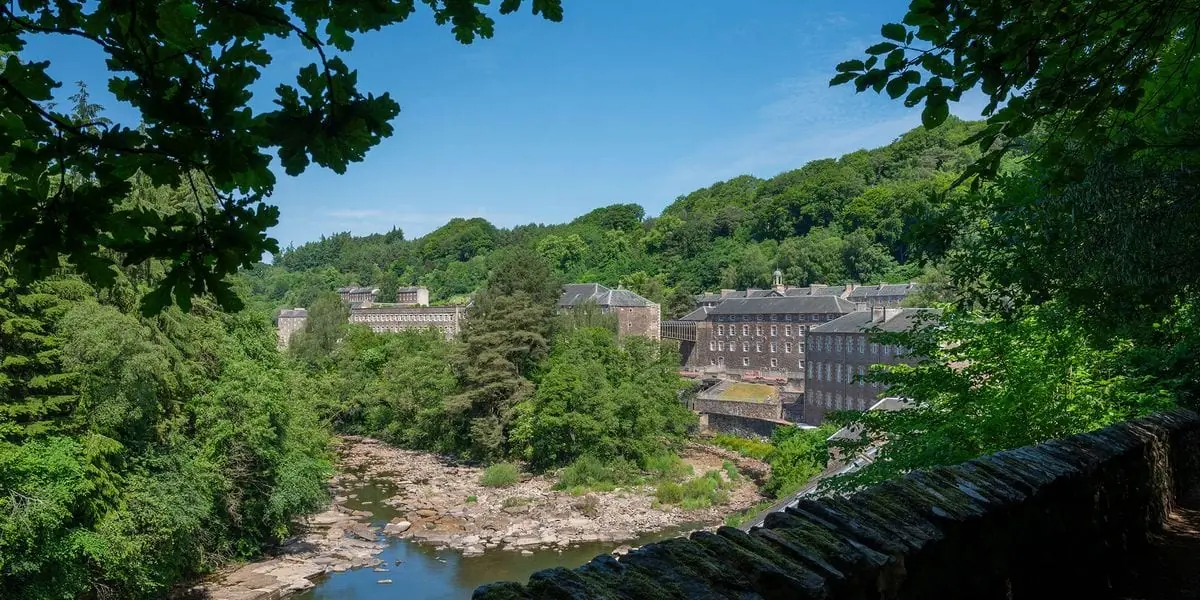
A remarkably complete 18th-century cotton-mill village in a wooded gorge on the River Clyde, and a UNESCO World Heritage Site. Built by David Dale and made famous by the social reformer Robert Owen, its restored mills, workers’ housing and school tell the story of an early experiment in humane industry. A passport ticket to the visitor attraction is roughly £14 adult (approximate and subject to change), while the surrounding Falls of Clyde nature reserve is free to walk. Take the train from Central to Lanark, then a short connecting bus or taxi down to the village.
Isle of Arran (about 2 hrs by train and ferry)
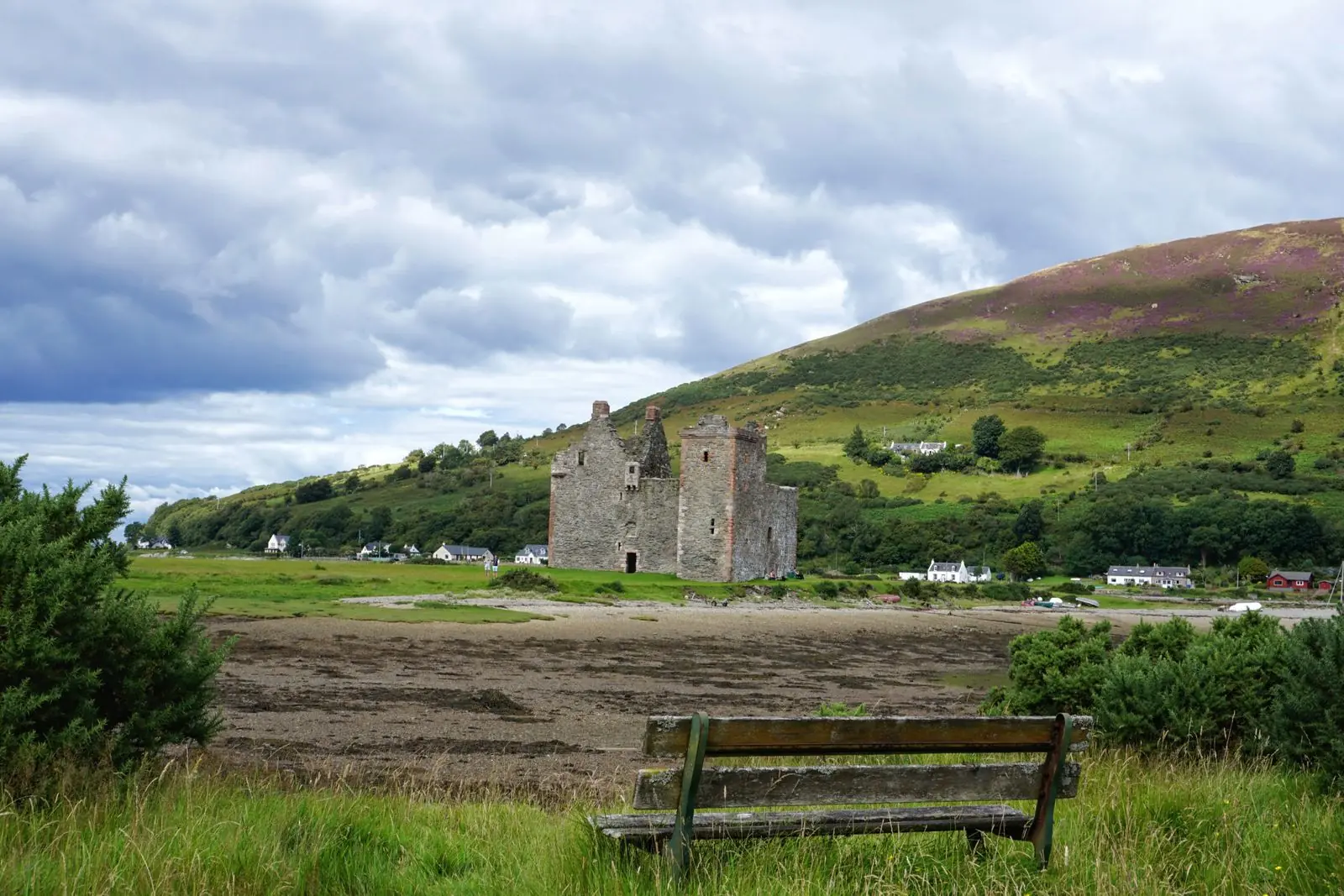
Nicknamed ‘Scotland in miniature’ because it packs Highland peaks, lowland glens, sandy beaches, castles and a whisky distillery into one manageable island. Take the train from Central to Ardrossan Harbour (about 50 minutes), timed to meet the CalMac ferry across to Brodick (about 55 minutes). Once there, island buses loop around the coast to Goatfell’s slopes, Brodick Castle and the standing stones of Machrie Moor. Check the ferry timetable both ways before you go — the last sailing back is earlier than you think.
Proposed Itinerary
Three days is enough to take in the free museums, the Mackintosh and Victorian heritage, the West End and a proper night out — with a fourth day, if you have it, saved for the Highlands or the coast. Distances are short, and the Subway joins the dots.
Day 1: City Centre, Cathedral and Merchant City
Start with the civic and medieval heart of the city, all walkable.
- Morning: Coffee on Buchanan Street, then the free tour of the City Chambers on George Square (weekday tickets from reception, first come first served). Photograph the coned Duke of Wellington outside GoMA.
- Afternoon: Walk east through the Merchant City to Glasgow Cathedral (book ahead), then climb the Necropolis behind it for the skyline view.
- Evening: Dinner and drinks back in the Merchant City, then a first pint of Tennent’s in a traditional bar.
Day 2: The West End and the Clyde
A greener day out west, joined up by the Subway.
- Morning: Subway to Kelvinbridge or Hillhead for the University of Glasgow cloisters and the Hunterian, then coffee on Byres Road and a wander down Ashton Lane.
- Afternoon: The unmissable Kelvingrove Art Gallery and Museum (aim for the 1pm organ recital), then walk down to the Clyde for the Riverside Museum and the Tall Ship.
- Evening: Eat and drink your way along Finnieston — small plates, seafood and craft beer under the crane.
Day 3: Art, the Southside and a Gig
Cross the river, then end on live music.
- Morning: Train or Subway to the Southside for the Burrell Collection in Pollok Country Park — say hello to the Highland cattle.
- Afternoon: The Style Mile for shopping, or the Barras market and the East End if it is a weekend.
- Evening: A gig at King Tut’s Wah Wah Hut or the Barrowland Ballroom, then on to a Sub Club night if you have the legs for it.
Insider tip: Glasgow’s weather is changeable and often wet, but the city is built for it — nearly all the headline sights are indoor and free. Keep a museum or the City Chambers tour in reserve for each rainy afternoon, carry a waterproof, and check what’s on: with a live gig most nights, it’s worth planning an evening around one.
Seasonal Events & Festivals
Shopping & Nightlife
The Style Mile
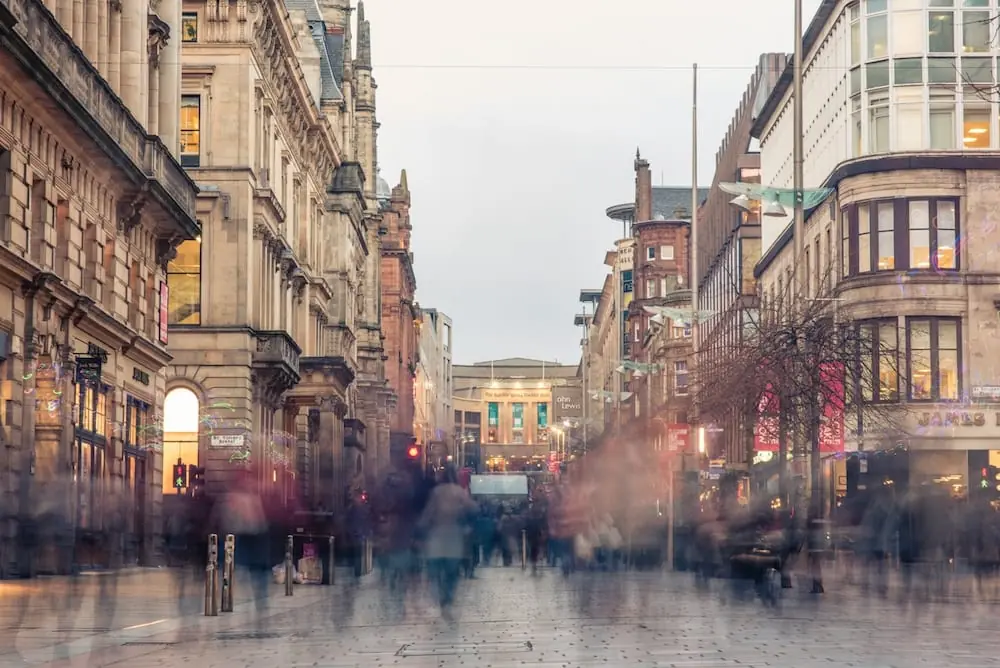
Glasgow’s reputation as the UK’s best shopping city outside London rests on the Style Mile — the pedestrianised triangle of Buchanan Street, Argyle Street and Sauchiehall Street. Buchanan Street is the grand slope of flagship stores and street pianos; Princes Square is an ornate art-nouveau arcade of boutiques and cafés; and the covered Buchanan Galleries and St Enoch Centre handle the rest. Most shops open around 9:00–10:00 and close by 18:00, with later hours on Thursdays.
The Barras & the Independents
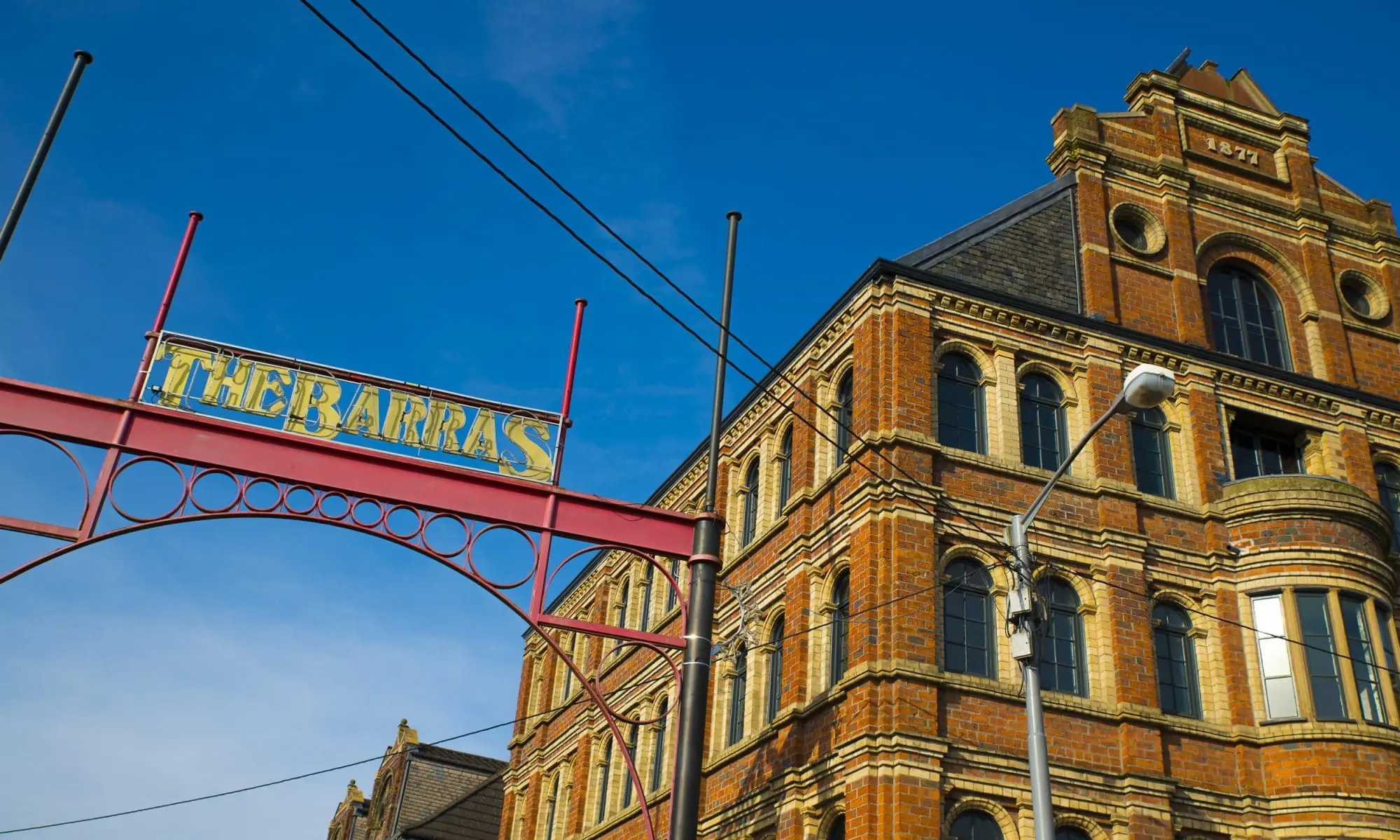
For the anti-chain version, head east to the Barras, Glasgow’s famous weekend market in the Calton — a sprawl of stalls, vintage, bric-a-brac and patter that has been trading since the 1920s, its old signs and the neon of the Barrowland above it. The surrounding East End has become a hub of independent makers, breweries and street food. For more, the West End around Byres Road and Great Western Road is thick with bookshops, record stores and vintage boutiques.
Nightlife
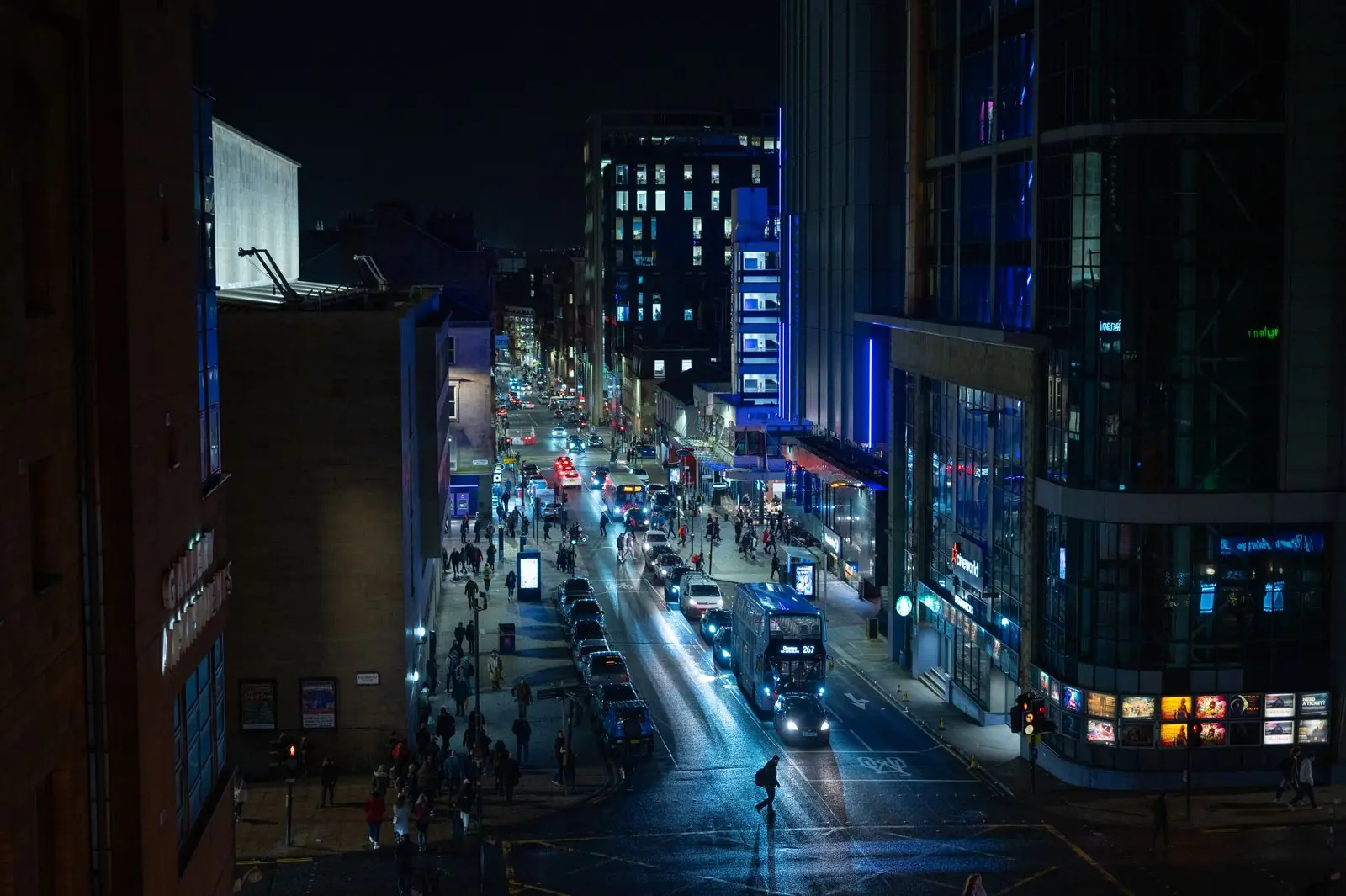
As a UNESCO City of Music, Glasgow’s nights revolve around live sound. The Barrowland Ballroom, with its sprung floor and star-studded ceiling, is one of Britain’s most storied gig venues; King Tut’s Wah Wah Hut is the tiny room where Oasis were famously signed and still books rising bands nightly. For dancing, the legendary Sub Club and its fellow basement institutions run underground nights into the small hours. Add the cocktail bars of Finnieston and the Merchant City, the student bars of the West End, and the traditional-music sessions in older pubs, and there is something on every night. Standard licensing runs to around 03:00 for clubs, earlier for pubs.
Glasgow does not trade on quaintness, and it is the better for it. This is a big, warm, funny working city that happens to hold some of the finest free museums in Europe, the best of Mackintosh, and a live gig on every corner. Give it a wet afternoon in a gallery and a night out among its people, and you will understand the motto.
Additional Resources
For more on Scotland as a whole — highlights across the country, the Highlands and islands, driving routes, weather and practicalities — head to our Discover Scotland: Castles, Coastlines & the Open Road guide, and for the capital an hour east, see our Edinburgh: Castles, Closes & Festival Nights guide.
Official planning resources: People Make Glasgow for destination information, Glasgow Life for the city’s free museums and galleries, VisitScotland for wider trip planning, SPT for the Subway and buses, and ScotRail for trains and day trips.
All prices quoted are approximate, given in pounds sterling, and subject to change — check the official website before you travel, and expect higher accommodation prices during Celtic Connections, TRNSMT and the summer festival weekends.