Scotland is small enough to cross in a day and complicated enough to spend a lifetime on. Leave Edinburgh after breakfast and by mid-afternoon you can be standing in a glen where the only sound is water and wind, or waiting at a pier for a ferry that will drop you on an island with one shop and eleven miles of empty white sand. The country packs an extraordinary amount into 30,000 square miles: a capital that hosts the largest arts festival on earth every August, a second city with a swagger and a music scene entirely its own, 282 mountains over 3,000 feet, roughly 790 islands, and five legally protected whisky regions.
This guide is designed to be your ultimate companion for exploring Scotland, whether you’re travelling solo, with friends, or as a family. Inside, you’ll find everything you need in one place: entry requirements and money, connectivity and packing, transport by train, bus, ferry and car, regional breakdowns, cultural etiquette, seasonal advice, and the events worth planning a trip around.
We’ve also included must-visit highlights and food and drink recommendations—so you can plan your trip with confidence and make the most of every moment. Whether it’s driving the North Coast 500, walking the West Highland Way, or working out which ferry gets you to Harris, this guide has you covered from start to finish.
Get ready to explore Scotland with ease, curiosity, and a very good waterproof jacket.
Before You Go
Scotland is part of the United Kingdom, so entry, currency and mobile rules are UK-wide—but a few of them have changed recently, and a couple of details (banknotes, the new visitor levy, weather) are specifically Scottish. Sort these before you fly and the rest of the trip is straightforward.
Entry Requirements and the UK ETA
Most visa-exempt visitors now need an Electronic Travel Authorisation (ETA) before boarding a flight, ferry or train to the UK. It is not a visa—it is a digital pre-clearance, applied for on your phone, and it is now enforced at the boarding gate.
Check whether your nationality needs an ETA or a full visitor visa on the official gov.uk ETA guidance page. British and Irish passport holders need neither.
Apply through the official UK ETA app or gov.uk only. The fee is £20; third-party sites charge more for the same thing.
An approved ETA lasts up to 2 years (or until your passport expires) and allows multiple visits of up to 6 months each. It links to the passport you applied with—travel on that same passport.
Important: carriers operate a strict “no permission, no travel” rule—airlines and ferry operators will not board an ETA-required passenger without one. Most applications are approved within minutes, but apply days ahead rather than at the airport, and remember an ETA does not guarantee entry.
Money, Cards and Scottish Banknotes
The currency is the pound sterling (£), the same as the rest of the UK. Scotland is close to fully cashless—contactless cards and phone wallets work on buses, in cafés, at castle ticket desks and in most rural pubs—but a small amount of cash is still worth carrying for island honesty boxes, community car parks and the odd bothy donation tin.
Scottish banknotes look different. Three Scottish banks—Bank of Scotland, Royal Bank of Scotland and Clydesdale Bank—issue their own notes alongside Bank of England ones. All of them are perfectly valid and used interchangeably in Scotland. Technically they aren’t “legal tender” in England, and acceptance gets patchier the further south you go, so spend them before you head to London or swap them at a bank.
- Contactless is king — tap-to-pay is accepted almost everywhere, including on Lothian and First buses in the cities.
- ATMs are plentiful in towns but thin on the ground in the northwest Highlands and on smaller islands, and some charge a fee. Withdraw before you leave Inverness, Fort William or Oban.
- VAT at 20% is already included in displayed prices—the price on the shelf is the price you pay.
Edinburgh is the first Scottish city to charge a visitor levy. Paid overnight accommodation in the city carries a 5% charge on the pre-VAT accommodation cost, applied to the first 5 nights of any stay. It covers hotels, B&Bs, guesthouses, self-catering and short-term rentals. Full details are on the City of Edinburgh Council site. Other Scottish councils are consulting on their own schemes, so check when you book.
Staying Connected
UK mobile coverage is excellent in the Central Belt and genuinely unreliable in the Highlands and Islands—which matters more here than in most countries, because that’s exactly where you’ll be relying on maps.
- Cities and the Central Belt — fast, dependable 4G/5G in Edinburgh, Glasgow, Stirling, Dundee, Aberdeen and Inverness, with free Wi-Fi standard in cafés, hotels and on many trains.
- Highland towns — Fort William, Oban, Ullapool, Portree and Stornoway all have solid 4G, though speeds sag at peak tourist hours in summer.
- Glens, single-track roads and hills — expect real dead zones, including Glencoe’s side glens, much of the NC500’s west coast, and most hill paths. EE has the widest rural footprint, so choose an eSIM that roams onto it.
- Islands — main settlements are fine; drive out of them and coverage is a lottery. Ferries often have no signal mid-crossing.
Pro tip: download offline maps for every region you plan to visit before you leave a signal area, and screenshot your accommodation address and check-in instructions. A phone with no bars at 9pm on a Skye single-track road is a genuinely miserable experience.
Packing for Scottish Weather
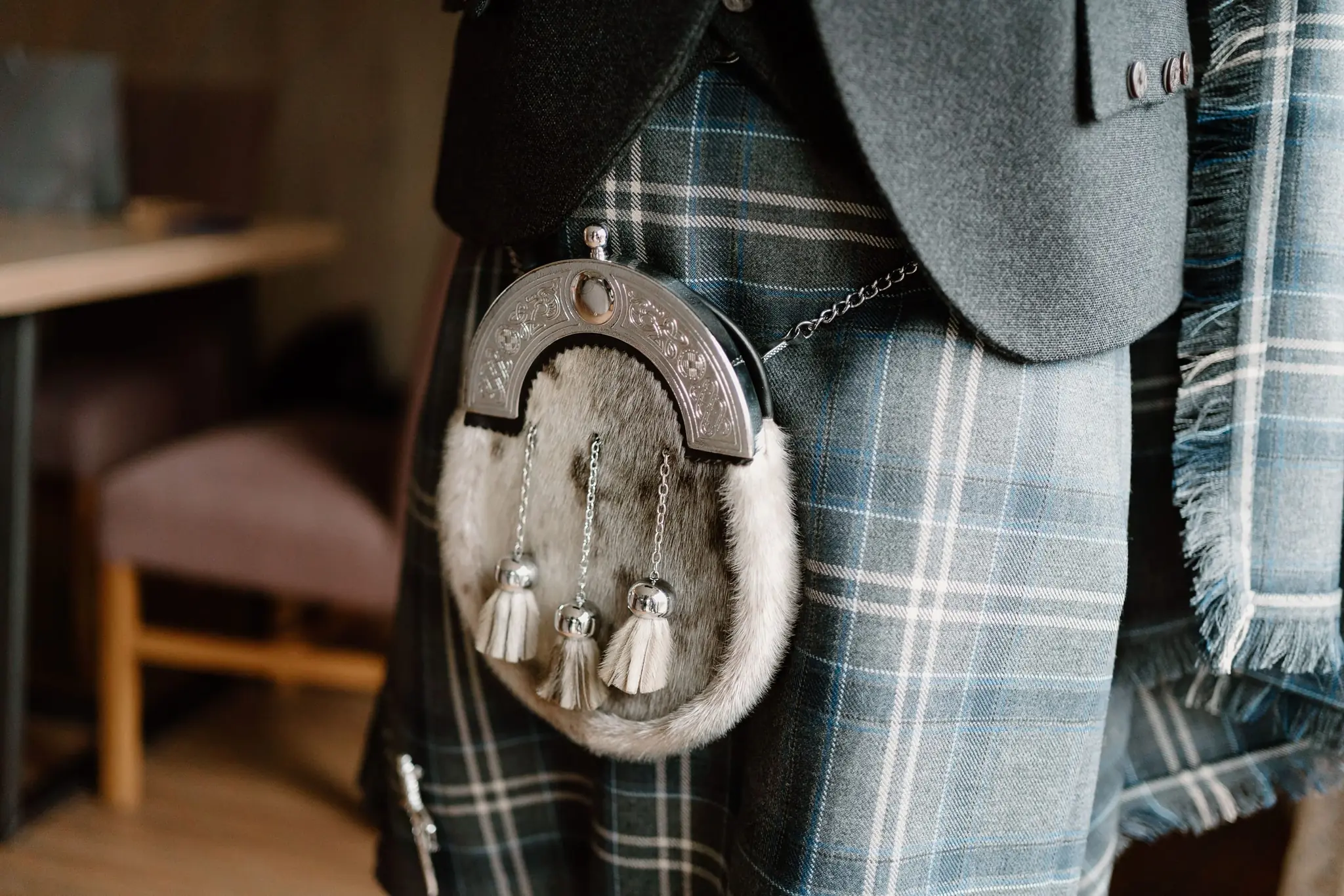
There is a local saying that Scotland doesn’t have a climate, it has weather—and you can get four seasons in an afternoon in the Highlands regardless of the month. Pack for that, not for the forecast.
-
A properly waterproof jacket — not showerproof, waterproof, with a hood. This is the single most useful item in your bag in any season.
-
Layers you can shed and re-add: a base layer, a fleece or mid-layer, and the shell. Summer highs average around 17°C, but wind chill on a ridge or an open ferry deck turns that into something much colder.
-
Broken-in walking shoes or boots with grip. Even “easy” paths like the Old Man of Storr are wet, rocky and steeply eroded in places.
-
Midge repellent and a head net if you’re travelling to the west Highlands or islands between late May and mid-September. See the Seasons, Weather and Midges section below.
-
A UK plug adapter: Type G three-pin sockets, 230V. Hotels rarely lend these out, so bring your own.
Pro Tip: if you’re visiting several castles and abbeys, price up a Historic Scotland Explorer Pass (covering Edinburgh and Stirling castles, Skara Brae, Urquhart and dozens more) or National Trust for Scotland membership (Culloden, Glencoe, Culzean). Three or four paid sites is usually the break-even point.
Getting Around
Scotland is the rare country where the journey genuinely competes with the destination. The rail lines to Mallaig and Kyle of Lochalsh are regularly listed among the world’s great train rides, the ferries are scenery in their own right—and for everything west and north of the railheads, you’ll want a car.
Trains
ScotRail runs almost all domestic services, linking Edinburgh, Glasgow, Stirling, Perth, Dundee, Aberdeen, Inverness and Fort William, with the two great scenic branches heading west from there. Trains are comfortable, reasonably punctual, and far more pleasant than driving between the big cities—Edinburgh to Glasgow takes under an hour with departures every 15 minutes.
The four scenic lines worth planning around
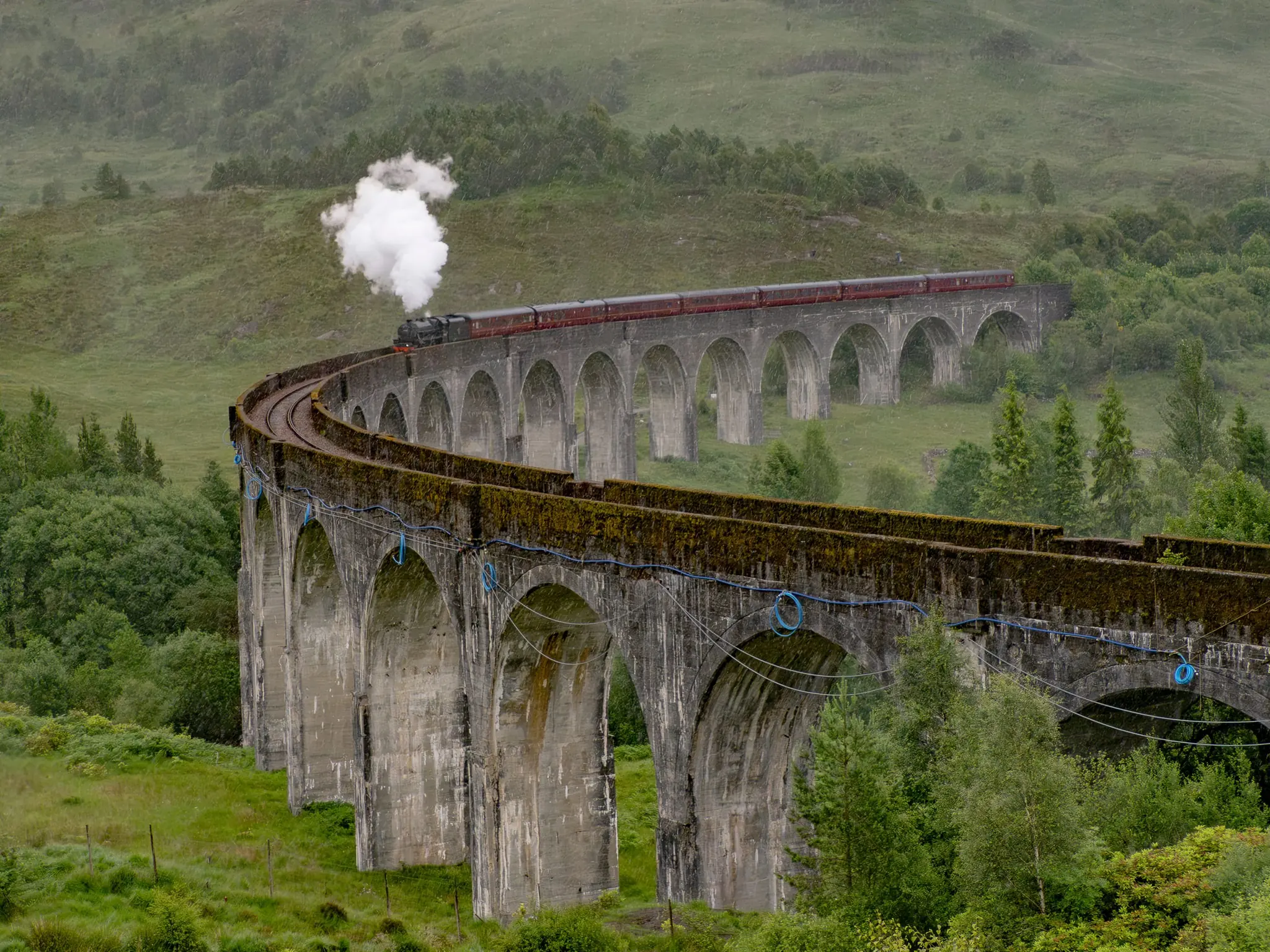
- West Highland Line (Glasgow – Fort William – Mallaig) — crosses Rannoch Moor and the Glenfinnan Viaduct before running along the coast to the Skye ferry. Widely rated one of the most scenic rail journeys on earth.
- Kyle Line (Inverness – Kyle of Lochalsh) — lochs, moor and sea, ending a short hop from the Skye Bridge and Eilean Donan Castle.
- Far North Line (Inverness – Thurso and Wick) — the long, slow run to Britain’s northern edge and the Orkney ferry at Scrabster.
- Borders Railway (Edinburgh – Tweedbank) — an easy hour from Waverley into the Scottish Borders for Melrose Abbey and Abbotsford.
Ticketing follows the UK pattern: Advance fares are cheapest but tied to a specific train, while Anytime and Off-Peak tickets stay flexible. If you’re doing several long legs, price up the Spirit of Scotland Travelpass—a rover covering trains plus selected ferries and buses, at around £155 for any 4 days’ travel in 8, with a longer 8-in-15 option.
Timetables, fares and travelpass details are all on ScotRail. Prices are revised periodically, so treat the figures above as a guide rather than a quote.
The Caledonian Sleeper
The overnight Caledonian Sleeper runs between London Euston and Scotland, and it is the most civilised way to arrive: board in London in the evening, wake up in Glasgow, Edinburgh, Aberdeen, Inverness or Fort William.
- The Lowlander serves Glasgow and Edinburgh; the Highlander runs to Aberdeen, Inverness and Fort William, splitting at Edinburgh in the small hours.
- Accommodation ranges from a Seated Coach through Classic Rooms (bunks and a washbasin, shared toilets down the corridor) to Club and Caledonian Double en-suite rooms.
- The Fort William portion is the one to book if you can: it arrives in daylight across Rannoch Moor, which is worth the early alarm.
Pro tip: cheap berths sell out first. Book as early as your dates allow via Caledonian Sleeper—prices climb steeply as departure approaches.
Buses and Coaches
Where the train doesn’t go, the bus usually does—and in the Highlands and Islands it is often the only public transport there is. Citylink covers the long-distance network (Glasgow to Skye, Inverness to Ullapool for the Stornoway ferry, the Oban and Fort William corridors), while local operators and council-run services handle the rest.
Rural services need a little care: check the day of the week (many island and glen routes run two or three times a day and not at all on Sundays), flag the bus down at country stops, pay contactless or in cash as you board, and leave slack—one missed connection in the Highlands can cost you the rest of the day.
Ferries
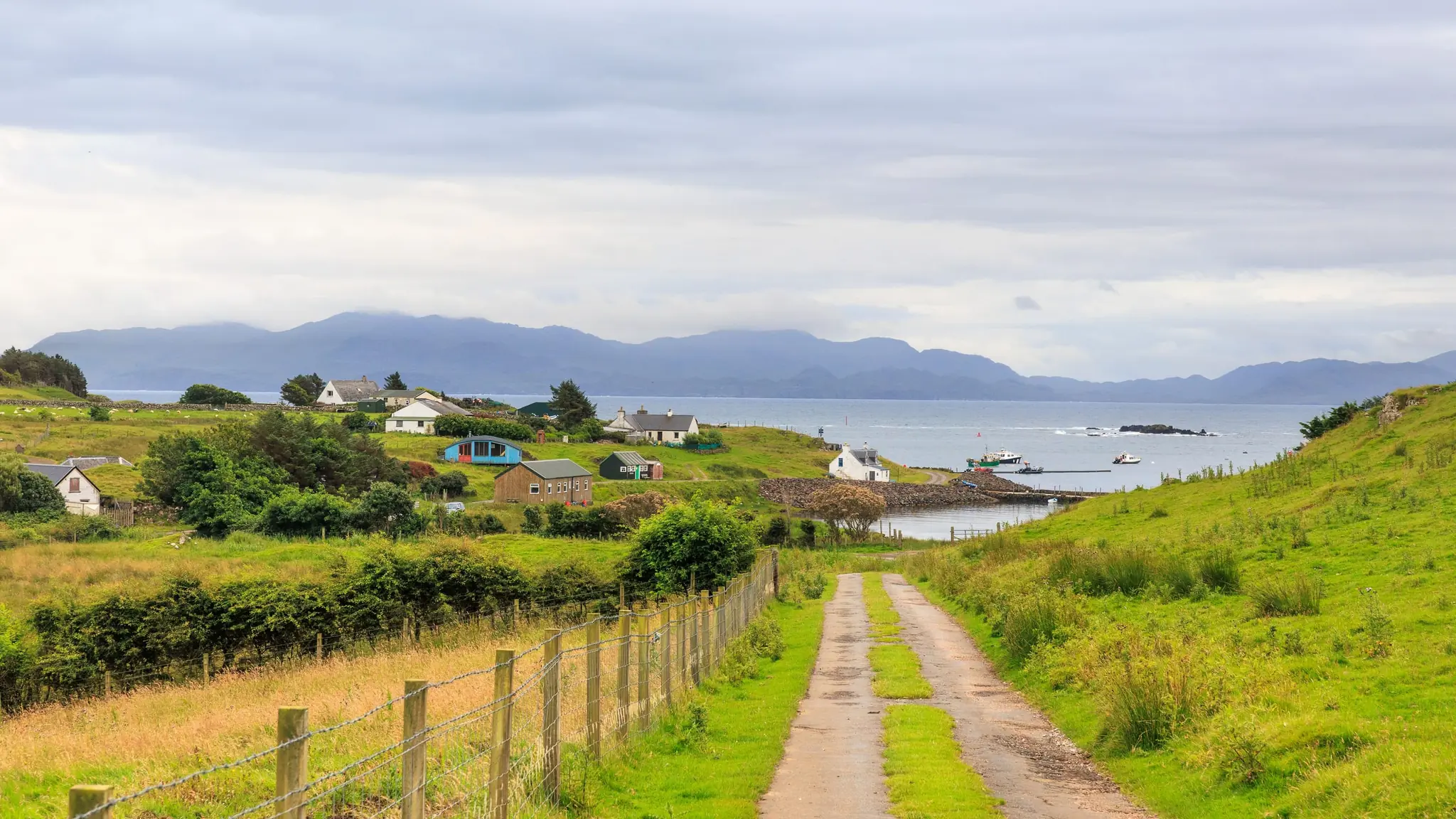
Roughly a hundred Scottish islands are inhabited, and getting to them means CalMac on the west coast and NorthLink to Orkney and Shetland. Crossings range from a five-minute hop to a six-hour run into the Atlantic, and the deck views on a clear day are the cheapest sightseeing in the country.
- Book vehicles ahead, always. Foot passengers can usually turn up on the shorter routes, but car deck space on the long crossings to Lewis, Harris, Barra, Mull and Islay sells out weeks in advance in summer.
- Short inter-island hops are frequently turn-up-and-go, which is what makes island-hopping itineraries workable: lock in the crossings at each end of the chain, stay flexible in the middle.
- Weather cancels sailings. Build a buffer day into any island itinerary, especially either side of a flight home—winter gales and summer swell both disrupt services.
- CalMac publishes multi-leg island-hopping routes, including the classic Five Ferries loop around Arran, Bute, Cowal and Kintyre, which can be booked as one journey.
Timetables, live disruption updates and booking are on CalMac. Check the status page the night before you travel—and again in the morning.
Hiring a Car and Driving on the Left
For the Highlands, Skye, the NC500 and most of the islands, a car isn’t a luxury—it’s the difference between seeing the place and seeing a bus timetable. But driving here catches out visitors more than anything else in this guide.
- Drive on the left, and take extra care at roundabouts and after every stop.
- Speed limits: 70 mph motorway and dual carriageway, 60 mph single carriageway, 30 or 20 mph in built-up areas.
- Seatbelts for everyone; hand-held phones are illegal.
- No toll roads anywhere in Scotland.
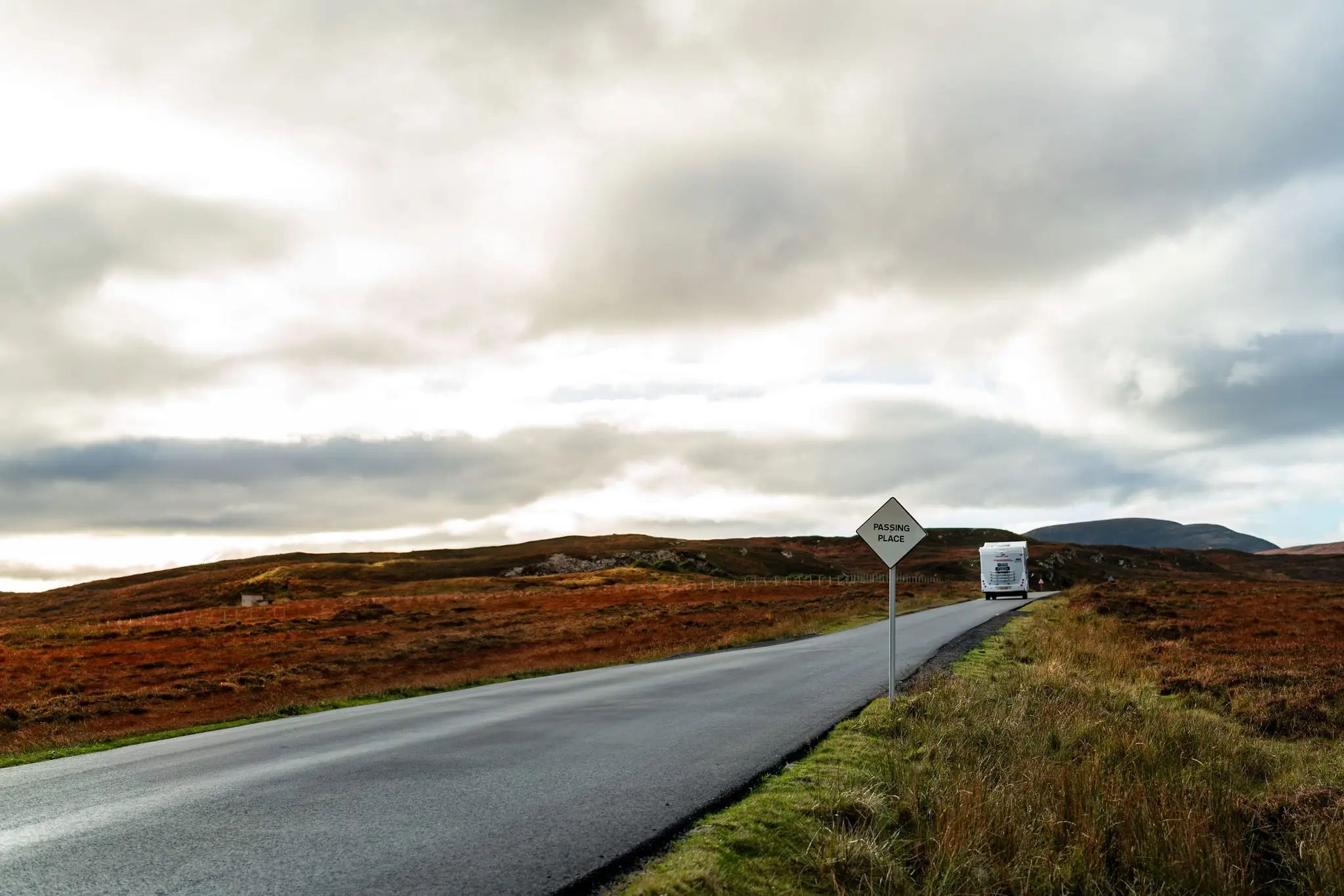
- Passing places are marked by poles or square signs, every 100–400 metres.
- Pull into one on your left, or wait opposite one on your right.
- Let faster traffic overtake—locals are commuting, not sightseeing.
- Never park in a passing place, not even for a photo.
- Wave thanks. It’s not optional; it’s the whole social contract.
- Fuel up early. Filling stations are scarce in the northwest and on islands, many close in the evening, and Sunday opening is limited. Treat half a tank as empty.
- Sheep and deer stand in the road, especially at dawn and dusk. Slow down on unfenced moorland.
- Winter driving in the Highlands means ice, snow gates and short daylight. Check road conditions before setting off.
Official guidance on speed limits, licences and rural roads is on VisitScotland, with a visitor-focused refresher at Road Safety Scotland.
Top Highlights
Scotland’s greatest hits are spread wide, so treat this as a menu rather than a checklist—pick three or four and give them proper time. Admission prices and opening hours below were correct at the time of writing and are typically revised each spring, so confirm on the official site before you go.
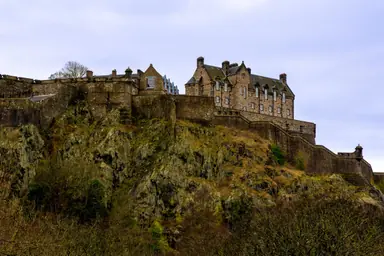
Source: Pexels Edinburgh Castle
The fortress on the volcanic plug above Princes Street is Scotland’s most visited paid attraction, and it earns the crowds: the Honours of Scotland and the Stone of Destiny, the tiny 12th-century St Margaret’s Chapel, the One O’Clock Gun fired daily except Sunday, and a view over the whole city from the ramparts. Book the first slot of the day if you can.
More information
Opening times: 9:30–18:00 (April–September); 10:00–16:00 (October–March)
Admission: Adult from £23.50 online, £26 walk-up
Website: Visit Website
*Tickets regularly sell out weeks ahead in summer—book online in advance.
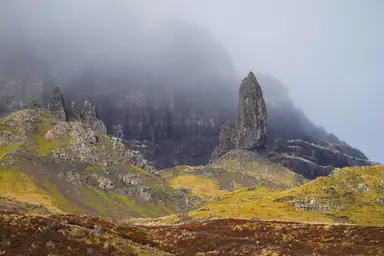
Source: Pexels The Old Man of Storr, Isle of Skye
A jagged basalt pinnacle standing above the Trotternish ridge, and the image most people picture when they think of Skye. The path up from the car park is short but steep and relentlessly eroded—about an hour up on a good day, longer in wind. Go at sunrise if you want it to yourself; by mid-morning in summer the car park is full. Parking is paid and limited.
More information
Opening times: Open access, any time
Admission: Free to walk; pay-and-display parking charge applies
Website: Visit Website
*Wear proper footwear—the path is rocky and slippery when wet, which is most of the time.
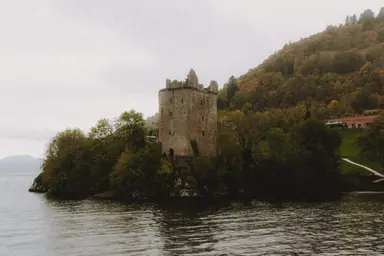
Source: Pexels Urquhart Castle and Loch Ness
A ruined castle on a promontory jutting into the deepest stretch of Loch Ness, and by far the best place to actually see the loch rather than just drive past it. The visitor centre covers 500 years of sieges, and the grassy ruins are made for an unhurried hour of scanning the water for something that isn’t there. Boat trips leave from the jetty below.
More information
Opening times: Seasonal—generally 9:30 to late afternoon in summer, shorter in winter
Admission: Adult from around £14 online, more at the gate
Website: Visit Website
*Both entry timeslots and parking bays need to be pre-booked—the car park fills daily in summer.
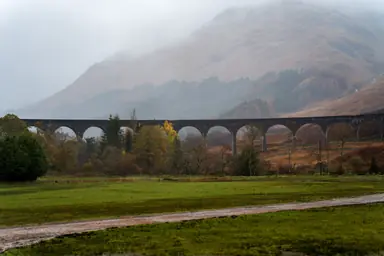
Source: Pexels Glenfinnan Viaduct and the Jacobite Steam Train
The 21-arch viaduct curving above Loch Shiel is famous twice over—as a feat of early concrete engineering and as the Hogwarts Express route. You can ride it: the Jacobite steam train runs 84 miles return between Fort William and Mallaig through some of the finest scenery in Britain, with a stop at Glenfinnan station on the way.
More information
Opening times: Steam season roughly 1 June to late October; viewpoint open year-round
Admission: Viaduct viewpoint free (parking charge); steam train from around £76 adult return in standard class
Website: Visit Website
*Return tickets only, and peak summer dates sell out within days of release. The regular ScotRail service crosses the same viaduct for a fraction of the price.
Source: Pexels Glencoe
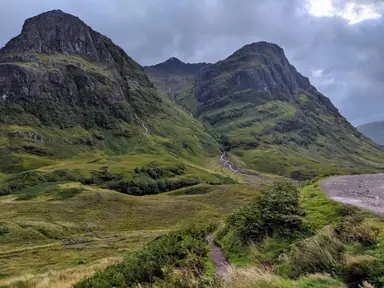
The most dramatic drive in Scotland, and one of the saddest places in its history—the glen of the 1692 massacre, hemmed in by the Three Sisters and Buachaille Etive Mòr. Stop at the roadside viewpoints, walk into the Lost Valley if you have half a day and decent boots, or just take the A82 slowly and let the walls close in. The light here changes by the minute.
More information
Opening times: Open access; National Trust for Scotland visitor centre has seasonal hours
Admission: Free to visit the glen; parking charges at the visitor centre
Website: Visit Website
*Weather changes fast and the mountains here are serious—check a forecast before any hill walk.
Source: Pexels Stirling Castle
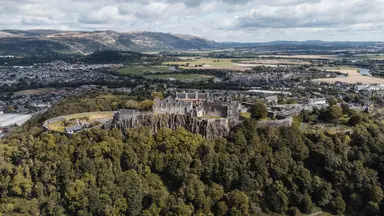
Scotland’s other great castle, and arguably the more coherent visit: a restored Renaissance royal palace with recreated interiors, the Great Hall in its original limewash gold, and a strategic view over the crossing point that decided Scottish history at Stirling Bridge and Bannockburn. Far less crowded than Edinburgh.
More information
Opening times: 9:30–18:00 (April–September); shorter hours in winter
Admission: Adult from around £17.50 online
Website: Visit Website
*Historic Environment Scotland revises admission prices each spring—confirm before booking.
Source: Pexels Skara Brae, Orkney
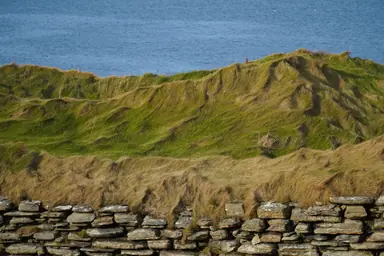
A Neolithic village on the Bay of Skaill, older than Stonehenge and the Pyramids, uncovered by a storm in 1850. Stone beds, dressers and hearths sit exactly where they were left 5,000 years ago. It anchors the Heart of Neolithic Orkney World Heritage Site, alongside the Ring of Brodgar and Maeshowe.
More information
Opening times: 9:30, last entry 16:30 (April–September); 10:00, last entry 15:00 (October–March)
Admission: Adult from £14 online, £16 walk-up (April–October includes Skaill House)
Website: Visit Website
*Reaching Orkney means a ferry from Scrabster, Gills Bay or Aberdeen, or a short flight—plan at least two nights.
Source: Pexels The North Coast 500
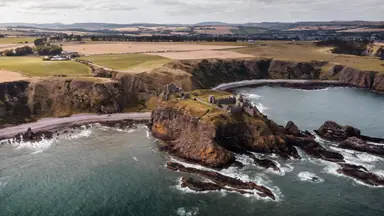
A 516-mile circular route around the far north, starting and finishing at Inverness: sea cliffs, single-track passes, empty beaches, Highland distilleries and fishing villages. It has become Scotland’s signature road trip, and the main mistake visitors make is trying to do it in three days. Give it seven to nine.
More information
Opening times: Drivable year-round; best May–June and September
Admission: Free—costs are fuel, accommodation and ferries
Website: Visit Website
*Book accommodation months ahead for summer, and drive it as a guest in someone’s home—these are working communities, not a racetrack.
Regions & Cities to Explore
Scotland divides roughly into the Central Belt (where most people live), the Highlands and Islands (where most of the landscape is), and the softer country south and east of both. The distances look small on a map and take twice as long as you expect—plan around two or three bases rather than a new hotel every night.
Edinburgh – The Festival Capital
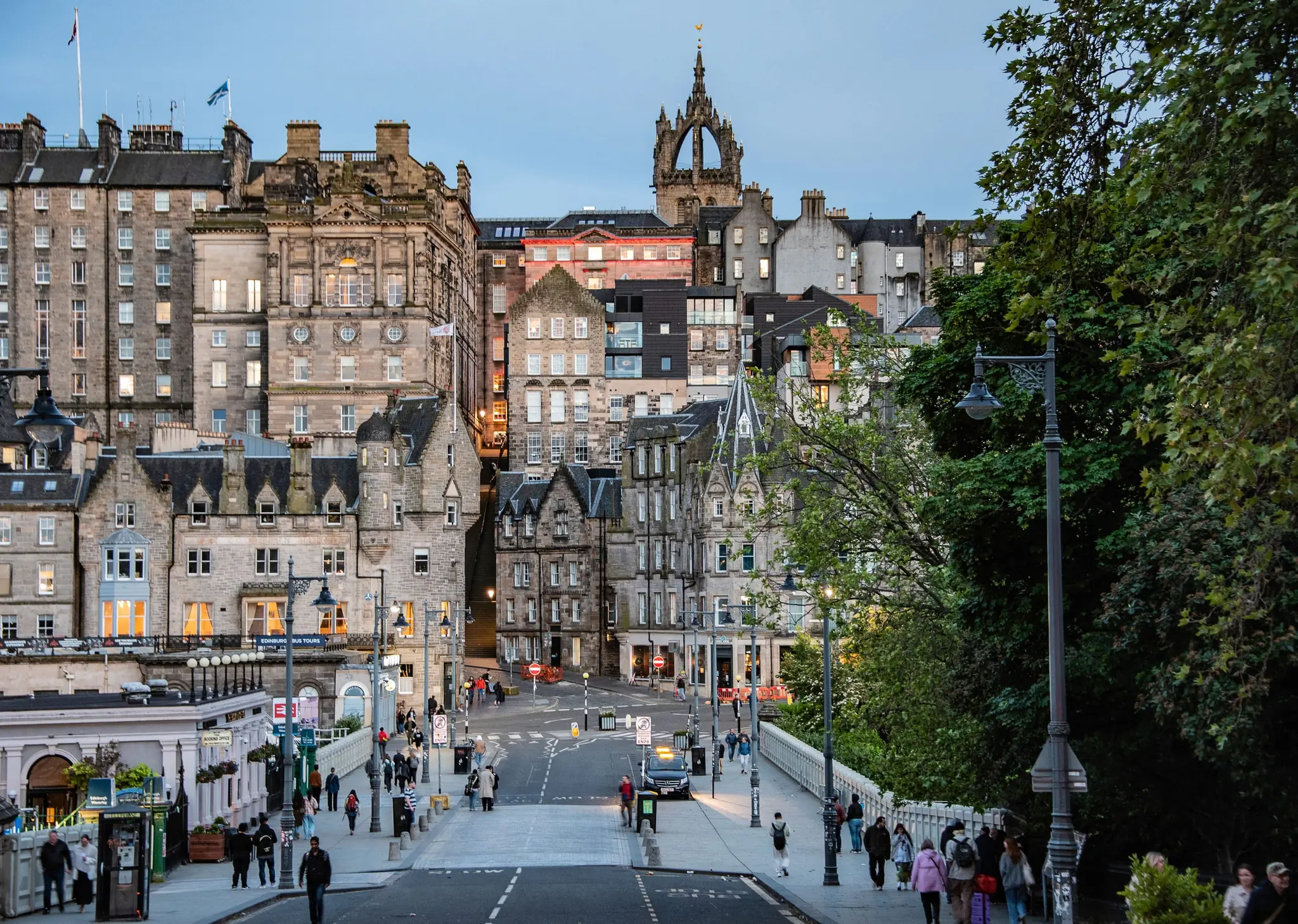
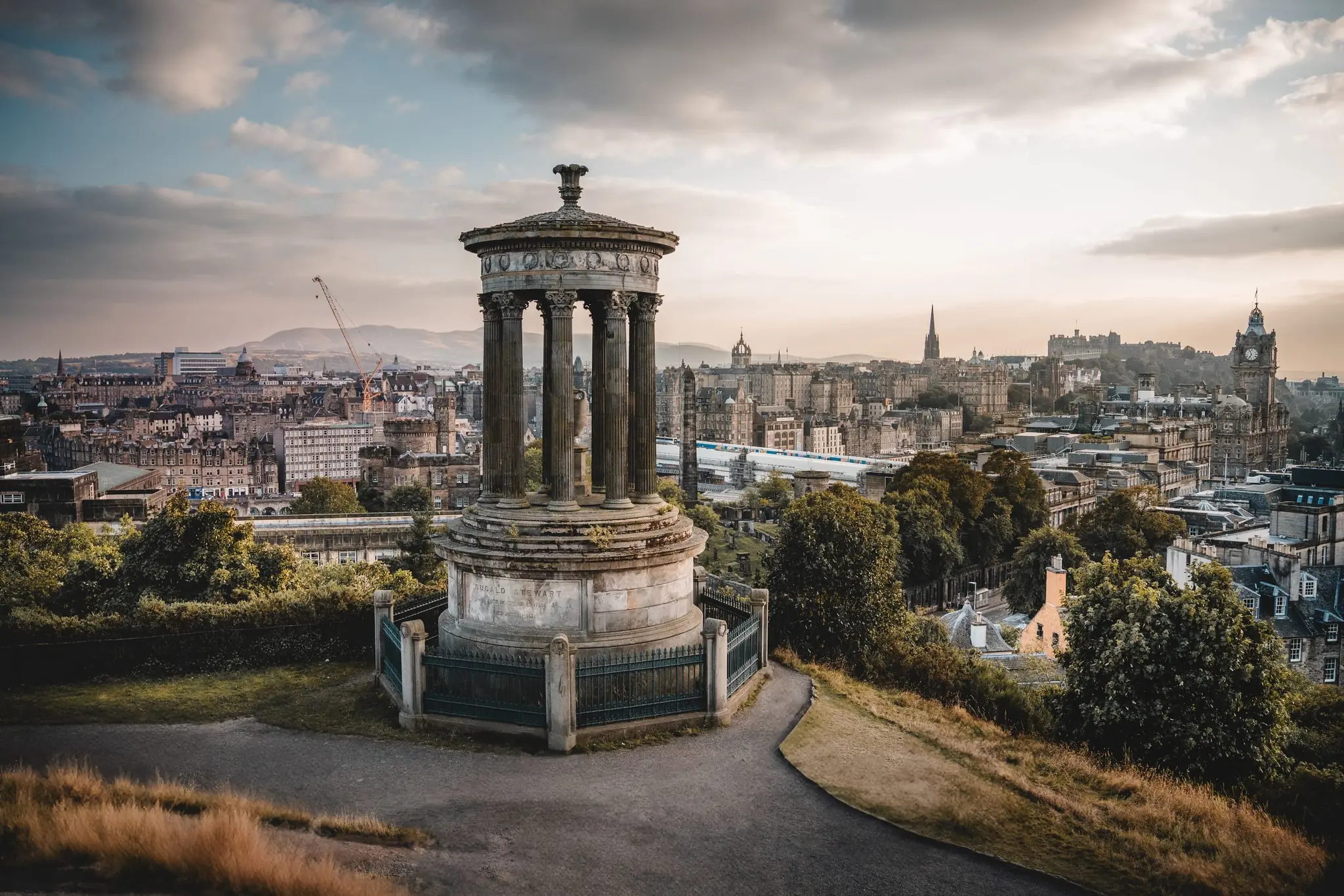
Edinburgh is a city built on two personalities: the medieval Old Town, all closes, wynds and vertical stone piled up along the Royal Mile between the castle and Holyrood, and the ordered Georgian grid of the New Town below it. Climb Arthur’s Seat, an extinct volcano right inside the city limits, for the view that explains the whole geography; spend an afternoon in the free National Museum of Scotland; and wander Dean Village and the Water of Leith when the Royal Mile gets too much. Every August the population effectively doubles for the Fringe, the world’s largest arts festival—magical if that’s what you came for, overwhelming if it isn’t.
Want to dive deeper? Check out our dedicated Edinburgh guide for neighbourhood breakdowns, festival survival tactics, and the best places to eat, drink and stay.
Glasgow – Music, Art and Attitude
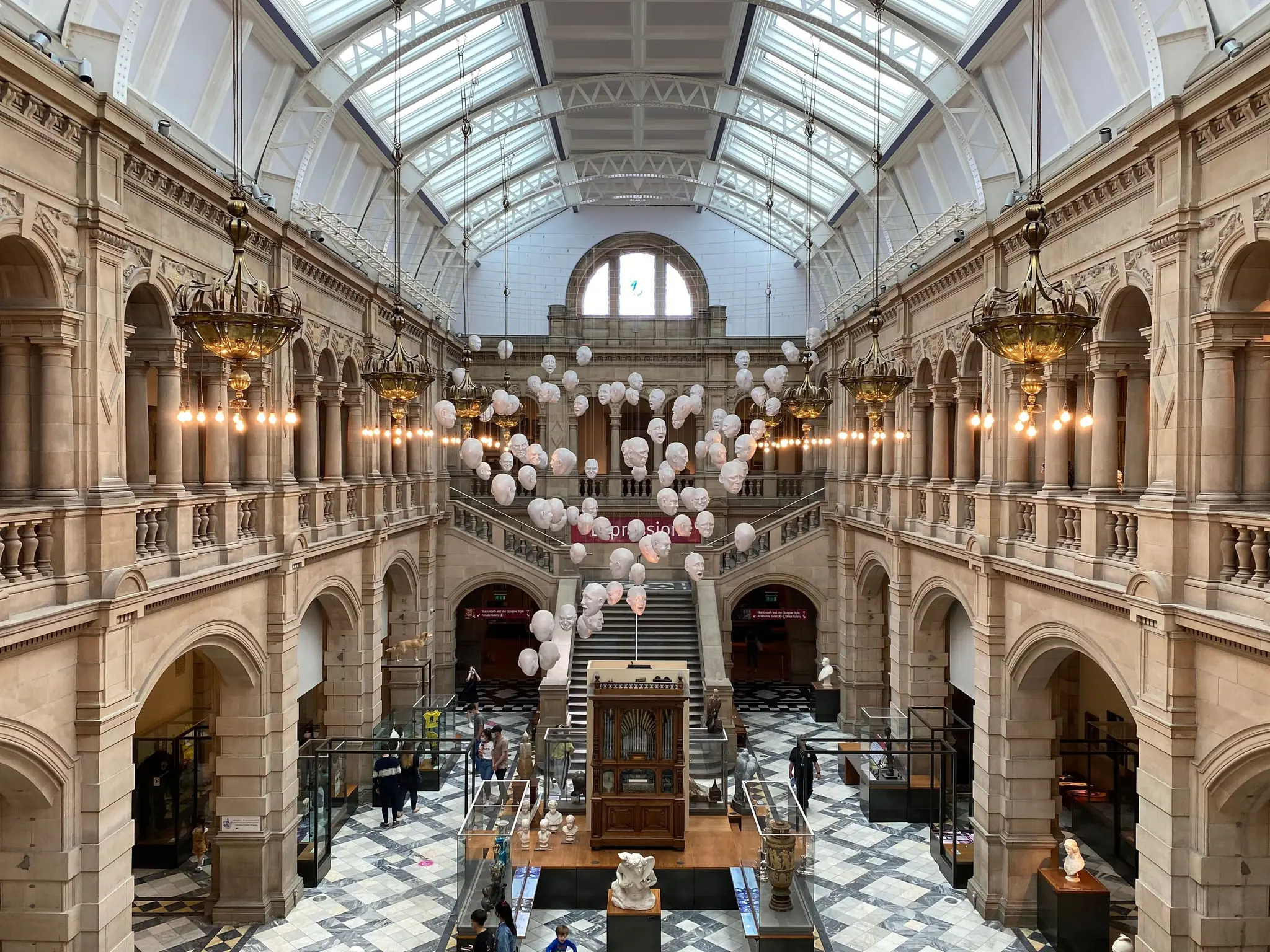
Where Edinburgh is composed, Glasgow is loud, funny and creative. It has the better music scene by a distance—a UNESCO City of Music, with live gigs any night of the week—plus a Victorian and Art Nouveau architectural legacy shaped by Charles Rennie Mackintosh. Best of all, the museums are free: Kelvingrove Art Gallery and Museum in its red sandstone palace, the Riverside Museum of transport on the Clyde, the Burrell Collection in Pollok Country Park, and GoMA in the centre. Eat in Finnieston, drink in the Merchant City, and take the subway—the little orange circle line locals call the Clockwork Orange.
Want the full picture? Our dedicated Glasgow guide covers the neighbourhoods, the free museums, the music and the day trips in detail.
The Highlands – Glens, Lochs and Big Weather
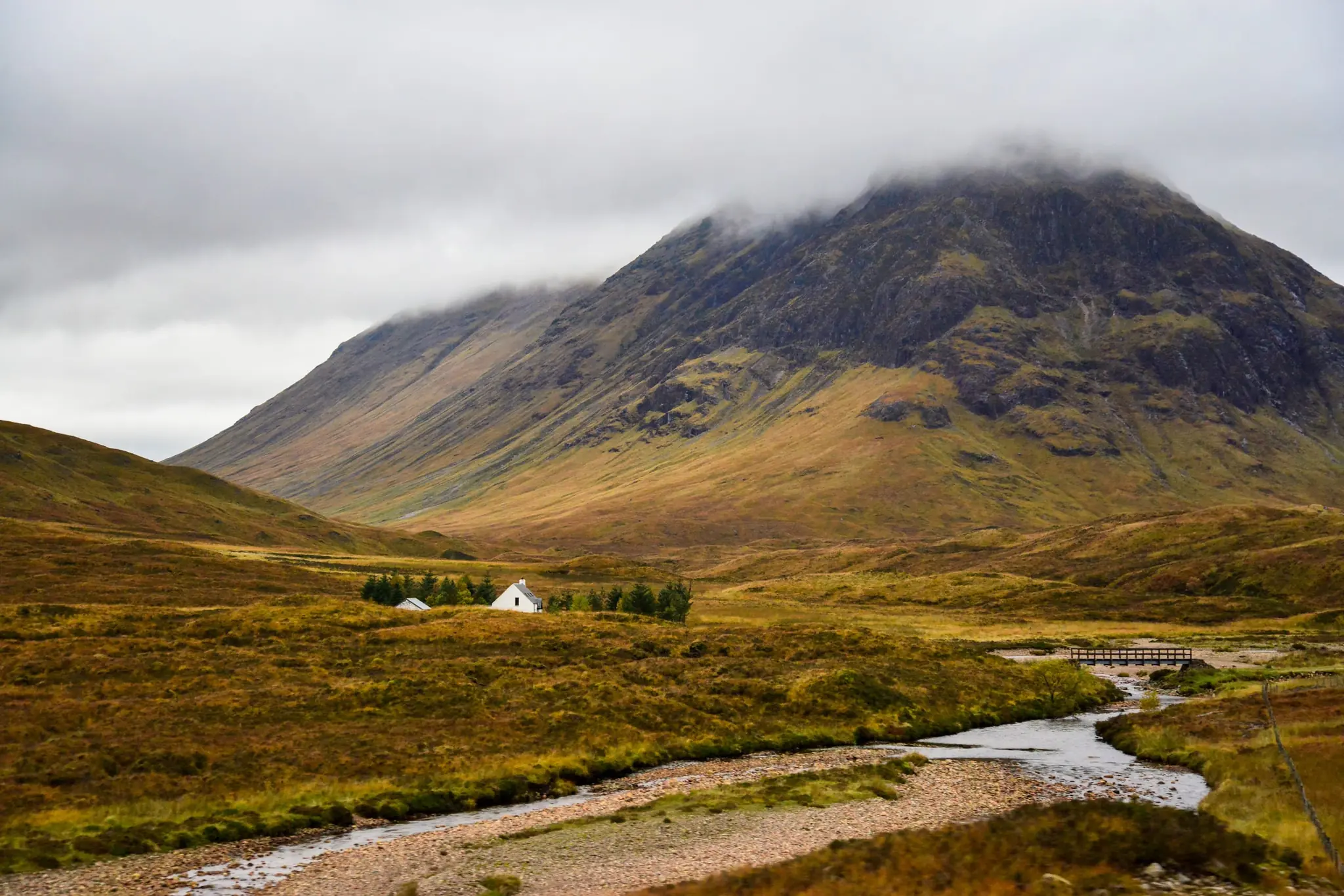
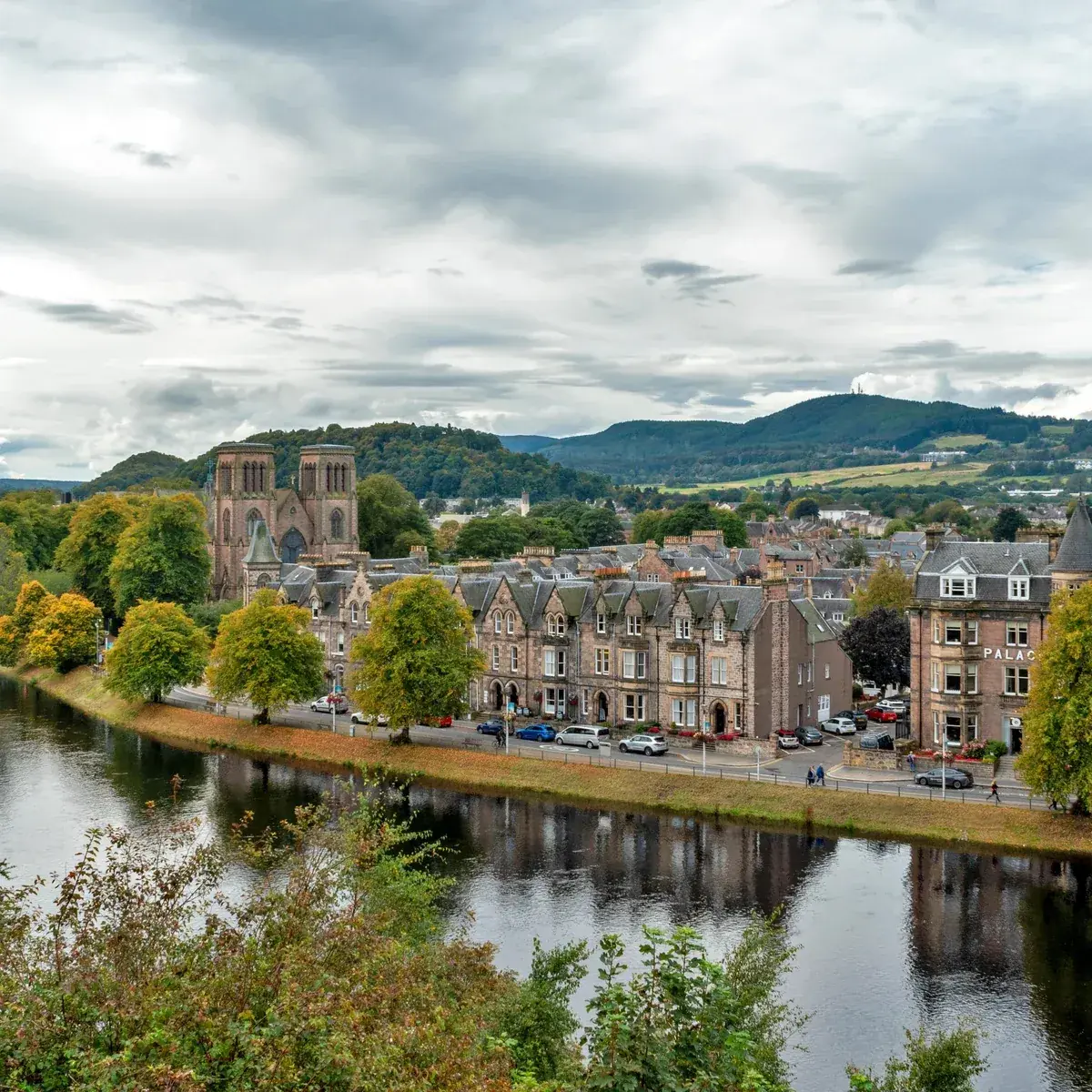
“The Highlands” covers everything north and west of the Highland Boundary Fault, and it is the reason most people come. Glencoe and Rannoch Moor deliver the drama on the A82; Fort William sits under Ben Nevis, the highest mountain in Britain at 1,345 m; Inverness is the northern hub and gateway to Loch Ness and Culloden, the moor where the 1745 Jacobite rising ended in under an hour. Further west, Torridon, Assynt and Applecross offer mountains that look far bigger than their height suggests, reached by roads that demand your full attention. It is emptier than it should be—the Clearances of the 18th and 19th centuries emptied glens that never refilled—and knowing that changes how the landscape reads.
Isle of Skye – The Big One
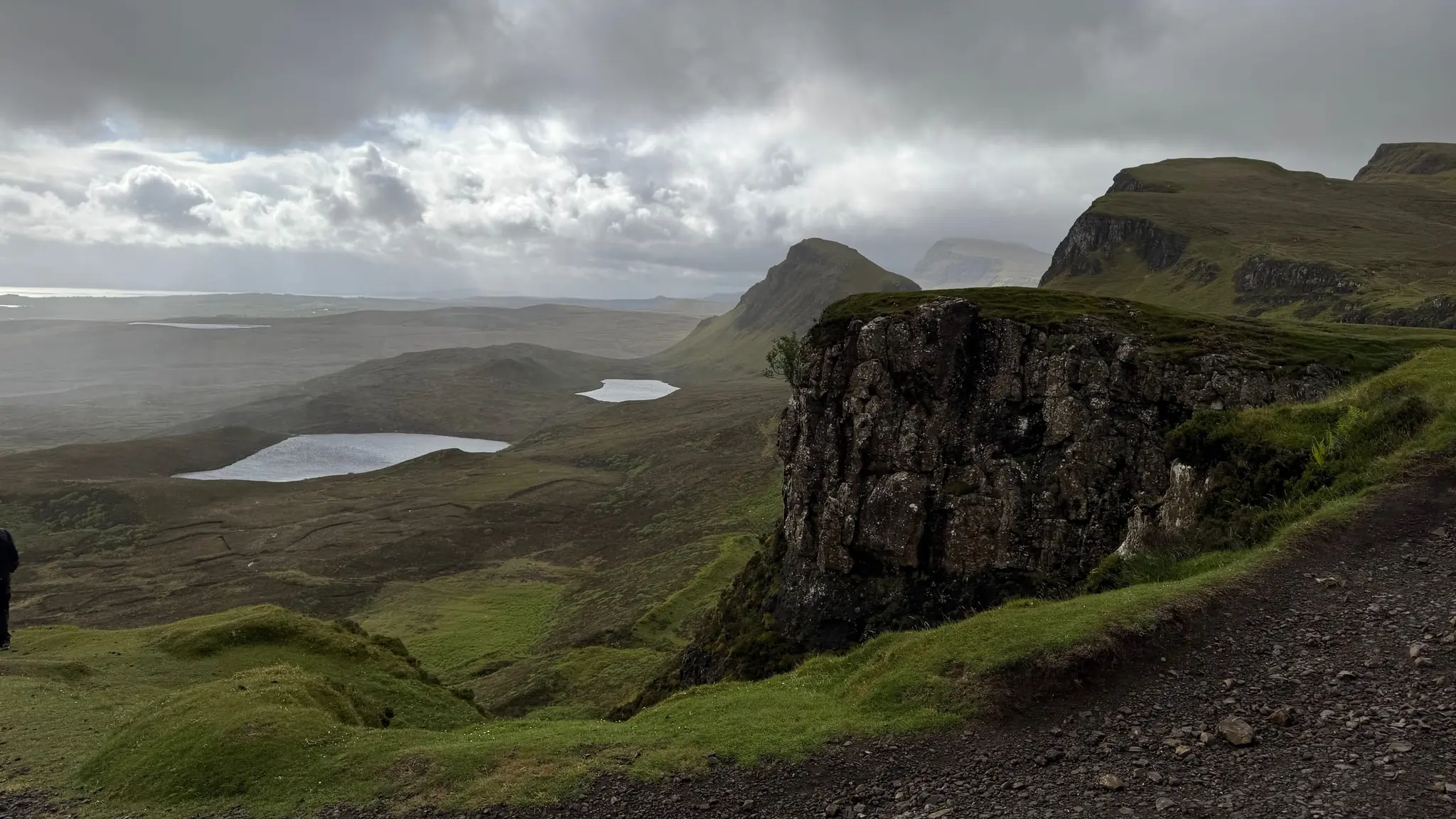
Skye is connected to the mainland by bridge, which makes it the most accessible of the big islands and by far the busiest. The landscape justifies it: the Quiraing’s collapsing landslip terraces, the Old Man of Storr, the black gabbro wall of the Cuillin ridge, the Fairy Pools below Glen Brittle, and the lighthouse road out to Neist Point for sunsets over the Minch. Portree’s harbour of coloured houses is the island’s hub, and its restaurants and rooms book out months ahead in summer.
Skye reality check: the roads are narrow, the popular car parks now charge (the Fairy Pools around £5) and fill by mid-morning, and accommodation is scarce and expensive June to August. Stay at least two nights, start early, and consider Raasay, Mull or the Outer Hebrides if you want the same landscape with a fraction of the traffic.
The Outer Hebrides – Beaches at the Edge
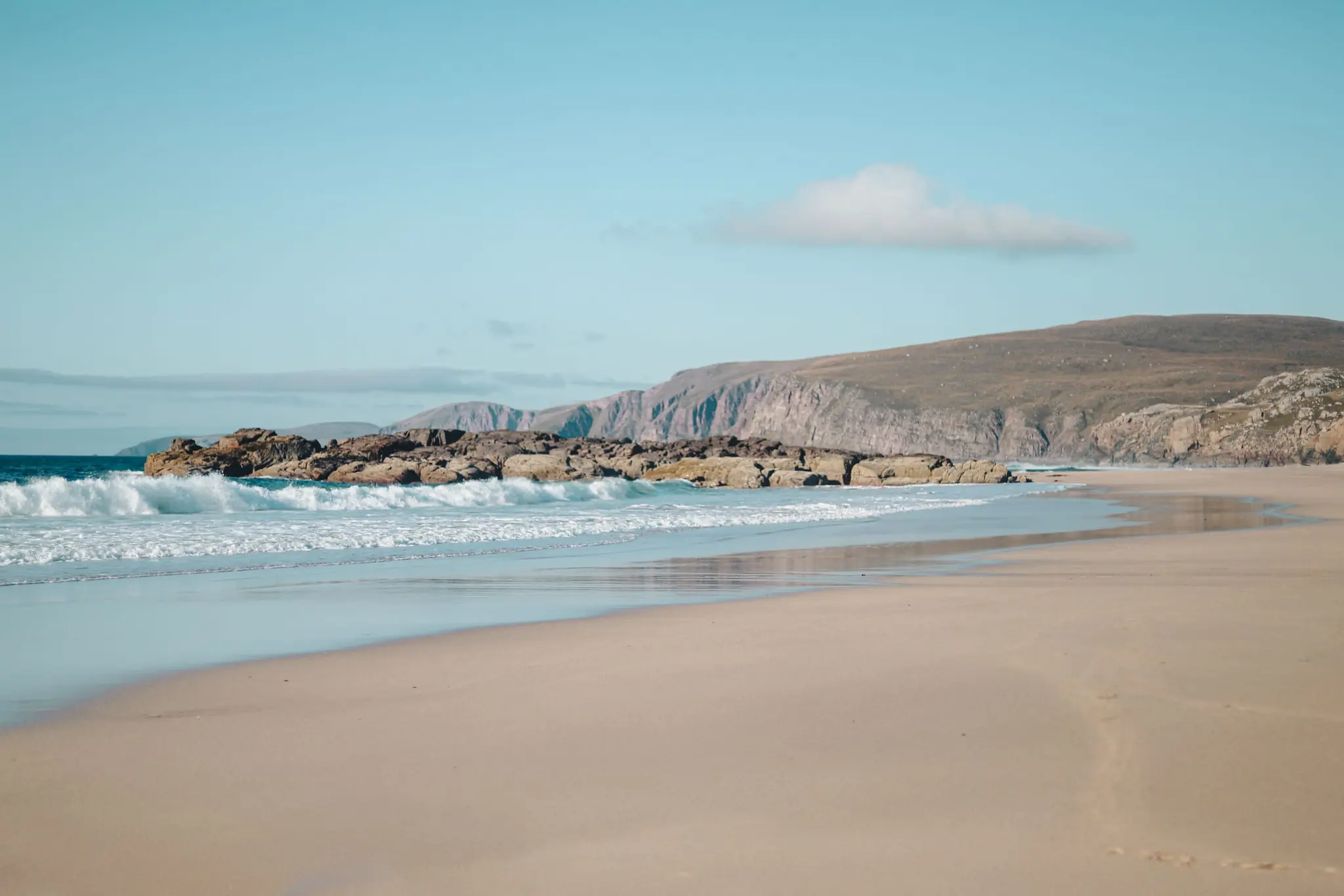
A 130-mile chain of islands strung down the Atlantic edge, connected by causeways and short ferries, where Gaelic is still spoken daily and the beaches are genuinely tropical-looking right up until you put a foot in the water. Lewis has the Calanais Standing Stones—5,000 years old, and recently reopened with a much-expanded visitor centre—plus the restored blackhouses at Gearrannan. Harris has Luskentyre and Seilebost, two of the finest beaches in Europe, and the tweed woven in island homes. North and South Uist, Benbecula and Barra get progressively quieter; Barra’s planes still land on the beach at low tide. Sundays remain observed in the northern isles of the chain—plan food and fuel accordingly.
The Cairngorms and Speyside – Mountains and Malt
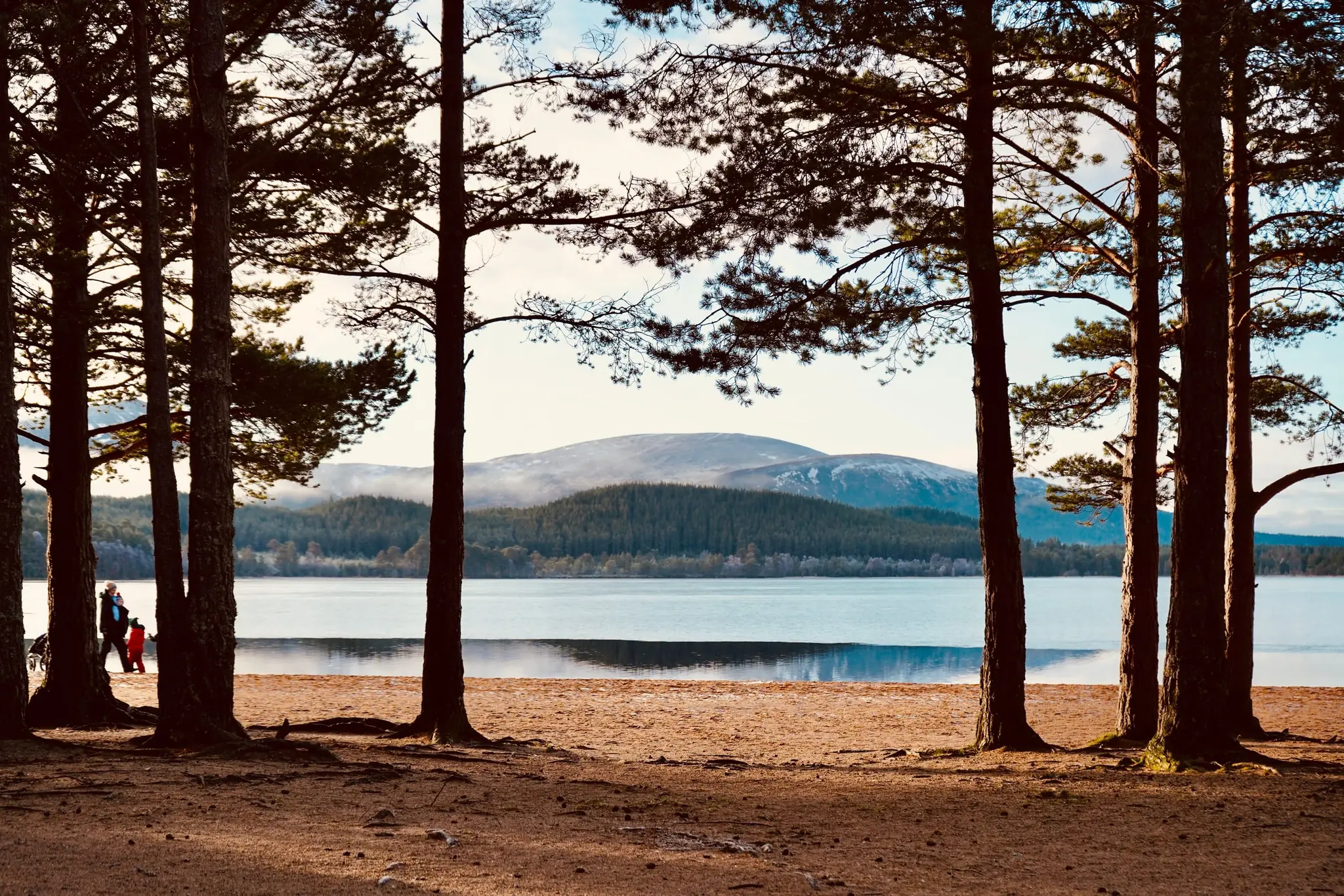
The Cairngorms National Park is the largest in the UK, over 4,500 square kilometres of high plateau, ancient Caledonian pine forest and river valley. Aviemore is the base: hike or take the funicular railway up Cairn Gorm, walk the flat loop around Loch an Eilein past its island castle, and meet Britain’s only free-ranging reindeer herd on a guided hill walk. Drop northeast down the Spey and you’re in Speyside, the densest concentration of whisky distilleries on earth, where the Malt Whisky Trail links eight distilleries and a working cooperage.
Orkney and Shetland – The Northern Isles
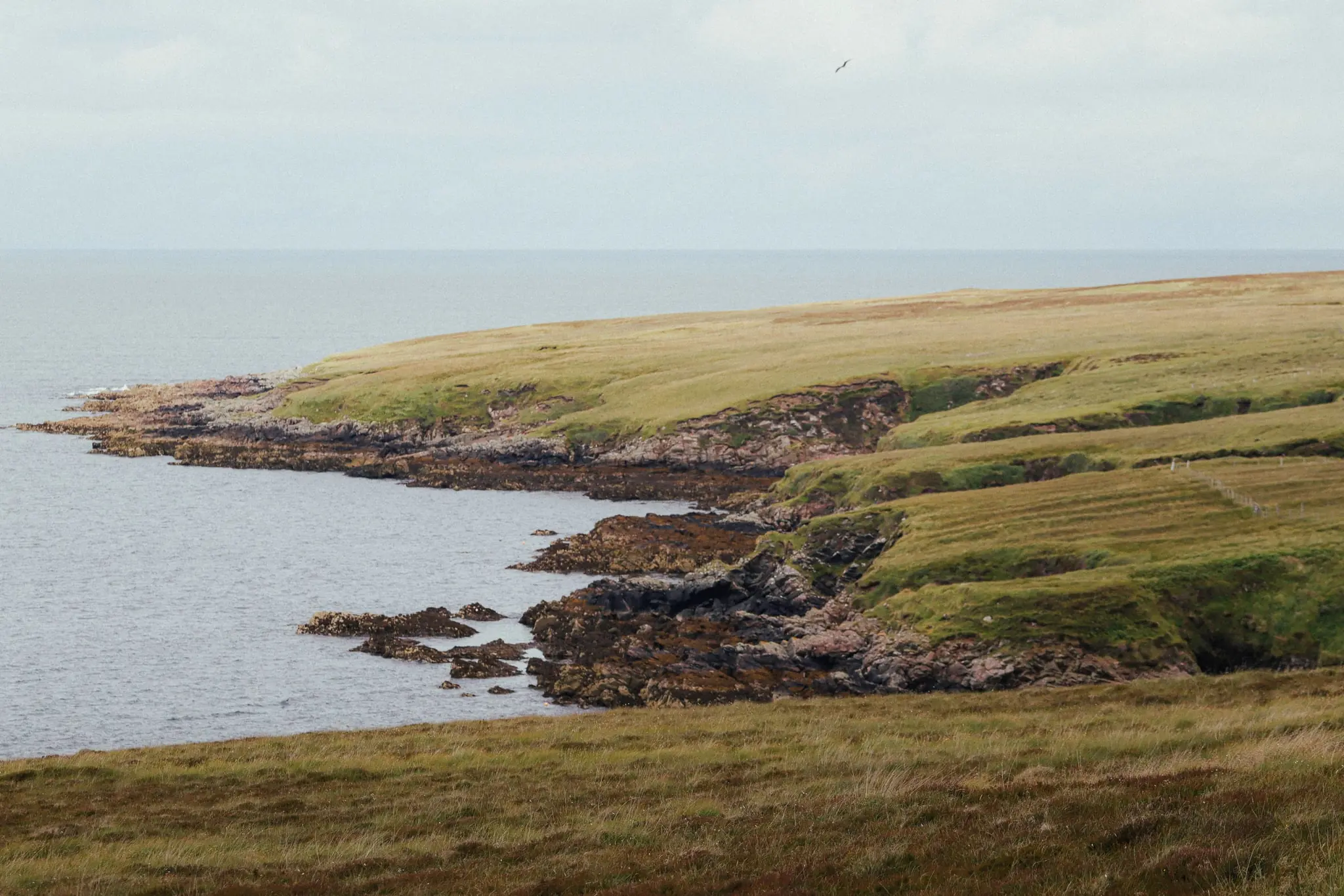
These are not simply “more islands”—they’re a different culture, Norse rather than Gaelic, and they feel it. Orkney is green, fertile and extraordinarily rich in prehistory: Skara Brae, the Ring of Brodgar, the chambered tomb of Maeshowe, plus the sunken WWI German fleet in Scapa Flow and the Italian Chapel built by prisoners of war. Shetland, another 12 hours north by ferry from Aberdeen, is starker and wilder—cliffs, puffins in early summer, Iron Age brochs, and in January the fire festival of Up Helly Aa. Both are effectively midge-free, which is not nothing.
The Borders, Fife and the East Coast
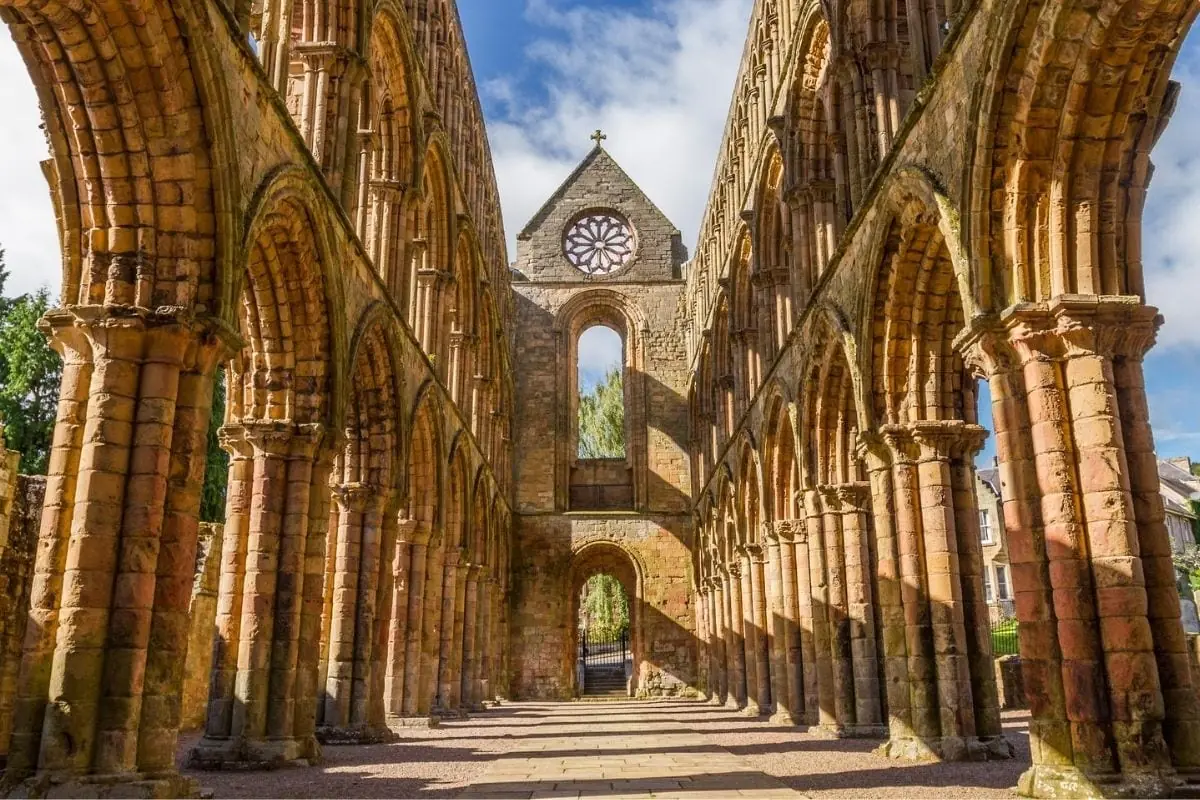
The south and east are where most visitors run out of time, which is exactly why they’re worth a day. The Scottish Borders hold four great ruined abbeys—Melrose, Dryburgh, Jedburgh and Kelso—plus Abbotsford, the fantasy house Sir Walter Scott built for himself, all reachable on the Borders Railway from Edinburgh. Across the Forth, Fife has the golf and grey stone of St Andrews and a string of pretty fishing villages along the East Neuk. Further north, Dundee has reinvented itself around the waterfront V&A Dundee design museum, and the granite of Aberdeen gives way to the castle country of Royal Deeside.
Food & Drink
Scottish food has quietly become very good indeed. The raw materials were always exceptional—langoustines and scallops off the west coast, beef and venison and lamb off the hills, soft fruit from Perthshire—and the last two decades have seen a generation of cooks stop apologising and start using them properly. Alongside that sits the traditional stuff, which is heartier, cheaper and more fun than its reputation.
Must-Try Dishes

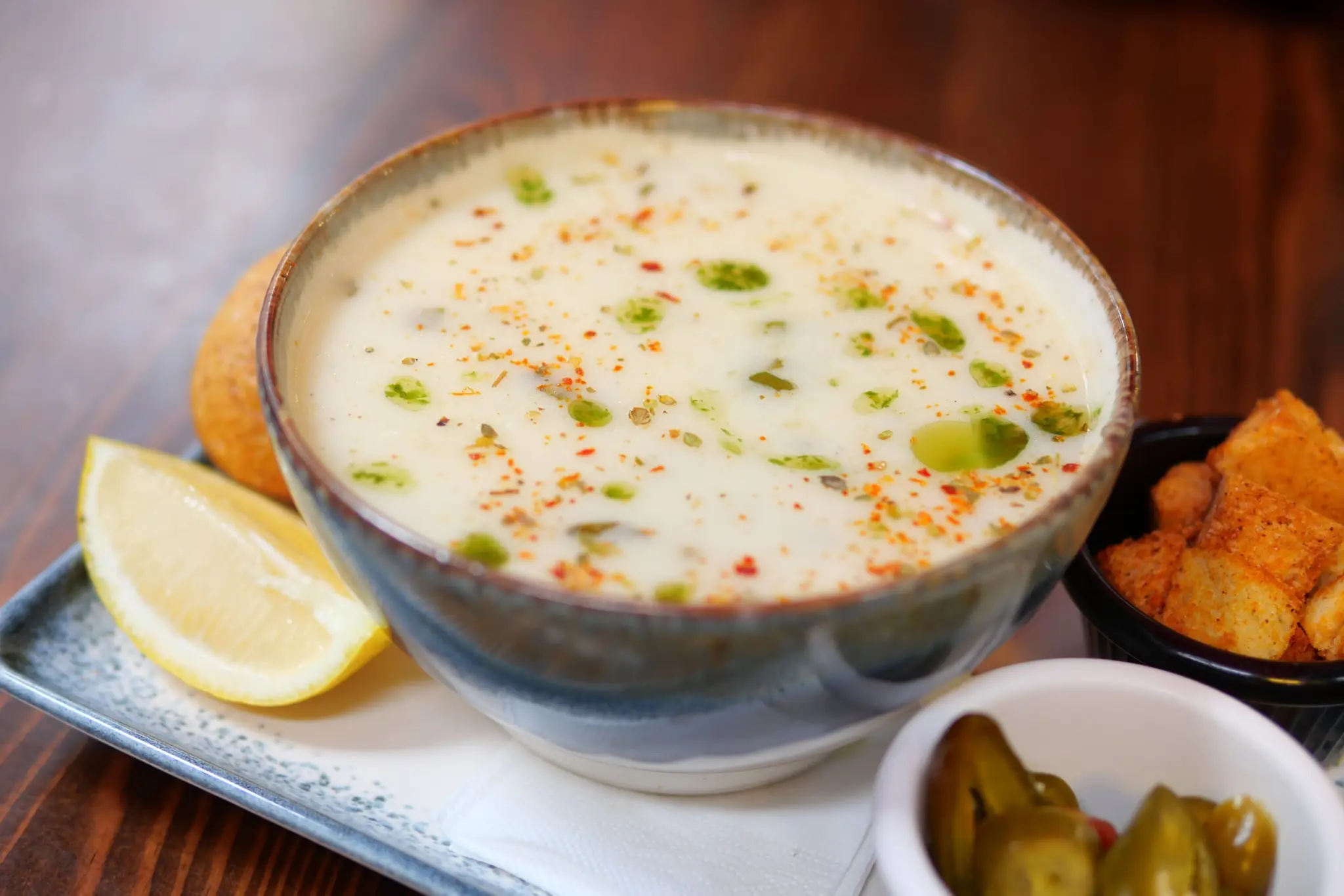
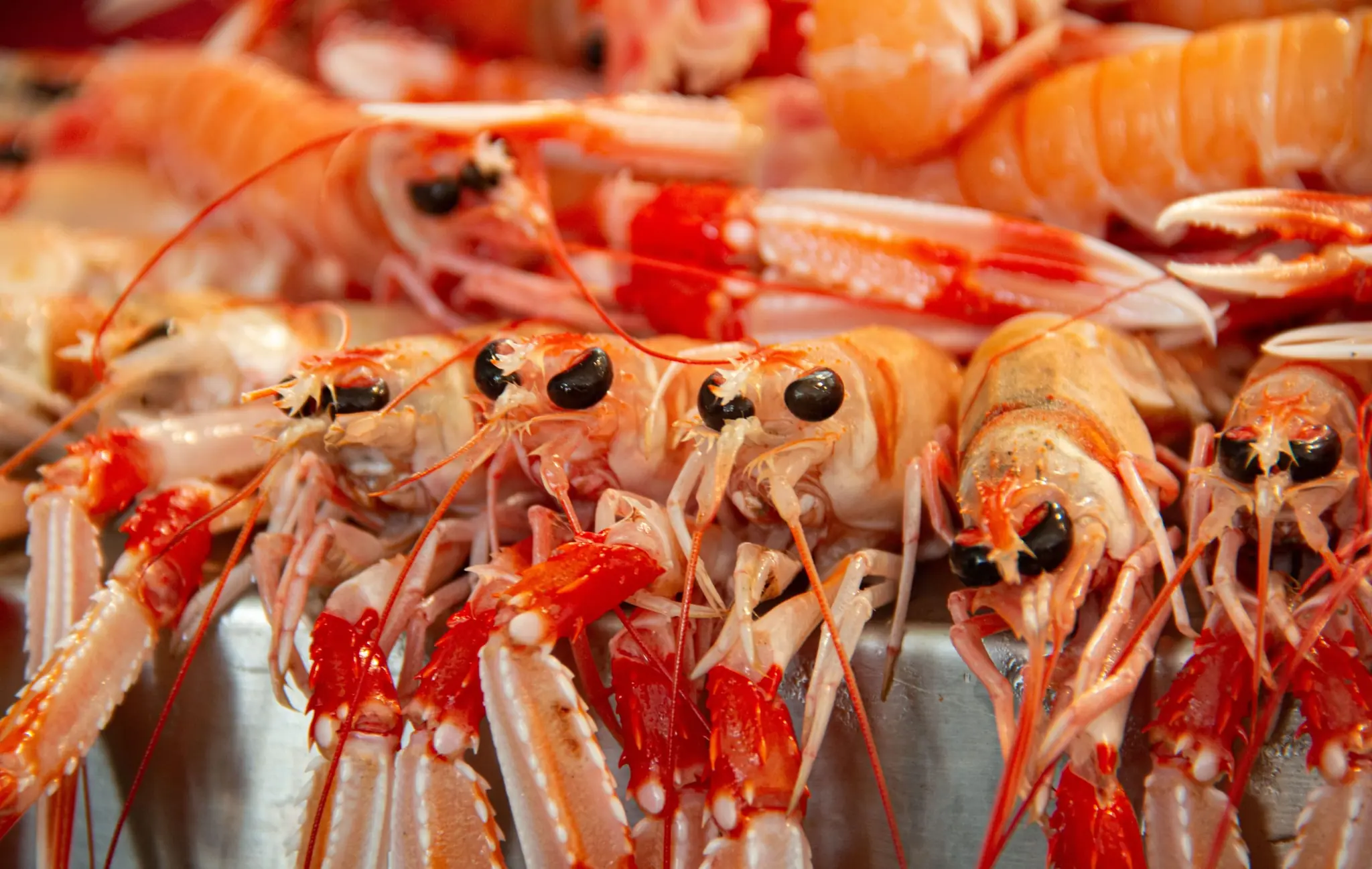
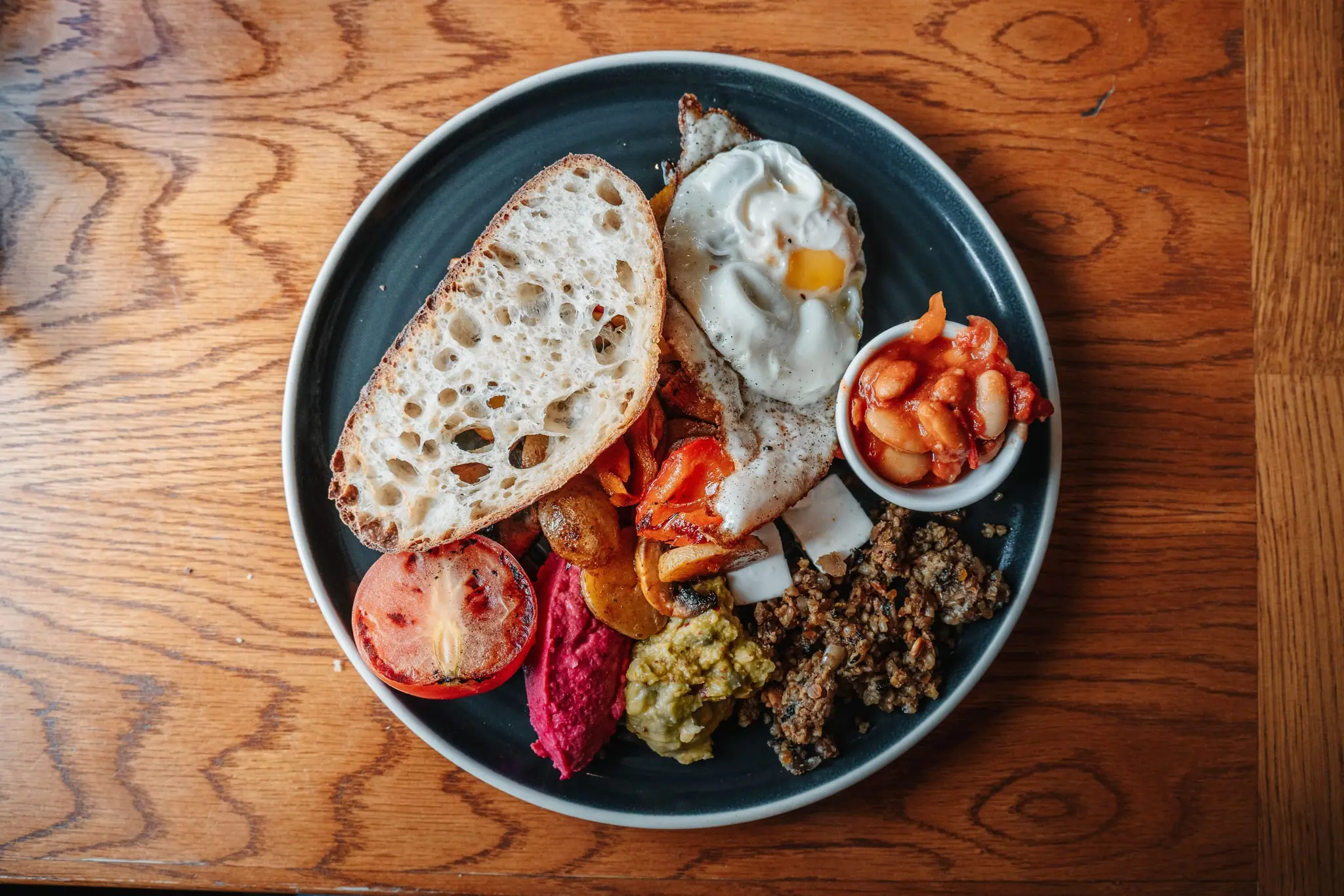
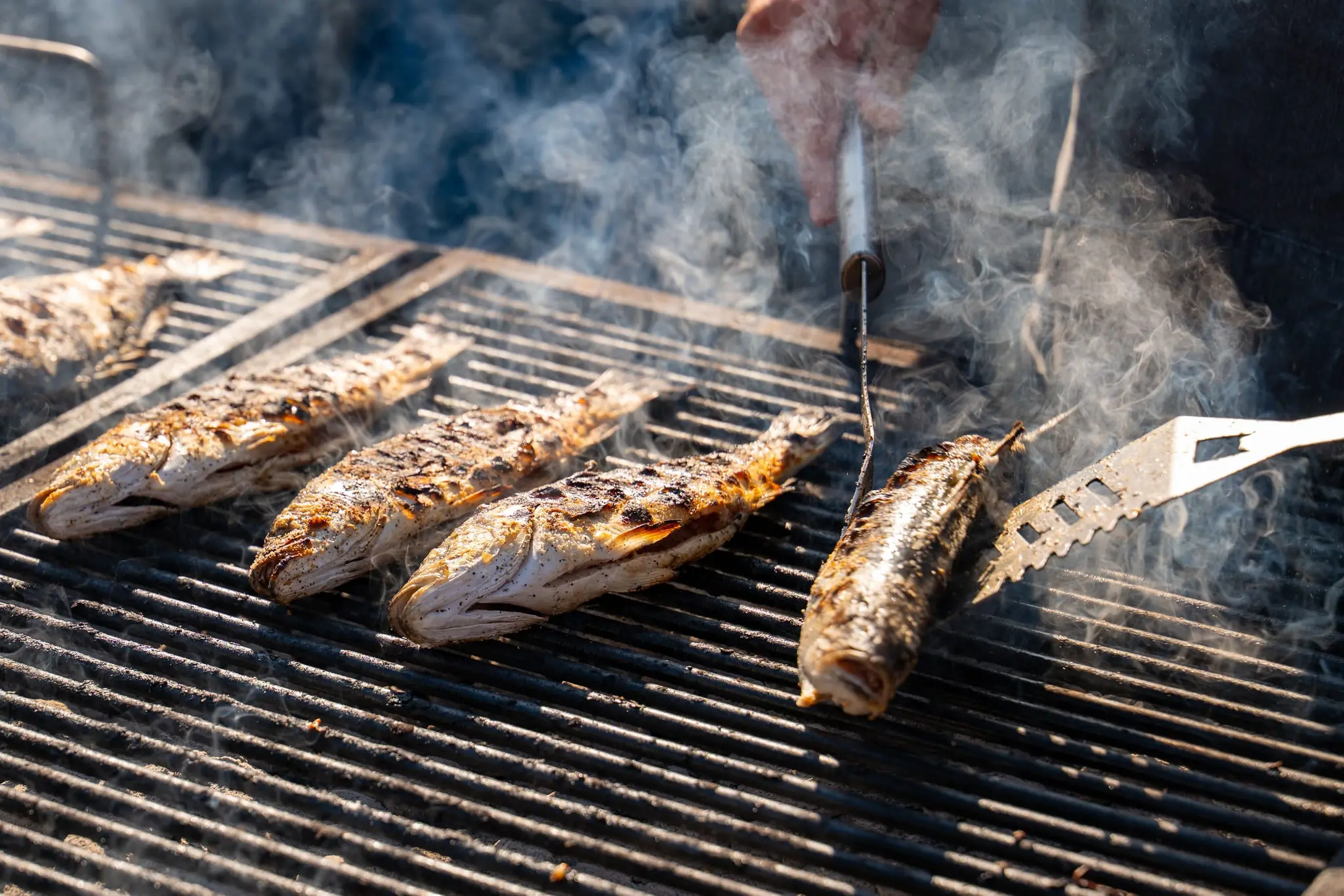
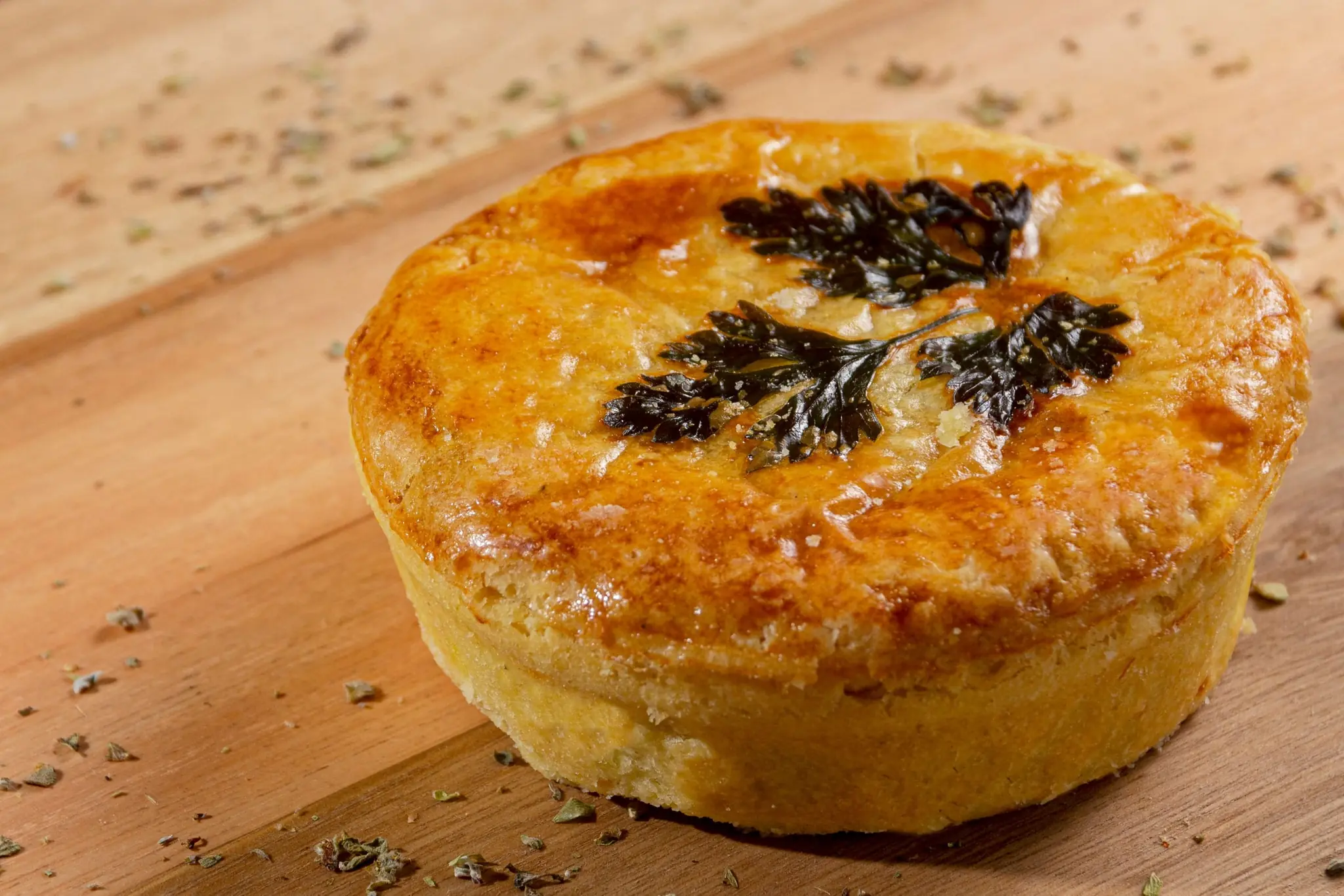
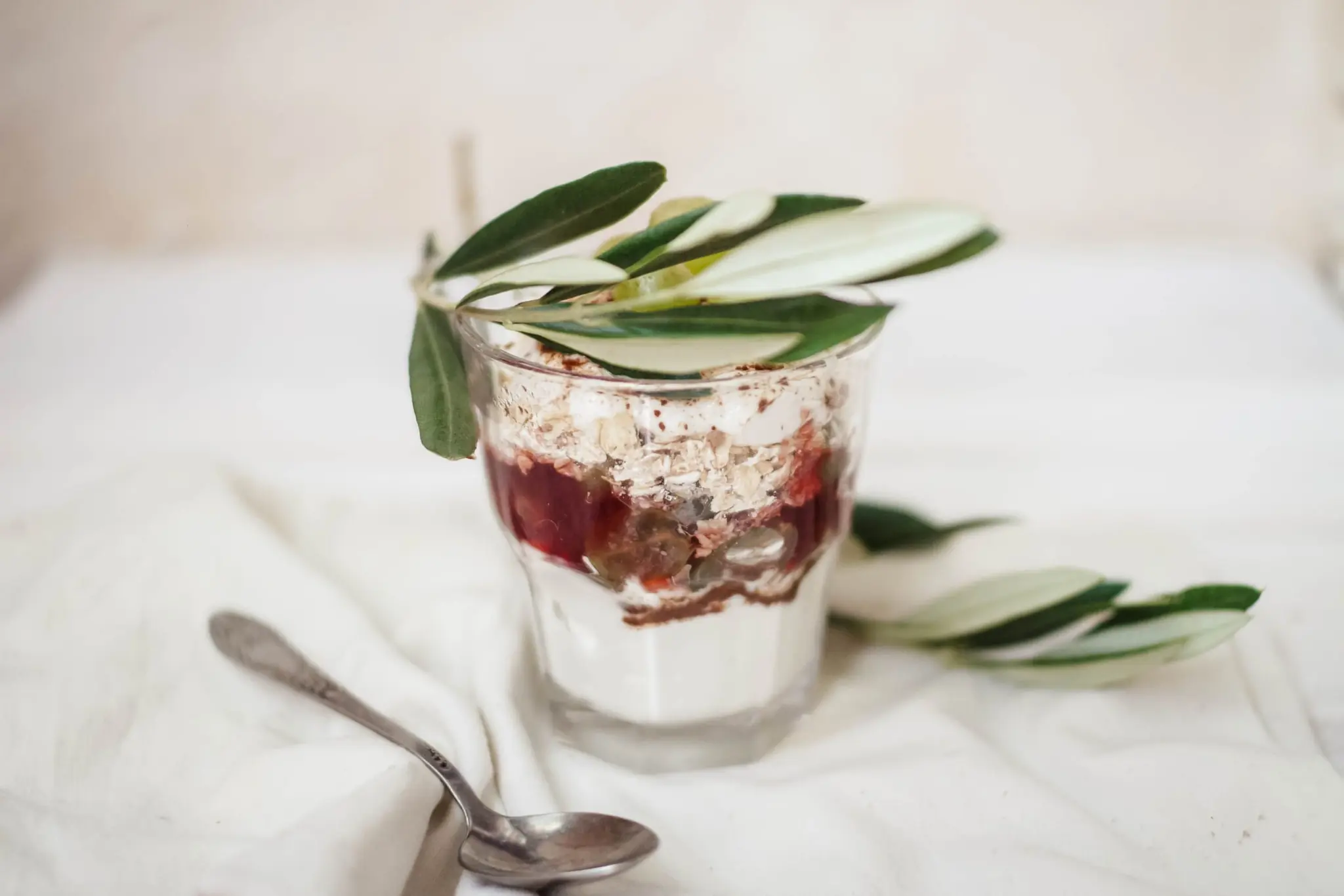
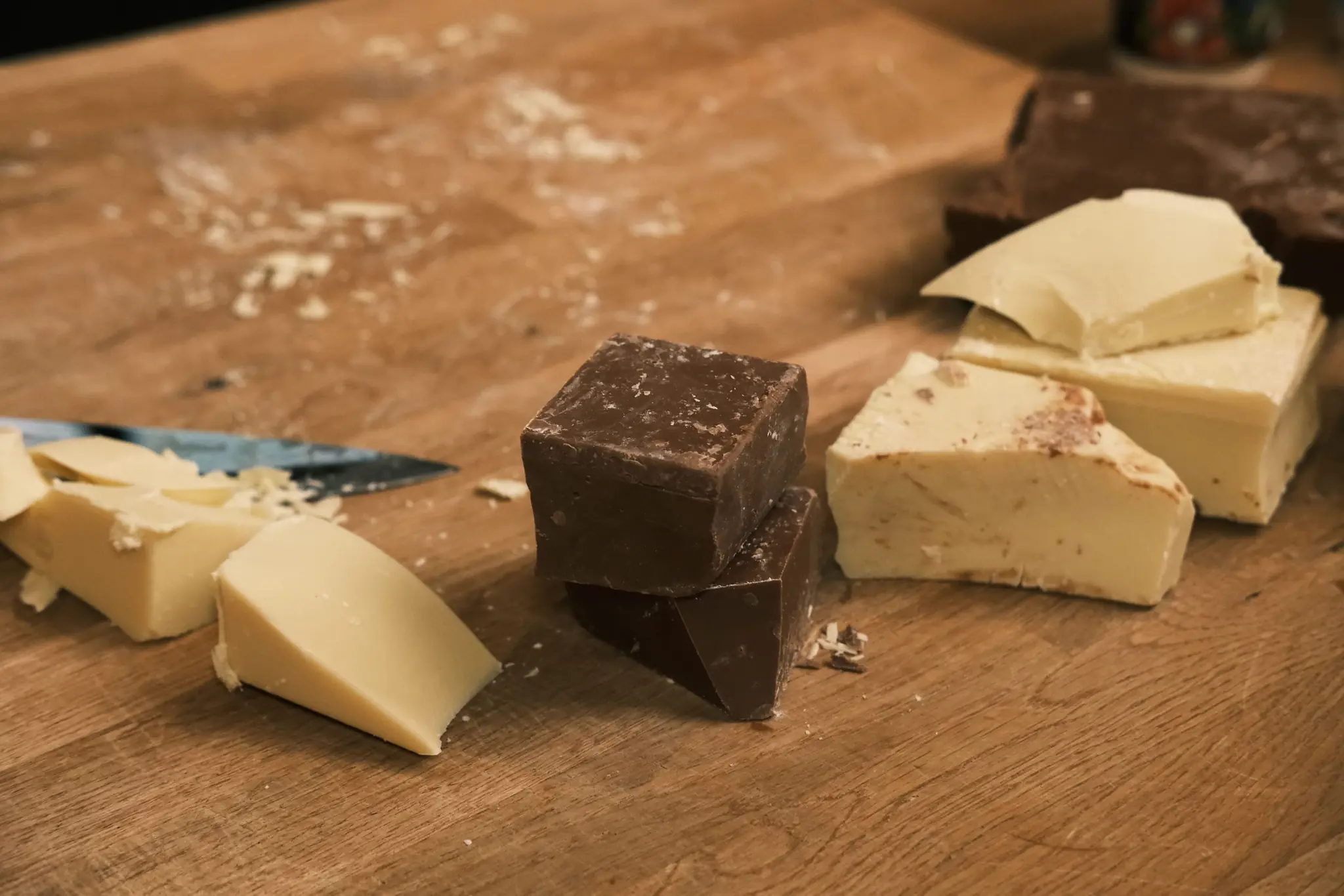
Tip: pub kitchens in small towns and villages often stop serving food around 20:00–21:00, earlier on Sundays and out of season. Eat before you drink, or book a table—turning up hungry at 9pm in a Highland village rarely ends well.
Whisky: The Five Regions
Scotch whisky is protected by law, must be matured in Scotland for at least three years, and is divided into five official regions—each with a broad house style, though every distillery breaks the rules somewhere.
- Speyside — the heartland, with more distilleries than anywhere else. Generally lighter, sweeter, fruity and sherry-influenced; the Malt Whisky Trail links eight of them plus a working cooperage.
- Islay — peat, smoke, iodine and sea air. The most polarising and most fiercely loved whiskies in Scotland.
- Highland — the largest and least consistent region by geography, running from coastal and briny in the far north to rich and heathery inland.
- Lowland — softer, grassier and lighter, historically triple-distilled, and easy to reach on a day trip from Edinburgh or Glasgow.
- Campbeltown — once home to dozens of distilleries, now a tiny protected locality on the Kintyre peninsula producing distinctive, slightly oily, maritime malts.
- Book distillery tours ahead. Entry-level tours start around £10–£25 and include a tasting; premium warehouse experiences run well over £100. Summer slots at the famous names go weeks in advance.
- Driving? Scotland’s drink-drive limit is lower than England’s, and effectively means no alcohol at all before driving. Every distillery will give you a “driver’s dram” to take away in a small bottle instead—just ask.
- Beyond whisky, Scotland now has a huge gin industry, excellent independent breweries, and a growing cider and non-alcoholic scene.
Region-by-region background is on the Scotch Whisky Association site, and Speyside itineraries are on the Malt Whisky Trail.
Outdoors & Hiking
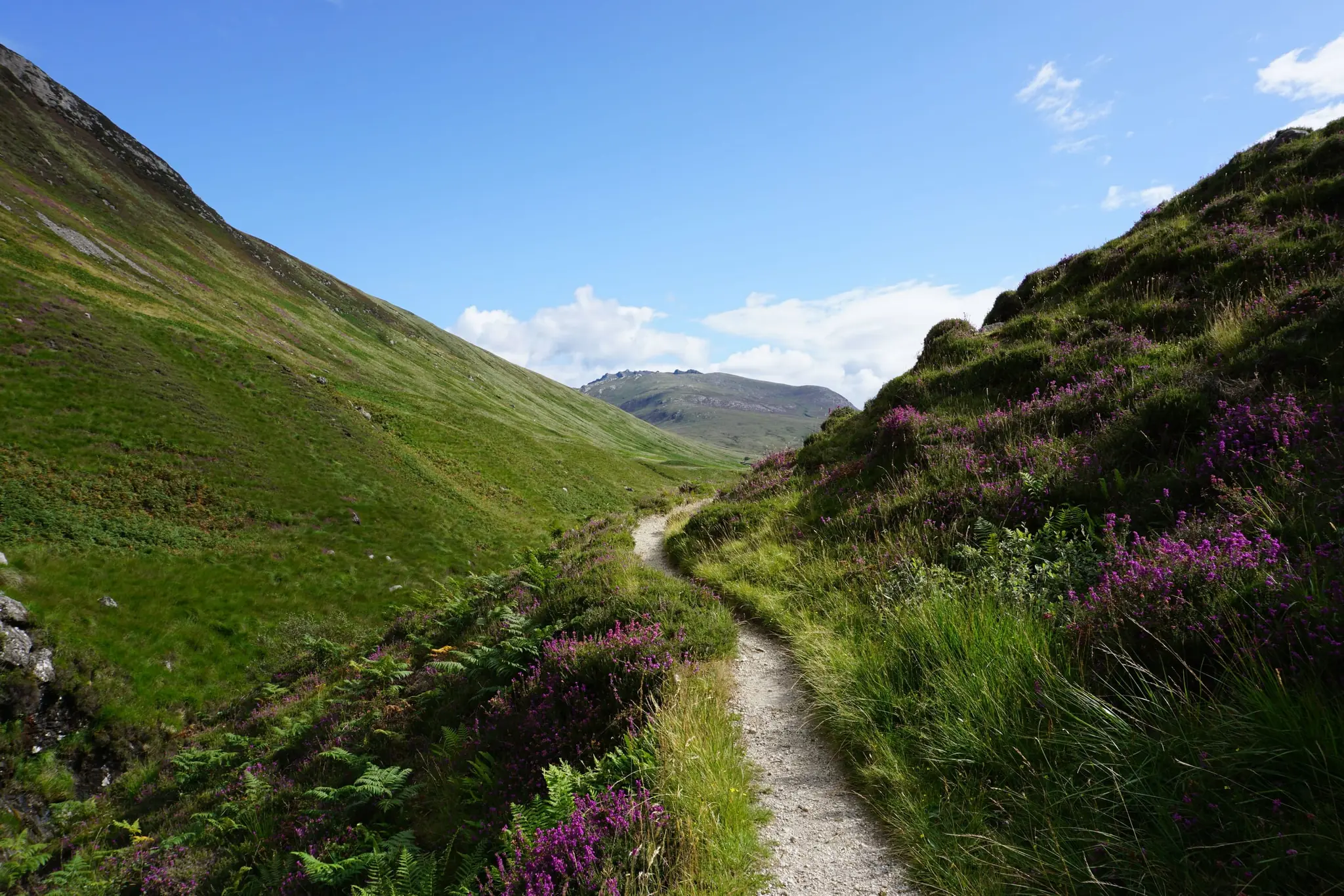
Scotland has something almost no other European country offers: a statutory right of responsible access to nearly all land and inland water. You can walk, cycle, canoe and wild camp across hills, forests and beaches, provided you do it responsibly—and that freedom shapes how the whole country uses its outdoors.
The Scottish Outdoor Access Code
The Land Reform (Scotland) Act 2003 established access rights, and the Scottish Outdoor Access Code sets out how to exercise them. It rests on three principles: take responsibility for your own actions, respect the interests of other people, and care for the environment.
Munros and Hill Walking
A Munro is a Scottish mountain over 3,000 feet (914.4 m) on the Scottish Mountaineering Club’s official list. There are 282 of them, and working through the list—“Munro bagging”—is a national pastime with its own vocabulary, etiquette and finishing rituals.
- Ben Nevis (1,345 m) is the highest and busiest. The Mountain Track from Glen Nevis is a long, relentless slog rather than a technical climb—allow 7 to 9 hours and expect cloud at the top most days.
- Easier first Munros include Ben Lomond above Loch Lomond, Schiehallion in Perthshire and Cairn Gorm near Aviemore.
- Deer stalking runs roughly July to February on many estates. Paths stay open, but check estate notices before heading off-path in autumn.
- Scottish mountains are small but serious. Weather changes in minutes, navigation above 800 m is often in cloud, and rescue callouts spike every summer. Carry a map and compass (and know how to use them), waterproofs, food and a headtorch.
The Long-Distance Routes
- The West Highland Way — 96 miles from Milngavie on Glasgow’s edge to Fort William, along Loch Lomond, across Rannoch Moor and past Glencoe. Typically walked in seven or eight days; the country’s most popular long-distance path, and book beds early.
- The Great Glen Way — 79 miles from Fort William to Inverness along the Caledonian Canal and Loch Ness, flatter and gentler, walkable or cyclable.
- The Cape Wrath Trail — unwaymarked, roughly 200 miles from Fort William to Britain’s northwest tip, and the hardest walk in the UK. Serious navigation and self-sufficiency required.
- The John Muir Way and Fife Coastal Path — lower-level coastal routes that make excellent multi-day walks without the mountain commitment.
Route descriptions, grades and conditions for almost every hill in the country are on Walkhighlands, with safety and skills guidance from Mountaineering Scotland. Full access guidance is at the Scottish Outdoor Access Code.
Seasons, Weather & Midges
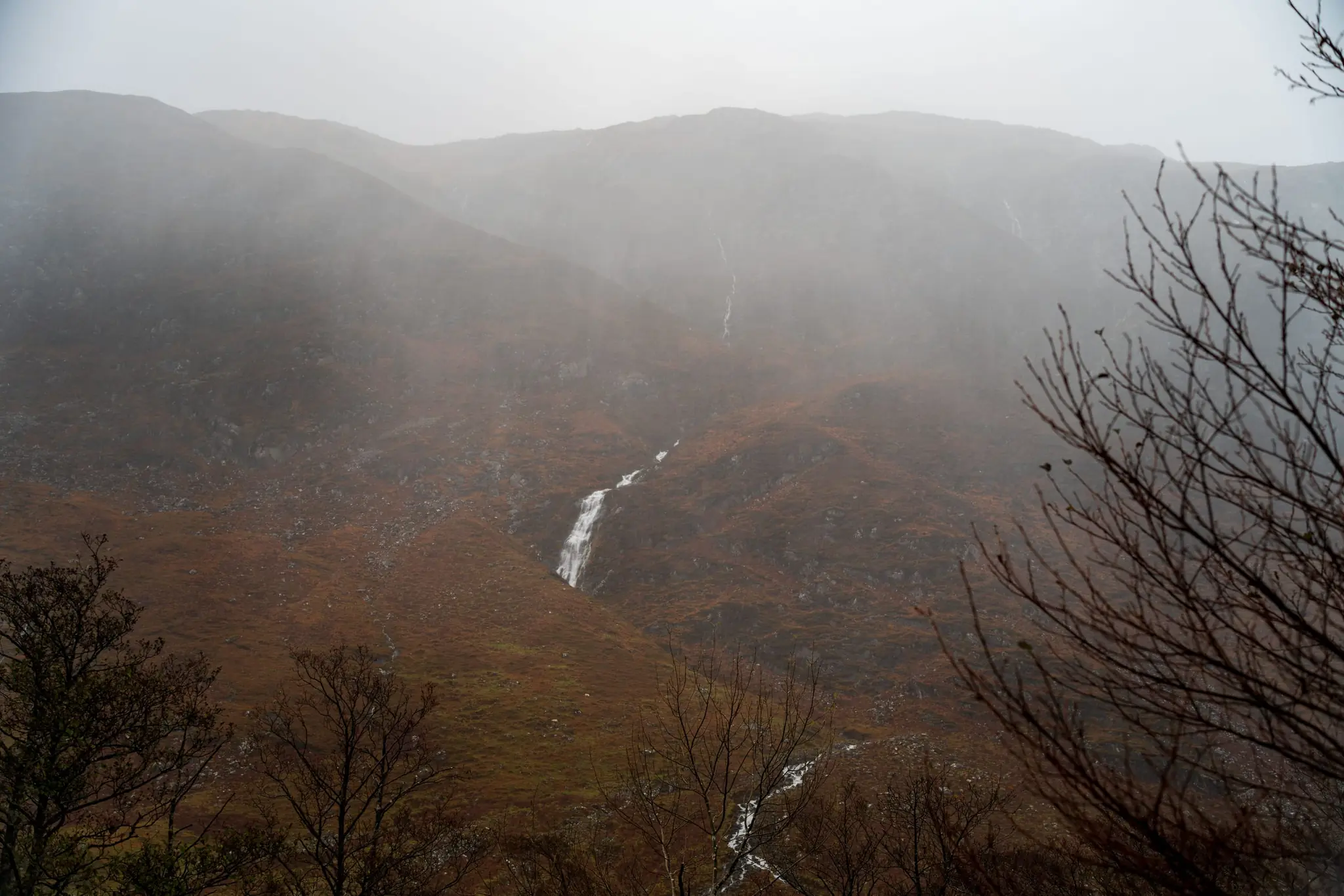
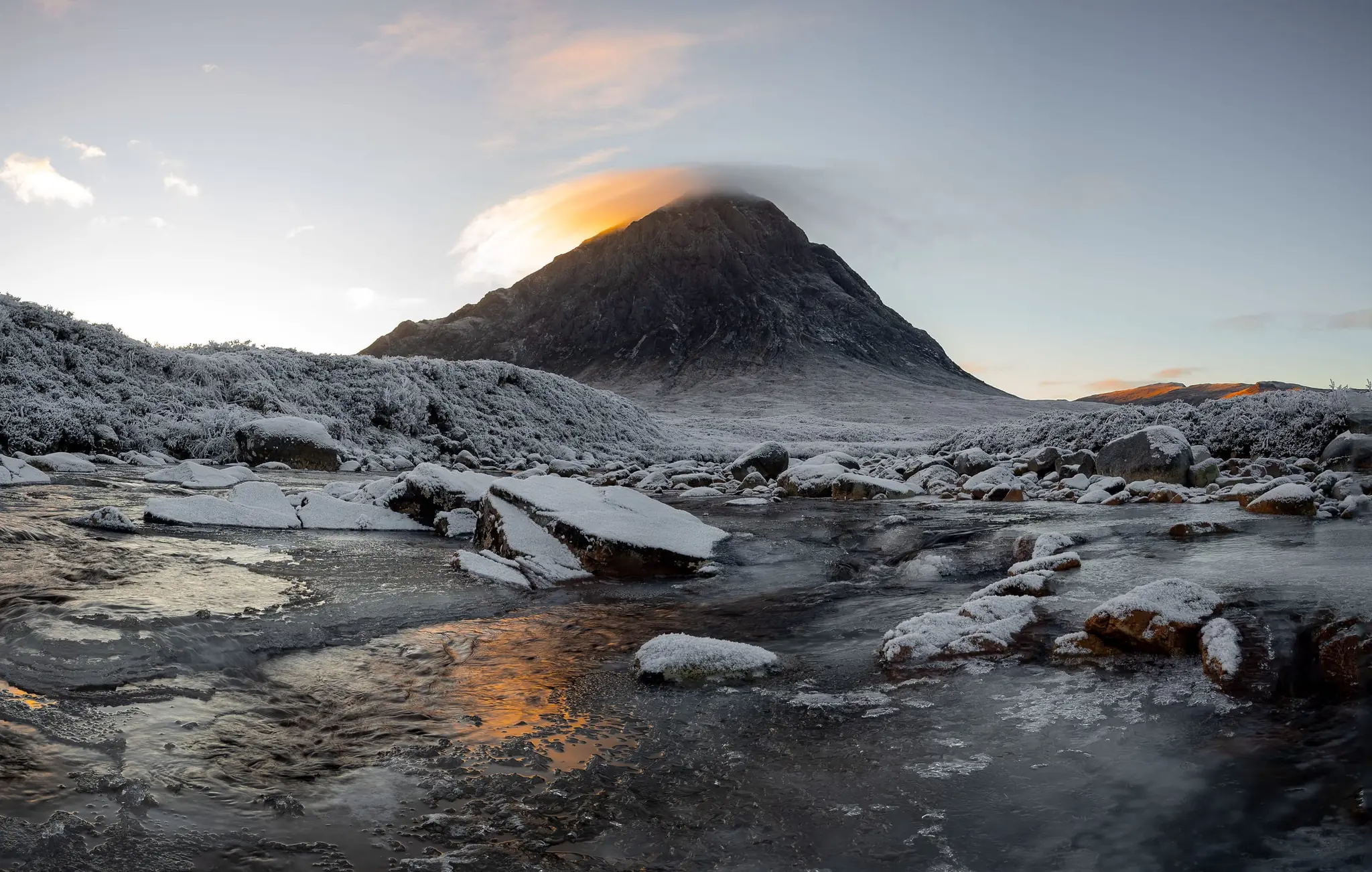
Scotland’s weather is changeable rather than extreme: summer highs average around 17°C and hard winter cold is mostly confined to the hills. What really varies by season is daylight and midges. In June the far north gets close to 18 hours of light and never goes fully dark; in December you may have barely 7 hours, which quietly rewrites how much you can fit into a day.
Midges: The Honest Version
The Highland midge is a biting fly barely 2 mm long that swarms in numbers large enough to end an evening outdoors. It is the single most common complaint from summer visitors, and it is entirely manageable once you know how it behaves.
- Season: late May to mid-September. Numbers build through June, peak in July and early August, and fall away through September.
- Where: worst in the west and northwest Highlands, Skye, Loch Lomond and the Trossachs, and on boggy ground generally. The east coast, Orkney and Shetland are largely midge-free.
- When, daily: dawn and dusk on still, warm, overcast days. They are effectively grounded in wind above about 7 mph, in rain, in bright sun, and below roughly 12°C.
- What works: repellent, long sleeves and a head net for the worst evenings. Pitch on a breezy rise rather than a sheltered hollow, and eat outdoors early or late rather than at dusk.
Tip: if you specifically want Highland scenery without midges, travel in May, early June or mid-September—the light is excellent, the hills are quieter and the bugs are absent or fading.
Events & Festivals
Scotland packs an unusual number of world-class events into a small country, and several are worth planning an entire trip around. Dates shift each year, so confirm on the official site before booking—and book accommodation early, because festival towns fill completely.
| Event | When and where |
|---|---|
| Celtic Connections | Glasgow, mid-to-late January. Three weeks of folk, roots and world music across the city, usually spanning the second half of the month. Official site |
| Up Helly Aa | Lerwick, Shetland, the last Tuesday of January. A thousand torch-bearing guizers, a full-size replica Viking galley, and an all-night party. Official site |
| Fèis Ìle | Islay, late May, over about ten days. The island’s whisky and music festival, with a different distillery hosting each day. Accommodation books a year out. Official site |
| HebCelt | Stornoway, Isle of Lewis, mid-July, over a long weekend. Gaelic and Celtic music on the edge of the Atlantic. Official site |
| Edinburgh Festival Fringe | Edinburgh, for most of August. The largest arts festival in the world—thousands of shows, most of them unticketed until you turn up. Official site |
| Edinburgh International Festival | Edinburgh, August, overlapping the Fringe. The curated programme: opera, orchestral music, theatre and dance. Official site |
| Royal Edinburgh Military Tattoo | Edinburgh Castle esplanade, August nights. Massed pipes and drums against a floodlit castle—book months ahead. Official site |
| Highland Games | Village greens across the country, May to September. Caber tossing, hammer throwing, pipe bands and Highland dancing. The Braemar Gathering on the first Saturday of September is the most famous. Find a games |
| Royal National Mòd | A different Scottish town each October, over nine days; the host town changes every year. The national festival of Gaelic language, music and literature. |
| Hogmanay | Nationwide, 31 December. Scotland takes New Year more seriously than Christmas—Edinburgh’s street party is the headline, but almost every town does something, and 1 and 2 January are both public holidays. |
Culture & Etiquette
Scots are informal, direct and quick to talk to strangers—the bar, the bus stop and the queue are all legitimate places for a conversation. A few things are worth knowing anyway:
Proposed Itineraries
The single most common mistake is trying to do the whole country in a week. These two routes are built around a small number of bases, with driving times that leave room for the stops you’ll actually want to make.
Seven Days: The Classic Highland Loop
A first trip, doable by car, with two nights in each main base. Roughly 600 miles of driving in total.
- Day 1 — Edinburgh. Castle first thing, the Royal Mile, then Arthur’s Seat late afternoon for the view. Dinner in Leith or Stockbridge.
- Day 2 — Edinburgh to Glencoe via Stirling Castle and the Trossachs. Arrive in the glen for evening light, which is when it’s at its best.
- Day 3 — Glencoe and Fort William. A walk into the Lost Valley, then the road to Glenfinnan for the viaduct and Loch Shiel.
- Day 4 — Fort William to Skye over the bridge, stopping at Eilean Donan Castle. Base yourself near Portree.
- Day 5 — Skye. The Trotternish loop: Old Man of Storr early, the Quiraing, Kilt Rock, and Neist Point for sunset if the sky is clear.
- Day 6 — Skye to Inverness via Loch Ness and Urquhart Castle, with Culloden in the afternoon if time allows.
- Day 7 — Inverness to Edinburgh or Glasgow down the A9 through the Cairngorms, with a distillery stop in Speyside or a walk at Loch an Eilein.
Ten Days: Islands and the Far North
For a second trip, or a first one with more time and a taste for ferries. Book every crossing before you leave home.
- Days 1–2 — Glasgow. Kelvingrove, the Mackintosh trail, live music in the West End, and a day trip to Loch Lomond.
- Day 3 — Glasgow to Oban, the seafood capital of the west coast, via Loch Lomond and Inveraray.
- Days 4–5 — Mull and Iona. Ferry to Craignure, the coloured seafront at Tobermory, and the pilgrimage crossing to Iona’s abbey.
- Days 6–7 — Outer Hebrides. Ferry from Oban to Barra or drive north for the Uig or Ullapool crossings. Luskentyre, Calanais, and a lot of empty road.
- Day 8 — Back to the mainland at Ullapool, then the wild single-track coast south through Assynt.
- Days 9–10 — The far north. Head east on the North Coast 500 to Durness, Thurso and Dunnet Head, then down to Inverness—or take the ferry from Scrabster for two nights in Orkney instead.
Pacing tip: Highland driving averages closer to 35–40 mph than the speed limit once you factor in single-track sections, viewpoints and traffic behind camper vans. Whatever your mapping app says, add a third—and never plan a long drive to catch a last ferry.
Additional Resources
- VisitScotland — the national tourist organisation: regions, accommodation, events and practical planning.
- UK ETA guidance (gov.uk) — the only place to check requirements and apply at the official £20 fee.
- ScotRail and Caledonian Sleeper — trains, fares and overnight services.
- CalMac — west coast and Hebridean ferries, timetables and live disruption.
- Historic Environment Scotland and National Trust for Scotland — castles, abbeys and battlefields, plus the passes that cover them.
- Walkhighlands — free, detailed route descriptions for essentially every walk in Scotland.
- North Coast 500 and West Highland Way — official planning resources for the country’s best-known road trip and long walk.
Planning to spend most of your time in the capital? Our Edinburgh guide goes deep on neighbourhoods, festival logistics, and where to eat and stay.
That’s the thing about Scotland: the distances are short and the changes are enormous. You can leave a city where the buildings are 400 years old, drive three hours, and stand somewhere that has looked the same since the ice left. The weather will not cooperate, the ferry may not sail, and both of those things will end up in the story you tell afterwards.
Pack the waterproof, book the ferry early, wave at the driver who pulled into the passing place for you—and take your time.
Haste ye back!