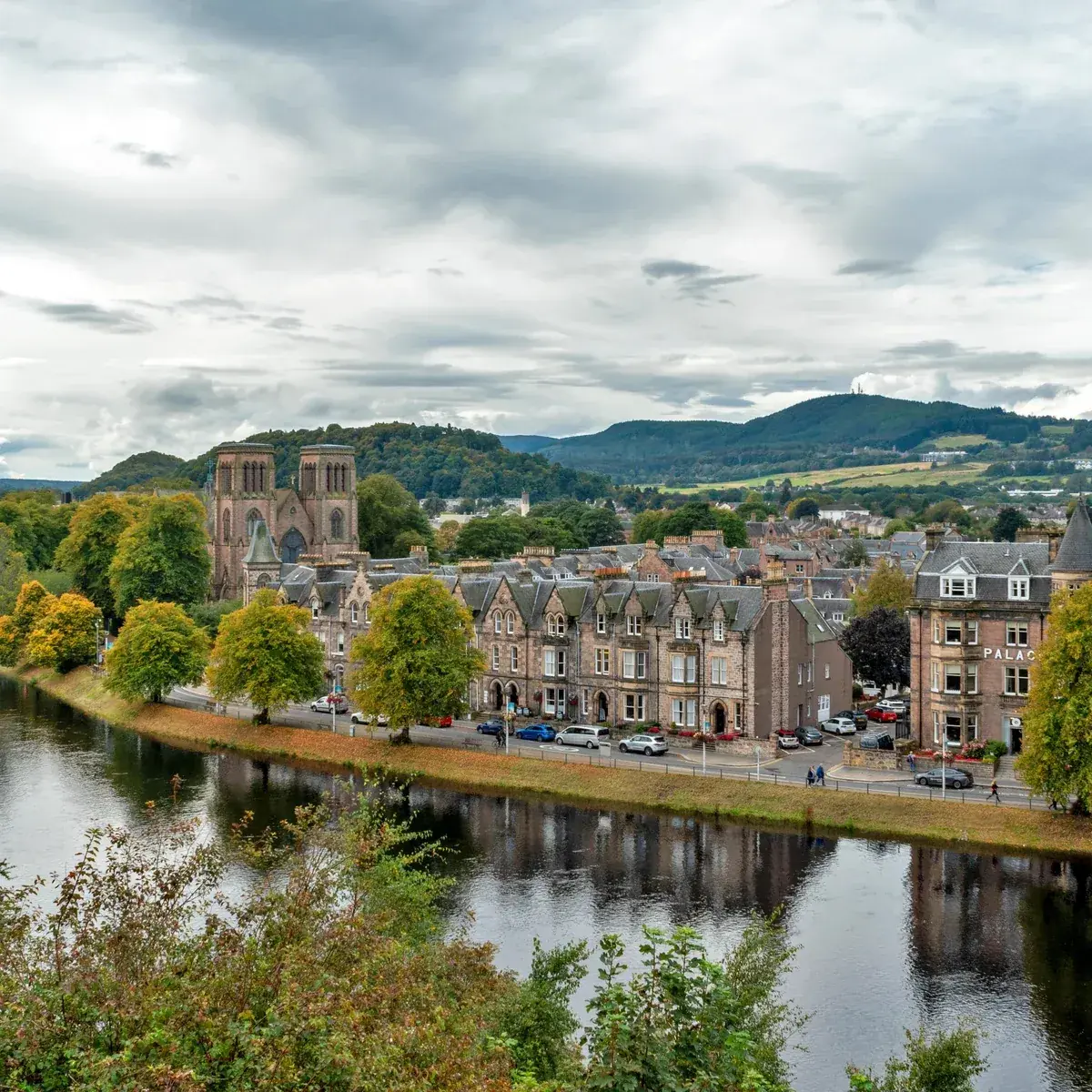
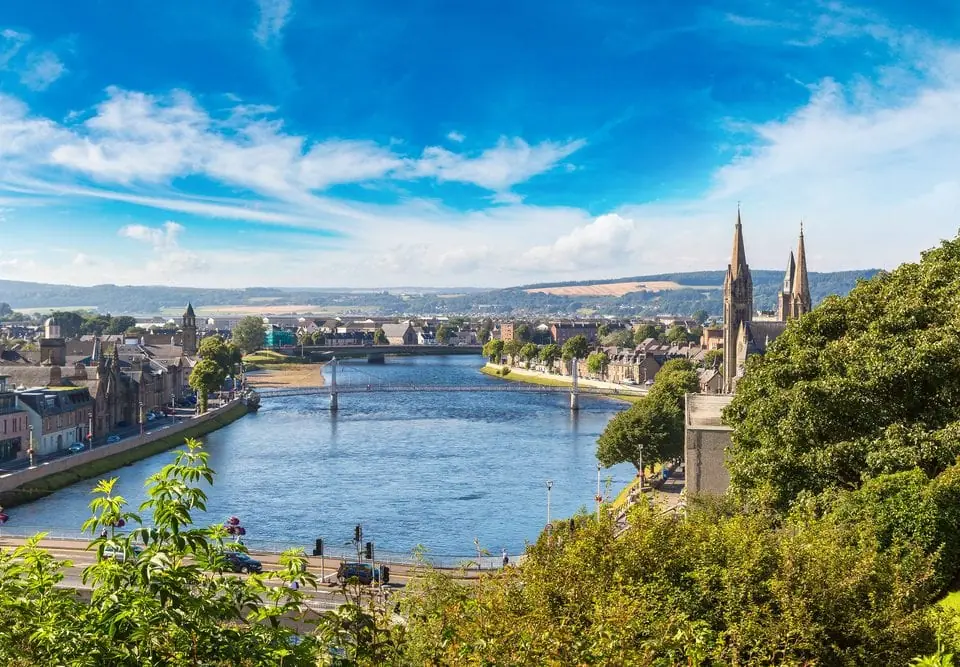
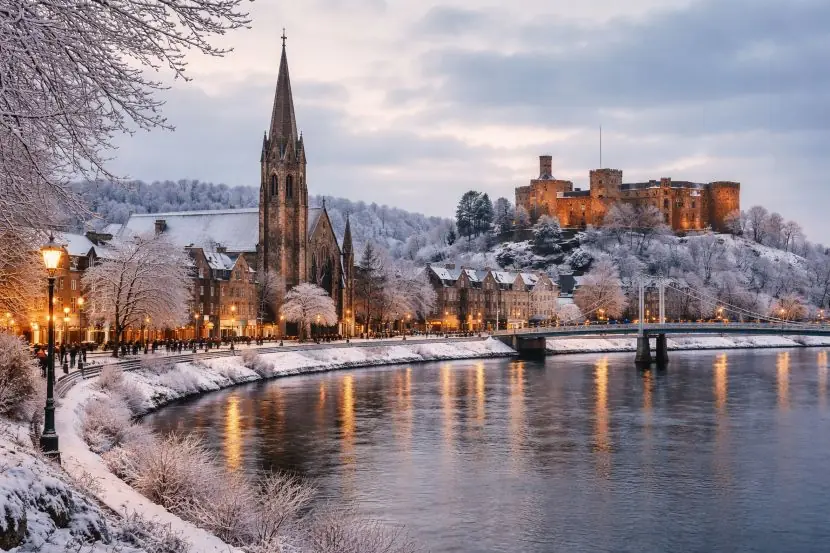
Inverness is the only city in the Highlands, and it wears the title lightly. It is small enough to cross on foot in twenty minutes, yet it is the administrative, cultural and transport capital of a region the size of Belgium — the place where the mountains and the sea lochs and the single-track roads all eventually lead. The River Ness runs clean and fast through the middle of it, spanned by a run of slim Victorian suspension bridges and watched over by a red-sandstone castle on its bluff, and on a bright day the water is the colour of weak tea and the sandstone glows almost pink.
For most travellers it is a base rather than a destination in its own right, and that is no insult: few cities are so well placed. Loch Ness begins a few miles to the south-west, the battlefield of Culloden and the Bronze Age circles of Clava Cairns lie just to the east, the Cairngorms rise within the hour, and the dolphins of the Moray Firth patrol the water to the north. But give the city a day of its own and it repays it — the wooded Ness Islands, a bustling covered market that has been trading since 1876, one of the great secondhand bookshops of Britain, and a trad-music scene that fills the Church Street pubs with fiddle and accordion every night of the week.
Top Highlights
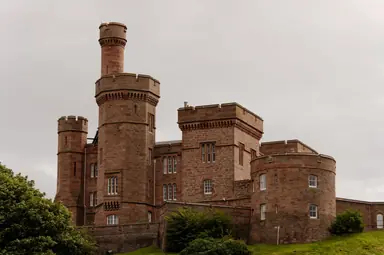
Source: Pexels Inverness Castle
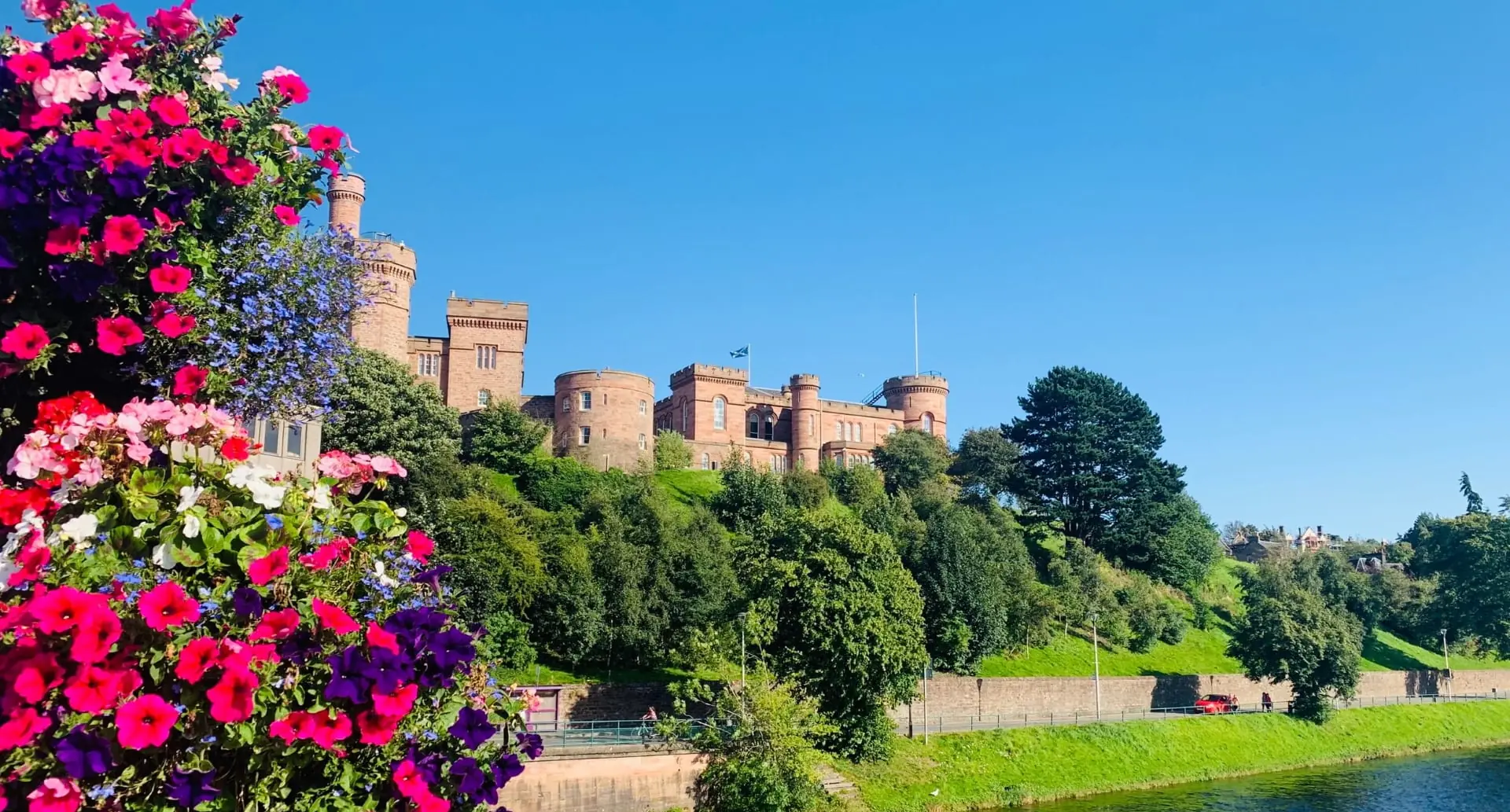
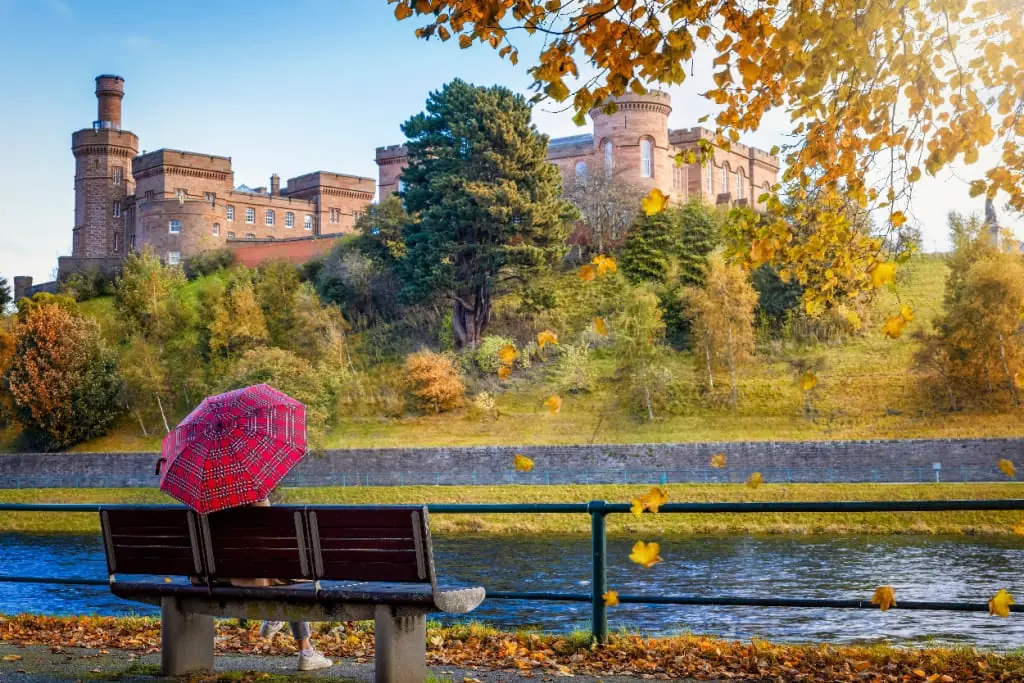
The red-sandstone castle on its bluff above the river is the postcard image of the city, and after a four-year, £47-million redevelopment it reopened in February 2026 as the Inverness Castle Experience — an interactive attraction telling the ‘Spirit of the Highlands’ across the old courthouse rooms, with a tower viewpoint over the rooftops. The present castle dates only from 1836, but a fortress has stood on this rock since the 11th century.
More information
Opening times: Open daily as the Inverness Castle Experience; check current seasonal hours before visiting
Admission: Approx. £20 adult, £18 senior, £14 child online; under-5s free
Website: Visit Website
*Newly reopened, so book online and confirm hours ahead. The grounds, viewpoint terrace, bistro and shop can be enjoyed without a paid ticket. Prices are approximate and subject to change.
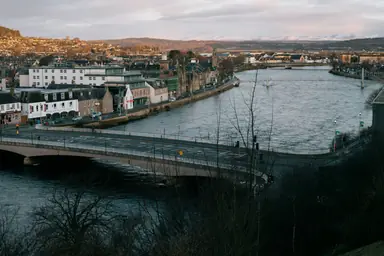
Source: Pexels The River Ness
One of the shortest major rivers in Scotland, running just six miles from the northern end of Loch Ness to the Moray Firth, and the clear, fast-flowing heart of the city. A famous salmon river, it is crossed in the centre by a series of slender Victorian suspension footbridges that bounce gently underfoot, and the paths along both banks make the loveliest free walk in Inverness — south towards the Ness Islands, north towards the harbour and the sea.
More information
Opening times: Riverside paths open at all times
Admission: Free
Website: Visit Website
*The stretch between the city-centre bridges and the Ness Islands is the prettiest, and takes only about fifteen minutes to walk. Anglers need a permit for the salmon beats.
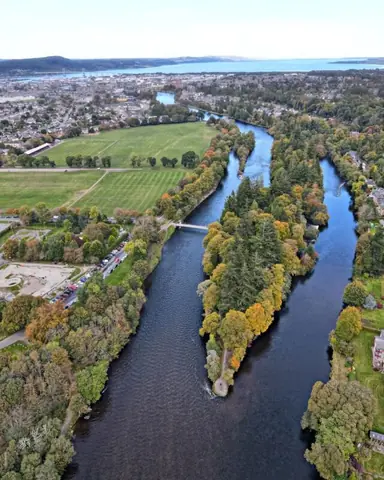
Source: Hidden Scotland The Ness Islands
A chain of small, wooded islands in the middle of the river, linked to each other and to both banks by elegant Victorian suspension footbridges of 1854. Laid out as a public park, they are a pocket of Scots pine, beech and birch a short stroll upstream from the centre — floodlit at night, alive with birdsong by day, and one of the most peaceful places in any Scottish city. The riverside walk out and back makes an easy hour, and the paths stay flat the whole way.
More information
Opening times: Open at all times
Admission: Free
Website: Visit Website
*Reach the islands on foot along either bank from the centre in about fifteen minutes; the Whin Park boating pond and a miniature railway sit just beyond for families.
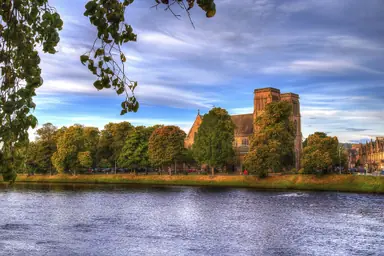
Source: Visit Inverness Loch Ness St Andrew’s Cathedral
The Episcopal cathedral of the Highlands stands on the west bank of the Ness, its twin pink-sandstone towers a landmark from the castle side of the river. Consecrated in 1869, it was the first new cathedral completed in Britain since the Reformation, and the interior is richly Victorian — a carved stone reredos, an octagonal chapter house and a set of angel columns. Quiet, free and often nearly empty, it makes a calm ten-minute stop on a riverside walk.
More information
Opening times: Generally open daily to visitors, roughly 9:00–17:00 outside services
Admission: Free (donations welcomed)
Website: Visit Website
*A working cathedral, so hours flex around worship and events. It sits directly across the river from the castle, an easy addition to a Ness Bank stroll.
Source: Visit Inverness Loch Ness The Victorian Market
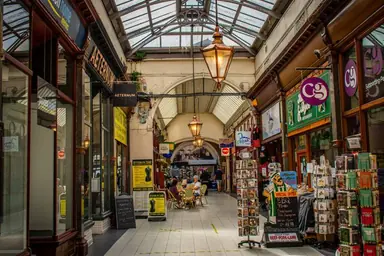
A covered arcade of independent shops threaded through the block between Academy Street, Union Street and Church Street, trading here since 1876 and rebuilt after a fire in 1889. Under its ironwork and glass roof you will find Highland crafts, tartan and tweed, jewellers, barbers, a record shop and, in the smart new food hall, a clutch of good street-food stalls and bars. It is the atmospheric short-cut through the centre and a fine refuge from Highland rain.
More information
Opening times: Shops generally open daily; the food hall keeps later hours into the evening
Admission: Free to enter
Website: Visit Website
*Individual traders set their own hours, but the arcade is open seven days a week. The refurbished food hall is a good, sheltered spot for lunch or an early-evening drink.
Source: GPSMyCity The Old High Church
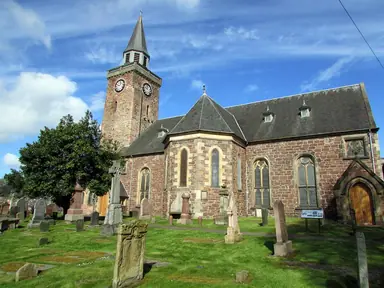
Set on a low mound above Church Street where Saint Columba is said to have preached, this is the oldest place of worship in the city, its stout tower medieval and the body of the kirk rebuilt in the 1770s. The real weight of the place is in its graveyard: in the aftermath of Culloden in 1746, Jacobite prisoners were held here and executed against the churchyard wall, the bullet marks still pointed out to visitors. The hilltop setting gives a fine view over the rooftops to the castle.
More information
Opening times: Churchyard generally accessible; interior opening is limited, so check locally
Admission: Free (donations welcomed)
Website: Visit Website
*The atmospheric graveyard tumbling down towards the river is the highlight and can usually be wandered freely; interior access is occasional. It sits right on the Church Street pub trail.
Source: Much Better Adventures The Caledonian Canal
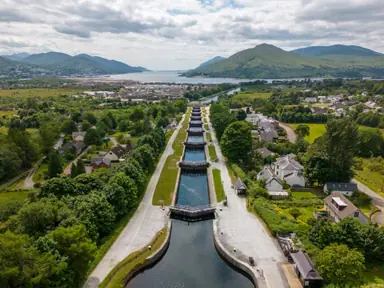
Thomas Telford’s great engineering feat of 1822 slices clean across the Highlands from Inverness to Fort William, stitching together Loch Ness and the other lochs of the Great Glen into a sea-to-sea waterway. On the city’s western edge the Muirtown flight of locks lifts boats up from the sea, and the level towpath makes a flat, breezy walk or cycle past yachts, fishing boats and the occasional Loch Ness cruise heading out towards the loch.
More information
Opening times: Towpath open at all times; locks operated seasonally by Scottish Canals
Admission: Free to walk and cycle
Website: Visit Website
*The Muirtown basin is about a mile and a half west of the centre and the best place to watch the locks work. The towpath is part of the Great Glen Way long-distance route.
Source: Wikipedia Inverness Museum & Art Gallery
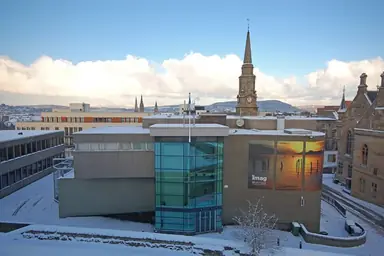
The free civic museum, a short step from the castle, is the best single introduction to the Highlands you can get under one roof. Its galleries run from the geology of the Great Glen and the wildlife of the glens through Pictish carved stones, Jacobite relics, Highland silver and bagpipes to a changing programme of art. Modest in scale but genuinely absorbing, it is a rewarding hour and an ideal wet-weather plan in the centre of town.
More information
Opening times: Roughly Tue–Sat 10:00–17:00 (Apr–Oct); Thu–Sat 10:00–17:00 (Nov–Mar)
Admission: Free (donations welcomed)
Website: Visit Website
*Run by High Life Highland; days and hours are reduced in winter, so check before a special trip. The café is a handy stop between the castle and the High Street.
Insider tip: Inverness is small and almost everything worth seeing is free. The River Ness, the Ness Islands, St Andrew’s Cathedral, the Old High Church graveyard, the Caledonian Canal towpath and the Museum & Art Gallery cost nothing at all — so build the city around walks and save your budget for the day trips out to Loch Ness, Culloden and the Cairngorms.
Neighborhoods & Where to Stay
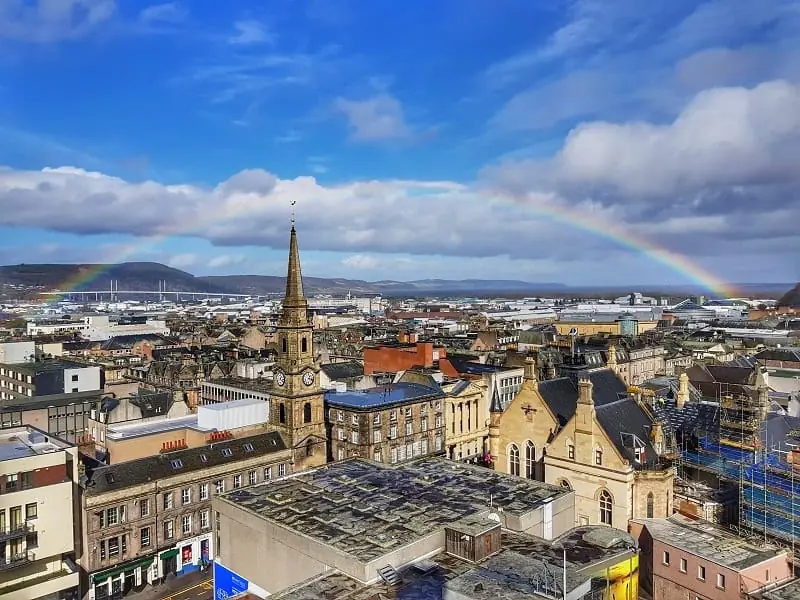
City Centre
The compact core is arranged around the pedestrianised High Street, the covered Victorian Market and the Eastgate shopping centre, with the castle and museum a couple of minutes uphill. Staying here puts you within a short walk of everything, including the bus and railway stations, which matters if you are day-tripping by train or picking up a Highland tour. It is the most convenient base by far and where most of the hotels and guesthouses are, though the streets nearest the late bars can be lively at weekends.
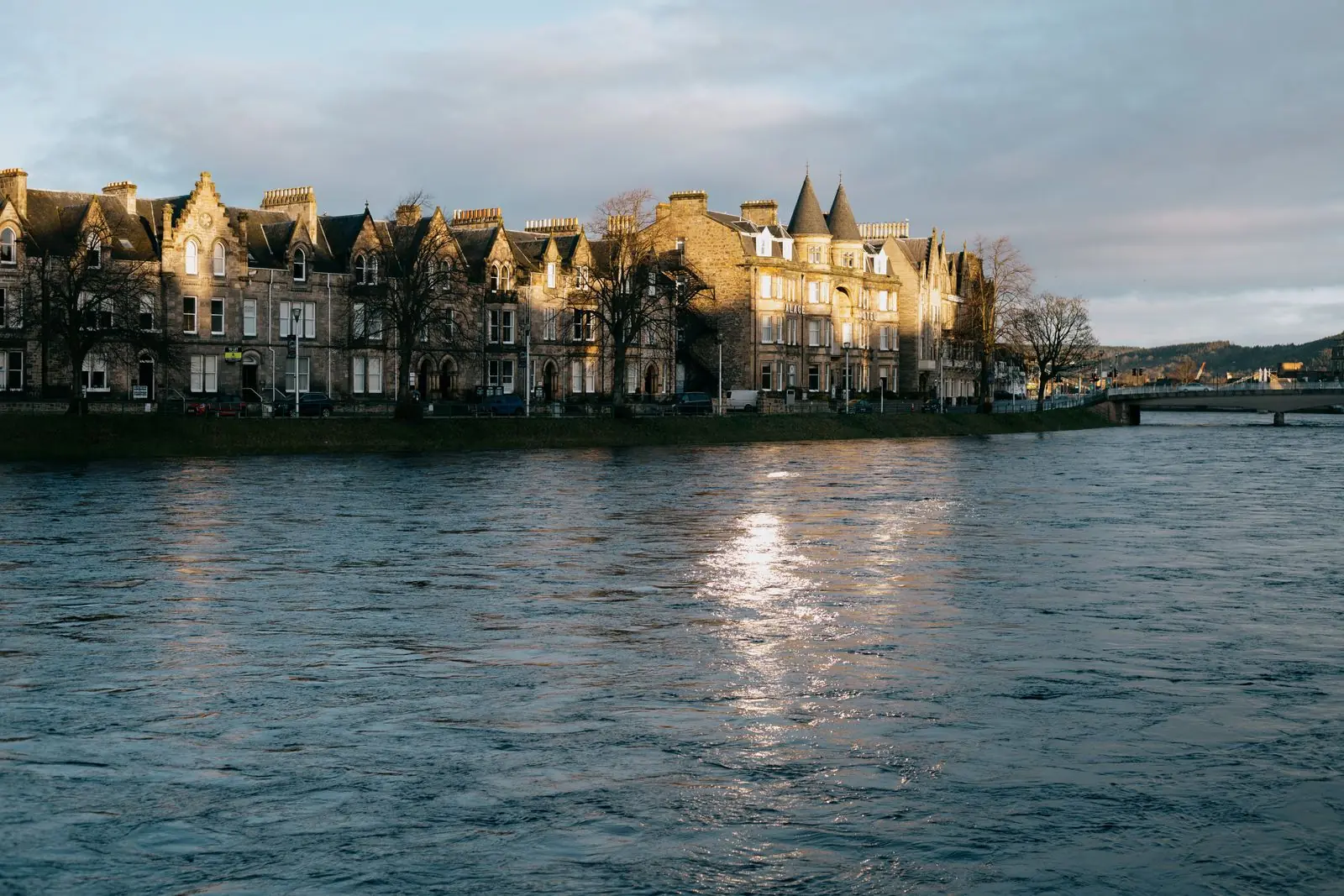
The Riverside
Along Ness Bank and Ness Walk, the river is lined with dignified stone terraces, church spires and some of the city’s best hotels, many with rooms looking straight onto the water. This is the prettiest and quietest place to stay within walking distance of the centre — a five-minute stroll across a Victorian footbridge to the shops, and an easy walk upstream to the Ness Islands. Evenings are calm, the river is floodlit, and the cathedral stands just across the water. Book ahead in summer.
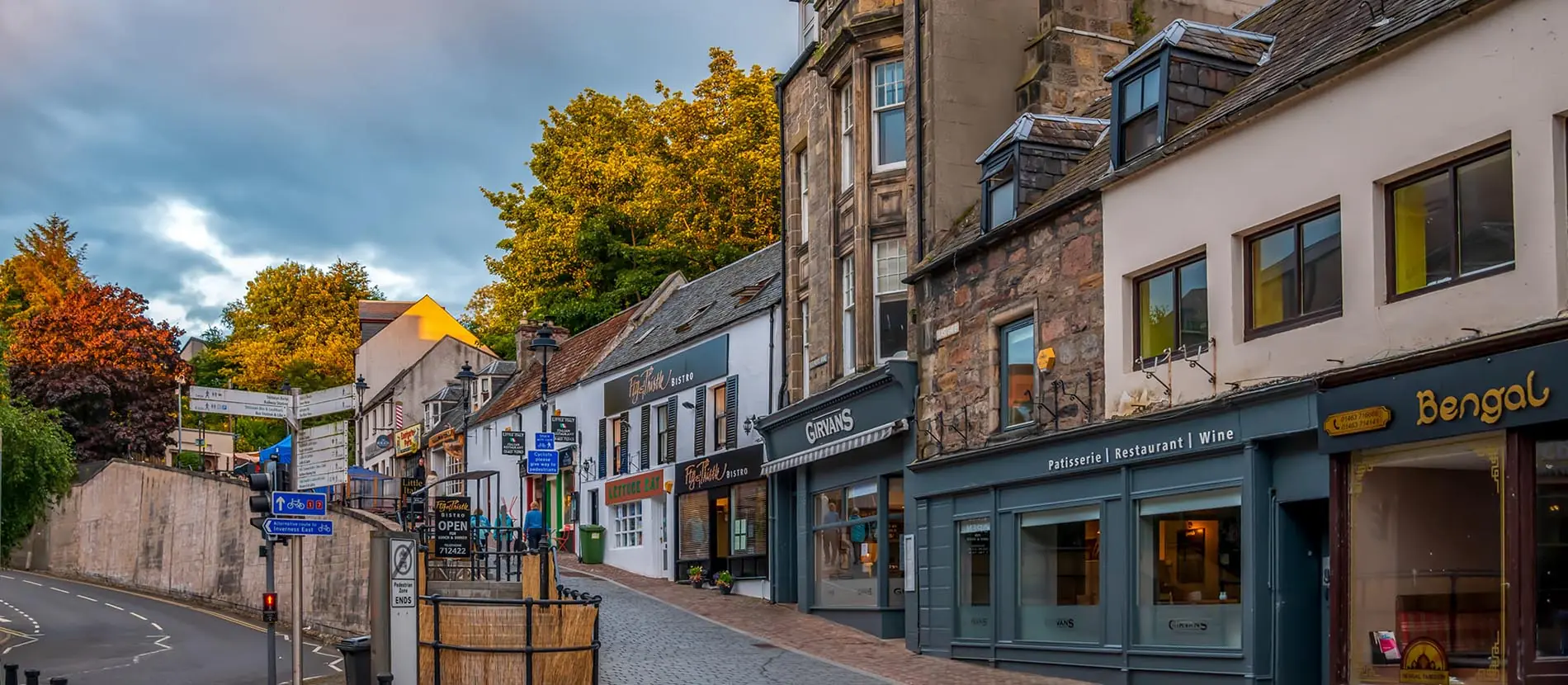
The Crown
On the hill immediately east of the centre, the Crown is Inverness’s settled Victorian residential quarter — streets of solid stone villas and terraces climbing above the castle, with a small run of local shops and cafés along Kingsmills Road and Stephen’s Brae. It is a five-to-ten-minute walk down into town, so it makes a quiet, good-value base full of guesthouses and B&Bs, with the added reward of long views back over the rooftops to the river and the hills beyond.
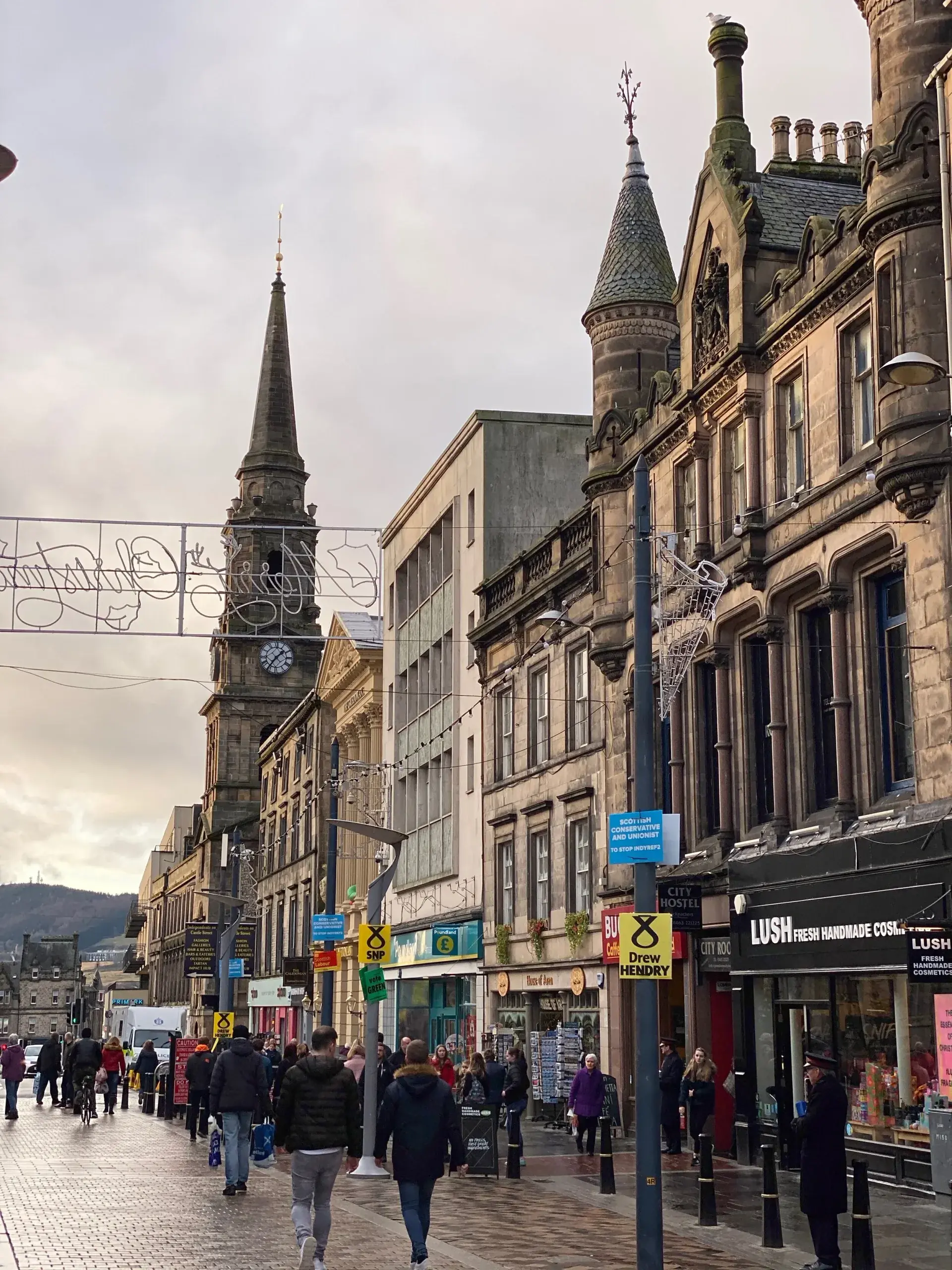
The Old Town & Church Street
The medieval heart of the city survives around Church Street, the oldest thoroughfare in Inverness, which runs from the High Street down towards the river past the Old High Church, a few 17th-century townhouses and Leakey’s secondhand bookshop. This is also the spine of the city’s nightlife — Hootananny and its neighbours pour out fiddle music most evenings — so it is atmospheric and central but can be noisy after dark. Wonderful for soaking up the old city on foot; light sleepers should choose their room with care.
The Harbour & South Kessock
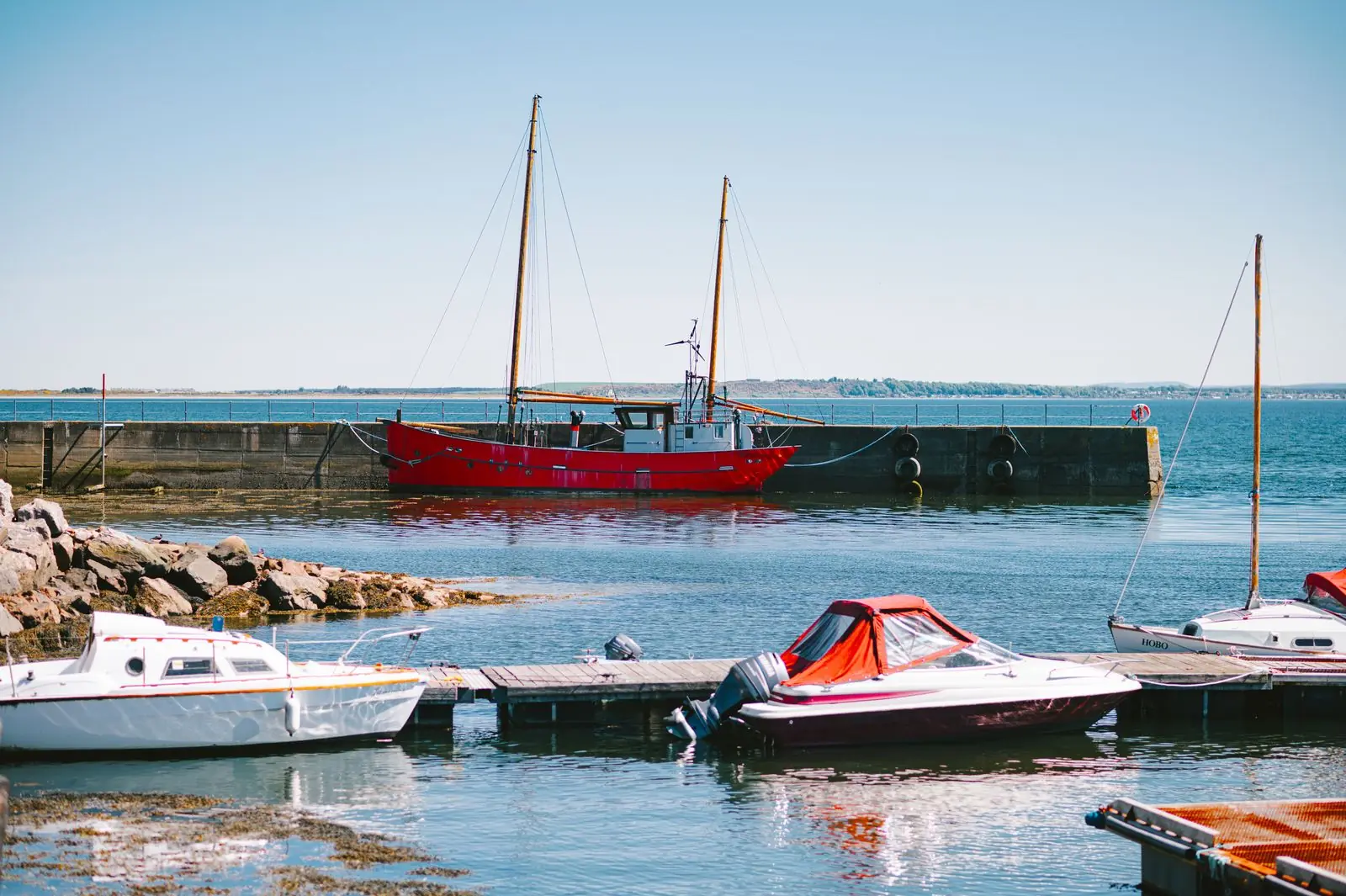
North of the centre, where the Ness widens into the Beauly Firth, the working harbour and the old ferry village of South Kessock look across the water to the Black Isle beneath the great span of the Kessock Bridge. It is a twenty-minute walk from town along the river and a genuinely local, un-touristed corner — good for firth views, the occasional dolphin, and a sense of the city’s seagoing side. Few visitors stay out here, but the waterfront walk is well worth the detour.
Food & Drink
Inverness eats straight from its hinterland, and the hinterland is exceptional — red deer off the hills, salmon and trout from the rivers, seafood off the west and north coasts, beef and game from the straths, and berries and honey from the sheltered lowland farms. The city’s kitchens have caught up handsomely with the produce over the past decade, and alongside the smart riverside restaurants you will still find honest Highland cooking in the pubs and a proper trad-music session to go with it.
-
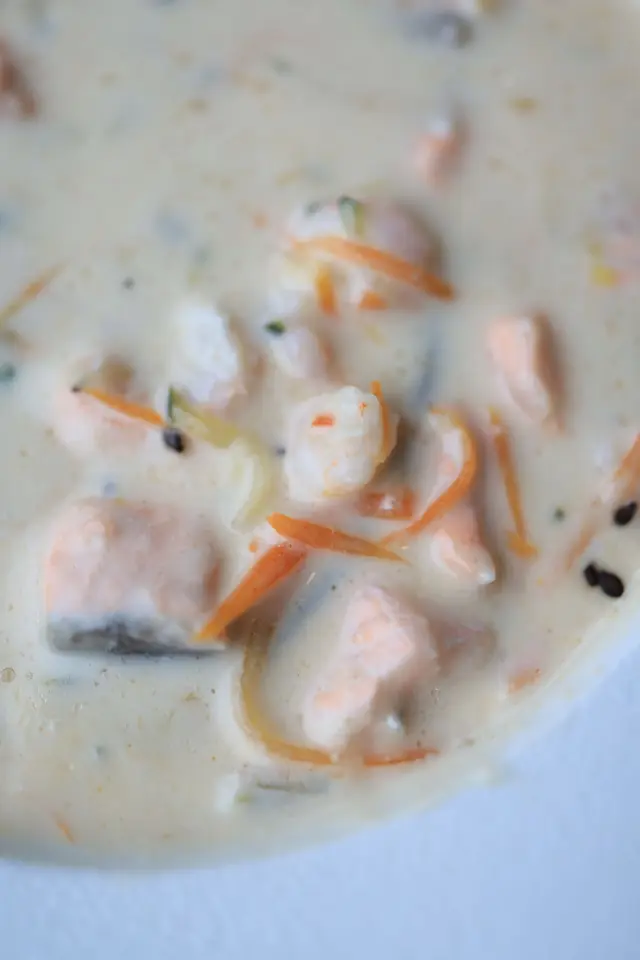
Cullen skink — The classic soup of the Moray coast just to the east: a thick, smoky broth of smoked haddock, potato and onion, deep and creamy with the fish flaked in whole. It is the right order on a cold Highland afternoon, and almost every pub and café in town does a version.
-
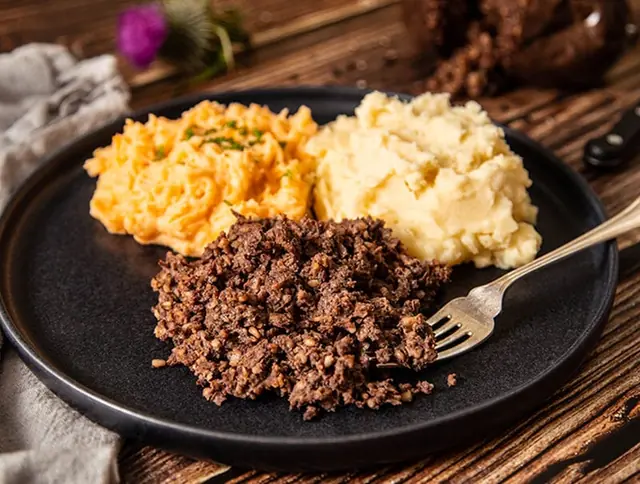
Haggis, neeps and tatties — Scotland’s national dish, and a Highland staple: a peppery, oaty pudding of sheep offal and suet, served with mashed turnip and potato and often a whisky-cream sauce. Far better than its description suggests, and a good vegetarian version is on most menus.
-
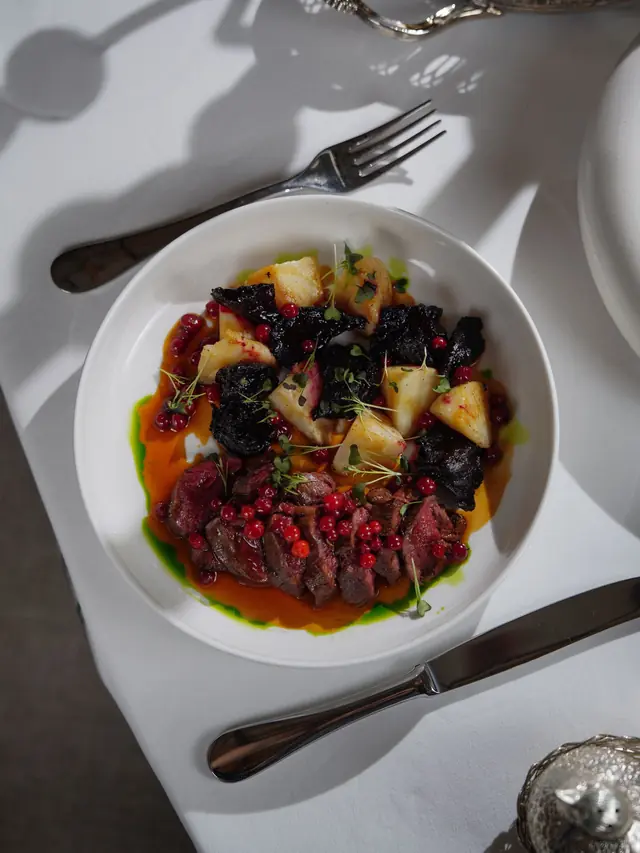
Highland venison — Wild red deer stalked on the surrounding hills is the region’s signature meat — lean, dark and richly flavoured, served as a pan-fried loin, a slow-braised haunch, or a venison sausage or burger in the pubs. Ask whether it is local; around Inverness it very often is.
-
Fresh seafood and salmon — With coasts on three sides and famous salmon rivers running through the city itself, Inverness does fish well: hot- and cold-smoked salmon, langoustines, hand-dived scallops, mussels and crab, much of it landed within a couple of hours’ drive on the west and north coasts.
-
Cranachan and Highland berries — The great Scottish pudding layers whipped cream, toasted oats, honey, a splash of whisky and, crucially, raspberries — and the raspberries here are among the best in the world. Order it if it appears, and look out for local heather honey and oatcakes to take home.
Insider tip: You are on the doorstep of Speyside, the greatest whisky region on earth, so ask a good bar to pour you something local and unusual rather than a familiar name. A splash of water opens the spirit up — nobody will judge you for it — and the bar staff will happily talk you through the glens the drams come from.
 Cullen Skink
 Haggis, Neeps & Tatties
 Highland Venison
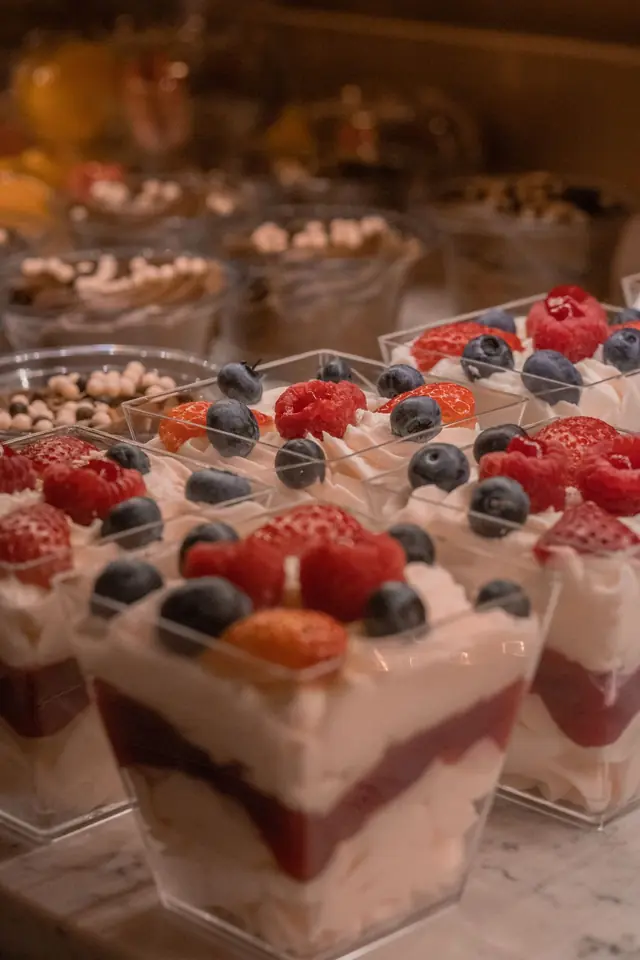 Cranachan
Whisky and the Trad-Music Pub
Inverness sits at the top of the Speyside whisky region and within easy reach of the Highland distilleries, so the city’s bars keep serious malt lists and a day out along the whisky trail to distilleries such as Glen Ord, Tomatin or the great Speyside names is easily arranged. But the real institution here is the trad-music pub: on and around Church Street, venues such as Hootananny, MacGregor’s and the Gellions put on live fiddle, accordion and folk most nights of the week, much of it free to walk in on. There is Highland gin from local distillers, craft beer from the town’s own breweries, and a ceilidh somewhere most weekends. Pub kitchens generally serve from noon until around 21:00, so eat on the early side and stay on for the music.
Transportation
Inverness is a walking city at heart — the centre, the river, the castle and the Ness Islands are all within twenty minutes of each other on foot — but it is also the transport hub of the whole Highlands, with an airport, a busy railway station and long-distance buses fanning out across the north.
Getting Around the City
You will rarely need a bus within the centre itself, but local services — run mainly by Stagecoach — are useful for the harbour, the canal and the outer suburbs, and you can tap a contactless card or phone to pay on board. Single fares are modest, typically a few pounds depending on distance, and day tickets are good value if you are hopping about. Fares are reviewed periodically and are approximate and subject to change; for day trips, the same Stagecoach network reaches Loch Ness, Culloden, Nairn and beyond.
For most visitors the city itself needs no ticket at all — it is genuinely faster to walk between the sights than to wait for a bus. Save the buses and the guided tours for the day trips out to Loch Ness, Culloden and the Cairngorms, and check timetables carefully, as rural Highland services can be sparse on Sundays.
From Inverness Airport
Inverness Airport sits at Dalcross, about eight miles east of the city. The Stagecoach 11 and 11A buses run between the terminal and the city-centre bus station, next to the railway station, roughly every half-hour and taking around 30–35 minutes; the 300 service also links the airport with the centre. An adult single is only a few pounds (approximate and subject to change). The airport has its own Dalcross railway station a short walk from the terminal, with trains into Inverness on the Aberdeen line for those connecting onward by rail.
Trains and Onward Travel
Inverness railway station, in the middle of the city, is the end of the line for four scenic routes and the gateway to the far north. The Highland Main Line runs south through the Cairngorms to Perth, Edinburgh and Glasgow (around three and a half hours to the central belt); the Far North Line carries on to Thurso and Wick on the northern coast; and the Kyle of Lochalsh line crosses the country to the west coast opposite Skye on one of the world’s great railway journeys. The Caledonian Sleeper runs overnight to London Euston, and LNER’s Highland Chieftain by day to London King’s Cross. Book Scottish routes and check live times at ScotRail.
Day Trips from Inverness
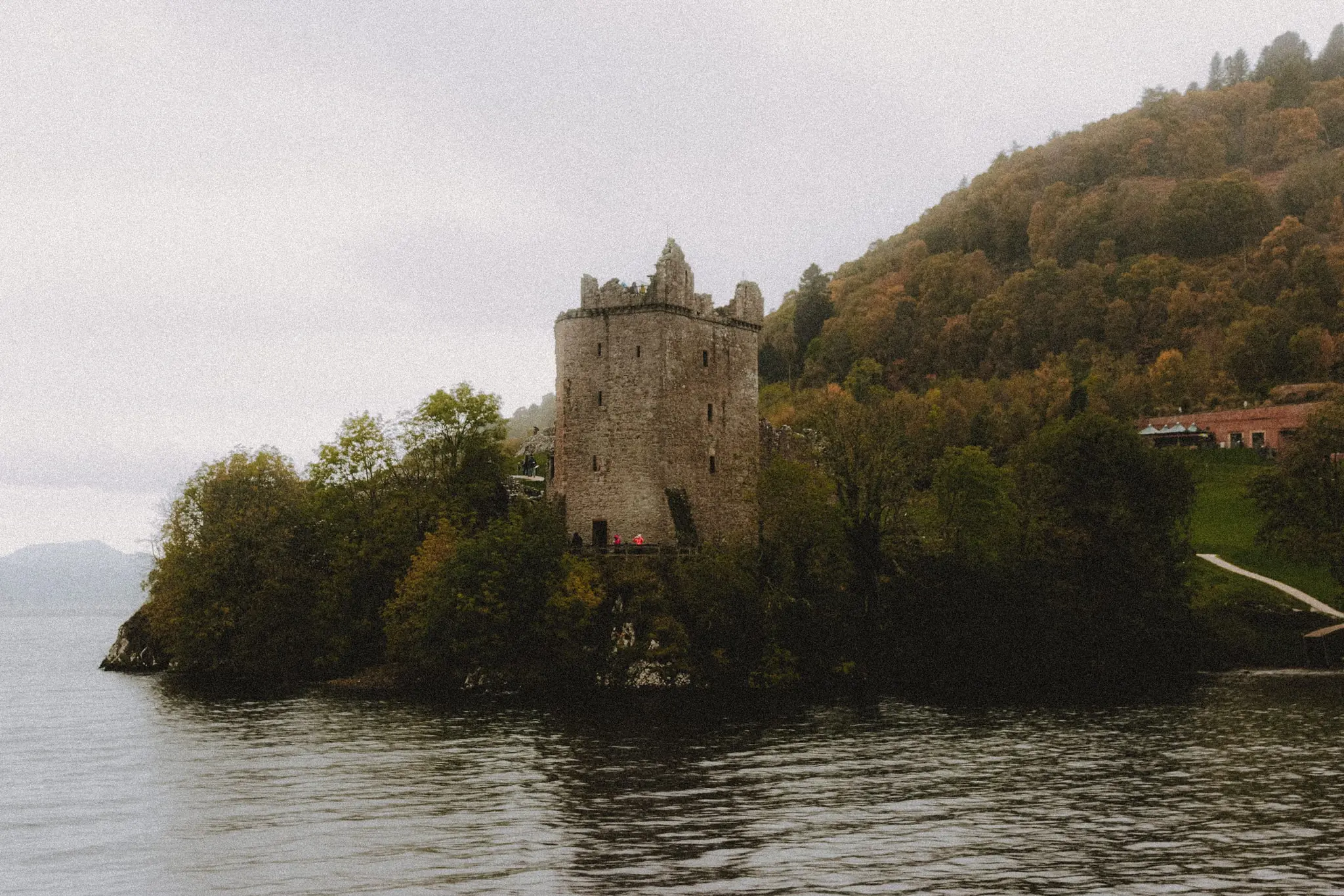
Loch Ness & Urquhart Castle (about 30 min by bus or boat)
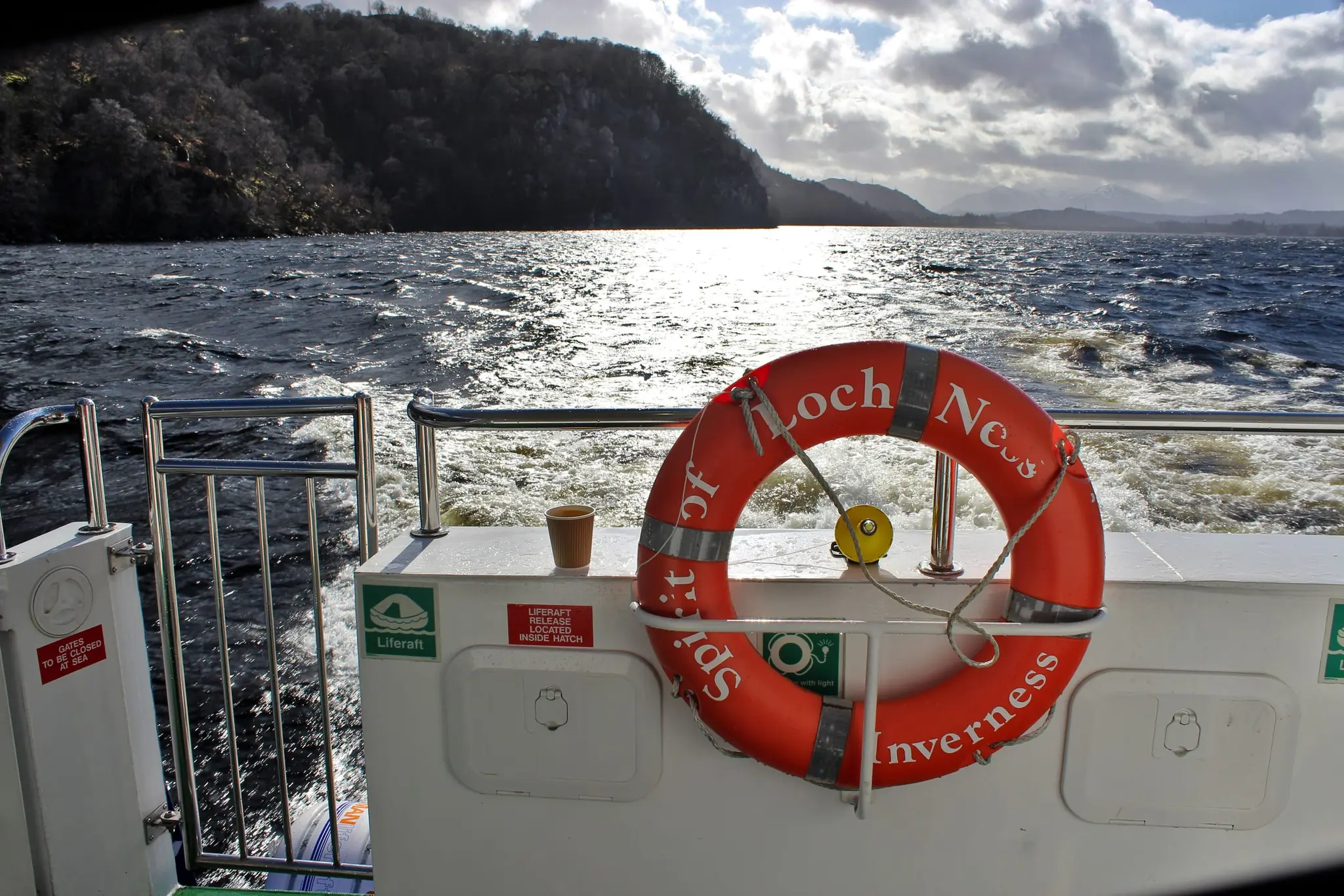
The most famous stretch of fresh water in the world begins a few miles south-west of the city — a dark, peat-black loch 23 miles long and deeper than the North Sea, hemmed by steep forested hills. The ruined Urquhart Castle on its promontory is the classic viewpoint and monster-watching spot; run by Historic Environment Scotland, adult admission is roughly £14 and must be pre-booked with a timed slot. Reach it by Stagecoach bus down the loch, or by cruise boat from the Caledonian Canal in the city.
Culloden Battlefield (about 20 min by bus)
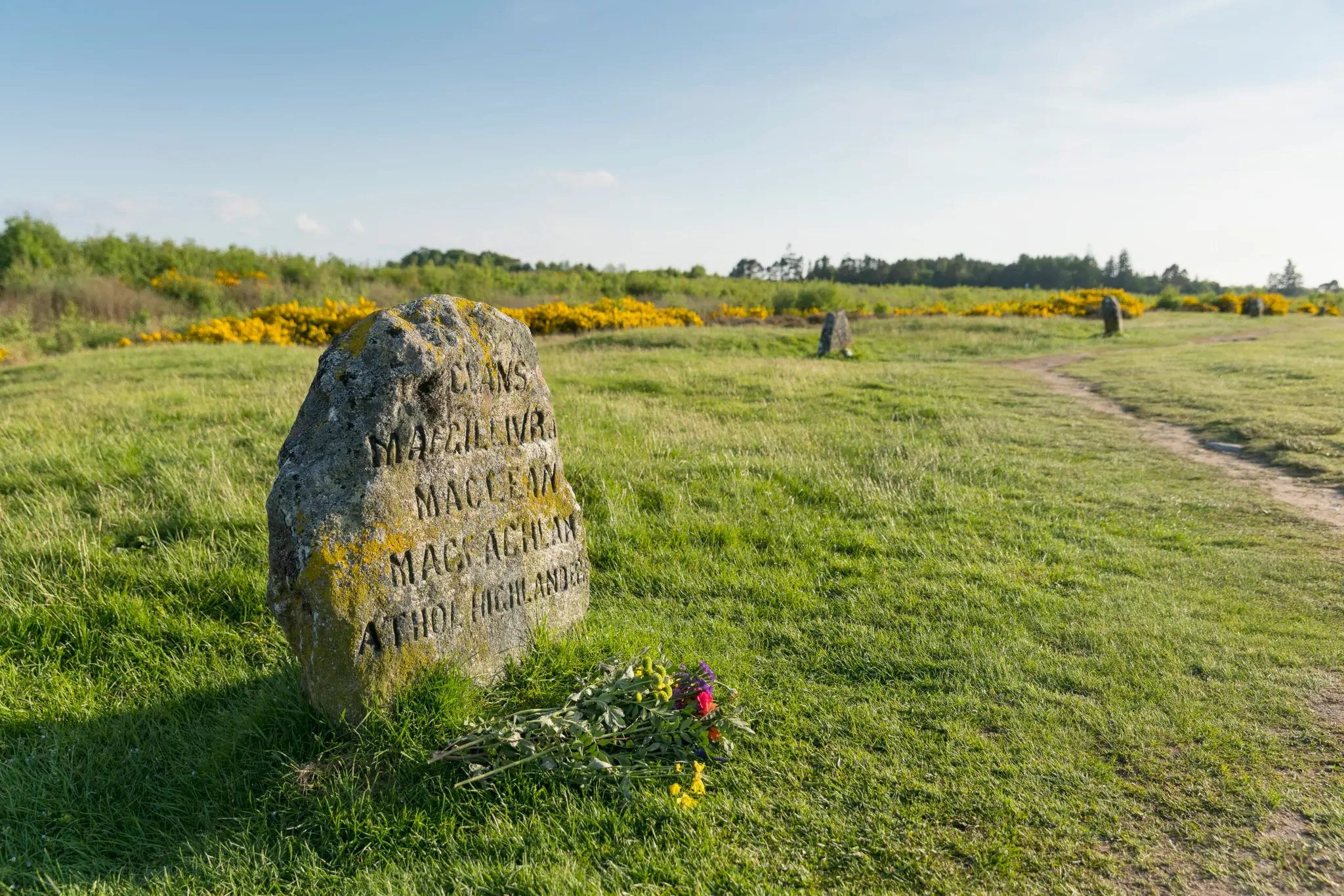
On a bleak stretch of moor east of the city, the last pitched battle on British soil was fought in April 1746, when the Jacobite cause was crushed in under an hour and the old Highland way of life with it. The National Trust for Scotland visitor centre tells the story with unusual power, and the marked battlefield with its clan graves is genuinely moving. Open daily (roughly 9:00–17:00, shorter in winter); adult admission is approximately £17. Stagecoach service 5 runs from the centre.
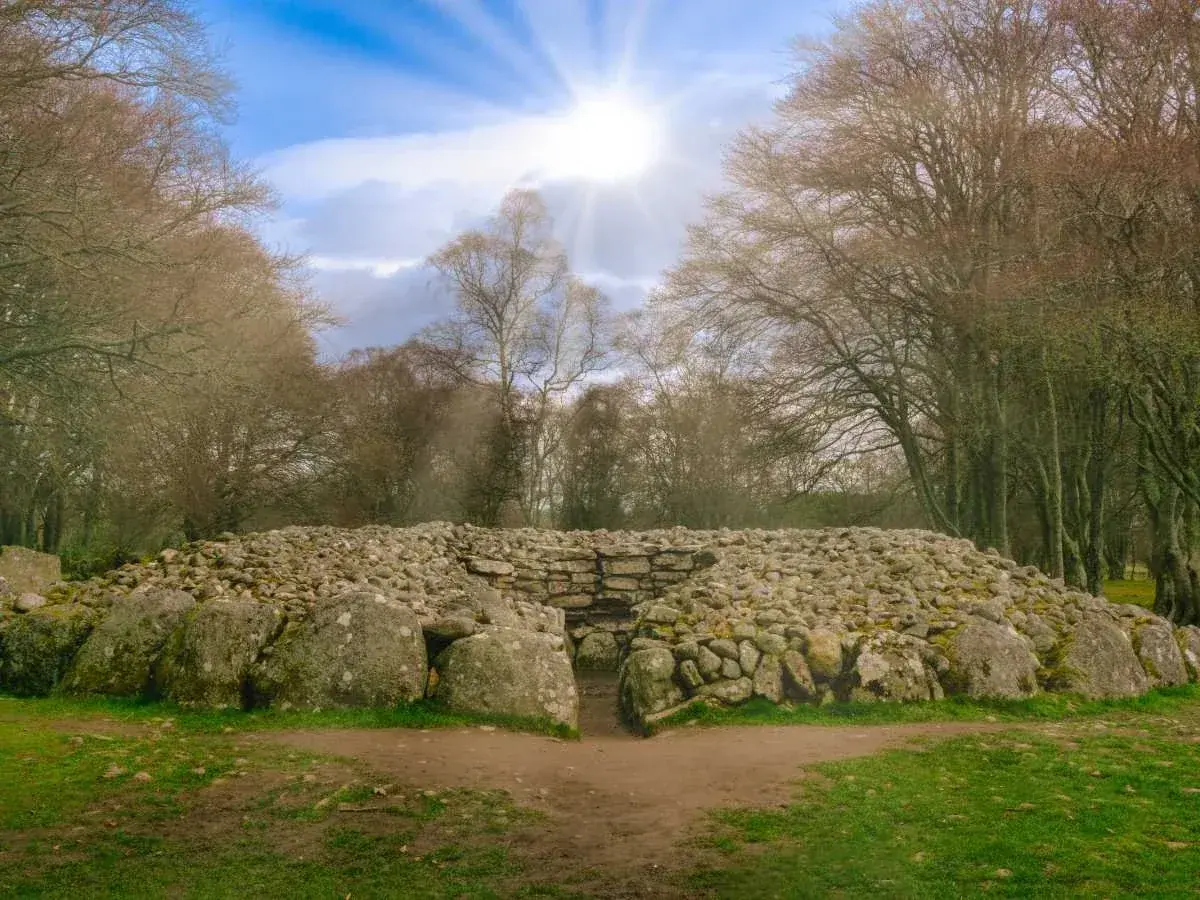
Clava Cairns (about 15 min by car, near Culloden)
A short way beyond the battlefield, in a quiet stand of trees, stand the Clava Cairns — a beautifully preserved group of Bronze Age burial cairns and standing stones some 4,000 years old, two of them ringed by kerbstones and aligned on the midwinter sunset. Free and open at all times, atmospheric and rarely crowded, they are among the finest prehistoric monuments in the north and have drawn extra visitors as a supposed inspiration for Outlander. Easiest with a car or on a Culloden tour.
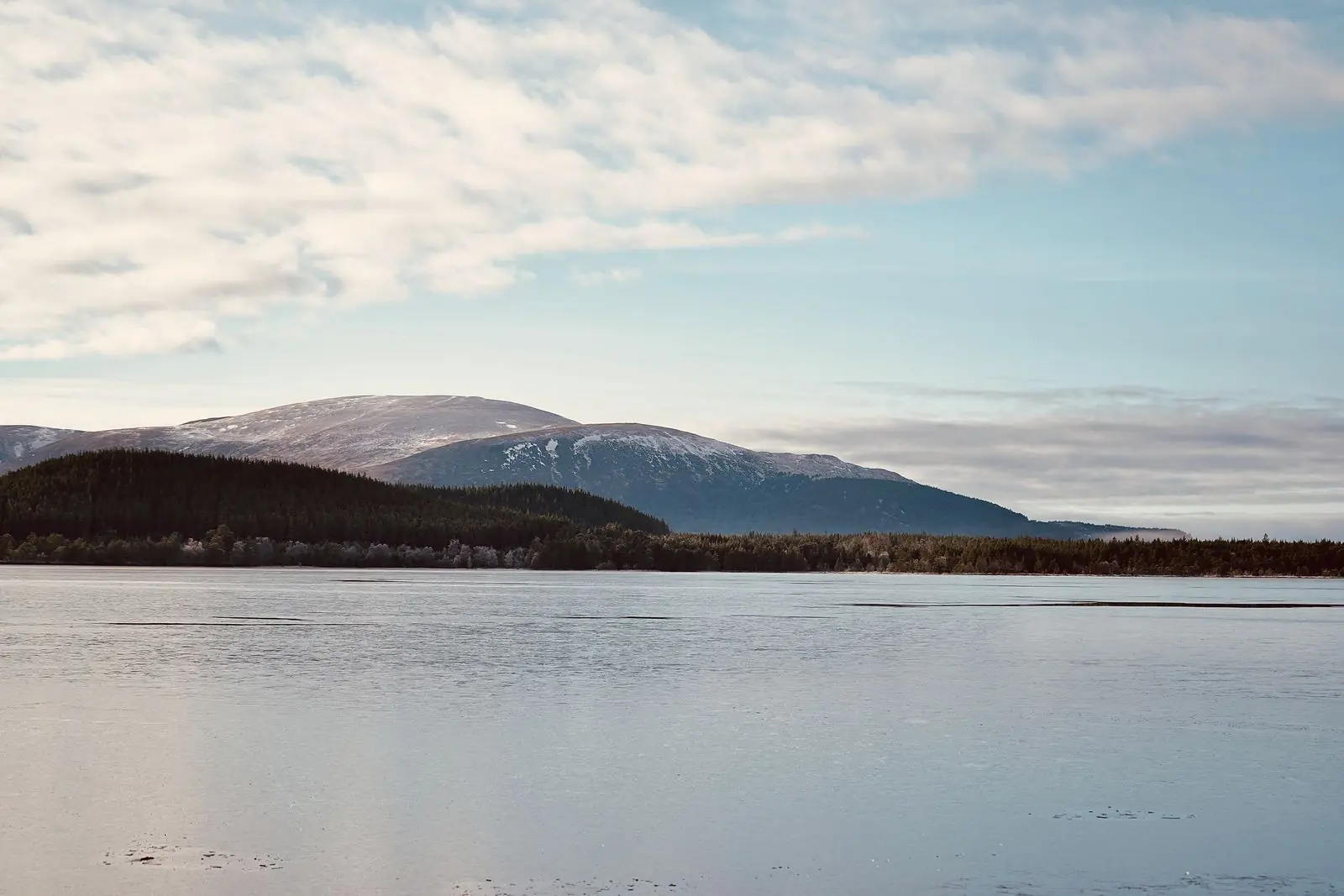
The Cairngorms & Aviemore (about 40 min by train)
South of the city the land climbs into the Cairngorms National Park, the largest in Britain and a great Arctic plateau of ancient pinewood, ospreys, reindeer and Britain’s highest ski slopes. Aviemore, reachable by train on the Highland Main Line, is the hub — for the funicular up Cairn Gorm, the beach and watersports of Loch Morlich, the Rothiemurchus forest and the free-roaming reindeer herd. A superb day out for walkers and families, and an easy rail journey from Inverness.
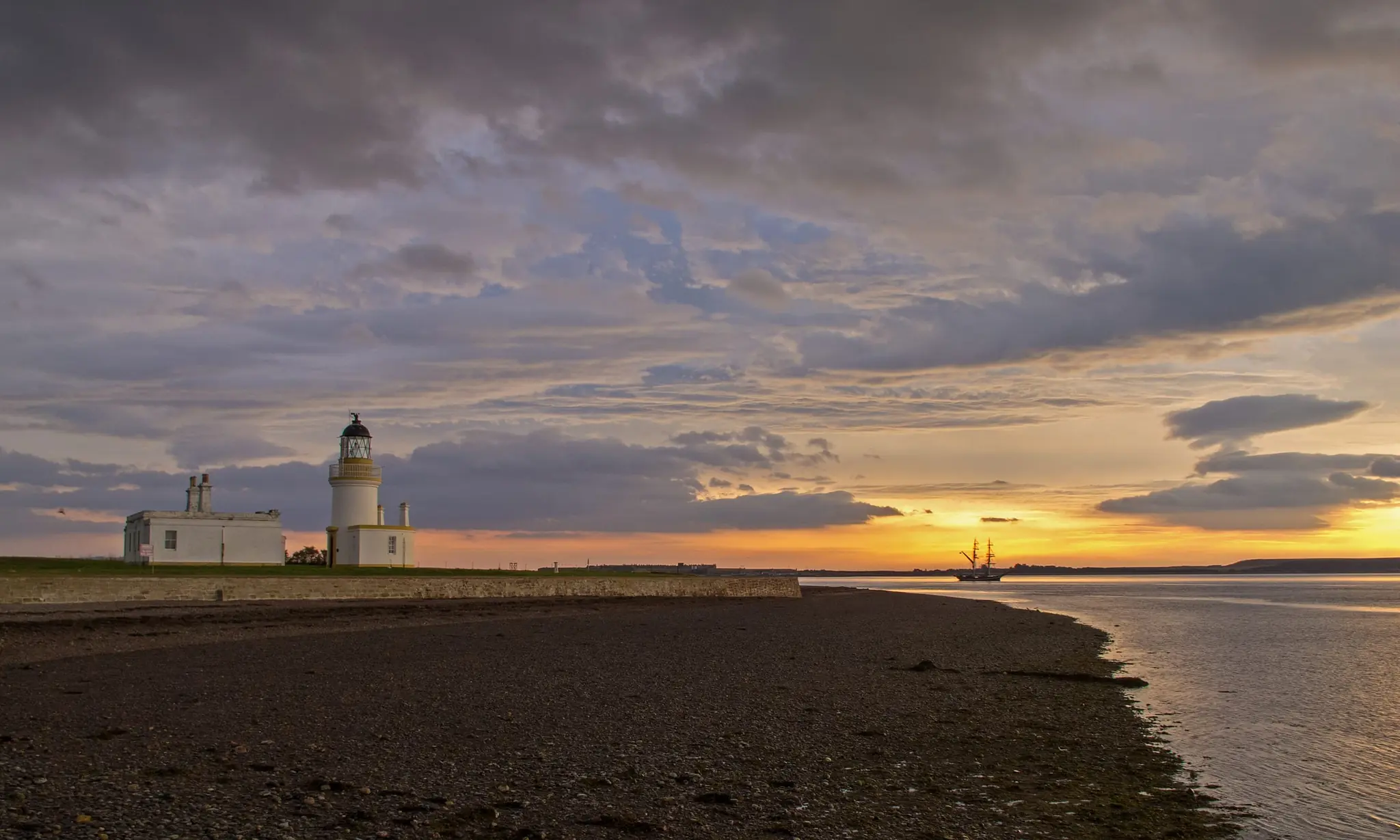
Chanonry Point & the Black Isle (about 30 min by car)
Across the Kessock Bridge, the Black Isle is not an island but a green peninsula of farmland and old villages between two firths. Its tip, Chanonry Point near Fortrose, is rated the best place in Britain to watch bottlenose dolphins from dry land — they come in close to hunt salmon on a rising tide. Time your visit for an hour or two after low water. The pretty villages of Cromarty and Rosemarkie and a scatter of craft distilleries round out the day.
Proposed Itinerary
Three days is enough to see the city itself, take in Loch Ness and Culloden, and still have time for a mountain or a dolphin. The first day stays on foot in Inverness; the next two head out into the Highlands, so save the clearest forecasts for those.
Day 1: The City on Foot
An easy walking day built around the river.
- Morning: Start at Inverness Castle for the viewpoint and the Highland Experience, then drop to the Museum & Art Gallery for the region’s backstory before wandering the High Street and the Victorian Market.
- Afternoon: Walk the riverside upstream to the Ness Islands and back down the far bank, crossing the suspension bridges and pausing at St Andrew’s Cathedral. Detour to Leakey’s Bookshop on Church Street.
- Evening: Dinner on the riverside, then live fiddle music in a Church Street pub such as Hootananny.
Day 2: Loch Ness & the Jacobites
The big-ticket Highland day, best done by tour or a mix of bus and boat.
- Morning: Head down Loch Ness to Urquhart Castle (pre-booked) for the ruins and the monster-watching view, or take a cruise from the canal in the city.
- Afternoon: Cross to Culloden Battlefield for the visitor centre and the clan graves, then the nearby Clava Cairns for the Bronze Age circles.
- Evening: Back in town for Highland venison or fresh seafood, and a dram of Speyside malt.
Day 3: Mountains or Dolphins
Pick your landscape depending on the weather and how you are travelling.
- Morning: Either take the train south to Aviemore and the Cairngorms, or drive over the Kessock Bridge onto the Black Isle.
- Afternoon: In the mountains, ride the Cairn Gorm funicular or walk at Loch Morlich; on the Black Isle, time Chanonry Point for the rising tide and the dolphins, then explore Cromarty.
- Evening: Return to Inverness for a final riverside dinner and, if you are travelling on, an overnight Caledonian Sleeper south.
Insider tip: Highland weather turns fast and the light is the real spectacle — long summer evenings that barely darken, and a genuine chance of the northern lights on clear winter nights. Carry a waterproof layer year-round, keep an indoor sight such as the museum in reserve, and if a clear spell arrives, get out to the loch or a hill while it lasts.
Seasonal Events & Festivals
Shopping & Nightlife
The Victorian Market & the High Street
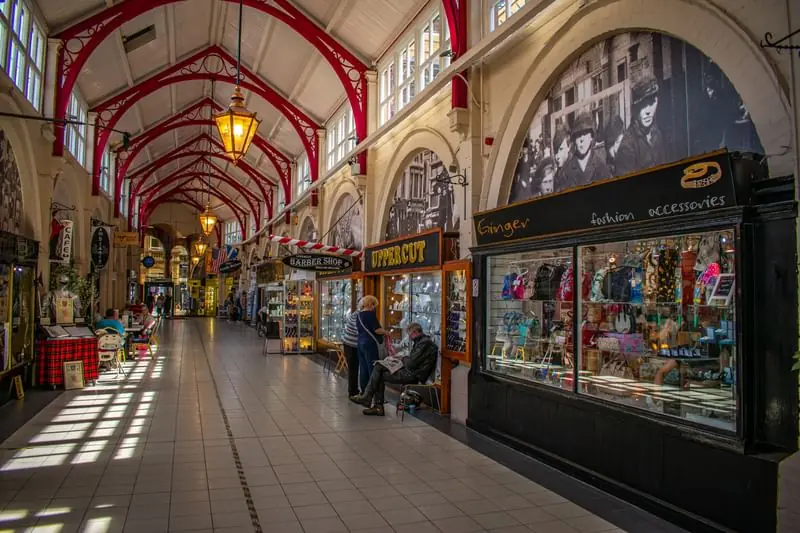
The city’s shopping splits between the covered Victorian Market, trading since 1876 and full of Highland crafts, tartan, tweed, jewellers and a lively new food hall, and the pedestrian High Street with its chains and the Eastgate centre. For the good stuff — cashmere and Harris Tweed, single malts, local art and silver — seek out the independent shops threaded through the market arcade and along Church Street. Most shops keep to roughly 9:00–17:30, with the food hall running later into the evening.
Leakey’s Bookshop
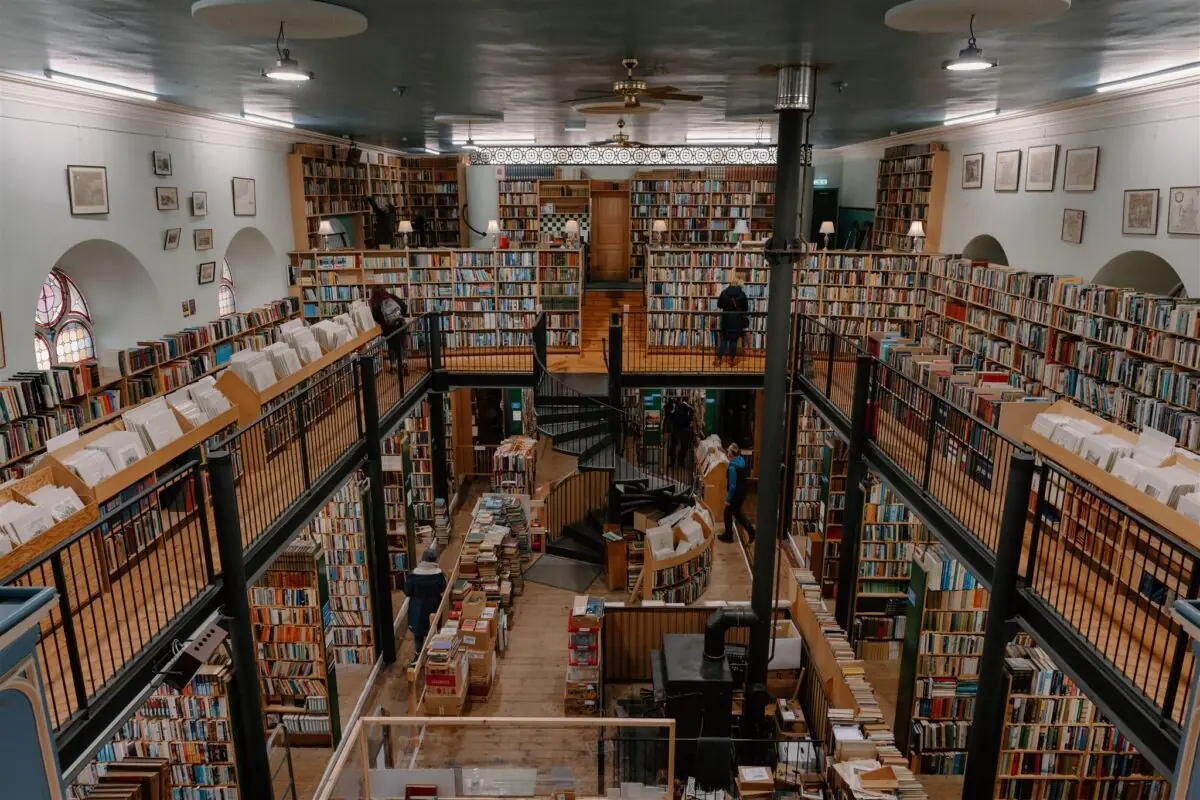
Scotland’s largest secondhand bookshop fills a converted 18th-century Gaelic church on Church Street with more than 100,000 volumes stacked over two galleried floors, warmed by a wood-burning stove in the middle of the room and reached by a spiral staircase to the balcony. Antique maps and prints line the walls, the smell of old paper and woodsmoke is half the appeal, and an hour disappears easily. Open Monday to Saturday — a perfect wet-afternoon refuge in the heart of the old town.
Nightlife
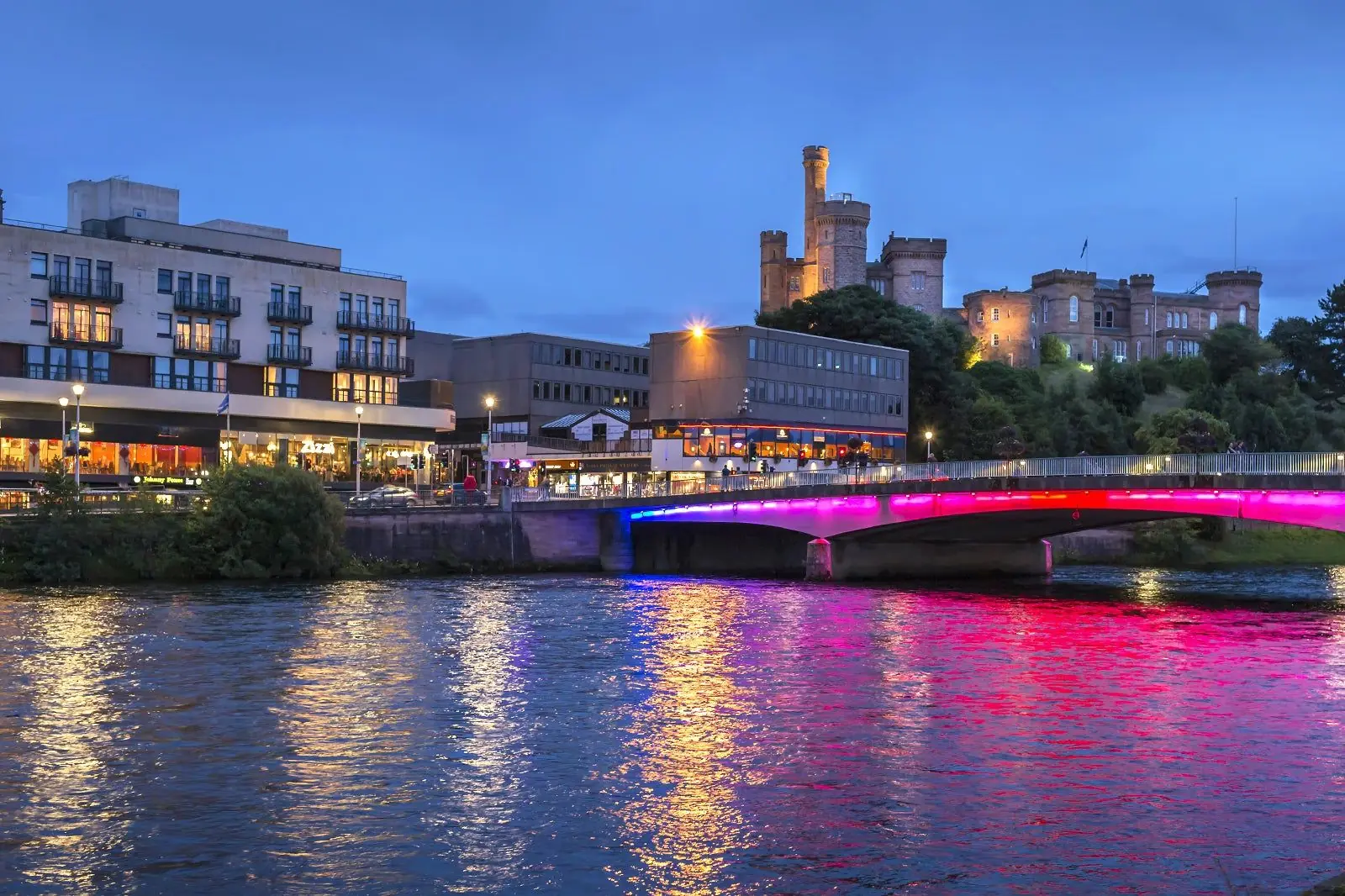
Inverness nights revolve around live traditional music. Church Street and its surroundings hold the institutions — Hootananny for fiddle, folk and ceilidh most nights, MacGregor’s Bar and the Gellions for more of the same — much of it free to walk in on. Beyond the trad scene there are cocktail bars along the river, craft-beer taprooms from the city’s own breweries, a couple of late clubs, and gigs at the Ironworks and other venues. It is a small-city nightlife, warm and unpretentious, and a session in a good pub is the quintessential Highland night out.
Inverness is a small city that opens onto an enormous landscape, and the trick is to enjoy it as both — a day spent slowly along the river and the old streets, then two days out to the loch, the battlefield and the mountains. Walk at least one riverbank, catch a tune in a Church Street pub, and let the Highlands begin where the city ends.
Additional Resources
For more on Scotland as a whole — highlights across the country, the Highlands and islands, driving routes, weather and practicalities — head to our Discover Scotland: Castles, Coastlines & the Open Road guide, and for the capital see our Edinburgh: Castles, Closes & Festival Nights guide.
Official planning resources: VisitScotland and Visit Inverness Loch Ness for destination information, Historic Environment Scotland and the National Trust for Scotland for castles and battlefields, ScotRail for trains and scenic lines, and Stagecoach for local and airport buses.
All prices quoted are approximate, given in pounds sterling, and subject to change — check the official website before you travel, and expect reduced winter hours at Highland attractions and sparser rural bus and train services on Sundays.