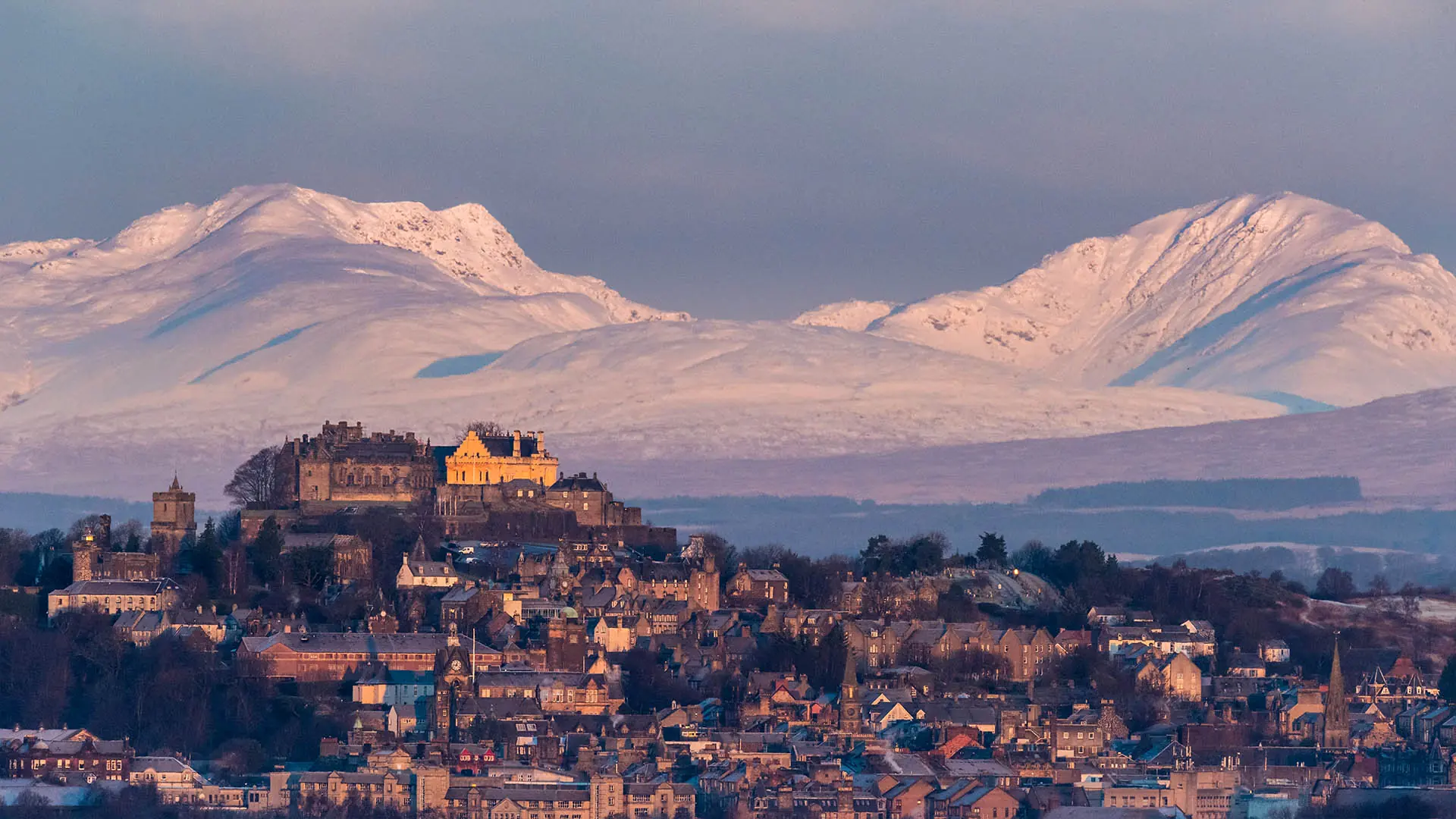
Stirling is a small city that decided the fate of a nation more than once. It sits at the narrowest crossing point of the River Forth, the hinge between the Lowlands and the Highlands, and for centuries whoever held its castle-topped crag held the road north. "He who holds Stirling holds Scotland," ran the old saying, and the two battles that settled the Wars of Independence — Stirling Bridge in 1297 and Bannockburn in 1314 — were both fought within sight of its walls. Few places pack so much history into so little ground.
The result is a place that feels older and quieter than either Edinburgh or Glasgow, and every bit as dramatic. A great Renaissance royal palace crowns the volcanic rock; a cobbled medieval Old Town tumbles down its flank past a coronation church and merchants' townhouses; and on the crags across the valley the Wallace Monument stands guard over the loop of the Forth. Beyond the town, the Trossachs and Loch Lomond begin within half an hour — which makes Stirling both a compact break in its own right and one of the best-placed bases in the country.
Top Highlights
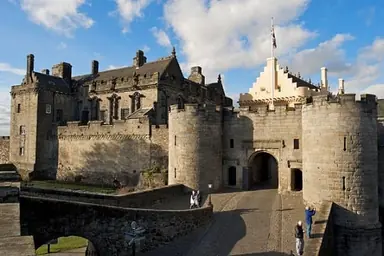
Source: Your Stirling Stirling Castle
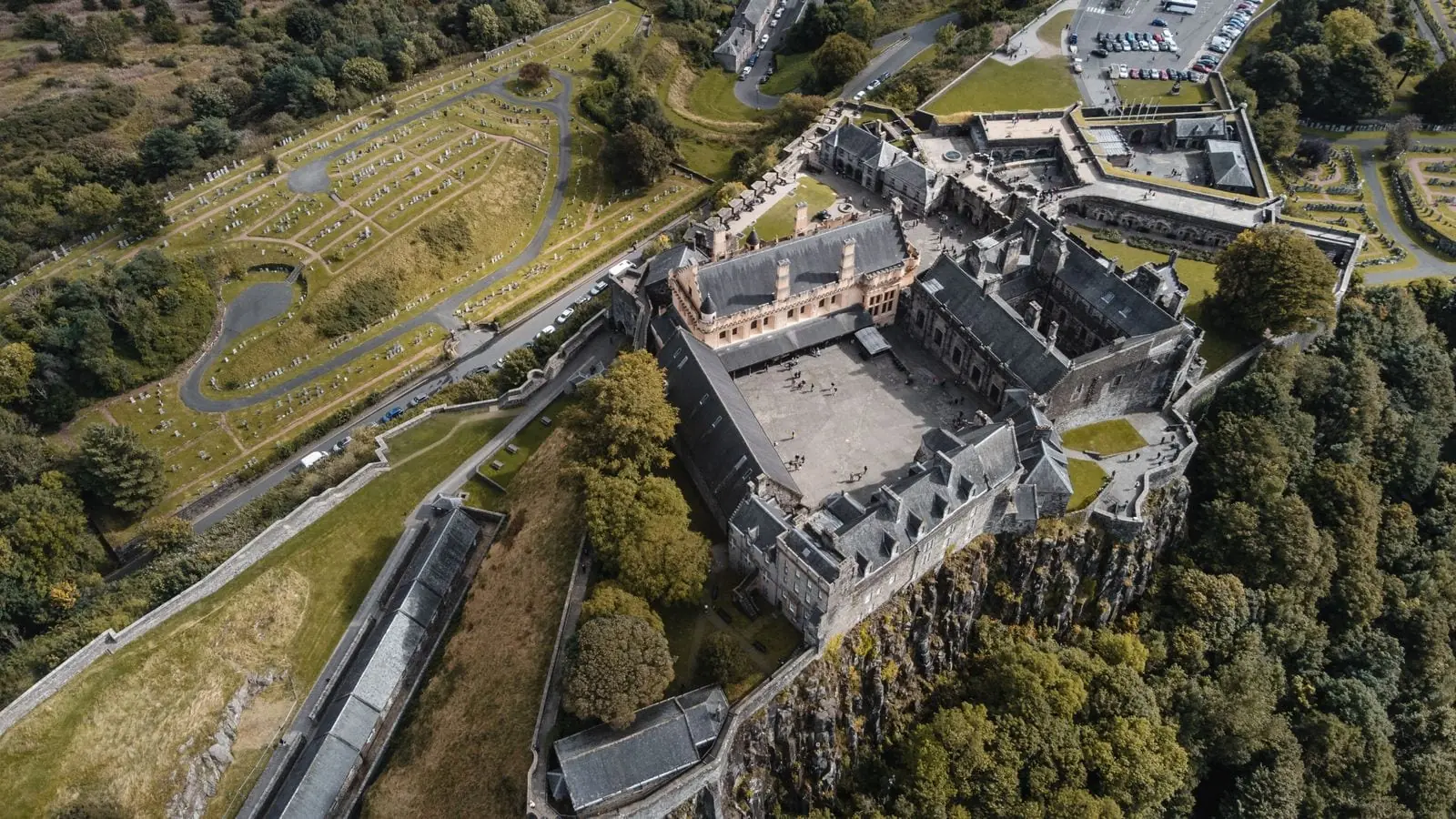
One of the grandest castles in Britain, riding a plug of volcanic rock above the town. The restored Renaissance Royal Palace of James V is the centrepiece, its ceilings hung with replica Stirling Heads and its walls with the recreated Unicorn tapestries, woven over many years by hand. Add the great limewashed Great Hall, the Chapel Royal, the vast Great Kitchens and the regimental museum, and it fills the best part of a day.
More information
Opening times: 1 Apr–30 Sep: daily 9:30–18:00 · 1 Oct–31 Mar: daily 9:30–17:00 (last entry 1 hour before closing)
Admission: Approx. £17.50 adult online / £19.50 at the gate; concession and child rates lower; under 7 free
Website: Visit Website
*Book online and arrive car-free to earn a discount at Historic Environment Scotland sites. Closed 25–26 December. Prices are approximate and subject to change.
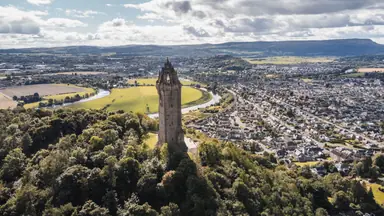
Source: Pexels The National Wallace Monument
A Victorian gothic tower on the wooded summit of Abbey Craig, raised to Sir William Wallace on the spot where he is said to have watched the English army gather before the Battle of Stirling Bridge in 1297. Climb the 246 spiral steps past the Hall of Heroes and Wallace's own great two-handed sword to a crown-topped viewing gallery, with the whole loop of the Forth, the castle and the Ochil Hills laid out below.
More information
Opening times: Daily 9:30–17:00 (last entry 1 hour before closing); seasonal variations apply
Admission: Approx. £16.50 adult, £10.50 child 5–15, family tickets available; a shuttle bus runs up the craig
Website: Visit Website
*The climb is steep and the staircase narrow — allow time and take it slowly. Book a timed slot online in summer. Prices are approximate and subject to change.
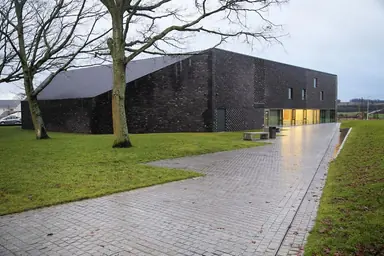
Source: GPSmyCity The Battle of Bannockburn
Two miles south of the centre, the field where Robert the Bruce broke an English army in June 1314 and secured Scottish independence. The National Trust for Scotland visitor centre stages the battle as a 3D interactive experience, while outside a great bronze statue of Bruce on horseback surveys the flagpole and rotunda that mark the ground. The landscape and monuments are free to walk at any time, and the Bruce statue is a favourite photo stop.
More information
Opening times: Mar–Oct daily 10:00–17:30 · Nov–Feb daily 10:00–17:00 (battle experience by pre-booked timed slot)
Admission: Visitor-centre experience ticketed; NTS members free; access to the memorial landscape is free
Website: Visit Website
*Reachable by local bus from the centre. Bannockburn takes part in ScotRail's 2-for-1 offer with a valid rail ticket. Prices are approximate and subject to change.
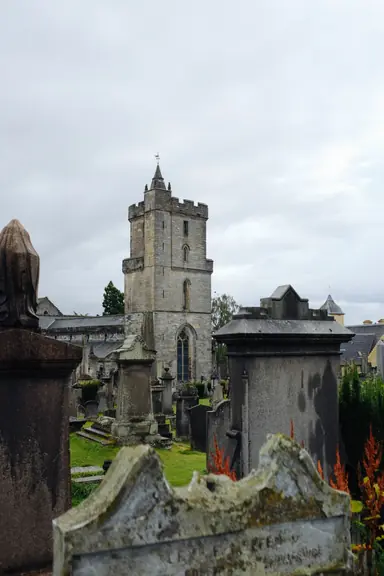
Source: Pexels Church of the Holy Rude
Stirling's medieval parish church, standing on the ridge between the castle and the Old Town, and one of only two active churches in Britain — the other being Westminster Abbey — to have hosted a coronation. The infant James VI was crowned here in 1567, with John Knox preaching the sermon. Its rare 15th-century open-timber oak roof survives intact, and the kirkyard behind rolls downhill with sweeping views over the valley.
More information
Opening times: Open to visitors roughly late March to early November, daily 10:00–17:00 (guided tours at set times); closed in winter
Admission: Free (donations welcome)
Website: Visit Website
*Still a working church, so it may be closed for services and events — check ahead. The adjoining Old Town Cemetery is worth a wander for its Victorian monuments. Times are approximate and subject to change.
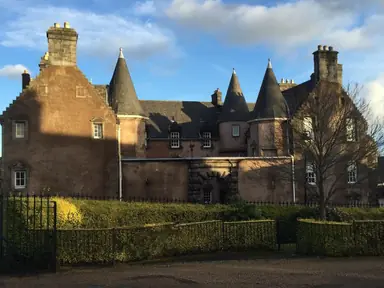
Source: Tripadvisor Argyll's Lodging
The finest surviving 17th-century townhouse in Scotland, tucked into the slope on the way up to the castle. Built for a wealthy merchant and later home to the Earls of Argyll, its rooms have been restored and furnished to show how the nobility lived — the High Dining Room, the Laigh Hall and the Purple Room among them. A rare, intimate glimpse of Renaissance domestic life behind an ornate courtyard façade.
More information
Opening times: Seasonal opening in the care of Historic Environment Scotland; access is sometimes by guided tour — check before visiting
Admission: Included with a Stirling Castle ticket or Explorer Pass when open
Website: Visit Website
*Opening arrangements vary through the year and can be limited, so confirm on the day. It sits a short walk below the castle esplanade. Times are approximate and subject to change.
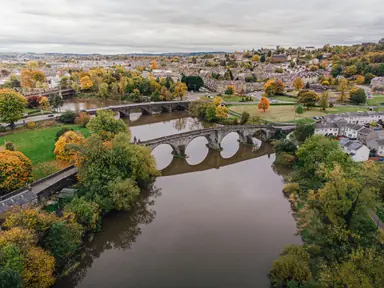
Source: Pexels Old Stirling Bridge
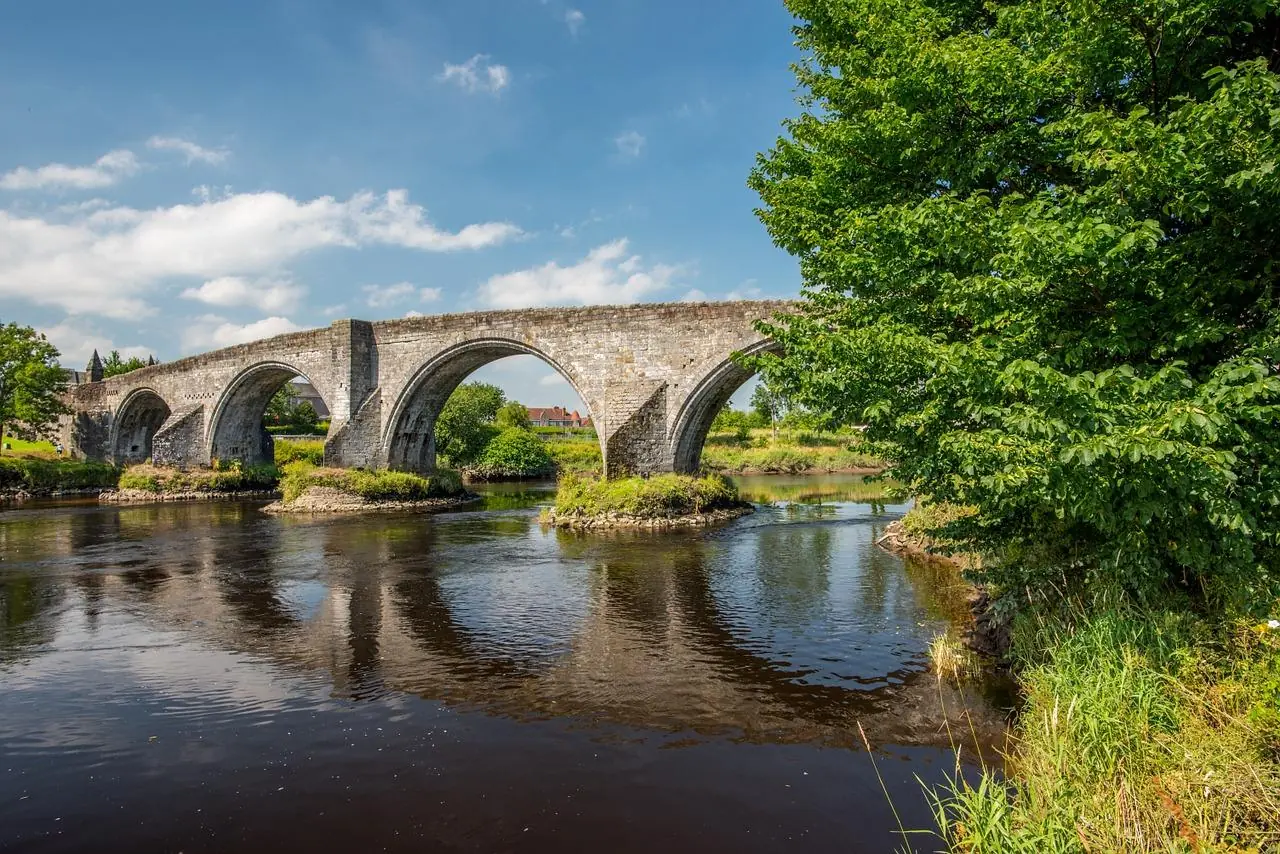
A graceful 15th-century stone bridge over the Forth, standing close to where Wallace and Andrew Moray destroyed an English army at the Battle of Stirling Bridge in 1297 — the wooden bridge of the battle itself long gone. For centuries this was the lowest and most strategic crossing of the river, the gateway between north and south. It is free to walk across at any hour, with the Wallace Monument rising on the craig beyond.
More information
Opening times: Open at all times
Admission: Free
Website: Visit Website
*An easy riverside walk from the town centre, and a fine spot for photographs of the monument. Combine it with a stroll along the Forth. Always open and free.
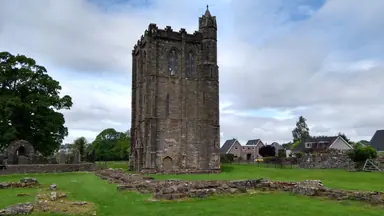
Source: Wikipedia Cambuskenneth Abbey
The romantic ruins of a 12th-century Augustinian abbey, set in a quiet loop of the Forth a short walk across the river from the town. Little remains but low walls and a superb, near-complete freestanding bell tower you can sometimes climb — yet this was one of the most important religious houses in Scotland, where Robert the Bruce held a parliament and where James III and his queen lie buried.
More information
Opening times: Grounds generally open in the summer season; the tower has limited access — check with Historic Environment Scotland
Admission: Free
Website: Visit Website
*Reached on foot over the Forth footbridge from Riverside, or via the village of Cambuskenneth. A peaceful detour away from the crowds. Times are approximate and subject to change.
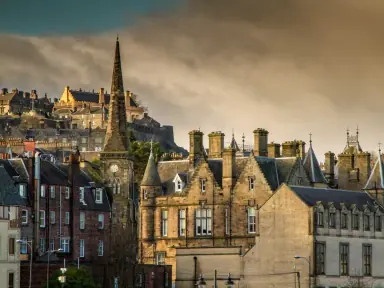
Source: Scotland's Wild The Old Town — Top of the Town
The cobbled medieval quarter climbing from the centre up to the castle, and the most rewarding free walk in the city. Broad Street was the old marketplace, complete with its Mercat Cross and Tolbooth; nearby stand the carved ruins of Mar's Wark, the grand townhouse of the Regent Mar, and the surviving stretches of the old town walls. Wander uphill past merchants' houses, wynds and the coronation church to the esplanade.
More information
Opening times: Always open
Admission: Free
Website: Visit Website
*The Back Walk, a wooded path following the line of the 16th-century town walls, loops round the crag and is one of the best short walks in Stirling. Always open and free.
Insider tip: Stirling packs a lot of history into a small, walkable ridge, and much of it is free — the Old Town, the Back Walk, Old Stirling Bridge, Cambuskenneth Abbey and the Church of the Holy Rude all cost nothing. Save your admission budget for the castle, the Wallace Monument and Bannockburn, and book those online to earn discounts and secure a timed slot in summer.
Neighborhoods & Where to Stay
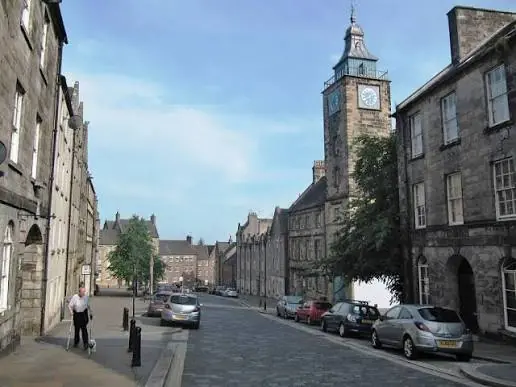
Top of the Town
The historic quarter on the ridge below the castle is where Stirling is at its most atmospheric — cobbled Broad Street, the Church of the Holy Rude, Mar's Wark and the old town walls, all within a few minutes' walk of the esplanade. A handful of guesthouses and small hotels occupy the old merchants' houses here, putting you right inside the medieval city. Quiet at night, steep underfoot, and unbeatable for history and views. Best for first-timers and short stays.
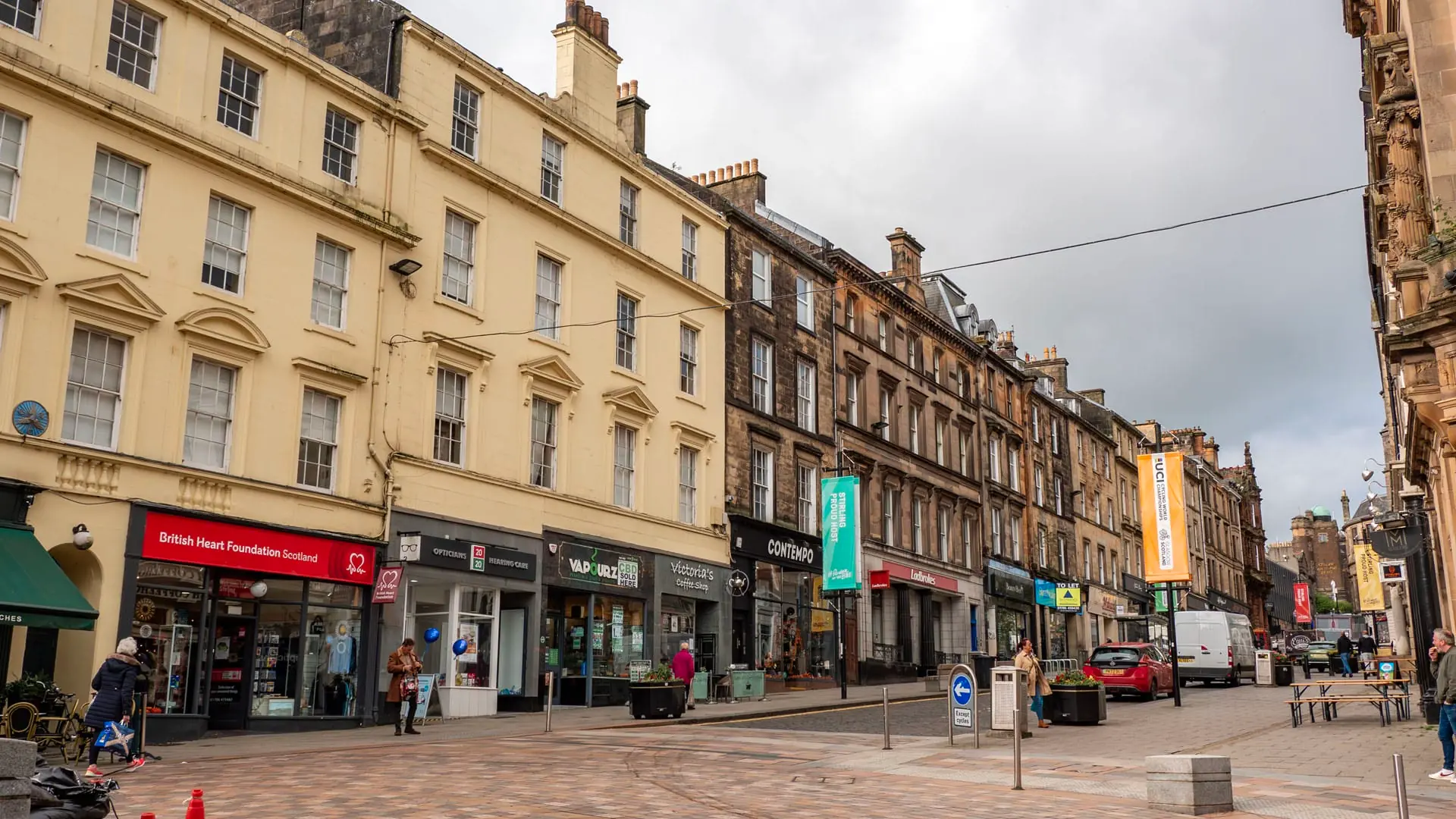
City Centre
The Victorian and modern heart of the town spreads downhill from the Old Town around King Street, Port Street and Murray Place, with the shops, the bus station and the railway station all close together. This is the most convenient base — walkable to everything, well stocked with hotels and chain accommodation, and a five-minute stroll from the trains that reach Edinburgh, Glasgow and the Highlands. Flat, practical and central. Best for convenience and onward travel.
Riverside
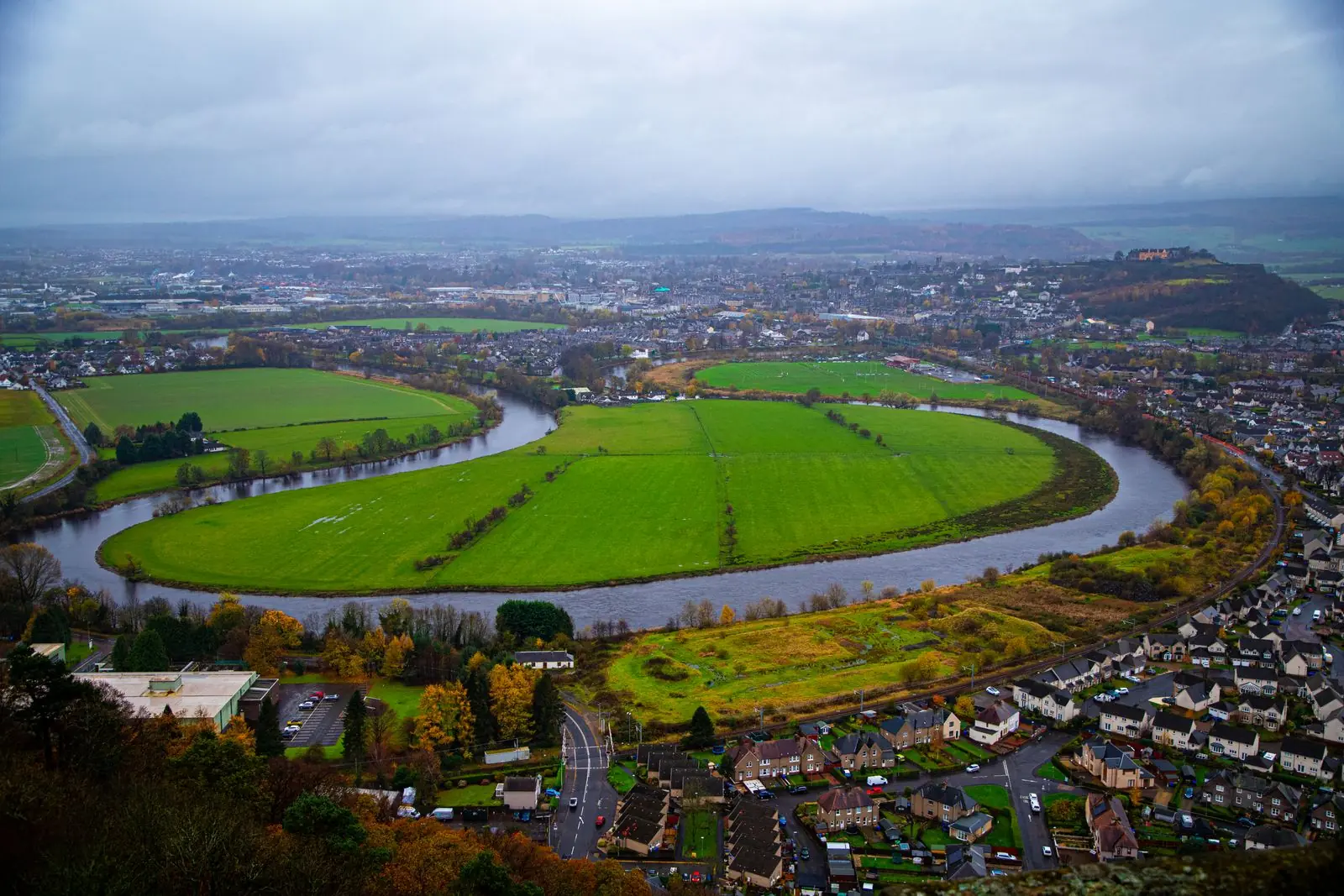
East of the centre, where the town meets the meandering River Forth, Riverside is a quieter residential district with riverside walks, the footbridge over to Cambuskenneth Abbey, and easy access to Old Stirling Bridge and the road out to the Wallace Monument. It is a short walk or cycle from the station and the shops, with a scattering of guesthouses and B&Bs. Peaceful and green, and handy for the river and the monument. Best for a calmer stay.
Bridge of Allan
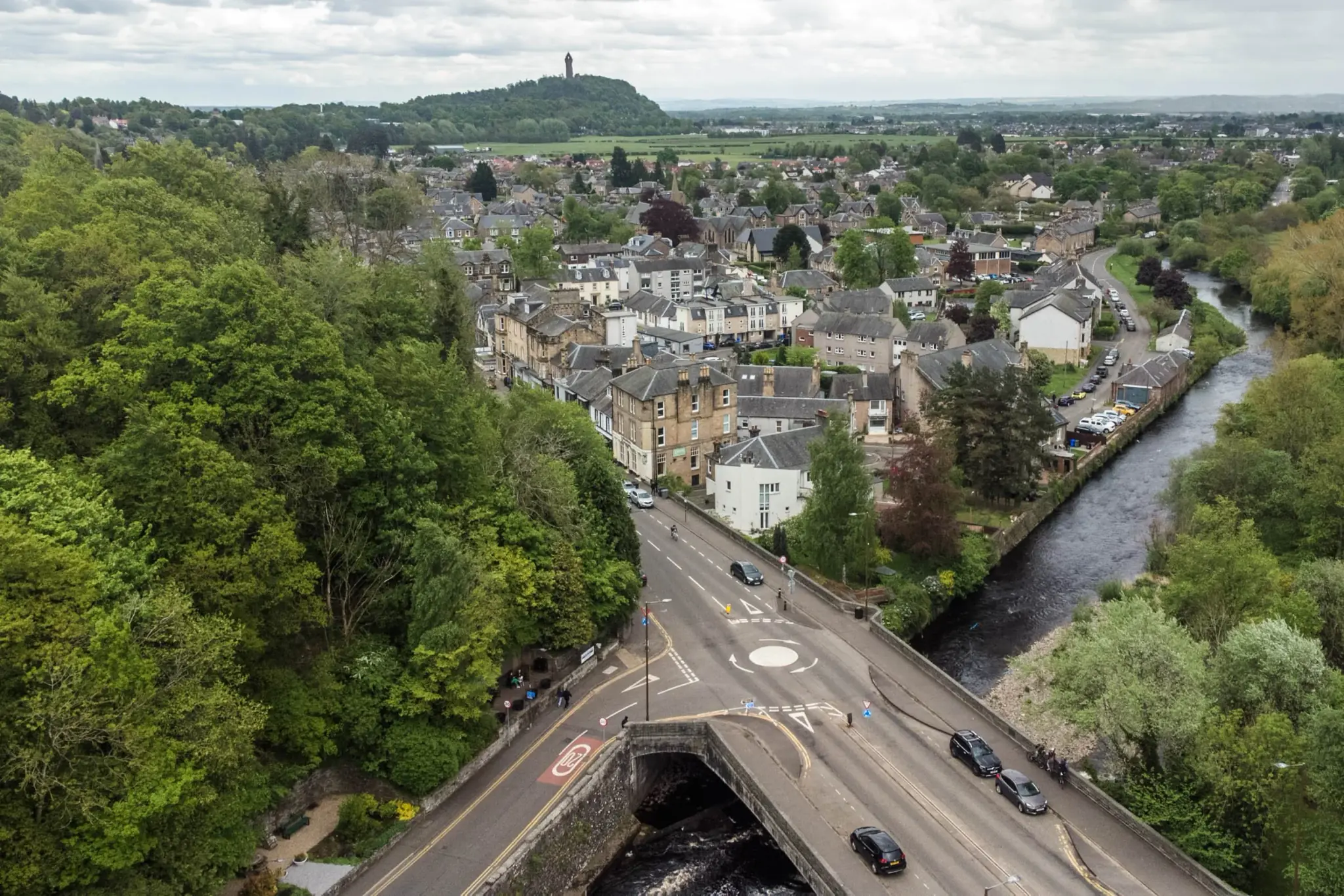
A genteel Victorian spa town three miles north, now effectively a leafy suburb of Stirling and a short hop by train or bus. Its long main street of independent cafés, delis and boutiques, its handsome stone villas and its proximity to the University of Stirling give it a relaxed, prosperous feel. Walkers use it as a launch point for Dumyat and the Ochil Hills. A charming, quieter alternative with good places to eat. Best for a slower, scenic base.
The University & Airthrey
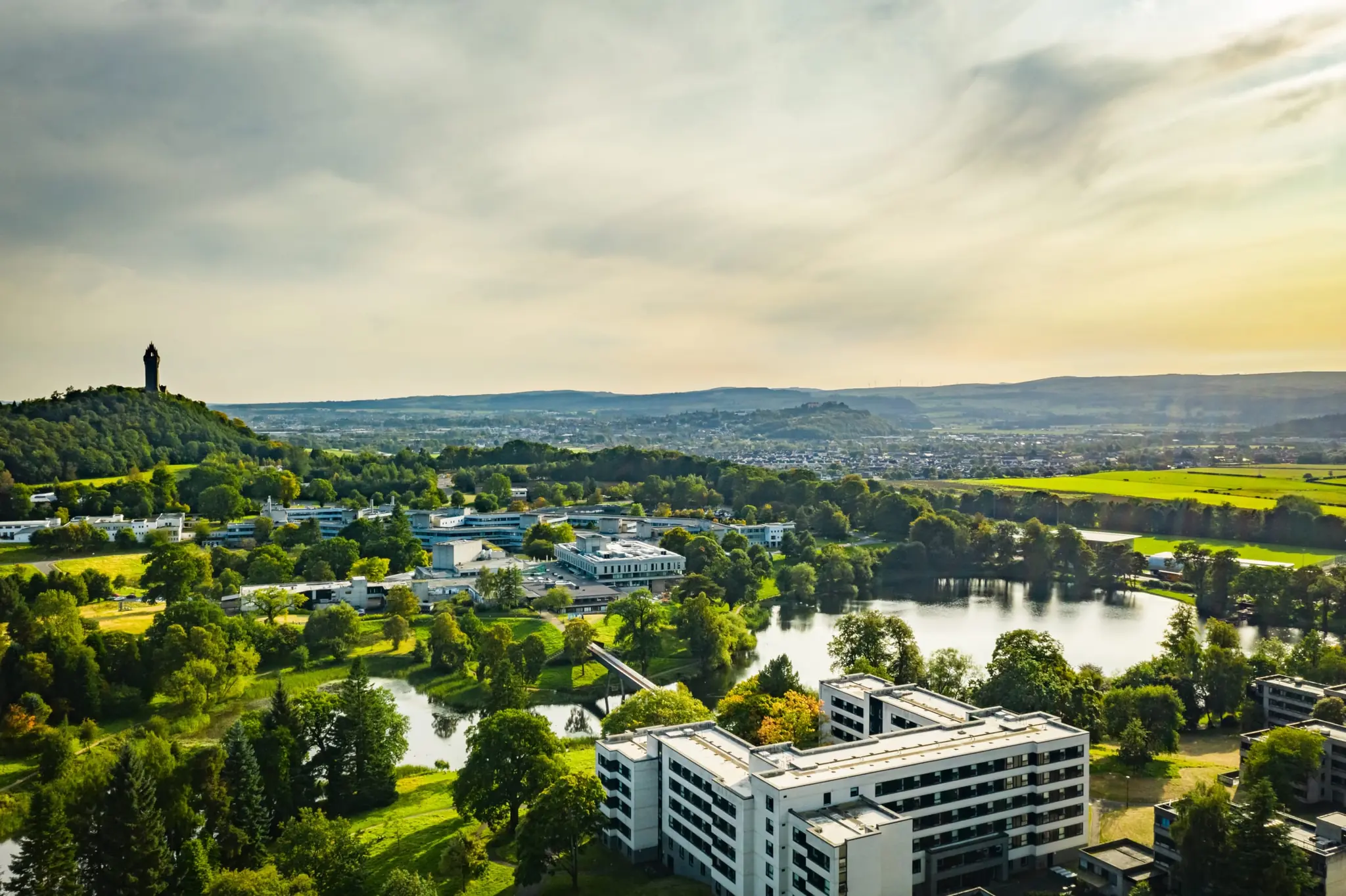
The University of Stirling occupies one of the most beautiful campuses in Britain, laid out around Airthrey Loch in the parkland of a Georgian estate beneath the Ochil Hills, between the town and Bridge of Allan. Out of term, its halls of residence offer some of the best-value beds in the area, and its loch, golf course and hill paths are open to visitors. Green, quiet and scenic, if a bus ride from the centre. Best for budget and outdoors trips.
Food & Drink
Stirling eats like the market town it has always been — hearty, traditional Scottish cooking, made from the rich produce of the surrounding farmland, the Forth valley and the hills. You will find haggis and steak pie on old-fashioned pub menus in the Old Town, alongside a newer wave of cafés, bistros and craft-beer bars around the centre and out in Bridge of Allan. Portions are generous, prices are gentler than in the big cities, and a good Sunday roast is never far away.
-
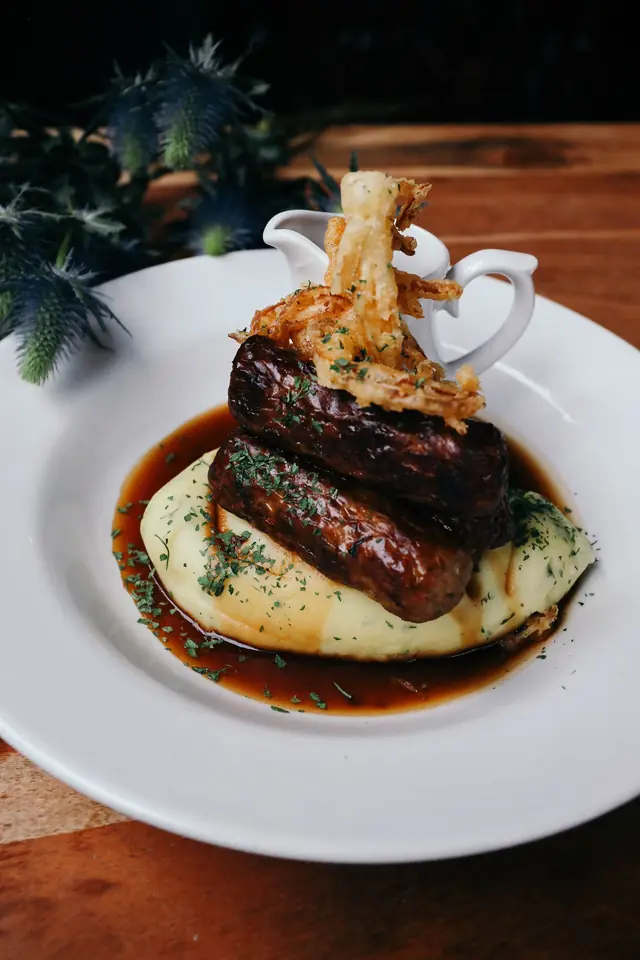
Haggis, neeps and tatties — Scotland's national dish, a peppery, oaty pudding of sheep offal and suet served with mashed turnip and potato and often a whisky cream sauce. Far better than its description suggests, and vegetarian haggis appears on almost every menu. Order it in an Old Town pub, or at a Burns Supper in January if your timing is right.
-
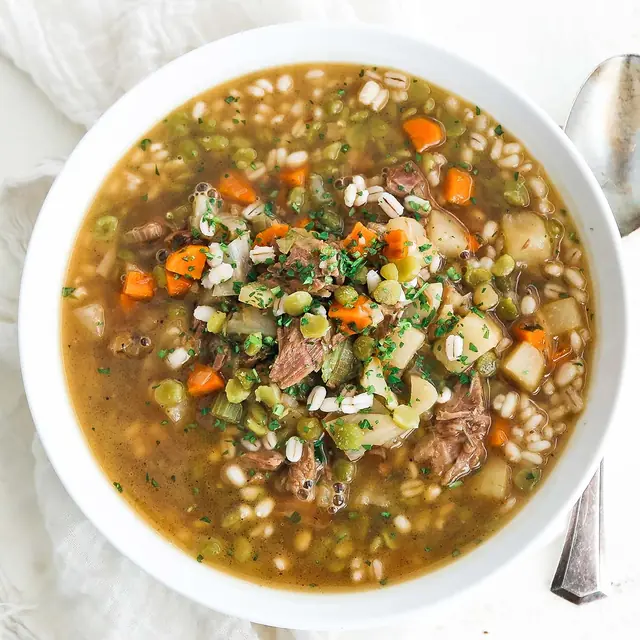
Scotch broth — A thick, warming soup of lamb or beef, barley and root vegetables, simmered slow and served with crusty bread. It is the correct order on a cold, wet day in the shadow of the castle, and a good pub version is a meal in itself.
-
Scottish steak pie — Chunks of beef in rich gravy under a lid of flaky puff pastry, a fixture of Scottish tables and the traditional New Year's Day dinner. Butchers and pubs across Stirling take theirs seriously; it usually arrives with chips or mash and vegetables.
-
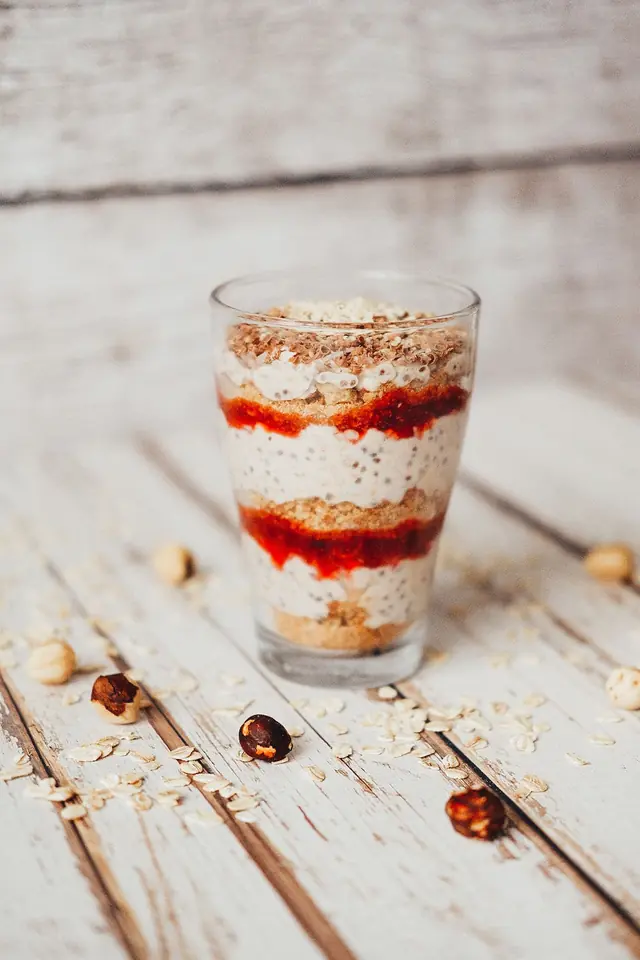
Cranachan — The classic Scottish dessert to order if it appears: whipped cream layered with toasted oats, raspberries, honey and a splash of whisky. Light, boozy and seasonal, it makes the most of Scotland's summer berries and is far nicer than it sounds.
-
Shortbread and tablet — The souvenirs of the sweet-toothed. Buttery shortbread and tablet — a crumbly, fudge-like Scottish confection that is sweeter and grainier than fudge — turn up at markets and bakeries across town. Buy from a baker rather than a gift shop and the difference is immediate.
Insider tip: Stirling is a compact town, and its kitchens keep small-town hours — many pubs stop serving food between 20:00 and 21:00, earlier than in the cities. Eat a little earlier than you might elsewhere, book ahead for weekend dinners, and head to Bridge of Allan for the best concentration of cafés and independent restaurants.
 Haggis, neeps and tatties
 Scotch broth
 Scottish steak pie
 Cranachan
Whisky, Beer and the Pub
Stirling's drinking is done in traditional pubs, and it does them well. Old Town bars pour Scotch by region — Islay for peat and smoke, Speyside for honey and fruit, Highland for something in between — and a decent bar will steer you through the list; a splash of water is normal and opens the spirit up. The surrounding country is craft-beer territory, with local breweries supplying the town's taprooms, and there are gin and whisky distilleries within an easy drive in the Forth valley and the Trossachs. Real-ale pubs cluster around the centre and Bridge of Allan, and most serve food from noon and stop between 20:00 and 21:00, so plan dinner earlier than you might in Edinburgh or Glasgow.
Transportation
Stirling is a small, flat, walkable town, and once you are in the centre you rarely need transport at all — the castle, the Old Town, the shops and the station are all within fifteen minutes of each other on foot. For the sights just outside town and for day trips, local buses and a superbly connected railway do the rest.
Getting Around the City
Almost everything in the centre is walkable, though the climb from the station up to the castle is steep — pace yourself, and use the wooded Back Walk for the gentler, prettier route round the crag. Local buses run to the edge-of-town sights that are a stretch on foot, including Bannockburn, the Wallace Monument and Bridge of Allan, and they take contactless payment. For a small city, a taxi is cheap and quick if the weather turns. Fares are set by the operators and are approximate and subject to change.
Book Stirling Castle, the Wallace Monument and Bannockburn online, arrive by train or bus, and you can often claim a discount — Historic Environment Scotland rewards car-free visitors, and Bannockburn runs a ScotRail 2-for-1 offer with a valid rail ticket. It pays to leave the car behind.
Nearest Airports
Stirling has no airport of its own, but two of Scotland's busiest are within an hour. Edinburgh Airport is about 34 miles east — roughly 45–60 minutes by car, or via a bus or tram-and-train connection through the capital. Glasgow Airport is about 39 miles south-west, a similar time by road or by the airport bus into Glasgow and a train onward. Both are straightforward gateways, and the frequent trains from Stirling make either an easy start or end to a trip.
Trains and Onward Travel
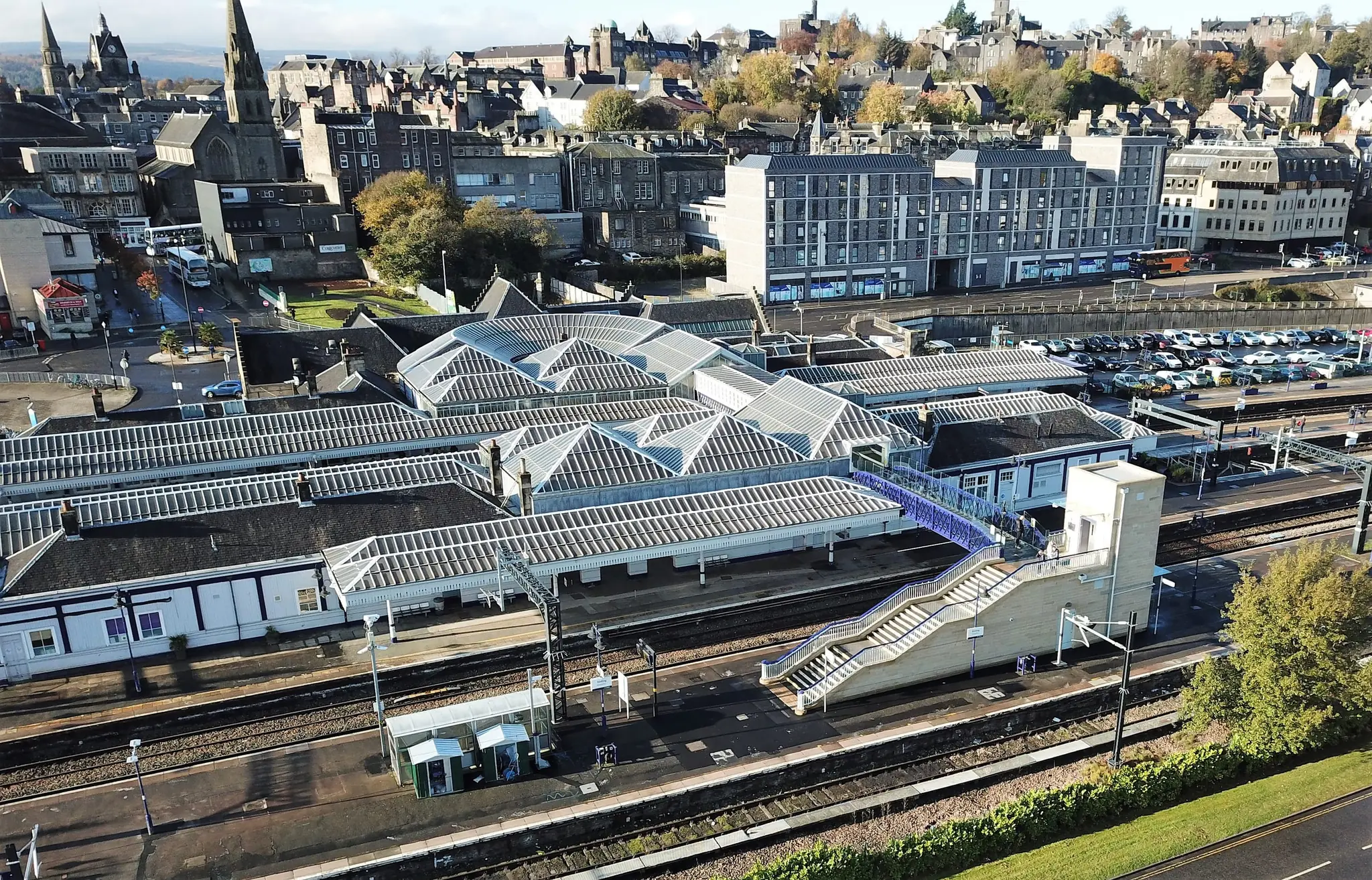
Stirling's station sits right in the centre and is one of the best-connected in Scotland. Edinburgh is roughly 50 minutes away, about every 30 minutes; Glasgow Queen Street is around 33 minutes, up to every 20 minutes. Trains also run north to Dunblane, Perth, Aberdeen and Inverness, putting much of the country within easy reach. This central position is what makes Stirling such a good touring base. Book Scottish routes and check live times at ScotRail.
Day Trips from Stirling
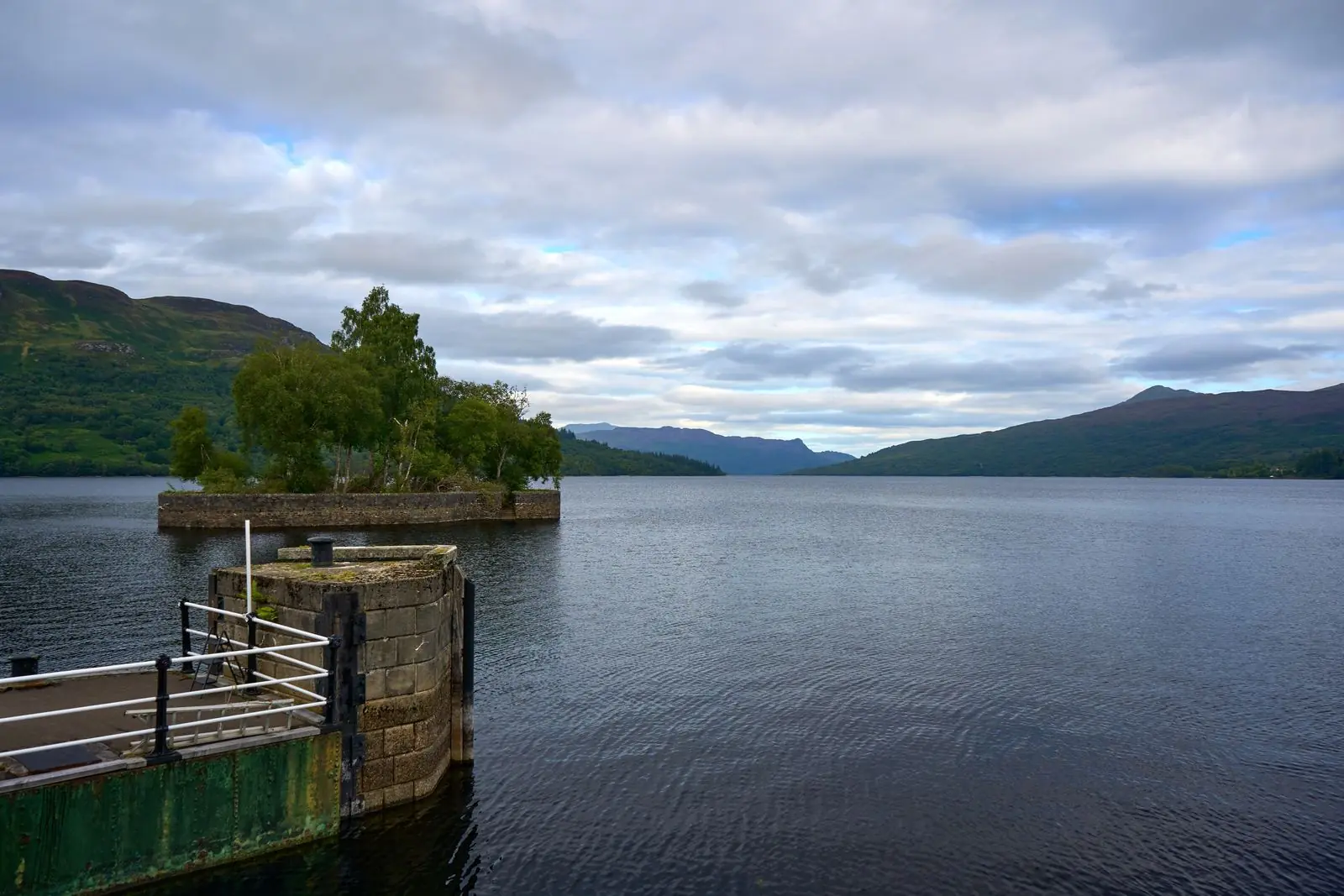
Loch Lomond & the Trossachs (about 1 hr)
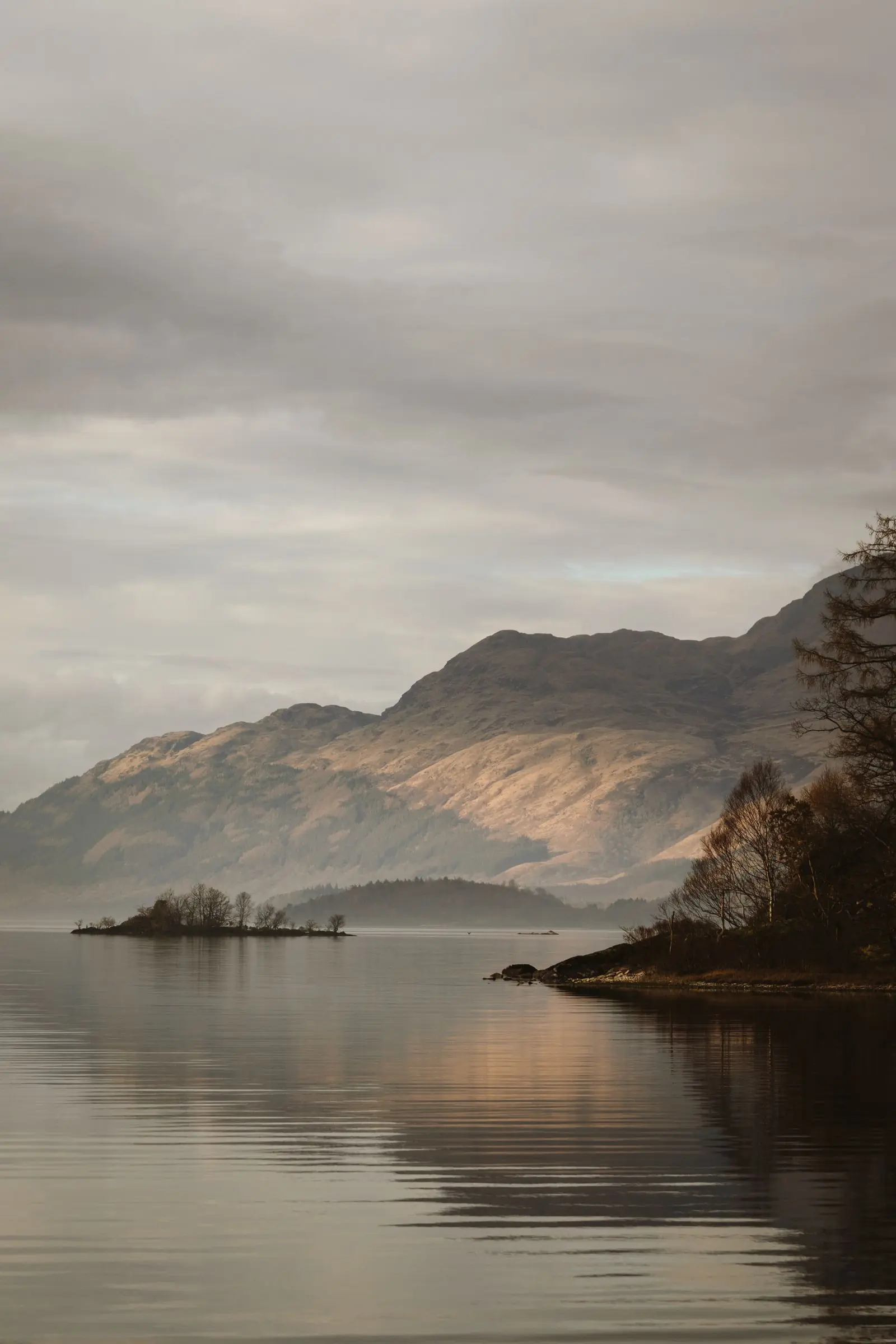
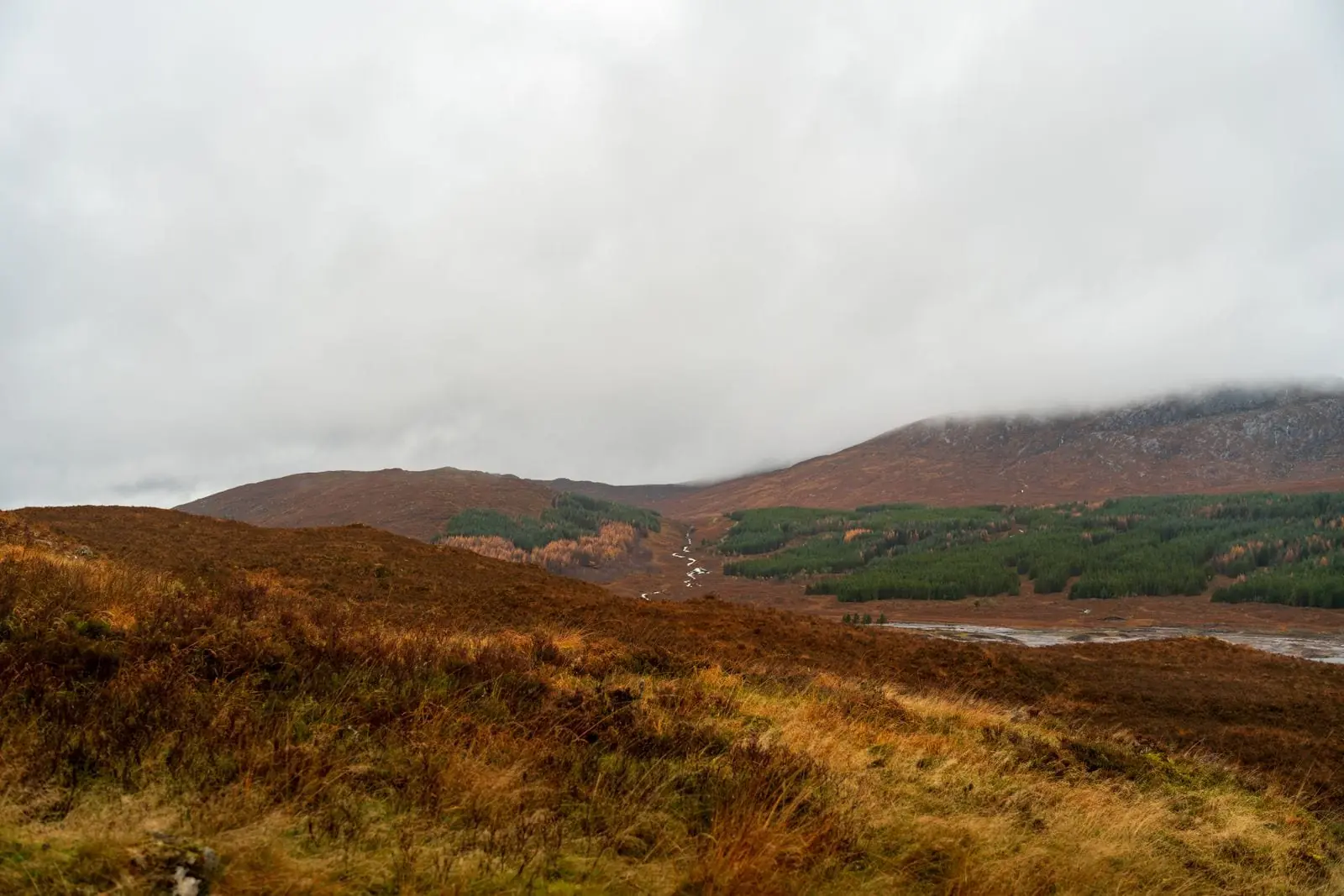
The Highlands begin on Stirling's doorstep. Loch Lomond & The Trossachs National Park — Britain's largest freshwater loch, ringed by hills and dotted with islands — is under an hour away by road, with boat trips, lochside walks and the Lomond Shores centre at Balloch. Aberfoyle, the Duke's Pass and Loch Katrine offer wilder scenery still. A car or guided tour helps, though buses reach the main gateways. Plan at the national park website.
The Kelpies & the Falkirk Wheel (about 25 min by train)
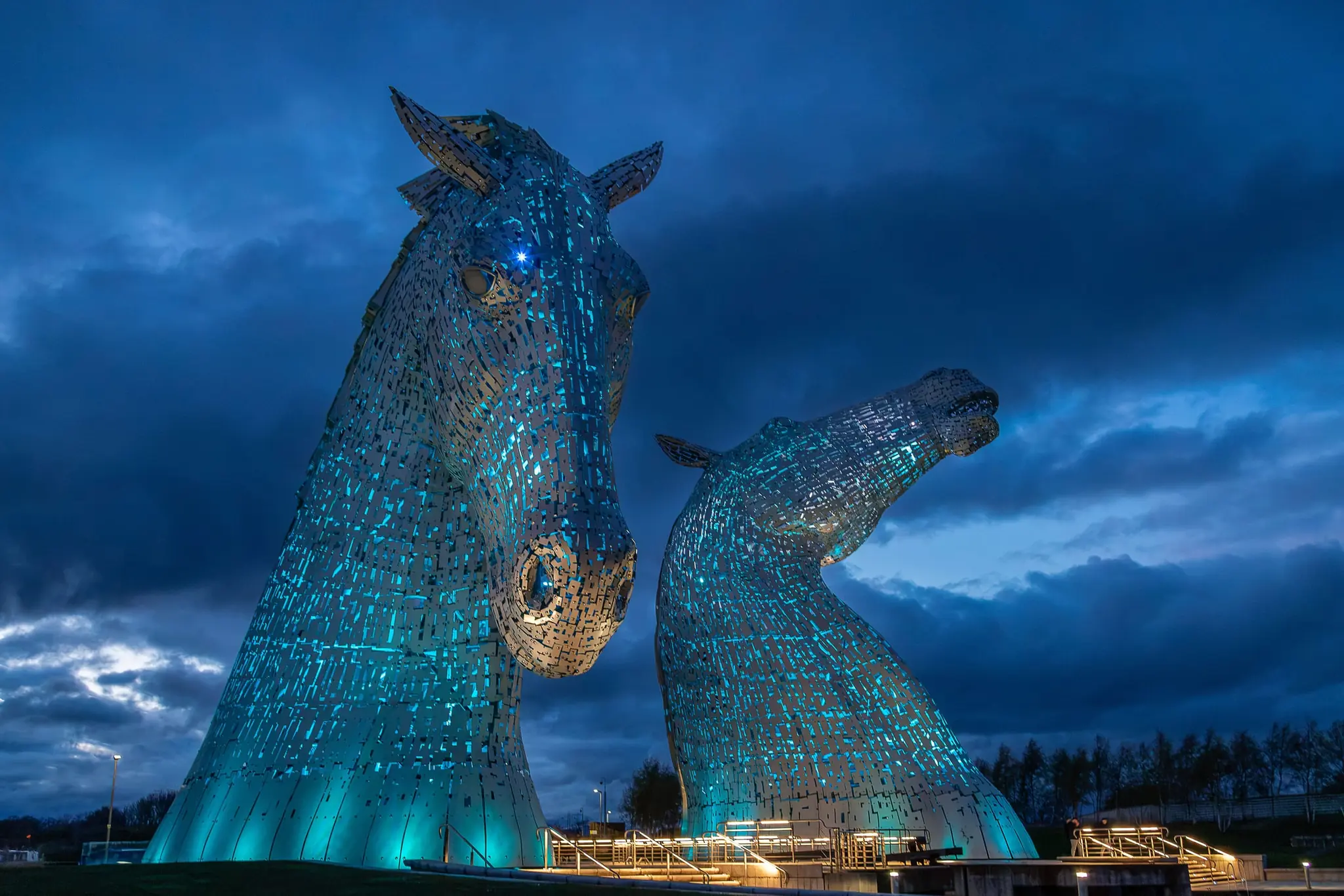
Two of Scotland's boldest modern landmarks sit close together at Falkirk, roughly 25 minutes from Stirling by train. The Kelpies are a pair of 30-metre steel horse-heads rearing over the canal in the free Helix park — free to see, with paid tours inside. A few miles off, the Falkirk Wheel is the world's only rotating boat lift, cradling barges between two canals; watch it turn for free or take a paid boat trip. Easier combined by taxi from Falkirk.
Doune Castle (about 25 min by bus)
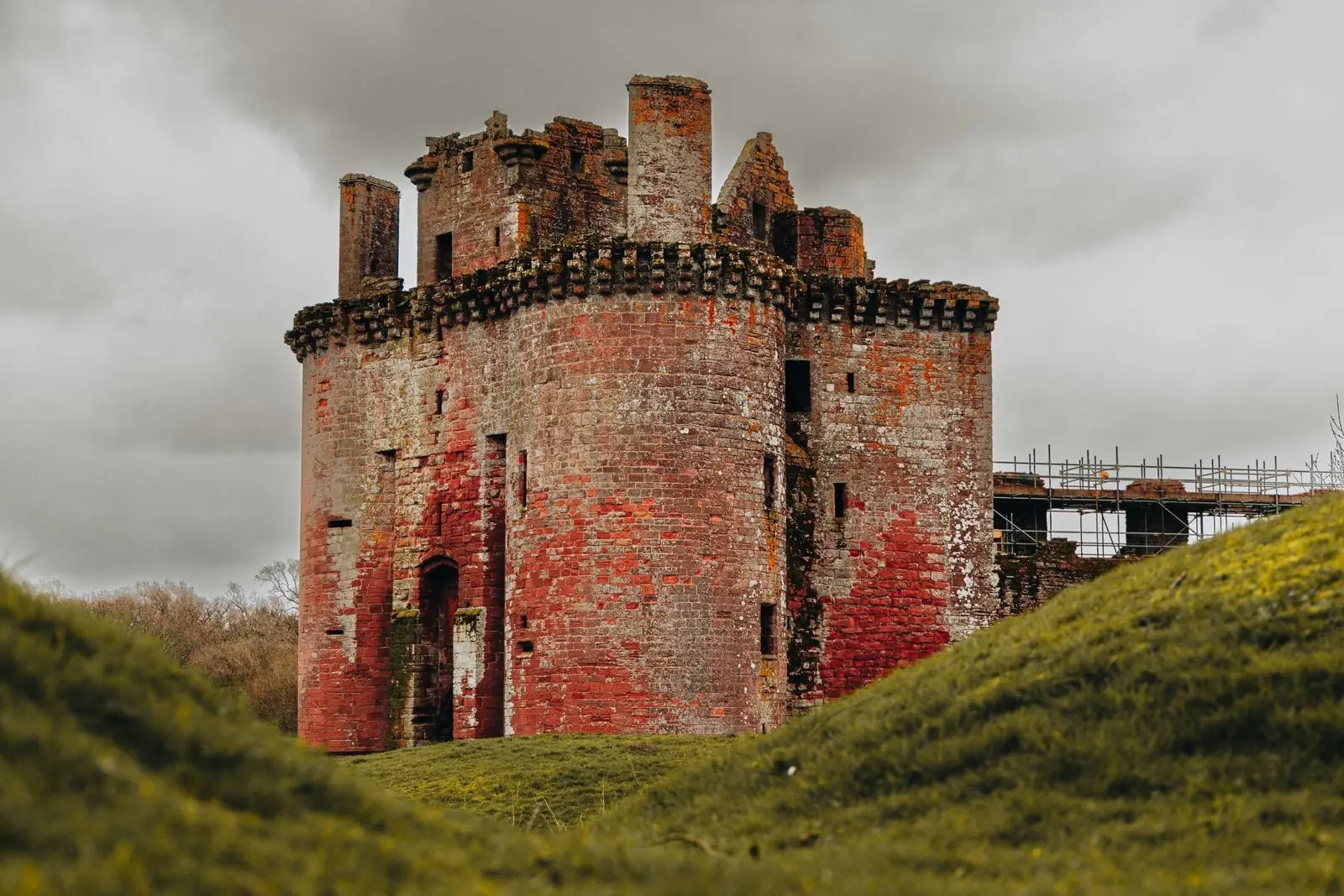
A remarkably complete medieval stronghold eight miles north-west, best known to film and TV fans as a location for Monty Python and the Holy Grail, Outlander (as Castle Leoch) and the Game of Thrones pilot. Its great tower-house and echoing hall are wonderfully evocative, and the excellent audio guide is voiced by Python's Terry Jones. Admission is roughly £10 adult online / £11 at the gate, open daily 9:30–17:30 in summer and 10:00–16:00 in winter (prices approximate and subject to change). Reach it by bus from Stirling.
Callander & the Trossachs (about 45 min by bus)
The little town of Callander is the eastern gateway to the Trossachs, sometimes called the "Highlands in miniature". Its main street of tearooms and outdoor shops sits below wooded crags, with walks to the Bracklinn Falls and up Ben A'an and the shores of Loch Katrine — where the Victorian steamship Sir Walter Scott still cruises — within easy reach. There is no railway now, so take the bus from Stirling or drive. A classic taste of Rob Roy country.
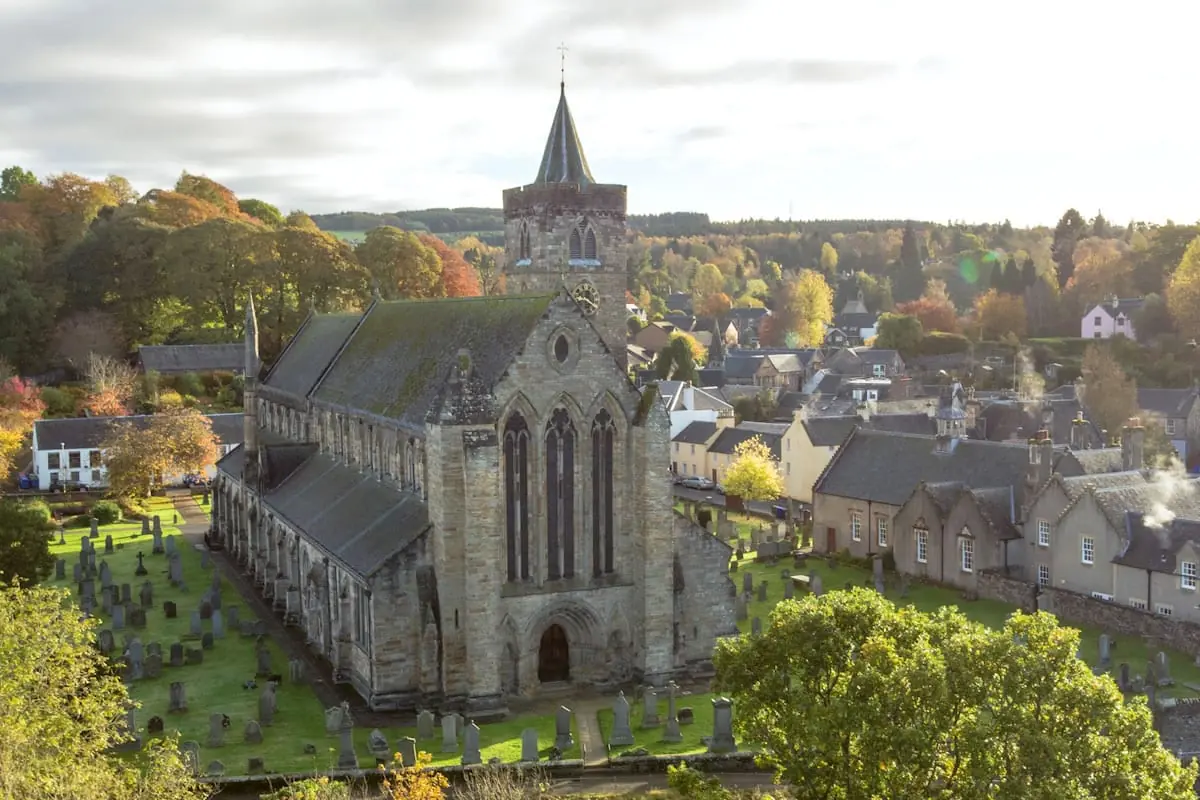
Dunblane (about 10 min by train)
A pretty cathedral town just north of Stirling, barely ten minutes away by train. Dunblane Cathedral is a beautifully restored medieval kirk, its 12th-century tower and soaring gothic nave among the finest in Scotland, and free to enter. The old streets around it hold a cluster of independent shops and cafés, and a quiet riverside walk along the Allan Water. An easy, low-effort half-day, and a good add-on to a Trossachs trip. Managed by Historic Environment Scotland.
Proposed Itinerary
Two days covers Stirling's headline sights comfortably, with a third given over to the Trossachs or a castle beyond the town. Distances are short, the Old Town is walkable, and the outlying monuments are a quick bus ride away.
Day 1: The Castle and the Old Town
Start at the top of the rock and work your way down.
- Morning: Be at Stirling Castle for opening, when the royal palace and Great Hall are at their quietest. Allow two to three hours, and take in the views from the ramparts.
- Afternoon: Walk down through the Top of the Town — the Church of the Holy Rude, Mar's Wark, Broad Street and the Mercat Cross — and loop back on the wooded Back Walk around the crag.
- Evening: Dinner in an Old Town pub with a plate of haggis or steak pie, and a dram to follow.
Day 2: Wallace, Bannockburn and the River
The story of independence, told across the valley.
- Morning: Cross to Abbey Craig and climb the National Wallace Monument for the sword, the Hall of Heroes and the crown-topped view over the Forth.
- Afternoon: Head south to the Battle of Bannockburn visitor centre and the great Bruce statue, then walk the memorial landscape.
- Evening: Stroll out to Old Stirling Bridge and along the river at dusk, with the monument lit on its craig, before dinner back in town.
Day 3: Into the Trossachs
Trade history for scenery on the doorstep.
- Morning: Take the bus to Callander, browse the main street, and walk up to the Bracklinn Falls or towards Loch Katrine.
- Afternoon: Continue into the Trossachs proper — a cruise on Loch Katrine, or the drive over the Duke's Pass — or divert to Doune Castle on the way back.
- Evening: Return to Stirling for a quiet last dinner, or push on to Bridge of Allan for its cafés and bars.
Insider tip: Stirling's weather can turn in an hour, so keep one indoor sight — the castle, the Wallace Monument, or a museum — in reserve for each afternoon, and carry a waterproof whatever the forecast. If a clear morning arrives, reorder your plans and climb something: the views from the crag and the monument are the whole point.
Seasonal Events & Festivals
Shopping & Nightlife
The Shops of the Centre
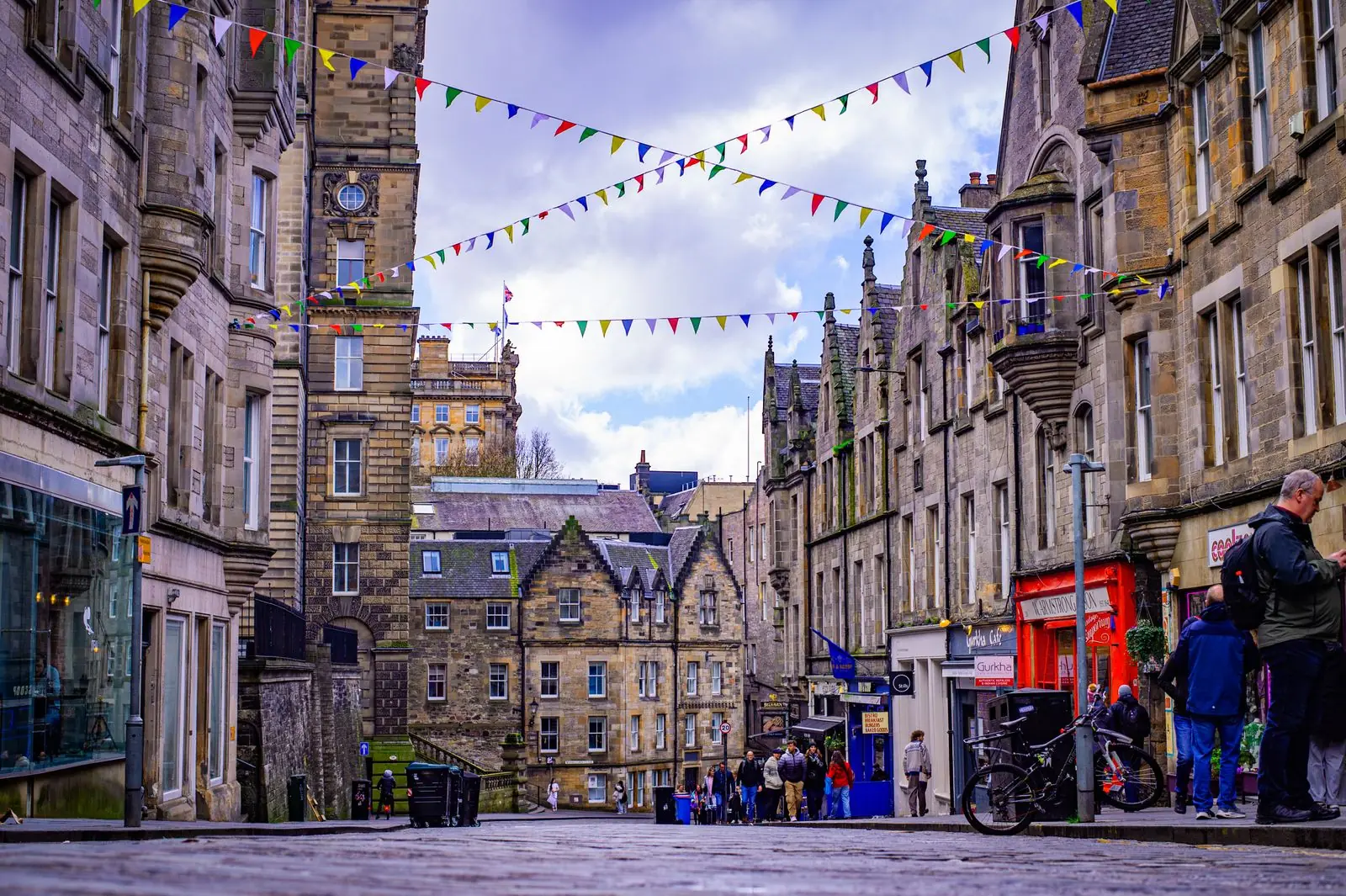
Stirling's shopping is concentrated and easy to navigate. King Street, Port Street and Murray Place hold the high-street names and independents, while the covered Thistles centre gathers the bigger chains under one roof. Up in the Old Town you will find gift shops, Scottish woollens and craft sellers around the castle approach. Most shops open around 9:00–10:00 and close by 17:30 or 18:00, with reduced hours on Sundays.
Markets & Independents
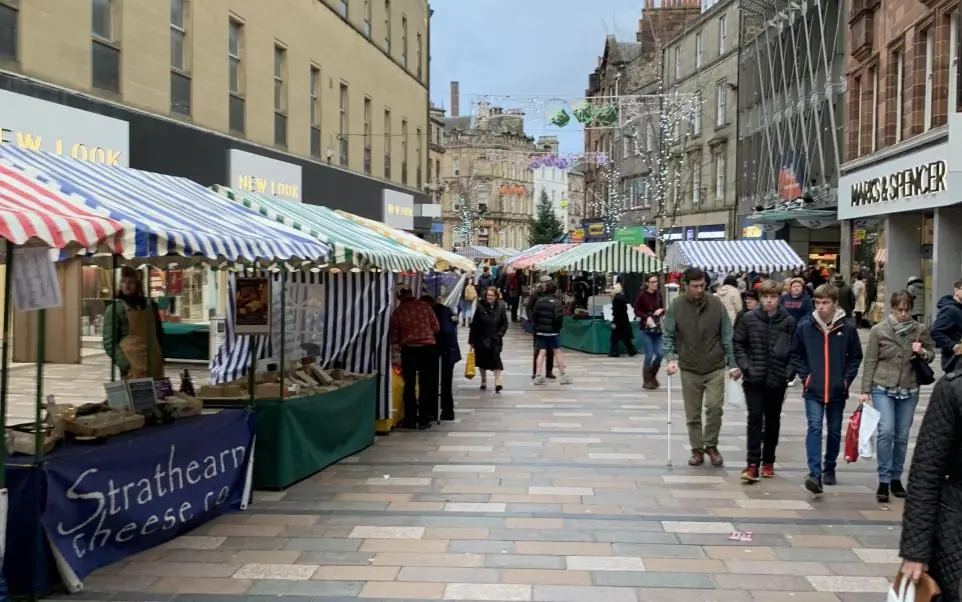
For something more local, look out for the regular farmers' and artisan markets that set up in the city centre, selling Stirlingshire produce, baking, cheese and crafts. The best concentration of independent shops is out in Bridge of Allan, whose Victorian main street is lined with delis, bookshops, galleries and gift stores — an easy and rewarding half-day by train or bus from the centre.
Nightlife
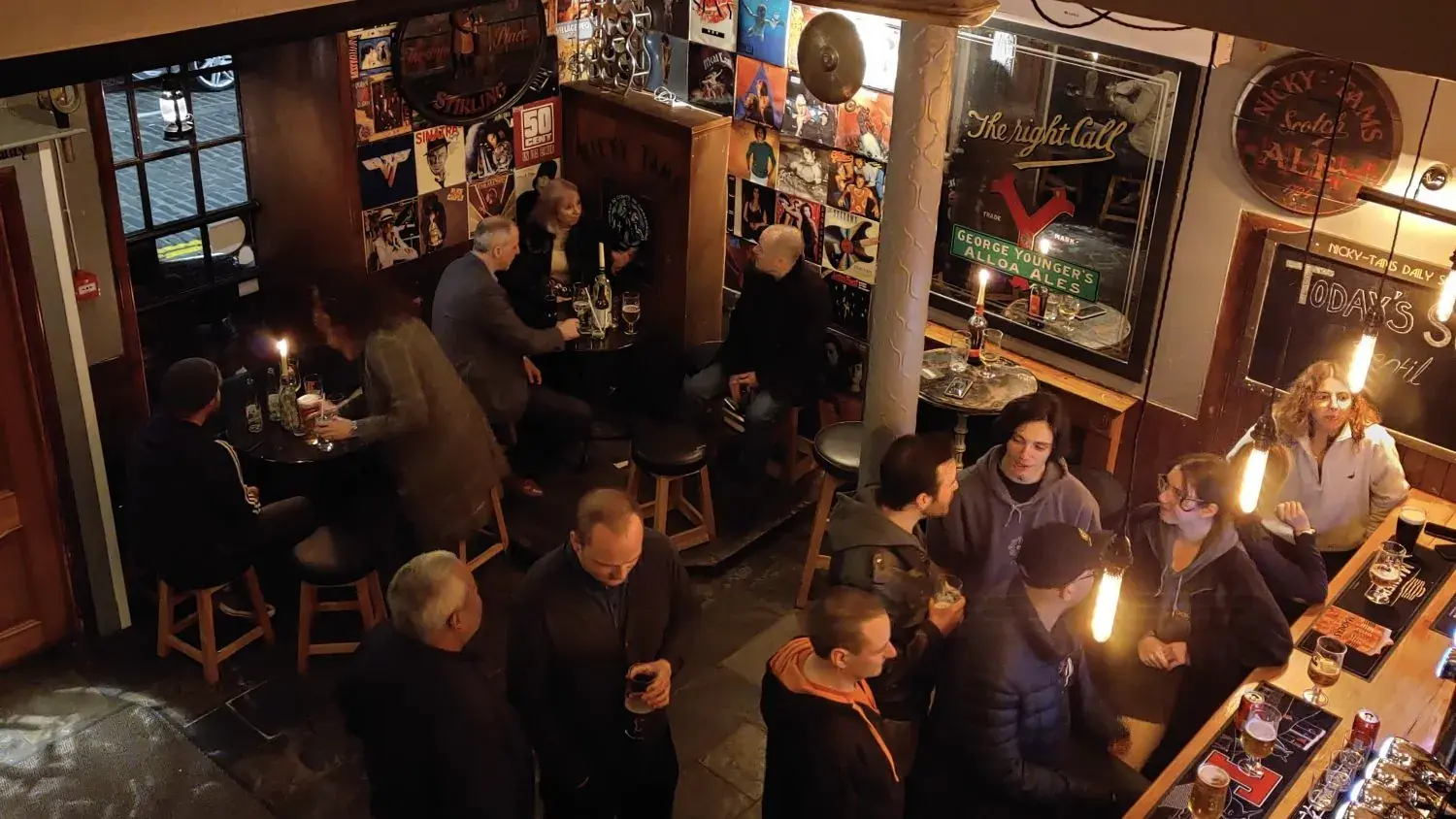
Stirling's nights are pub-shaped and friendly rather than clubby — traditional bars and real-ale pubs in the Old Town and the centre, a scattering of live-music and folk-session venues, and the lively student scene brought by the University of Stirling. It is a compact town, so an evening tends to be a wander between a few good pubs rather than a late one out. Standard licensing runs to around midnight or 01:00, a little later at weekends, and the university terms bring the busiest nights.
Stirling is a small place that punches far above its size — a castle to rival Edinburgh's, a medieval Old Town, two of the most important battlefields in Scottish history, and the Trossachs beginning on its doorstep. Give it a day on the crag and a day across the valley, and you will see why whoever held Stirling held Scotland.
Additional Resources
For more on Scotland as a whole — highlights across the country, the Highlands and islands, driving routes, weather and practicalities — head to our Discover Scotland: Castles, Coastlines & the Open Road guide, and for the capital an hour east, see our Edinburgh: Castles, Closes & Festival Nights guide.
Official planning resources: Your Stirling for local information, Historic Environment Scotland for the castle and its monuments, VisitScotland for wider trip planning, ScotRail for trains and day trips, and the Loch Lomond & The Trossachs National Park for the country beyond the town.
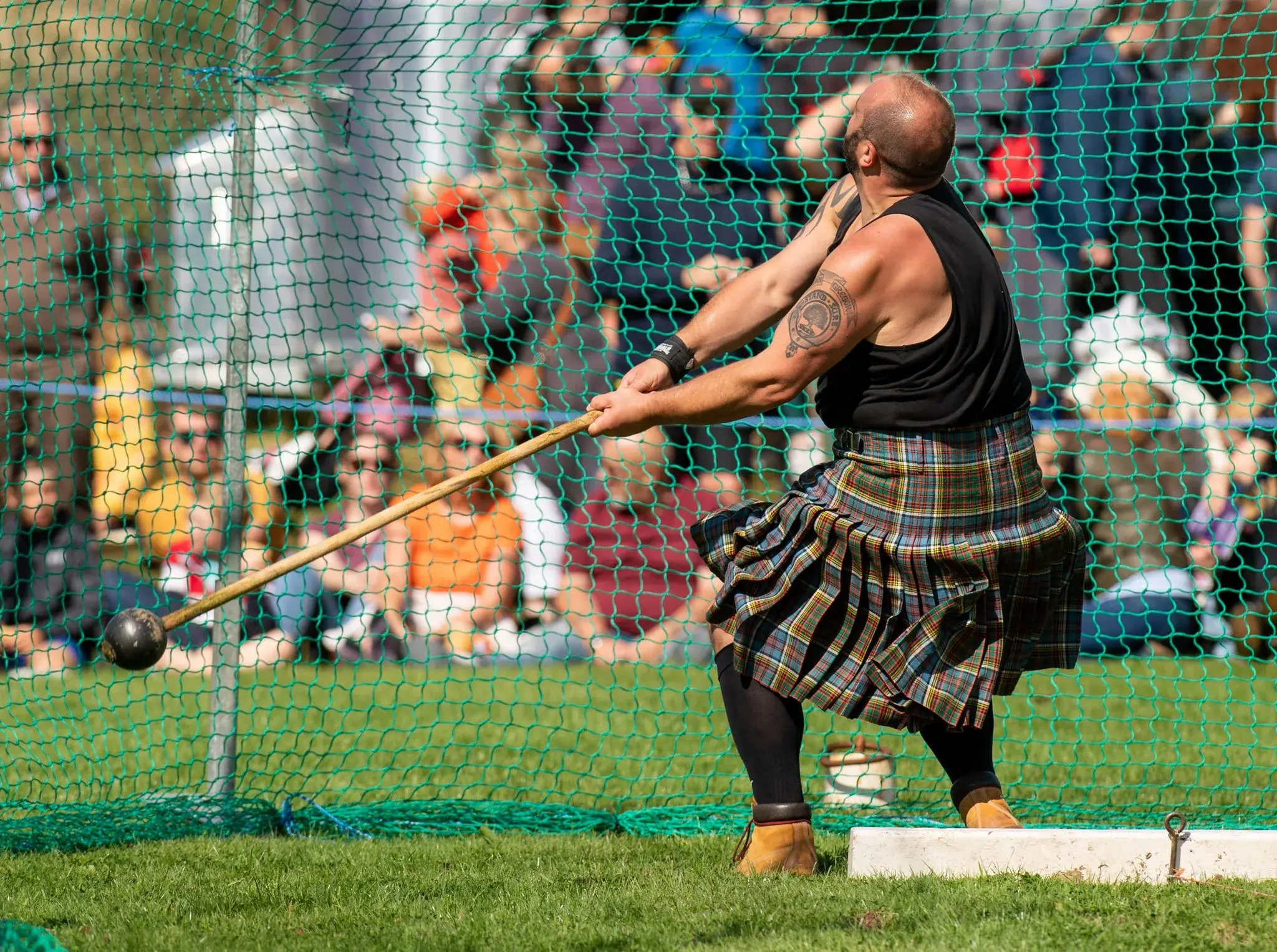
All prices quoted are approximate, given in pounds sterling, and subject to change — check the official website before you travel, and expect higher accommodation prices during the Highland Games and Bloody Scotland weekends.