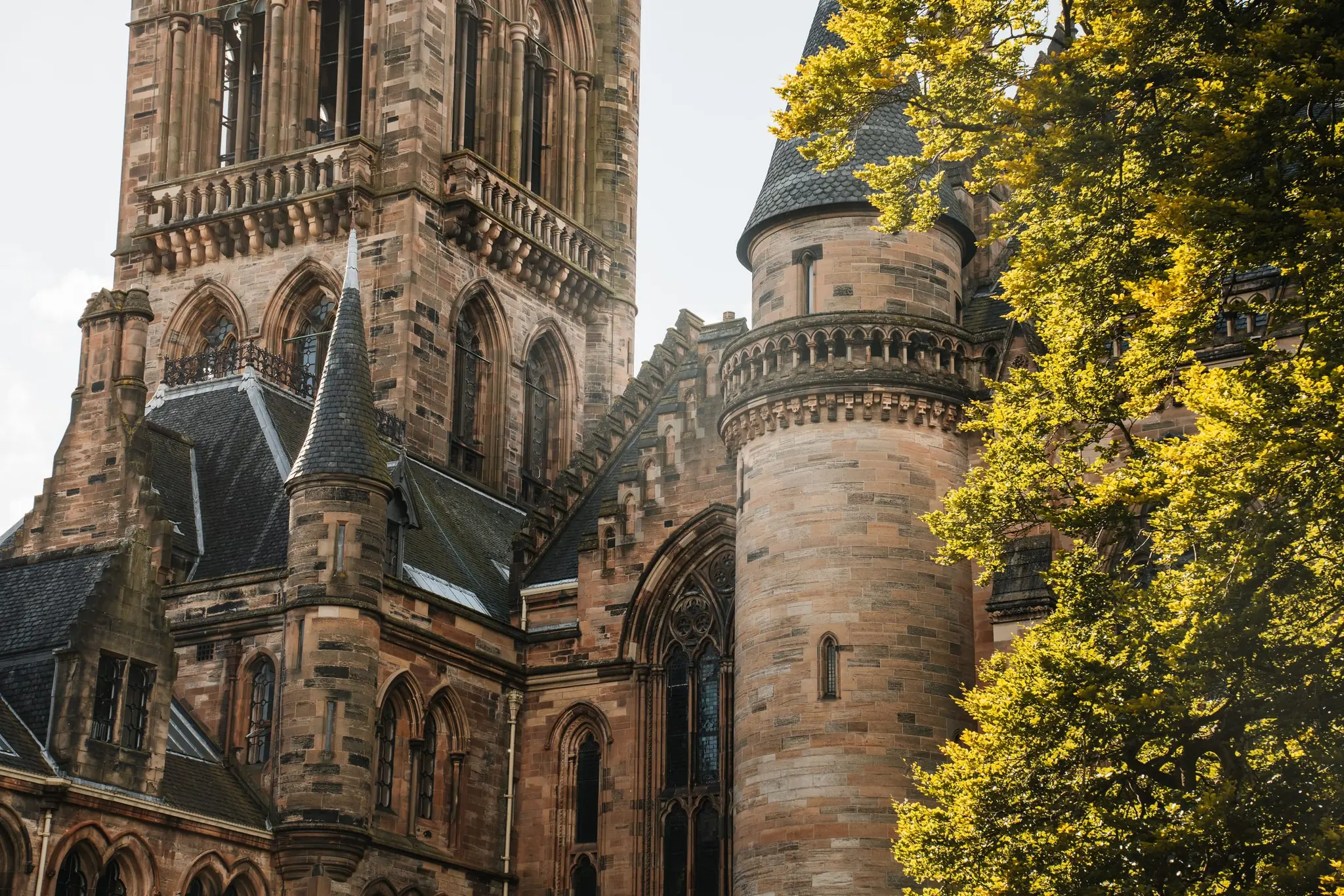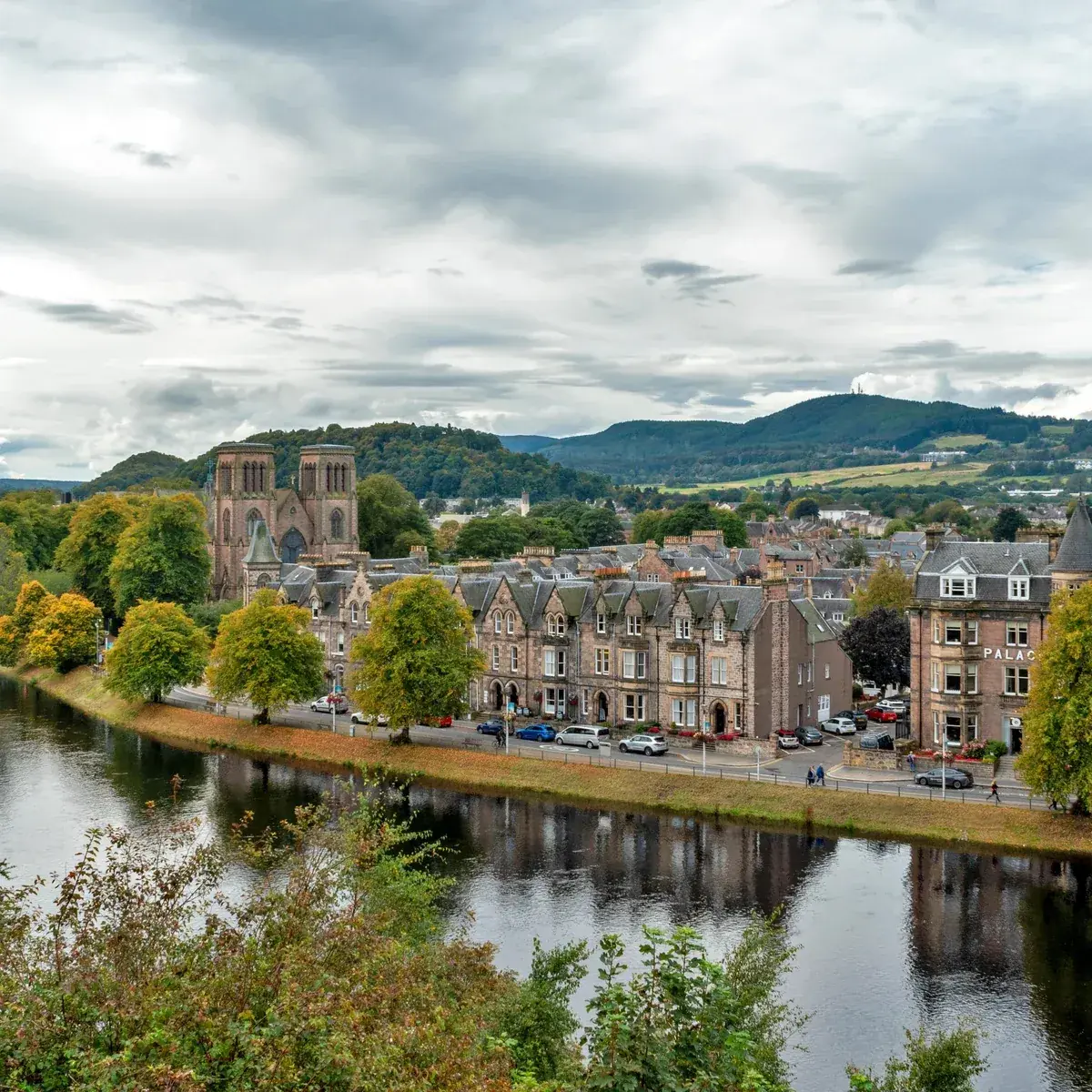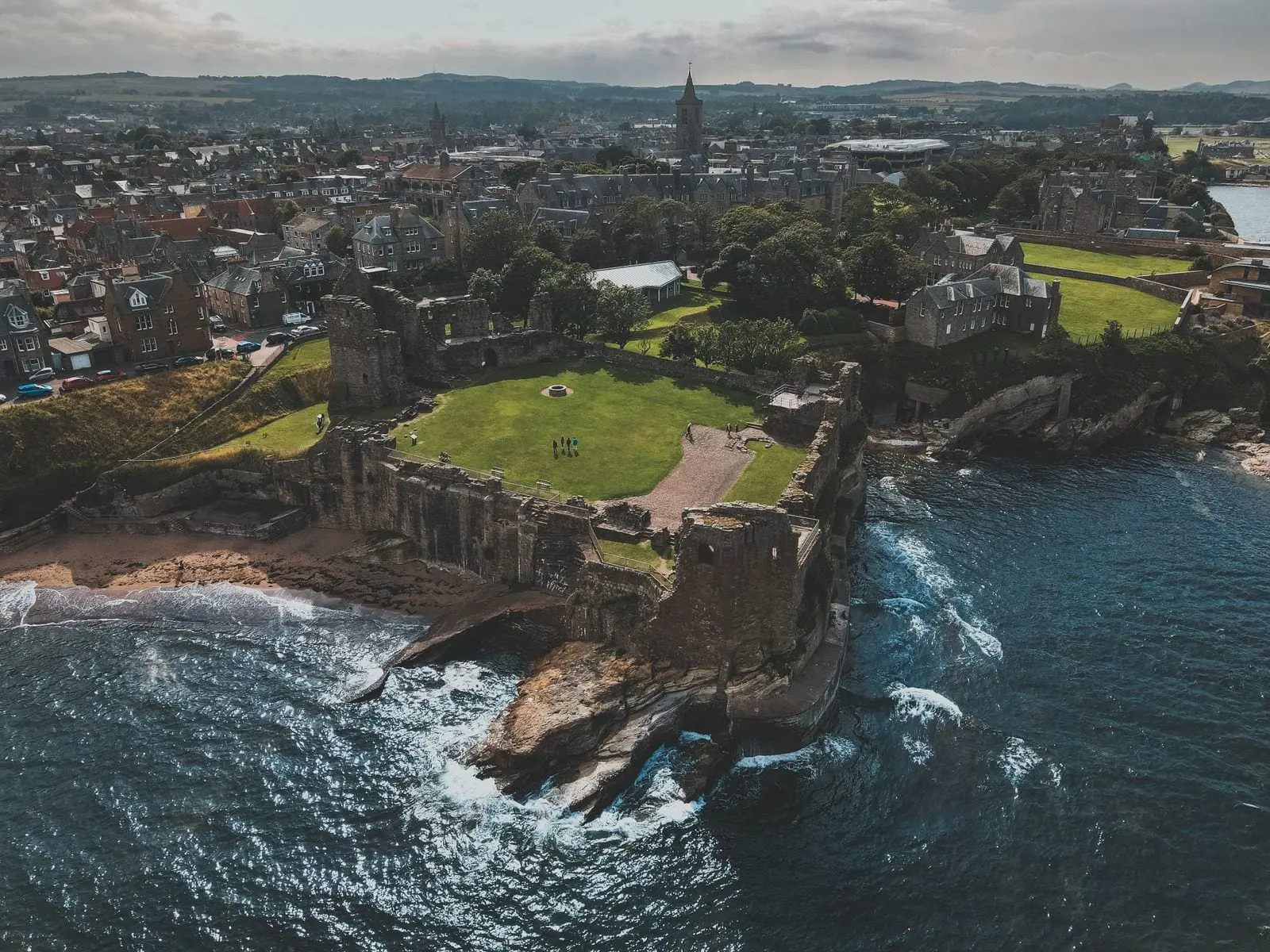
St Andrews is a small grey town on a windswept Fife headland that happens to hold three of Scotland's great institutions at once. It is the Home of Golf, where the game was codified and where the Old Course still runs its links out to the sea; it is the seat of Scotland's oldest university, founded in 1413 and the third-oldest in the English-speaking world; and it was once the ecclesiastical capital of the country, its vast cathedral the largest church ever built in Scotland before the Reformation reduced it to a magnificent skeleton. Few places of this size carry so much weight.
The pleasure of it is how easily the three worlds overlap. Students in scarlet gowns cross the same medieval streets that pilgrims once walked to the shrine of St Andrew; golfers in waterproofs stride off the eighteenth green towards the same North Sea that batters the castle ruins on the cliff. Three broad streets — North, Market and South — run parallel from the West Port gate to the cathedral, threaded with cafés, bookshops and quiet quads, and a long white beach curls away to the west. Give it a couple of days and you will understand why people who come here to study often never quite leave.
Top Highlights

Source: Pexels St Andrews Cathedral & St Rule's Tower
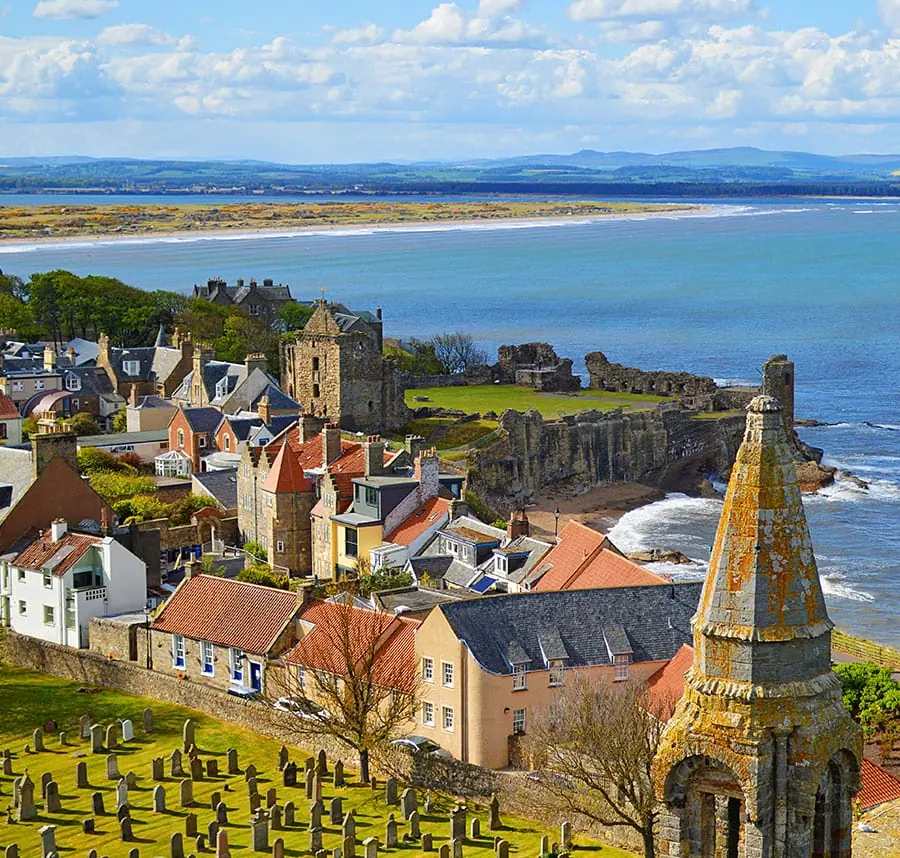
The ruined shell of what was once the largest church in Scotland, and for four centuries the country's spiritual heart. Consecrated in 1318, it was left to fall after the Reformation, and its soaring gable-ends now frame the sea. Beside it stands the older St Rule's Tower, a slender 11th-century campanile you can climb for the finest view in town. The graveyard, thick with weathered stones, is one of the most atmospheric in Britain.
More information
Opening times: Grounds open year-round · Apr–Sep daily from 9:30 (last entry 16:45) · Oct–Mar Fri–Mon from 10:00 (last entry 15:15)
Admission: Cathedral grounds free (donations welcome); St Rule's Tower via free guided tour when staffing allows
Website: Visit Website
*Conservation work is ongoing, so parts of the site — including the museum and sections of the graveyard — may be closed; check before visiting. Managed by Historic Environment Scotland. Times are approximate and subject to change.
Source: Wikipedia St Andrews Castle
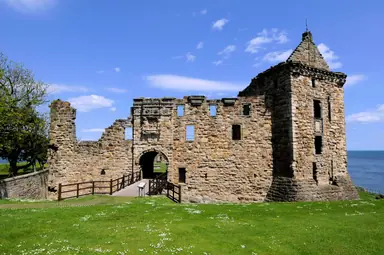
The clifftop stronghold of the medieval bishops and archbishops of St Andrews, half-ruined and dramatically perched above the rocks. Its dark history includes the murder of Cardinal Beaton in 1546 and the siege that followed — during which attackers dug a mine beneath the walls and the defenders dug a counter-mine to meet it, both still visible. Peer down into the notorious bottle dungeon, a bottle-shaped pit hewn from solid rock, one of the grimmest prisons in Scotland.
More information
Opening times: Apr–Sep daily 9:30–17:30 (last entry 16:45) · Oct–Mar daily 10:00–16:00 (last entry 15:15)
Admission: Approx. £9–10 adult (book online for the best price); concession and child rates lower; under 7 free
Website: Visit Website
*Booking ahead is advised. Access to the mine and counter-mine can be restricted for safety, so check on the day. A joint ticket with the cathedral tower is often available. Prices are approximate and subject to change.

Source: Tripadvisor The Old Course & Swilcan Bridge
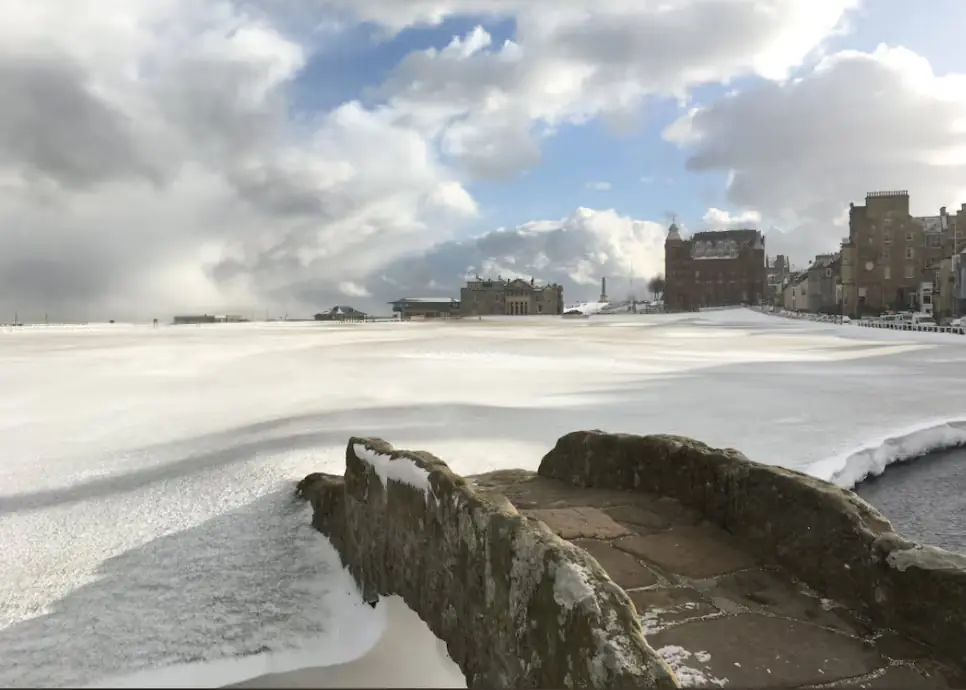
The most famous golf course in the world, and the place the modern game was shaped. Owned by the town and open to all, its shared fairways and vast double greens run out along the coast beside the R&A clubhouse. Even non-golfers should walk out to the little humpbacked Swilcan Bridge on the eighteenth — the most photographed spot in golf — and stand where every great champion has posed. To play, you enter the daily ballot; the green fee is steep, but the pilgrimage is free.
More information
Opening times: Walk the course freely on Sundays, when it is closed to play; guided walks and the ballot run the rest of the week
Admission: Free to walk; to play, the 2026 Old Course green fee is roughly £340–£355 per round via the daily ballot
Website: Visit Website
*The ballot at standrews.com closes at 14:00 two days before play; a handicap certificate is required. Sunday is the classic day for a Swilcan Bridge photo. Prices are approximate and subject to change.
Source: Fife Coast & Countryside Trust West Sands Beach
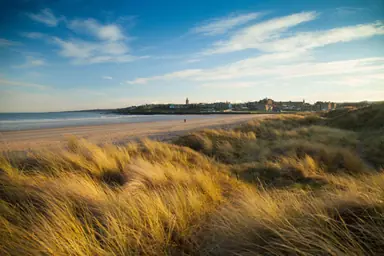
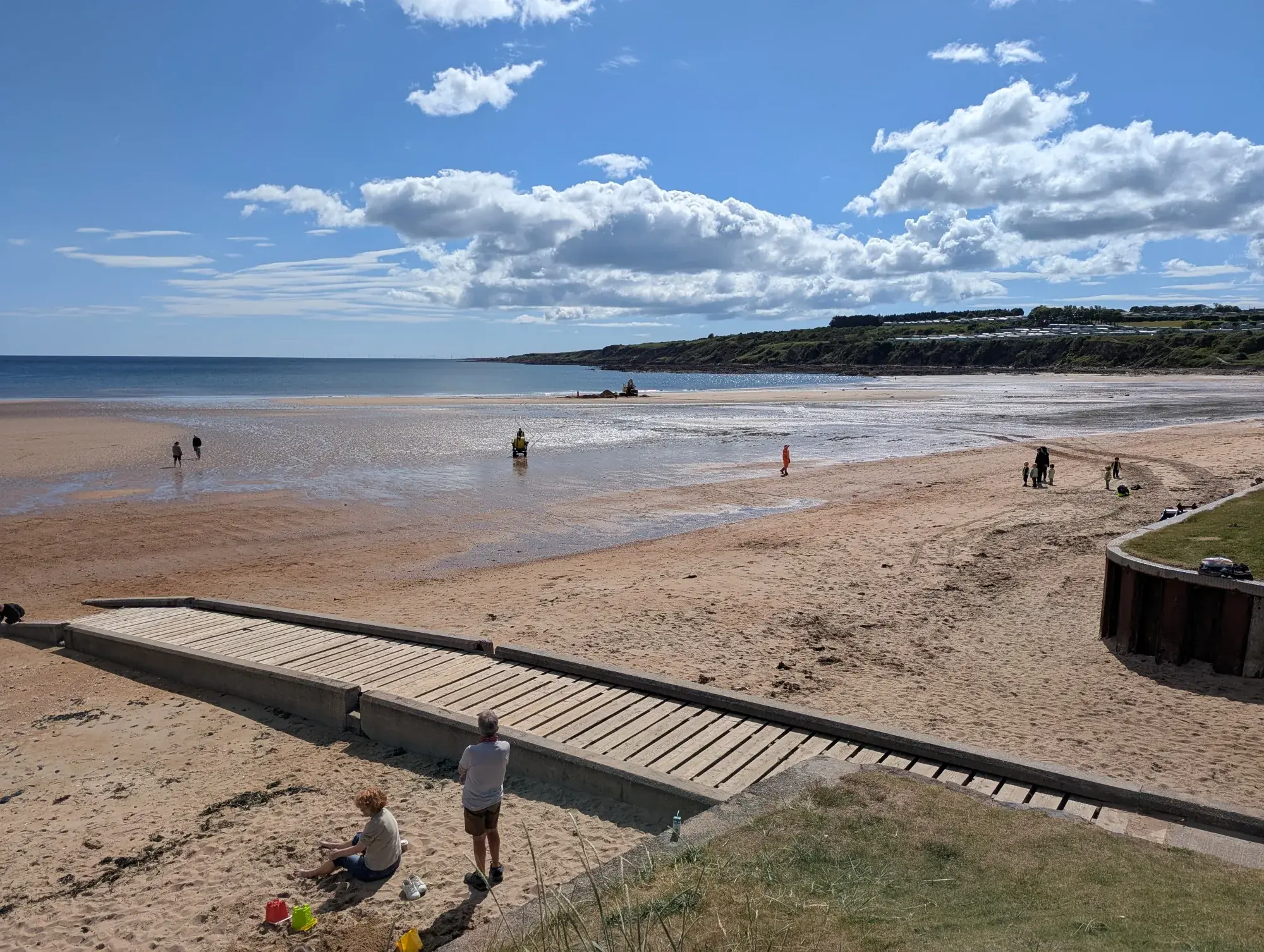
A glorious two-mile sweep of pale sand running north from the Old Course, backed by dunes and open to the wide North Sea sky. It is best known as the beach where the opening scene of Chariots of Fire was filmed, its runners pounding the shoreline to Vangelis — and on a bright, blustery day it is easy to see why. Wonderful for a long walk, a paddle, kite-flying or simply the horizon, it is a few minutes from the town centre and completely free. A boardwalk crosses the dunes, and lifeguards patrol part of the beach in high summer.
More information
Opening times: Open at all times
Admission: Free
Website: Visit Website
*The wind can be fierce and the tide comes in fast over the flats, so check times and wrap up. A car park sits at the southern end by the Old Course. Always open and free.
Source: Crimson Education University of St Andrews
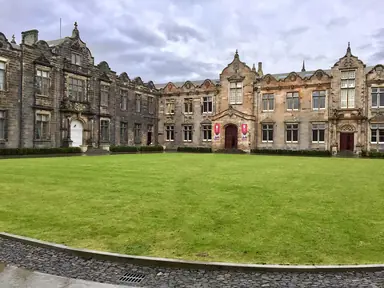
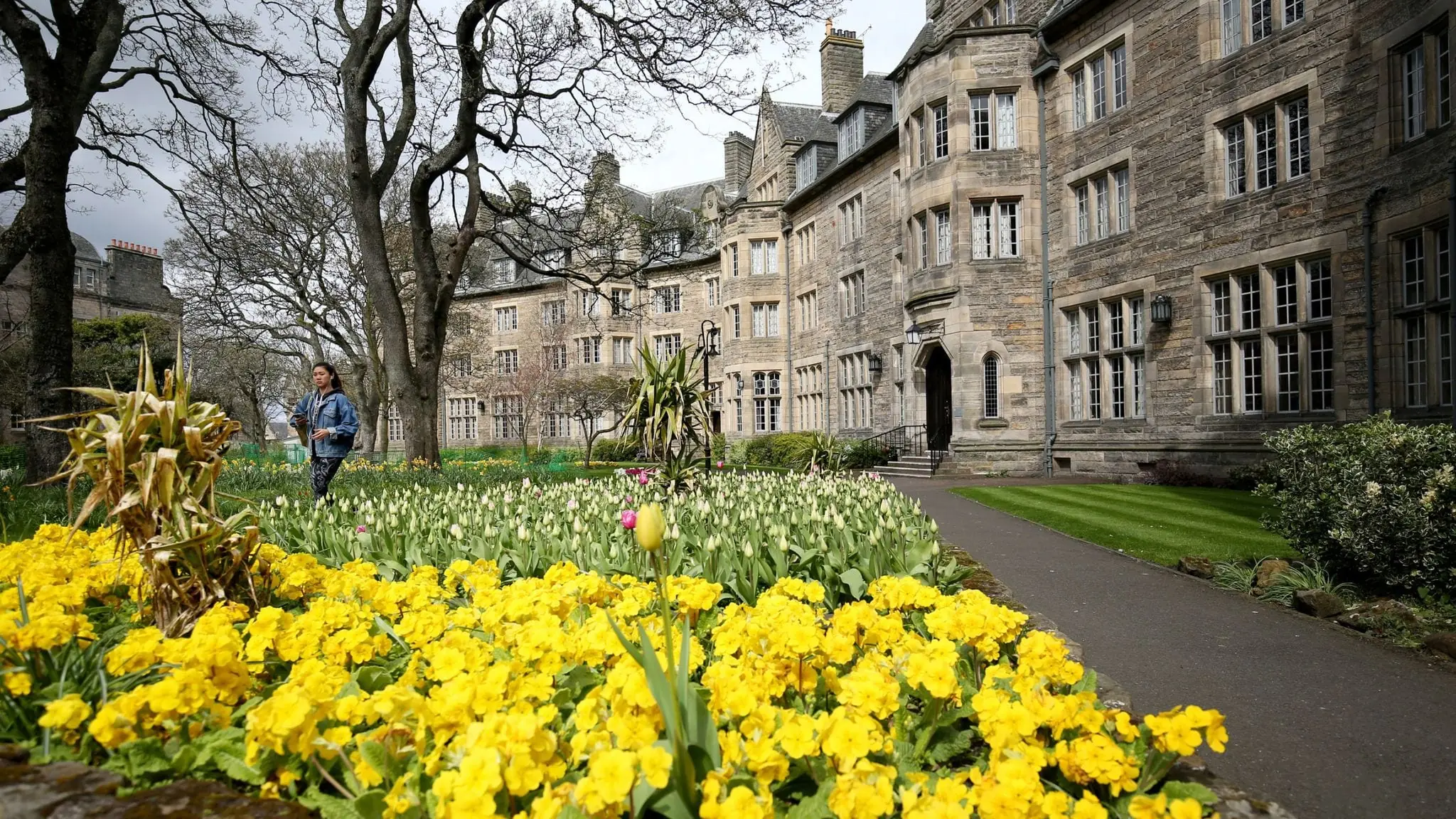
Scotland's oldest university, founded in 1413 and woven right through the town rather than set apart from it. The heart of it is St Salvator's Quad on North Street, with its chapel and clock tower and the initials 'PH' set in the cobbles at the gate, marking where the reformer Patrick Hamilton was burned in 1528 — students take care not to tread on them. Wander the quads and closes, and look out for undergraduates in the traditional scarlet gowns.
More information
Opening times: Quads and grounds generally open to walk through; guided visitor tours run on set days year-round
Admission: Free to wander; ticketed guided tours available
Website: Visit Website
*The university is a living institution, so respect teaching and event spaces. Its museum (MUSA) on The Scores is free and worth an hour. Times are approximate and subject to change.
Source: The Bear & The Fox The R&A World Golf Museum
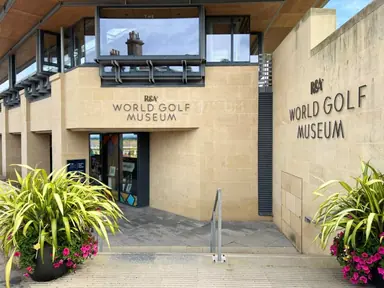
The definitive museum of the game, formerly the British Golf Museum, standing opposite the R&A clubhouse near the first tee of the Old Course. Its galleries trace five centuries of golf, from feathery balls and hickory clubs to the great champions and the Open, with interactive challenges and a rooftop café looking over the links. Essential for enthusiasts, and a genuinely engaging hour even for those who have never swung a club in their lives.
More information
Opening times: Summer roughly 9:30–17:00 · winter roughly 10:00–16:00 (check seasonal hours before visiting)
Admission: Approx. £10 adult; under 16 free; tickets valid for two days
Website: Visit Website
*The two-day ticket lets you return at leisure. Owned and run by the R&A. Combine it with a walk out to the Swilcan Bridge next door. Prices are approximate and subject to change.
Source: Discover Britain St Andrews Harbour & the Pier
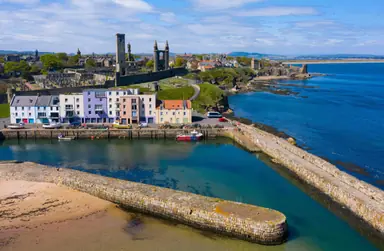
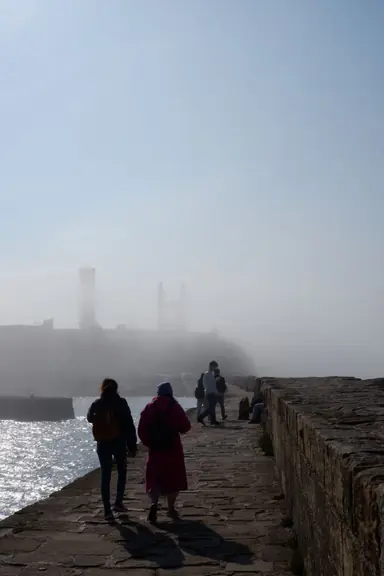
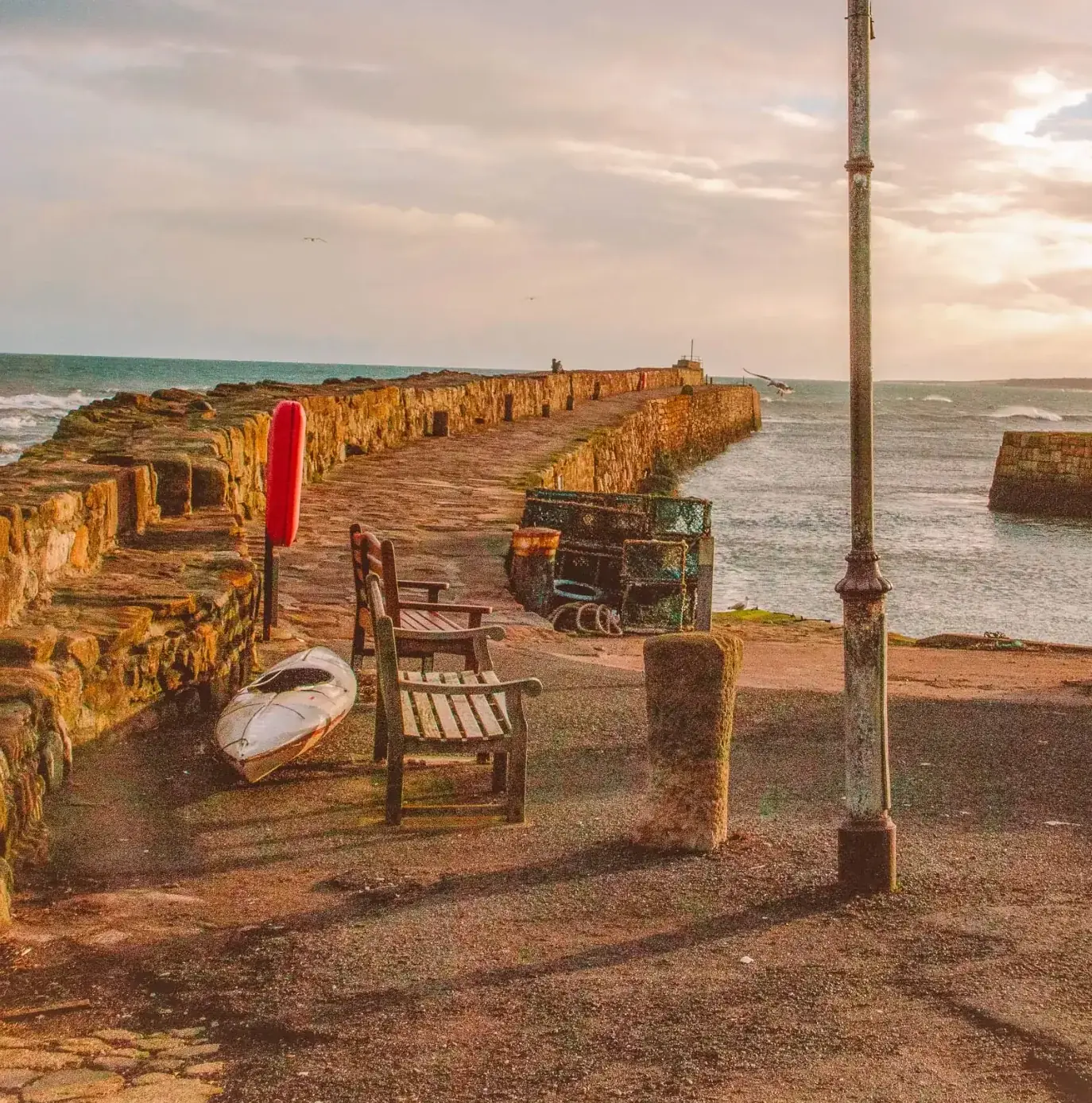
A small, working harbour tucked below the cathedral where the Kinness Burn meets the sea, its stone pier reaching out into the swell. Once the landing point for pilgrims arriving by boat, it is now a quiet spot for watching fishing boats, spotting seals and taking in the ruins from the water's edge. Walk out along the pier itself for a fine view back over the cathedral gables and the medieval skyline, one of the classic photographs of the town. A calm, uncrowded corner away from the golf.
More information
Opening times: Always open
Admission: Free
Website: Visit Website
*The pier can be slippery and exposed in rough weather — take care near the edge. It is a short walk down from the cathedral and East Sands. Always open and free.
Source: Pexels The Sunday Pier Walk
One of the university's most photogenic traditions. After Sunday morning chapel, students in their scarlet undergraduate gowns process down from St Salvator's and out along the harbour pier and back — a custom that recalls the rescue of a drowning student's crewmates in the 19th century. In term time the sight of a line of red gowns against the grey sea and cathedral ruins is unforgettable, and anyone is welcome to watch. A living link between town, gown and shore.
More information
Opening times: Sunday mornings during university term, weather permitting
Admission: Free to watch
Website: Visit Website
*It runs only in term time and can be cancelled in bad weather or over holidays, so it is a bonus rather than a fixture — check the university calendar. Free to watch.
Insider tip: Much of St Andrews is free — the cathedral grounds, West Sands, the harbour and pier, the university quads and the walk out to the Swilcan Bridge all cost nothing. Save your budget for the castle and the golf museum, book them online, and time a Sunday visit to walk the Old Course and, in term, catch the red-gowned pier walk.
Neighborhoods & Where to Stay
The Scores
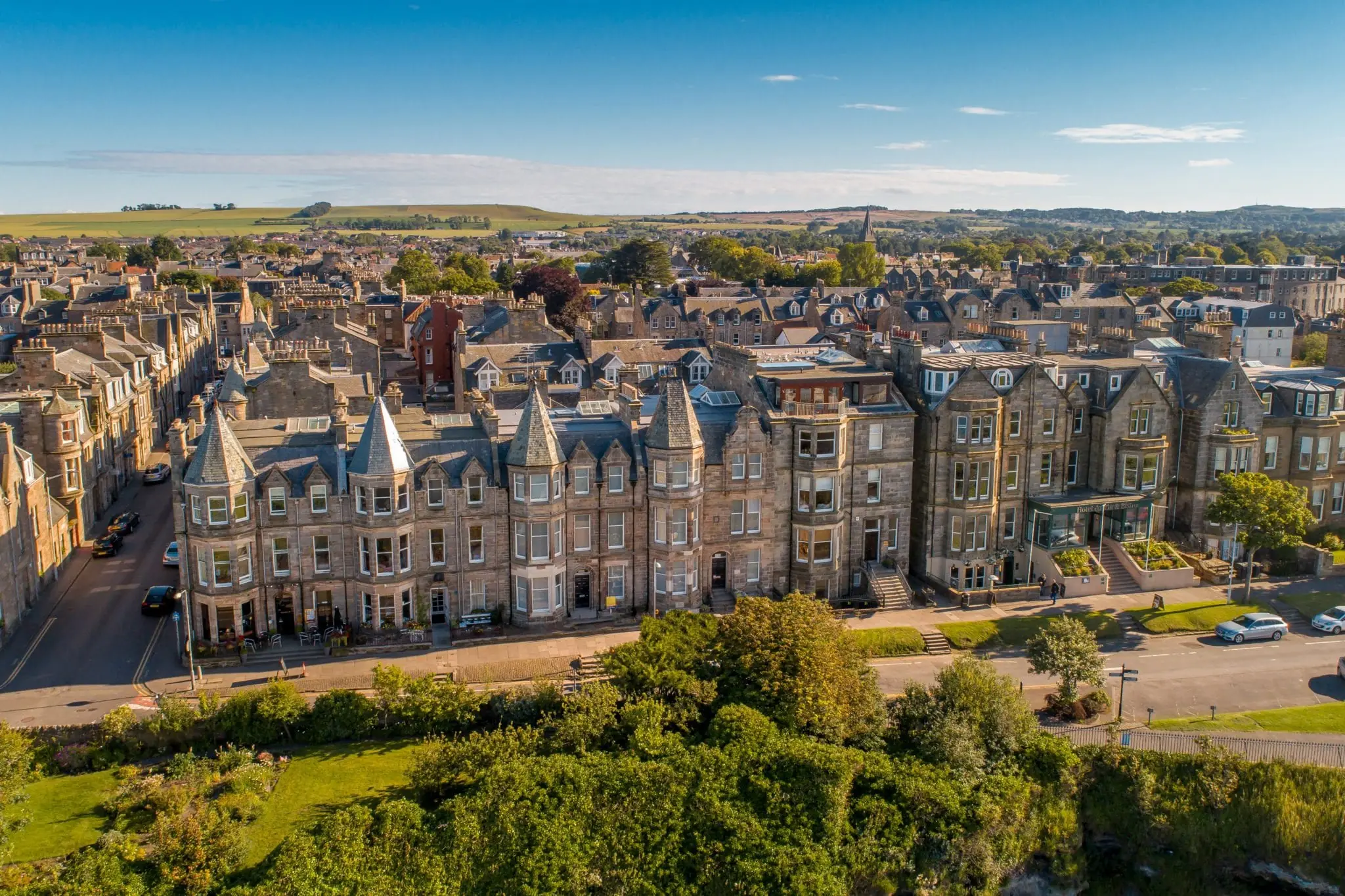
The town's clifftop seafront street, running along the top of the rocks from the castle towards the Old Course and the R&A. Grand Victorian townhouses, several of the best hotels and guesthouses, the university's MUSA museum and the bracing coastal path all line up here, with the sea on one side and the old town on the other. It is the smartest and most scenic address in St Andrews, and a short walk from everything. Best for a seafront stay with views.
Market Street
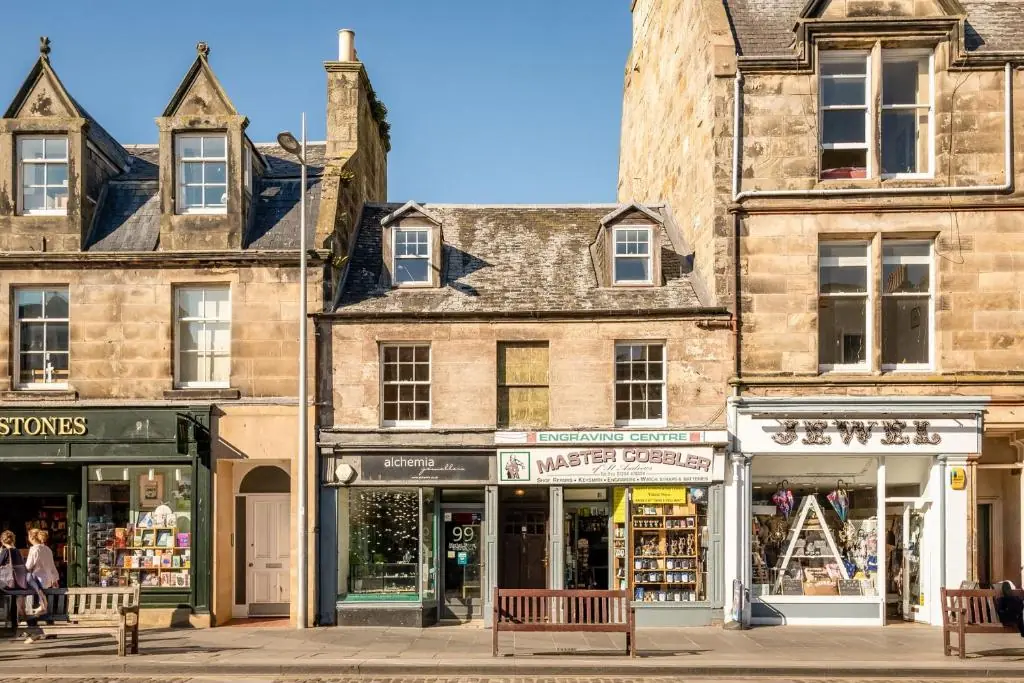
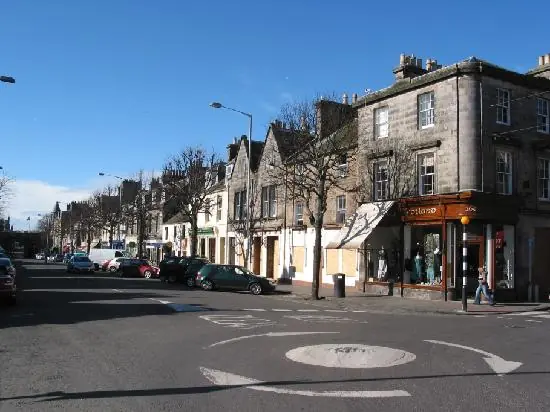
The lively central spine of the town, the middle of the three parallel medieval streets and the busiest for daily life. Market Street holds the fresh-produce market, the fountain, and the greatest concentration of cafés, pubs, delis and independent shops, with the tourist information point close by. Staying on or just off it puts you in the thick of things, a few minutes from the cathedral, the golf and the beach alike. Best for first-timers who want everything on the doorstep.
North Street
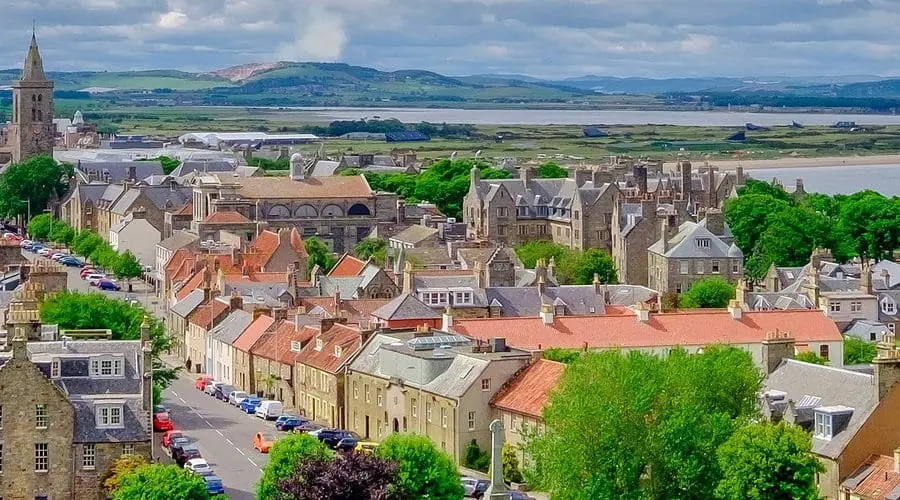
The most academic and historic of the three streets, running down towards the cathedral past St Salvator's Quad, the university chapel and clock tower, and the beloved independent New Picture House cinema. This is the university's heartland, quietly grand and steeped in tradition, with student halls, colleges and the town's museums close at hand. It leads straight to the cathedral and harbour at its eastern end. Best for those drawn to the university and the ruins.
South Street
The broadest and arguably prettiest of the medieval streets, entered from the west through the surviving West Port, one of the last old city gates in Scotland. South Street is lined with handsome townhouses, hidden closes, the ruined Blackfriars chapel and a scattering of galleries and tearooms, ending near the cathedral. Calmer than Market Street but just as central, it has some lovely small hotels and B&Bs. Best for a characterful, quieter base in the old town.
East Sands & the Harbour
The quieter side of town, below the cathedral where the land drops to the working harbour and the smaller, more sheltered East Sands beach. This is where the coastal path arrives from the south, where the leisure centre and sailing club sit, and where you will find a more local, residential feel away from the golf crowds. A little removed from the shops but close to the sea and the ruins. Best for walkers and a peaceful, low-key stay.
Food & Drink
St Andrews eats extremely well for its size, thanks to a rare combination of student appetite, well-heeled visitors and some of the finest larder in Scotland right on the doorstep. The East Neuk fishing villages land superb shellfish a few miles down the coast, Fife's farms supply the kitchens, and the town packs in everything from Michelin-recognised dining rooms to legendary chip shops and old-fashioned tearooms. Prices can run high near the golf, but a great meal need not cost a fortune.
-
East Neuk seafood — The Fife coast is lobster and crab country, and St Andrews restaurants make the most of it: dressed crab, langoustines, hand-dived scallops and whatever the day boats have landed. For the full experience, take the short trip to Anstruther or Crail and eat it fresher still, straight from a harbourside shack.
-
Fish and chips — St Andrews takes its chippies seriously, and its award-winning fish suppers — fresh haddock in crisp batter — are a rite of passage. Eat them out of the paper on the harbour wall or by the cathedral, and mind the seagulls, who are bold, organised and entirely without shame.
-
The fudge doughnut — A genuine local icon: the Fisher & Donaldson fudge doughnut, a soft, sugared bun filled with fudge-flavoured cream from a Fife bakery that has been trading since 1919. Students, golfers and locals queue for them, and one is never quite enough. The bakery's Coffee Tower is the classic accompaniment.
-
Cranachan — The classic Scottish dessert to order if it appears on the menu: whipped cream layered with toasted oats, raspberries, honey and a splash of whisky. Light, boozy and seasonal, it makes the most of Scotland's summer berries and is far nicer than its plain description suggests.
-
Haggis, neeps and tatties — Scotland's national dish turns up on pub and restaurant menus across town: a peppery, oaty pudding of sheep offal and suet with mashed turnip and potato, often under a whisky cream sauce. Better than it sounds, with vegetarian versions widely available, and a fixture of any Burns Night in January.
Insider tip: St Andrews fills up around big golf events and university graduations, when tables and beds get scarce and dear — book restaurants ahead for those weekends. For the freshest seafood at the best price, make the short trip to the East Neuk, where the harbourside kitchens of Anstruther, Crail and Pittenweem serve the same catch closer to the boat.
 East Neuk seafood
 Fish and chips
 Fisher & Donaldson fudge doughnut
 Cranachan
Whisky, Gin and the Student Pub
St Andrews drinks in a mix of old university haunts and smart hotel bars, with a lively student scene underpinning it all in term time. Traditional pubs pour Scotch by region — Islay for peat and smoke, Speyside for honey and fruit, Highland for something in between — and a decent bar will steer you through the list; a splash of water is normal and opens the spirit up. Fife has its own distilleries turning out whisky and gin nearby, and the town's cafés serve some of the best coffee and cake in the country. Pubs generally serve food from noon and stop between 20:00 and 21:00, a little later at weekends and in term, so plan dinner earlier than you might in the cities.
Transportation
St Andrews is a walking town through and through — the three main streets, the cathedral, the castle, the golf and the beach are all within fifteen minutes of each other on foot, and there is no need for transport within it. The one thing to know is that the town has no railway station of its own; the trains stop at Leuchars, a few miles away, with a quick bus or taxi link into town.
Getting Around the Town
Everything in St Andrews is walkable, and the compact medieval grid makes it almost impossible to get lost — head downhill and east and you reach the cathedral and sea; west and you reach the West Port and the shops. It is a flat, easy town on foot, and a pleasant one to cycle. Local Stagecoach buses connect the outlying areas, the beaches and the neighbouring villages, and take contactless payment. Taxis are readily available for the hop to the station or the golf. Fares are set by the operators and are approximate and subject to change.
Remember that trains do not reach St Andrews itself — you arrive at Leuchars, then take the frequent Stagecoach 99 bus or a taxi for the last few miles (about 10 minutes). Buses meet most trains, so build that short connection into your plans, especially for the last services of the evening.

Nearest Airports
St Andrews has no airport, but two are within easy reach. Edinburgh Airport is the main gateway, roughly 1.5 hours away by a combination of tram or bus and train via the Forth, or by road. Dundee Airport, just across the Tay, is closer but handles only a small number of flights, mainly from London. For most visitors, Edinburgh is the practical choice, with good onward links by train to Leuchars.
Trains and Onward Travel
Leuchars station, about six miles away and linked by the frequent Stagecoach 99 bus, sits on the main Edinburgh–Dundee–Aberdeen line, with around two trains an hour. Edinburgh is roughly an hour away; Dundee is a short hop across the Tay, and trains continue north to Aberdeen and the Highlands via Perth. This makes St Andrews an easy add-on to a wider Scottish trip, or a day trip in its own right from the capital. Book Scottish routes and check live times at ScotRail.
Day Trips from St Andrews
The East Neuk (about 30–45 min by bus)
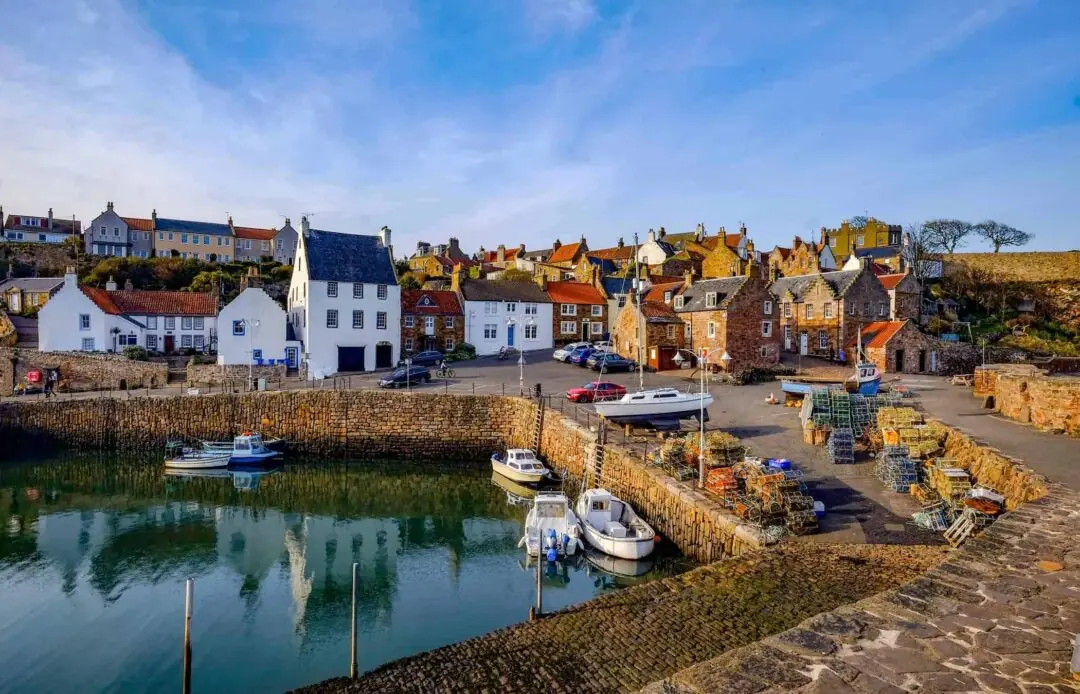
The string of picture-perfect fishing villages along the south Fife coast, and the classic day out from St Andrews. Crail has the most photographed harbour in Scotland; Anstruther is home to a famous fish bar and the Scottish Fisheries Museum; and Pittenweem still lands a working catch and hosts a well-loved arts festival. Crow-stepped cottages, harbour walls and lobster creels line them all. The Coastal Path links the villages on foot; buses connect them by road.
Falkland Palace (about 45 min by road)
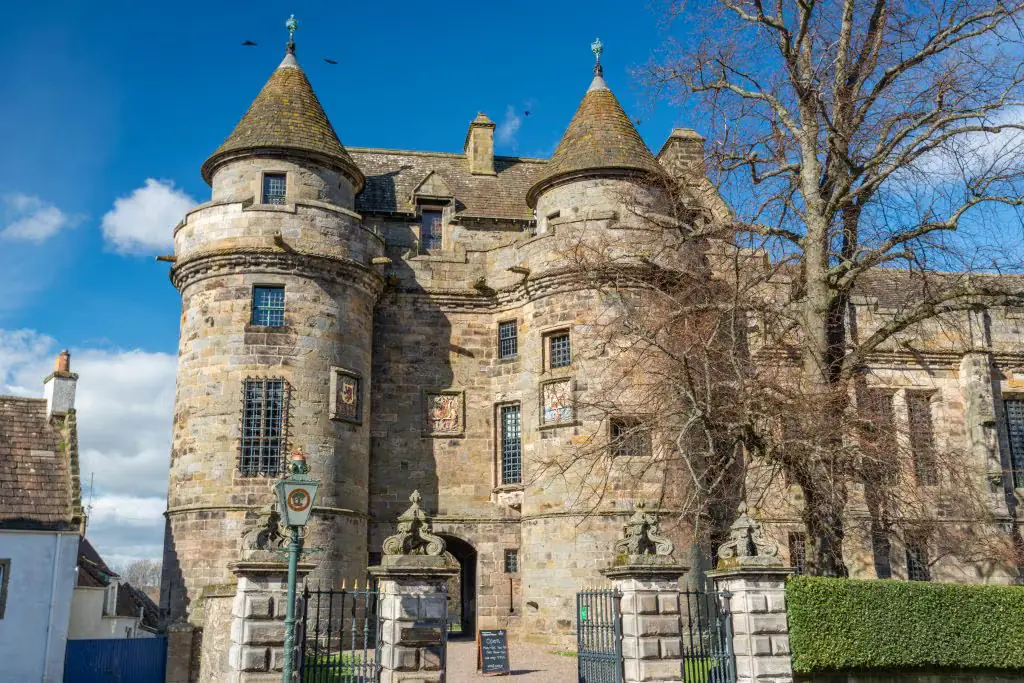
A Renaissance hunting palace of the Stuart kings, set in a handsome conservation village beneath the Lomond Hills. Built for James IV and James V, Falkland Palace has fine painted ceilings, tapestries and gardens — and the oldest surviving real (royal) tennis court in Britain, built in 1539 and still playable. Run by the National Trust for Scotland, adult admission is roughly £18 (free to members), open daily March to October (prices approximate and subject to change). Reach it by bus via Cupar or by car.

Dundee & V&A Dundee (about 30 min via Leuchars)
Just across the Tay, Scotland's fourth city has reinvented its waterfront around V&A Dundee, Kengo Kuma's striking, ship-inspired design museum — Scotland's design museum, with free entry to its permanent galleries and ticketed special exhibitions. Alongside it sits Captain Scott's Antarctic ship RRS Discovery, and the city adds the McManus galleries, a lively food scene and the comic heritage of the Beano. Take the bus to Leuchars and the short train across the river, or the bus straight over the Tay Bridge.
Kellie Castle & Garden (about 30 min by road)
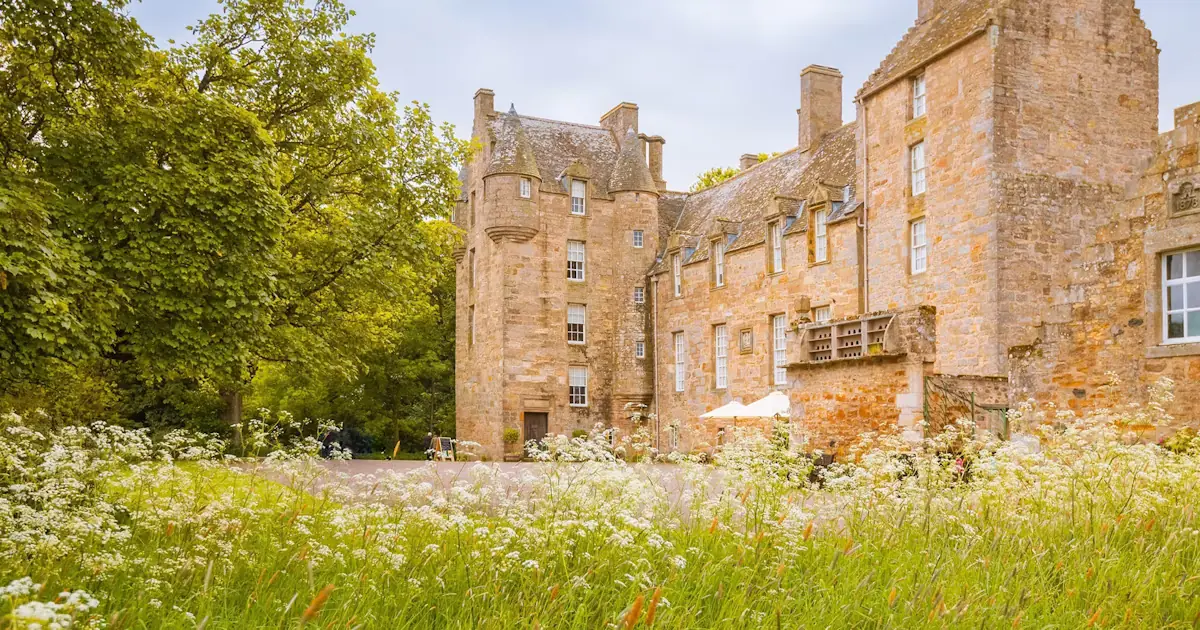
A romantic, largely 16th- and 17th-century tower house in the East Neuk countryside, lovingly rescued by the Lorimer family of artists and architects, whose spirit still fills its panelled rooms and painted ceilings. The walled Victorian garden, worked organically, is a delight in summer. Run by the National Trust for Scotland (free to members), with the castle open on a seasonal, part-week schedule and the garden and grounds open daily April to October. Best reached by car; check opening days before setting out.
The Isle of May (boat from Anstruther)
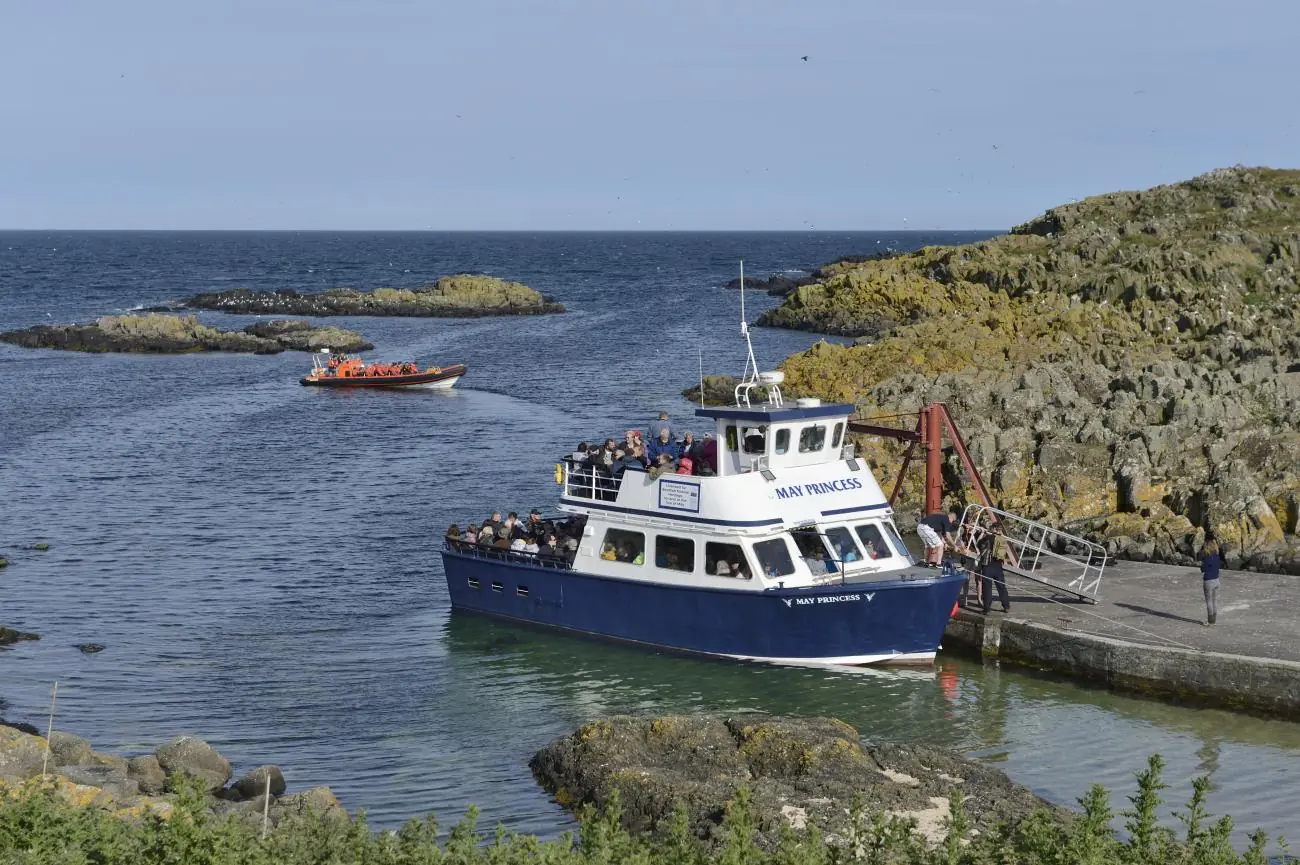
A national nature reserve in the outer Firth of Forth, and a seabird spectacle in season. Boats from Anstruther harbour cross to the island, where tens of thousands of puffins nest from April to August alongside guillemots, razorbills and terns, and grey seals haul out on the rocks. Landing trips give a couple of hours ashore among the wildlife and the old lighthouse. Fares run roughly £40–£55 adult depending on season; sailings are weather-dependent, so book ahead and keep the day flexible.
Proposed Itinerary
Two days is enough to see the town's headline sights at an unhurried pace, with a third given over to the East Neuk or a boat to the Isle of May. Everything in St Andrews is walkable, and the streets are laid out so simply that you will rarely need a map.
Day 1: Ruins, Streets and Sea
Start with the medieval and ecclesiastical town.
- Morning: Begin at St Andrews Cathedral and climb St Rule's Tower for the lie of the land, then wander the atmospheric graveyard and out to the harbour and pier below.
- Afternoon: Follow the coast to St Andrews Castle for the bottle dungeon and the siege mine, then stroll The Scores and cut through the university quads on North Street.
- Evening: Dinner on or around Market Street, and a fish supper or a drink in a student pub to finish.
Day 2: Golf, Beach and Gowns
The day for the links and the shore.
- Morning: Walk out to the Old Course and the Swilcan Bridge (Sunday is best, when the course is open to walk), then take in the R&A World Golf Museum.
- Afternoon: Head onto West Sands for the great Chariots of Fire beach walk, with the dunes and the sea and the town behind you.
- Evening: If it is a Sunday in term, catch the red-gowned pier walk; otherwise, a leisurely dinner and a wander down South Street.
Day 3: The East Neuk or the Isle
Trade the town for the coast.
- Morning: Take the bus down to the East Neuk — Crail for its harbour, Anstruther for the Fisheries Museum — or board the boat to the Isle of May for the puffins.
- Afternoon: Eat fresh seafood on a harbour wall, and walk a stretch of the Fife Coastal Path between the villages.
- Evening: Return to St Andrews for a final dinner, or divert to Falkland or Kellie Castle on the way back if you have a car.
Insider tip: St Andrews is exposed and the weather off the North Sea changes fast, so keep an indoor sight — the golf museum, the castle exhibition, a café — in reserve for each afternoon, and carry a windproof layer whatever the forecast. If a bright, still morning arrives, drop everything and get onto West Sands before the wind does.
Seasonal Events & Festivals
Shopping & Nightlife
The Three Streets
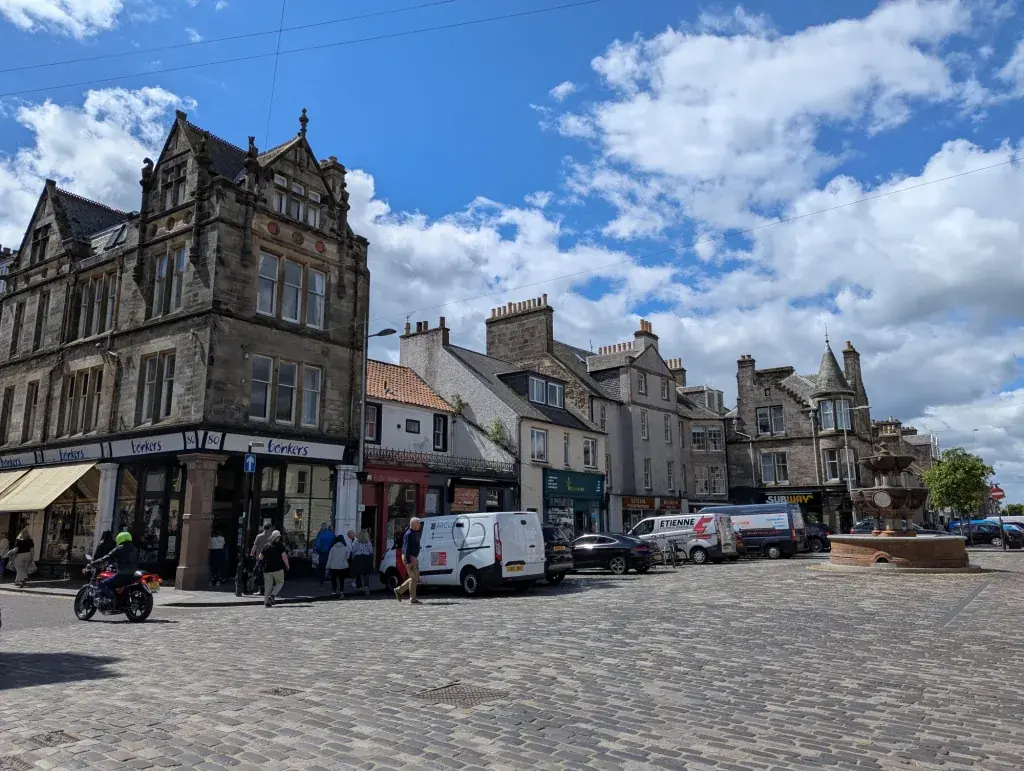
St Andrews shops along its three medieval streets, and the mix is unusually good for a small town. Market Street and South Street hold independent boutiques, bookshops, jewellers, whisky and gift shops, and the inevitable golf outfitters near the Old Course. You will find university robemakers, art galleries and delis tucked among them. Most shops open around 9:00–10:00 and close by 17:30, with reduced hours on Sundays and out of the university term.
Cafés, Bakers & Markets
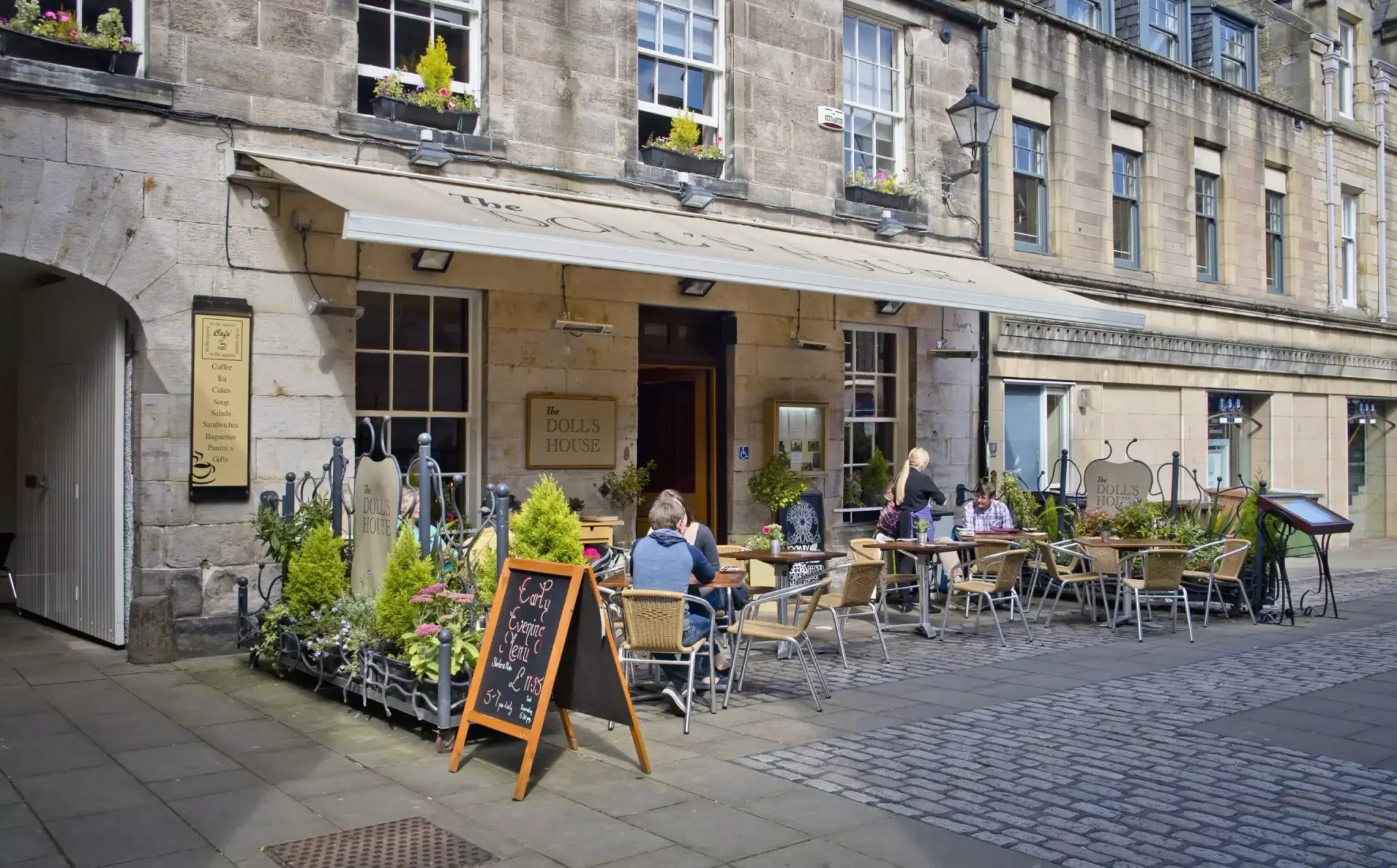
The town runs on coffee and cake, and its café and bakery scene is a highlight in itself — from the historic Fisher & Donaldson and its famous fudge doughnut to a clutch of excellent independent coffee houses and tearooms. A regular street market and farmers' market bring Fife produce, baking and crafts to Market Street, and the East Neuk's food producers are never far away. It is a fine place simply to graze between sights.
Nightlife
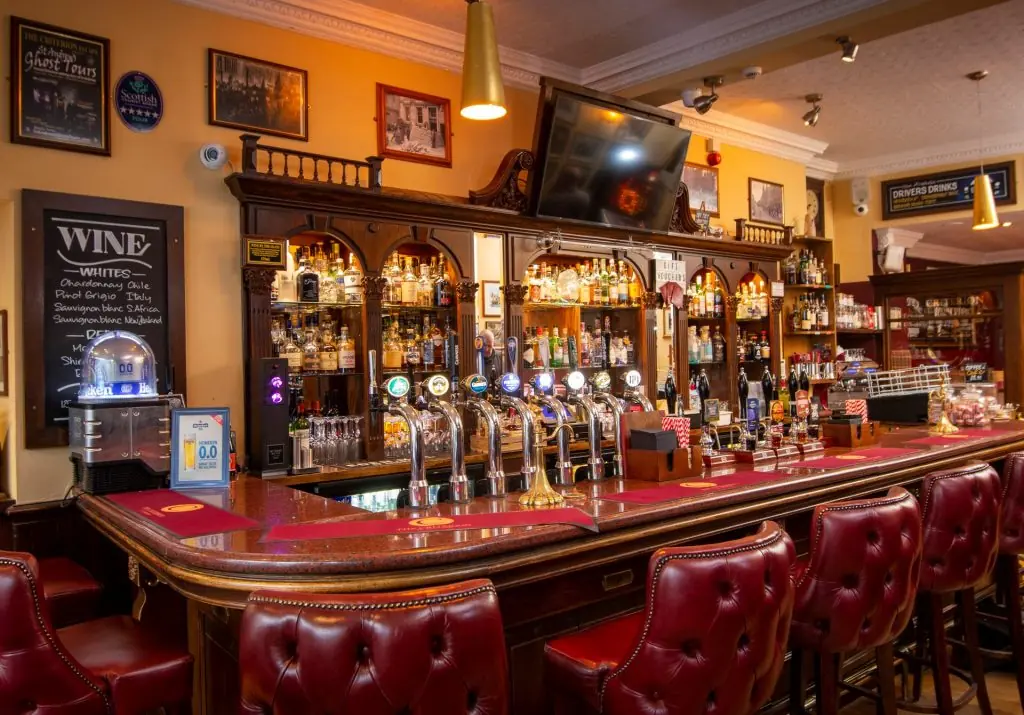
Nightlife in St Andrews is small-town and student-driven, and the better for it. Traditional pubs, cosy bars and a handful of student haunts cluster around Market Street and the university, busiest in term time and quieter over the holidays; the town's single nightclub and its ceilidhs and balls fill out the social calendar. Smart hotel bars on The Scores and by the golf serve a more refined nightcap. It is an early-ish town by city standards, with most pubs winding down around midnight, a little later at weekends.
St Andrews is a town that wears its history lightly — a place of golf and gowns and grey stone ruins, small enough to walk end to end in twenty minutes and rich enough to keep you for days. Give it a walk on the West Sands, an hour among the cathedral ruins, and a fish supper on the harbour wall, and you will see why it holds on to people the way it does.
Additional Resources
For more on Scotland as a whole — highlights across the country, the Highlands and islands, driving routes, weather and practicalities — head to our Discover Scotland: Castles, Coastlines & the Open Road guide, and for the capital an hour south, see our Edinburgh: Castles, Closes & Festival Nights guide.
Official planning resources: VisitScotland for destination information, Historic Environment Scotland for the cathedral and castle, St Andrews Links for golf and the ballot, the University of St Andrews for tours and traditions, and ScotRail for trains via Leuchars.
All prices quoted are approximate, given in pounds sterling, and subject to change — check the official website before you travel, and expect higher accommodation prices during major golf championships and university graduation weeks.