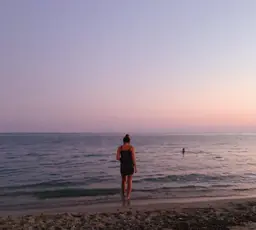
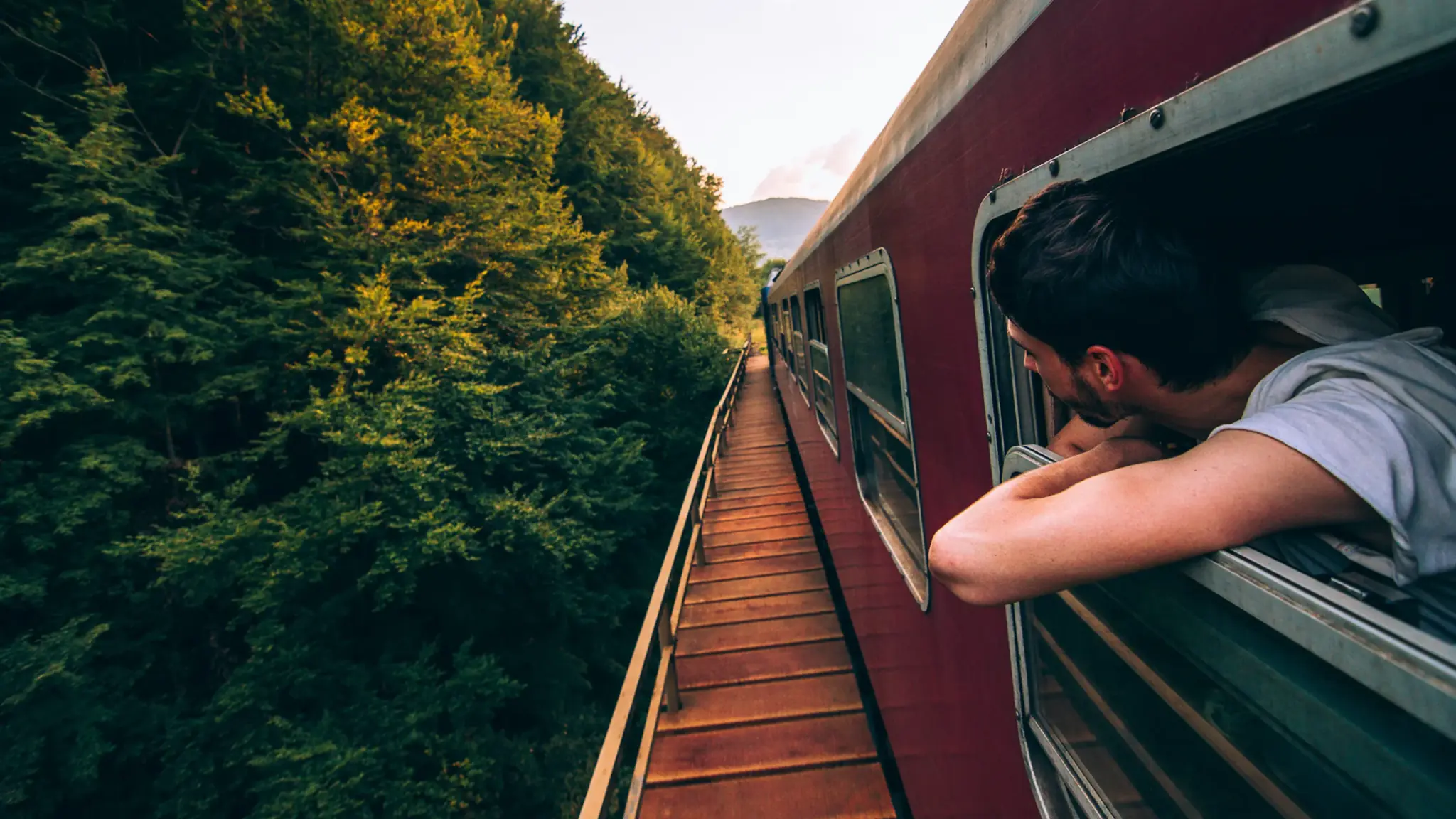
There is a kind of travel that never makes the highlight reel. No sprinting from monument to monument, no algorithm-chasing itinerary, no boxes ticked and forgotten. It is the kind where you sit at a café long enough to watch the light shift across the buildings on the far side of the square. Where you take a wrong turn down a side street and stumble on something better than anything you could have planned.
That kind of travel has a name: slow travel. And there has never been a sweeter time — or a better place — for it than Europe in the spring of 2026.
Table of Contents
- What Slow Travel Actually Means
- Why Europe in Spring?
- The Sweet Spot: May and Early June
- Best Regions for Slow Travel This Spring
- How to Actually Slow Down
What Slow Travel Actually Means
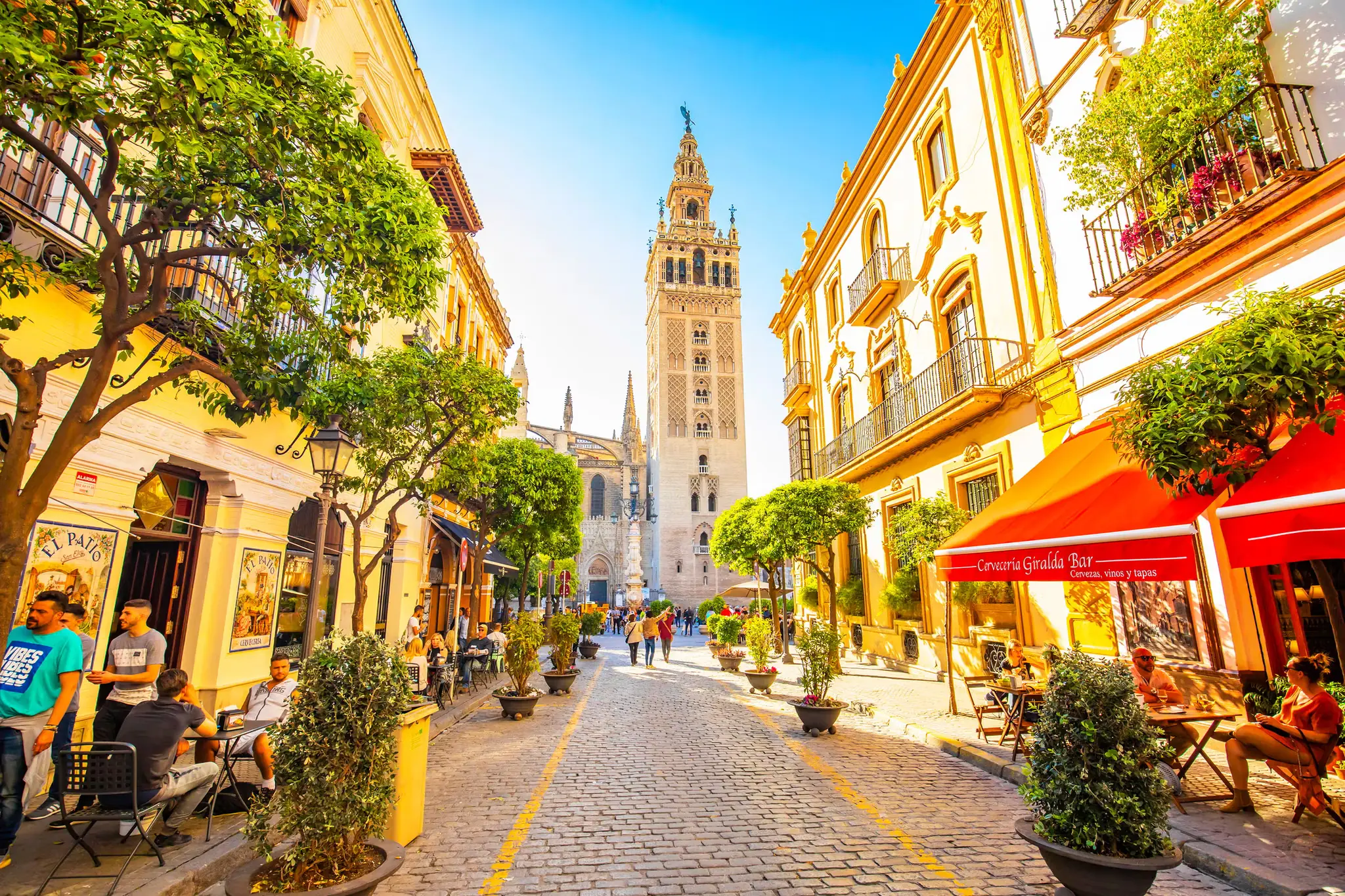
Slow travel is not really about moving slowly — it is about staying still long enough to feel, even briefly, like you belong somewhere. Instead of five cities in seven days, you pick one and give it a week. Instead of a pre-booked tour with a laminated itinerary, you follow whatever catches your eye on a given morning.
It means cooking dinner with vegetables still warm from the market stall, learning three words of the local language and using them badly, sitting on a park bench and simply watching how people actually live. It is the opposite of FOMO-driven tourism — and it is the kind of travel that leaves memories with real staying power, not just photos you'll scroll past later.
The movement has been building for years, but 2026 feels like a genuine tipping point. More travelers are naming the burnout that comes from hyper-scheduled holidays out loud. The pull toward depth over breadth is reshaping how people plan trips altogether — and Europe's infrastructure, culture, and sheer density of beautiful, walkable places make it the natural home for that shift.
Why Europe in Spring?
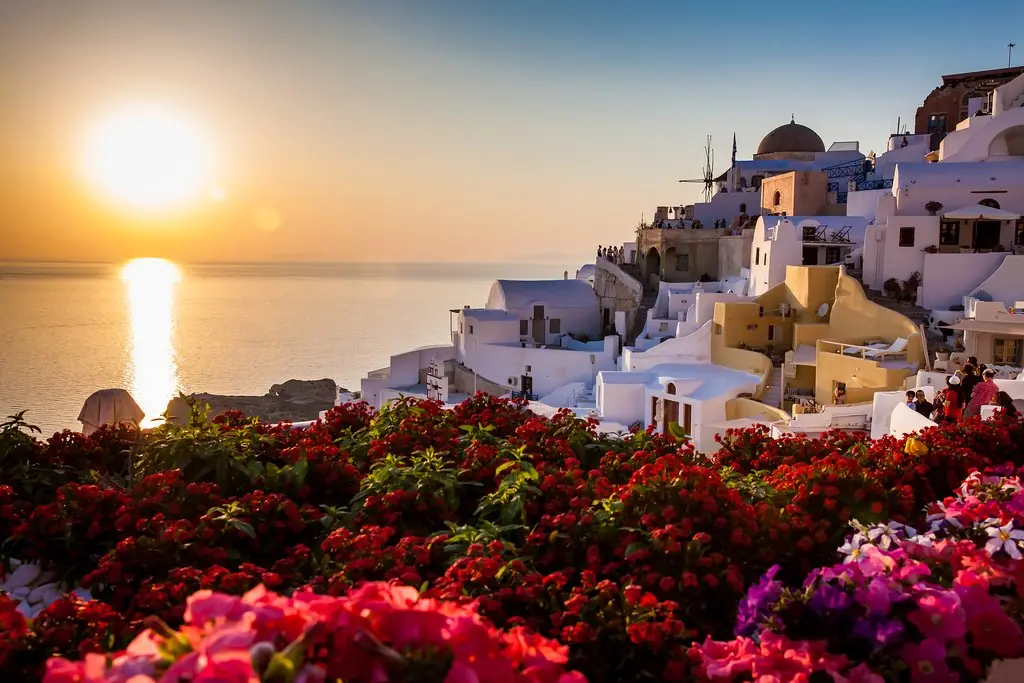
Spring in Europe lives in a magical in-between: past the grey hush of winter, not yet swallowed by the overcrowded heat of summer. The light turns soft and golden. Wildflowers push up through fields that were bare a month ago. Outdoor markets fling their shutters open and locals reclaim their terraces table by table. There is a current of renewal running through the air, and it is genuinely, infectiously contagious.
Practically speaking, spring also means:
- Lower prices across accommodation, flights, and dining
- Smaller crowds at major landmarks — in some cases dramatically so
- Kinder weather for walking, cycling, and getting delightfully lost, without summer's punishing heat
- Cultural richness — spring festivals, local food seasons (asparagus in Germany, lamb in Greece, strawberries across France), and outdoor performances that simply don't exist in winter
Slow travel and spring were made for each other. You get the time and the breathing room to actually live in a place, not just photograph it and move on.
The Sweet Spot: May and Early June
If you are planning a slow trip to Europe in 2026, circle May into early June on the calendar. This is the window when:
- The school holiday crowds are still weeks away, blissfully
- Average temperatures across southern Europe settle into a comfortable 18–24°C
- Wildflowers hit peak bloom in alpine meadows, Provençal fields, and Greek hillsides
- Restaurant terraces are full but never frantic
- Train tickets and accommodation are still available — and still reasonably priced
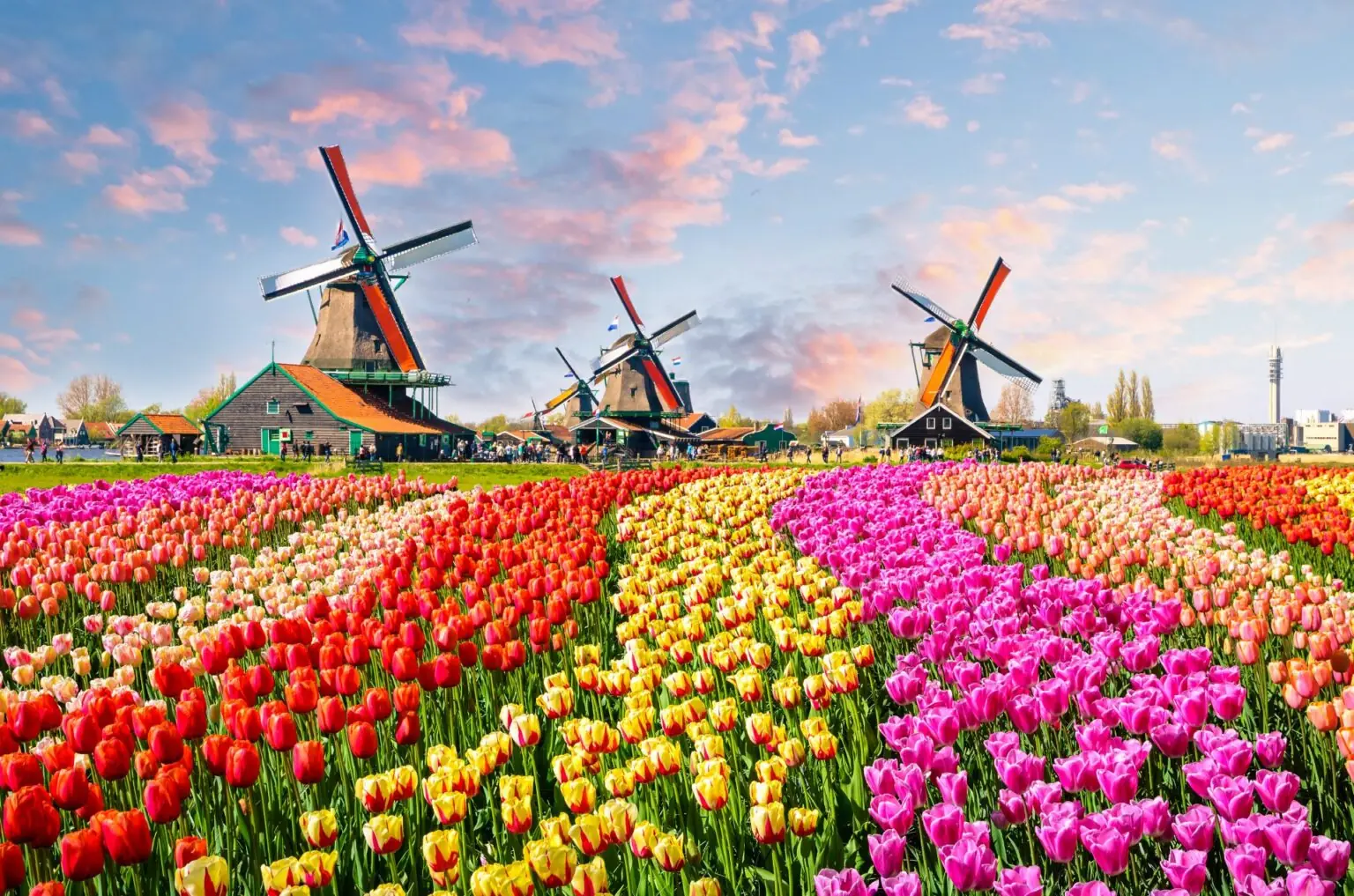
Late April works too, especially along the Atlantic coast and in northern countries like the Netherlands and Belgium, where tulip season peaks. But May remains the sweet spot that experienced slow travelers keep coming back to, year after year.
Best Regions for Slow Travel This Spring
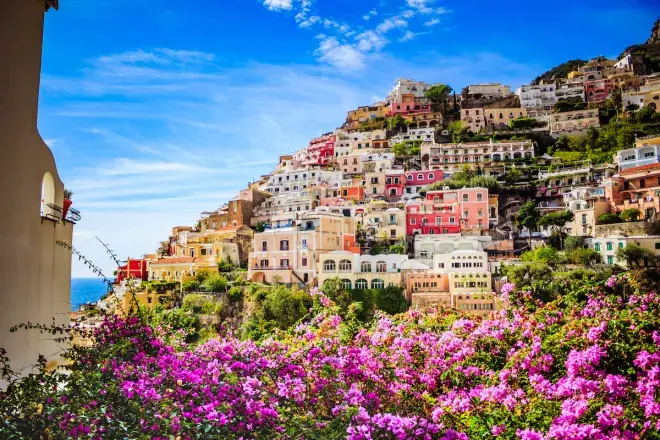
Provence, France — Lavender won't bloom until July, but spring already brings cherry blossoms, poppy fields, and outdoor markets that move at the pace of life itself. Base yourself in a village like Gordes or Lourmarin and let the days shape themselves around you.
The Peloponnese, Greece — Less visited than the islands but no less beautiful, this corner of mainland Greece drowns in wildflowers come spring. Ancient ruins, Byzantine monasteries, and tiny family-run tavernas where the menu depends entirely on what was caught that morning.
Umbria, Italy — Tuscany's quieter, greener sibling. Rolling hills, truffle markets, medieval hilltop towns, and the Cascata delle Marmore waterfall thundering with spring meltwater. Italy, minus the queues.
The Alentejo, Portugal — Cork oak forests, whitewashed villages, and vineyards just stirring back to life. Portugal's interior is wildly underrated and deeply rewarding for anyone willing to slow down enough to find it.
The Basque Country, Spain — Extraordinary food culture, dramatic coastlines, and a fierce, distinct identity that rewards curiosity. San Sebastián is famous for good reason; the region around it is even better once you wander beyond the city limits.
How to Actually Slow Down
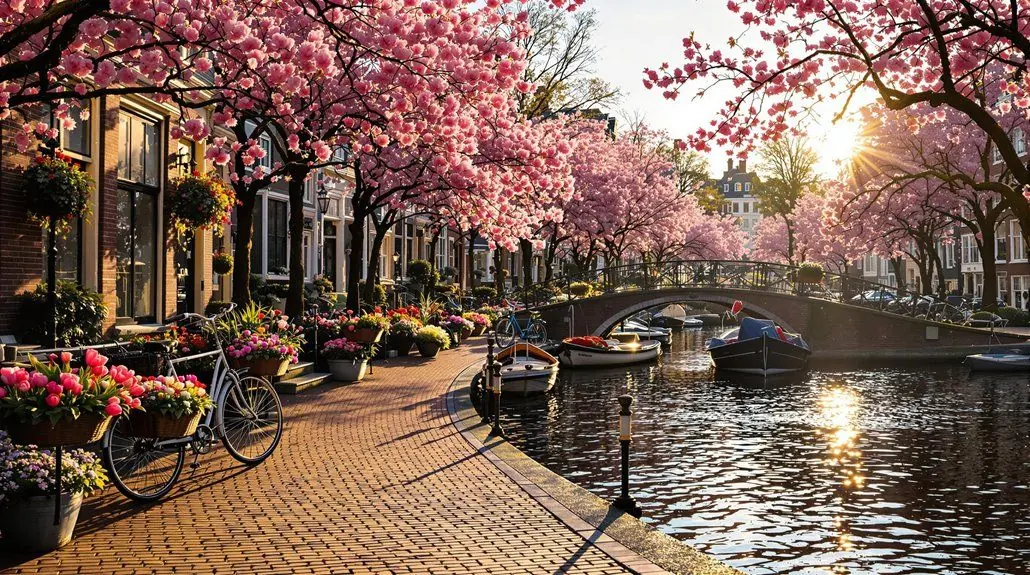
The intention is easy. The habit is harder. Here are a few practical principles that slow travelers swear by:
Book fewer places. Resist the pull of variety. Two weeks in two cities will teach you more than two weeks in ten ever could.
Stay in apartments or guesthouses. Hotels are optimized for check-in and check-out, nothing more. An apartment with a kitchen, a market around the corner, and a balcony where you can eat breakfast in the morning air is an entirely different kind of experience.
Walk first. Before any agenda takes hold, take a morning walk with no destination in mind. Whatever you stumble on will become the frame for the rest of your day.
Eat where locals eat. Not a revolutionary thought, but harder to pull off than it sounds. Look for places with no photos on the menu, no host hovering at the doorstep, just a chalkboard that changes every day.
Leave time empty. The gap in the schedule is not wasted time — it is exactly when the unexpected happens: the conversation with a stranger, the afternoon rain that chases you into a bookshop, the local festival you stumble into by pure chance.
Spring 2026 won't last. But the memories of a well-lived slow trip have a way of lasting a very long time indeed.