Spring has a way of waking the whole world up at once. Landscapes flush with color, cities shed their winter quiet, and there's a restlessness in the air that feels a lot like an invitation. It's also, in most of these places, a tightly scheduled affair — bloom windows measured in days rather than months, festival dates fixed a year out, hotel rates that swing wildly depending on whether you land before or after the peak. Here are ten places where spring puts on its best performance, along with what it actually takes to catch it at the right moment.
Table of Contents
- Japan – Kyoto & Cherry Blossoms
- The Netherlands – Amsterdam & Tulip Fields
- Washington, D.C. – Cherry Blossom Festival
- Spain – Seville & Andalusian Spring
- South Korea – Jeju Island
- France – Provence & Lavender Fields
- Morocco – Marrakech & The Atlas Mountains
- Italy – Rome & The Amalfi Coast
- Australia – Tasmania
- Greece – Crete & The Islands
- Tips for a Magical Spring Escape
1. Japan – Kyoto & Cherry Blossoms
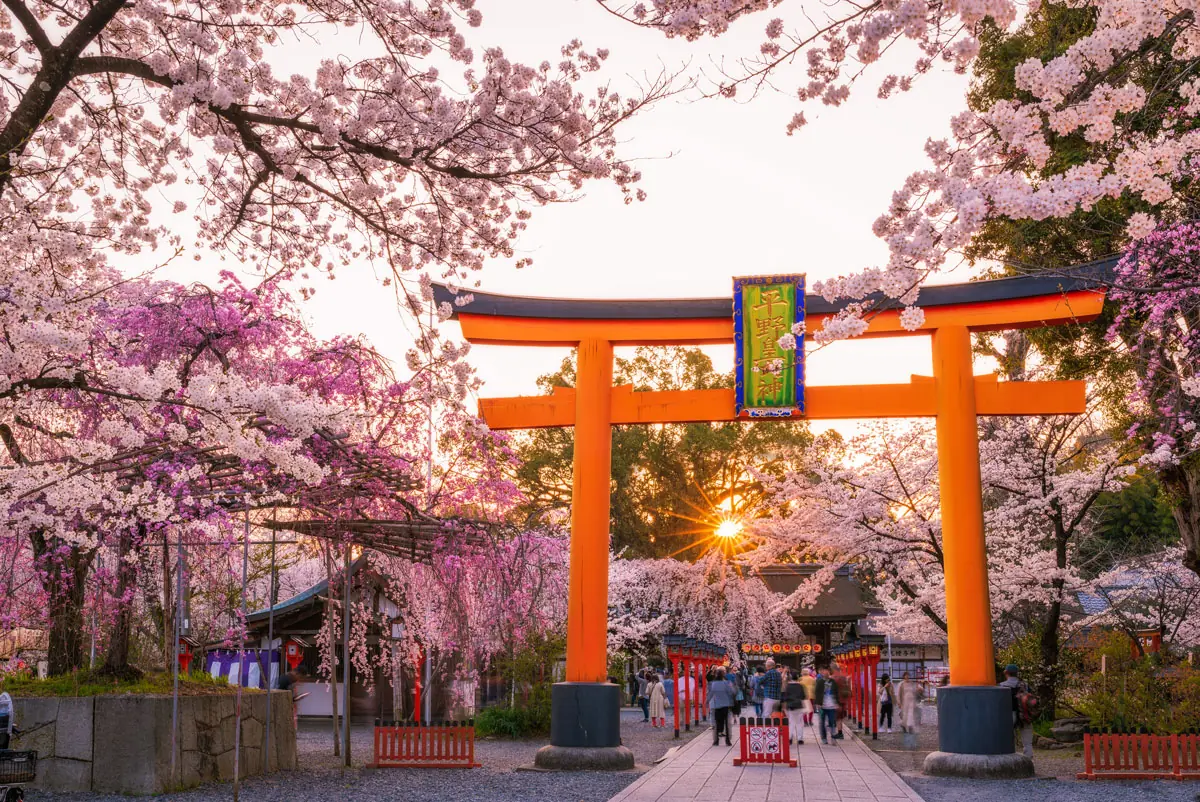
There's nowhere quite like Kyoto in spring, but the window is unforgiving: full bloom typically lasts just five to ten days, usually landing somewhere between late March and early April depending on that year's weather, and Japan's meteorological agency publishes forecasts only a few weeks ahead. Book flights on flexible fares and lock a rough date range rather than a single day.
Plan on four to five days in the city. Fly into Kansai International (Osaka) and take the 75-minute train into Kyoto — no car needed. Hotel prices during peak bloom weeks run 40–60% above off-season rates and sell out four to six months in advance, so reserve by December for an early-April trip. A hanami picnic itself costs almost nothing beyond a mat and a bento from a convenience store, but the popular spots — Maruyama Park especially — fill by mid-morning on weekends, so stake a spot by 9am if you want one under the big weeping cherry.
Must Do in Spring:
- Walk beneath the cherry blossoms at Maruyama Park and the Philosopher's Path on a weekday morning, before the tour groups arrive.
- Visit Kiyomizu-dera Temple at sunset (entry around ¥400), when the whole city glows pink and gold below.
- Join a hanami picnic — bring your own supplies from a konbini and claim ground early for the best spots.
2. The Netherlands – Amsterdam & Tulip Fields
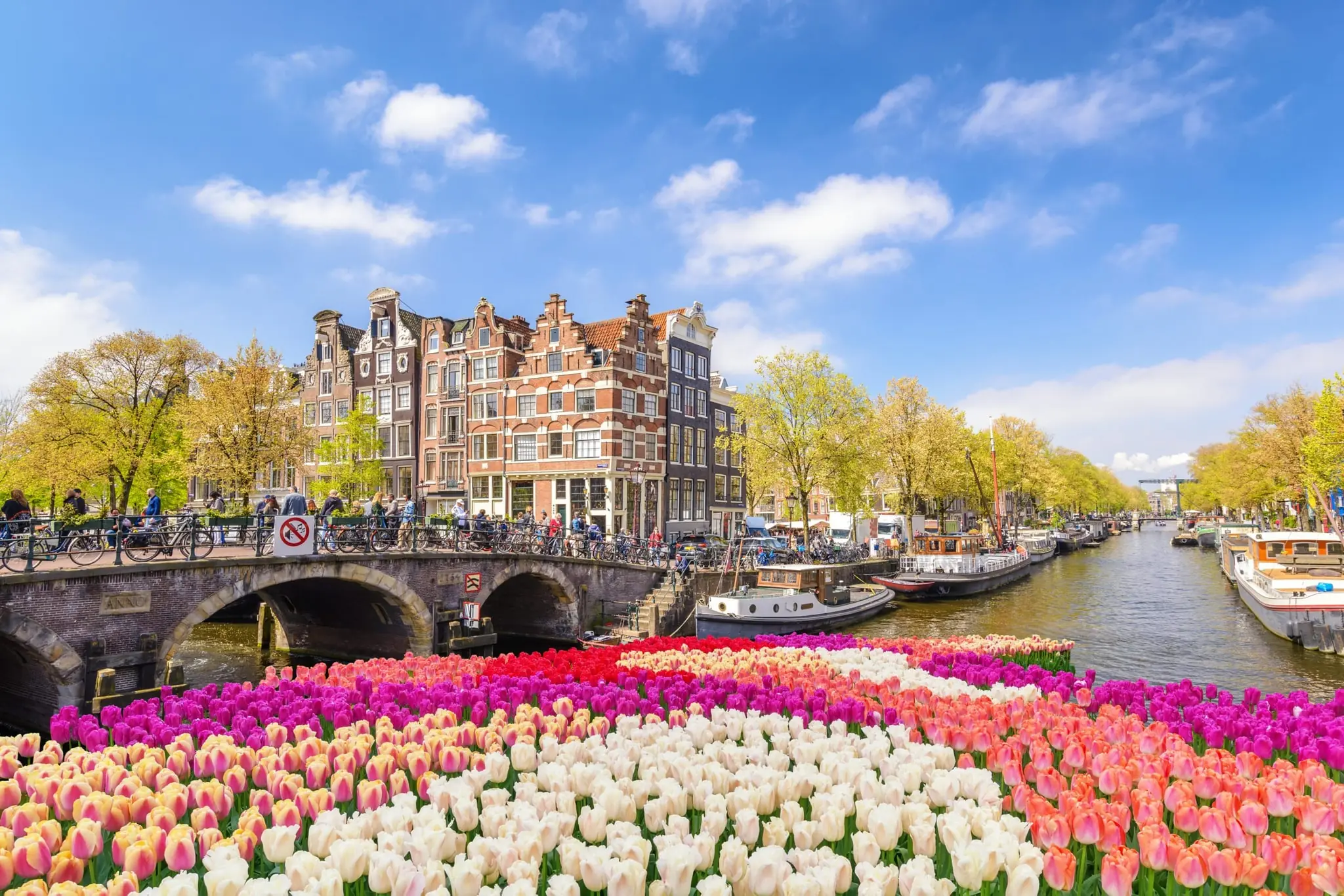
Tulip season is more forgiving than sakura but still runs on a clock: fields are typically at their fullest from mid-April to early May, and Keukenhof Gardens only opens for about eight weeks a year (usually mid-March through mid-May) before closing entirely for the rest of the season. Buy Keukenhof tickets online in advance — same-day entry queues can run over an hour on a sunny Saturday, and the timed-entry online ticket (around €21) skips most of it.
Amsterdam Schiphol is a 25-minute drive or bus ride from Lisse, so this works well as a day trip from the city rather than requiring its own base. Renting a bike in Amsterdam runs about €12–15/day, and the marked cycling routes through the bulb fields near Lisse and Sassenheim are flat and well signed — no serious cycling experience needed. Three to four days is enough to cover Amsterdam plus a field day; May tends to have thinner crowds than the highly photographed last two weeks of April.
Must Do in Spring:
- Cycle through the tulip fields near Lisse and visit Keukenhof Gardens — book timed entry online to skip the gate queue.
- Take a canal cruise through Amsterdam (from about €18) and watch the city sparkle from the water.
- Rent a bike for the day and ride the marked routes through the bulb fields around Sassenheim.
3. Washington, D.C. – Cherry Blossom Festival
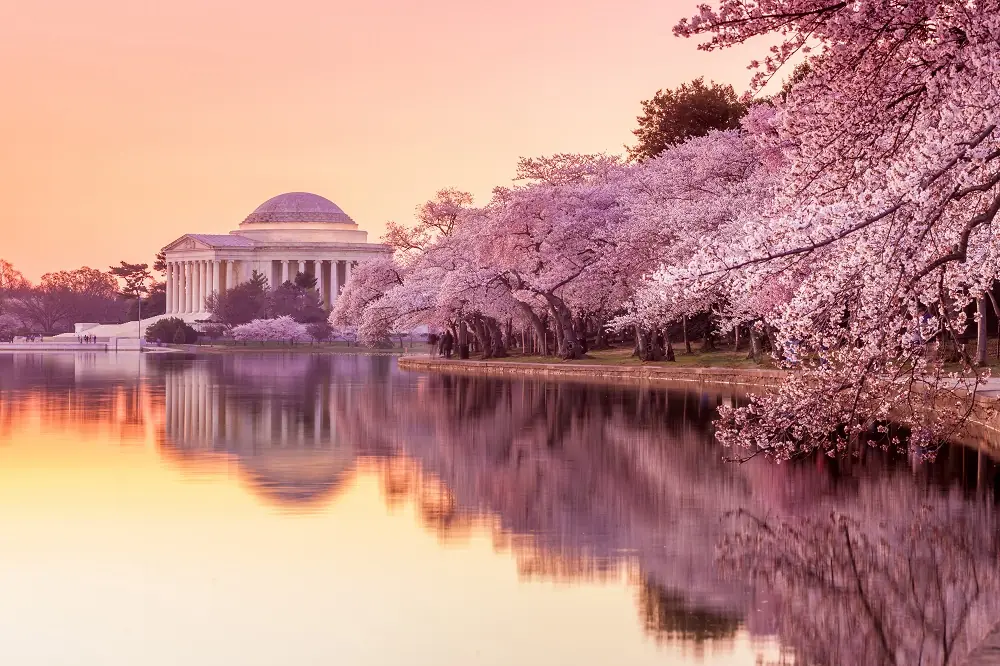
The National Park Service publishes a peak-bloom prediction for D.C.'s cherry trees around mid-February, and it's worth checking before you book — the window itself typically falls somewhere between late March and mid-April, and peak bloom (70% of blossoms open) usually lasts only four to seven days from there. The National Cherry Blossom Festival, by contrast, runs a full month, so you can catch festival events even if you miss peak bloom by a few days.
D.C. is easy logistically: fly into Reagan National, and the Tidal Basin is a 15-minute Metro ride or a walkable 30 minutes from most downtown hotels — no car needed for the entire trip. Hotel rates during peak bloom weeks (especially the festival's opening and closing weekends) run noticeably higher than the rest of March, so booking six to eight weeks ahead is reasonable, though less urgent than Kyoto's cutthroat market. Most of the experience — walking the Tidal Basin, the monuments, the Mall — is free, which makes this one of the cheaper entries on this list once flights are covered.
Must Do in Spring:
- Walk the Tidal Basin at sunrise, before the crowds arrive and before the Metro gets standing-room only.
- Check the festival's published event calendar ahead of time — parades and headline performances need advance seating or arrival.
- Explore the free Smithsonian museums along the Mall, framed by blossoms just outside.
4. Spain – Seville & Andalusian Spring
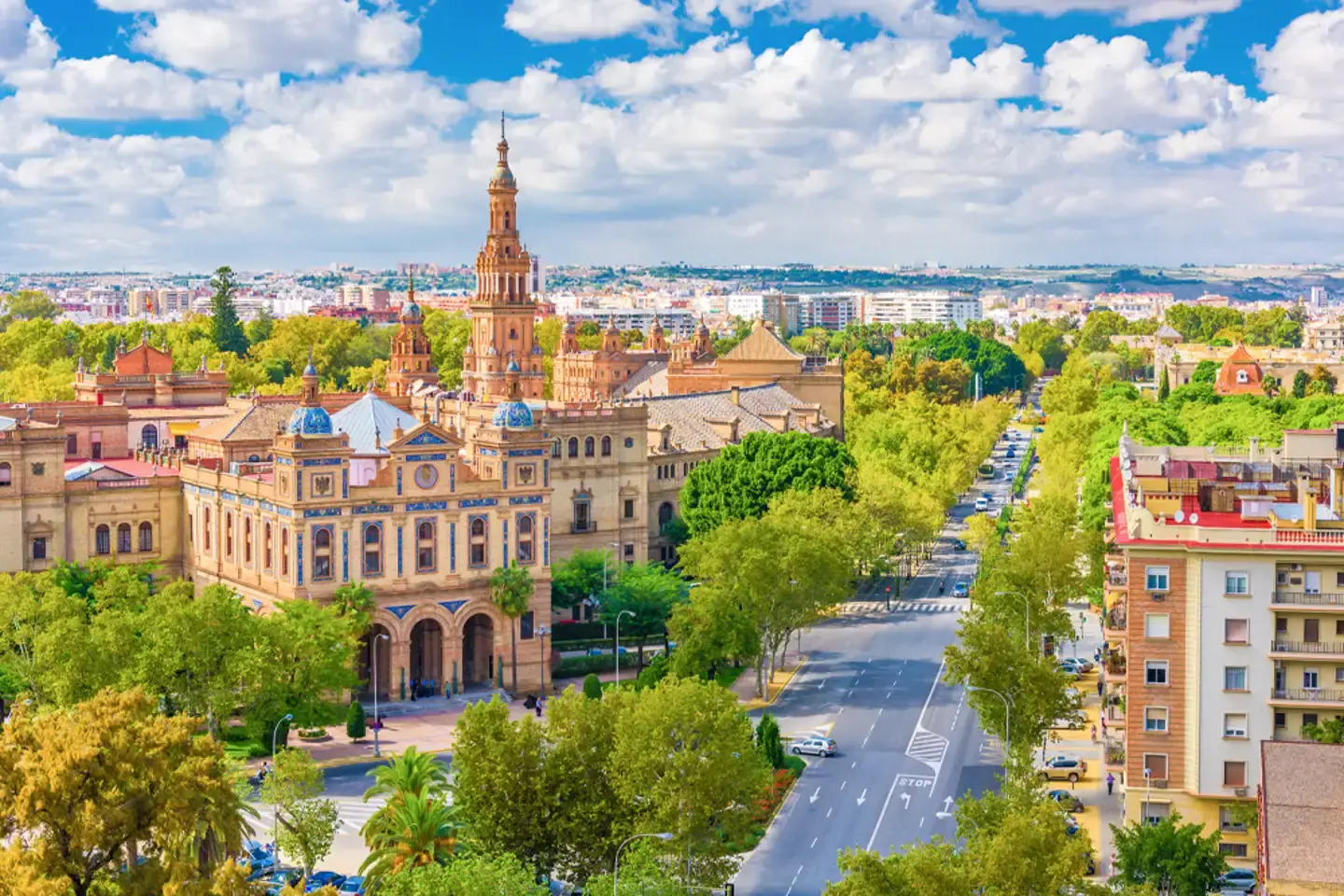
Seville's spring calendar is anchored by two fixed dates: Semana Santa (Holy Week, usually late March or April) and, two weeks after it ends, Feria de Abril — six days of dancing, flamenco dresses, and casetas (private party tents) that dominate the entire city. The two events draw completely different crowds and completely different prices, so decide which one you're actually going for before booking.
Fly into Seville directly or connect through Madrid (a 2.5-hour high-speed AVE train if you land there instead). Hotel prices during Feria week can run two to three times normal rates, and rooms need booking three to four months out; outside those two festival windows, spring in Seville is comparatively affordable and easy to book last-minute. Alcázar entry runs about €14 and is worth pre-booking online, since same-day tickets can sell out by early afternoon. Three to four days covers the city comfortably, longer if you're adding day trips to Córdoba or Ronda.
Must Do in Spring:
- Wander the lush gardens of the Alcázar — buy timed tickets online a few days ahead to avoid the walk-up line.
- If your dates align, experience Feria de Abril; if not, Semana Santa's processions are the other major spring draw and run on a completely different mood.
- Share tapas at an outdoor café in Triana, where prices run lower than the more touristed streets near the cathedral.
5. South Korea – Jeju Island
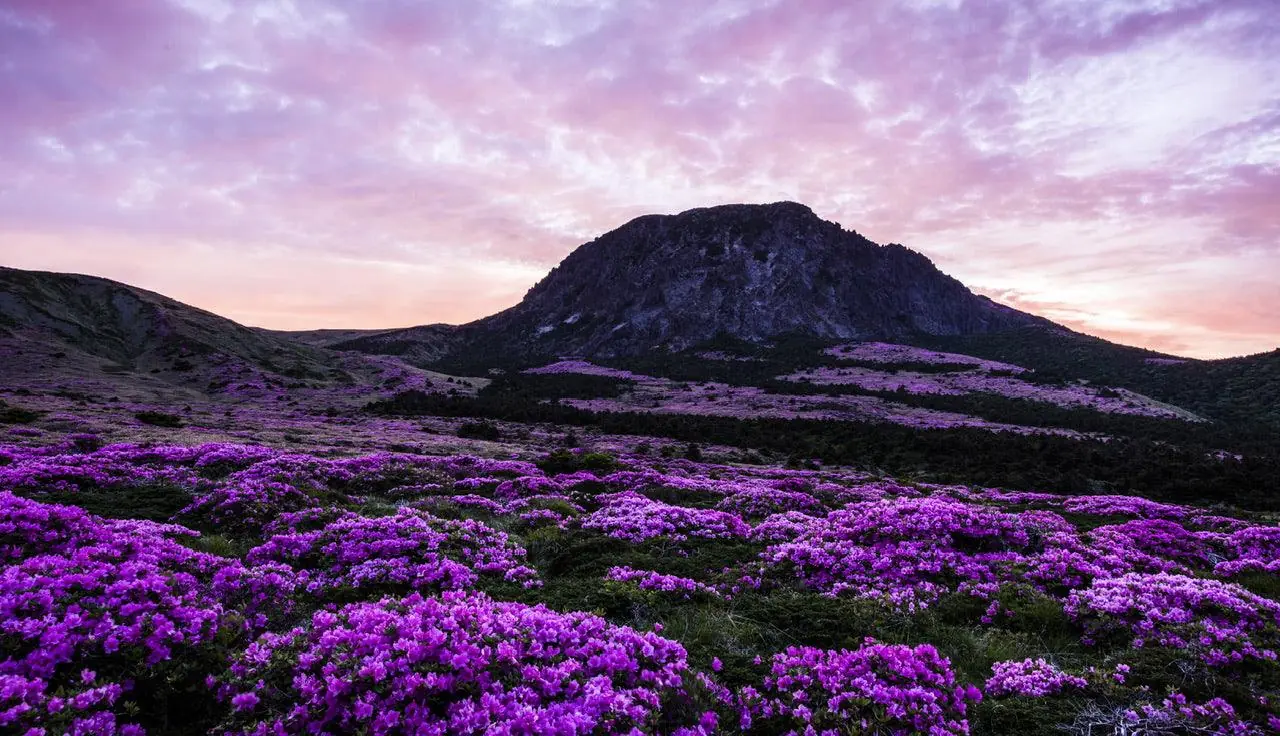
Jeju Island runs on two separate bloom calendars that briefly overlap in early April — cherry blossoms peak late March into early April, while the island's signature canola (rapeseed) fields hit full yellow from early April through early May, longer-lasting than either of the cherry windows elsewhere on this list.
Jeju is a one-hour domestic flight from Seoul (Gimpo), landing at Jeju International — one of the busiest domestic air routes in the world, so book a few weeks ahead for reasonable fares. A rental car is genuinely worth it here; the island's best spots (waterfalls, lava tubes, canola fields) are spread out and public buses run infrequently outside the main city. Four days is a comfortable minimum to circle the island without rushing. Hiking Hallasan's summit trails requires an early start — permits for the Gwaneumsa and Seongpanak routes are time-slotted, and the last entry point closes by early afternoon to ensure hikers descend before dark.
Must Do in Spring:
- Hike the trails of Hallasan, starting by 7–8am to make the time-slotted entry cutoff for the summit routes.
- Watch the sunrise from Seongsan Ilchulbong (entry about ₩5,000), as the first light sets the island aglow.
- Rent a car to reach the canola fields near Sanbangsan, which peak later than the island's cherry blossoms.
6. France – Provence & Lavender Fields
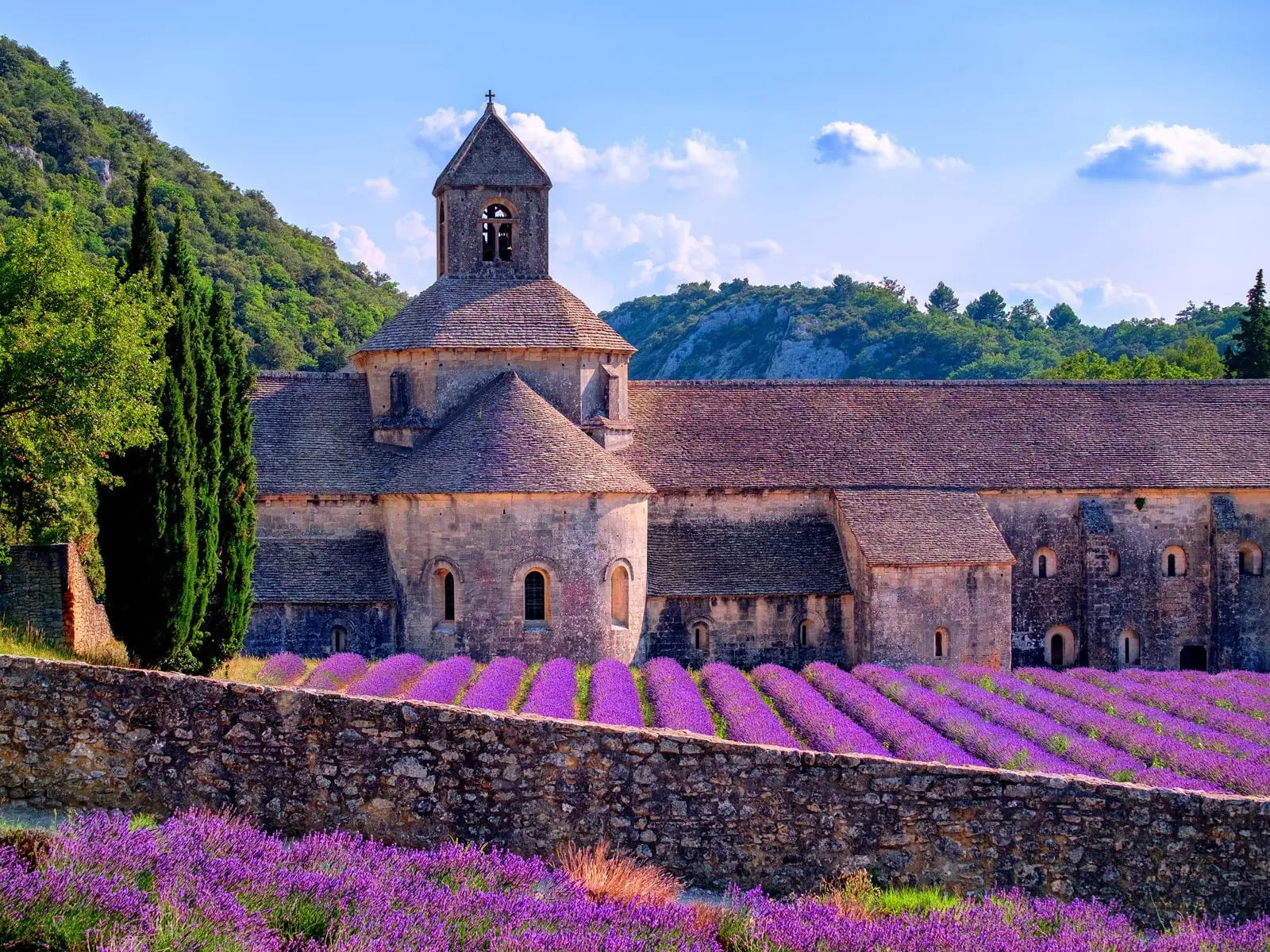
One honest caveat about spring in Provence: the famous lavender fields that dominate every postcard don't actually bloom until roughly late June through early August, so a spring visit trades that specific purple haze for wildflowers, early blossom, and noticeably thinner crowds and lower prices than the July rush. If lavender fields are the whole point for you, this is the wrong season — but if you want the region without the tour-bus traffic, spring is arguably the better trip.
Fly into Marseille or Nice and rent a car; Provence's hilltop villages have minimal train service and are built for driving between them. Five days lets you cover a loop through the Luberon (Gordes, Roussillon) without feeling rushed. Spring hotel rates in villages like Gordes run 30–40% below the July–August peak, and you can often book just a few weeks out rather than the months required in high summer. A market lunch — bread, cheese, olives, a bottle of local rosé — runs about €15–20 per person from any village market.
Must Do in Spring:
- Drive the countryside to see wildflowers and the first cut of early herbs, without the summer lavender crowds.
- Explore hilltop villages like Gordes and Roussillon on a weekday, when even peak-season traffic is light.
- Picnic on local cheese and bread from a village market — a fraction of restaurant prices for the same quality.
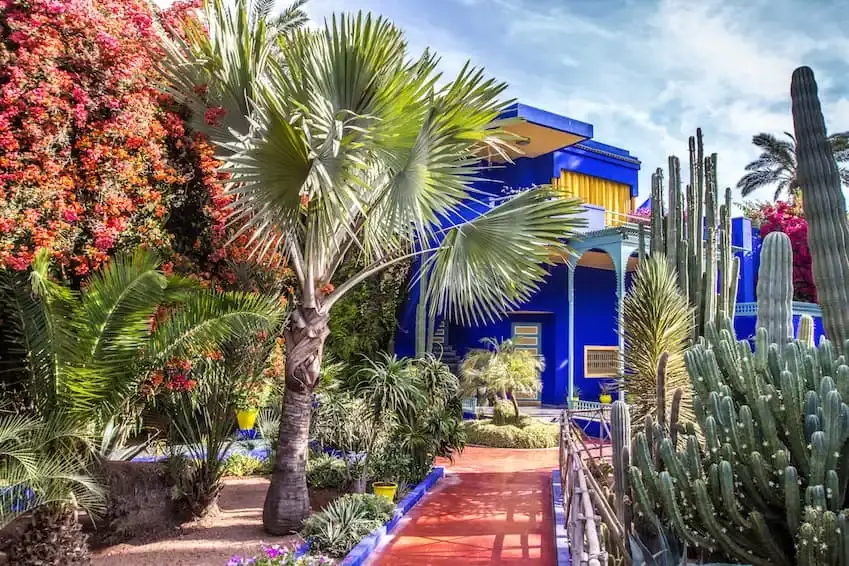
7. Morocco – Marrakech & The Atlas Mountains
Spring is arguably the smartest time to visit Marrakech precisely because of what it avoids: daytime temperatures that stay in a comfortable 20–28°C range in March and April, well short of the 40°C-plus heat that hits by June. In the nearby Atlas Mountains, almond blossom season (late February into March) briefly turns whole valleys pale pink.
Marrakech Menara Airport connects directly from most major European hubs, and the medina itself is entirely walkable — a car is more hindrance than help inside the old city. A riad room in the medina runs $50–120/night depending on season and standard, noticeably cheaper than equivalent hotels in the Ville Nouvelle. For the Atlas Mountains, a day trip to a Berber village (Imlil is the standard base) costs about $40–60 for a driver and guide, or you can base there for two nights if you want an actual hike rather than a drive-by. Majorelle Garden entry runs about 150 MAD (roughly $15) and is worth booking online, since the entrance queue in-season can run 30–45 minutes.
Must Do in Spring:
- Wander the Majorelle Garden — buy timed tickets online to skip the walk-up queue.
- Day-trip to the Atlas Mountains via Imlil to catch almond blossom season in the surrounding valleys.
- Sip mint tea on a rooftop terrace, which typically costs less than $2 and comes with the best view in the medina.
8. Italy – Rome & The Amalfi Coast
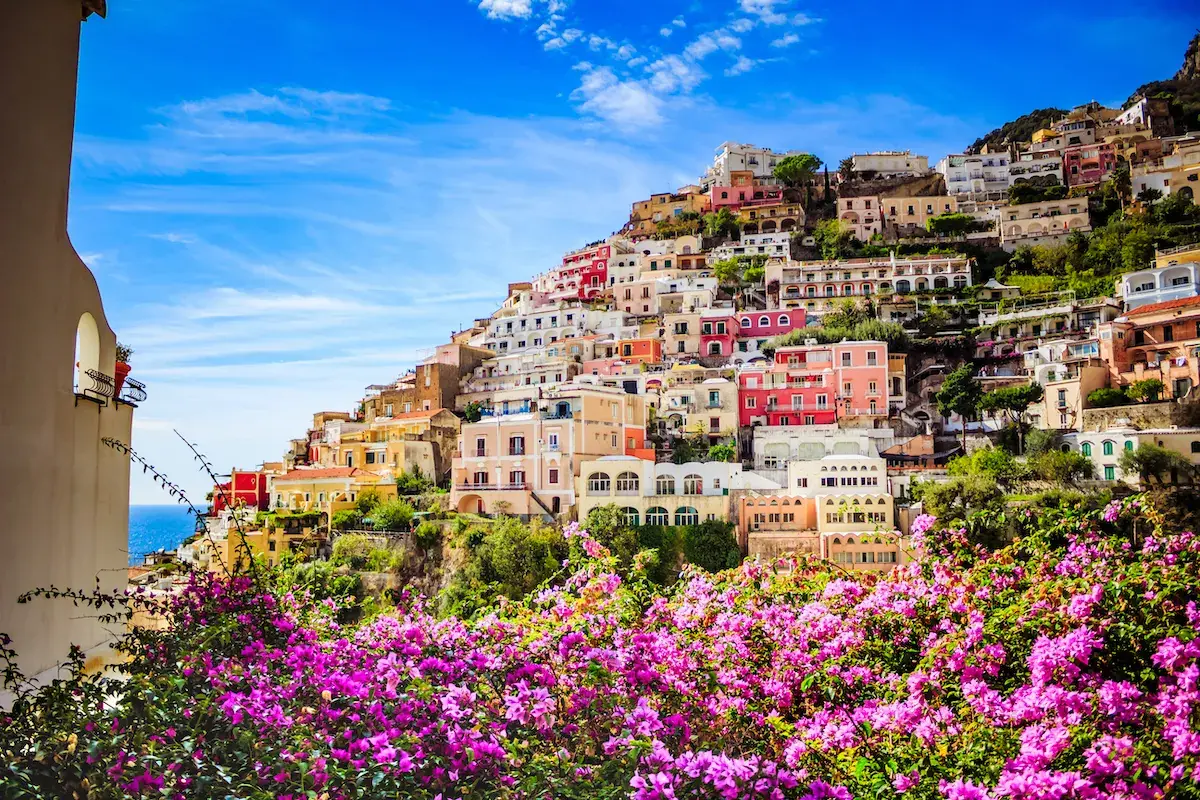
Spring is the sweet spot for pairing Rome with the Amalfi Coast: the coastal road and ferry network typically don't run at full summer schedule until late April, but by then temperatures are already comfortable for hiking the Path of the Gods, without the July crowds that make Positano's main beach feel like a queue.
Fly into Rome Fiumicino, spend three days in the city, then take a high-speed train to Naples (about 70 minutes) and either rent a car or use the SITA bus network down the coast — the coastal road is narrow and slow, so factor extra time for any drive between towns. Rome's major sights (Colosseum, Vatican) require timed-entry tickets booked at least a few days ahead even in shoulder season; walk-up lines in April can run over an hour. On the coast, ferries between Amalfi towns (Positano, Amalfi, Ravello) run about €10–20 one-way and are often faster and more pleasant than the road. Budget seven to eight days total to do both halves without rushing either.
Must Do in Spring:
- Book timed entry for the Colosseum and Vatican Museums online in advance — same-day tickets sell out even in April.
- Take the coastal ferry between Positano and Ravello rather than the road, especially on a weekend.
- Eat gelato in a sunlit piazza, ideally away from the main tourist strip where a scoop runs half the price.
9. Australia – Tasmania
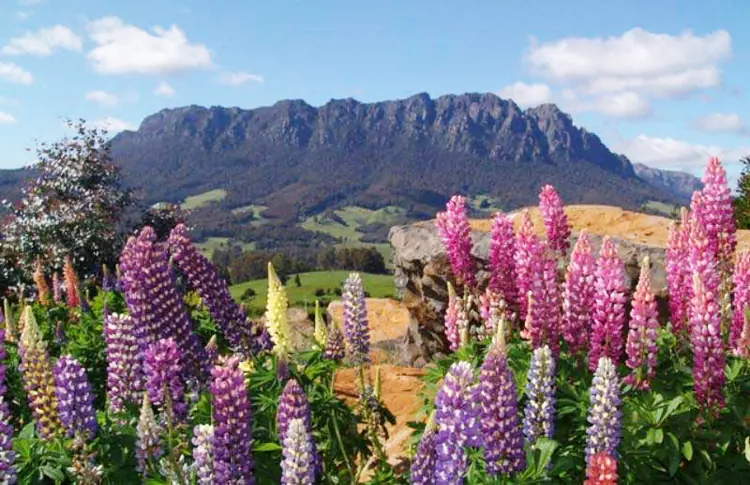
Like the Blue Mountains, Tasmania runs on the Southern Hemisphere calendar — its spring falls September through November, opposite the Northern Hemisphere entries on this list. That timing works in Tasmania's favor: wildflowers peak in October and November, and the island is noticeably less crowded than during its December–February summer high season.
Fly into Hobart from Melbourne or Sydney (about 90 minutes), and rent a car — Tasmania's national parks and small towns have essentially no public transit connecting them. The Overland Track, the island's marquee multi-day hike, requires a paid permit (around AUD $200 in the regulated October–May season) and bookings open months ahead, since daily numbers are capped to protect the trail. If a six-day trek isn't the plan, day-hikeable sections near Cradle Mountain give a taste without the permit or the multi-day commitment. Budget six to seven days to combine Hobart, a national park, and the east coast.
Must Do in Spring:
- Trek the Overland Track if the multi-day commitment and advance permit booking work for your schedule.
- If not, day-hike sections near Cradle Mountain for the same wildflower displays on a shorter timeline.
- Explore Hobart's Saturday Salamanca Market, the easiest way to sample local produce and crafts in one stop.
10. Greece – Crete & The Islands
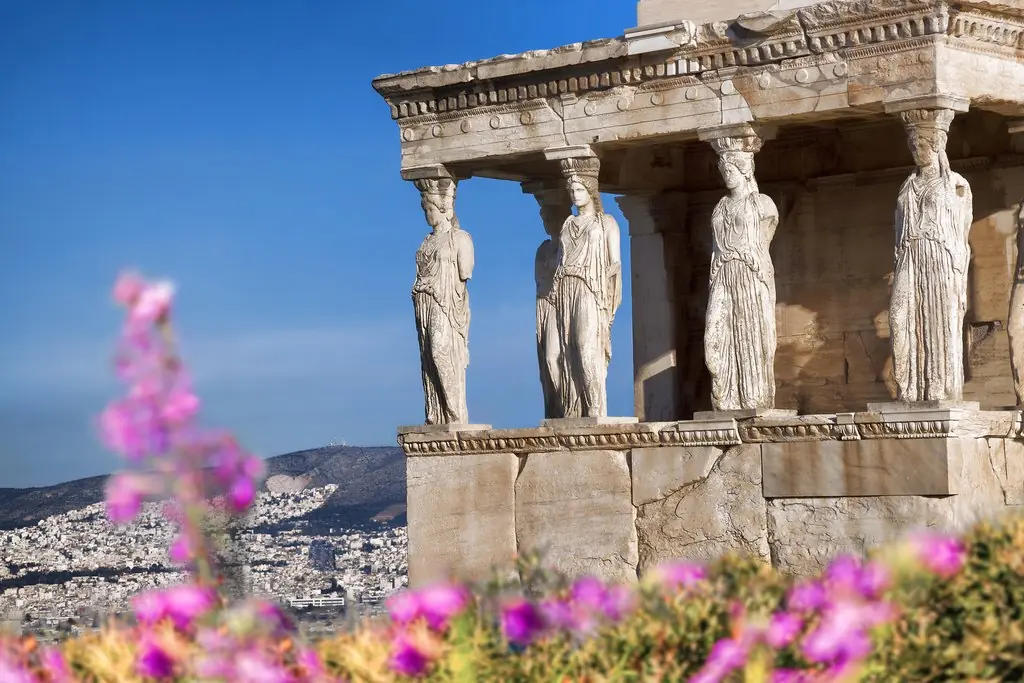
Timing matters more than usual on Crete in spring: the Samaria Gorge, one of the island's biggest draws, is officially closed until roughly early May each year while trail crews clear winter rockfall and flood damage — check the current opening date before building a trip around it, since heavy snowmelt years can push the opening later.
Fly direct into Chania or Heraklion from most major European hubs; a rental car is worth it for reaching mountain villages and lesser-known beaches, though the two main cities and their surroundings are walkable on their own. Hotel prices across the island in April and early May run noticeably below the July–August peak — often 40–50% less — and restaurants are far easier to walk into without a reservation. Once open, the Samaria Gorge hike is a demanding full-day trek (about 16km, five to seven hours) that ends at the coast, where a ferry (around €12) or bus takes you back to your starting point — plan the logistics before you set off, since you can't simply retrace your steps.
Must Do in Spring:
- Confirm the Samaria Gorge season has opened before planning around it — it's typically shut until early May.
- Explore Knossos on a weekday morning, when tour-bus groups from cruise stops haven't yet arrived.
- Feast on fresh produce and local wine at a family-run taverna, where a full meal with wine often runs under €20 per person outside the main tourist strips.
Tips for a Magical Spring Escape
- Book ahead: Spring festivals and flower seasons draw crowds — reserve early for the best spots.
- Pack layers: Spring weather shifts fast, so bring a mix of warm and cool clothing.
- Embrace the outdoors: Leave room in your schedule to walk, picnic, and simply take in the blossoms wherever you find them.
If there's one lesson across all ten of these, it's that spring rewards research more than instinct — a trip built around a fixed festival date or a two-week bloom window needs its flights and rooms locked months ahead, while a looser spring trip (Provence, the Amalfi Coast) can be booked with far less lead time. Match your planning style to the destination, and spring 2026 will look after the rest.