Summer 2026 is coming, and it deserves a trip worth remembering. Whether you're after turquoise water, a city that never quite goes to sleep, or wild landscapes that put things in perspective, this year's standout destinations have something for every kind of traveler. Here are ten places worth building a summer around — with the real numbers on cost, timing, and logistics you'll need to actually pull each one off.
Table of Contents
- Greece – The Cyclades
- Italy – Amalfi Coast
- Japan – Okinawa & Southern Islands
- Portugal – The Algarve
- Canada – Banff & Lake Louise
- Australia – Queensland & The Great Barrier Reef
- Croatia – Dalmatian Coast
- South Africa – Cape Town & Garden Route
- Indonesia – Bali & The Gili Islands
- United States – Hawaii
- Tips for an Unforgettable Summer
1. Greece – The Cyclades
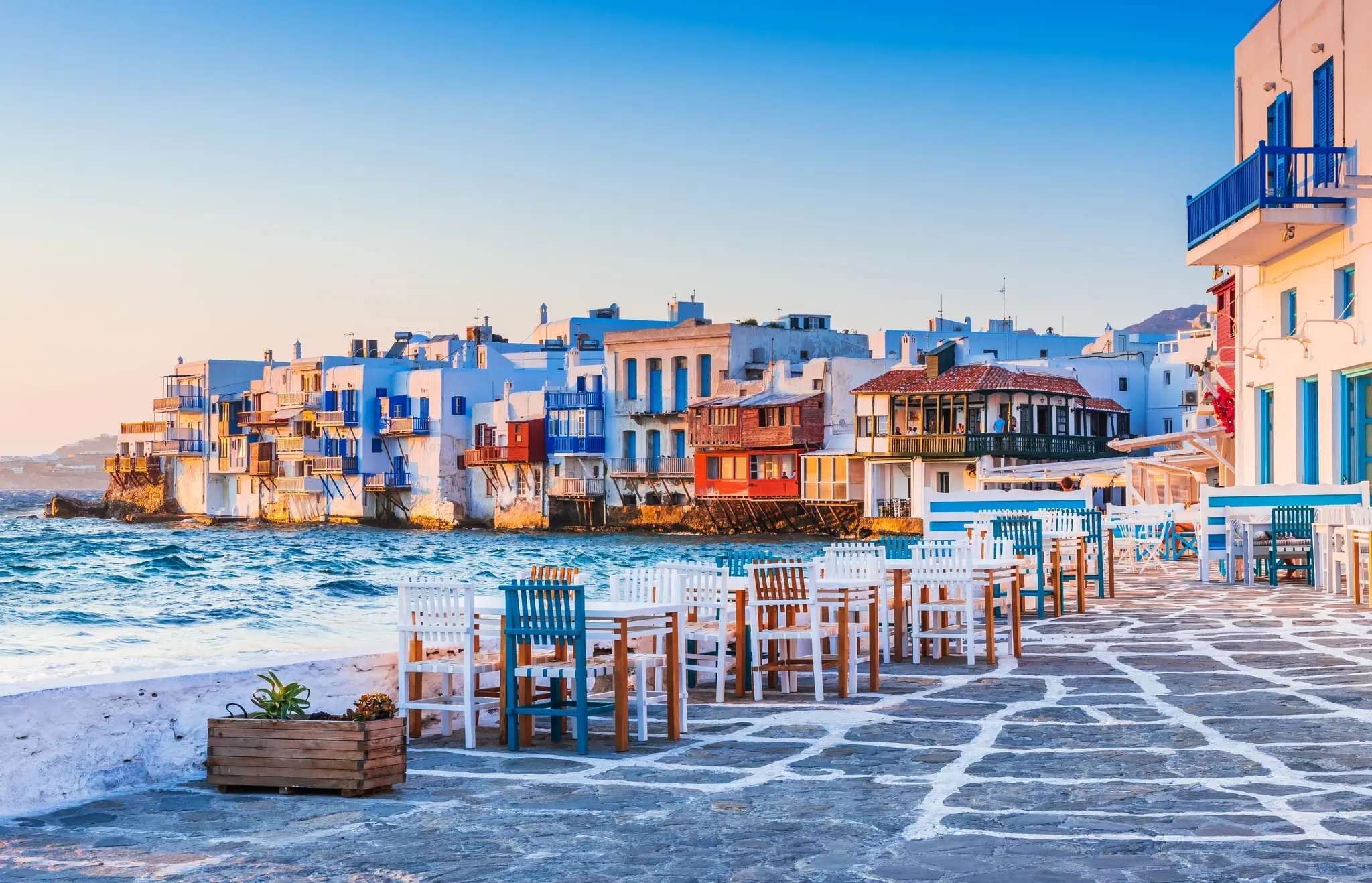
Whitewashed villages and sapphire seas make Greece's Cyclades islands the default answer to "where should I go this summer" — which also means peak-season (mid-July through August) hotel rates in Santorini can run €300–500/night for a basic sea-view room, roughly triple what the same room costs in June or September.
Fly into Athens, then a short connecting flight or a high-speed ferry (about 5 hours to Santorini) gets you island-side. Budget seven to ten days to island-hop three or four islands properly; ferries between them run €30–60 one-way and schedules thin out considerably outside July–August, so check timetables before committing to a route. Naxos and Paros run 30–40% cheaper than Santorini for comparable quality and are a smart base if budget matters more than the postcard sunset. Book Santorini accommodation four to six months out for peak weeks — the island's room supply is genuinely limited by geography.
Must Do in Summer:
- Watch the sunset in Oia, Santorini — arrive by the castle viewpoint at least 45 minutes early in July or August, when the crowd gets dense.
- Island-hop by ferry, booking tickets a few days ahead in peak season since popular routes do sell out.
- Order grilled octopus and local wine at a seaside taverna — expect €35–50 for a full meal for two on Santorini, roughly half that on Naxos.
2. Italy – Amalfi Coast
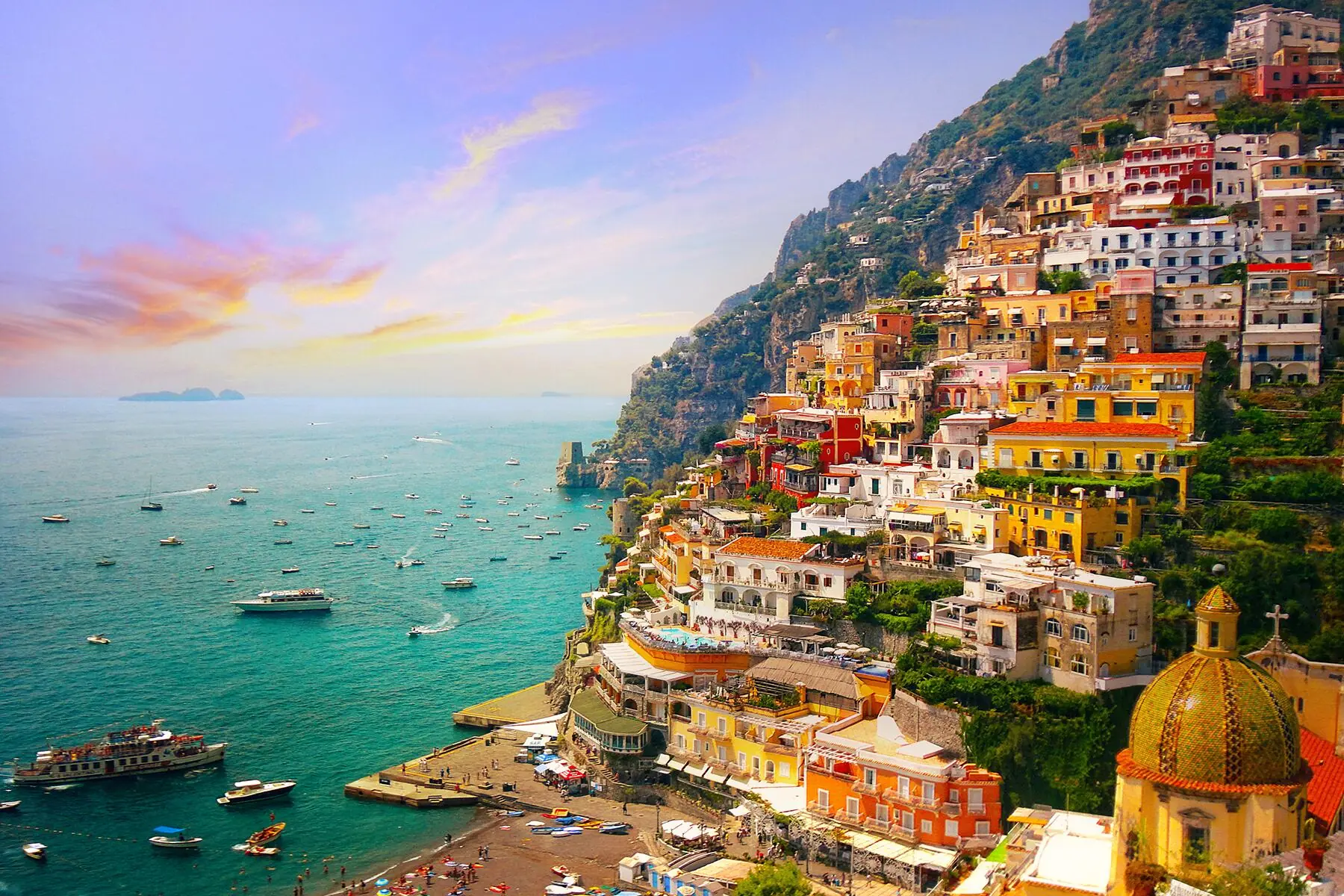
The Amalfi Coast in July and August is as much about traffic management as scenery — the single coastal road (SS163) regularly grinds to a standstill in peak season, and several towns now restrict car access on the busiest summer days. The ferry network between Amalfi towns and Capri is the better call for most of the season: faster, cheaper than a rental car sitting in gridlock, and it skips the parking problem entirely.
Fly into Naples, then take a direct ferry or the Circumvesuviana train plus local bus to reach the coast — allow at least three hours door to door. A hydrofoil to Capri runs about €20–25 each way and around 30–45 minutes; book the early morning departure if you want to beat the day-tripper crowds that arrive by 10am. Five to six days lets you split time between two or three base towns. Restaurant prices in Positano run noticeably higher than in less-photographed Amalfi or Minori — a sunset dinner with wine easily hits €80–100 per person in Positano versus €40–50 a few towns over.
Must Do in Summer:
- Take the ferry rather than drive between towns in July and August, when the coastal road is at its worst.
- Swim the turquoise water of Fiordo di Furore, arriving early — the small beach fills fast and has limited access points.
- Book a sunset dinner in less-touristed Minori or Atrani for Ravello-caliber views at a fraction of the price.
3. Japan – Okinawa & Southern Islands
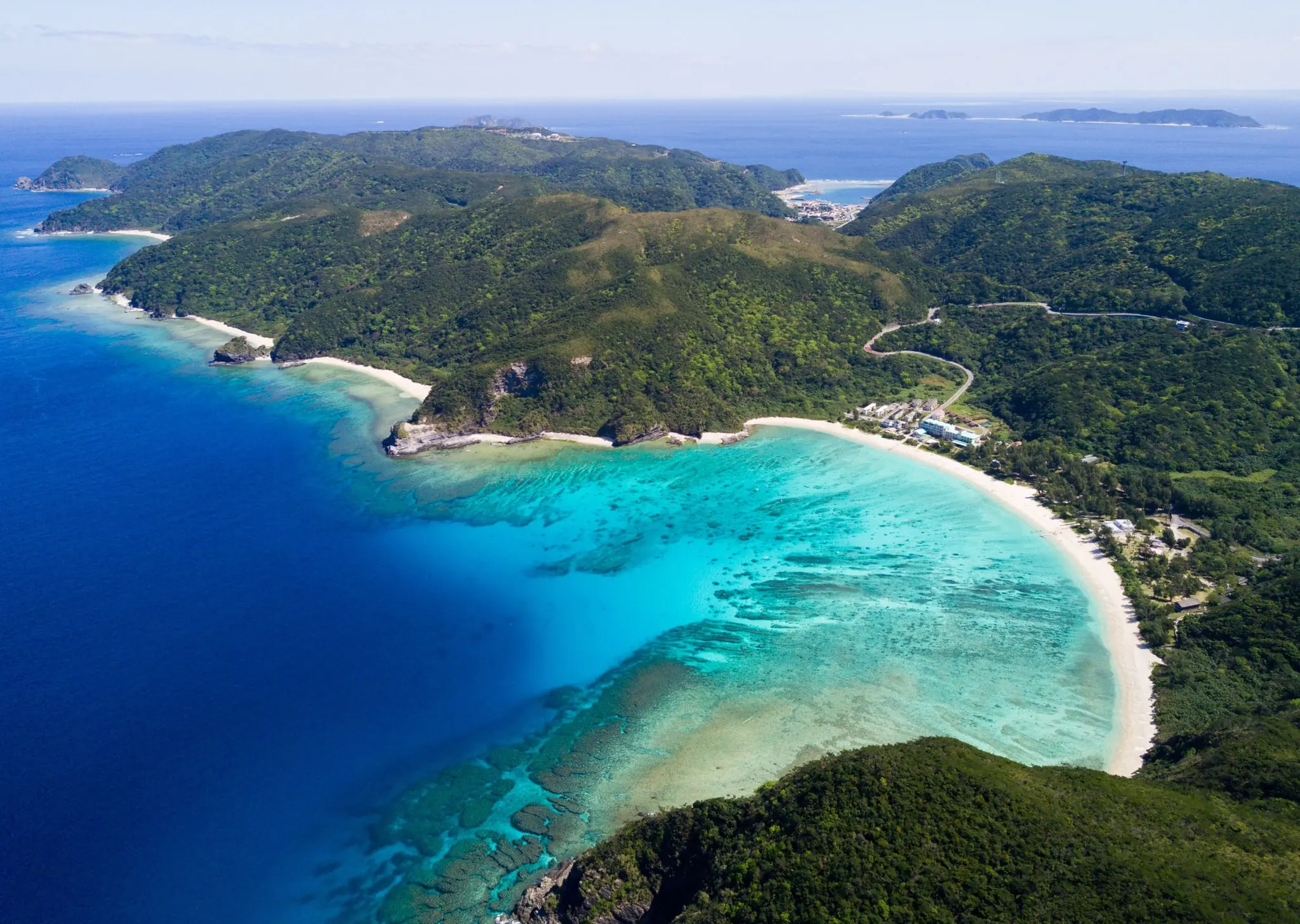
Japan's southern islands run a different climate calendar than the mainland — Okinawa sits squarely in typhoon season from roughly June through October, so travel insurance and flexible flight dates are worth the small extra cost here in a way they aren't for most of this list. Late June through July, before peak typhoon months, tends to offer the best odds of clear weather.
Fly into Naha (about 2.5 hours from Tokyo), then a ferry or short domestic flight reaches the outer islands. A day trip to the Kerama Islands for snorkeling runs about ¥8,000–12,000 ($55–80) including gear, and the visibility there is genuinely a step above mainland Japan's coastline. Budget five to six days: two or three in Naha and around Shurijo Castle (entry about ¥400), the rest island-hopping. Hotel rates run considerably lower than Tokyo or Kyoto for comparable quality, making Okinawa one of the better-value entries on this list once flights are covered.
Must Do in Summer:
- Snorkel or dive the Kerama Islands, booking a morning tour to beat both the afternoon heat and the wind that tends to pick up later in the day.
- Wander Shurijo Castle in Naha, rebuilt after a 2019 fire and still an active restoration site worth seeing regardless.
- Check the typhoon forecast a few days out and keep at least one flexible day in your itinerary for weather delays.
4. Portugal – The Algarve
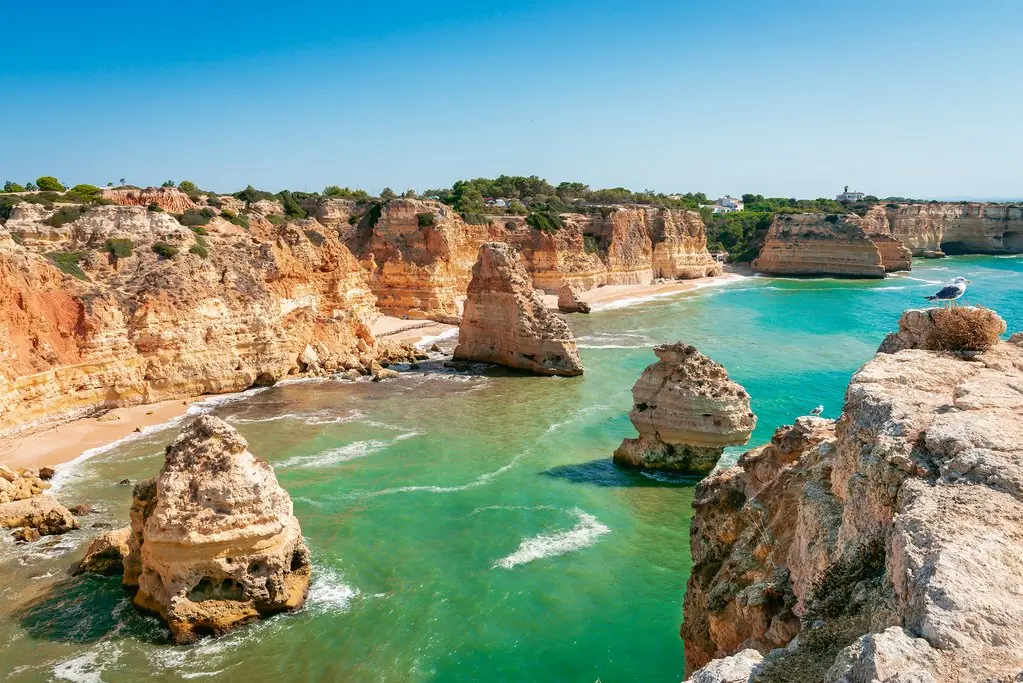
Portugal's Algarve remains one of Western Europe's better value summer trips even at peak season — a beachfront apartment for a week in August runs roughly €80–150/night, well under equivalent Amalfi or Cyclades pricing, though rates still climb 50%+ above June or September.
Fly into Faro, the regional hub, and rent a car — the coast's smaller beaches and coves (Benagil especially) aren't well served by public transit. A kayak or boat tour into Benagil Cave costs about €25–35 and is worth booking a morning slot, since the cave gets crowded with tour boats by midday. Surfing at Arrifana is beginner-friendly with lesson packages around €40–50 for a half day, gear included. Five to six days covers the coast from Lagos to Faro without rushing; September is the better month if you want the same beaches with noticeably fewer people and lower prices.
Must Do in Summer:
- Paddle into Benagil Cave on an early tour, before the midday boat traffic crowds the entrance.
- Catch a wave at Arrifana Beach, where surf schools rent boards and wetsuits by the half or full day.
- Wander Lagos' old town, where a seafood lunch runs €15–20 per person away from the main marina strip.
5. Canada – Banff & Lake Louise
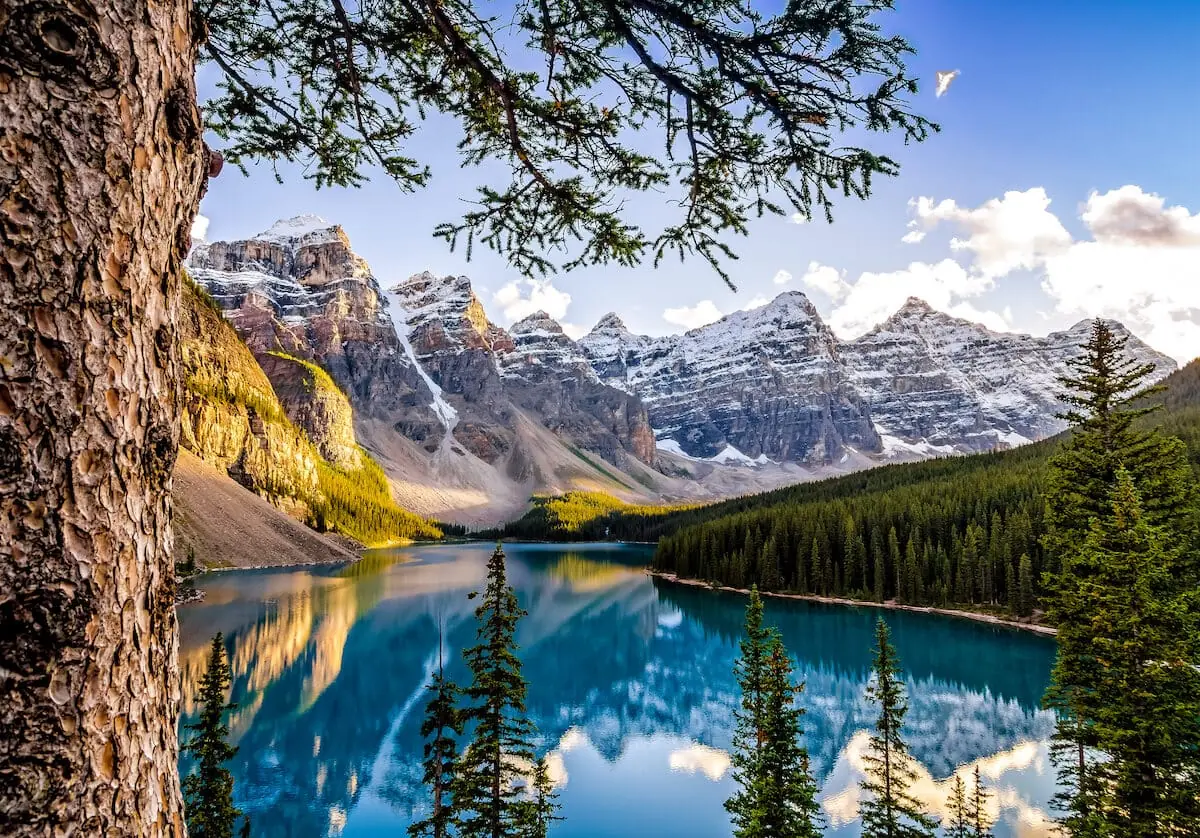
Banff National Park hits its most crowded stretch precisely when the weather is best — July and August, when daytime highs sit comfortably around 20–25°C. Lake Louise's small parking lot fills by 7am on summer weekends, and the park now runs a mandatory shuttle-and-reservation system for the lake during peak hours; check the current booking system before driving up expecting to park.
Fly into Calgary, then it's a 90-minute drive to Banff townsite — a rental car (or the seasonal Banff–Calgary shuttle, around CAD $70 round-trip) is the standard approach. A canoe rental at Lake Louise runs about CAD $150/hour, which sounds steep until you're actually on that water. Budget five to six days to properly cover Banff and Lake Louise plus a day in Jasper if time allows. A soak at Banff Upper Hot Springs costs about CAD $18.50 and is a legitimately good way to end a long hiking day. Book park lodges and campgrounds by early spring — summer availability in the townsite is tight by March.
Must Do in Summer:
- Check the Parks Canada shuttle/reservation system for Lake Louise before driving — parking fills before 7am in peak summer.
- Hike the Plain of Six Glaciers trail, ideally starting early to beat both the heat and the midday trail traffic.
- Soak in Banff Upper Hot Springs (about CAD $18.50) after a long day on the trail.
6. Australia – Queensland & The Great Barrier Reef
Northern Hemisphere summer lines up with Queensland's dry season (roughly June through October) — genuinely its best window, with lower humidity and far less rain than the wet-season months. It's also, usefully, stinger season's off-period: box jellyfish are a real hazard along this coast from November to May, so a June–August visit sidesteps the need for a stinger suit in the water.
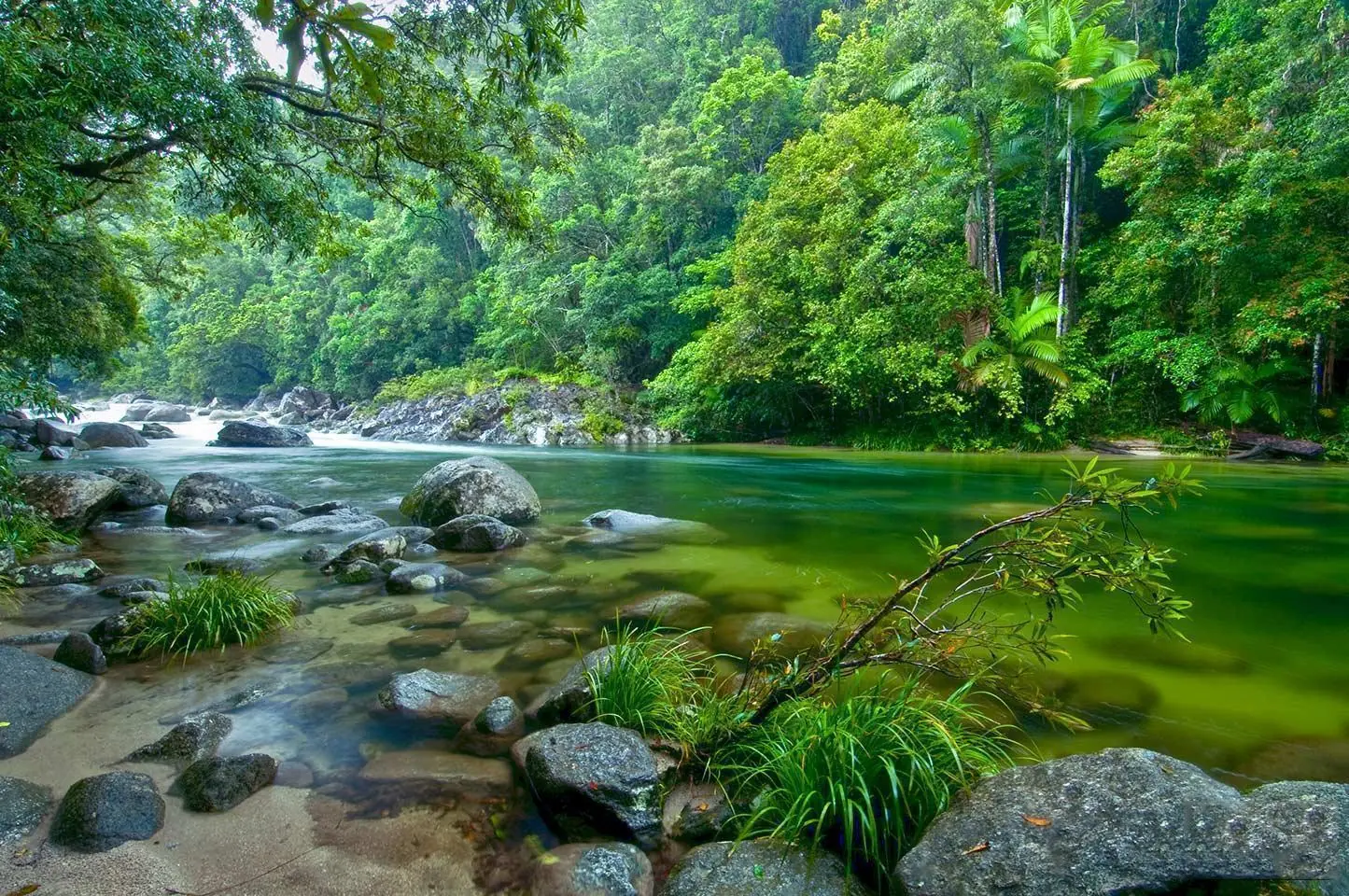
Fly into Cairns, the standard gateway; a day-trip reef tour runs about AUD $220–260 including gear and lunch, and it's worth booking a boat that visits the outer reef rather than closer inshore sites, since coral health varies significantly by location. The Skyrail cable car to Kuranda costs around AUD $75 round-trip. For the Whitsundays and Whitehaven Beach, fly or ferry into Airlie Beach, then a day-tour boat (around AUD $180–220) reaches the beach itself — there's no direct land access. Seven to eight days covers Cairns, the Daintree, and a Whitsundays add-on without rushing.
Must Do in Summer:
- Dive or snorkel the Great Barrier Reef, booking an outer-reef tour for better coral health than inshore sites.
- Ride the Skyrail above the Daintree Rainforest to Kuranda, and go early to avoid the midday tour-bus crowds.
- Take a boat tour to Whitehaven Beach in the Whitsundays — there's no way to drive there directly.
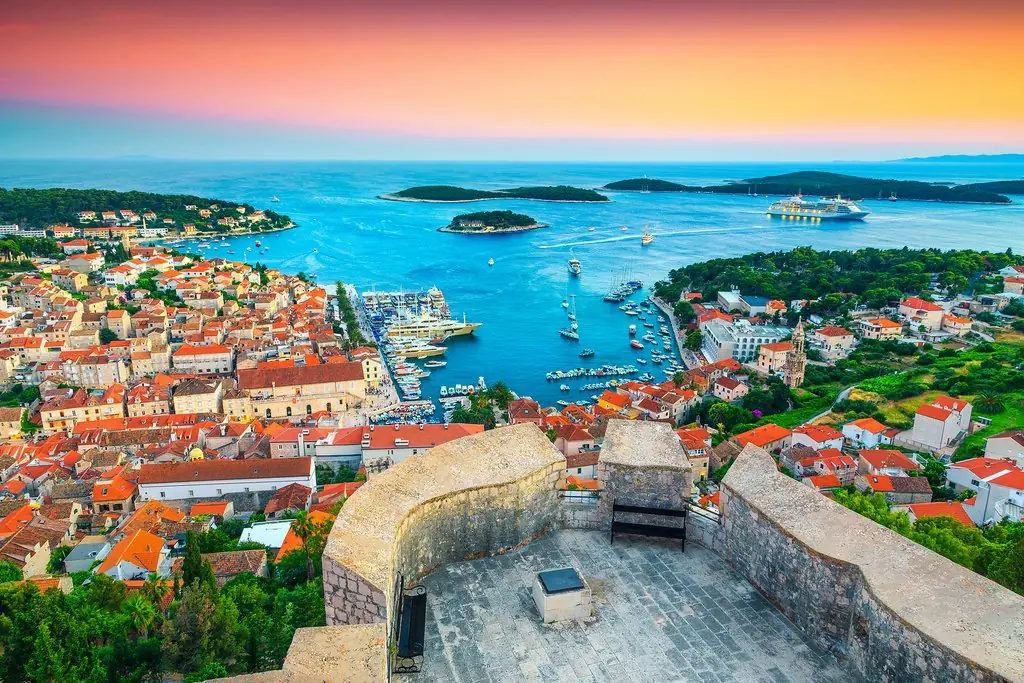
7. Croatia – Dalmatian Coast
Croatia's Dalmatian Coast has gotten expensive enough in peak season that it's worth planning around: Dubrovnik hotel rates in August routinely double June rates, and the city now caps daily cruise-ship arrivals to manage crowding at the old town gates — check the schedule and aim for a day with no ships in port if you want the walls to yourself.
Fly into Dubrovnik or Split; a car isn't necessary if you're sticking to the coast and islands, since ferries connect the main stops well. Dubrovnik's wall walk costs about €35 and takes 1.5–2 hours; go at opening (8am) or in the last two hours before closing to avoid both the heat and the cruise-ship rush. Sailing to Hvar or Korčula by catamaran runs €15–30 one-way depending on route and season. A half-day boat tour to the Blue Cave on Biševo costs around €60–90 and needs booking a day or two ahead in peak summer, since morning light slots (when the blue glow is strongest) sell out first. Ten days lets you cover Dubrovnik, Split, and two or three islands at a reasonable pace.
Must Do in Summer:
- Walk Dubrovnik's walls at opening time, both for the light and to beat the cruise-ship crowds that arrive by mid-morning.
- Sail between islands by catamaran — book ahead for peak-season routes between Hvar and Korčula.
- Book the Blue Cave on Biševo for a morning slot, when the water's glow is at its most vivid.
8. South Africa – Cape Town & Garden Route
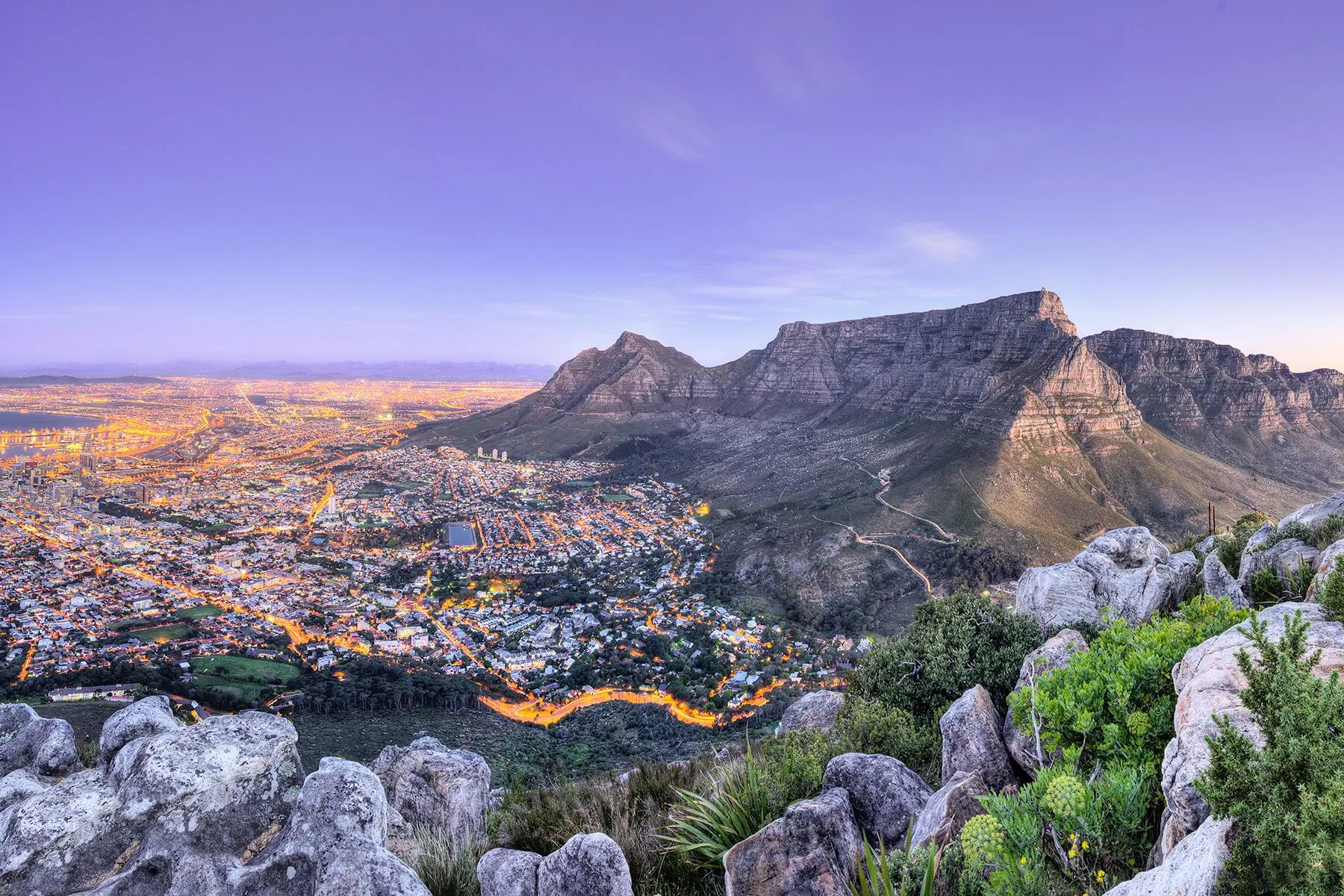
Worth a heads-up before booking: Cape Town's summer runs opposite the Northern Hemisphere's, so the "summer" here (December through February) is South Africa's dry, warm season with almost no rain — genuinely one of the most reliable weather windows on this entire list, and also its peak local holiday season, which pushes prices up around Christmas and New Year specifically.
Fly into Cape Town International; the Table Mountain cable car (about ZAR 430 / roughly $23 round-trip) is weather-dependent and shuts down in high wind, so build a buffer day into your itinerary if the summit view matters to you. The Garden Route is a proper road trip — rent a car and budget four to five days to drive from Cape Town to Knysna and back, stopping at whale-watching points along the way (best viewing is actually just outside peak summer, June through November, so temper expectations if whales are the priority). Boulders Beach penguin colony entry runs about ZAR 190 ($10). Total trip: seven to ten days to do the Peninsula and Garden Route justice.
Must Do in Summer:
- Take the cable car up Table Mountain on a clear morning — check wind conditions the night before, since it closes without warning.
- Visit the African penguin colony at Boulders Beach, arriving early to avoid the midday tour-bus rush.
- Road trip the Garden Route toward Knysna, budgeting extra time for stops rather than treating it as a straight drive.
9. Indonesia – Bali & The Gili Islands
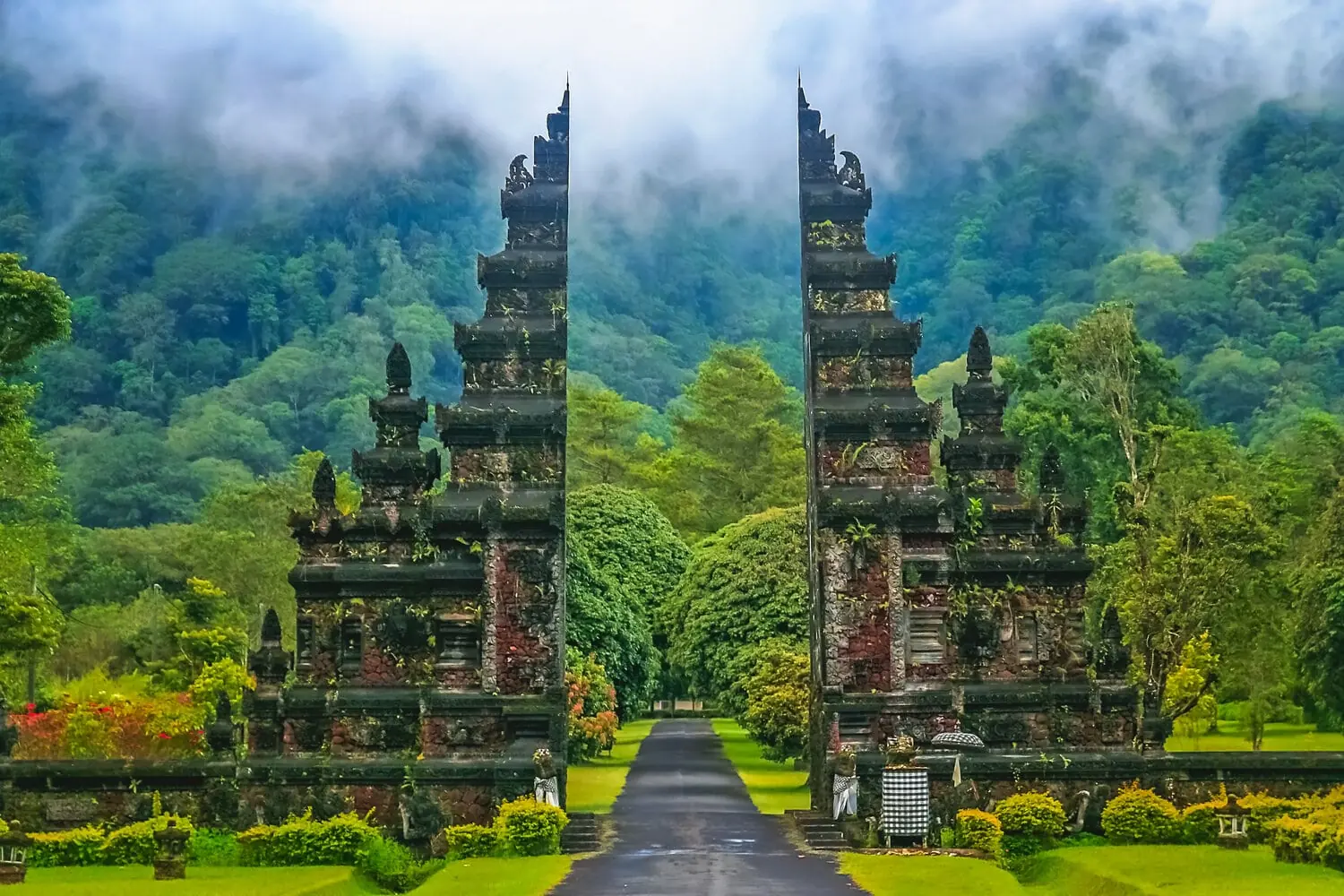
Bali is one of the better-value long-haul summer trips on this list — a private jungle villa with a pool near Ubud runs roughly $60–100/night, and even upscale options rarely clear $200, a fraction of comparable European coastal stays. July and August fall squarely in Bali's dry season, which also makes it peak surf season at breaks like Uluwatu.
Fly into Denpasar (Ngurah Rai International); Bali's traffic, especially around Kuta and Seminyak, is bad enough that many travelers hire a driver by the day (about $40–50) rather than renting a car themselves. The Gili Islands are reached by a 1.5–2 hour fast boat from Bali's east coast (around $30–40 one-way) — no cars allowed on the islands themselves, so pack light for that leg. Ten days is a reasonable split: four or five in and around Ubud, the rest on the coast or the Gilis. A surf lesson at Kuta runs about $25–35 for a two-hour group session, board included.
Must Do in Summer:
- Catch a wave at Uluwatu, at its best during the July–August dry-season swell.
- Wander the temples and rice terraces around Ubud with a hired driver, which makes the scattered sights far easier to string together in one day.
- Take the fast boat to Gili Trawangan and snorkel with sea turtles just offshore from the main strip.
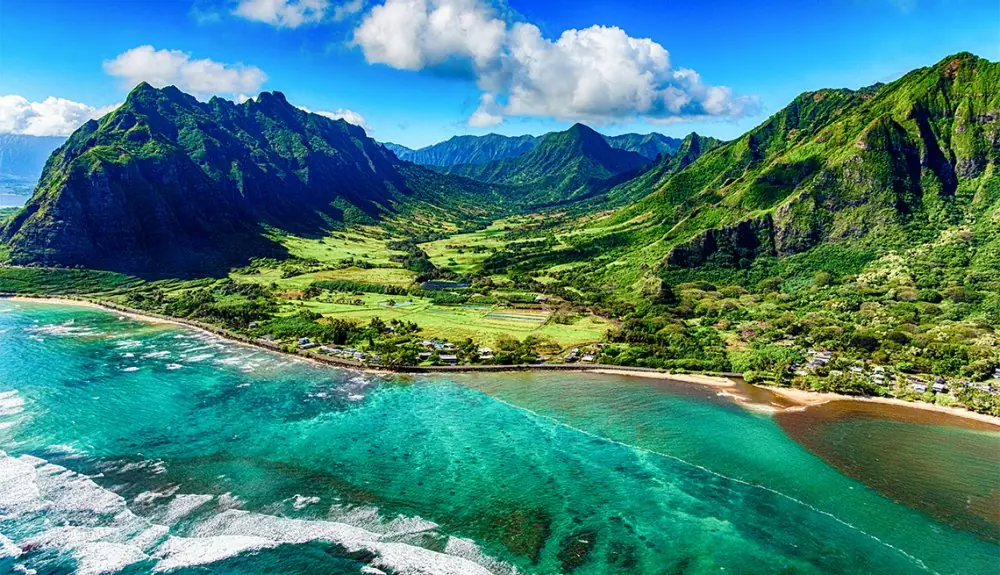
10. United States – Hawaii
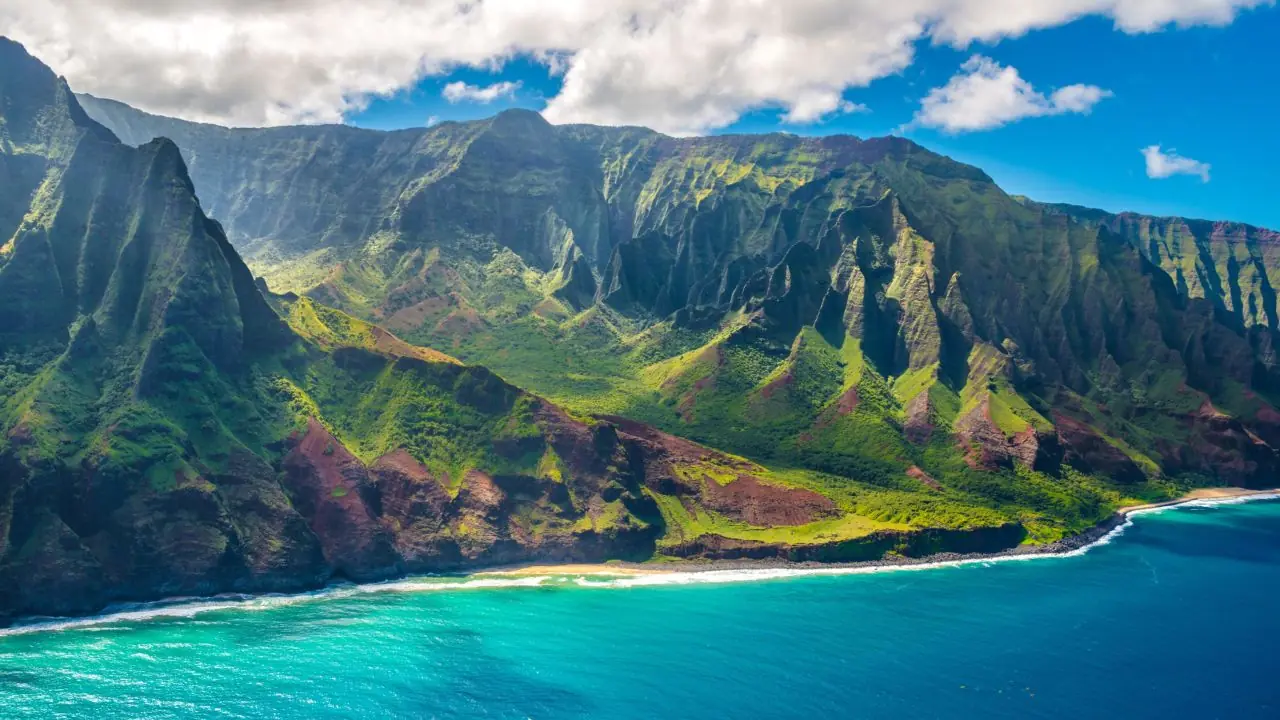
Hawaii is the most expensive entry on this list by a clear margin — expect $350–500+/night for a decent hotel on Maui or Oahu in July and August, peak season for domestic travel, and book flights and rooms four to six months ahead if you want reasonable rates. It's also worth knowing the logistics ahead of time: each island requires a separate flight, so island-hopping isn't the casual affair it is in Croatia or Greece.
The Kalalau Trail on Kauai requires a permit beyond the first two miles (Hanakāpīʻai Falls), and permits for the full 11-mile route to Kalalau Beach are notoriously hard to get — they're released in a monthly online lottery and often gone within minutes. Hanauma Bay on Oahu caps daily visitors and requires online reservations (about $25 entry) made up to two days ahead; it's also closed on Tuesdays for reef recovery. Watching sunrise from Haleakalā's summit on Maui requires a separate reservation (around $1) booked up to 60 days in advance, capped at a limited number of vehicles. Ten to twelve days across two islands is a reasonable pace without feeling rushed by inter-island flights.
Must Do in Summer:
- Enter the Kalalau Trail lottery well in advance if you want the full hike, or settle for the permit-free Hanakāpīʻai Falls stretch.
- Book Hanauma Bay entry online a couple of days ahead — it sells out and is closed Tuesdays.
- Reserve the Haleakalā sunrise viewing slot up to 60 days out, since vehicle numbers are capped.
Tips for an Unforgettable Summer
- Book early: Summer is peak season across most of these destinations — plan ahead for the best rates.
- Pack light: Quick-dry fabrics, sun protection, and a good hat will do more work than you expect.
- Try something new: A local dish, an unfamiliar water sport, a festival you stumble into — let summer nudge you outside the usual routine.
If a pattern emerges across these ten, it's this: the destinations with hard caps — permits, timed entries, capped daily numbers — reward planning months out, while looser destinations like the Algarve or Bali still leave room to book on a few weeks' notice. Figure out which category your pick falls into, and build the rest of the timeline around that.