There's a particular kind of magic to the moment leaves start turning — the air sharpens, the light goes gold and low, and even ordinary streets start to feel like an invitation. Autumn also happens to be one of the smartest times to travel: shoulder-season pricing, thinner crowds, and weather mild enough to actually enjoy a full day outdoors. Here are ten places where the season puts on its best show, along with what it actually takes to get there and see it right.
Table of Contents
- New England, USA – Fall Foliage & Small Towns
- Kyoto, Japan – Maple Leaves & Tranquil Temples
- Bavaria, Germany – Castles & Oktoberfest
- Canada – Quebec & The Laurentians
- South Korea – Naejangsan National Park
- Italy – Tuscany & The Wine Harvest
- Scotland – Highlands & Lochs
- China – Jiuzhaigou Valley
- France – Loire Valley & Châteaux
- Australia – Blue Mountains & Sydney
- Tips for a Cozy Autumn Escape
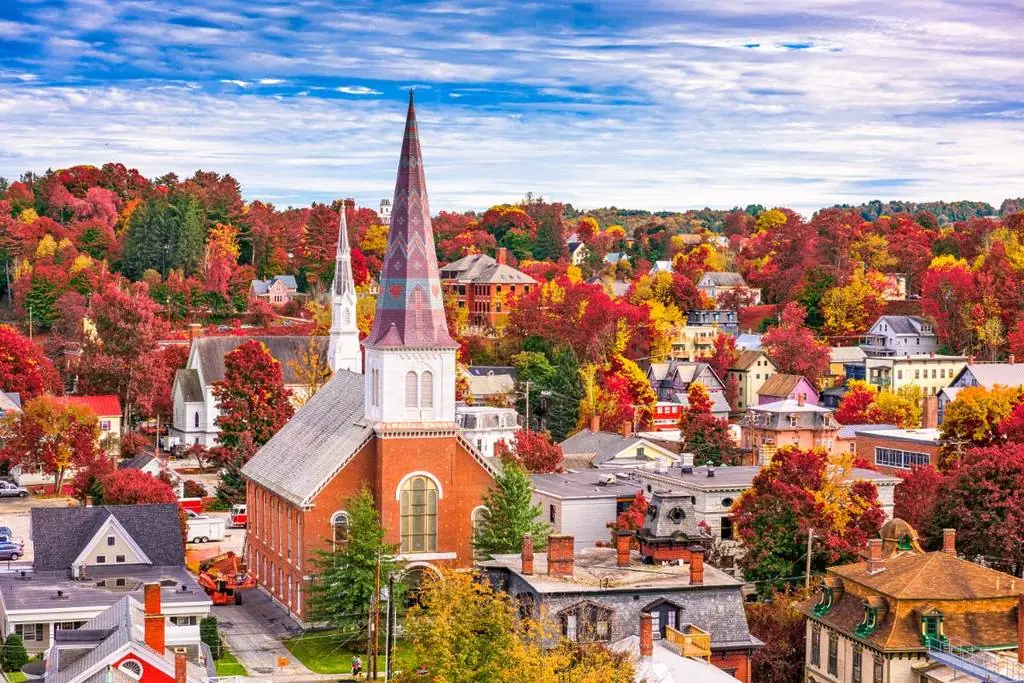
1. New England, USA – Fall Foliage & Small Towns
In New England, autumn isn't just a season — it's the main event, and the entire regional economy plans around it. The hills of Vermont and New Hampshire catch fire with color, and nearly every small town runs its own harvest festival to mark the occasion. Peak foliage is famously narrow and famously unpredictable: northern Vermont and New Hampshire typically peak the last week of September into early October, while southern New England (Connecticut, Rhode Island) lags a week or two behind, closer to mid-October.
Budget five to seven days if you want to chase the color belt as it moves south — a one-region trip can be done in three. Fly into Boston and rent a car; the region has no meaningful train network for leaf-peeping, and driving the Kancamagus Highway at sunrise, when mist still hangs low over the valleys, is worth the extra day alone. A room at a historic inn in a foliage hotspot runs $250–450/night in peak weeks and sells out four to six months ahead — book by June if you want a specific town. Cider donuts and a hayride at a family-run orchard cost next to nothing and are worth every minute.
2. Kyoto, Japan – Maple Leaves & Tranquil Temples
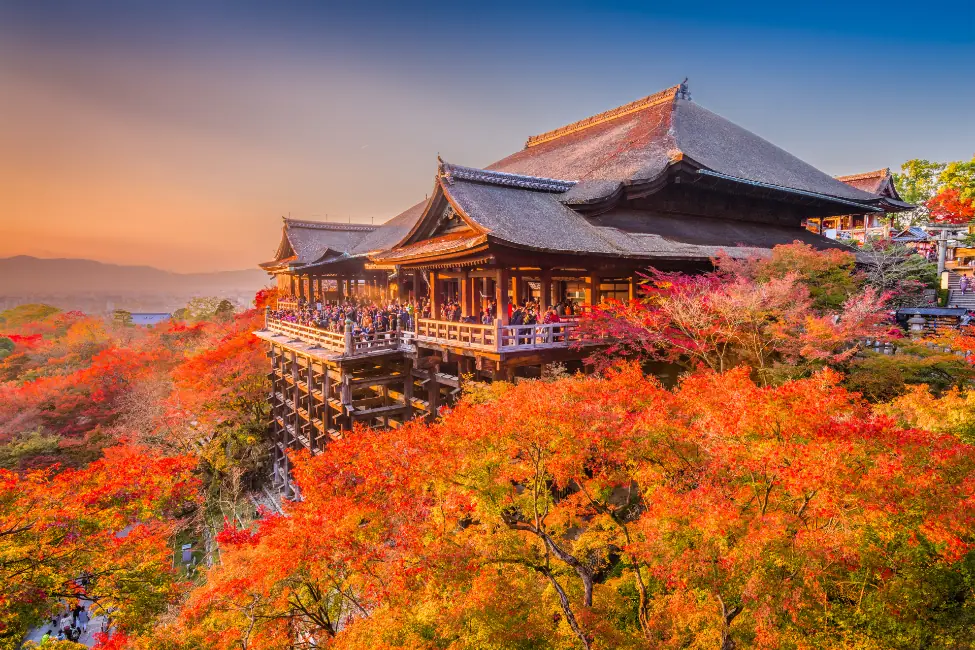
Kyoto's koyo (autumn color) season runs mid-November into early December — noticeably later than New England's, and worth knowing so you don't arrive a month too early to green trees. Gardens and temple grounds shift into deep reds and burnished golds, and the streets smell faintly of incense and roasting sweet potatoes. Pause on a quiet stone bridge and you'll spot koi drifting beneath a canopy of maple leaves; follow a distant flute and you might land on a lantern-lit festival tucked down a side street.
Plan for four to five days in the city, plus a day trip to Arashiyama or Nara. Fly into Kansai International (Osaka), then take the 75-minute train or airport limousine bus into Kyoto — no car needed, and driving here is actively unwise. Hotel rates during peak koyo weeks run 30–50% above baseline and book out months in advance, so lock accommodation by August. Evening illuminations at temples like Kiyomizu-dera run roughly ¥400–600 (about $3–4) for entry and are worth timing for dusk, when the crowds thin slightly and the light does the rest. A proper kaiseki dinner runs ¥15,000–30,000 ($100–200) per person — reserve at least a month out for anywhere well-regarded.
3. Bavaria, Germany – Castles & Oktoberfest
Bavaria's autumn calendar is built around one enormous overlap: Oktoberfest runs mid-September to the first Sunday in October, right as the surrounding hills start turning. That means you can combine beer-tent chaos in Munich with quieter foliage hikes in the same trip, if you plan the split carefully — three days in the city, two or three more in the foothills.
Fly into Munich; from there, trains reach Füssen (for Neuschwanstein Castle) in about two hours, and the Zugspitze cable car departs from Garmisch-Partenkirchen, another 90 minutes further. A single Bierzelt round at Oktoberfest — one stein plus a pretzel — runs roughly €15–18, and reserved tent tables need booking six-plus months out if you want a guaranteed seat during peak weekends; walk-in seating is possible on weekday afternoons. Neuschwanstein tickets should be booked online at least a week ahead, since daily entry is capped and tours sell out by mid-morning in October.
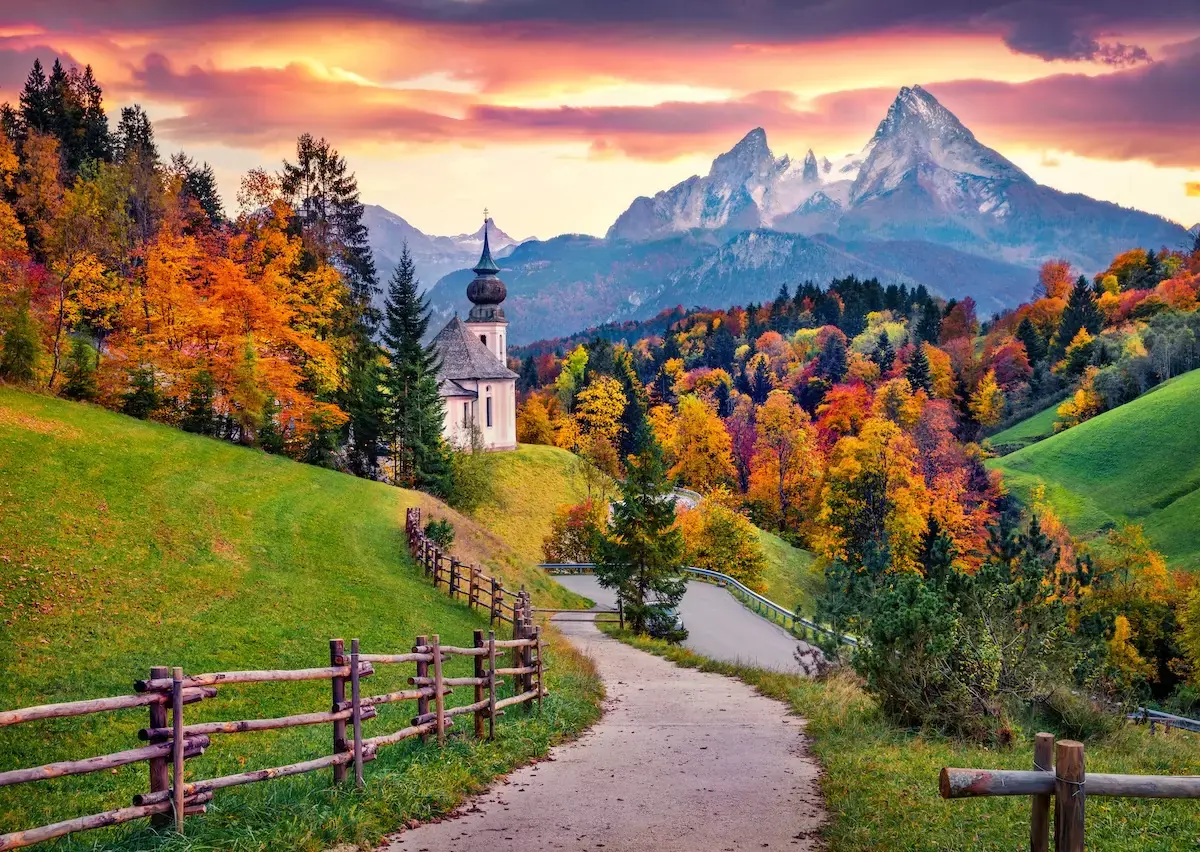
4. Canada – Quebec & The Laurentians
Quebec's foliage window sits earlier than New England's — the Laurentians typically peak in the last ten days of September, so this is a good pivot destination if you missed the American window or want to string both trips together over a longer autumn. Forests turn scarlet and gold, and Mont-Tremblant's village hums with music as families gather for the harvest.
Fly into Montreal, then it's a 90-minute drive north to Mont-Tremblant — a rental car is genuinely necessary here, since public transit thins out fast once you leave the city. Plan on four days: two in the Laurentians, two split between Quebec City and Montreal. A gondola ride to the summit runs about CAD $25–30, and a sugar-shack meal (the maple-syrup-on-snow dessert alone justifies the trip) costs roughly CAD $35–45 per person, cash-friendly and rarely requiring reservations outside weekends. Because the season is so compact, accommodation in Mont-Tremblant proper books up by July for the peak two weekends.
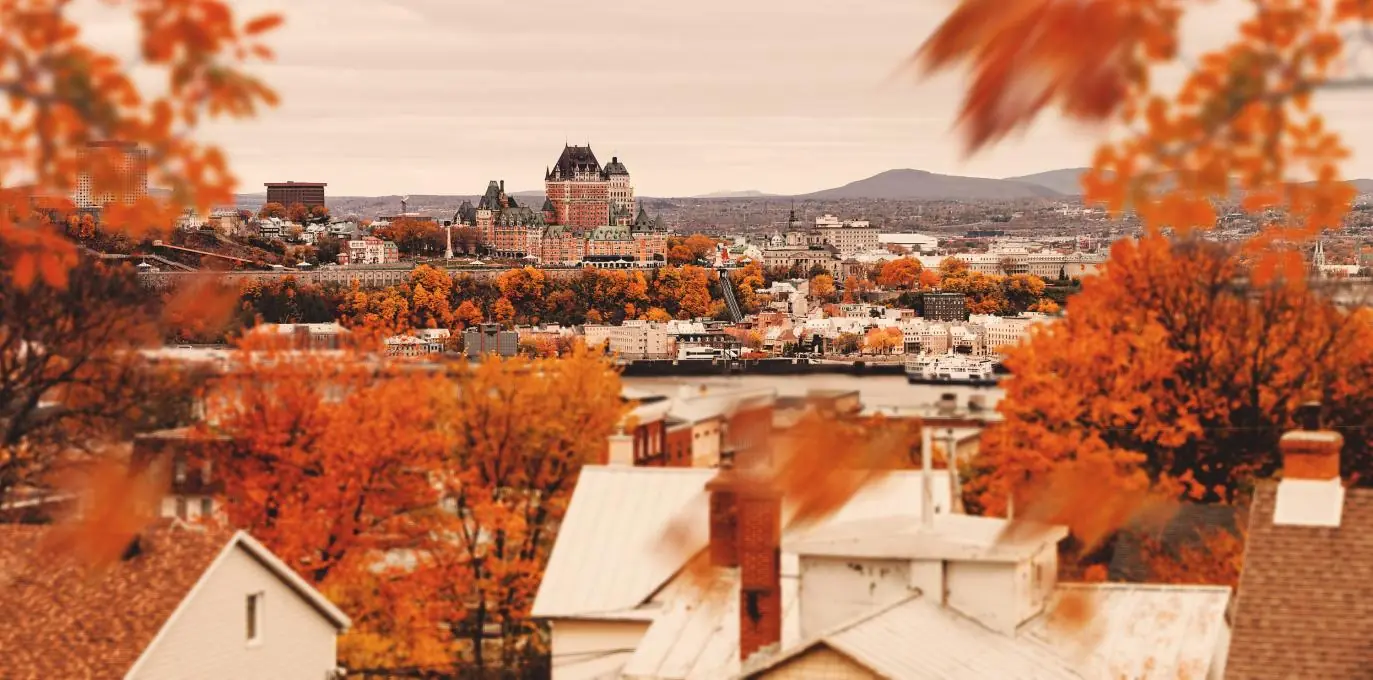
5. South Korea – Naejangsan National Park
Naejangsan holds the title of Korea's most reliably vivid autumn color, and it's famous enough domestically that the park gets genuinely crowded — the second and third weeks of November, when color peaks, are also when Korean tour buses arrive by the dozen. Arrive before 8am on a weekday if you want the trails to yourself; by mid-morning on a weekend, the main path to Naejangsa Temple can bottleneck.
Naejangsan is a two-to-three hour KTX train ride south from Seoul (via Jeongeup station, then a short local bus or taxi to the park entrance) — no car necessary, and honestly easier without one given limited park parking. A day trip works, but staying overnight in nearby Jeongeup lets you catch the sunrise hike without the early train. Entry to the park runs around ₩3,000–4,000 (roughly $2–3), and a cable car to the ridge for panoramic views costs about ₩8,000 round-trip ($6). Roasted chestnuts from a market stall are a couple of dollars and worth every won.
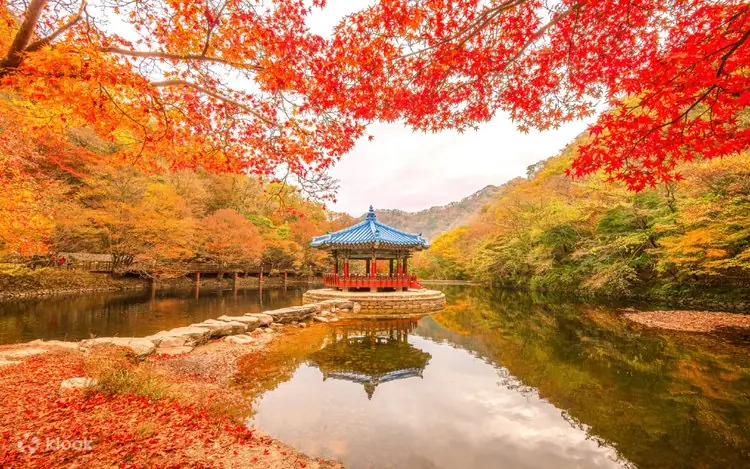
6. Italy – Tuscany & The Wine Harvest
The Tuscan vendemmia (grape harvest) runs roughly mid-September through October depending on the vineyard and grape variety, and it's the rare travel window where you can actually participate rather than just watch — plenty of estates around Montalcino and Chianti open half-day harvest experiences to visitors for €80–150, grape-stomping included.
Fly into Florence or Pisa and rent a car; Tuscany's hill towns are poorly served by trains, and a car is close to essential once you're off the main Florence–Siena corridor. Four to six days lets you split time between a base town (San Gimignano or Montalcino are good picks) and day trips. A hot air balloon ride over the Chianti hills at dawn runs €200–250 per person and needs booking a few weeks ahead, since flights get cancelled for wind and operators keep waitlists. White truffle season also starts in October, which pushes truffle-pasta prices up at restaurants near San Miniato — expect €25–35 for a truffle primo where €15 might get you the same dish without truffle.
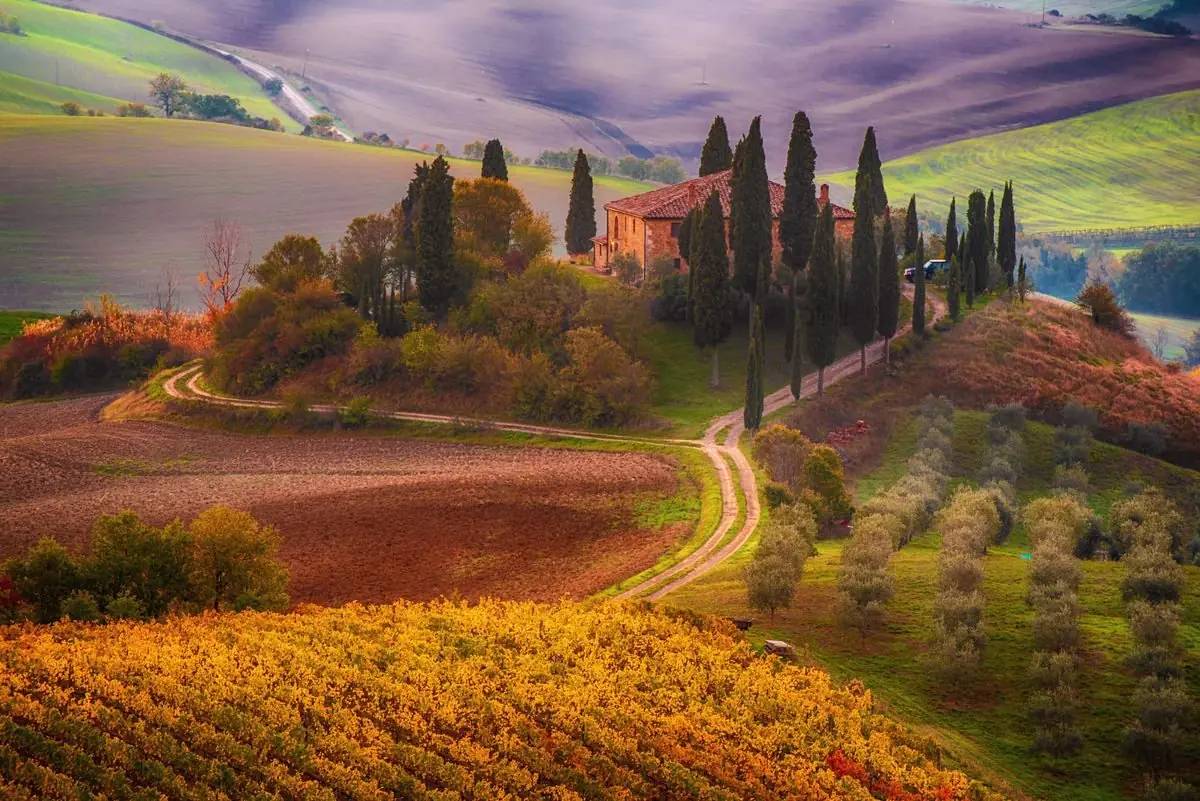
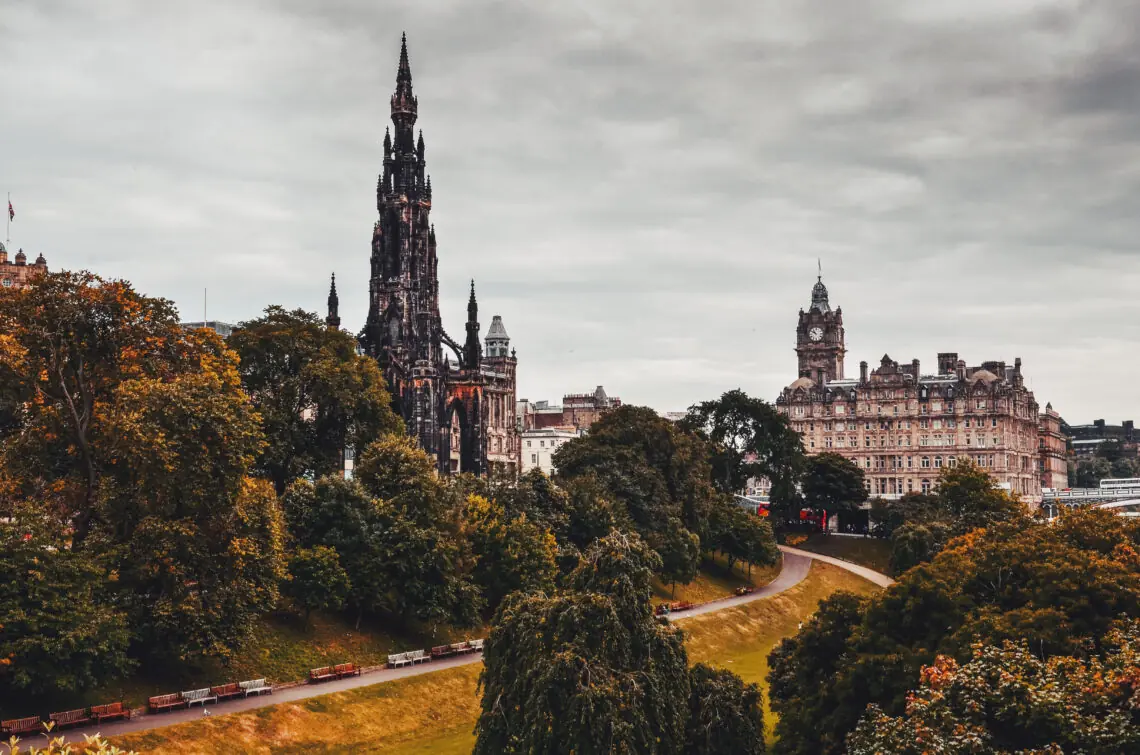
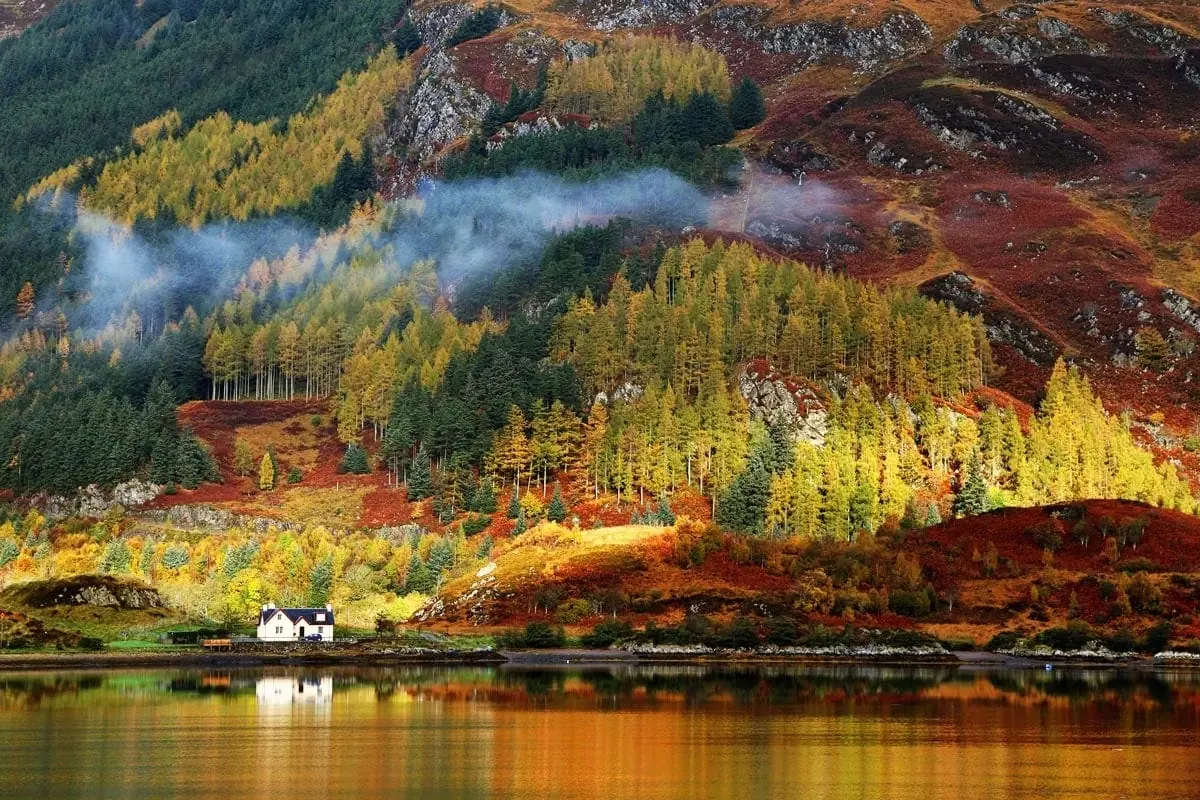
7. Scotland – Highlands & Lochs
The Highlands turn later and messier than most autumn destinations on this list — color builds through October and can hang on into early November, but weather is genuinely unpredictable, so pack for rain regardless of the forecast you check the night before. Late September through mid-October is also rutting season for red deer, when stags roar across the glens at dawn and dusk; several estates run guided deer-watching walks for £25–40 that make the difference between hearing it from a car and actually seeing it.
Edinburgh or Inverness are the practical entry points; Inverness is closer to the classic Highland scenery and cuts a few hours off driving time. A car is non-negotiable — public transport barely touches the glens. Budget five to seven days to cover a reasonable loop (Loch Ness, Glencoe, Skye), and book accommodation early for late September weekends, when rutting-season interest spikes demand. A dram of a good single malt in a stone-walled pub runs £6–10; a proper ceilidh with live music is often free to watch in a local pub, though dedicated ceilidh events can run £15–20 with dinner included.
8. China – Jiuzhaigou Valley
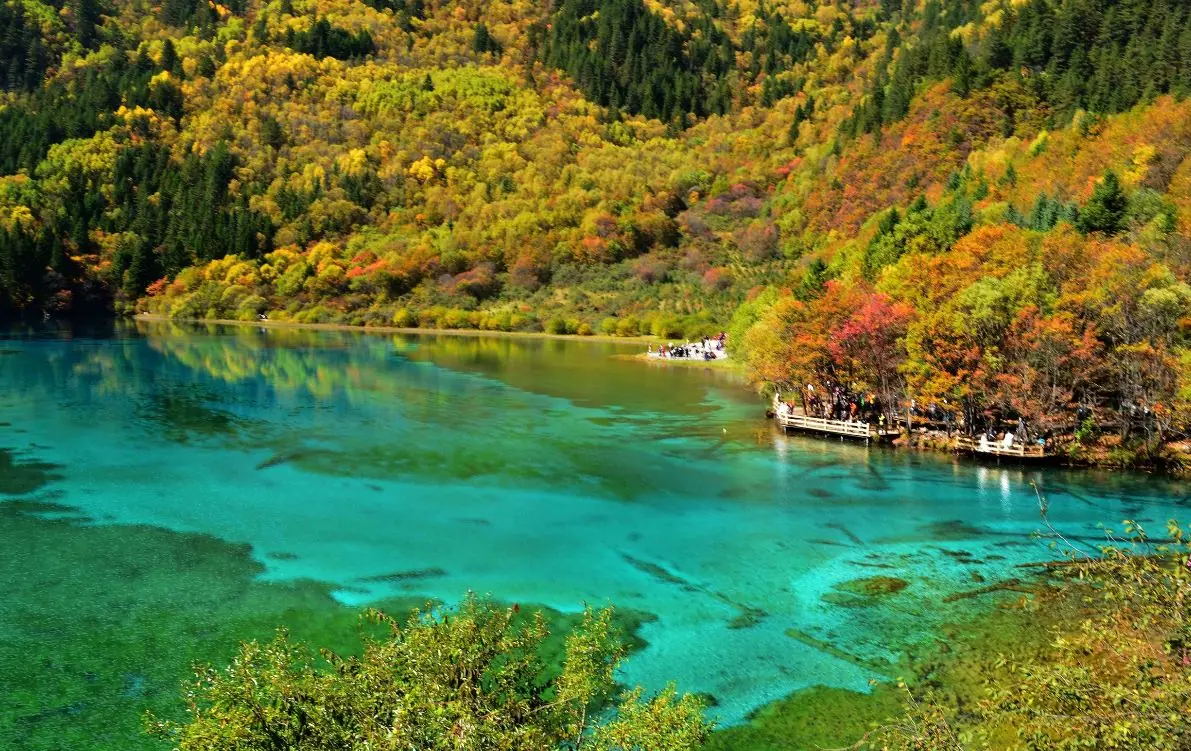
Jiuzhaigou's color window is short and specific — roughly early October through early November, with the first two weeks of October considered peak (and also, unhelpfully, overlapping with China's Golden Week national holiday, when domestic tourism spikes hard). If your schedule allows it, aim for late October instead: color holds, but the holiday crowds have cleared.
Reaching the valley takes real planning: fly into Chengdu, then either a short domestic flight to Jiuzhaigou Huanglong Airport (about an hour) or an eight-hour bus ride through the mountains. The park itself operates on a shuttle-bus system between viewpoints — walking the full boardwalk network in one day is possible but long, so budget two full days if you want to actually linger rather than rush. Entrance plus the mandatory shuttle runs roughly ¥300–400 (about $40–55) per person in peak season, and tickets are capped daily, so book online at least a few days ahead during October. Nearby Tibetan guesthouses run $30–60/night and are the easiest way to arrange a yak-butter-tea visit informally.
9. France – Loire Valley & Châteaux
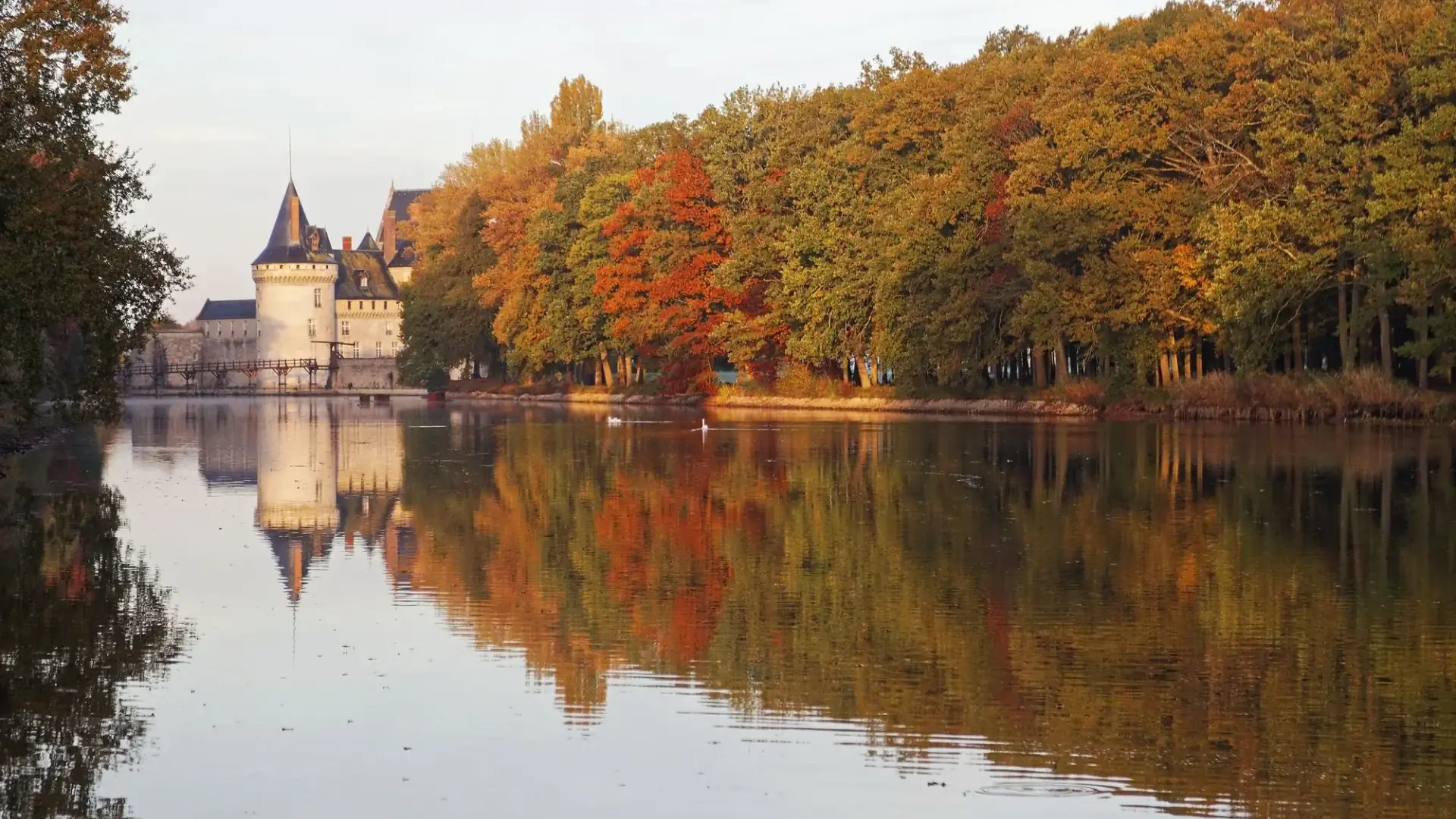
The Loire's grape harvest overlaps with its autumn color in a way few regions manage — vineyards turn gold at roughly the same time the surrounding forests do, from mid-September through October, so a mid-October visit tends to catch both at once.
Fly into Paris and take a direct train to Tours or Blois (about 1 hour 15 minutes on the TGV) — this is one of the easier "no car required" stops on this list if you're staying near the rail line, though a rental does open up the smaller châteaux off the train routes. Three to four days covers the major sights without rushing: Chambord, Chenonceau, and a couple of smaller estates. A Loire à Vélo bike rental runs about €15–20/day, and the marked cycling route between châteaux is flat and well-signed. Wine cellar tastings typically run €10–20 per person and rarely need advance booking outside peak Saturdays; the bigger châteaux (Chambord especially) are worth pre-booking timed entry online to skip the ticket line, which can run 30–45 minutes on an October weekend.
10. Australia – Blue Mountains & Sydney
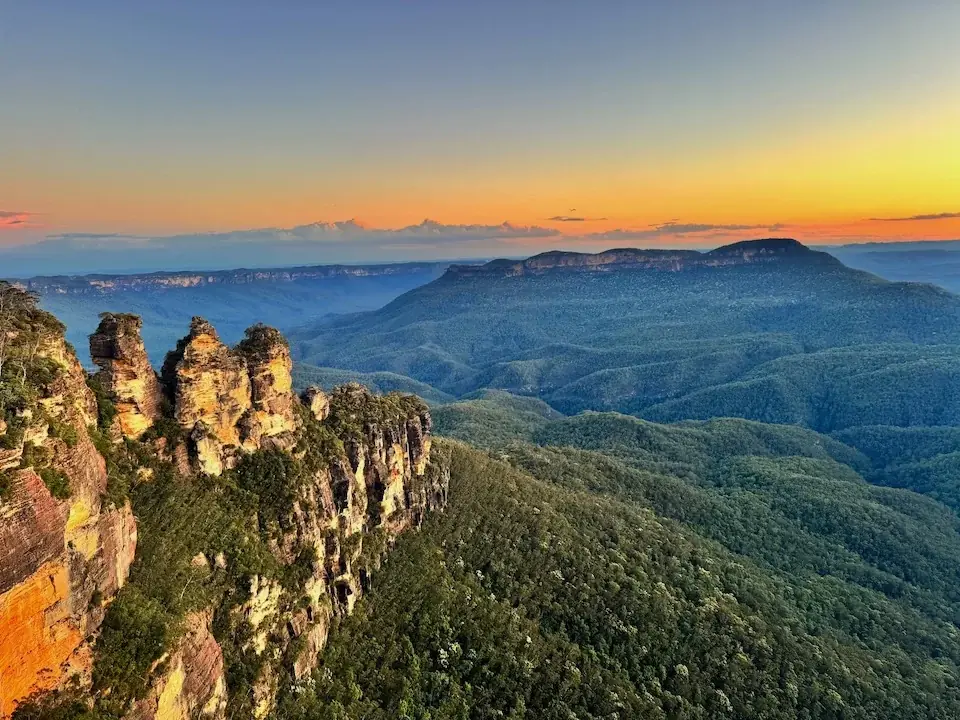
Worth flagging up front: this is Australia, so "autumn" here means March through May, not September through November — the one entry on this list running on the opposite hemisphere's calendar. Crisp mornings, wildflowers along the trails, and the distant call of lyrebirds define the season in the Blue Mountains, with none of the extreme heat that makes summer hiking here rough going.
Sydney is the gateway; from there it's a two-hour train (the Blue Mountains Line) or 90-minute drive to Katoomba, no car strictly required if you're sticking to the main trail network. Two days covers the highlights, three if you want to add a proper rainforest hike. The Scenic Railway — marketed as the world's steepest — runs about AUD $50 for a return ride and gets busy on weekends, so a weekday morning visit avoids the queue. Back in Sydney, the Royal Botanic Garden is free to enter, making it an easy low-cost afternoon to pair with the mountain day trip.
Tips for a Cozy Autumn Escape
- Pack layers: Autumn weather shifts fast, so bring warm clothes and a rain jacket.
- Embrace the harvest: Try local seasonal foods, from apple pie to roasted chestnuts and the first wines of the year.
- Slow down: Leave room to walk, read, and simply enjoy the cozy side of travel — autumn rewards comfort and reflection more than any other season.
The common thread across all ten of these trips isn't the color itself — it's timing. Autumn windows are short, they move by a matter of weeks from place to place, and the destinations that reward planning ahead punish those who don't with sold-out inns and picked-over trails. Pick your window, book early, and the rest of the trip mostly takes care of itself.