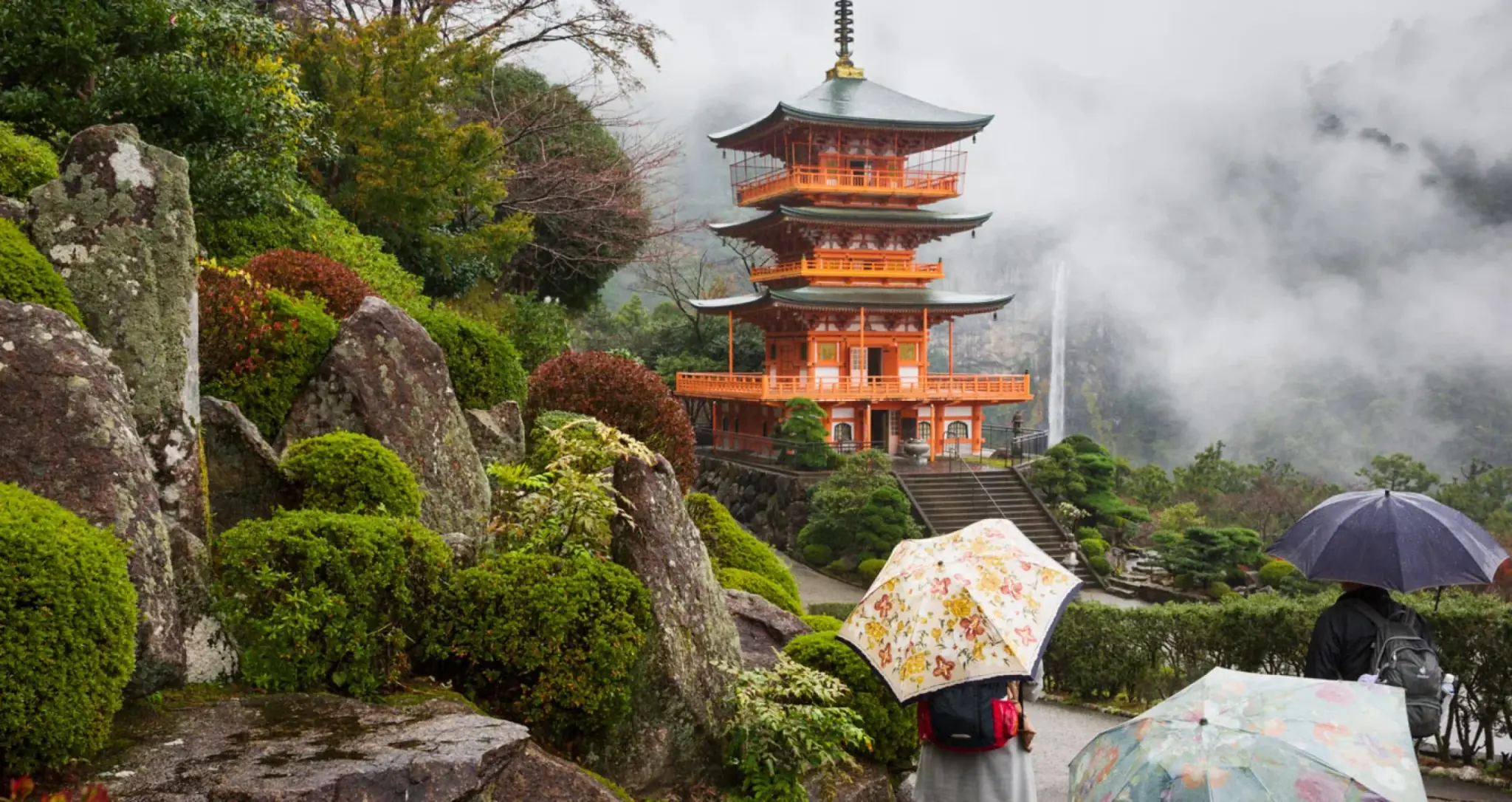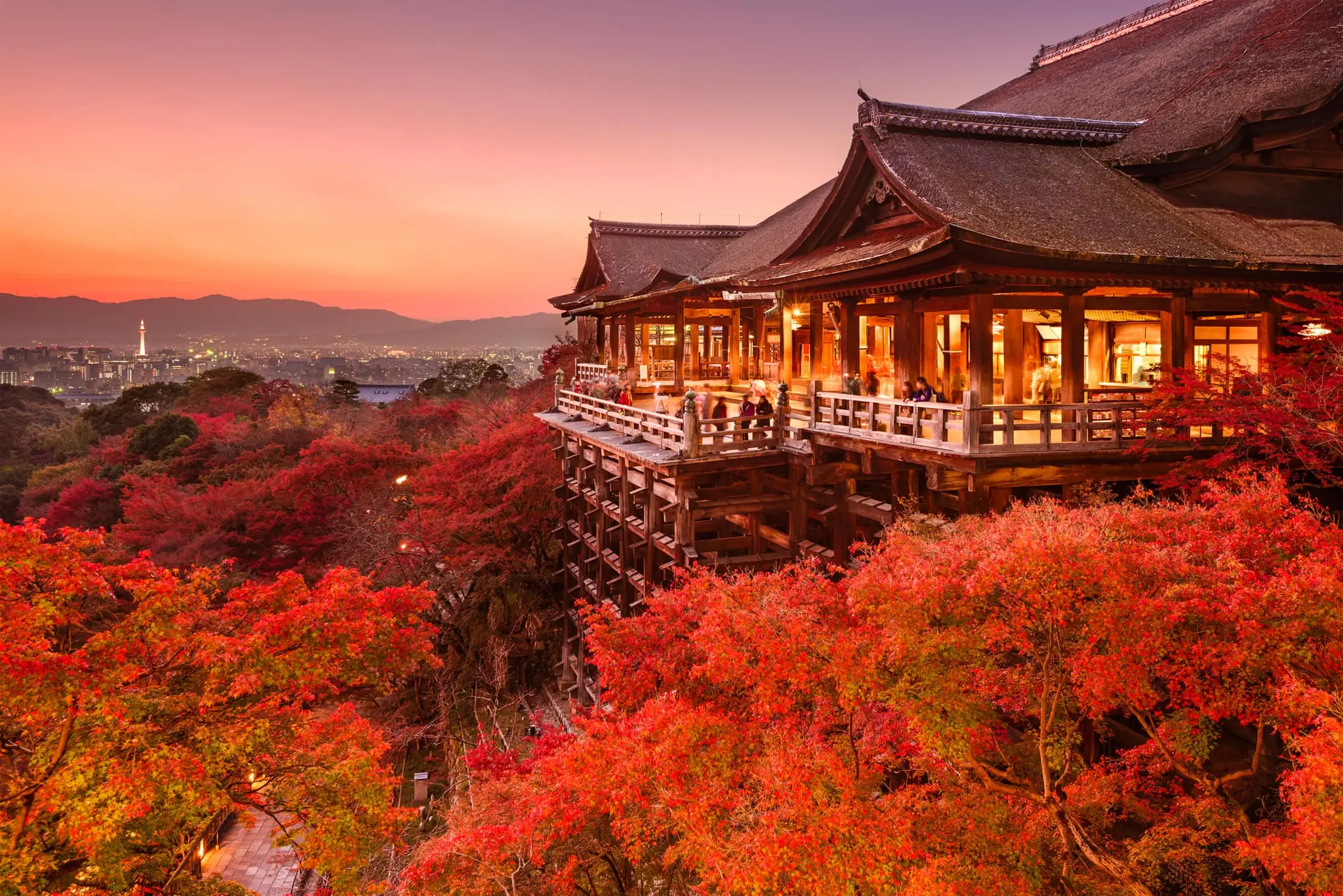
Kyoto was Japan's imperial capital for over a thousand years, and it still carries itself that way. Temple bells mark the hour over the Higashiyama hills, geiko and maiko slip between teahouses in Gion as evening falls, and moss gardens hold centuries of quiet in just a few square meters of stone and green. Beneath the reverence, though, is a city with an appetite: matcha shops queue out the door, lanterns glow along the Kamogawa River after dark, and the covered stalls of Nishiki Market fill with the smell of grilling skewers and simmering broth.
Whether you're wandering beneath towering bamboo at dawn, climbing past thousands of vermilion torii gates, or watching steam rise from a bowl of yudofu on a winter evening, Kyoto rewards travelers who slow down and pay attention.
Top Highlights
Source: Sean Pavone Kinkaku-ji (Golden Pavilion)
Kyoto's most iconic sight, this Zen temple is covered in shimmering gold leaf and reflected in a tranquil pond. Arrive early to beat the crowds, then linger in the peaceful gardens — autumn maples and winter snowfall transform the scene into something almost otherworldly.
More information
Source: Shutterstock Fushimi Inari Taisha
Famous for its thousands of vermilion torii gates winding up the mountain, this Shinto shrine is a must-see. Hike the scenic trails for sweeping city views and a magical atmosphere — the early morning hours offer the best light and the fewest visitors along the way.
More information
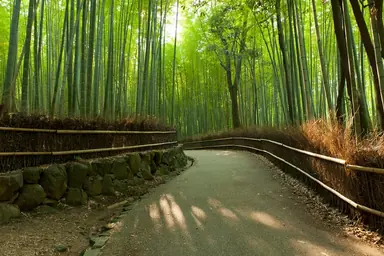
Source: Inside Kyoto Arashiyama Bamboo Grove
Walk beneath a canopy of towering bamboo that creaks and rustles overhead as light filters through in shifting green shards. The nearby Togetsukyo Bridge and Iwatayama Monkey Park are also worth a visit, and renting a bicycle is the easiest way to see the whole area in a single morning.
More information
Opening times: Always open
Admission: Free
Things to do nearby: View things to do
*Certain experiences (such as Arashiyama Monkey Park) can cost extra.
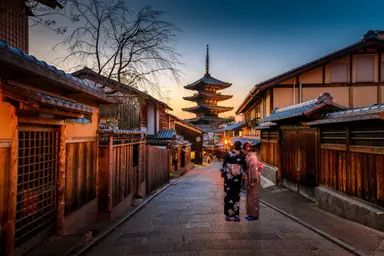
Source: mai-ko.com Gion District
Kyoto's historic geisha district, Gion is a maze of lantern-lit alleys, wooden machiya houses, and centuries-old teahouses. Stroll Hanamikoji Street at dusk for a chance to spot a geiko or maiko on her way to an evening engagement, and book ahead for a tea ceremony. Best walked after dark.
More information
Opening times: Always open
Admission: Free
Location: View on map
*Tea ceremonies might require an advance reservation.
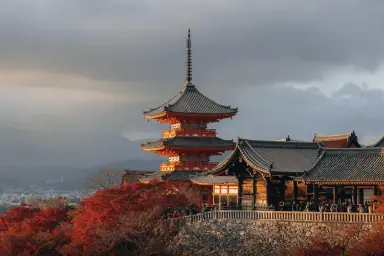
Source: Walk Over The World Kiyomizu-dera Temple
Kiyomizu-dera Temple is renowned for its wooden stage, which juts dramatically out over a hillside of cherry and maple trees. Discover the pagodas, smaller shrines, and the Otowa Waterfall, where visitors line up to drink from one of three streams for love, longevity, or success.
More information
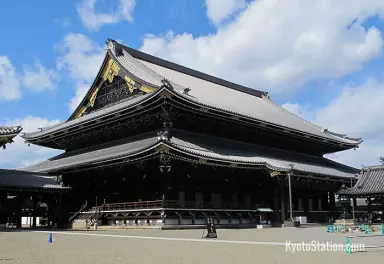
Source: Kyoto Station Higashi Hongan-ji Temple
One of the world's largest wooden structures, Higashi Hongan-ji is a peaceful Buddhist temple just a short walk from Kyoto Station. Admire the grand Founder's Hall, take a moment in the tranquil gardens, and stop by Shoseien — the temple's hidden detached garden — to escape the city. It is rarely crowded.
More information
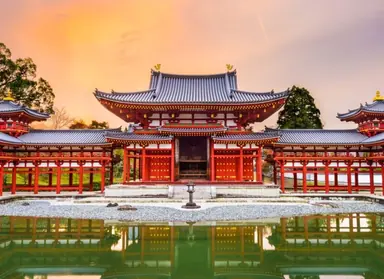
Source: KKday Supplier Kyoto Imperial Palace
Set in a vast park, the Kyoto Imperial Palace was the residence of Japan's emperors for over a thousand years. Stroll the beautiful gardens and admire the elegant gates and historic halls — entrance is free, though guided tours offer the most thorough look at this royal heritage site.
More information
Opening times: 9:00–16:30
Admission: Free
Website: Visit Website
*The main palace grounds are free to enter without reservation; the nearby Kyoto Sento Imperial Palace is a separate site requiring advance booking.
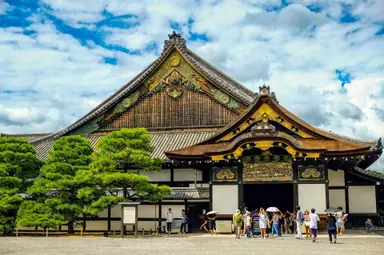
Source: Kinnso Nijo Castle
A UNESCO World Heritage site, Nijo Castle features beautifully painted interiors and the famous “nightingale floors” that chirp underfoot to warn of intruders. Visitors can also explore the lush surrounding gardens, the original moat walls, and the elegant Ninomaru Palace at the heart of the complex.
More information
Opening times: 8:45–17:00
Admission: ¥1,300
Website: Visit Website
*Advance reservation is required to visit Honmaru-goten Palace.
Insider tip: If you wish to visit Kyoto Imperial Palace, please keep in mind that none of the palace buildings can be entered. The palace is only open for visitors to stroll around the gardens and see the exterior of the buildings. Additionally, the palace is closed on Mondays. Please check the website for more details.
Nijo Castle is a sprawling historic complex of halls, gates and gardens, with the main draw being Ninomaru Palace and Honmaru Palace. Ninomaru Palace is famous for its “nightingale floors” that chirp when walked on, and it is closed on Tuesdays in January, July, August and December. Honmaru Palace is also open to visitors, but it requires advance reservation.
Neighborhoods & Where to Stay
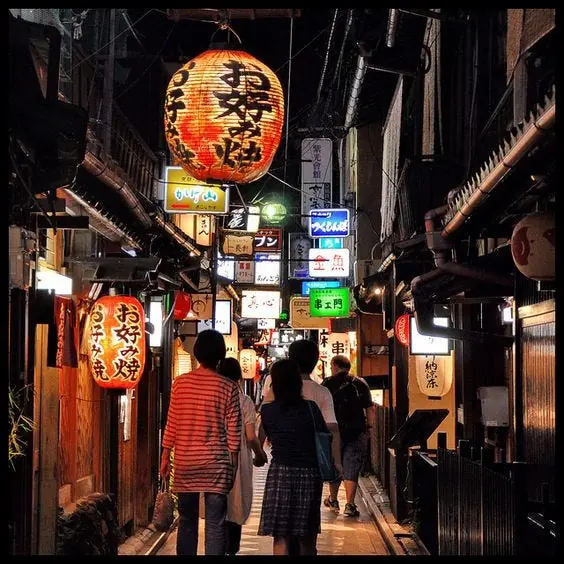
Nakagyo (Downtown & Nishiki Market)
Kyoto’s downtown hums with commerce by day and neon by night. Covered arcades run for blocks, anchored by the century-old stalls of Nishiki Market, while Kawaramachi and Teramachi Street layer in department stores, secondhand bookshops, and pocket-sized cafes. Base yourself here for easy transport links and an evening scene of izakayas and cocktail bars that stays lively long after the temples have gone quiet.
Gion & Higashiyama
The heart of old Kyoto is a warren of narrow lanes, latticed machiya facades, and temple bells that still mark the hour. Stay here for a short walk to Kiyomizu-dera and Yasaka Shrine, and for a chance — on Hanamikoji Street at dusk — to spot a geiko or maiko hurrying to an evening engagement. Higashiyama's stone-paved slopes, Ninenzaka and Sannenzaka, are lined with teahouses and craft shops that glow under paper lanterns once the sun goes down.
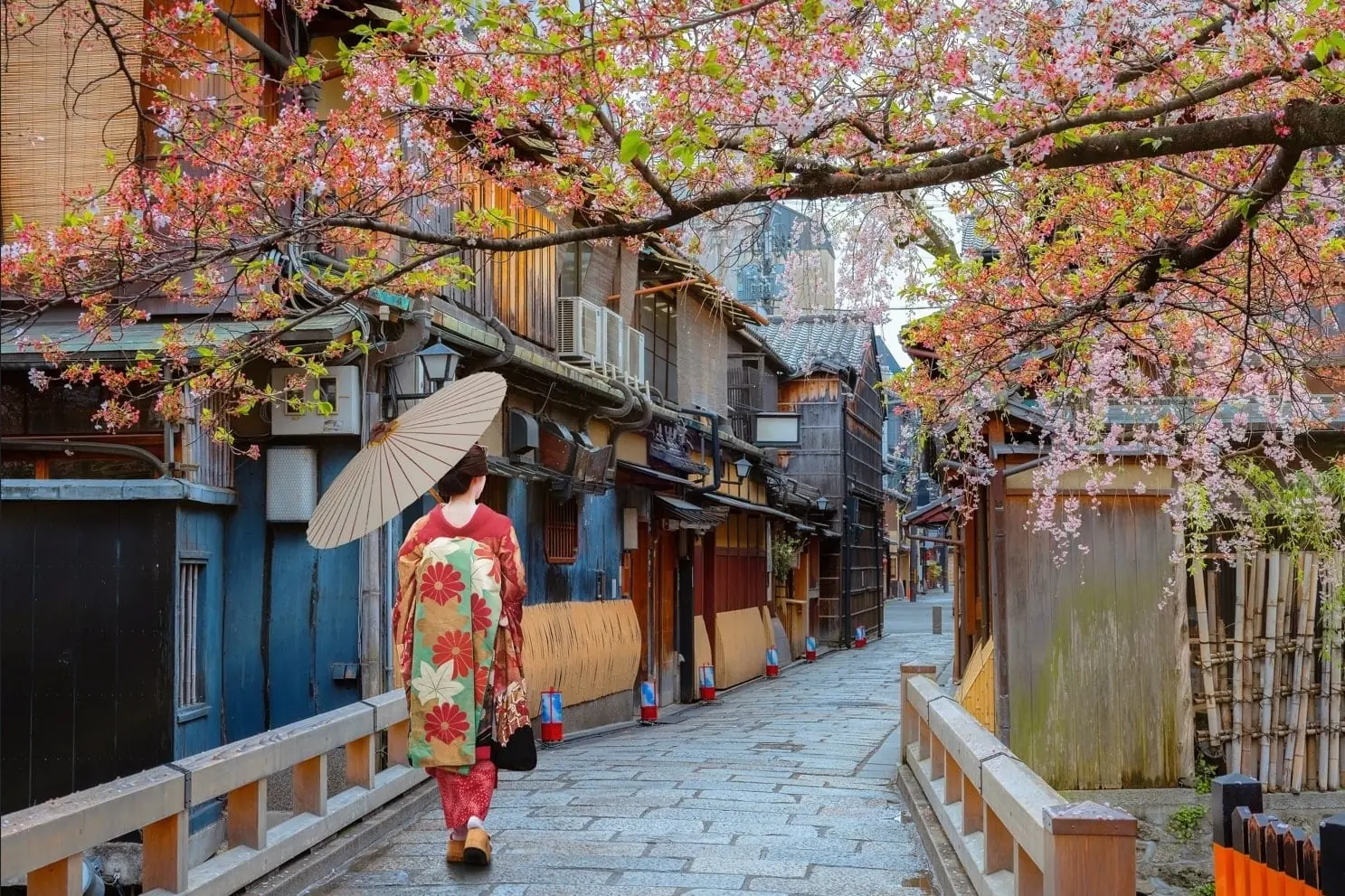
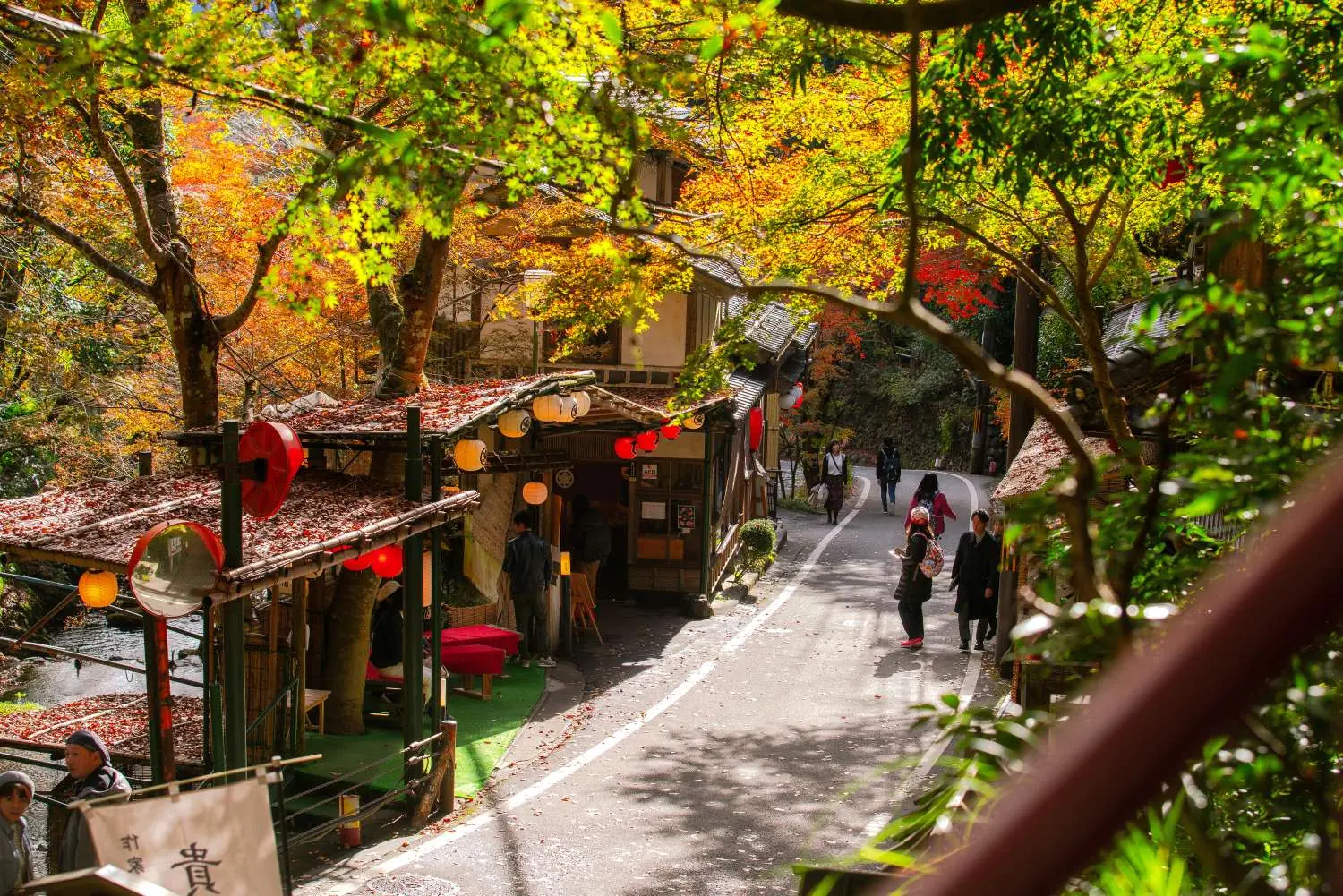
Kita (Northern Kyoto: Kurama & Kibune)
North of the city, forested ridgelines fold around the villages of Kurama and Kibune, a world away from downtown's crowds. Hike the mountain trail between the two, past the fire-lit halls of Kurama-dera, then unwind at an open-air onsen or a riverside kawadoko dining platform in Kibune, where restaurants serve dinner suspended just above the rushing water through the summer months. Autumn sets the whole valley ablaze with color.
Shimogyo (Kyoto Station Area)
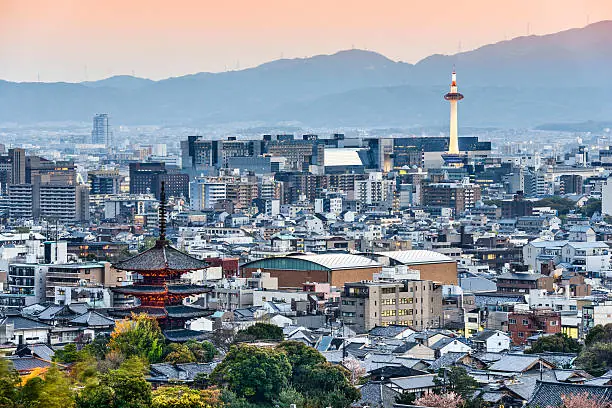
Shimogyo is Kyoto's practical front door, built around the glass-and-steel sweep of Kyoto Station. It won't win charm contests, but it delivers unbeatable convenience — direct shinkansen access, department-store dining floors, and hotels for every budget — making it a smart base for early starts on day trips to Nara, Osaka, or Uji.
Food & Drink
Kyoto's food culture grew up around temple kitchens and imperial banquets, and it still shows: portions are small, presentation is deliberate, and ingredients change with the season. From street snacks to kaiseki banquets, eating in Kyoto is a cultural experience in its own right.
-
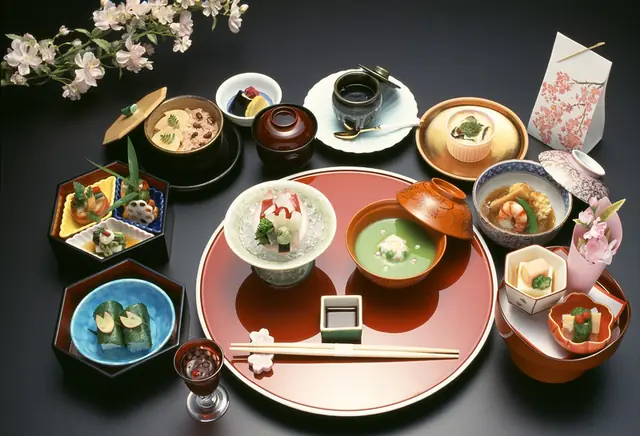
Kaiseki — A multi-course meal built around seasonal ingredients, delicate flavors, and precise presentation. Each dish arrives in a set order and reflects both the chef's artistry and the region's produce. Try it at a ryokan (a traditional Japanese inn) or a specialty restaurant.
-
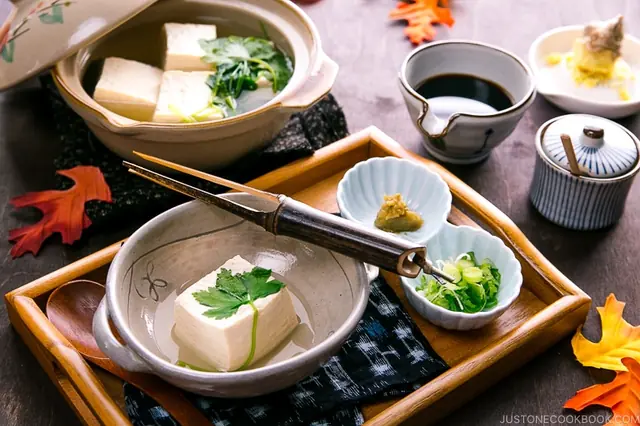
Yudofu — Silky tofu gently simmered tableside in a clear kombu broth, then dipped in citrusy ponzu or a light soy sauce. Perfected by the Buddhist temples of Arashiyama, where monks relied on it as a protein-rich substitute for meat, it remains a favorite on cold days.
-
Yatsuhashi — Kyoto's signature sweet comes in two forms: a thin, crisp cinnamon-and-rice cracker, or the softer nama-yatsuhashi, a mochi-like wrapper often folded around sweet red bean paste. Bakeries across the city sell them fresh, and boxed sets are the classic Kyoto souvenir.
-
Matcha Sweets — Kyoto is famous for producing some of Japan’s best matcha. You’ll find matcha used in a wide variety of treats, including ice cream, cakes, cookies, parfaits, and chocolates. Many cafes and shops in Gion and Kawaramachi offer tasting experiences, and you can also enjoy matcha as part of a traditional tea ceremony.
-
Obanzai — Obanzai is Kyoto’s style of traditional home cooking, based on the philosophy of using seasonal, local ingredients and minimizing waste. Obanzai dishes often include a variety of simmered, grilled, or marinated vegetables, tofu, fish, and pickles, served in small portions to showcase different flavors and textures.
Insider tip: Many Kyoto restaurants have plastic food displays in the window — just point to order if you’re unsure!
 Kaiseki
 Yudofu
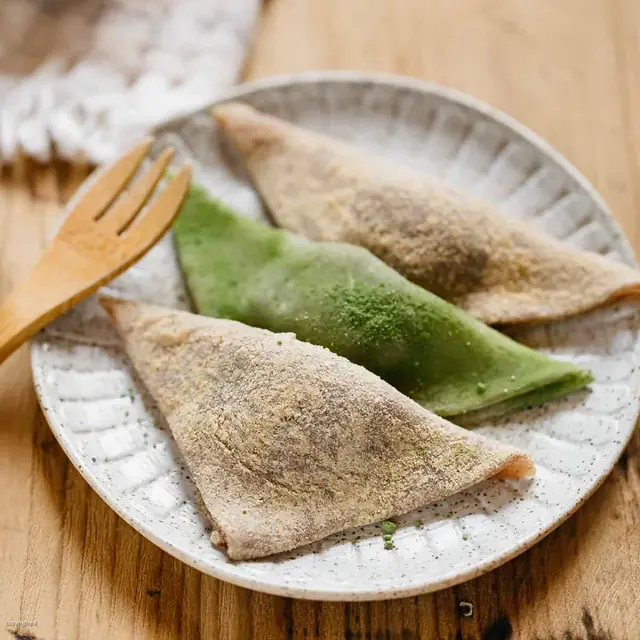 Yatsuhashi
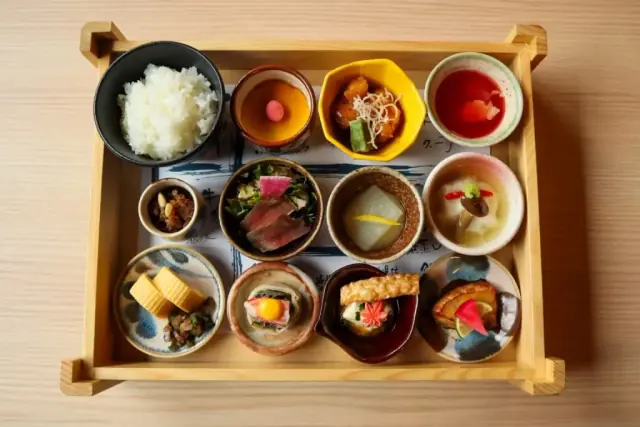 Obanzai
Transportation
Getting around Kyoto is simple and stress-free. The city’s well-connected buses, subways, and trains make it easy to reach every corner, whether you’re heading to a famous temple or exploring hidden neighborhoods.
Getting Around Kyoto
Kyoto’s two subway lines—the Karasuma Line (north-south) and the Tozai Line (east-west)—and bus network covers all major sights and neighborhoods. Buses run frequently and are best for reaching popular sights like Kinkaku-ji, Ginkaku-ji, and Arashiyama, while the subway is quick and convenient for crossing the city and connecting to major train lines.
A Kyoto City Bus & Subway One-Day Pass costs ¥1,100 and gives unlimited rides on both networks for a day. Kyoto retired its bus-only day pass in 2023 to ease overcrowding on the busiest routes, so this combined pass — or a prepaid IC card — is now the simplest option.
Prepaid IC cards (ICOCA, Suica, Pasmo) are accepted on all public transport—just tap to pay.
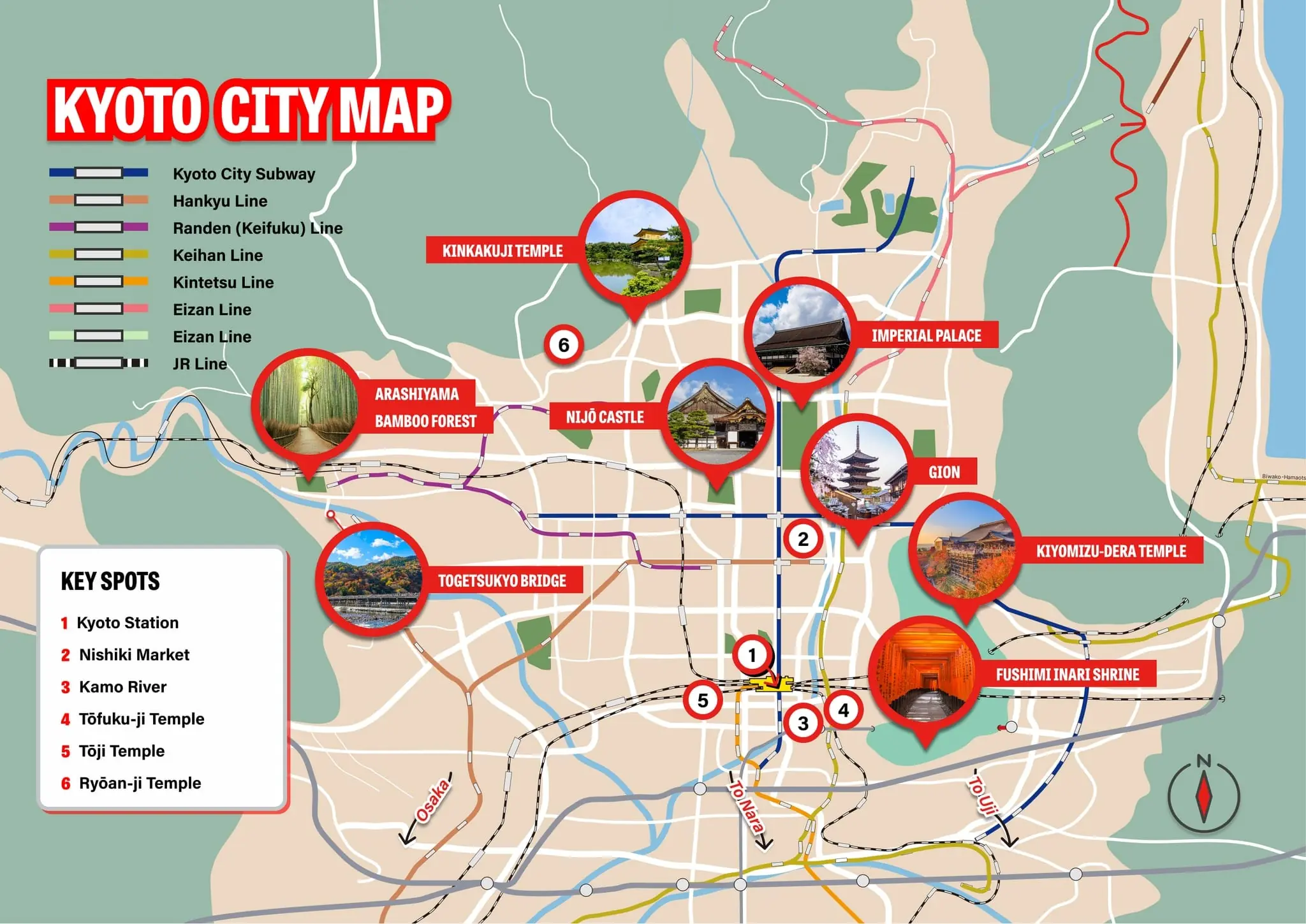
From Kansai Airport or Osaka
The fastest way to Kyoto is the JR Haruka Express, which runs directly from Kansai Airport and Shin-Osaka Station to Kyoto Station (about 75–80 minutes).
The Haruka Express is included with the JR Kansai Area Pass. Traveling without a pass, overseas visitors can buy a discounted one-way Haruka ticket for roughly ¥2,200–2,600, while the standard unreserved fare runs closer to ¥3,000. Limousine buses are a slower but simpler alternative, at a similar price.
JR West Pass
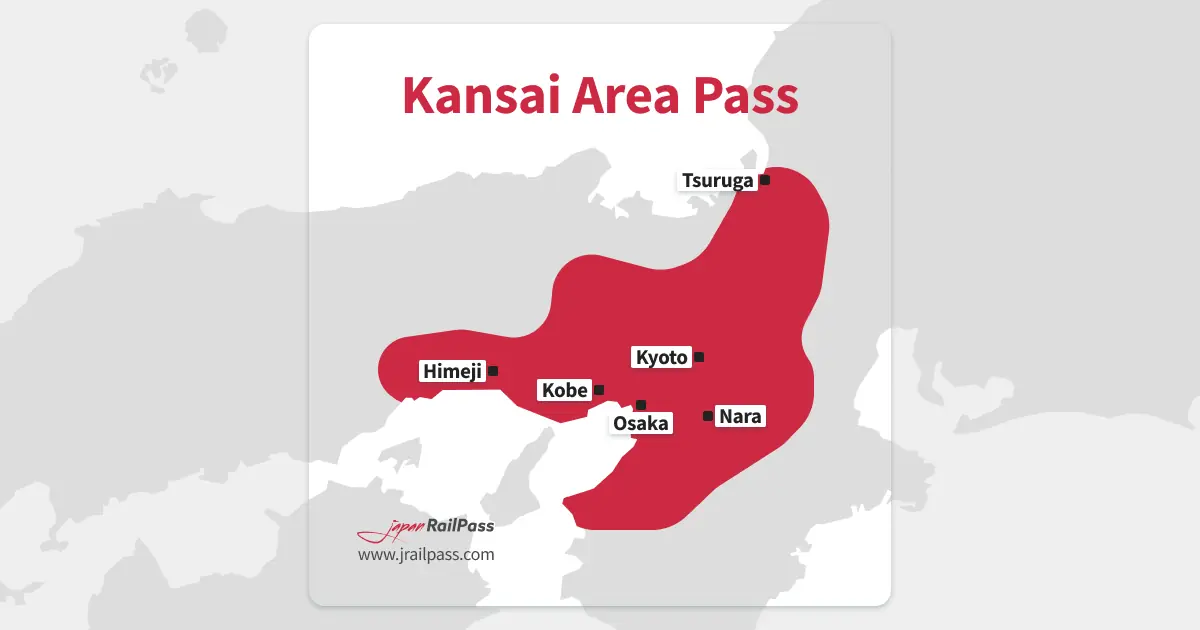
The JR Kansai Area Pass is good value for day trips, with pricing that rises by duration — roughly from the low ¥2,000s for one day up to around ¥7,000 for four days. JR West revises these fares from time to time, so check current rates before you buy. The pass gives unlimited travel on JR trains (including the Haruka airport line) around Osaka, Kyoto, Nara, Kobe, Himeji, and Kansai Airport — even one round trip to Osaka and back can nearly cover the one-day cost. Passes are available online, at stations, or at the airport.
Wider passes (Kansai-Hiroshima, Kansai-Wide Area Pass) are available if you’re venturing further.
For more details: JR Kansai Area Pass.
Day Trips from Kyoto
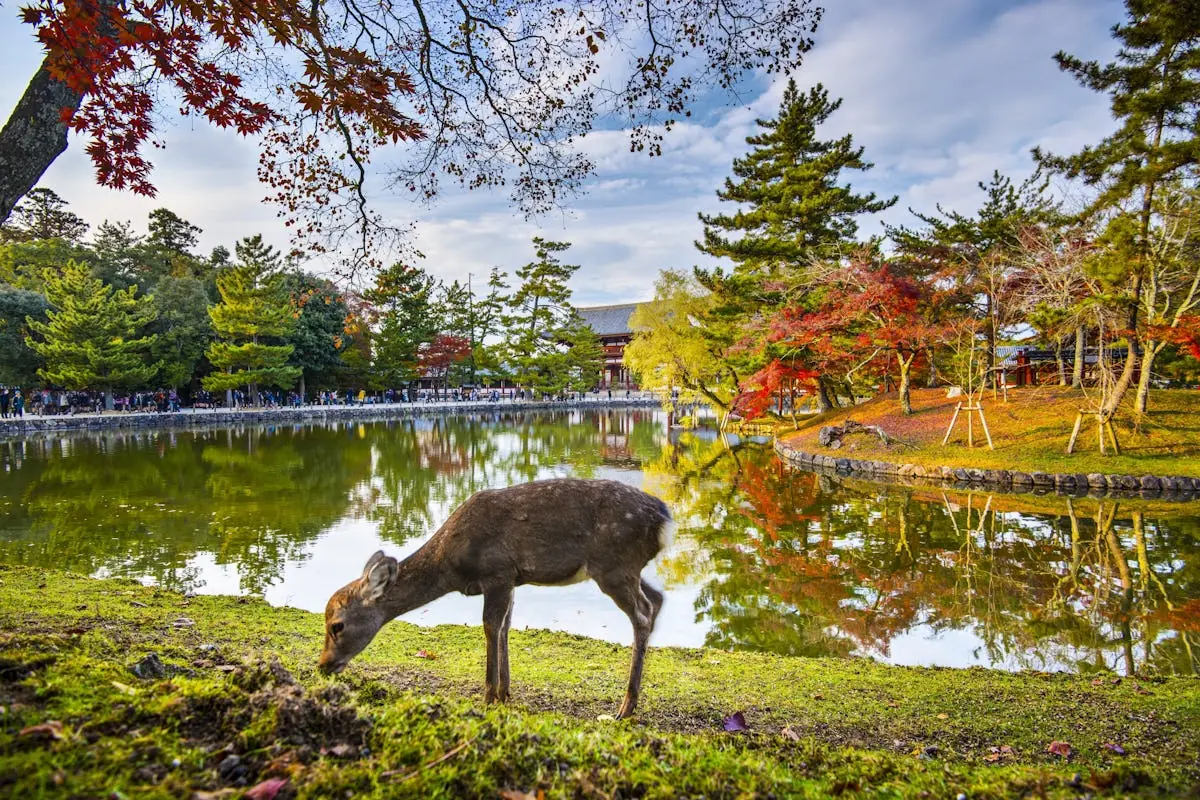
Nara (45 min by train)
Feed the bowing deer that roam freely through Nara Park, then step inside Tōdai-ji Temple to stand beneath its 15-meter bronze Great Buddha. Wander the lantern-lined paths of Kasuga Taisha Shrine, browse the old merchant quarter of Naramachi, and sample kakinoha sushi — mackerel or salmon pressed on rice and wrapped in persimmon leaves. Nara was Japan's capital before Kyoto, and it wears that history lightly. See our Nara guide for more tips.
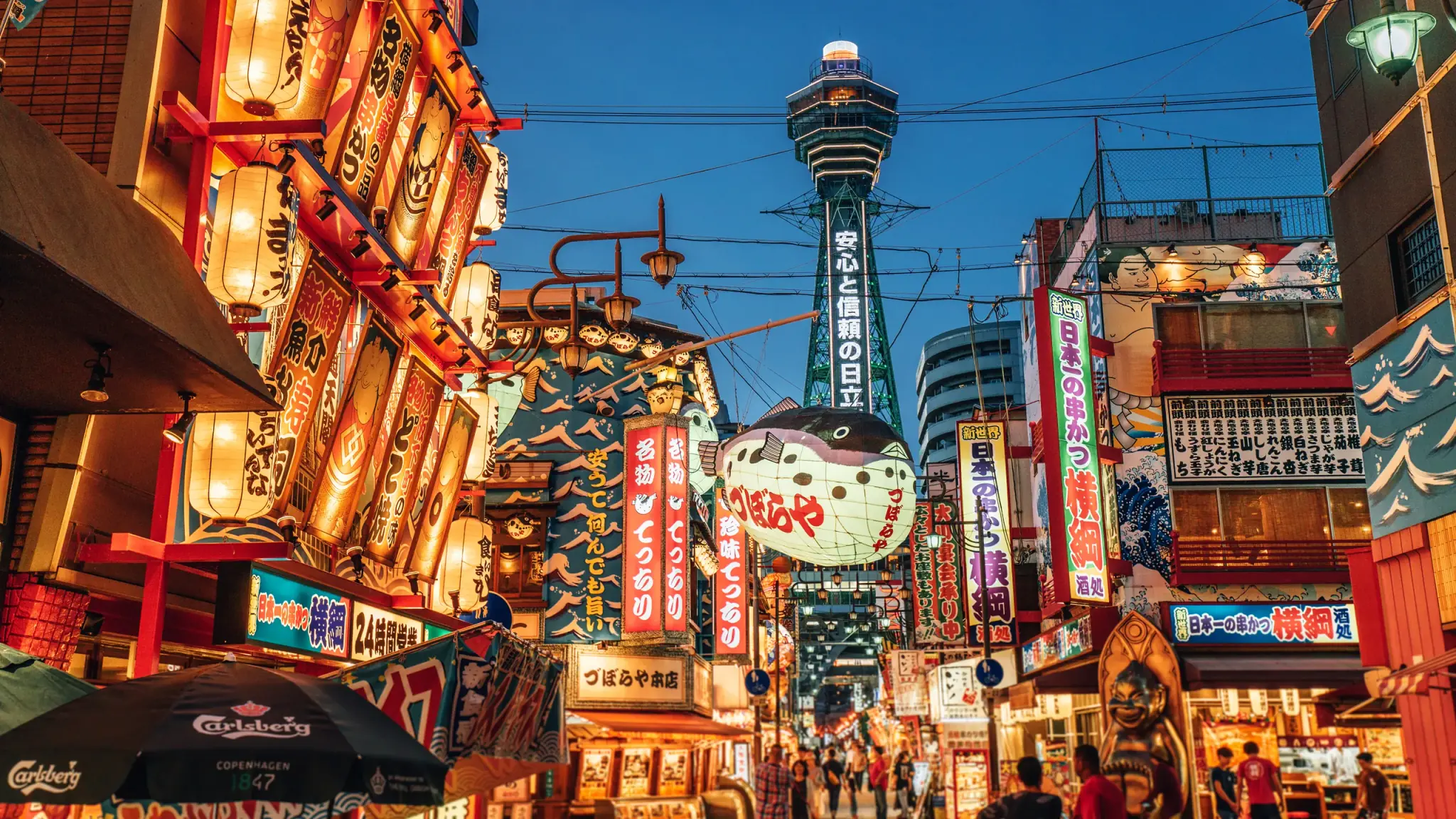
Osaka (30 min by train)
Trade Kyoto's hush for the neon and noise of Dotonbori, where giant illuminated signs advertise takoyaki and okonomiyaki over canal-side crowds. Climb Osaka Castle, shop the covered arcades of Shinsaibashi, or spend the day at Universal Studios Japan. It's a quick, easy contrast — Osaka moves faster and eats louder than Kyoto ever will. See our Osaka guide for highlights.
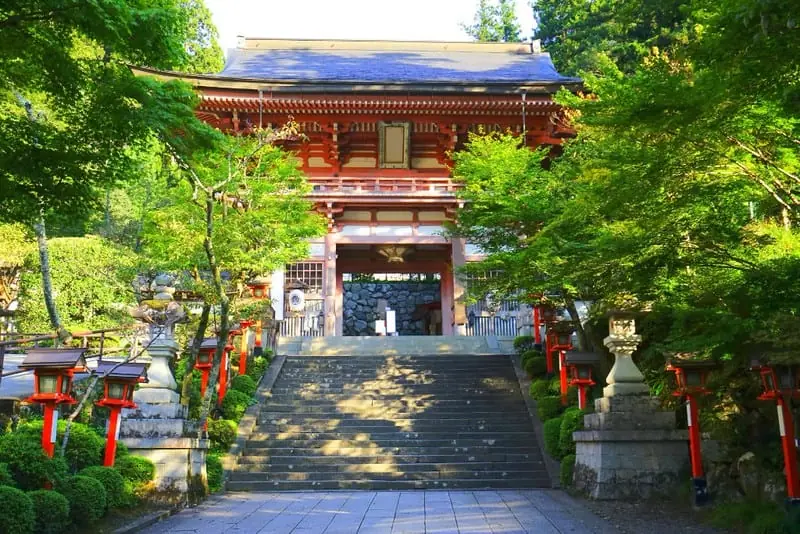
Kurama & Kibune (30 min by train)
The Eizan Railway, with its wide panoramic windows, carries you out of the city and into forested mountains in about half an hour. From Kurama Station, it's roughly a 90-minute hike over the ridge to Kibune, passing Kurama-dera Temple and the smaller Kifune Shrine along the way — or skip the walk and soak straight away at the outdoor Kurama Onsen. Come in summer for Kibune's riverside kawadoko dining platforms, or in autumn for some of the region's best foliage.
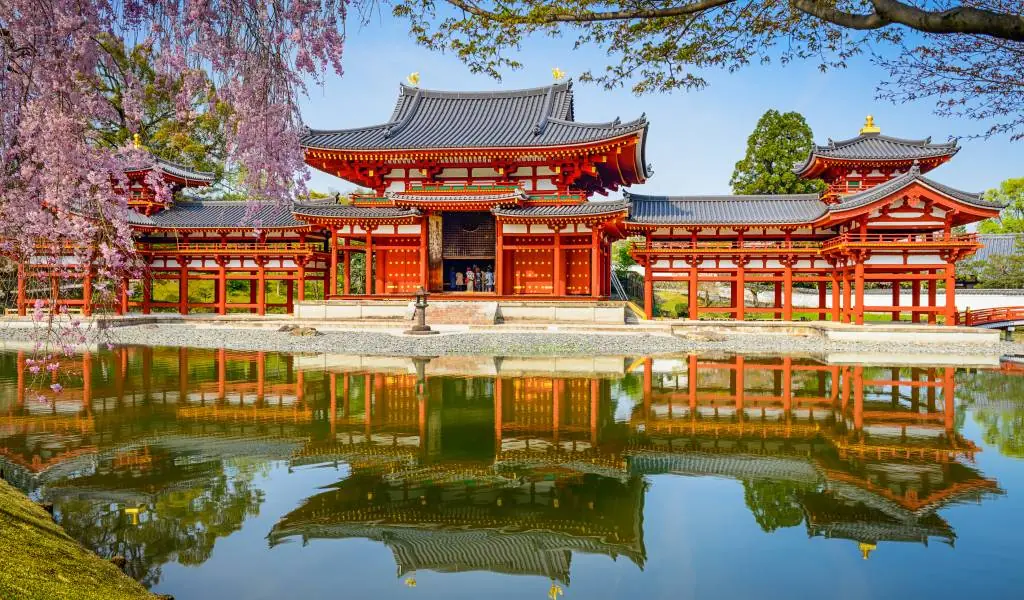
Uji (20 min by train)
Famous for its matcha green tea and the storied Byodoin Temple, Uji is a short trip from Kyoto. Tour the Phoenix Hall — its image graces the ¥10 coin — stroll the wooded banks of the Uji River, and duck into century-old tea shops for a tasting. The modest Ujigami Shrine, one of the oldest Shinto shrine buildings in Japan and part of the same UNESCO World Heritage listing as Byodoin, rounds out a slower, greener afternoon than Kyoto's bigger sights.
Proposed Itinerary
Three days won't exhaust Kyoto, but it's enough to hit the icons, slip into its quieter backstreets, and still squeeze in a day trip. Sights are grouped by neighborhood to keep you moving in one direction instead of crisscrossing the city, and the early mornings are reserved for whatever gets busiest first.
Day 1: Gion & Higashiyama, Kyoto's Historic Heart
Ease in with temple bells and lantern-lit lanes — this is the Kyoto you came for.
- Morning: Get to Kiyomizu-dera as early as the gates allow, before the wooden stage and Otowa Waterfall disappear under tour groups. Wander down through Sannenzaka and Ninenzaka to work off the climb.
- Afternoon: On to Yasaka Shrine and into Gion. Slip down a few of Hanamikoji Street's side alleys, and grab yatsuhashi or a matcha treat as you go.
- Evening: Circle back to Hanamikoji Street at dusk for a chance to spot a geiko or maiko hurrying to an engagement, then cross the river for dinner in Pontocho Alley — book ahead if you're after a kaiseki or yakitori spot with a river view.
Day 2: Golden Temples & Bamboo Groves
The big single-site draws, north and west of the city — take them in this order to avoid doubling back, and save Nishiki Market for late afternoon since its stalls shutter by 17:00–18:00.
- Morning: Hit Kinkaku-ji right at opening while the gold still gets the pond to itself, then head to Arashiyama for the bamboo grove and Togetsukyo Bridge — rent a bicycle here and you'll cover the whole area without backtracking.
- Afternoon: Loop back toward downtown, stopping at Nijo Castle to walk the nightingale floors of Ninomaru Palace before it closes at 17:00 (closed Tuesdays in January, July, August, and December — check ahead if you're cutting it close). Swing by Nishiki Market on the way while the stalls are still open.
- Evening: Browse Teramachi Street, then settle into an izakaya in Kawaramachi for dinner and a nightcap.
Day 3: Fushimi Inari and a Day Trip to Nara
The last day pairs one of Kyoto's most photographed sights with a half-day escape.
- Morning: Arrive at Fushimi Inari Taisha right at opening and climb through the torii gates while the trail is still yours.
- Afternoon: Train it to Nara, about 45 minutes: feed the deer in Nara Park, stand beneath the Great Buddha at Tōdai-ji, and browse Naramachi before heading back.
- Evening: Back in Kyoto, wind down with a bowl of yudofu near Higashi Hongan-ji or the Kyoto Station area — a quiet close to three full days.
Insider tip: Days 1 and 3 both start at sights that get busy fast — arrive at opening, or as close to it as you can manage, and you'll have Kiyomizu-dera and Fushimi Inari largely to yourself for the first hour.
Seasonal Events & Festivals
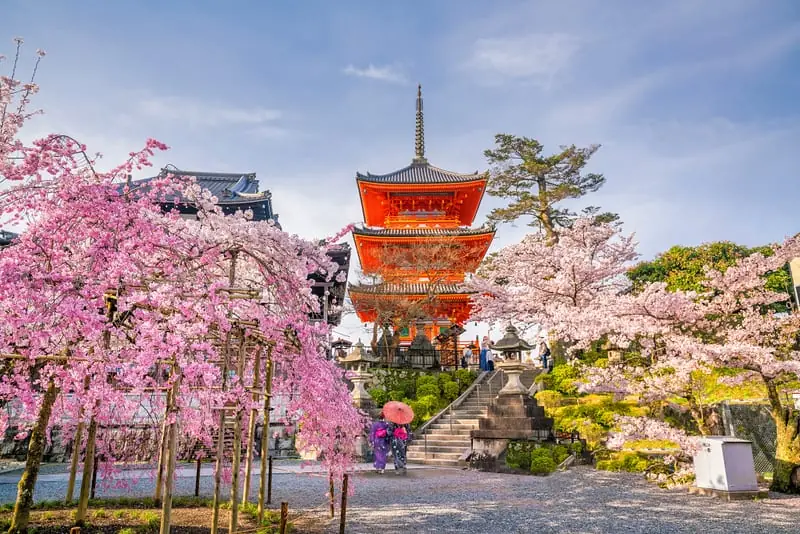
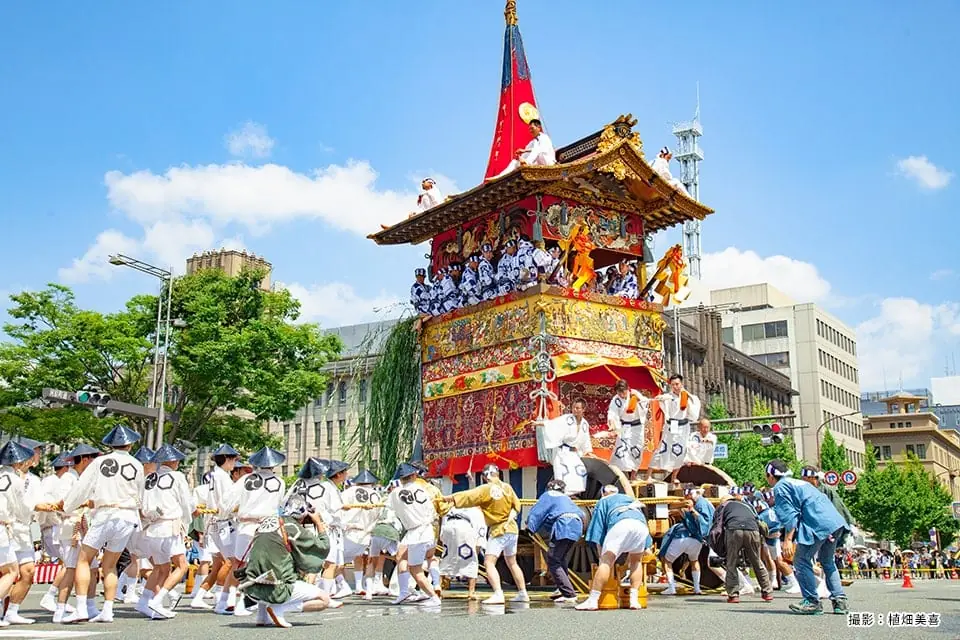
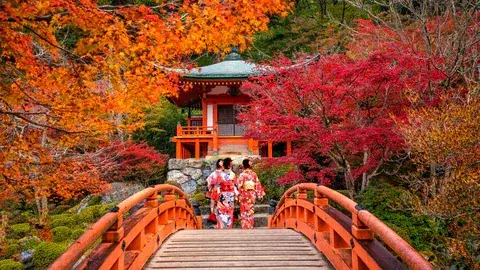
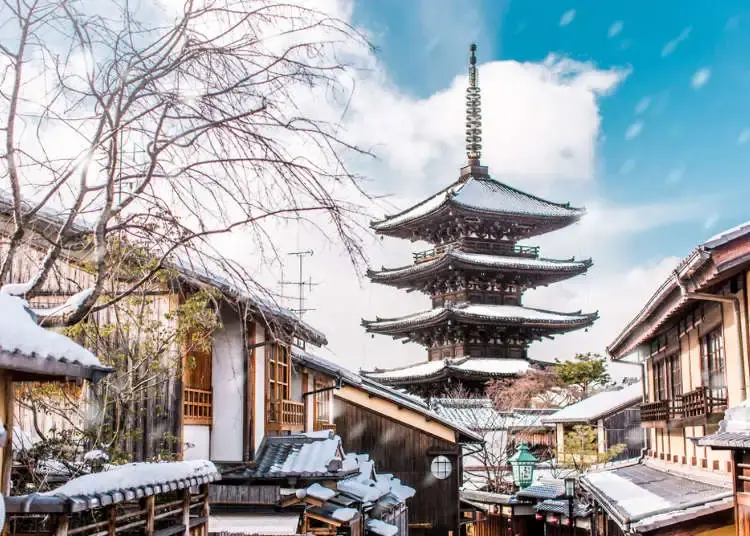
Shopping & Nightlife
Nishiki Market & Teramachi Street
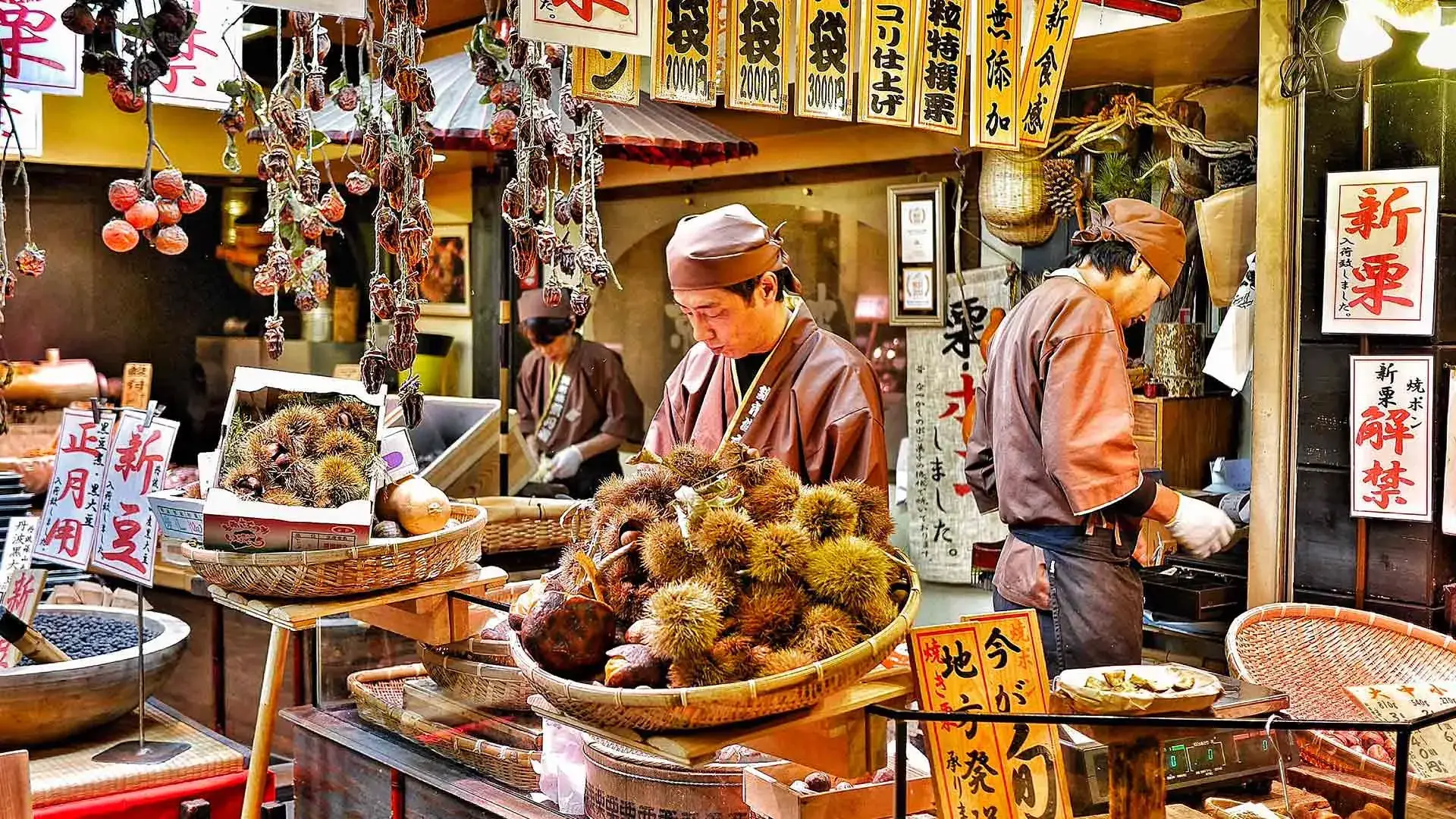
Known as "Kyoto’s Kitchen," Nishiki Market is a lively arcade packed with stalls selling fresh seafood, grilled skewers, sushi, pickles, sweets, and local specialties like yuba (tofu skin) and matcha treats. Most shops open around 9:00–10:00 and close by 17:00–18:00. Nearby Teramachi Street offers boutiques, bookstores, and crafts, making it a great spot for shopping and snacking throughout the day.
Pontocho Alley
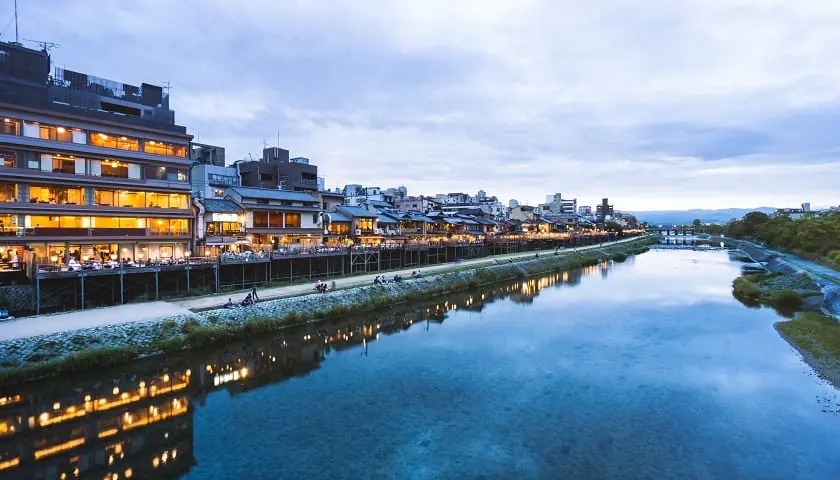
Pontocho Alley is a narrow lane along the Kamogawa River, famous for its traditional restaurants, lantern-lit bars, and occasional geisha sightings. You’ll find everything from affordable izakayas to upscale kaiseki and yakitori, with many places offering river views in summer. It’s atmospheric at night and perfect for a riverside stroll. Most restaurants open for dinner from 17:00–23:00, and reservations are recommended for popular spots.
Nightlife
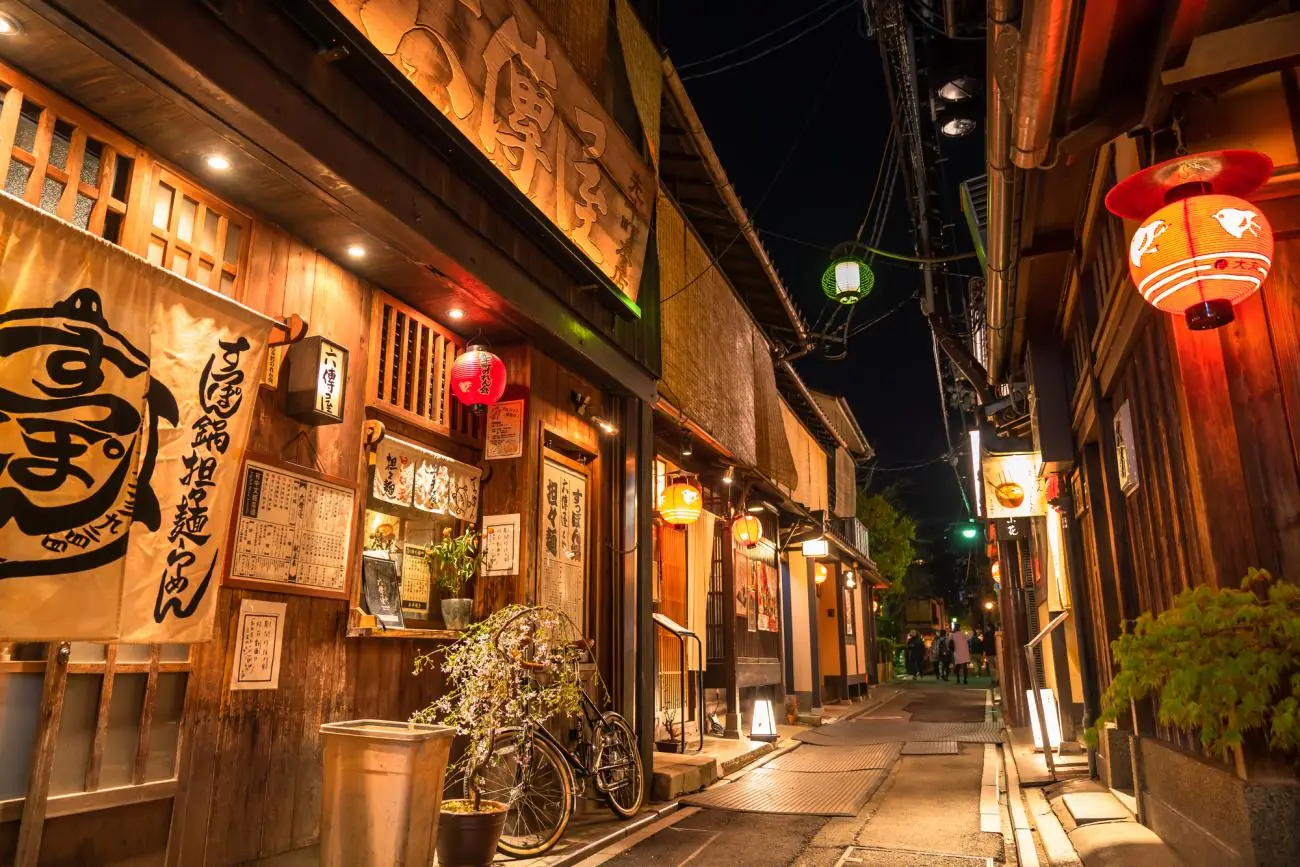
Kyoto's nightlife is quieter and more intimate than Osaka's — think candlelit cocktail counters and jazz kissa rather than neon and karaoke towers, though both exist if you look. Most venues open from 18:00 until midnight or later. Gion and Kawaramachi are the best areas for an evening out, with options for all budgets. English menus are available at many places, but a translation app helps for the smaller, unsigned spots — often the best ones. Seek out a converted machiya townhouse for a drink; the low doorways and dim lighting are part of the experience.
Kyoto rarely reveals itself all at once — a temple you pass by daylight looks entirely different lit by lantern at dusk, and a district you think you know changes with each season's leaves or blossoms. Come back more than once, and slow down when you do.
Additional Resources
For more information on Japan, including top highlights, immigration, useful applications and bullet train bookings, head to our Discover Japan: From Trains to Temples guide.