Kyoto
Where to Stay in Kyoto: Areas Compared
Kyoto's sights ring the edges of the city while its life happens in the middle — so the classic mistake is sleeping next to one famous temple and commuting to all the others. Stay central instead: downtown or Gion put dinner, buses and both sides of the sightseeing map within reach, and the early starts the temples reward become far easier.
Search stays in Kyoto
Where to stay in Kyoto
Downtown (Kawaramachi & Karasuma)
The working heart: Nishiki Market, the covered shopping arcades and the highest density of restaurants and bars. Not historic-looking itself, but the most convenient base in the city — everything else is a short bus, subway or riverside walk away.
See stays hereGion & Higashiyama
The postcard: lantern-lit lanes, tea houses and the stone streets climbing to Kiyomizu-dera. Magical before 9am and after dark, thronged in between. Machiya guesthouses here put you inside the atmosphere the day-trippers queue for.
See stays hereAround Kyoto Station
Big hotels, the shinkansen and every bus route in the city. The area itself is charmless, but for day trips to Nara, Osaka or Himeji it is unbeatable — and prices run below the centre for equivalent comfort.
See stays hereArashiyama
The bamboo grove, the river gorge and temple gardens on the western edge. Enchanting at dawn and dusk once the coaches leave, but a 30-minute journey from downtown — better for a one-night ryokan experience than a full-stay base.
See stays hereNorthern Higashiyama (Okazaki)
Museums, canal-side walks and the Philosopher's Path, with Nanzen-ji and Ginkaku-ji on foot. Calm, green and residential — the connoisseur's choice for repeat visits, a bus or subway ride from the evening action.
See stays herePlaces to stay in Kyoto
Browse all staysPer-night prices for a sample 3-night stay — enter your dates for real ones
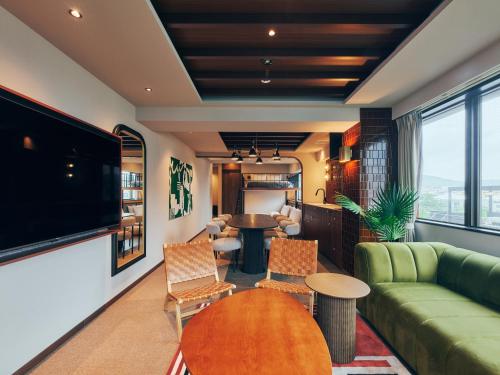
6 guests · 1 bd · 1 ba
118, Saito-cho, Shimogyo-ku, Kyoto, 600-8012, Japan


Hotel · 4 guests · 1 bd · 1 ba
324 Kawaramachi-Shijo Inaricyo, Kyoto JP, 6008022

4 guests · 1 bd · 1 ba
218 Kagiyachō, Kyoto Japan, 600-8057

Hotel · 5 guests · 1 bd · 1 ba
557 Nakanocho, Nakagyo-ku, Kyoto JP, 6048042

Hotel · 7 guests · 1 bd · 1 ba
Inaricho, Shimogyo-ku, Kyoto JP, 6008022
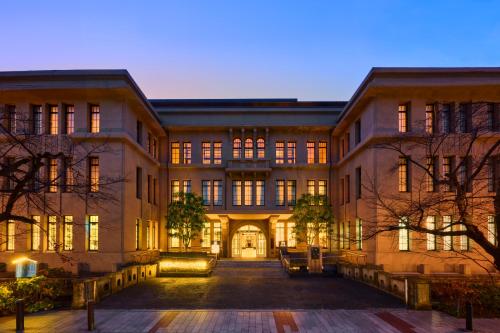
Hotel · 4 guests · 1 bd · 1 ba
310-2 Bizenjimacho, Kawaramachi, Kyoto JP, 6048023
Good to know
- Kyoto's buses are the main sightseeing transport and they get genuinely packed — where the subway or a 20-minute walk is an option, take it, especially with luggage.
- Temples close early, typically at 16:30–17:00. Plan mornings for sights and evenings for the town — the reverse simply doesn't work here.
- Consider a night in a machiya (a restored wooden townhouse) — Kyoto has hundreds, they sleep families comfortably, and they are the city's most distinctive stay. Book the popular ones months out.
- Gion's private alleys ban photography and the fines are enforced — enjoy the streets, keep the camera for the public ones, and never stop a geiko for a photo.
- Kyoto's per-person, per-night accommodation tax rose sharply in 2026 — from a few hundred yen on budget rooms to ¥10,000 a night at the luxury end — and is often collected at check-in; budget for it on top of the booking price.
When to visit
Late March–April (blossom) and November (autumn foliage) are Kyoto at its most beautiful and by far its most crowded — book many months ahead and expect premium rates. May, June and October are the comfortable compromise. Summer is hot and humid, softened by the Gion Matsuri festival in July; winter is quiet, occasionally snow-dusted and the best value of the year.
Getting around
Kyoto is the one Japanese city where the trains aren't the answer: two subway lines cross the middle and everything else runs on buses, which crawl during cherry blossom and autumn colour. A bicycle is genuinely the fastest way across the flat centre, and rentals are everywhere. From Kansai airport the Haruka express reaches Kyoto Station in about seventy-five minutes. Sleeping near the station or the Karasuma line saves you the daily bus lottery.
Read our Kyoto guideFrequently Asked Questions
Practical answers to the things people ask before booking a stay in Kyoto.
Browse all staysShould I stay in Gion or downtown?
Gion for atmosphere: you get the lantern-lit lanes to yourself at dawn and after the day-trippers leave. Downtown for practicality: more restaurants, easier transport and better-value rooms. They are a 15-minute walk apart, so neither choice locks you out of the other.
Is staying near Kyoto Station a mistake?
Not if your trip is built on day trips — Nara, Osaka and Himeji all start there, and the bus network fans out from its doors. The area is dull in the evening, which matters more on a longer, Kyoto-focused stay.
How many nights does Kyoto need?
Three nights covers the headline temples of the east and west plus a downtown evening or two without rushing. Add a fourth for a Nara day trip — closer and easier from here than from Osaka or Tokyo.
Bookings are completed on our partners' websites. We may earn a commission at no extra cost to you.