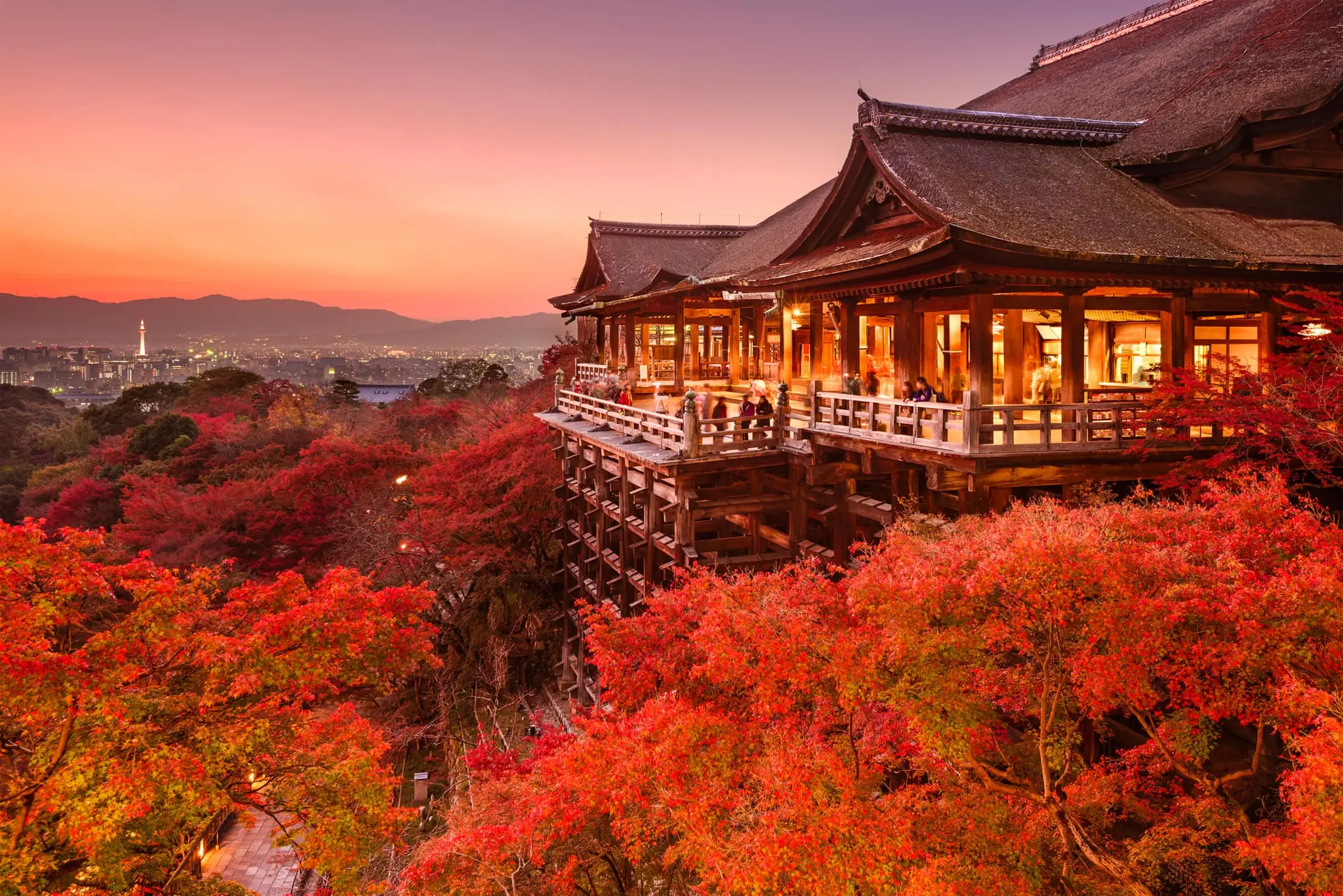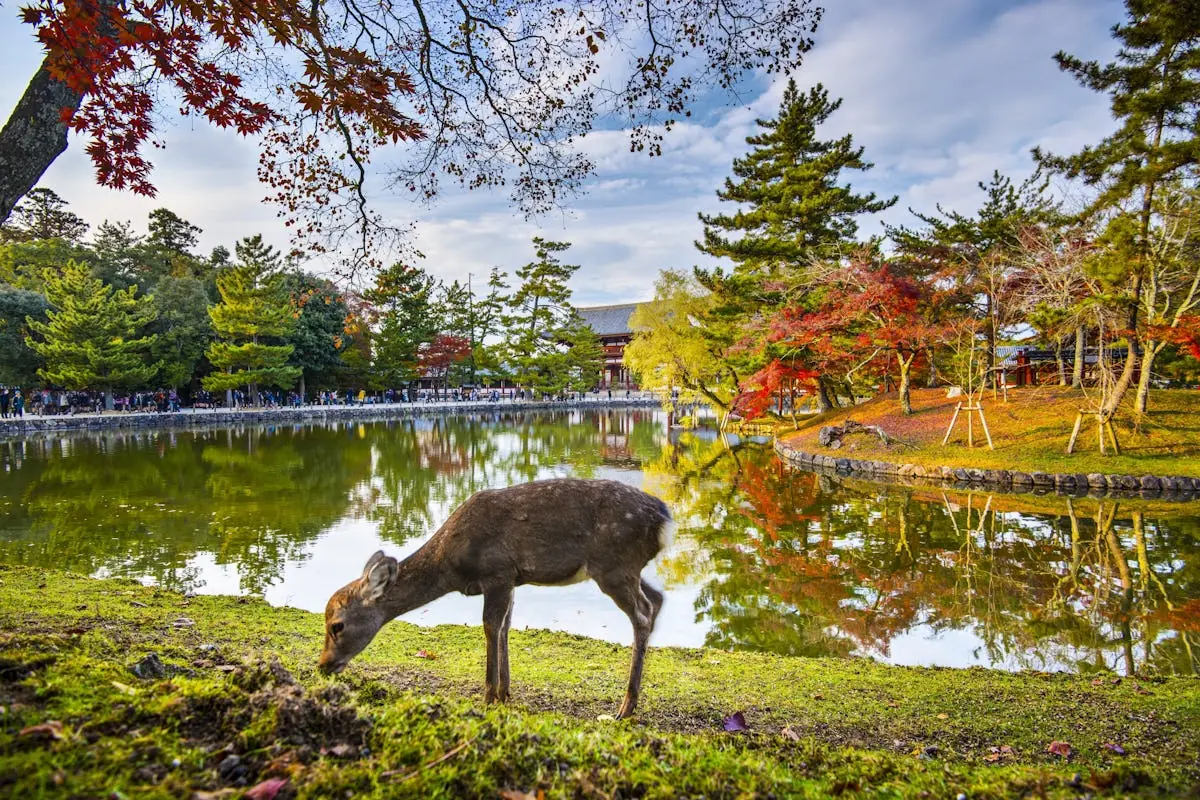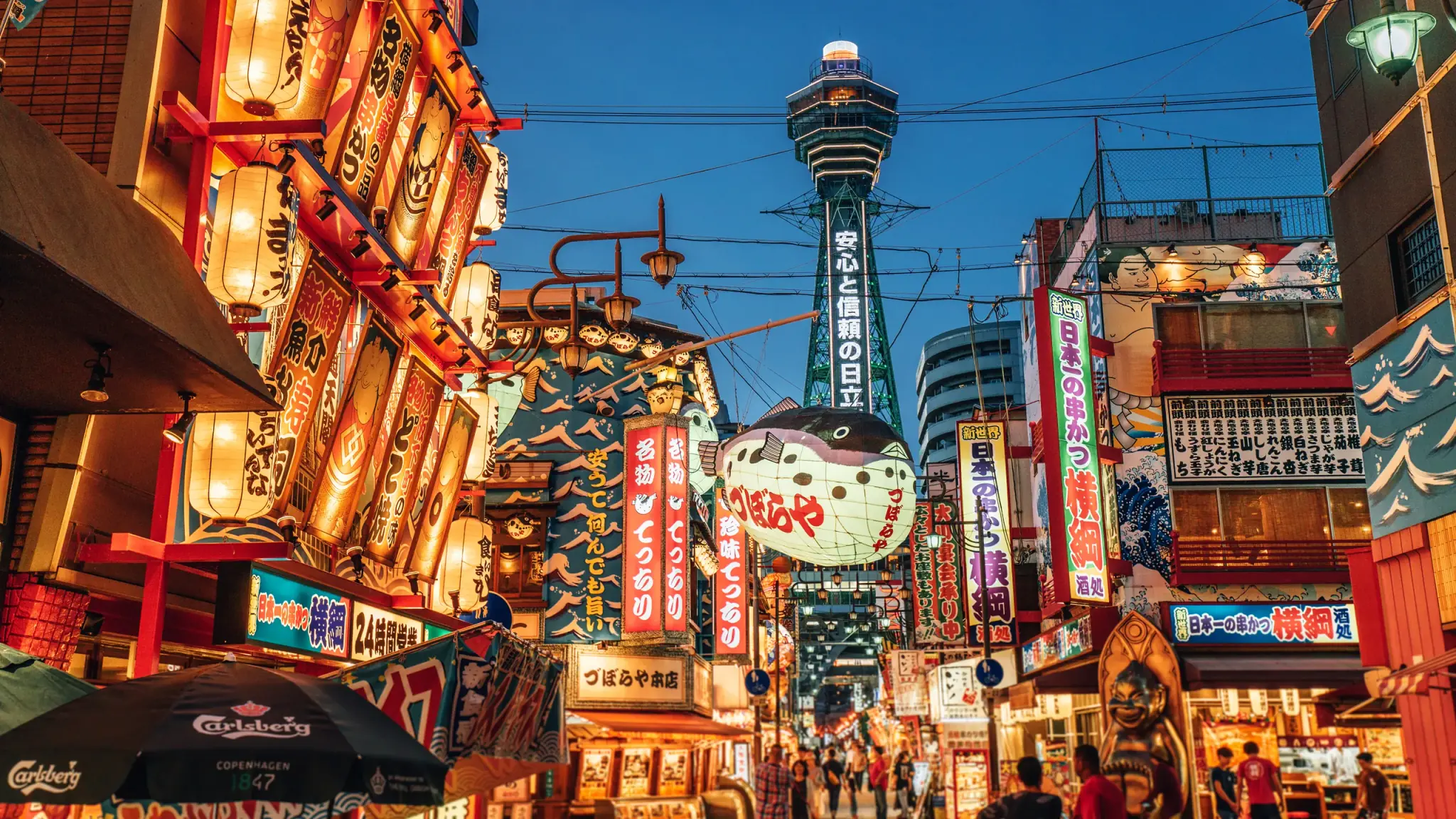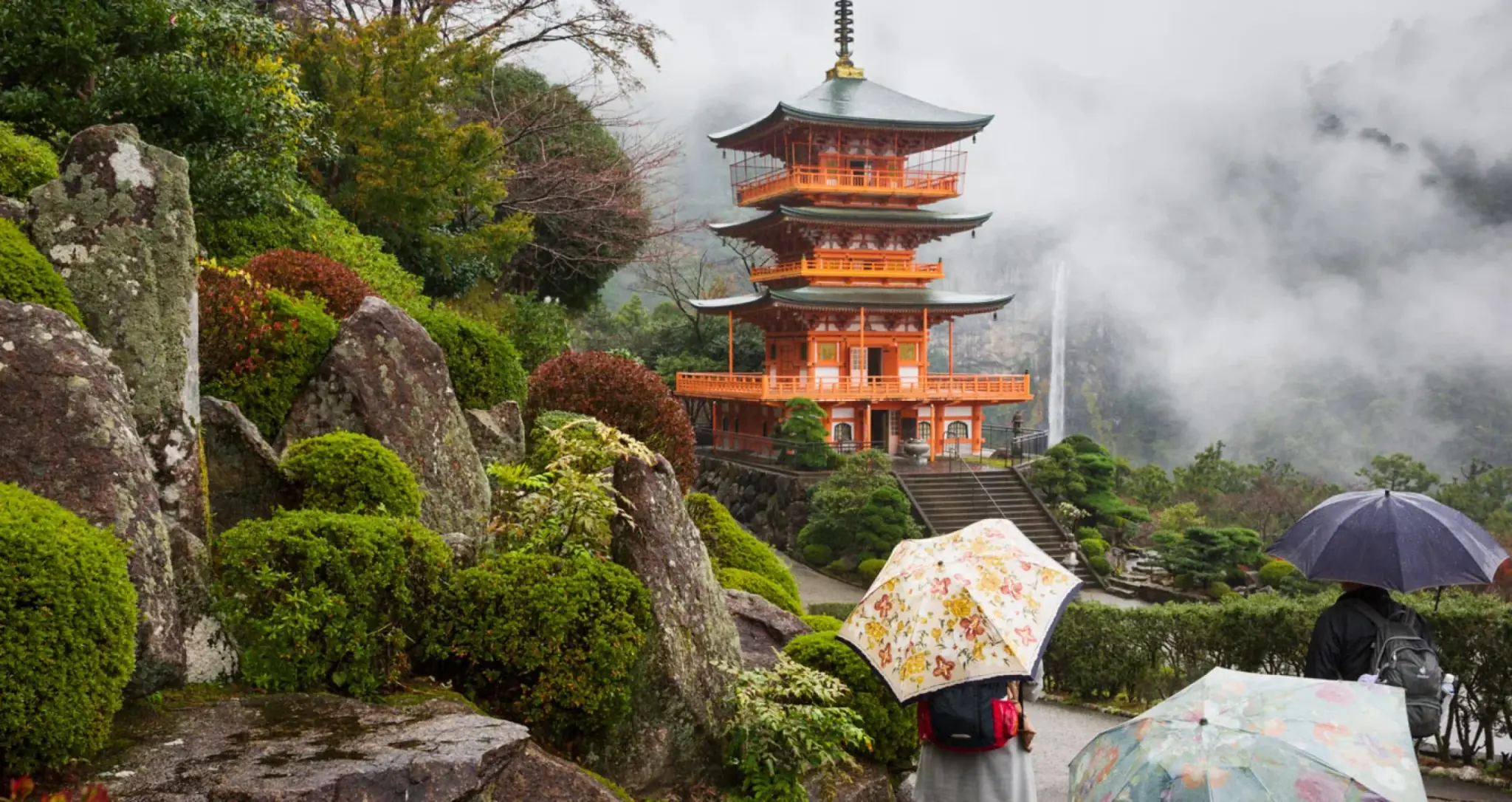
Step off the train in Kyoto and you might walk past a thousand-year-old temple on your way to a matcha soft-serve stand. That’s Japan in a nutshell: a place where a bullet train can carry you from a neon-drenched Tokyo crossing to a silent moss garden in under three hours. From the snow-capped peaks of Hokkaido to the subtropical beaches of Okinawa, every region has its own rhythm, its own dialect of food and festival, its own reason to linger.
This guide is designed to be your ultimate companion for exploring Japan, whether you’re traveling solo, with friends, or as a family. Inside, you’ll find everything you need in one place: practical travel tips, advice on money and connectivity, cultural etiquette, seasonal events, transport guidance, and insights into cities and experiences.
We’ve also included must-visit attractions and culinary highlights—so you can plan your trip with confidence and make the most of every moment. Whether it’s navigating the Shinkansen, tasting street food in Osaka, or timing your visit to catch the cherry blossoms in Kyoto, this guide has you covered from start to finish.
Get ready to explore Japan with ease, curiosity, and wonder.
Before You Go
A little prep goes a long way in Japan, especially on a first visit. The country runs like clockwork once you’re there, but a few things—digital paperwork, medicine rules, what actually belongs in your suitcase—are far easier to sort out before you board.
Immigration and Customs
Register your travel details in advance via the Visit Japan Web portal.
Submit immigration, customs, and quarantine info online before you fly.
Get your digital QR codes for faster and smoother airport processing steps.
Step-by-step guide is available at Visit Japan Web.
Bringing Medicine to Japan
| Over-the-Counter (OTC) | Prescription |
|---|---|
| Allowed: Up to 2 months’ supply (including vitamins, contact lenses) | Allowed: Up to 1 month’s supply for personal use |
| Restrictions: Some ingredients (e.g. codeine, pseudoephedrine) are banned | Restrictions: Strictly prohibited: opium, cannabis, amphetamines, Adderall, Dexedrine, etc. |
| Import Certificate: Needed for more than 2 months’ supply | Import Certificate: Needed for more than 1 month’s supply or if using syringes/devices |
| Packaging: Original packaging recommended | Packaging: Original packaging and doctor’s note/prescription (English or Japanese) |
- Check if your medicine contains restricted ingredients (especially codeine, pseudoephedrine, amphetamines, etc).
- Keep all medicines in original packaging.
- Bring a doctor’s note or prescription for all prescription medicines.
- Apply for a Yunyu Kakunin-sho (import certificate) if you exceed the allowed supply or need to bring syringes/devices.
- Never bring prohibited drugs (opium, cannabis, Adderall, etc.)—these are illegal even with a prescription.
- Check the latest rules before you travel—regulations can change.
Need more information or want to apply for a medicine import certificate? See the official guidance from the Ministry of Health, Labour and Welfare of Japan.
Packing Tips
Packing for Japan is less about filling your suitcase and more about bringing the right essentials. The country is safe and convenient, but small details — from footwear to payment options — can make or break your trip. A few things to keep in mind:
-
Comfortable shoes are very important: a single day of sightseeing can easily rack up 20,000+ steps between station transfers, temple grounds, and the stairs that seem to appear everywhere.
-
Cash & IC card are a must: many neighborhood shops, ramen counters, and shrine offering boxes are still cash-only, while an IC card (like Suica or Pasmo) makes every train, subway, and vending machine a tap away.
-
Adapters: Japan uses Type A/B plugs, 100V. Bring a universal adapter if needed, though most hotels usually provide one.
-
Light layers: Weather varies by season — spring and autumn are mild, summers are hot and humid, winters can be chilly.
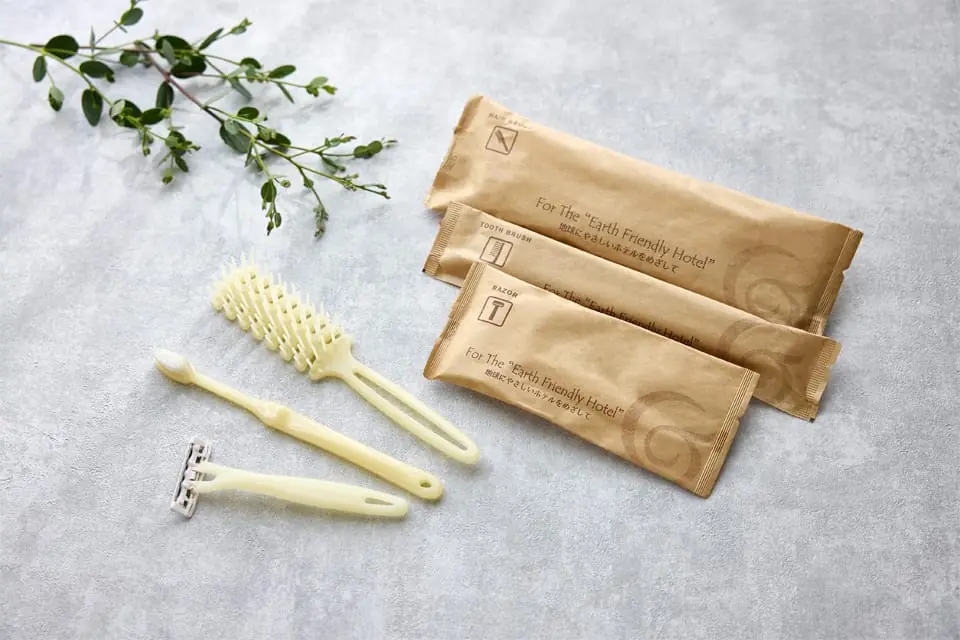
Pro Tip: Don’t bother packing shampoo, shower gel, razors, or similar items — these are readily available in hotels (for free).

Getting Around
The first glimpse of a Tokyo subway map can be genuinely intimidating—dozens of colored lines tangled together, half the signage in kanji. But Japan’s transit runs on a handful of simple rules, and once they click, getting around stops being a chore and starts being part of the trip: trains that leave to the minute, platforms that tell you exactly where the doors will open, and a network that reaches almost everywhere you’d want to go.
Shinkansen (Bullet Trains)
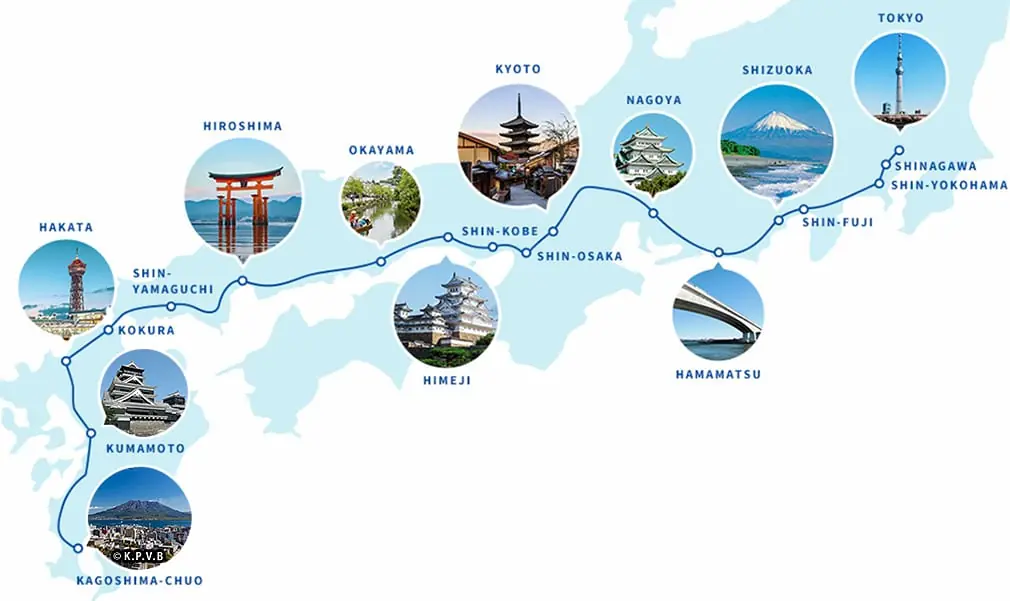
The Shinkansen (bullet train) connects major cities like Tokyo, Kyoto, Osaka, and Hiroshima at speeds up to 320 km/h (200 mph) on the fastest lines, gliding past rice fields and, on a clear day, Mount Fuji itself. It’s the fastest and most convenient way to travel between cities. Tickets can be purchased at station machines, ticket counters, or online through official apps.
Types of Trains and Classes
| Class | Description |
|---|---|
| Ordinary Car | Standard seating, comfortable and suitable for most travelers. |
| Green Car | First class: larger seats, more space, quieter ride, and a relaxed atmosphere. |
| Gran Class | Luxury class (on select trains): premium seating, extra amenities, complimentary drinks and snacks. |
Reserved vs Non-Reserved Seats
| Seat Type | Description |
|---|---|
| Reserved | Guarantees a specific seat. Highly recommended during busy travel periods (e.g., Golden Week, New Year). Peace of mind, but usually a bit more expensive. |
| Non-reserved | Cheaper, but first-come-first-served. You may have to stand if the train is crowded. Good for flexibility and off-peak travel. |
Booking Shinkansen tickets is straightforward once you know the options. Here’s what you need to know:
- Tickets go on sale one month in advance and can be purchased via the Smart EX app, website, or station counters. You’ll receive a QR code for scanning at the station.
Pro tip: On the Tokyo ↔ Kyoto route, try to book seats D or E on the right side for a chance to see Mount Fuji.
- Membership required for Smart EX bookings (register your details and add a credit card). Klook is a convenient alternative if online booking is tricky.
For a comprehensive, step-by-step guide on booking Shinkansen tickets, check out the instructions on the Smart EX website.
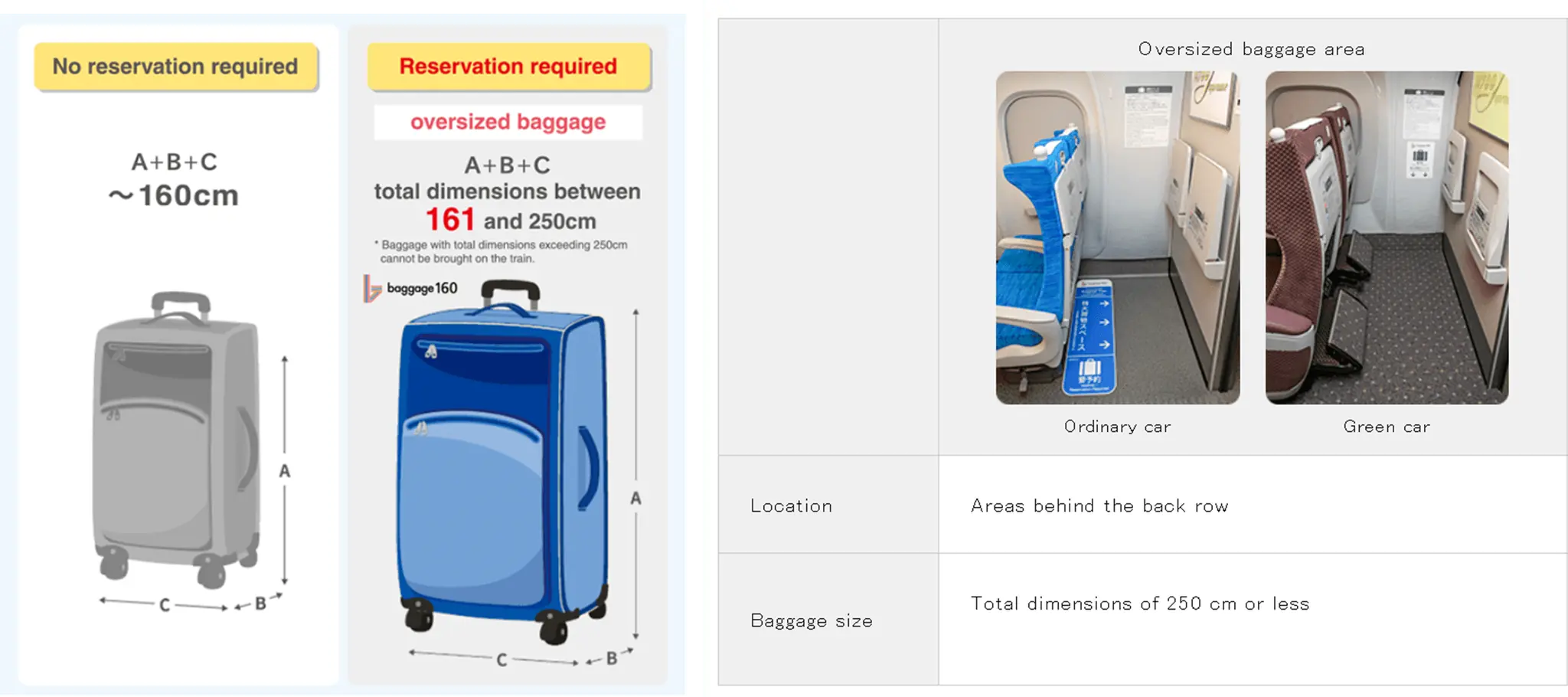
- Luggage: Standard seats have overhead racks and space at the back. Oversized bags (over 160 cm total dimensions) need advance reservations in the designated luggage area.
Concerned about luggage size? Find out how to reserve a seat with dedicated luggage space on the JR Central website.
Regional Trains, Subways & Buses
Beyond the Shinkansen, each city runs its own dense web of subways, regional trains, and buses. Trains and subways are the main way to get around Tokyo, Osaka, and Kyoto; buses fill in the gaps—especially useful in Kyoto, where many temples sit off the subway grid.
How to Ride: At a Glance
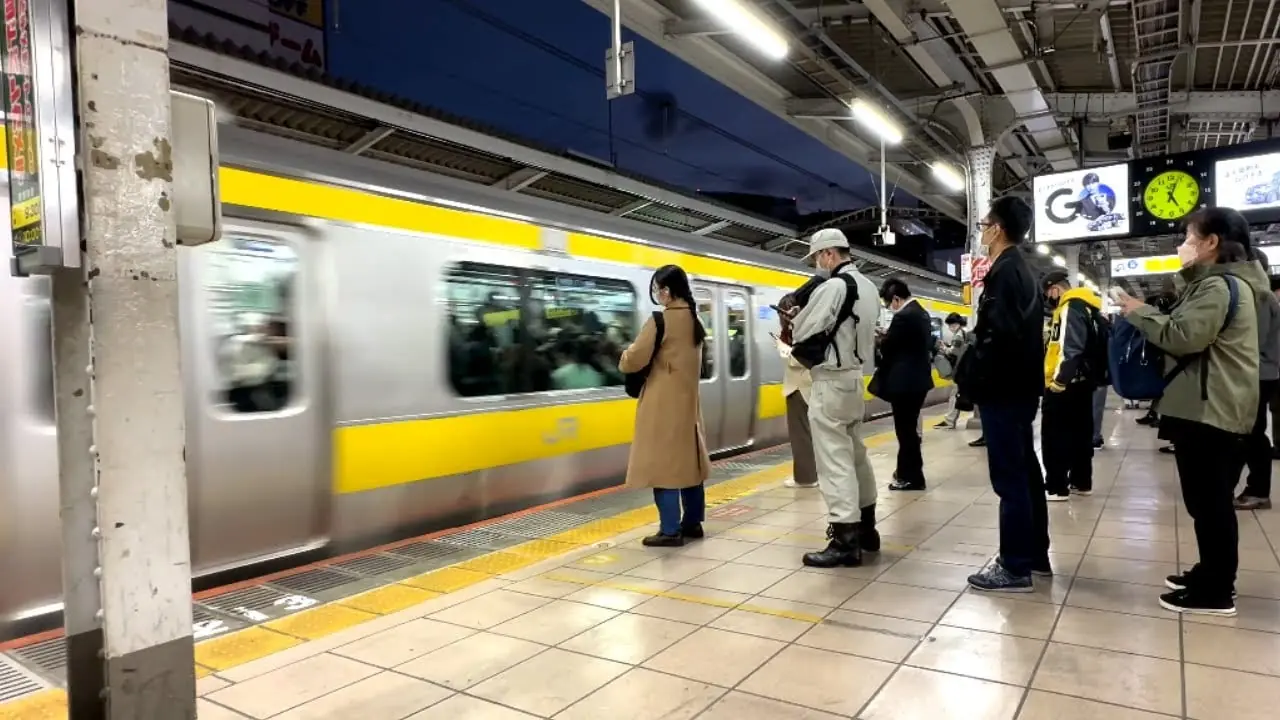
- Line up and let passengers exit first.
- Board in order.
- Pay with IC card or ticket (fare is distance-based).
- Trains are famously punctual—be on time!
- Enter through the middle door.
- Press the stop button before your stop.
- Exit at the front and pay with cash or IC card.
Tip: Use Google Maps for the most accurate routes, fares, platforms and times.
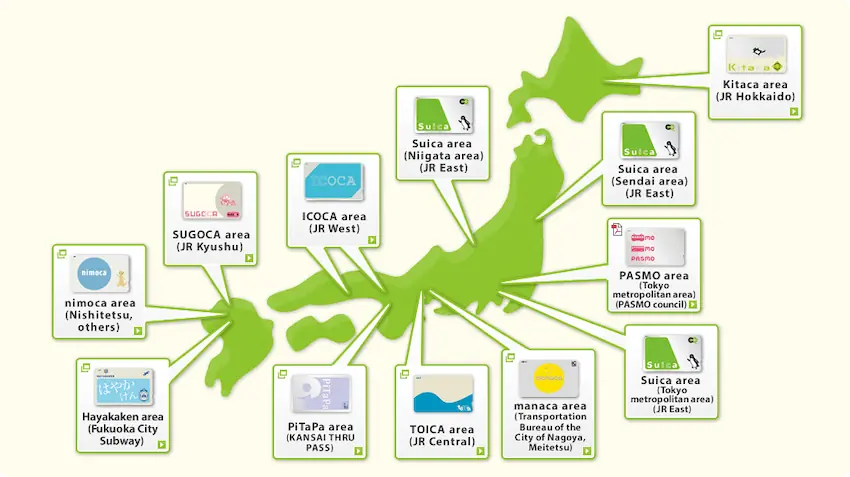
IC Cards: Easy Travel
Skip paper tickets: Use IC cards (prepaid tap-and-go) for almost all public transit. Touch in at the gate, touch out when you leave—the fare is deducted automatically.
- All major IC cards—Suica, Pasmo, ICOCA, Kitaca—work interchangeably across nearly every train, subway, and bus network in the country. You don’t need a different card for each region, though a handful of local bus lines in more rural areas still take cash only.
- Top up at vending machines or convenience stores.
- Use them at vending machines, convenience stores, and a growing number of restaurants and taxis.
- Digital IC cards are a real convenience: Suica loads straight into Apple Wallet on any iPhone, so you can tap in at the gate with your phone instead of hunting for a physical card. Adding Suica or Pasmo to Google Wallet generally requires an Android phone bought in Japan with FeliCa support, so most visiting Android users will want a physical card instead.
Japan’s Seasons: Weather & Festivals
Japan doesn’t just change scenery with the seasons—it changes what you eat, what festivals fill the streets, and how comfortable you’ll be walking around all day. Here’s what to expect, and when to visit for the best mix of events and weather:
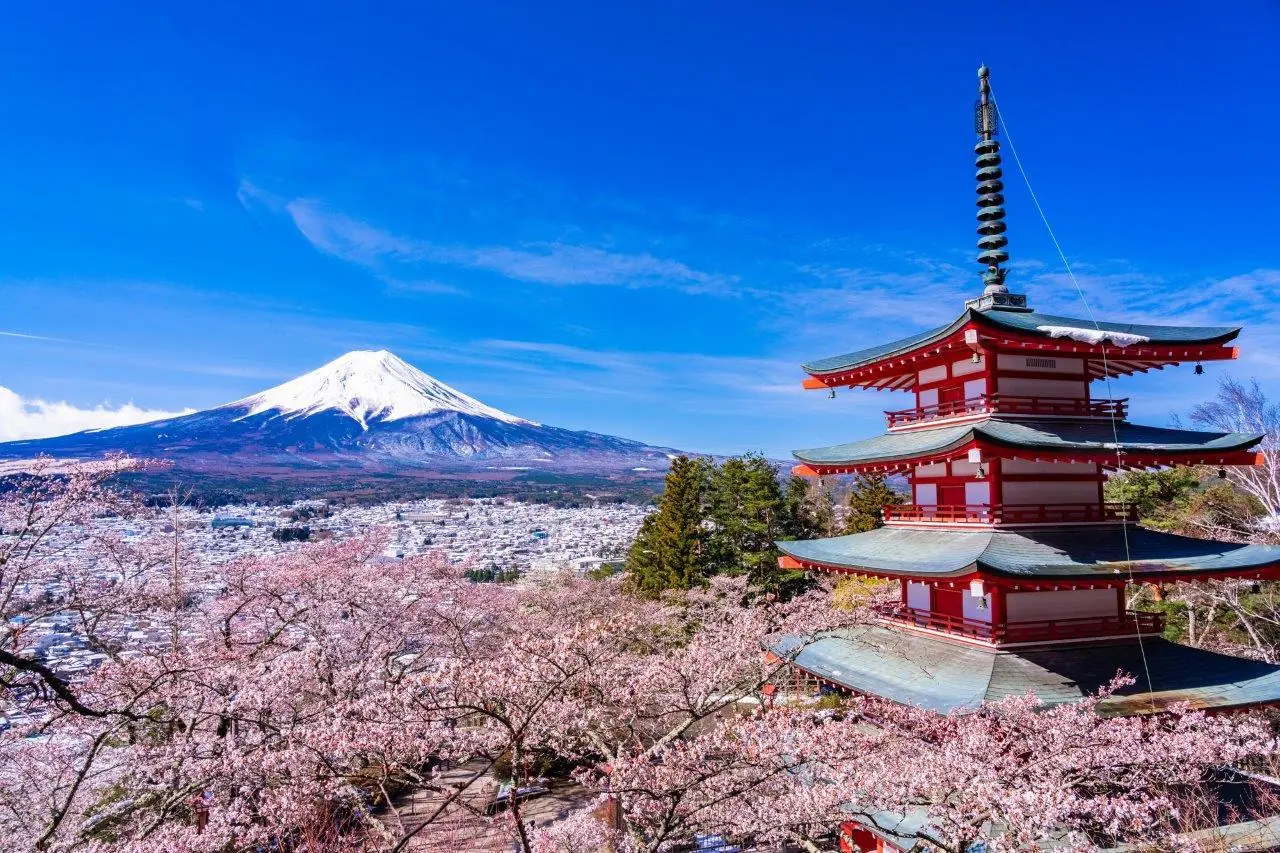
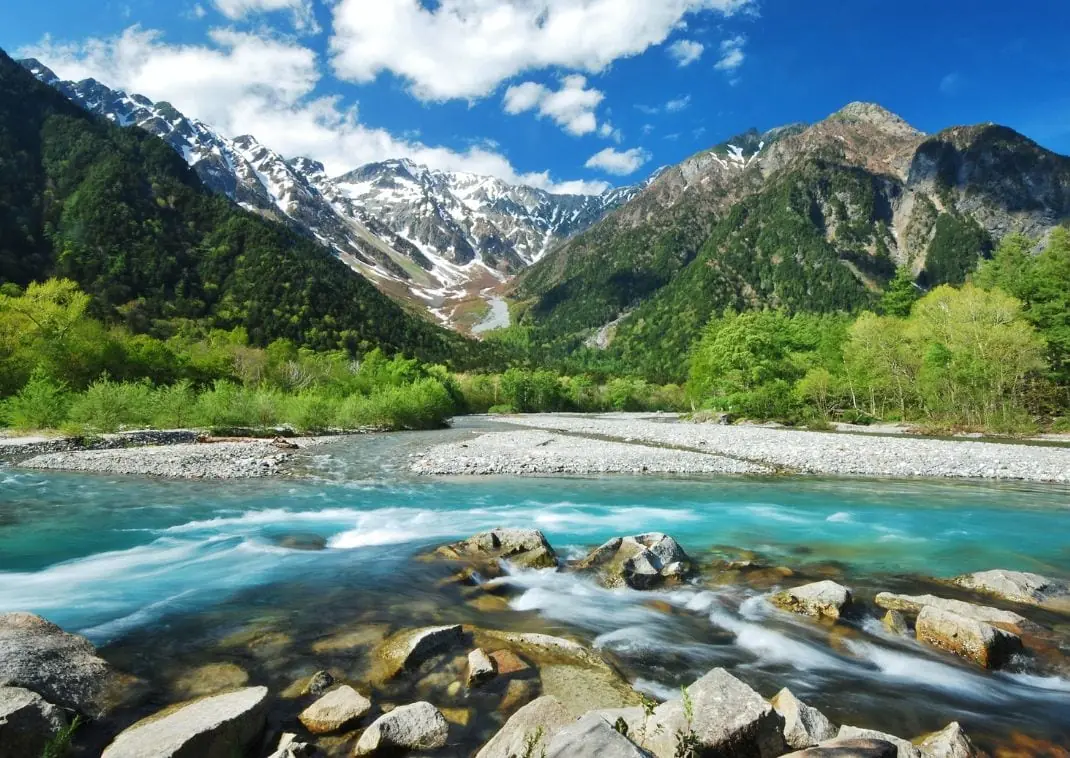
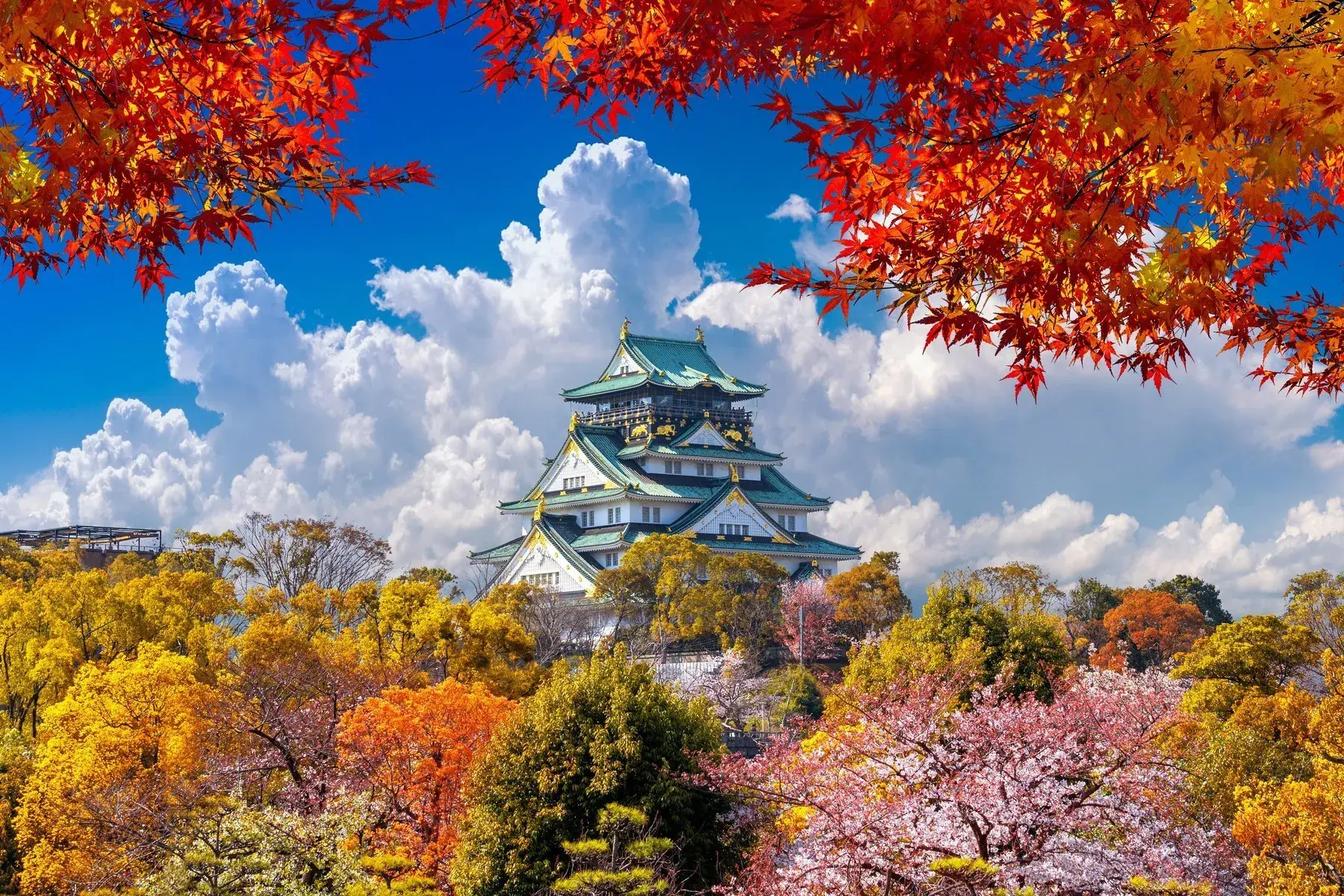
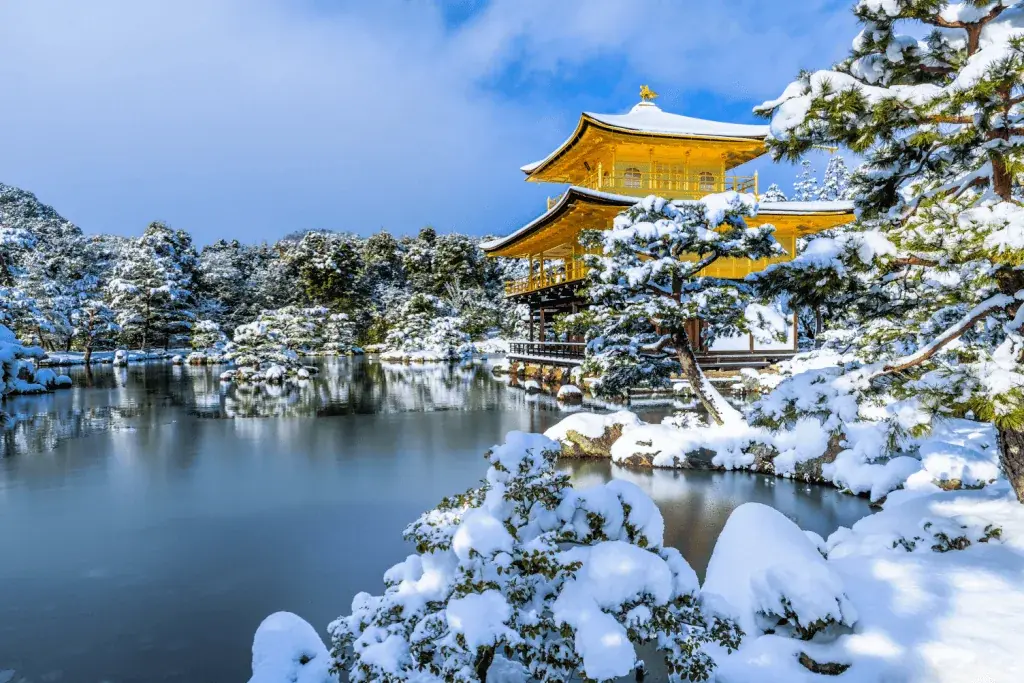
Tip: Festival dates and peak foliage/blossom times shift each year. Always check local forecasts and event schedules before booking your trip.
Cities & Regions to Explore
No two Japanese regions feel alike—Tokyo’s scale, Kyoto’s stillness, Osaka’s noise, Hokkaido’s open space, Okinawa’s warmth are worlds apart, even though a single rail pass can string them all together. Whether you’re a foodie, history buff, nature seeker, or nightlife lover, there’s a destination here that feels tailor-made for you.
Tokyo – The Futuristic Capital
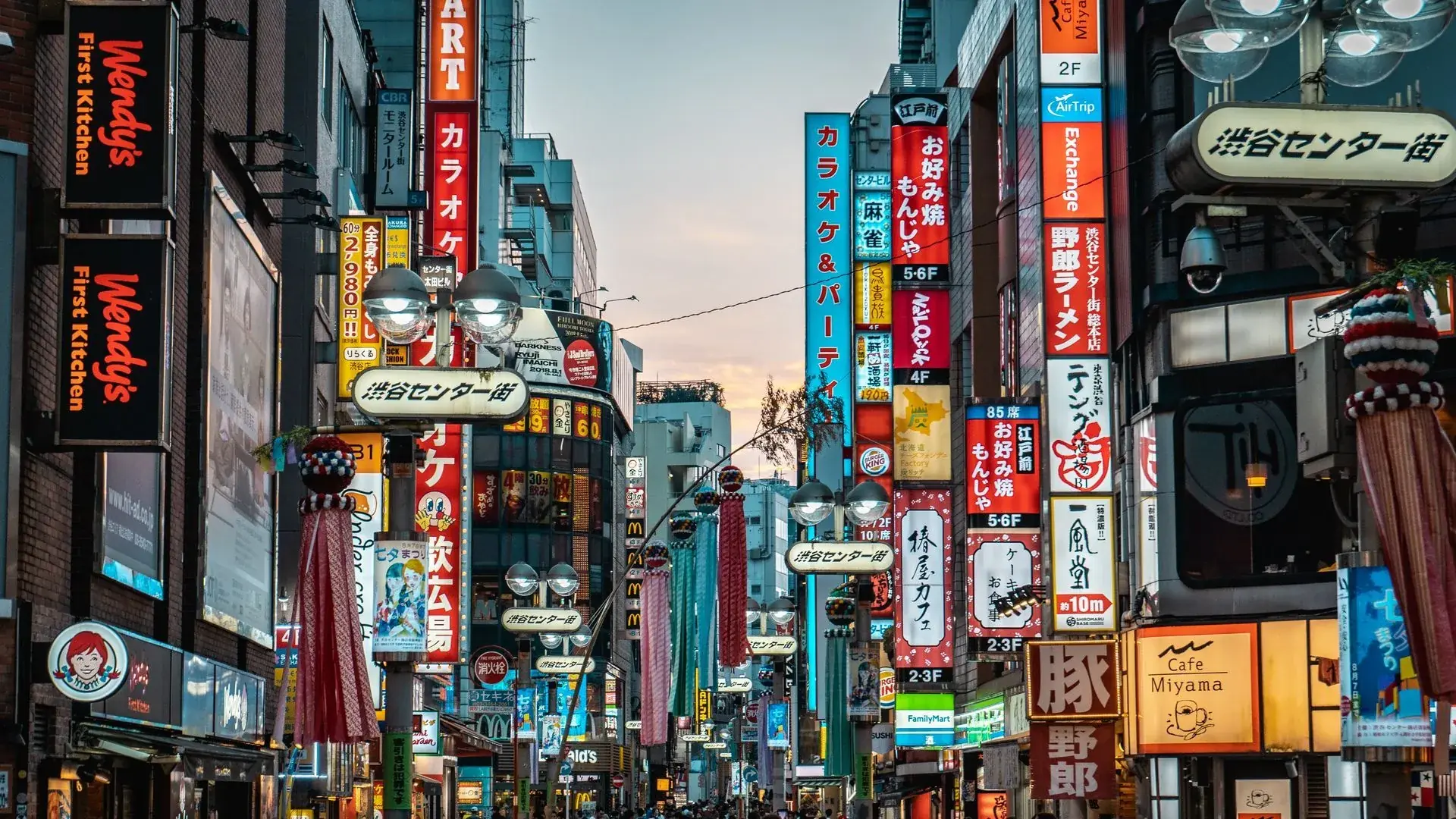
Stand at Shibuya Crossing at rush hour and a thousand people will cross around you in silence, then vanish into the neon of Shinjuku a few stops away. That whiplash—between orderly and overwhelming, ancient and instant—is what makes Tokyo Tokyo. Duck into Asakusa for the incense-thick approach to Senso-ji Temple, ride the elevator up Tokyo Skytree for a skyline that seems to run to the horizon, or trade the crowds of Harajuku and Ginza for the quiet paths of Shinjuku Gyoen. The city rewards wandering more than checklists.
Want to dive deeper? Check out our dedicated Tokyo Guide for insider tips, neighborhood highlights, and the best places to eat, shop, and experience the city like a local.
Kyoto – The Cultural Heart
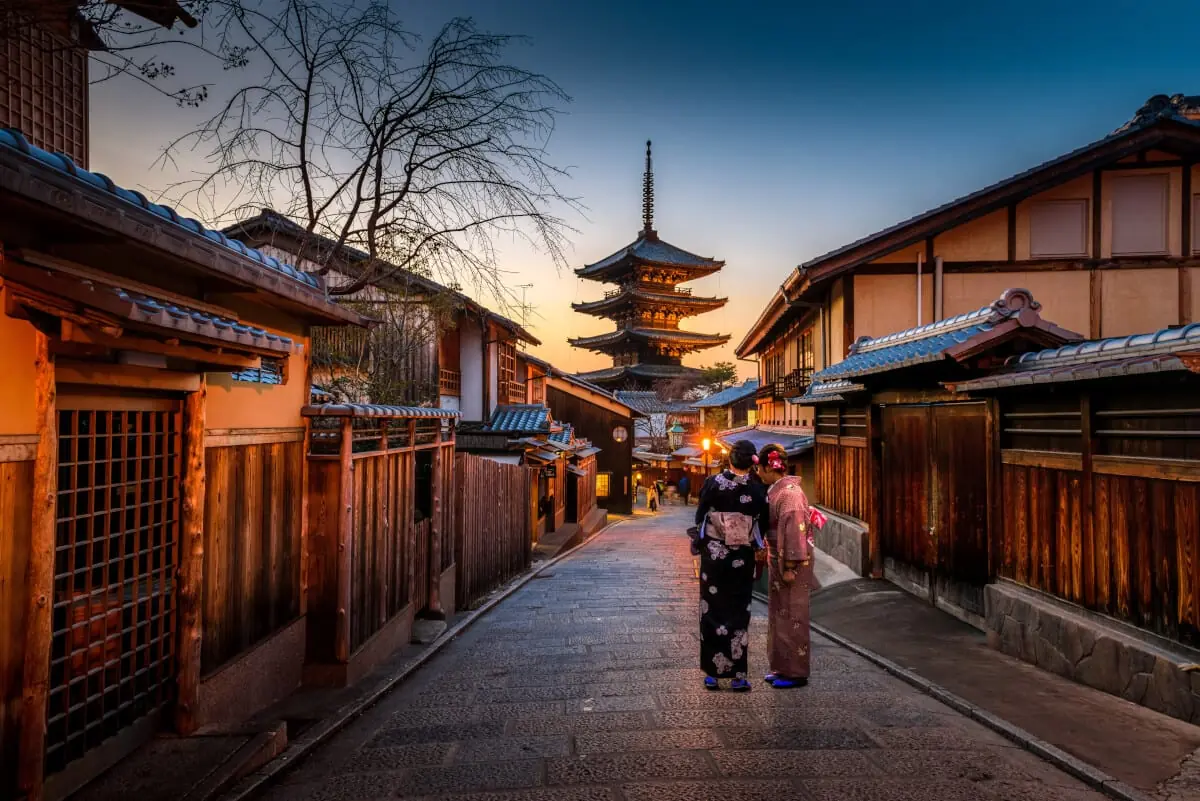
Kyoto doesn’t preserve its history behind glass—it lives in it. Wooden machiya houses still line the lantern-lit lanes of Gion, where you might spot a geiko hurrying to an evening appointment; the golden reflection of Kinkaku-ji still shimmers across its pond exactly as it has for centuries; and the thousands of vermilion gates at Fushimi Inari Taisha still climb the mountain in an unbroken tunnel, quieter the higher you climb. Add the bamboo groves of Arashiyama and the canal-side Philosopher’s Path, and Kyoto becomes the city for travelers who want to slow down and actually look.
Ready to wander Kyoto’s lantern-lit lanes, discover secret gardens, and savor matcha in historic teahouses? Unlock the city’s timeless magic in our Kyoto Guide—packed with local secrets, seasonal highlights, and tips for a truly unforgettable visit.
Osaka – Japan’s Kitchen
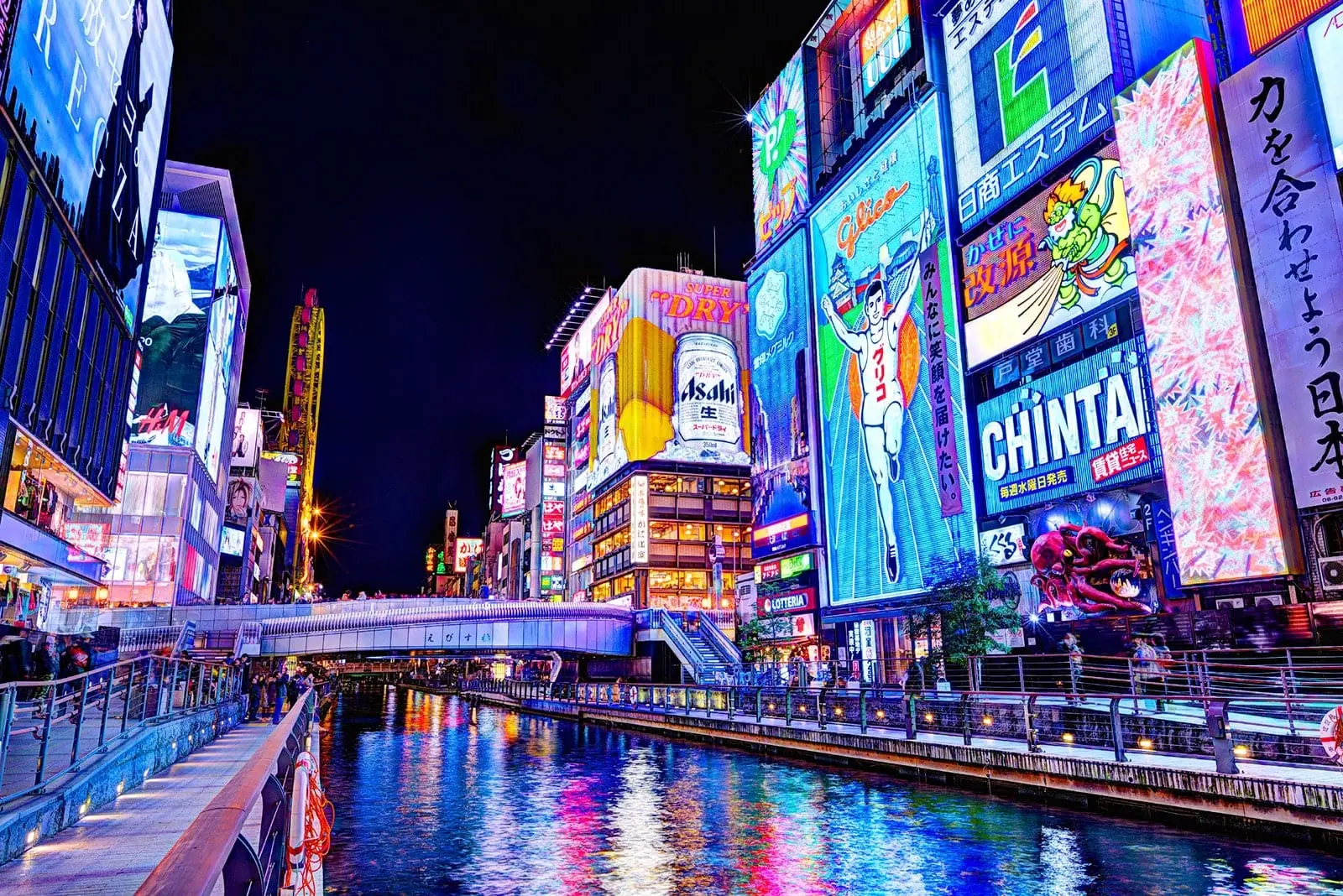
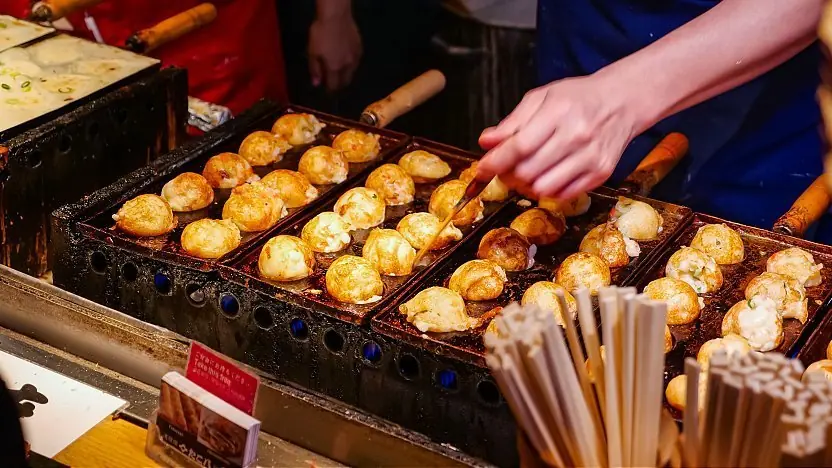
Follow the smell of grilling takoyaki down to the canal and you’ll end up in Dotonbori, where giant mechanical crabs and the glowing Glico Running Man sign preside over one continuous open-air food court. Osakans call their city "the nation’s kitchen," and they’re not exaggerating—wander Kuromon Ichiba Market for breakfast-hour sashimi, climb the reconstructed keep of Osaka Castle, browse the retro arcades and standing bars of Shinsekai, or spend a full day at Universal Studios Japan. Locals here are famously chattier and quicker to laugh than in Tokyo or Kyoto, and it shows in the city’s whole unpretentious, come-as-you-are energy.
Want to eat and explore like a local? Check out our Osaka Guide for the best food spots, nightlife tips, and must-see neighborhoods.
Hokkaido – Nature & Adventure
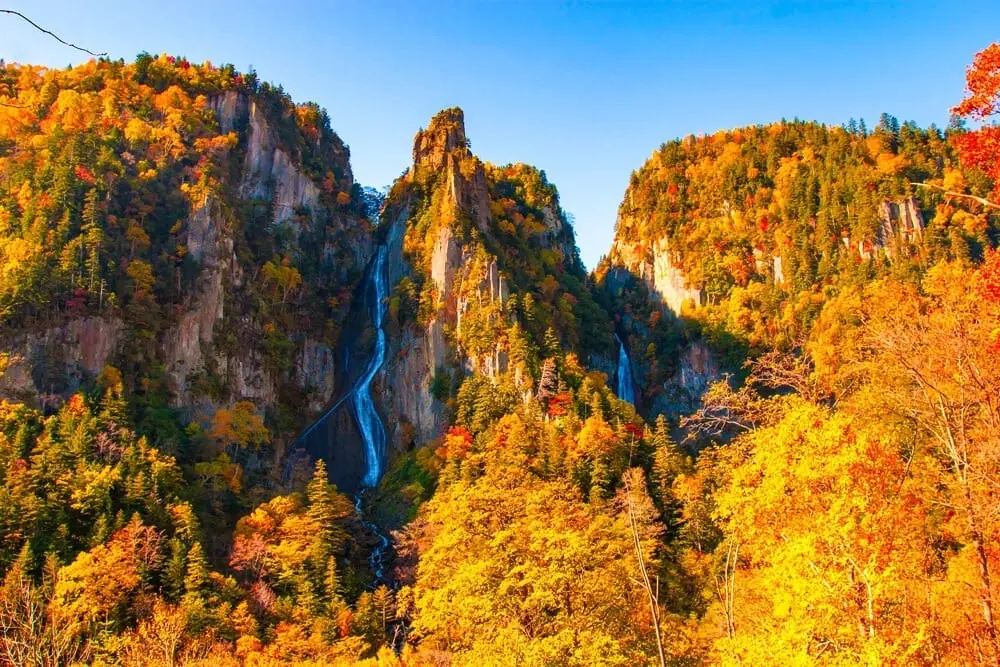
Hokkaido barely feels like the same country as Tokyo—wide-open roads, farmhouses instead of vending machines every ten steps, and air that actually smells like pine. In winter, the region draws powder-hunters to Niseko and Furano, where snowfall is measured in meters, not centimeters, and to the Sapporo Snow Festival, where entire building facades get carved from ice and snow. Come summer, the same hills turn purple and gold with lavender and sunflowers around Furano and Biei, while the wilds of the Shiretoko Peninsula offer a real shot at spotting brown bears and foxes from a safe distance. Cap off either season with an open-air onsen steaming against the cold.
Okinawa – Tropical Paradise
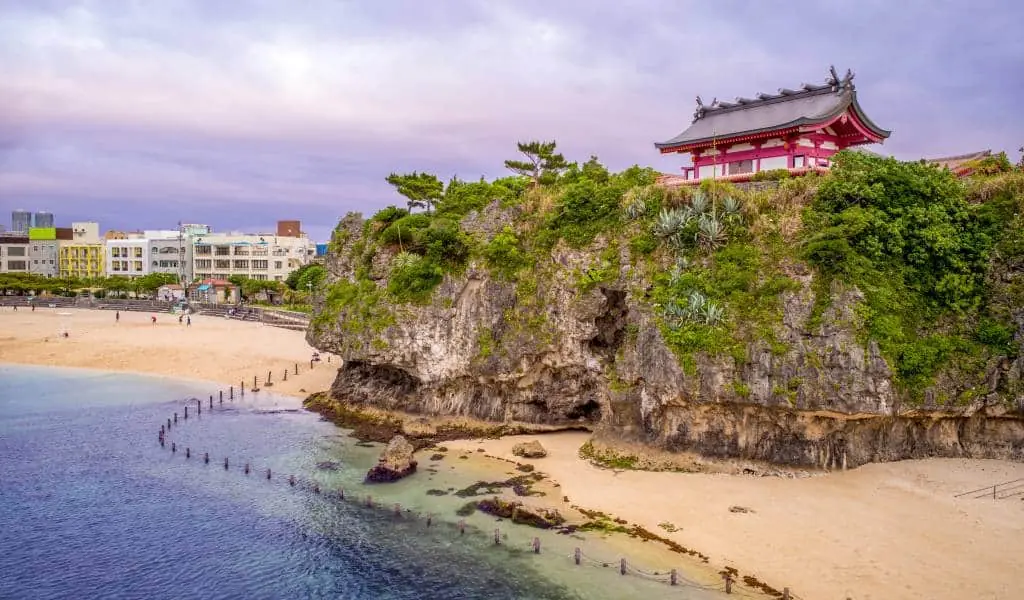
Fly two and a half hours south of Tokyo and the whole country changes register: palm trees, turquoise water, and a slower way of speaking and living that Okinawans call "Okinawa time." The diving here rivals anywhere in Asia—the Kerama Islands have some of the clearest water in Japan, and manta rays are a regular sighting off Ishigaki. Beyond the beaches, centuries as the independent Ryukyu Kingdom left Okinawa with its own language, cuisine, and music, still visible in the red-tiled roofs and stone lions of Shurijo Castle. It’s Japan, but with the volume turned down and the temperature turned up.
Food & Drink
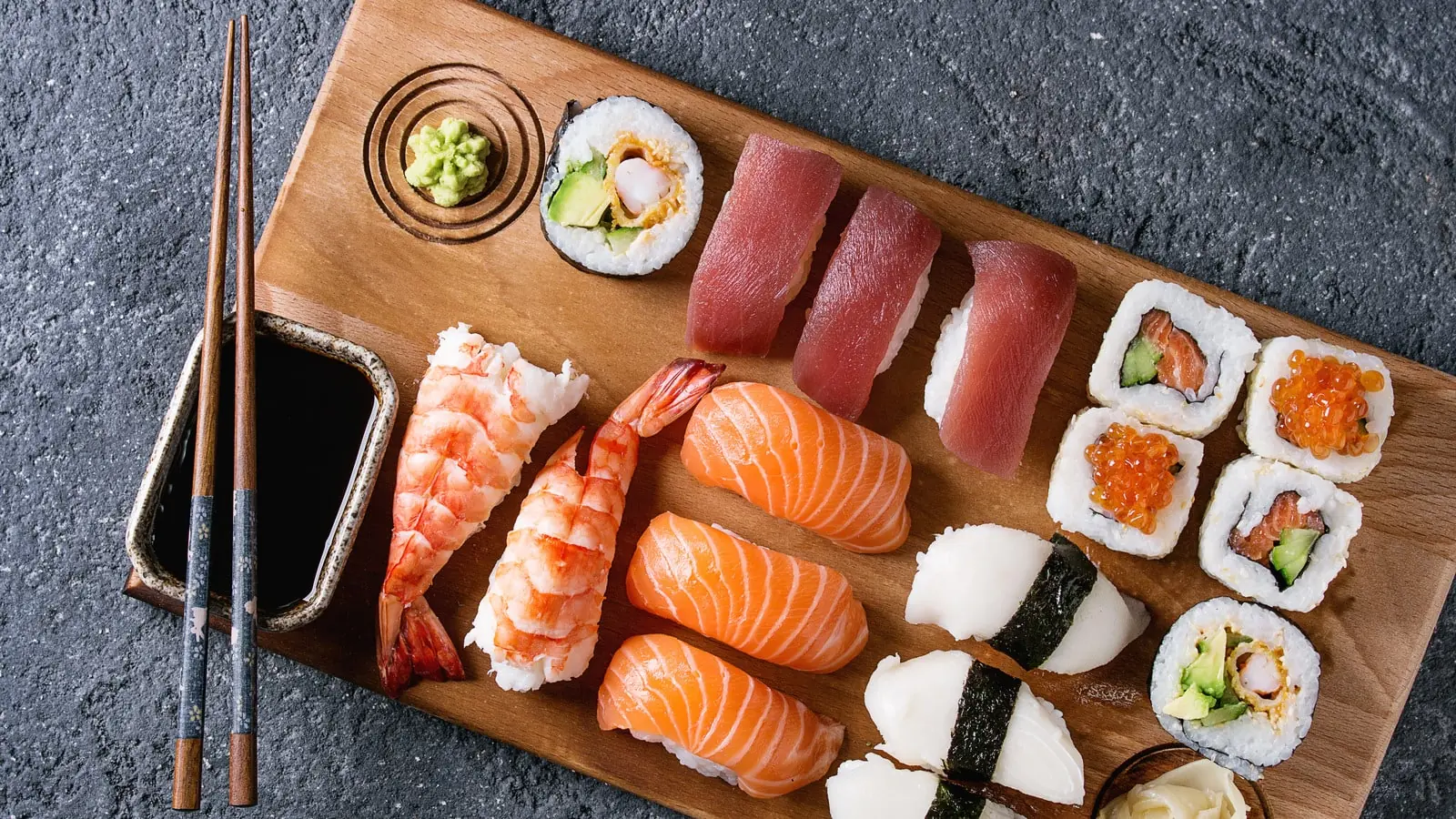
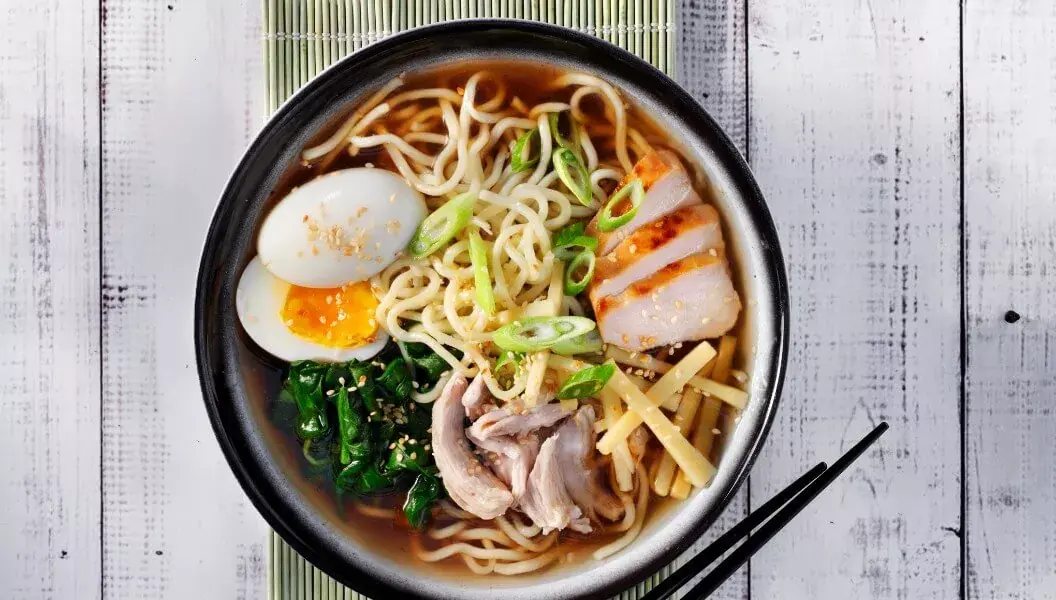
Tokyo alone holds more Michelin stars than most entire countries, yet some of Japan’s best meals come from a vending-machine ticket and a ten-seat counter. Street stalls, standing bars, department store basements, and quiet neighborhood spots all compete for the title of "best bowl in town"—whatever your budget, there’s a meal here worth planning your day around.
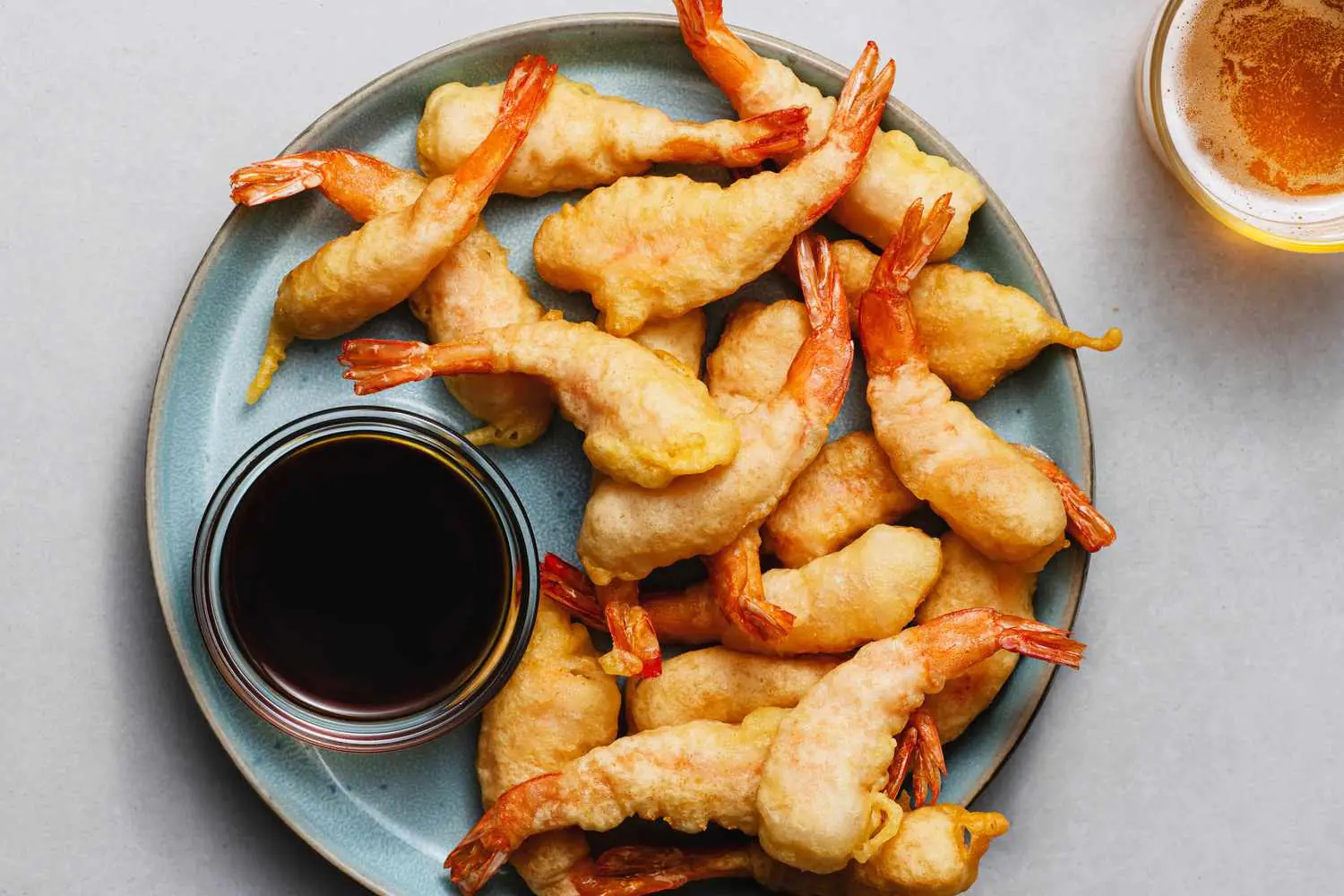
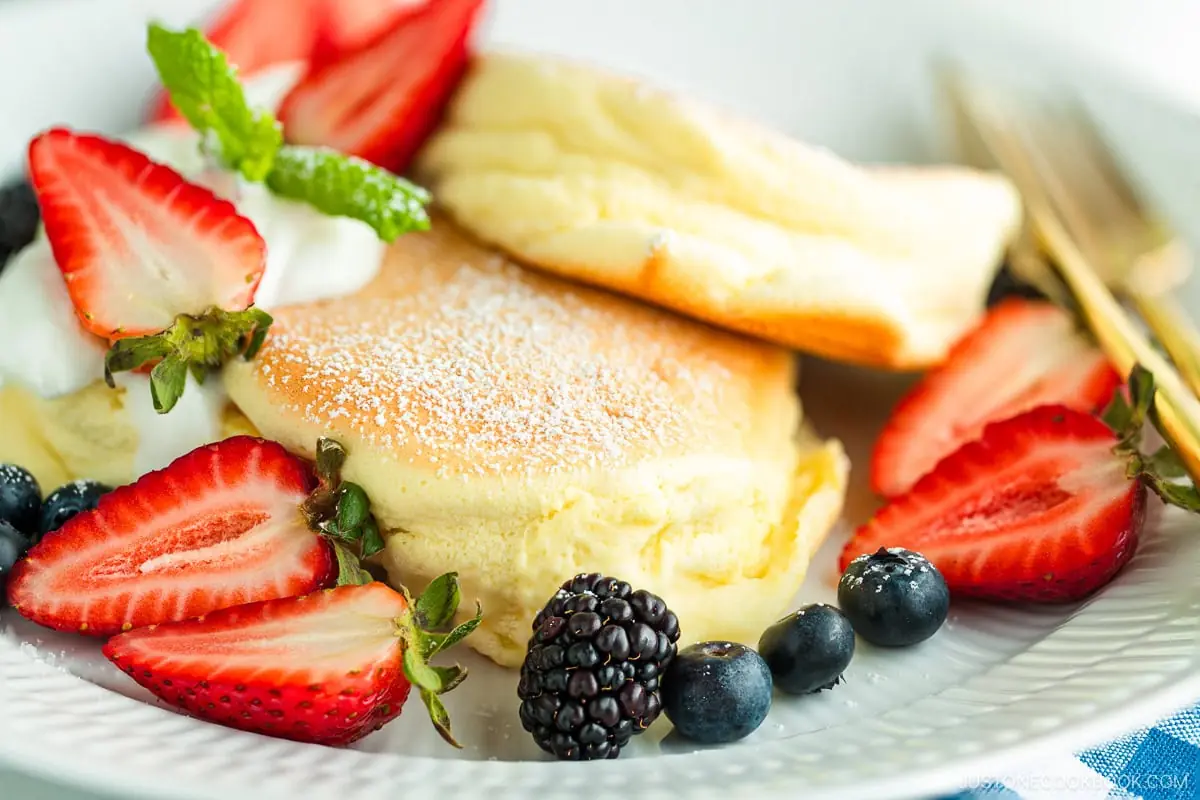
Must-Try Dishes
-2048.webp)
-2048.webp)
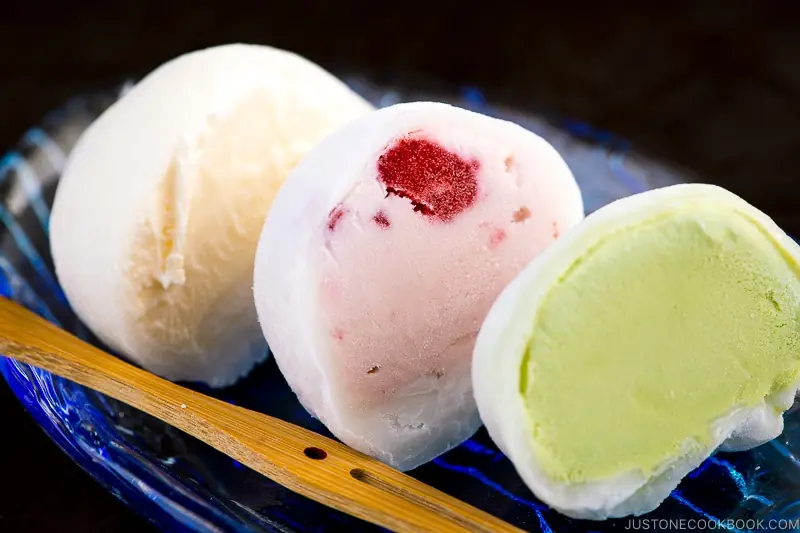
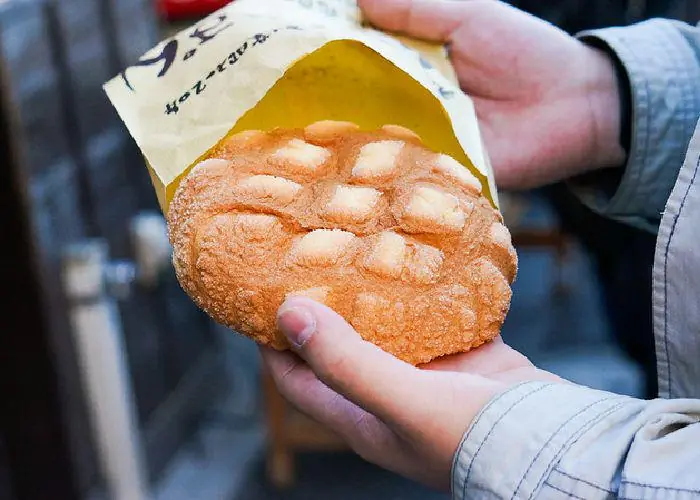
Tip: Many restaurants use ticket machines: select your dish by number or photo, then hand the ticket to staff.
Popular Chains for Convenience
 Ippudo
 Ichiran
 Yoshinoya
 7-Eleven
 Sushiro
Tip: Many shops and attractions typically open around 10 a.m. and close by 8–9 p.m.. However, restaurants and izakayas stay open later, while convenience stores are 24/7.
Culture & Etiquette
Japan runs on unspoken rules more than posted signs, and getting a few of them right will smooth almost every interaction you have. Here’s what to keep in mind:
Tip: Stand on the right side of escalators in Osaka (opposite in Tokyo), and let walkers pass on the left.
Tech & Apps
Japan is a country of robot hotel receptionists and fax machines in the same office. The right apps bridge that gap for travelers, smoothing out navigation, translation, and cashless payments alike.
That’s the thread running through all of Japan, from the Shibuya crossing to a quiet ryokan in the mountains: even the smallest routines are carried out with care, and that care is part of what makes traveling here so special.
Whether you’re wandering neon-lit streets, soaking in a quiet onsen, or exploring serene temples, Japan offers endless discoveries for every kind of traveler. With the practical tips in this guide, you’ll be ready to explore with confidence and appreciation.
Enjoy your journey—yoi tabi o! (良い旅を)