There's a particular kind of clarity that only comes from putting one foot in front of the other for hours, with nothing but a trail and a view to think about. These are the hiking destinations that reward the effort, from multi-day treks through high mountain passes to day hikes that pack in a lifetime of scenery.
Table of Contents
- Patagonia, Chile & Argentina
- The Dolomites, Italy
- Everest Base Camp, Nepal
- Milford Track, New Zealand
- Inca Trail, Peru
- Swiss Alps, Switzerland
- Zion National Park, USA
Patagonia, Chile & Argentina
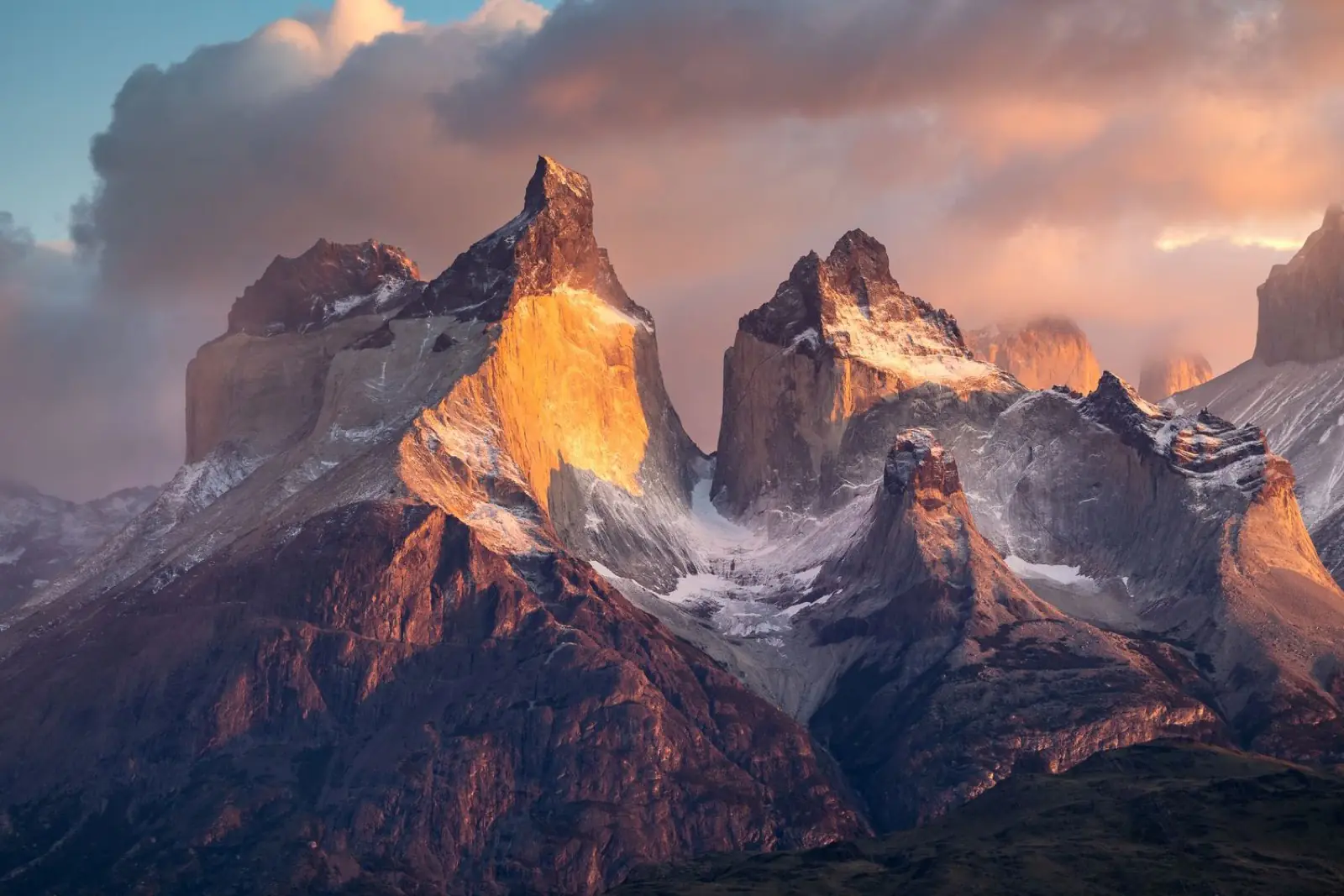
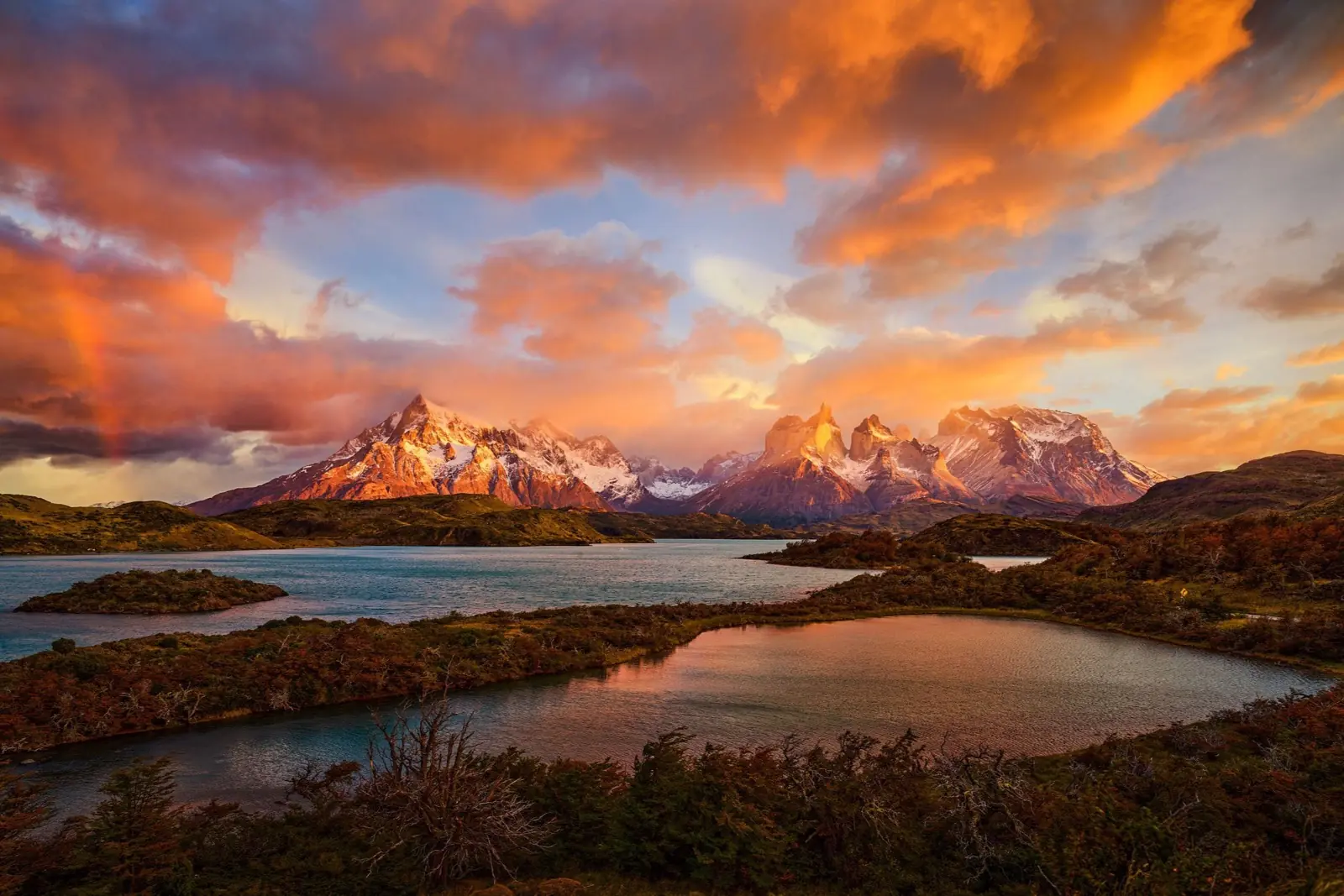
The granite towers of Torres del Paine National Park in Chilean Patagonia rise so sharply from the steppe that they look almost unreal, and the classic "W" trek strings together turquoise lakes, hanging glaciers, and windswept valleys over four to five days. Across the border in Argentina, the trail to the base of Mount Fitz Roy near El Chaltén delivers one of the most rewarding day hikes on the continent. Good to know: Patagonian weather changes fast and the wind can be relentless, so pack layers and a windproof shell no matter the season. The trekking season runs roughly October to April, with December through February being peak summer.
The Dolomites, Italy
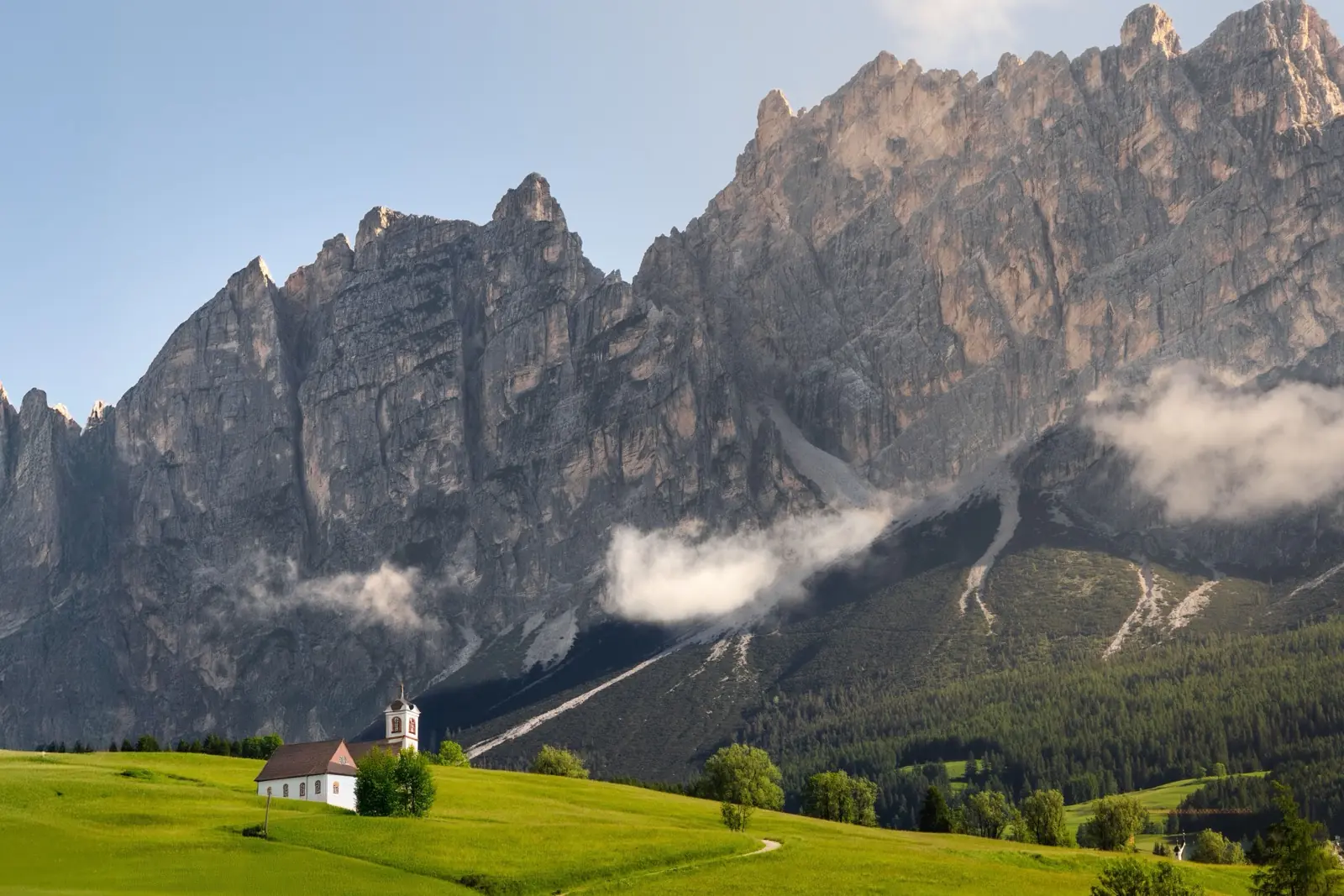
Jagged limestone spires glowing pink at sunset give the Dolomites their nickname, "the pale mountains," and the region's network of via ferrata routes and rifugio-to-rifugio hikes make multi-day trekking here remarkably civilized—you can hike all day and still sleep in a bed with a hot meal waiting. The loop around the Tre Cime di Lavaredo is one of the most iconic short hikes in the Alps, circling three dramatic rock towers in about four hours. Good to know: Book mountain hut (rifugio) reservations well ahead for summer, as the best ones fill up months in advance. Late June through September offers the most reliable weather and open trails.
Everest Base Camp, Nepal
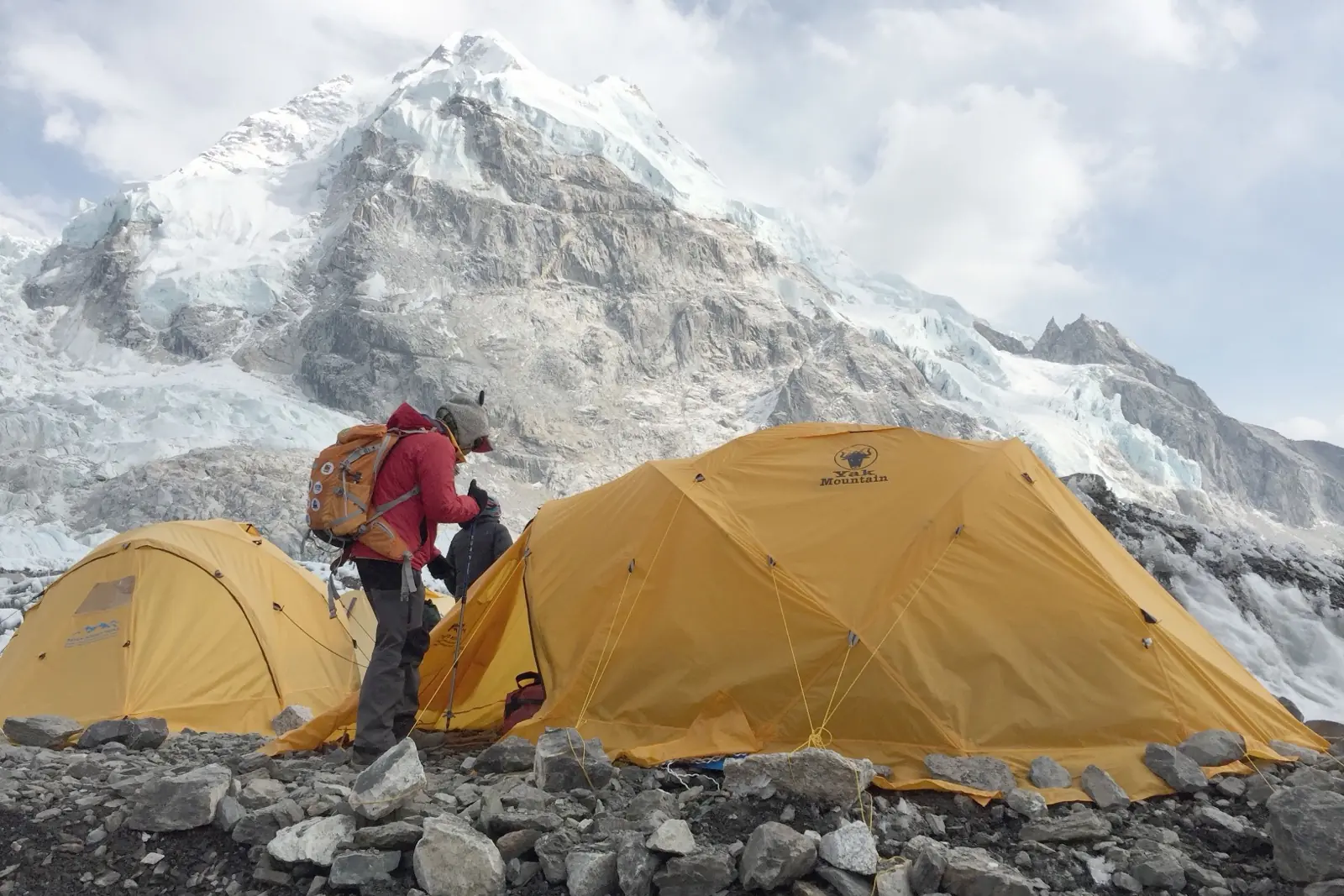
Trekking to Everest Base Camp in Nepal's Khumbu region is a bucket-list journey through Sherpa villages, prayer-flag-draped suspension bridges, and increasingly thin air, culminating in a close-up view of the world's tallest mountain. The roughly 12- to 14-day round trip from Lukla passes through Namche Bazaar and Tengboche Monastery, with the side trip up Kala Patthar offering the best panoramic views of Everest itself. Good to know: Altitude sickness is a real risk above 3,000 meters, so build in acclimatization days and consider travel insurance that covers high-altitude trekking. The best trekking windows are pre-monsoon (March–May) and post-monsoon (late September–November).
Milford Track, New Zealand
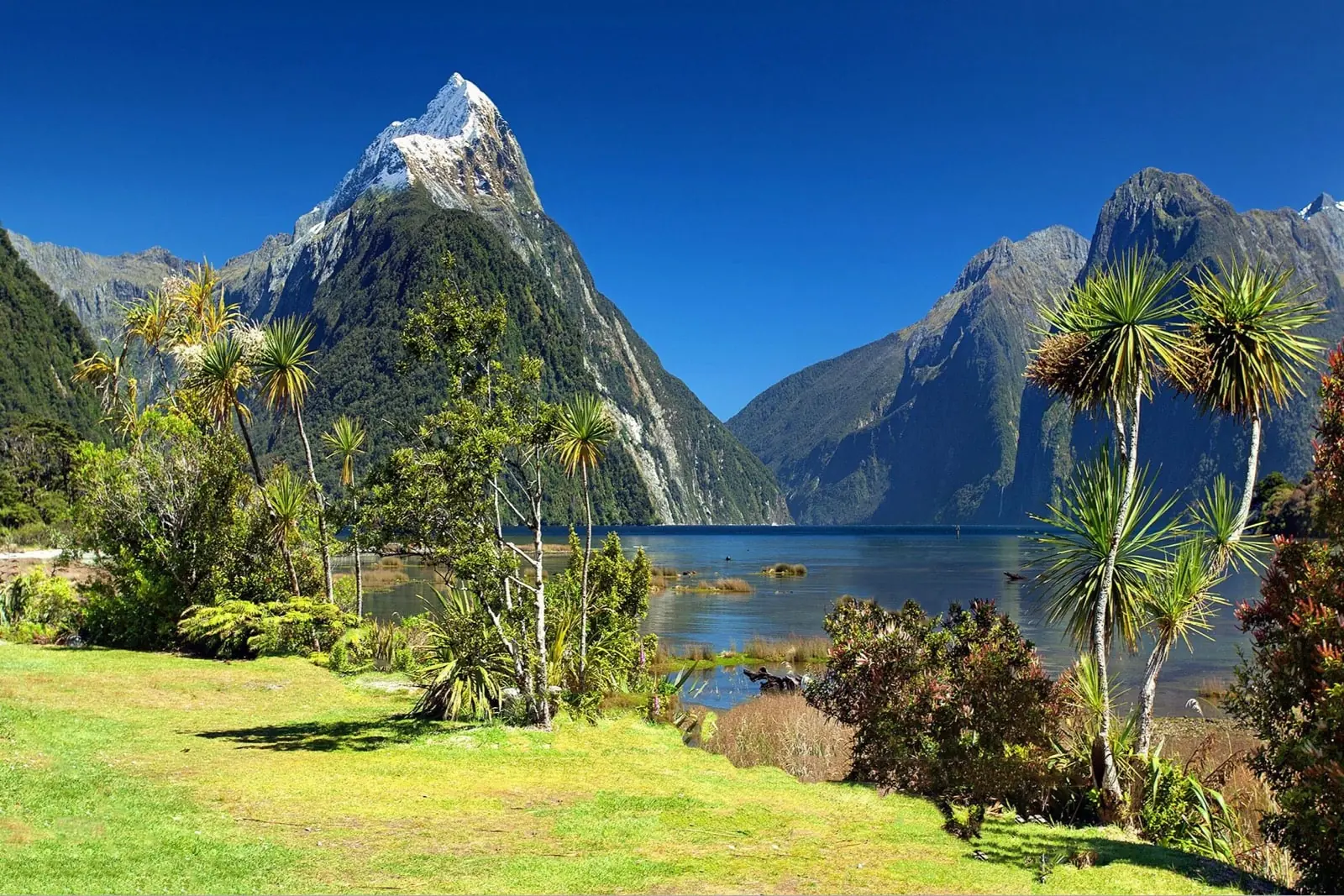
Often called "the finest walk in the world," the Milford Track in Fiordland National Park covers 53.5 kilometers over four days, climbing through beech forest and over the dramatic Mackinnon Pass before descending to the fjord at Milford Sound, past Sutherland Falls, one of the tallest waterfalls in New Zealand. It's a fully guided or independent hut-to-hut trek accessible only by boat and on foot—no roads lead in or out. Good to know: The New Zealand Department of Conservation caps daily hiker numbers and requires advance hut bookings, which open months ahead of the November-to-April season and sell out quickly. Sandflies are a genuine nuisance, so pack repellent.
Inca Trail, Peru
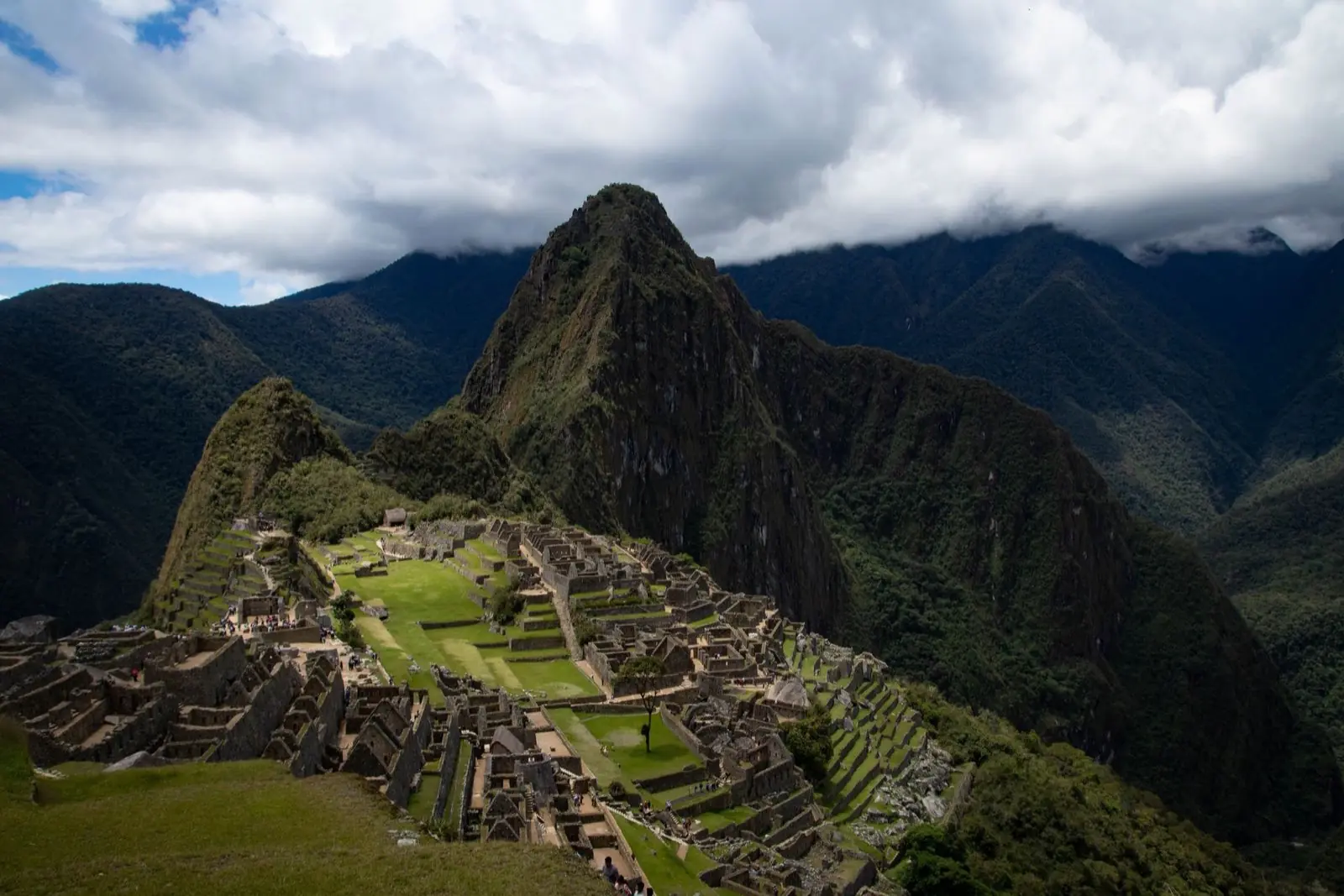
The classic Inca Trail to Machu Picchu is a four-day trek along stone paths laid by the Inca centuries ago, crossing high Andean passes and passing smaller ruin sites before arriving at the Sun Gate for a first, unforgettable view of the citadel at sunrise. The trail tops out at Dead Woman's Pass, over 4,200 meters above sea level, making acclimatization in Cusco beforehand essential. Good to know: Peru's government limits permits to 500 people per day, including guides and porters, so book through a licensed operator at least four to six months ahead, especially for June-to-August departures. The trail closes every February for maintenance.
Swiss Alps, Switzerland
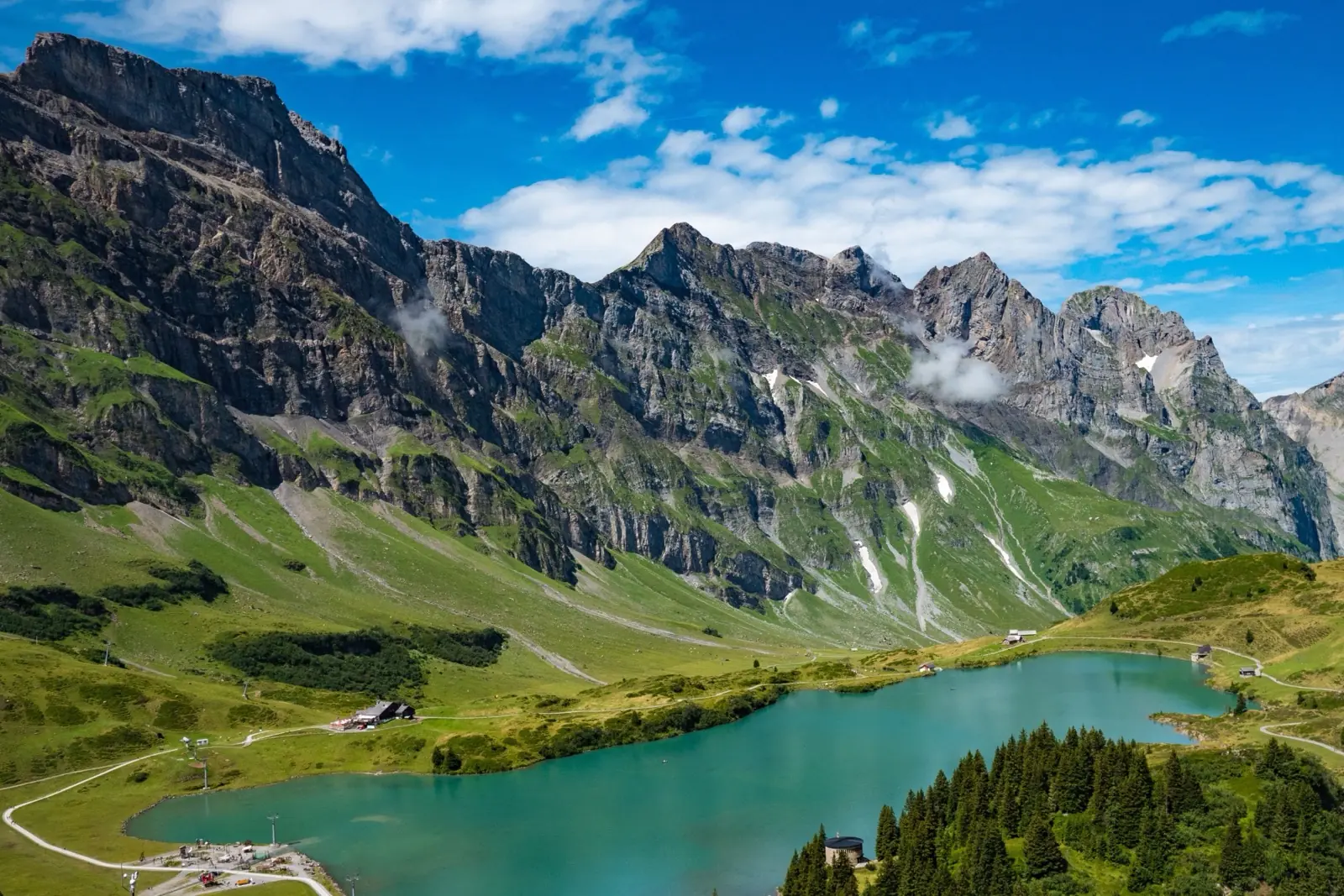
Few places make world-class hiking this accessible: the Swiss Alps are laced with over 65,000 kilometers of well-marked, well-maintained trails, many reachable directly by train or cable car. The multi-day Haute Route between Chamonix and Zermatt is legendary among serious trekkers, while day hikes around Zermatt and Grindelwald offer close-up views of the Matterhorn and Eiger without the commitment of a long trek. Good to know: Switzerland's trail signage uses a simple color code—yellow for easy walks, white-red-white for mountain trails requiring sure footing. Huts (berghütten) along popular routes should be booked ahead for the July-to-September season.
Zion National Park, USA
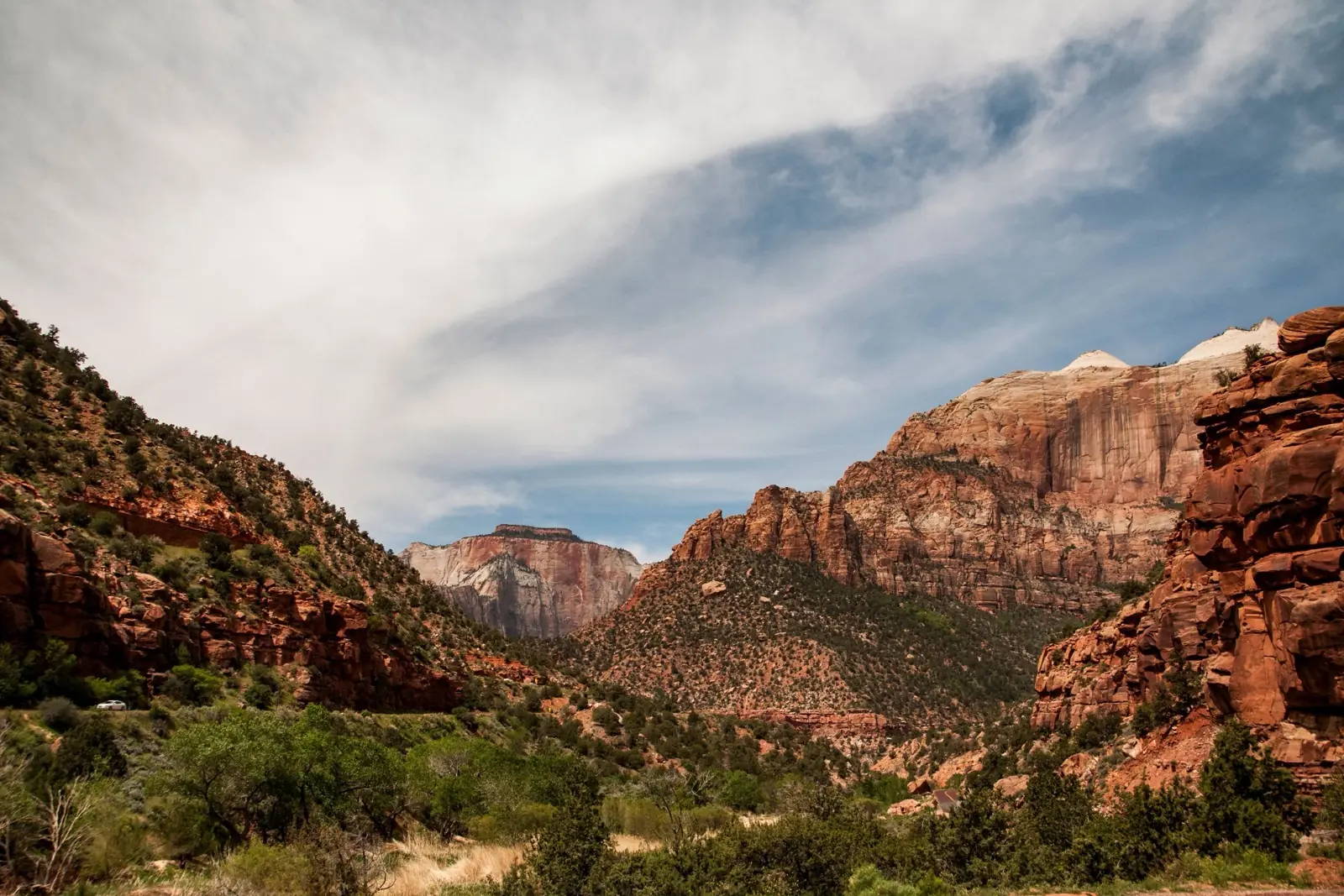
Utah's Zion National Park packs dramatic canyon scenery into a compact space, from the chain-assisted scramble up Angels Landing, with its knife-edge ridgeline and sheer drop-offs, to wading through the Virgin River itself on The Narrows hike. Both are among the most rewarding—and most popular—hikes in the American Southwest. Good to know: Angels Landing now requires a permit obtained through a lottery system, so apply well before your trip. Summer afternoons bring flash flood risk in The Narrows, so check conditions and start early in the day.
Whether it's a four-day trek to a sunrise at Machu Picchu or a single unforgettable day on a chain-assisted ridge in Utah, these trails prove that the best views really do come to those who walk for them. Break in your boots, check the forecast, and start planning.