Spring is the hiker's paradox: the forecast is a coin flip, the sky changes its mind hourly, and you might summit under blazing sun or beat a retreat through fresh snow — sometimes on the same afternoon. And that's exactly why spring is when hiking is best.
Summer hiking is a queue with a view. Trails get trampled into dust, water sources run predictable and dull, and heat haze smudges every horizon. Winter hiking, meanwhile, demands gear and skills most of us don't have lying around. Spring splits the difference brilliantly: all the drama and rawness of winter, none of the technical gear; all the ease of summer, none of the crowds.
Here are the destinations where spring gets it exactly right.
Dolomites, Italy — Bloom Before the Crowds
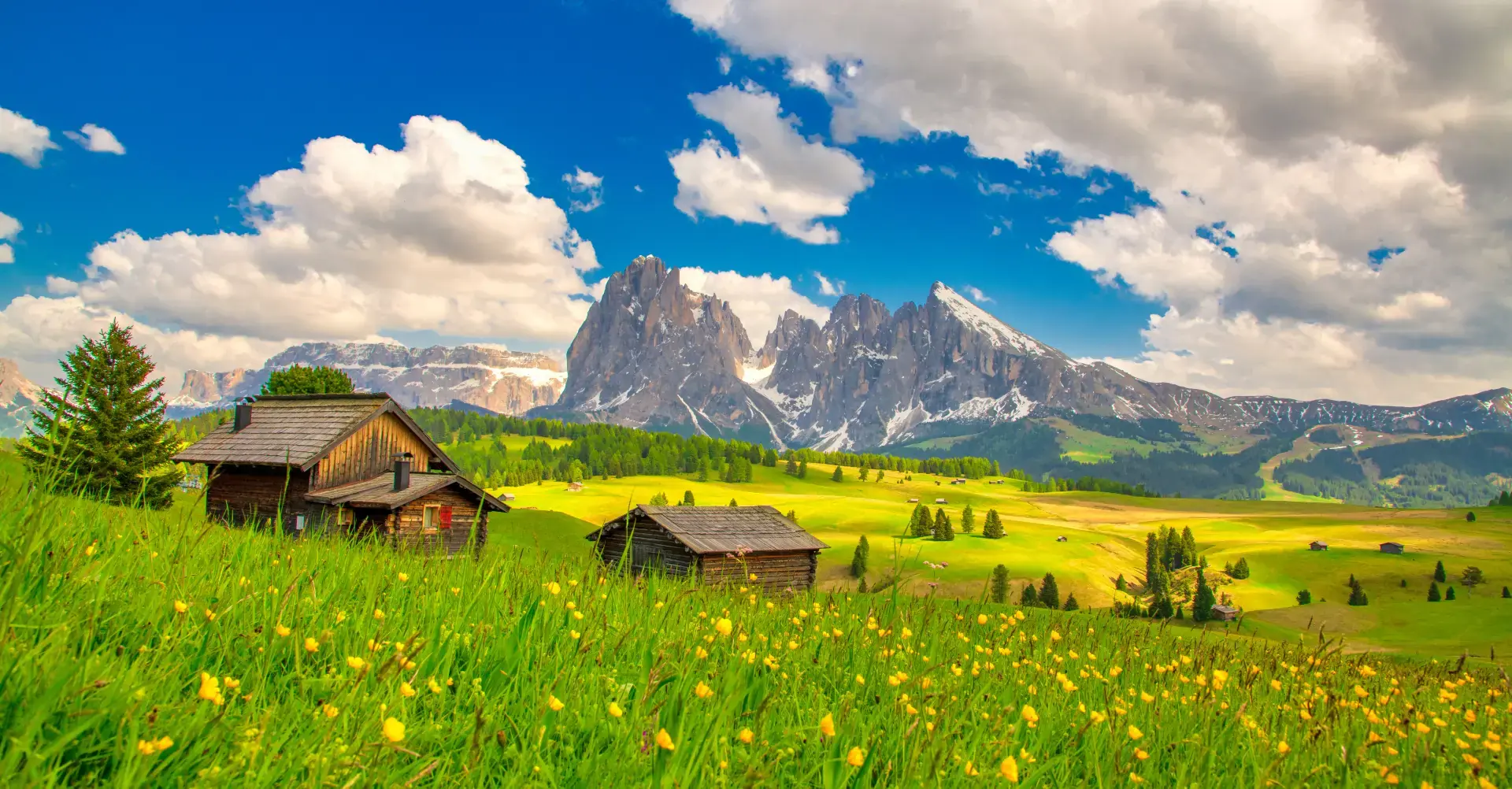
The Dolomites don't just wake up in spring — they explode. Wildflowers erupt across alpine meadows around 2,000 meters, waterfalls run fat and furious on snowmelt, and mountain huts creak back open, first for weekenders in May, then full-time by June. The real hiking season starts in May, not July — most people just haven't noticed yet.
The Tre Cime circuit — the Dolomites' headline act — is doable in May if you pack proper gear (the weather here changes its mind fast; bring layers and expect it). Three pale limestone giants rise straight out of green valleys still glistening from winter melt.
The Tre Cinque Torri route is the quieter sibling: just as beautiful, far less famous, and blessedly free of crowds. Budget 4–5 hours for the full circuit.
Beds fill fast on May weekends, but hike on a weekday and you'll get something rare — real solitude at some of the most photographed viewpoints in Europe. Drive two hours from Venice and step into an entirely different world.
Plitvice Lakes, Croatia — Waterfalls at Maximum
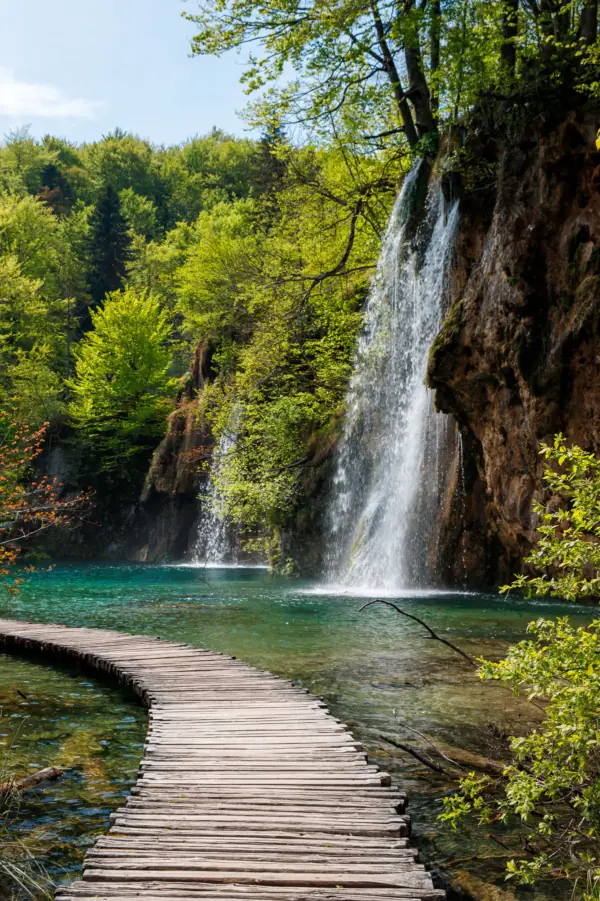
Plitvice Lakes National Park straddles the Croatian-Slovenian border, a staircase of turquoise lakes tumbling into one another through beech forest. Yes, it's famous. But the version of Plitvice you meet in spring barely resembles the postcard-crowd version everyone complains about in July.
In April and May, snowmelt pours into the lakes and the waterfalls hit full throttle — thundering, not trickling. The water runs crystal-clear thanks to the limestone filtering it, the forest glows that impossible new-leaf green, and the tour buses haven't arrived yet; crowds don't peak until June.
Permits are required (daily visitor numbers are capped), but in May they're easy to snag. The signature route loops the upper lakes — about 8 kilometers, 3–4 hours — though shorter, partial routes still deliver the postcard cascades if you're short on time.
The nearby town of Slunj serves up excellent food, and a bed there costs about half what you'd pay on the Adriatic coast.
Peloponnese, Greece — Mountains Meet Myth
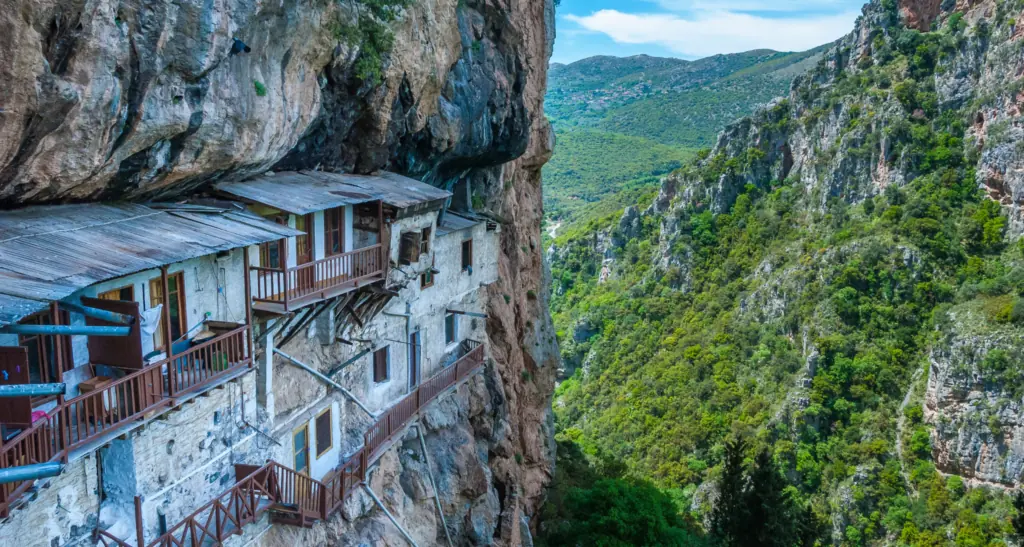
The Peloponnese is mountainous, Mediterranean, and somehow still off the hiking map entirely. April and May hit a sweet spot: the lowlands are warm enough for shorts, the high trails still wear a dusting of snow, and none of it requires technical access.
Mount Erymanthos and Mount Cyllene are the classic spring targets — neither one technically demanding, both delivering views that stretch toward three countries, and both walkable as long day hikes straight from nearby towns. Multiple multi-day trekking routes also open up here as spring takes hold.
Guidebooks exist, but they're scarcer than their Alpine counterparts — which sounds like a drawback until you realize it means fewer hikers on the trail with you. English-speaking guides are easy to find in most towns, and hiring one turns a good hike into an unforgettable one.
Costs run roughly 40% below Alpine Europe. The wine, meanwhile, punches well above its price tag.
Swiss Appenzell Alps — Pastures and Villages
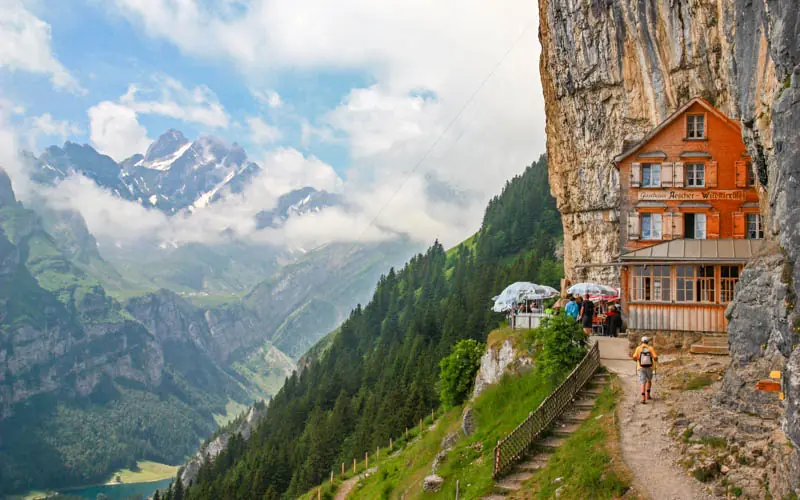
Tucked into northeastern Switzerland, east of Zurich, the Appenzell Alps live in the shadow of the more famous Bernese Oberland — and that's their whole appeal. Rolling green pastures, farmhouses with hand-painted shutters, the distant clank of cowbells, and trails that wander straight through storybook villages instead of around them.
Spring is the sweet spot: the high snow has retreated but the lower trails haven't yet been pounded flat by summer foot traffic. The Säntis region alone offers several day hikes in the 15–25 kilometer range with gentle, forgiving elevation gain.
The Appenzell Alps run on cheese and cider, and that's not incidental — base yourself in a village (Appenzell town itself is picture-perfect), eat like a local, and the hiking stops feeling like a checklist item and starts feeling like the whole point.
Caucasus, Georgia — Scale and Solitude
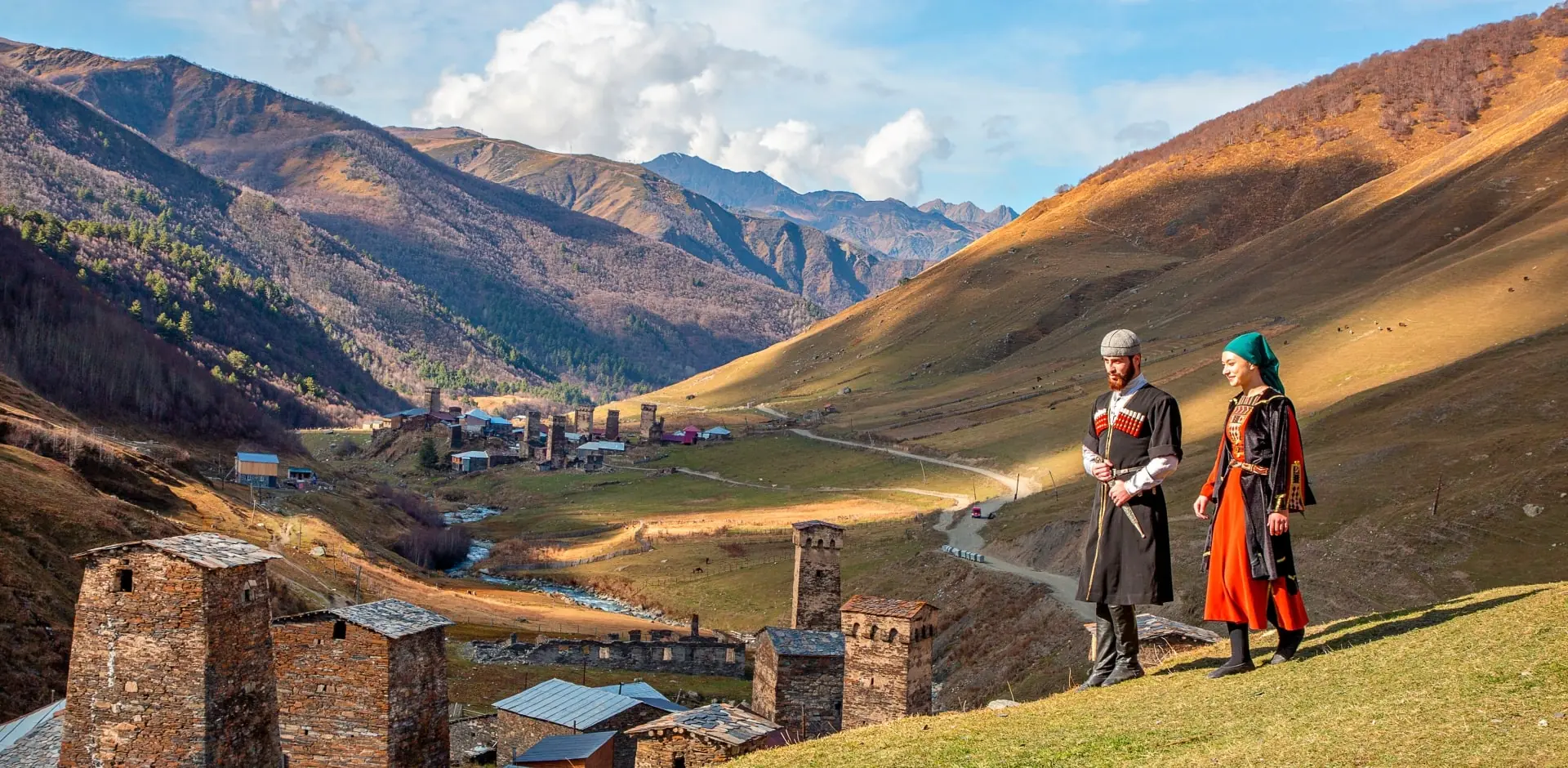
The Caucasus mountains erupt from Georgia's border and don't stop climbing until Elbrus tops out near 5,700 meters. Most high routes belong to July and August, but the lower-elevation trails and valley day hikes swing open by late May.
The Svaneti region — a mountain-ringed valley in northwestern Georgia — is famous for its stone defensive towers and villages that look untouched by centuries. Routes from Mestia and Ushguli are jaw-dropping, and May hands you stable weather before the summer rush ever shows up.
Scale and solitude like this simply don't exist in Western Europe anymore. You'll pass fewer Western hikers here than on any famous Alpine trail, and the guides — inexpensive, sharp, deeply knowledgeable — are half the experience.
Accommodation is basic, sometimes rough around the edges, but it has soul. This is hiking with the wildness still left in.
Timing, Gear, and Spring Specifics
Spring weather doesn't play fair, even in destinations where the odds are generally in your favor. Pack accordingly:
- Layers (you might start the day in a T-shirt and end it in a jacket, same elevation, four hours later)
- Rain gear (afternoon thunderstorms are practically a spring tradition)
- Sun protection (high elevation plus spring sun equals surprisingly fierce UV)
- Trekking poles (trail conditions swing wildly; your knees will thank you on the descents)
Water runs plentiful in spring — snowmelt keeps every stream full — but don't bank on huts or lodges being open for a hot meal. Bring your own snacks.
Stick to day hikes over multi-day treks. Spring conditions can flip fast, and you don't want to be committed to a route when the sky changes its mind. Save the multi-day treks for later in the season, once routes and weather settle into a predictable rhythm.
Go now, not later. Crowds start swelling in most of these regions by late May, and full chaos hits by July. April and early May are your window — and it's closing faster than you'd think.