Every spring, the world throws off its coat and blushes. Hillsides catch fire with poppies. Valleys drown in lupines. Ancient meadows wake up the same way they have for centuries — utterly indifferent to us, answering only to rain and warmth and the tilt of the sun.
You don't need to travel far to witness something extraordinary. But travel far enough — to the right place at the right moment — and you'll stumble onto landscapes that look less like Earth and more like something an artist invented and got away with.
These are the wildflower destinations worth planning your spring around in 2026.
Table of Contents
- Andalusia, Spain — Poppy Fields and Rolling Hills
- Provence, France — Beyond the Lavender
- The Keukenhof Region, Netherlands — A Living Canvas
- Castelluccio di Norcia, Italy — The Flowering Plain
- The Atlas Mountains, Morocco — Almond Blossoms and Wildflower Valleys
- Lofoten Islands, Norway — Arctic Spring
- Tasmania, Australia — Winter in the North, Spring in the South
Andalusia, Spain — Poppy Fields and Rolling Hills
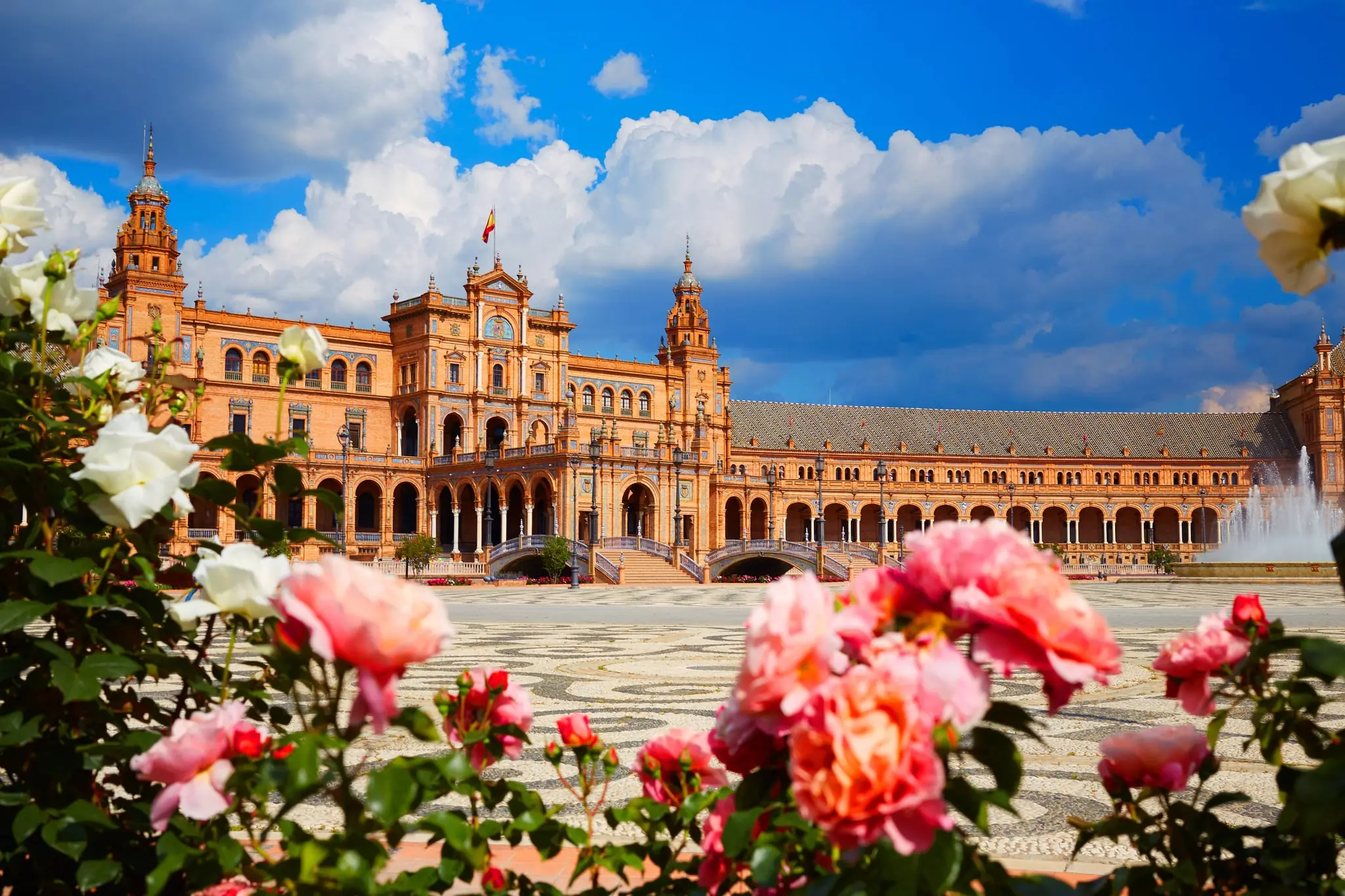
In April and May, the rolling countryside of Andalusia catches fire — not with flame, but with scarlet and gold. Poppies flood the hillsides between olive groves, and the roadsides between Córdoba and Ronda blur into ribbons of colour so vivid they look retouched, even under an Andalusian sky that needs no help looking dramatic.
Head inland for the good stuff — the villages of the Sierra de Grazalema and the quiet back roads of the Campiña de Sevilla. But honestly, even a lazy drive out of Seville into open country will make the case for you: Andalusia in spring is one of the most visually overwhelming experiences Europe has to offer.
Stay in a rural finca, walk paths that traders wore smooth centuries ago, and eat your evening meal on a terrace watching the hills blush deeper red as the light drops.
Provence, France — Beyond the Lavender
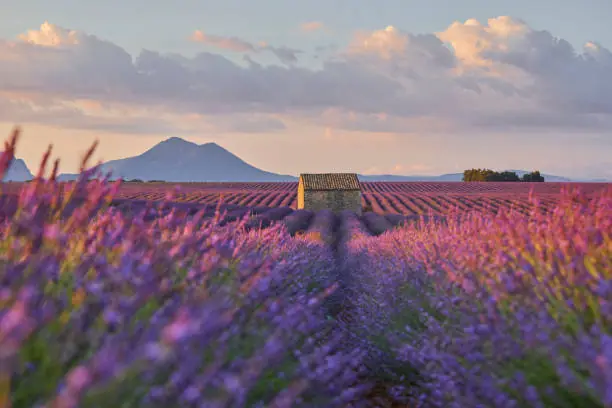
Provence's lavender season gets all the postcards, but it doesn't even show up until late June. Everyone's missing the real secret: spring Provence, which is arguably more beautiful — and, crucially, still yours alone.
In May, the fields around the Luberon and Verdon Gorge erupt with poppies, wild irises, crown daisies, and orchids. The almond trees that flowered back in February hand the baton to cherry blossoms in April, and the whole region seems to hum with colour and scent, like it's warming up for summer.
The villages of Gordes, Roussillon (with its ochre cliffs glowing like embers), and Apt make ideal bases for wildflower walks. Even the Plateau de Valensole — the name synonymous with lavender come summer — is quietly staging other flowers first, before the purple takes over. Pack decent walking shoes and leave your schedule empty.
The Keukenhof Region, Netherlands — A Living Canvas
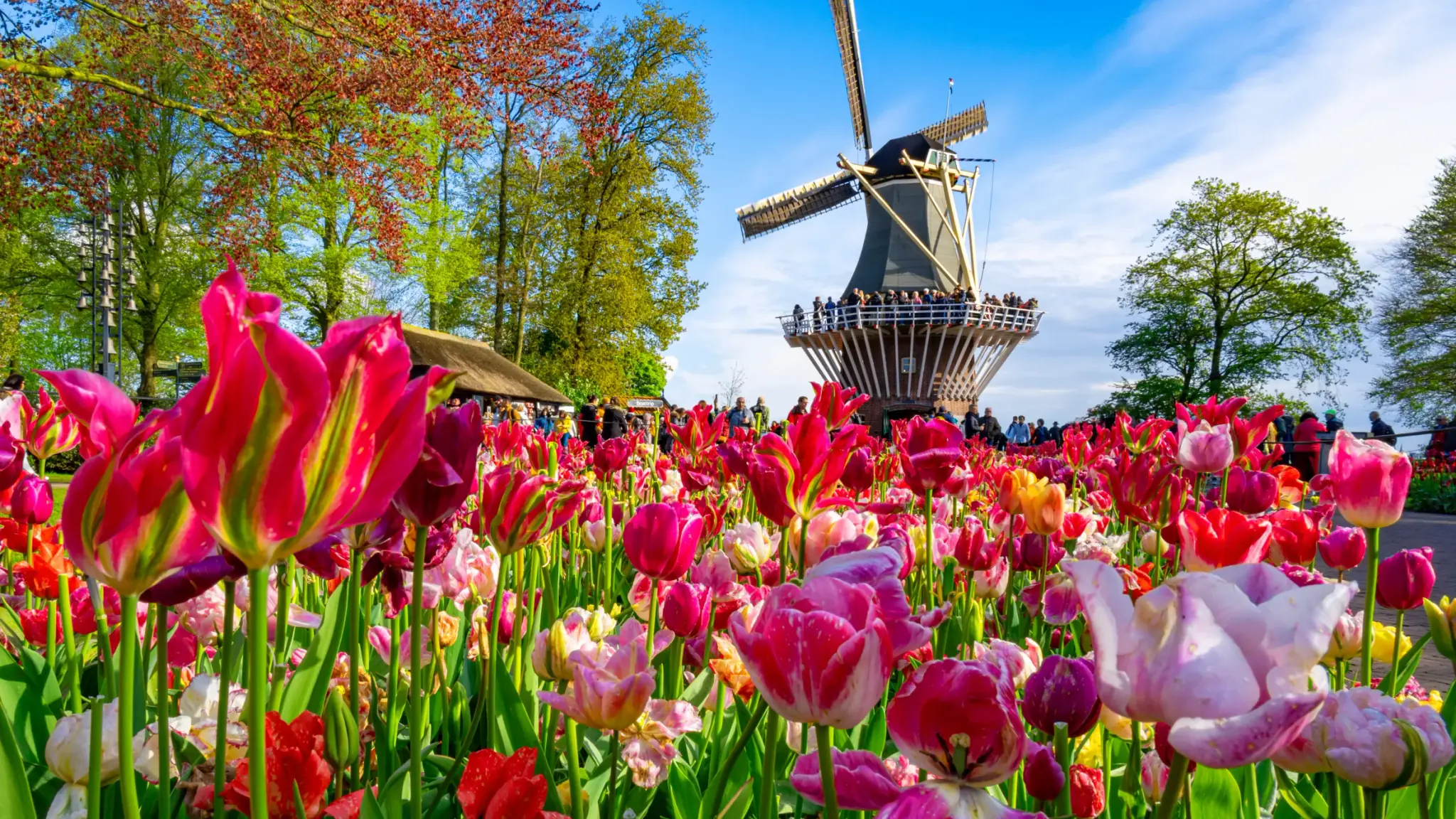
The Keukenhof gardens near Lisse are the most visited spring garden on the planet, and one look explains why. Seven million bulbs, packed into 32 hectares, throw a different party every week from mid-March through mid-May — tulips, hyacinths, daffodils, narcissi, all competing for your attention.
But the real spectacle happens outside the garden gates. Drive or cycle through the Bollenstreek (Bulb Region) between Leiden and Haarlem and the whole countryside turns into an open-air gallery, colour running to the horizon in every direction. Striped fields of pink, yellow, deep purple, and white unspool beside canals, windmills, and cycling paths like something out of a Dutch master's sketchbook.
Go early, before the light climbs and the tour buses roll in. In that first quiet hour, the landscape stops looking real.
Castelluccio di Norcia, Italy — The Flowering Plain
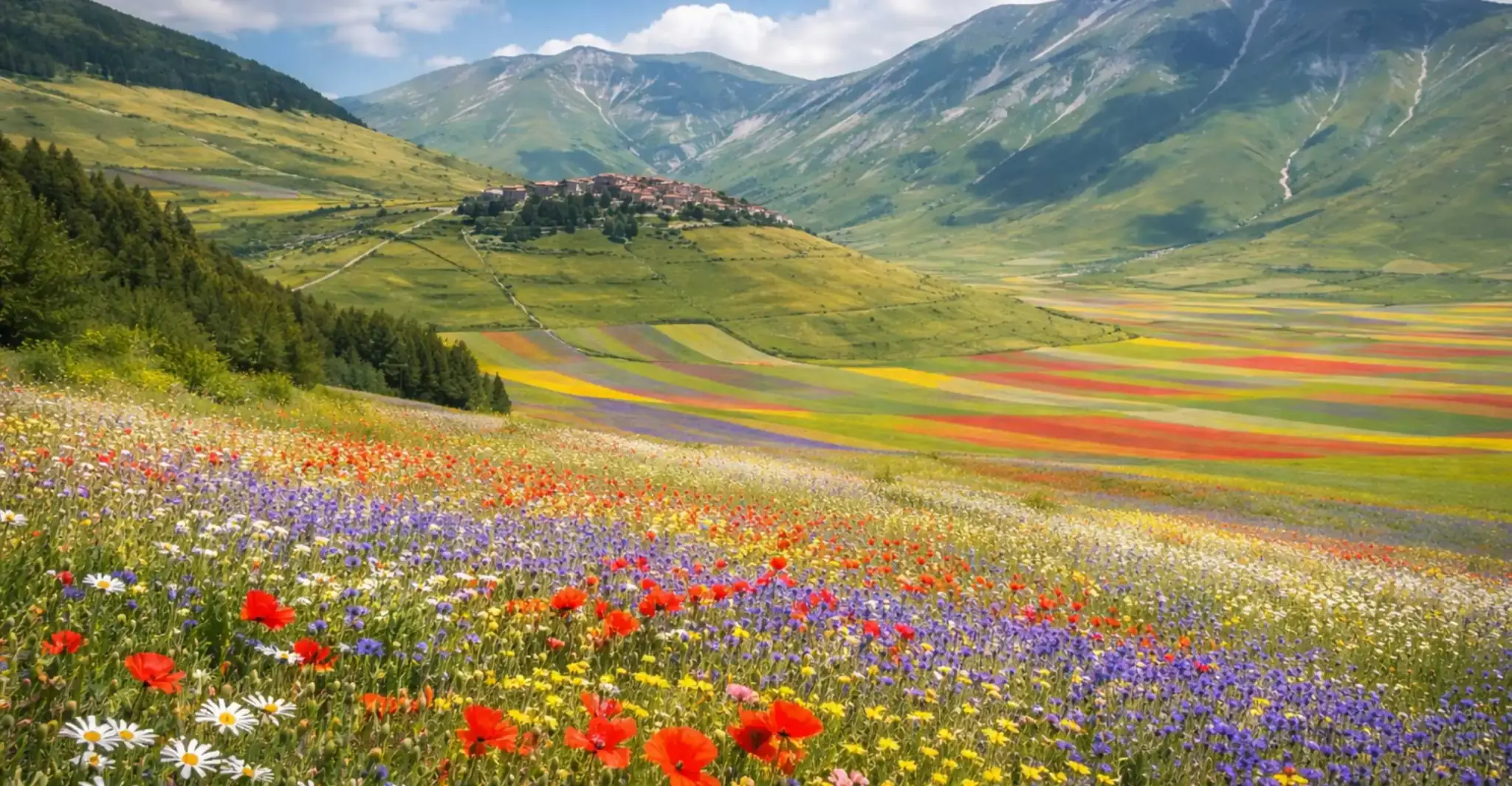
High in the Apennines of Umbria, a vast limestone plateau called the Piano Grande pulls off one of Italy's most dramatic tricks of the year. Between late May and June, at 1,452 metres, it erupts into what locals call La Fioritura — a wild mosaic of lentil flowers, poppies, cornflowers, and wild mustard so dense it looks hand-painted from above.
The village of Castelluccio di Norcia watches over it all from an isolated hilltop, and the view across the flowering plateau is the kind that stops conversations mid-sentence. The area was devastated by the 2016 earthquake, so visiting now carries extra weight — it's also a quiet act of solidarity with a community still rebuilding, flower by flower, stone by stone.
The bloom answers to the weather, not the calendar, so track local updates as your trip nears. But when it hits, it's one of the most beautiful things you will ever see.
The Atlas Mountains, Morocco — Almond Blossoms and Wildflower Valleys
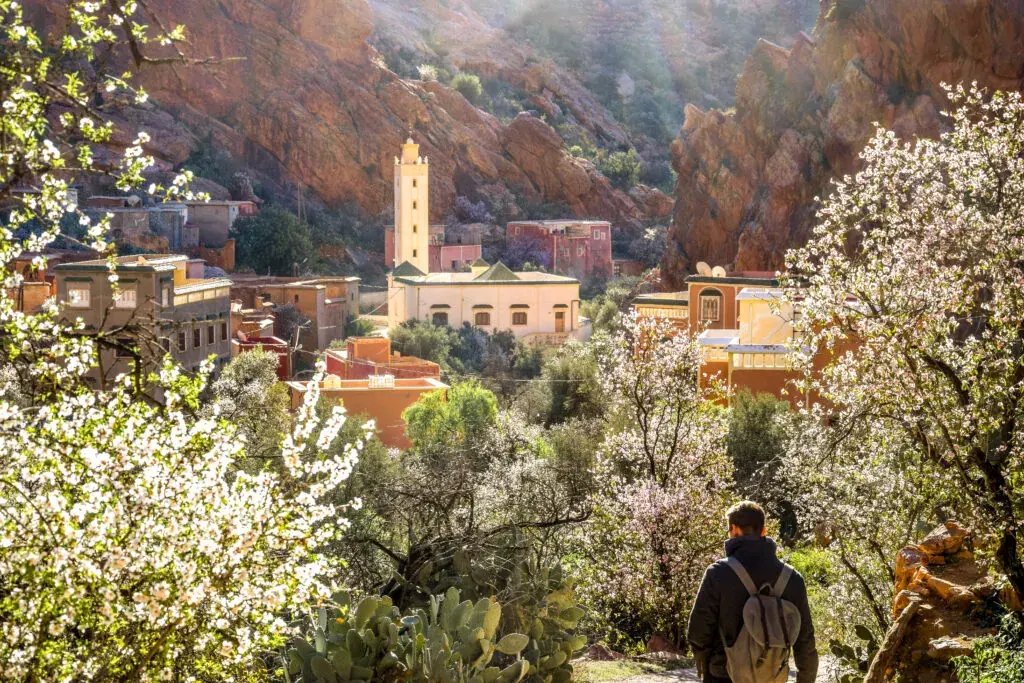
Morocco in spring will rearrange your expectations. The High Atlas mountains, usually known for dramatic trekking and Berber villages clinging to cliffsides, burst into colour come March and April. Almond blossoms arrive first, turning entire valleys white and pale pink, as if a light snow had frozen mid-fall. Then the wildflowers take over: irises, poppies, asphodel, and alpine meadow flowers rising with the snowmelt.
The Aït Benhaddou region, the valleys around Ouarzazate, and the Aït Bougmez Valley — nicknamed the Happy Valley, and rightly so — reward wildflower seekers the most. Time it right and April also delivers the Rose Festival in El Kelaa M'Gouna, when the valley of roses hits its fragrant peak.
The bonus round: Morocco's spring temperatures are made for hiking — warm enough to shed a layer, cool enough to keep walking all day.
Lofoten Islands, Norway — Arctic Spring
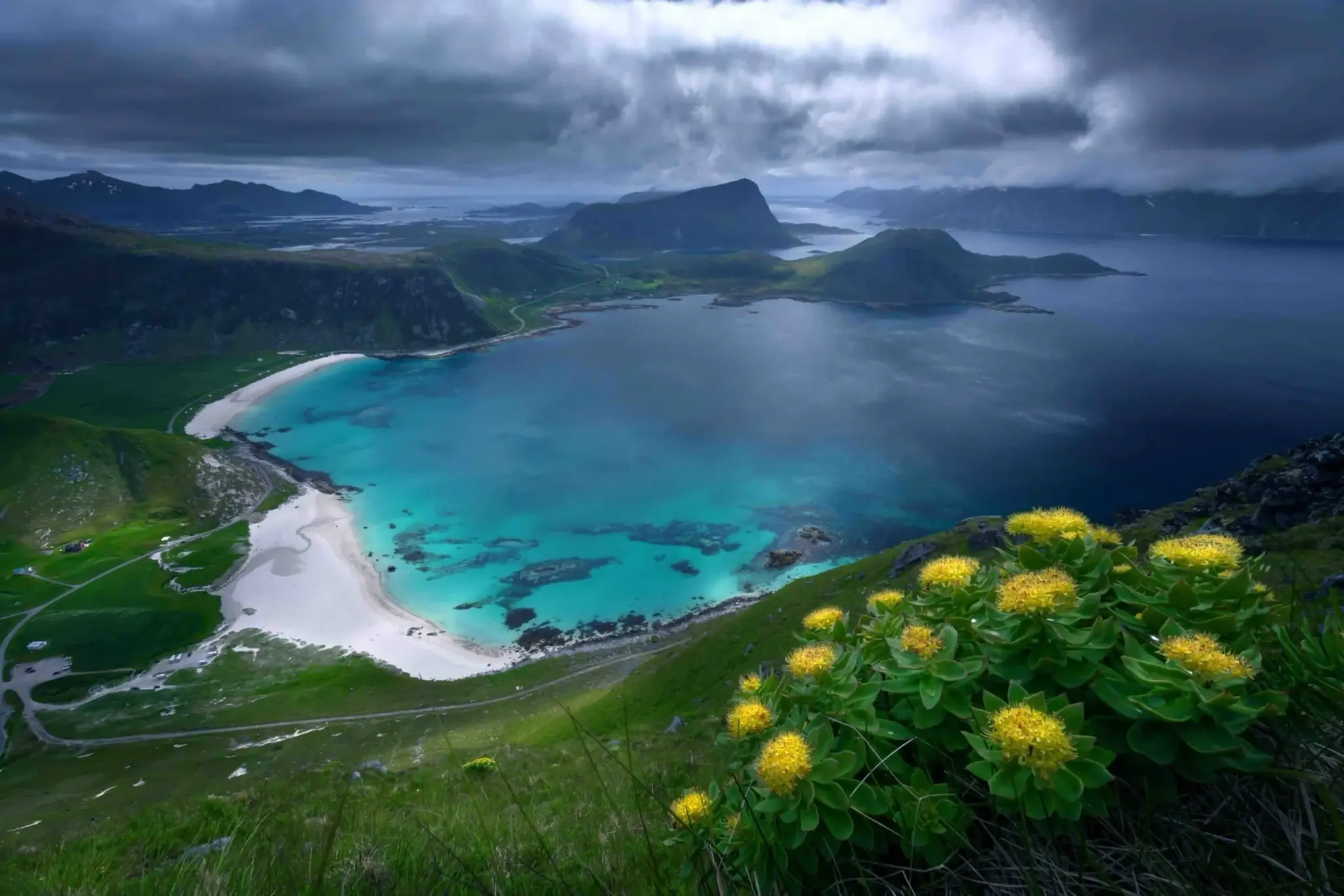
Spring shows up fashionably late to the Lofoten Islands — but when it finally arrives in May and early June, it makes an entrance. These islands are already almost unfairly dramatic, all jagged mountains plunging into sea, and now they soften, wildflowers spreading across every meadow and hillside like something exhaling after a long winter.
Arctic poppies, mountain avens, wild thyme, and sea pinks bloom against backdrops of snow-capped peaks and water so blue it looks like a filter. Throw in the endless daylight of Norwegian spring — by June, the sun barely bothers to set — and you get hours upon hours of golden-lit wildflower walks that feel borrowed from another planet.
The Moskenesøya and Flakstadøya islands hold some of the richest flower meadows, especially around the villages of Å and Nusfjord. Rent a cabin, walk every morning before the world wakes up, and eat fresh fish every night like you've earned it.
Tasmania, Australia — Winter in the North, Spring in the South
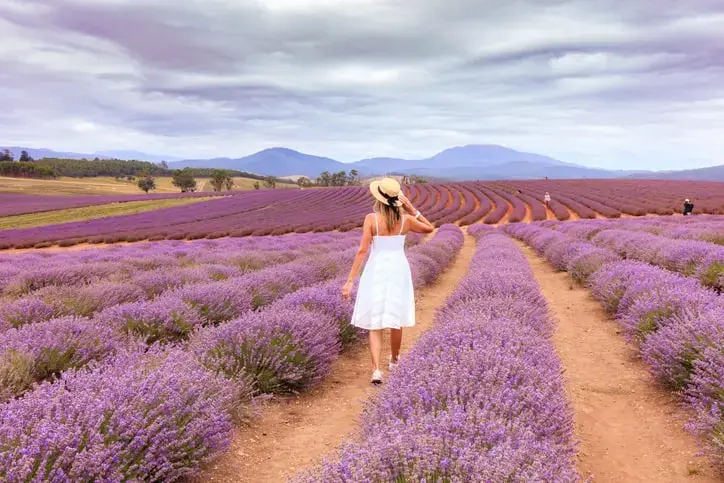
While the Northern Hemisphere is busy blooming, Australia's island state of Tasmania is running on its own clock entirely — a Southern Hemisphere spring that unfolds from September through November. Flip your calendar and you're rewarded with a magnificent alternative season, half a world and half a year away from everyone else's.
The Tasmanian Wilderness shelters flora that exists nowhere else on the planet — Richea scoparia (pandani), fiery-red waratah, delicate Boronia, and entire plains blanketed in cushion plants and alpine wildflowers above 1,000 metres, growing in shapes that look almost sculpted.
The Overland Track cuts straight through some of the most stunning wildflower country on Earth, while the Central Plateau and Cradle Mountain areas put on an extraordinary show in October and November. If the Northern Hemisphere timing never quite works for your calendar, Tasmania is waiting on the other side of the world, in full and spectacular bloom.