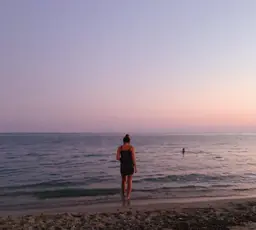
The summer coastal experience — overpriced sunbeds, queuing for gelato in forty-degree heat, elbowing strangers for a square metre of sand — is genuinely not inevitable. It's a choice, and one that spring travelers cheerfully sidestep.
Go in May, and the sea is still cool enough to feel like a reward after a long walk. The restaurants are run by people who actually have time to talk. The light, sitting lower in the sky than in July, catches the water at angles that make everything look faintly cinematic. And the prices, without fail, are significantly kinder.
Here are seven coastal towns worth visiting before summer claims them.
Table of Contents
- Kotor, Montenegro — Fjord-Like Beauty Without the Crowds
- Nafplio, Greece — The First Capital
- Rovinj, Croatia — Istria's Prettiest Port
- Setúbal, Portugal — The Gateway to Arrábida
- Gaeta, Italy — The Lazio Coast's Best-Kept Secret
- Calella de Palafrugell, Spain — The Costa Brava Before the Masses
- Chania, Crete, Greece — Venice of the East
Kotor, Montenegro — Fjord-Like Beauty Without the Crowds
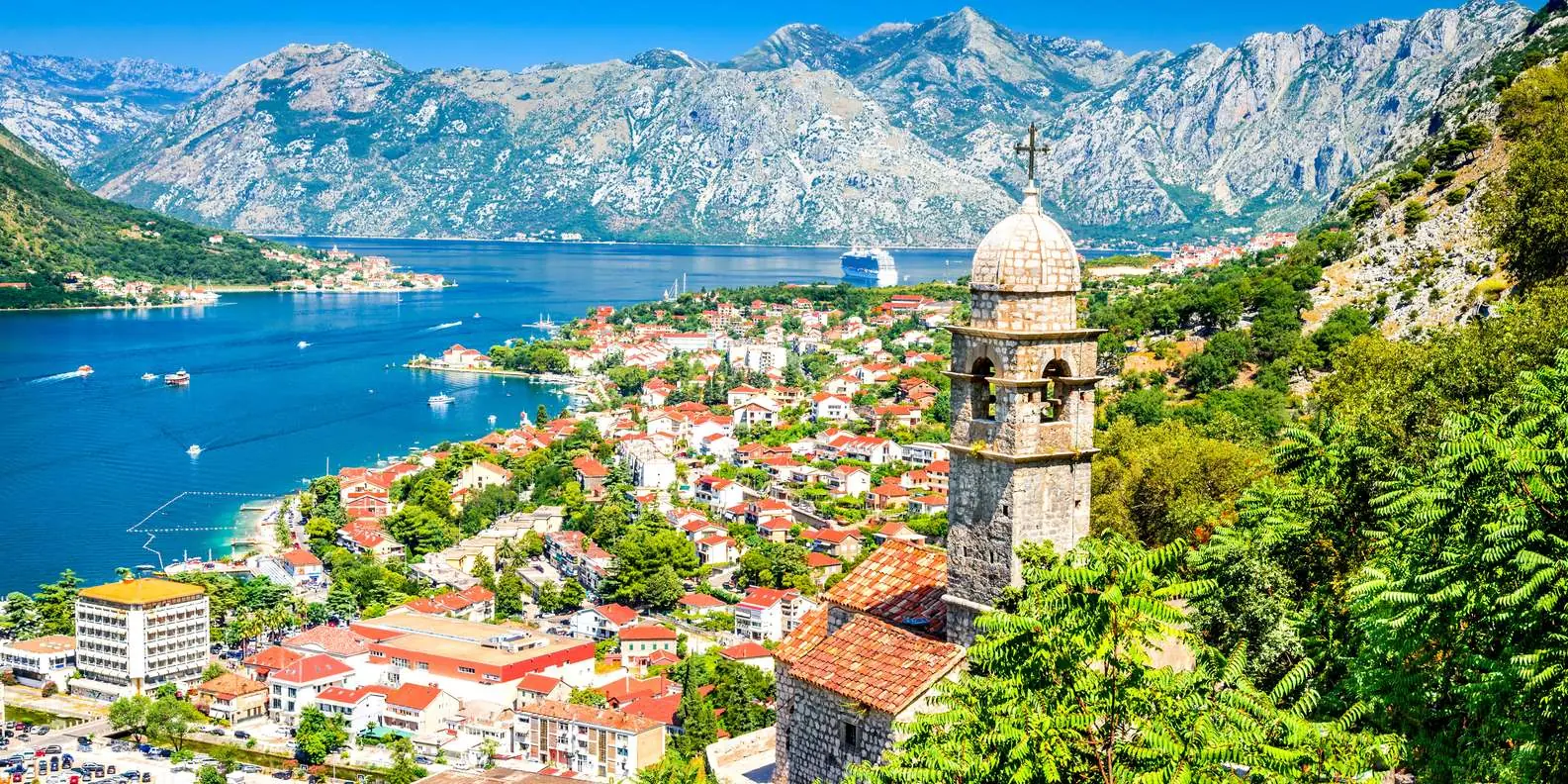
Tucked inside one of the most dramatic bays in Europe, Kotor is the kind of place that drops your jaw before you've even checked into your hotel. The bay — almost fjord-like in how the mountains and water fold around each other — ranks among the Mediterranean's great views, best appreciated from the old city walls after a forty-minute climb that will leave you gladly out of breath.
In summer, cruise ships dock here and the old city fills to bursting. In spring, the lanes sit nearly empty, the cats (Kotor is famously feline) roam in force, and the Venetian architecture glows in the soft afternoon light. May temperatures hover around 20°C — perfect for walking and eating outdoors without breaking a sweat.
Take a boat across the bay to the island churches. Rent a car and drive the Serpentine road up to Lovćen for views that unfurl into the infinite.
Nafplio, Greece — The First Capital
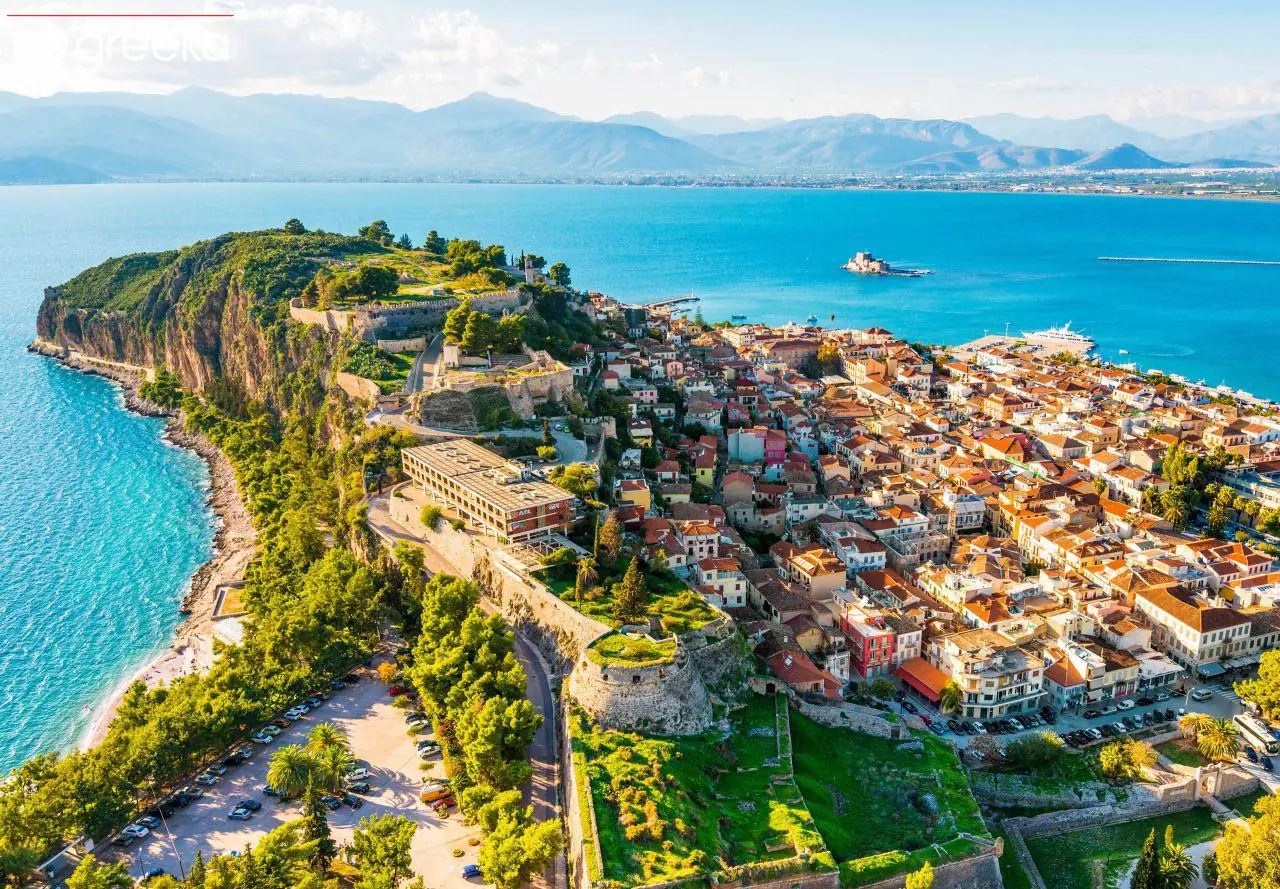
Nafplio was the first capital of modern Greece, and it wears that history with quiet pride. The old town is a labyrinth of neoclassical mansions, Venetian fortifications, and narrow streets that swing open without warning into squares scented with citrus trees and outdoor cafés.
The Palamidi Fortress rises 216 metres above the town — 999 steps or a short drive — and delivers views across the Argolic Gulf that are, simply, magnificent. In spring, the surrounding Peloponnese countryside is blanketed in wildflowers, and the nearby ancient sites of Mycenae and Epidaurus can be explored without the summer heat or the tour-bus crowds.
Nafplio is small enough to learn in a day, deep enough to stay a week. The seafood is exceptional.
Rovinj, Croatia — Istria's Prettiest Port
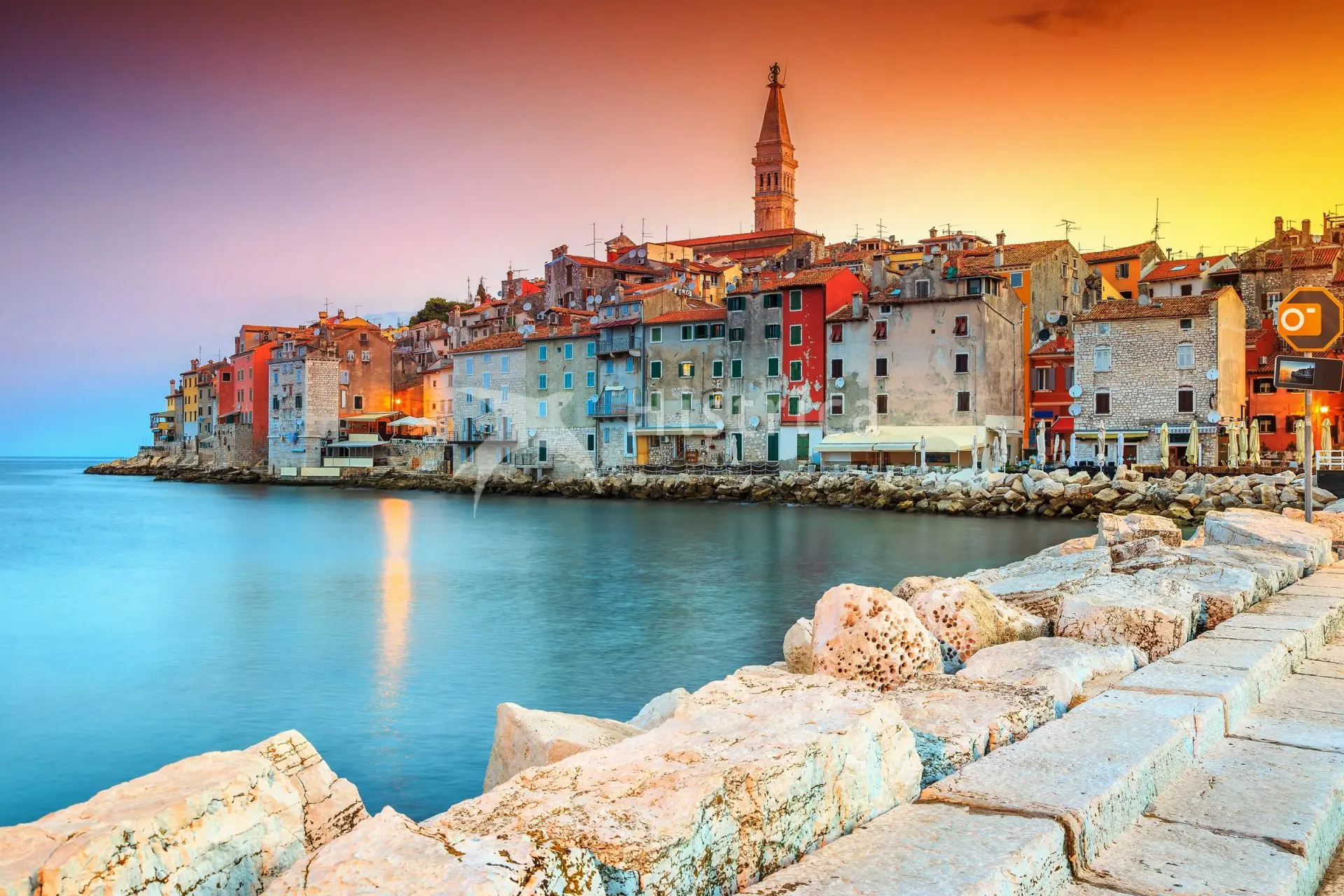
The Istrian peninsula is Croatia's best-kept open secret, and Rovinj is its most photogenic town. The old city rises from a small peninsula into a cluster of pastel-coloured houses crowned by the campanile of the Church of St. Euphemia — a skyline that looks different from every angle and gorgeous from all of them.
In spring, the fishing boats still outnumber the yachts. The fish market runs every morning without fail. The restaurants serve Istrian truffles (in season through spring), local olive oil, and wines from the inland hills that you'll struggle to find anywhere else on Earth.
Walk the coastal path south of town through fragrant pine forest, brave a swim in the clear Adriatic if you dare (it's still cool in May), and eat your weight in pasta shaved thick with black truffle.
Setúbal, Portugal — The Gateway to Arrábida
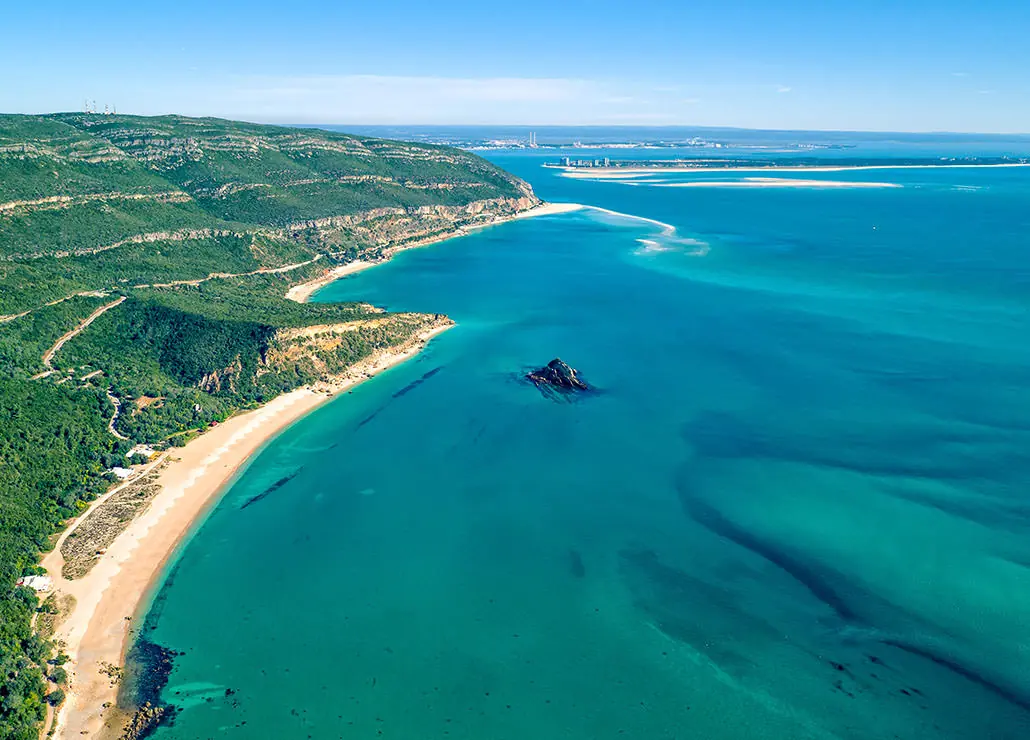
Most visitors to Portugal sprint between Lisbon and the Algarve, missing entirely the extraordinary coastline stretched between them. Setúbal, a working port city an hour south of Lisbon, is the gateway to the Serra da Arrábida — a limestone mountain range that plunges straight into some of the most astonishing water in Europe.
The beaches here — Portinho da Arrábida, Galapinhos, Galapos — hold water so clear and intensely turquoise that they routinely land on "best beaches in Europe" lists. In May, they're almost deserted. The water is still cool, but the air is warm, the wildflowers along the cliff paths are magnificent, and you can swim in a cove with not another soul in sight.
Setúbal itself is a genuine, unpolished town with a fine fish market, good cheap restaurants, and none of the tourist infrastructure of Lisbon or Cascais.
Gaeta, Italy — The Lazio Coast's Best-Kept Secret
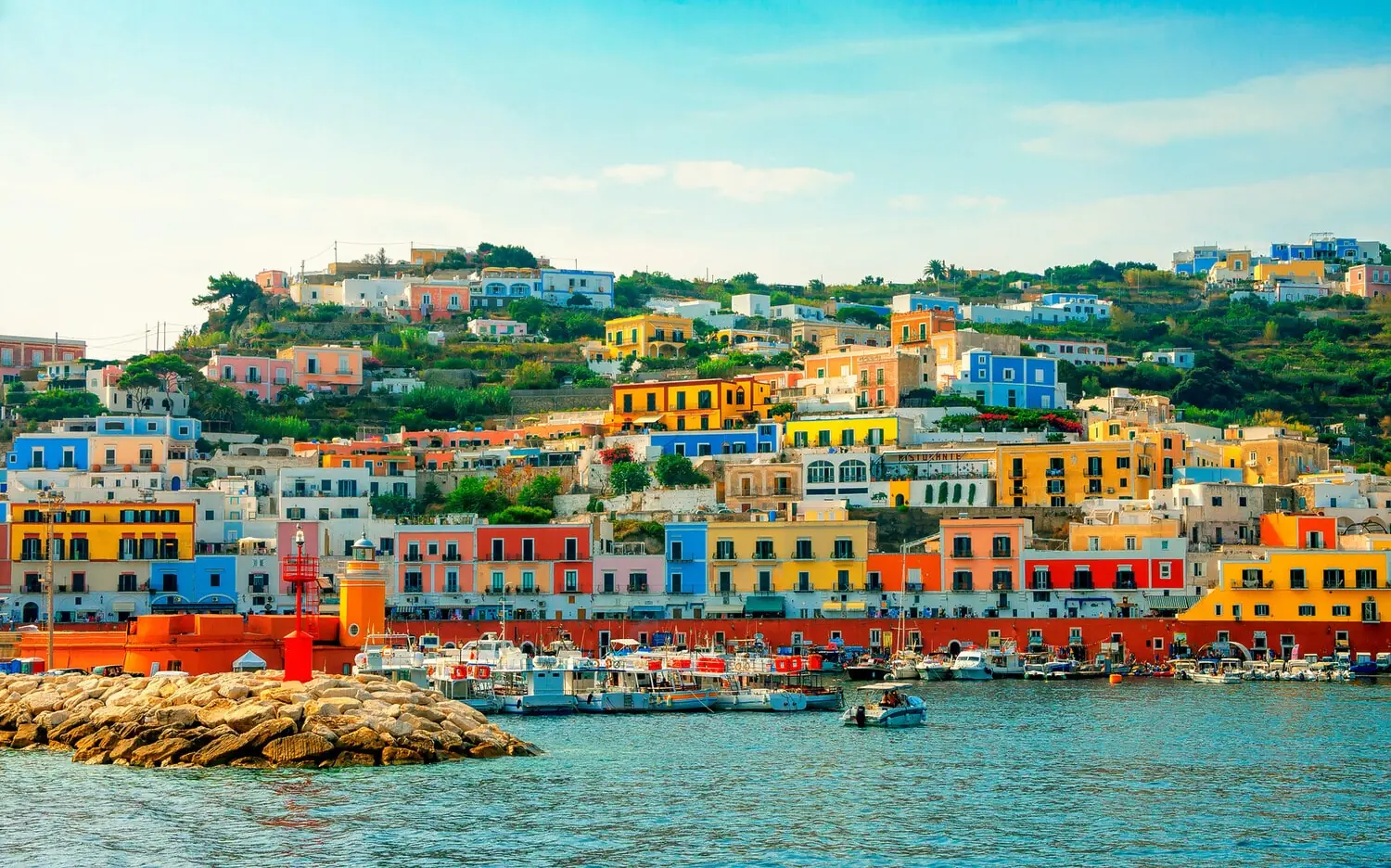
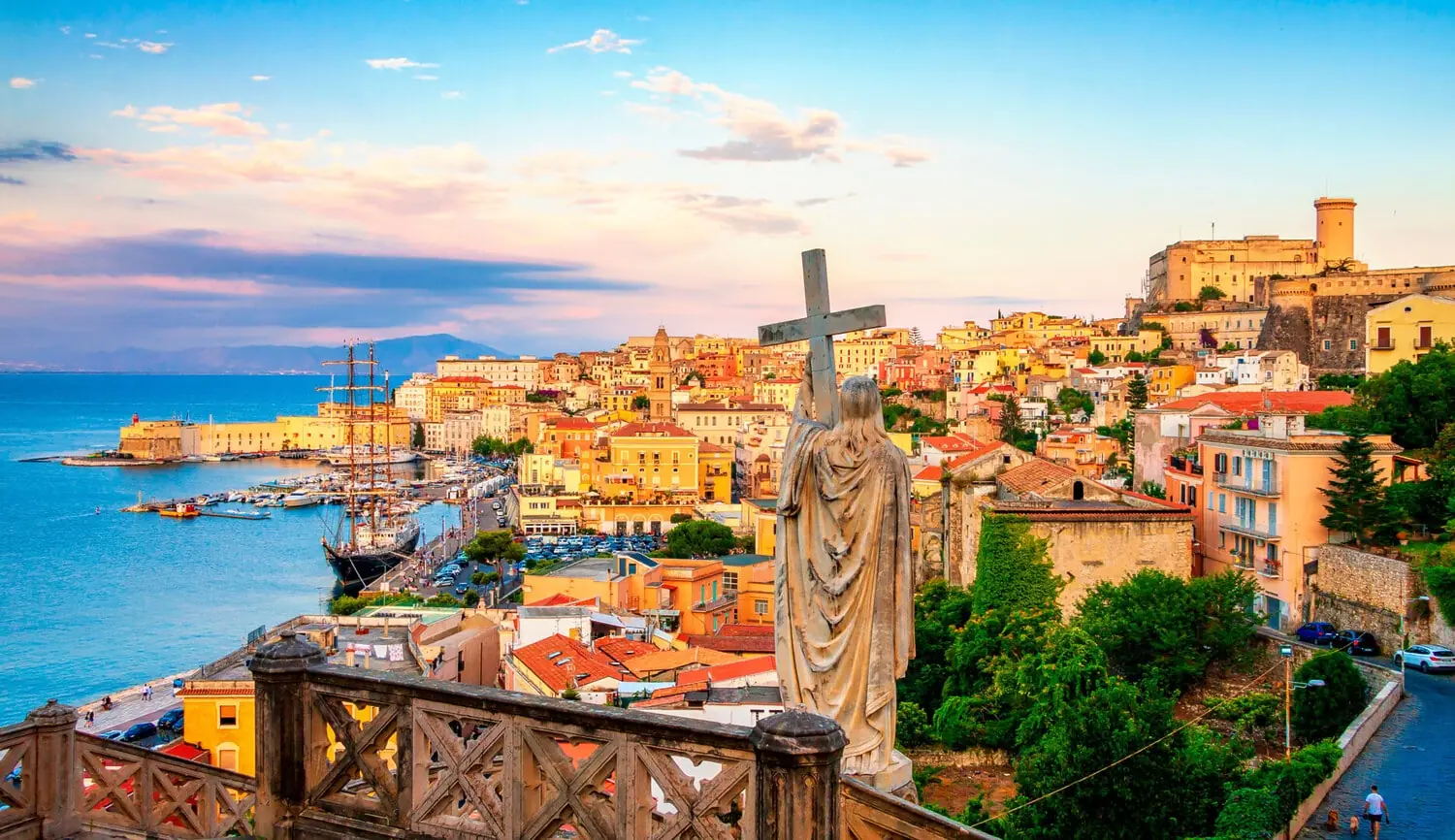
Gaeta sits on a narrow promontory between Rome and Naples, technically accessible from both, yet somehow overlooked by visitors to either. The medieval upper town is a warren of churches, towers, and sea views; the lower town spills down to a long crescent beach that's busy with locals year-round and nearly empty before June.
The Montagna Spaccata — a rock split by an earthquake, according to local legend — hides a gorge with a tiny chapel inside and views of the sea framed through a natural arch. It's one of those places that feels genuinely undiscovered, despite being visible from the road the whole time.
The surrounding Gulf of Gaeta produces excellent seafood — particularly tiella di Gaeta, a local savory pie stuffed with octopus or escarole that you won't find in Rome or Naples. Spring is the time to eat it by the harbour with a glass of local white wine in hand.
Calella de Palafrugell, Spain — The Costa Brava Before the Masses
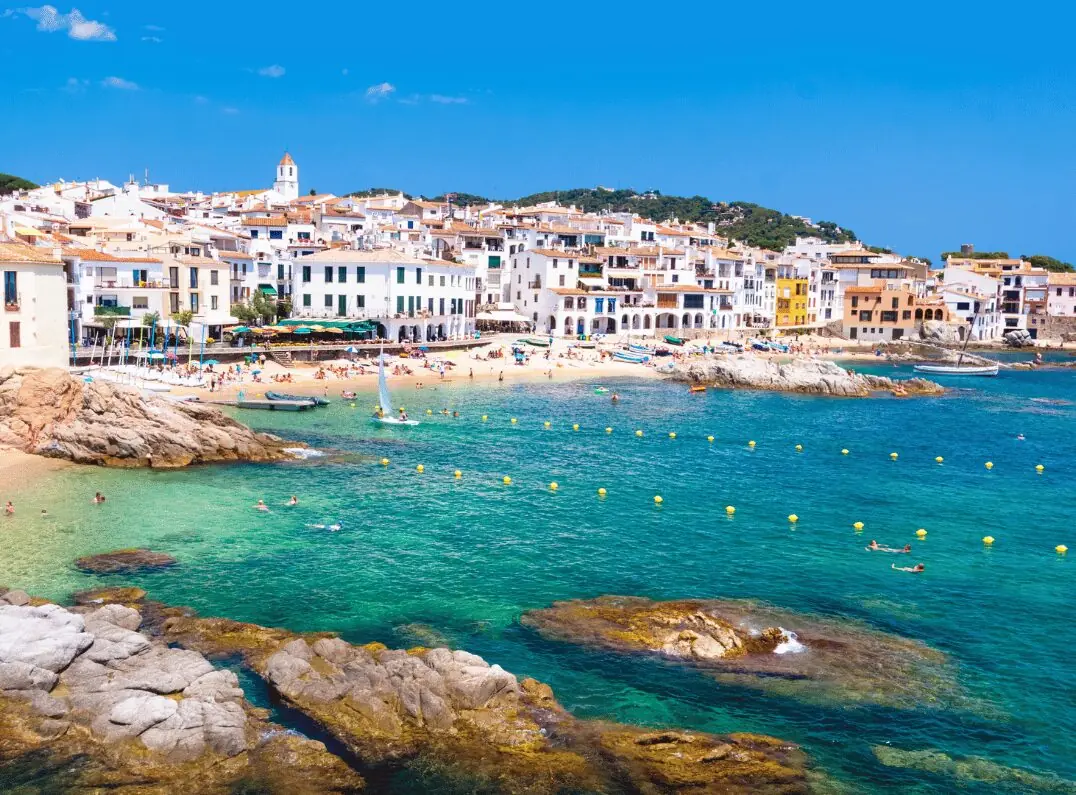
The Costa Brava in summer is many things — beautiful, busy, occasionally chaotic. But there's a corner of it, north of the package-holiday resorts, that has held onto its character simply because it never built the infrastructure for mass tourism. Calella de Palafrugell is the best of these — a whitewashed fishing village strung with small coves, a handful of excellent restaurants, and a rhythm entirely its own.
The famous Habaneras Festival happens in July, but spring hands you something better: the town to yourself. Walk the Camí de Ronda coastal path north to Llafranc and south toward Tamariu — arguably the most beautiful stretch of coastal walking in Spain — with wildflowers crowding one side and clear water shimmering on the other.
Stay in one of the town's smaller hotels, eat grilled fish on a terrace above the sea, and feel briefly, gloriously, like you've found somewhere no one else has.
Chania, Crete, Greece — Venice of the East
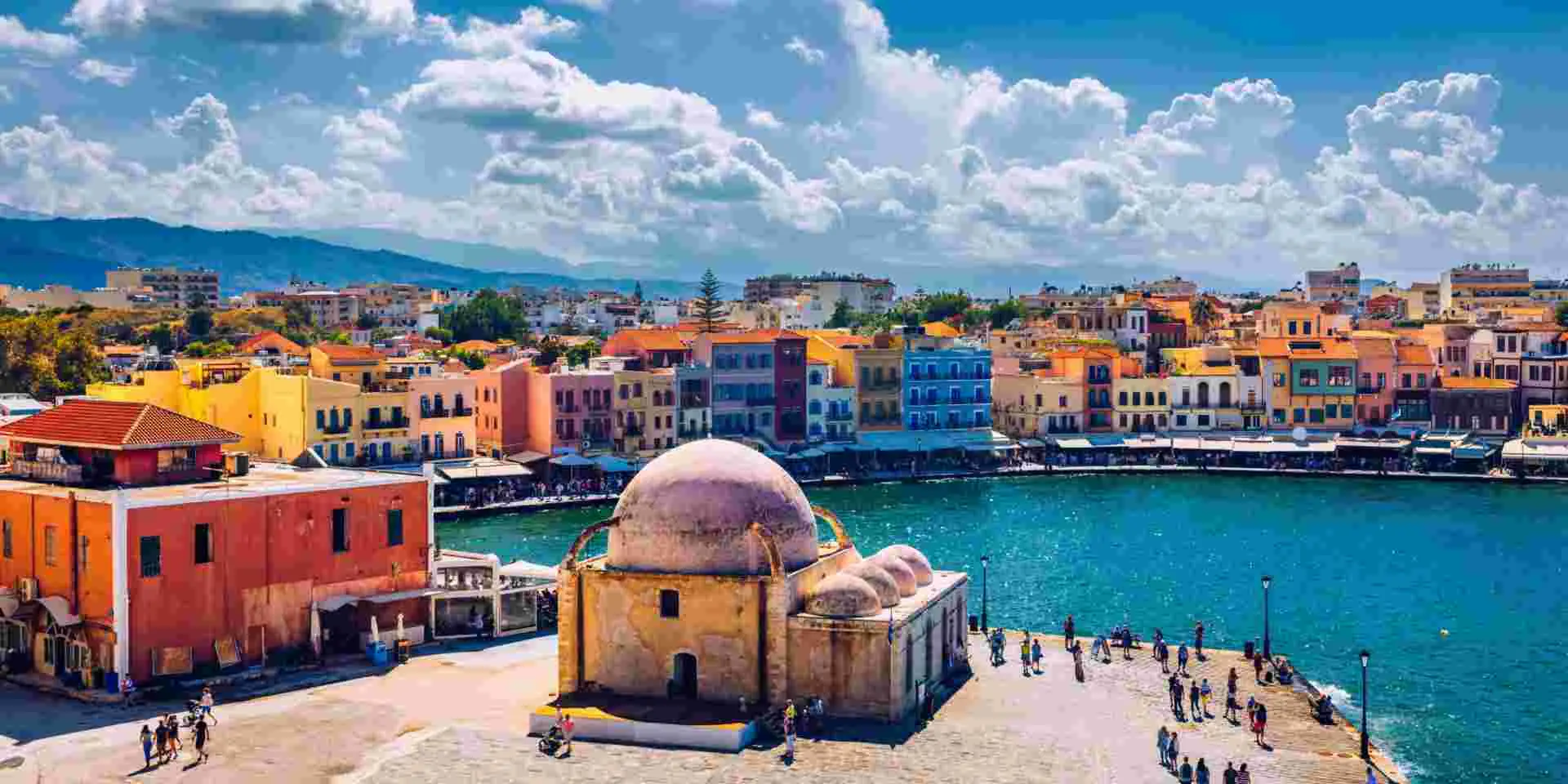
Crete's western capital is one of the great small cities of the Mediterranean, and spring is when it truly belongs to itself. The Venetian harbour — with its lighthouse, Ottoman mosque, and arched arsenals dating to the 14th century — is the kind of place that looks impossibly romantic at dusk, and in May you can linger there without dodging a single crowd.
The old town behind the harbour is a labyrinth of mansions, tiny churches, and covered market halls selling Cretan herbs, honey, olive oil, and cheese. The surrounding countryside — the White Mountains, the gorges, the villages of the Apokoronas region — is at its greenest and most wildflower-strewn in spring.
Walk the Samaria Gorge (opens early May), drive into the mountains for lunch at a village taverna, and swim in the clear waters west of town at Falasarna before the summer hordes descend.