Europe in spring is a city that hasn't put its makeup on yet — still gorgeous, just honest. Warm enough to wander outdoors for hours, cool enough that prices haven't caught fire yet, and quiet enough that you can actually stand in front of a famous painting without eighteen phone screens between you and it.
If you're traveling on a mid-range budget — let's say $50–80 per day total, including accommodation — spring is when Europe stops being a fantasy and becomes a plan. No white-knuckle math on every espresso, no constant dread of the bill. You just need to know where to look, and which "everybody knows that" advice to throw straight in the bin.
Choose Countries, Not Just Cities
The standard advice is "skip Paris in favor of Prague," but that only helps if you actually want to be in Prague. A smarter approach: pick entire regions where your money stretches furthest, and let the cities follow.
Eastern Europe and the Balkans — Bulgaria, Romania, Serbia, Bosnia — hand you extraordinary scenery, culture, and food for half the price tag of Western Europe. Spring hikes through the Pirin Mountains, wine tastings along the Danube Valley, medieval towns in Transylvania that look like they were built for a fairy tale — all while your guesthouse bill stays under $25 a night.
Southern Spain and Portugal — Andalusia, the Algarve — undercut France or Italy at the same latitude, serve better food, and still deliver every ounce of the aesthetic you came for. A full week in Seville or Lisbon can cost less than three days in Barcelona.
The central principle: higher altitude + further east = cheaper. Follow it ruthlessly, and let the savings surprise you.
Travel Overland, Not by Plane
Budget airlines like Ryanair — and even the "genuinely discounted" fares on national carriers — look cheap right up until the hidden costs pile on: airport fees, baggage charges, the taxi to the terminal, airport taxes, and that brutal 5 a.m. wake-up that effectively costs you a hotel night somewhere else.
A six-hour overnight bus between cities runs $20–30 and saves you a night's accommodation outright. Buses in Eastern Europe are genuinely excellent — modern, comfortable, cheap — and you arrive having actually slept.
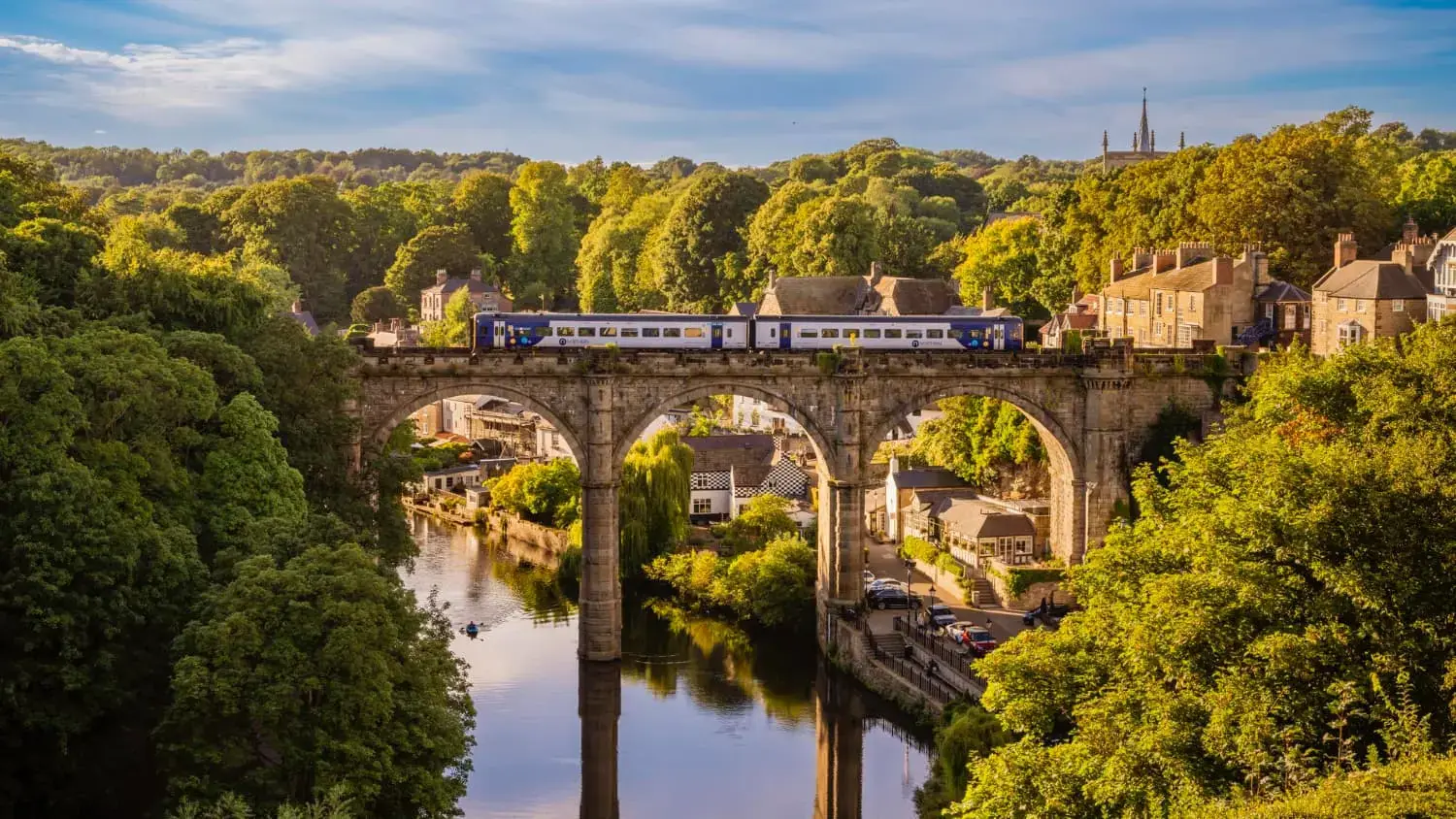
Trains cost a bit more but are incomparably more pleasant, all rolling hills and coffee-car views. A Eurail Pass for spring travel (off-season discounts exist) makes longer journeys cost-effective too.
The net result: traveling overland is slower, yes. But you watch the landscape unfold instead of clouds, you sleep en route, you save money, and you actually have time to think about where you're going instead of just arriving.
Accommodation: Guesthouses, Not Hotels
Hotels still charge full seasonal rates come spring, no matter how quiet the streets look. Guesthouses, hostels with private rooms, and Airbnb apartments in residential (non-tourist) neighborhoods consistently deliver clean, comfortable spaces for $25–40/night.
Key move: stay outside the old town. A 15-minute walk from the main plaza buys you 30–40% cheaper accommodation, plus a real neighborhood with restaurants that don't laminate their menus. You eat better, spend less, and honestly — the walk becomes the whole point.
Booking sites: Booking.com (filters by price), Airbnb (filter for entire apartments under $40, away from tourist zones), Hostelworld (private rooms are often cheaper than you'd expect).
Eat Where Locals Eat
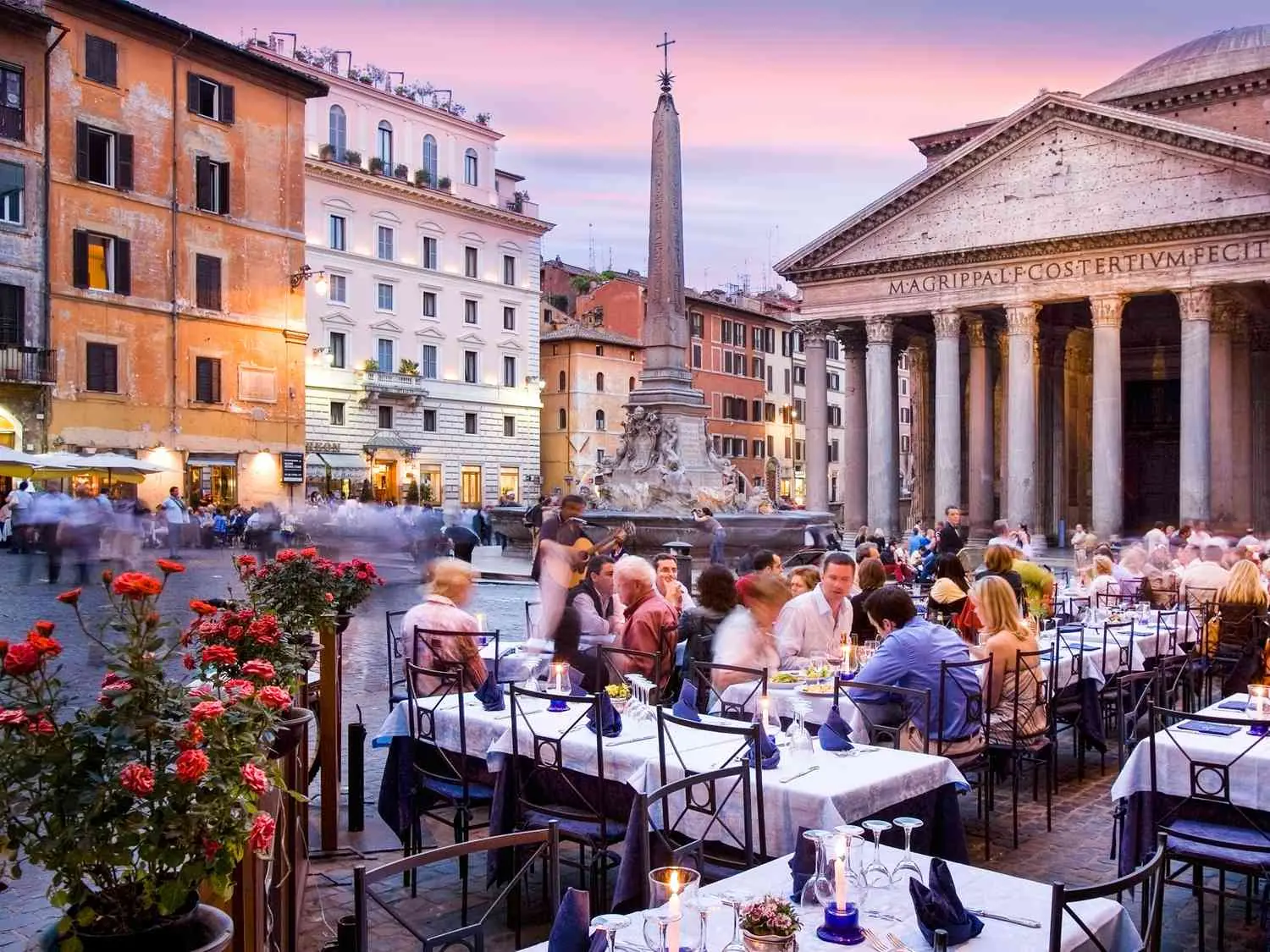
Tourist restaurants clustered around major attractions price their menus for crowds passing through once, not for anyone coming back. Walk 2–3 blocks away from anything famous. The pasta is identical, the price drops 40%, and you'll be sharing the room with actual residents instead of other tourists.
Markets beat restaurants every time: cheese, bread, fruit, cured meat, wine, all at source price. Afternoon meals typically run 30% cheaper than dinner (thank the Spanish comida and Bulgarian obed traditions for that), so you eat better for noticeably less.
In Eastern Europe, a full meal with wine costs $6–10. In Spain and Portugal, $10–15. Skip the tourist traps and these numbers aren't a fantasy — they're just dinner.
Skip the Obvious Peak Attractions (or Time Them Right)
The Sagrada Familia costs €25 and sells out weeks ahead come spring. Visit small cathedrals instead. Most European cities are hiding dozens of gorgeous, empty, free churches where the architecture is frequently better and there's no queue to speak of — just you and centuries of stone.
The major museums can wait for low season, or be skipped entirely — their printed catalogs are often cheaper and more detailed than the actual exhibits crammed with elbows and selfie sticks.
Visit major attractions right at opening or in the last hour before closing. You pay exactly the same but get the place with 80% fewer people in it.
Budget Food Strategies That Actually Work
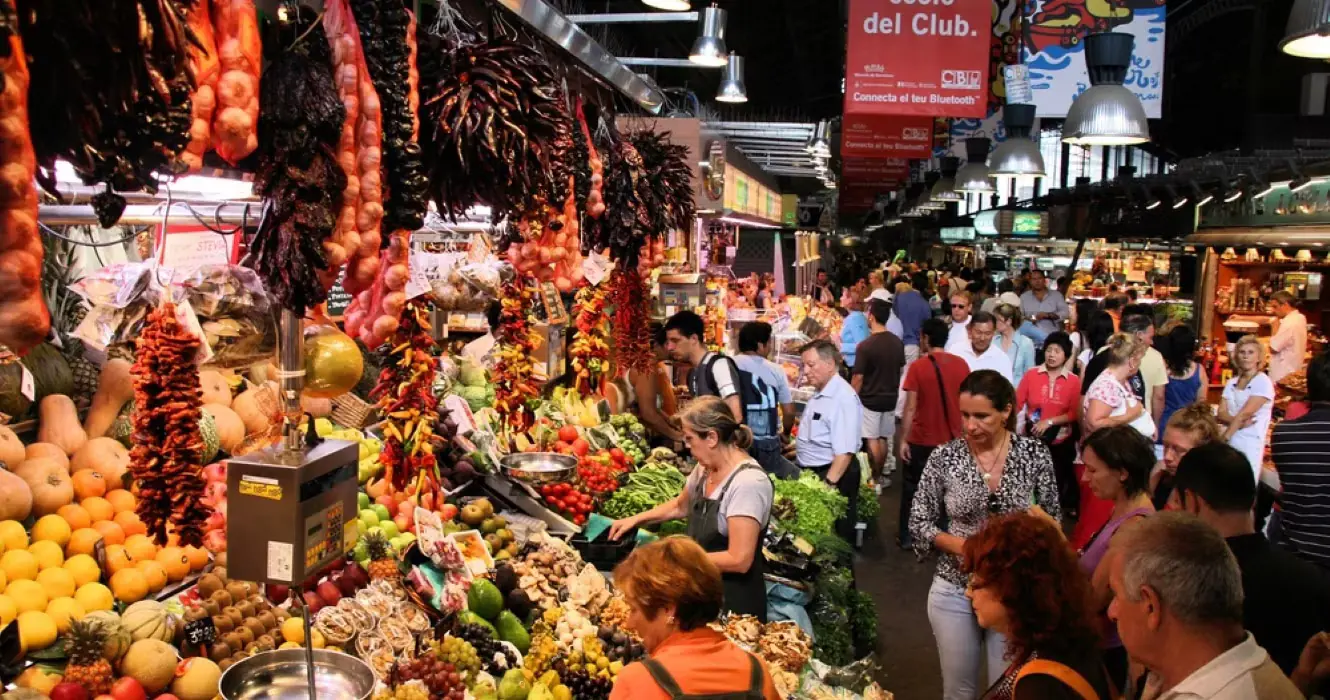
Cook in your accommodation whenever you can. Buy fresh ingredients from the market and make one meal a day yourself. Your food cost drops to $8–12, and it'll taste better than most restaurants could manage anyway.
Wine is absurdly, almost insultingly cheap. A genuinely good bottle of Spanish or Eastern European wine costs $3–5 at the source — the same bottle runs $20 back home. Drink good wine at night in a park. It costs less and somehow tastes better.
Embrace Slow Travel
The fastest way to burn through a budget is to keep moving. Stay in one place for 4–5 days. After day one of ticking off attractions, you stop paying for "experiences" and just start living — wandering neighborhoods, camping out in cafes, learning how a place actually breathes. It also means no more daily check-in fees or transport hops between cities eating your budget alive.
A month in one region beats two weeks bouncing between five cities — at half the cost, with triple the memories.
The Unglamorous Wins
- Visit on Mondays and Tuesdays. Many museums and attractions cut their prices (some go free) one day a week. Build your route around those discounts.
- Carry a refillable water bottle. European tap water is safe pretty much everywhere; skipping bottled water saves $50+ a month without you even noticing.
- Walking is free and often the actual point. Most European cities are made for it. You'll stumble onto neighborhoods and cafes no guidebook ever mentions.
- Buy groceries, not snacks. A bakery coffee and pastry costs $2–3, but a café cappuccino runs $4–5. Grab bread, cheese, and jam at the market and eat like royalty in a park for €1.
The Spring 2026 Advantage
Inflation has settled down. Flights to Europe in spring 2026 are cheaper than they were in 2024. Eastern European countries now have genuinely excellent infrastructure, making them comfortable for long stays rather than quick detours. This year, a mid-range budget genuinely, actually works.
The real secret was never finding cheaper places — it's being willing to linger longer in the less famous ones, eat where locals eat, and accept that the best part of any trip is usually the 2 p.m. walk to nowhere in particular.
That part costs nothing.