By July, Venice's narrow bridges turn into genuine bottlenecks — the kind of crowding that stops being charming and starts being a safety concern. Barcelona's Gothic Quarter becomes an exercise in elbowing your way past selfie sticks. Prague's Old Town Square feels less like a historic plaza and more like a mosh pit with better architecture. You can still see the famous sights in all three — you'll just spend more time queuing for them than actually looking at them.
Here's the good news: some of the most rewarding travel decisions aren't about avoiding Europe's icons, but about finding what sits quietly nearby. These alternatives are just as fascinating, and considerably more livable in peak season.
Instead of Venice: Verona or Mantua
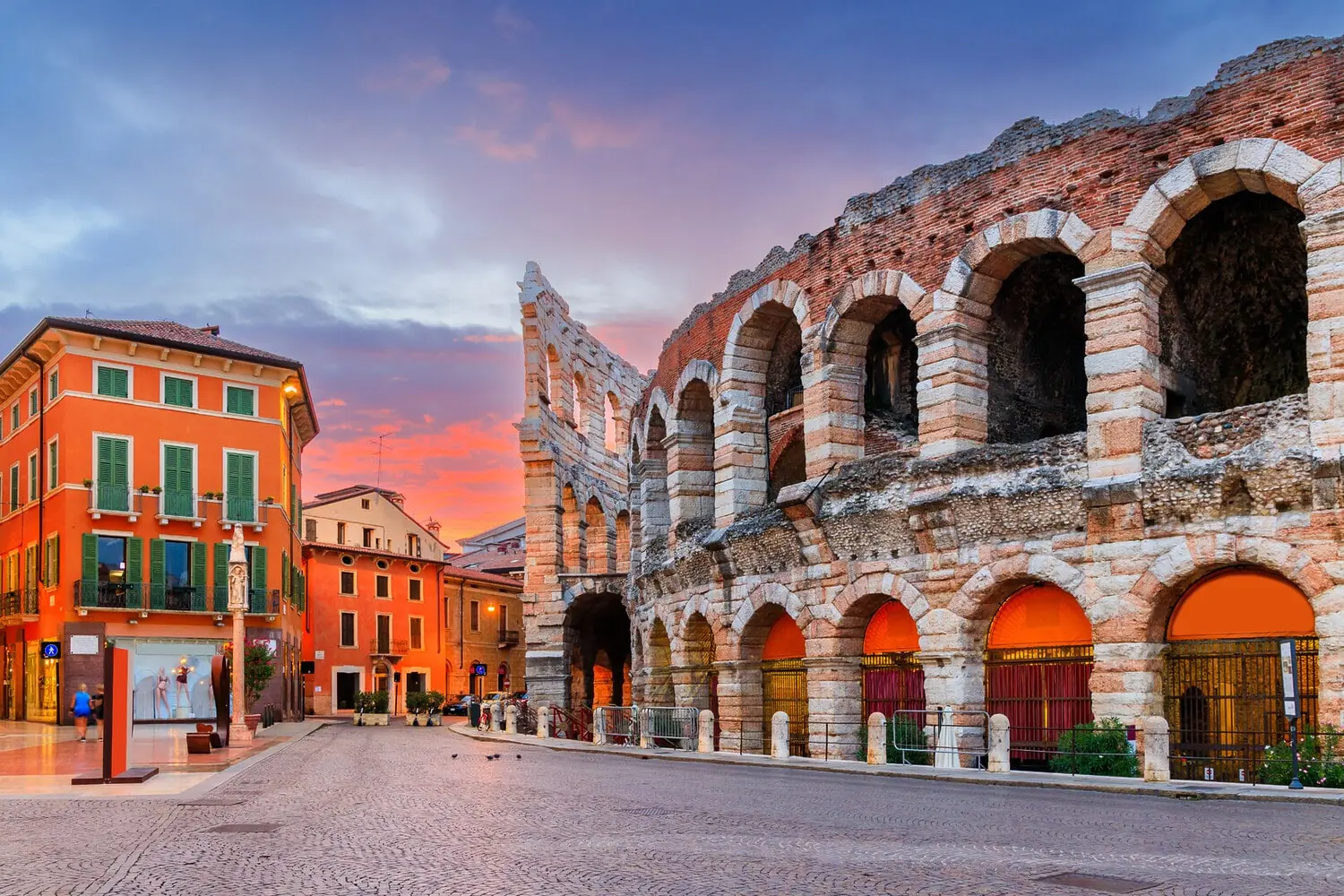
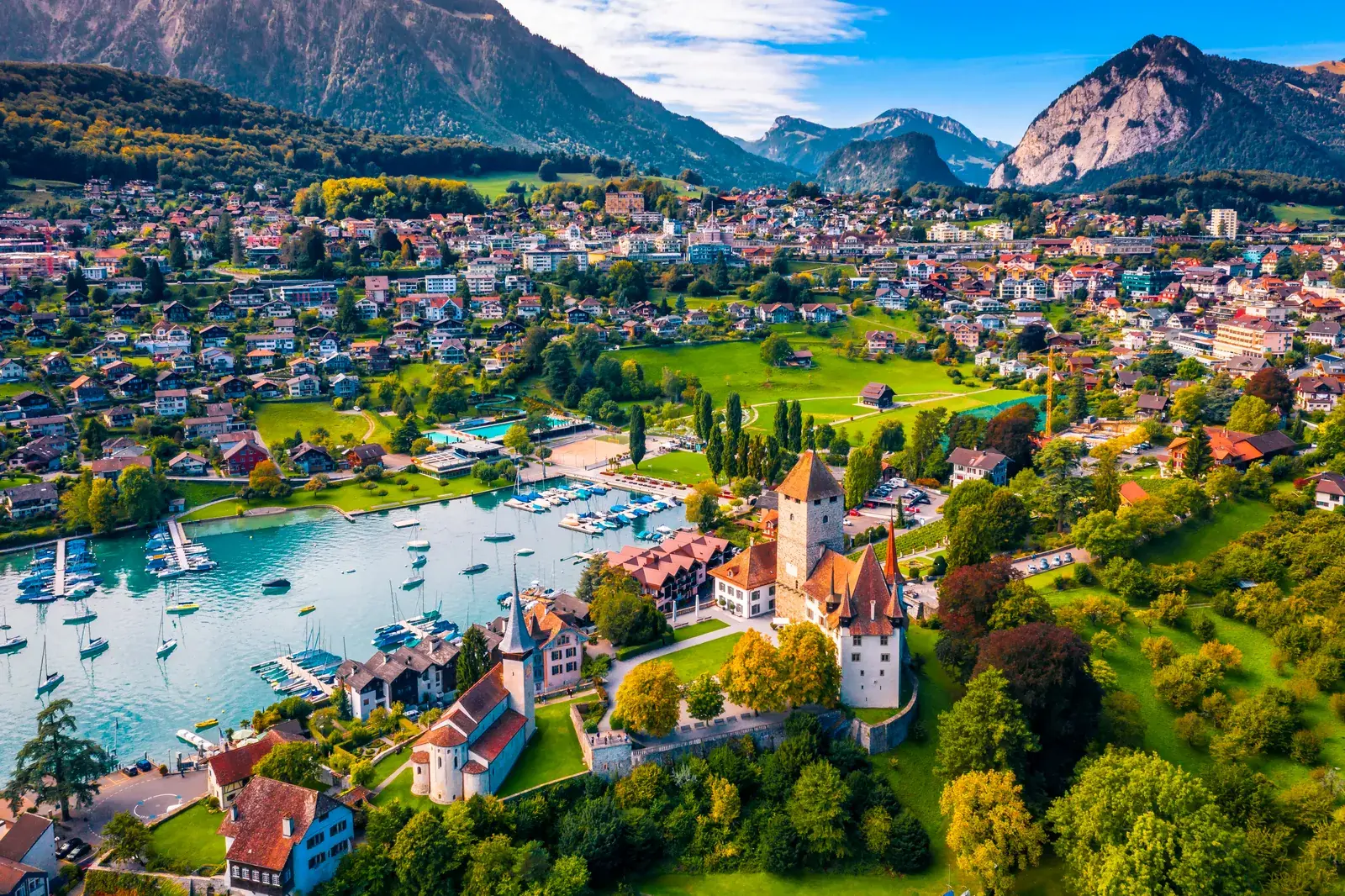
Verona, just thirty minutes from Venice, is Italy's most overlooked medieval city — a Roman arena that still hosts opera under the stars, Renaissance architecture that gives Venice a genuine run for its money, and a fraction of the foot traffic.
Mantua, about an hour and a half away, is a walled city ringed by lakes, its Renaissance palaces still hung with Mantegna frescoes and its streets moving at an unhurried pace. Summer crowds here barely register.
Both are an easy train ride from Venice, both have excellent food and accommodation, and both feel like Venice probably did before the cruise ships found it.
Instead of Barcelona: Valencia
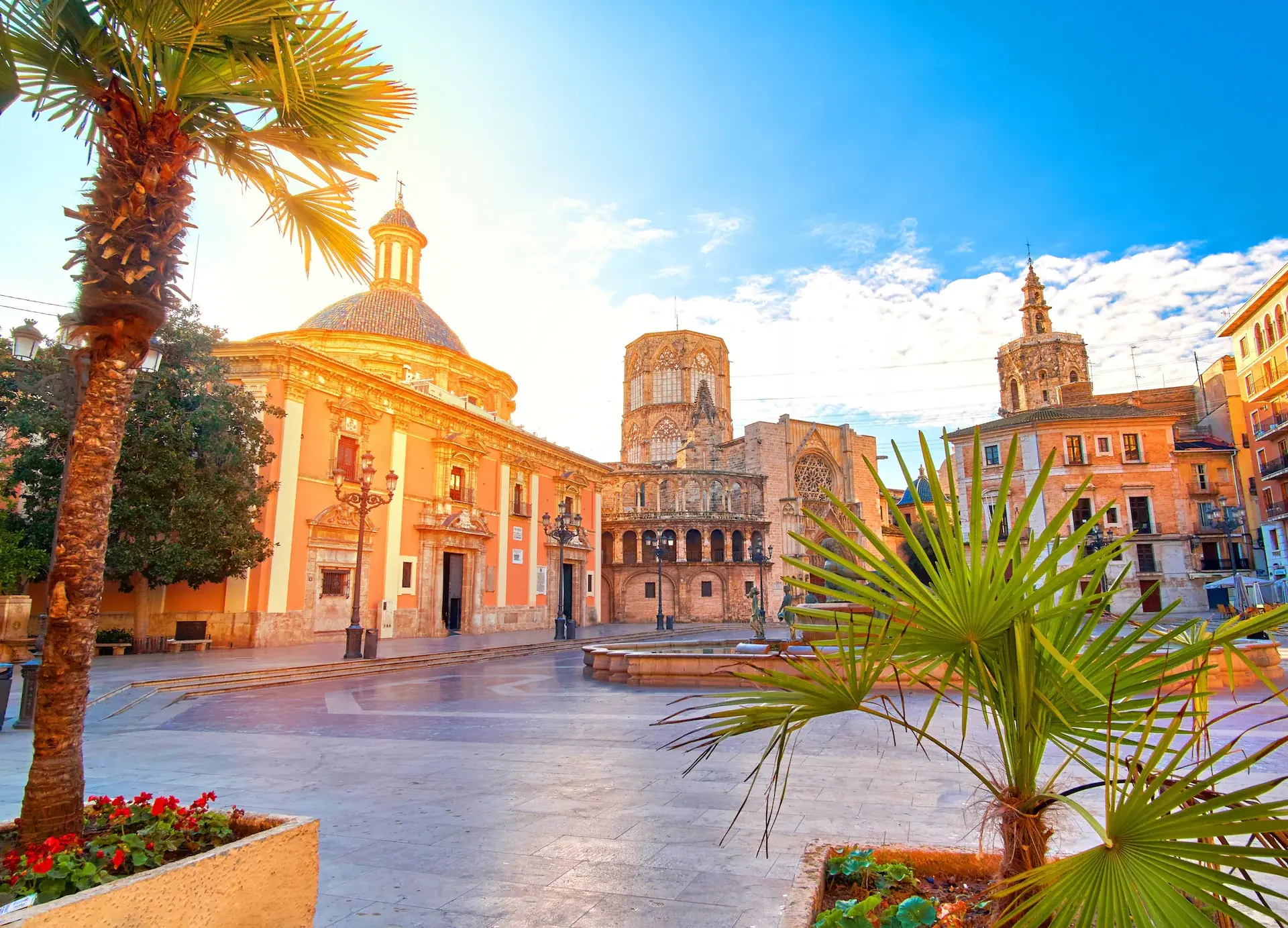
Valencia, Spain's third-largest city, deserves to be mentioned in the same breath as Barcelona far more often than it is. The City of Arts and Sciences is a genuine architectural showstopper, the beaches are excellent, and the paella — which actually originated here, whatever Barcelona's menus might imply — is the real thing.
Summer crowds are a fraction of what Barcelona sees, accommodation runs 40–50% cheaper, and the Turia Gardens thread green space through the entire city in a way Barcelona simply can't match.
Instead of Prague: Salzburg or Brno
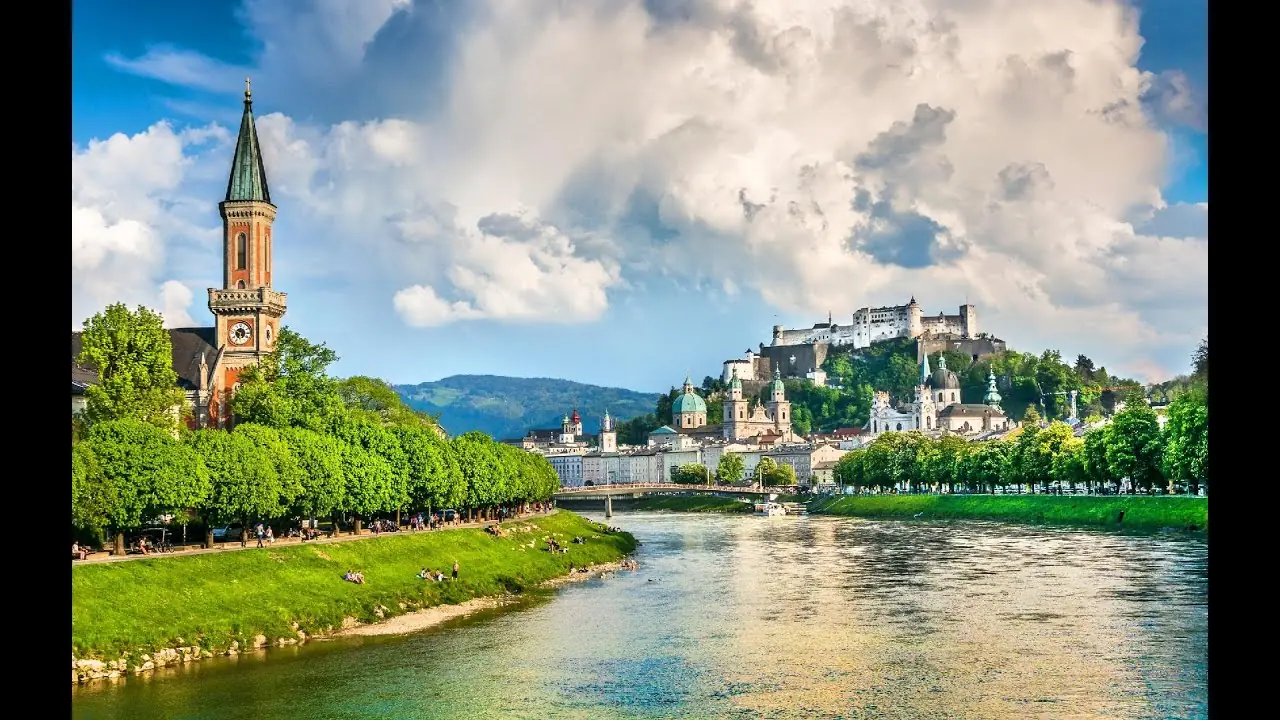
Salzburg, roughly three hours from Prague by train, is Mozart's birthplace and arguably Austria's most beautiful city. Its Altstadt holds its own against Prague's beauty, with noticeably fewer crowds and, frankly, better cake.
Brno, about two hours from Prague, is the Czech Republic's underrated second city — strong architecture, good museums, excellent restaurants, and none of the tourist machinery that's swallowed Prague's center.
Both stay meaningfully quieter through summer while losing none of the charm that made Prague famous in the first place.
Instead of the Amalfi Coast: The Cilento Coast
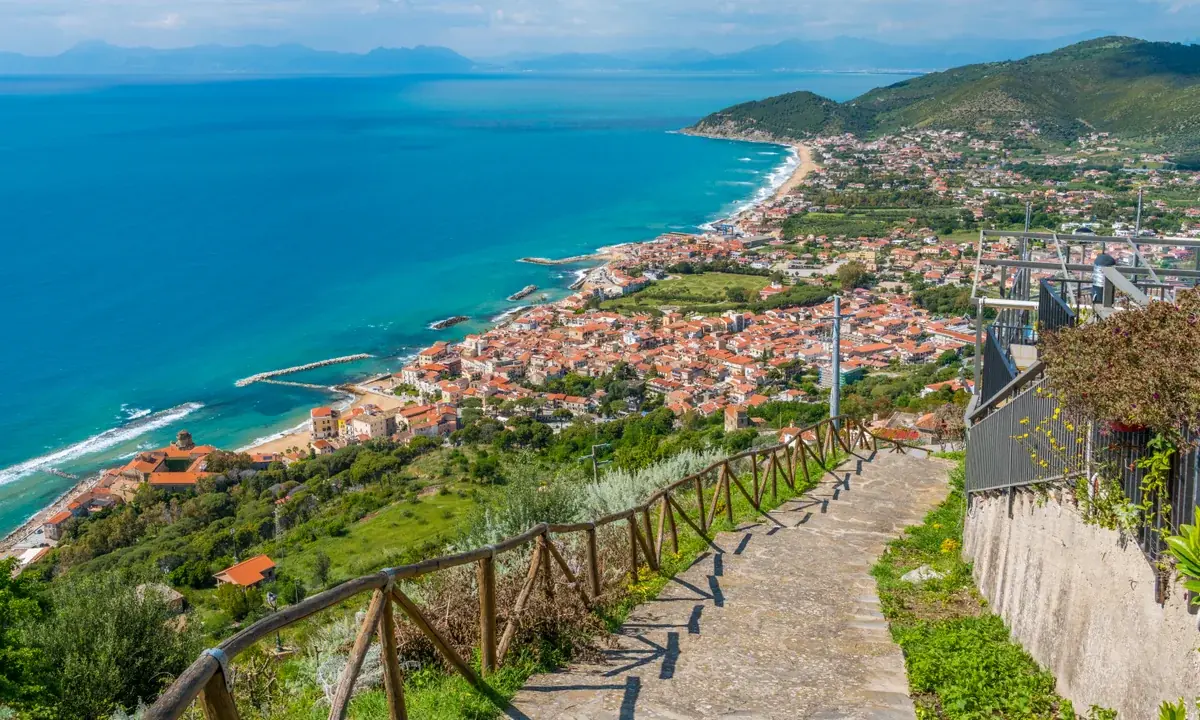
The Amalfi Coast is genuinely beautiful, but in peak summer it's also become something close to a parking lot. Two hours south, the Cilento Coast offers the same drama — cliffs, turquoise water, hillside towns — with a fraction of the traffic and none of the markup.
Towns like Palinuro, Maratea, and Scario deliver beach access, real hiking, and fresh local seafood, all without the Amalfi price tag or the Amalfi crowds.
Instead of Barcelona Beaches: Tarragona or Costa Brava Towns
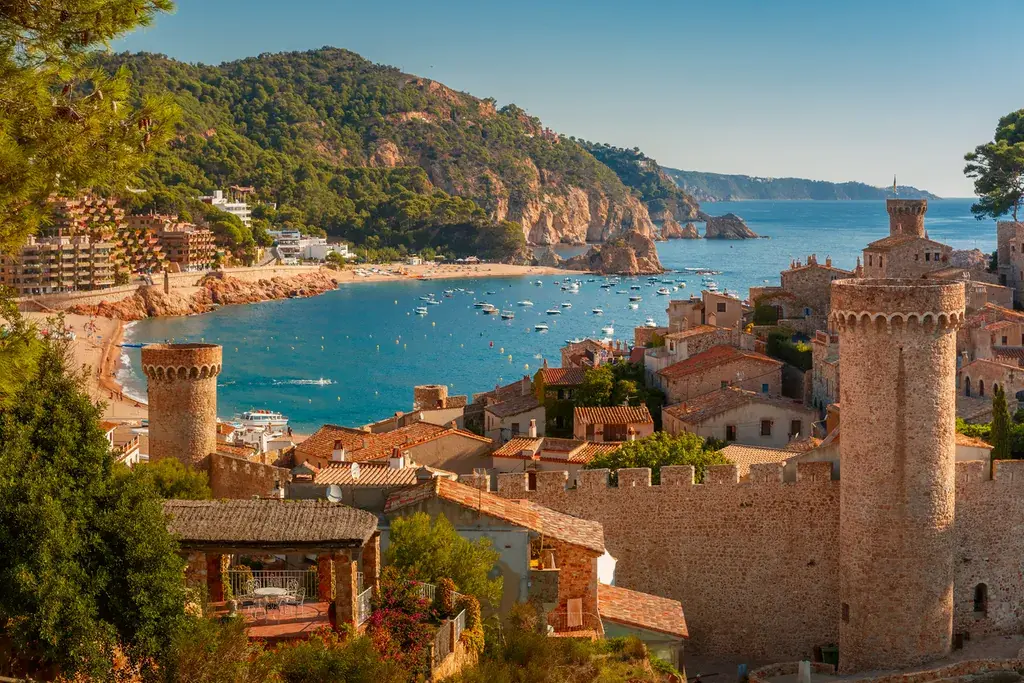
Tarragona, ninety minutes south of Barcelona, pairs a Roman amphitheater overlooking the sea with excellent seafood and beaches you can actually spread a towel on.
Smaller Costa Brava towns like Tossa de Mar or Begur offer the same Mediterranean beauty Barcelona is famous for, minus the crowds and at a fraction of the price.
The Universal Pattern
Notice the shape of all these swaps: they sit 30–90 minutes from their famous counterpart, they're reachable by public transit, they're every bit as beautiful (sometimes more so), and they typically run 50–70% cheaper.
Most travelers gravitate toward names they already recognize, which means the towns just down the road stay dramatically less crowded — and genuinely explorable. Accommodation also fills up slower, so you can often book with far less lead time than the headline destination demands.
The famous cities aren't famous because they're the only option worth having. They're famous because they got discovered first. Everything nearby is often just as good.