
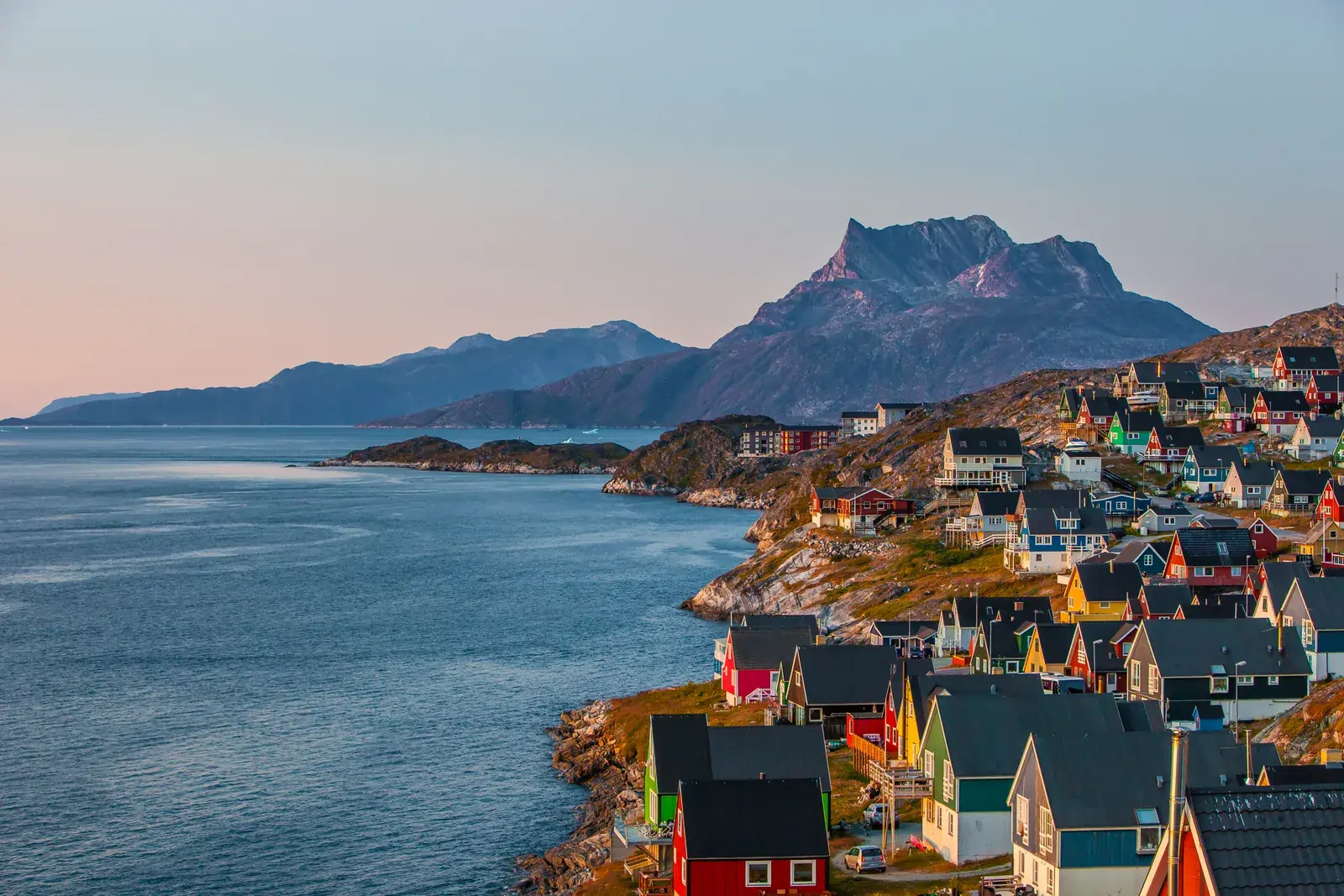
There's a particular kind of exhaustion that comes from a heatwave — the kind where the pavement seems to shimmer, sleep turns shallow, and even a short walk to the corner shop feels like a small ordeal. As global temperatures keep climbing, more travelers are quietly rewriting the rules of summer vacation. Instead of chasing the sun, they're chasing shade, altitude, and a breeze that actually cools the skin. The "coolcation" was born from this simple math: if home is pushing 35–40°C, anywhere that settles comfortably below 25°C suddenly looks like paradise.
These are not consolation-prize destinations. They deliver everything a great summer trip should — long golden evenings, good food, spectacular scenery — minus the part where you retreat indoors at noon just to survive. Warm days, cool nights, and the rare luxury of being able to think clearly outdoors: that's the whole pitch.
Himalayas, India — High-Altitude Respite
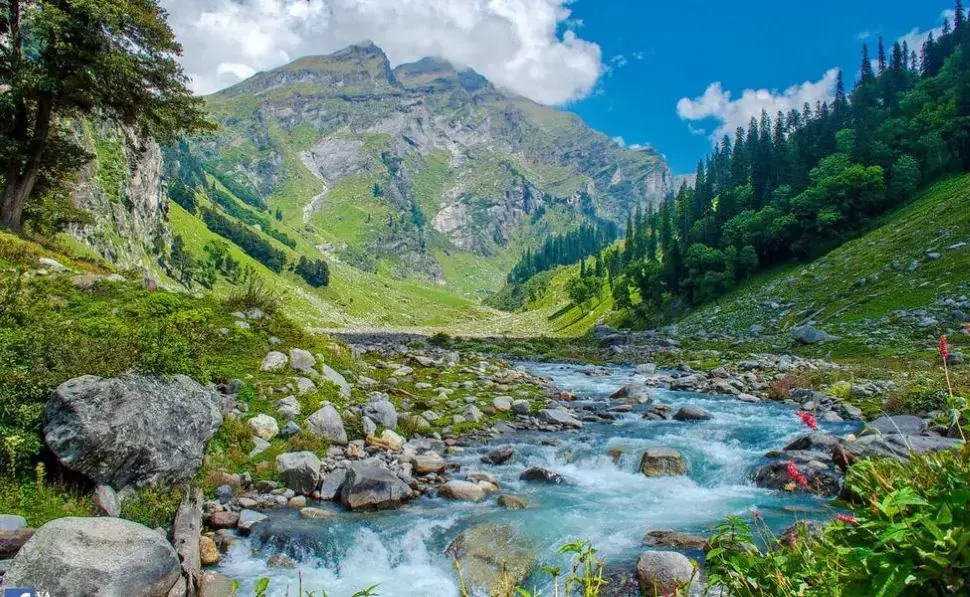
While Delhi bakes at 45°C, the hill stations of the Indian Himalayas sit in a different world entirely. Shimla, Manali, and Darjeeling hover around a gentle 20°C through summer, their colonial-era buildings wrapped in mist and their terraced tea plantations rolling off into the haze. Mornings here call for a light sweater, not sunscreen.
Getting there is refreshingly uncomplicated: fly into Delhi or Kolkata, then continue by train or car up into the foothills. Accommodation is a bargain by international standards, and the trekking — from gentle valley walks to serious Himalayan routes — is some of the best on the planet.
Swiss Alps, Switzerland — Classic Elevation
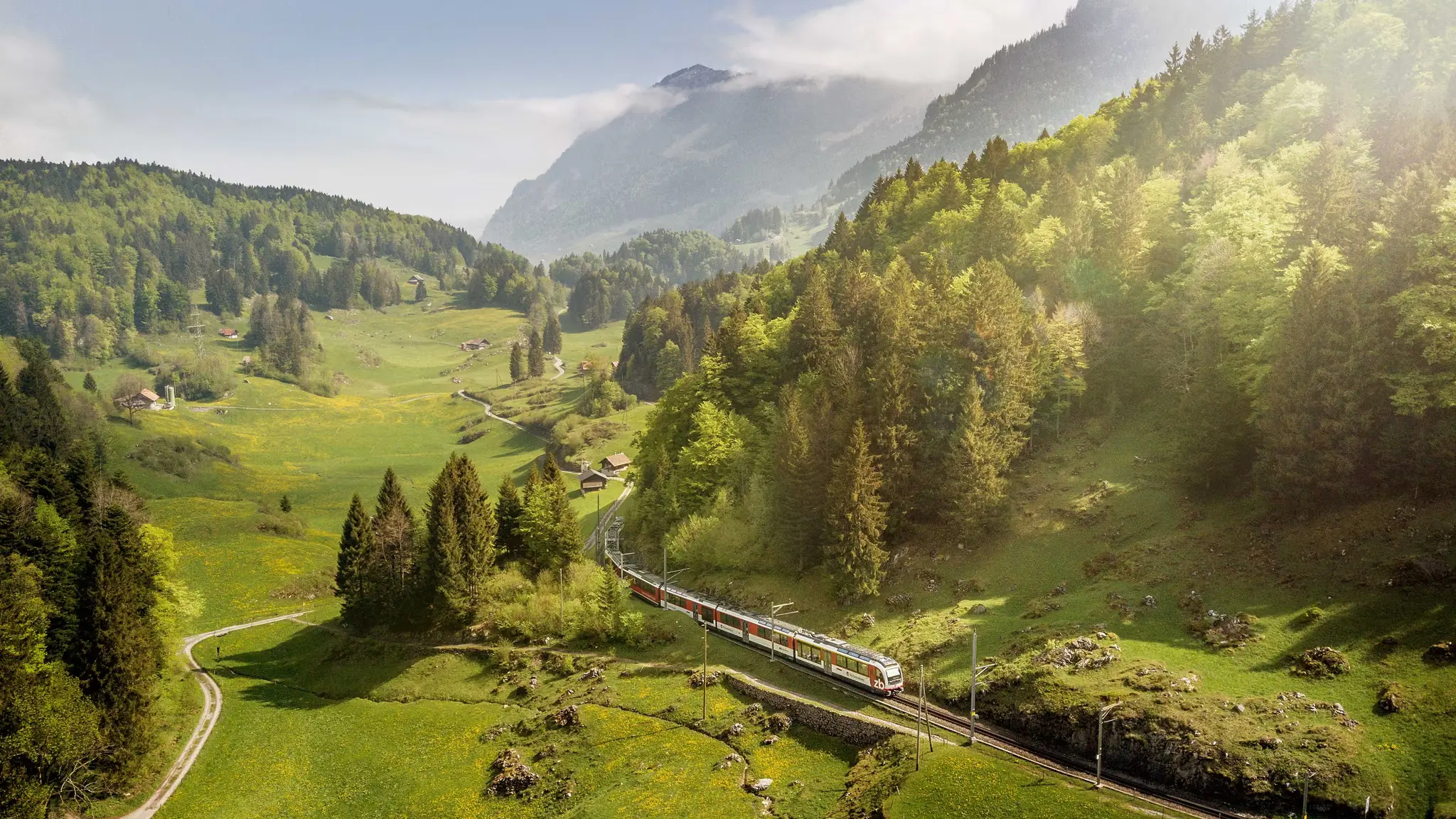
There's a reason the Swiss Alps have been a summer refuge for over a century. Above 2,000 meters, towns like Zermatt, Saas-Fee, and Grindelwald settle into a crisp 15–20°C — cool enough for brisk hiking, warm enough to linger over lunch on a sun-drenched terrace with a glacier glinting in the distance.
Yes, prices run higher here than almost anywhere else on this list, but the trade-off is precision: trains glide directly from Zurich into the mountains, trails are immaculately marked, and the views are the kind that stop conversation mid-sentence.
Cape Town, South Africa — Southern Hemisphere Summer
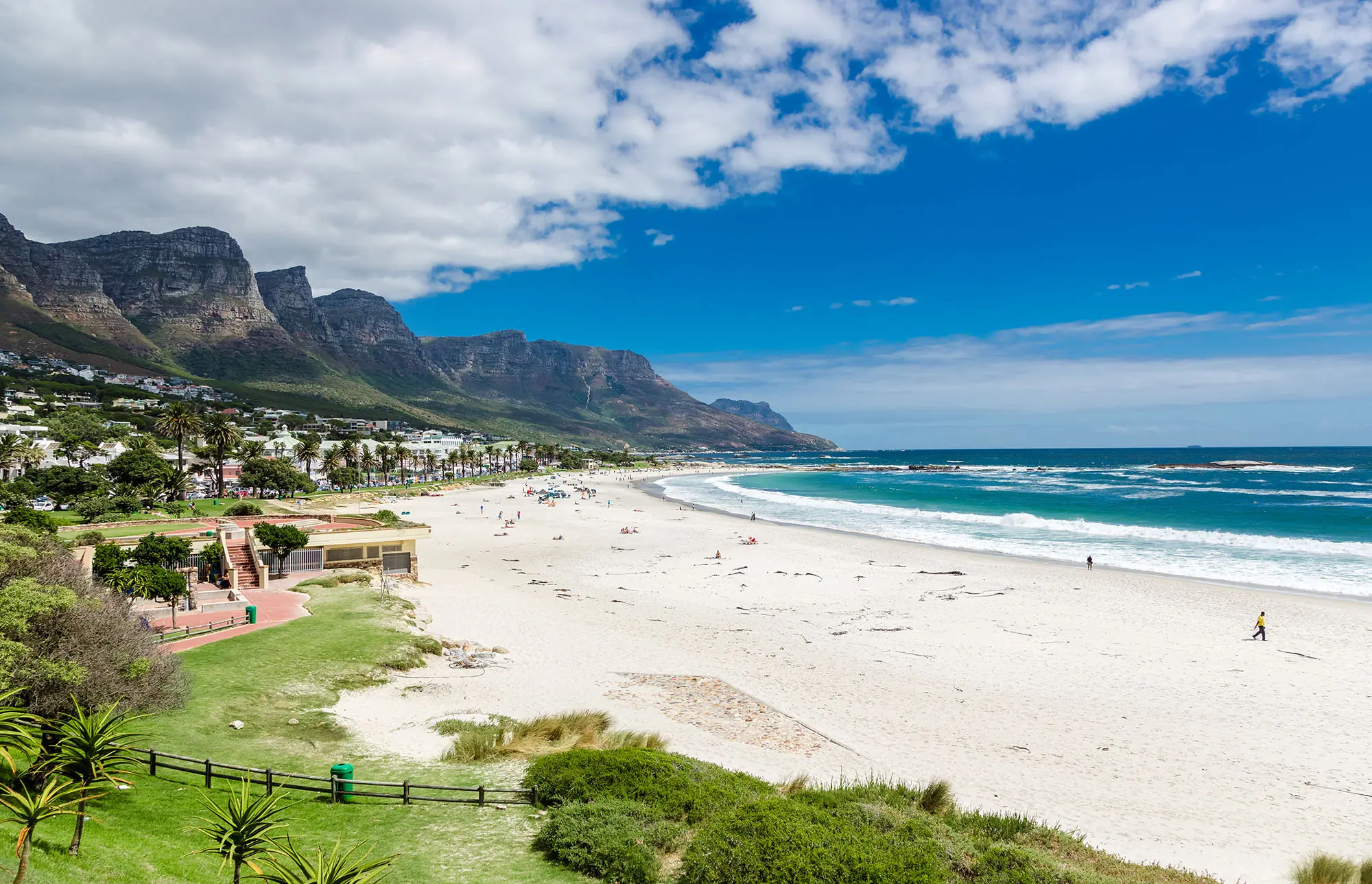
Flip the globe and the seasons flip with it. While the Northern Hemisphere sweats through July and August, Cape Town is settling into a mild, moody winter — think 15–20°C, misty mornings, and dramatic light over Table Mountain. It's cool by local standards but downright refreshing compared to a heatwave back home.
Better still, the summer crowds have thinned out and rates have softened. Hiking Table Mountain, wandering the Cape Winelands, or simply sitting outside with a glass of something local feels comfortable rather than like an endurance test.
Azores, Portugal — Atlantic Cool

Scattered in the Atlantic roughly 1,400 kilometers from mainland Portugal, the Azores seem to exist on their own thermostat. Summer temperatures settle around 22–24°C and rarely creep past 25°C, tempered constantly by the surrounding ocean. The islands themselves are volcanic and impossibly green — crater lakes, hydrangea hedgerows, and cliffs that plunge straight into the sea.
Reaching them takes a bit more intention, via ferry or flight from mainland Portugal, but accommodation remains reasonable and the landscape rewards every extra hour of travel.
Southern Argentina and Chile — Patagonia
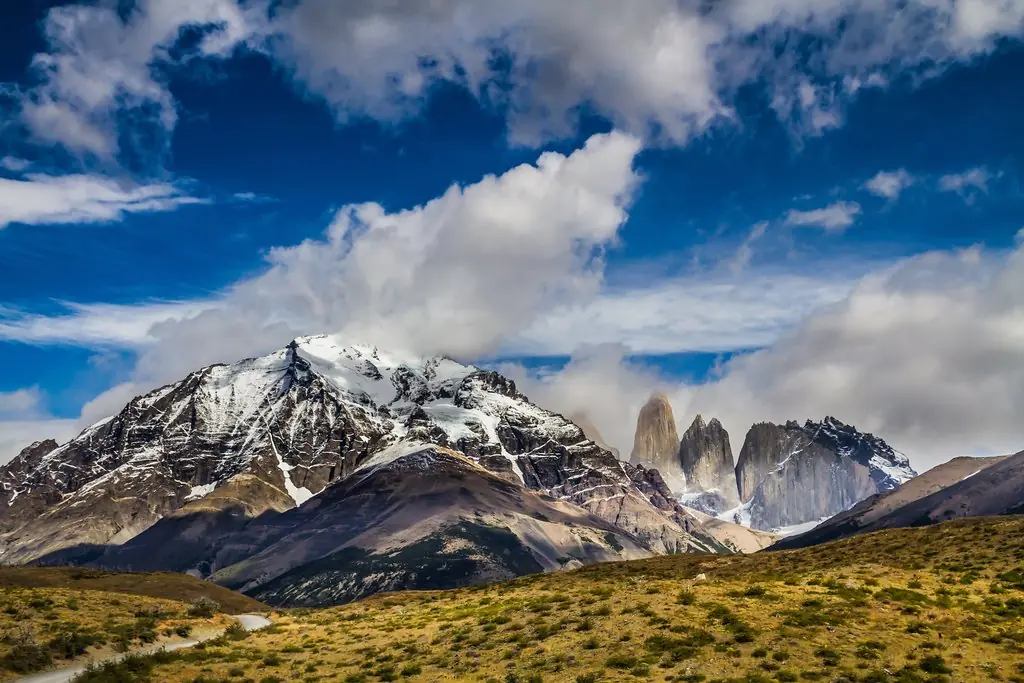
When the Northern Hemisphere is at its hottest, Patagonia is easing into a mild 18–22°C across its lake districts and southern reaches, both Argentine and Chilean. Jagged peaks, glacial lakes, and hiking trails that range from easy lakeside strolls to multi-day treks make this one of the most dramatic cool-weather escapes anywhere — and accommodation spans everything from simple hostels to design-forward mountain lodges.
Getting there means flying into Buenos Aires or Santiago, then continuing south to Bariloche or Puerto Natales — a longer journey, but one that rewards patience.
Japanese Mountains — Nagano and Gifu
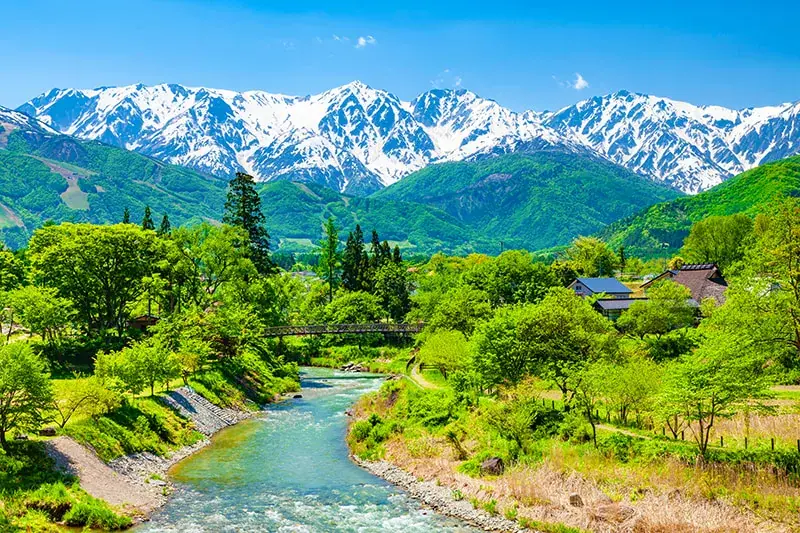
While Tokyo and Kyoto swelter under thick summer humidity, the mountain prefectures of Nagano and Gifu hold steady around 20–22°C. Traditional villages, forested hiking trails, and steaming thermal springs make for a completely different rhythm of travel — slower, quieter, and noticeably easier to breathe in.
The route is simple: fly into Tokyo, then take a two-to-three-hour train into the mountains, and watch the humidity lift with every stop.
Timing and Planning
Coolcations work precisely because they go against instinct — most people still picture summer as beaches and blazing heat. Head for altitude or flip hemispheres instead, and you land on genuinely pleasant weather, thinner crowds, and easier access to good accommodation.
If South America or Asia is on your list, book ahead — the logistics take longer to fall into place. European mountain destinations tend to stay flexible right through July.
The real payoff, though, is what cooler air does to a trip: more hiking, more exploring, more actual travel — and far less time spent simply trying to survive the heat.