

After enough summers on the road, you start to notice a pattern: the trips that go sideways rarely fail because of anything dramatic. No lost passports, no natural disasters. Just a string of small, ordinary decisions — a rushed booking, an ambitious itinerary, a guesthouse chosen for its photos instead of its location — that quietly add up to a summer spent frustrated instead of refreshed. Here's what actually derails a trip, and how to sidestep it.
Booking Peak Season Without Flexibility
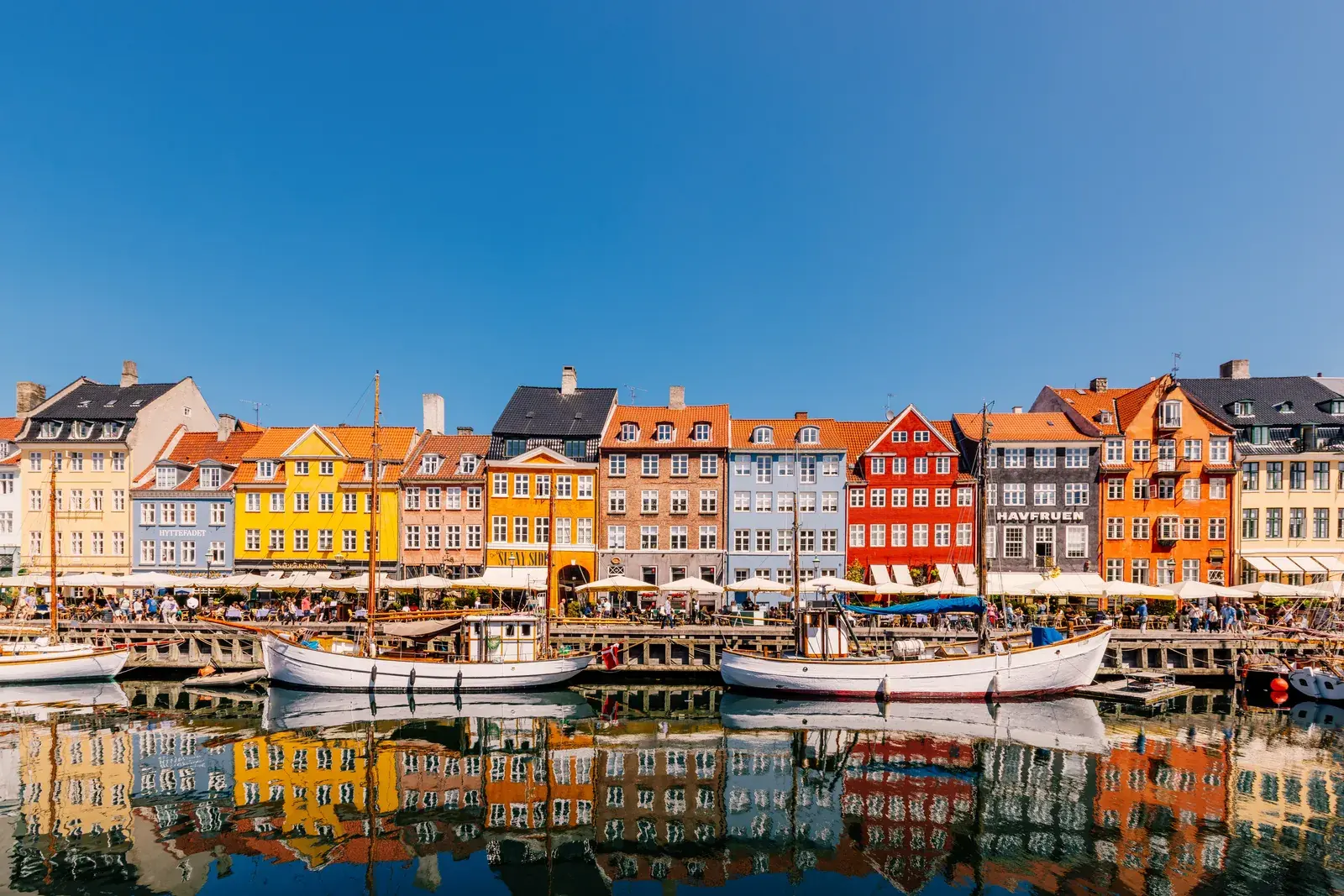
You lock in flights for July 15–22 because that's simply "when summer vacation happens," and then spend the week standing in queues at overcrowded attractions, squeezed into packed accommodation, wondering why nothing feels relaxing.
Book the shoulder season instead — late May, September, early June — and stay flexible. Weather-wise you lose almost nothing. Crowd-wise and price-wise, you gain a lot: shorter lines, and often half the cost.
Choosing Accommodation by Picture, Not by Location

That charming guesthouse looked irresistible on Airbnb, but it turns out to be two kilometers from everything you actually came to see. You end up walking for hours every day just to get anywhere, resenting a location you'd otherwise love.
Choose the neighborhood first, then find accommodation within walking distance of it. A plainer room in the right spot beats a beautiful one in the wrong one.
Booking Extremely Tight Itineraries

Monday in Rome, Tuesday in Florence, Wednesday in Venice, Thursday in Milan. Half your trip disappears into packing, transit, and hotel check-ins — and you leave having glimpsed four cities without truly experiencing any of them.
Give each place four to five days, minimum. One day covers logistics; the rest is for actually being there.
Not Building Buffer Time Into Travel Days

You book a ferry for 2pm, arrive in town at 1:45, and watch it pull away at 1:55 while you're still finding the dock. Delays happen. Trains run late. Flights get rerouted. Cutting things close only works when nothing goes wrong — and something always eventually goes wrong.
Build two to three hours of buffer into every leg of inter-city travel. If you don't need it, spend it exploring the city you're leaving. If you do need it, you'll be grateful it's there.
Overpacking and Then Hating Yourself

You pack the "just in case" outfit, the extra pair of shoes, the gadget you've used twice in your life. By day five, hauling twenty kilograms up a fourth-floor walk-up, you regret every ounce.
Pack about 40% of what you think you'll need. You'll repeat outfits. You'll rewear the same shoes. You'll be perfectly fine.
Not Checking Visa Requirements Early
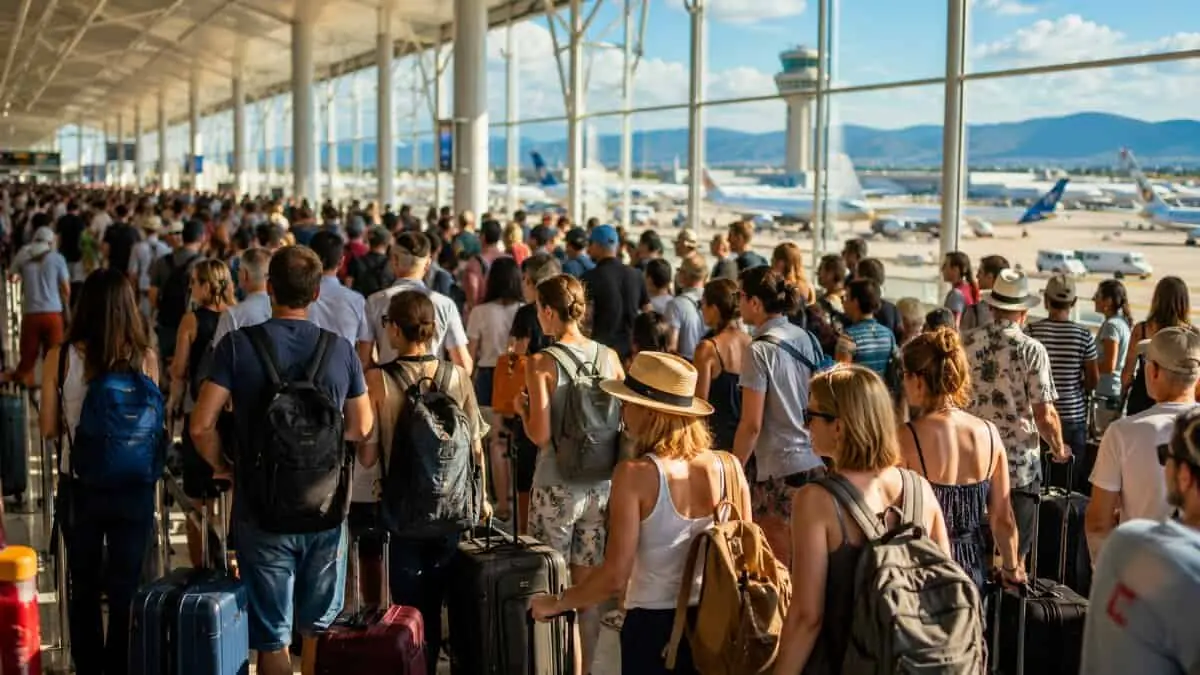
You book a flight to Vietnam for July and discover two weeks out that you need a visa — cue the panicked application and the rush fees. Or worse, you find out at the border, and the trip ends before it starts.
Check visa requirements three months ahead. Some processing times run four to six weeks, so plan around that reality, not around hope.
Eating Only at Tourist Restaurants

You eat wherever the guidebook points, pay the tourist markup, and get food that's fine but forgettable. Meanwhile the actually good meal is two blocks away — cheaper, and packed with local regulars instead of other tourists.
Skip the famous names. Walk five minutes in any direction and eat where the neighborhood actually eats.
Not Respecting Ferry and Train Schedules

You assume transport will bend to your plans. It won't. Boats run once a day in plenty of places, trains fill up fast during peak season, and timetables shift with the seasons without warning.
Check schedules two to three months ahead, and build your route around the transportation — not the other way around.
Traveling Without Travel Insurance
Medical emergencies happen. Flights get cancelled. "I'm healthy" and "it won't happen to me" have never once functioned as an insurance policy.
Buy comprehensive travel insurance — it typically runs about €8–15 a month. That's a small price for something that can save an entire trip if things go wrong.
Trying to See Everything

You land somewhere new, draft a list of thirty must-see attractions, and spend the week stressed because there's no way to check them all off. You end up photographing everything and experiencing almost nothing.
Cap it at three to five things a day. Do them properly. Enjoy them fully. Let the rest go.
The Overarching Pattern
Look closely and every mistake on this list shares the same root cause: chasing a hypothetical upside at the expense of how the trip actually feels while you're living it. Slightly cheaper. More thoroughly covered. More comprehensively seen. None of it matters much if you spend the trip stressed.
The real upgrade comes from planning less, staying longer, and moving slower — which is more or less the opposite of what most travel advice tells you to do.
Try it once: skip peak season, settle into one region, give each city four or five days, eat where the locals eat, and use that buffer time to wander instead of rush.
Your summer will look nothing like the standard checklist version — and it'll be far better for it.