Step out of a station in Tokyo and the city hands you a contradiction: vending machines humming beside a centuries-old shrine, a quiet backstreet shrine bell ringing a block from Shibuya's scramble crossing. Japan's capital is enormous — thirteen million people spread across dozens of neighborhoods that each feel like their own small city — but the trains make it legible, and a few days here is enough to go from temple incense to conveyor-belt sushi to karaoke at 2am without ever feeling like you're rushing. This guide covers where to stay, what to eat, how to get around, and where to head when you want a day away from the city altogether.
Top Highlights
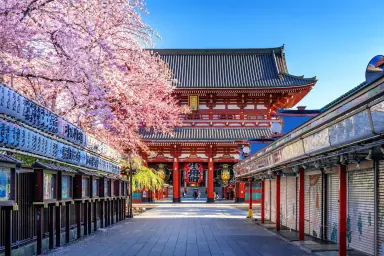
Source: A Wanderlust Home Senso-ji Temple
Tokyo's oldest temple, Senso-ji is famous for its vibrant red gate, the bustling Nakamise shopping street, and a lively spiritual atmosphere. Draw an omikuji fortune at the main hall, then explore the surrounding Asakusa district for traditional sweets, hand-painted fans, and some of the best street food in the city.
More information
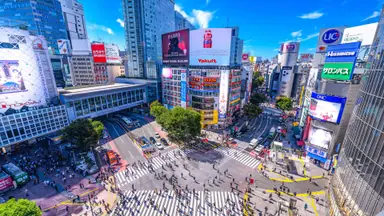
Source: Go Tokyo Shibuya Crossing
Experience the world's busiest pedestrian crossing in the heart of Shibuya. Surrounded by neon lights, giant screens, and endless shopping, the scramble is a symbol of Tokyo's energy. Watch from the Starbucks above for the best view, then dive into the crowd yourself when the lights change. It is busiest in the early evening.
More information
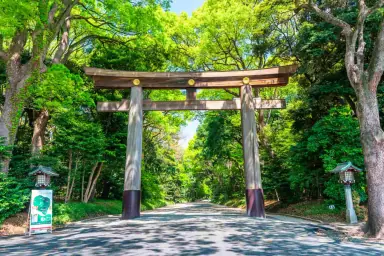
Source: WA Amazing Discover Meiji Shrine
Nestled in a peaceful forest near Harajuku, Meiji Shrine is Tokyo's most important Shinto shrine. Stroll through towering torii gates, enjoy seasonal festivals, and — if you're lucky — witness a traditional wedding procession winding through the courtyard. The inner gardens are an unexpected oasis right inside the city.
More information
Opening times: Sunrise–Sunset
Admission: Free
Website: Visit Website
*Check the website for opening hours and paid experiences.
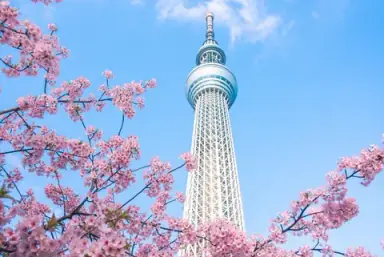
Source: Bokksu Tokyo Skytree
The tallest structure in Japan, Tokyo Skytree offers breathtaking views of the city, plus shopping, dining, and an aquarium at its base. Visit at sunset for panoramic vistas across the skyline as the city lights flicker on. The Tembo Galleria is the higher of the two observation decks. Book online to skip the longest queues at the base, and pick a clear day for the view.
More information
Opening times: 10:00–22:00
Admission: ¥3,100 (Advance ticket)
Website: Visit Website
*Ticket prices vary depending on purchase date and level access.
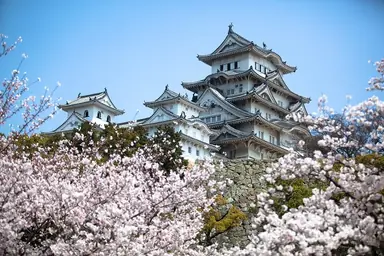
Source: KCP International Tokyo Imperial Palace
The residence of Japan's Emperor, the palace is surrounded by beautiful gardens, wide moats, and historic stone gates. The East Gardens are open to the public and offer a peaceful escape in the very center of the city — best visited in spring when the cherry blossoms line the moat.
More information
Opening times: 9:00–16:30 (East Gardens)
Admission: Free
Website: Visit Website
*To visit the palace grounds, you must book a guided tour through the website.
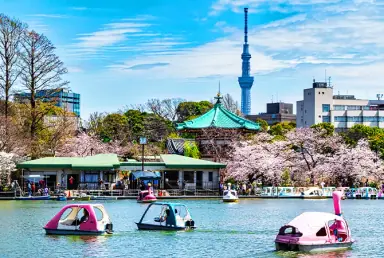
Source: Go Tokyo Ueno Park & Shrines
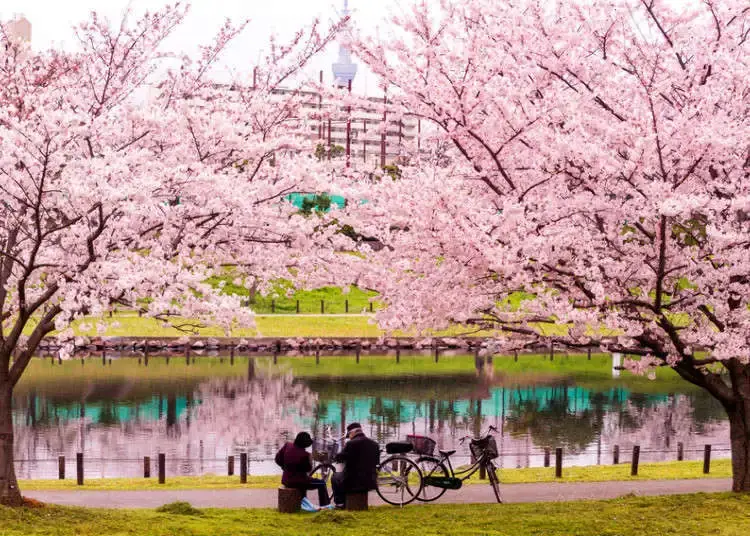
A vast park packed with museums, a zoo, and famous cherry blossoms in spring. Visit Ueno Toshogu Shrine and enjoy seasonal festivals, art, and nature right in the heart of Tokyo. The park is especially lively during hanami, when locals lay out blue tarps under the blooming trees.
More information
Opening times: 5:00–23:00 (Ueno Park)
Admission: Free
Website: Visit Website
Some museums and attractions have an entrance fee.
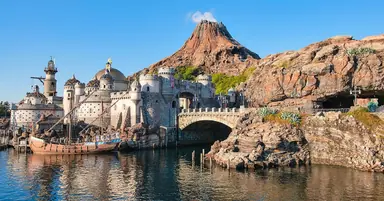
Source: Tripadvisor Tokyo Disney Resort
Tokyo Disneyland and DisneySea are world-class theme parks with unique attractions, parades, and seasonal events. Both are known for their exceptional hospitality and attention to detail — DisneySea in particular has rides and themed lands you won't find at any other Disney park in the world.
More information
Opening times: 9:00–21:00
Admission: from ¥8,400 (adult, 1-day)
Website: Visit Website
*Tickets open two months in advance and prices may vary.
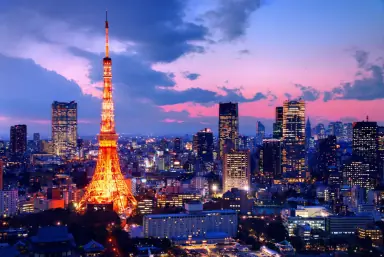
Source: Japan Bite Tokyo Tower
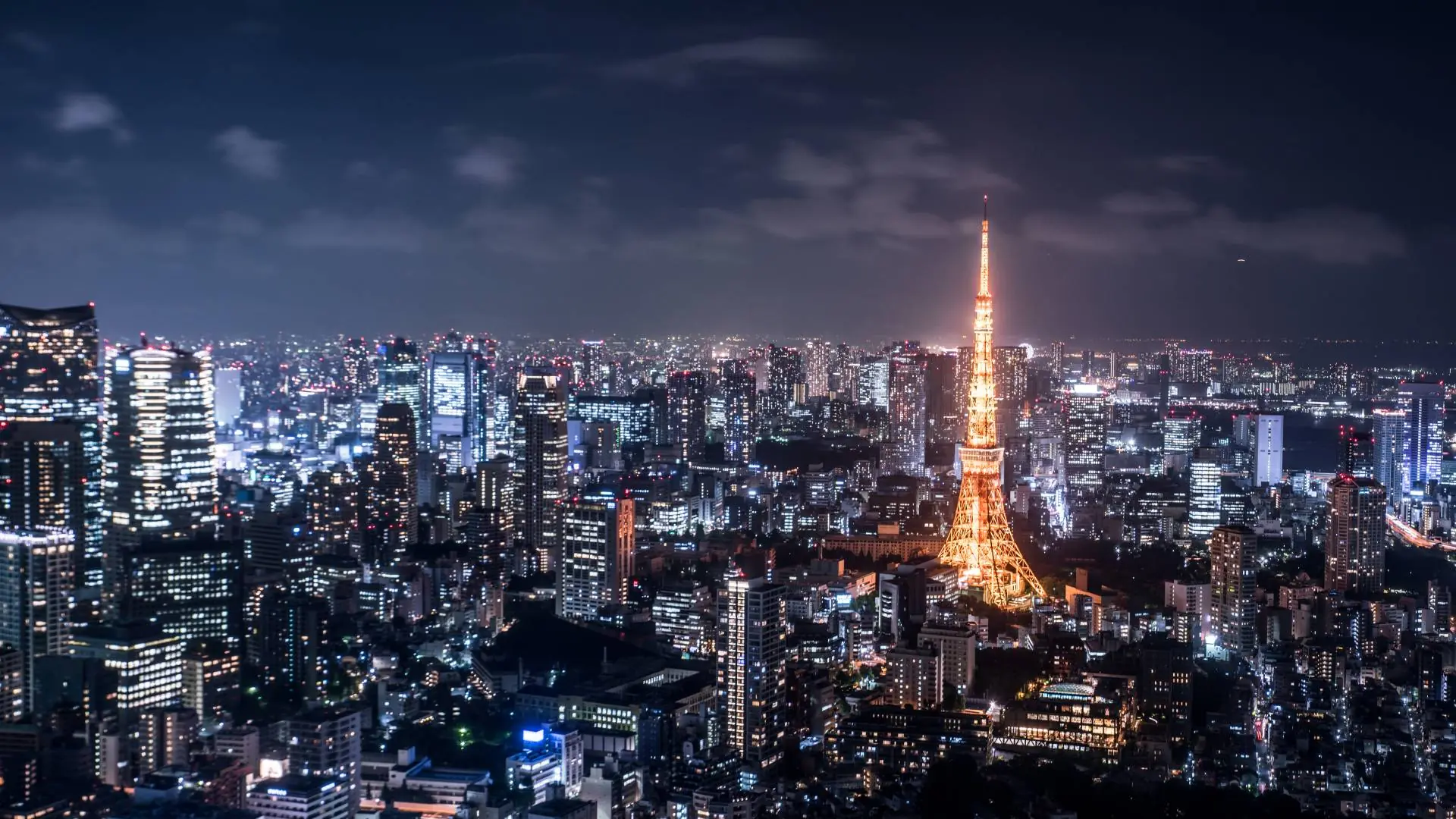
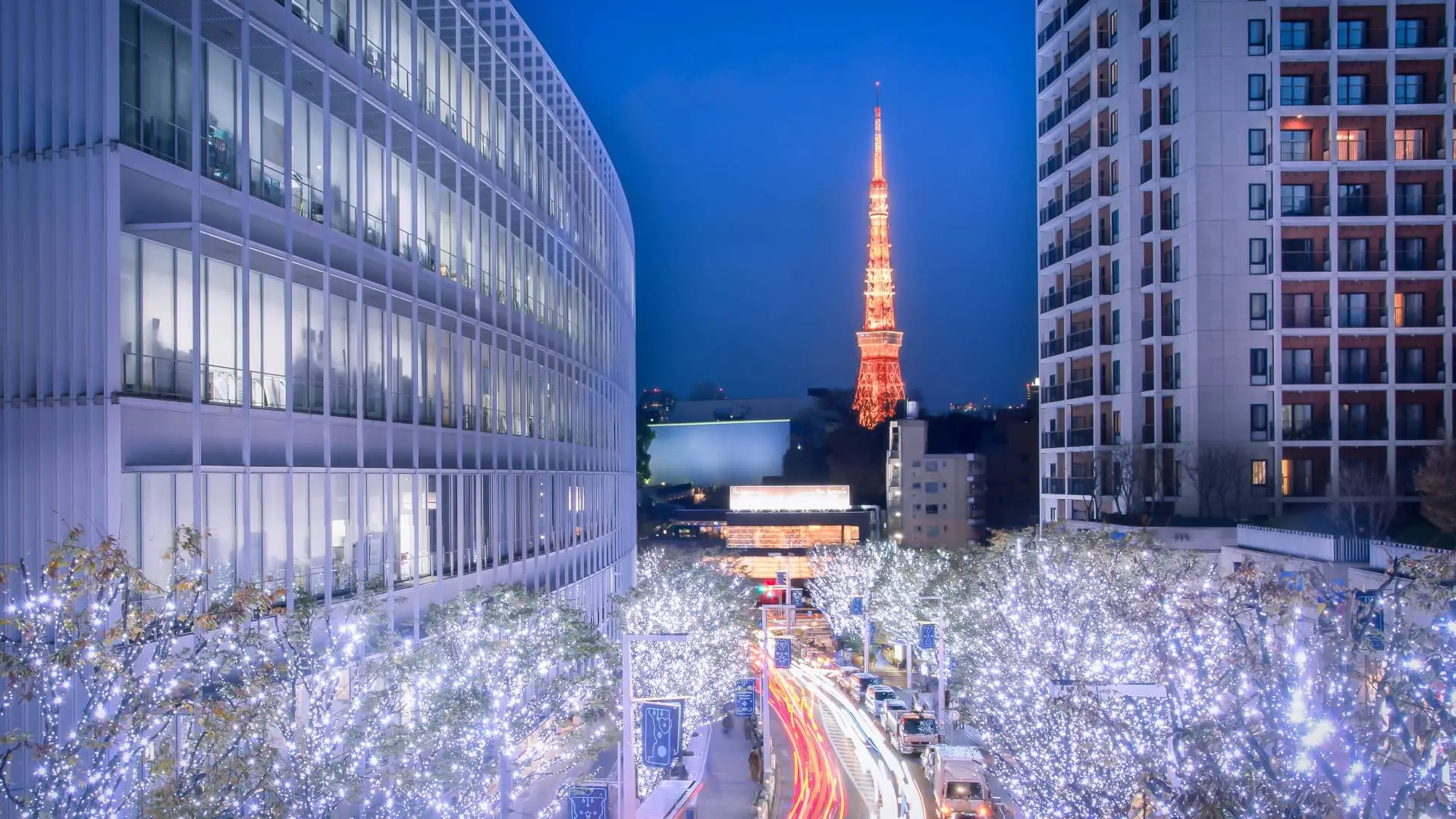
An iconic red-and-white landmark inspired by the Eiffel Tower, Tokyo Tower offers panoramic city views, a FootTown entertainment complex, and seasonal illuminations after dark. It's a favorite spot for photographers — especially at sunset, when the surrounding district lights up and the tower itself begins to glow.
More information
Opening times: 9:00–22:45
Admission: ¥3,300 (Top Deck)
Website: Visit Website
*Business hours may vary depending on weather and level access.
Insider tip: Tours for Tokyo Imperial Palace must be booked in advance through the official website. Reservations are open for the current and the next month. However, you should keep in mind that you cannot enter the main palace buildings even during the tour. The tour takes approximately 2 hours.
Insider tip: You do not need to buy Tokyo Disney Resort tickets way in advance if you are not visiting during a holiday or peak period. Tickets can usually be purchased even one day before, as long as availability remains.
Insider Tip: Tickets for Tokyo Disney Resort parks must be purchased online in advance, especially during holidays and weekends. Tickets are released two months in advance.
Neighborhoods & Where to Stay
Source: mai-ko.com
Shibuya
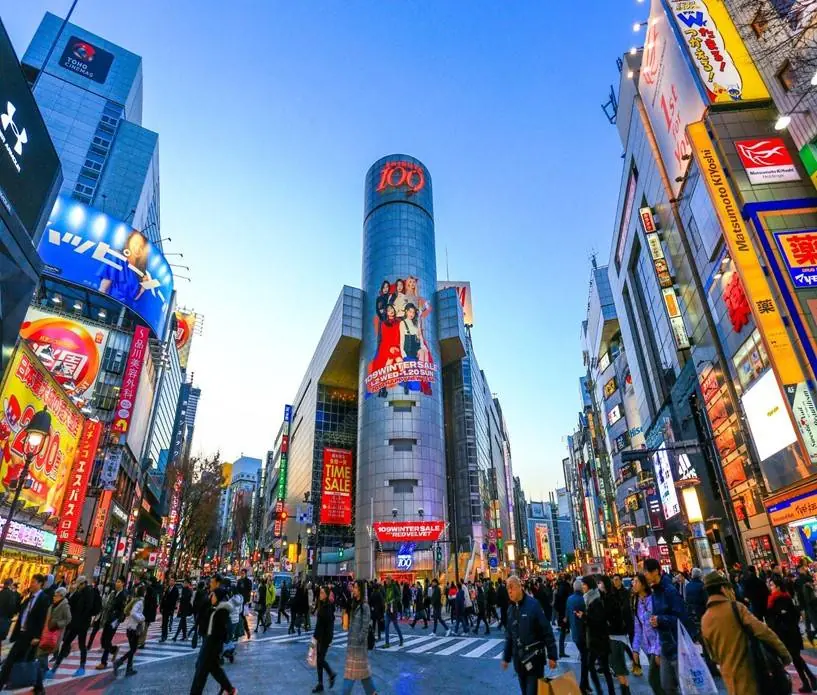
This is Tokyo at full volume — giant screens, department stores stacked ten floors high, and streets that stay crowded well past midnight. Shibuya Station is one of the busiest interchanges on earth, so staying nearby means every other neighborhood is a short train ride away. Base yourself here if you want to be in the middle of things: the shopping, the izakayas tucked down side streets, and the crossing itself, which is somehow still worth watching even on your third night in the city.
Asakusa
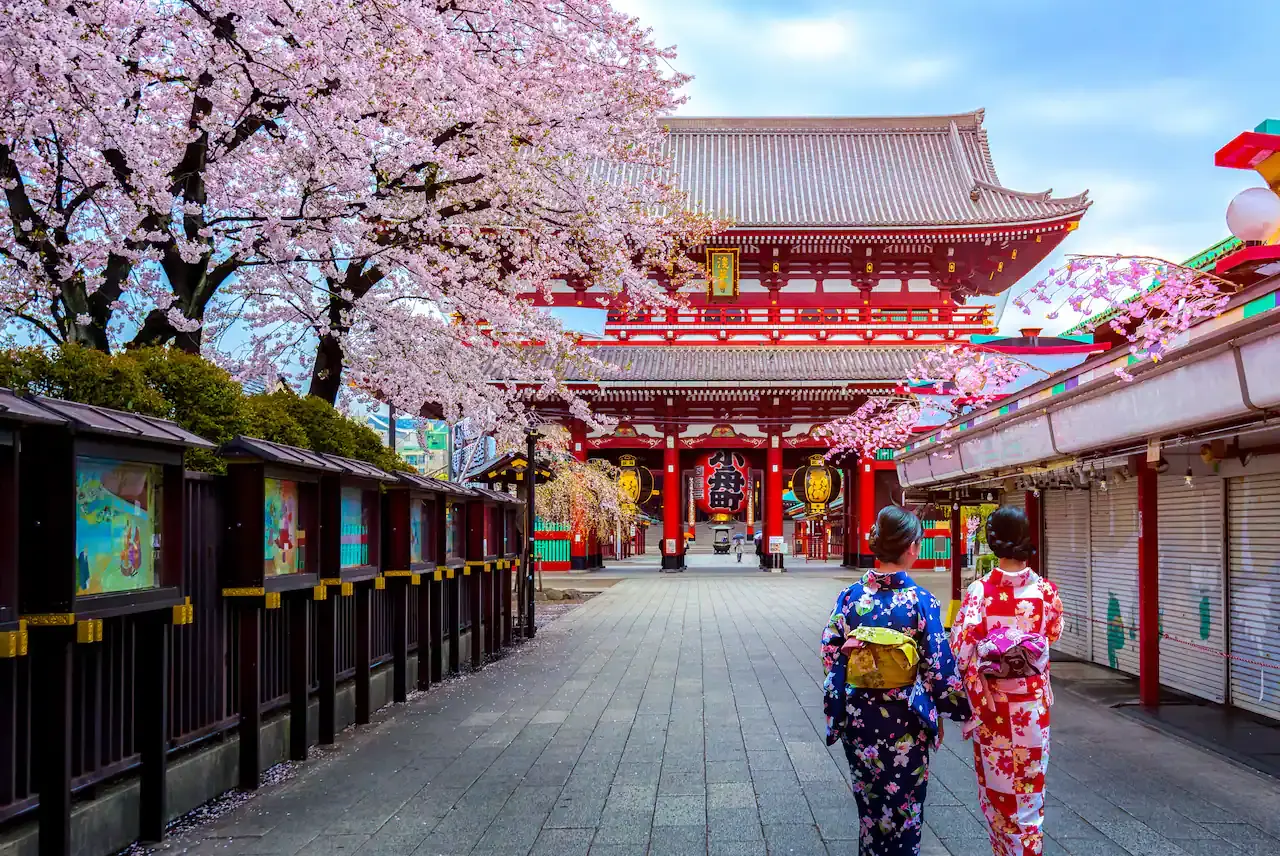
Tokyo's oldest neighborhood moves at its own pace. Senso-ji Temple and the stalls of Nakamise-dori draw crowds by day, but wander a few streets back and you'll find low-rise shitamachi (old downtown) blocks, family-run tempura counters, and rickshaw drivers waiting for a fare. It's a good base for families and for travelers who'd rather fall asleep near a quiet temple bell than a nightclub — and it's well served by subway, so central Tokyo is never more than 20–30 minutes away.
Source: Hilton
Source: GaijinPot Travel
Shinjuku
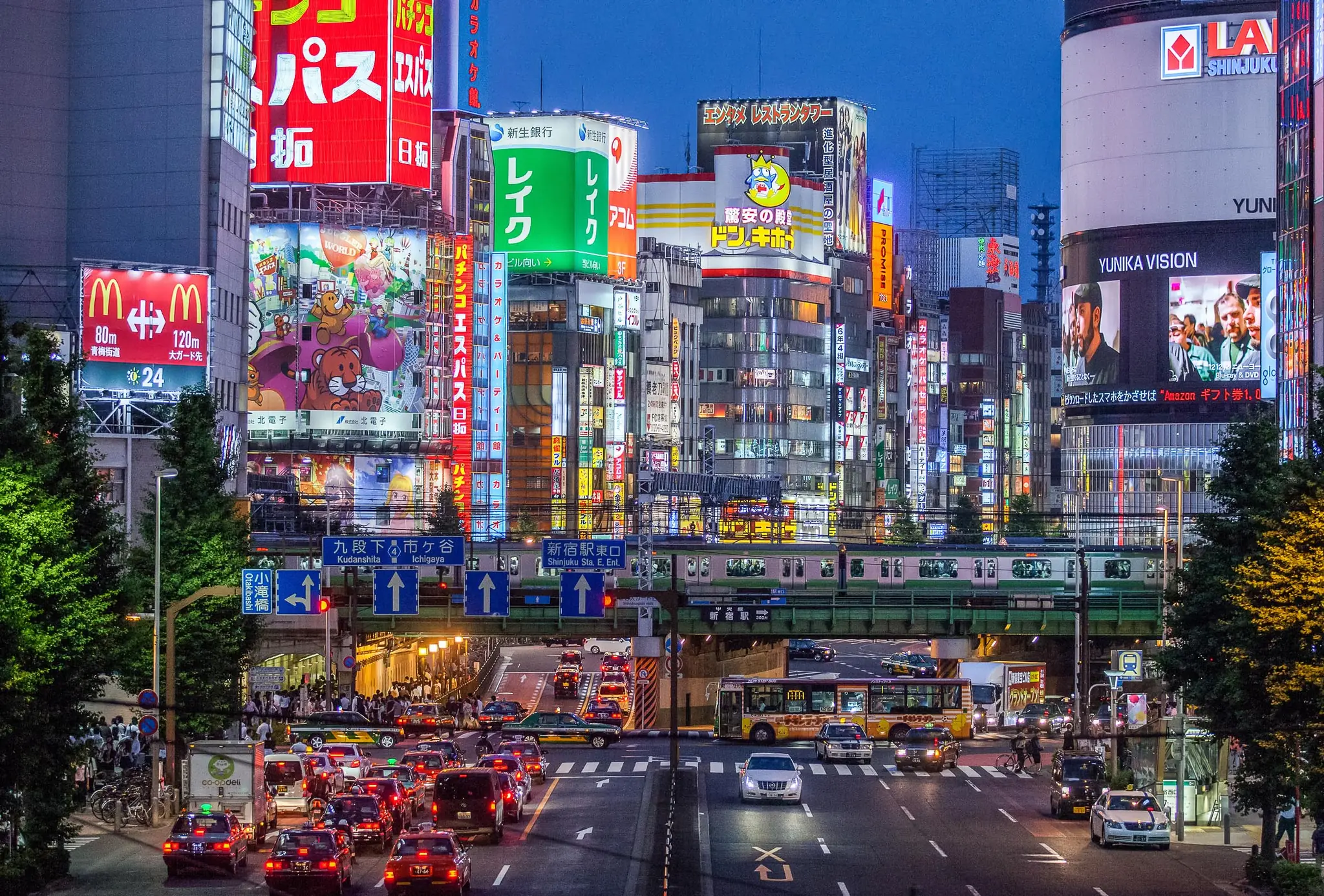
Shinjuku Station alone sees millions of passengers a day, and the district above ground matches that scale — skyscrapers, department stores, and enough neon to make the whole area glow after dark. Duck into Golden Gai's alleyways of six-seat bars or the yakitori smoke of Omoide Yokocho, then reset the next morning in Shinjuku Gyoen, one of the city's best gardens. With direct trains and buses to both airports, it's an easy first or last stop on a Tokyo trip.
Shinjuku is very safe for travelers, but use extra caution in Kabukicho at night, where touts and scams are possible.
Ueno
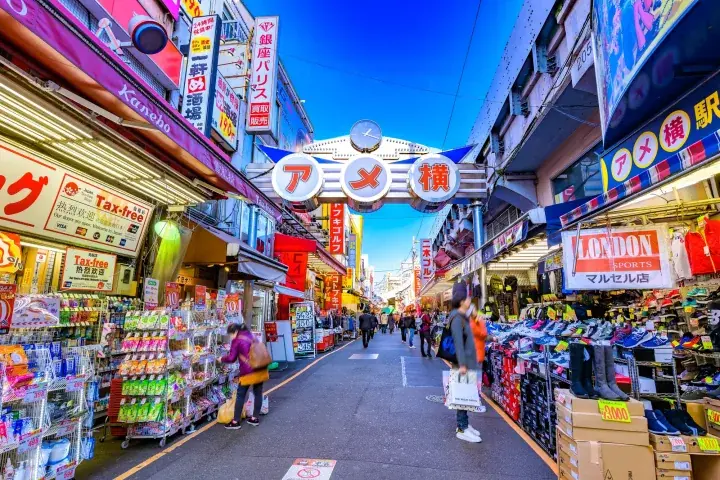
Ueno trades polish for value. Its park holds several of Tokyo's best museums and, in cherry blossom season, hundreds of trees under which locals picnic late into the evening. Ameya-Yokocho, the market street running alongside the train tracks, is where to find cheap eats, discount cosmetics, and dried fish sold by the crate. Hotels here tend to be more affordable than in Shibuya or Shinjuku, and the area sits directly on the Keisei Skyliner line, making it a practical base if you're flying via Narita.
Source: MATCHA
Food & Drink
Tokyo has more Michelin stars than any city on earth, but the best meal of your trip is just as likely to come from a seven-seat counter with no English menu or a plastic stool at a standing bar near the station. Eating well here rarely requires planning — just follow the smell of grilling chicken skewers down a side street, or the queue outside a shopfront with a hand-written sign.
-
Sushi & Sashimi — Tokyo is the birthplace of Edomae sushi, originally made with local Tokyo Bay fish. For the full ceremony, book a counter seat in Ginza; for something faster and just as fresh, the food stalls of Tsukiji Outer Market — the retail side of the old fish market, still going strong even after the wholesale auctions moved to Toyosu in 2018 — serve sashimi bowls and grilled skewers from early morning.
-
Ramen — Every neighborhood has a bowl it's known for. Shoyu (soy sauce) is the classic Tokyo style, but you'll also find rich tonkotsu, fiery spicy miso, and increasingly ambitious fusion bowls. Chains like Ichiran (solo booths, build-your-own broth) and Afuri (citrusy yuzu shio) are reliable and visitor-friendly if you don't want to gamble on a hole-in-the-wall.
-
Tempura — Lightly battered, fried in sesame oil, and served the moment it leaves the pot — good tempura shatters rather than crunches. Order it over rice as tendon, or as part of a multi-course set. Asakusa's back streets hide some of the city's oldest tempura counters.
-
Monjayaki — Okonomiyaki's runnier, saltier cousin, cooked at your table on a hot griddle and eaten straight off a tiny spatula (a hera) before it fully sets. Tsukishima's "Monja Street," a few stops from Ginza, is lined with shops that do little else.
-
Street Food — Smoky yakitori skewers at an izakaya counter, warm taiyaki (fish-shaped cakes filled with red bean or custard), buttery melon pan, and soft-serve in every shade of matcha — Asakusa, Ueno, and Harajuku all have stretches where you can eat your way down the block.
Insider tip: Many casual restaurants use ticket machines at the entrance—just pick your dish by photo or number, pay, and hand the ticket to staff.
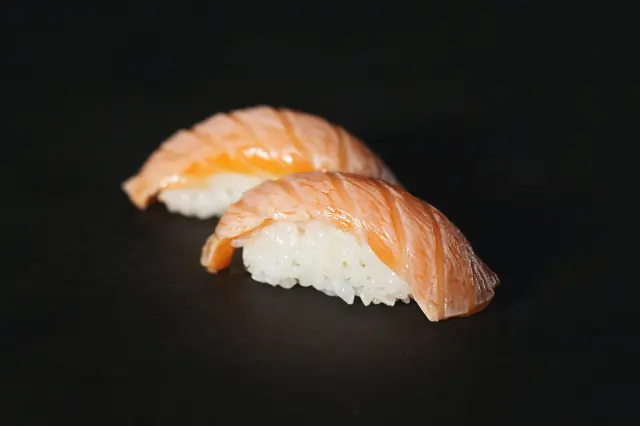 Edomae Sushi
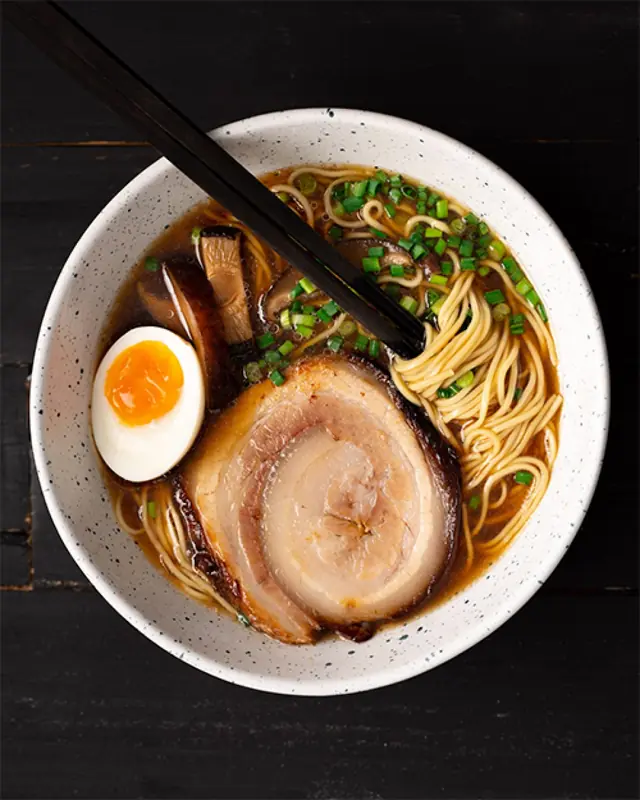 Shoyu Ramen
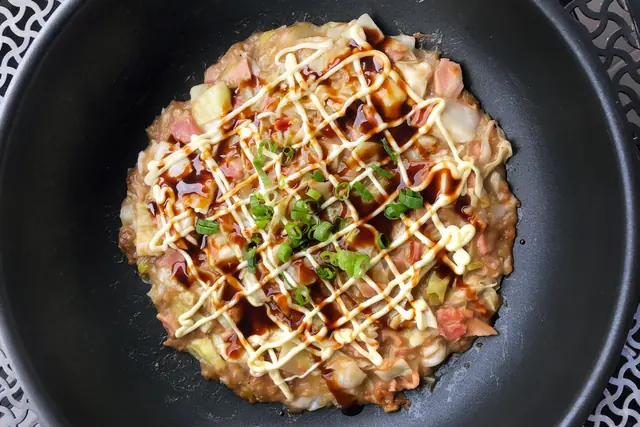 Monjayaki
Transportation
Tokyo looks intimidating on a subway map and feels nothing like it once you're actually riding it. The city has one of the most efficient, punctual, and safe rail networks anywhere, and nearly every sight, neighborhood, and day trip in this guide is reachable without ever needing a taxi.
Getting Around Tokyo
Two systems do most of the work. The Tokyo Metro and Toei Subway together cover the city with dense, overlapping lines — the Ginza Line (Asakusa–Shibuya), Hibiya Line (Ueno–Roppongi), and Tozai Line (Nishi-Funabashi–Nakano) are the ones you'll use most as a visitor.
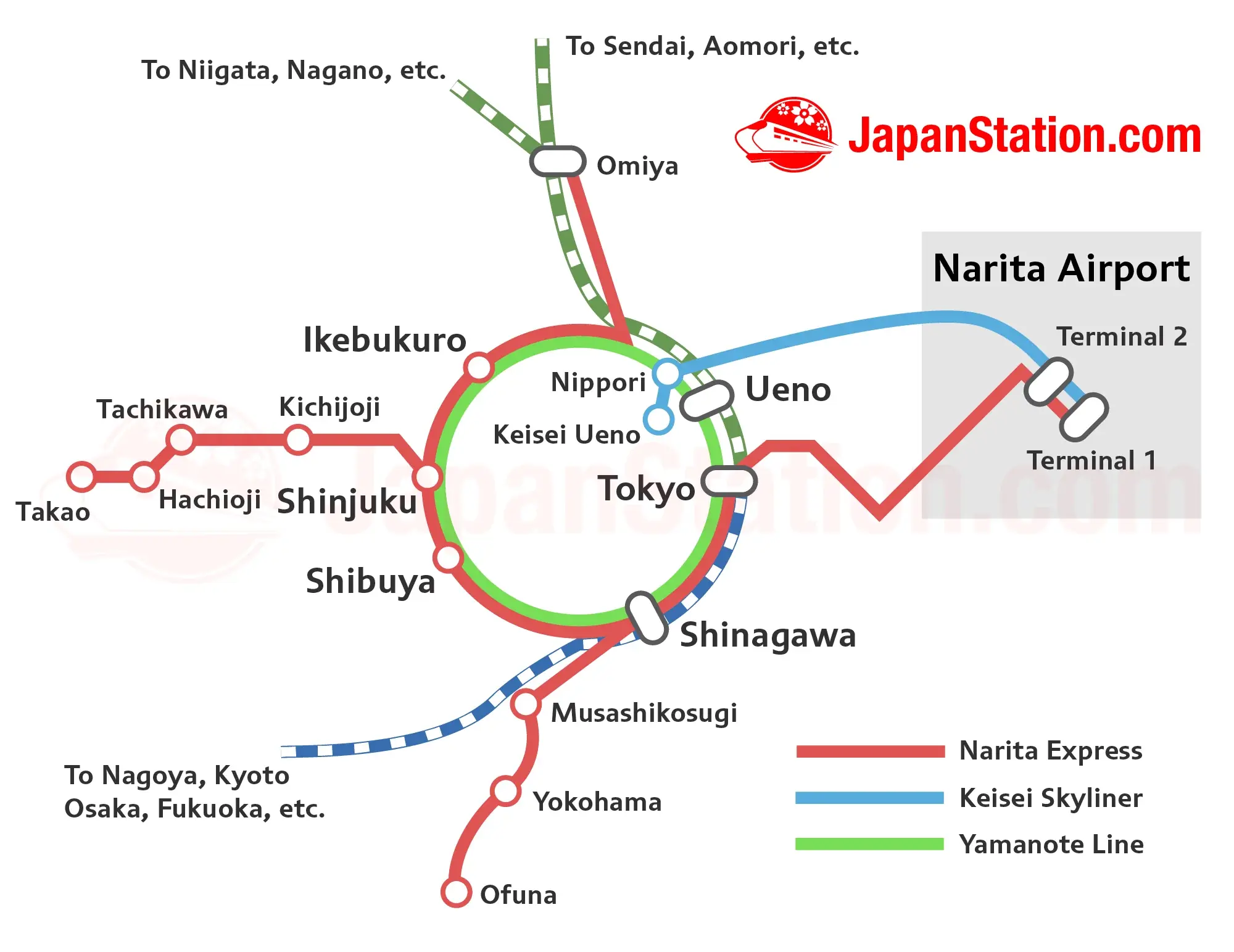
Above ground, the JR Yamanote Line is the workhorse: a loop connecting Shinjuku, Shibuya, Ueno, Ikebukuro, and Tokyo Station roughly every few minutes. When in doubt about how to get somewhere, check whether it's on the Yamanote loop first — it's the single easiest line to navigate in the city.
Tip: Get a Suica or PASMO IC card for seamless payment on all trains, subways, and buses. Avoid rush hour (7:30–9:30am, 5:00–7:00pm) for a more comfortable ride.
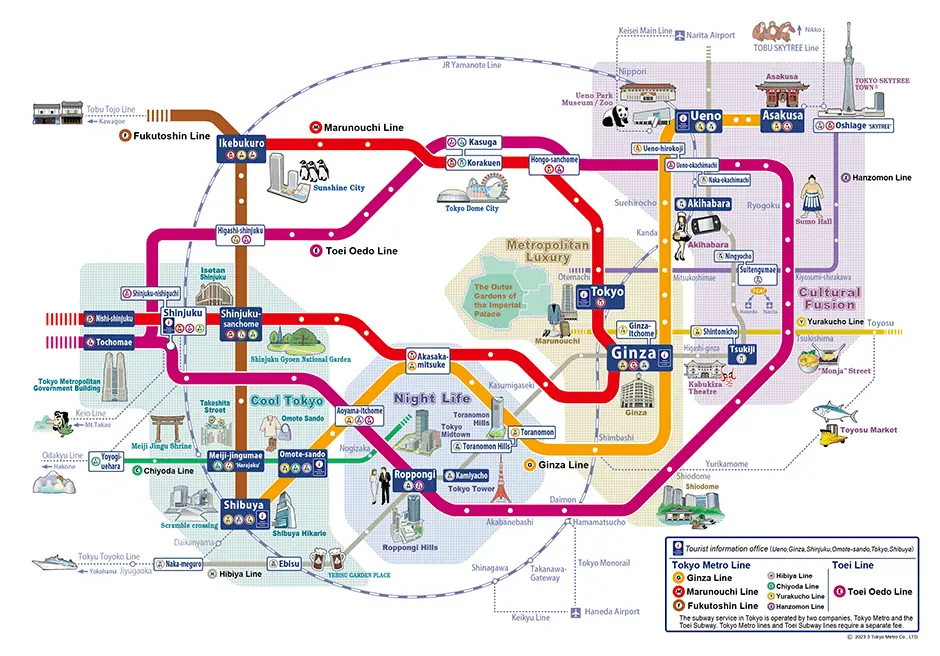
Getting to Haneda or Narita
Haneda Airport is the closer of the two, and getting there is straightforward:
-
The Tokyo Monorail runs from Hamamatsucho Station (on the JR Yamanote Line) to Haneda in around 20 minutes for roughly ¥500. From Shibuya, factor in the ride to Hamamatsucho plus the transfer — about 35–40 minutes total.
-
The Keikyu Line runs direct trains from Shinagawa Station to Haneda in as little as 15–20 minutes for around ¥300.
Narita Airport sits much farther out — plan for closer to an hour each way — but it's still an easy train ride, no taxi required.
-
The Keisei Skyliner covers Ueno Station to Narita in about 41 minutes for ¥2,570 (ordinary fare — a small IC-card surcharge applies). It's the fastest option by a good margin if your hotel is anywhere near Ueno.
-
For a direct ride from central Tokyo, the Narita Express (N'EX) connects Tokyo Station to the airport in under an hour, with through-service to Shinjuku and Shibuya taking somewhat longer. Fares run roughly ¥3,000–3,300 depending on where you board, and increase periodically — check current pricing before you book. Tickets are easy to buy online in advance or at any JR station on the route.
For more information on the Narita Express visit the JR East Website.
Day Trips from Tokyo
Nikko (2 hours by train)
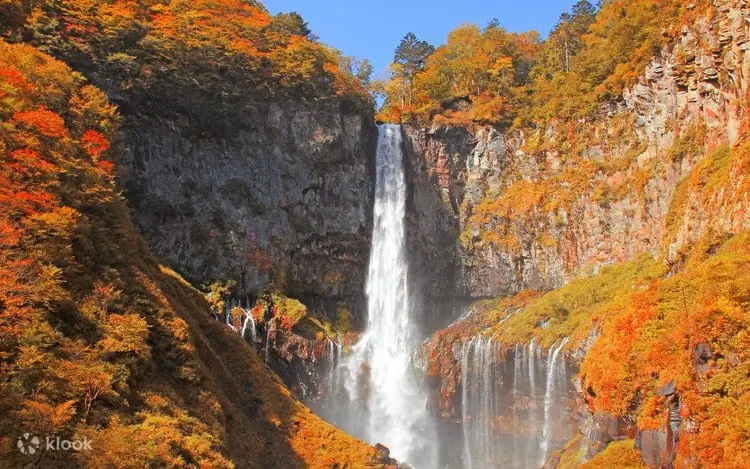
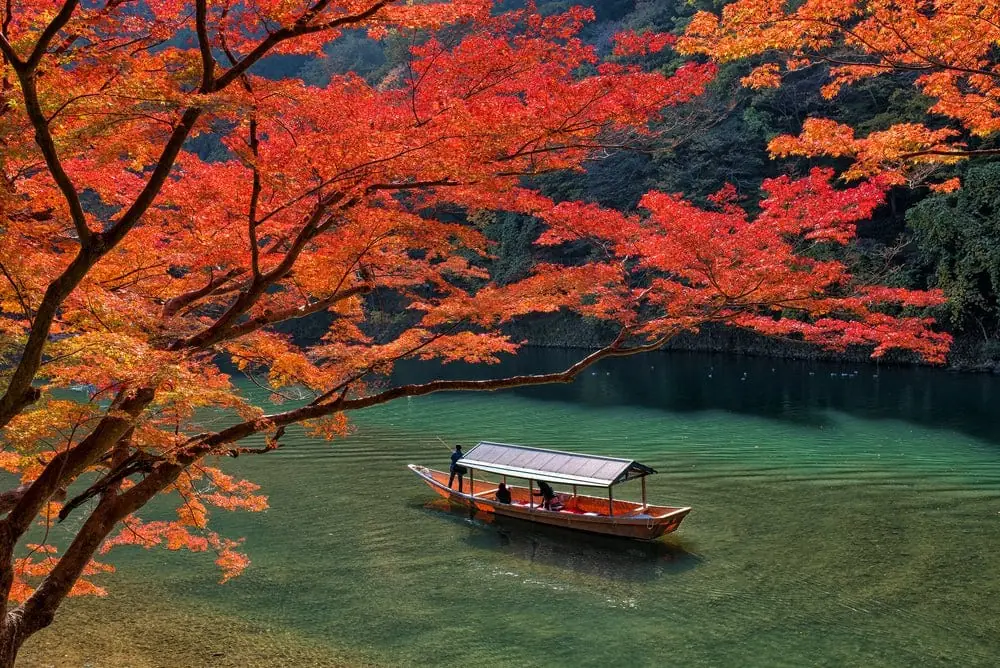
North of Tokyo, the mountains close in and the shrines get ornate. Toshogu Shrine, Nikko's UNESCO World Heritage centerpiece, is lacquered gold and carved with the famous "see no evil" monkeys — a world away from the minimalism of most Shinto architecture. Beyond it, cedar-lined avenues lead toward Kegon Falls, a 97-meter drop that's worth the trip on its own. Go in autumn if you can; the surrounding hills turn deep red and gold.
Kamakura (1 hour by train)
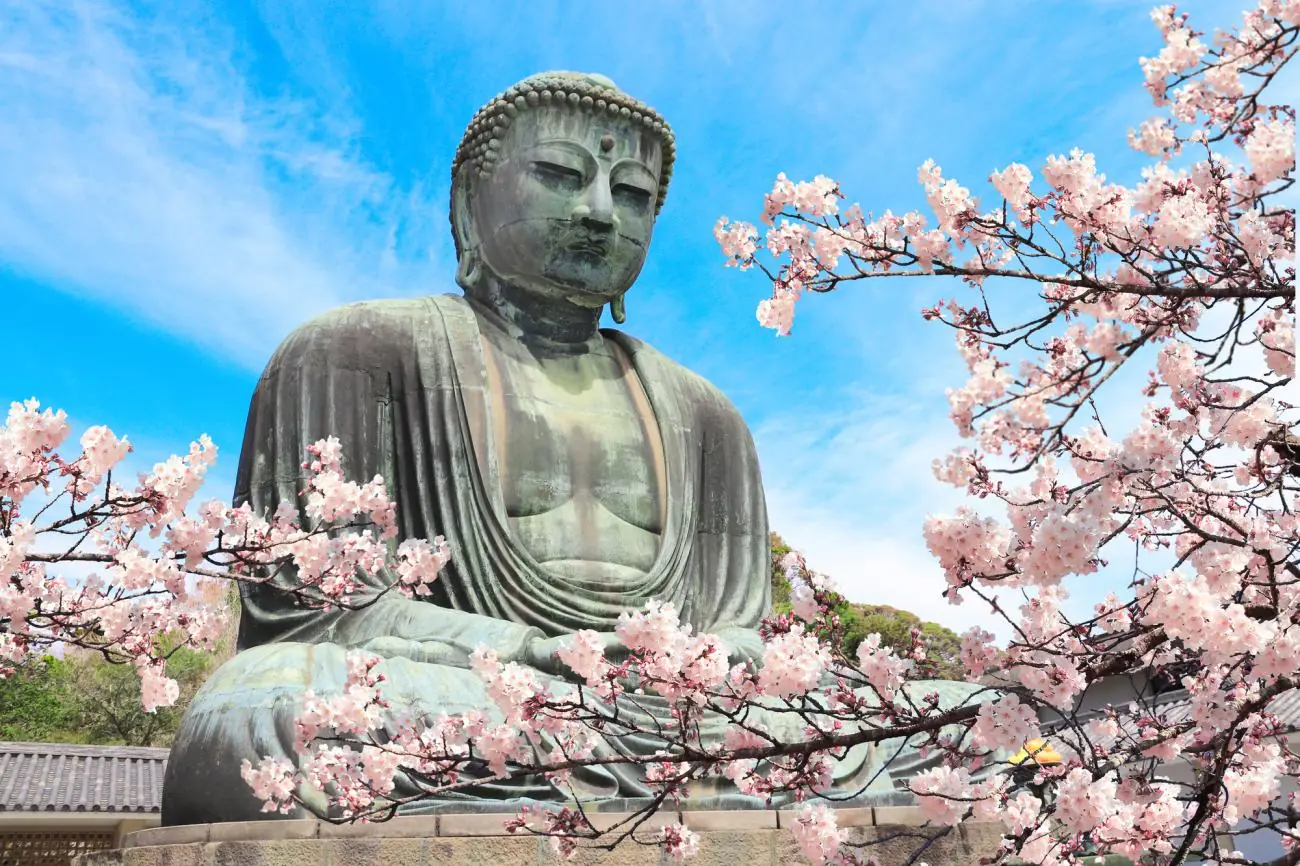
Once Japan's medieval capital, Kamakura now feels like a coastal town that happens to have a 13-meter bronze Buddha sitting in it. The Great Buddha (Daibutsu) has weathered outdoors since the 13th century; nearby, Hasedera Temple climbs a hillside with views out to the sea. Between temples, walk the bamboo grove at Hokokuji or just wander — Kamakura's streets are compact enough to cover on foot in an afternoon, with a beach at the end if the weather cooperates.
Yokohama (30 min by train)
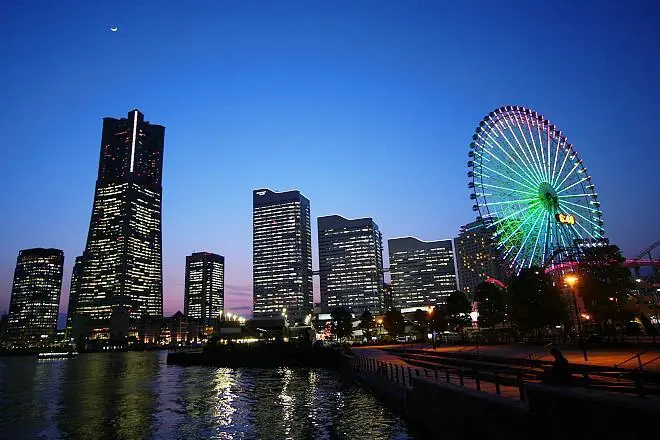
Japan's second-largest city is close enough to Tokyo to feel like an extension of it, but the waterfront gives it a different rhythm. Minato Mirai's harbor is ringed by the Landmark Tower and a slow-turning ferris wheel that lights up after dusk; a short walk away, Japan's largest Chinatown is packed with steamed buns and street snacks. It's an easy half-day trip — pair the CupNoodles Museum with an evening on the waterfront and you've seen the best of it.
Mt. Fuji & Hakone (2 hours by train/bus)
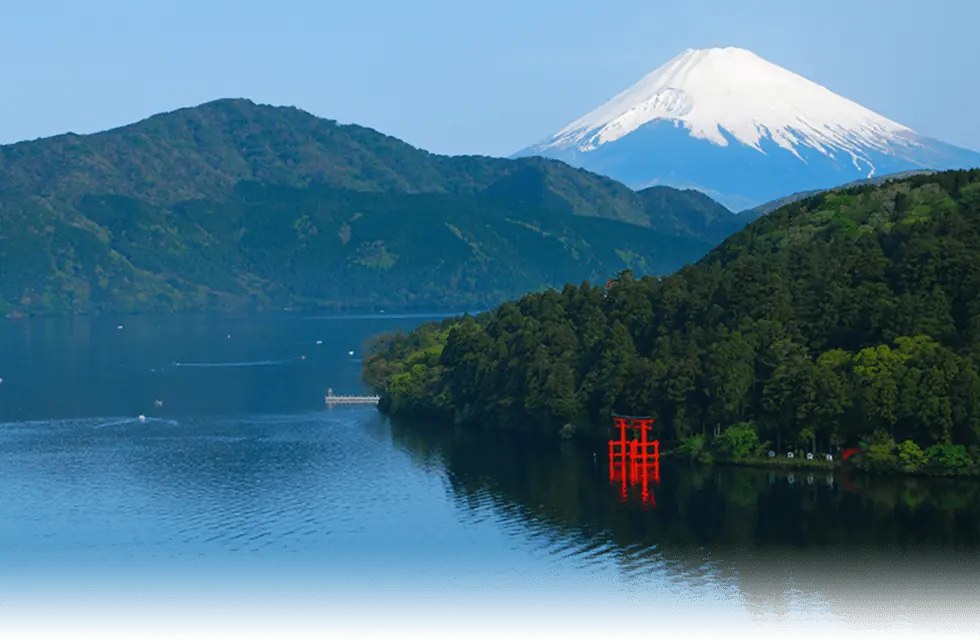
Hakone is where Tokyo residents go to unwind, and it makes a good template for visitors too: soak in an onsen, ride the Hakone Ropeway over steaming volcanic vents at Owakudani, and cruise Lake Ashi by pirate-ship ferry. Fuji itself is famously shy — clouds hide the summit more often than not — but on a clear day, the view of the mountain over the lake is one of the best in Japan. Stay overnight in a ryokan if you can; it turns a rushed day trip into something much more restful.
Proposed Itinerary
Four days is enough to see both faces of Tokyo — old and new — plus a full day beyond the city, without ever feeling rushed. Days are grouped by geography, not "must-see" rank, so you're never crossing back across town for one more stop.
Day 1: Asakusa & Ueno — Old Tokyo
Ease in on the traditional side of the city — Asakusa and Ueno sit one stop apart on the Ginza Line, with Skytree just across the river for the evening.
- Morning: Senso-ji Temple and Nakamise-dori, before the tour groups fill the lane. Draw an omikuji fortune, then slip into the backstreets behind the temple for tempura.
- Afternoon: Ueno Park for a museum or two, then Ameya-Yokocho for cheap eats and souvenir hunting.
- Evening: Tokyo Skytree as the sun drops, then back to Asakusa for yakitori and an early night — tomorrow's a bigger day.
Day 2: Shibuya, Harajuku & Shinjuku — Modern Tokyo
The city's live wire, all strung along a few stops of the Yamanote Line.
- Morning: Shibuya Crossing — watch it first from the Starbucks above, then dive in — followed by the department stores while the streets are still merely busy, not overwhelming.
- Afternoon: Meiji Shrine's forest canopy for a breather, then down Omotesando's flagship stores into Takeshita Street's fashion chaos, ending back at Harajuku Station for the short hop to Shinjuku.
- Evening: Shinjuku — yakitori smoke and six-seat bars in Omoide Yokocho and Golden Gai, skyscraper neon glowing overhead.
Day 3: Ginza, Imperial Palace & Roppongi — Culture, Shopping & Skyline
A dressier day, bookended by two very different skylines.
- Morning: The Tokyo Imperial Palace East Gardens — stone gates, moats, and quiet, right in the center of the city.
- Afternoon: Ginza for window shopping down its wide avenues, with lunch among the sashimi stalls of Tsukiji Outer Market.
- Evening: Roppongi — museums and rooftop views if you arrive early, restaurants and bars if you save it for after dark. Either way, close the night with Tokyo Tower glowing in the distance.
Day 4: Day Trip to Kamakura
Give your last day to the coast. Kamakura is close, compact, and easy to walk end to end — the simplest of the day trips to fit into one afternoon. (Rather trade the beach for mountains or hot springs? See Day Trips above for Nikko and Hakone.)
- Morning: Train out and head straight for the Great Buddha (Daibutsu), before the day-trip crowds arrive.
- Afternoon: Hasedera Temple's hillside views, then the bamboo grove at Hokokuji — or just wander toward the coast.
- Evening: A last coastal walk or an early dinner before the train back into Tokyo.
Pacing tip: Don't overfill these days — Tokyo's trains make it tempting to cram in one more stop, but a slower pace with room to get lost in a backstreet is usually the better trip. Keep your Suica or PASMO card topped up so you're never stuck at a ticket machine between plans.
Seasonal Events & Festivals
Shopping & Nightlife
Harajuku & Omotesando
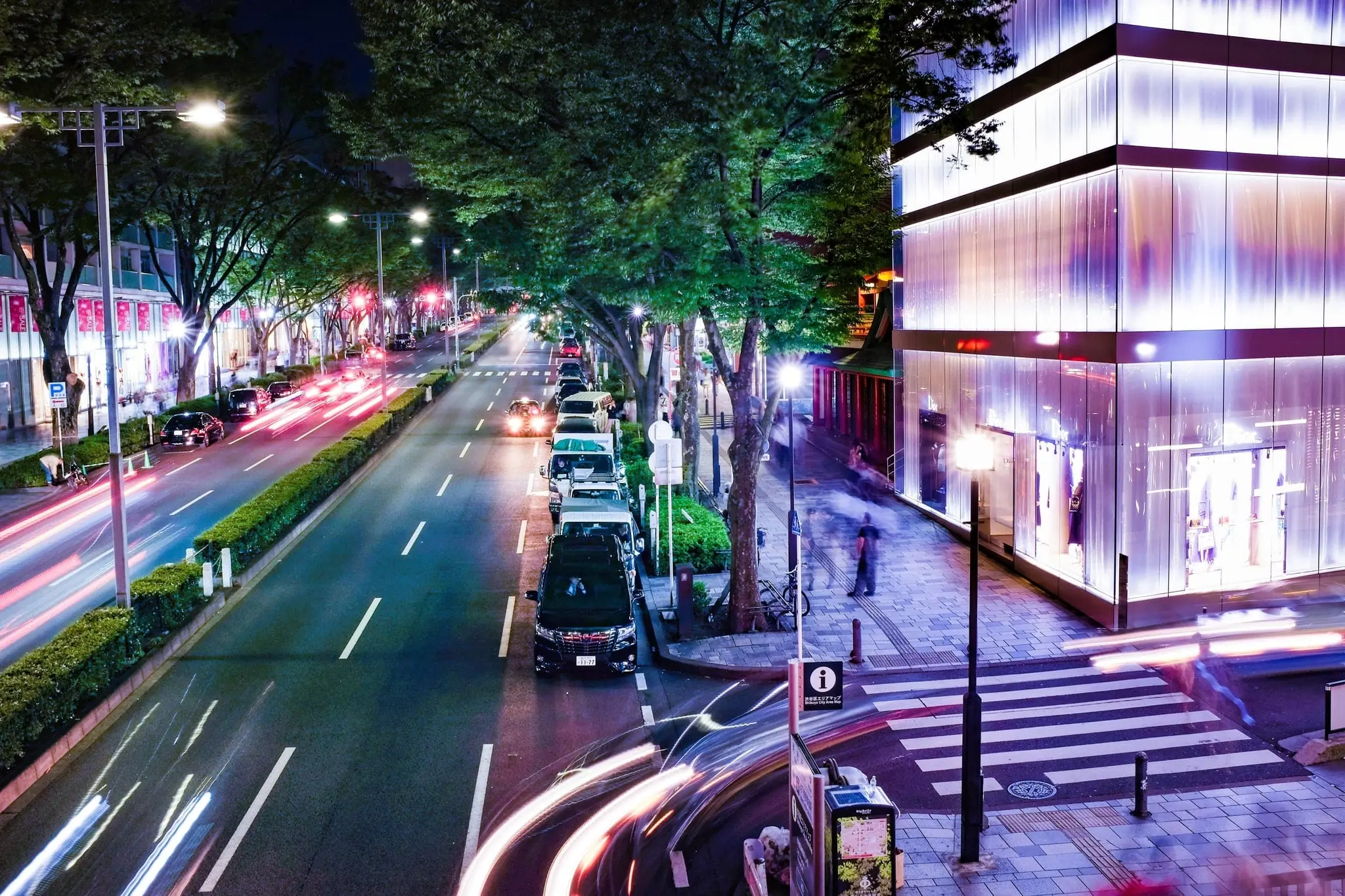
Harajuku is where Tokyo's youth culture invents its next trend. Takeshita Street is a narrow, crowded run of crepe stands, secondhand shops, and fashion nobody else is wearing yet; walk five minutes and you're on Omotesando, a broad, tree-lined avenue of flagship stores and architecture by name-brand designers. Few streets in the city show off Tokyo's range — teenage subculture to high fashion — in such a short walk. Shops generally open mid-morning and stay lively into the evening, so there's no need to rush.
Akihabara
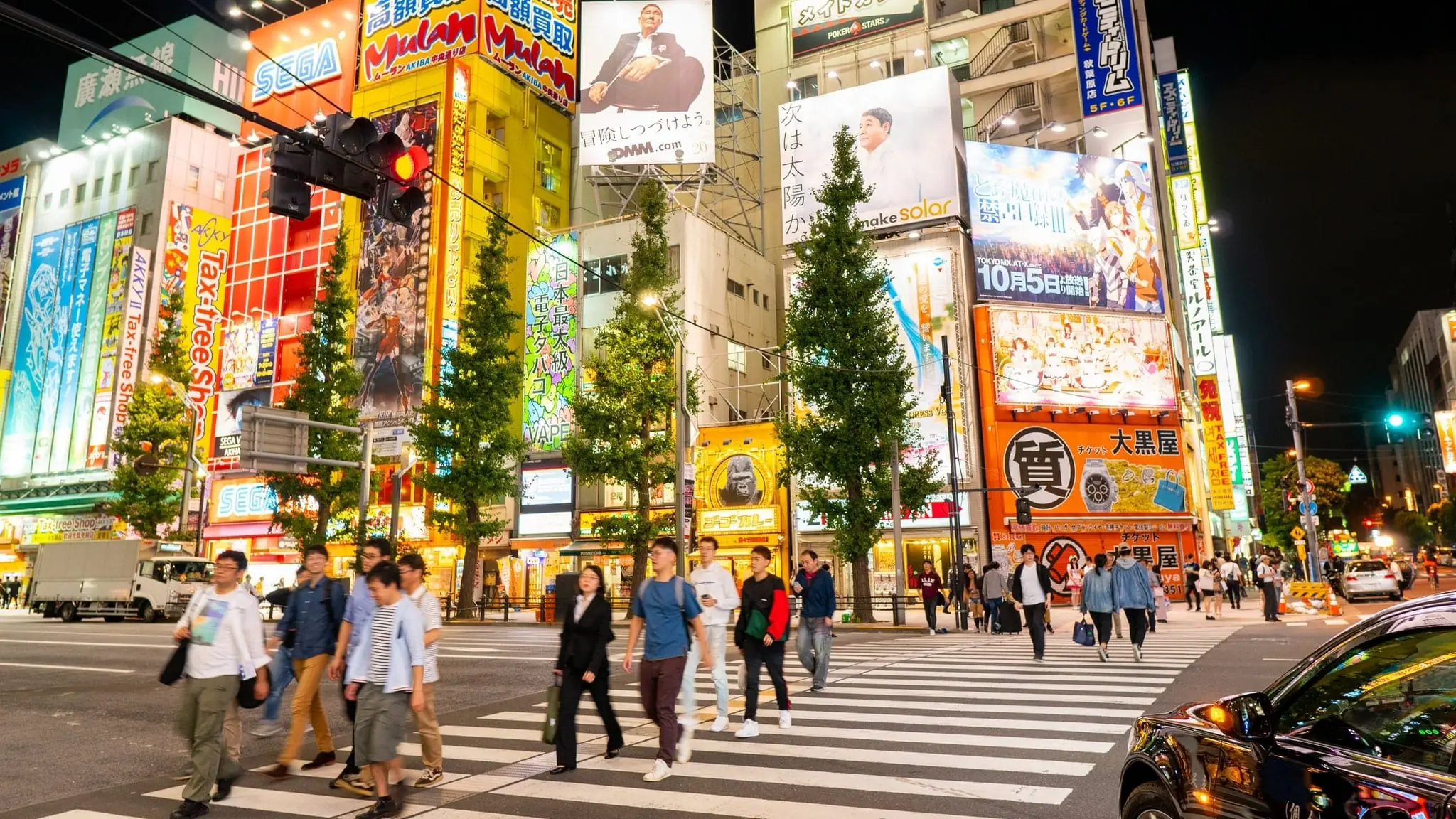
Akihabara built its name on electronics and has since become the center of anime, manga, and gaming culture. Multi-story arcades blare music into the street, specialty shops stock everything from vintage consoles to figurines still in the box, and maid cafes tout for customers on street corners. It's at its best after dark, when the signage lights up and the district's otaku energy is hardest to ignore. Most stores open mid-morning and run well into the evening.
Ginza
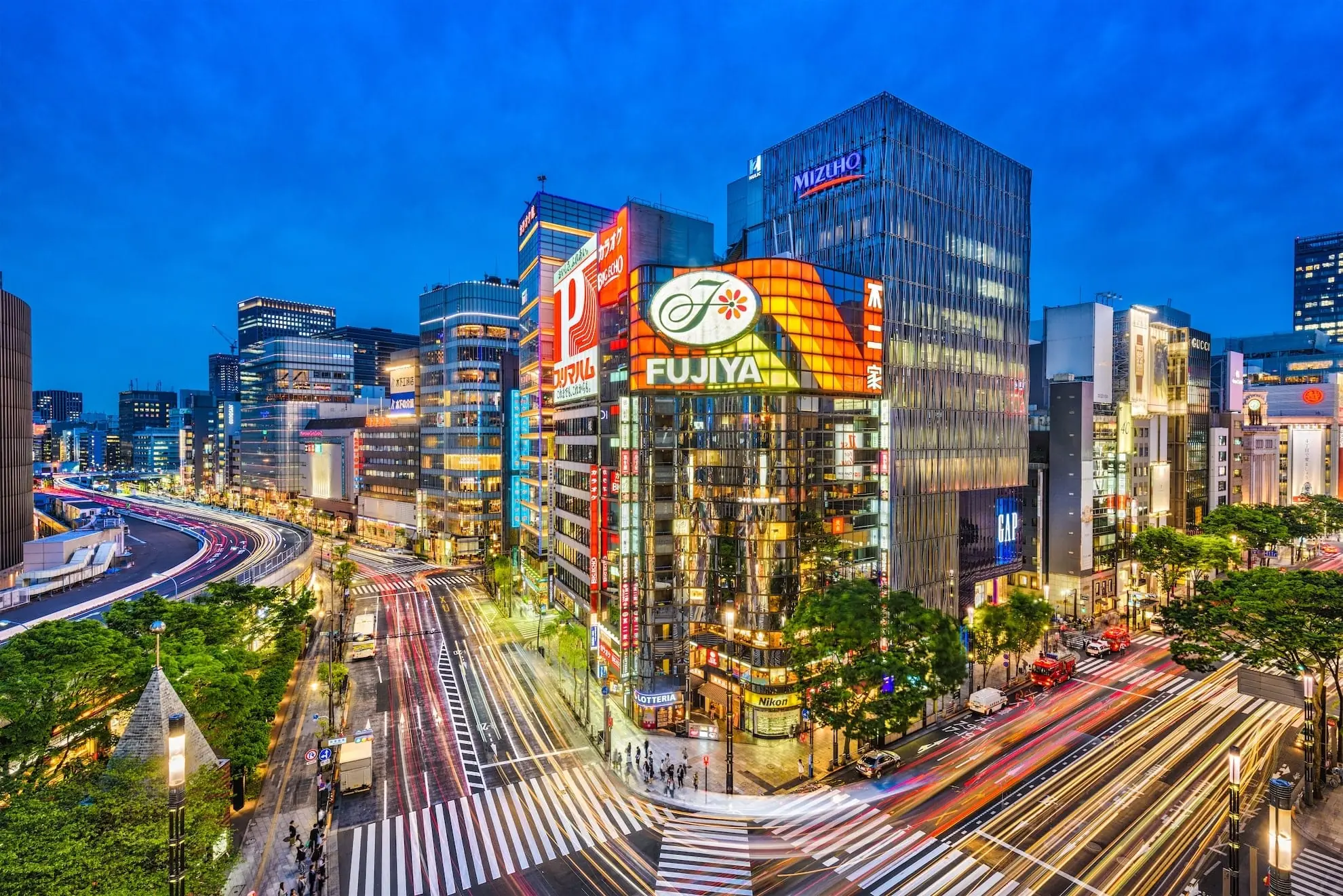
Ginza is where Tokyo shops formally. Flagship boutiques and grand department stores line wide, orderly avenues that shut to cars on weekend afternoons, turning the whole district into a pedestrian promenade. It's less about bargains and more about the ritual — window shopping in daylight, then a quiet cocktail bar once the storefronts dim. Most department stores and boutiques close by 20:00, so plan an earlier evening here than elsewhere.
Roppongi
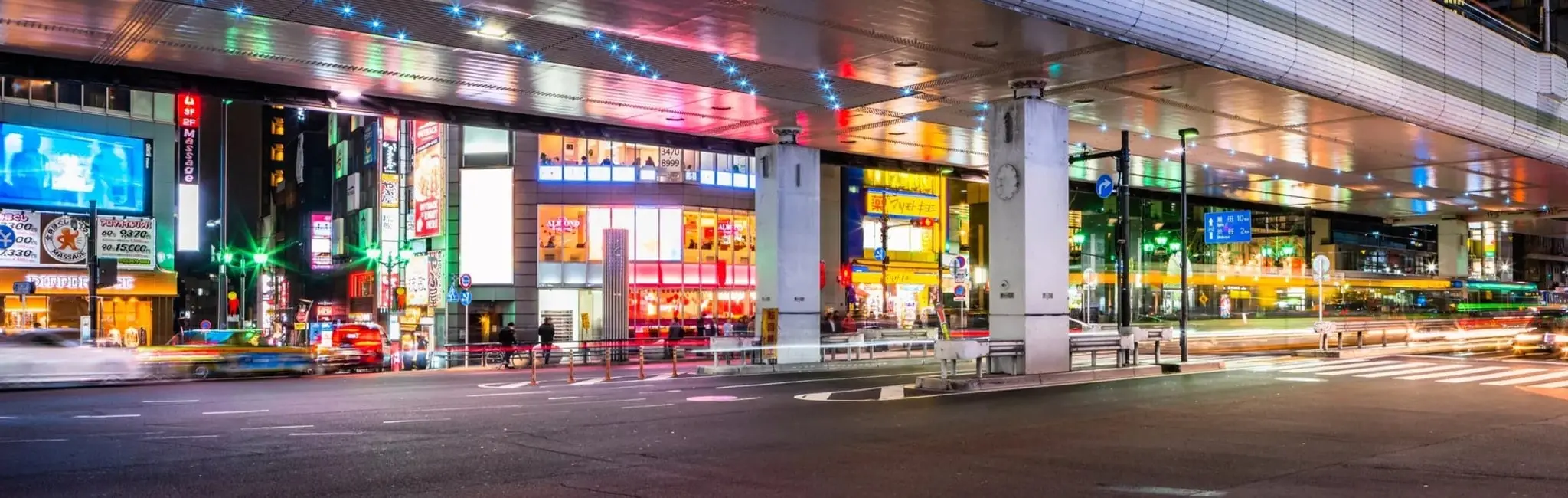
Roppongi has two faces. By day, it's an art district — Roppongi Hills and the surrounding "Art Triangle" hold some of Tokyo's best museums and rooftop city views. After dark, it becomes one of the city's busiest nightlife hubs, with international restaurants, clubs, and bars that keep going well past midnight. Most venues don't get going until 18:00, so save it for the second half of your evening.
Asakusa
Asakusa is Tokyo's home for traditional crafts and souvenirs. Nakamise-dori, the covered arcade leading up to Senso-ji Temple, is lined with stalls selling folding fans, kimono accessories, and sweets that have been made the same way for generations. Come for the temple, but budget time to wander the quieter lanes just off it, where small workshops still hand-make combs, brushes, and paper goods. Most shops open by 9:00–10:00 and close by 17:00–19:00, so this is a daytime district — plan your visit before dinner. Cash is still preferred at many stalls, though more now accept IC cards and credit cards than a few years ago.
That's the thing about Tokyo — five neighborhoods, five completely different nights out, all a short train ride apart. Pick whichever mood fits, and don't feel obligated to plan the whole evening in advance; some of the best finds here are the ones you stumble into.
Additional Resources
For more information on Japan, including top highlights, immigration, useful applications and bullet train bookings, head to our Discover Japan: From Trains to Temples guide.