Tokyo
Where to Stay in Tokyo: Areas Compared
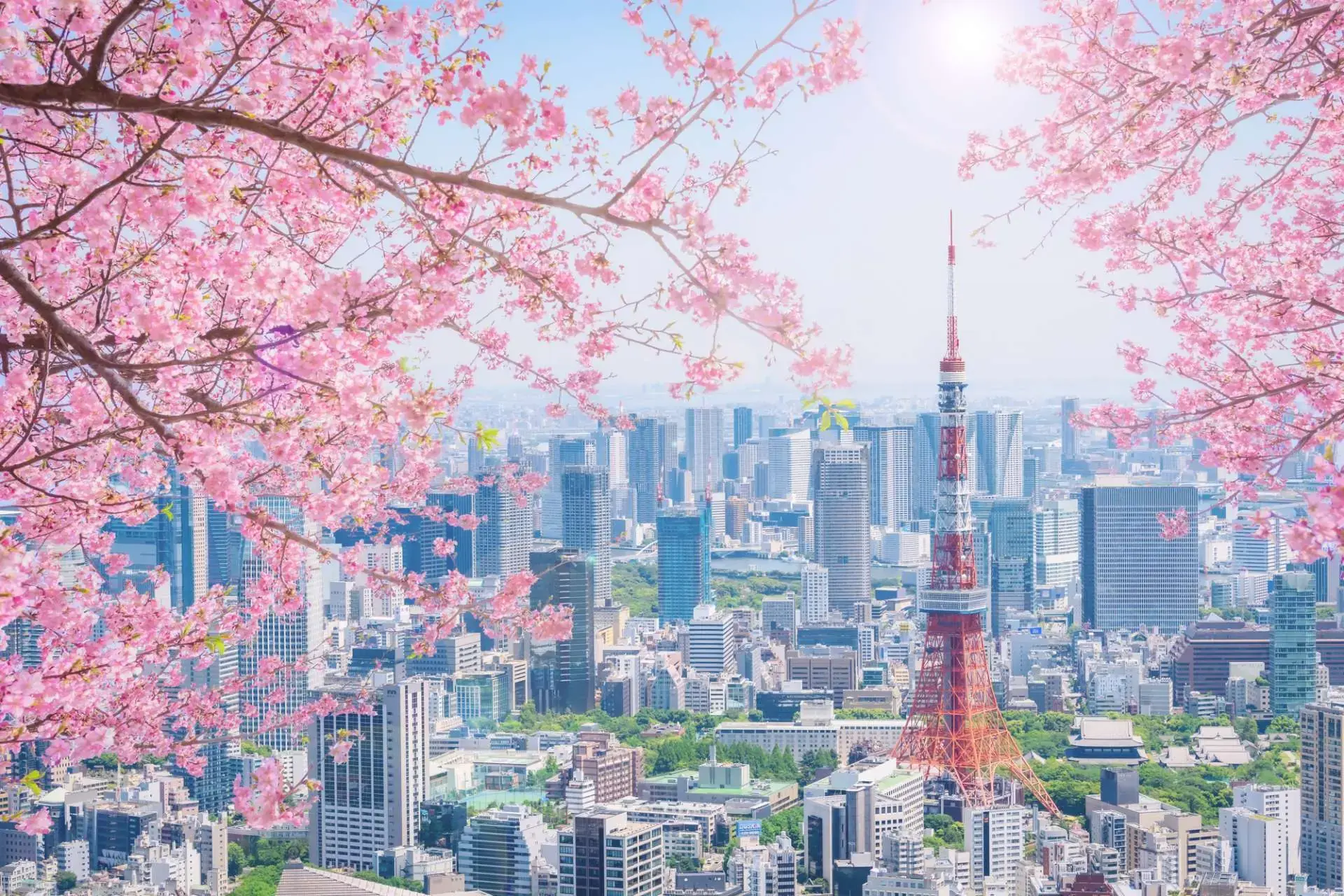
Tokyo has no single centre — it is a ring of city-sized hubs strung along the Yamanote loop line, and each one could absorb your whole trip. That makes the choice simpler than it looks: you are not picking the 'central' area, you are picking which Tokyo you want to walk home through at night, and letting the trains handle the rest.
Search stays in Tokyo
Where to stay in Tokyo
Shinjuku
The busiest hub in the city: the world's busiest station, neon canyons, Golden Gai's tiny bars and Gyoen park for the morning after. Unbeatable transport and nightlife on your doorstep — at the cost of crowds and, around Kabukicho, noise into the small hours.
See stays hereShibuya
The scramble crossing, youth fashion and a wave of new tower hotels. Feels like the centre of young Tokyo and sits on every line you'll need. Rooms are newer than Shinjuku's on average and the evenings just as long.
See stays hereGinza & around Tokyo Station
Polished department stores, sushi counters and wide pavements that empty pleasantly at night. The best base for bullet-train day trips — you roll your suitcase straight onto the shinkansen. Quieter evenings, higher prices, superb food at every level.
See stays hereAsakusa
Old Tokyo around Senso-ji temple: craft shops, ryokan-style stays and the city's best-value beds among the traditional sights. The trade is location — it sits off the Yamanote loop, so most journeys start with a Ginza-line ride.
See stays hereUeno
Museums, a big park and direct Skyliner trains from Narita airport. Unpretentious, well connected and cheaper than the western hubs — a practical base that suits first-timers arriving late or leaving early.
See stays hereRoppongi & Azabu
Art museums, embassies and international nightlife. More comfortable than charming, with some of the city's best high-end hotels and restaurants. Poorly served by the Yamanote line, so you'll live on the metro.
See stays herePlaces to stay in Tokyo
Browse all staysPer-night prices for a sample 3-night stay — enter your dates for real ones
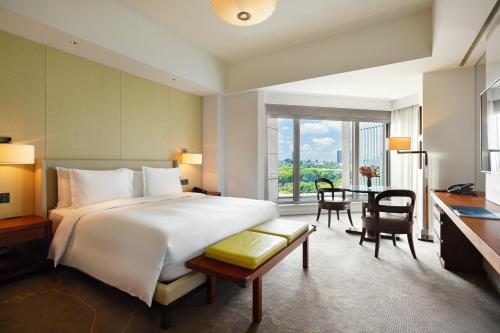
Hotel · 5 guests · 1 bd · 1 ba
1-1-1 Marunouchi, Tokyo JP, 1000005

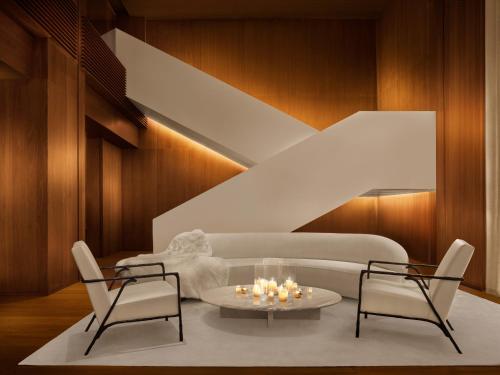
Hotel · 3 guests · 1 bd · 1 ba
2-8-13 Ginza, Tokyo JP, 1040061

Hotel · 4 guests · 1 bd · 1 ba
Chiyoda-ku, Marunouchi Trust Tower Main, 1-8-3 Marunouchi,, Tokyo JP, 1008283
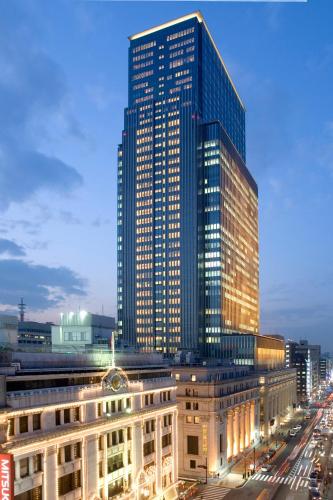
Hotel · 6 guests · 2 bd · 1 ba
2-1-1 Nihonbashi Muromachi, Tokyo JP, 1038328
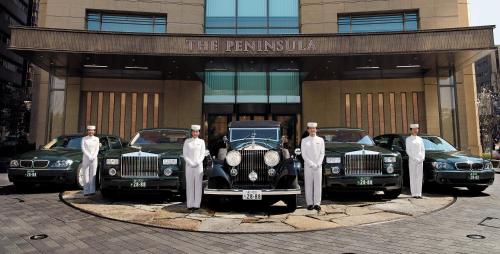
Hotel · 4 guests · 1 bd · 1 ba
1-8-1 Yuraku-cho, Tokyo JP, 1000006
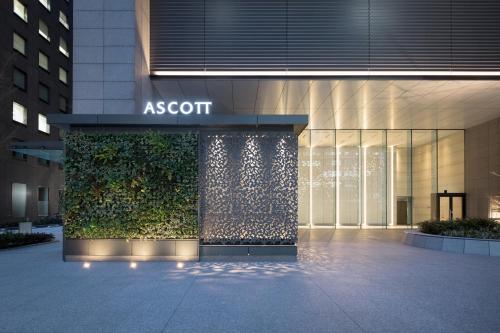
Aparthotel · 5 guests · 1 bd · 3 ba
1-1-1 Otemachi, Chiyodaku, Tokyo JP, 1000004
Good to know
- Get a Suica or Pasmo card (or add one to your phone) on day one — it works on every train, metro, bus and konbini till in the city, and spares you deciphering fare charts.
- Trains stop around midnight and taxis are expensive — if you plan late nights, sleep in the neighbourhood you'll be drinking in, not across the city from it.
- Tokyo hotel rooms are genuinely small: 15 m² is a normal double. If space matters, filter by square metres or look at apartment hotels, which give noticeably more for the money.
- Use takkyubin luggage forwarding (from any konbini or hotel desk) to send suitcases ahead to your next city for a few euros — it is how Japan travels, and it frees you from wrestling bags through rush-hour stations.
- Book months ahead for late March–early April (cherry blossom) and avoid Golden Week (late April–early May) unless you must — the whole country travels that week and prices double.
When to visit
Late March to April brings the cherry blossoms and the year's biggest crowds; October and November answer with warm days and autumn colour. June is the rainy season and July–August are hot and heavily humid — doable, but plan indoor afternoons. Winter is dry, sunny and underrated, with the cheapest rooms of the year.
Getting around
Which airport matters more here than anywhere: Haneda is thirty minutes from the centre, Narita closer to ninety by Narita Express. Get a Suica or Pasmo card on arrival — or add one to your phone — and stop thinking about fares entirely. The Yamanote loop connects most places you'd sleep, and the subway fills in the rest. The genuine difficulty isn't the network, it's the stations: Shinjuku has over two hundred exits, so navigate by exit number.
Read our Tokyo guideFrequently Asked Questions
Practical answers to the things people ask before booking a stay in Tokyo.
Browse all staysWhich area is best for a first visit to Tokyo?
Shinjuku or Shibuya if you want the neon and the nightlife outside your door; Ginza or Tokyo Station if you prefer calm evenings and effortless day trips. All four sit on the Yamanote loop, so nothing in the city is far — pick by evening mood, not by distance.
Is Asakusa too far out?
No — it is 15–20 minutes by metro from the central hubs, and what you get back is old-Tokyo atmosphere and better-value rooms. It suits travellers who like temples at dawn more than bars at midnight.
Should I stay near a specific train line?
Near the Yamanote loop, yes — it connects every major hub and most day-trip stations. A hotel more than ten minutes' walk from a station in this city costs you time on every single journey, so check the walk before you book.
Bookings are completed on our partners' websites. We may earn a commission at no extra cost to you.