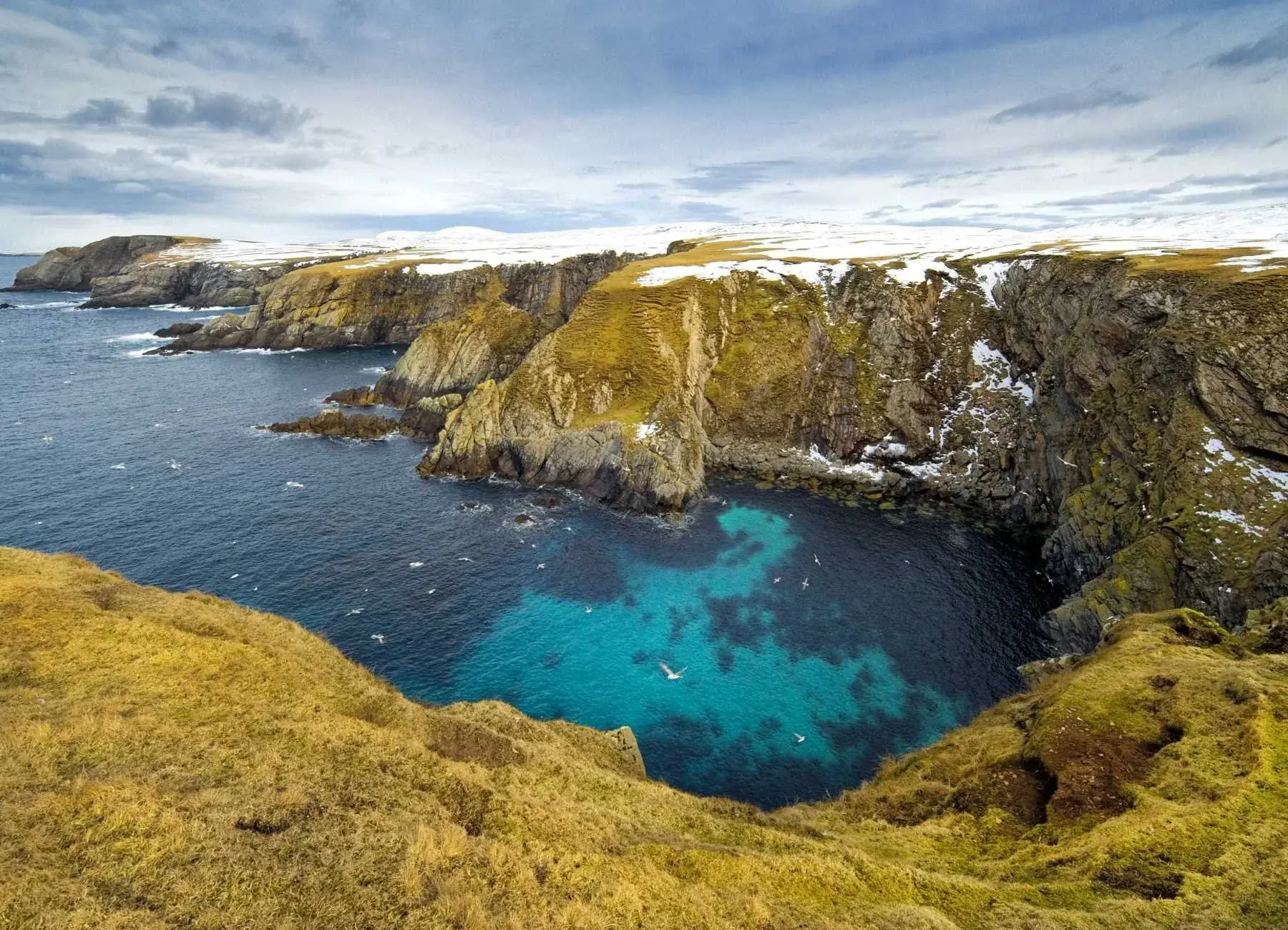
Shetland is a hundred islands strung across the sea where the North Atlantic meets the North Sea, closer to Bergen than to London and closer to the Arctic Circle than to Manchester. This is not the Highlands, and it is emphatically not Gaelic Scotland: for five hundred years these islands belonged to Norway, and the debt is written everywhere — in the place names ending in -voe, -wick and -ster, in the dialect words for weather and wind, in the fire festivals and the fiddle music, and in a quiet islander conviction that Scotland is somewhere you go south to. The Union Jack flies, but the flag you see most is the white-on-blue Norse cross of Shetland itself.
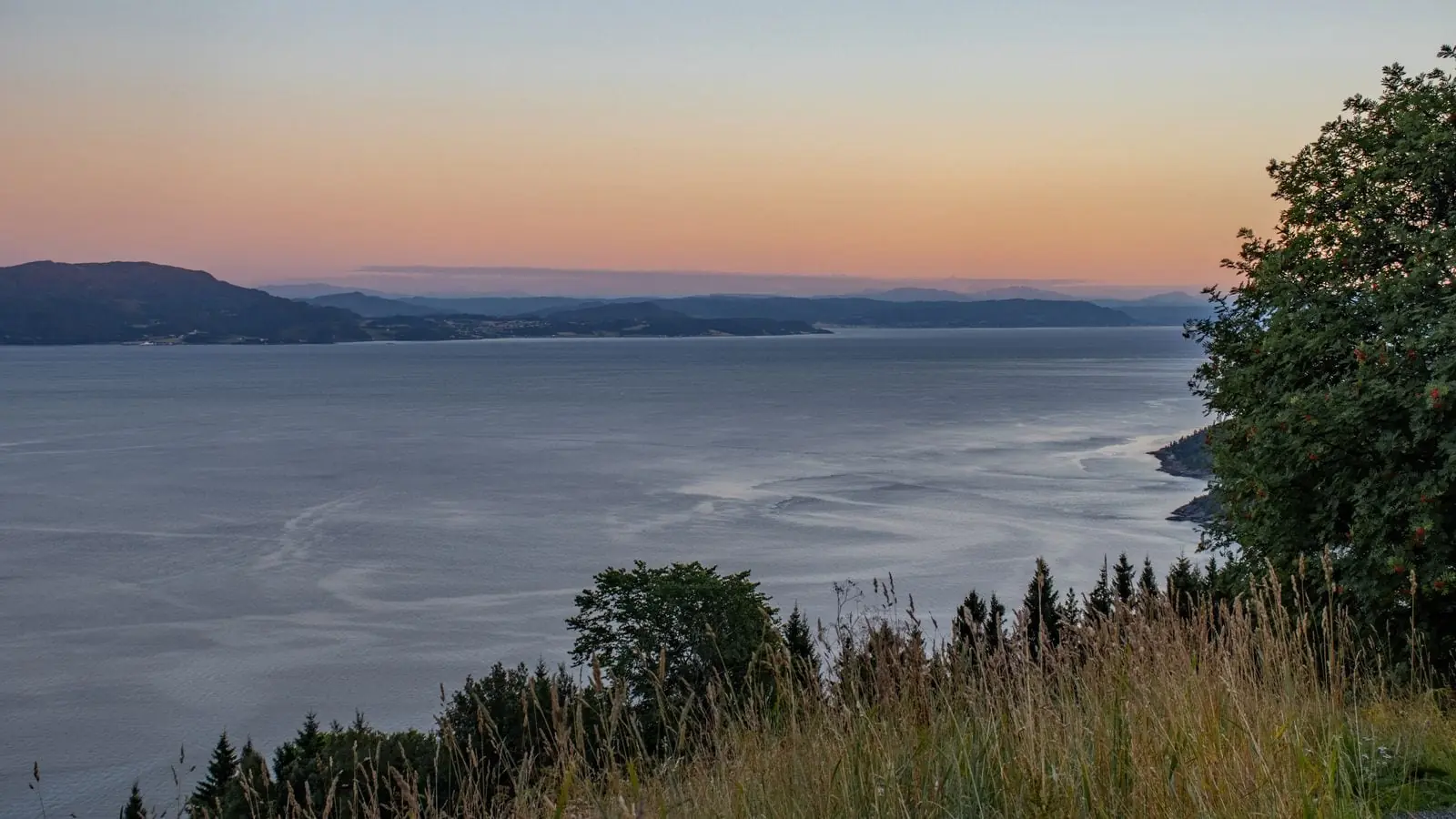
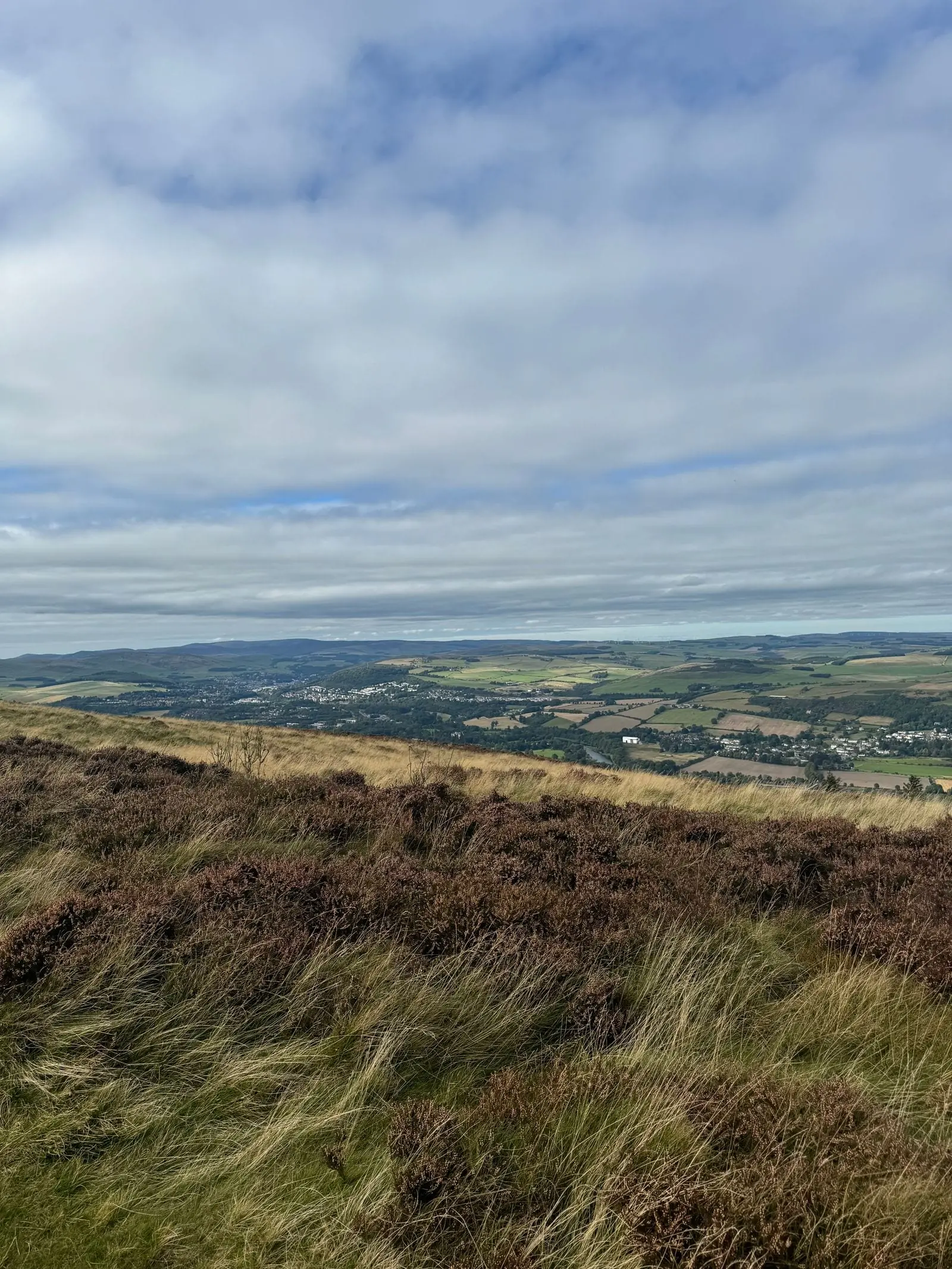
It is a landscape stripped to essentials — almost no trees, endless peat moor and heather, and a coastline so bitten by voes and geos that nowhere on the islands is more than three miles from salt water. The wind is a constant companion and the weather changes by the minute, but the light is the real astonishment: at midsummer the sun barely sets, and the long silver twilight the Shetlanders call the simmer dim keeps the sky glowing past midnight while seabirds wheel over the cliffs. Come for the Norse ruins and the puffins, and stay for a way of life that feels entirely its own.
Top Highlights
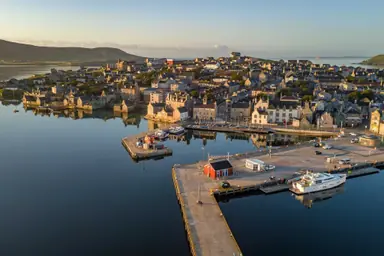
Source: VisitScotland Lerwick
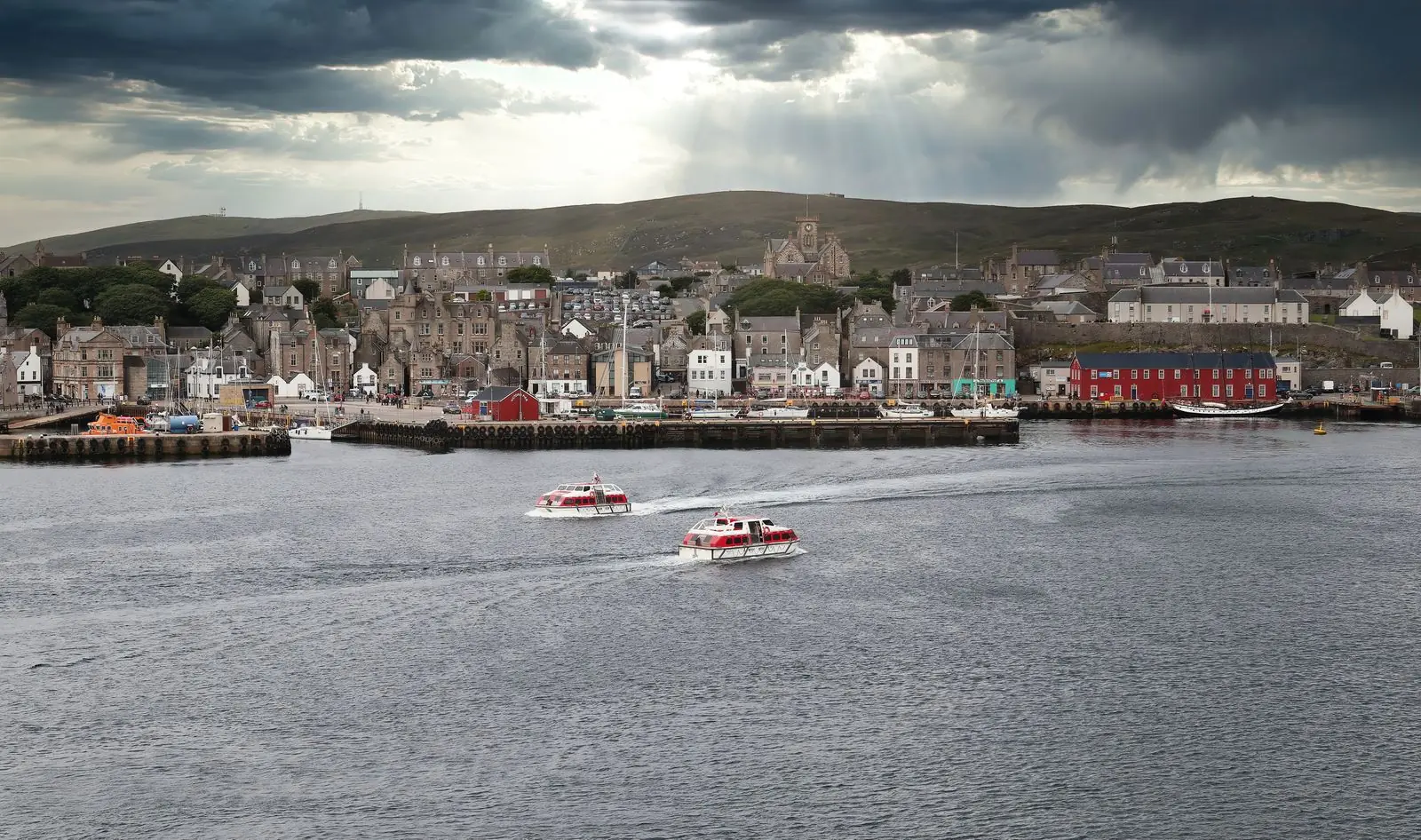
Britain's most northerly town and the beating heart of Shetland, its grey-stone lanes climbing straight up from a working harbour that has sheltered Dutch herring fleets, whalers and now oil vessels. The flagstoned Commercial Street winds between old merchants' houses and knitwear shops, the 18th-century Fort Charlotte looks out over the sound to the isle of Bressay, and the excellent, free Shetland Museum & Archives tells six thousand years of island story down at Hay's Dock.
More information
Opening times: Town always open; Shetland Museum generally Mon–Sat 10:00–16:00, hours vary
Admission: Free to explore; Shetland Museum free
Website: Visit Website
*The Shetland Museum & Archives is the best single introduction to the islands and costs nothing. Commercial Street is at its liveliest on the mornings the NorthLink ferry has just docked.
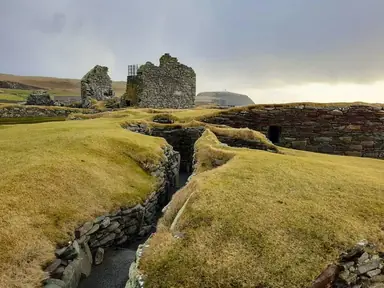
Source: Hidden Scotland Jarlshof
One of the most remarkable archaeological sites in Britain, at the southern tip of the Mainland beside Sumburgh airport, where more than four thousand years of human life lie stacked in a single grassy mound. A storm in 1897 first exposed it, and you walk in sequence through Bronze Age houses, an Iron Age broch and wheelhouses, a Norse longhouse settlement, a medieval farm and a laird's house of the 1500s — the whole sweep of northern prehistory in one field by the sea.
More information
Opening times: Daily 9:30, last entry 16:30 (Apr–Sep); reduced winter hours, closed Sun & Mon
Admission: Approx. £7 adult (Historic Environment Scotland); 25% discount if you arrive car-free
Website: Visit Website
*An audio guide brings the layered ruins to life and is well worth it. There are no toilets on site — the nearest are at Sumburgh airport. Prices are approximate and subject to change.
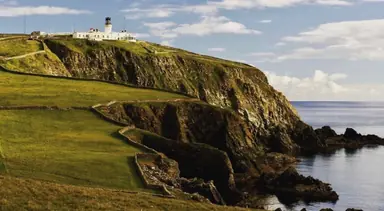
Source: Sumburgh Head Sumburgh Head
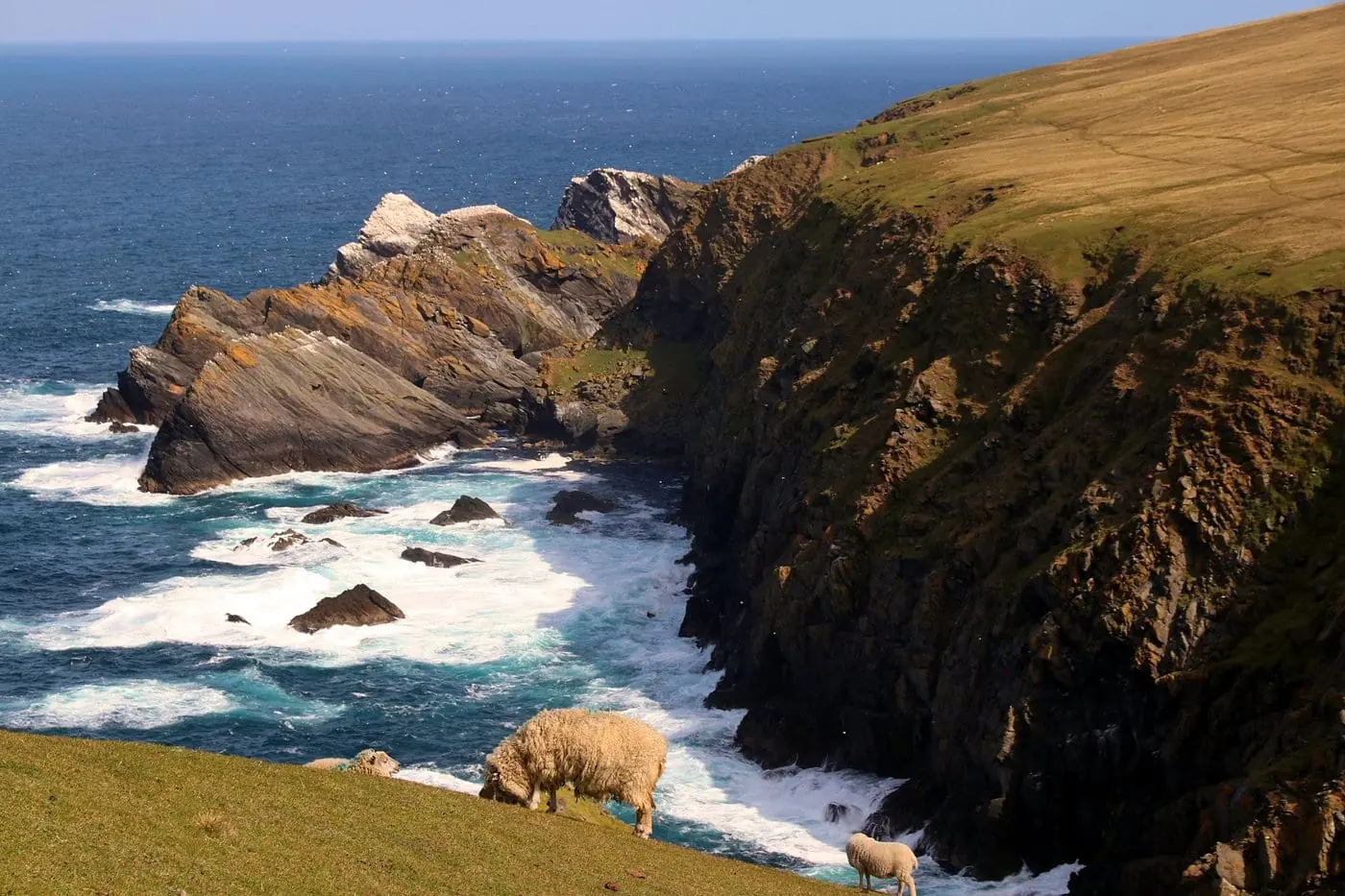
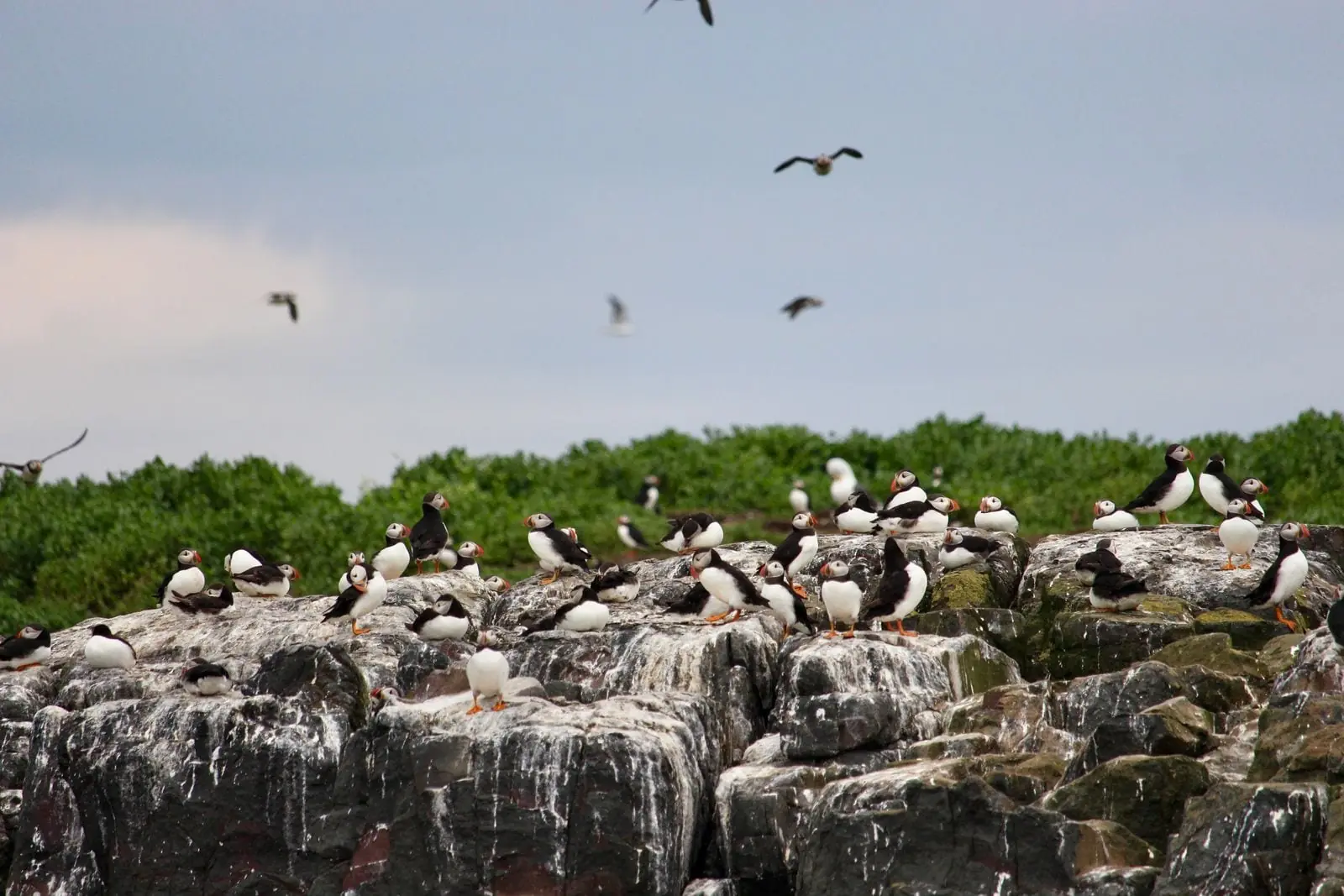
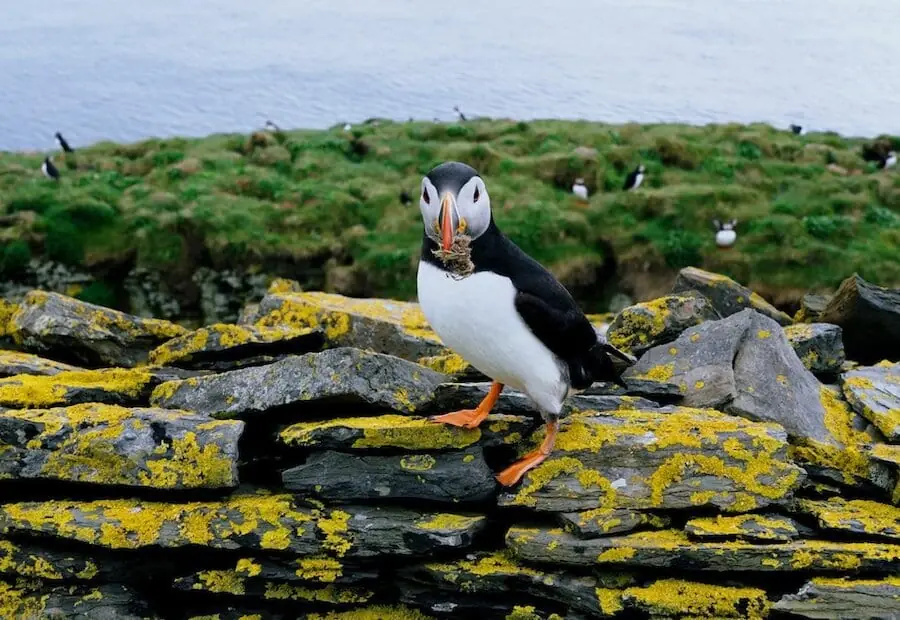
A dramatic headland at the Mainland's southern point, crowned by a Stevenson lighthouse of 1821 and ringed by Old Red Sandstone cliffs that come alive each summer with one of the most accessible seabird colonies in Britain. Puffins burrow in the clifftop turf within a few feet of the path, and guillemots, razorbills, fulmars, kittiwakes and shags pack the ledges below; the visitor centre in the old lighthouse buildings explains it all, and orcas and whales pass offshore.
More information
Opening times: Outdoor reserve open at all times; visitor centre roughly late Mar–early Oct, closed Tue & Wed
Admission: Cliffs and reserve free; visitor centre approx. £8 adult
Website: Visit Website
*Come in the morning for the best light and the calmest birds; peak puffin season is roughly late May to early August. Prices are approximate and subject to change.
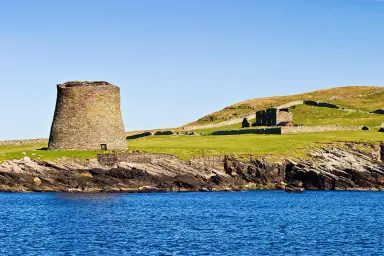
Source: Ponant Mousa Broch
The finest Iron Age broch anywhere — a drystone tower more than two thousand years old and still standing over 13 metres tall, complete with the internal staircase you can climb to the parapet. It rises alone on the uninhabited island of Mousa, reached by a short boat trip from Sandwick, and its ancient walls are packed each summer with nesting storm petrels: on the special dusk sailings you watch thousands of the tiny birds churring home through the half-light.
More information
Opening times: Ferry runs Apr–Sep (not Saturdays); special storm-petrel trips at dusk, roughly mid-May to mid-Jul
Admission: Boat trip approx. £20 adult, cash on board; island free to roam
Website: Visit Website
*Sailings are weather-dependent and payment is cash only. The late-evening storm-petrel trip is a genuine Shetland highlight — book well ahead. Prices are approximate and subject to change.
Source: NorthLink Ferries St Ninian’s Isle
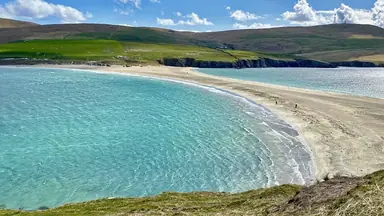
A small green island joined to the South Mainland by the most beautiful sand tombolo in Britain — a shining 500-metre double crescent of white shell-sand that you walk across dry-shod, the sea lapping in from both sides at once. On the island in 1958 a schoolboy helping an excavation dug up a hoard of Pictish silver hidden beneath the ruined chapel, presumably from Viking raiders; the treasure is in Edinburgh now, but the walk and the beach are magical and free.
More information
Opening times: Open at all times
Admission: Free
Website: Visit Website
*The tombolo is usually walkable all year, though very high tides and storms can wash over it. Wear shoes you don't mind getting sandy and allow an hour to cross and explore.
Source: Pexels Shetland Ponies
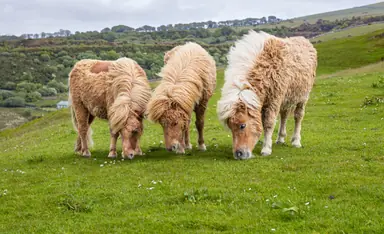
The islands' most photographed residents are the hardy native ponies, a distinct ancient breed shaped by two thousand years of Shetland winters — tiny, thick-coated, absurdly characterful, and bred small and strong to haul peat and, later, work down the coal mines of the mainland. You will spot them grazing the roadside verges and the open hill all over the islands, especially in the South Mainland, and a few crofts run pony parks where children can meet them up close.
More information
Opening times: Visible in fields year-round; pony-park visits by arrangement
Admission: Free to see from the road; pony experiences vary
Website: Visit Website
*They are semi-wild working animals, not petting-zoo stock, so admire them from the verge and don't feed them. Spring brings the foals, which are impossibly small.
Source: My Voyage Scotland Scalloway Castle & the Old Capital
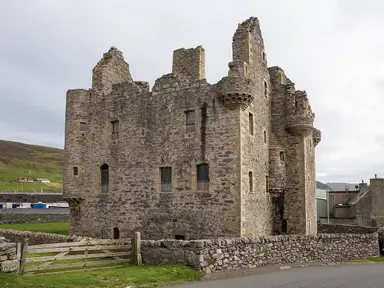
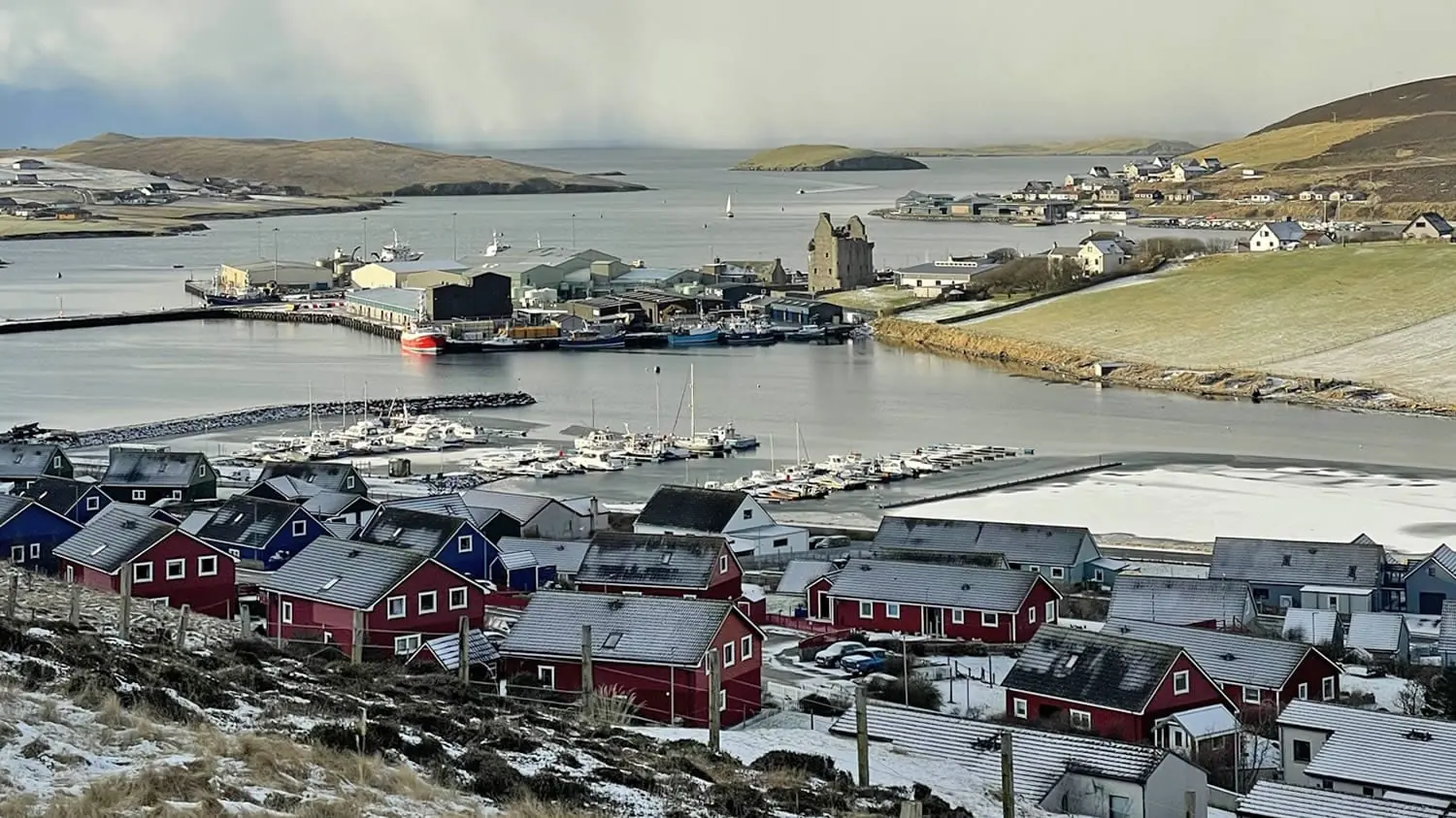
Before Lerwick, Scalloway was the capital of Shetland, and its gaunt tower house still dominates the village. Built around 1600 by the tyrannical Earl Patrick Stewart with forced island labour, the castle is a fine, grim example of a Scots tower and free to visit. The village around it is a working fishing port with a moving small museum to the ‘Shetland Bus’ — the wartime resistance boats that ran between here and Nazi-occupied Norway.
More information
Opening times: Castle generally open daily in summer; collect the key locally in winter
Admission: Free (Historic Environment Scotland)
Website: Visit Website
*Pair the castle with the Scalloway Museum next door for the extraordinary Shetland Bus story. Check current key-holder arrangements out of season.
Source: Shetland.org Up Helly Aa
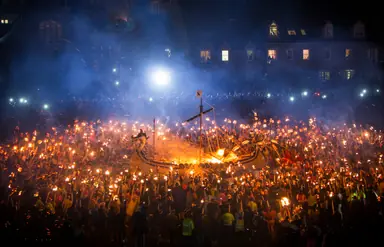
Europe's largest fire festival, and the single most Shetland thing there is. On the last Tuesday of January the men of Lerwick — the ‘guizers’ — dress as Vikings, parade a full-size wooden longship through the dark streets behind a river of nearly a thousand blazing torches, and then hurl the torches into the galley to burn it in a roar of flame. An all-night round of parties in the halls follows, and smaller Up Helly Aas light up other communities through the winter.
More information
Opening times: Lerwick festival: the last Tuesday of January (27 January in 2026)
Admission: The street procession is free to watch; hall dances are ticketed and hard to get
Website: Visit Website
*Accommodation for Up Helly Aa books out a year ahead — plan very early. Dress for a Shetland January and expect it to be cold, dark and utterly unforgettable.
Insider tip: Shetland is far bigger than it looks on the map — the Mainland alone runs some 50 miles north to south, and the outlying isles add ferry hops on top. Base yourself for two or three nights at a time rather than trying to day-trip everything, hire a car, and build in slack for the weather, which can and does cancel boats and small flights at short notice.
Where to Stay: Islands & Settlements
Lerwick
The capital is the obvious base and the only real town: everything is here — the widest choice of hotels, guesthouses and self-catering, the ferry terminal, the supermarkets, the restaurants and pubs, and the Shetland Museum. From Commercial Street and the harbour you can reach the South Mainland sights, Scalloway and the boat trips to Noss within an easy drive, and the NorthLink ferry docks right in town. If you want to stay in one place and range out by car each day, Lerwick is the sensible, sociable choice.
Scalloway & the Central Mainland
Six miles west of Lerwick over the hill, Scalloway is the ancient capital and a working fishing and aquaculture port gathered round its castle and a sheltered harbour dotted with islands. It makes a quieter, salt-scented alternative to the town while still being minutes from it, with a handful of guesthouses, a good restaurant or two and the moving Shetland Bus memorial on the waterfront. The central Mainland around it puts you within reach of both coasts and the boat departures.
The West Mainland & Eshaness
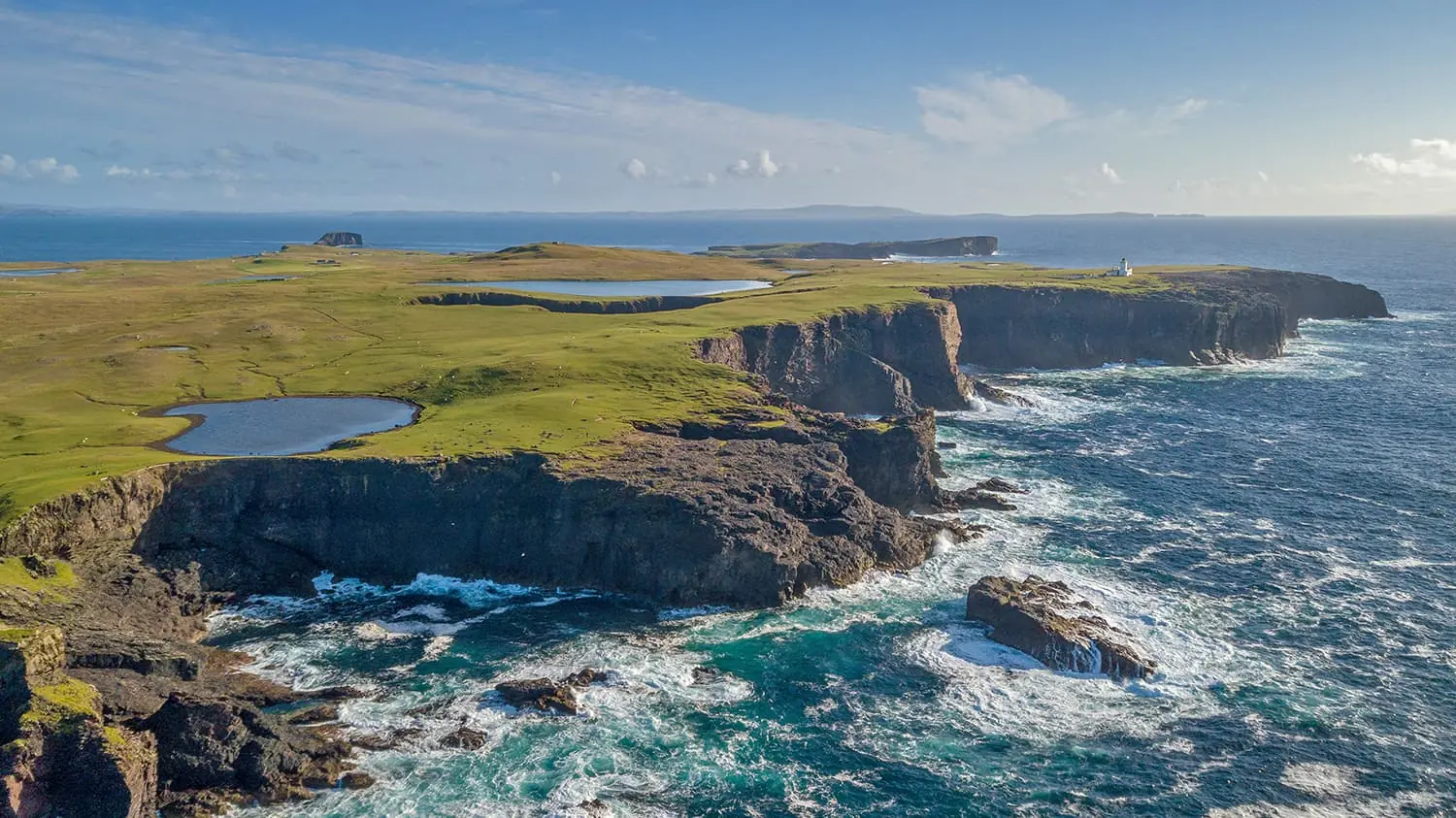
The wild north-west is Shetland at its most elemental — the black volcanic cliffs of Eshaness, sea stacks and blowholes, the drowned voes of Ronas Voe beneath the islands' highest hill, and scattered crofting townships where the roads run out. There are cottages and small B&Bs here for those who want dark skies, cliff walks and near-total quiet, well away from Lerwick. You will need a car and a full tank, but the coastal scenery is the finest on the islands.
The North Isles: Yell, Unst & Fetlar
Beyond the Mainland, two short ferry hops carry you north through Yell — peat-brown, otter-haunted — to Unst, the northernmost inhabited island in Britain, where Hermaness and its puffins and gannets look out to the Muckle Flugga lighthouse and the very last rock of the country. Staying up here, in a handful of guesthouses, cottages and even a bus-shelter-turned-attraction, is a proper end-of-the-world experience for wildlife and walking, with Britain's most northerly brewery and gin distillery for company.
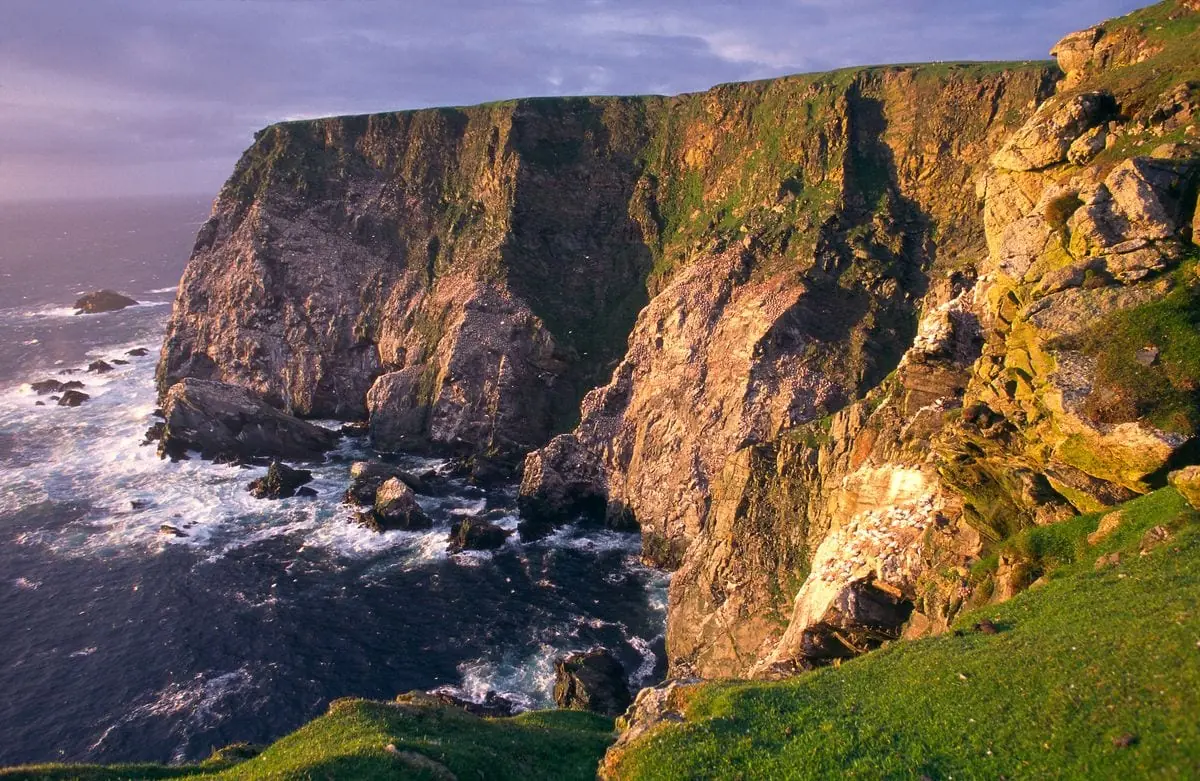
The South Mainland
The long, narrow tail of the Mainland running down to Sumburgh holds a remarkable density of sights — Jarlshof, Sumburgh Head, St Ninian's Isle, the Mousa boat and the crofting museum at Boddam — plus wide sandy beaches and grazing ponies. Crofthouse B&Bs and self-catering here put the archaeology and the seabirds on your doorstep and Lerwick within half an hour. For many first-time visitors, splitting a stay between Lerwick and the South Mainland covers most of Shetland's greatest hits.
Food & Drink
Shetland eats from the sea and the hill, and does both superbly. The cold, clean water around the islands produces some of the best shellfish and farmed salmon and mussels in Europe, the wind-cropped heather pasture makes lamb of real character, and the old crofting larder — dried and salted mutton, oaty bakes, home-churned butter — still turns up on menus and at every community sale of work. It is honest, generous, weather-beaten food, and a good deal more interesting than the islands' remoteness might lead you to expect.
-
Shetland shellfish and salmon — The islands are among Europe's great producers of farmed salmon, mussels and langoustines, and the seafood here is about as fresh as it comes: sweet mussels steamed in their own liquor, hand-dived scallops, brown crab, and cold- and hot-smoked salmon. Order it plainly cooked and let the quality of the water speak.
-
Native Shetland lamb — Small, hardy sheep graze the heather hill and, on some islands, the seaweed of the shore, giving a lean, dark, herb-scented meat with protected status. Served as a roast, a slow-cooked shoulder or in a hearty broth, it is the islands' signature meat and worth seeking out on any menu.
-
Reestit mutton — The great Shetland preserve: mutton cured in a salt brine and then dried in the rafters, traditionally over the peat fire, to keep through the winter. It turns up in a warming, salty soup with tatties and vegetables — proper cold-weather, fire-festival food — and is an acquired but genuinely local taste.
-
Bannocks and oatcakes — The staple island bake is the bannock, a soft, scone-like flatbread cooked on a griddle and split with butter and cheese or jam, alongside crisp oatcakes for the table. You will meet them at every café and every crofthouse tea, often still homemade, and they are the perfect thing with a bowl of soup.
-
A fish supper at the top of Britain — No Shetland trip is complete without a fish-and-chip supper, and the islands are home to the most northerly chip shop in the United Kingdom, at Brae — fresh haddock in crisp batter, eaten looking out over a voe. Simple, brilliant, and very much part of the culture.
Insider tip: Choice is limited and kitchens are few once you leave Lerwick, so book dinner ahead and stock up on supplies before heading to the outer isles, where the single shop may keep short hours. Community halls and shows often lay on the best home baking on the islands — if you pass a sign for a sale of work, stop.
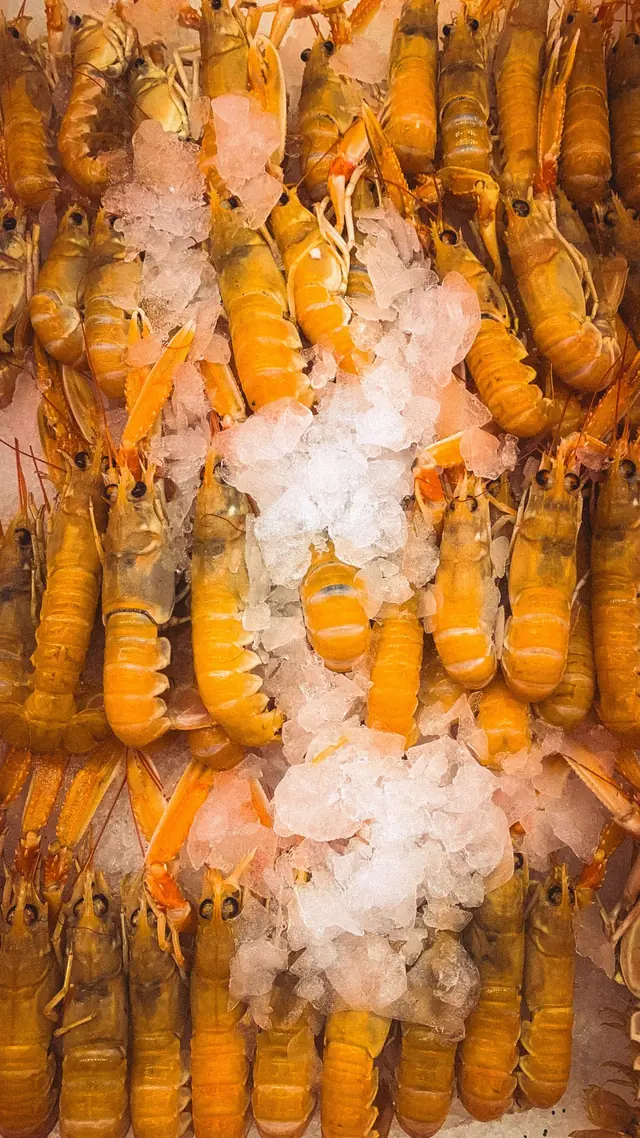 Shetland Seafood
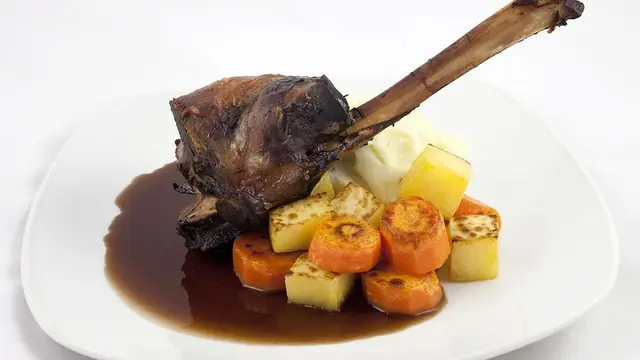 Native Shetland Lamb
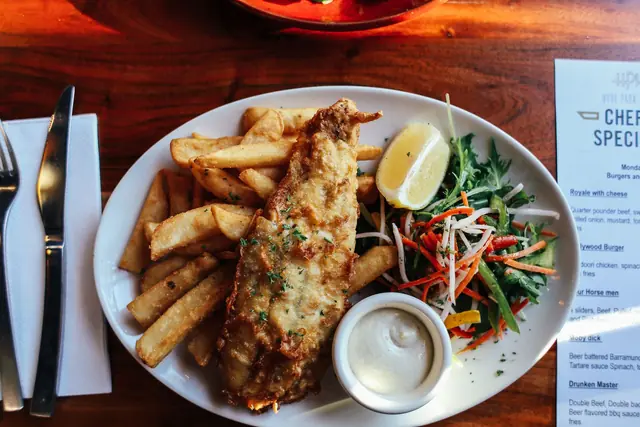 Fish Supper
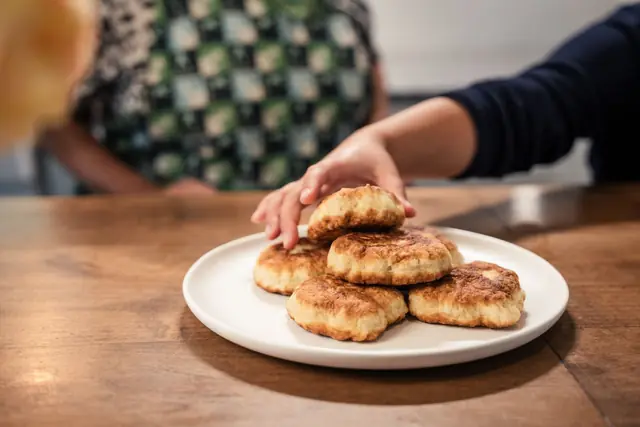 Shetland Bannocks
Gin, Beer and the Dram
Shetland punches well above its size for a place this remote. Lerwick Brewery pours island craft beer near the harbour in the capital, while up on Unst the aptly named Valhalla Brewery is the most northerly in Britain and the Saxa Vord distillery makes Shetland Reel gin at the top of the country, flavoured with island botanicals. Whisky, as everywhere in Scotland, is the anchor — Speyside and Highland malts are poured in every bar — and there is now even a Shetland whisky in the making. The island pub is a warm, unpretentious, music-filled place; kitchens tend to serve from noon until around 21:00, so eat on the early side and settle in for a tune.
Transportation
Getting to Shetland is part of the adventure — it is a full night's sail or a short flight from the Scottish mainland — and getting around, once there, really means having your own wheels. Distances are long, the outer isles need ferries, and public transport, while good for a place so remote, is built around islanders rather than sightseers.
Getting There
There are two ways in. The NorthLink ferry sails overnight from Aberdeen to Lerwick, leaving in the early evening and arriving around 07:30 the next morning — roughly a 12-hour direct crossing, or 14 to 15 hours on the nights it calls at Kirkwall in Orkney. It is the longest internal ferry route in the UK, you can take your car, and a cabin turns the journey into a night's sleep. Alternatively, Loganair flies to Sumburgh Airport at the Mainland's southern tip from Aberdeen (about an hour), Edinburgh, Glasgow and Inverness, plus seasonal routes including Bergen. Fares on both are approximate and subject to change.
Bring or hire a car. There is no way around it: to reach the archaeology, the cliffs and the outer isles on your own schedule you need your own transport, and hire cars on the islands are limited, so book one well before you travel — especially for Up Helly Aa or the summer peak. The overnight ferry is the easiest way to bring your own vehicle across.
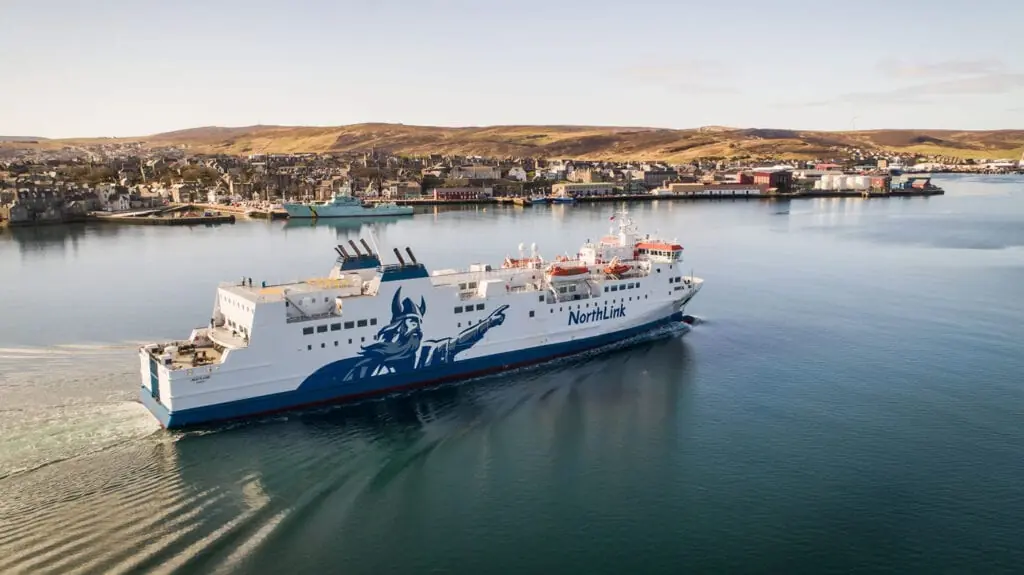
Getting Around the Islands
The Shetland Islands Council inter-island ferries are the islands' lifeline and a joy to use — frequent, cheap roll-on roll-off crossings link the Mainland to Yell, Unst, Fetlar, Whalsay, Bressay and more, with the Toft–Ulsta hop to Yell taking about 20 minutes and the Gutcher–Belmont hop on to Unst just 10. For the remotest isles — Fair Isle, Foula, Papa Stour and Out Skerries — small ferries and Loganair's tiny inter-island flights connect a few times a week, all heavily weather-dependent. There is also a useful network of local buses from Lerwick, but services thin out dramatically in the evenings and on Sundays, which is why, once more: hire a car.
Island Excursions & Wildlife Trips
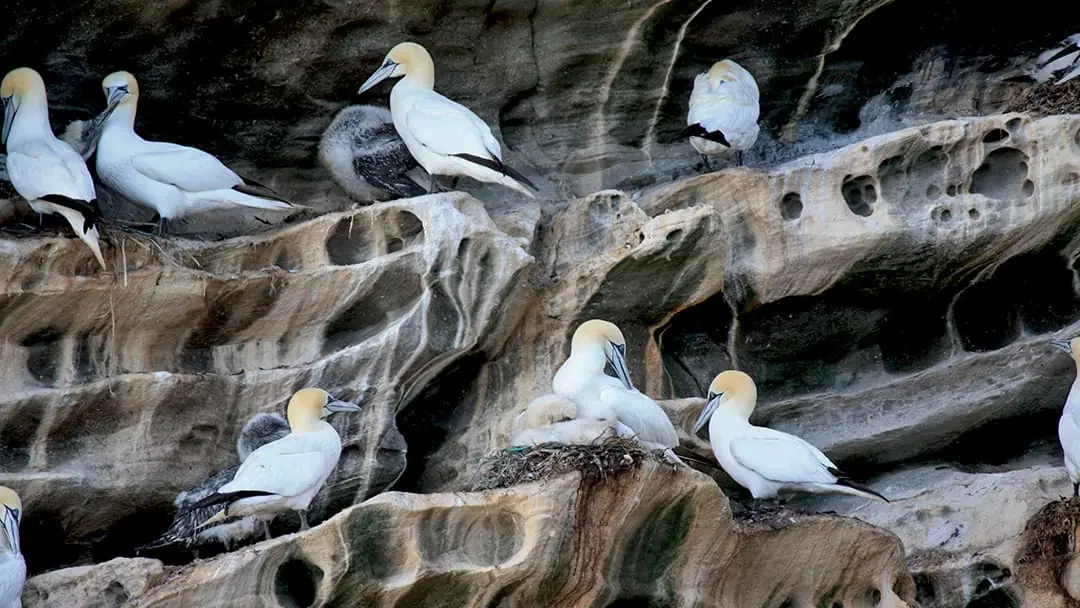
The Isle of Noss Gannet Colony (boat trip from Lerwick)
The classic Shetland wildlife excursion. Fast rigid-inflatable boats run from Lerwick around the towering 180-metre sandstone cliffs of Noss, a national nature reserve off the isle of Bressay where more than 25,000 gannets nest in a deafening, wheeling, diving cloud, alongside guillemots, razorbills, puffins, kittiwakes and great skuas. Skippers often draw the gannets down to plunge-dive beside the boat. Trips run in summer and are weather-dependent, so book flexibly and dress warmly for the spray.
Fair Isle (ferry or flight)
Britain's most remote inhabited island lies alone in the sea halfway to Orkney, and it is a place of pilgrimage twice over — for the world-famous Fair Isle knitting patterns that bear its name, and for its bird observatory, one of the great migration watchpoints in Europe where rare vagrants blown off course turn up every autumn. Reach it on the small Good Shepherd ferry from Grutness or by Loganair's tiny plane. A handful of residents, thousands of birds, and a knitting tradition kept alive by a few skilled hands.
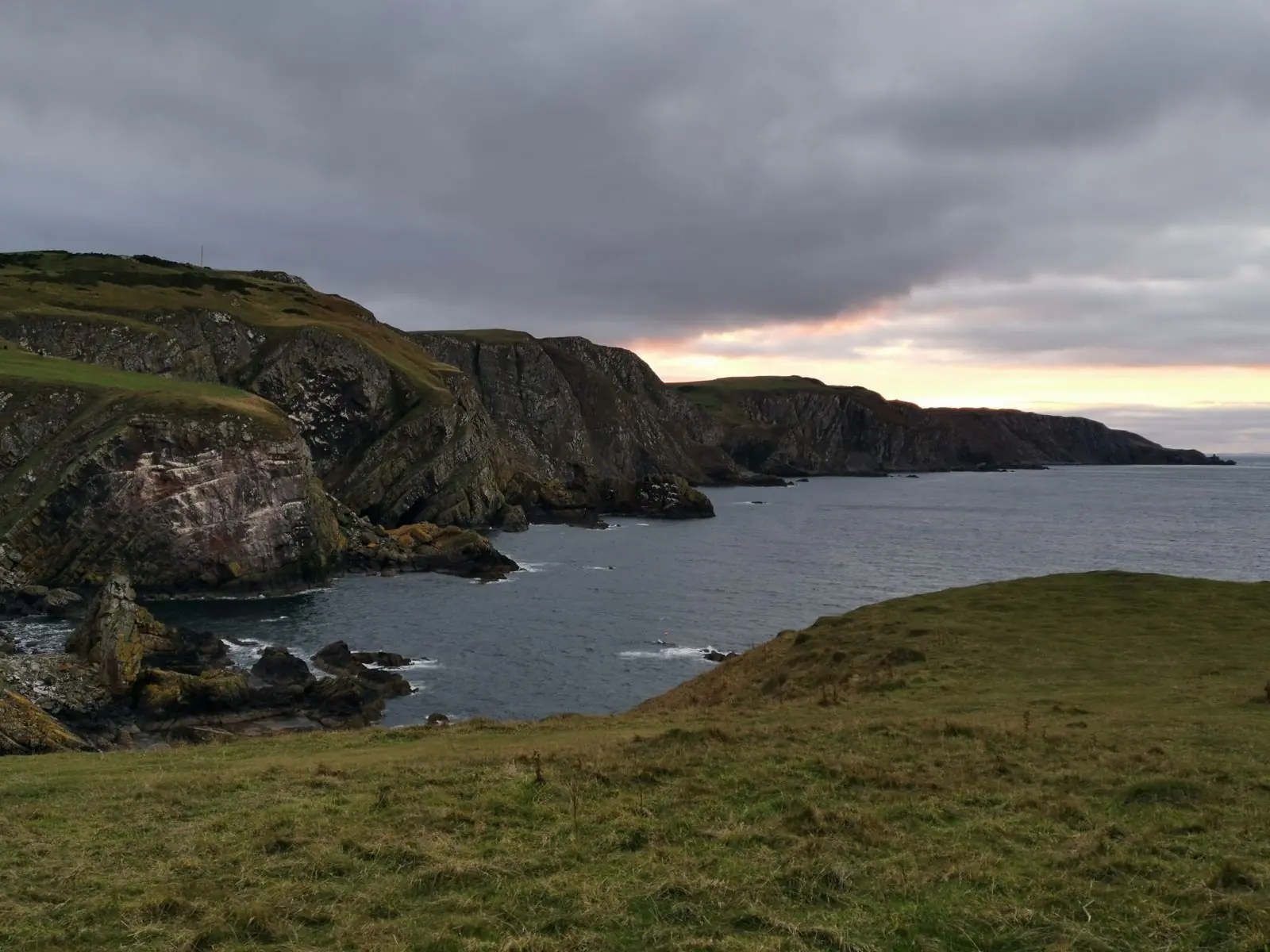
Hermaness, Unst (two ferries north)
At the very top of Britain, the Hermaness National Nature Reserve on Unst is a clifftop moorland walk that ends looking out at the Muckle Flugga lighthouse and Britain's northernmost point. The reward for the boggy hike is one of Shetland's greatest seabird spectacles — tens of thousands of gannets and puffins, plus dive-bombing great skuas that will make you glad of a hat. Getting here means two inter-island ferry hops through Yell, so allow a full day and check the sailings.
Otter-Watching on Yell (ferry from the Mainland)
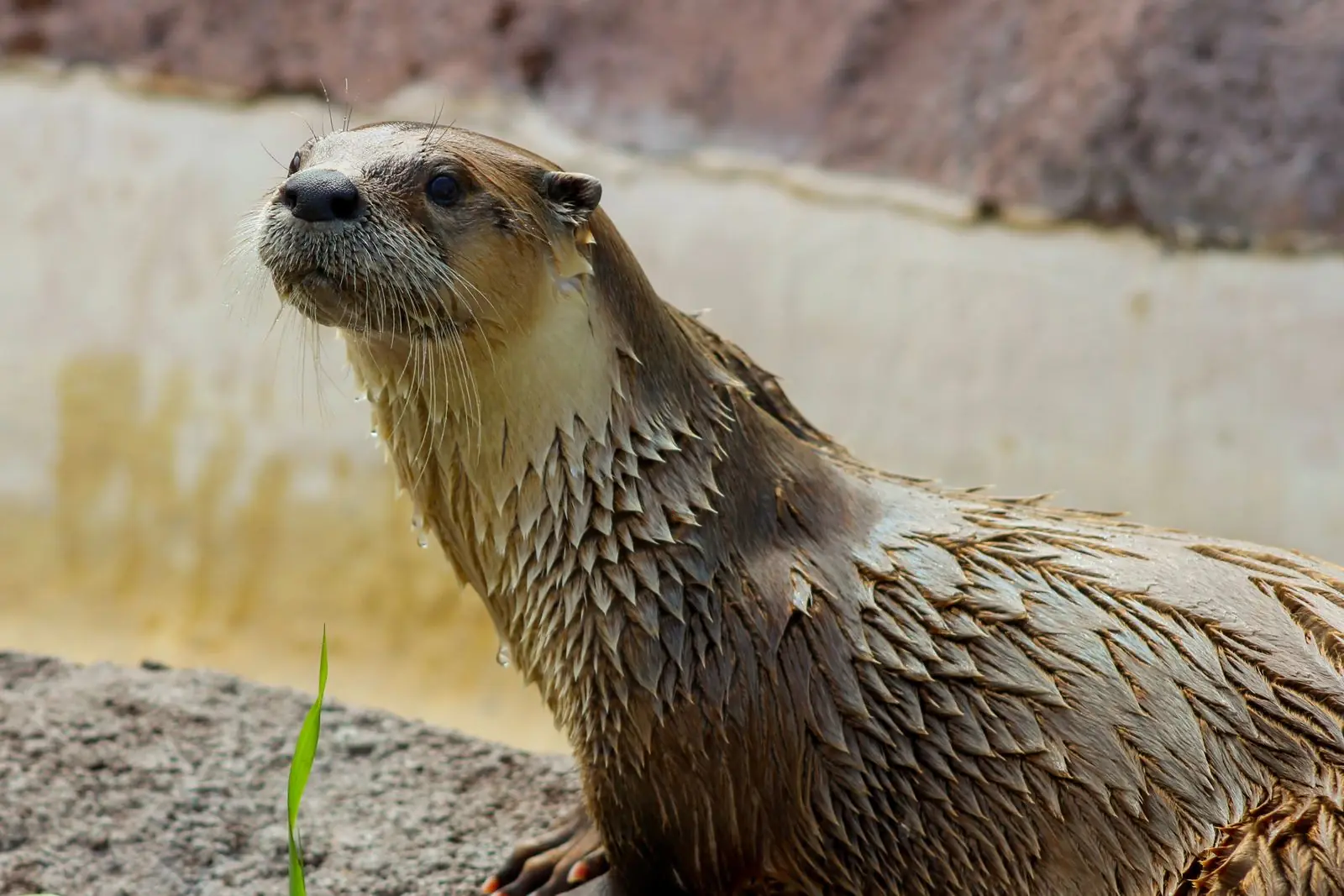
Shetland has one of the densest populations of Eurasian otters in Europe, and the island of Yell — reached by the 20-minute ferry from Toft — is the acknowledged capital, its quiet shingle shores and seaweed-fringed voes ideal for spotting them hunting at low tide. Local wildlife guides run patient, expert otter-watching outings that dramatically improve your chances of a sighting, and the same coasts turn up seals, red-throated divers and, if you are lucky, passing orca. Move slowly, keep downwind, and be patient.
Seals & a Wildlife Boat Trip (various departures)
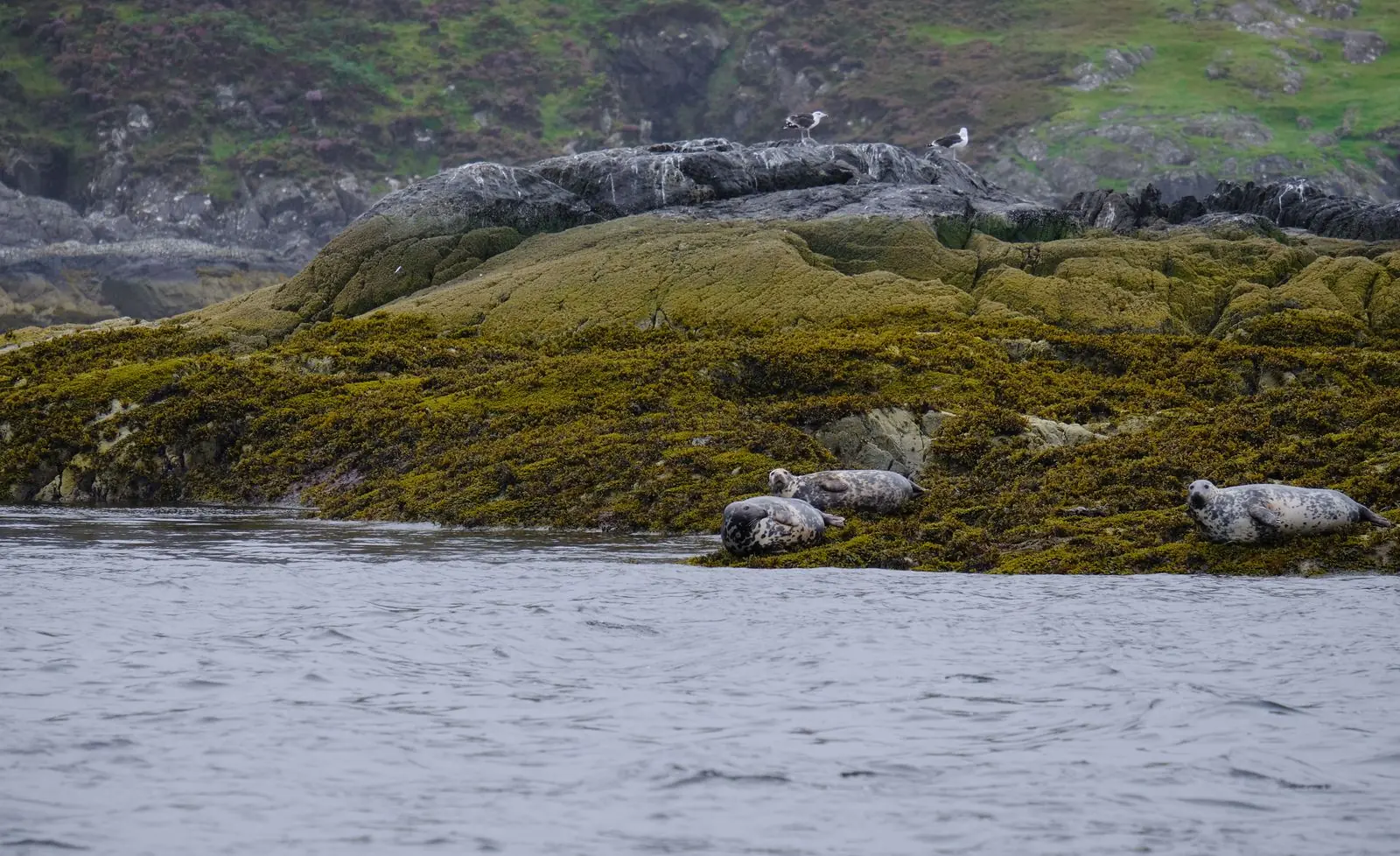
Beyond the big-name colonies, half the pleasure of Shetland is simply being out on the water. Wildlife boat trips from Lerwick and other harbours nose along the sheltered voes and sea caves in search of both grey and common seals hauled out on the skerries, porpoises and dolphins, and the seabirds that pack every cliff. Shetland is also one of the best places in the UK to see orca from boat or shore in summer, when pods hunt seals close inshore. Take binoculars, dress for the wind, and keep watching the water.
Proposed Itinerary
Three full days is enough to see the best of the Mainland and get out onto the water, without rushing the long roads. This assumes you have a car; group the sights by area, keep the wildlife boat for the calmest forecast, and treat every timing as provisional, because the weather here has the final say.
Day 1: Lerwick & the Central Mainland
Ease in around the capital and the old one.
- Morning: Explore Lerwick on foot — Commercial Street, the harbour and Fort Charlotte — then the free Shetland Museum & Archives for the islands' whole story.
- Afternoon: Drive over to Scalloway for the castle and the Shetland Bus museum, and take in the island-studded harbour and the west coast light.
- Evening: Dinner in Lerwick and, if it is on, a fiddle session in a bar — this is the home of the Shetland tune.
Day 2: The South Mainland
The archaeology-and-seabirds day, all within easy reach.
- Morning: Head down to Jarlshof for four thousand years of ruins, then along to Sumburgh Head for the lighthouse and the puffins on the cliffs.
- Afternoon: Walk the sand tombolo to St Ninian's Isle, and look out for grazing Shetland ponies along the South Mainland roads.
- Evening: If the forecast is right, take the dusk Mousa boat from Sandwick for the broch and the storm petrels; otherwise, an early night before the isles.
Day 3: North to Unst, or Out on the Water
Save this for the best weather and choose your adventure.
- Morning: Either ferry-hop north through Yell to Unst and Hermaness, or take a Noss boat trip for the gannets from Lerwick.
- Afternoon: On Unst, walk the cliffs and toast Britain's northernmost point at the Valhalla brewery or Saxa Vord gin distillery; on the water, watch for seals, porpoises and orca.
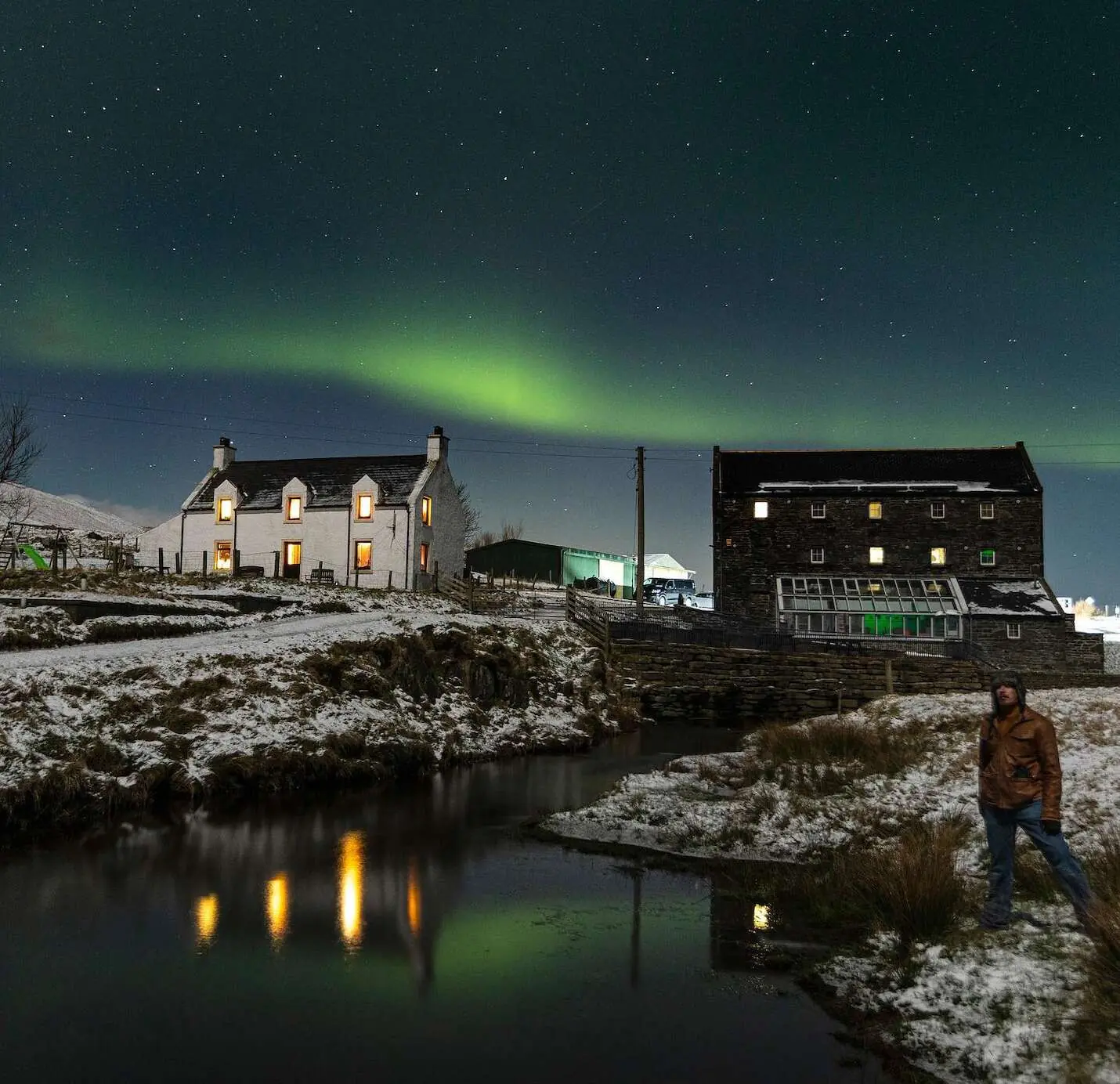
- Evening: Back to base for a last Shetland seafood dinner, and — in season — a look north for the aurora.
Insider tip: Build flexibility into everything. Boats and small inter-island flights are cancelled at short notice when the wind gets up, so keep the weather-dependent trips — Mousa, Noss, Fair Isle, Foula — near the start of your stay so you have days in hand to try again. And always carry a warm, windproof, waterproof layer, whatever the month.
Seasonal Events & Festivals
Shopping & Nightlife
Shetland & Fair Isle Knitwear
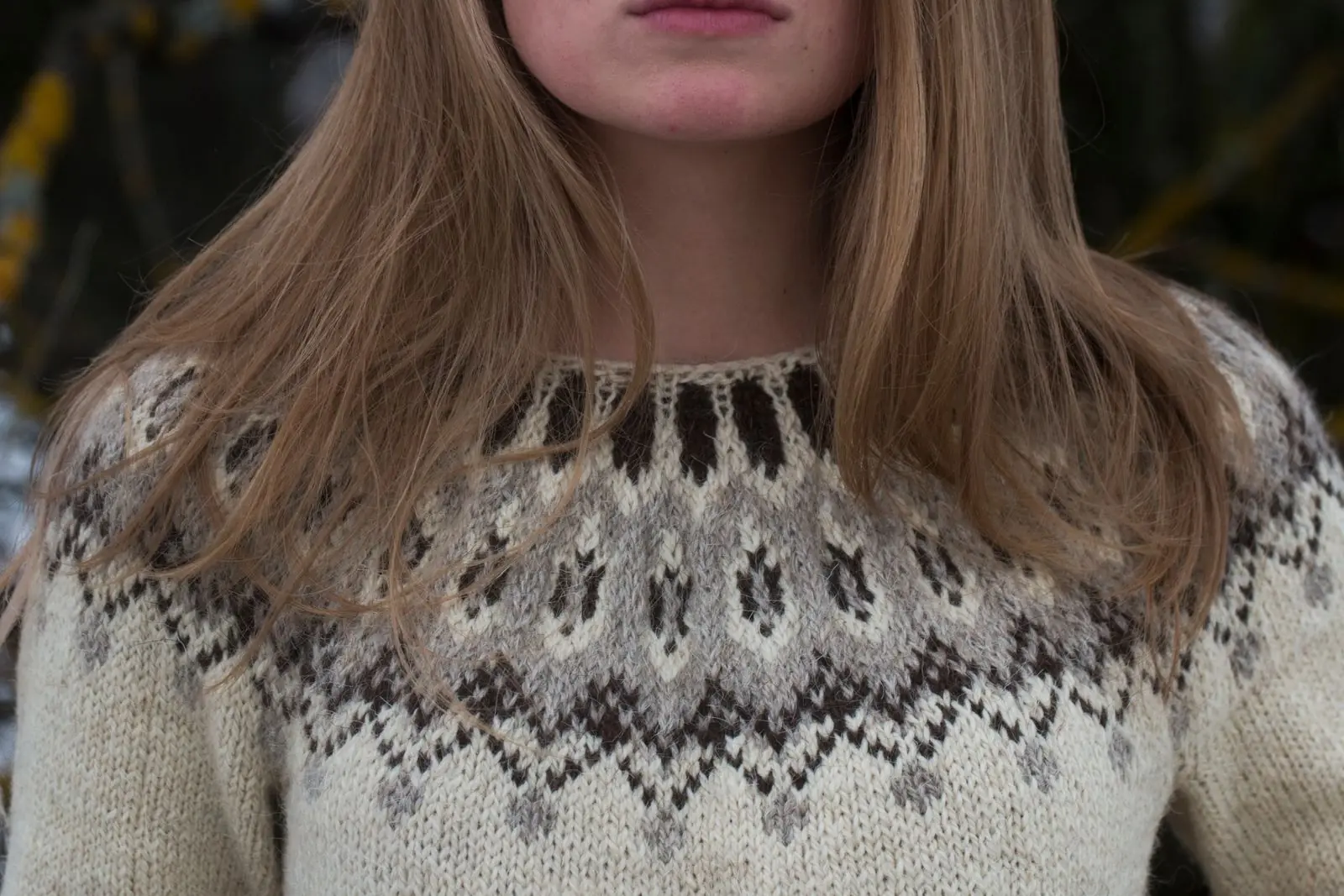
Knitting is Shetland's great craft and its most famous export, and the islands' wool has clothed everyone from herring gutters to Everest climbers. Look for genuine Fair Isle patterns — the intricate multi-coloured bands named for the tiny island that perfected them — and the gossamer-fine Shetland lace shawls said to pass through a wedding ring, both still hand-knitted by island makers. Buy from the small producers, the museum shop and the makers' studios rather than mainland imitations; the annual Shetland Wool Week each autumn draws knitters from around the world.
Commercial Street, Lerwick
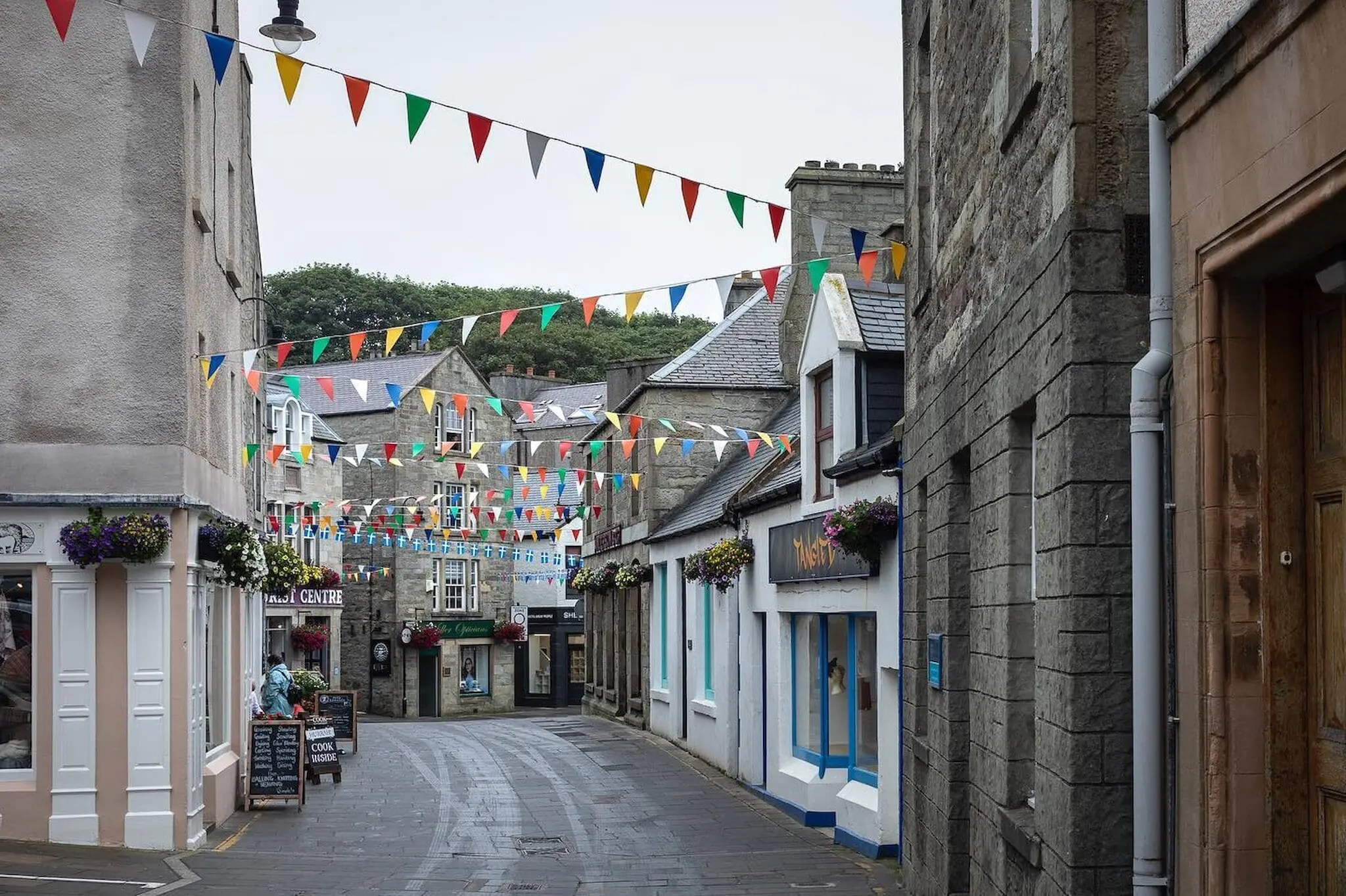
The islands' shopping is concentrated on Lerwick's flagstoned Commercial Street, a winding old lane of independent shops squeezed between the harbour and the hill. Here you will find knitwear and wool shops, jewellers working in silver and Shetland stones, a good bookshop, delis stocking island produce, and the odd chandler and record shop — the whole retail life of the archipelago in a few hundred atmospheric metres. Most shops keep to roughly 9:00–17:30, and close on Sundays; stock up before heading to the outer isles.
Music & Nightlife
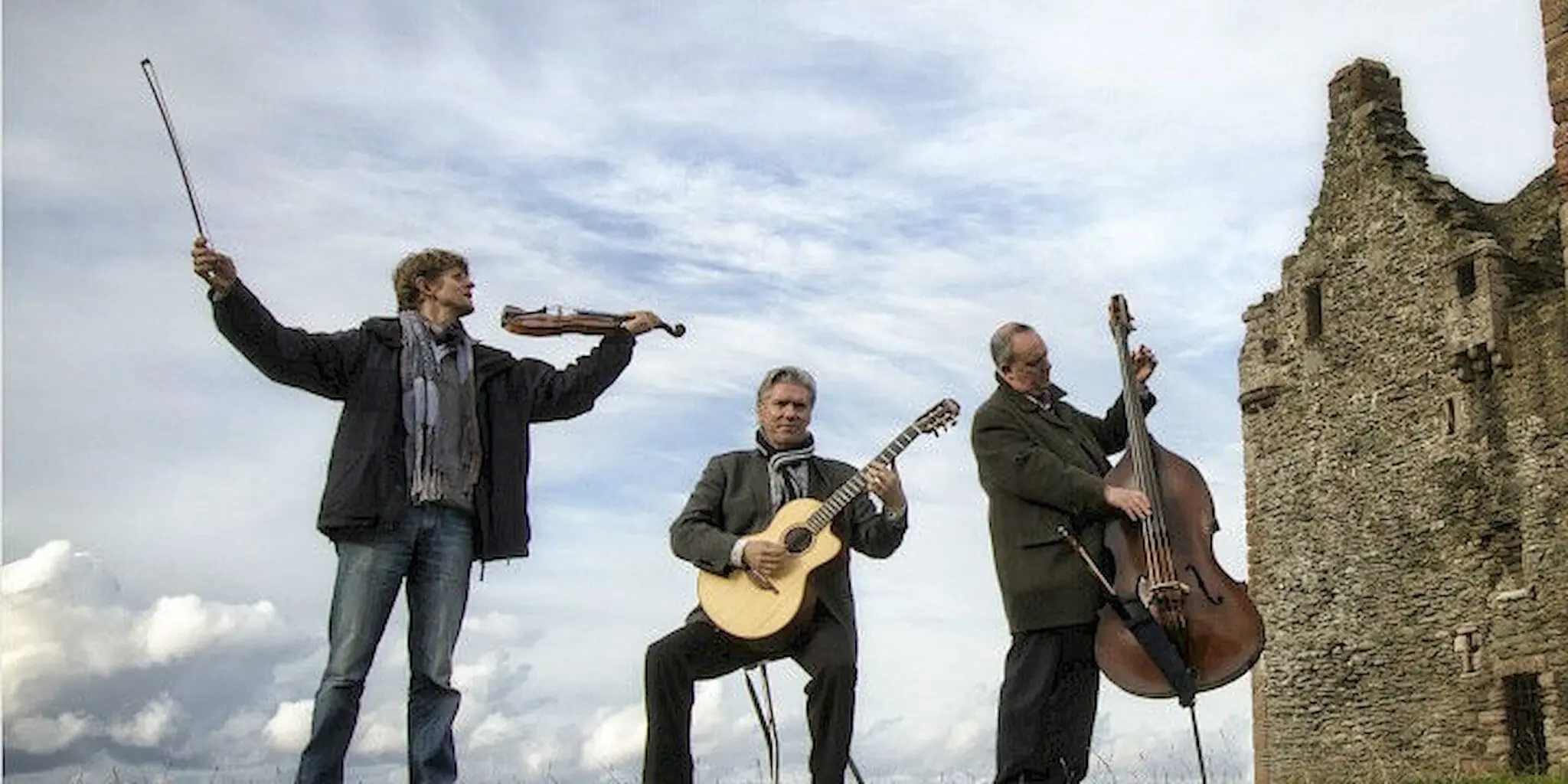
Shetland nightlife is music first and foremost, and the music is the fiddle. The islands have a living tradition unlike anywhere else in Scotland — its own tunes, its own bowing style, and generations of world-class players — and a pub session or a hall dance can break out any night of the week. Lerwick's bars host regular live folk, the Shetland Folk Festival in spring and Fiddle Frenzy in summer draw players from around the globe, and community-hall dances and ceilidhs are the real social heartbeat. It is warm, informal and utterly unpretentious — turn up, listen, and you may well be handed a drink.
Shetland asks a little more of a traveller than most places — a night on a ferry or a small plane, a hire car booked early, and a loose grip on the schedule while the weather makes up its mind. Give it those things and it repays them many times over: puffins at arm's length, a two-thousand-year-old tower still standing, fire in the winter streets, and a set of islands that have quietly gone their own Norse way at the top of the map.
Additional Resources
For more on Scotland as a whole — highlights across the country, the Highlands and islands, driving routes, weather and practicalities — head to our Discover Scotland: Castles, Coastlines & the Open Road guide, and for the capital see our Edinburgh: Castles, Closes & Festival Nights guide.
Official planning resources: Shetland.org for destination information, Historic Environment Scotland for Jarlshof, Scalloway and the ancient sites, NorthLink Ferries and Loganair for getting to the islands, and ZetTrans for inter-island ferries and local buses.
All prices quoted are approximate, given in pounds sterling, and subject to change — check the official website before you travel, and expect boats, small flights and outer-island services to be weather-dependent and reduced in winter.