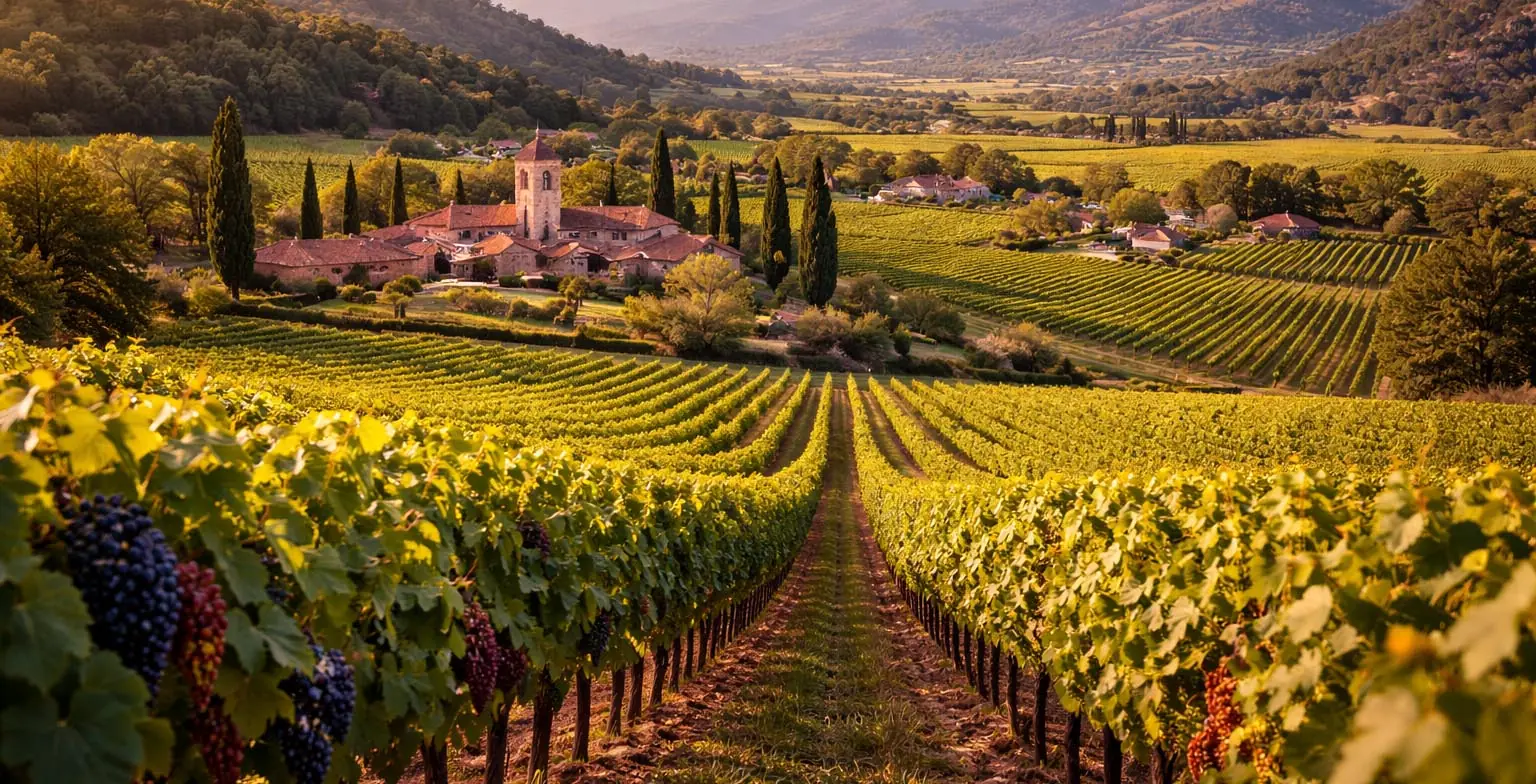
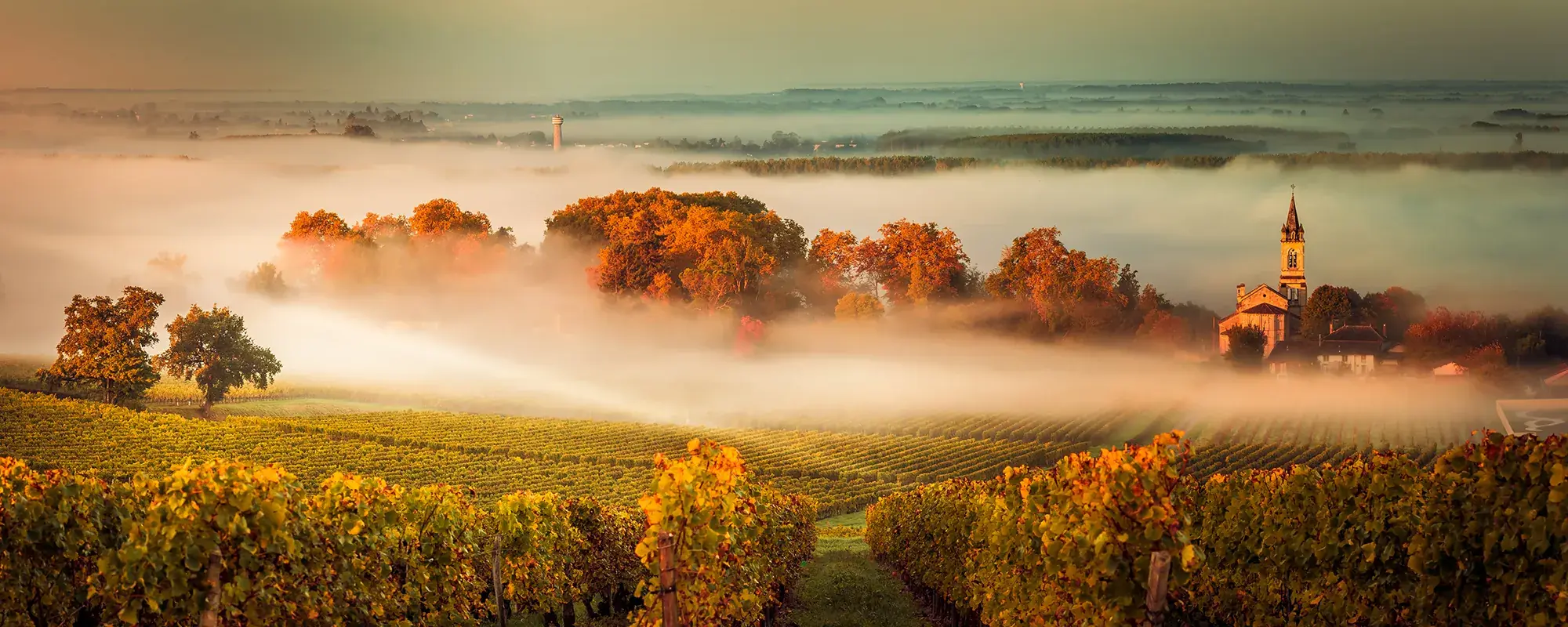
At 6am in a Bordeaux vineyard, before the tasting rooms have even opened, the only sounds are secateurs snapping and crates thudding softly onto a trailer bed — pickers moving row by row in the half-light, breath visible, working fast before the day warms up and the grapes lose their overnight chill. Cross into the cellar an hour later and the air changes entirely: the sweet, slightly sour smell of crushed grapes hangs thick near the presses, and someone hands you a glass of wine that is, technically, still becoming itself. Autumn is when the world's great vineyards stop being scenic backdrops and turn into working landscapes — and visiting during crush season means catching the whole process, glass in hand.
Table of Contents
- 1. Bordeaux, France
- 2. Chianti, Tuscany
- 3. The Douro Valley, Portugal
- 4. Napa Valley, California
- 5. Mosel Valley, Germany
- 6. Rioja, Spain
- 7. Tips for Visiting During Harvest
1. Bordeaux, France
Walk the medieval streets of Saint-Émilion in late September and vineyards are visible at the end of nearly every alley — a UNESCO town built so tightly into its own wine country that the harvest feels like it's happening in the next room. Bordeaux's vendange typically runs from mid-September through mid-October, with white grape varieties like Sauvignon Blanc picked first and reds like Cabernet Sauvignon and Merlot following a few weeks later; the region's famous châteaux, from Saint-Émilion to Médoc, open their doors more widely during this stretch than at any other time of year.
- Saint-Émilion, a UNESCO World Heritage site, is walkable and especially atmospheric during harvest, with vineyards visible from the town's medieval streets.
- Château tours with tastings typically run €20–50 per person, with the more prestigious estates requiring booking weeks ahead.
- Bordeaux city makes an easy base, with most of the surrounding wine villages reachable within 30–60 minutes by car or organized tour.
- Late September is the sweet spot — harvest activity is visible, but the region hasn't yet hit its coldest, wettest weeks.
2. Chianti, Tuscany
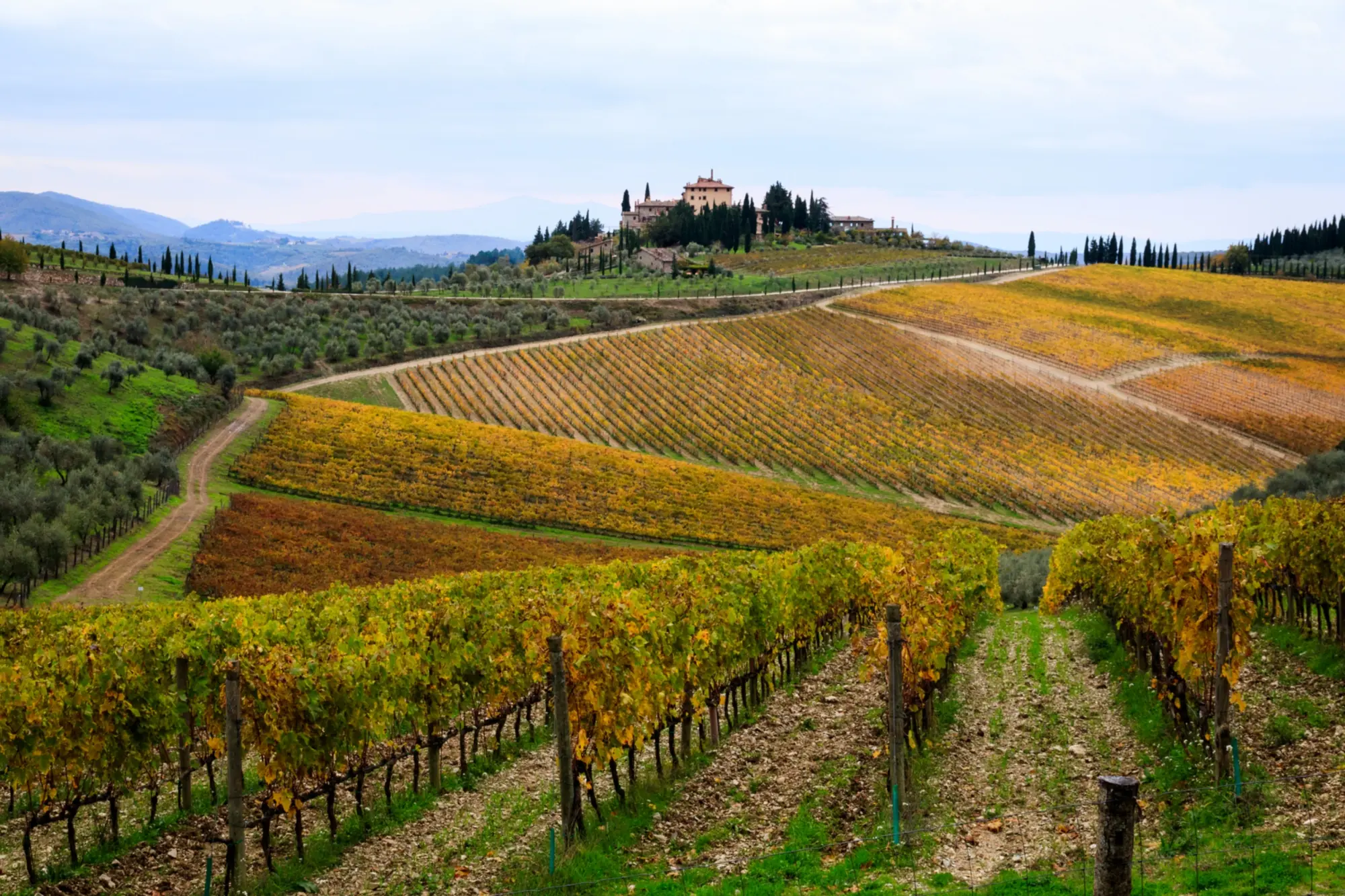
Roll up your sleeves at an estate near Radda or Greve and you'll be knee-deep in a wooden vat within the hour, stomping grapes barefoot alongside people who were strangers an hour earlier — one of the only wine harvests anywhere that hands visitors a job instead of just a glass. Tuscany's vendemmia runs roughly mid-September through October, and estates around Montalcino, Greve in Chianti, and Radda open half- and full-day harvest experiences that end, almost without exception, in a long lunch among the vines.
- Fly into Florence or Pisa; a car is close to essential for reaching the smaller hill-town estates.
- Harvest experience packages typically run €80–150 per person, including lunch and a tasting.
- Brunello di Montalcino producers are especially active in early October, when Sangiovese grapes for the region's flagship wine come in.
- Book accommodation in a hill town like San Gimignano or Montalcino at least a few months ahead for peak harvest weekends.
3. The Douro Valley, Portugal
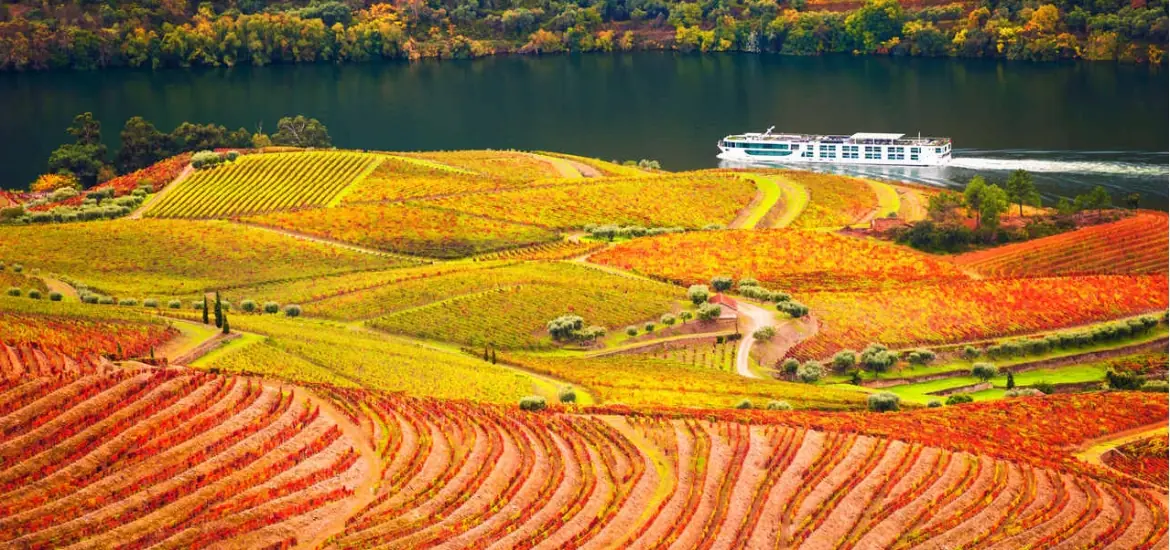
At a handful of historic quintas above Pinhão, the harvest still ends the way it has for centuries — a dozen people linked arm in arm, wading through a stone tank called a lagare, treading grapes barefoot in slow, synchronized rhythm to a fado singer keeping time from the edge. It's called pisa, and watching it (or joining it) is as close as modern wine travel gets to time travel. Harvest runs from late August through early October depending on elevation, and the valley's steep, river-facing terraces produce grapes for both port wine and increasingly well-regarded Douro table wines.
- Porto is the entry point, followed by a scenic train or river cruise up the valley toward Pinhão, roughly two and a half hours.
- Several quintas around Pinhão invite guests to join foot-treading sessions during peak harvest, typically included in overnight stays.
- A full-day valley tour with tastings runs roughly €80–120 per person, often including a river cruise segment.
- The terraced hillsides turn gold and copper alongside the harvest, making late September a strong pick for both wine and scenery.
4. Napa Valley, California
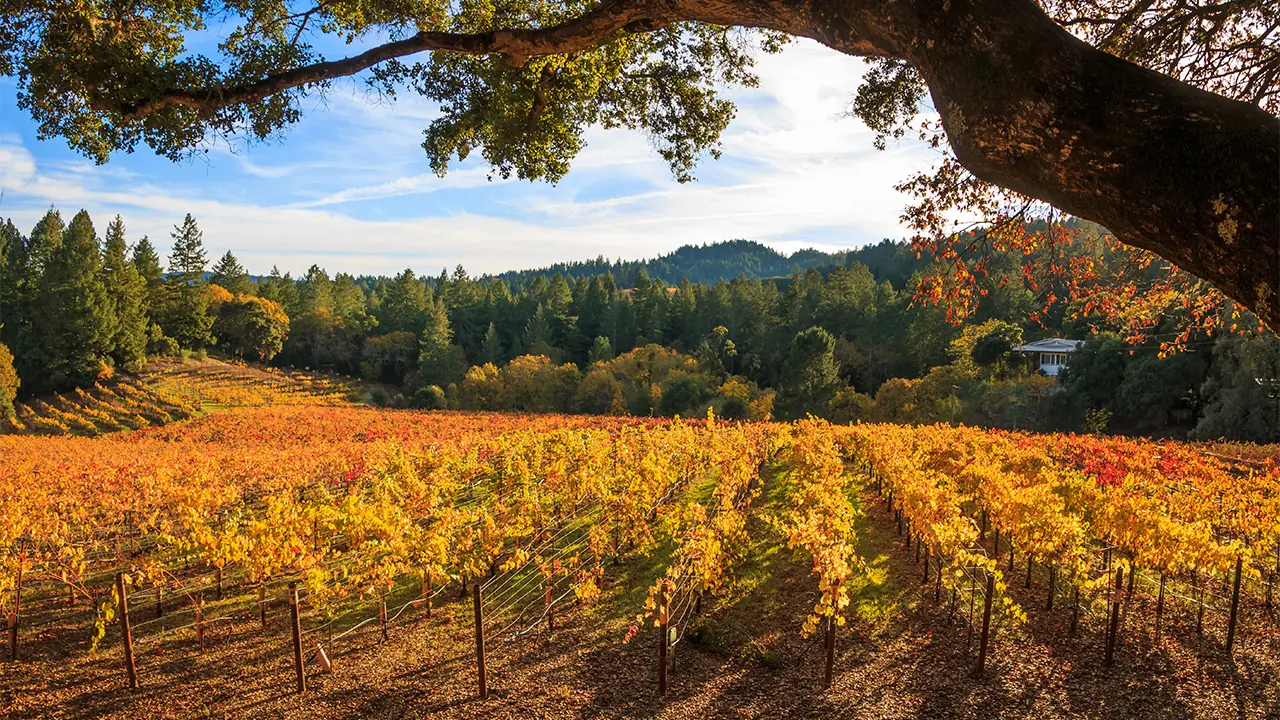
By late September, Napa's back roads smell faintly of fermenting fruit even before you reach a winery gate — Cabernet Sauvignon, the valley's signature grape, is the last to come in, and its harvest often stretches into October as growers gamble on a few extra days of ripening against the risk of an early rain. Wineries across the valley open crush-season events during this stretch, from grape-stomping for visitors to behind-the-scenes cellar tours most of the year keeps closed to the public.
- San Francisco is the nearest major airport, about an hour and a half drive to the valley.
- Tasting fees at Napa wineries typically run $40–75 per person, often waived with a bottle purchase.
- The Napa Valley Wine Train offers a scenic, non-driving way to sample multiple wineries in a single day.
- Book tastings ahead for weekends in late September and October — appointment-only wineries fill up fast during peak crush.
5. Mosel Valley, Germany
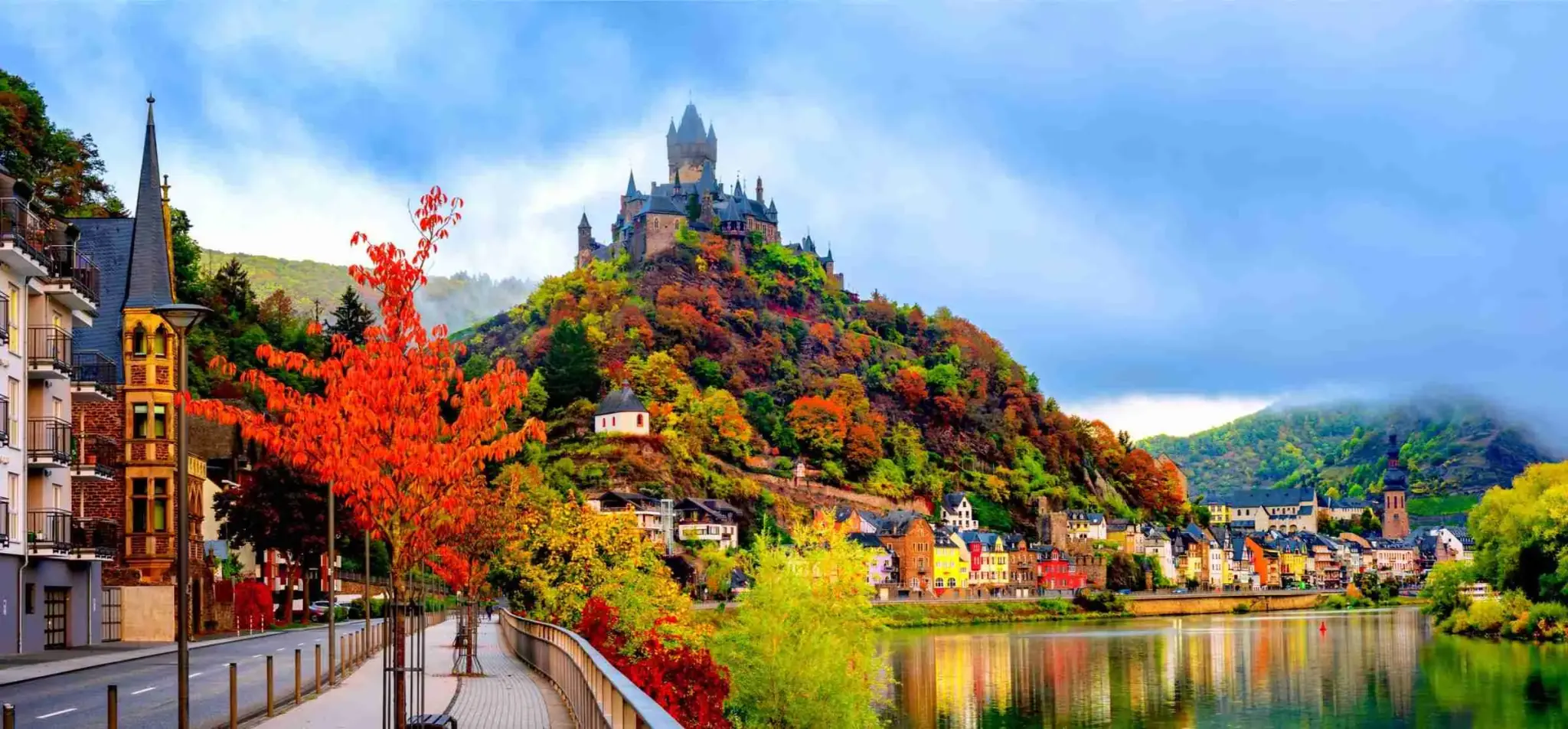
Some of the Mosel's vineyards climb slopes so steep — over 60 degrees in places, among the steepest cultivated land on Earth — that pickers work in harnesses and grapes are hauled down by monorail cart because no tractor could manage the grade. It's a strange, almost vertical landscape to farm, and by October the slate-covered terraces turn gold beneath it, framing a winding river dotted with half-timbered villages that look built for postcards.
- Frankfurt is the easiest gateway, with a roughly two-hour drive or train-and-bus combination to towns like Bernkastel-Kues or Traben-Trarbach.
- Riesling tastings at family-run wineries typically run €10–20 and rarely need advance booking outside weekends.
- Local Winzerfeste (wine festivals) run through late September and October in villages along the river, with new-vintage tastings and food stalls.
- A river cruise between Cochem and Bernkastel-Kues is a relaxed way to see the steep vineyard terraces without driving the valley's narrow roads.
6. Rioja, Spain
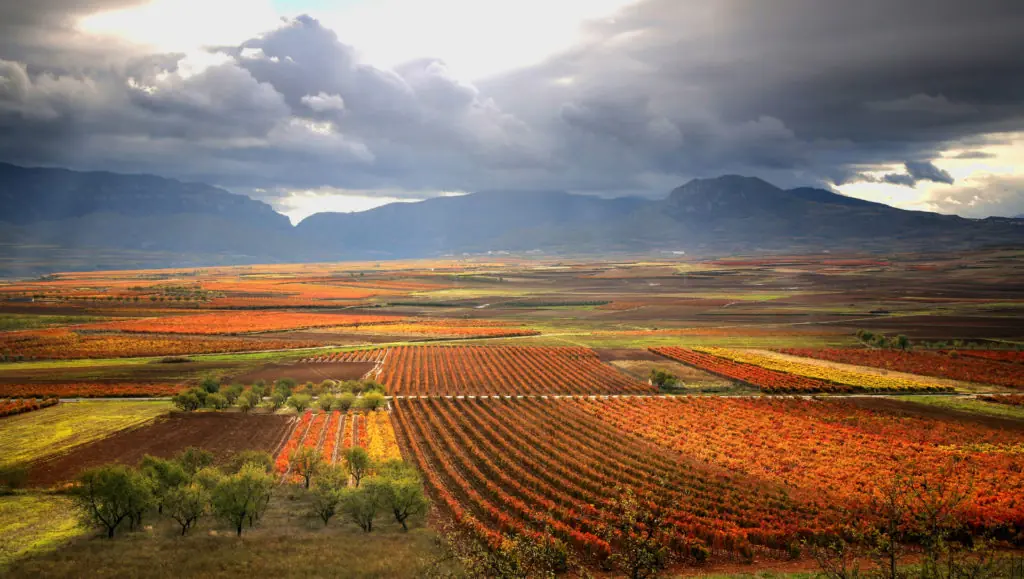
On September 21st, the mayor of Logroño climbs into a wooden vat in the town's main square and stomps the season's first grapes by foot, in front of a crowd in traditional white and red, kicking off the Rioja Grape Harvest Festival with the ceremonial First Treading. It's one of the liveliest harvest celebrations in Europe — parades, folk dancing, open-air tastings — and it marks the symbolic close of a harvest that, in the surrounding vineyards, typically runs from mid-September through mid-October.
- Bilbao or Madrid are the nearest major airports, both roughly a two-hour drive to Logroño or Haro.
- Bodega tours with tastings typically run €15–35 per person, with many wineries offering English-language sessions.
- Haro's "Wine Battle" (Batalla del Vino) in late June is a separate, more raucous event — harvest season itself is a calmer, more contemplative visit.
- Traditional pintxos bars in Logroño's Calle Laurel pair well with an evening of Rioja tasting after a day among the vines.
7. Tips for Visiting During Harvest
- Book tastings ahead: harvest season is peak season for most wine regions, and appointment-only estates fill quickly, especially on weekends.
- Wear closed-toe shoes: working vineyards and cellars are not the place for sandals, particularly if you're joining a grape-treading session.
- Ask about weather-dependent timing: exact harvest dates shift by up to two or three weeks year to year depending on the growing season, so confirm close to your travel dates.
- Pace your tastings: most regions offer full-day multi-winery tours — a driver or organized tour lets everyone actually enjoy the wine.
Wine regions are beautiful any time of year, but harvest is the only time they're truly alive in the way that Bordeaux vineyard was at 6am — pickers moving with purpose, cellars full of noise and motion, a whole season's work compressed into a few frantic, celebratory weeks. Time it right, and you'll taste the year's wine practically as it's being born.