
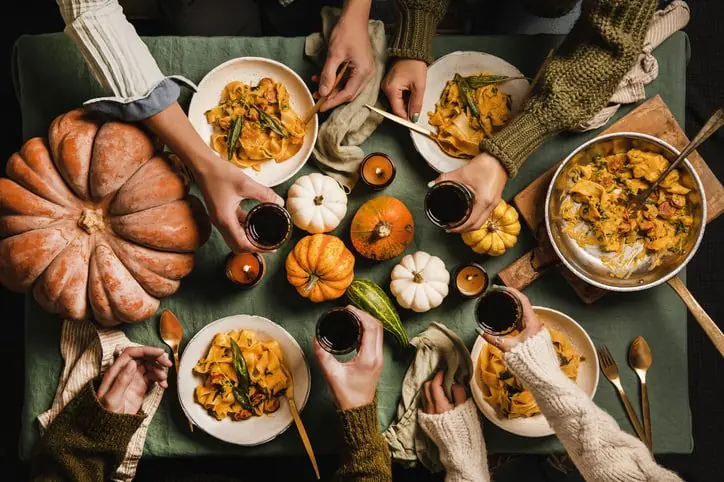
There's a specific kind of happiness that arrives in the two seconds after you step in out of the cold and into a warm, steam-fogged kitchen — before you've even sat down, before the bowl is in front of you, just the smell of broth or spice hitting you at the door and your shoulders dropping an inch. Autumn travel is as much about what you eat as what you see, and some dishes are so tied to a place and season that they're worth planning a trip around. Here's where to find them, still steaming.
Table of Contents
- 1. French Onion Soup, Paris
- 2. Goulash, Budapest
- 3. Raclette, The Alps
- 4. Pumpkin Dishes, New England
- 5. Mulled Wine, German Christmas Markets
- 6. Chestnuts and Roasted Squash, Italy
- 7. Making the Most of a Food-Led Trip
1. French Onion Soup, Paris
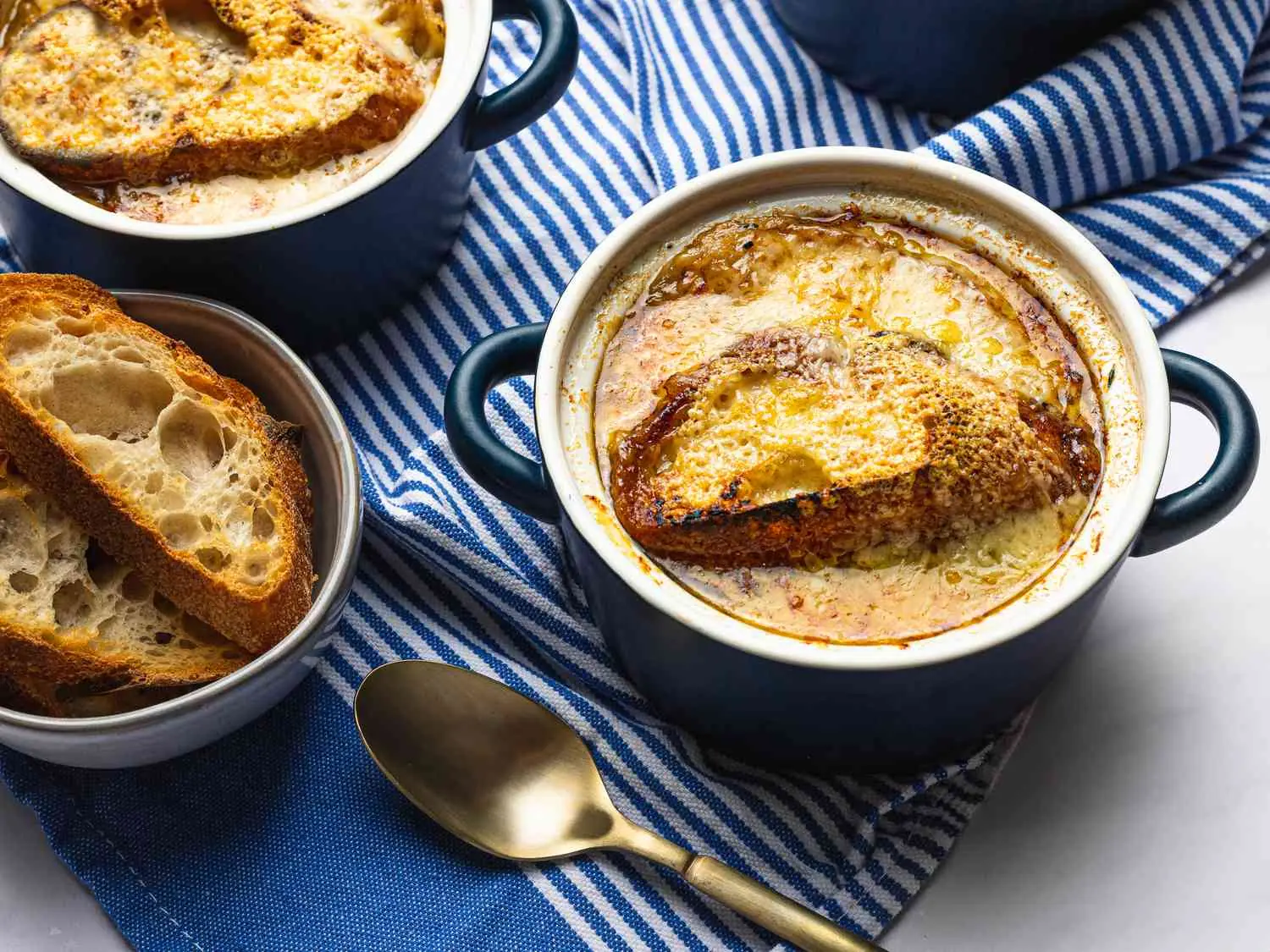
The bowl arrives too hot to touch, a crust of Gruyère blistered and faintly burnt at the edges where it met the broiler, and you have to break through it with a spoon before the steam carrying caramelized onion and thyme even reaches your face. Few dishes announce autumn quite like this. Paris's oldest bistros have been serving versions of it for well over a century, onions cooked low and slow for hours until they collapse into something closer to jam than vegetable, and it remains one of the most reliable orders on a cold night in the city.
- Au Pied de Cochon, open 24 hours near Les Halles, has served its version since 1947 and remains a late-night institution — order it at 2am and it arrives exactly as unhurried as at 8pm.
- Neighborhood bistros in the Marais and Saint-Germain-des-Prés typically charge €12–18 for a proper bowl.
- Late October through November is when Parisian bistros lean fully into the season's heavier menus.
- Pair it with a glass of Burgundy — many bistros offer a by-the-glass pairing specifically for the soup.
2. Goulash, Budapest
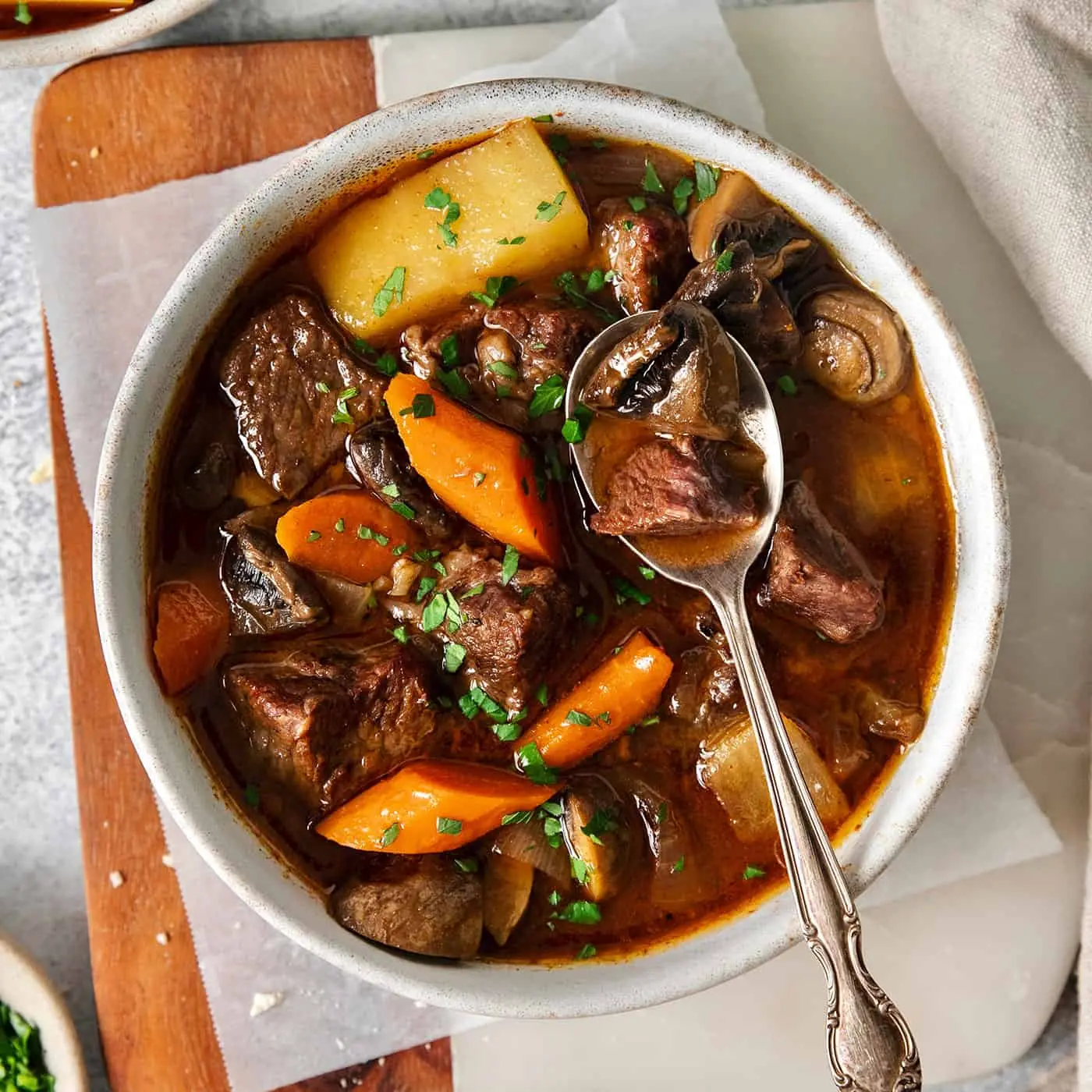
Hungarian herdsmen once cooked this over open fires on the Great Hungarian Plain, a paprika-red stew simmered in a cauldron slung over the flames while cattle grazed nearby — and something of that open-fire simplicity survives in a good bowl of gulyásleves today, brothier and more honest than the thick, gravy-like versions often served abroad. It still tastes best exactly the way it was meant to: in a wood-paneled Budapest tavern on a properly cold evening, paprika warmth spreading from the inside out.
- Look for gulyásleves on menus for the authentic, brothier version, versus pörkölt, a thicker, closer-to-stew relative.
- Kispiac Bisztró and other family-run spots in the Jewish Quarter serve generous bowls for roughly 2,500–4,000 HUF ($7–11).
- Budapest's autumn is mild enough for walking tours by day and cold enough by evening to make a hot bowl feel earned.
- Pair with a glass of Egri Bikavér ("Bull's Blood"), a robust red from the Eger wine region a couple of hours northeast.
3. Raclette, The Alps
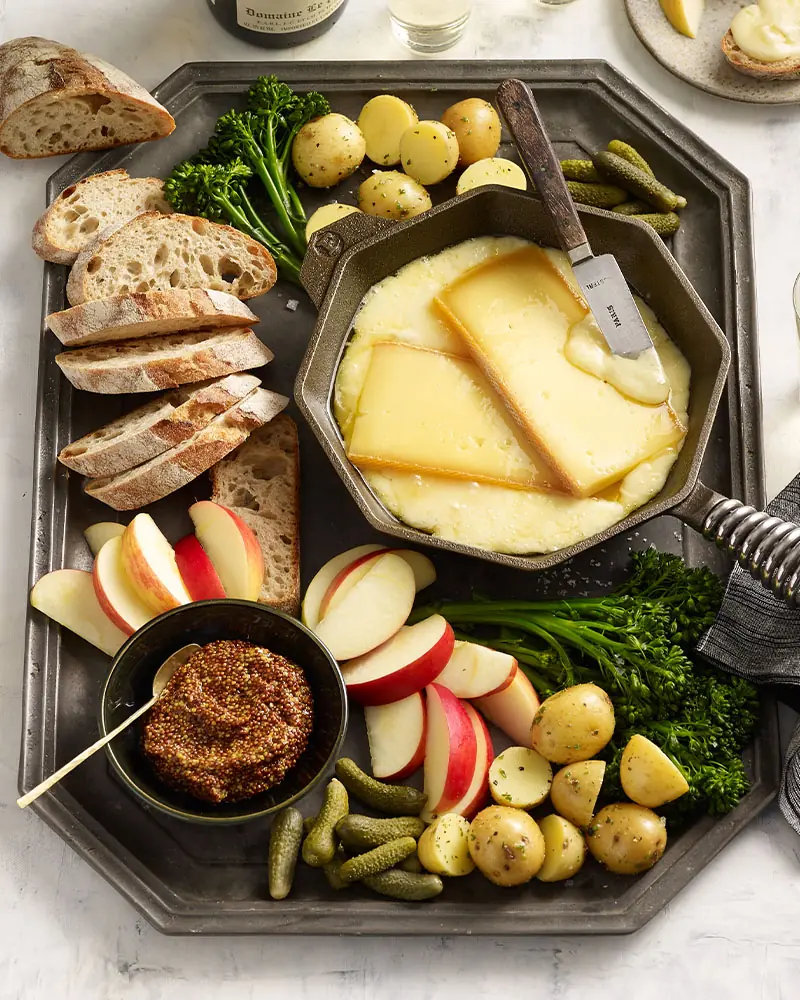
A half-wheel of cheese sits inches from an open flame or heating element until its surface goes glossy and starts to sag, and then someone scrapes a thick, molten layer directly onto your plate of potatoes, cured meats, and pickles — repeat every few minutes for two unhurried hours, and you understand why raclette is treated as an entire evening rather than a course. It's communal by design, and it suits the Alpine autumn perfectly, arriving just as ski season approaches but before the crowds do.
- Chalet restaurants in Chamonix, Zermatt, and the Swiss Valais region serve raclette dinners for roughly CHF 25–40 per person.
- Late autumn (October–November) is shoulder season in the Alps — lower prices and quieter towns before the winter ski rush.
- Traditional raclette grills, tabletop devices that melt individual cheese portions, have made the dish common at home too, but nothing beats the mountain-hut version, cheese scraped tableside by someone who's done it ten thousand times.
- Pair with a dry white wine from the Valais, like Fendant, which cuts through the richness of the cheese.
4. Pumpkin Dishes, New England
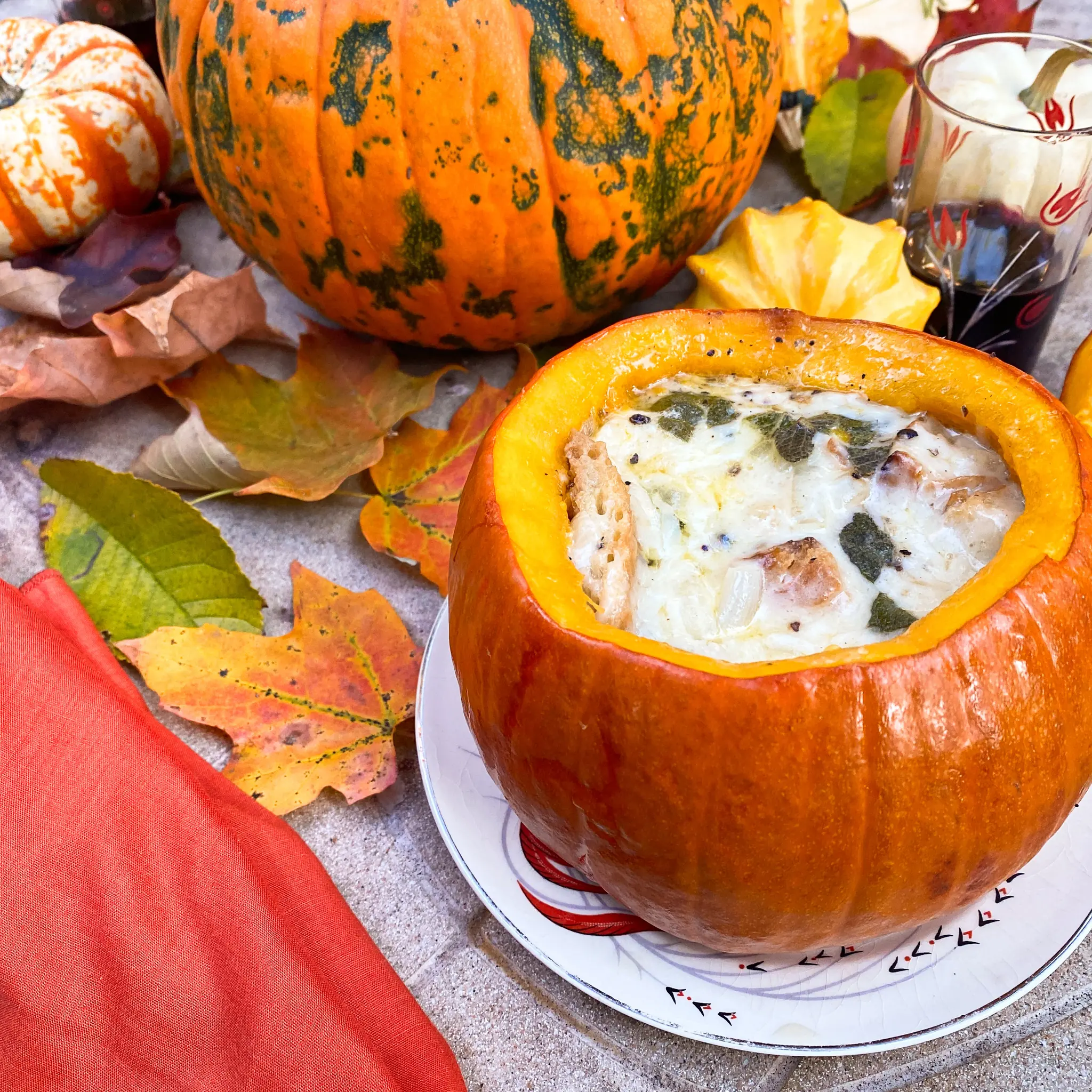
Drive any back road in Vermont or New Hampshire in October and you'll pass at least one farm stand selling pie still warm from that morning's oven, the crust barely set, sold in paper boxes that soften slightly with the heat by the time you're back in the car. New England leans hard into pumpkin and squash each autumn — pies at roadside stands, pumpkin-stuffed ravioli on restaurant menus, pumpkin ale on tap at nearly every regional brewery — and the region's harvest festivals through October make it close to inescapable, in the best way.
- Farm stands throughout Vermont, New Hampshire, and Massachusetts sell fresh pumpkin pie for $15–25, often baked that same morning.
- Pumpkin ale, brewed with real pumpkin and warming spices, is a seasonal staple at breweries across the region from September through November.
- Roadside cider donuts, fried fresh and rolled in cinnamon sugar, pair naturally with an afternoon of foliage driving.
- Thanksgiving, in late November, brings the region's pumpkin traditions to their annual peak.
5. Mulled Wine, German Christmas Markets
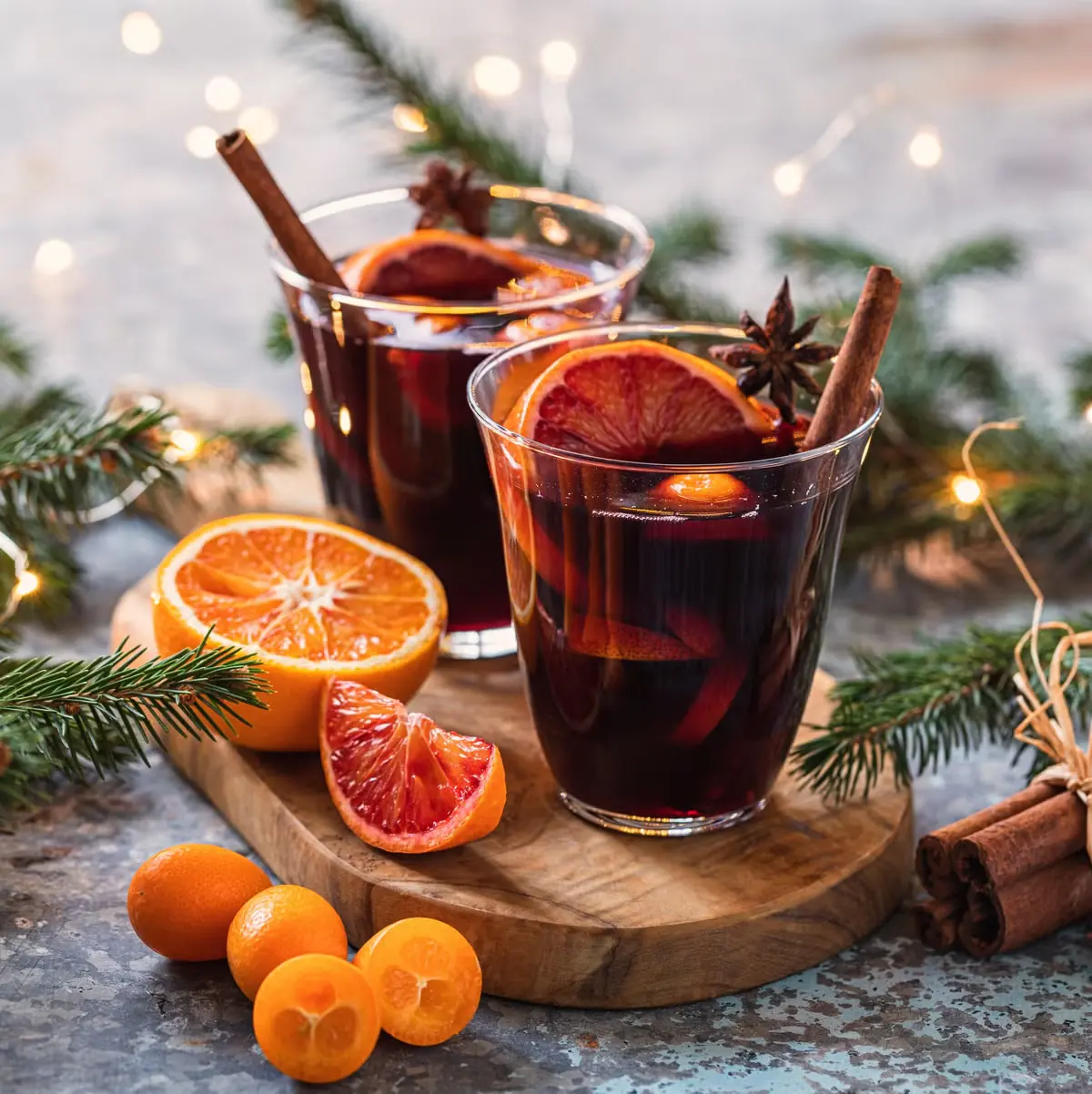
The first Glühwein stall of the season lights up in Nuremberg while it's still technically autumn, string lights strung between stalls that won't officially call themselves a Christmas market for another few weeks — and the smell of cinnamon and clove carrying across the square is somehow more exciting for arriving early, before the full market crush. Served hot in a collectible mug you're meant to keep, it's one of the season's most photographed rituals for good reason.
- A cup typically costs €3–5, with a small refundable deposit (Pfand) on the mug itself — most visitors pay it and keep the mug anyway.
- Nuremberg's Christkindlesmarkt, one of Germany's oldest, traditionally opens the Friday before the first Advent Sunday, usually landing in late November.
- Vienna's markets around the Rathaus and Schönbrunn Palace pair mulled wine with roasted chestnuts and Kaiserschmarrn.
- Arrive at dusk — the markets are lit with string lights and look best once the sun goes down.
6. Chestnuts and Roasted Squash, Italy
The metal drum on a Roman street cart turns slowly over coals, chestnut shells popping and splitting one by one, and the vendor hands over a paper cone so hot you have to juggle it hand to hand while peeling the first one open with your thumbnail. Roasted chestnuts (caldarroste) are an Italian autumn street food staple from October through the colder months, and in the countryside they're often paired with new-season wine at informal castagnate — chestnut festivals held in hill towns barely marked on standard maps.
- Street vendors typically charge €4–6 for a paper cone of roasted chestnuts, best eaten while still warm.
- Umbria and Tuscany hold dedicated chestnut festivals in October, often in small hill towns barely marked on standard maps.
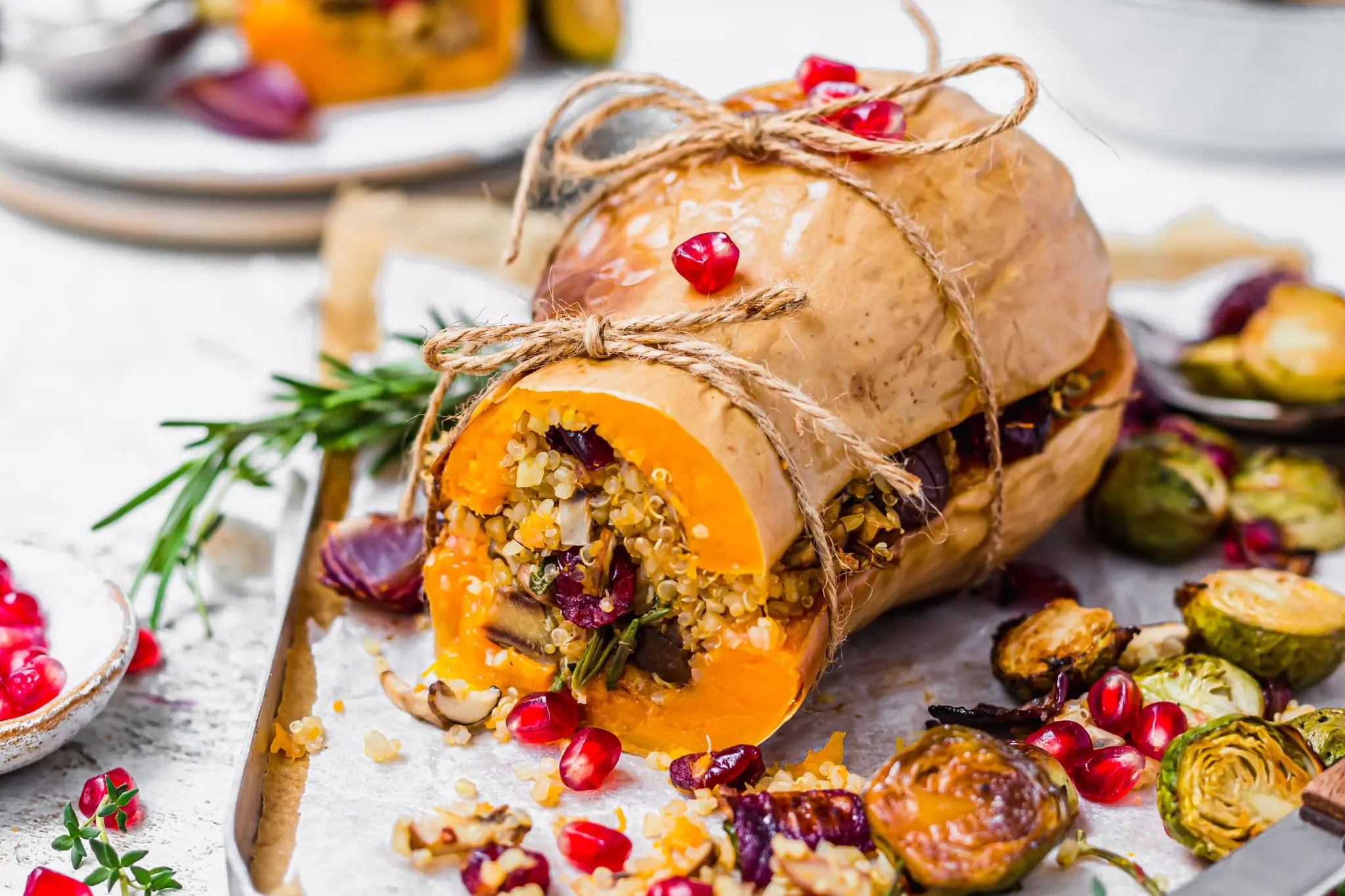
- Roasted pumpkin and squash appear widely on autumn menus, often as a filling for tortelli or ravioli in Emilia-Romagna.
- New-season olive oil, pressed in October and November, is worth seeking out at farm tastings alongside the chestnuts — it's noticeably peppery and green compared to older oil.
7. Making the Most of a Food-Led Trip
- Time it to the harvest, not just the season: many of these dishes and festivals cluster in specific weeks, so check local calendars before booking.
- Book smaller family-run spots ahead: the best versions of these dishes are rarely at big-name restaurants, and small kitchens have limited seating.
- Pace yourself: heavier autumn menus are meant for a slower kind of eating — plan fewer stops per day than you would in summer.
- Ask locals, not just guidebooks: seasonal dishes shift year to year with the harvest, and the best recommendations usually come from whoever's behind the counter.
Autumn travel has a way of becoming a food memory as much as a scenic one — that first hit of onion-and-thyme steam at a bistro door, a bowl of goulash on a cold Budapest evening, cheese scraped onto a plate in a mountain hut. Build a little room into the itinerary for these, and the trip tends to be remembered as much by taste as by sight.