Somewhere around the second week of September, a waiter in a near-empty Tuscan piazza stops rushing. The summer queue is gone, the light drops a shade lower and warmer, and he actually has time to tell you which hillside the wine in your glass came from. That's the tell that Europe's autumn has arrived — not a date on a calendar, but a change in pace you can feel in a single conversation. Vineyards ripen into gold, castle turrets poke through morning mist thick enough to taste, and woodsmoke drifts through cobbled lanes that were jammed with tour groups six weeks earlier. This is the window locals actually wait for.
Table of Contents
- 1. Bavaria, Germany
- 2. The Scottish Highlands
- 3. Tuscany, Italy
- 4. The Douro Valley, Portugal
- 5. The Rhine Valley, Germany
- 6. Prague, Czech Republic
- 7. The Cotswolds, England
1. Bavaria, Germany
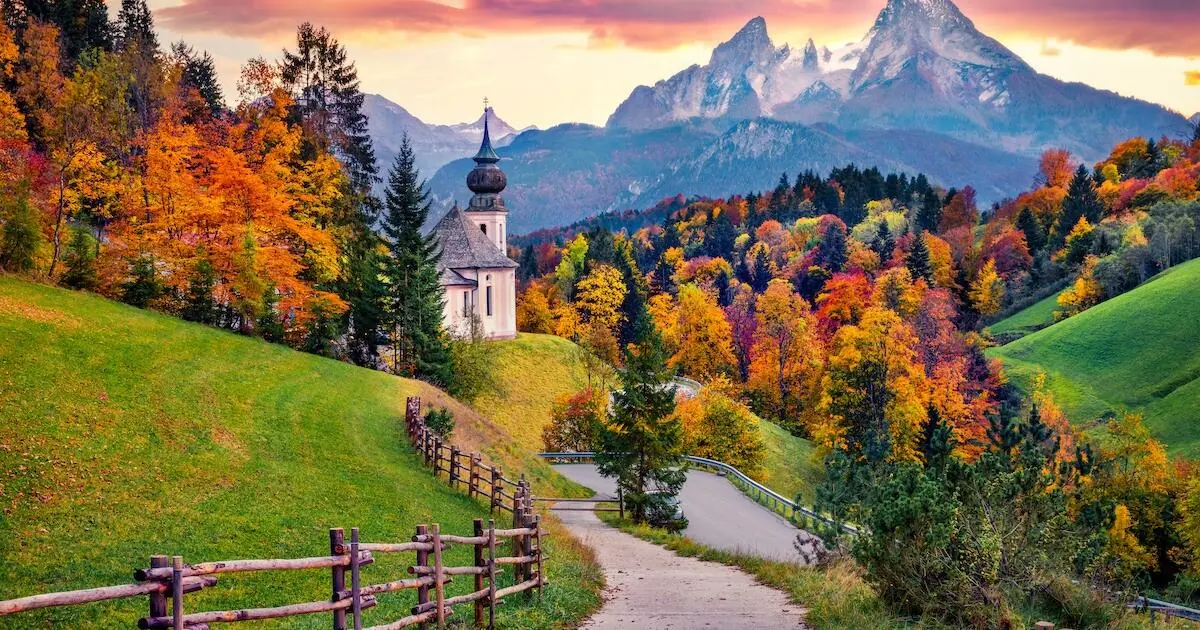
The last Oktoberfest tent comes down on the first Sunday of October, and within days the Theresienwiese fairground is bare grass again — but that's exactly when Bavaria gets good. The beer-hall roar fades, the larch trees along the Alpine foothills flare a deep, resinous gold you won't see on any other conifer, and Neuschwanstein's turrets suddenly look less like a theme park backdrop and more like the fairy tale they were built to imitate. Garmisch-Partenkirchen's air turns sharp enough to feel in your lungs on the first lift ride up.
- Munich makes the best base, with direct trains reaching Füssen (for Neuschwanstein) in about two hours.
- The Zugspitze cable car, departing from Garmisch-Partenkirchen, climbs to nearly 3,000 meters — on a clear October morning you can see three countries at once, with the larch-gold valley falling away beneath the gondola.
- Farmers' markets around the Viktualienmarkt fill with pumpkins, wild mushrooms the size of dinner plates, and fresh pretzels the moment the festival tents are struck.
- Book accommodation for late September at least four months ahead — Oktoberfest overlap drives prices up sharply.
2. The Scottish Highlands
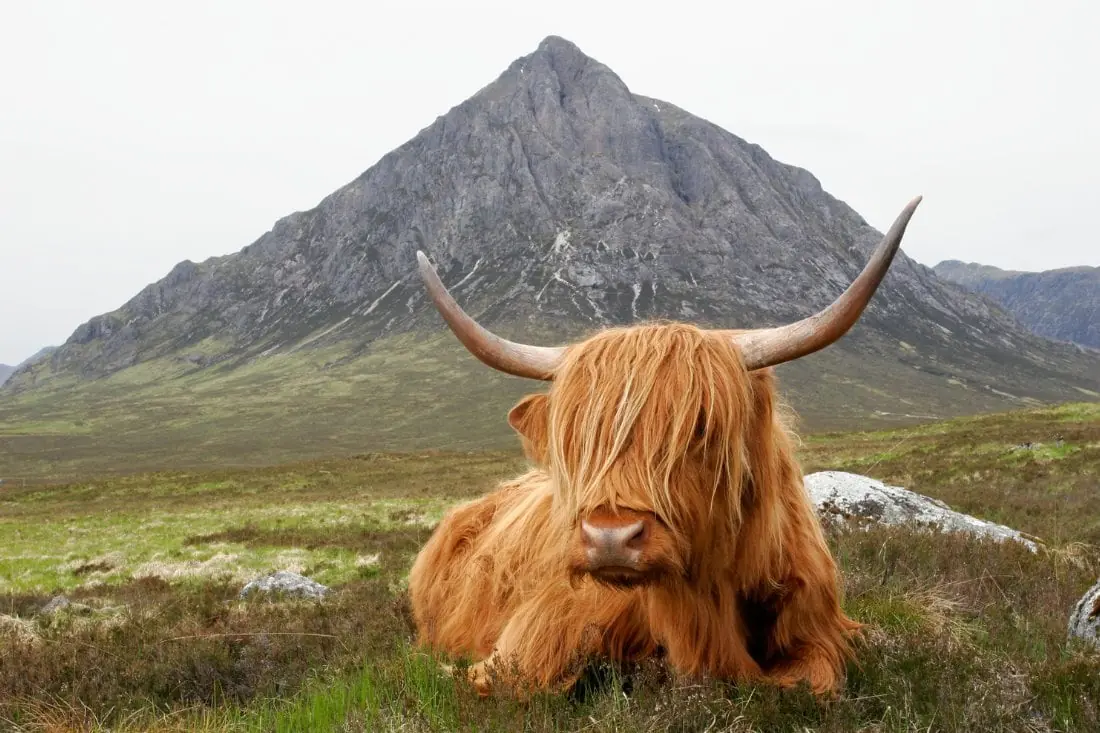
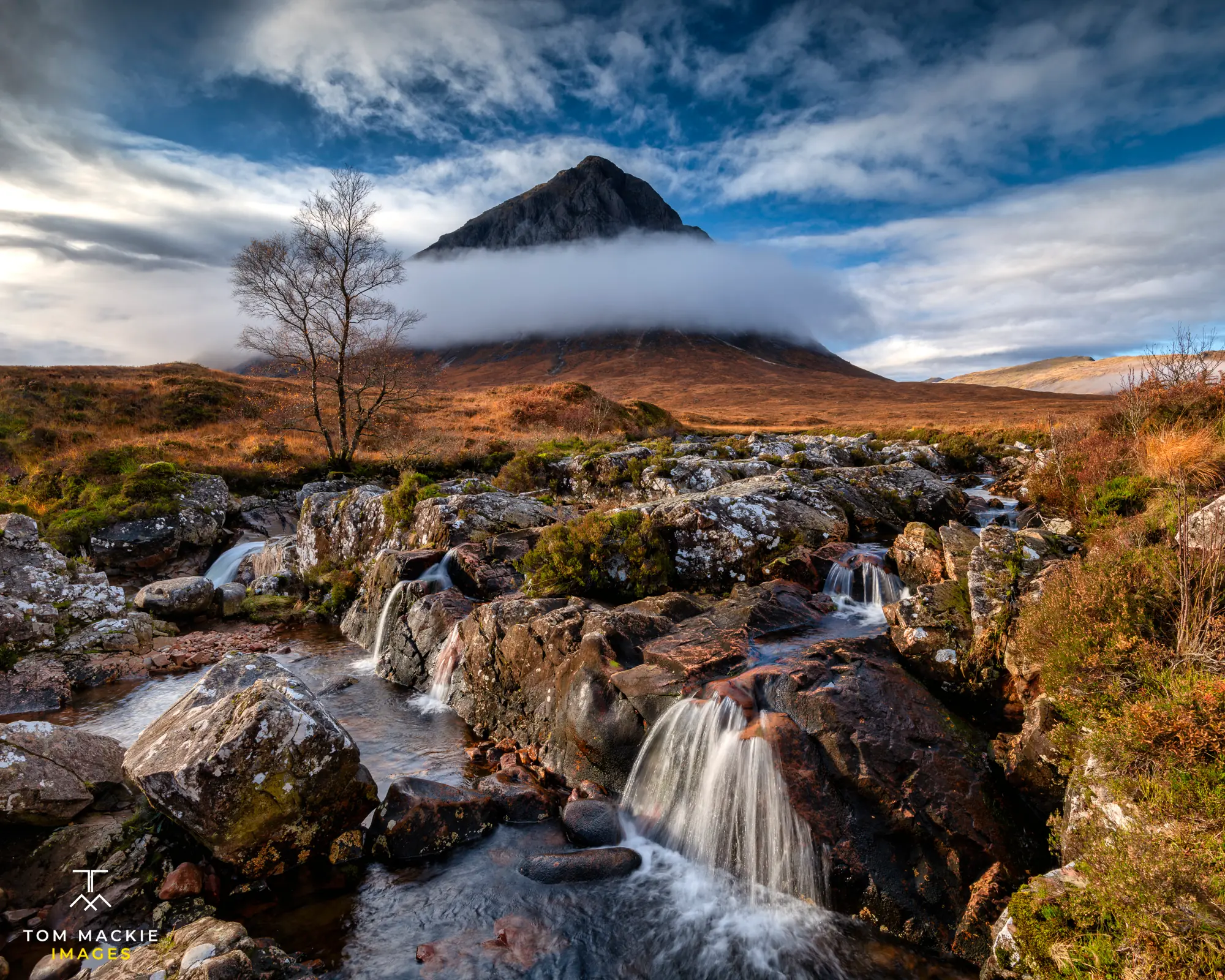
Stand on a hillside above Glen Etive at dusk in early October and you'll hear it before you see it — a guttural, almost prehistoric roar rolling across the glen as a red deer stag challenges a rival for his harem. This is the rut, and it turns the Highlands' quiet autumn moors into something closer to a nature documentary. Heather fades from purple to rust, lochs go flat and silver under low cloud, and the whole landscape takes on a moodiness that rewards patience, proper waterproofs, and an early alarm.
- Inverness is the practical gateway; a rental car is essential for reaching Glencoe, Loch Ness, and the Isle of Skye.
- Guided deer-watching walks around Glen Etive run roughly £25–40 and are worth the pre-dawn wake-up call — stags roar loudest in the hour after sunrise, before the wind picks up and carries the sound away.
- Whisky distilleries along the Speyside trail pour autumn tastings paired with the season's first game dishes, often warmed by a peat fire that's been lit since morning.
- Expect rain regardless of forecast — pack layers and embrace the changeable weather as part of the experience, not an obstacle to it.
3. Tuscany, Italy
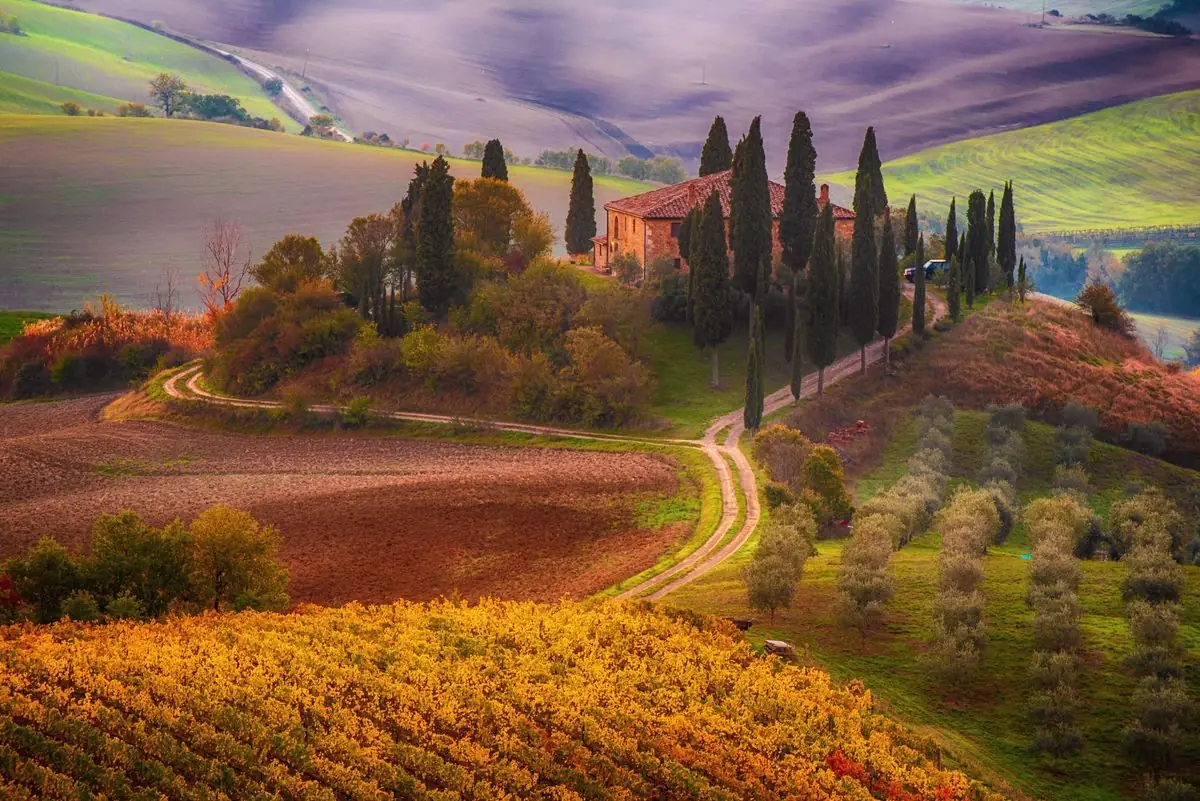
By mid-September the Chianti hills have stopped being scenery and turned into a workplace — rows of pickers moving vine to vine at first light, baskets filling with grapes still cool from the overnight air, the smell of crushed skins drifting from the first presses before most tourists have had breakfast. This is vendemmia, the grape harvest, and it's one of the only times of year a visitor can actually pick up a pair of secateurs and join in rather than just watch from the road.
- Fly into Florence or Pisa; a car is nearly essential once you're off the main Florence–Siena corridor.
- San Gimignano and Montalcino make atmospheric bases with fewer crowds than Florence itself, their medieval towers rising straight out of the vineyard rows.
- White truffle season begins in October, pushing up prices at trattorias near San Miniato — but a single shaving over fresh tagliatelle is worth planning a whole dinner around.
- A dawn hot air balloon ride over the Chianti hills costs around €200–250 per person and books out weeks ahead — from up there, the harvest patchwork of gold and burgundy looks almost hand-painted.
4. The Douro Valley, Portugal
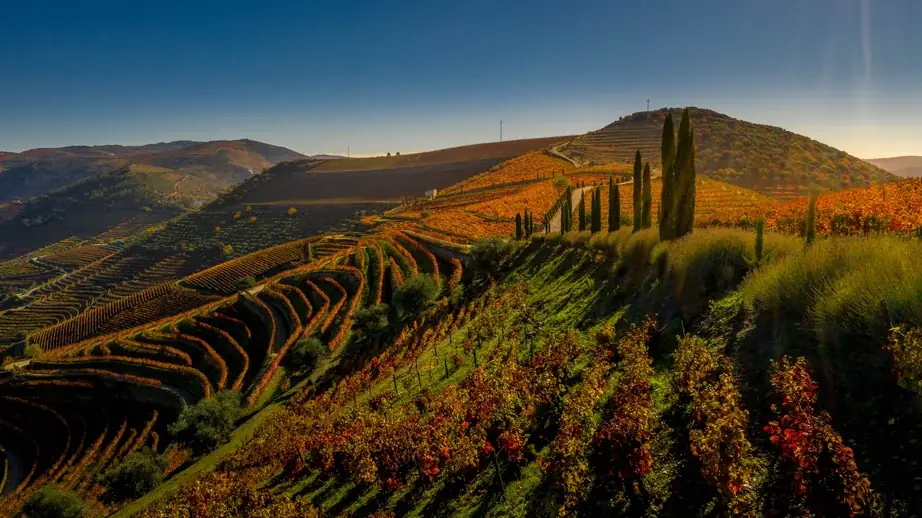
The Douro River turns the color of poured bronze at sunset in early October, and the terraced vineyard slopes rising above it — cut into the hillsides by hand, generation after generation, without a single straight line — catch the same light and hold it. It's a UNESCO-protected landscape that took centuries to build one stone terrace at a time, and autumn is when all that patient engineering finally pays off in color.
- Porto is the entry point, followed by a scenic train or river cruise up the valley toward Pinhão.
- Quinta estates around Pinhão offer harvest-season tours and tastings for roughly €30–60 per person, several still crushing grapes the old way — bare feet, stone tanks, and a fado singer keeping rhythm for the treaders.
- A traditional rabelo boat cruise along the river is one of the most relaxed ways to take in the terraced hillsides, the boats themselves once used to ferry port barrels downriver to Porto's cellars.
- Book valley accommodation early — small family-run quintas have limited rooms and fill fast during harvest weekends.
5. The Rhine Valley, Germany
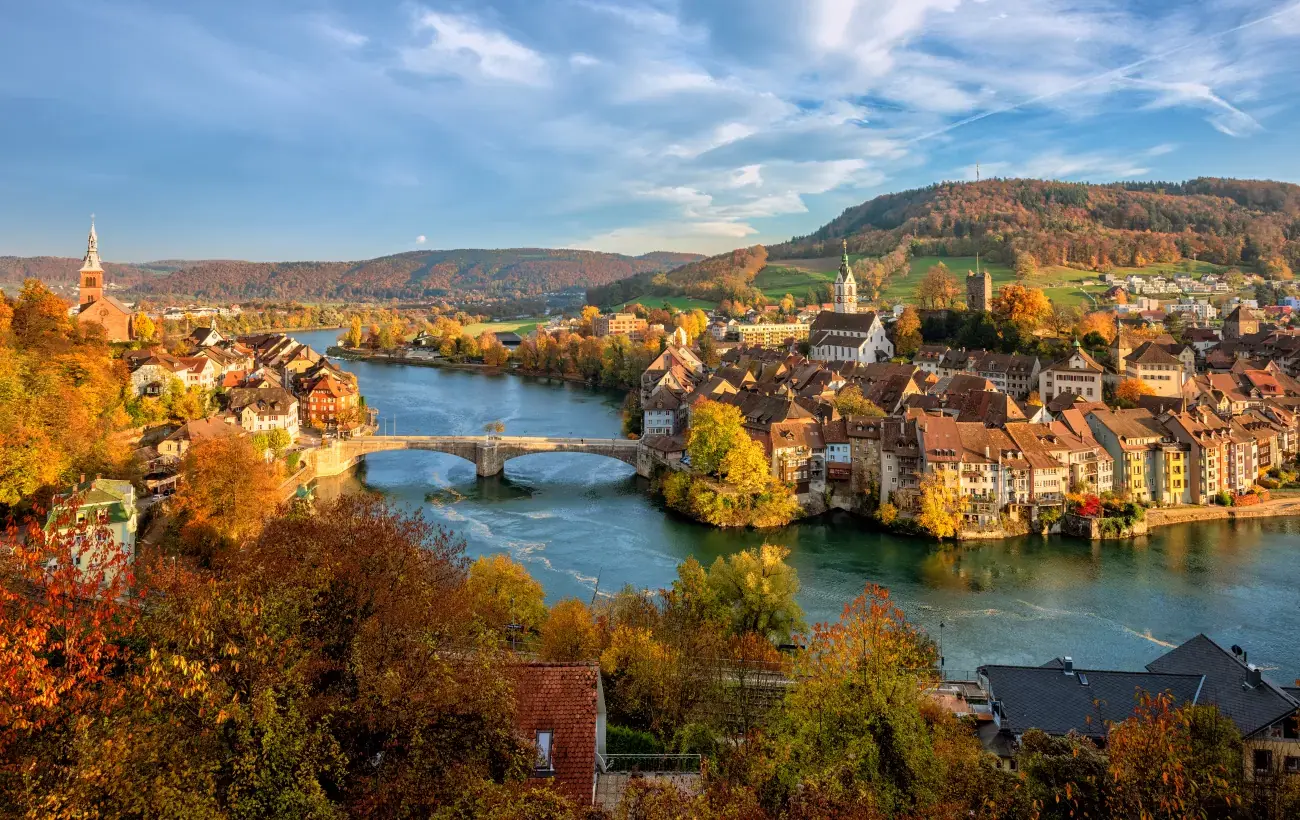
Between Koblenz and Rüdesheim, the Rhine narrows into a gorge lined with more than 20 medieval castles, and in autumn the vineyards climbing the slopes beneath them turn the same burnished gold as the stone. Wine villages along the river celebrate with Winzerfeste, where new vintages get poured straight from the barrel and roasted chestnuts crackle over open coals late into the evening.
- Frankfurt or Cologne are the easiest gateways, with regional trains running the length of the valley.
- A Rhine river cruise between Koblenz and Bingen passes more than 20 castles in a single afternoon — the Lorelei cliff, where sailors once swore they heard a siren singing, is worth timing for late-afternoon light.
- Rüdesheim's Drosselgasse lane gets lively during harvest festivals in late September and October, accordion music spilling out of half-timbered wine taverns on both sides of the street.
- Riesling tastings at family-run wineries typically run €10–20 and rarely require advance booking on weekdays.
6. Prague, Czech Republic
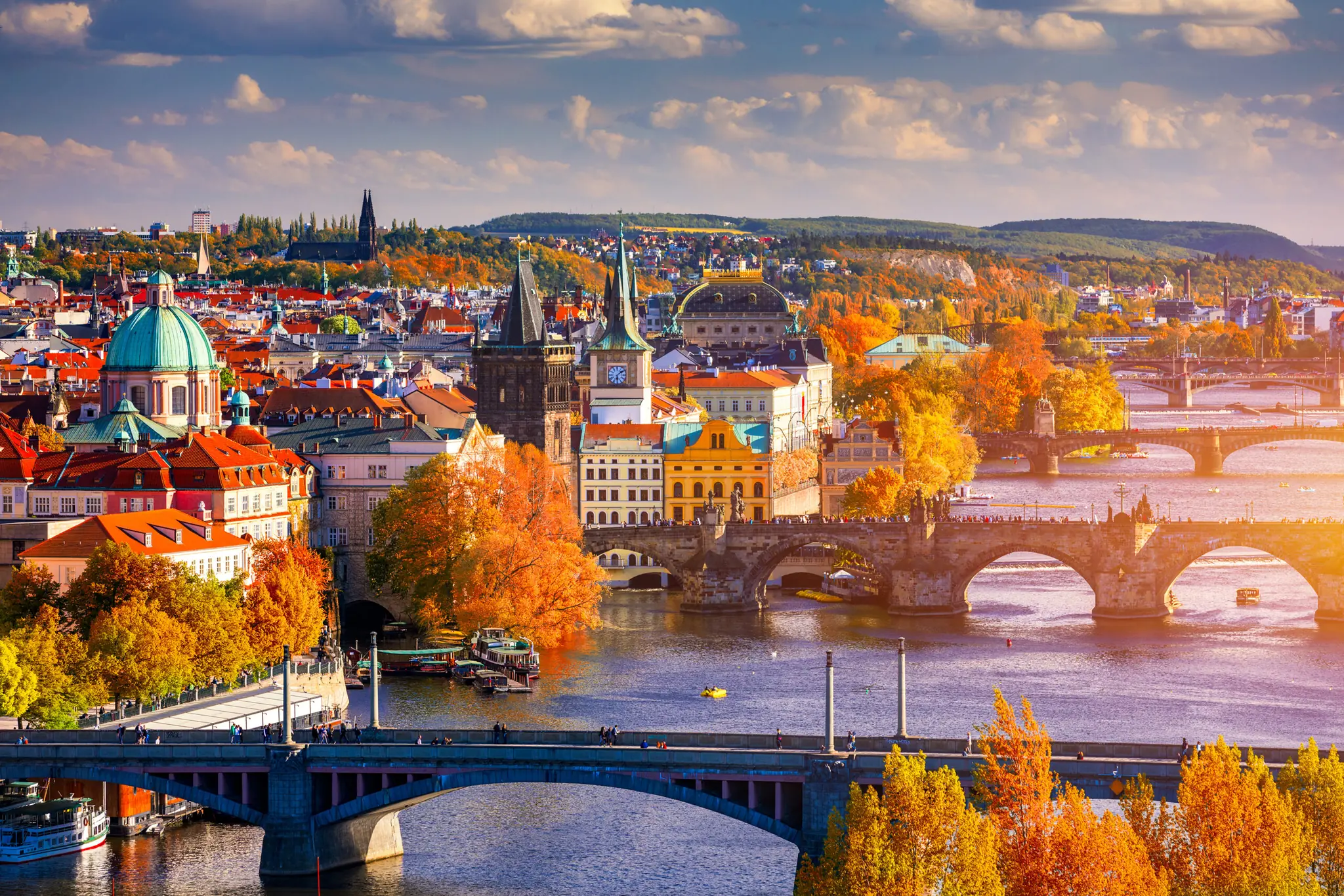
Cross Charles Bridge at 7am in late October and you'll likely have it to yourself — just fog rolling low off the Vltava, the statues emerging one by one out of the mist, and Prague Castle floating above it all like it isn't quite attached to the ground. This is the city's reward for surviving summer's crowds: an autumn so quiet you can hear your own footsteps on cobblestone that was shoulder-to-shoulder in July.
- The city is compact and walkable; most major sights sit within a couple of kilometers of the Old Town.
- Petřín Hill's wooded slopes turn a striking gold by mid-October and offer sweeping views over the rooftops — climb before the funicular queue forms and you'll have the overlook nearly to yourself.
- Traditional trdelník pastries and hearty goulash taste even better on a chilly autumn afternoon, steam rising off both in the cold air.
- Hotel prices drop noticeably after September's tourist peak, making October and November some of the best-value months to visit.
7. The Cotswolds, England
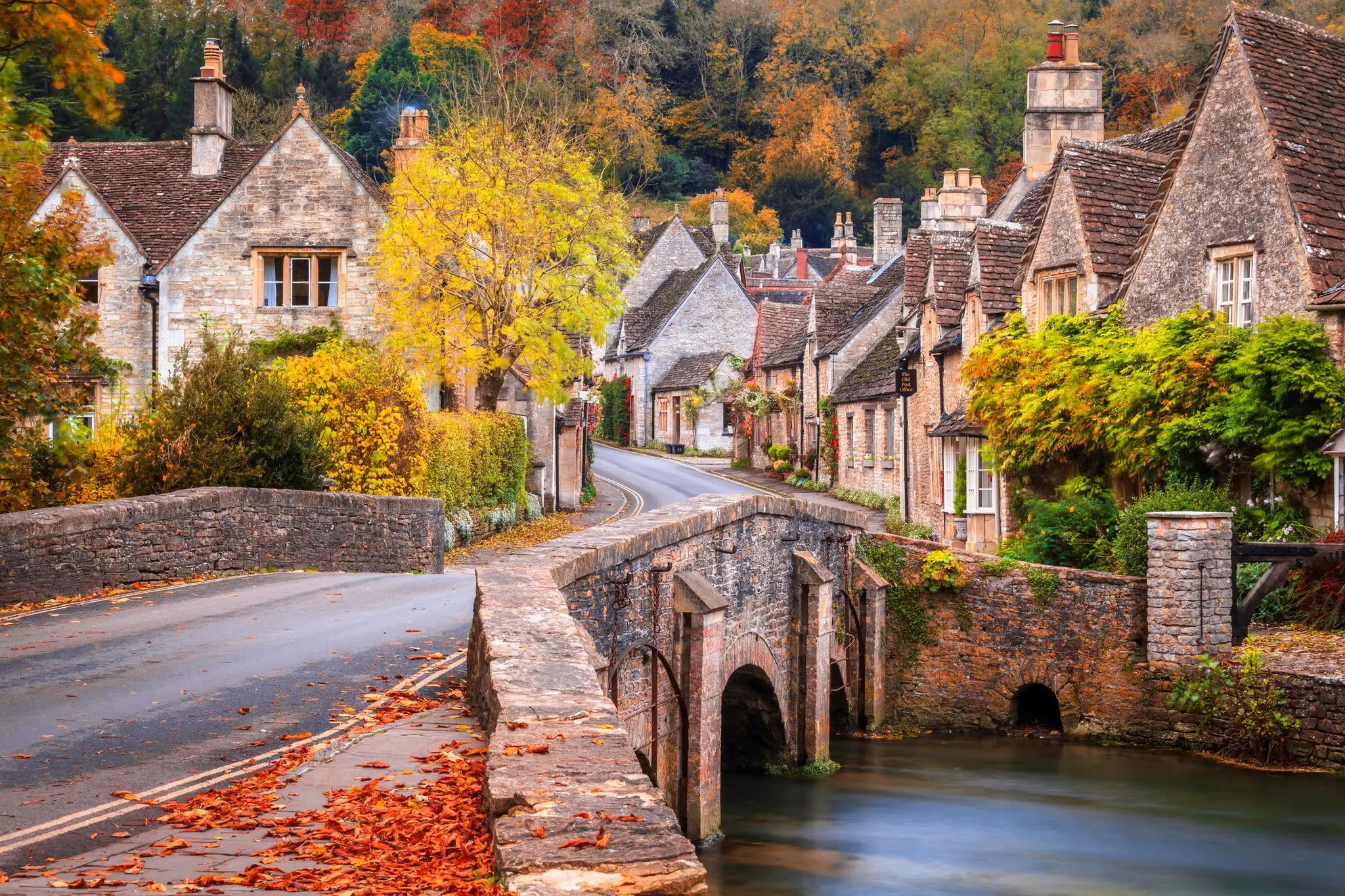
There's a specific hour — late afternoon, low sun — when the honey-colored limestone of a Cotswolds village genuinely seems to glow from within, ivy gone crimson against the stone, smoke curling from a pub chimney down the lane. It's a gentler kind of magic than the Highlands' drama or the Alps' scale, but market towns hosting harvest fairs through October and orchards pressing fresh cider make it easy to fill a whole weekend without ever feeling rushed.
- Bourton-on-the-Water and Bibury make ideal bases, both an easy day trip from London by train and local bus.
- Country pubs lean into the season with hearty Sunday roasts and log fires by late October — arrive by 1pm on a Sunday or the best tables by the fireplace will already be taken.
- Apple orchards around Gloucestershire host cider pressings and tastings through the harvest weeks, the air around the presses thick with the smell of crushed apples.
- A rental car opens up smaller villages like Castle Combe and Stow-on-the-Wold that public transport barely touches.
However you piece these regions together, the common thread is the one that stopped that Tuscan waiter in his tracks — a slower pace that only lasts a few short weeks in each place before it's gone. Book ahead, pack for changeable weather, and let the season set the tempo for the whole trip.