
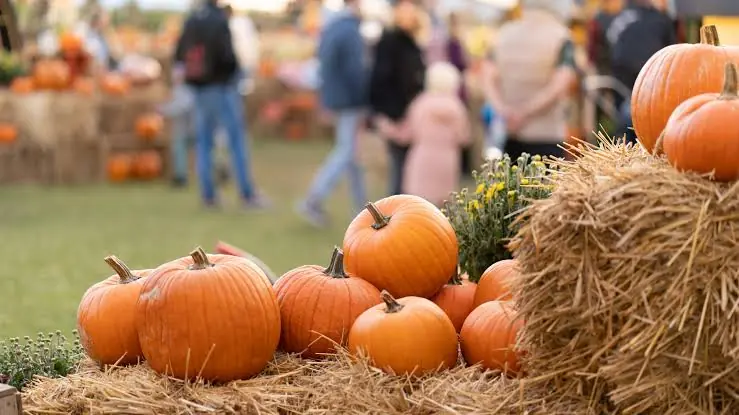
A kid spots the "perfect" pumpkin from thirty feet across a muddy field, shrieks about it, and sprints — not walks, sprints — leaving both parents jogging behind with an empty wagon. Nobody explains that pumpkin is objectively identical to the fifty others around it; it doesn't matter. That's the whole appeal of autumn's family season: orchards, patches, mazes, hayrides, all of it simple by design, and somehow producing the most photographed afternoons of the year. Here's where to find the best of it.
Table of Contents
- 1. Apple Picking Season by Region
- 2. Pumpkin Patches Worth the Drive
- 3. Corn Mazes and Hayrides
- 4. Pumpkin Carving Traditions
- 5. Cider Mills and Fresh Pressing
- 6. Planning Tips for a Smooth Day Out
1. Apple Picking Season by Region
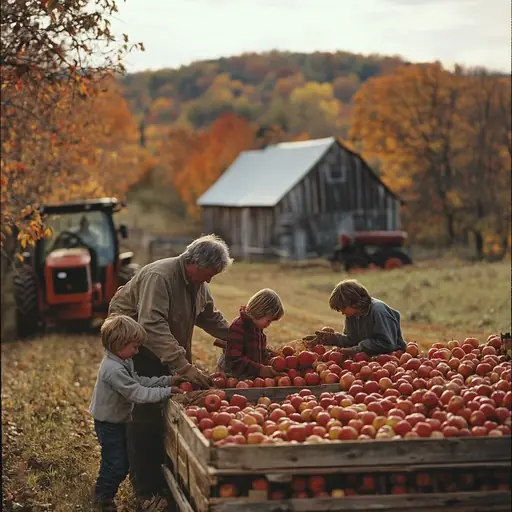
There's a specific, sticky-fingered satisfaction to twisting an apple off its branch yourself — the small resistance, then the snap, then biting into something that was on a tree ninety seconds ago and tastes nothing like the version that's been in cold storage since spring. Apple season stretches from late August through late October depending on the region and variety, with most U.S. orchards hitting peak variety availability in September and October: early Gala and McIntosh first, Honeycrisp arriving mid-September, then Fuji and Granny Smith carrying the season through to its final weeks.
- New England's orchards, particularly around Massachusetts' Nashoba Valley and Vermont's Champlain Valley, peak in late September into early October and often combine picking with foliage views — some rows look out over hillsides that are turning color at the exact same moment the apples are ready.
- The Hudson Valley in New York has one of the densest clusters of pick-your-own orchards in the country, many within a 90-minute drive of New York City.
- In England, Kent's orchards — long known as the "Garden of England" — run pick-your-own days through September and October, with several offering cider-apple varieties alongside eating apples.
- Expect to pay $20–35 for a half-bushel bag at most U.S. orchards, weighed at checkout rather than charged as a flat entry fee — which means the bag always ends up heavier than planned.
2. Pumpkin Patches Worth the Drive
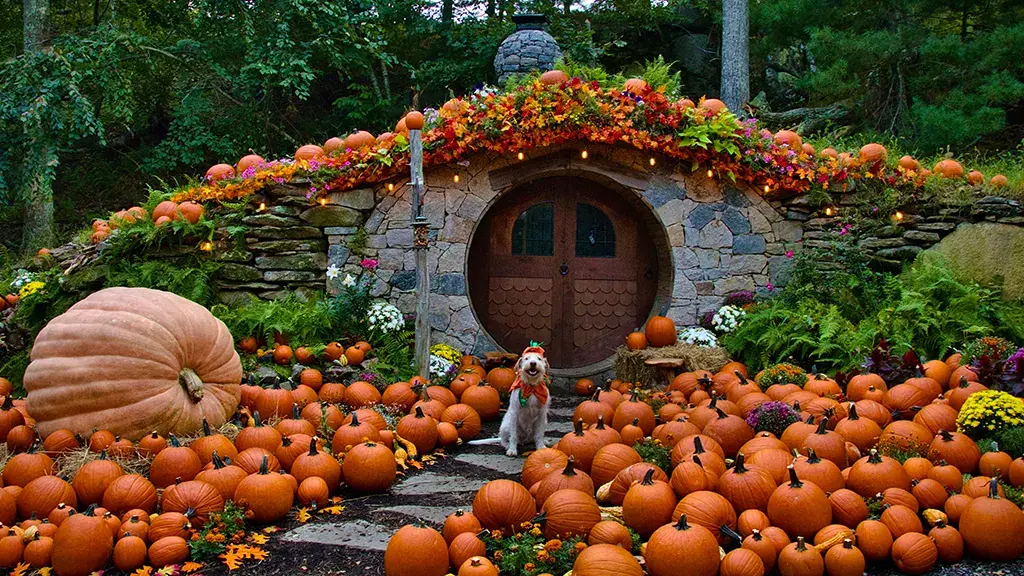
Some pumpkin patches have quietly turned into full-blown spectacles, and nowhere proves it better than the annual weigh-off in Half Moon Bay, where competition growers show up with pumpkins that top 2,000 pounds — heavier than a small car, hauled in on forklifts, drawing gasps from a crowd that came expecting a normal patch. Most patches open in mid-to-late September and run through Halloween, with the biggest crowds arriving on October weekends, many pairing the patch itself with a small on-site fair of petting zoos, food stalls, and hay-bale photo spots.
- Half Moon Bay, California hosts one of the largest pumpkin festivals in the U.S. in mid-October, complete with that giant pumpkin weigh-off — regularly topping 2,000 pounds, occasionally closer to 2,500.
- Farms around Circleville, Ohio — self-declared "Pumpkin Capital of the World" — hold a multi-day pumpkin festival in late October with food, rides, and a parade.
- In the UK, farms across Hertfordshire and Kent run pumpkin patches with pre-booked timed entry, typically £8–15 per person including a pumpkin.
- Arrive on a weekday morning if possible — weekend afternoons at popular patches can mean 20–30 minute waits just for parking.
3. Corn Mazes and Hayrides
Some farms now carve their maze designs so elaborately — portraits, logos, entire scenes — that the pattern is only fully readable from a plane, and satellite photos of the best ones circulate online every October like a strange, temporary crop art exhibition. On the ground, though, it's simpler: eight-foot walls of corn, a few wrong turns, and a hayride waiting to ferry everyone back to the farm stand afterward.
- Some of the largest mazes, like those in Pennsylvania's Dutch Country and Iowa's farmland, cover eight to ten acres and take 45–90 minutes to complete.
- Nighttime "flashlight maze" events run at select farms in October, usually for an additional $5–10 on top of daytime admission — noticeably spookier once the cornstalks turn to shadows.
- Hayrides are typically included in general farm admission, which runs $10–20 per person at most family farms.
- Bring closed-toe shoes — mazes and hayride paths are almost always unpaved and can turn muddy after rain.
4. Pumpkin Carving Traditions
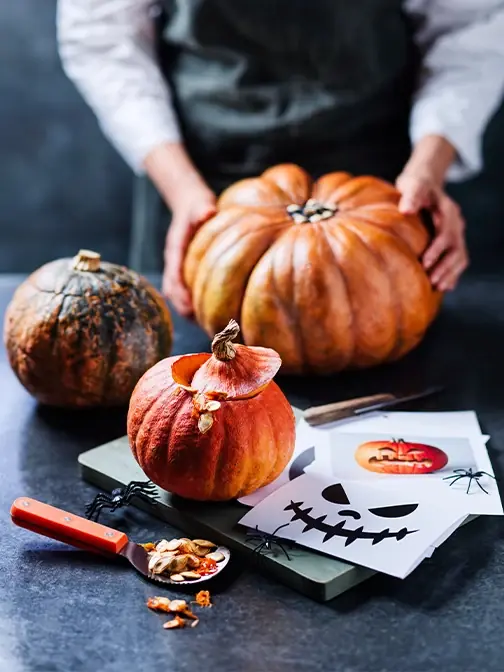
The jack-o'-lantern started as something considerably less cheerful: Irish and Scottish communities once carved menacing faces into turnips and beets to ward off wandering spirits on autumn nights. When the tradition crossed to North America, immigrants discovered a vegetable that was bigger, softer, and far easier to hollow out — and the modern pumpkin carving ritual was born almost by accident of what grew well in New World soil.
- Look for "carving pumpkins," a specific flat-sided variety bred for easier cutting, versus "pie pumpkins," which are smaller and better suited for cooking.
- Some orchards run carving contests in mid-October with prizes for best design, typically free to enter with farm admission.
- Save the seeds — roasted with a little salt and olive oil, they're one of the simplest, most satisfying byproducts of the whole outing.
5. Cider Mills and Fresh Pressing
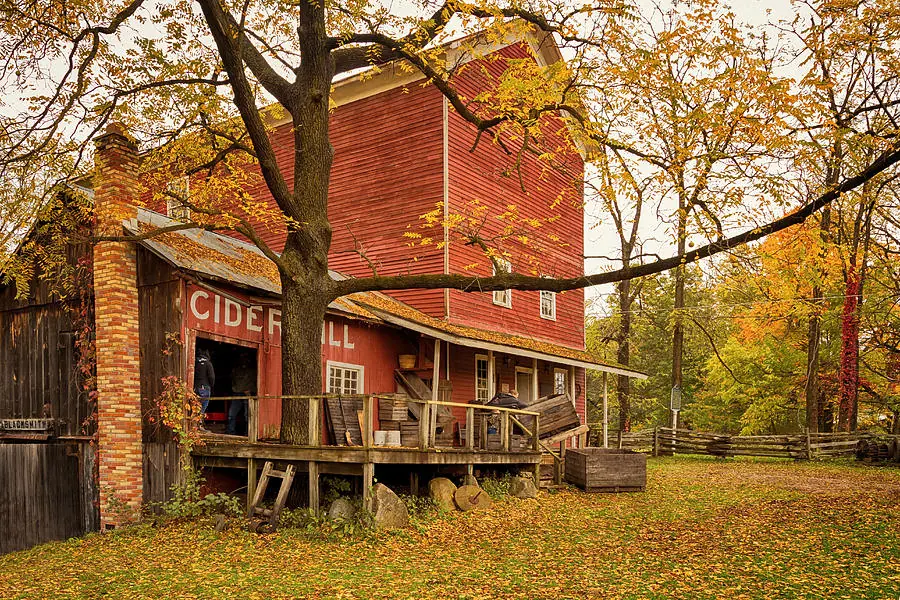
Watch a traditional wooden press at work and you'll understand why fresh cider tastes nothing like the bottled version — whole apples going in one end, a slow mechanical groan, and cloudy, still-foaming juice running out the other, sometimes still warm from the fruit's own heat. Traditional mills in Michigan, Vermont, and England's West Country still use decades-old presses for at least part of their production, and many let visitors watch the whole process start to finish.
- A gallon of fresh-pressed cider typically runs $8–14 at farm stands, noticeably different in taste and texture from store-bought versions.
- Warm apple cider donuts, fried fresh on-site at many U.S. orchards, are worth the short wait — usually sold in half-dozen batches for $6–10, gone before they've properly cooled.
- In England's West Country, particularly Somerset and Herefordshire, small cideries offer tastings of traditional (often stronger) fermented cider, generally reserved for adults.
6. Planning Tips for a Smooth Day Out
- Check the farm's picked-clean status before driving out: popular varieties like Honeycrisp can sell out by early afternoon on busy October weekends.
- Bring cash for smaller stands: many farm-stand vendors, especially at smaller operations, don't take cards.
- Dress for mud: even a dry week leaves orchard rows and maze paths soft underfoot.
- Book weekend hayrides ahead where possible: larger farms increasingly require timed reservations during peak October weekends.
Whether it's one perfect pumpkin sprinted toward across a muddy field or a full afternoon of mazes and cider donuts, these outings are proof that autumn's best travel doesn't need to be far-flung — sometimes the best trip is a short drive to a farm, a bag of apples, and a few hours outdoors before the light fades and everyone piles back into the car, sticky-handed and happy.