
Asia can feel overwhelming to plan for a first trip—the continent spans dozens of countries, languages, and cultures, and no single itinerary covers it all. These destinations are the ones that consistently reward first-timers: easy enough to navigate, rich enough to leave you already planning your next visit.
Table of Contents
- Tokyo, Japan
- Bangkok, Thailand
- Singapore
- Seoul, South Korea
- Ha Long Bay & Hanoi, Vietnam
- Hong Kong
- Bali, Indonesia
Tokyo, Japan
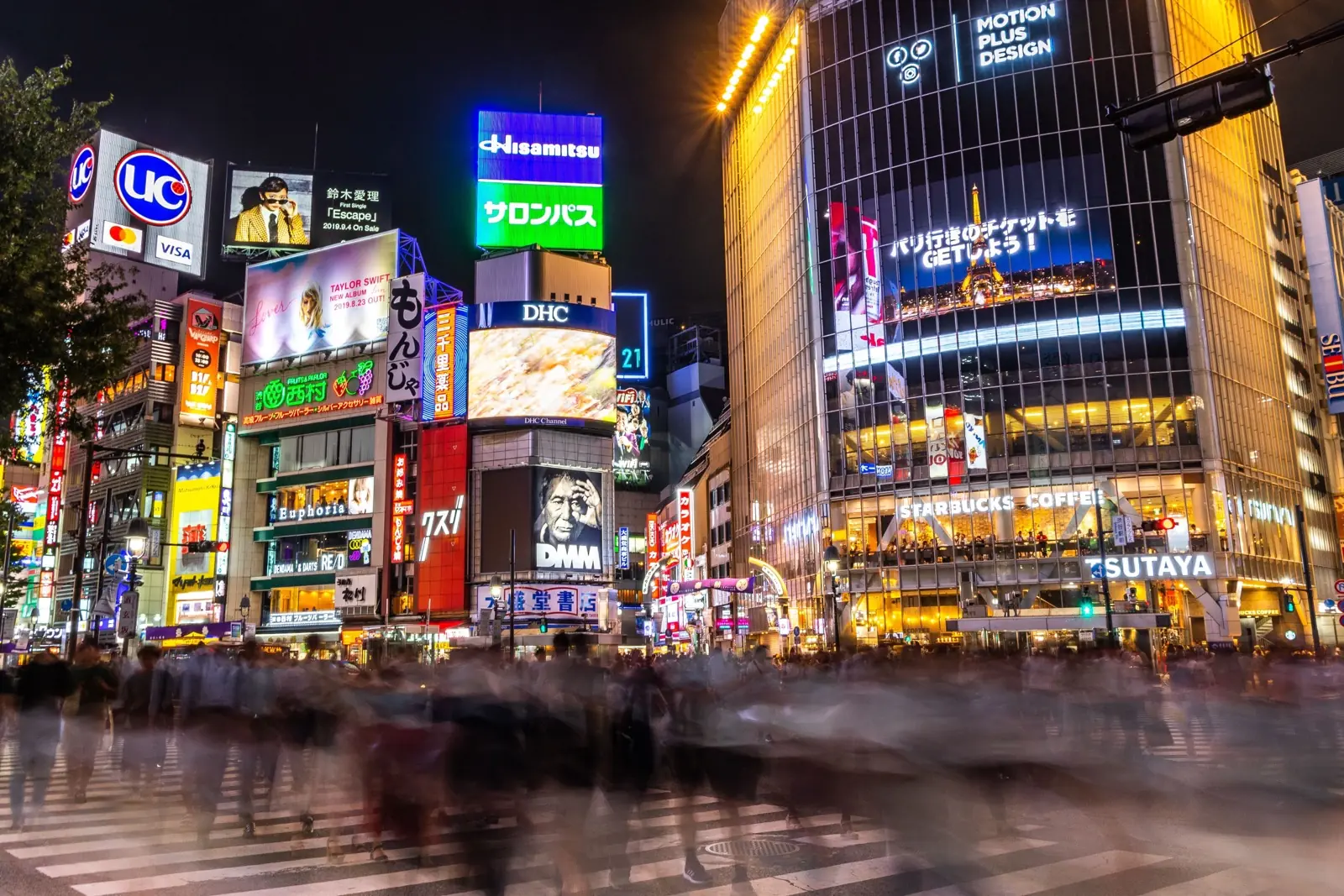
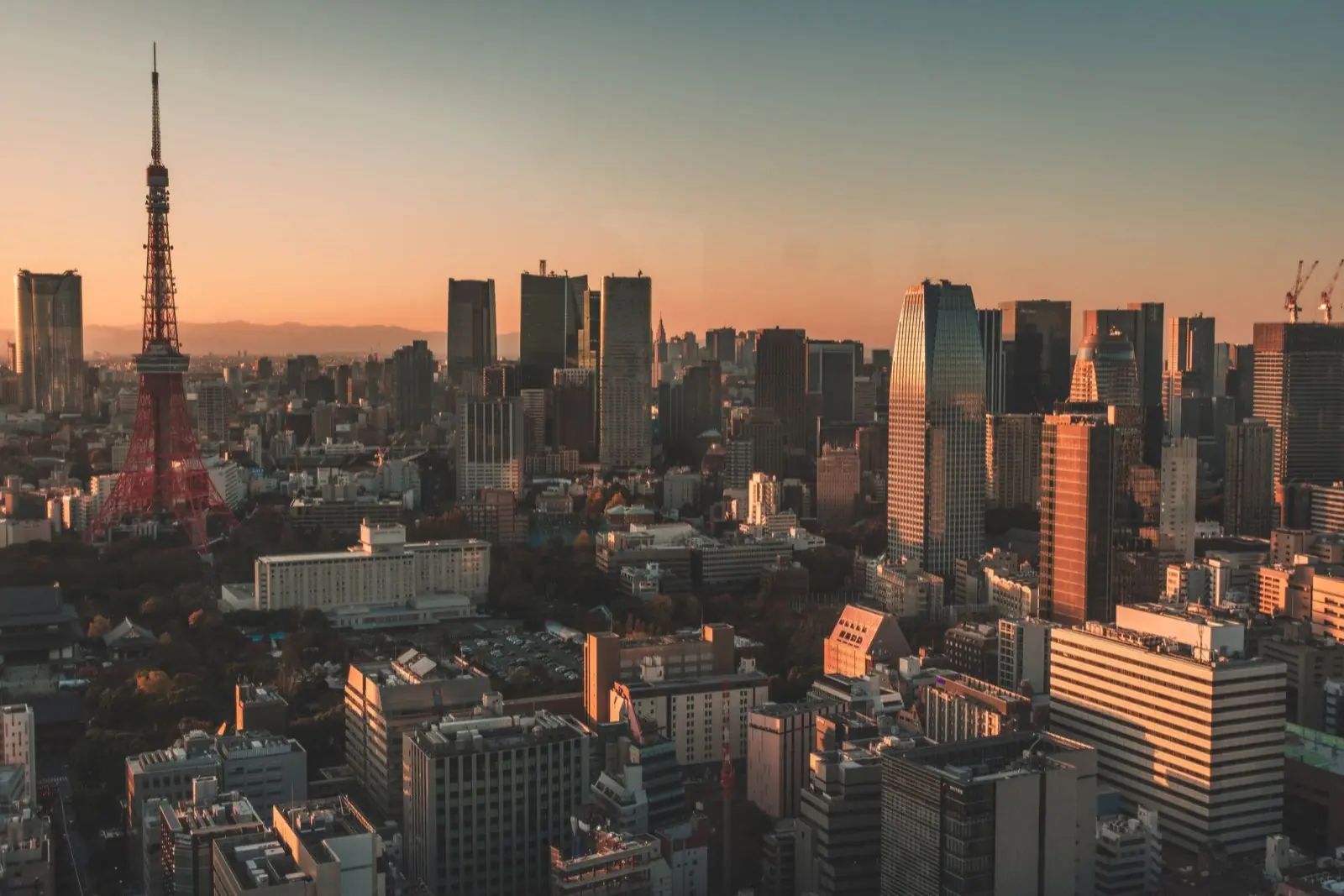
Tokyo manages to be both futuristic and deeply traditional, sometimes on the same block—neon-lit Shibuya Crossing is a ten-minute train ride from centuries-old Meiji Shrine and its quiet forested grounds. The city's famously efficient train system, English signage in most tourist areas, and near-zero crime rate make it one of the most approachable big cities in the world for a first visit. Good to know: Get a Suica or Pasmo IC card immediately for seamless travel on trains, buses, and even convenience store purchases. Cash is still used more than you'd expect, so carry some, especially outside central Tokyo.
Bangkok, Thailand
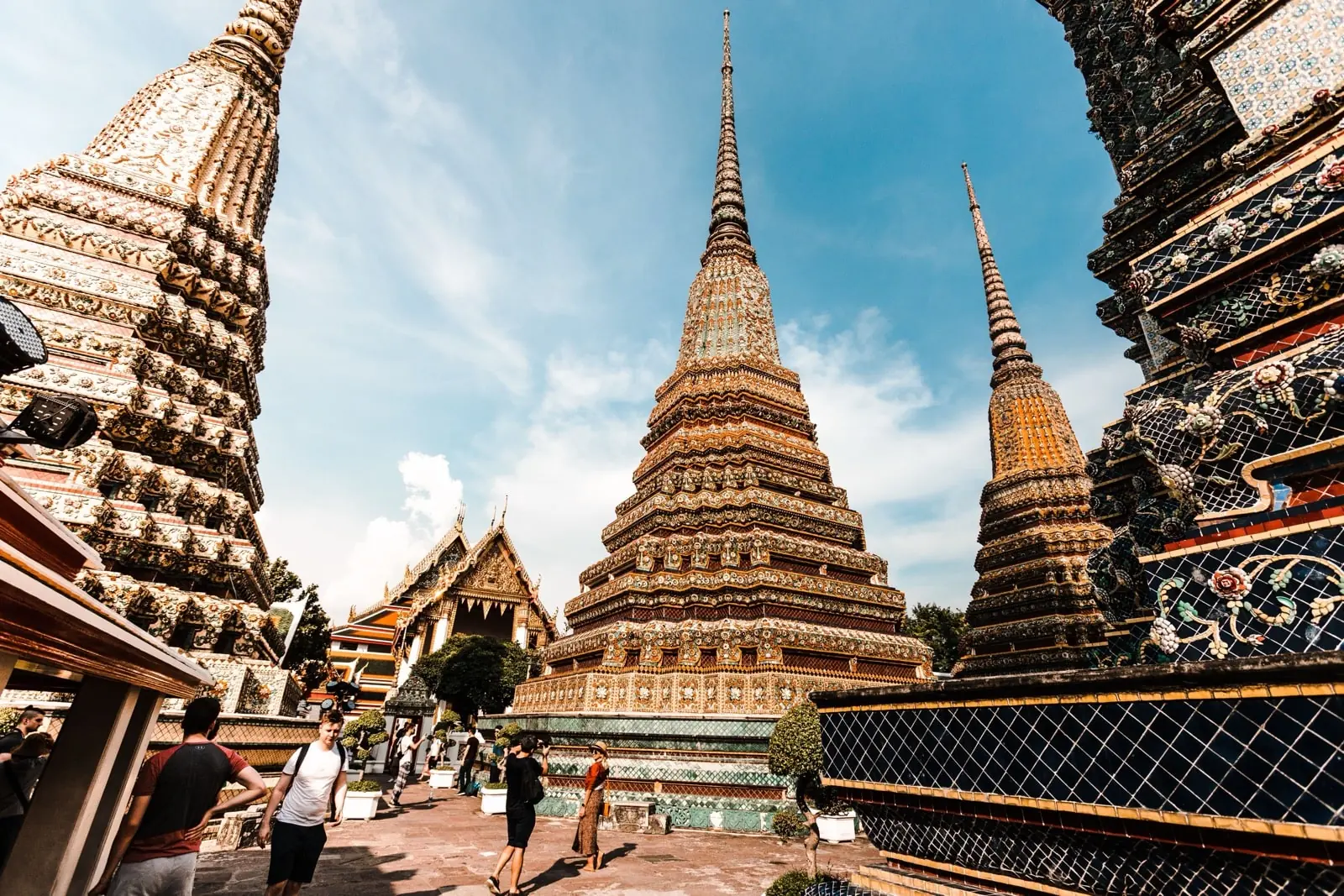
Bangkok throws a lot at you at once—golden temple spires, chaotic street markets, floating markets on the khlongs, and some of the best street food on the planet—but it's also remarkably easy to navigate thanks to the BTS Skytrain, MRT, and cheap, plentiful taxis and tuk-tuks. The Grand Palace and Wat Arun are essential first stops, but leave time to just wander and eat. Good to know: Dress modestly (shoulders and knees covered) when visiting temples, and agree on tuk-tuk fares before you get in. The cooler, drier months from November to February are the most comfortable time to explore on foot.
Singapore
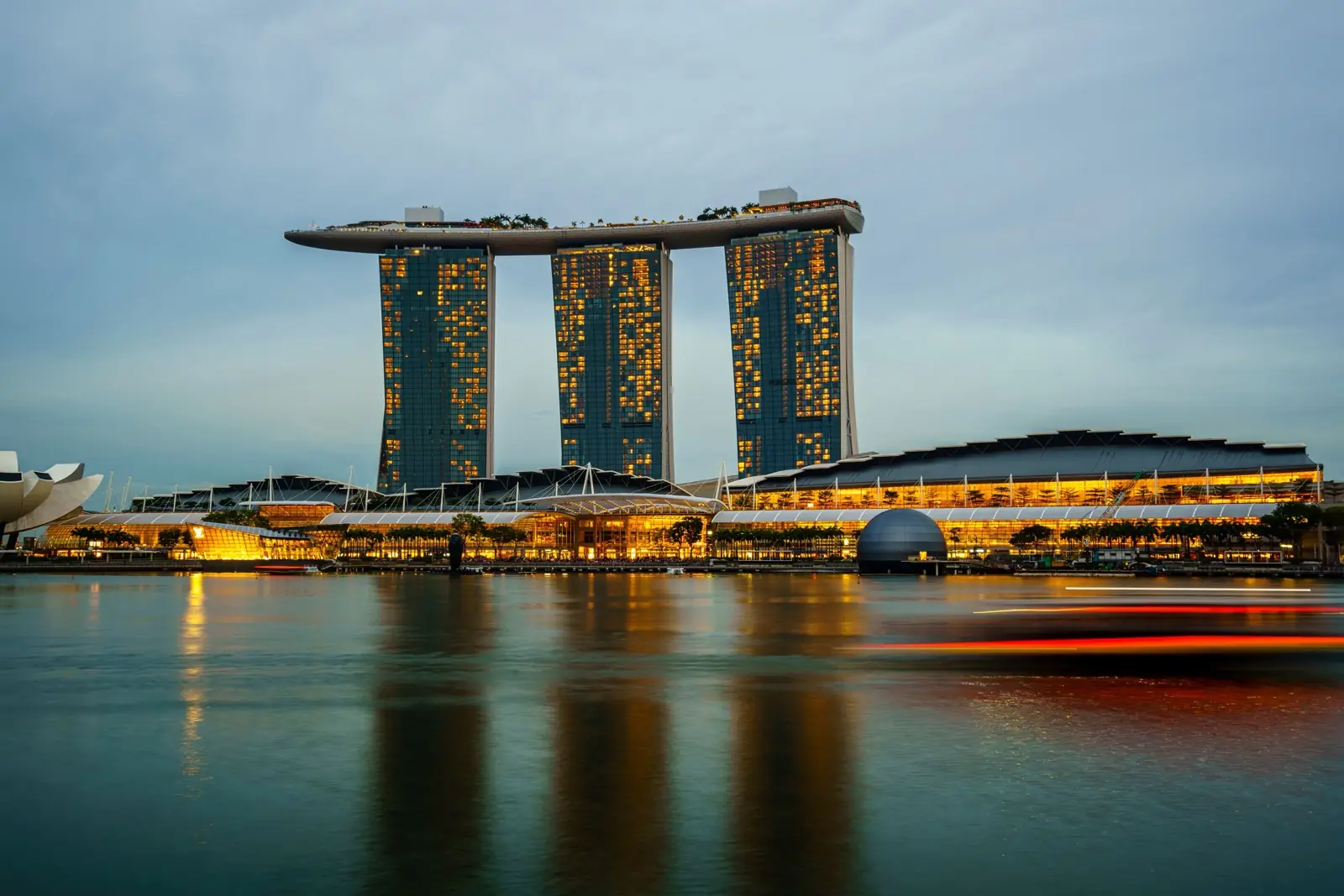
For travelers easing into Asia for the first time, Singapore is about as smooth a landing as it gets: English is an official language, the city is spotlessly clean and safe, and the MRT makes getting anywhere simple. It also packs an outsized amount of variety into a small footprint, from the futuristic Gardens by the Bay to the heritage streets of Chinatown, Little India, and Kampong Glam. Good to know: Singapore has notably strict laws (no chewing gum sales, heavy fines for littering or jaywalking), so it's worth a quick read-up before you land. Hawker centers are the best and cheapest way to eat, often better than fancier restaurants.
Seoul, South Korea
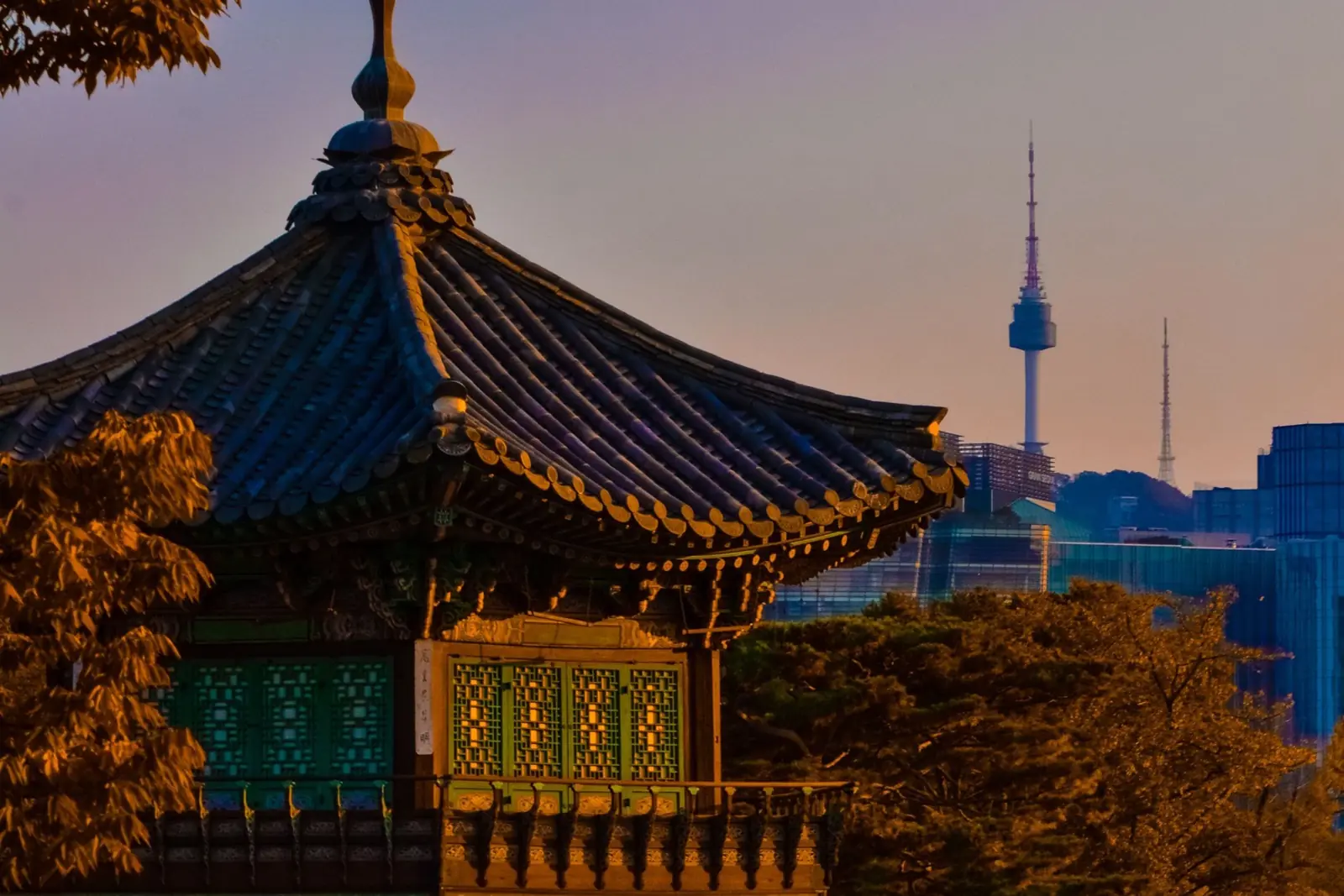
Seoul pairs a hyper-modern skyline with beautifully preserved royal palaces like Gyeongbokgung, where you can rent a hanbok and stroll the grounds for a small fee. The city's subway system is one of the best in the world, and neighborhoods like Bukchon Hanok Village, Myeongdong, and Hongdae each offer a completely different flavor of the city. Good to know: A T-money transit card works across subways, buses, and even taxis, and is sold at any convenience store. K-beauty and street food (try tteokbokki and Korean fried chicken) are two of the city's most affordable, approachable pleasures.
Ha Long Bay & Hanoi, Vietnam
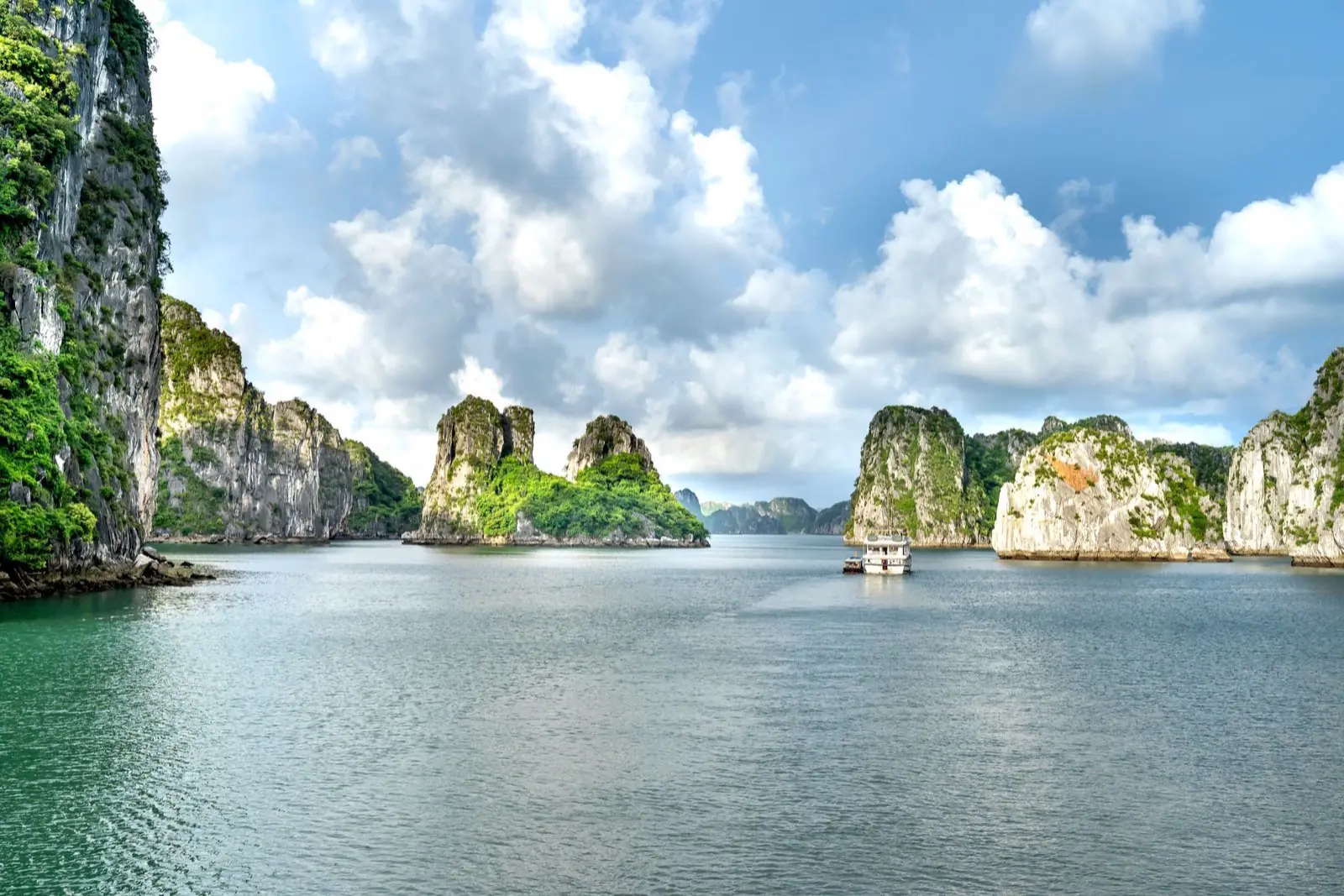
Thousands of limestone karsts rising out of emerald water make Ha Long Bay one of the most striking natural sights in Southeast Asia, best experienced on an overnight cruise complete with kayaking and cave visits. Pair it with a few days in nearby Hanoi, where French colonial architecture, a chaotic Old Quarter, and legendary street food (start with a bowl of pho) make for an unforgettable introduction to Vietnam. Good to know: Book Ha Long Bay cruises through a reputable operator and check reviews carefully, as quality varies widely. Hanoi's Old Quarter traffic can be intense—watch, then walk steadily and predictably when crossing the street, as that's how locals navigate it.
Hong Kong
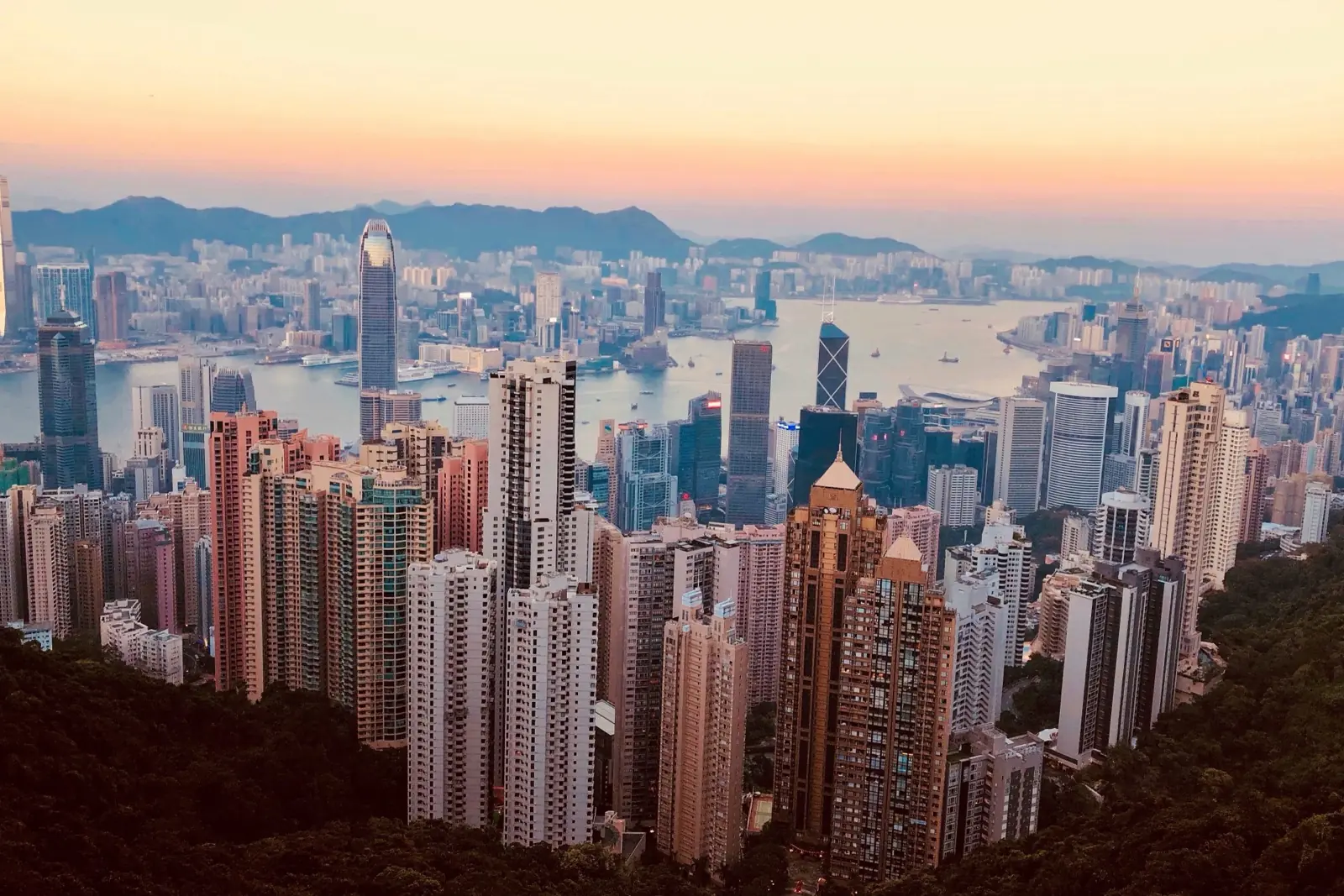
Hong Kong's skyline, seen from the Star Ferry crossing Victoria Harbour, is one of the great urban views anywhere, and the city itself is a fascinating blend of British colonial history and Cantonese culture. It's compact and efficient to explore, from the neon streets of Mong Kok to the hiking trails and beaches of the outlying islands, a reminder that Hong Kong is far greener than its skyscraper reputation suggests. Good to know: The Octopus card covers the MTR, buses, ferries, and even convenience stores, making it essential from day one. A ride up to Victoria Peak on the historic tram is touristy but genuinely worth it for the view.
Bali, Indonesia
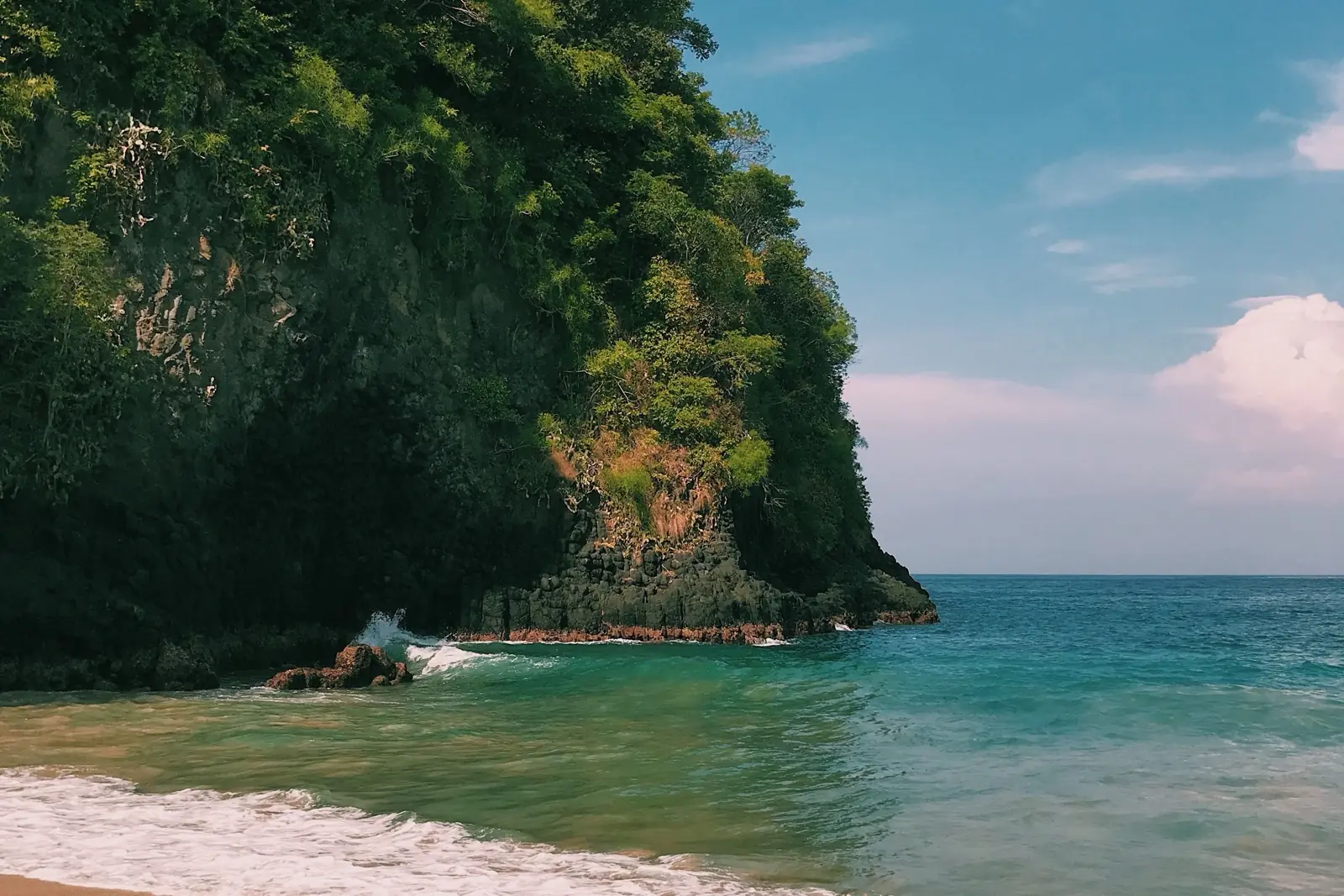
Bali is an easy, welcoming entry point into Southeast Asia, with a well-established tourism infrastructure, warm hospitality, and enough variety—surf towns, terraced rice paddies, ancient temples, and beach clubs—to suit almost any travel style. Ubud makes a great cultural base with its art markets and rice terrace walks, while Canggu and Seminyak offer beach life and nightlife. Good to know: Hire a private driver for day trips rather than navigating Bali's chaotic traffic yourself, and always negotiate or confirm fares in advance. The dry season from April to October offers the most reliable weather for a first visit.
Whichever of these is your entry point into Asia, one trip is rarely enough—each of these destinations has a way of turning a first visit into the start of a much longer relationship with the continent.