

Finding a genuinely cheap flight isn't about one secret trick—it's about stacking a handful of good habits that, together, consistently put you ahead of someone who just books the first fare they see. Here's what actually works.
Table of Contents
- Use Metasearch Engines to Compare
- Consider Secondary Airports
- The Incognito Mode Myth
- Set Price Alerts
- Use Flexible Date Calendars
- Weigh Budget Airlines Carefully
- Redeem Miles and Points Strategically
Use Metasearch Engines to Compare

Metasearch engines like Google Flights, Skyscanner, and Kayak pull prices from dozens of airlines and travel agencies at once, giving you a quick, honest read on what a route actually costs before you commit to booking anywhere. They're free to use and don't require you to hand over any personal information just to browse. Good to know: Once you find a good fare, it's often worth checking the airline's own website directly before booking through a third party, since prices are usually identical but the airline can typically offer better support if something changes with your itinerary. Cross-check at least two tools, since coverage of budget carriers can vary between them.
Consider Secondary Airports

Flying into or out of a smaller, secondary airport near your destination can shave a meaningful amount off the ticket price, since these airports typically have lower landing fees and more budget-carrier competition. Milan's Bergamo Airport instead of Malpensa, or London Stansted instead of Heathrow, are classic examples where the fare difference can be significant. Good to know: Factor in the cost and time of getting from the secondary airport into the city center—cheap flights into a far-flung airport aren't always a net savings once you add ground transportation. Most flight search tools let you search "nearby airports" to compare all options in one view.
The Incognito Mode Myth

A long-running piece of travel advice claims that airlines raise prices based on your browsing history, and that searching in a private or incognito browser window can dodge those increases. Multiple investigations, including reporting that involved industry data from the Airlines Reporting Corporation, have found little solid evidence that airlines systematically do this—fare changes are far more often driven by real-time seat inventory and demand shifts that happen to everyone searching that route, not by tracking an individual shopper. Good to know: Private browsing doesn't hurt, and it does stop retargeted ads from following you around, but don't count on it as a reliable money-saving strategy on its own. If a price seems to jump between searches, it's more likely inventory shifting in real time.
Set Price Alerts

Letting a tool watch fares for you is far more efficient than manually refreshing search results. Google Flights lets you track a specific route and dates and emails you when the price changes; Hopper and similar apps go a step further, using historical pricing patterns to flag whether a fare is likely to rise or fall soon. Good to know: Set alerts as early as possible once you know roughly when and where you want to travel, since a longer tracking window gives you a better sense of what "cheap" actually looks like for that route. Don't wait too long once an alert flags a genuinely good price—fares can climb again quickly.
Use Flexible Date Calendars

If you can shift your travel dates by even a few days, a flexible-date calendar view can reveal significant savings that a single fixed-date search would never show you. Google Flights' price grid and "cheapest month" view make it easy to spot which departure and return combinations offer the best deal across an entire month at a glance. Good to know: Flying midweek and avoiding peak holiday travel dates typically shows the biggest savings on this kind of search. If your destination has flexibility too, an "explore" or "anywhere" search can surface deals to places you hadn't even considered.
Weigh Budget Airlines Carefully

Low-cost carriers like Ryanair, EasyJet, Spirit, and Southwest can offer genuinely rock-bottom base fares, but their business model relies on charging separately for things full-service airlines usually include, like checked bags, seat selection, and sometimes even carry-on bags. Always calculate the total cost of your actual itinerary, including baggage and seat fees, before assuming a budget carrier is the cheaper option. Good to know: Budget airlines also tend to fly into secondary airports and have stricter change and cancellation policies, so factor in your tolerance for those trade-offs. For short, simple trips with minimal luggage, they're often still the better deal even after fees.
Redeem Miles and Points Strategically
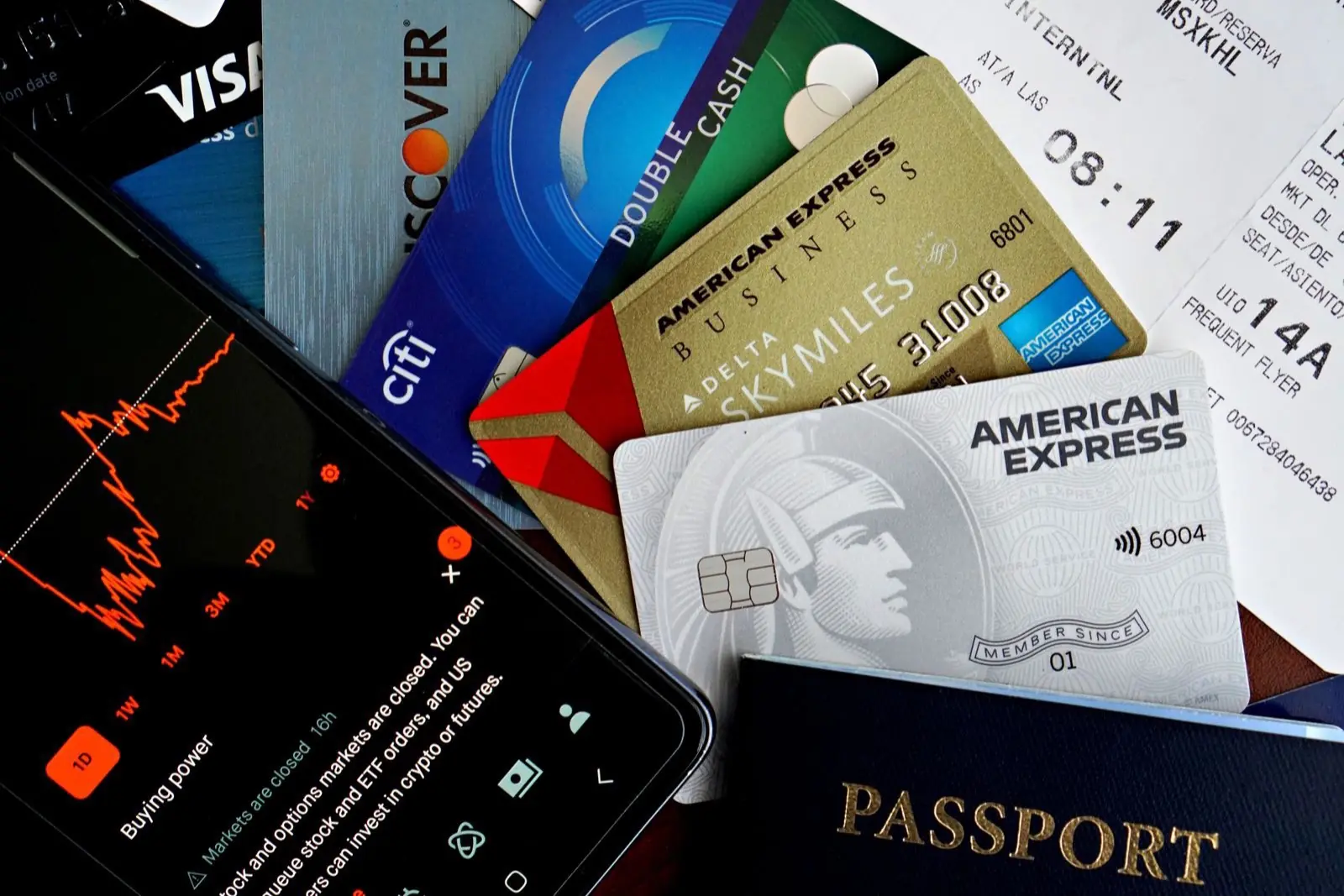
Frequent flyer miles and transferable credit card points can meaningfully lower the cost of a flight, especially for long-haul international or business-class travel where cash prices are steep. Building a relationship with one or two loyalty programs, and using a travel rewards credit card for everyday spending, can add up to a free or heavily discounted flight faster than many people expect. Good to know: Redemption values vary widely by program and route, so compare the number of points required against the cash price before booking to make sure you're actually getting good value. Avoid hidden-city ticketing or other fare tricks that violate airline contracts of carriage—the savings aren't worth the risk of a canceled itinerary or a suspended frequent flyer account.
None of these habits alone will guarantee rock-bottom fares every time, but used together—comparing broadly, staying flexible, and letting tools do the watching—they consistently put more money back in your pocket. Start early, stay patient, and let the data do the work.