

Airfare pricing can feel like a black box, but it isn't entirely random—airlines adjust fares constantly based on demand, seat availability, and how far out you're booking. Understanding the general patterns won't guarantee the lowest possible price every time, but it will put the odds meaningfully in your favor.
Table of Contents
- Book Domestic Flights 1–3 Months Out
- Book International Flights 2–8 Months Out
- The Tuesday Myth: Does It Still Hold?
- Use Flexible Date Search Tools
- Fly on Off-Peak Days
- Set Price Alerts and Track History
- Consider Shoulder Season
Book Domestic Flights 1–3 Months Out
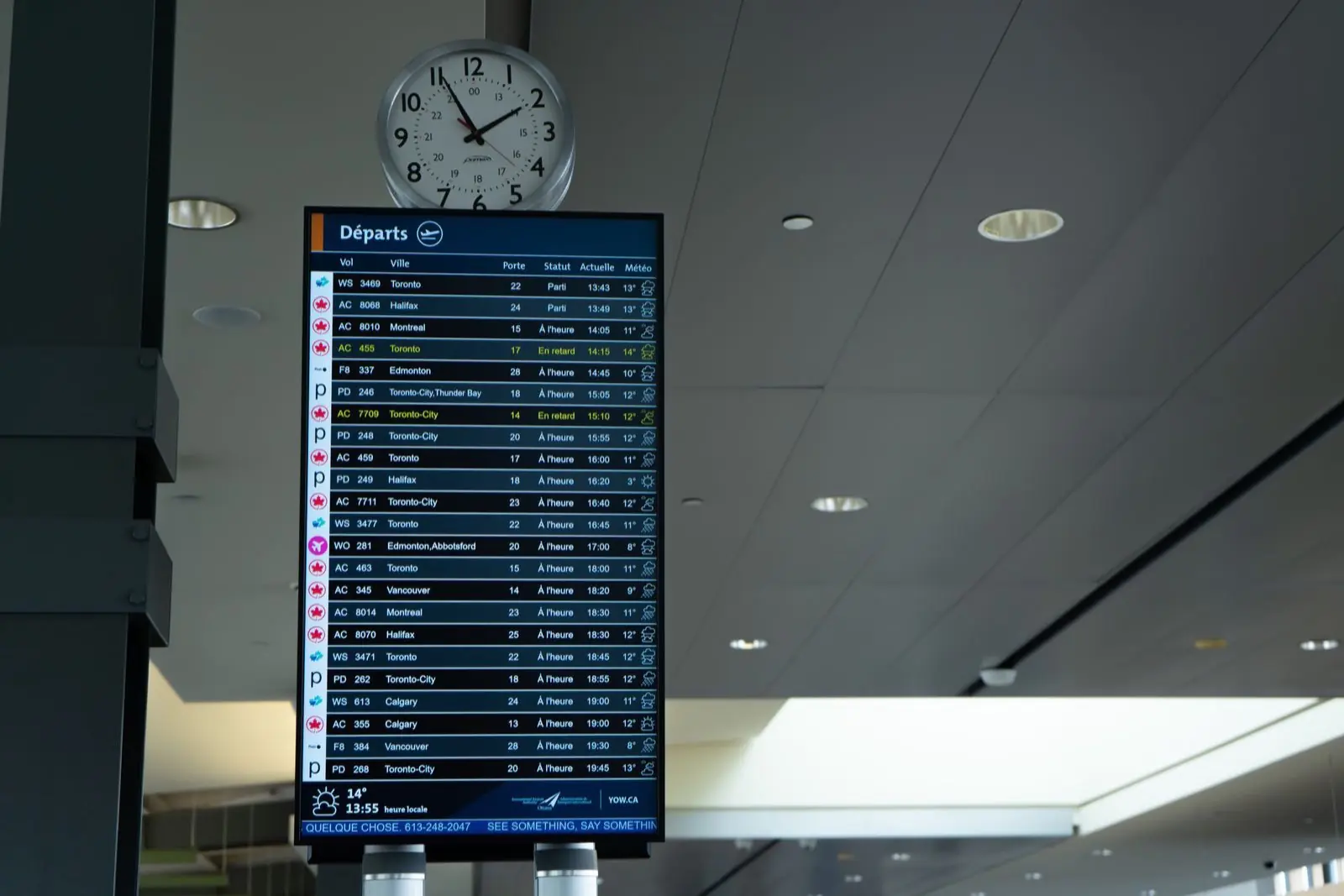
For domestic flights, most airfare research—including studies frequently cited by CheapAir and Expedia—points to a "sweet spot" of roughly one to three months before departure, sometimes described as a window of about three weeks to four months depending on the route and season. Book too early and airlines haven't yet released their cheapest fare buckets; book too late (inside two to three weeks) and prices typically climb as availability shrinks. Good to know: Prices are dynamic and can change several times a day, so this window is a general guide, not a guarantee—start watching fares as soon as you know your travel dates. Holiday travel periods (Thanksgiving, Christmas, spring break) tend to need earlier booking than routine trips.
Book International Flights 2–8 Months Out

International flights generally reward booking further ahead than domestic ones—typically two to eight months before departure, with long-haul routes to popular destinations sometimes benefiting from even earlier booking during peak travel seasons like summer in Europe or major holidays. Airlines release international award and discount inventory earlier, and popular routes to in-demand destinations can sell out of their cheapest fare classes well before departure. Good to know: If your destination has a major holiday, festival, or peak season (Christmas markets in Europe, cherry blossom season in Japan), add extra lead time, since both flights and hotels fill up fast. Repositioning or off-season international routes can sometimes be booked closer to departure for a bargain.
The Tuesday Myth: Does It Still Hold?

For years, conventional wisdom held that airlines released sale fares on Tuesday afternoons, making that the best time to book. That pattern dates back to an era of manual fare wars between a handful of major carriers—but multiple studies since the mid-2010s, including analyses by CheapAir and data from the Airlines Reporting Corporation, have found no consistent evidence that any particular day of the week is reliably cheaper anymore. Modern dynamic pricing algorithms adjust fares continuously based on demand, not a weekly schedule. Good to know: Rather than waiting for a specific day, focus on your booking window (see above) and use fare-tracking tools that monitor prices for you around the clock. If you do see a fare drop, it's more likely tied to a flash sale or a seat-inventory change than the day of the week.
Use Flexible Date Search Tools

If your travel dates have any wiggle room, flexible date tools can save real money. Google Flights' calendar and price-graph views, along with similar features on Skyscanner and Kayak, let you see fares across an entire month at a glance, instantly highlighting the cheapest days to fly. Shifting a trip by even one or two days—especially away from Fridays and Sundays—can meaningfully lower the fare on many routes. Good to know: Google Flights' "cheapest month" view is particularly useful for open-ended trip planning, showing which weeks across several months offer the best prices for your route. Combine flexible dates with flexible destinations (using an "anywhere" search) for maximum savings on discretionary trips.
Fly on Off-Peak Days

Business travel patterns still shape pricing on many routes: Friday evenings and Sunday afternoons see heavy demand from people leaving for or returning from weekend trips, which tends to push fares up on those days. Flying midweek—Tuesday, Wednesday, or Saturday—generally offers a better chance at lower fares, since demand is typically lighter. Good to know: This pattern holds most strongly on routes with a lot of business traffic; leisure-heavy routes to vacation destinations may not follow it as closely. Red-eye flights and early-morning departures also tend to be cheaper simply because fewer people want them.
Set Price Alerts and Track History

Rather than manually checking fares every day, set up price tracking through Google Flights, Hopper, or Skyscanner and let the alerts come to you. These tools monitor your route continuously and notify you when prices drop, and some, like Hopper, use historical pricing data to predict whether a fare is likely to rise or fall in the coming days. Good to know: Price predictions are estimates based on historical patterns, not guarantees—treat a "book now" recommendation as a useful signal rather than absolute certainty. Setting alerts as soon as you know you want to travel gives you the longest possible window to catch a dip.
Consider Shoulder Season

Traveling just before or after a destination's peak season—commonly called shoulder season—consistently brings lower airfares and hotel rates alongside smaller crowds, since demand naturally drops once school holidays end or a region's ideal weather window closes. Early autumn or late spring trips to Europe, for instance, routinely cost less than the same trip in July or August while still offering pleasant weather. Good to know: Shoulder season dates vary by destination, so research the specific climate and tourist patterns of where you're headed rather than assuming a blanket date range. Airlines often add or drop seasonal routes at these transition points, so double-check flight availability doesn't disappear right as rates drop.
There's no single trick that guarantees the cheapest fare every time, but stacking these habits—booking within the right window, staying flexible on dates, and letting price-tracking tools do the watching for you—consistently improves your odds. Start planning early, stay patient, and let the data guide the click.