Picture a ski week that doesn't end in a wince at the bill. That's Bansko. This little town in Bulgaria's Pirin mountains hands you a modern gondola, real snow, and some of the cheapest lift passes in Europe—then sits you down to slow-cooked lamb and a glass of rakia by an open fire for less than the price of one Alpine beer. It's the headline act of our winter 2026/27 roundup, and here's why it earns the top spot.
Table of Contents
- Why It's So Cheap
- The Mountain & the Snow
- For Non-Skiers Too
- Food & Après
- Getting There
- When to Go & How to Book
- Book It Smart
1. Why It's So Cheap
Let's start with the money, because that's the magic trick. A lift pass here is among the cheapest in Europe—and everything else shrinks to match. Ski rental, a group lesson, a sit-down lunch on the mountain: each one costs a fraction of the Alpine price, with none of the quality shaved off. The skiing never feels budget. Only the bill does.
Off the slopes it gets almost silly. A proper two-course dinner with drinks runs about what a single round of après beers costs in the Alps. Coffee at the top station, lessons for the kids, a nightcap in town—it all adds up to a holiday that flat-out refuses to hurt. And the savings reach all the way to your pillow: take a look at the stays in Bansko.
2. The Mountain & the Snow
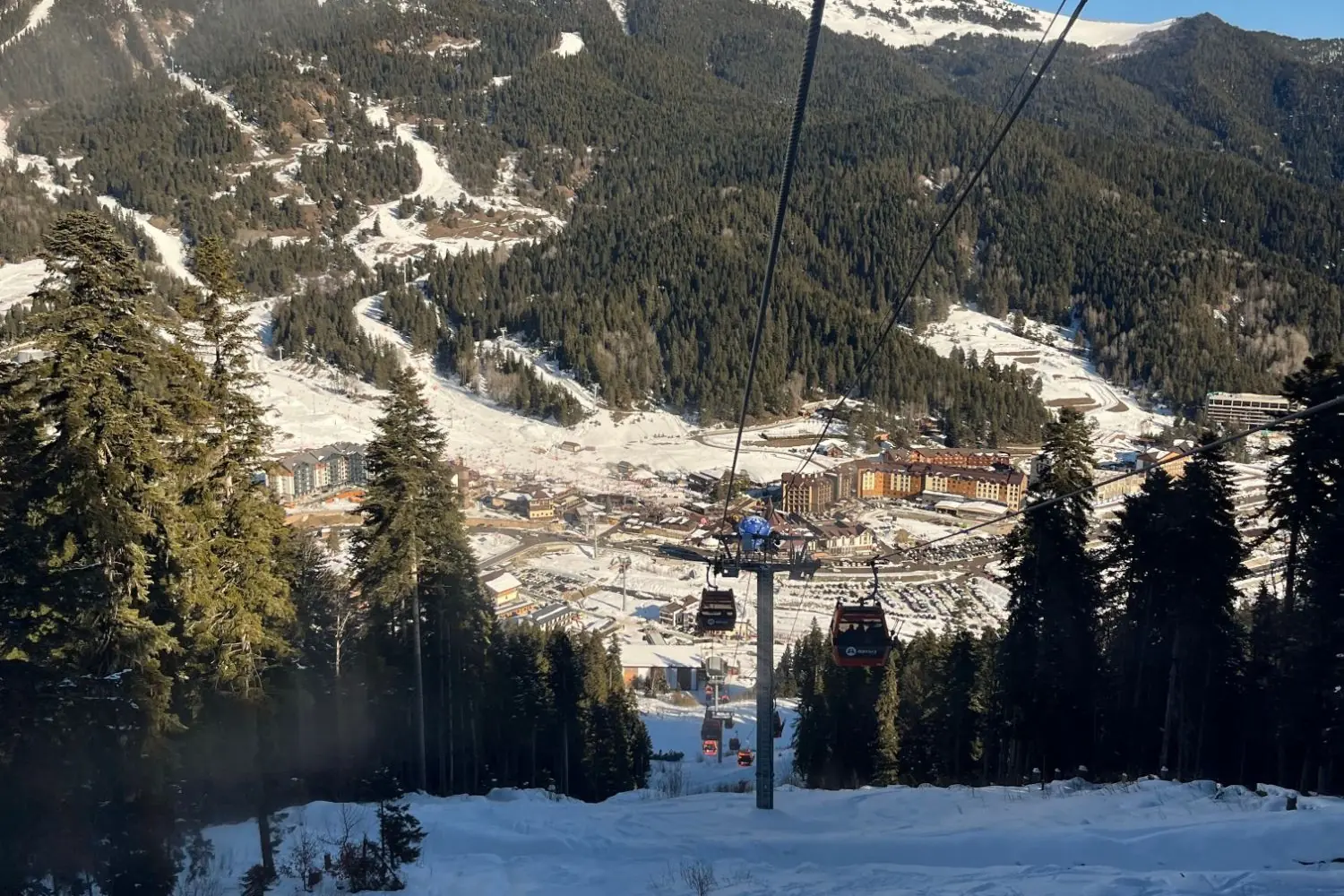
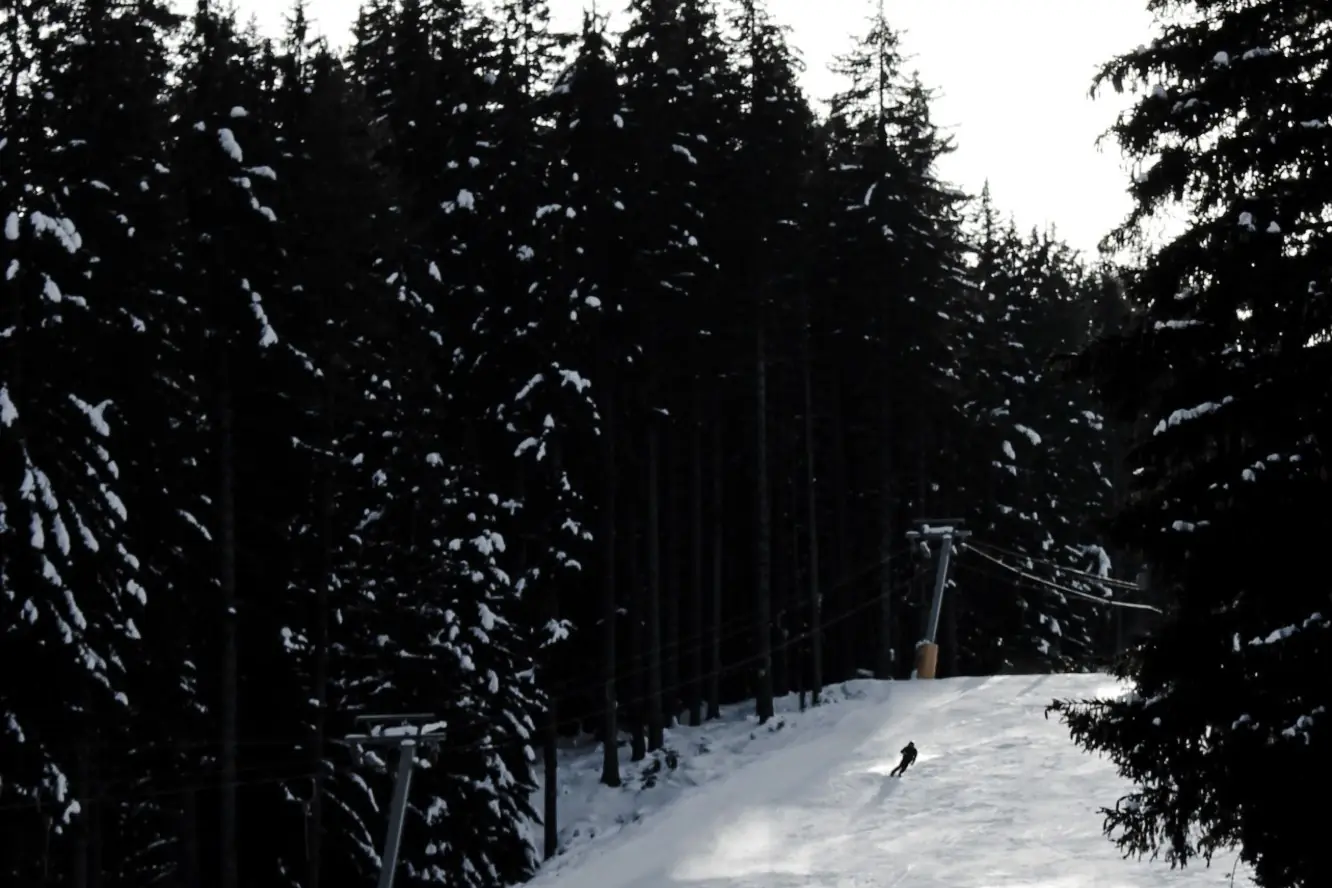
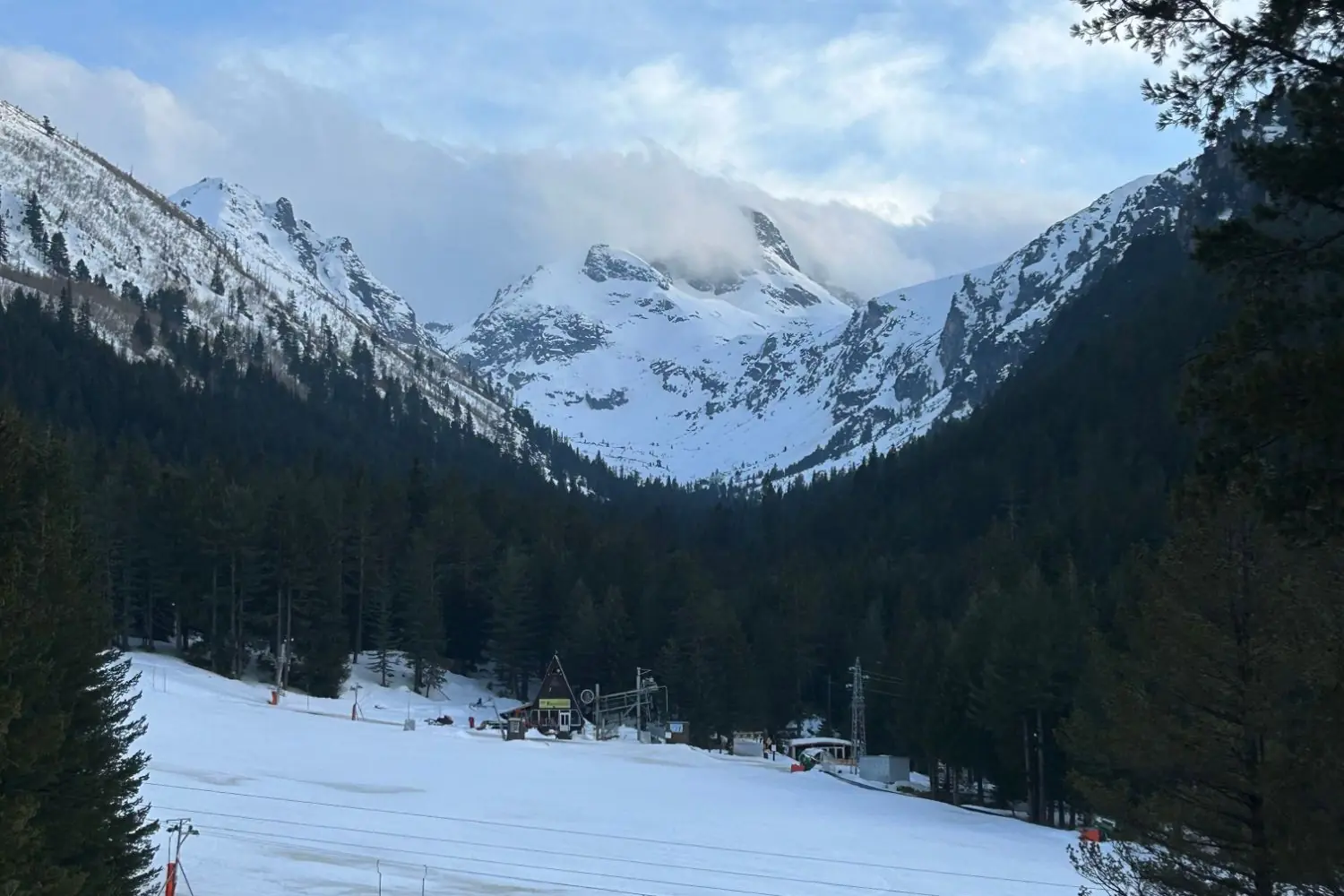
Mornings start on cobblestones and end on a summit, and the gondola is the bridge—lifting you straight out of the old town and into the Pirin in minutes. Up top, the runs thread between ancient pines while the jagged peaks of Pirin National Park fill the sky. Wide blue cruisers to warm up on, steeper reds and blacks for when your legs are ready. More than enough to fill a week.
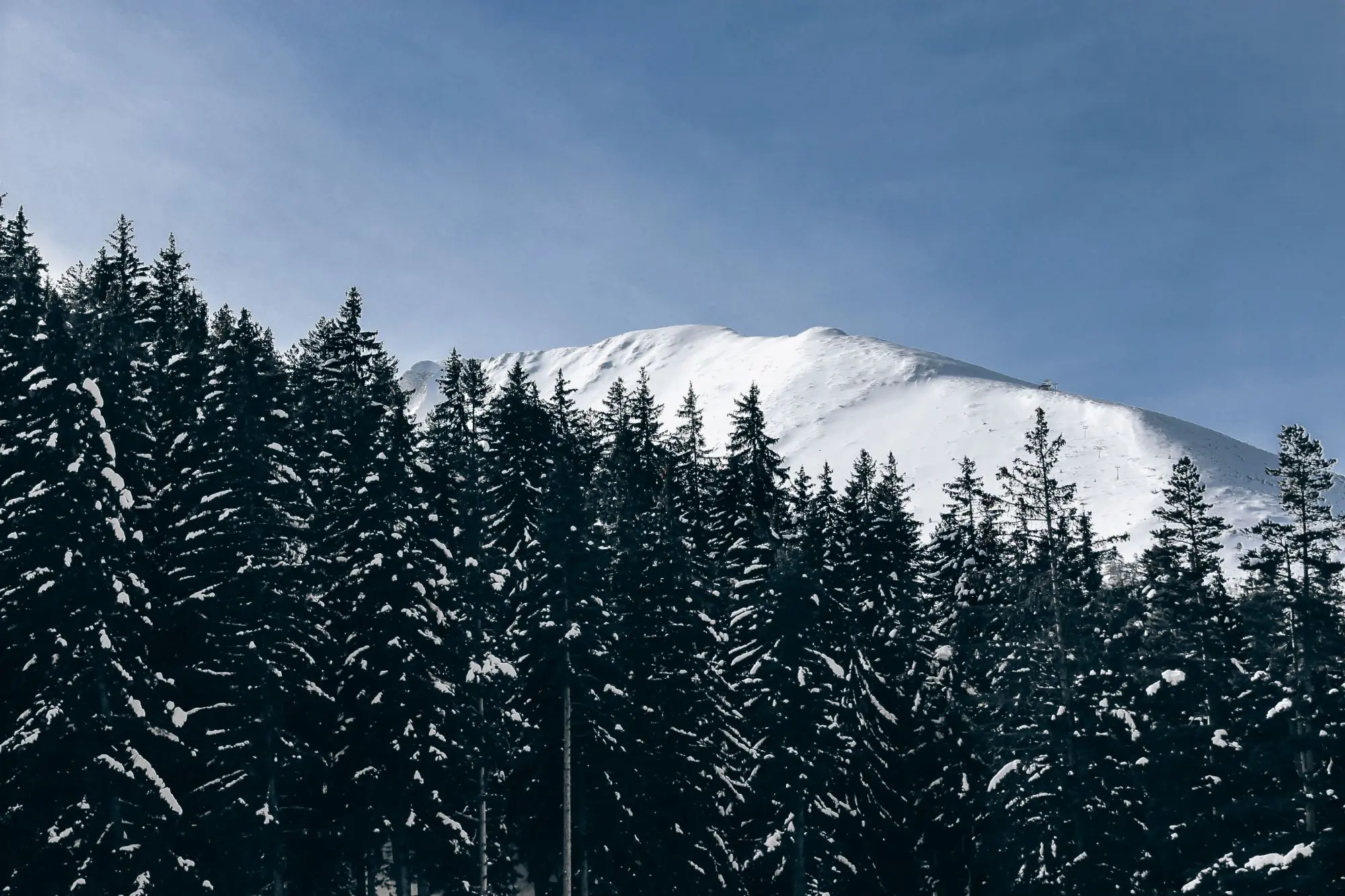
And the snow shows up. The season runs mid-December to April, backed by altitude and a wall of snow cannons, so the base holds even when the weather wobbles. Catch a bluebird morning after fresh powder and the view down the valley—white peaks stacked to the horizon—is pure Alps, minus the crowds and minus the price tag.
3. For Non-Skiers Too
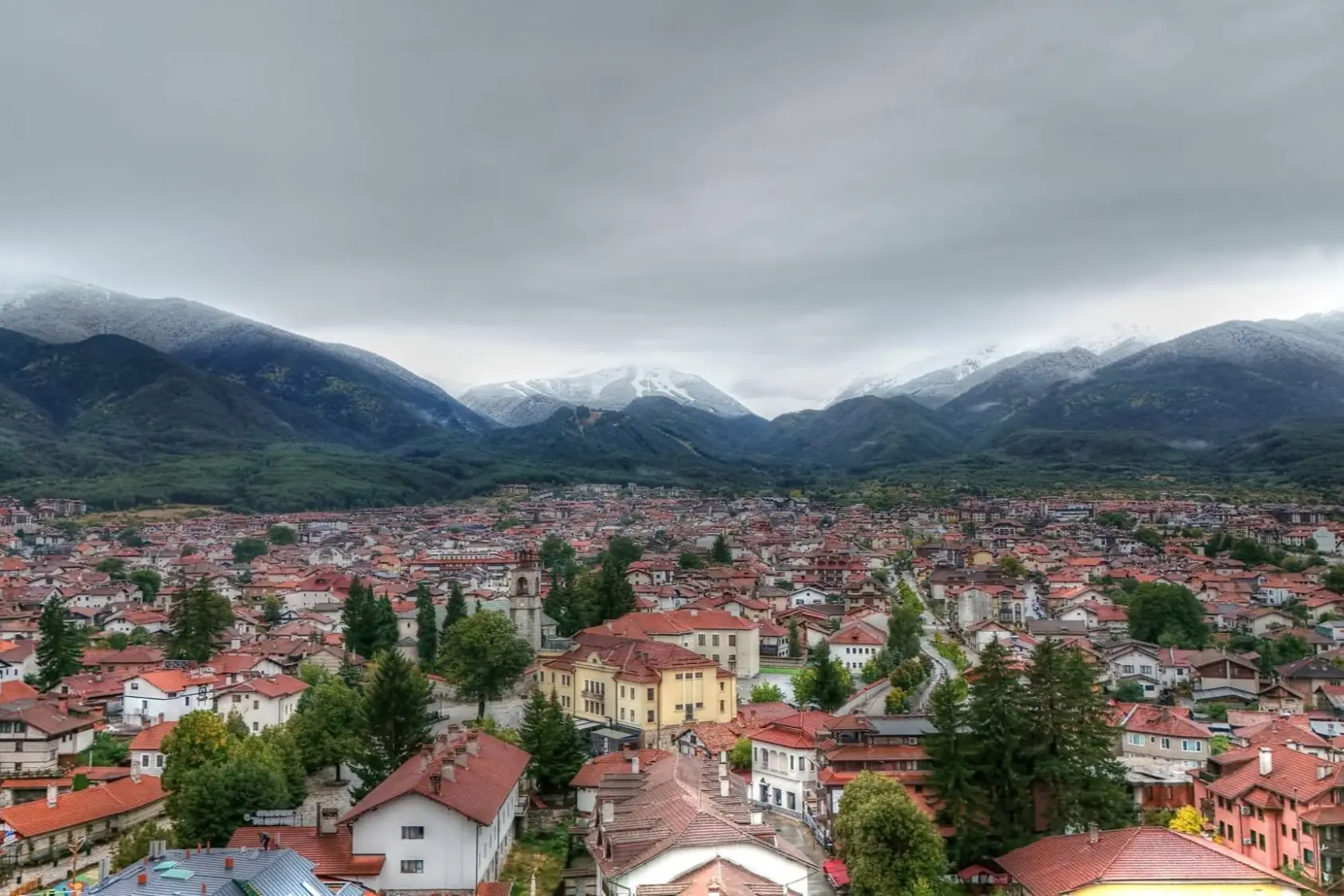
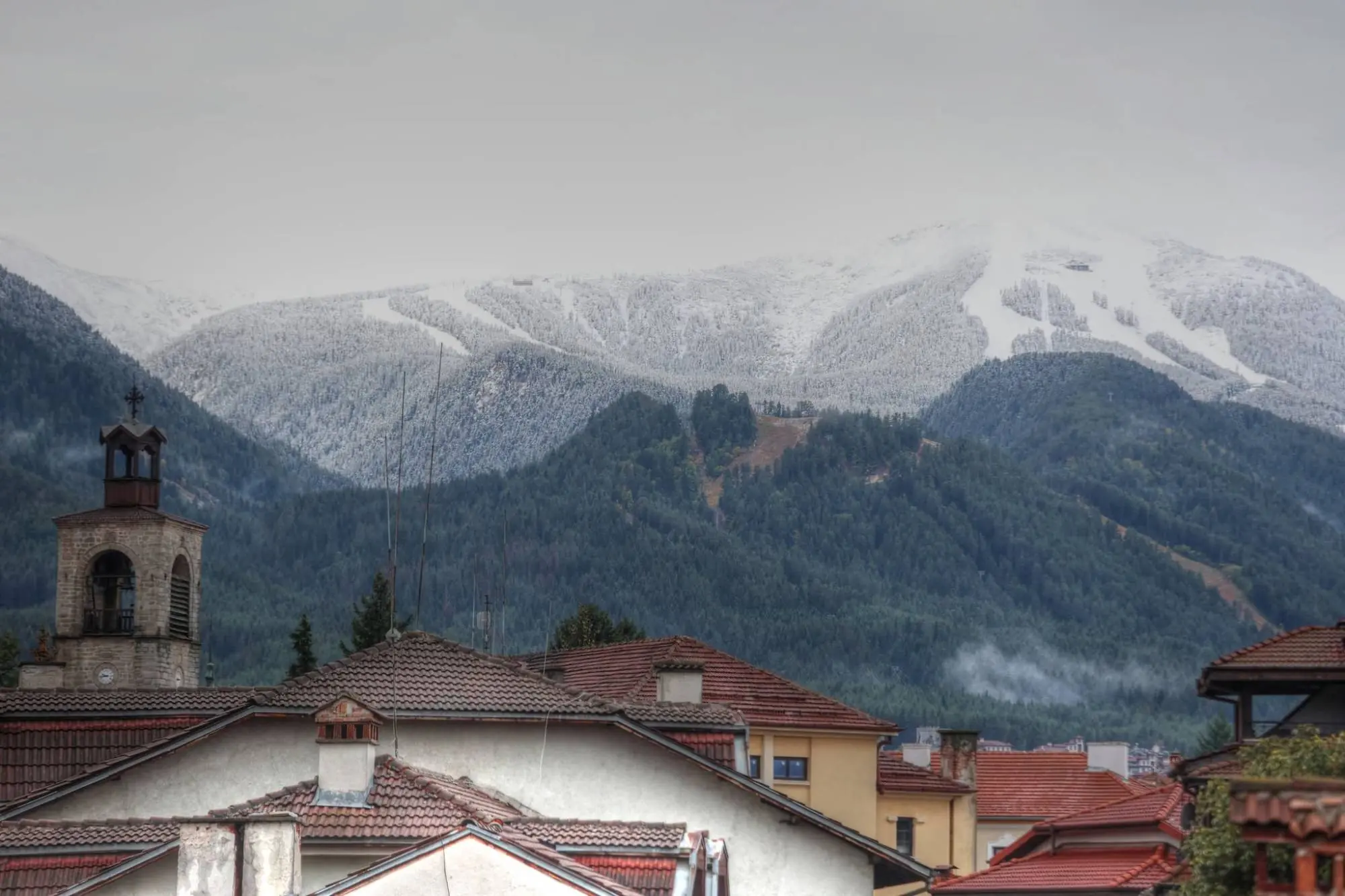
Not everyone wants to click into a pair of skis, and Bansko has them covered. The Vazrazhdane old town is a tangle of cobbled lanes, stone-and-timber houses and tiny churches—a genuine Bulgarian Revival quarter, built for wandering with a coffee in hand while the skiers earn their lunch.
Then there's the warm stuff. The town goes all in on spa and wellness, with hotel pools and saunas made for melting a cold afternoon, and the hot mineral baths in nearby Banya are a short hop away. Add a horse-drawn sleigh through the snow and you've got a full day that never once touches a lift. Our winter in Bulgaria guide points to plenty more.
4. Food & Après
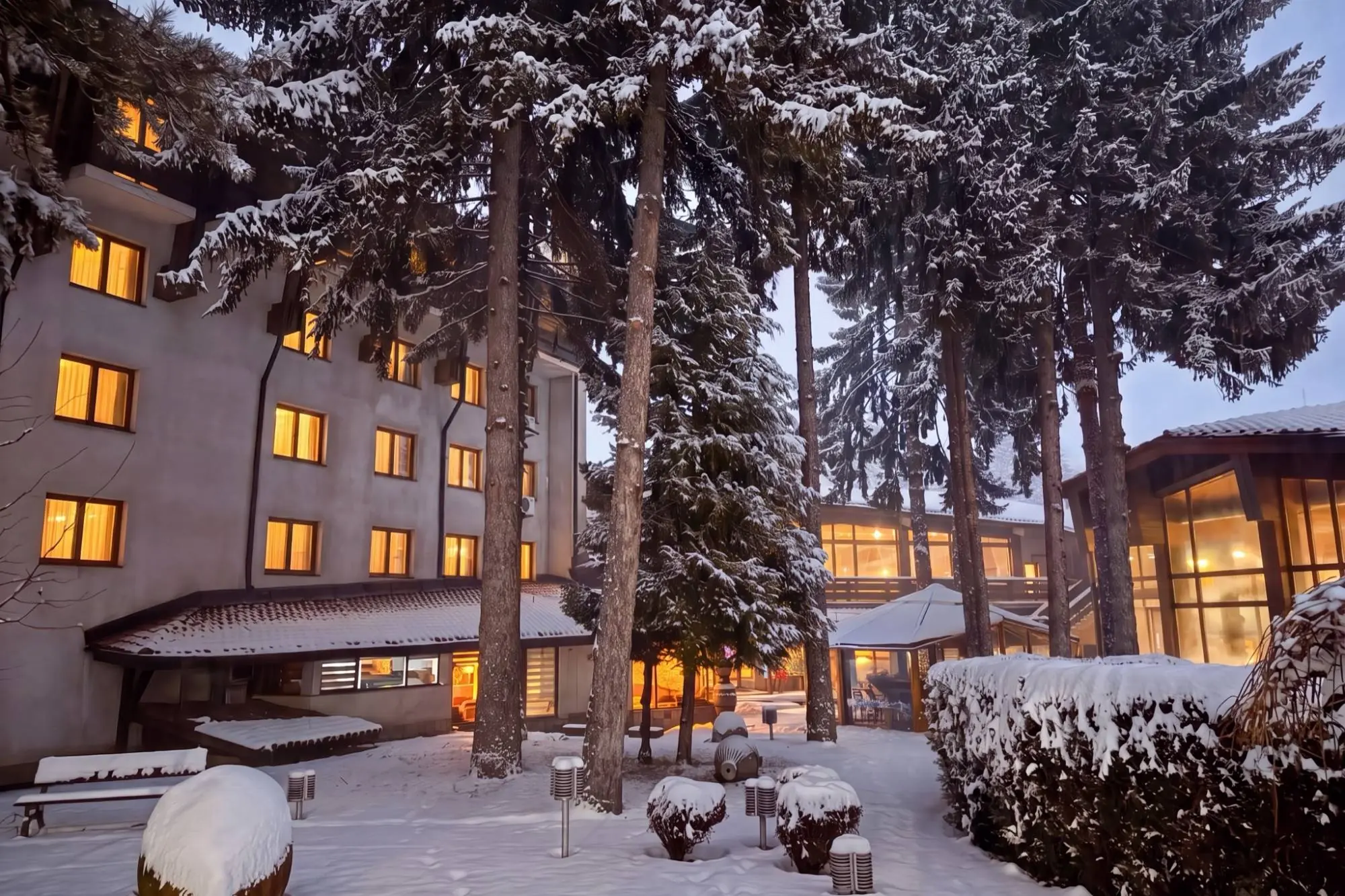
Après in Bansko isn't a €14 beer on a plastic terrace. It's ducking into a mehana—a tavern of bare stone, heavy timber and an open fire—just as the folk band strikes up and a glass of rakia lands in front of you. The town is full of them, and that's where the evening really happens.
The food seals the deal. This is Pirin cooking at full volume: slow-roasted lamb, the legendary Bansko kapama (meats and sauerkraut sealed in a clay pot and baked for hours), platters of grilled meat, and small plates that keep arriving. Hearty, generous, and—say it with us—a fraction of what a mountain dinner costs a few borders west.
5. Getting There
Getting here is refreshingly simple. Most people fly into Sofia, and Bansko sits about 2.5 to 3 hours away by road—one easy transfer through the mountains, the Pirin growing in the windscreen the whole way. No endless train changes, no Alpine-valley marathon.
If the fares line up better, Plovdiv is a solid plan B from the other side. Either way, check the price calendar on flights for the cheapest day to land, then pair it with your transfer. A short, low-fuss journey for a place that gives back this much.
6. When to Go & How to Book
Timing is the whole game. The peak holiday weeks—Christmas, New Year, the February half-terms—sell out first and cost the most, exactly as they do everywhere. If your dates are locked to those windows, treat booking early as non-negotiable and grab your flights and beds together.
But Bansko's real sweet spot is the shoulder weeks—the quieter stretches in January and late March, when the snow is still excellent, the slopes are calm, and the prices slide to the floor. Nudge your trip a few days off the busiest weekends and the savings are dramatic. Here, flexible beats fixed every time.
Book It Smart
- Book the peak weeks first. If your trip has to fall over Christmas, New Year or a half-term, those dates vanish fastest and spike hardest—so lock your flights and your stay in Bansko together the moment you can, and don't hold out for a deal that won't come.
- Chase the shoulder weeks. Shift your dates into quieter January or late March and you keep the great snow while the prices drop to their lowest. A little flexibility is worth more here than almost anywhere—Bansko is cheap, and the off-peak version is cheaper still.
- Let the tools do the hunting. Use the price calendar on flights to find the cheapest day to fly into Sofia, then pair it with the stays closest to the gondola. Book at the bottom of the curve instead of the top, and the whole trip gets even better value.
Alpine snow, a storybook old town, feasts by the fire, and a bill that never bites—Bansko is that rare ski trip that works for the whole group and still leaves money for next winter. Pick your week, get it booked, and we'll see you on the gondola.