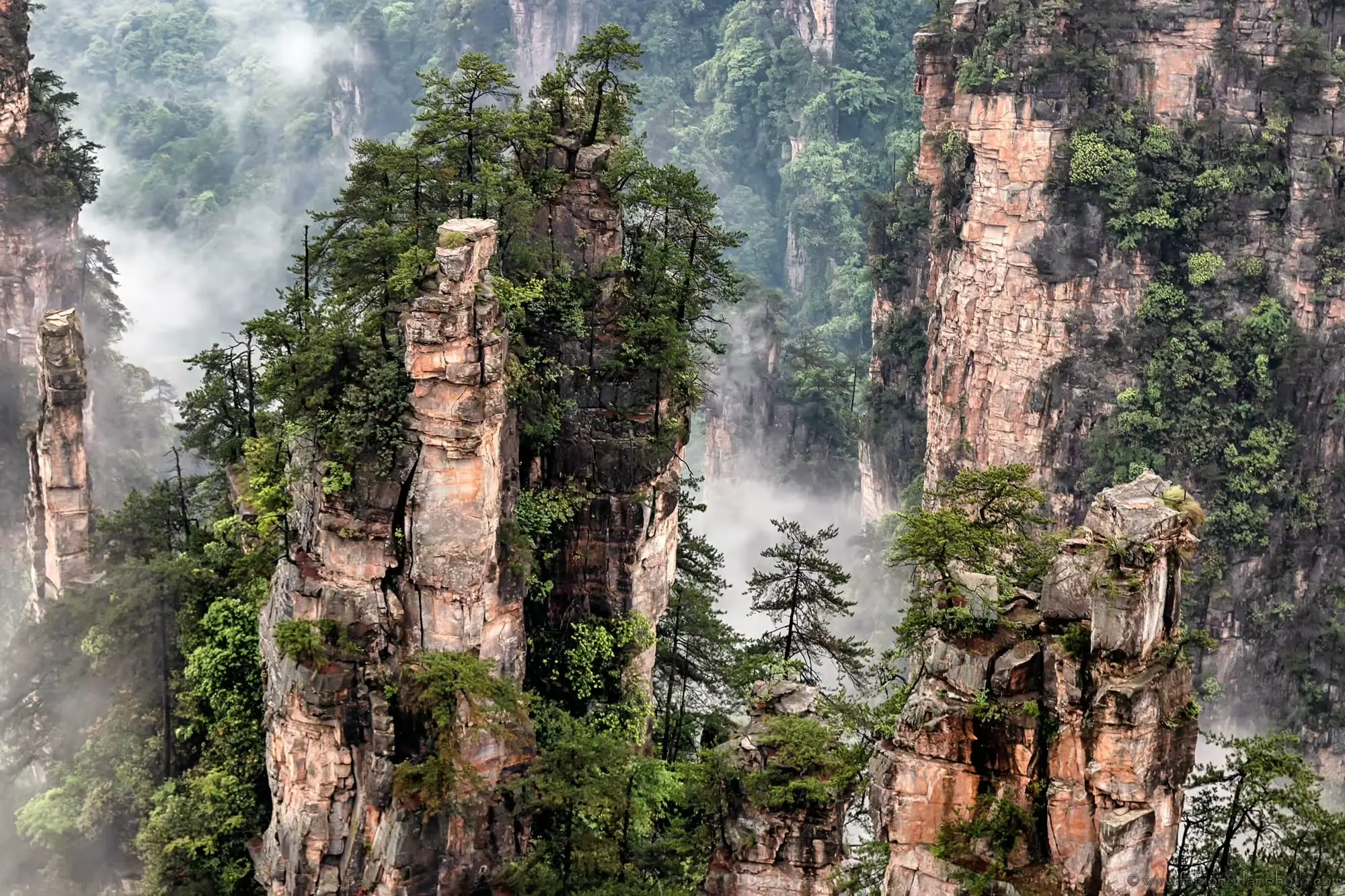
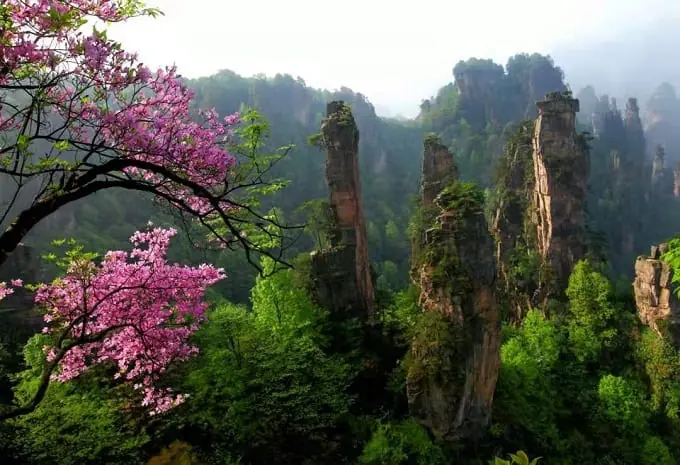
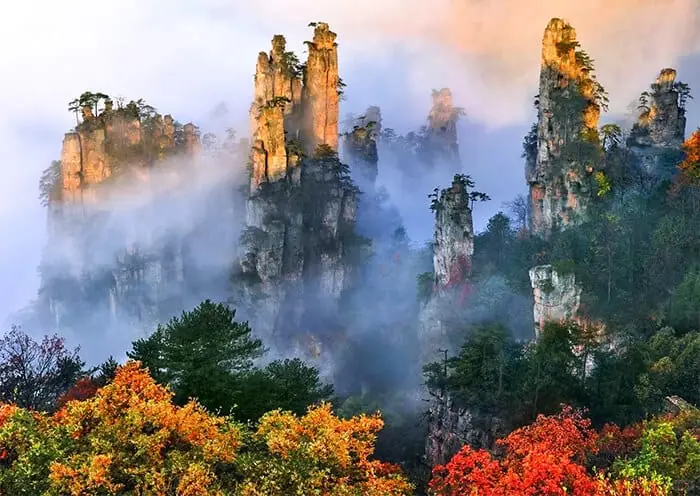
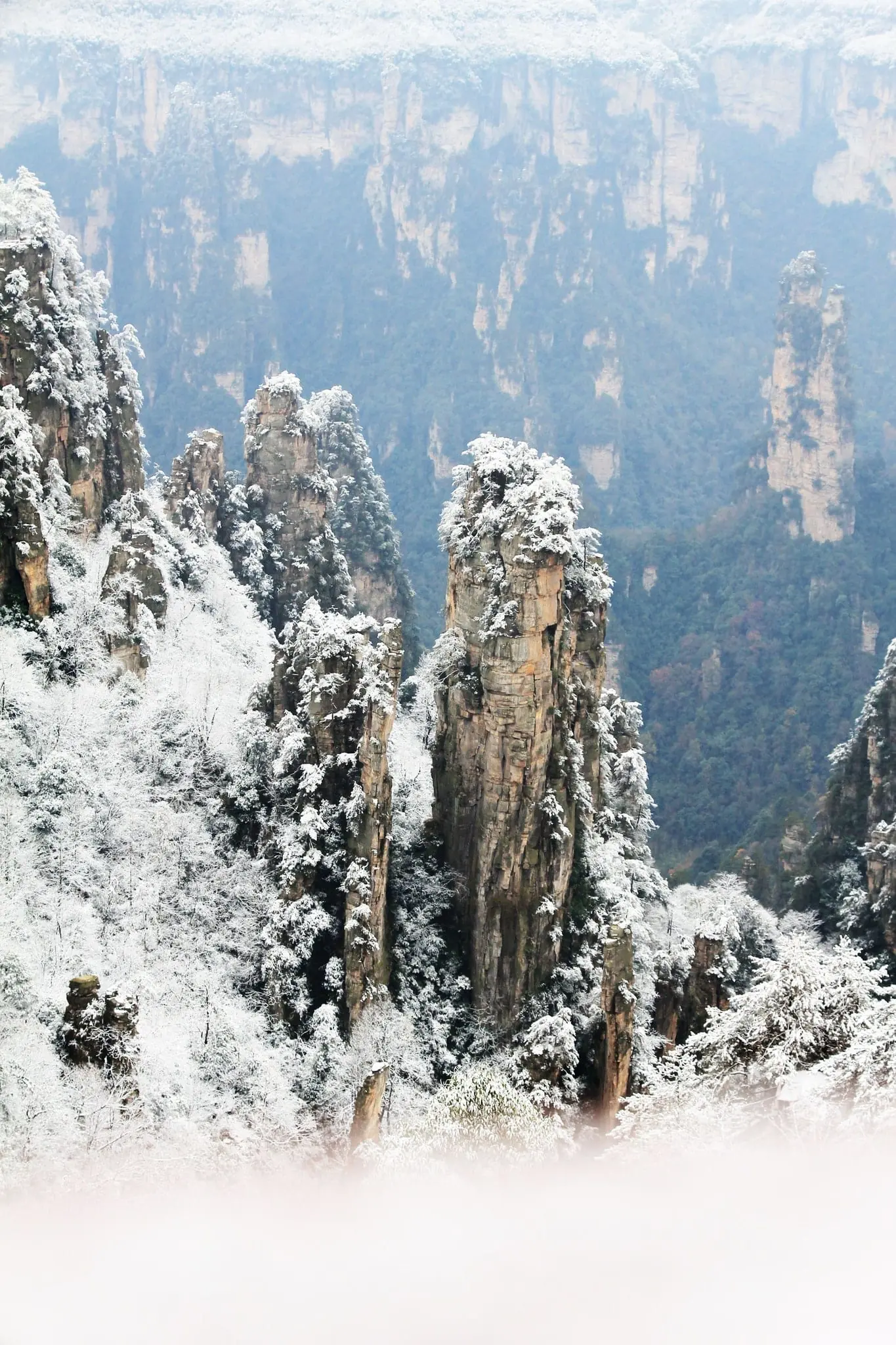
Nothing quite prepares you for Zhangjiajie's skyline — thousands of quartz-sandstone pillars rising straight out of the forest floor, some over 200 meters tall, thin enough in places that it seems physically improbable they're still standing. Morning mist pools in the gorges between them and leaves only the pillar tops floating above the clouds, which is exactly the effect that reportedly inspired the floating Hallelujah Mountains in Avatar. It's a genuinely strange landscape, made stranger by the infrastructure built to see it — glass elevators bolted to cliff faces, a glass bridge slung across a canyon, and a cable car that climbs through a natural hole in a mountain. This guide covers the park, the nearby town, and how to get to one of China's more remote must-see destinations.
Top Highlights
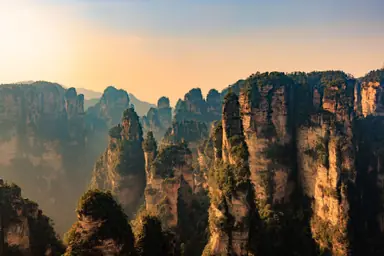
Source: Pexels Zhangjiajie National Forest Park
China's first national forest park, and the heart of the region's scenery — thousands of towering sandstone pillars covered in subtropical forest. The Yuanjiajie area holds the pillar known online as the 'Avatar Hallelujah Mountain,' officially renamed Southern Sky Column after the film's release.
More information
Opening times: 7:00–18:00
Admission: ¥248 (4-day pass, includes park shuttle buses)
Website: Visit Website
*The entrance ticket is valid for 4 consecutive days and covers most in-park transport.
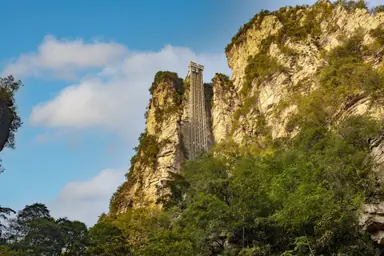
Source: Pexels Bailong Elevator
The world's tallest outdoor glass elevator, built straight into a 335-meter cliff face on the edge of the national park. The ride up takes under two minutes and delivers one of the most dramatic reveals in the whole park as the doors open onto the pillar-studded plateau above, saving what would otherwise be hours of stair climbing.
More information
Opening times: 7:00–18:00 (seasonal)
Admission: ¥76 (one-way)
Website: Visit Website
*Queues can run long midday — go early morning or late afternoon.
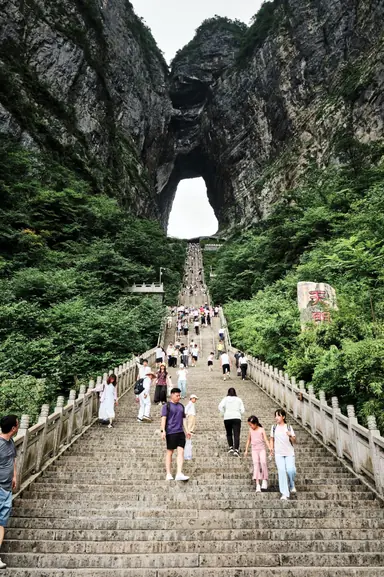
Source: Pexels Tianmen Mountain
Home to Tianmen Cave, a 131-meter natural arch through the mountain's summit, reached by a cable car ride often ranked among the world's longest and most scenic, climbing nearly 1,300 vertical meters through 99 winding hairpin bends on the road below, with dizzying views the whole way up. The mountain is also home to a glass skywalk clinging to a sheer cliff edge — not for anyone with a fear of heights — and the famous Heaven's Gate stairway, a challenge that draws a handful of extreme athletes each year who race straight up its 999 steps.
More information
Opening times: 8:30–17:30 (seasonal)
Admission: ¥278 (includes cable car)
Website: Visit Website
*Shoe covers are provided (and required) on the glass skywalk sections.
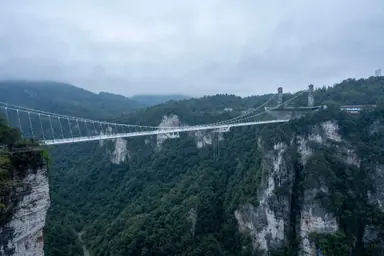
Source: Pexels Zhangjiajie Grand Canyon Glass Bridge
Once the world's longest and highest glass-bottomed bridge, suspended 300 meters above a forested canyon and stretching over 400 meters between two cliffs. It also holds the record for the world's highest bungee jump platform, for anyone who wants the view with an extra jolt of adrenaline. If you take the zipline or slide down into the canyon afterward, be ready for the way back out: a long, steep run of stairs — well over a thousand steps by some counts — unless you're willing to pay extra for one of the sightseeing elevators back up.
More information
Opening times: 8:00–17:00 (seasonal)
Admission: ¥118
Website: Visit Website
*Book tickets online in advance — daily visitor numbers are capped.
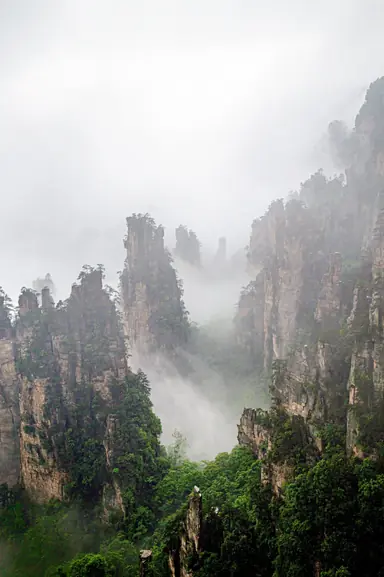
Source: Pexels Tianzi Mountain
Named for a Tujia rebel leader who proclaimed himself emperor here in the 14th century, this section of the park offers some of the best pillar-forest viewpoints, especially at the aptly named 'Imperial Brush Peaks' overlook. A cable car connects the valley floor to the summit viewpoints.
More information
Opening times: 7:00–18:00 (seasonal)
Admission: Included in park entrance
Website: Visit Website
*Best visited early morning for the best chance of clear mist views.
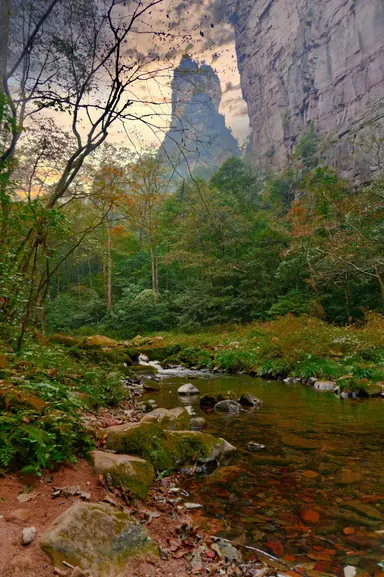
Source: Pexels Golden Whip Stream
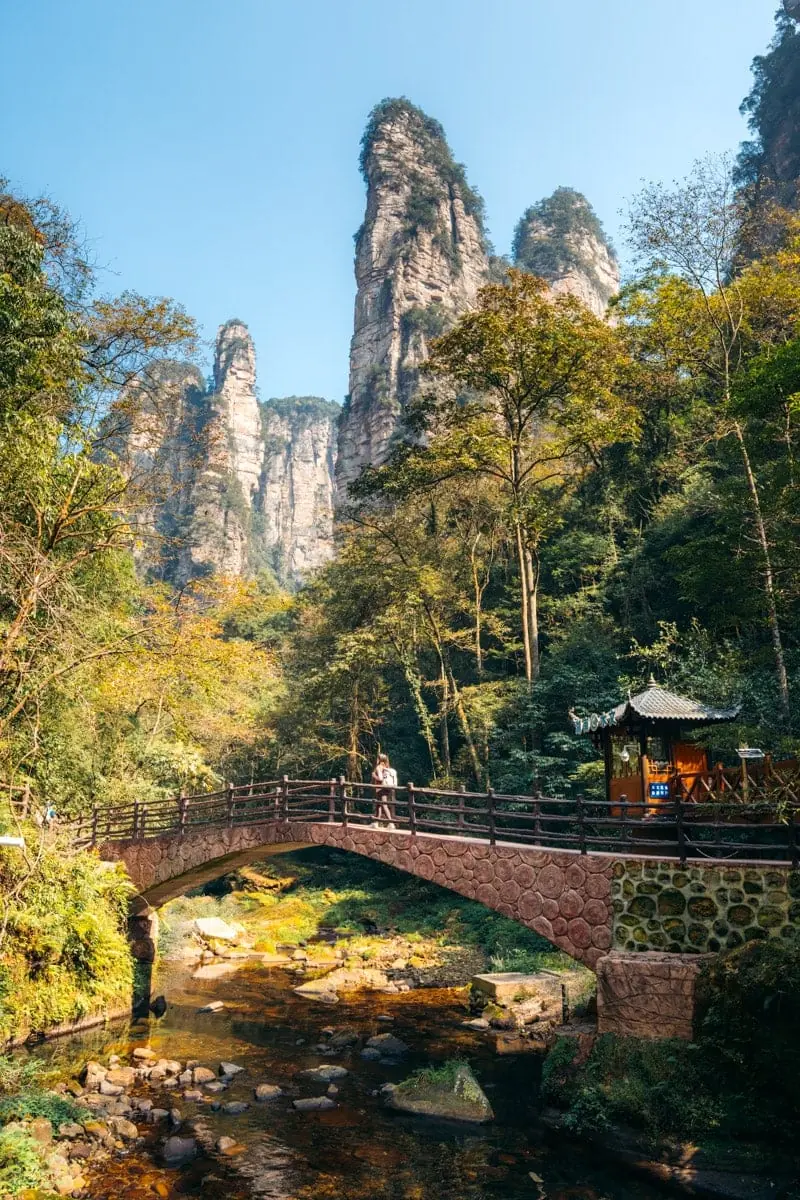
A gentle, largely flat hiking trail following a clear stream through the valley floor, hemmed in on both sides by towering pillars. It's the easiest way to experience the scale of the park's rock formations up close without the climbing required elsewhere, and often has resident macaques along the way.
More information
Opening times: 7:00–18:00 (seasonal)
Admission: Included in park entrance
Website: Visit Website
*Keep food out of sight — the macaques here are used to visitors.
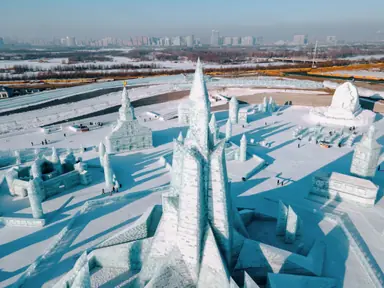
Source: Pexels Zhangjiajie Ice and Snow World
The largest indoor ski resort in south-central China, kept at a constant -5°C year-round regardless of the heat outside. Beyond the ski and snowboard slopes there's a snow-play area, an ice-themed glass sightseeing bridge, ice skating, and a nightly ice show — a strange but genuinely fun detour from the national park's forested peaks.
More information
Opening times: 8:00–18:00
Admission: ¥35 (Ice Glass Bridge) to ¥258 (2-hour skiing pass)
Website: Visit Website
*In Cili County, roughly 30–45 minutes from Zhangjiajie city by taxi or Didi.
Insider tip: The 4-day park pass is the better deal even for a shorter visit — it covers the internal shuttle buses, which you'll need constantly to move between the park's spread-out viewpoints, plus a second entry if you want to catch different mist conditions.
Tip: Mist and cloud cover are common, especially in the mornings — this is actually when the scenery looks its most otherworldly, with pillar tops floating above the fog. Don't rebook for "better weather"; overcast, misty days are often the best photo days here.
Neighborhoods & Where to Stay
Source: Pexels
Wulingyuan Town
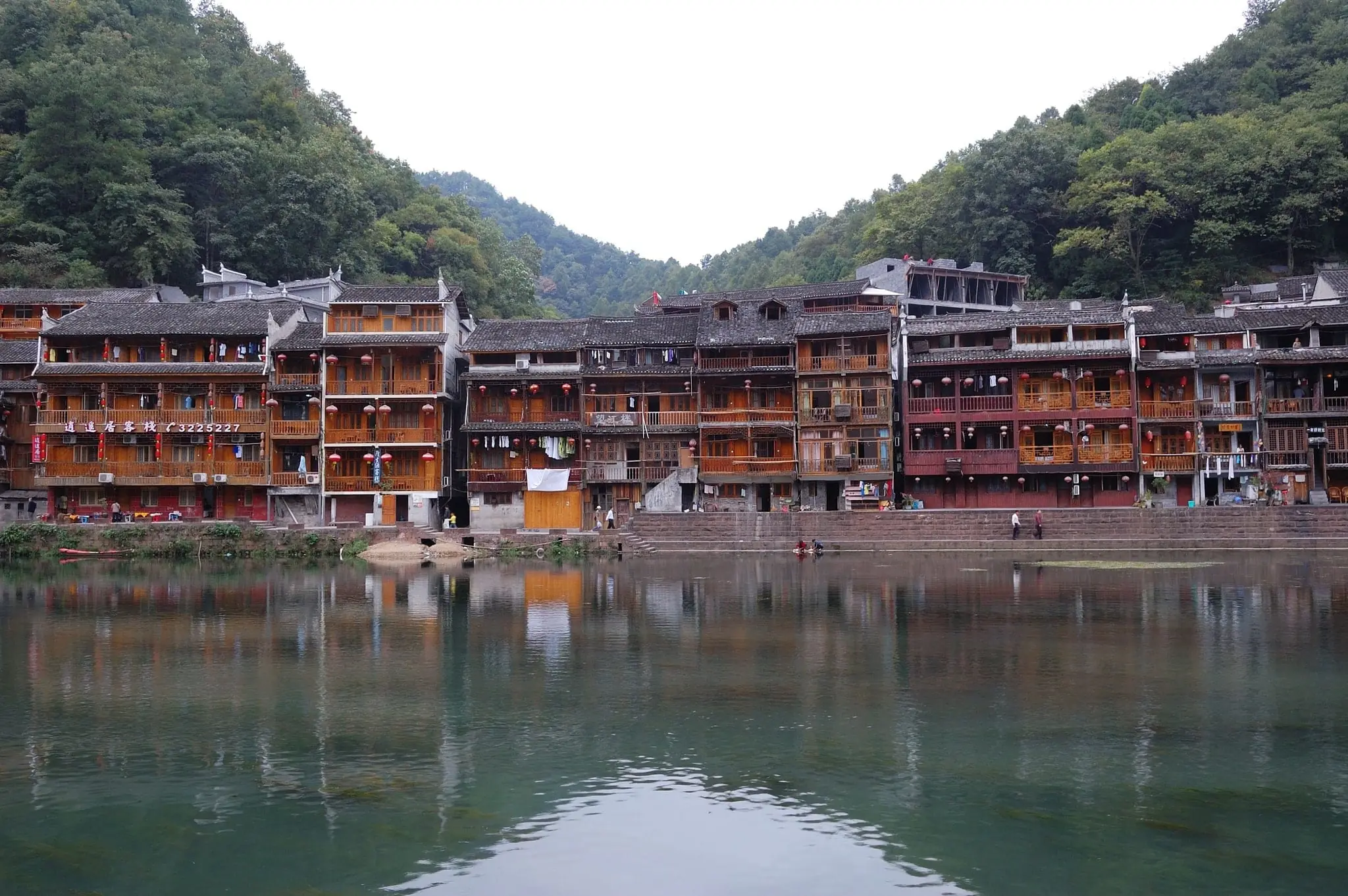
The small town sitting right at the national park's main entrance, and the most convenient base for anyone spending multiple days inside the park. Guesthouses and hotels here range from basic to comfortable, and staying here means you can be inside the park gates within minutes rather than commuting from Zhangjiajie city each morning.
Zhangjiajie City Center
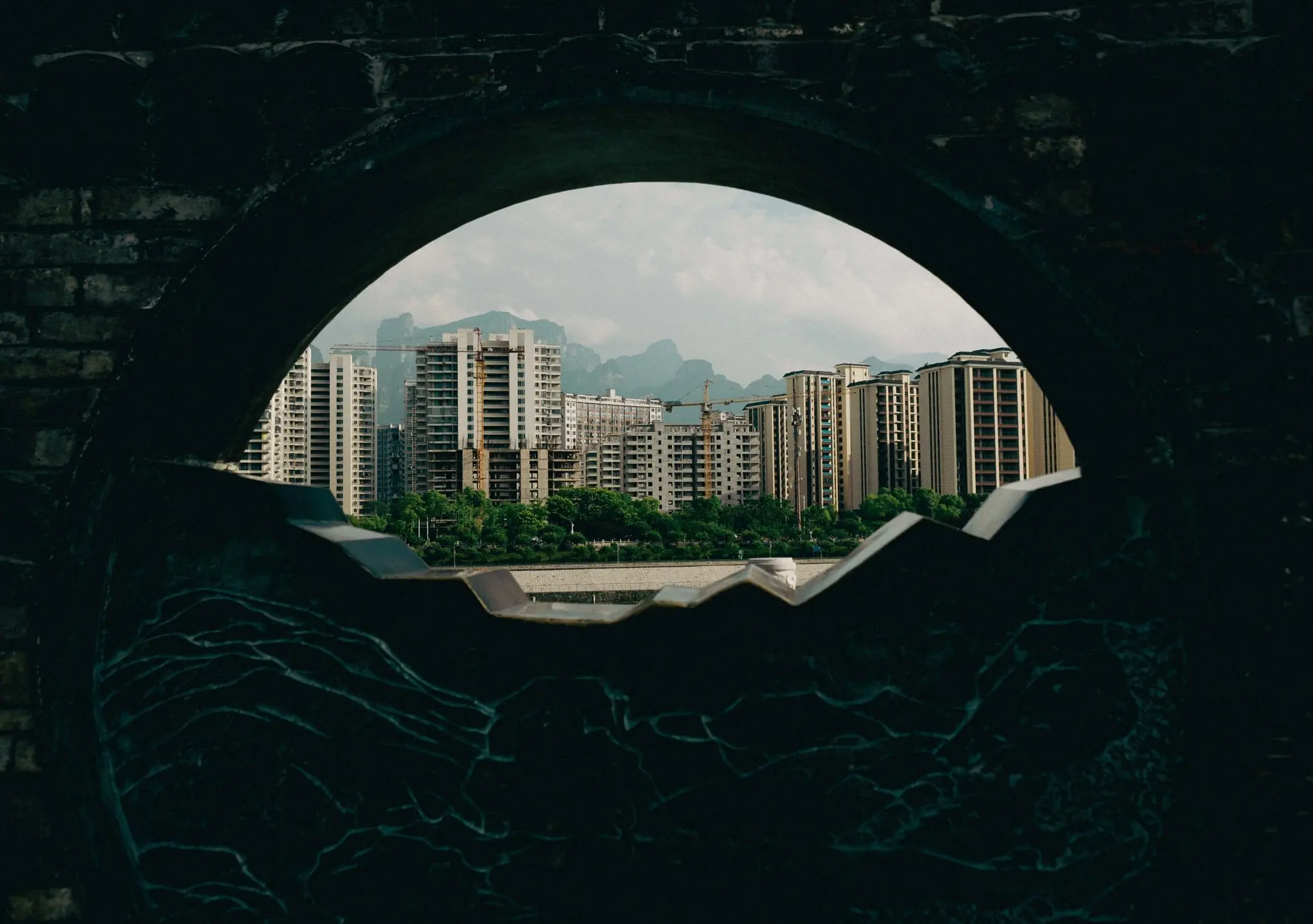
The city itself sits about an hour from the national park entrance and is a more practical base if you're also visiting Tianmen Mountain, which rises directly above the city and is reachable by cable car from a station downtown. It has a wider range of hotels, restaurants, and transport connections than Wulingyuan, at the cost of a longer commute into the park proper.
Source: Pexels
Insider tip: If your main goal is the Grand Canyon Glass Bridge, note it sits in a separate area from the main national park — check the distance from your hotel before booking, as it's a different direction of travel from Wulingyuan.
Food & Drink
Zhangjiajie sits in a region with a strong Tujia and Miao ethnic minority presence, and the local food reflects it — smoky, sour, and built around mountain vegetables, cured meats, and rice-based dishes rather than the wheat noodles of northern China.
-
Tujia Sanguo Rou (Three-Course Meat) — A traditional Tujia celebration dish of pork, offal, and vegetables cooked and served together, often at festival meals — a good dish to try if a restaurant offers a set Tujia-style menu.
-
La Rou (Smoked Bacon) — Cured, air-dried, and smoked pork, a staple preservation method in this mountainous region long before refrigeration, typically stir-fried with chili and mountain vegetables.
-
Sour Fish Soup — A tangy, fermented-vegetable fish soup typical of the wider Hunan region, balancing Hunan's characteristic chili heat with a distinct sourness from pickled greens.
-
Wild Mountain Vegetables — Restaurants around the park serve seasonal foraged greens and mushrooms, simply stir-fried — a simple, fresh counterpoint to the heavier smoked and cured dishes.
-
Sticky Rice Cakes — A common local snack, pan-fried until crisp outside and chewy within, sold from small stalls in Wulingyuan town.
Insider tip: Restaurant options thin out once you're deep inside the park — pack snacks and water for a full day of hiking, and plan to eat a proper meal in Wulingyuan town before or after your park day. That said, restaurants right around the park's main gates in Wulingyuan can be noticeably overpriced for what you get, trading on captive tourist traffic — walk a block or two further into town and prices drop fast.
 Tujia Smoked Bacon Dish
 Hunan Sour Fish Soup
 Sticky Rice Cakes
Transportation
Zhangjiajie is more remote than Beijing, Xi'an, or Shanghai, and getting there takes some planning — but once you've arrived, the park's own shuttle system does most of the work.
Getting Around the Park
The national park entrance ticket includes unlimited rides on the internal shuttle bus network, which connects the main entrances, cable car stations, and trailheads. Given the park's scale — over 300 square kilometers — walking between areas isn't realistic, so plan your day around the shuttle routes and posted schedules at each stop.
Zhangjiajie has no metro system, so unlike Beijing, Xi'an, or Shanghai, Didi is genuinely the best way to get around between Wulingyuan town, Zhangjiajie city, and Tianmen Mountain — cheap, reliable, and available in English. Public buses run these routes too but less frequently, and metered taxis are a fallback if you can't get a Didi.
Tip: Wear proper hiking shoes — even with the shuttle buses and cable cars, the park involves a genuinely large amount of stair climbing between viewpoints.
Getting to Zhangjiajie
Zhangjiajie Hehua International Airport (DYG) has direct flights from major Chinese cities including Beijing, Shanghai, and Chengdu, and is the fastest way to arrive. From the airport, it's about a 40-minute taxi or bus ride to Zhangjiajie city, and closer to an hour to Wulingyuan. As elsewhere in China, Didi from the airport is cheap and by far the easiest way to cover this — expect roughly ¥60–80 to Zhangjiajie city or ¥100–120 on to Wulingyuan, booked in English with no fare haggling.
High-speed rail also reaches the region via Zhangjiajie West Railway Station, though journey times from Beijing or Shanghai are considerably longer than flying — a domestic flight is usually the more practical choice for this leg of a China trip.
For general China visa, VPN, and rail-booking guidance that applies here too, see the Discover China guide.
Day Trips from Zhangjiajie
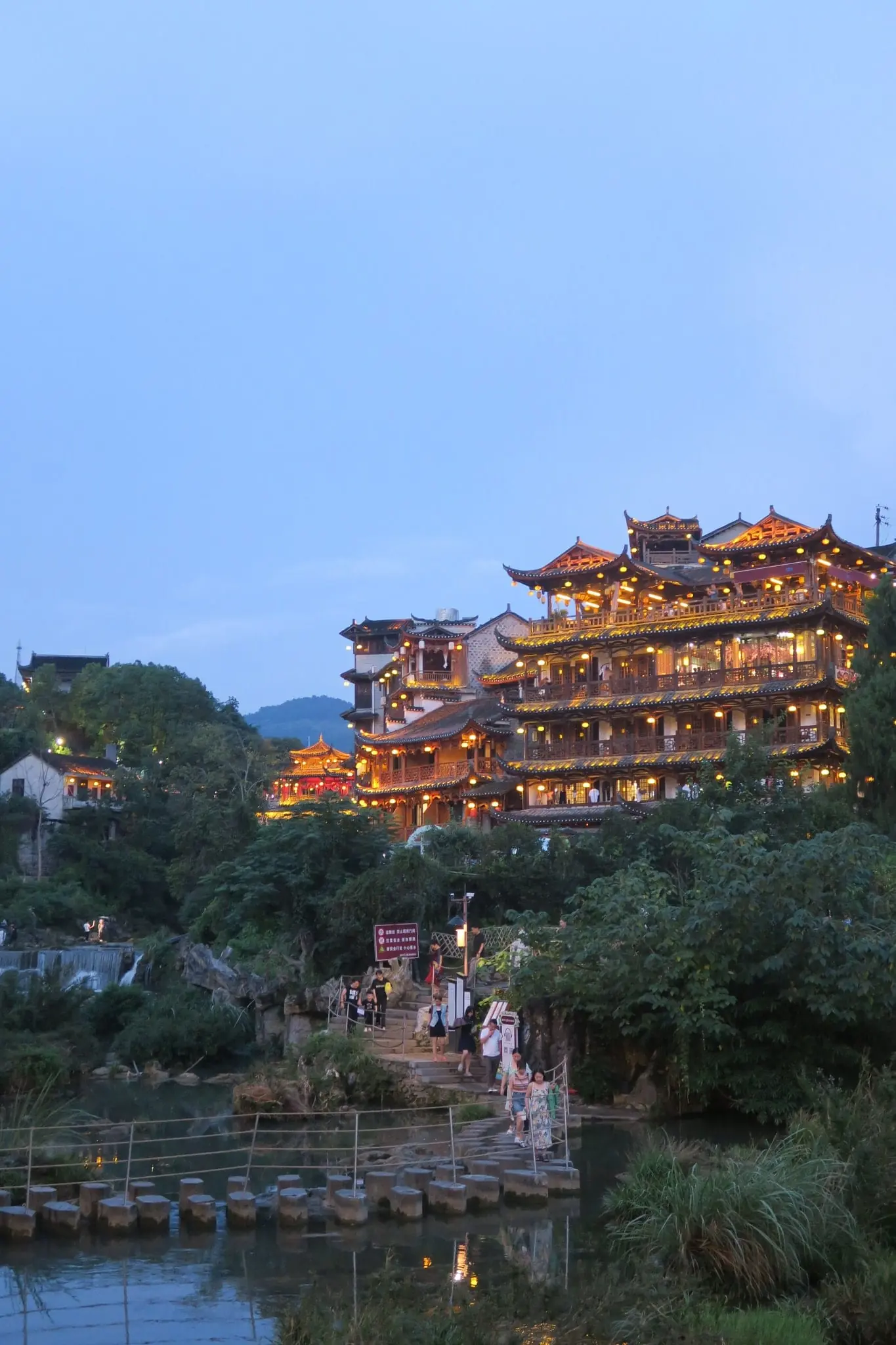
Furong Ancient Town (30 min by high-speed rail)
Also known as Hibiscus Town, this centuries-old town about 80 kilometers southwest of Zhangjiajie is built directly into a cliff face, with wooden stilt houses stacked above a genuine waterfall that runs straight through the middle of town. It gained national fame after being featured in the 1986 film Hibiscus Town, and while the main street is now lined with souvenir stalls, the waterfall setting itself is still spectacular, especially from the viewing platform below. The high-speed train from Zhangjiajie West Railway Station is the easiest way there — frequent departures, about 25–30 minutes each way — though a taxi (roughly 1.5–2 hours) or bus (about 1.5 hours, ¥30) both work too.
Proposed Itinerary
Give Zhangjiajie three full days, minimum — the park alone sprawls over 300 square kilometers, and the Glass Bridge and Tianmen Mountain each sit in their own patch of the map with their own travel time. This plan bases you in Wulingyuan for the park and the bridge, then shifts to Zhangjiajie city for Tianmen Mountain on the last day.
Day 1: Into the Pillar Forest
Day one is pure park — enter through the main Wulingyuan gate and don't plan anything else.
- Morning: Ride the Bailong Elevator up the cliff and head straight into Yuanjiajie for the Avatar Hallelujah Mountain pillar — go as early as the shuttle allows, since this is the area everyone else wants too.
- Afternoon: Wind down to Golden Whip Stream for an easy, flat walk beside the water, pillars rising on both sides — watch for the resident macaques.
- Evening: Shuttle back to Wulingyuan for a proper sit-down dinner — Tujia Sanguo Rou or smoked bacon, take your pick — then stroll the main street a block past the overpriced stalls by the gate, or catch the Charming Xiangxi show if the timing lines up.
Day 2: Tianzi Mountain & the Grand Canyon Glass Bridge
Morning stays inside the park; afternoon heads out to the Glass Bridge's separate corner of the map.
- Morning: Cable car up Tianzi Mountain to the Imperial Brush Peaks overlook — go early for the best odds of mist still pooling below, but don't linger: the Glass Bridge is a longer transfer in the opposite direction.
- Afternoon: Didi to the Zhangjiajie Grand Canyon Glass Bridge — book ahead, daily numbers are capped — and cross it. Tempted by the zipline or the canyon slide? Budget extra time either for the long stair climb back up or a paid sightseeing elevator, and watch the clock either way — it closes at 17:00.
- Evening: Dinner back in Wulingyuan, then an early night — today's the one with the most stairs.
Day 3: Tianmen Mountain and Heaven's Gate
Base shifts to Zhangjiajie city, right beneath Tianmen Mountain.
- Morning: Didi into the city and ride the Tianmen Mountain cable car up through the 99 hairpin bends, then walk the cliffside glass skywalk — shoe covers provided and required.
- Afternoon: Visit Tianmen Cave and the Heaven's Gate stairway, then soak in the view back down over the city.
- Evening: Dinner in Zhangjiajie city before heading home, or on to the airport if flying out.
Tip: Got a fourth day? Furong Ancient Town is an easy add-on from here, not a separate trip back through Wulingyuan — just 25–30 minutes from Zhangjiajie city by high-speed rail.
Seasonal Events & Festivals
Shopping & Nightlife
Wulingyuan Town Souvenirs & Crafts
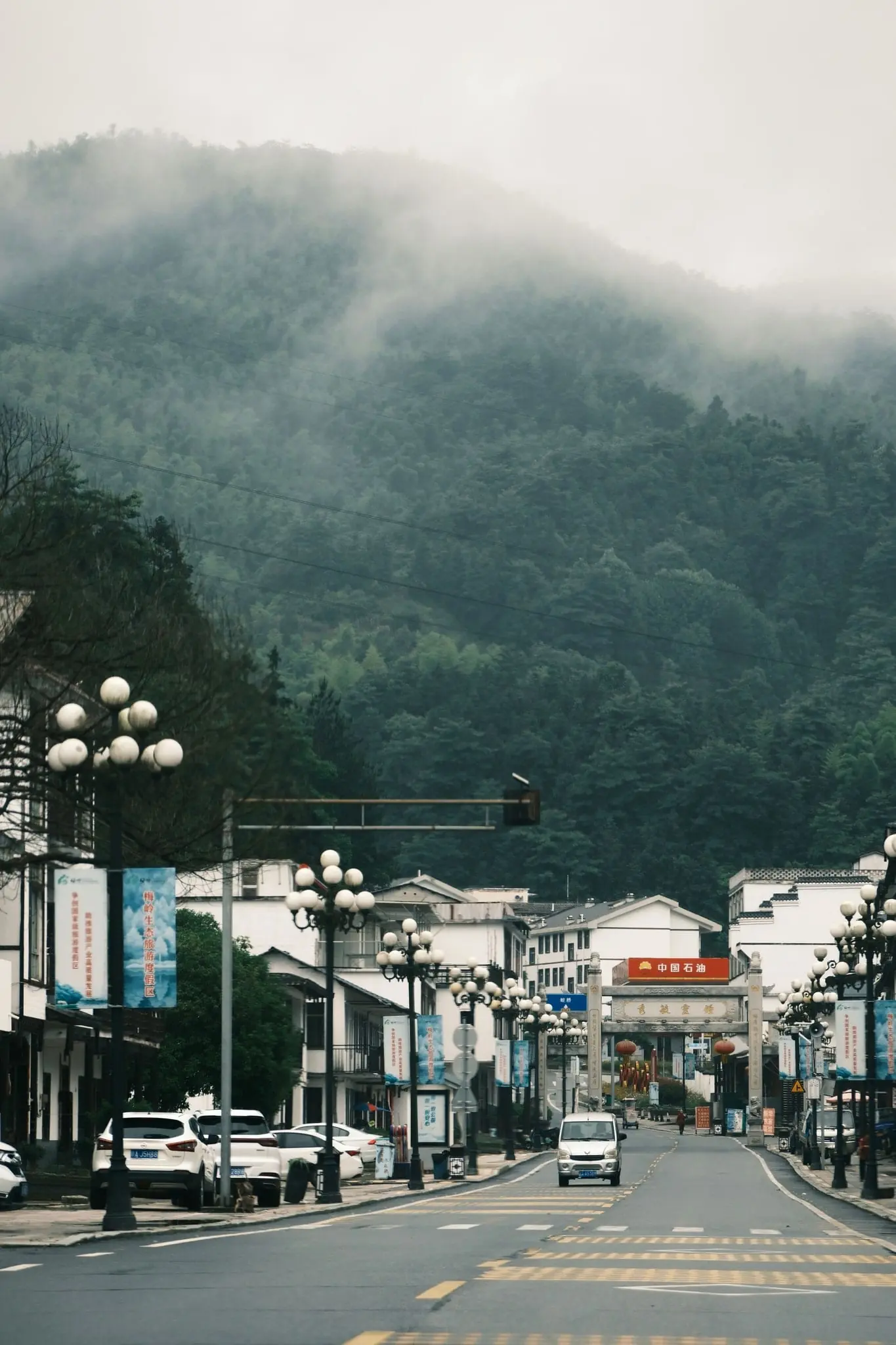
Zhangjiajie doesn't have the big-city shopping districts of Beijing, Xi'an, or Shanghai — the main street of Wulingyuan town, just outside the park's main entrance, is the closest thing, lined with stalls selling local Tujia and Miao handicrafts: embroidered textiles, carved wooden pieces, dried mountain herbs, and tea. Prices are aimed squarely at tourists, so a bit of bargaining is expected. It's a low-key, mostly daytime scene rather than an evening destination.
Charming Xiangxi Show
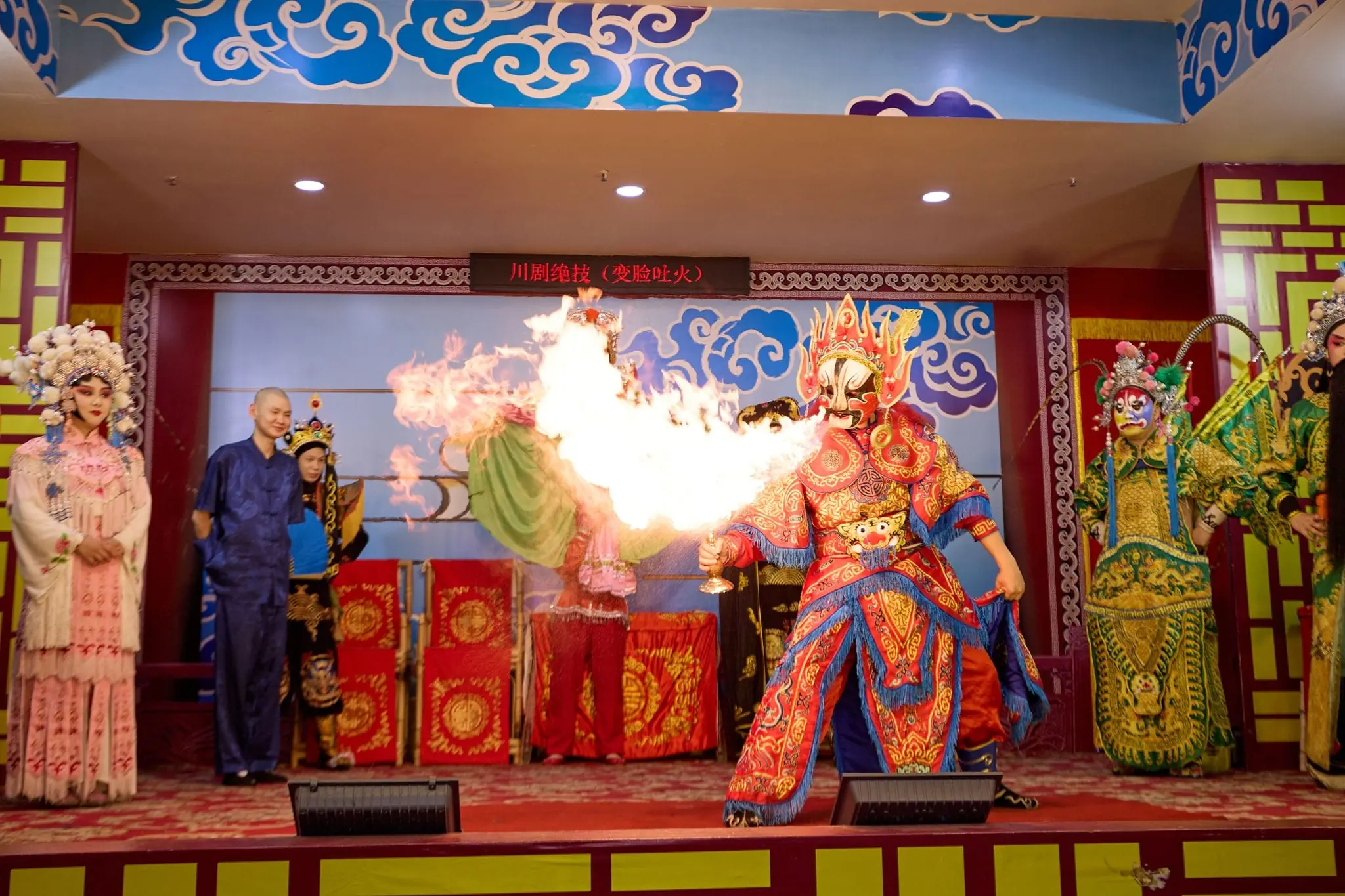
Charming Xiangxi (魅力湘西) is a long-running evening stage show built around Tujia and Miao ethnic culture — folk songs, drumming, and acrobatic routines, including a fire-eating segment that's become one of the performance's signature moments. It runs in a dedicated theater near Wulingyuan and is one of the few structured evening activities in the area, popular with domestic tour groups. Check current showtimes locally, as schedules can shift with the season.
Nightlife
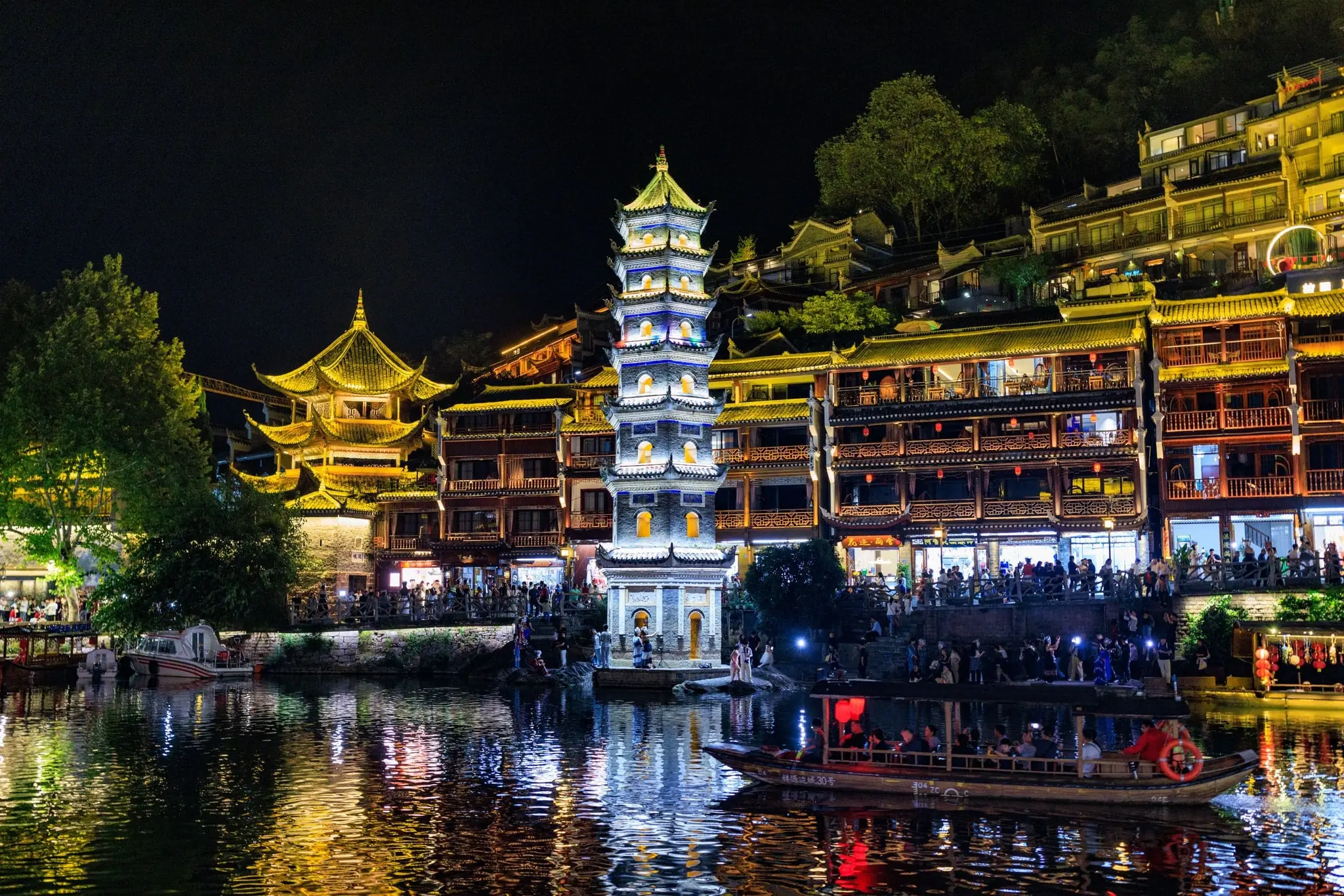
Be honest with yourself about what Zhangjiajie's nightlife is: there isn't a bar district or club scene to speak of. Evenings here mean a slow dinner at a small restaurant in Wulingyuan town or Zhangjiajie city, maybe a beer at a family-run spot along the main street, and an early night before the next day's hiking. That's not a knock on the destination — after a full day on the park's stairs and cable cars, most visitors are glad for the quiet.
Zhangjiajie rewards patience with the weather and a willingness to climb — the pillars look impressive from a viewpoint, but they look genuinely unreal once mist starts pooling in the gorges below you. Give it at least two full days: one for the national park itself, one for Tianmen Mountain and the Grand Canyon Glass Bridge.
Additional Resources
For more information on China, including visa rules, VPN setup, domestic flight booking, and cultural etiquette, head to our Discover China guide.