Shanghai has rebuilt itself more times than almost any city on earth, and it shows: colonial-era banks stand along the Bund facing a skyline of skyscrapers that mostly didn't exist thirty years ago, and both halves of the view look completely confident about it. It's the easiest major Chinese city for first-time visitors — excellent English signage, a metro that makes sense within a day, and a food scene that swings from Michelin-starred tasting menus to soup dumplings eaten standing up at a counter. A few days here covers the skyline, the old town, and enough of the surrounding water towns to round out the trip.
Top Highlights
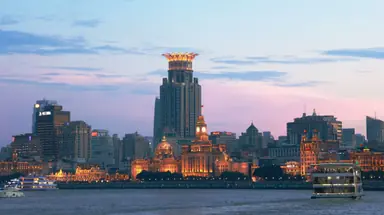
Source: Pexels The Bund
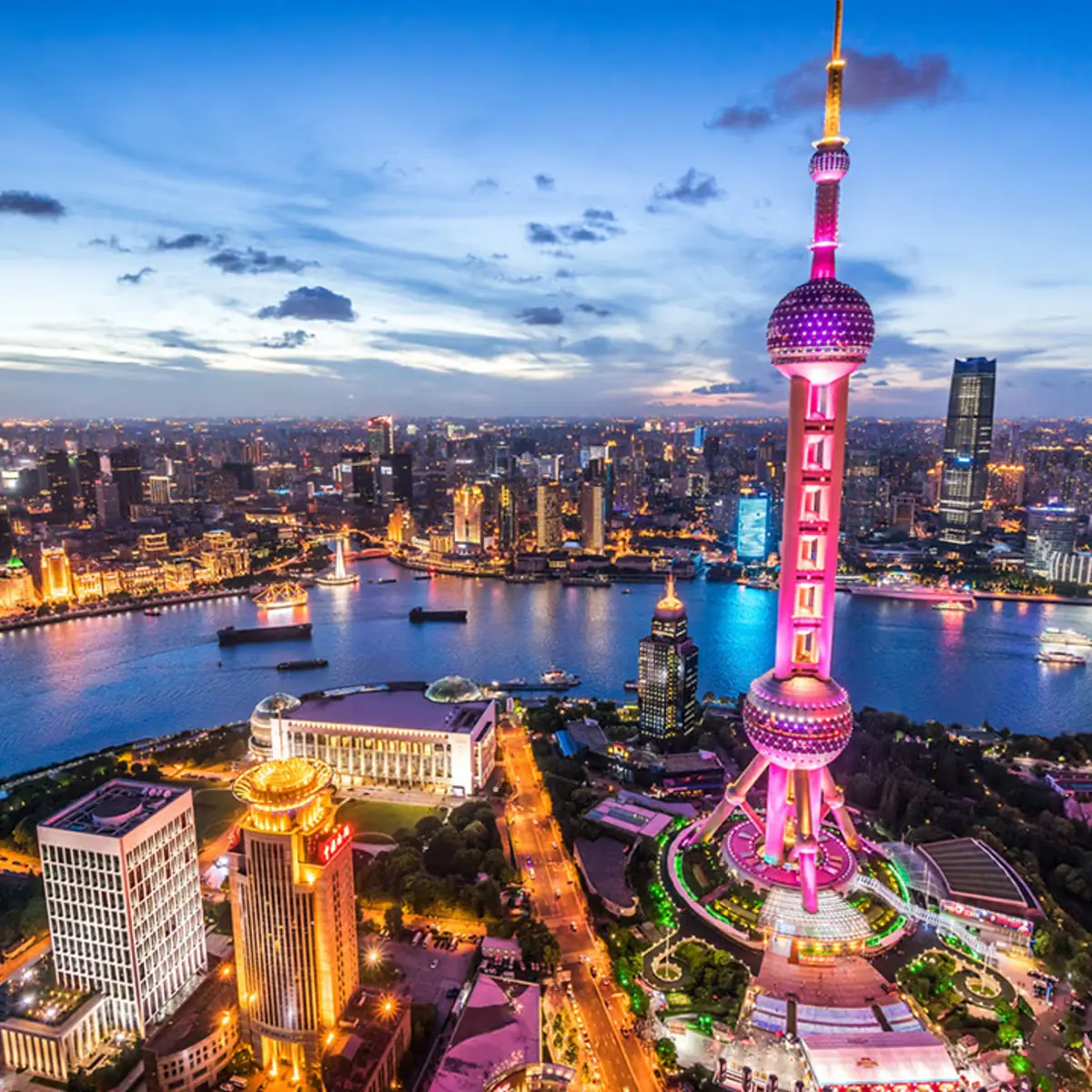
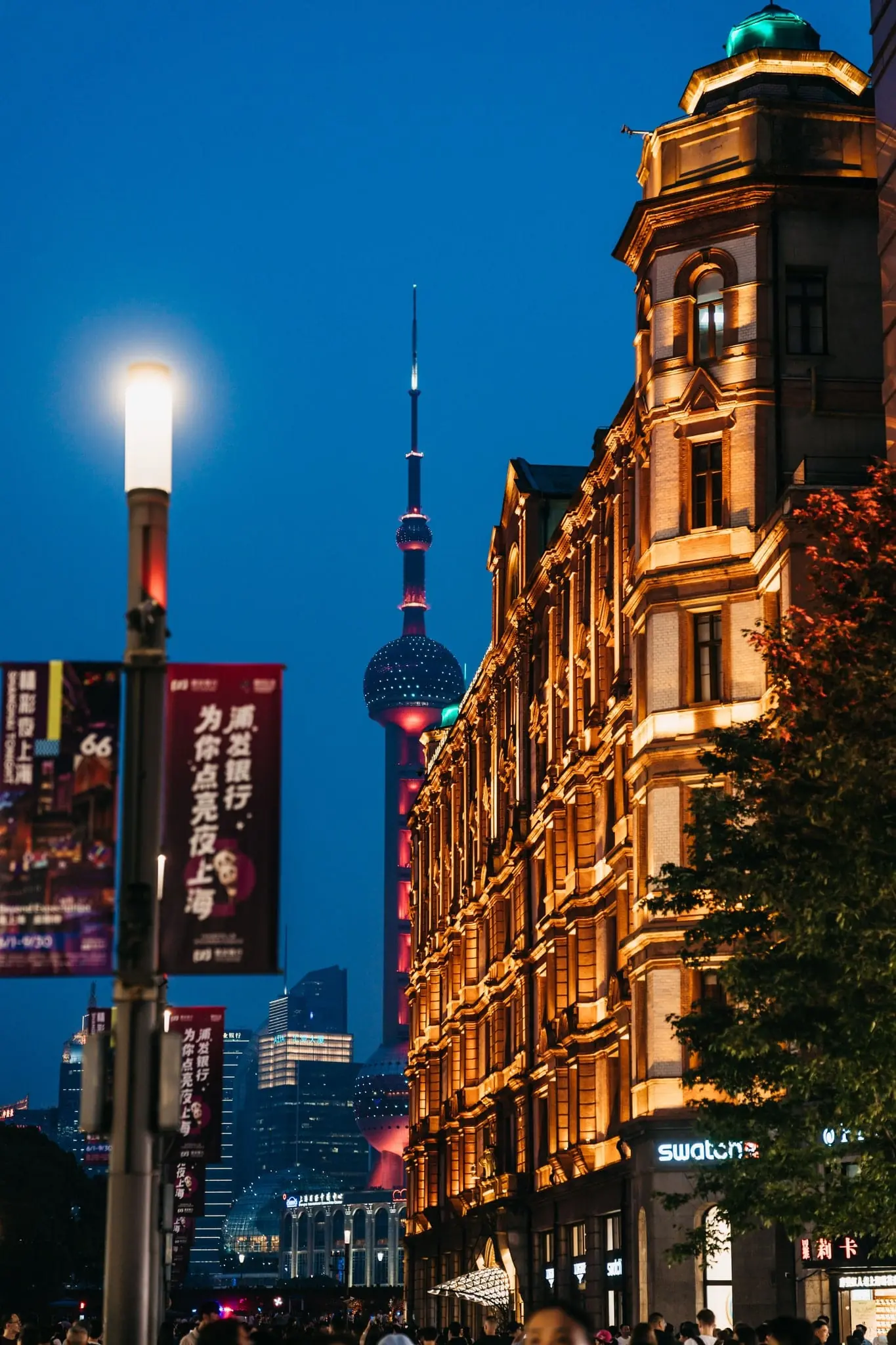
A mile-long waterfront promenade lined with early-20th-century banking halls, facing the glowing towers of Pudong across the Huangpu River. Come at dusk to watch both sides light up — the colonial facades in warm floodlight, the skyline in shifting neon and LED patterns.
More information
Opening times: 24/7
Admission: Free
Website: Visit Website
*Weekends get crowded — a weekday evening visit is noticeably calmer.
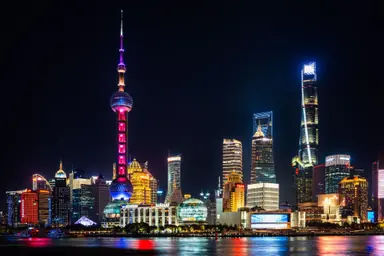
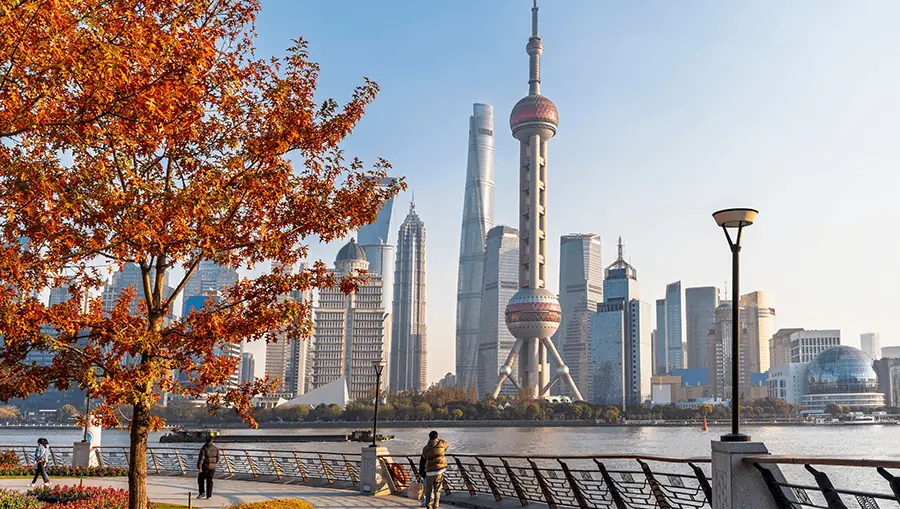
Source: Pexels Shanghai Tower & Pudong Skyline
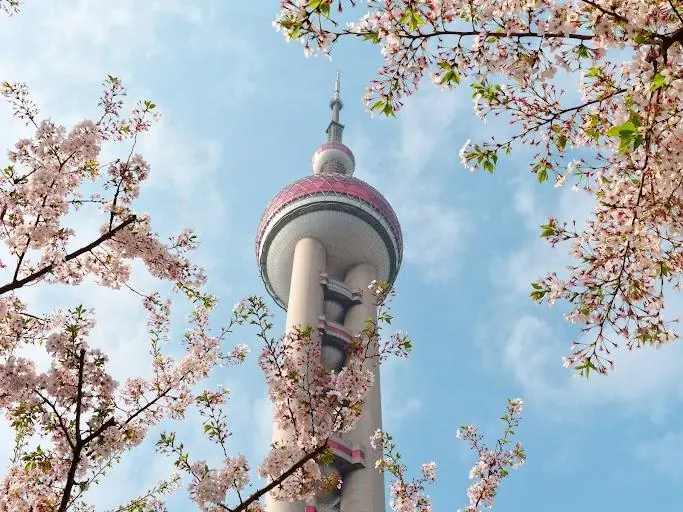
At 632 meters, Shanghai Tower is the second-tallest building in the world, with an observation deck near the top offering views over the Oriental Pearl Tower, Jin Mao Tower, and the Bund across the river. The three towers together form one of the most photographed skylines on earth.
More information
Opening times: 8:30–22:00
Admission: ¥180 (Observation deck)
Website: Visit Website
*Book tickets online for a modest discount and to skip part of the queue.
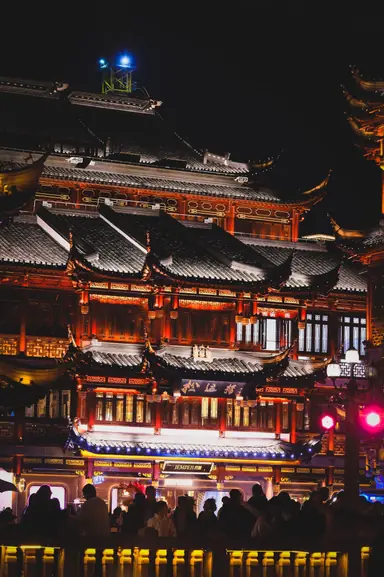
Source: Pexels Yu Garden
A classical Ming dynasty garden of rockeries, koi ponds, and zigzagging bridges, tucked behind the touristy Yuyuan Bazaar in the old city. Small and dense — allow an hour to properly wander the pavilions and pass through the famous Exquisite Jade Rock courtyard. Be warned: the garden's narrow passages and courtyards get seriously overcrowded by mid-morning, and the packed, humid air inside can feel stuffy — another good reason to go right at opening.
More information
Opening times: 9:00–16:30 (Closed some Mondays)
Admission: ¥40 (peak season), ¥30 (low season)
Website: Visit Website
*Visit right at opening — both the crowds and the closeness of the air get noticeably worse by late morning.
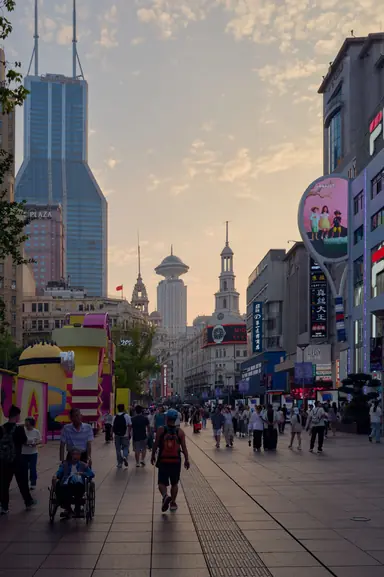
Source: Pexels Nanjing Road
China's busiest shopping street, running from People's Square to the Bund. The pedestrianized eastern section is packed with department stores, flagship brands, and a small tourist tram, and it stays lit and lively well into the night. Look up as you walk — the LED screens and neon signage stacked above the storefronts are as much the spectacle here as anything you'll actually buy, and the whole strip is at its best just after sunset, when the lights compete with the last of the daylight.
More information
Opening times: 24/7 (shops typically 10:00–22:00)
Admission: Free
Website: Visit Website
*It connects directly onto the Bund — easy to combine both in one evening walk.
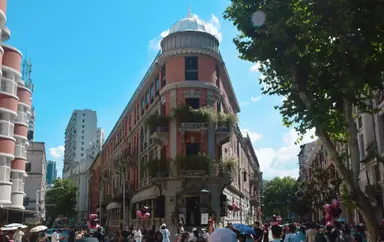
Source: Pexels Xintiandi
A restored shikumen (stone-gate house) neighborhood turned upscale pedestrian dining and shopping district, with the Site of the First National Congress of the CPC — a genuine historical landmark — sitting quietly among the boutiques and cocktail bars, a striking contrast most visitors don't expect.
More information
Opening times: 24/7 (venues vary)
Admission: Free
Website: Visit Website
*One of the pricier dining districts in the city — good for a splurge night.
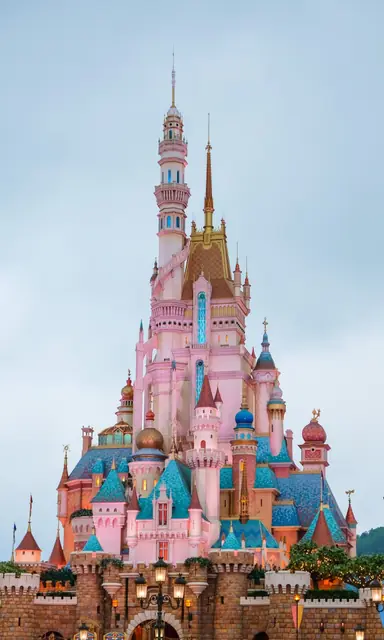
Source: Pexels Shanghai Disney Resort
The only Disney park in mainland China, and home to the tallest Disney castle in the world plus attractions found nowhere else in the Disney network, including a dedicated Zootopia land. A full day is comfortable for the main park; two if you want to take it slow.
More information
Opening times: 9:00–20:00 (varies seasonally)
Admission: from ¥475 (weekday, 1-day)
Website: Visit Website
*About an hour from the city center by metro Line 11 — book tickets in advance.
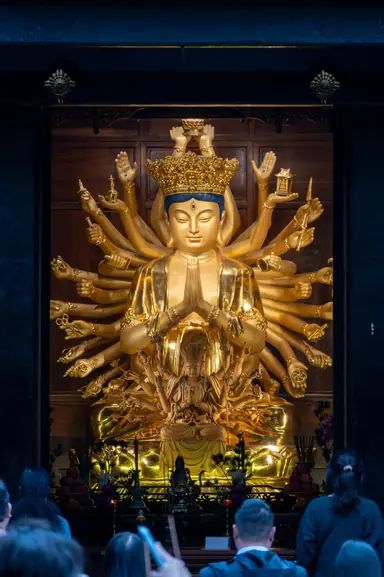
Source: Pexels Jade Buddha Temple
One of Shanghai's few genuinely active Buddhist monasteries, still home to working monks amid the city's high-rises. The temple takes its name from two jade Buddha statues brought from Myanmar in 1882 — a seated figure nearly 2 meters tall and a smaller reclining one — both kept in dedicated halls behind the main courtyards.
More information
Opening times: 8:00–16:30
Admission: Free (Park), ¥10 (Jade Buddha Hall)
Website: Visit Website
*Extended hours (from 7:00) on the 1st and 15th of the lunar calendar month.
Insider tip: For the best Bund view of the skyline, stand on the Bund side and look across at Pudong rather than the other way around — the Bund's own historic buildings are the better foreground, and Pudong's towers are the better backdrop.
Tip: Shanghai Disney Resort tickets should be booked online in advance, especially on weekends and Chinese public holidays, when the park can sell out entirely.
Neighborhoods & Where to Stay
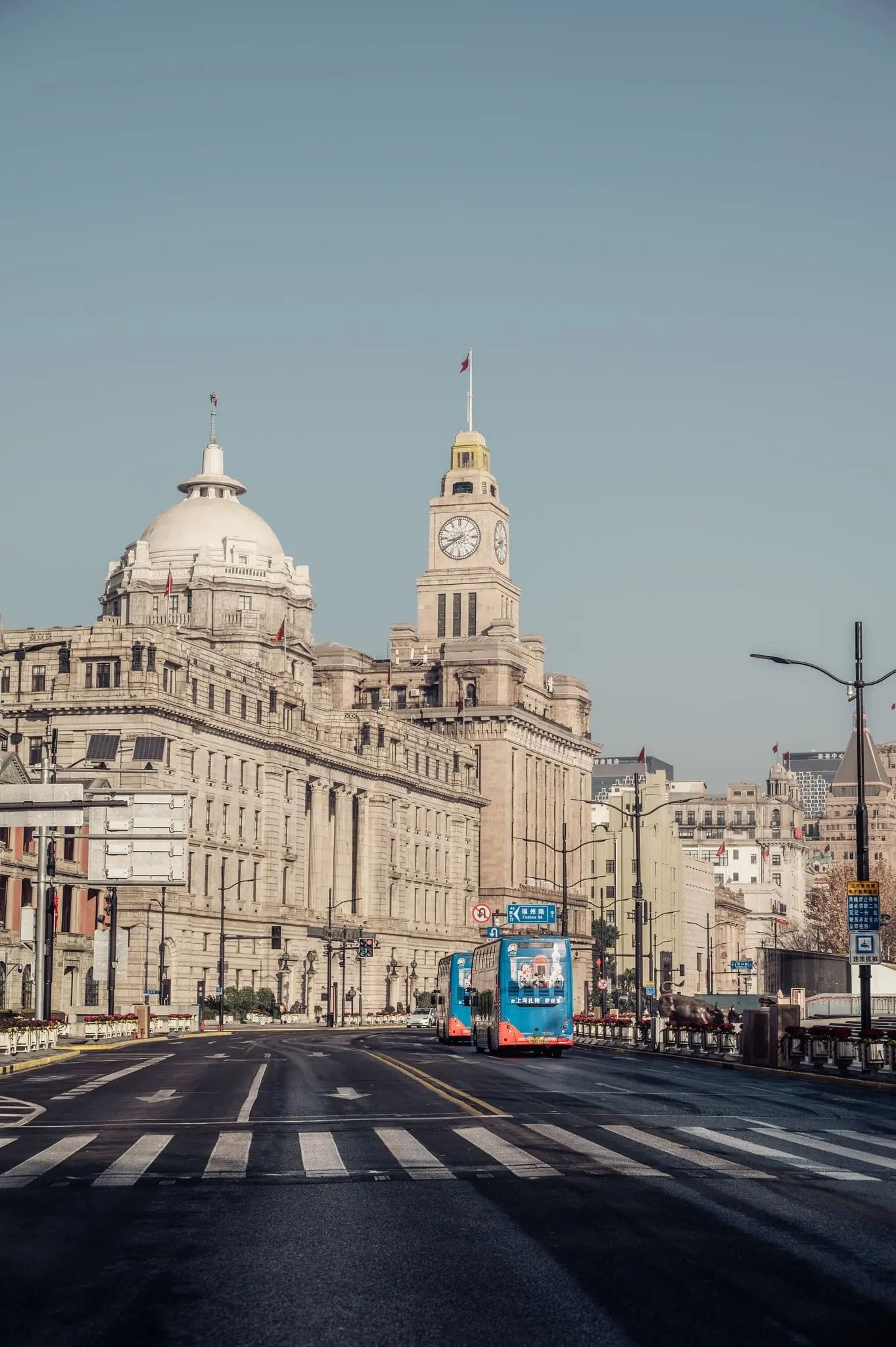
Source: Pexels
The Bund / Huangpu
Staying along or just behind the Bund puts you within walking distance of Nanjing Road, Yu Garden, and the old city, with some of Shanghai's most iconic — and most expensive — hotel views over the river to Pudong. It's a central, walkable base for a first visit, though rooms here command a real premium over other districts.
French Concession
Leafy, plane-tree-lined streets, converted villas, independent cafes, and boutique shopping make the former French Concession Shanghai's most pleasant neighborhood for a slower pace. It's less about hitting landmarks and more about wandering — a good base for repeat visitors or anyone who wants a break from the skyline-chasing pace of the Bund and Pudong.
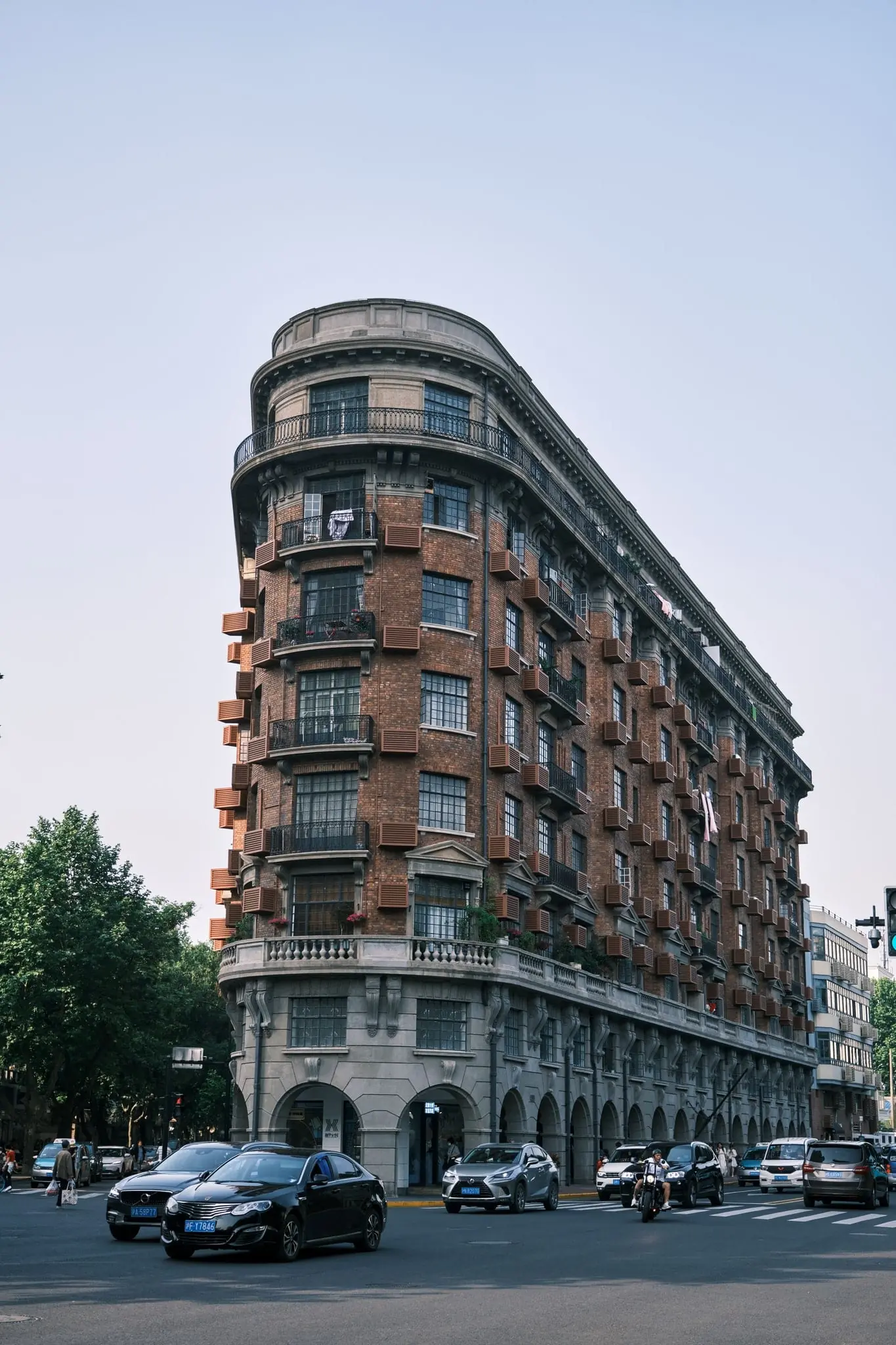
Source: Pexels
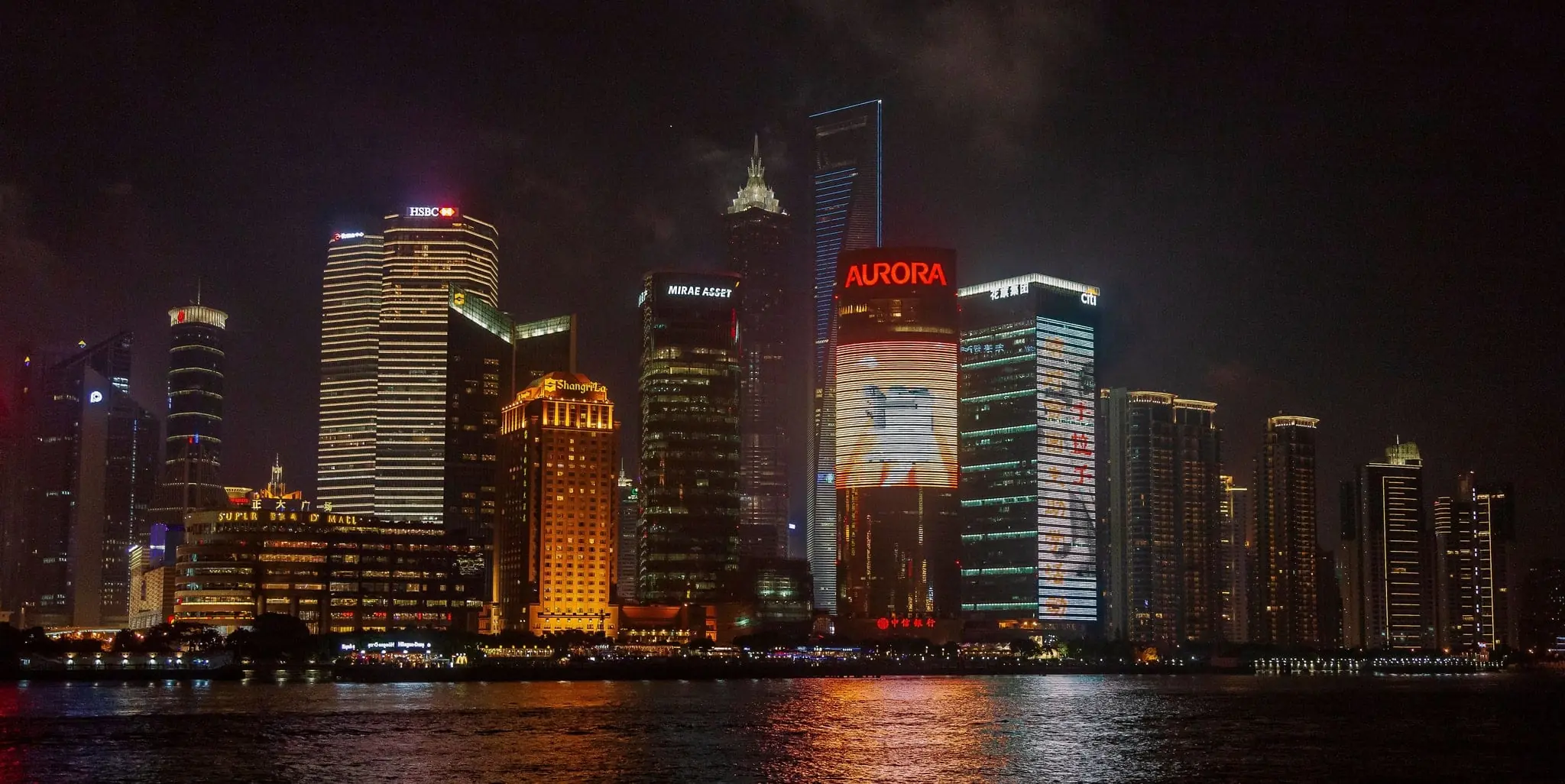
Source: Pexels
Pudong
The skyscraper district across the river, home to Shanghai Tower, the Oriental Pearl Tower, and most of the city's international finance hub. Hotels here tend to be modern high-rise towers with sweeping views, and it's the more convenient side for anyone flying into Pudong International Airport — though it's less walkable and quieter after dark than the Bund side.
Jing'an / Xintiandi
Central and business-oriented, this area covers some of Shanghai's best shopping and dining, anchored by the gold-topped Jing'an Temple and the upscale Xintiandi district nearby. It's well connected by metro to both the Bund and the French Concession, making it a practical, comfortable base without leaning too far toward either extreme.
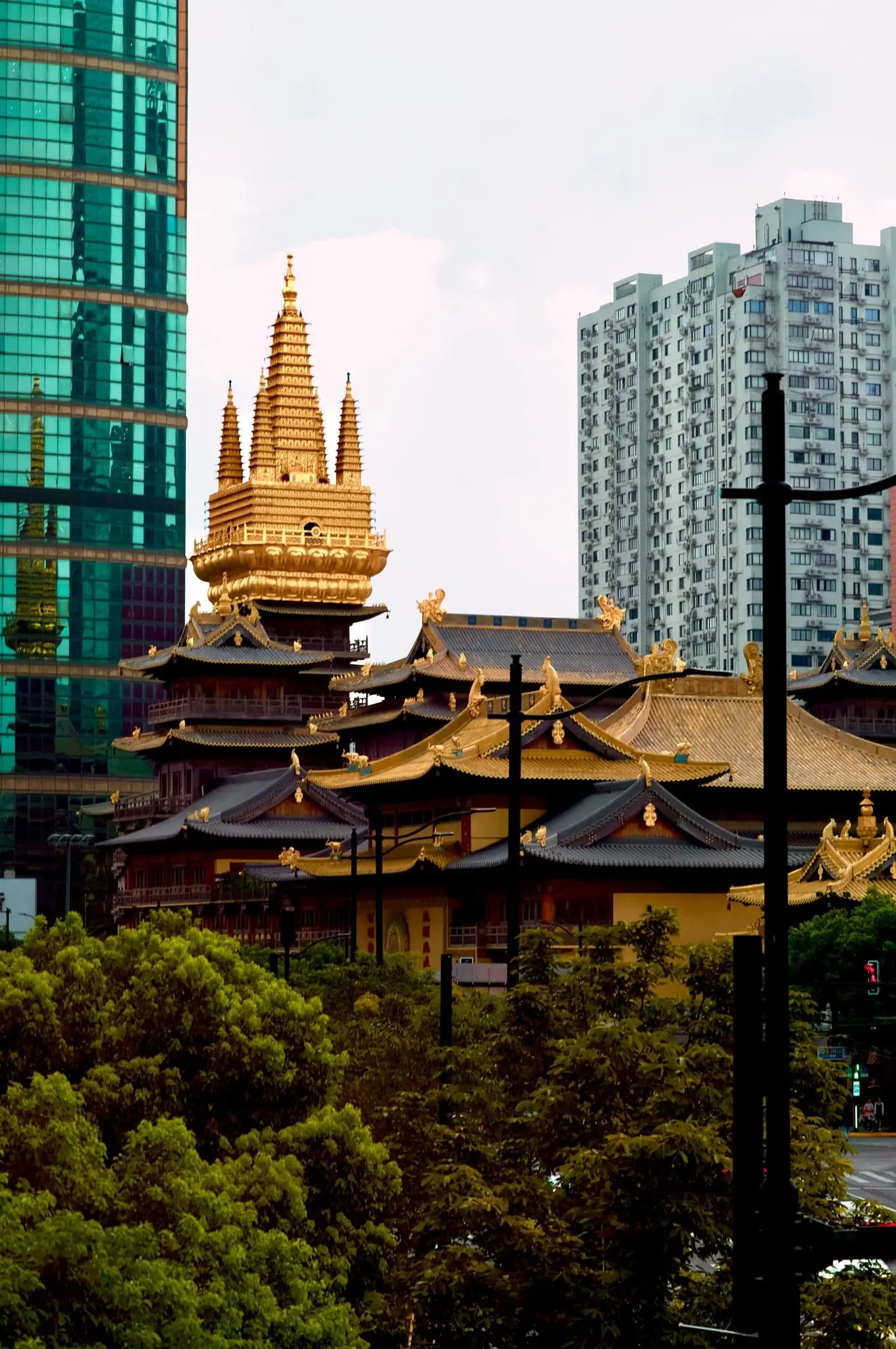
Source: Pexels
Insider tip: Book a room on the Bund side for your first night if the budget allows — waking up walking distance from the skyline view is worth it even for one night, before switching to a better-value neighborhood for the rest of the trip.
Food & Drink
Shanghainese cuisine leans sweet and delicate compared to its spicier neighbors, built around fresh river seafood, soy-braised meats, and — most famously — an entire category of soup-filled dumplings that the rest of the world has spent the last decade trying to replicate.
-
Xiaolongbao — Delicate steamed soup dumplings filled with pork and hot broth, Shanghai's most famous culinary export. Best eaten with a spoon: bite a small hole, sip the broth, then eat the rest — swallowing one whole is a rookie mistake that ends in a scalded mouth.
-
Shengjianbao — Xiaolongbao's pan-fried cousin, with a thicker, chewier dough, crisped golden on the bottom in a shallow pan. Sold hot from street stalls across the city and arguably even better than the steamed version.
-
Hongshao Rou (Red-Braised Pork) — Pork belly slow-braised in soy sauce, sugar, and Shaoxing wine until glossy and tender — a classic Shanghainese home-style dish, sweeter than braised pork elsewhere in China.
-
Drunken Chicken — Cold poached chicken steeped in Shaoxing rice wine, typically served chilled as a starter — subtle, aromatic, and a good introduction to the city's lighter, less spicy flavor profile.
-
Crab Roe Everything — Autumn brings hairy crab season, and the roe finds its way into noodles, dumplings, and rice dishes across the city — worth seeking out if you're visiting between October and December.
Insider tip: Skip the queue at the famous Yu Garden xiaolongbao chain — the same dumplings, made just as well, are available at branches across the city with far shorter waits.
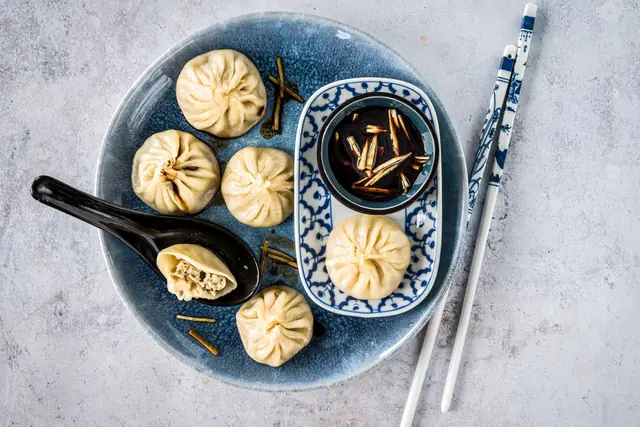 Xiaolongbao Soup Dumplings
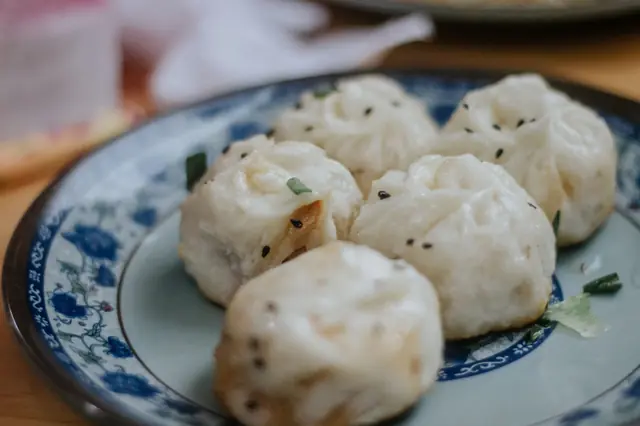 Shengjianbao Pan-Fried Dumplings
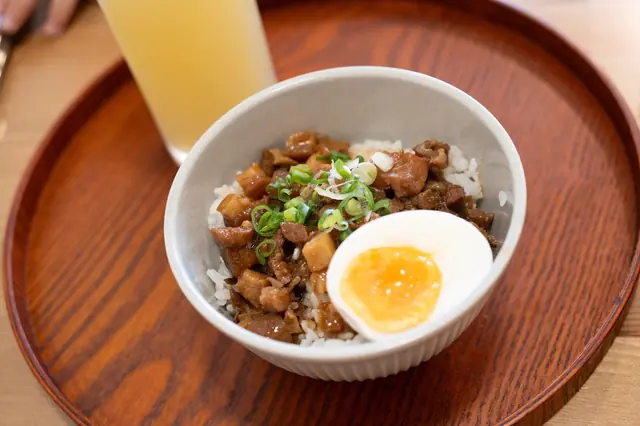 Hongshao Rou Red-Braised Pork
Transportation
Shanghai's metro is one of the largest and busiest rapid transit systems in the world, and it covers nearly everything in this guide directly or with one easy transfer.
Getting Around Shanghai
The Shanghai Metro runs 19 lines with full bilingual signage. Line 2 is the most useful for visitors, connecting Pudong International Airport through People's Square, Nanjing Road, and out to Hongqiao Airport and the high-speed rail station on the opposite side of the city — nearly a straight line across the places you're most likely to need. Fares run roughly ¥3–15 depending on distance, paid by QR code with Alipay or WeChat Pay.
Didi, metered taxis, and shared bikes (scan-to-unlock via Alipay or WeChat Pay) round out the options for shorter or off-metro trips.
Tip: The metro gets seriously crowded during rush hour (roughly 7:30–9:30am and 5:00–7:00pm) — if your schedule is flexible, shift trips outside those windows.
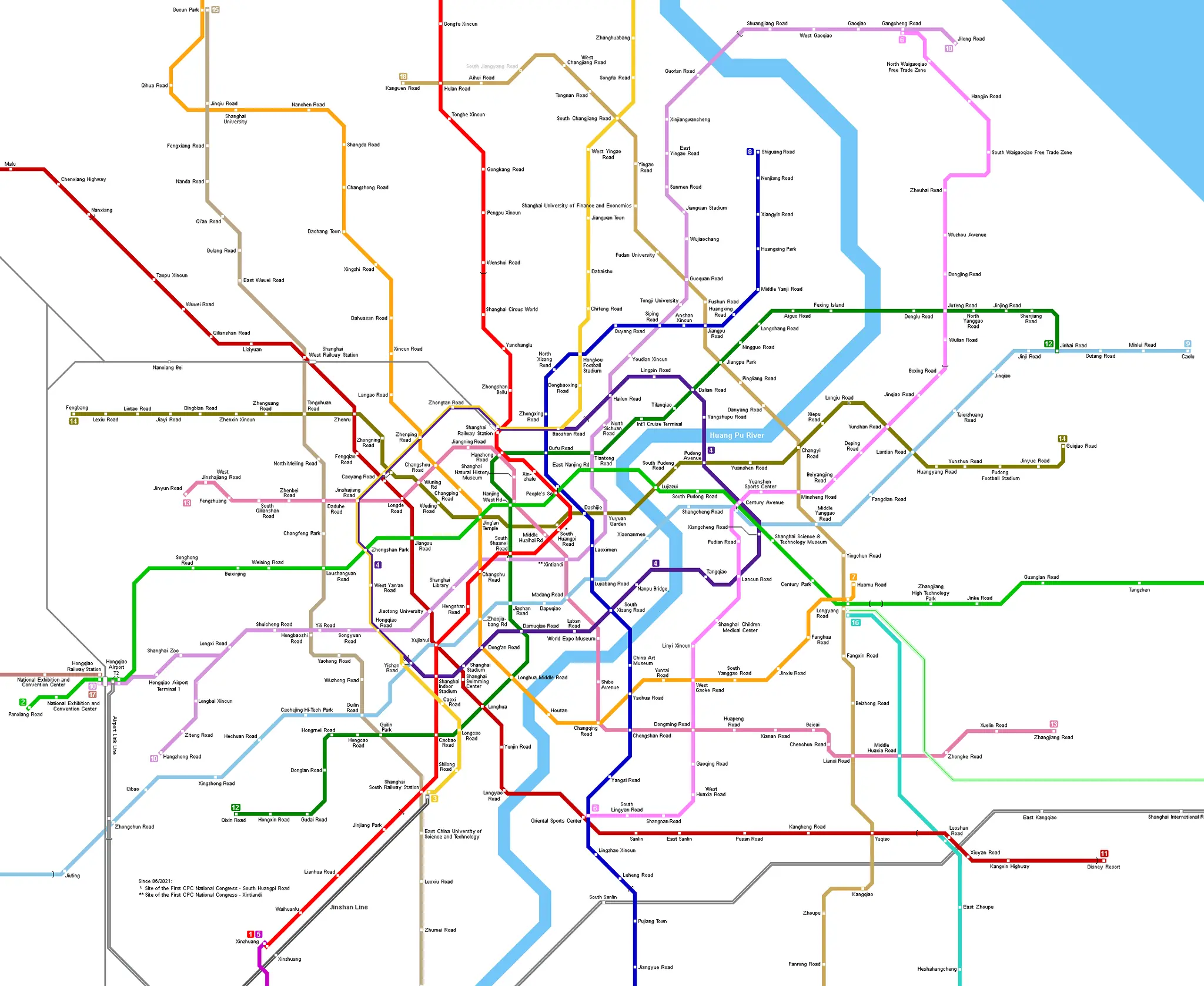
Getting to Shanghai
Pudong International Airport (PVG) handles most international flights and connects to the city via the Maglev train, which covers the roughly 30 kilometers to Longyang Road station in about 8 minutes at speeds over 300 km/h — a genuinely fun ride in its own right, even if the regular metro Line 2 is cheaper and only slightly slower door-to-door. Didi is also cheap by international standards and the simplest option if you'd rather skip the Maglev-to-metro transfer — around ¥150–200 from Pudong or ¥60–80 from Hongqiao straight into the city center.
Hongqiao International Airport (SHA) mainly handles domestic flights and sits right next to Hongqiao Railway Station, one of the country's busiest high-speed rail hubs, with frequent bullet trains to Beijing, Hangzhou, Suzhou, and beyond.
For general China visa, VPN, and rail-booking guidance that applies here too, see the Discover China guide.
Day Trips from Shanghai
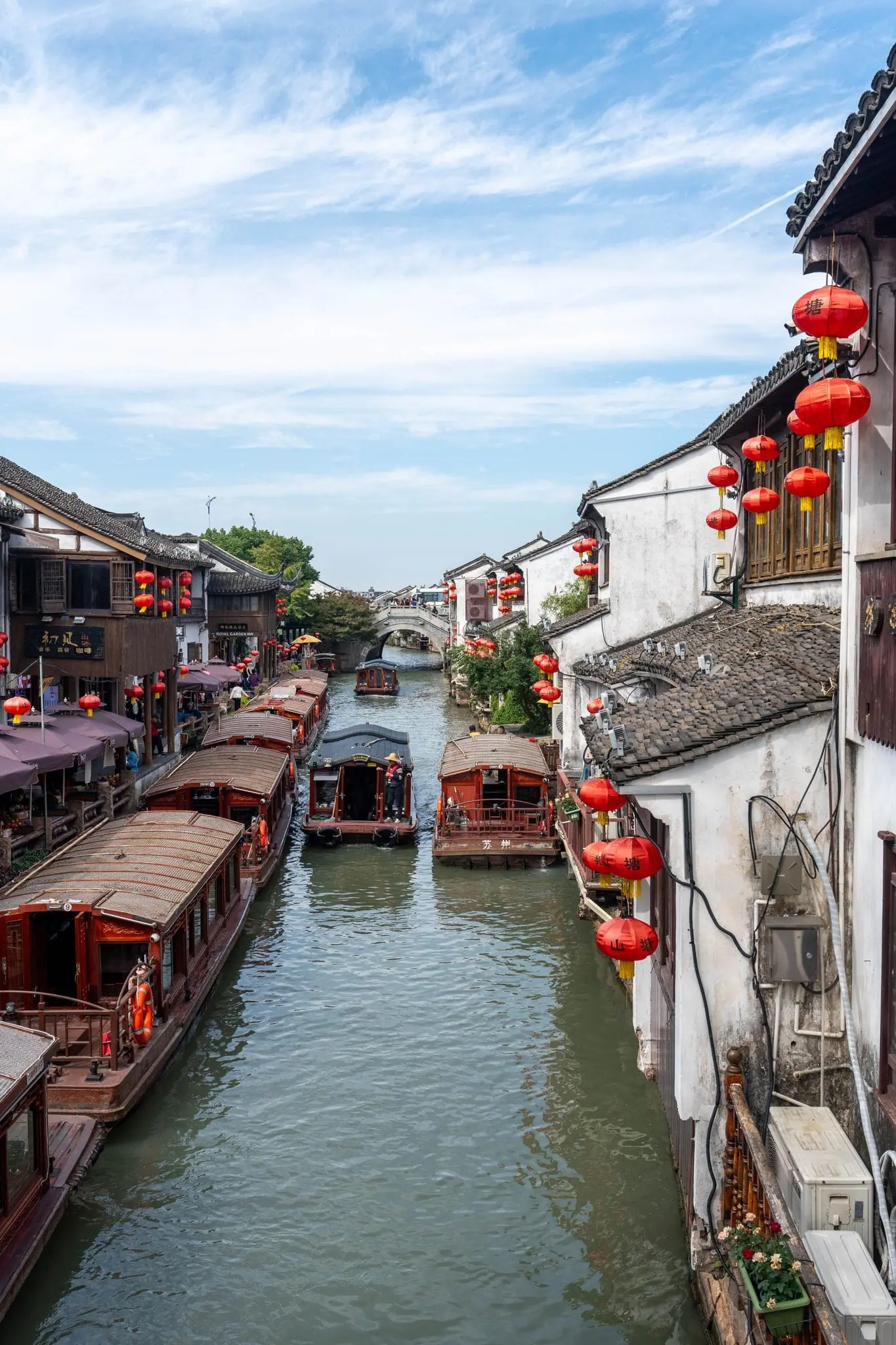
Zhujiajiao (1 hour by bus/metro)
One of the best-preserved of the "water towns" surrounding Shanghai, Zhujiajiao is built around a network of Ming and Qing dynasty canals, arched stone bridges, and waterside shops selling local snacks. It's touristy but genuinely pretty, especially early in the morning before the day-trip crowds from the city arrive — ride a hand-poled canal boat under the arched Fangsheng Bridge for the classic photo.
Suzhou (30 min by high-speed rail)
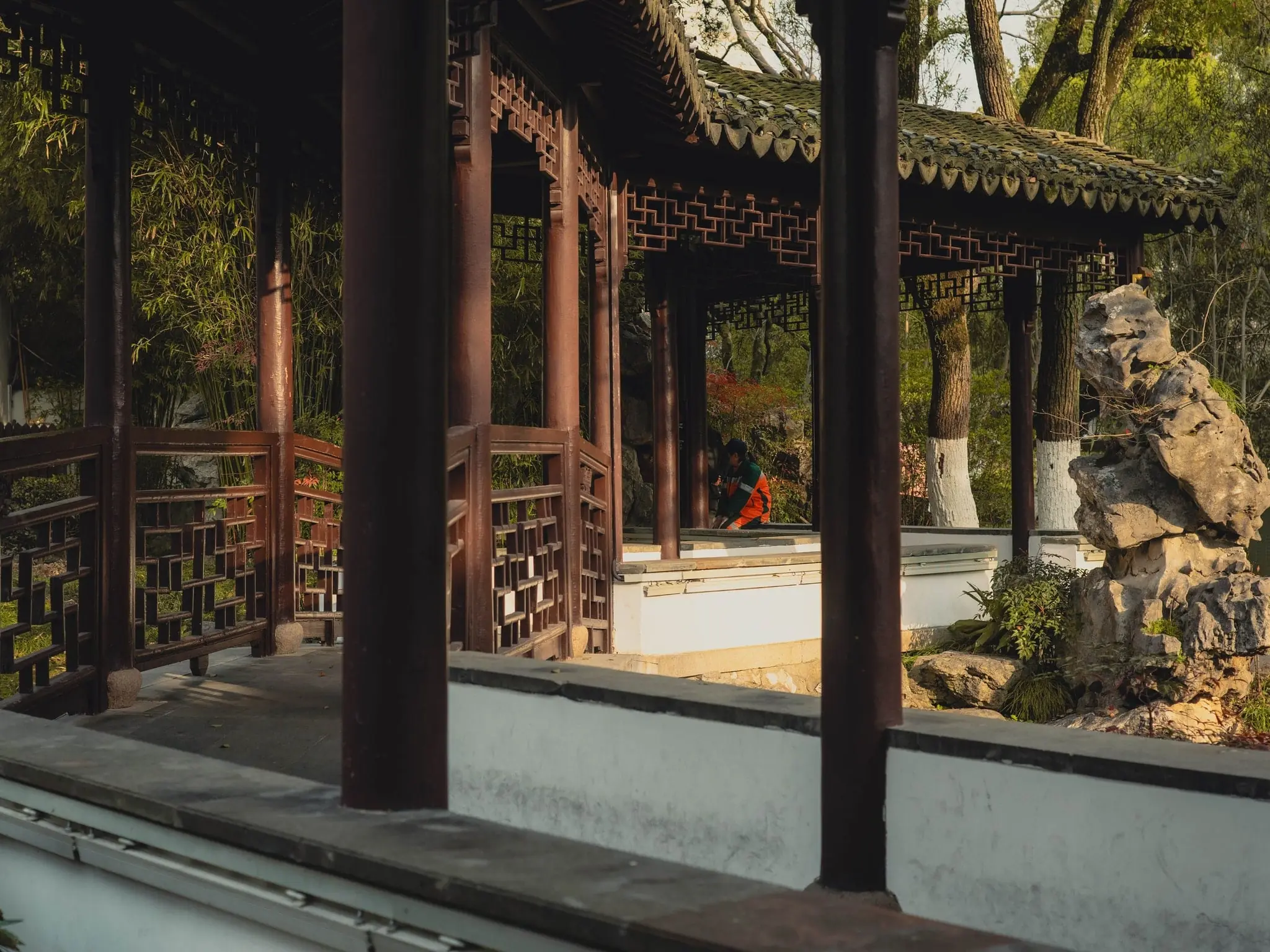
Famous for its classical gardens — several are UNESCO World Heritage sites — Suzhou is an easy half-day or full-day trip from Shanghai's Hongqiao station. The Humble Administrator's Garden is the largest and most celebrated, a maze of pavilions, ponds, and rockeries that has inspired Chinese garden design for centuries.
Hangzhou (45 min by high-speed rail)
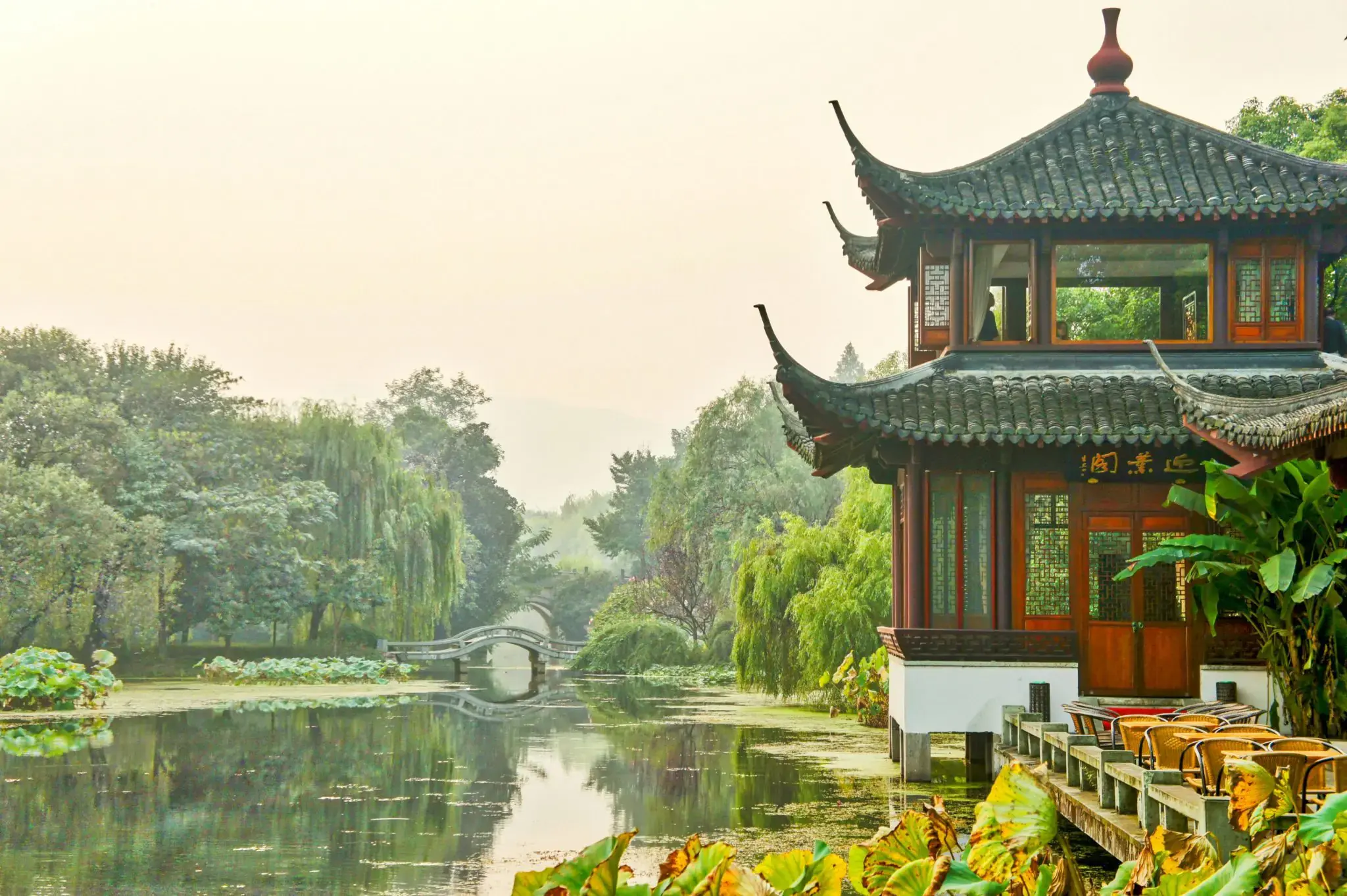
Built around the serene West Lake, Hangzhou is close enough for a full day trip but rewarding enough to justify an overnight stay. Circle the lake by rented bike, walk the terraced tea plantations of the Longjing hills, and wander the lantern-strung shops of historic Hefang Street — a slower, greener counterpoint to Shanghai's skyline.
Proposed Itinerary
Two days, no wasted motion: old city and skyline first, then a slower lap through the neighborhoods. Bolt on an extra day or two for Zhujiajiao, Suzhou, or Hangzhou if you've got the time.
Day 1: Old City and the Skyline
- Morning: Beat the crowds to Yu Garden — go right at opening, before the air inside turns thick and the passages fill up. Refuel next door in the Yuyuan Bazaar with a xiaolongbao breakfast, skipping the queue at the famous chain for a quieter branch nearby. Check ahead: the garden closes on some Mondays.
- Afternoon: Work your way through People's Square and Nanjing Road's department stores and flagship shops, then let the pedestrianized eastern stretch pull you straight down to the Bund — one direction, no backtracking.
- Evening: Time your arrival at The Bund for dusk, when the colonial facades floodlight up against Pudong's shifting neon across the water. If you booked ahead, cross the river for Shanghai Tower's observation deck (open until 22:00) — otherwise just plant yourself on the Bund side and let the skyline do the work over dinner.
Day 2: French Concession and Xintiandi
- Morning: Get to the Jade Buddha Temple before the mid-morning crowds, then trade temple courtyards for tree-lined streets in the French Concession — coffee, a wander, no fixed plan.
- Afternoon: Dig through the boutiques and craft stalls of Tianzifang. If the heat wins, duck into IAPM or the Jing'an Kerry Centre for air conditioning and fixed prices.
- Evening: Dinner in Xintiandi's restored shikumen lanes, then close the trip properly with a rooftop bar back on the Bund or up in Pudong — one last look at the skyline before you go.
Seasonal Events & Festivals
Shopping & Nightlife
Tianzifang
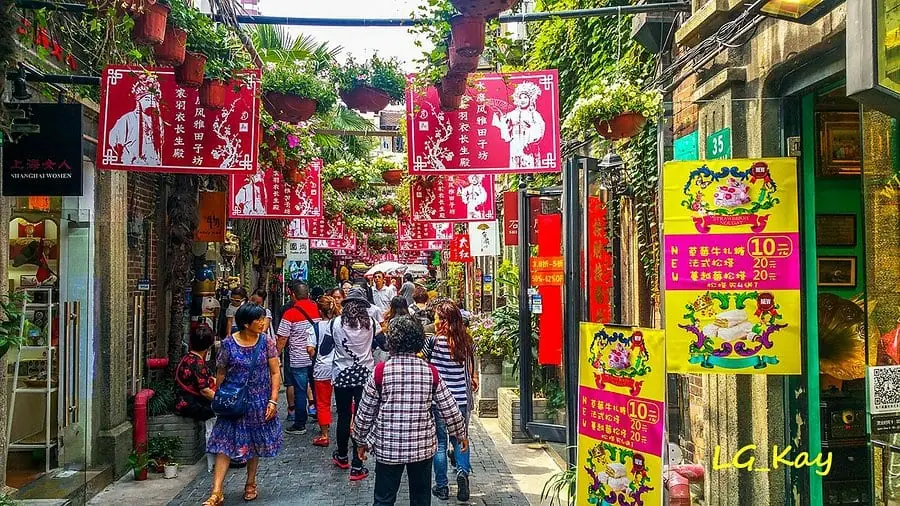
A maze of converted shikumen (stone-gate house) lanes in the French Concession, packed with small independent boutiques, art studios, and craft shops rather than the branded storefronts of Xintiandi nearby. It's denser, scruffier, and more affordable than its more polished neighbor — expect handmade jewelry, ceramics, and local designer clothing stalls squeezed into narrow alleyways alongside cafes and snack stands. Most shops open by late morning and stay busy into the evening.
IAPM & Kerry Centre
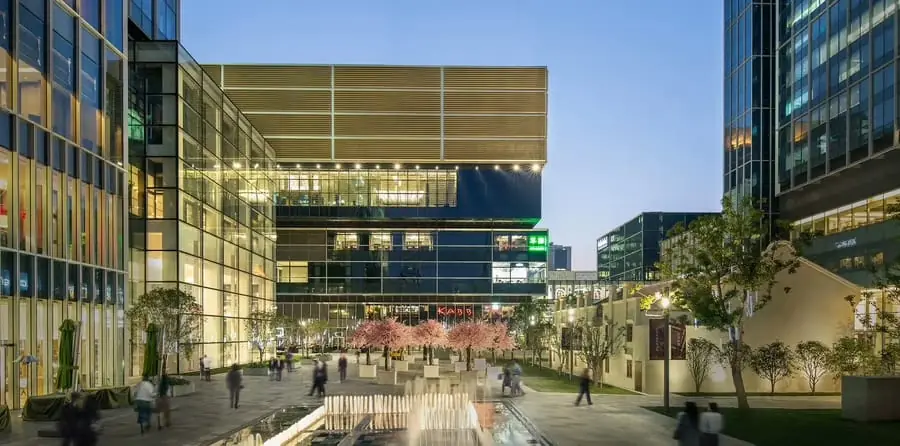
For upscale, air-conditioned shopping, IAPM on Huaihai Road and the Jing'an Kerry Centre are two of the city's best-regarded malls, mixing international luxury flagships with well-curated dining floors. They're a useful reset from the street-market haggling elsewhere in the city — fixed prices, reliable quality, and a good option on a hot or rainy afternoon. Both stay open into the evening, typically until around 22:00.
Nightlife: The Bund & Pudong
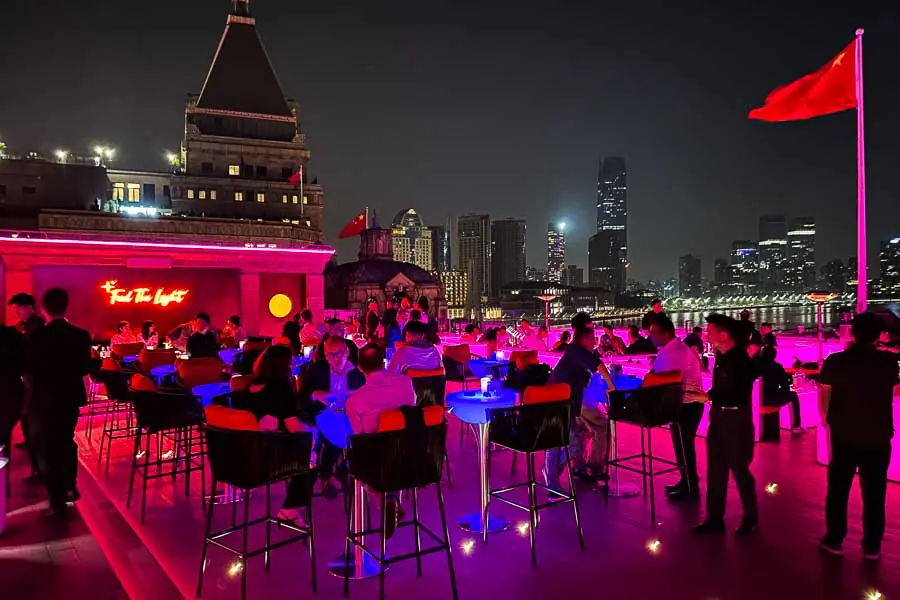
Shanghai's most iconic nightlife is vertical — rooftop bars along the Bund and up in Pudong's towers, trading a cover charge or pricier drinks for a skyline view that's hard to match anywhere else in China. For something grittier, converted industrial spaces like the Found158 complex on Yongjia Road pack former factory buildings with bars, live music venues, and late-night restaurants, drawing a younger, more local crowd than the Bund's polished lounges. Most bars get going after 21:00 and run into the early hours on weekends.
Shanghai rewards a mix of paces — a fast-moving evening chasing skyline views along the Bund, then a slow morning wandering the French Concession's backstreets or a water town's canals. Give yourself at least three days in the city itself before heading out to Suzhou or Hangzhou.
Additional Resources
For more information on China, including visa rules, VPN setup, high-speed rail booking, and cultural etiquette, head to our Discover China guide.