Xi'an was China's capital long before Beijing ever was — the eastern terminus of the Silk Road, and the seat of thirteen dynasties across more than a thousand years. Its skyline still shows it: a complete, walkable city wall rings the old center, and just outside town, a farmer digging a well in 1974 stumbled onto one of the twentieth century's great archaeological finds. Xi'an moves at a calmer pace than Beijing or Shanghai, but it packs an outsized amount of history — and some of the country's best street food — into a city that's easy to cover in two or three unhurried days.
Top Highlights
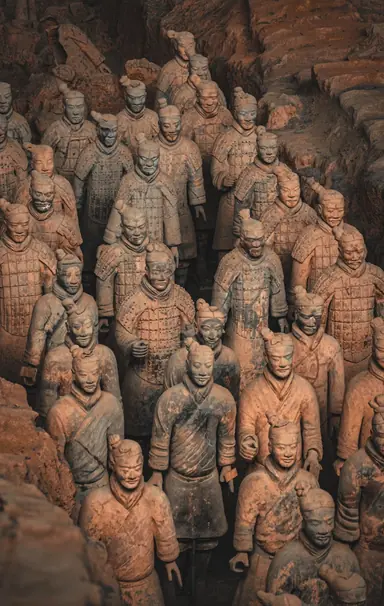
Source: Pexels Terracotta Army
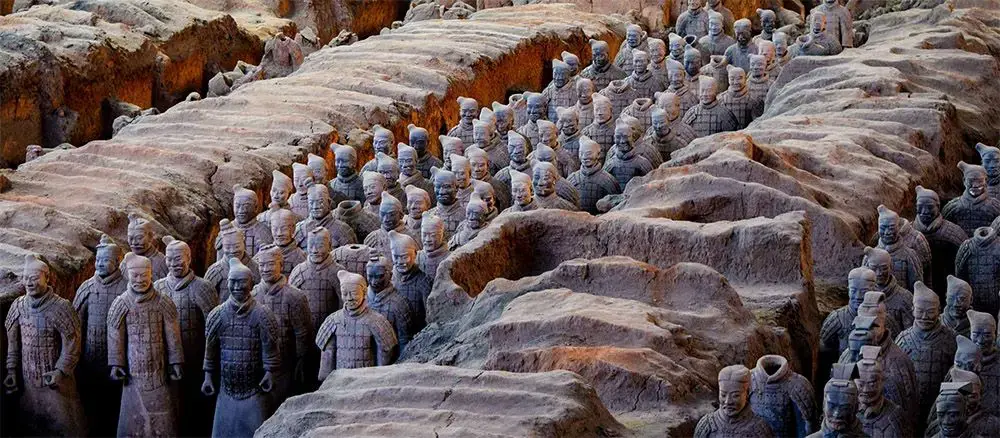
Thousands of life-sized clay soldiers, horses, and chariots, each with an individually sculpted face, buried to guard the tomb of China's first emperor over 2,200 years ago. Pit 1 is the showstopper, but Pits 2 and 3 and the on-site museum add real context to what you're looking at.
More information
Opening times: 8:30–17:30 (summer), 8:30–17:00 (winter)
Admission: ¥120
Website: Visit Website
*About 1 hour from central Xi'an by taxi, Didi, or tourist bus Line 306.
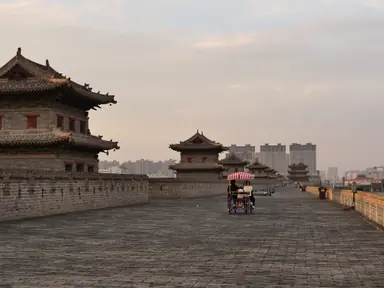
Source: Pexels Xi'an City Wall
One of the best-preserved ancient city walls in China, forming a complete 13.7-kilometer loop around the old town, wide enough for eight horsemen abreast. Rent a bike at any of the gate towers and ride the full circuit — it takes about 2 hours at an easy pace, longer if you stop for photos along the way.
More information
Opening times: 8:00–22:00
Admission: ¥54
Website: Visit Website
*Sunset rides are especially popular — arrive an hour before to beat the crowds.

Source: Pexels Muslim Quarter
A dense warren of alleys around Beiyuanmen and Huajue Lane, home to Xi'an's Hui Muslim community for over a thousand years. By night it turns into one of China's best street food scenes — smoke, sizzle, and shouted orders from vendors grilling lamb skewers and hand-pulling noodles.
More information
Opening times: 24/7 (best 17:00–22:00)
Admission: Free
Website: Visit Website
*Cash and mobile pay both work, but many stalls only take one — carry both options.
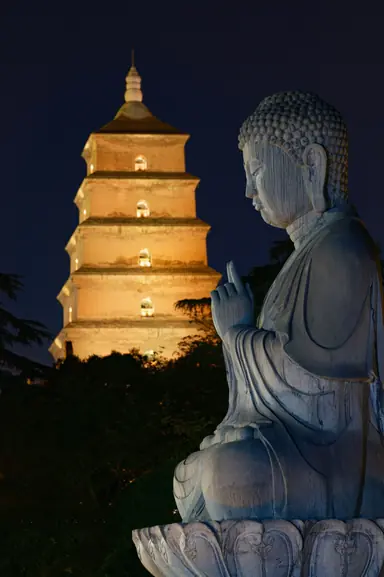
Source: Pexels Big Wild Goose Pagoda
A seven-story Tang dynasty pagoda built to house scriptures brought back from India by the monk Xuanzang, who inspired the novel Journey to the West. The surrounding North Square puts on a large fountain and light show most evenings, drawing big local crowds.
More information
Opening times: 8:00–17:00 (Pagoda), evening fountain show varies
Admission: ¥50 (Temple), extra for climbing the pagoda
Website: Visit Website
*Check the fountain show schedule online — timing shifts by season.
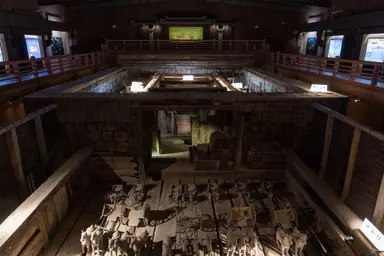
Source: Pexels Shaanxi History Museum
One of China's best provincial museums, tracing over a million years of regional history through bronzes, ceramics, and Tang dynasty gold — including artifacts recovered from imperial tombs around the city. A useful stop before or after the Terracotta Army for context on the dynasties that built it.
More information
Opening times: 9:00–17:30 (Closed Mondays)
Admission: Free (timed entry ticket required)
Website: Visit Website
*Free tickets are released daily online and can sell out by mid-morning.

Source: Pexels Bell Tower & Drum Tower
Twin Ming dynasty towers at the geographic heart of the old city, once used to mark the time with — as the names suggest — a bell at dawn and a drum at dusk. Both are lit up gold after dark and make a natural anchor point between the City Wall and the Muslim Quarter, with small bell and drum museums inside.
More information
Opening times: 8:30–21:30 (varies seasonally)
Admission: ¥40 (each), ¥65 (combined ticket)
Website: Visit Website
*The underpasses beneath the intersection connect all four corners without crossing traffic.
Insider tip: Book Terracotta Army tickets online through the official site or Trip.com the day before — the daily visitor cap sells out, especially in spring, autumn, and around Chinese holidays.
Tip: Combine the Terracotta Army with nearby Huaqing Palace, the Tang dynasty hot spring retreat where Emperor Xuanzong's romance with consort Yang Guifei famously played out — both sit along the same eastern route out of the city.
Neighborhoods & Where to Stay
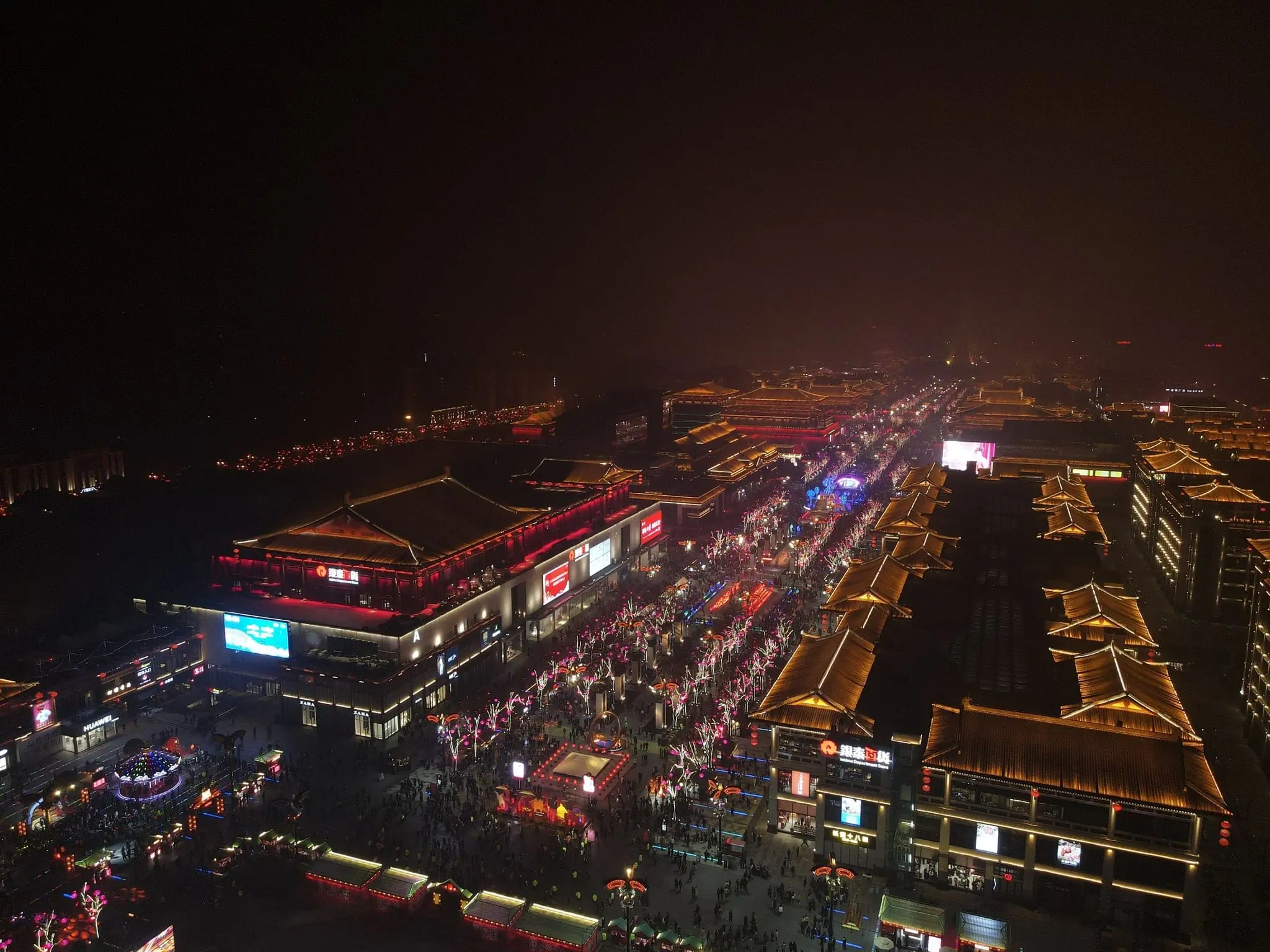
Source: Pexels
Muslim Quarter (Beiyuanmen)
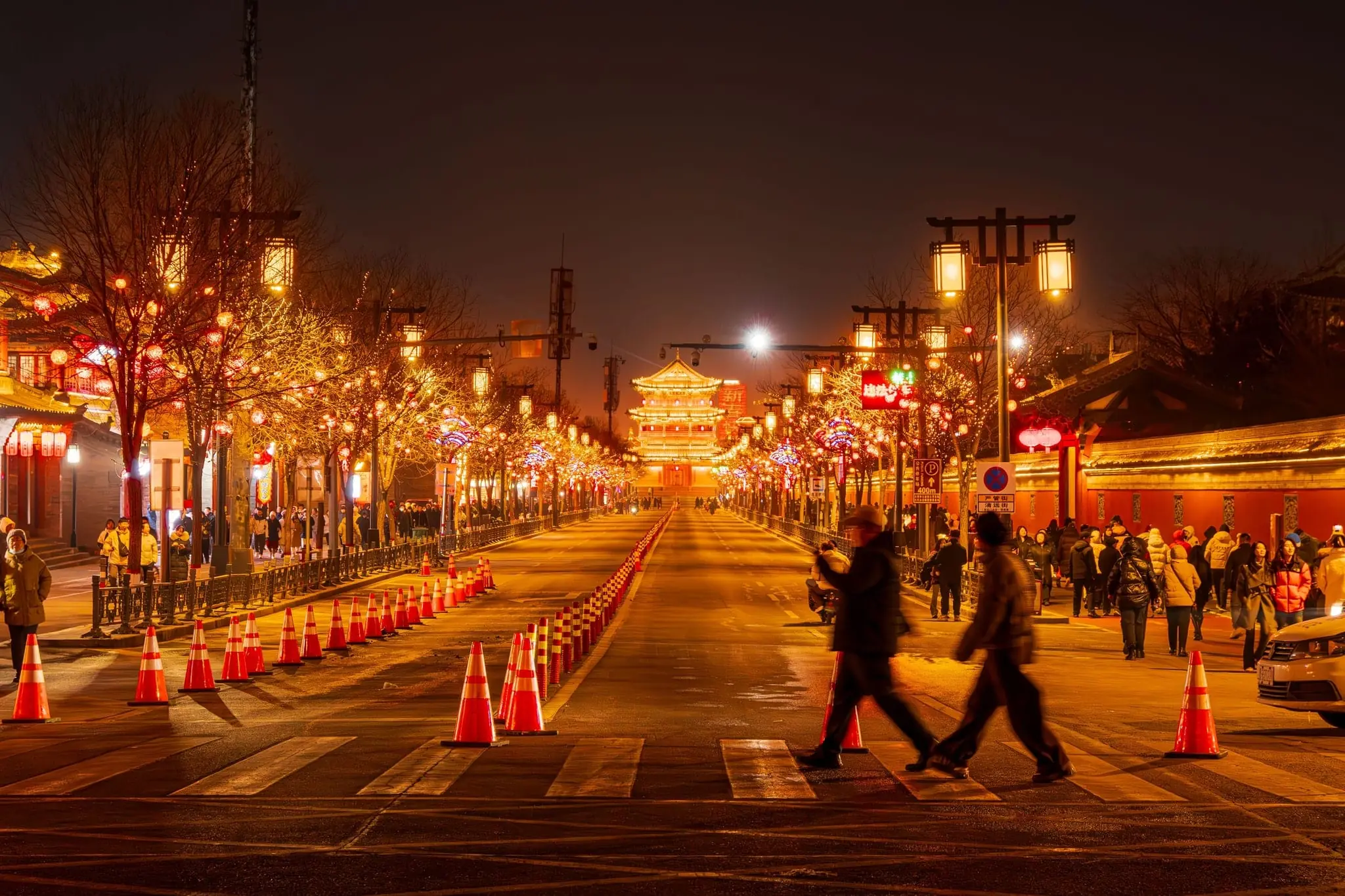
Staying inside the Muslim Quarter puts you a few steps from the best street food in the city and within easy walking distance of the Bell Tower and Drum Tower. It's loud, crowded, and atmospheric well into the evening — a great choice if you want to be in the thick of things, less so if you're a light sleeper who wants a quiet room.
Bell Tower / City Center
The area around the Bell Tower is Xi'an's most central and best-connected base — walkable to the Muslim Quarter, the City Wall's South Gate, and Xi'an's main shopping streets, with easy subway access to the train station and Big Wild Goose Pagoda. It's a solid all-purpose choice for a first visit, with a wide range of hotels from budget to five-star.
Source: Pexels
Source: Pexels
Big Wild Goose Pagoda Area
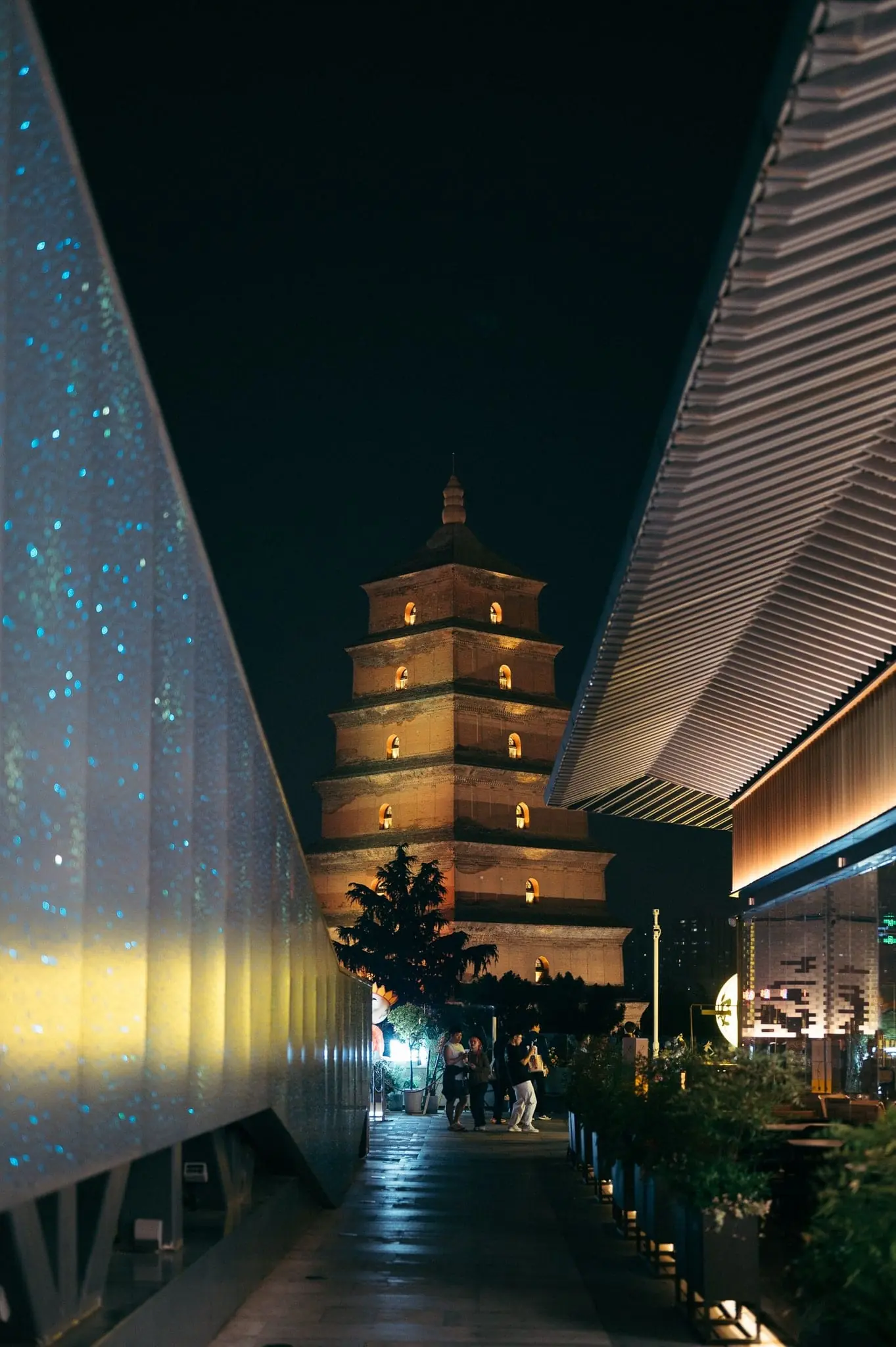
A quieter, more modern district south of the old city, built up around the pagoda and its plazas. Hotels here tend to be newer and slightly better value than the city center, and the area has its own dining and shopping scene along with easy subway access — a good middle-ground base if you want some distance from the Muslim Quarter's evening crowds.
Insider tip: Rooms inside the City Wall put nearly everything within walking distance. If you're staying outside it, check the subway connection before booking — Xi'an's old city is compact, but traffic around it can be slow.
Food & Drink
Shaanxi cuisine is wheat country food — thick, hand-pulled noodles, flatbread sandwiches, and bold, vinegar-and-chili flavors, a world away from the rice-based dishes of southern China. The Muslim Quarter is the single best place in the city to try most of it in one evening.
-
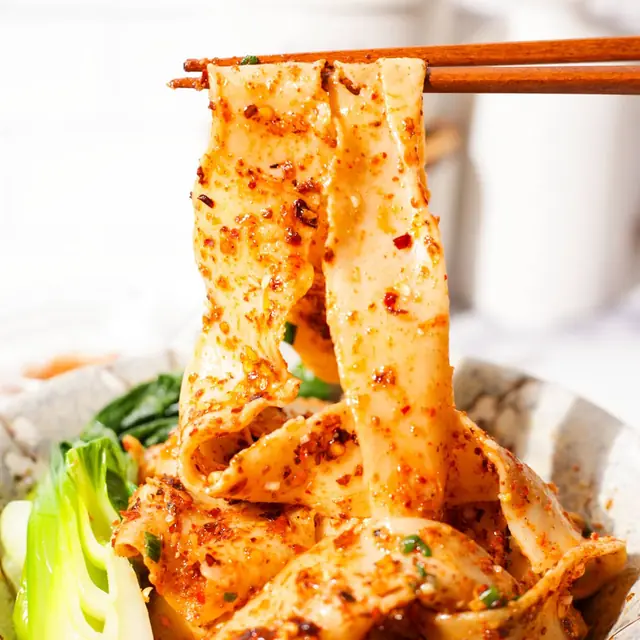
Biang Biang Noodles — Thick, wide, hand-pulled wheat noodles tossed with chili oil, garlic, and vinegar, named for the sound the dough makes when slapped against the counter — the character for "biang" is so complex it's not in standard Chinese input systems.
-
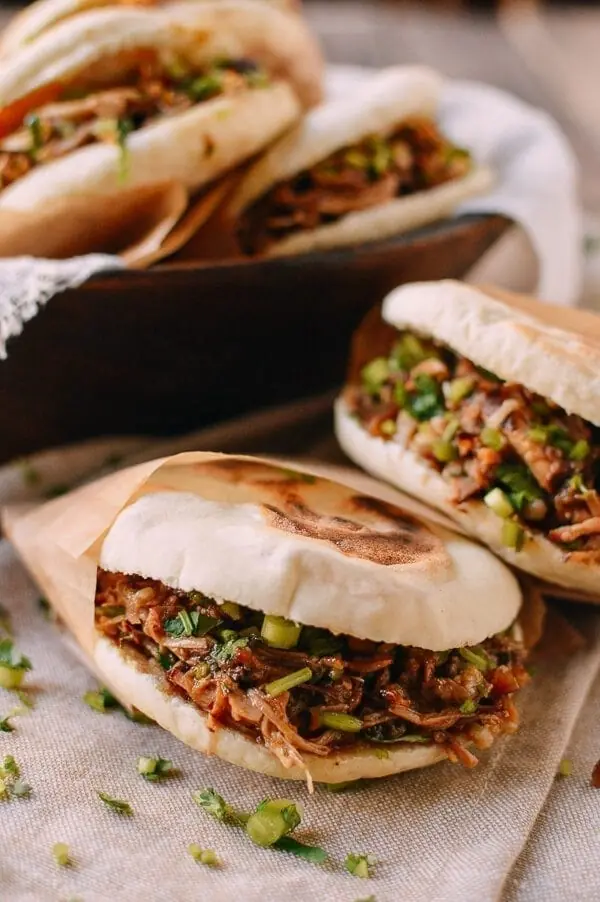
Roujiamo — Sometimes called the "Chinese hamburger": slow-braised, heavily spiced pork stuffed into a crusty, griddle-baked flatbread. Sold hot from street stalls throughout the Muslim Quarter and one of the best cheap eats in the city.
-
Yangrou Paomo — A hearty lamb soup poured over hand-torn flatbread, traditionally made by tearing the bread yourself at the table before the broth arrives. A Xi'an specialty and a proper cold-weather meal.
-
Liangpi — Cold, chewy noodles made from wheat or rice starch, tossed with chili oil, garlic, and cucumber — a refreshing counterpoint to the heavier dishes, and a popular quick lunch.
-
Persimmon Cakes (Shibing) — A local sweet snack, made from Xi'an's famous fire-flame persimmons, mashed and pan-fried into a soft, sticky cake. Look for stalls selling them fresh in the Muslim Quarter.
Insider tip: Skip the busiest stalls right at the Muslim Quarter's main entrance — walk a few side streets in and you'll find the same dishes, often better, at lower prices and without the queue.
 Biang Biang Noodles
 Roujiamo
 Yangrou Paomo Lamb Soup
Transportation
Xi'an's old city is compact and largely walkable, and its subway network makes the rest of the city — plus the trip out to the Terracotta Army — straightforward.
Getting Around Xi'an
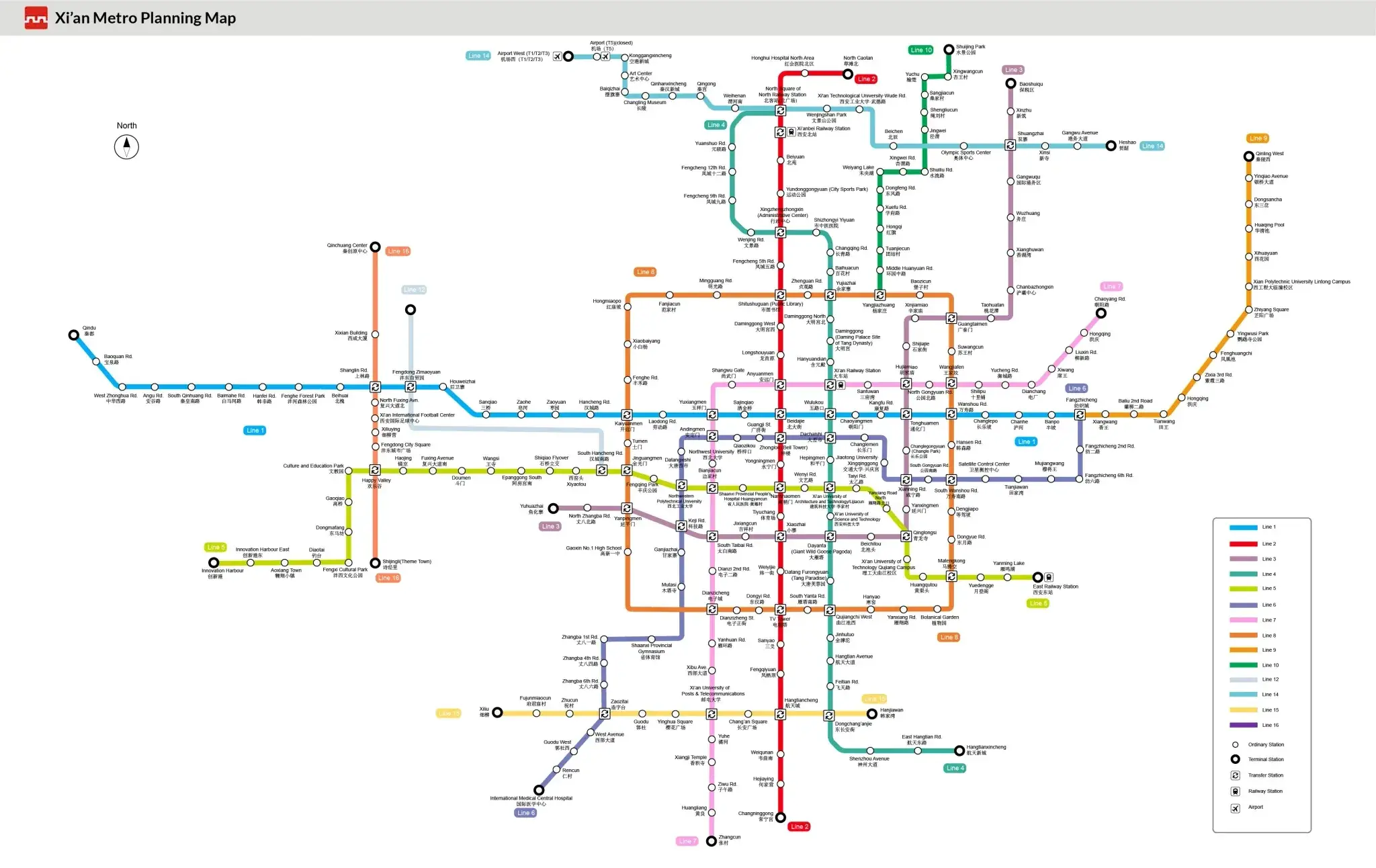
The Xi'an Metro covers the main tourist areas well; Line 2 runs north-south through the Bell Tower area, and connects to the high-speed rail station. Fares run roughly ¥2–9 depending on distance, paid by QR code (Alipay/WeChat Pay) or a single-journey paper ticket from the station machines. Within the walls, most sights are an easy walk or short bike ride apart, and cycling the City Wall itself doubles as sightseeing and transport.
For the Terracotta Army, the official Tourist Line 306 bus departs from the Xi'an Railway Station square and drops you close to the entrance — cheap, direct, and the easiest option if you'd rather not book a private car. Didi and taxis also make the trip in about an hour.
Tip: Look for buses clearly marked "306" at the official stop outside the railway station — unlicensed drivers nearby sometimes offer "direct" rides to the Terracotta Army at inflated prices.
Getting to Xi'an
Xi'an Xianyang International Airport (XIY) connects to major Chinese cities and a growing number of international routes, with an airport shuttle bus and metro line into the city center. Didi is also cheap and often the easiest option straight from arrivals — figure on roughly ¥120–150 for the 40-minute ride into the city, no need to find the shuttle stop or haggle over a taxi fare.
High-speed rail is the more common way to arrive domestically — Xi'an North Railway Station puts the city within about 4.5 hours of Beijing and around 6 hours of Shanghai by bullet train, with frequent daily departures.
For general China visa, VPN, and rail-booking guidance that applies here too, see the Discover China guide.
Day Trips from Xi'an
Mount Huashan (2 hours by train)
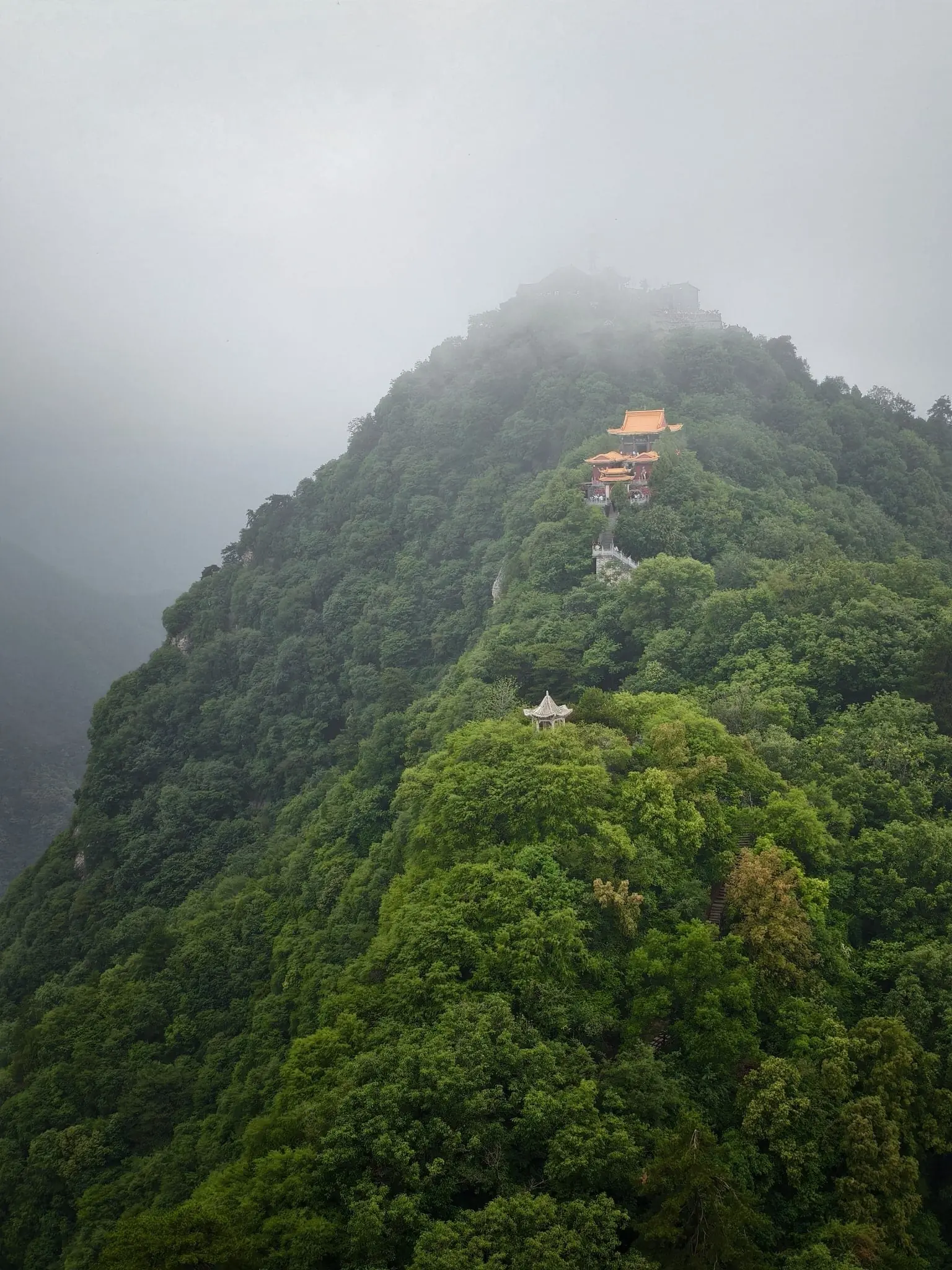
One of China's Five Great Mountains and a serious hiking and cable car destination, famous for the vertigo-inducing plank walk bolted to a sheer cliff face on the South Peak. You don't need to attempt the plank walk to enjoy the mountain — the cable cars and marked trails alone offer some of the most dramatic scenery within a day trip of Xi'an. Entry is around ¥100, with the West or North Peak cable car adding roughly ¥150–160 one-way; the plank walk itself requires a separate harness rental (~¥30) on site. Bring proper shoes and expect a full day.
Huaqing Palace (30 min by car)
Huaqing Palace, the Tang dynasty imperial hot spring retreat, sits just outside the city near the Terracotta Army and is easy to combine with it on the same day. The site is famous for the romance between Emperor Xuanzong and his consort Yang Guifei, and for the 1936 Xi'an Incident, which took place on the surrounding hillside — a nightly light show retells the story against the mountain backdrop in warmer months.
Binxian Great Buddha Temple Grottoes (2.5–3 hours by car)
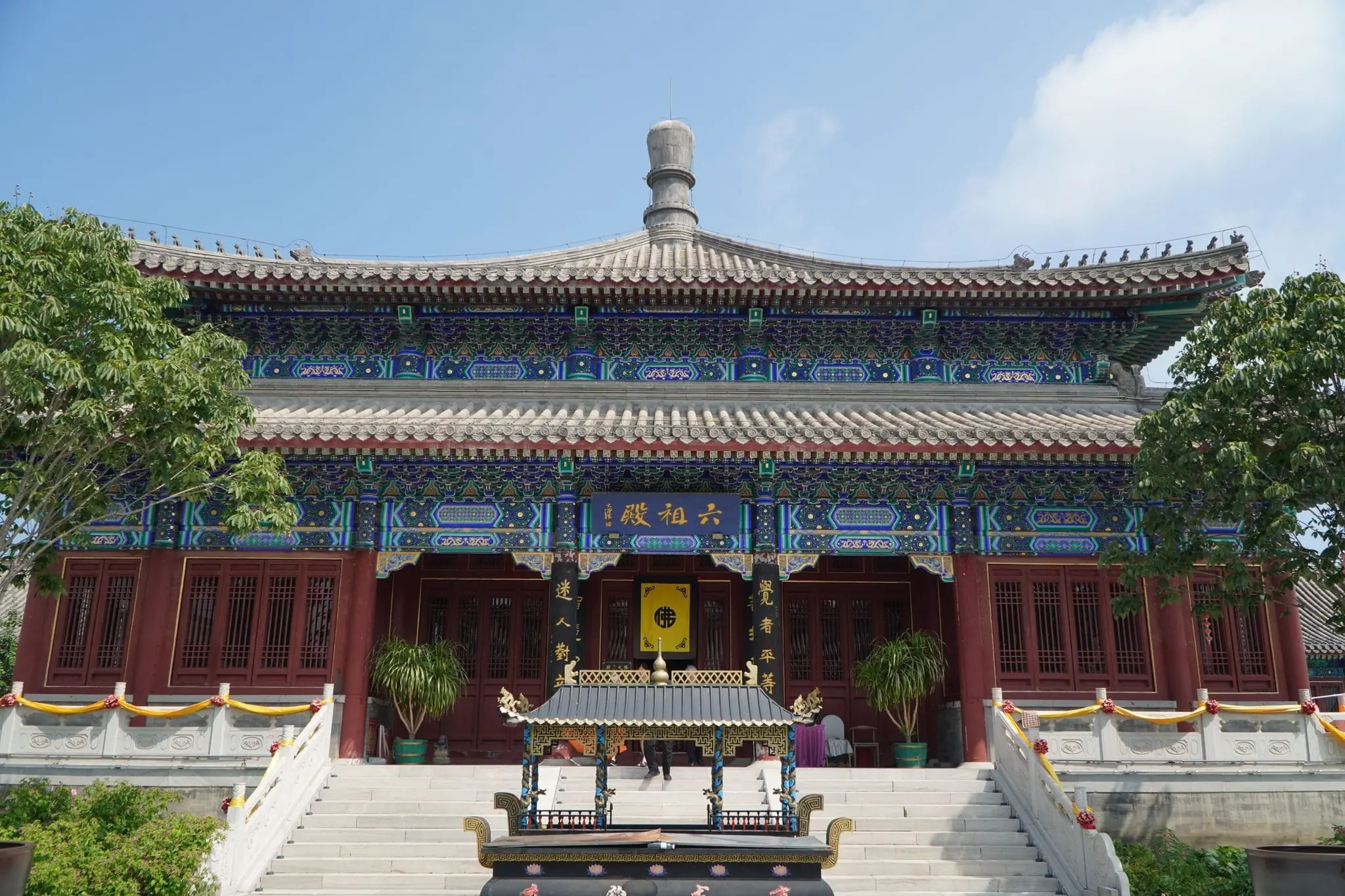
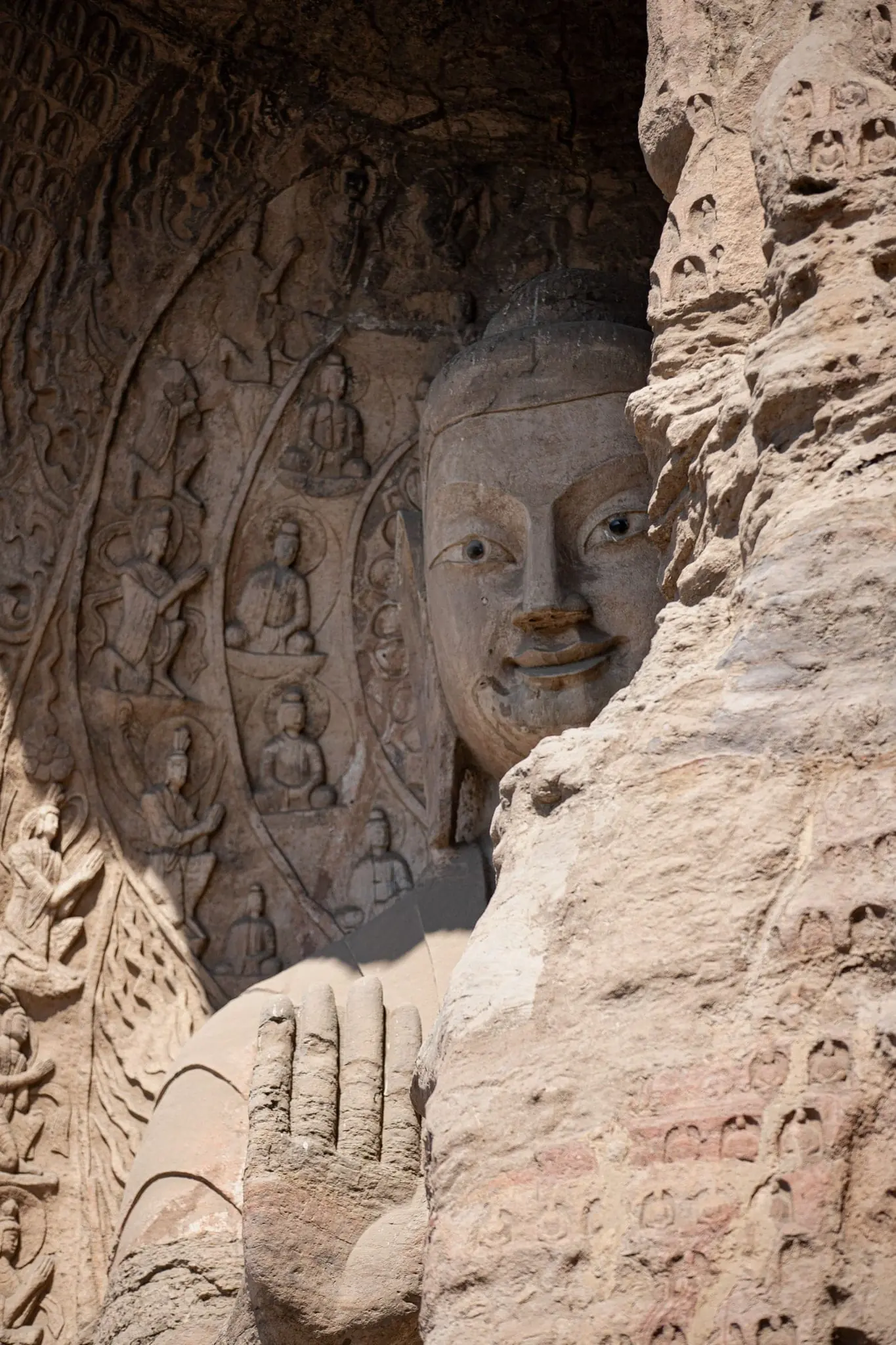
Far less visited than the Terracotta Army but just as striking, the Binxian Great Buddha Temple Grottoes (Dafosi) sit about 150 kilometers northwest of Xi'an in Xianyang, cut into the cliffs of Mount Qingliang in 628 AD. Over 100 caves and countless cliff carvings make it the largest grotto complex in Shaanxi Province, anchored by a 20-meter Tang dynasty Buddha inside the main cave — the largest stone Buddha statue in the province. It's a long day rather than a quick stop, so it works best as a dedicated day trip rather than a stop tacked onto another itinerary.
Proposed Itinerary
Two unhurried days cover Xi'an's essentials: one out east with the Terracotta Army, one inside the walls on foot and by bike. Got a third day? Mount Huashan and the Binxian grottoes are both worth it, but each earns a dedicated day rather than a rushed add-on.
Day 1: Terracotta Army & the Eastern Sights
Start early — tour buses swarm the site by mid-morning, and Pit 1 hits a lot harder with fewer crowds pressing against the rails.
- Morning: Book Terracotta Army tickets online the day before — the daily cap sells out — then head out on Tourist Line 306 or by Didi and give yourself two to three hours for Pits 1, 2, and 3 plus the museum. Pit 1 is the one that stops you in your tracks; the smaller pits fill in the rest of the picture.
- Afternoon: On the way back into the city, swing by Huaqing Palace — a short drive from the Terracotta Army and an easy pairing rather than a detour.
- Evening: Back in the old city, let the Muslim Quarter close out the day — roujiamo, biang biang noodles, and a wander through Beiyuanmen's night market as history gives way to street food and neon.
Day 2: The Old City on Foot and by Bike
Slow down today — this one belongs to the city itself, its walls and towers and the neighborhoods stitched between them.
- Morning: Grab a same-day Shaanxi History Museum ticket first thing — the free timed slots go online daily and can sell out by mid-morning. Then rent a bike at one of the gate towers and ride the full 13.7-kilometer City Wall loop (about 2 hours), finishing with a walk over to the museum — or swap in the Big Wild Goose Pagoda if entry's already gone.
- Afternoon: Cut through the underpasses at the Bell Tower and Drum Tower, then browse Shuyuanmen Street and Defu Lane near the South Gate for calligraphy and antiques — a calmer counterpoint to the Muslim Quarter's crowds.
- Evening: Catch the fountain and light show at the Big Wild Goose Pagoda if timing works out, or head to Yongxingfang for its Tang-themed bars and nightly baijiu-smashing performance, then close with one last round of street food in the Muslim Quarter.
Tip: Book same-day Shaanxi History Museum tickets first thing in the morning — they're released online daily and often sell out before Day 2's afternoon slot. Museum's closed Mondays, so swap in the Big Wild Goose Pagoda if Day 2 falls on one.
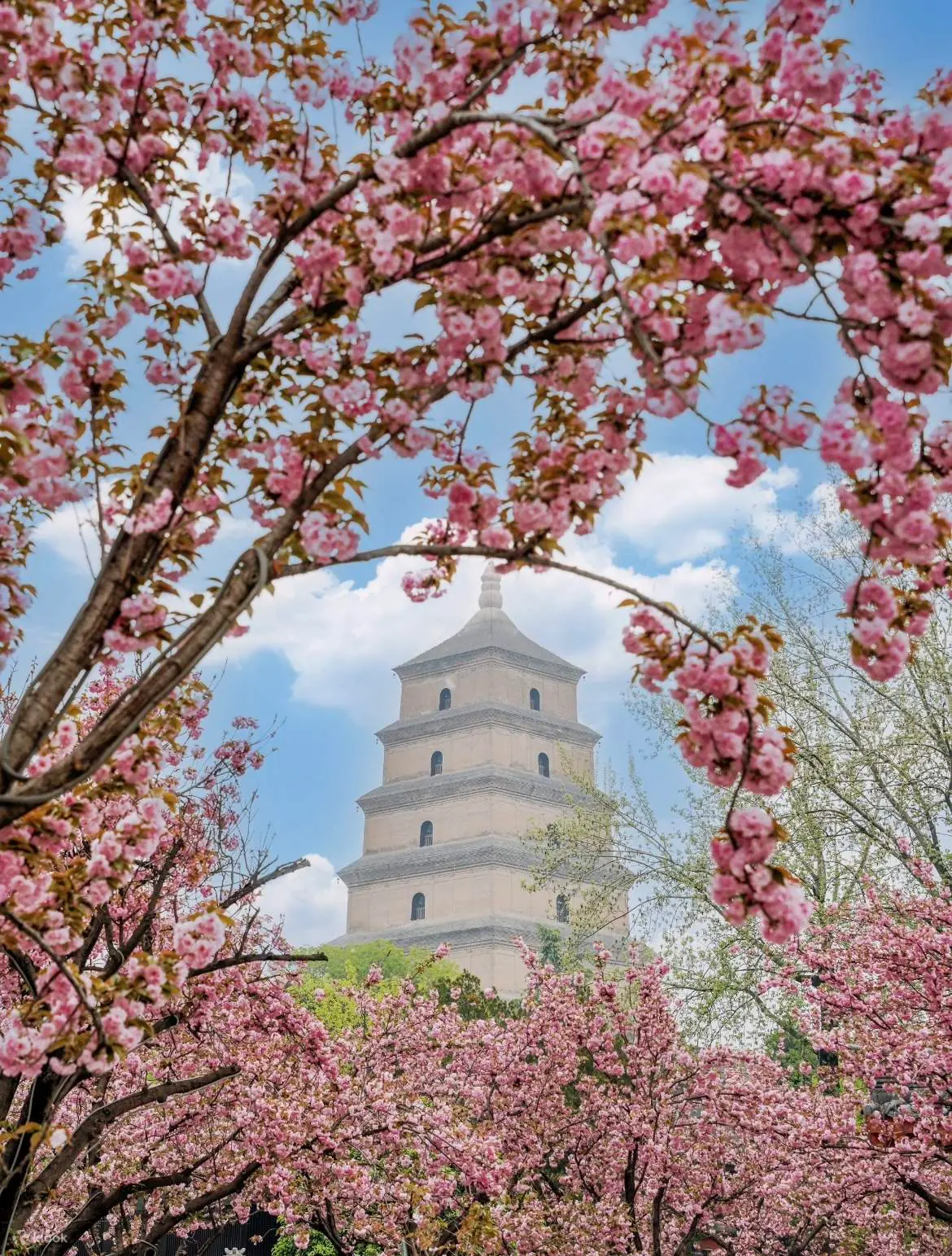
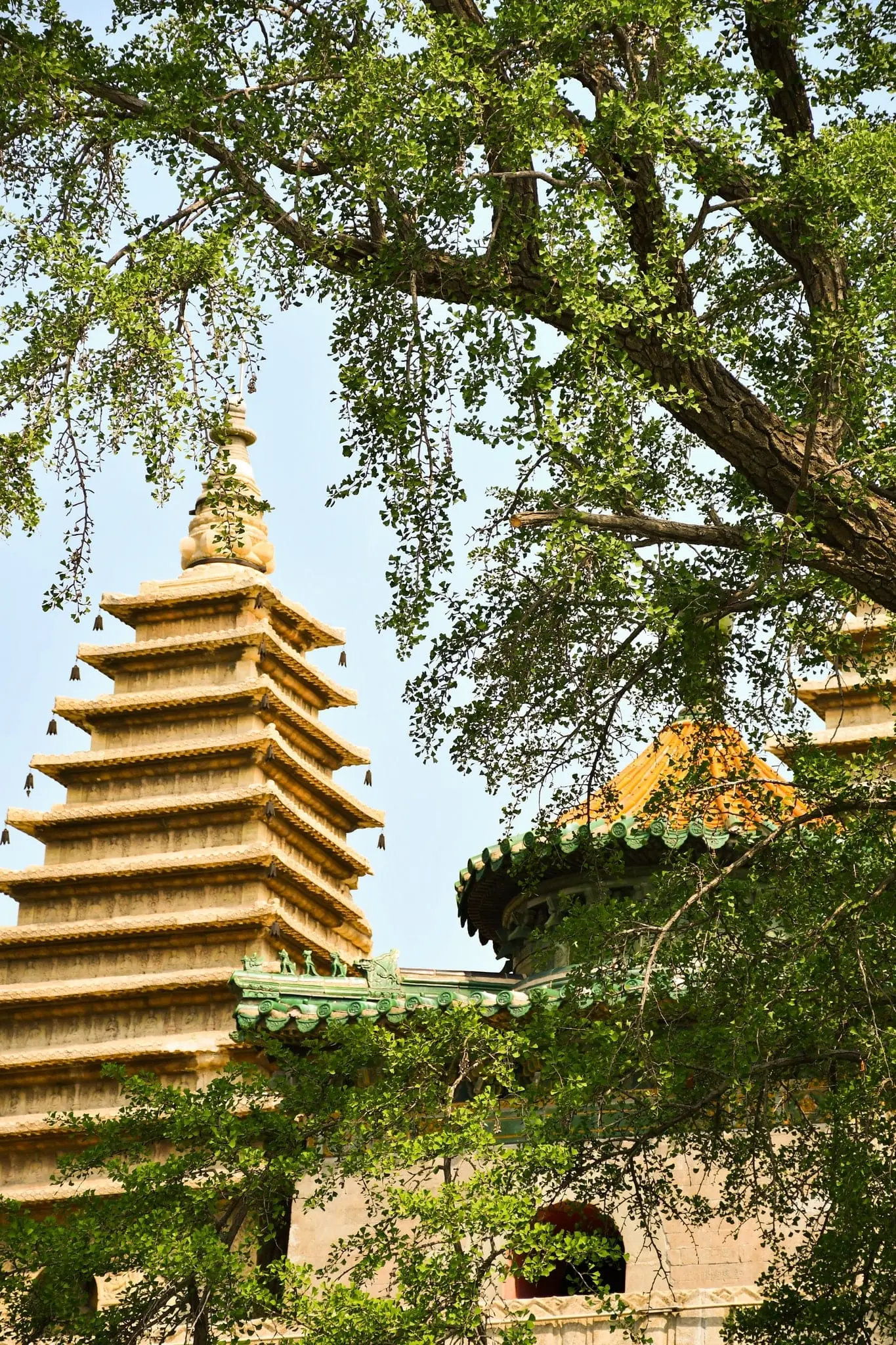
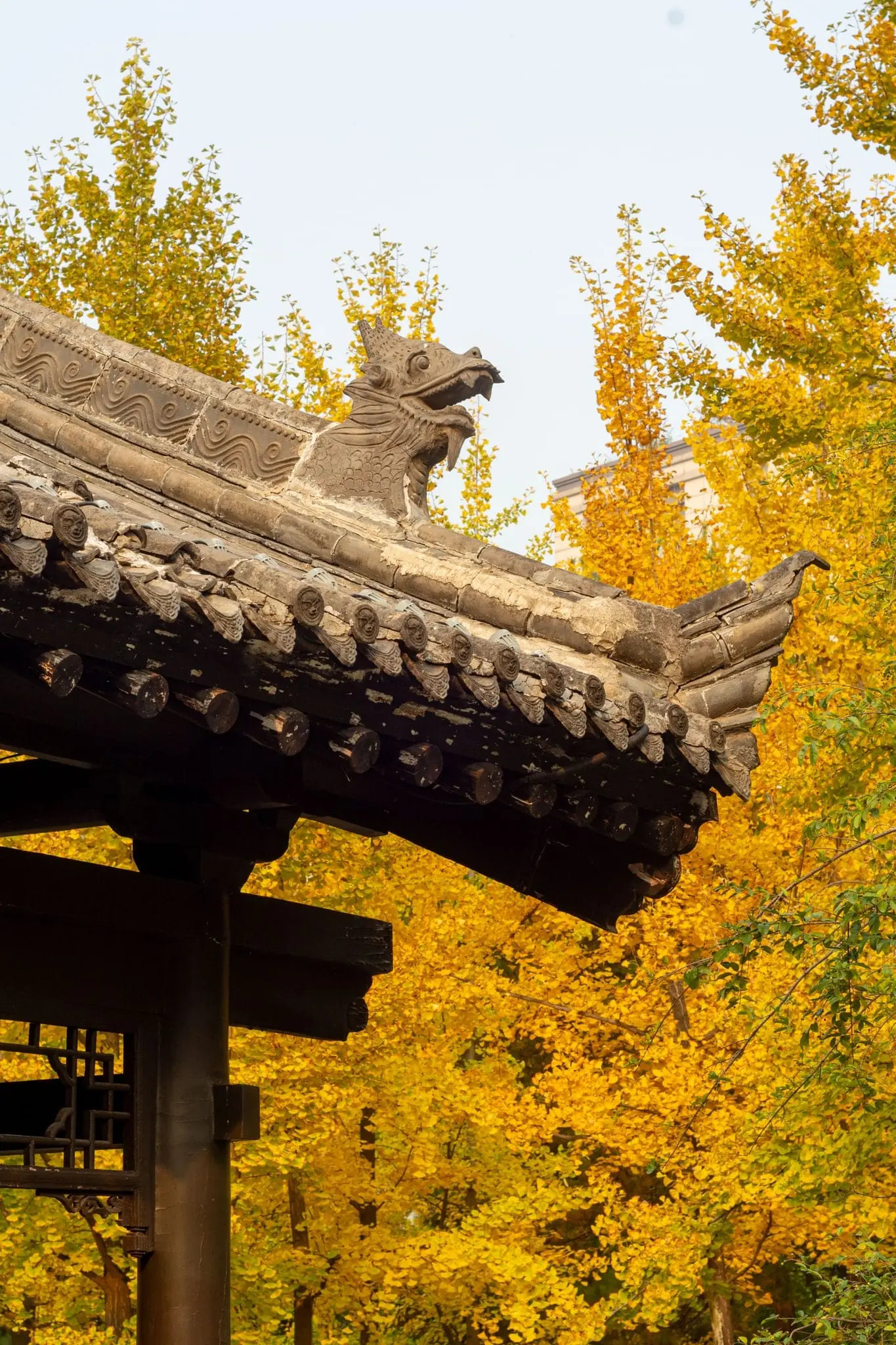
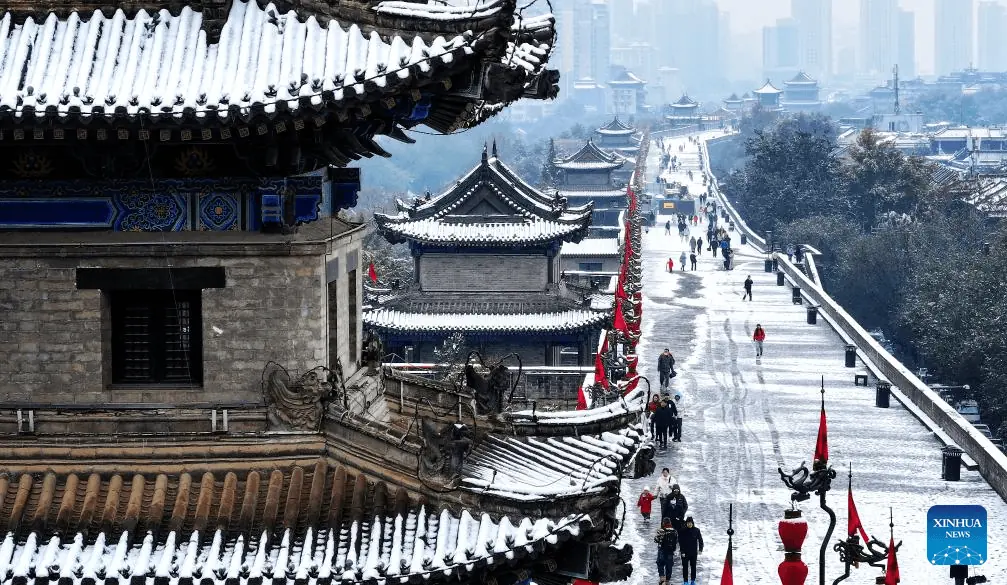
Seasonal Events & Festivals
Shopping & Nightlife
Defu Lane & Shuyuanmen Street
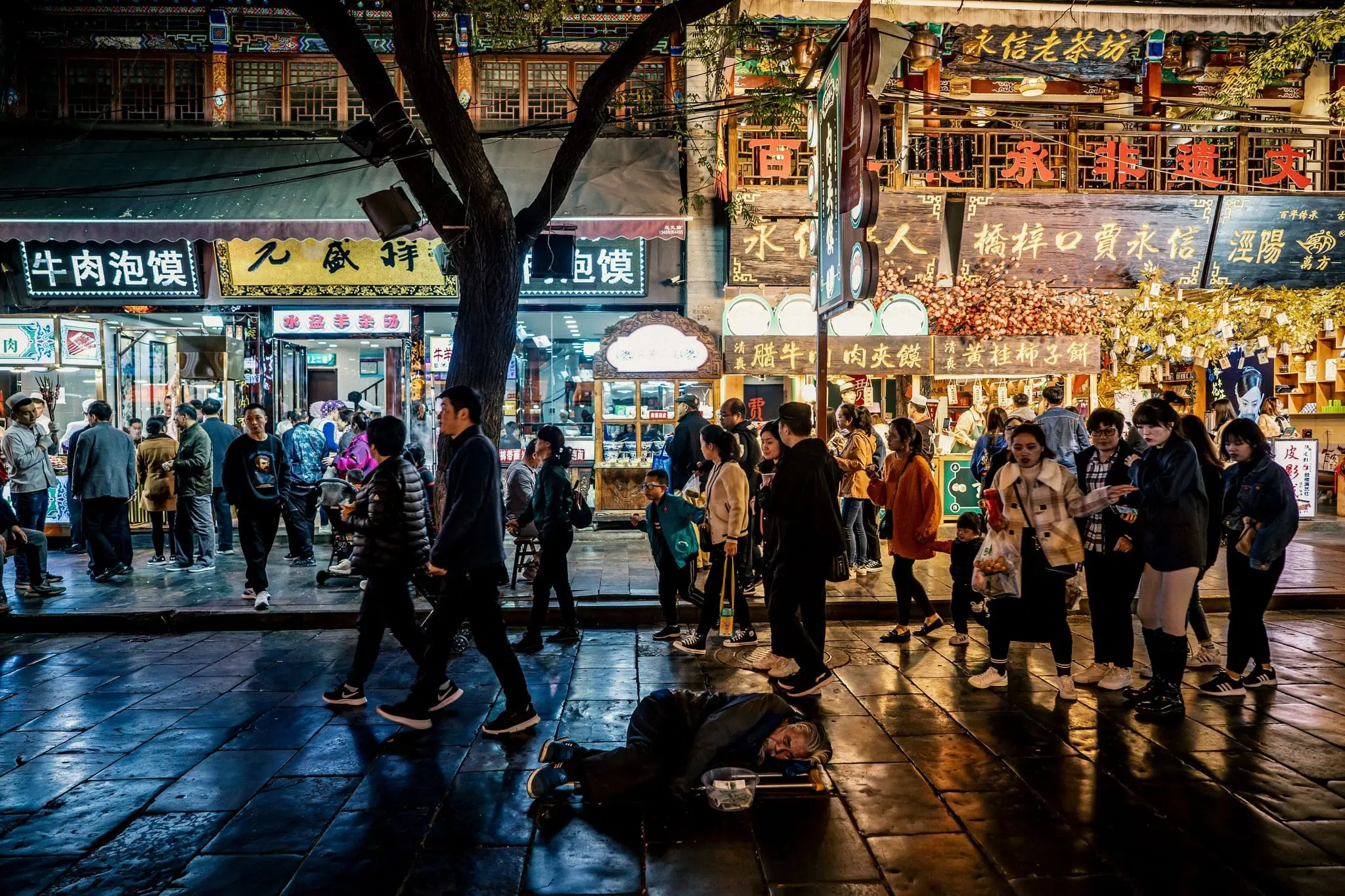
A Ming-dynasty-style pedestrian street running from the City Wall's South Gate toward the Confucian Temple and the Forest of Steles Museum, lined with shops selling calligraphy brushes, ink stones, rubbings, and antiques rather than the usual souvenir trinkets. Defu Lane, a narrower alley just off the main street, is a good detour for smaller studios and a quieter pace. It's a more scholarly, less frantic shopping experience than the Muslim Quarter, and pairs naturally with a City Wall visit since the South Gate sits right at one end. Most shops run from around 9:00 to 21:00.
Yongxingfang
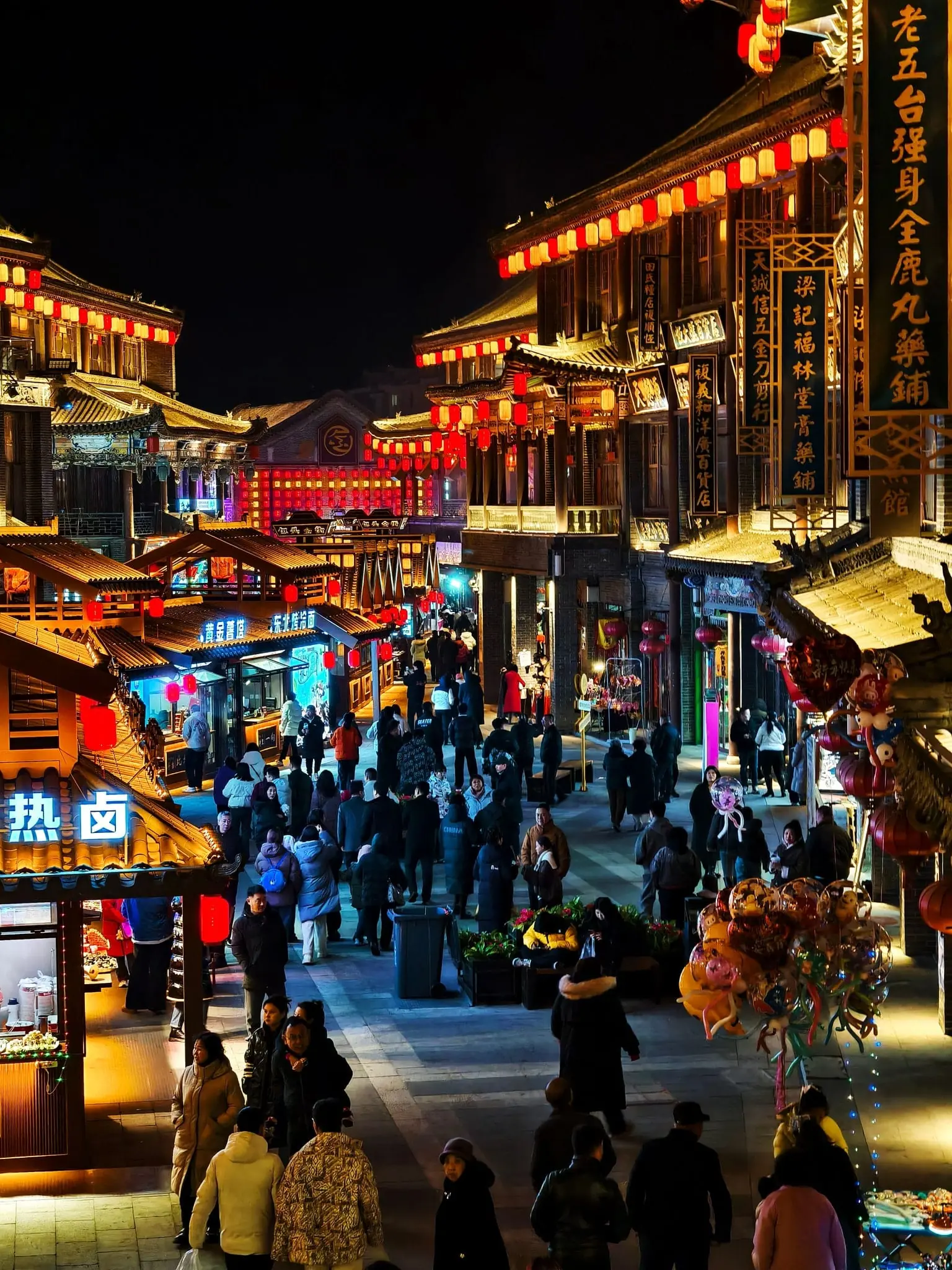
A themed bar and restaurant street built around Tang-dynasty poetry and liquor culture, with staff in period dress and a nightly performance where a robed "Li Bai" character theatrically smashes a bowl of baijiu — a genuinely popular photo moment with younger local visitors. Beyond the spectacle, it's a solid strip of bars and small restaurants for an evening that isn't the Muslim Quarter's food-stall crush. It gets going after dark and stays lively into the late evening, especially on weekends.
Nightlife
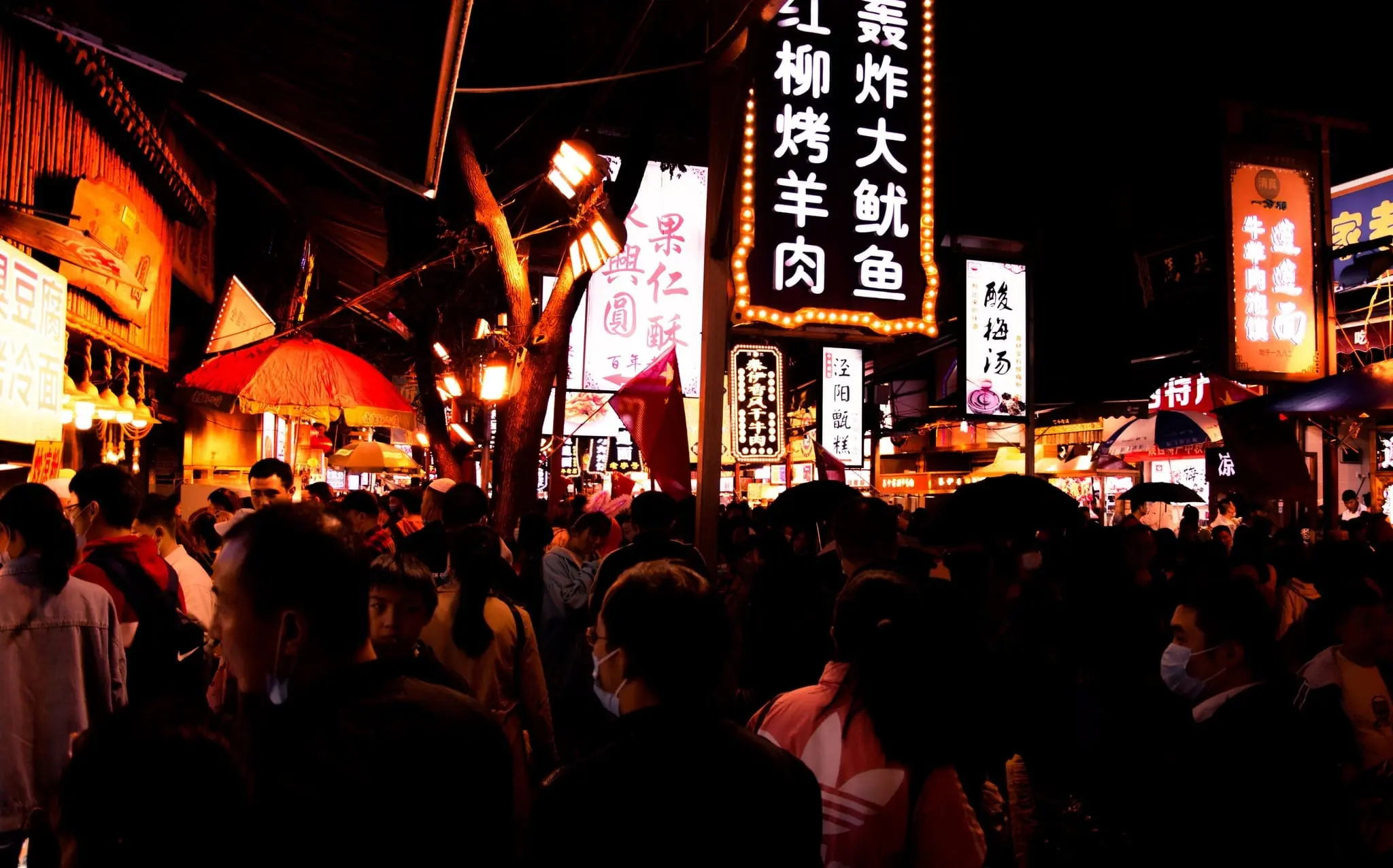
Xi'an's nightlife is lower-key than Beijing's or Shanghai's, centered on a handful of areas rather than one dominant district. Wenyi Road, near the Shaanxi Provincial Sports Center, has a concentration of bars and live music venues popular with students and young locals, while the areas around Yongxingfang and the Bell Tower have a steadier flow of after-dark foot traffic thanks to the lit-up towers and City Wall backdrop. Most bars open by early evening and run until 1–2am on weekends.
Xi'an rewards travelers willing to look past the Terracotta Army's fame — the city wall ride at sunset, a night wandering the Muslim Quarter's food stalls, and the layered history in the Shaanxi History Museum all make a strong case for staying more than a single rushed day.
Additional Resources
For more information on China, including visa rules, VPN setup, high-speed rail booking, and cultural etiquette, head to our Discover China guide.