Summer festivals shuffle you through velvet ropes and inflated menus, performing "culture" on a schedule built for tour buses. Spring gets it right: these are real celebrations that simply haven't bothered to lock the doors, not spectacles engineered for your camera.
Here are the spring 2026 festivals worth rearranging your whole year around.
Feria de Abril, Seville — Late April
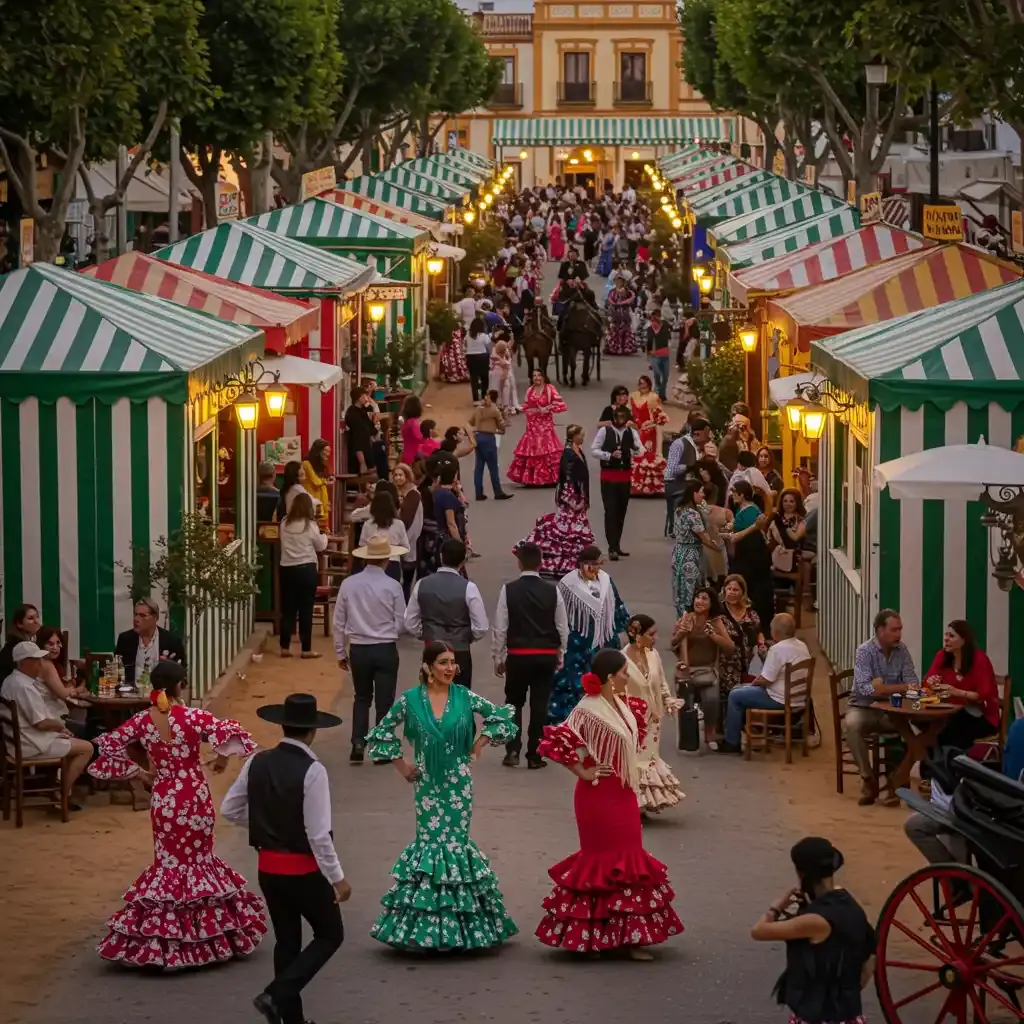
For two roaring weeks in late April, Seville stops being a city and becomes one enormous costume party. Women swirl through the streets in ruffled flamenco trajes, men sharpen their look with short jackets and Córdoba hats, and the entire city turns into a temporary fairground that never seems to sleep.
Make no mistake: this isn't staged for tourists — it's locals throwing themselves at spring with total, unembarrassed enthusiasm, and you're simply lucky enough to be standing nearby. Horses parade past sherry tents, flamenco heels click against cobblestones until dawn, and the late-night energy makes most other cities look like they gave up trying.
Book accommodation months out, or just day-trip in from Madrid or Córdoba. The sherry flows freely. The fashion alone is worth the flight.
Haro Wine Festival, Rioja Spain — Early June
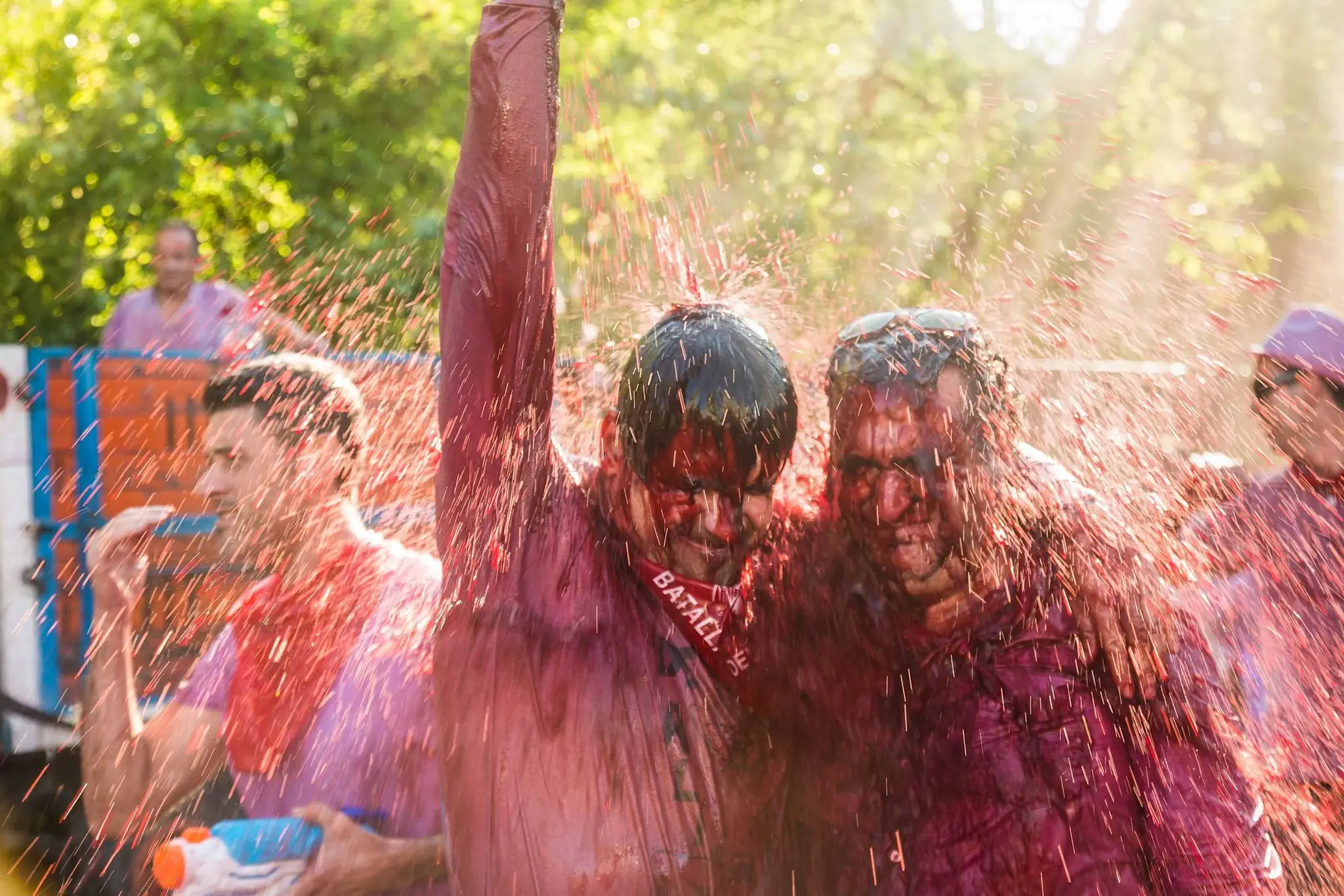
Every early June, the town of Haro declares war — with wine. Thousands of participants arm themselves with buckets, water pistols, and backpack sprayers, all loaded with local red, and set about drenching every last person and wall within reach.
It sounds like chaos. It is chaos. It's also one of the most joyfully unhinged, unfiltered celebrations you'll find anywhere in Europe.
Rooms in Haro itself vanish fast, but nearby towns pick up the overflow. Joining the battle costs nothing, and the wine — locally made, €3–5 a bottle — is cheaper than the laundry bill. Wear something you're ready to say goodbye to.
Beltane Fire Festival, Edinburgh — Late April
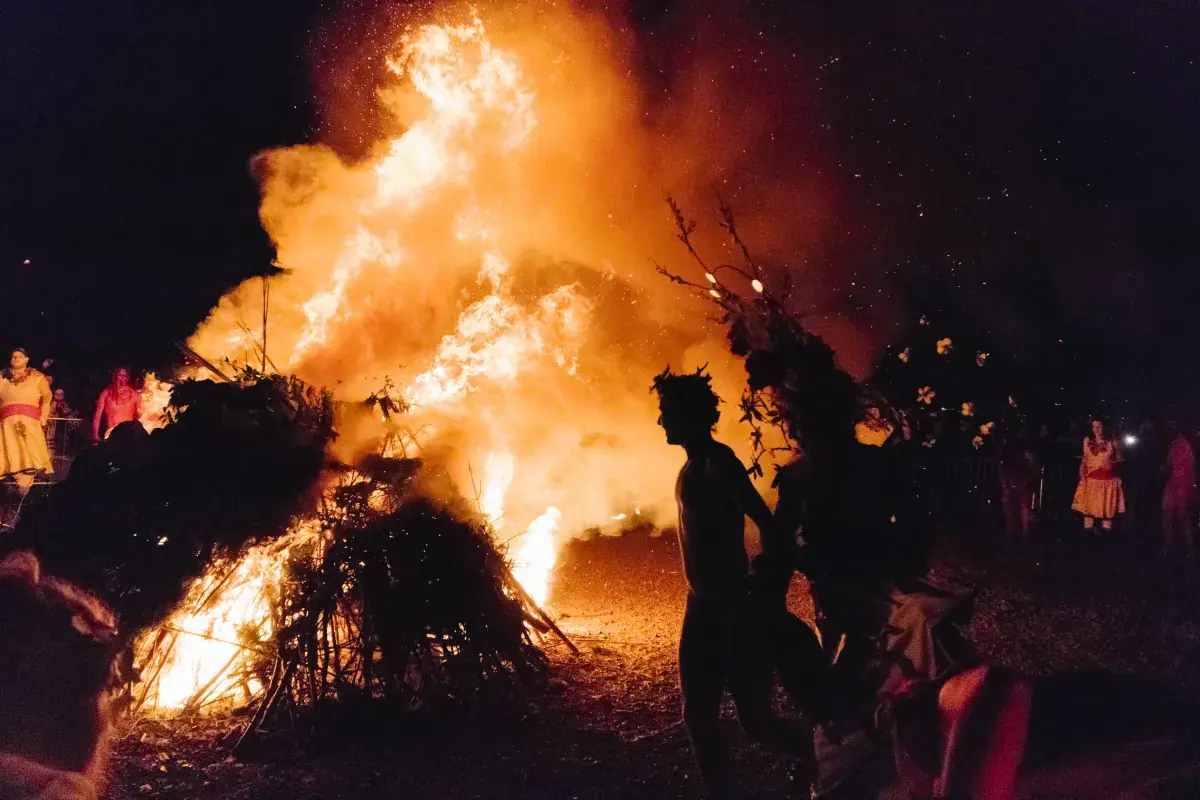
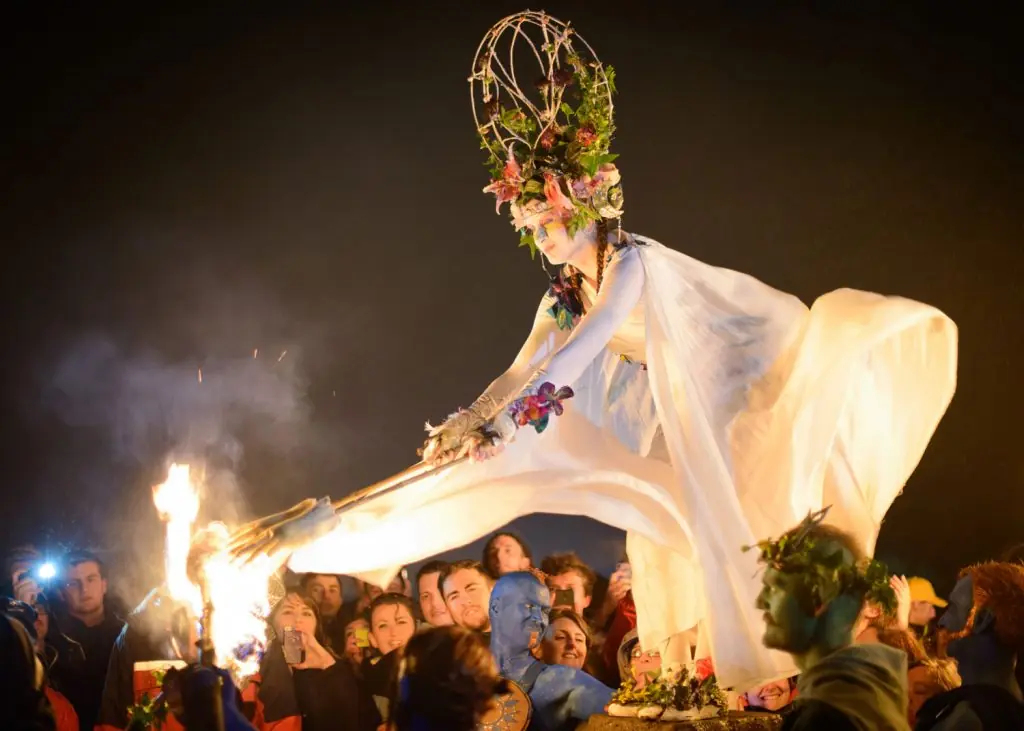
On Calton Hill, thousands of costumed bodies drum, tumble, and dance with fire until winter itself looks defeated. Beltane is Edinburgh's answer to spring — part ritual performance, part community blowout, entirely mesmerizing to watch unfold in the dark.
It's organized by the community, free to attend, and happens like clockwork every late April. The intensity is real, and so is the artistry — this is not festival-as-content, it's festival-as-craft.
Edinburgh in April is cold, often wet, and gloriously worth it once the torches catch. The main event is a single night, but stick around — the afterglow of celebrations stretches for days.
Festa de São João, Porto — June
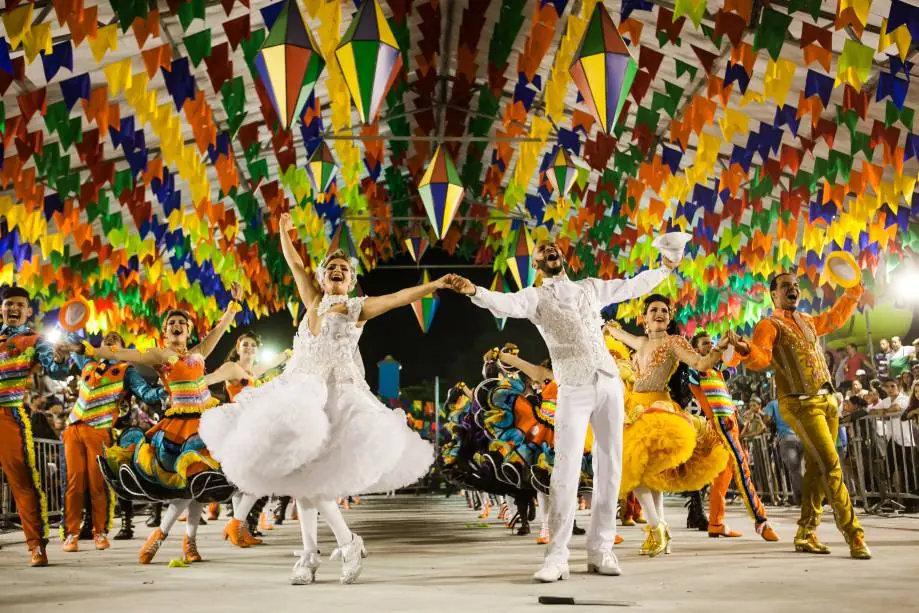
Porto goes gleefully feral for its patron saint every June: bonfires crackle on street corners, whole neighborhoods spill outside to party, and — in the city's most cheerfully absurd tradition — strangers bop each other on the head with squeaky plastic hammers and, yes, actual leeks. It's ridiculous. It's completely authentic. It barely registers on the tourist radar.
The action centers on Ribeira, the old waterfront quarter of narrow lanes, weathered houses, and riverside restaurants. Rooms book up early, but Porto's hostels and guesthouses reward anyone willing to stay flexible.
This isn't a festival built for your feed. It's the real thing.
Florals de Corpus Christi, Puno — June
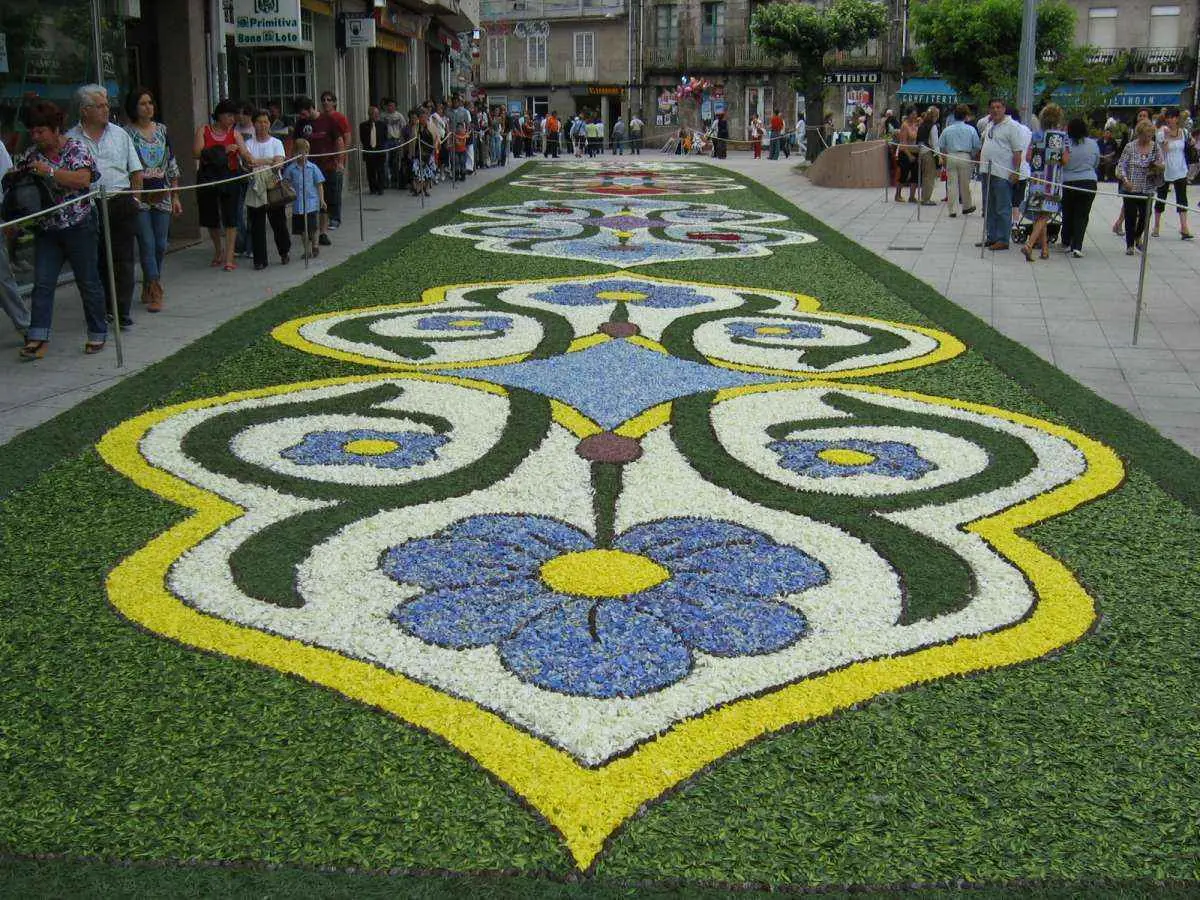
On the Peruvian shore of Lake Titicaca, Puno turns Corpus Christi into a procession unlike anything Europe offers — Catholic ritual fused with centuries of indigenous tradition, spilling through the streets in a wall of color. Dancers carry costumes so elaborate some weigh over 20 kilograms, embodying saints, mythical beasts, and animals in a spectacle that feels closer to living folklore than parade.
June brings the Andes' dry season, which helps, because Puno itself sits at a lung-testing 3,800 meters. Give yourself time to acclimatize — the altitude will humble you, but the festival more than repays the effort.
It's not a European festival, and geographically it's a stretch from the rest of this list — but for sheer visual spectacle, spring offers few rivals.
Valborg, Sweden — April 30
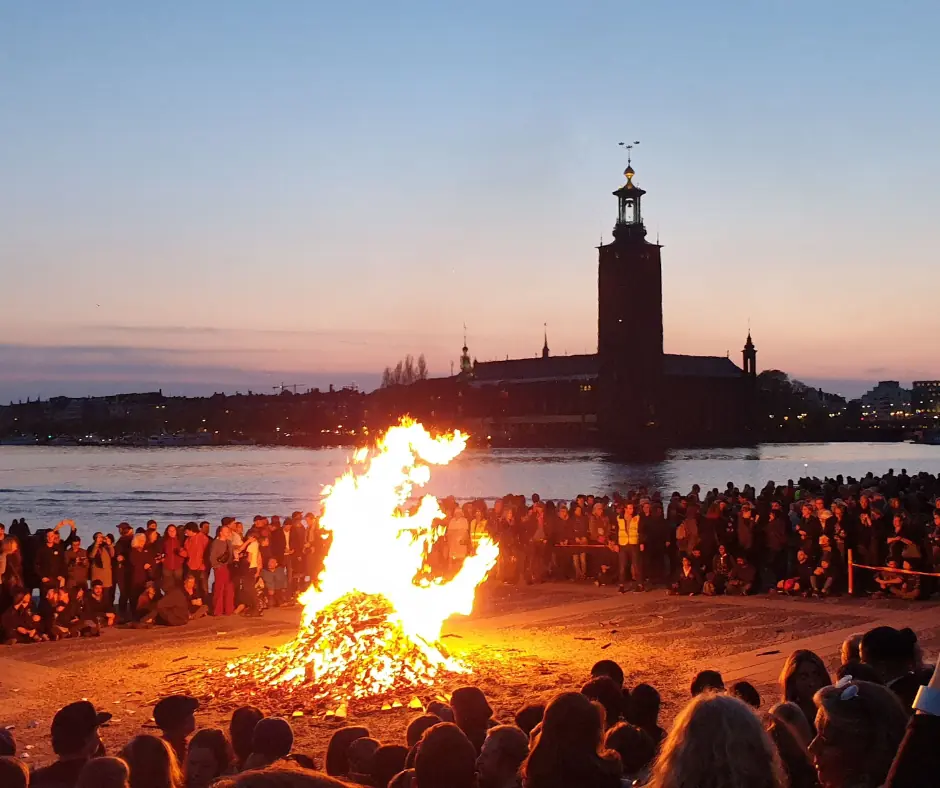
On April 30, Scandinavia lights bonfires and says goodbye to winter for good. Valborg — Walpurgis Night — turns Swedish university towns like Lund and Uppsala into open-air singalongs, with flames climbing into the dusk and centuries-old songs carrying across the squares.
It's modest next to the big-name festivals on this list, but its authenticity is unmistakable. This is a real cultural hinge point, celebrated by locals for themselves — you're simply invited to watch.
The towns themselves are charming, the spring light impossibly soft, and the tradition older than most nations currently on the map.
Quema de Judas, Guatemala — Easter
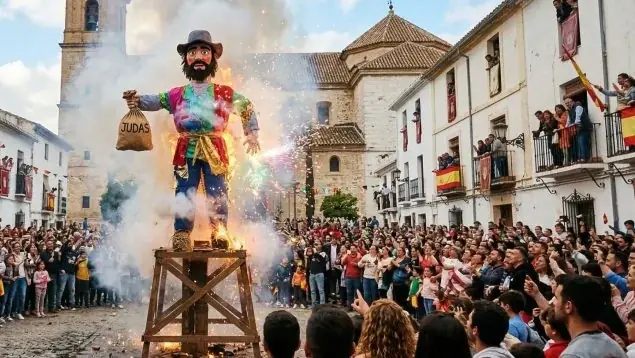
Across Latin America, Holy Week ends with Judas Iscariot going up in flames — literally. In Guatemala's colonial jewel of Antigua, the Quema de Judas stuffs oversized papier-mâché figures with fireworks and explosives, then sends them out in a blaze of noise and smoke.
Expect genuine chaos, not a curated show. Antigua's cobblestone streets and volcano backdrop are stunning on their own, the surrounding highland villages add even more texture, and the festival hands you a front-row seat to traditions that run far deeper than the fireworks suggest.
The Festival Principle
Every festival on this list shares the same DNA: local celebrations that happen to leave the door open, not events manufactured with tourists in mind. That's exactly what makes them simultaneously the easiest and hardest kind of travel experience to pull off well.
Easier, because there's no ticket booth standing between you and the party, no admission fee designed to drain your wallet.
Harder, because nobody's curated it for you — you'll book your own rooms early, figure out your own logistics, and probably miss the meaning behind half of what you're watching.
That friction is precisely the point. It's what makes them worth chasing.