
North America's great cities refuse to be lumped together—each one has its own skyline, its own soundtrack, its own way of making you feel like you've arrived somewhere entirely new. From coast to coast and border to border, here are the cities worth building a trip around.
Table of Contents
- New York City, USA
- San Francisco, USA
- Mexico City, Mexico
- Vancouver, Canada
- New Orleans, USA
- Quebec City, Canada
- Chicago, USA
New York City, USA
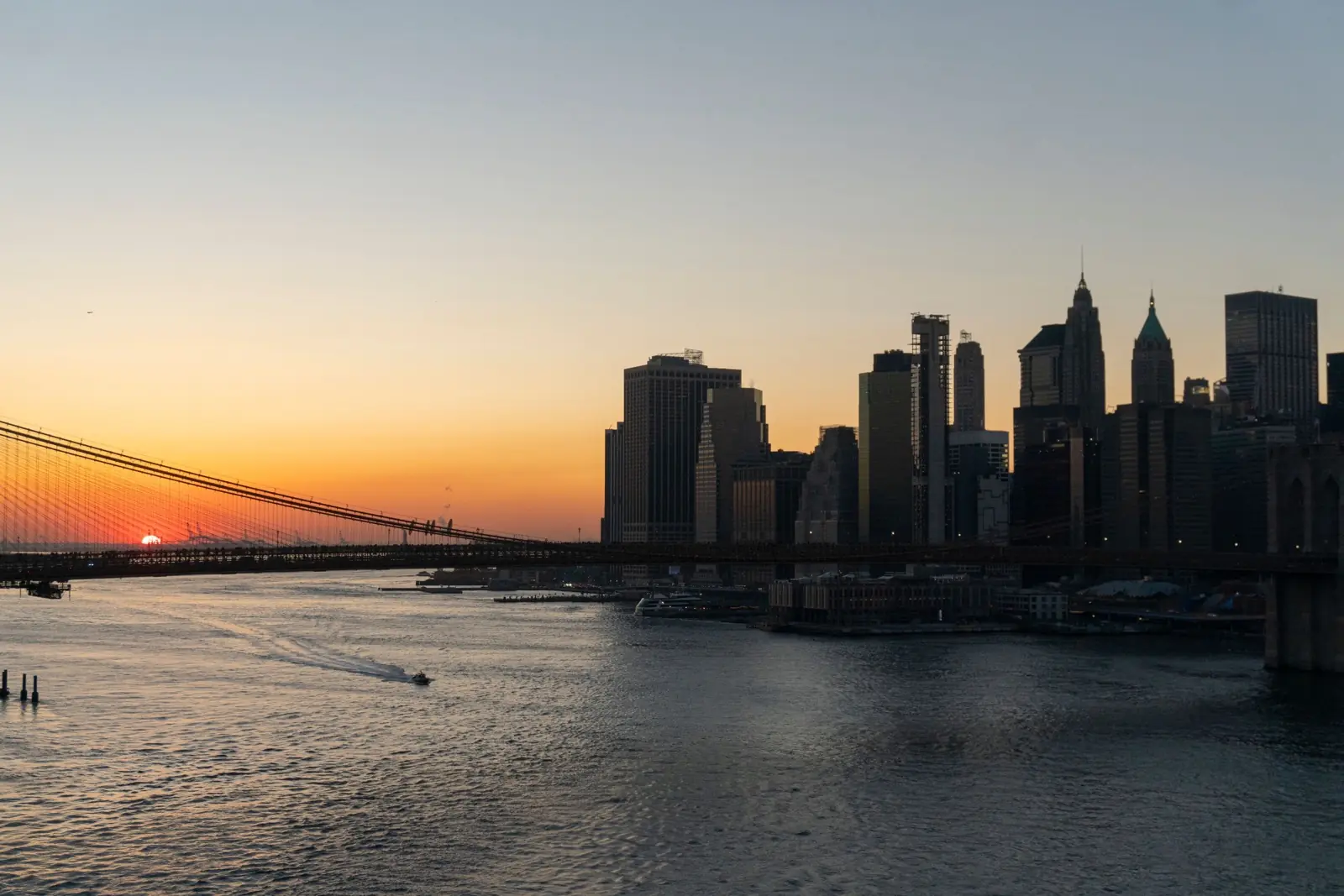
There's a reason New York City tops so many must-see lists: it packs world-class museums, Broadway theater, Central Park, and a dozen distinct neighborhood personalities into a single island and its boroughs. Skip the rushed one-day itinerary and instead pick two or three neighborhoods to actually explore on foot—the West Village, Williamsburg, and the Lower East Side each feel like different cities entirely. Good to know: The subway is the fastest way to get around and runs 24 hours, but rush hour (roughly 8-9:30am and 5-7pm) gets seriously crowded. Book major attractions like the Empire State Building or Statue of Liberty ferry in advance to skip long lines.
San Francisco, USA

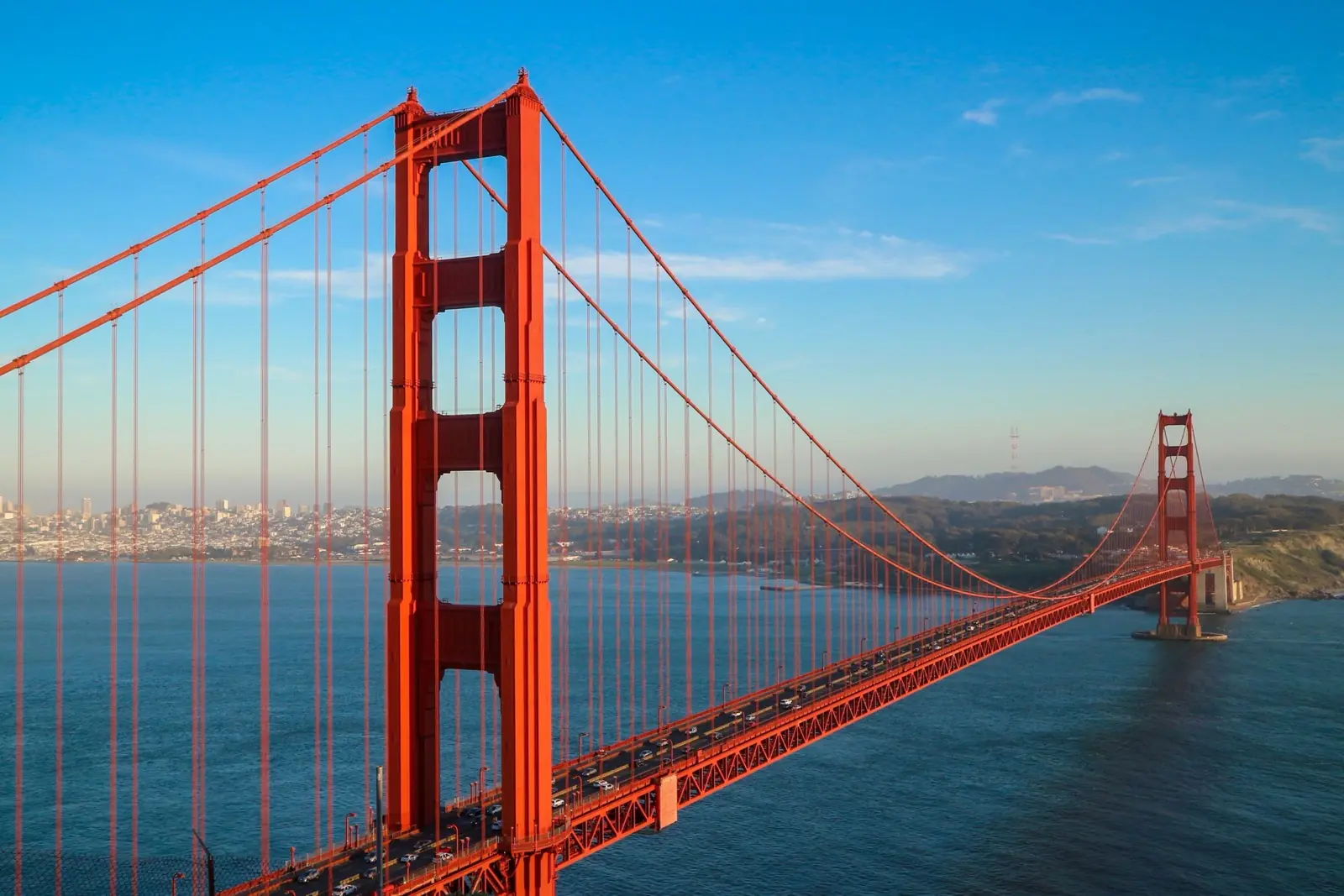
Fog rolling over the Golden Gate Bridge, cable cars climbing impossibly steep streets, and a bay ringed by hills—San Francisco is one of the most visually distinctive cities in the country. Beyond the bridge, don't miss a ferry to Alcatraz, a walk through the Mission's mural-lined alleys, or a foggy morning hike around Lands End for coastal views. Good to know: San Francisco's weather is famously unpredictable and cool even in summer—pack layers no matter when you visit, since Mark Twain's (probably apocryphal) line about the coldest winter being a summer in San Francisco still rings true. Renting a car is optional; the city is very walkable and well served by public transit for most attractions.
Mexico City, Mexico
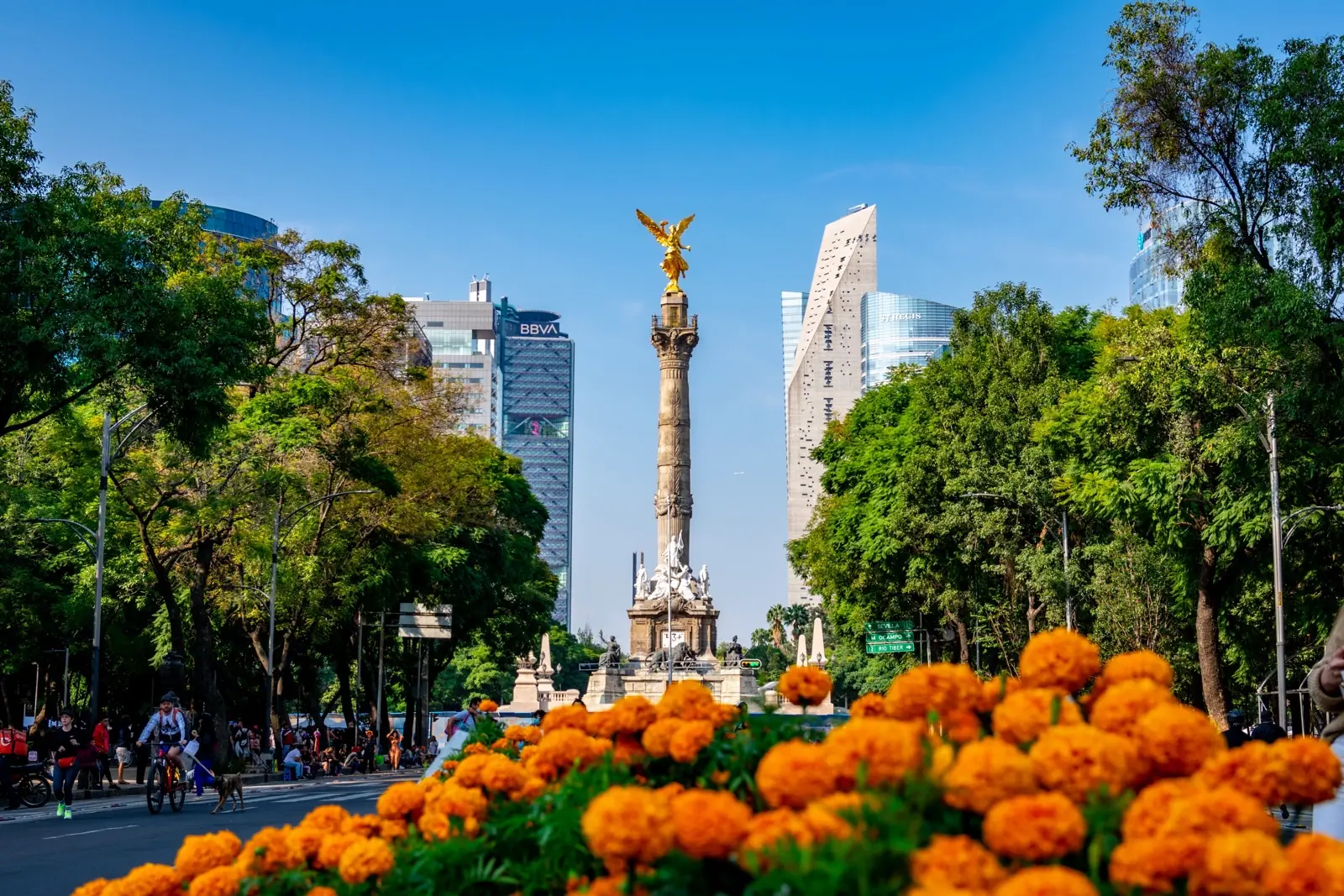
One of the largest and most culturally rich cities on the continent, Mexico City rewards visitors with world-class museums (the Museo Nacional de Antropología alone deserves half a day), leafy neighborhoods like Roma and Condesa full of café culture, and some of the best food scenes in the Americas, from street tacos to Michelin-starred tasting menus. The ancient pyramids of Teotihuacan make an easy half-day trip from the city center. Good to know: The city sits at over 2,200 meters elevation, so give yourself a day to adjust before tackling too much walking. Use official taxis or ride-share apps rather than hailing cabs on the street.
Vancouver, Canada
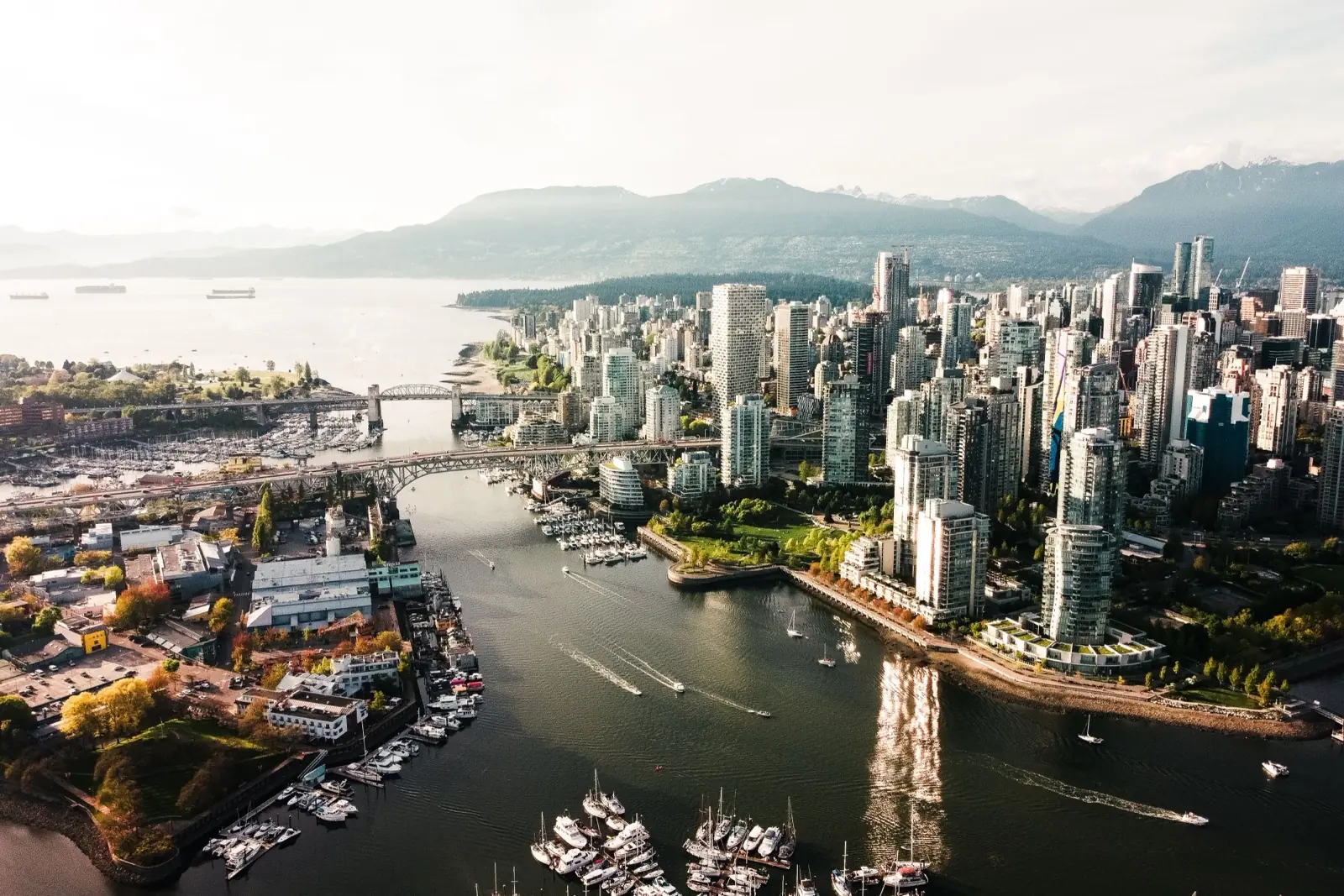
Few cities blend urban life and wilderness as seamlessly as Vancouver, where snow-capped mountains rise directly behind a glassy downtown skyline and temperate rainforest is a short seawall bike ride from the office towers. Stanley Park's seawall loop, the food stalls of Granville Island, and a gondola ride up Grouse Mountain are all easy additions to a city visit. Good to know: Vancouver is one of Canada's rainier cities, especially between November and March, so plan indoor backup activities and pack a good raincoat. The city is very bike- and transit-friendly, making a car unnecessary for most visits.
New Orleans, USA
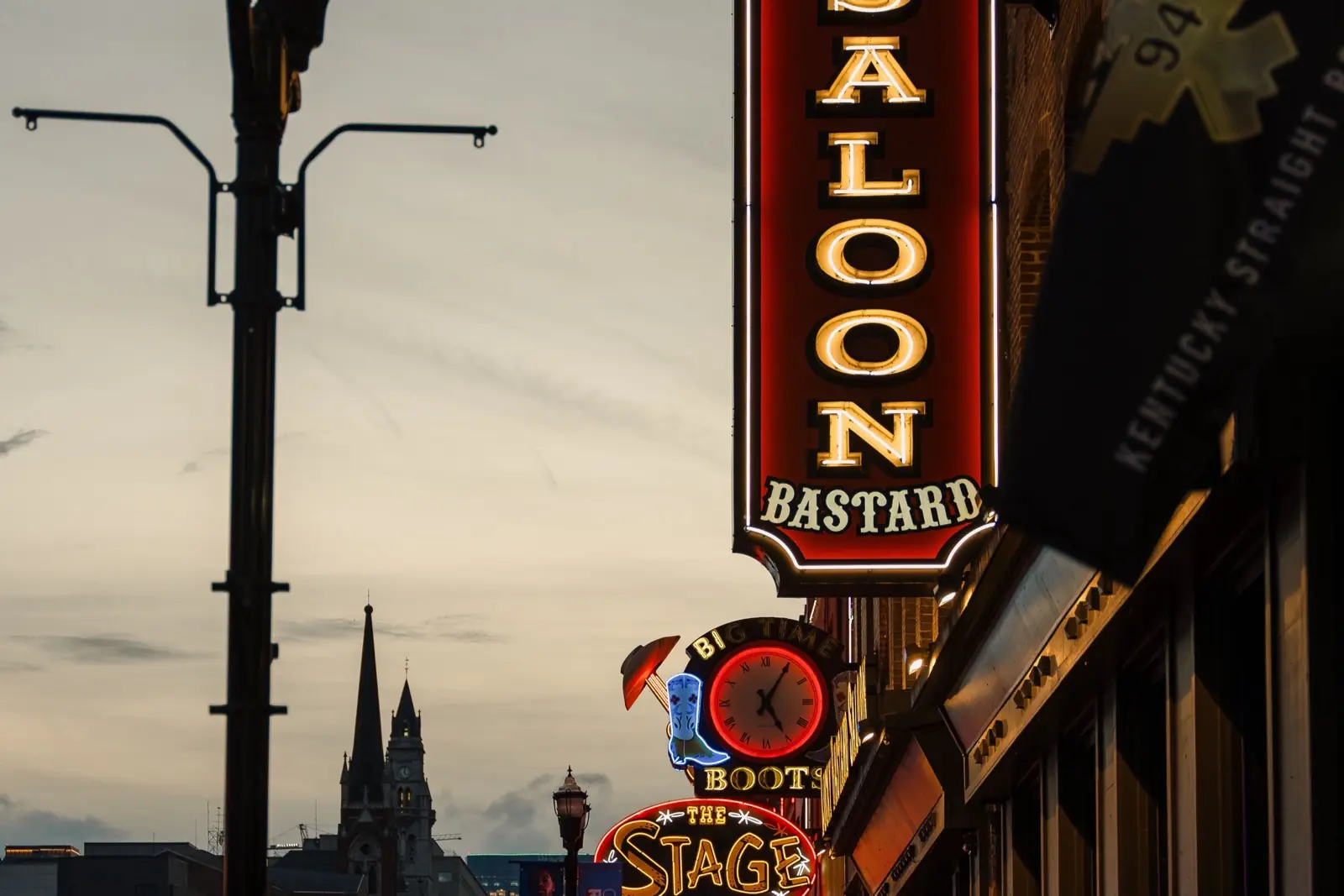
Wrought-iron balconies, live jazz spilling out of open doorways, and a food scene built on generations of Creole and Cajun tradition make New Orleans unlike anywhere else in the country. The French Quarter gets the attention, but the Garden District's oak-lined streets and the Tremé neighborhood's deep musical roots are just as essential to understanding the city. Good to know: Beat the summer heat and humidity by exploring in the morning and saving air-conditioned museums or long lunches for the hottest part of the day. Try to catch a second-line parade or a live show at a local jazz club rather than sticking only to Bourbon Street.
Quebec City, Canada
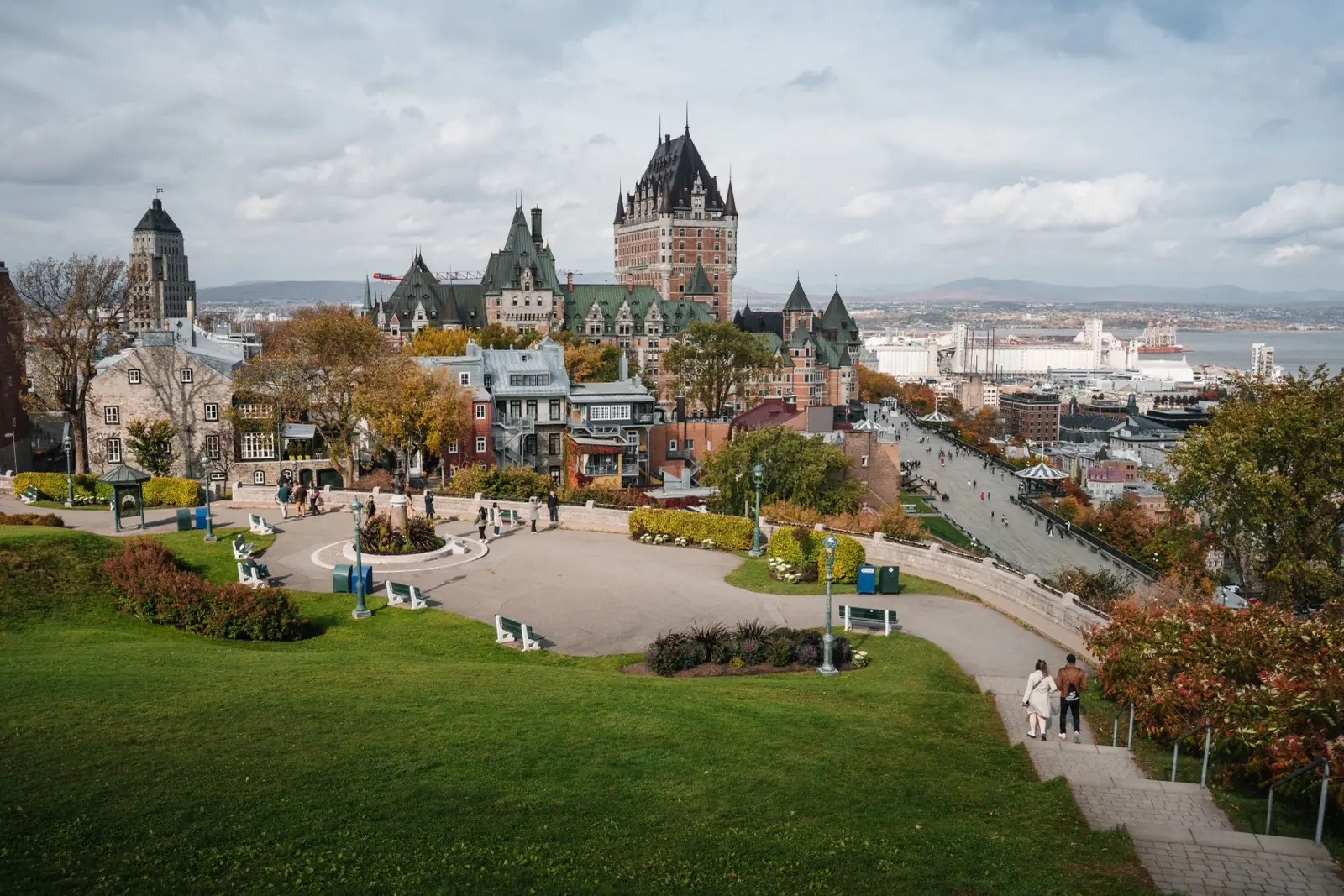
Step inside the walls of Old Quebec and it's easy to forget you're in North America at all—Quebec City's cobblestone streets, château-style architecture, and French-speaking cafés feel transported straight from Europe. The iconic Château Frontenac dominates the skyline, while the Petit Champlain district's narrow lanes are made for aimless wandering. Good to know: Quebec City is at its most magical in winter, when the old town gets blanketed in snow, but layer up seriously—temperatures regularly drop well below freezing from December through February. French is the primary language, though most people in tourist areas also speak English.
Chicago, USA
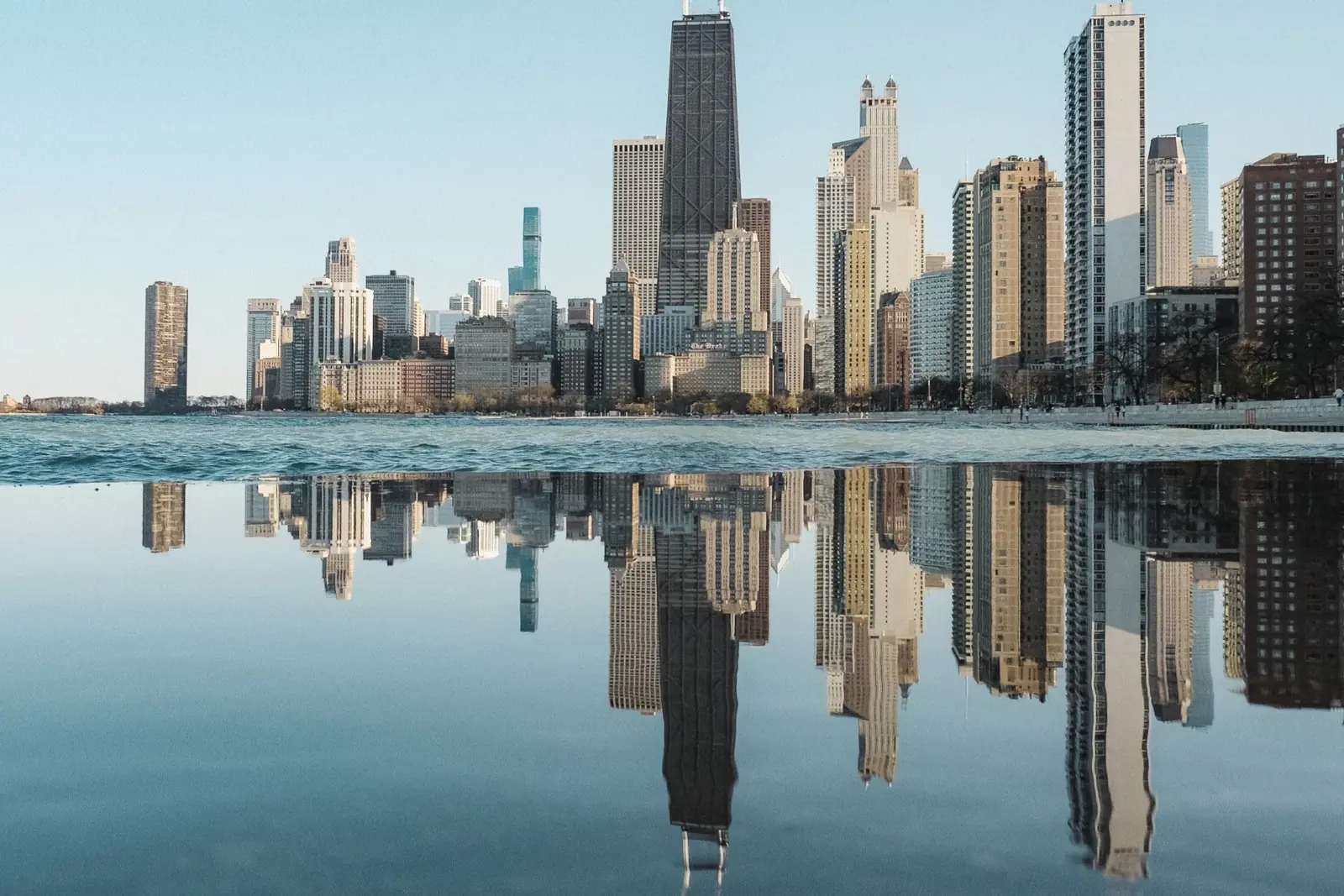
Chicago's skyline rising along the shore of Lake Michigan is one of the great cityscapes in the country, best appreciated from a boat tour on the Chicago River pointing out the city's landmark architecture. Beyond the skyline, deep-dish pizza, the Art Institute's world-class collection, and a genuinely great public transit system make it an easy city to explore without a car. Good to know: Summers along the lakefront are glorious, but winters are seriously cold and windy—pack accordingly if visiting between December and March. The Chicago Architecture Center's river cruise is one of the best-value tours in any American city.
From cable cars to château hotels, these cities prove North America's urban landscape is anything but uniform. Pick the one that matches your mood, and let the neighborhoods do the rest of the work.