
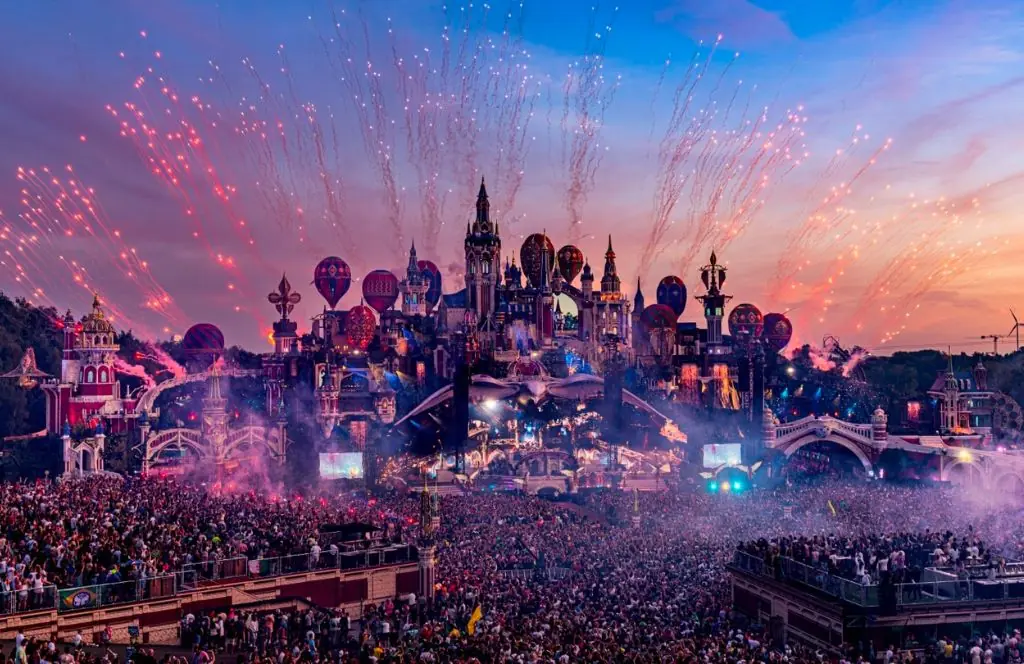
Summer festivals occupy a strange middle ground — some are little more than money grabs dressed up with a lineup poster, others are the kind of experience that justifies the whole trip on its own. The difference usually comes down to a bit of research: which ones book serious talent or cultural substance, and which ones are just a logistics headache with a wristband. Here are the festivals worth the effort of showing up.
Montreux Jazz Festival, Switzerland (July)
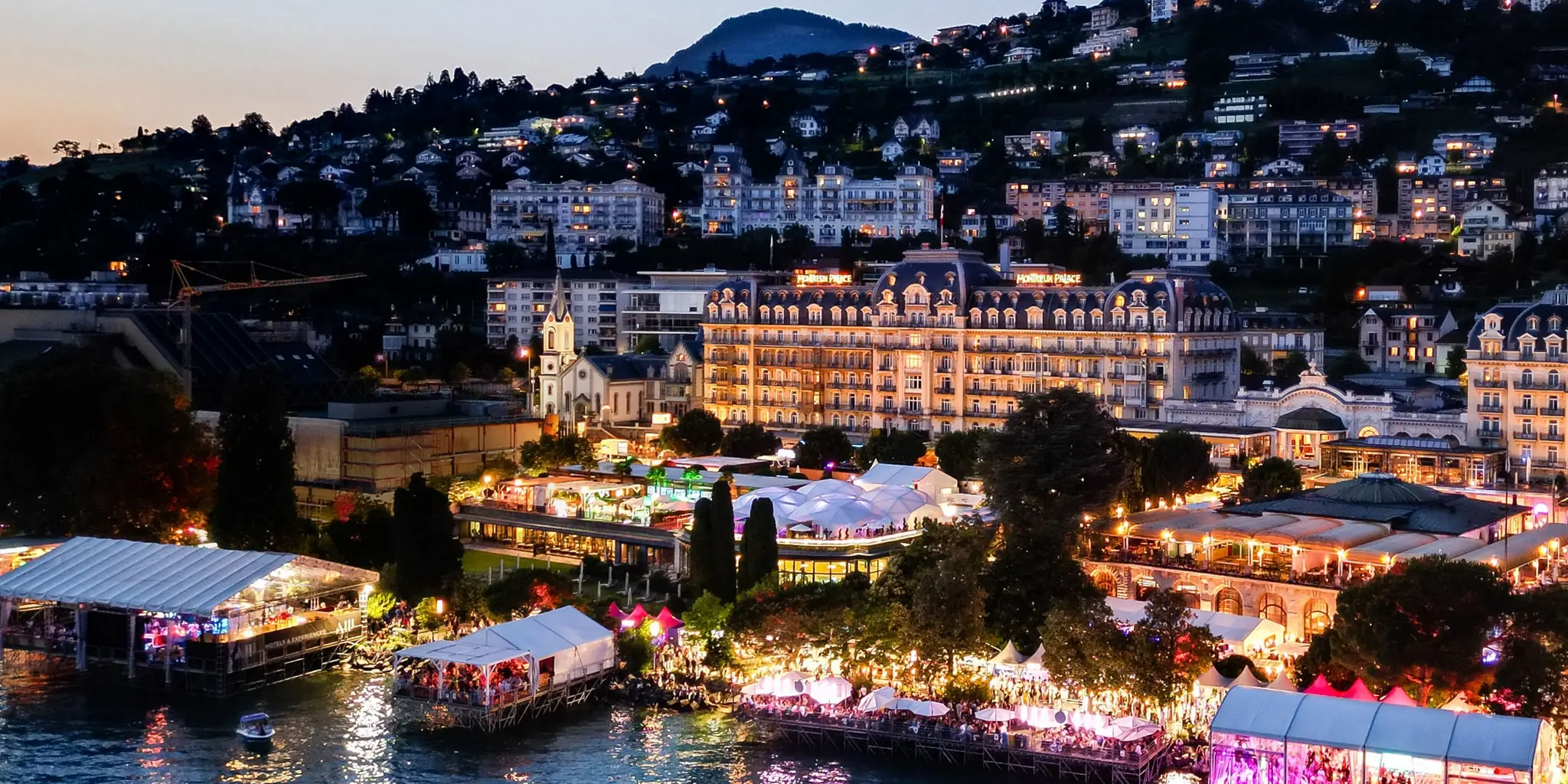
Montreux is undeniably expensive and touristy, but the festival itself books world-class jazz musicians while keeping ticket prices surprisingly reasonable — around $30–60 a day. The lakeside setting, with mountains rising on the far shore, is stunning, and plenty of performances are free to walk into.
Latitude Festival, England (August)
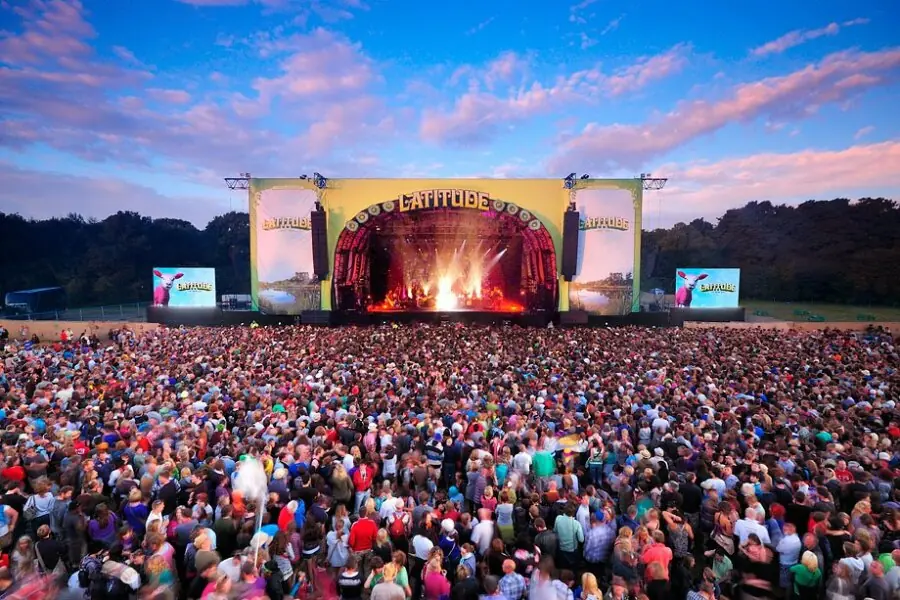
Less of a household name than Reading or Leeds, Latitude unfolds on a Suffolk estate and leans into music, theatre, and culture in equal measure. The lineup tends toward the diverse rather than the predictable, and the whole event carries a real sense of community rather than feeling like a commercial product wrapped around a headliner.
Dublin Fringe Festival, Ireland (September)
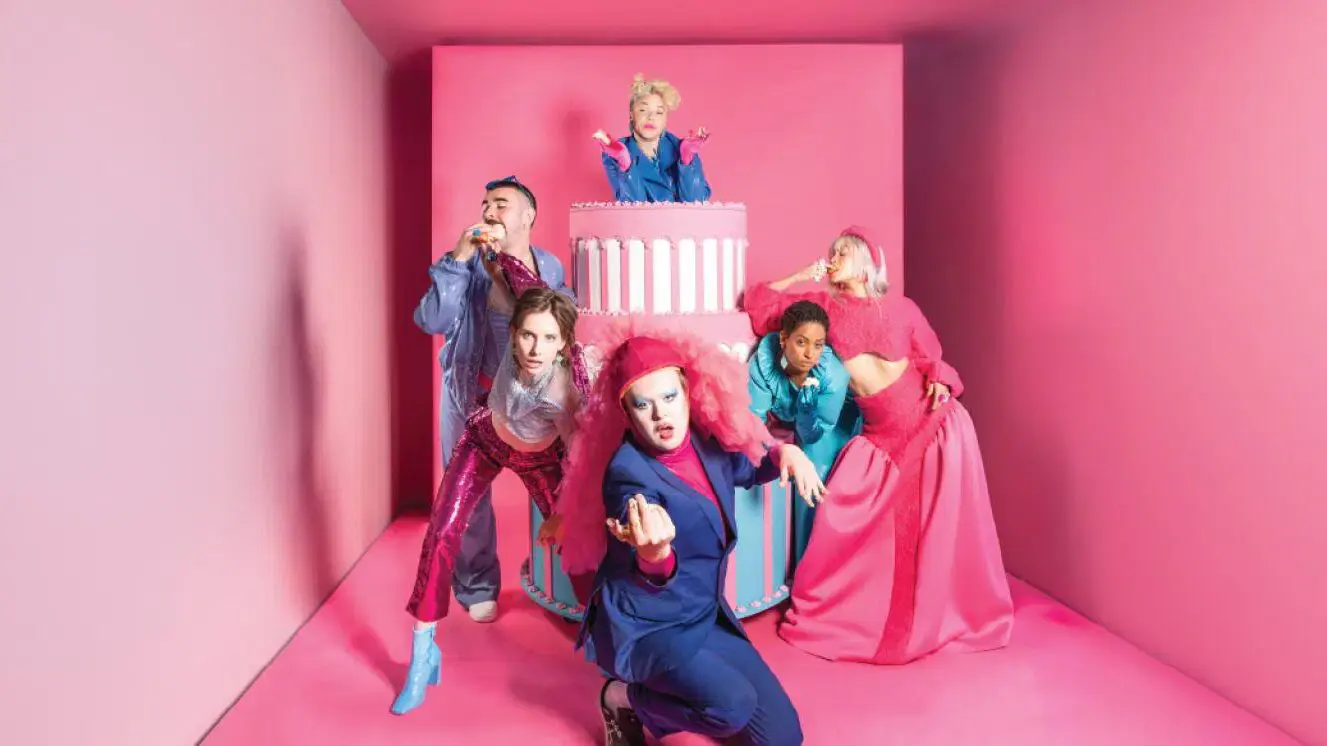
Dublin Fringe lands in September — technically late summer — and fills the city with theatre, comedy, dance, and genuinely experimental art. This is a festival built for the avant-garde rather than the mainstream, and it rewards travelers happy to wander into a show they know nothing about beforehand.
Glastonbury, England (June)
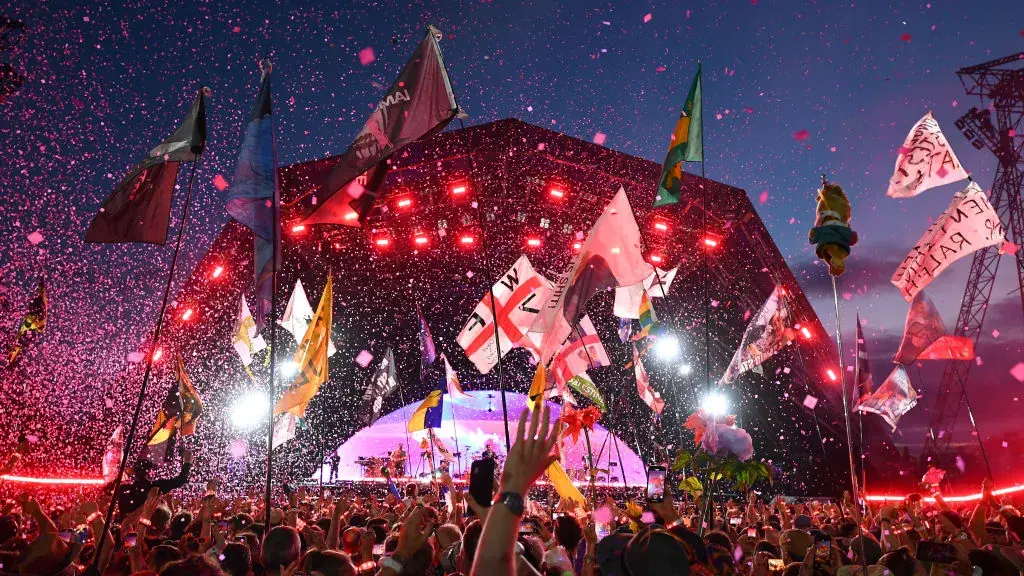
Glastonbury remains the UK's most famous festival, and it earns that reputation honestly. The lineup sprawls across genres rather than sticking to one, art installations turn up in fields you weren't expecting to explore, and the countercultural spirit has somehow survived decades of the festival growing into a genuine institution. Tickets aren't cheap, but they cover camping and on-site facilities.
Øya Festival, Norway (August)
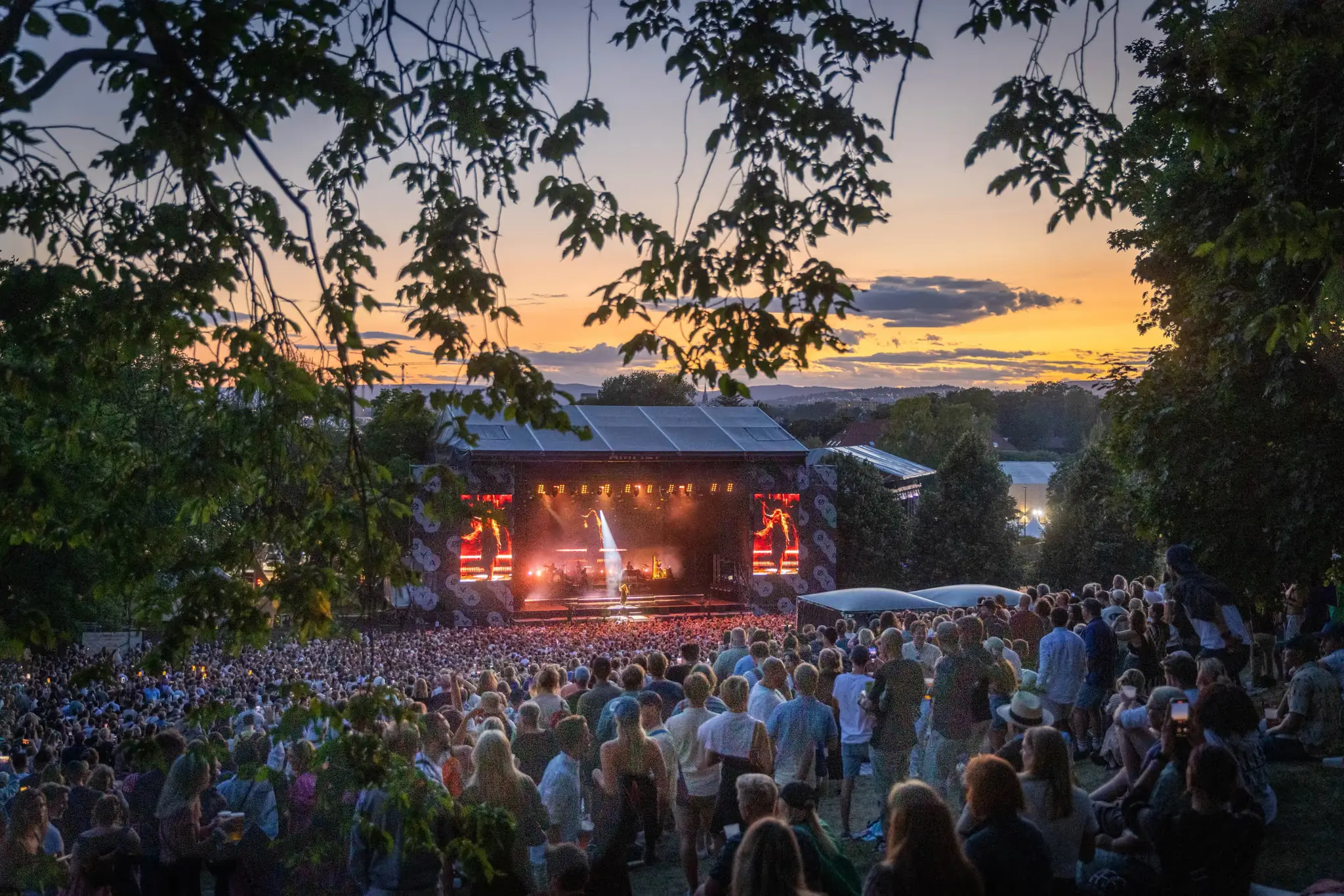
Norway's Øya puts sustainability and social responsibility at the center of how it operates, not as an afterthought. The music lineup holds its own against much bigger festivals, and the organization behind it runs the whole event with a level of care that shows — food waste tracked, transport emissions offset, none of it treated as a marketing line.
Summer Festivals Strategy
- Book accommodation outside the festival venue itself. Hotels within the festival zone routinely charge two to three times the normal rate.
- Research the lineup carefully before committing. Plenty of summer festivals draw enormous crowds for headliners you may not actually care about.
- Check whether camping is included. If it is, pack the gear. If not, look for nearby hostels or guesthouses well ahead of time.
- Show up early in the festival day. The smaller stages often deliver better sets than whoever's headlining the main one.
Not every summer festival is worth wading into the chaos for — but the right ones absolutely are.