Vancouver
Where to Stay in Vancouver: Areas Compared
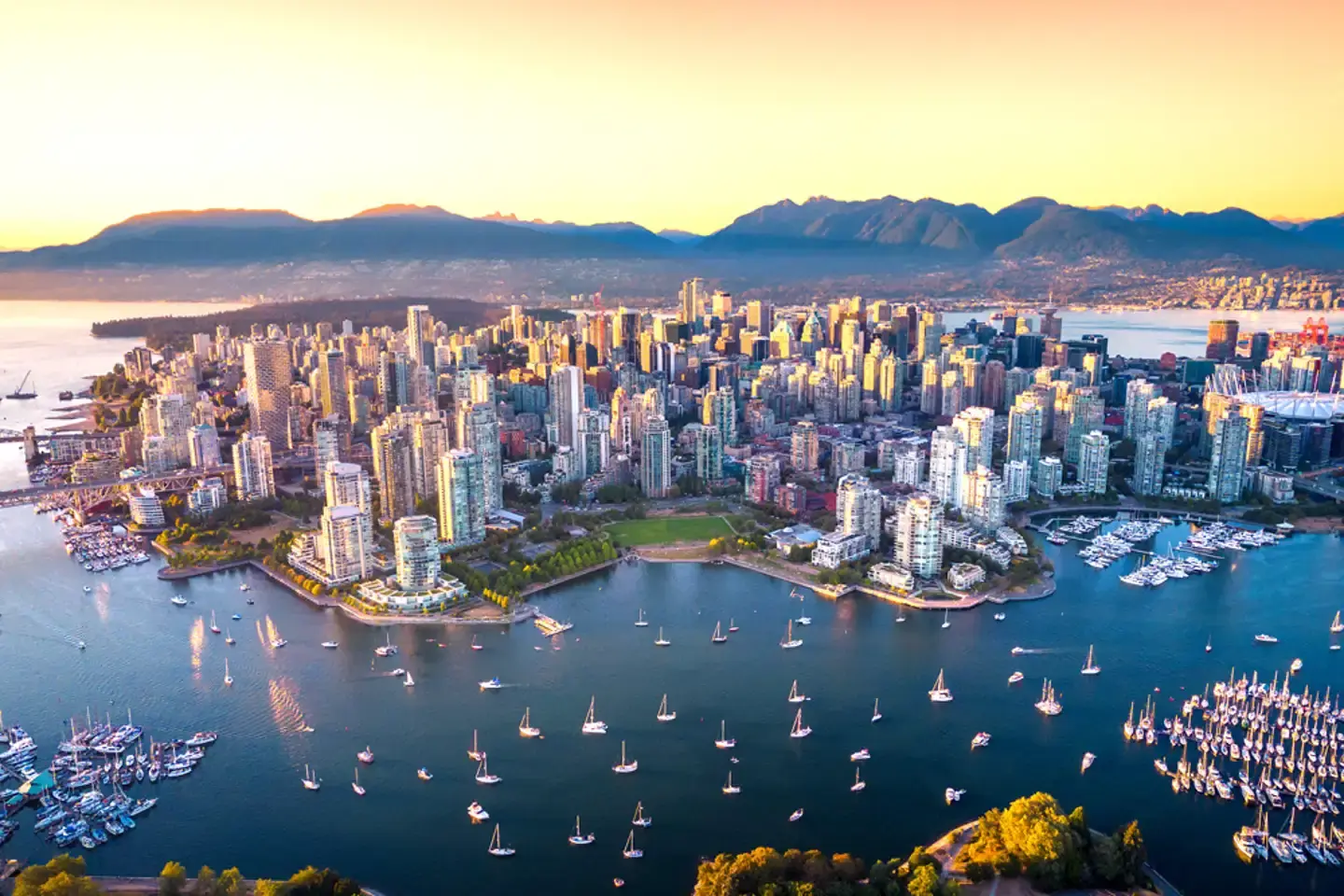
Vancouver's geography does the hard work: mountains on one side, water on three, and a compact downtown peninsula holding most of the hotels. The practical question isn't reaching the sights — the SkyTrain and seawall handle that — but which morning you want: forest and beach at the door, espresso in a brick warehouse, or a residential street across the water where the city actually lives.
Search stays in Vancouver
Where to stay in Vancouver
Downtown & Coal Harbour
The business core and its marina edge: glass towers, seaplanes landing outside breakfast windows and Canada Place at hand. Polished, safe and superbly connected — the default base, with Stanley Park a seawall stroll away.
See stays hereWest End
Leafy residential streets between the downtown towers and Stanley Park, with English Bay's beaches at the bottom. Calm evenings, sunset swims and neighbourhood restaurants on Denman and Davie — the local's pick for visitors, at friendlier prices than Coal Harbour.
See stays hereGastown
The cobbled original townsite: brick warehouses turned cocktail bars, galleries and the steam clock's crowds. Atmospheric and walkable to everything downtown — note its eastern edge borders the Downtown Eastside, a few blocks best read about before you book (see tips).
See stays hereYaletown
Converted rail warehouses along False Creek: terrace restaurants, marina views and the ferry dock for Granville Island. Smart, slightly showy and central — suits food-led trips and evenings that end at a wine bar rather than a trailhead.
See stays hereKitsilano
Across the bridge: beach volleyball, the outdoor saltwater pool and organic-grocer streets that invented Lululemon. A 15–20 minute bus to downtown — choose it for beach mornings and a residential pace over urban convenience.
See stays hereMount Pleasant
The craft-beer quarter around Main Street: breweries, brunch spots and independent shops in low-rise blocks. Vancouver's most personable neighbourhood, a short SkyTrain hop from the core — and usually its best accommodation value.
See stays herePlaces to stay in Vancouver
Browse all staysPer-night prices for a sample 3-night stay — enter your dates for real ones

Hotel · 2 guests · 2 bd · 1 ba
1177 Melville Street, Vancouver CA, V6E0A3


Hotel · 5 guests · 1 bd · 1 ba
801 W Georgia St, Vancouver CA, V6C1P7

Hotel · 4 guests · 1 bd · 2 ba
845 Hornby St, Vancouver CA, V6Z1V1

Hotel · 4 guests · 1 bd · 1 ba
833 West Pender Street, Vancouver CA, V6C1K7

Hotel · 5 guests · 1 bd · 1 ba
475 Howe Street, Vancouver CA, V6B2B3

Hotel · 4 guests · 1 bd · 1 ba
845 Burrard St, Vancouver CA, V6Z2K6
Good to know
- The Canada Line runs from the airport to downtown in about 25 minutes — there's rarely a reason to queue for a taxi. Tap a contactless card; fares include a small airport surcharge northbound.
- From October to March it rains often and enthusiastically — a hooded rain jacket beats an umbrella, and the locals' waterproof-shoes habit exists for a reason. Summer, by contrast, is reliably dry.
- A few blocks of East Hastings Street around Main (the Downtown Eastside) concentrate the city's visible homelessness and addiction crisis. It's a humanitarian situation more than a tourist danger, but rooms advertised as 'Gastown value' sometimes sit on its edge — check the exact block before booking.
- The mountains are transit-reachable: Grouse and the Capilano bridge run shuttles and buses from downtown, and Whistler is two scenic hours by coach. A car only becomes useful for the Sea-to-Sky beyond the bus schedule.
- Summer is cruise season to Alaska — ship-turnaround days lift downtown hotel prices noticeably. If your dates flex, mid-week stays dodge the worst of it.
When to visit
June to September is the payoff — dry, warm and made for the seawall, beaches and mountains. May and October are gambles that often pay, at gentler prices. Winter is grey and wet in the city while the local mountains run a full ski season half an hour up the road — a combination nowhere else offers this casually.
Getting around
The Canada Line runs from the airport to downtown in about twenty-five minutes, and there's a surcharge leaving the airport but not arriving at it. SkyTrain is driverless and frequent; a Compass card or a contactless tap covers it, the SeaBus and the buses. Downtown and the West End are flat and walkable, and the seawall makes a bike the best way to reach Stanley Park. The North Shore mountains mean SeaBus plus a bus, so allow an hour. The thing worth planning around is the bridges: reaching North Vancouver by car at rush hour can take longer than the SeaBus and a walk combined. Cycling is a real option here in a way it isn't in most North American cities — protected lanes run through downtown and the bike share reaches everywhere you'd sleep.
Frequently Asked Questions
Practical answers to the things people ask before booking a stay in Vancouver.
Browse all staysWhich area is best for a first visit?
Downtown or the West End: the seawall, Stanley Park and Granville Island fill the days, and every excursion starts nearby. The West End specifically wins for balancing city access with beach evenings — few first-timers regret it.
Is Gastown safe to stay in?
Its core blocks, yes — lively by day and evening. The caution is geographic: its eastern boundary meets the Downtown Eastside, and comfort drops noticeably block by block. Check the exact address against a map rather than the neighbourhood name alone.
Do I need a car in Vancouver?
Not for the city — SkyTrain, buses and the tiny False Creek ferries cover it well. Rent one only for the Sea-to-Sky highway's stops beyond Whistler's coach service, or for a broader British Columbia loop.
Bookings are completed on our partners' websites. We may earn a commission at no extra cost to you.