Rome
Where to Stay in Rome: Areas Compared
Rome's centre has a quirk that shapes every accommodation decision: the historic core has no Metro stops. Between the Pantheon and Piazza Navona you walk everywhere — wonderful in the evening, less so with luggage on cobbles. So the choice is really between living inside the museum and sleeping just outside it, where the Metro, quieter streets and lower prices live.
Search stays in Rome
Where to stay in Rome
Centro Storico (Pantheon & Piazza Navona)
The middle of everything: the Pantheon, Navona and Campo de' Fiori on foot, fountains at every turn. Unbeatable atmosphere and priced accordingly. No Metro — you walk or take taxis, and rooms in centuries-old palazzi can be as quirky as they are charming.
See stays hereMonti
Rome's old working quarter turned wine-bar village, ten minutes' walk from the Colosseum with its own Metro stop at Cavour. Vintage shops, small squares and real neighbourhood life — the best balance of location, character and price in the centre.
See stays hereTrastevere
Ivy-hung lanes across the river, at their best in the evening when the trattorie fill. Beautiful and lively — which cuts both ways: weekend nights are loud until late, and there is no Metro. Ask for a room off the main squares.
See stays herePrati
The orderly grid beside the Vatican: wide streets, Metro line A, proper food shopping and fair prices. Quiet in the evenings. The practical choice for families, Vatican-focused trips and anyone who wants calm after crowded days.
See stays hereAround Termini
The cheapest central beds and every connection Rome has — airport trains, both Metro lines, day-trip rail. The blocks nearest the station are charmless and scruffy in places, improving fast towards Monti. Fine for a short stopover; not where memories of Rome are made.
See stays hereTestaccio
A genuinely Roman food neighbourhood — the market, classic trattorie and nightlife around the old slaughterhouse, two Metro stops from the Colosseum. Few sights of its own, which keeps prices sensible and evenings local.
See stays herePlaces to stay in Rome
Browse all staysPer-night prices for a sample 3-night stay — enter your dates for real ones

6 guests · 2 bd · 1 ba
Via della Minerva 5, Rome Italy, 00186

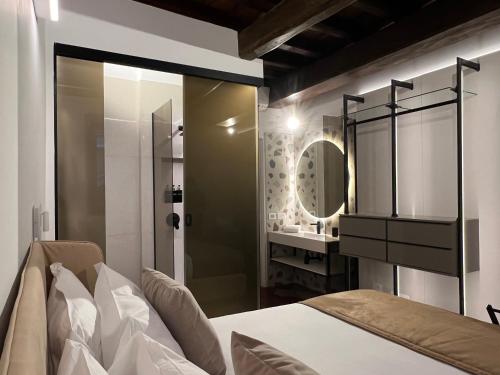
3 guests · 1 bd · 1 ba
15 Via della Minerva, Rome Italy, 00186

Bed & Breakfast · 2 guests · 1 bd · 1 ba
Piazza Navona 93, Roma IT, 00186

Hotel · 4 guests · 1 bd · 1 ba
Via di Torre Argentina 18, Roma IT, 00186
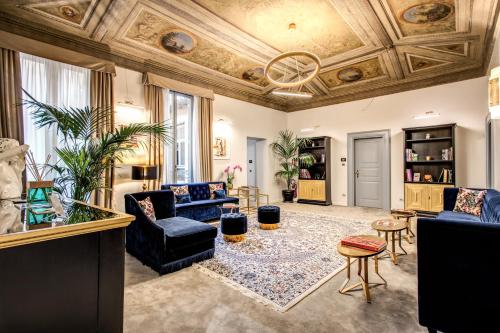
Hotel · 4 guests · 1 bd · 1 ba
Via degli Uffici del Vicario, 49, Rome IT, 00186

Hotel · 4 guests · 2 bd · 2 ba
Piazza Della Rotonda 63, Rome IT, 00186
Good to know
- Rome's tourist tax is charged per person per night and varies with the hotel's category — it is often collected at the property, so budget for it on top of the booking price.
- Book the Colosseum and the Vatican Museums well before you arrive; both sell out days ahead in season. Sleeping near whichever you'll visit first makes the early entry slot painless.
- Cobblestones are hard on wheeled luggage and harder on ankles — in the Centro Storico and Trastevere, a taxi to the door beats dragging a suitcase across three piazzas.
- In August the city is hot and many family-run trattorie close around Ferragosto (mid-month). The sights stay open; the neighbourhood life you came for partly doesn't.
- Don't drive: the centre is a restricted traffic zone (ZTL) with camera enforcement, and a rental car parked at a hotel is a liability. Trains beat the car for Florence, Naples and Ostia anyway.
When to visit
April, May and October are Rome at its best — warm, bright and bearable on foot. June through August is hot, with queues to match; if summer is unavoidable, plan the big sights for early morning. Winter is short-sleeved some years and rainy others, but always the cheapest and quietest season, November especially.
Getting around
The Leonardo Express runs Fiumicino to Termini in thirty-two minutes non-stop; Ciampino is bus-only and slower. Rome's metro is thin — two useful lines, because every excavation hits ruins — so the centro storico is served by buses stuck in the same traffic you would be. Which makes Rome a walking city by default: Piazza Navona to the Colosseum is half an hour on foot, and more interesting than any bus. Bring shoes that survive sampietrini cobbles. Bus tickets must be bought beforehand at a bar or kiosk and validated on board.
Frequently Asked Questions
Practical answers to the things people ask before booking a stay in Rome.
Browse all staysIs staying near Termini a bad idea?
It's a trade, not a mistake. You get the lowest central prices and every transport link, in exchange for charm. For a one-night stopover or an early train it is the rational choice; for a honeymoon it isn't. The streets improve noticeably on the Monti side.
Is Trastevere too noisy to sleep in?
On weekend nights, the central lanes are loud until 2am. A street or two off Piazza Santa Maria the noise drops quickly. If you plan to be out late yourself it hardly matters; light sleepers should ask for a quiet-side room or pick Monti instead.
Should I stay near the Vatican?
Prati is calm, well-connected and better value than the Centro Storico, and museum mornings start on your doorstep. The trade-off is that evening Rome — the floodlit fountains and piazza life — is a Metro ride away rather than outside the door.
Bookings are completed on our partners' websites. We may earn a commission at no extra cost to you.