Rio de Janeiro
Where to Stay in Rio de Janeiro: Areas Compared
In Rio the beach neighbourhoods are the accommodation map: Copacabana, Ipanema and Leblon hold most of the hotels, most of the safety infrastructure and all of the postcard. The candid advice is to stay in the Zona Sul and treat everywhere else as a guided excursion — within it, you're choosing between faded glamour, polished cool and quiet money, one beach apart from each other.
Search stays in Rio de Janeiro
Where to stay in Rio de Janeiro
Copacabana
The four-kilometre crescent and its wall of hotels — the biggest room supply, the widest price range and the famous mosaic promenade. Grand and a little frayed behind the beachfront; oceanfront rooms and the blocks near Ipanema's end are the strongest picks.
See stays hereIpanema
The chic heart: the best urban beach scene, boutiques between the praças and sunset applause at Arpoador rock. Safer-feeling and smarter than Copacabana, with prices to match — the default recommendation for first visits that can afford it.
See stays hereLeblon
Ipanema's quieter, wealthier neighbour: family beach mornings, the city's most polished restaurants and calm residential streets. The premium choice when serenity outranks scene — you can walk into Ipanema whenever you want the noise.
See stays hereBotafogo & Flamengo
The bay-side neighbourhoods under Sugarloaf: craft bars, serious restaurants and metro lines to everything, at prices well below the ocean beaches. The bay water isn't for swimming — this is the value-and-local-life base, one metro hop from the sand.
See stays hereSanta Teresa
The bohemian hilltop: crumbling mansions turned guesthouses, ateliers and views across the city. Romantic and atmospheric — with taxis required after dark and a journey to every beach. Best for repeat visitors and honeymoon moods rather than beach-first trips.
See stays hereCentro & Lapa
The historic core and the nightlife arches: samba clubs, street parties and the grand old theatres. Alive at night and on weekdays, deserted on weekend days — go for the evenings, sleep in the Zona Sul.
See stays herePlaces to stay in Rio de Janeiro
Browse all staysPer-night prices for a sample 3-night stay — enter your dates for real ones

Hotel · 4 guests · 1 bd · 1 ba
Av Atlantica 2064 - Copacabana, Rio De Janeiro BR, 22040010

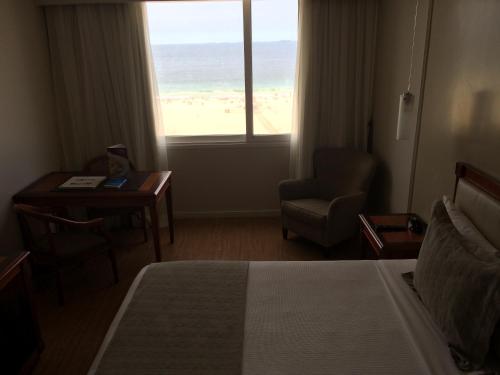
Hotel · 3 guests · 1 bd · 1 ba
Av. Atlantica 2230, Rio De Janeiro BR, 22041001

Hotel · 3 guests · 1 bd · 1 ba
Rua Domingos Ferreira, 6, Rio De Janeiro BR, 22050010

Hotel · 4 guests · 1 bd · 1 ba
Av. Nossa Senhora de Copacabana, 552, Rio De Janeiro BR, 22040001
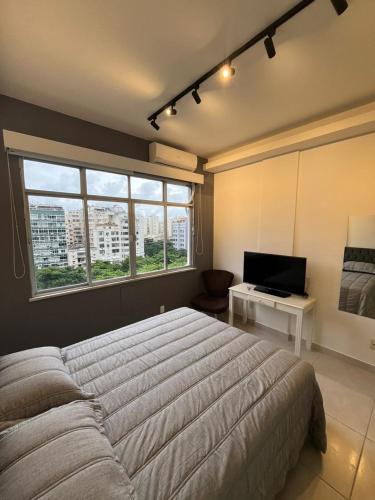
4 guests · 1 bd · 1 ba
534 Avenida Nossa Senhora de Copacabana, Rio de Janeiro Brazil, 22020-001
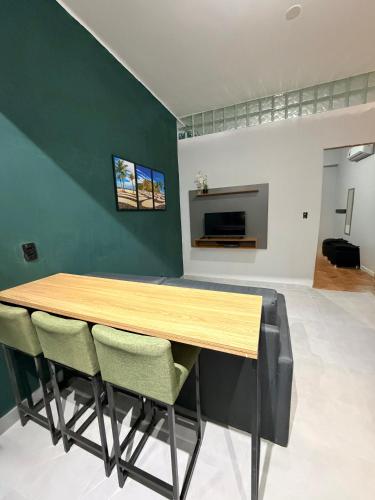
4 guests · 1 bd · 1 ba
Av. Nossa Sra. de Copacabana, 583/301 506, Rio de Janeiro Brazil, 22050-002
Good to know
- Beach rule number one: bring to the sand only what you can afford to lose — a little cash, no watch, phone use kept brief. The barracas (beach stands) rent chairs and guard a low-key routine that works; follow the locals' lead.
- Uber and the ride apps are cheap, ubiquitous and the default way visitors move at night — use them door to door after dark, everywhere, including short distances in the Zona Sul.
- Carnival (February or March, dates float) multiplies prices several times over and books out months ahead — as does New Year's Eve, when two million people in white fill Copacabana for the fireworks. Plan around both unless they're the point.
- The metro is safe, air-conditioned and links Copacabana, Ipanema and Centro efficiently by day — pair it with the apps at night. Avoid walking on the sand or the beachfront promenade after dark, however pleasant it looks.
- Favela tourism is contested ground: conditions change block by block and year by year. If you go, go with a resident-run guide arranged in advance — never wander in independently, whatever a map app suggests.
When to visit
December to March is high summer — hottest, busiest, most expensive and most Rio, with Carnival as its crescendo. May to October brings drier, milder days in the mid-twenties, thinner crowds and better prices — the connoisseur's window, with the beaches still entirely usable. The views need clear days more than warm ones: check the forecast before committing to Sugarloaf or Christ.
Getting around
Galeão handles international flights and is around forty minutes from the south-zone beaches; Santos Dumont is right in the centre. The metro is clean, air-conditioned and covers exactly the stretch most visitors want — Copacabana, Ipanema and Leblon via the Line 4 extension, and up to the centre on Line 1. It closes at midnight on weeknights. After dark, use an app car rather than walking between neighbourhoods. The distances along the beach flatter the map: Copacabana to Ipanema looks like a stroll and is closer to forty minutes end to end. Buses are frequent and cheap but drive fast and stop briefly.
Frequently Asked Questions
Practical answers to the things people ask before booking a stay in Rio de Janeiro.
Browse all staysCopacabana or Ipanema — which should I choose?
Ipanema if the budget stretches: smarter streets, a better beach scene and a stronger safe feeling after dark. Copacabana for the room-rate value and the iconic promenade — choose the beachfront or the Ipanema end rather than the deep back streets, and you keep most of the difference.
Is Rio safe for tourists?
The Zona Sul runs on tourism and is heavily policed, and most visits pass without incident — but petty theft is genuinely common, and phones are the target. The rules that matter: nothing valuable on the beach, ride apps after dark, and no unlit walks. Follow them and the odds are firmly on your side.
How many nights does Rio deserve?
Four covers the beaches, Sugarloaf, Christ the Redeemer and a Lapa samba night at a humane pace; five adds Santa Teresa and a proper do-nothing beach day, which is the most Rio activity of all.
Bookings are completed on our partners' websites. We may earn a commission at no extra cost to you.