Paris
Where to Stay in Paris: Arrondissements Explained
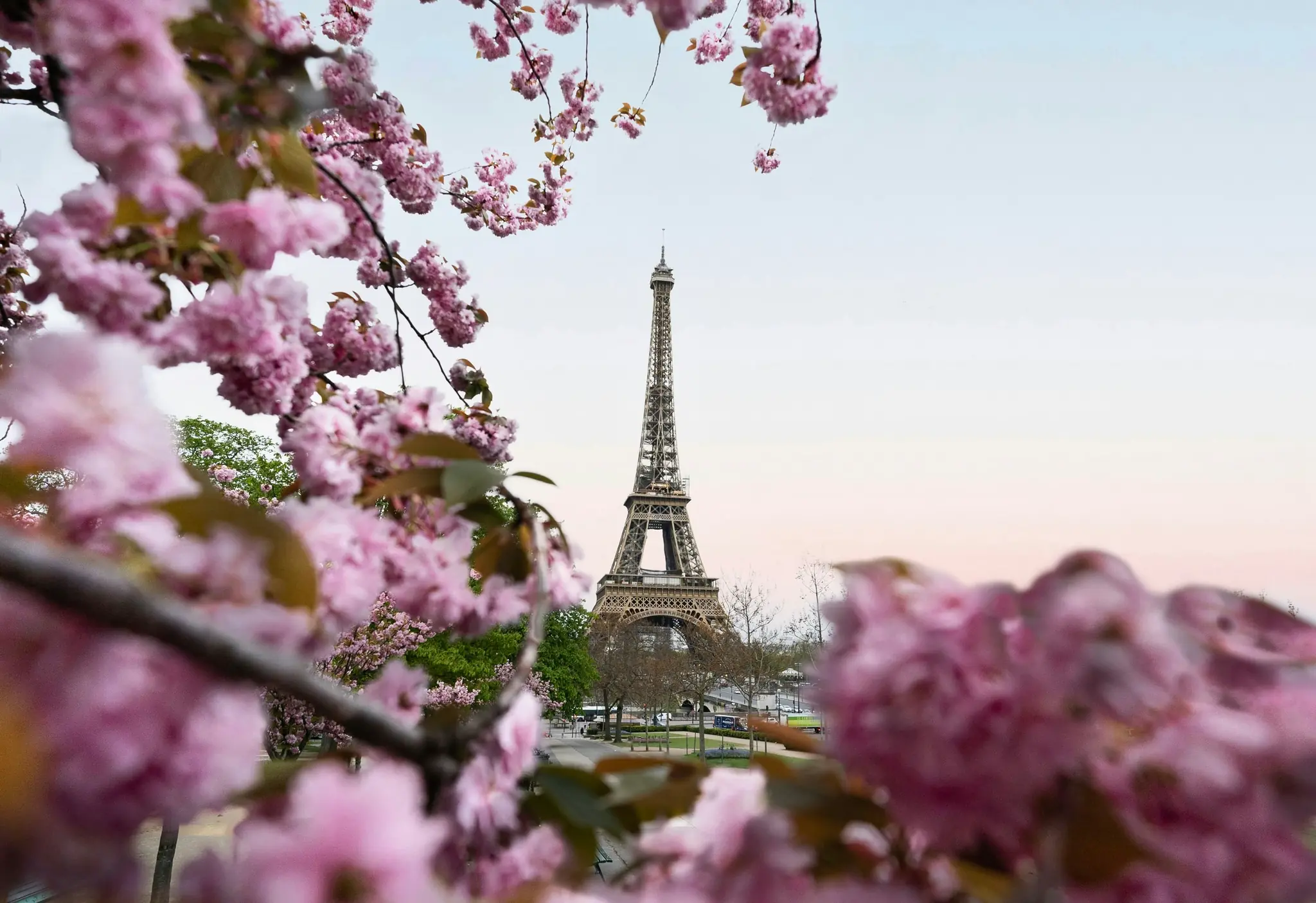
Paris addresses come with a number, and it matters: the twenty arrondissements spiral out from the Louvre, so the digit tells you roughly how central you are. But 'central' is not the whole story — the Métro crosses the city in half an hour, and the better question is which Paris you want at street level when you step out in the morning: galleries, cafés, students or a village on a hill.
Search stays in Paris
Where to stay in Paris
Le Marais (3rd & 4th)
Medieval lanes filled with boutiques, galleries and falafel queues, walkable to Notre-Dame and the Pompidou. The most atmospheric central base and the heart of LGBT Paris. Rooms run small and streets lively — ask how the room faces if you sleep lightly.
See stays hereSaint-Germain-des-Prés (6th)
The postcard Left Bank: literary cafés, antique dealers and the Luxembourg Gardens. Polished, safe and walkable to the Seine and the Orsay — you pay classic-Paris prices for the address, and nightlife is more wine bar than club.
See stays hereLatin Quarter (5th)
The student quarter around the Sorbonne and the Panthéon — bookshops, cheap bistros and late-opening bars. One of the better-value central areas, though the streets nearest the river are given over to tourist menus; the charm survives a few blocks in.
See stays hereLouvre & Opéra (1st & 2nd)
Grand, central and impeccably connected — most Métro lines cross here and the museums are on foot. Parts empty out in the evening once offices and shops close, so it suits sightseeing-dense trips more than café-lingering ones.
See stays hereMontmartre (18th)
A hilltop village of stairs, vines and squares below Sacré-Cœur. Romantic and genuinely local away from the funicular crowds, but a 20–25 minute Métro ride from most other sights — better for a second visit, or a first one built around atmosphere.
See stays hereCanal Saint-Martin & République (10th & 11th)
Where young Paris actually eats and drinks — canalside aperitifs, bistros and bars around Oberkampf. Fewer sights of its own but excellent Métro links, and noticeably more room for the money than the single-digit arrondissements.
See stays herePlaces to stay in Paris
Browse all staysPer-night prices for a sample 3-night stay — enter your dates for real ones
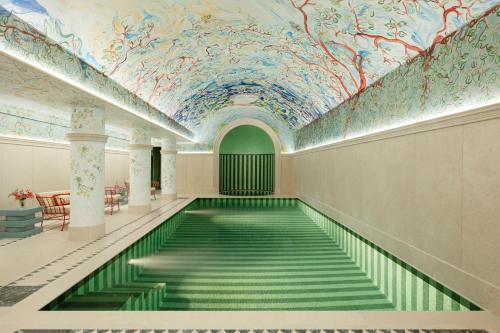
Hotel · 4 guests · 1 bd · 1 ba
17 Rue de la Verrerie, Paris FR, 75004


Hotel · 4 guests · 1 bd · 1 ba
58 Rue du Roi de Sicile, Paris FR, 75004
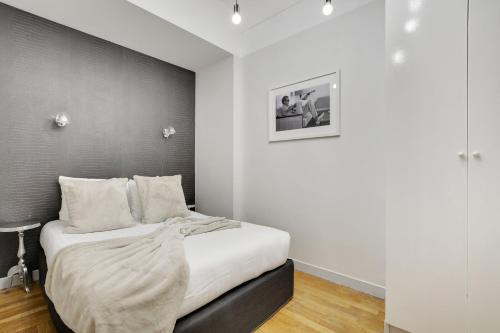
4 guests · 1 bd · 1 ba
23 Rue du Renard, Paris, 75004, France

Hotel · 4 guests · 1 bd · 1 ba
23 Rue du Bourg Tibourg, Paris FR, 75004
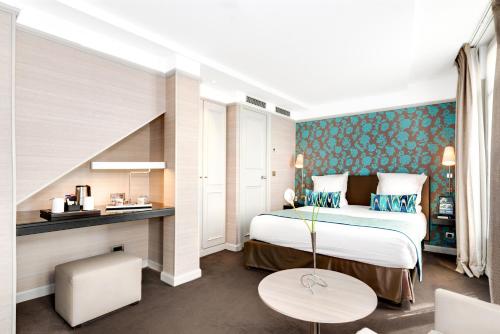
Hotel · 4 guests · 1 bd · 1 ba
11 rue du temple, Paris FR, 75004
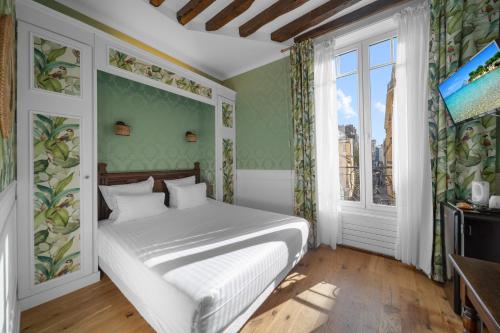
Hotel · 4 guests · 2 bd · 2 ba
22 Rue Ste Croix Bretonnerie, Paris FR, 75004
Good to know
- From Charles de Gaulle, the RER B reaches the centre in 35–40 minutes; official taxis charge a flat fare to the city, so agree nothing and use the rank. Skip anyone offering a ride inside the terminal.
- Haussmann-era buildings often have no lift, and 'charming walk-up' can mean five floors with luggage. If stairs are a problem, confirm the lift before booking, not at check-in.
- The tourist tax is charged per person per night on top of the room rate and rises with the hotel's star rating — on a longer family stay it adds up to real money, so check whether your quoted price includes it.
- Paris hotel rooms are among Europe's smallest; a 'double' under 15 m² is normal in the centre. Apartments come into their own for stays past three nights.
- The Métro shuts around 1am on weeknights (later on Fridays and Saturdays). If you plan late nights out, base yourself near them — night buses exist but are slow.
When to visit
April to June and September to October are classic Paris — mild, bright and busy. August is the odd month: many neighbourhood shops and restaurants close for the holidays and the city empties of Parisians, but hotels are cheaper and the big museums stay open. Winter is low season and good value, with fashion weeks and trade fairs causing sudden price spikes.
Getting around
RER B links both Charles de Gaulle terminals to Châtelet in about forty minutes, though it's a rough ride with luggage at rush hour; Orly has the newer Line 14, which is faster and calmer. Once you're in, the Metro is dense enough that almost nowhere central is more than a five-minute walk from a station. Buy a Navigo Easy card or tap contactless rather than hoarding paper tickets. Most arrondissement-to-arrondissement hops are walkable along the river. Vélib' bikes are everywhere and the riverside lanes are separated from traffic.
Frequently Asked Questions
Practical answers to the things people ask before booking a stay in Paris.
Browse all staysWhich arrondissement is best for a first visit?
The Marais or Saint-Germain. Both put you on foot to the Seine, the islands and a major museum, with restaurants at every price on the doorstep. The Latin Quarter is the value pick of the three if the budget is tighter.
Is staying near the Eiffel Tower a good idea?
The 7th is elegant and the view is unbeatable, but the area is residential and quiet at night, with fewer restaurants and bars than the centre. See the tower from there; sleep somewhere livelier unless calm is exactly what you want.
Is Montmartre too far out?
No — the Métro puts it 20–25 minutes from the centre. It just changes the shape of your trip: you commute to the sights and come home to a village. Light sleepers should avoid the blocks immediately around Pigalle's nightlife strip.
Bookings are completed on our partners' websites. We may earn a commission at no extra cost to you.