London
Where to Stay in London: Areas Compared
London is too big to 'stay central' by default — the centre is a string of neighbourhoods with different personalities, and the Tube makes almost all of them workable. The real decision is what you want to walk to at night: theatres, the river, museums, or bars. Pick that first and let the transport map handle the rest.
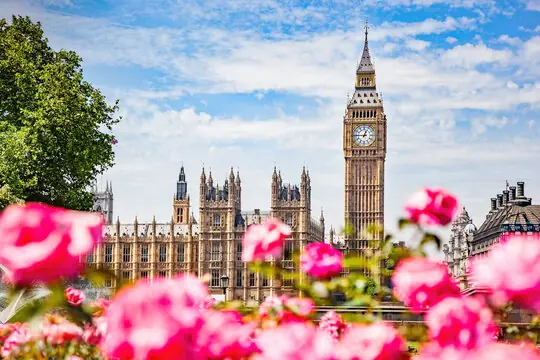
Search stays in London
Where to stay in London
Covent Garden & Soho
The West End proper: theatres, restaurants and shopping outside your door, and most sights within a walk. The default for a first, short visit — you pay for it with London's highest room rates and rooms that run small for the money.
See stays hereSouth Bank & Southwark
The riverside walk from the London Eye past the Tate Modern to Borough Market. Feels open and unhurried compared with the West End, which is still only a bridge away — a good compromise for families and first-timers.
See stays hereKensington & South Kensington
White stucco terraces around the Natural History, Science and V&A museums, with Hyde Park at the top. Quiet in the evenings and well served by the Piccadilly line from Heathrow. Classic rather than fashionable — suits museum-led trips and longer stays.
See stays hereKing's Cross & Bloomsbury
The practical choice: two mainline stations, the Eurostar, six Tube lines and the British Museum on foot. King's Cross has swapped its old grime for canalside restaurants, and Bloomsbury's Georgian squares hold many of London's better-value mid-range hotels.
See stays hereShoreditch & the East End
Street art, vintage markets and the densest concentration of bars in east London. The right base if your London is nightlife and food rather than Buckingham Palace — expect weekend noise and a 15–20 minute journey to the classic sights.
See stays herePaddington & Bayswater
Rows of mid-range hotels between Hyde Park and the Paddington rail hub, with the Heathrow Express and Elizabeth line on the doorstep. Not a destination in itself, but hard to beat for park access and airport logistics at a fair price.
See stays herePlaces to stay in London
Browse all staysPer-night prices for a sample 3-night stay — enter your dates for real ones

Hotel · 3 guests · 1 bd · 1 ba
51 Bedford St, London GB, WC2R0PZ


Hotel · 4 guests · 1 bd · 1 ba
8 St. Martins Place, London GB, WC2N4JH

Hotel · 4 guests · 2 bd · 2 ba
38 Leicester Square, London GB, WC2H7DX
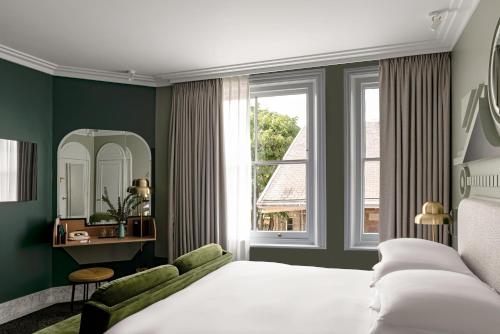
Hotel · 2 guests · 1 bd · 1 ba
14-15 Henrietta Street, London GB, WC2E8QH
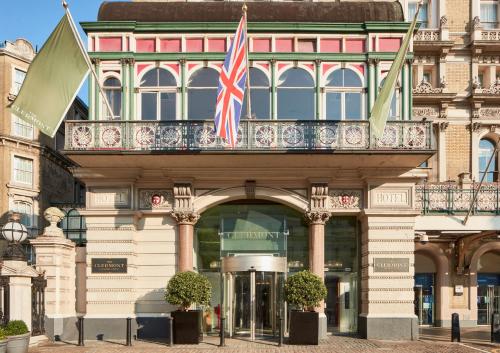
Hotel · 4 guests · 1 bd · 1 ba
The Strand, London GB, WC2N5HX
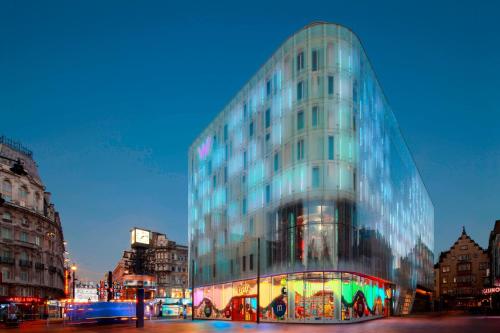
Hotel · 3 guests · 1 bd · 1 ba
10 Wardour Street, London GB, W1D6QF
Good to know
- From Heathrow, the Elizabeth line reaches Paddington in about 30 minutes for roughly half the Heathrow Express fare — for most trips the Express's fifteen saved minutes aren't worth the difference.
- You don't need a travel card: tap a contactless bank card on every Tube, bus and train gate and your day is automatically capped at the equivalent day-ticket price. Use the same card each time, or the cap breaks.
- London hotel rooms are small by international standards, and 'cosy' in a listing usually means it. Check the room size in square metres, not just the photos, before booking.
- Staying in zone 2 next to a Tube station often beats a worse room in zone 1 — places like Angel, Clapham or Hammersmith are 15–20 minutes from the centre and noticeably cheaper.
- Don't rent a car: the congestion charge covers the centre and the ULEZ emissions charge covers virtually all of London, parking is scarce, and the Tube or a black cab will beat you across town anyway.
When to visit
May, June and September are the sweet spot — long days, parks in use and slightly saner prices than midsummer. July and August are peak crowds; December is festive but expensive on weekends. January and February are the cheapest months, and London's museums and theatres don't care about the weather.
Getting around
The Elizabeth line runs from Heathrow to Paddington in about fifteen minutes and to Liverpool Street in thirty-five, for a fraction of the Heathrow Express fare. Tap in with a contactless card or phone — no ticket, no Oyster needed, and daily capping means you can't overspend. What catches visitors out is thinking in miles: Zone 1 is small, and two stops on the Tube is often slower than walking. The main lines run all night on Fridays and Saturdays. Buses are slower but easier to read than the Tube, and take contactless only — never cash.
Frequently Asked Questions
Practical answers to the things people ask before booking a stay in London.
Browse all staysWhich area is best for a first visit to London?
Covent Garden or the South Bank. Both put the headline sights, the river and the theatres within walking distance, so you spend your first trip seeing London rather than commuting through it. If both are over budget, King's Cross–Bloomsbury is the best-connected fallback.
Is it worth staying outside zone 1?
Yes, if — and only if — you are within a short walk of a Tube or Overground station. The fare cap makes commuting in cheap, and the same money buys a distinctly better room. Check the journey time to a central stop before booking, not the zone number.
Do I need a car in London?
No, and having one is actively worse: congestion and emissions charges, scarce parking and slow traffic. The Tube, buses and trains cover the city comprehensively, and contactless payment removes any ticket-buying friction.
Bookings are completed on our partners' websites. We may earn a commission at no extra cost to you.