Lisbon
Where to Stay in Lisbon: Neighbourhoods Compared
Lisbon's map lies to you: two neighbourhoods that look adjacent can be separated by a climb that turns ten minutes into thirty. The city is built on hills, and where you sleep decides how many of them you climb per day — and how much noise finds your window at 2am. Read distances here in stairs, not metres, and the rest of the choice falls into place.
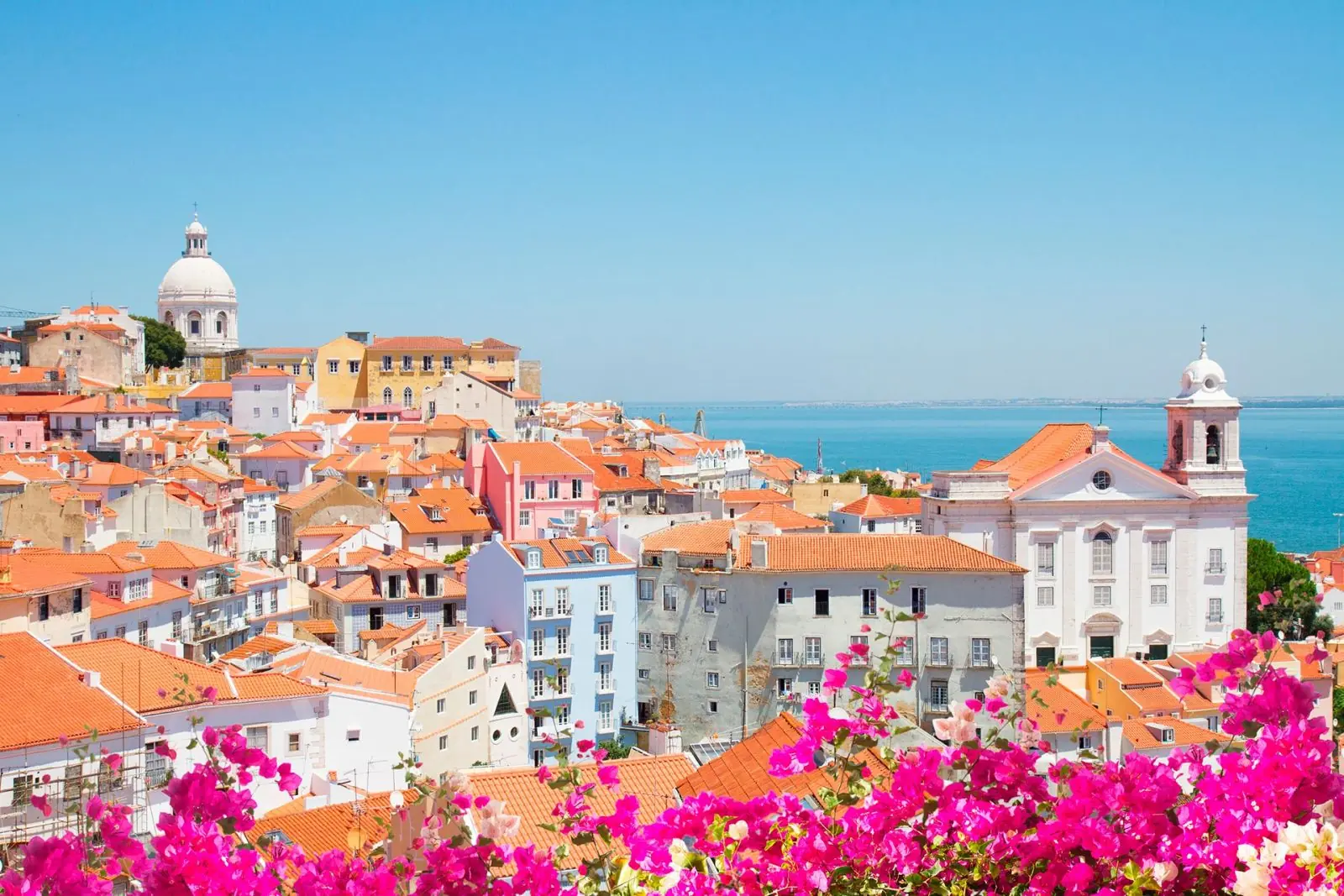
Search stays in Lisbon
Where to stay in Lisbon
Baixa & Chiado
The flat(ter) heart: the grand post-earthquake grid running from the river to Rossio, with Chiado's cafés and bookshops on the first slope. Central, elegant and the easiest Lisbon to wheel a suitcase through — the default first-visit base.
See stays hereAlfama
The oldest quarter — a Moorish maze of stairways, miradouros and fado houses below the castle. Sleeping here is atmospheric like nowhere else in the city; getting a suitcase to the door is a known sport. Cars can't reach many lanes, so confirm luggage logistics with your host.
See stays hereBairro Alto & Príncipe Real
Two halves of one hill: Bairro Alto is the nightlife grid, loud until 2am and hoarse until 3; Príncipe Real just above is boutique hotels, antique shops and garden squares. Sleep in Príncipe Real, go out in Bairro Alto — not the reverse.
See stays hereAvenida da Liberdade
The grand boulevard of big hotels between Rossio and the park — wide pavements, metro underneath, luggage-friendly. What it lacks in village charm it repays in comfort and connections, especially for first-timers who prioritise ease.
See stays hereSantos & Lapa
West along the river: design shops and brunch in Santos, embassies and quiet grandeur up in Lapa. Removed from the sightseeing crush without being far from it — good for second visits and stays where calm outranks convenience.
See stays hereBelém & Parque das Nações
Two outliers for specific trips: Belém has the monuments, custard tarts and daytime crowds but empties at night; Parque das Nações is modern, flat and family-friendly by the aquarium. Both are better day trips than bases for a first visit.
Places to stay in Lisbon
Browse all staysPer-night prices for a sample 3-night stay — enter your dates for real ones

Hotel · 4 guests · 1 bd · 1 ba
Rua Dom Antaoo de Almada, 4, Lisboa PT, 1100373


Hotel · 2 guests · 1 bd · 1 ba
Rua 1º De Dezembro, 120, Lisboa PT, 1200360
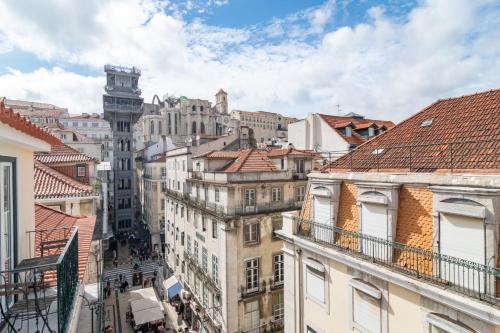
4 guests · 2 bd · 2 ba
77 Rua de Santa Justa, Lisbon Portugal, 1100-052

Hotel · 3 guests · 1 bd · 1 ba
Rua das Portas de Santo Antão, 9, Lisbon PT, 1150264

Hotel · 5 guests · 1 bd · 1 ba
Rua dos Correeiros, 204, Lisbon PT, 1100170
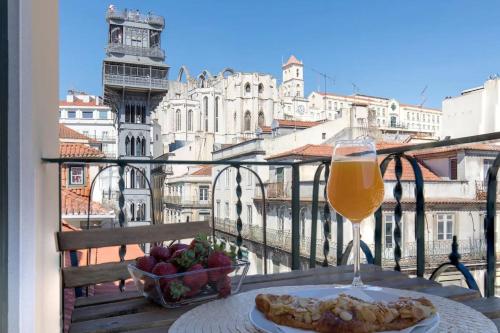
Aparthotel · 6 guests · 2 bd · 2 ba
79 Rua de Santa Justa, Lisbon PT, 1100052
Good to know
- Take the hills seriously when booking: an address 300 metres from the sights can sit eighty steps above them. Check reviews for mentions of stairs, and treat 'fourth floor, no lift' as a warning, not a detail.
- The metro gets you from the airport to the centre in around 25 minutes with one easy change — there is rarely a reason to queue for a taxi at arrivals.
- Tram 28 is a sight, not a commute: it is packed by mid-morning and beloved by pickpockets. Ride it early, and keep your phone in a front pocket — advice that applies to all of Lisbon's crowded spots.
- Many older buildings have no air conditioning, and August makes that matter. If you travel in summer, filter for AC explicitly rather than assuming it.
- In June, the Santos Populares festivities take over — Alfama and the old quarters grill sardines and party for weeks, which is either the best reason to come or a reason to sleep elsewhere, depending on your relationship with sleep.
When to visit
March to June and September to October are ideal — warm, bright and walkable. August is hot and busy, softened by the Atlantic breeze; winter is mild, occasionally rainy and the cheapest season, with the city very much alive. June belongs to the Santos Populares — book well ahead and expect the old quarters to celebrate loudly into the night.
Getting around
The red metro line runs from the airport to the centre with one change, in about twenty-five minutes — far better than a taxi in Lisbon's traffic. Once here, remember the hills: Baixa is flat, everything around it is not, and the funiculars and the Santa Justa lift exist because the climbs are genuinely steep. Tram 28 is a real route that tourists have turned into a queue; ride tram 12 or go early. Buy a rechargeable Viva Viagem card at any station.
Frequently Asked Questions
Practical answers to the things people ask before booking a stay in Lisbon.
Browse all staysWhich area is best for a first visit to Lisbon?
Baixa–Chiado: flat enough to manage, central enough to walk everywhere, with the metro underneath for the hills you'd rather skip. If you want charm over convenience, Alfama rewards the effort — pack lighter.
Is Bairro Alto too loud to sleep in?
For most people, yes — the streets themselves are the nightlife, and it runs late. Príncipe Real, a few minutes uphill, gives you the same corner of town with boutique hotels and quiet nights. That pairing solves the problem entirely.
Should I stay in Belém for the monuments?
No — visit early instead, before the coaches arrive. Belém is a 20–30 minute tram or train ride from the centre and quiet at night, so basing there trades the whole city's evenings for one district's mornings.
Bookings are completed on our partners' websites. We may earn a commission at no extra cost to you.