Dubrovnik
Where to Stay in Dubrovnik: Areas Compared
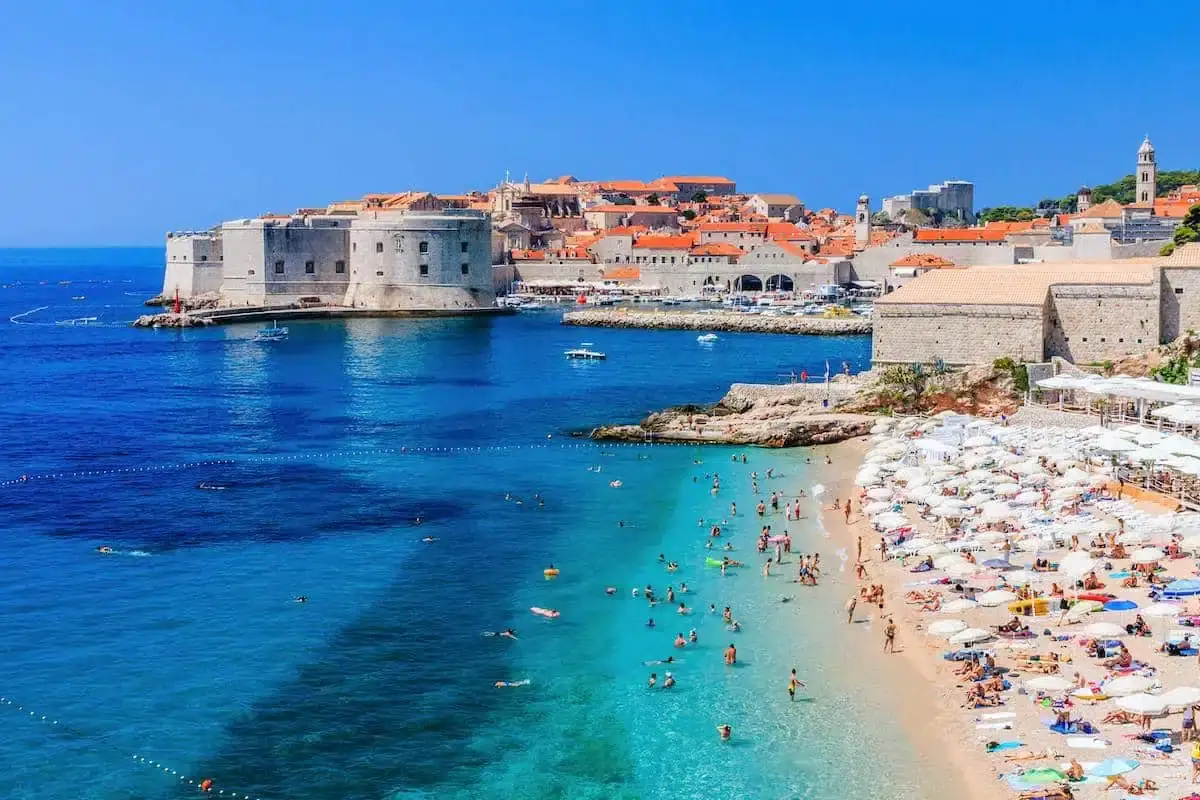
Dubrovnik is really two destinations: a small walled masterpiece and a string of beach-and-marina suburbs along the coast. Sleeping inside the walls is unforgettable and impractical in exactly equal measure — so the honest question is how you weigh atmosphere at dawn against stairs, noise and summer crowds. The suburbs answer differently, and the bus ride between them is short.
Search stays in Dubrovnik
Where to stay in Dubrovnik
Old Town (inside the walls)
Marble streets, baroque façades and the sea beyond the ramparts — with the city to yourself before eight and after the ships leave. The costs are real: stairs to most doors, no vehicle access, bar noise on summer nights and premium prices for often-small rooms.
See stays herePloče
Just east of the walls: the classic postcard view back at the Old Town, small beaches below and several of the city's finest hotels. A five-minute walk to the Ploče Gate — the ideal compromise of access and calm, priced accordingly.
See stays herePile & around
The western gate's quarter: guesthouses on the slopes above the entrance, with the bus hub and Lovrijenac fortress at hand. Handy and slightly cheaper than inside — expect steps up from the road to most accommodation.
See stays hereLapad
The peninsula of family beaches, a pedestrian seafront promenade and resort hotels 15–20 minutes from the walls by frequent bus. The right base for a longer, beach-first stay that visits the Old Town rather than lives in it.
See stays hereBabin Kuk
The tip of the Lapad peninsula: bigger resorts, quiet coves and sunset walks. The furthest of the practical bases — all-inclusive ease over spontaneity, best with children or a pool-centred plan.
See stays hereGruž
The working port: ferries to the islands, the daily market and honest apartment prices. No beach glamour, but for island-hopping itineraries and better value ten minutes from the walls by bus, it quietly makes the most sense.
See stays herePlaces to stay in Dubrovnik
Browse all staysPer-night prices for a sample 3-night stay — enter your dates for real ones
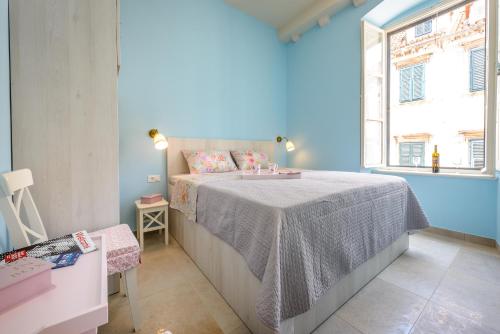
GuestHouse · 2 guests · 1 bd · 1 ba
Izmedju Polaca 26, Dubrovnik HR, 20000


Bed & Breakfast · 2 guests · 1 bd · 1 ba
2 Široka ulica, Dubrovnik HR, 20000

2 guests · 1 bd · 1 ba
5 Vara ulica, Dubrovnik Croatia, 20000
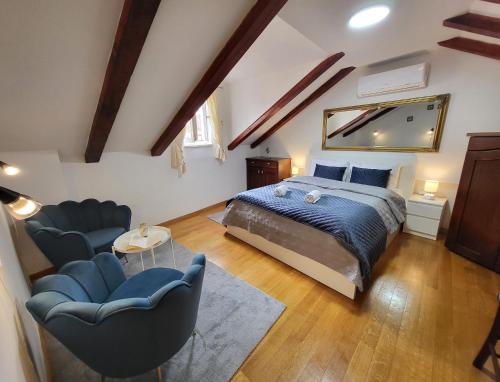
Apartment · 3 guests · 1 bd · 1 ba
Siroka 5, Dubrovnik HR, 20000
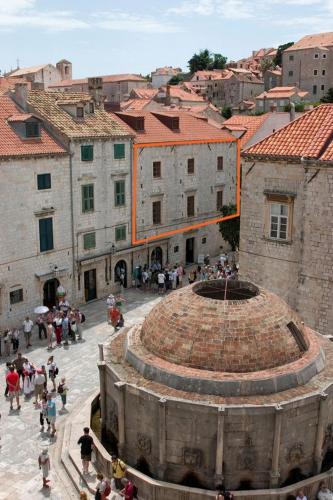
Aparthotel · 3 guests · 1 bd · 1 ba
Poljana Paska Milicevica 3,, Dubrovnik HR, 20000

Hotel · 3 guests · 1 bd · 1 ba
Od Sigurate 4, Dubrovnik HR, 20000
Good to know
- Check the cruise schedule the way locals do — on multi-ship days the Old Town is shoulder-to-shoulder from mid-morning to late afternoon. Walk the walls at opening or in the last entry window, and plan beaches or islands for the middle of the day.
- Inside the walls there is no vehicle access and almost every address involves stairs — with heavy luggage, arrange a meeting point with your host at one of the gates rather than discovering the climb alone.
- July and August combine peak heat, peak prices and peak ships; June and September deliver the same sea a few degrees kinder and noticeably cheaper.
- Croatia uses the euro, so no exchange games — but Dubrovnik prices in season run well above the rest of the country. Eat a street or two off the Stradun, or across in Gruž, and the bill halves.
- The islands are the pressure valve: Lokrum is ten minutes by boat, the Elaphiti under an hour by ferry from Gruž. On big-crowd days they are the better Dubrovnik.
When to visit
May–June and September–October are the sweet spot — swimmable sea, open everything and room to breathe on the Stradun. July and August are beautiful, brutal and expensive in equal measure. From November to March much of the tourist town shuts and hotels drop to a fraction of summer rates — atmospheric for a quiet escape, limited for a first visit.
Getting around
The airport shuttle meets flights and reaches the Pile Gate in about thirty minutes; there's no rail link and taxis cost several times more. The Old Town is entirely car-free, which sounds charming until you're carrying luggage up marble steps that turn into staircases without warning — check how far from a gate your accommodation actually is. Local buses connect Lapad and Ploče to Pile every few minutes. Buy the ticket at a kiosk rather than from the driver; it's cheaper. In summer the cable car and the coast road both jam when cruise ships are in, and the only reliable way to the beaches at midday is on foot.
Frequently Asked Questions
Practical answers to the things people ask before booking a stay in Dubrovnik.
Browse all staysIs staying inside the Old Town worth it?
For a first, short visit built on atmosphere — yes: dawn and late evening inside the walls are the best of Dubrovnik. For stays past three nights, families with luggage or light sleepers in July–August, Ploče or Lapad give you the walls when you want them and comfort when you don't.
How far is Lapad from the Old Town?
About 15–20 minutes by the frequent city buses, a little more in peak traffic. In exchange you get beaches, evening promenades and resort comforts at better prices — a trade most beach-first visitors are happy with.
When do the cruise crowds peak?
Roughly mid-morning to late afternoon on ship days, concentrated on the Stradun and the walls. Early morning and evening stay remarkably calm even in August — which is exactly the argument for sleeping in or near the Old Town.
Bookings are completed on our partners' websites. We may earn a commission at no extra cost to you.