Budapest
Where to Stay in Budapest: Areas Compared
Budapest is two cities with a river between them, and the choice is refreshingly clear: Pest has the restaurants, the ruin bars and nearly all the accommodation; Buda has the castle, the views and the early nights. Sleep in Pest, visit Buda — unless quiet romance is the whole point of the trip. Within Pest, the real decision is how close to the party you want to wake up.
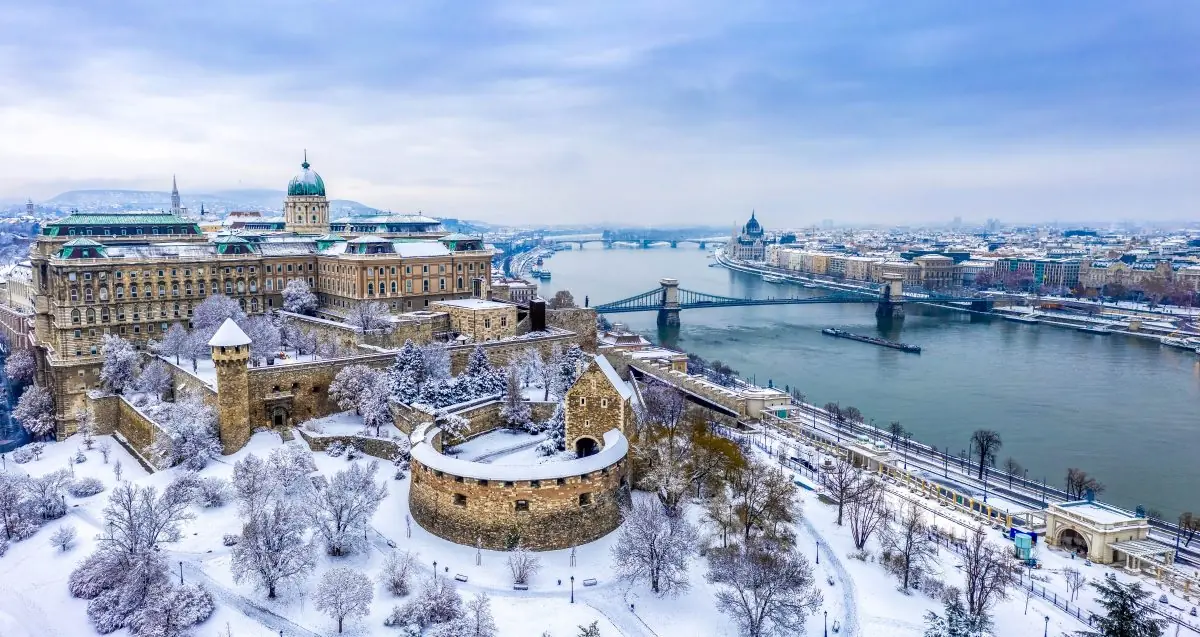
Search stays in Budapest
Where to stay in Budapest
District V (Belváros & Lipótváros)
The downtown showcase: Parliament, the basilica, riverside promenades and the smartest hotels. Central to everything and walkable to both bridges — the default first-visit base, priced accordingly but rarely unreasonably.
See stays hereDistrict VII (Jewish Quarter)
The ruin-bar quarter around the Great Synagogue — the densest nightlife in central Europe alongside genuine history. Brilliant fun and genuinely loud: courtyard-facing rooms or a street off the bar grid are the difference between joining the party and being kept up by it.
See stays hereDistrict VI & Andrássy Avenue
The elegant boulevard to Heroes' Square, with the Opera and streets of grand apartments. A short walk from the action but calmer at night — the best balance in Pest for travellers who want evenings out and sleep afterwards.
See stays hereCastle District (District I, Buda)
Cobbled streets, the palace and Fisherman's Bastion views across the river. Storybook by day, silent by ten — the romantic choice, with the understanding that every dinner beyond a handful of restaurants means crossing a bridge.
See stays hereDistrict IX (Ferencváros)
The regenerating quarter behind the Great Market Hall, along tram lines and the Danube. Newer apartments and honest prices ten minutes from the centre — a value pick that keeps improving year on year.
See stays hereDistrict VIII (Palace Quarter)
Faded aristocratic streets around the National Museum, now filling with cafés and students. Rougher edges remain further out, but the inner blocks offer character and space at prices central Pest can't match.
See stays herePlaces to stay in Budapest
Browse all staysPer-night prices for a sample 3-night stay — enter your dates for real ones

4 guests · 1 bd · 1 ba
Hercegprímás utca 5., Budapest Hungary, 1051

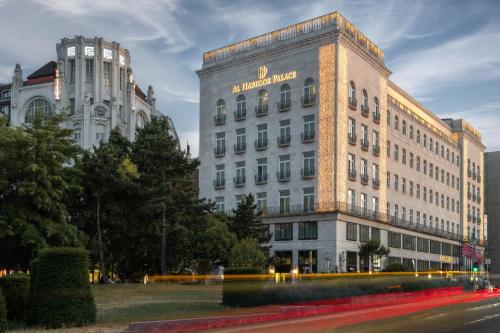
6 guests · 3 bd · 3 ba
Erzsébet tér 9-10., Budapest Hungary, 1051

3 guests · 1 bd · 1 ba
Erzsébet tér 7-8., Budapest Hungary, 1051
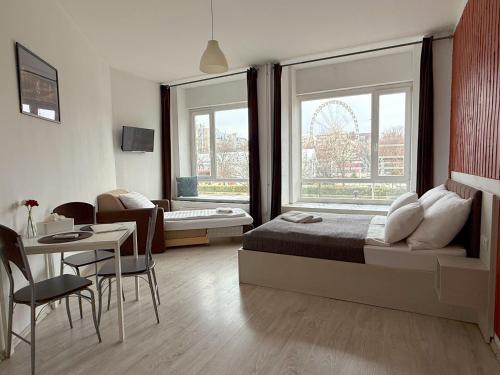
Apartment · 4 guests · 2 bd · 1 ba
Bajcsy-Zsilinszky út 5 félemelet 1/a, Budapest HU, 1065
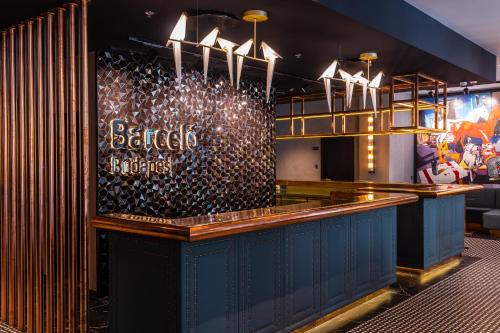
3 guests · 1 bd · 1 ba
16 Király utca, Budapest Hungary, 1061

6 guests · 3 bd · 2 ba
Király utca 8., Budapest Hungary, 1061
Good to know
- Hungary uses the forint, not the euro. Pay in forint by card everywhere, and when a terminal offers to charge you in euros, decline — that conversion is never in your favour.
- The thermal baths are the city's institution: Széchenyi for the spectacle, Gellért for the architecture, Rudas for the Ottoman dome. Bring flip-flops and a towel or rent them, and go on a weekday morning to have the pools at their calmest.
- The 100E airport express bus runs direct to the centre around the clock on its own ticket; the regular 200E-plus-metro route is cheaper and fine outside rush hour with light luggage.
- A river-view room in District V is the classic Budapest splurge — but the same view is free from any bridge at sunset. Spend the difference on a dinner cruise or a bath instead if the budget is tight.
- In District VII, check the review keywords for 'noise' before booking anything, and treat a quiet courtyard as worth more than an extra star.
When to visit
April to June and September to October are Budapest at its best — terrace weather without the August heat. The Sziget festival in mid-August fills the city and lifts prices for a week. December's Christmas markets and bath-steam evenings are genuinely atmospheric; January and February are cold, quiet and the year's best value, with the thermal baths at their most appealing.
Getting around
The 100E airport bus runs straight to Deák Ferenc tér in about forty minutes and takes a dedicated ticket, not a standard one. In town, metro line 1 is a wooden-carriage relic under Andrássy út and worth a ride in itself. Pest is flat and walkable; Buda is not, and the Castle District means either a funicular, a bus or a real climb. The number 2 tram along the Danube costs an ordinary fare for one of Europe's best views. Tickets must be validated before you board the tram, and inspectors wait at the busier stops.
Frequently Asked Questions
Practical answers to the things people ask before booking a stay in Budapest.
Browse all staysShould I stay in Buda or Pest?
Pest, for almost everyone — that's where the restaurants, bars and most sights are, and where evenings happen. Buda's Castle District is the exception for a quiet, romantic trip built on views. Whichever you pick, the other side is a bridge and a tram ride away.
Is the Jewish Quarter too loud to sleep in?
The core bar streets, yes — weekends run to 4am. But the district is small: a block or two off the grid, or a courtyard-facing room, gives you the location without the soundtrack. Light sleepers do better in District VI next door.
Is Budapest still good value?
By western European standards, clearly yes — food, transport and the baths cost well below Vienna, one train away. Central hotel rates have climbed, but apartments and Districts VI, VIII and IX keep the value story intact.
Bookings are completed on our partners' websites. We may earn a commission at no extra cost to you.